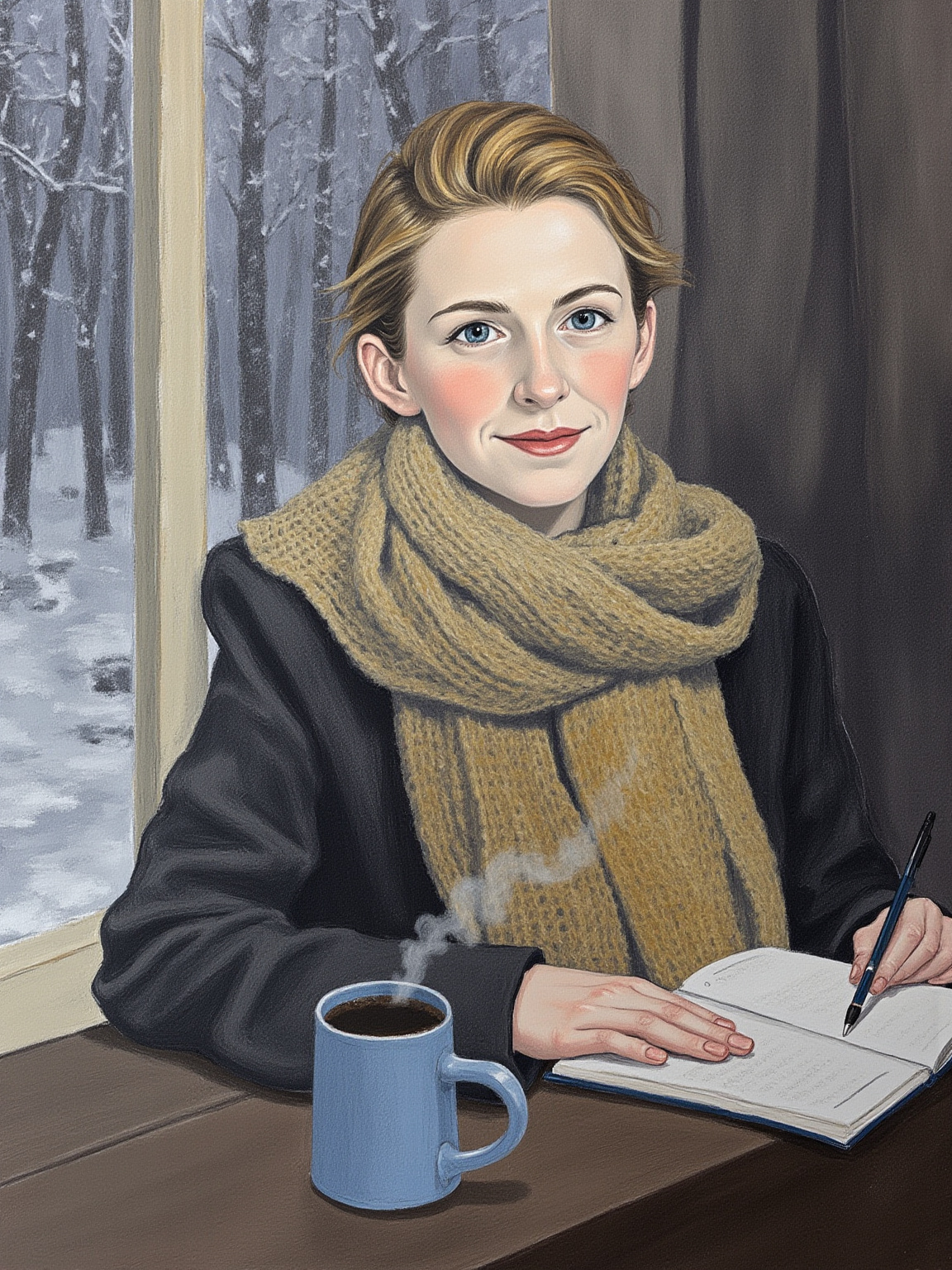
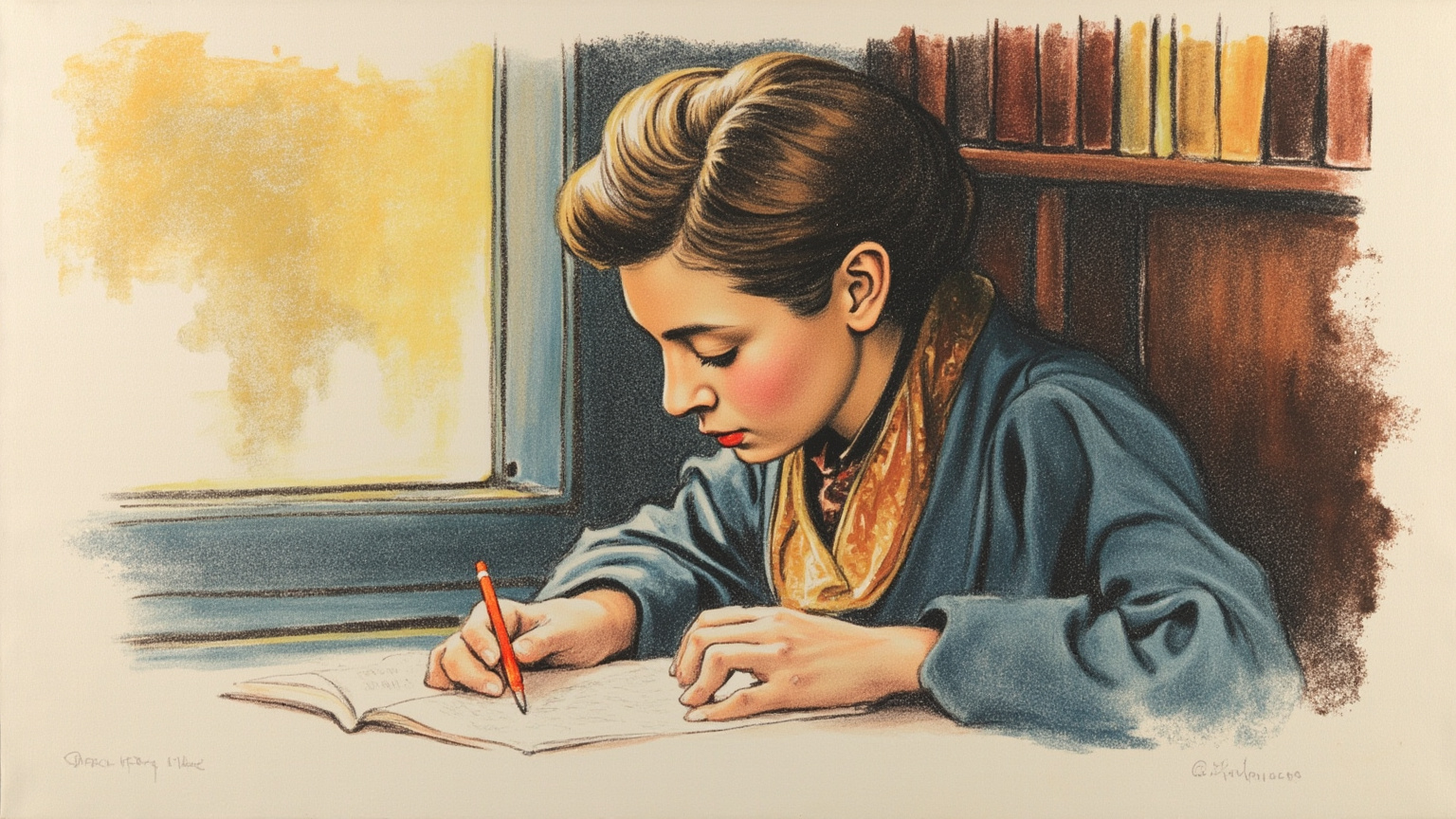
A confession from late in Hemingway's life: what it actually felt like to write fiction hungry, young, and broke in Paris.
Text and illustrations produced by the pipeline
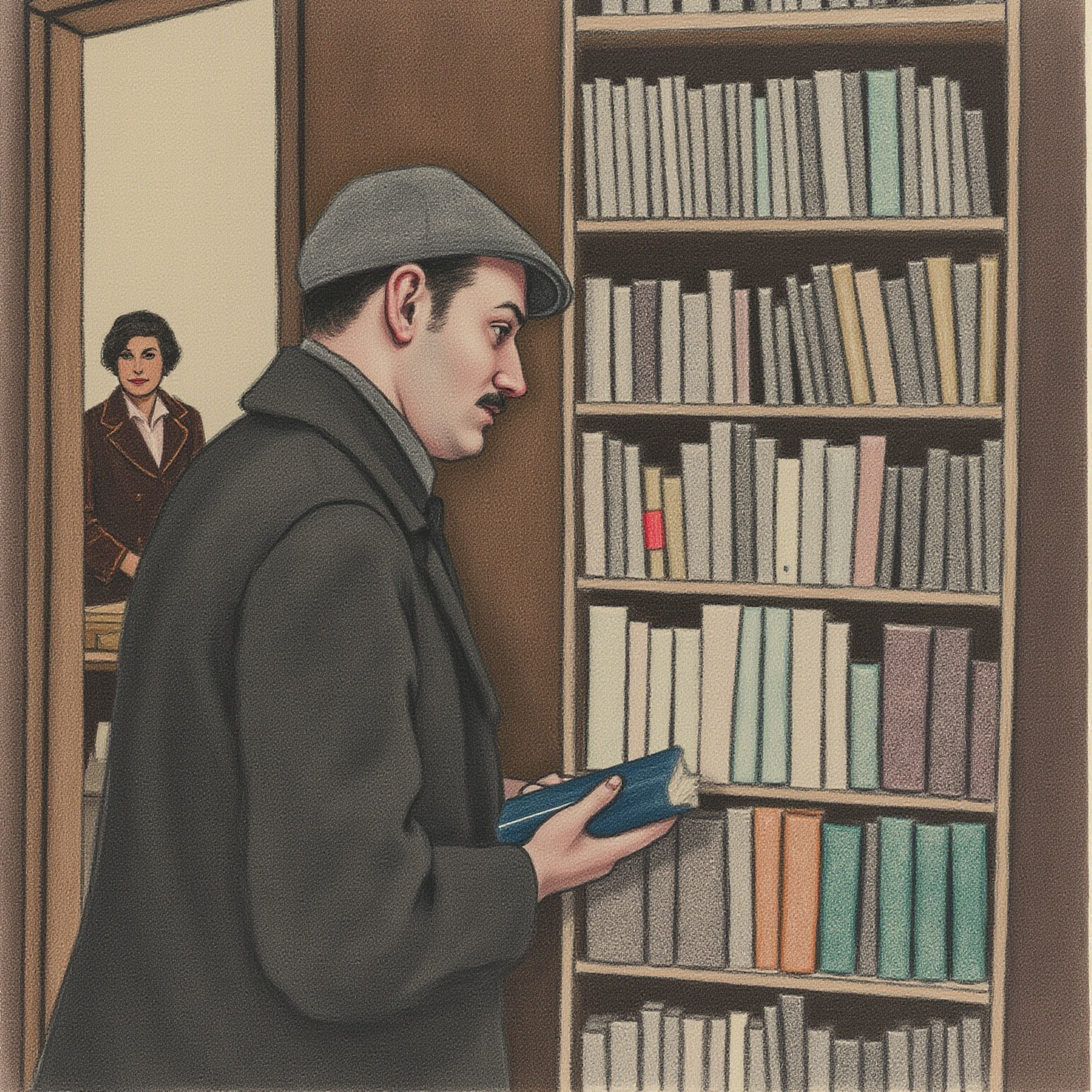
In the early nineteen-twenties, a young American without a cent to spare walked shyly into an English-language bookshop on the Left Bank of the Seine. The owner, Sylvia Beach, looked up, asked for no deposit, and pulled a few books off the shelf: read them first, the money could wait. He remembered that scene for the rest of his life. The young man was Ernest Hemingway - in his early thirties, no, his early twenties, freshly arrived in Paris from America with his first wife, with barely enough money left for a second metro ticket. The book called A Moveable Feast is what he made of that hungry stretch of years, decades later, sitting at a desk and working it back into shape, inch by inch.
A Moveable Feast is a memoir Hemingway never lived to see published. He wrote it across the last years of his life, but it did not come out until 1964, by which point he was already gone. His fourth wife, Mary, put the manuscript together from what he left behind. So every page you read is a man in his sixties looking back at himself in his twenties, and the voice carries nostalgia, regret, and something like admiration for the nerve he once had, all at once. Hemingway himself left a line up front: read it as fiction if you like. He knew his own memory had been pickled by time long before he sat down to write it.
The 'I' of the book is Hemingway in his early twenties, a broke Paris correspondent for the Toronto Star who wrote short stories on the side. Beside him is his first wife, Hadley, a few years older, a pianist, gentle as an old blanket. They lived above an old sawmill on the Rue du Cardinal Lemoine, and the whine of the saw came up through the floorboards all day. Between them they never had enough money to make it to the end of the month, and they always maintained these were the happiest years of their lives.
Orbiting them was a whole circle of people who would later become literary marquee names: Sylvia Beach, who ran Shakespeare and Company; Gertrude Stein, who held salon at Rue de Fleurus; the poet Ezra Pound, forever hustling on behalf of broke artists; and Scott Fitzgerald, fresh off writing The Great Gatsby, along with his wife Zelda. This was the circle that later got the label the Lost Generation.
In literary history, this book comes close to defining the phrase Lost Generation on its own, though Hemingway wore that label reluctantly. The line from Ecclesiastes he set as an epigraph - "One generation passeth away, and another generation cometh: but the earth abideth for ever" - was really his own quiet argument against it.
A guide like this one gives you the map. The book itself is the land. No summary can hand you Hemingway's sentences, stripped down to something almost brutal - hunger becomes a stomach wrung out like a rag, a cold Paris winter becomes broken ice drifting on the Seine. And that confessional tone, an old man telling the person he loved most in his youth that he was the one who ruined it, is something no summary can rebuild either. You have to go turn those short sentences yourself and watch a hard man try, clumsily, over and over, to say he's sorry in as few words as possible. It's the last letter he wrote to Hadley, and it's addressed, too, to everyone who was ever poor and in love and unfaithful when they were young.
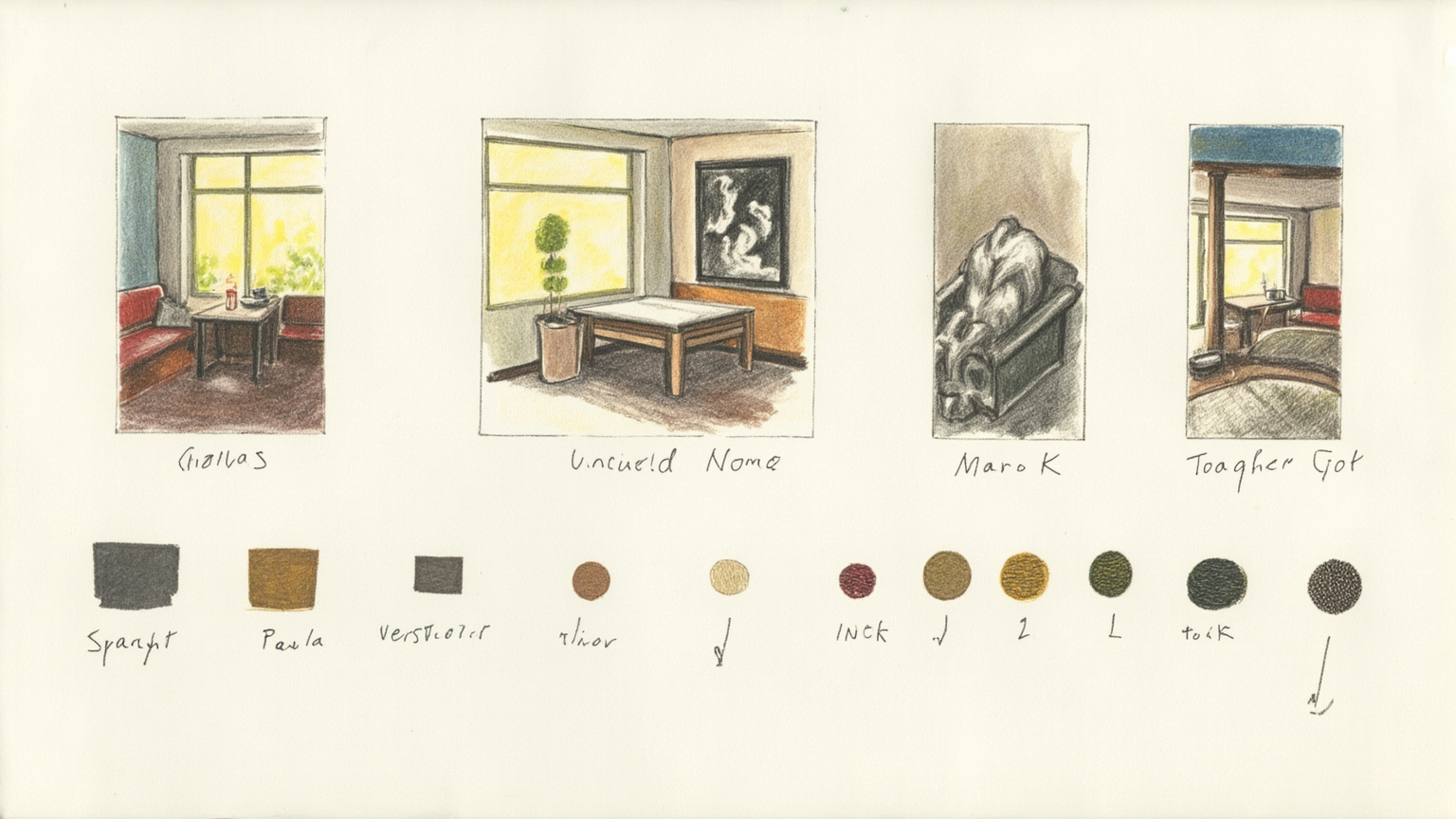
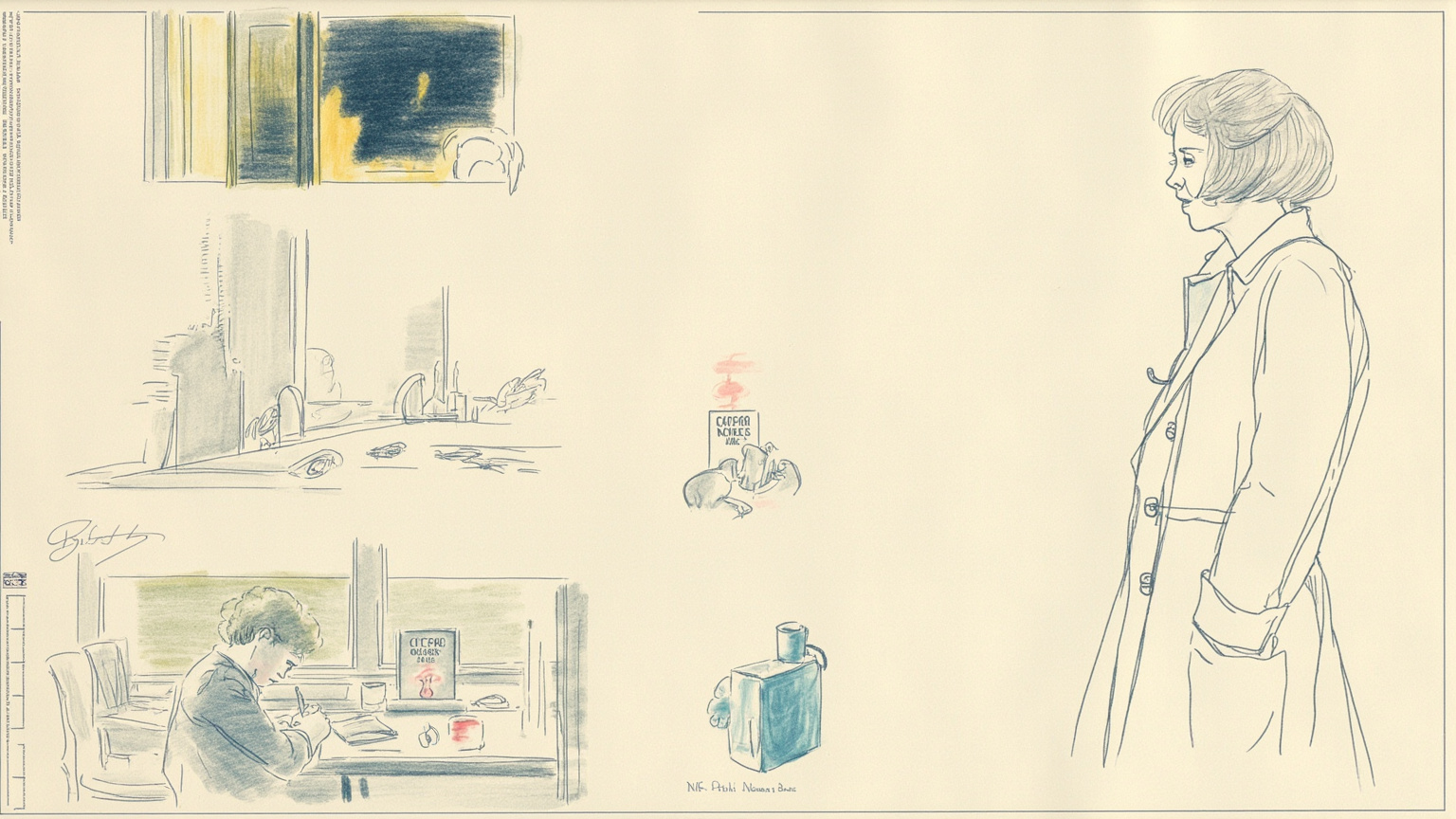
Before the guide was written, this book got a visual foundation — every illustration you just read grew out of it.
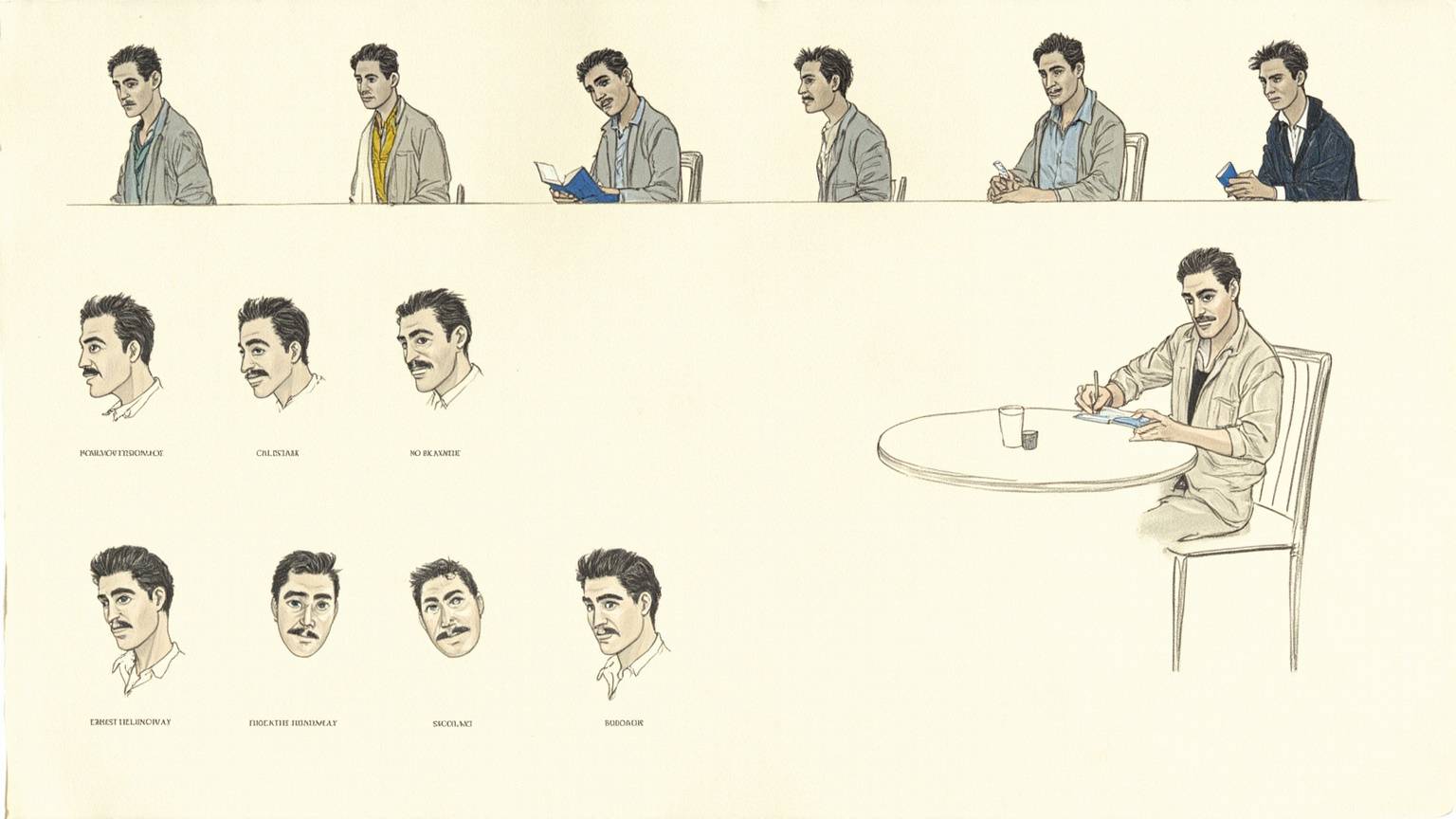
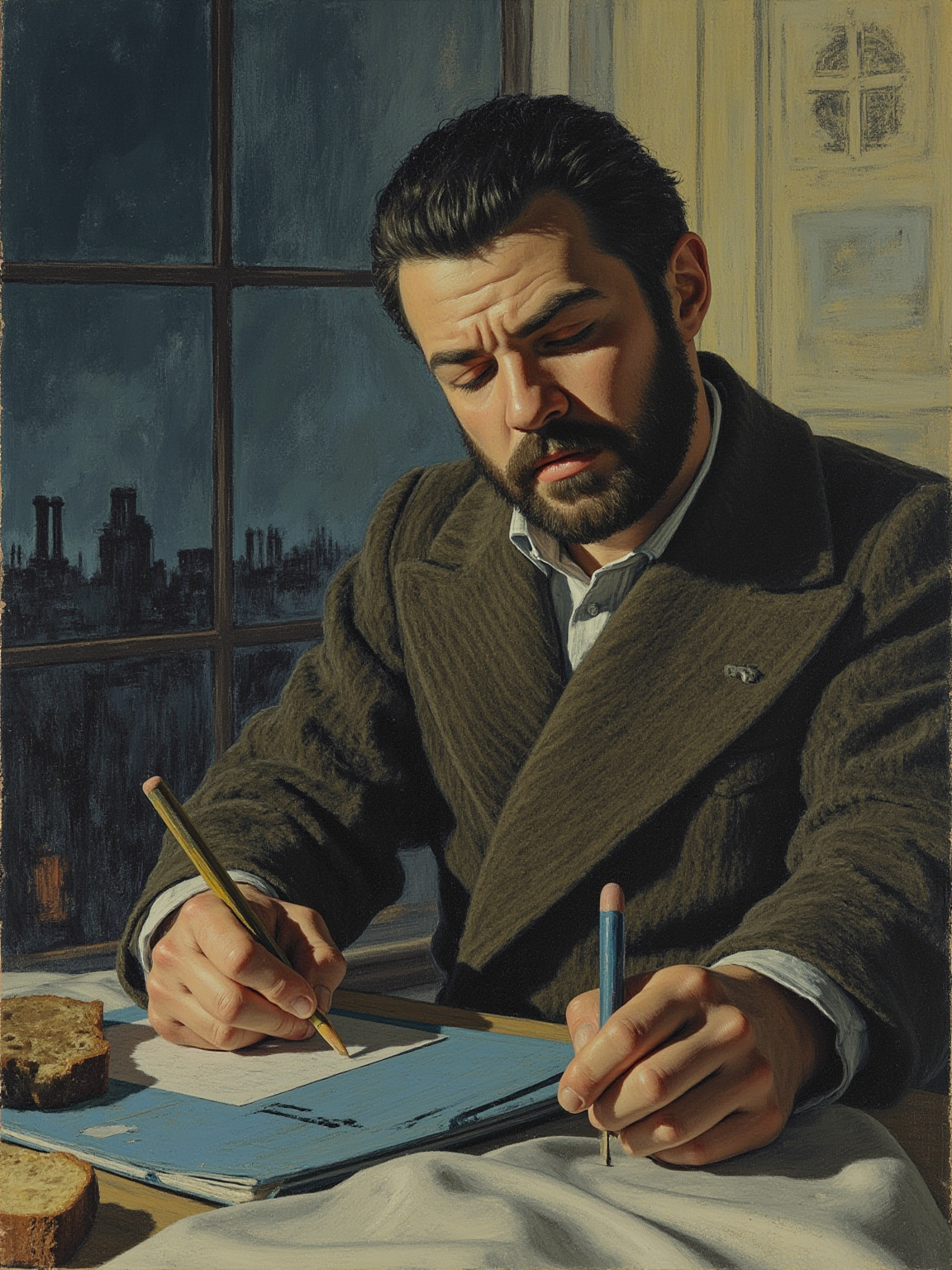
Late in 1921, Hemingway and Hadley arrived in Paris with their suitcases and almost no money, living off the odd check from the Toronto Star and a small trust fund of Hadley's. The apartment above the sawmill was cramped, the winters brutal, the stove never quite warm enough. There wasn't enough money to do two things at once, eat or go look at the Cezannes at the Musee du Luxembourg. Hemingway often chose the paintings. He would go home hungry from looking at Cezanne, sit down at the small table, open the blue notebook, and wear down a pencil stub on another short story.
Hemingway described that stretch of life in two words that sat side by side without contradiction: desperately poor, wildly happy. He treated hunger as fuel for the work, and the money saved on meals as a kind of banked dignity. The famous line set before the book, that if you were lucky enough to live in Paris as a young man, it stays with you wherever you go for the rest of your life, because Paris is a moveable feast, was pulled by the editors from something he said late in life; his biographer A. E. Hotchner traced it to an offhand remark from a conversation sometime in the middle of the century.
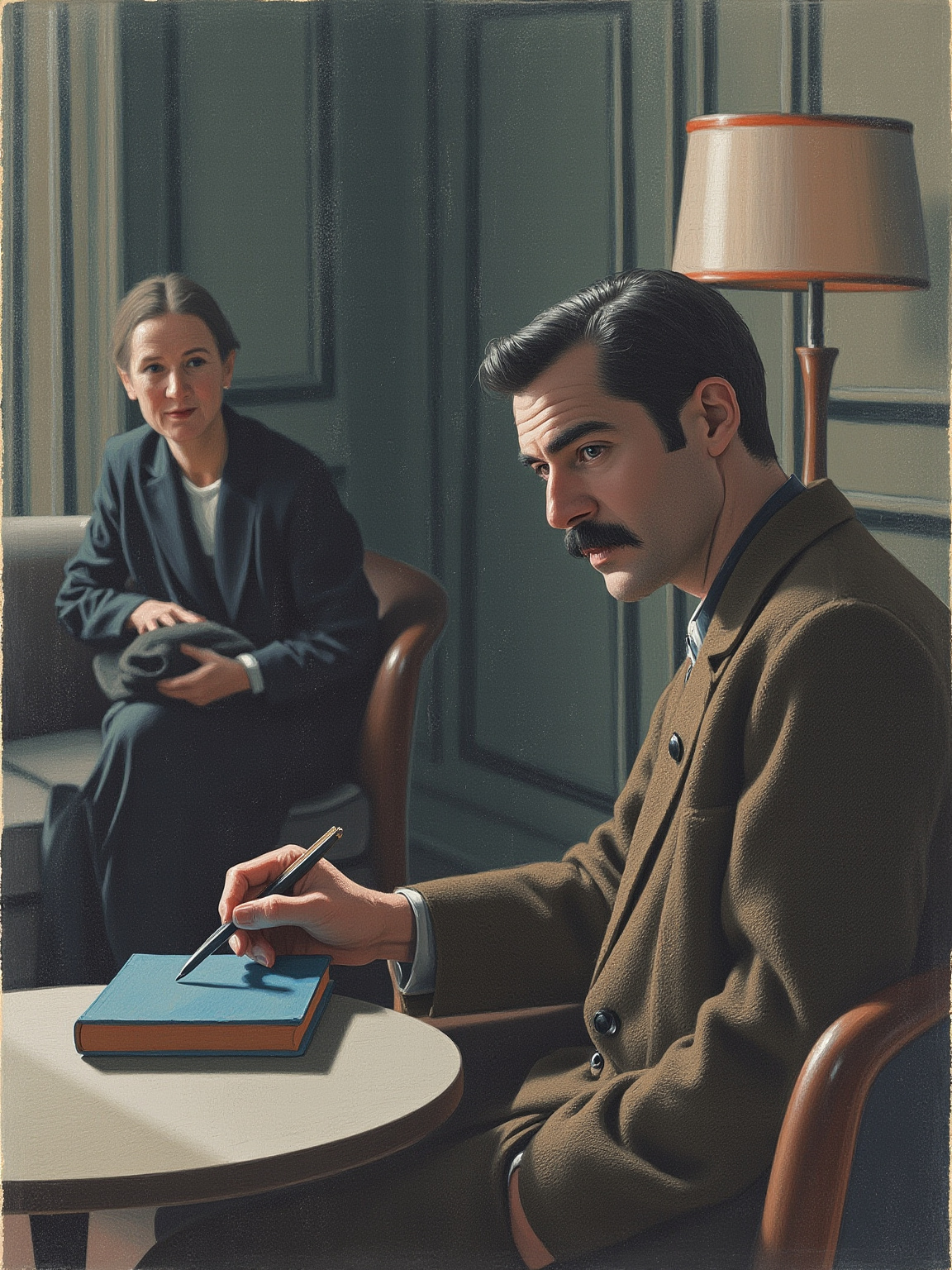
In Paris he had two anchors. One was Shakespeare and Company, a bookshop in name, but really more of a lending library for people with no money. Sylvia Beach knew his face, never chased him for what he owed, and usually just said take it and read it. Most of the young people on the Left Bank who couldn't afford books but couldn't do without them had signed that same lending card at some point. The other anchor was the Closerie des Lilas, a marble table by the window. He would order the cheapest coffee on the menu, hold the pencil between his fingers, and grind out one short story after another - that threadbare discipline became, later, the root of everything his prose was built on.
He owed his ability to write in Paris to two older writers. At 27 Rue de Fleurus, Gertrude Stein's walls were covered in Picassos, and in that living room she went through his manuscripts line by line, telling him what didn't work and why. It was also in that room that she repeated something a garage owner had said to a mechanic's apprentice: "You are all a lost generation." Hemingway later printed the line as an epigraph, though he was never fully comfortable wearing the label himself. The other elder was the poet Ezra Pound, who taught him to box, played the violin badly and didn't care, and regularly handed over what little money he had to writers even poorer than himself. Hemingway writes about him in the book like a man describing a saint.
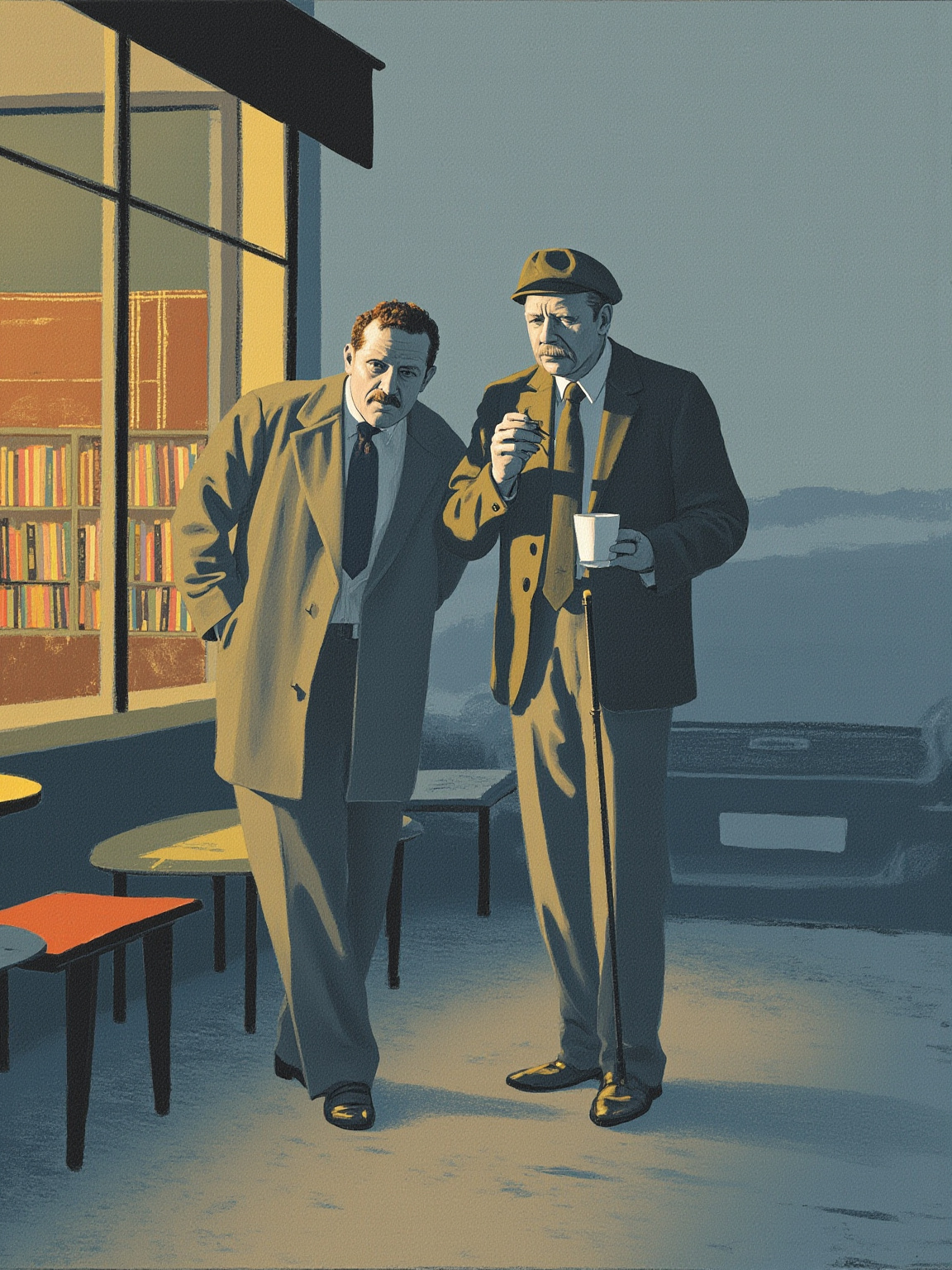
Hemingway and Fitzgerald, who had already written The Great Gatsby, drive back to Paris together from Lyon, and it's the liveliest chapter in the book. They drink the whole way and bicker the whole way. Hemingway's portrait of Fitzgerald is startlingly personal: hypochondriac fits, indecision, dragged around by his wife Zelda's moods, his ability to work slipping away from him. He's hard on Zelda, close to blaming her outright for wrecking her husband's talent. Later readers have mostly found the portrait unfair, since it's only Hemingway's side of the story. But it also shows you how fragile a writer of that era could be - under the literary shine, a middle-aged man being worn down by drink and marriage.
Around Christmas the Hemingways would go skiing in Schruns, a small town in the Vorarlberg region of western Austria. The cabins were cheap, the snow deep, and after their son Bumby was born, the three of them holed up there together waiting out the winter. It's the warmest domestic writing in the book, and Hemingway said as much himself: of all his memories of home, this was the steadiest one. Skiing, fishing, hunting - that sense of the body being tested outdoors is where the taut, physical masculinity of his later fiction comes from.
The book doesn't end warmly, though. Pauline Pfeiffer, a friend of Hadley's and the Paris correspondent for Vogue, entered the marriage. She showed up first as a friend, shopping with Hadley, helping with the baby, helping Hemingway with his manuscripts, and then, gradually, became the other woman. Hemingway eventually married her, and by the time he sat down to write this book he was well into his fourth marriage. Near the end he does something he rarely does anywhere else: he takes the blame entirely on himself, calls Hadley the one he truly loved, and says those poor years in Paris were the only real paradise he ever had, and that he was the one who tore it down.
So keep this in mind while you read: this is a man in his sixties looking back at himself in his twenties, with three marriages, a suicide attempt, a Nobel Prize, and a pile of war reporting standing between him and that younger self. The Paris in this book is beautiful, poor, and paradisal partly because it genuinely was those things, and partly because a memoirist has to brighten the past before he can bear to write it down. That filter is what makes this the most famous Paris memoir of the twentieth century, and it's also why the portraits of Zelda and Fitzgerald tilt so far to one side.
This is a book of nostalgia written in the voice of a confession - he writes about how happy Paris made him precisely because he already knows he was the one who tore that happiness down.
On the surface it's about the circle of broke writers on the Left Bank in the nineteen-twenties. Underneath, it's really about two things. One is that particular state of being young - poor and ambitious at once, hungry enough to still fight for a good sentence. The other is how unreliable memory is: how fondly a person remembers the past often tracks how much they regret the present. Hemingway lets himself show tenderness and regret here in a way he rarely does elsewhere, and against a career built on clipped, telegraphic prose, this book reads like a rare piece of writing meant just for himself.