Anna Karenina · Companion Guide
安娜·卡列尼娜
当一个女人为爱放弃一切,整个上流社会却用“体面”二字将她活活闷死——这不是婚外情的悲剧,而是一场道德审判的拷问。
Let's start with a man who cheats
Do you have a friend like that—wife and kids at home, and still swaggers around having affairs, then comes home grinning like it's no big deal? In the aristocratic circles of 1870s Russia, men like that were a dime a dozen. But flip the genders in this plot: what if it's the woman who cheats? How would she be treated? What would she become? Someone turned that question into a seven-hundred-page novel, and it became the sharpest blade in world literature.
What kind of book is this
Anna Karenina is one of the major novels Tolstoy wrote in his forties, first serialized in the 1870s and published as a complete standalone edition in 1878. It's usually paired with War and Peace as the twin peaks of Russian realist fiction, but the two read very differently—War and Peace is a panorama of nations swept up in the tide of history, while this one keeps the camera locked on a single marriage, a single affair, a single woman's inner life. Its most famous mark on literary history is the opening line—all happy families are alike, each unhappy family is unhappy in its own way—a single sentence that lays out everything the book is about to cut open.
The cast, and the world that drives them mad
First, the people. Our heroine Anna is a Petersburg noblewoman married to the senior official Karenin—a dignified, rigid man who wears religion and rank like armor. Anna's brother Stiva is an aristocratic official who cheats constantly; his wife Dolly is a long-suffering, conventionally dutiful wife. Vronsky, whom Anna meets at a ball, is one of the handsomest young officers in the Imperial Guard. Kitty is Stiva's sister-in-law, a young noblewoman once thoroughly smitten with Vronsky; Levin is an unsociable country squire who spends his days wrestling with crops and philosophy. Here's how they're all tangled together: Stiva and Dolly are on the verge of divorce, and Anna comes from Petersburg to smooth things over—only to talk her sister-in-law down and then fall into an identical affair of her own. Kitty had been expecting Vronsky to propose, and instead he arrives with Anna. Heartbroken, she turns down Levin's proposal. And once Anna and Vronsky catch fire, it never goes out. The whole world is just the aristocratic salons, balls, theaters, and racetracks shuttling between the two capitals, plus Levin slogging away on his country estate. The rule is crystal clear: a man can do whatever he wants out there, but the moment a woman's feelings are real, she's finished.
The plot: the anatomy of an affair
I. A family crisis and a glance at the train station
The spark for the whole novel is something that sounds almost trivial—Stiva has cheated again, and even the plump housekeeper can't stand it anymore. Dolly finds out and blows up, while Stiva looks utterly innocent, as if to ask what the fuss is about. The household is in chaos, so they send for his sister Anna, all the way from Petersburg, to mediate. And at the very train station where Anna arrives in Moscow—amid the crowd, the whistle, the platform swaying underfoot—she meets the young officer on duty, Vronsky. Tolstoy doesn't give them a single spark of dialogue; he simply has the two of them exchange a glance in the crowd, and that's how he tells you: it's coming.
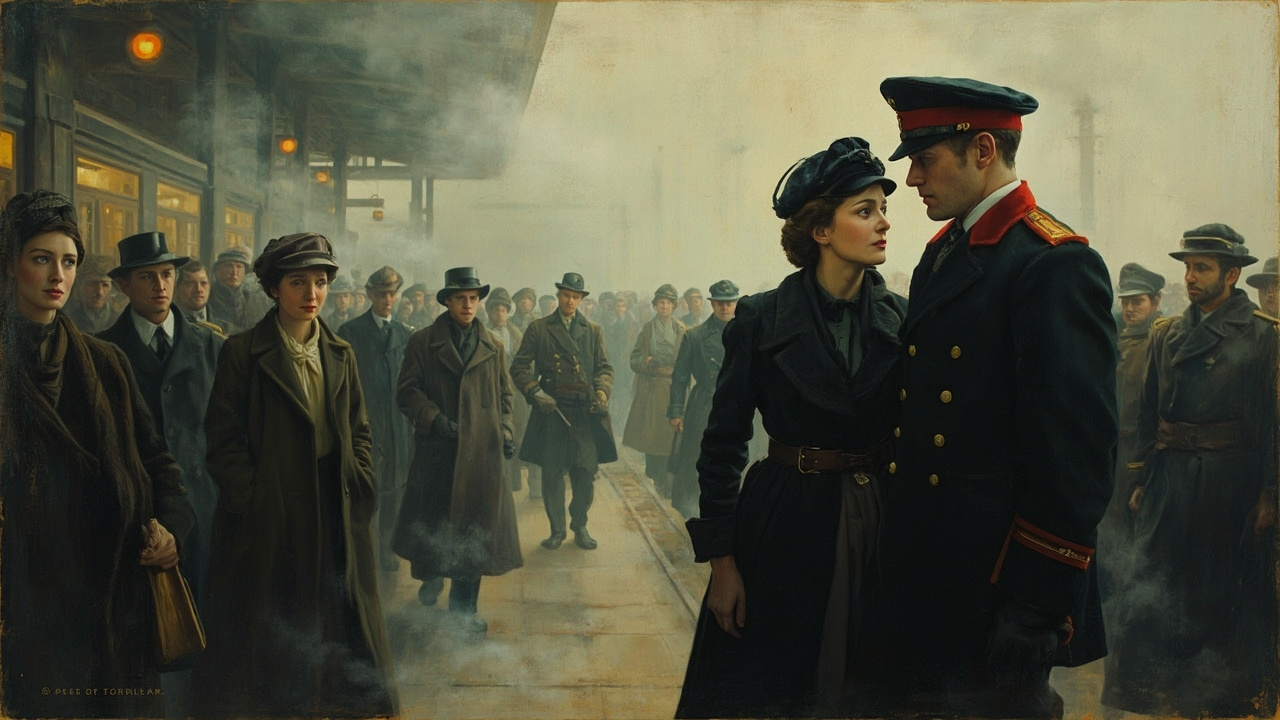
"'I know a gallant steed by tokens sure, And by his eyes I know a youth in love,'"
凭骏马可知名骑,观其目可识少年情。
原文金句 · 第4%书程 · 莫斯科火车站
II. A chain reaction at the ball
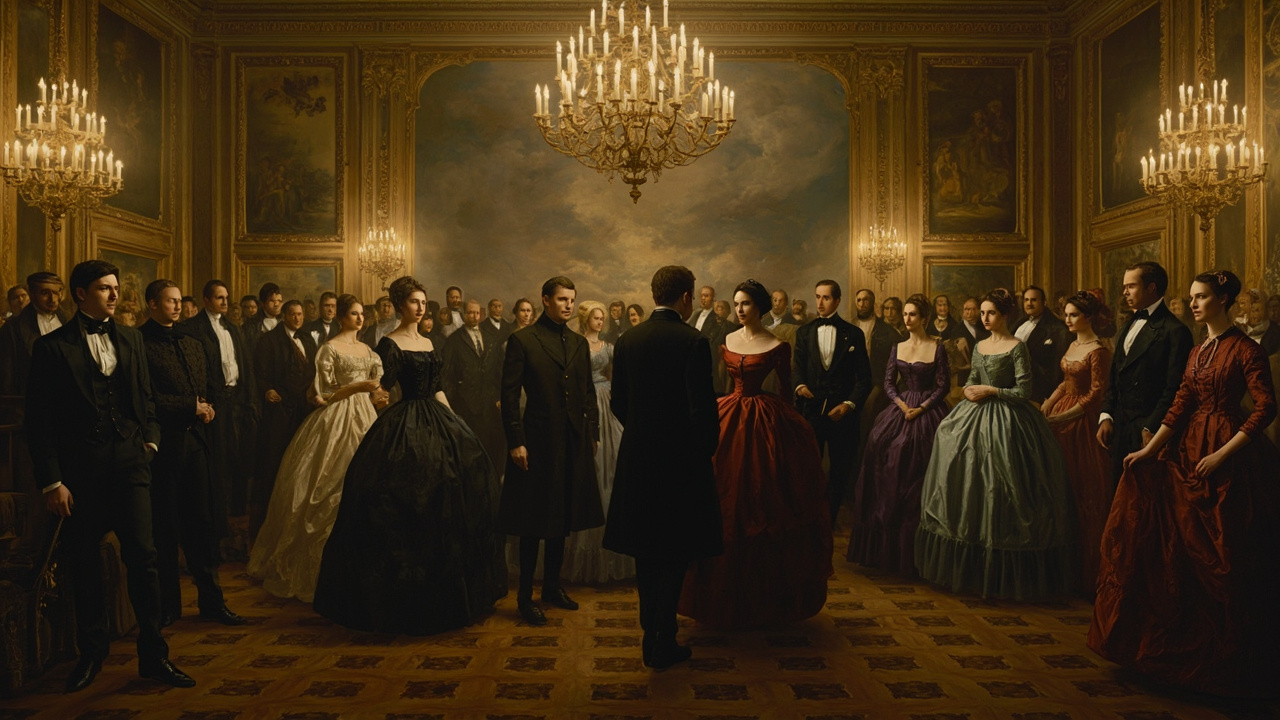
The ball is the moment everything's order gets scrambled. Anna had gone as Kitty's sister-in-law, meant to help broker a match for her—instead, Vronsky's eyes stay fixed on Anna all night, Kitty's hopes collapse, and Levin, who seizes the chaos to declare himself, gets a cold shoulder too. Of the four people in that room that night, two are thrown into disarray by one baffling woman—one drawn in, one cast aside. You can see exactly what Tolstoy is doing here: he refuses to let you side with any single person, because every stroke of feeling is tied to a wound in someone else. Anna's beauty is cut straight out of Kitty's heartbreak—this small structure of what you gain is what I lose recurs throughout the whole novel.
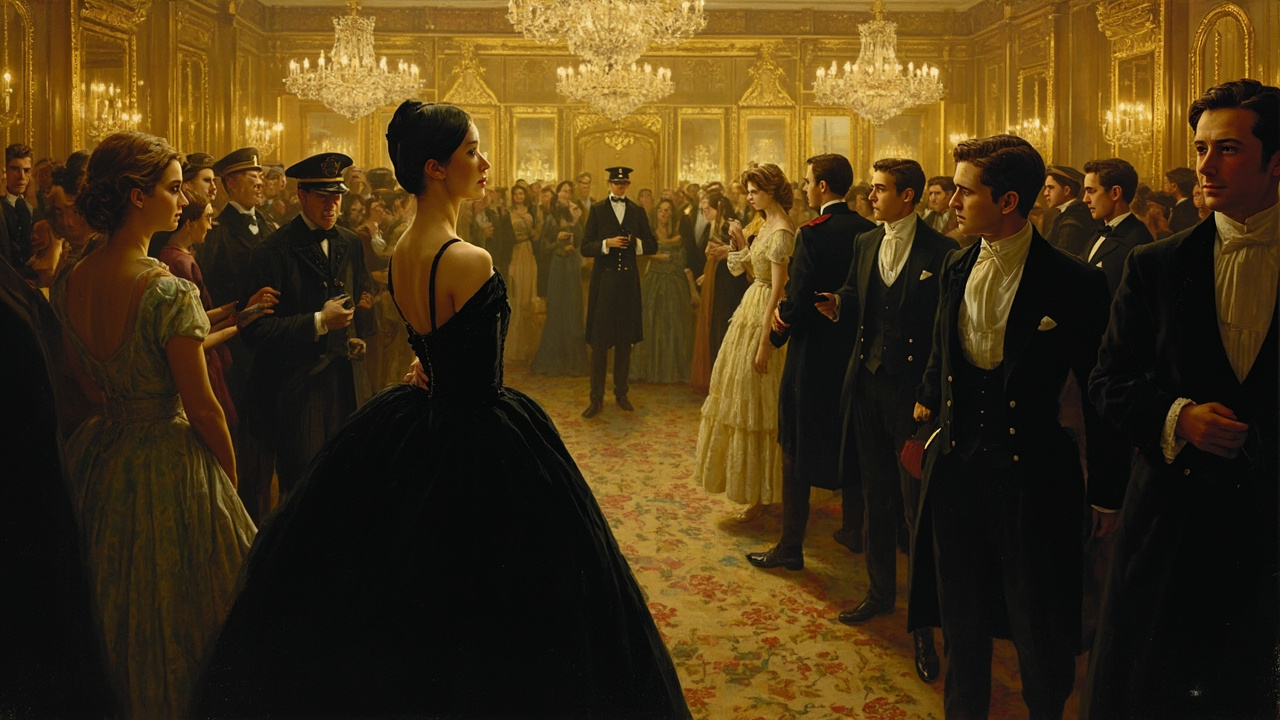
"I often think men have no understanding of what's not honorable though they're always talking of it,"
我常觉得,男人总把荣誉挂在嘴边,却根本不懂什么是不名誉。
原文金句 · 第17%书程 · 舞会之后
III. Once in love, there is no going back
Once Anna and Vronsky's feelings for each other take hold, Tolstoy writes their slide from stolen glances to no return with an almost clinical calm. Karenin enters the picture here—and his reaction isn't anger but a suffocating, lofty forgiveness: at Anna's sickbed he announces that he will preserve the marriage's respectability through Christian mercy. That greatness crushes the breath out of Anna, and only convinces her more firmly that she has to leave. What's interesting is that Tolstoy never turns Karenin into a villain. What he shows you is a man welded shut by social convention, whose greatest possible tenderness is I'm willing to pretend nothing happened. That tenderness is more terrifying than violence, because it forces the other person into the role of the ungrateful one.
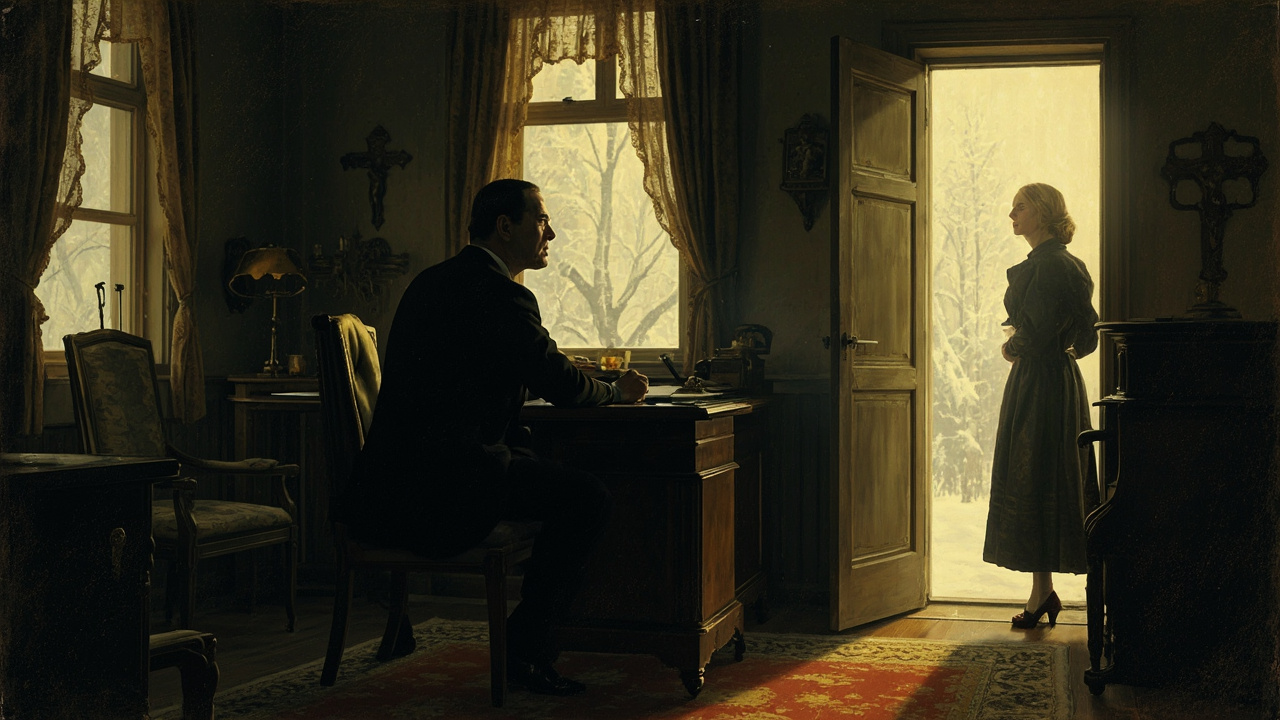
"You don't admit, I know, that one can be fond of new rolls when one has had one's rations of bread-to your mind it's a crime; but I don't count life as life without love,"
你总说,人有了面包就不该再贪恋新烤的面包卷;但对我而言,没有爱的生活根本不叫生活。
原文金句 · 第20%书程 · 爱之宣言
IV. Leaving, and abandoning the child still calling for his mother
Anna nearly dies in a difficult childbirth, and Karenin, shaken, almost takes her back—but once she recovers, Anna can no longer go back to that life. She follows Vronsky to Europe, staying in Italian hotels and a Roman apartment, living a respectable-looking life together. The price is her son Seryozha, left behind in Petersburg, whom she never gets to properly say goodbye to. Levin's story quietly unfolds in this stretch: rejected by Kitty, he returns to the countryside and throws everything he has into farm reform and the clumsy question of what living is even for. He wants to mow hay alongside the peasants, wants to turn serfs into prosperous farmers, wants to work out whether he can believe in anything without the Church—and then, at a chance country reunion, Kitty finally, at just the right time, marries the right man.
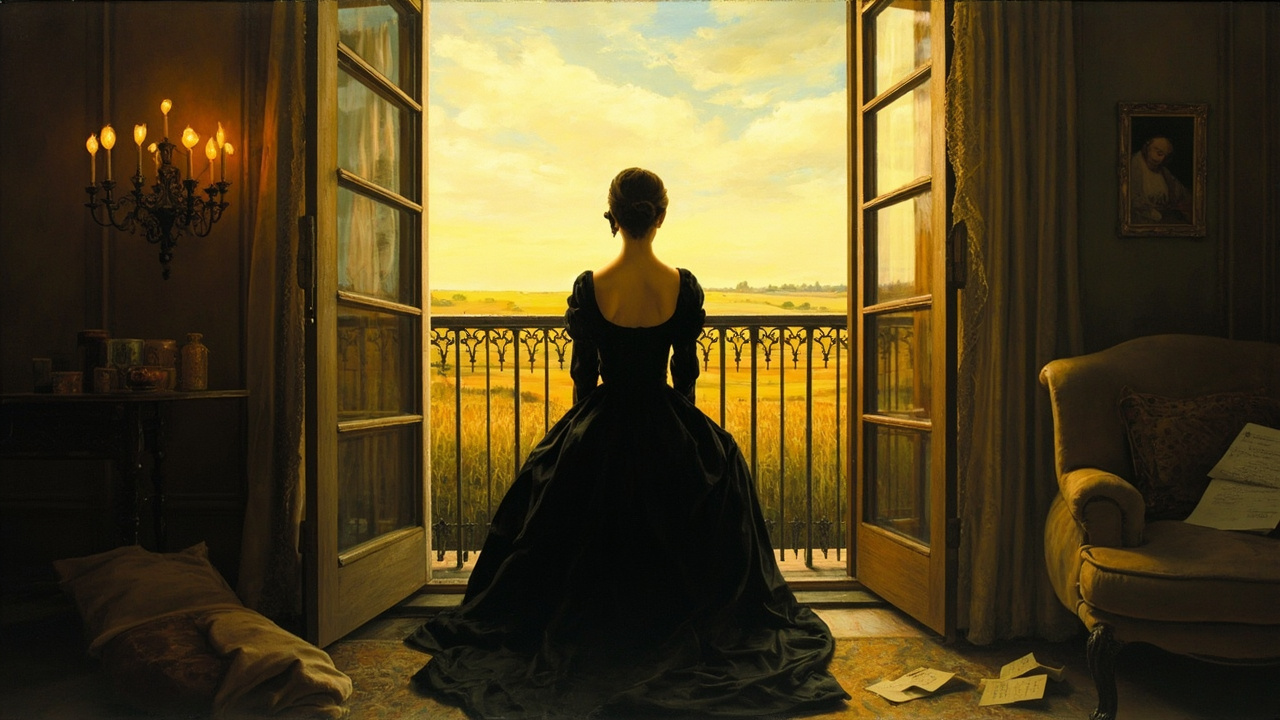
"But, for God's sake, which is better?-leave your child, or keep up this degrading position?"
看在上帝的份上,怎样更好?——丢下孩子,还是继续这种屈辱的处境?
原文金句 · 第39%书程 · 选择的时刻
V. Society's rejection, and two lives coming apart
Anna and Vronsky return to Petersburg from Europe hoping to re-enter society, and instead run into an invisible wall. The society ladies won't receive her; the woman in the next box at the theater shifts her seat away; everyone in Karenin's circle steps on Anna with the politest smiles imaginable. Tolstoy renders this social death with striking precision—it isn't that anyone comes to insult you, it's that no one comes at all. Meanwhile Anna starts to spiral into suspicion: if Vronsky comes home an hour late she goes half mad, if he mentions going to the races she thinks about taking poison. Tolstoy pushes the suffocating way they torment each other right to the edge of stream of consciousness—Anna's mind becomes a churning, repetitive undertow, and the harder she tries to possess him completely, the harder she drives him away.
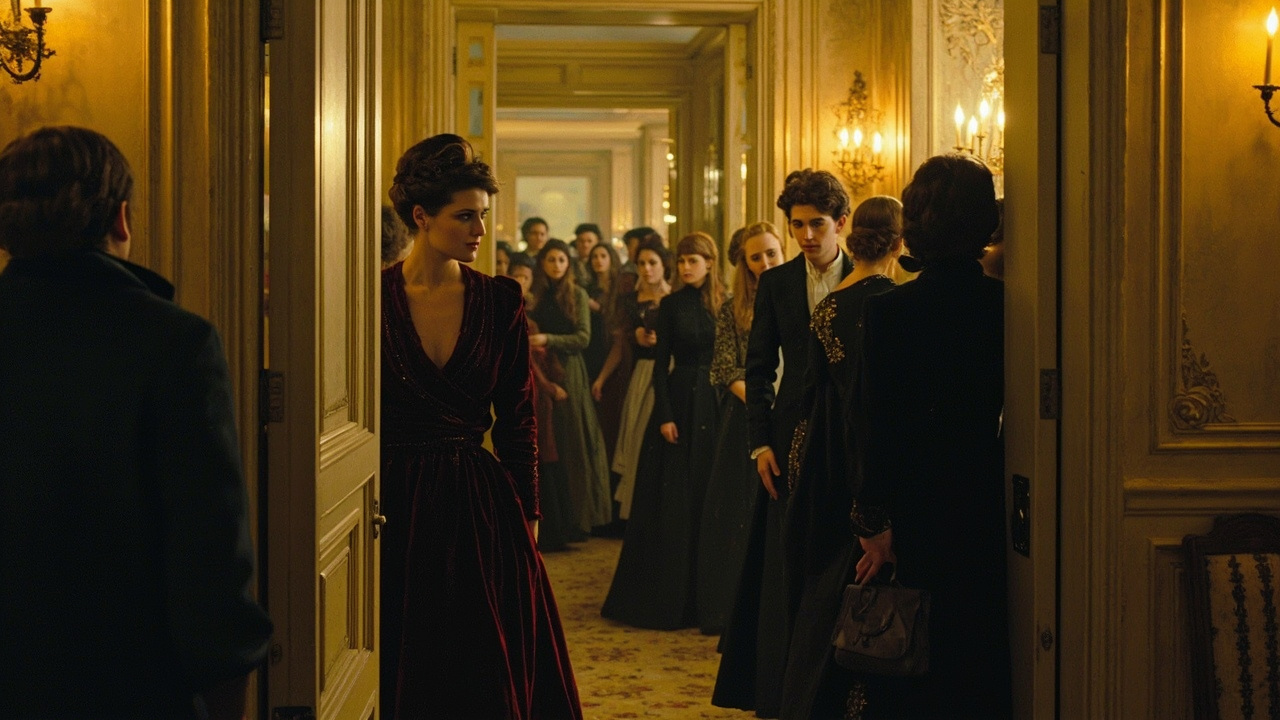
"This is my position: you can trample me in the mud, make me the laughing-stock of the world, I will not abandon her, and I will never utter a word of reproach to you,"
你可以把我踩进泥里,让我成为全世界的笑柄,但我绝不会抛弃她,也绝不会对你说一句责备的话。
原文金句 · 第51%书程 · 对抗世界
VI. The train station, and the rails that end everything
The novel's ending takes place at a train station on the outskirts of Moscow. Utterly broken by suspicion, loneliness, and the despair of having lost her son, Anna walks straight toward an incoming train. It's one of the coldest, most merciless farewells in all of world literature: Tolstoy gives her no monologue, no final accusation—what he writes is the instant of the wheels crushing down, the sight of the oncoming black shape, a leap that is too late and utterly without heroism. The most commonly misremembered part of this novel is its ending—some people think she dies of illness, others think she and Vronsky reconcile. Neither is true. Anna ends the whole affair in a way that humiliates herself and humiliates society at the same time.
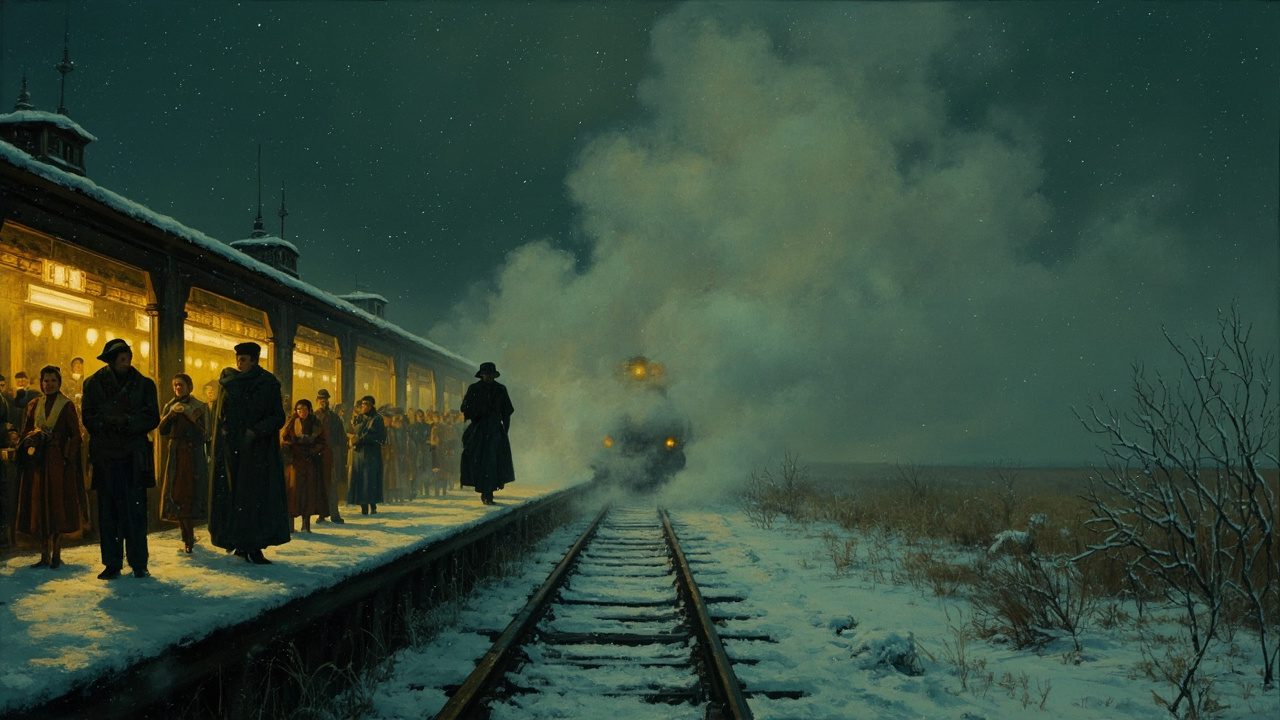
"Just as though she half-shut her eyes to her own life, so as not to see everything,"
她仿佛半闭着眼睛去看自己的生活,好不去看清一切。
原文金句 · 第77%书程 · 视而不见
VII. Levin's revelation: how the other storyline ends
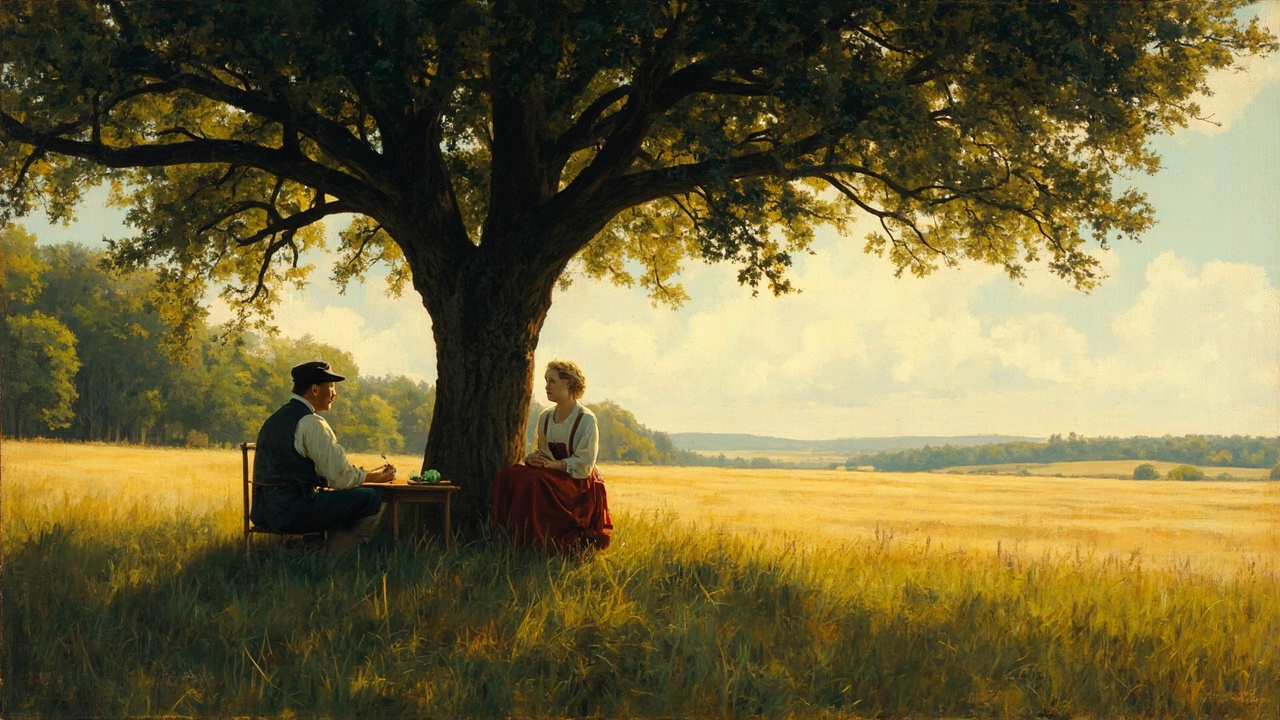
After Anna's death, Vronsky heads off to war; Karenin ends up raising someone else's child; Dolly carries on running the household—but setting all that aside, the person Tolstoy actually uses to close the novel is Levin. Levin's child falls gravely ill and nearly dies; once the boy pulls through, something clicks into place for Levin during an offhand conversation with an illiterate peasant: you go on living not because you've worked out some grand truth, but because you have to live, to love, to work. This closing passage is written with striking plainness, standing in deliberate contrast to Anna's ornate destruction—you can feel Tolstoy leaving a door open on purpose, telling the reader: he has cut open the whole festering wound of society, but he still believes people can be caught, and held up, by simple things. This is the novel's spiritual resolution, and it lands with more steadiness than Anna's death.
Themes: what this book is actually about
On the surface, this is the story of an adulterous woman destroyed by society. But look even a little longer and you'll see Anna and Levin moving in opposite directions—one lives out the self to its absolute limit and ends up burning herself to ash; the other slowly shrinks the self down, to let in life, family, land, and ends up finding a way out precisely because of it. Go one layer deeper and Tolstoy is really asking: what does happiness even mean? The opening line already shows the blade—all happy families are alike, each unhappy family is unhappy in its own way. In other words, the love affairs you think of as earth-shattering may just be one variety among countless kinds of unhappiness; and the marriages that look flat to the point of boredom may in fact be the quiet miracle of two people completing each other. And then there's the double standard on gender that still cuts just as sharp today: a man can do anything he likes out there, but the moment a woman takes one step, it's a fall from grace. Tolstoy doesn't sit in judgment—he simply lays that double standard out in front of you and leaves you to weigh it for yourself once you've read the whole book.
Why it's considered a masterpiece
If you can only name three things, the first is structure—the way the Anna and Levin storylines run side by side without ever drifting apart, constantly meshing into each other, makes this one of the greatest dual-narrative constructions in literary history. The second is psychology—especially Anna's final mental collapse, that half-mad spiral of suspicion, which does the work of stream-of-consciousness fiction half a century before it was supposed to exist. The third is that opening line, which pins the entire novel's argument into a single sentence—a feat almost no one has managed in the century since. For readers today, its relevance is just as direct: you might think you're living in a world looser than that one, but scroll through any comment section reacting to a cheating woman versus a cheating man, and you'll see this double standard hasn't traveled nearly as far as you'd hoped.
This isn't a story about whether Anna deserved to die—it's about whose tragedy it really is when an entire society smothers a person to death with a single word: respectability.
You know the plot—so why still read the book
Because a summary can only give you the map; it can't give you the feeling of actually setting foot on that ground. The density of Anna's final mental collapse, a stream of consciousness that flips between love and hatred four times in a single passage, is something you can only feel by letting your eyes move slowly across the real sentences. The chapter where Levin mows hay is written with an almost physical warmth—read the plot summary and it just sounds like a squire cutting grass, but read the actual pages and you'll find yourself moved for no reason you can quite name. And Karenin, that most dignified and most terrifying of men—you only understand how a man like that can drive everyone around him mad by watching him, page after page. None of this lives in the skeleton of the plot. It lives in the flesh of the prose.
Don't read it as a love tragedy—it's the scalpel Tolstoy uses to dissect an entire era, and Anna is only the most visible wound left under the blade.
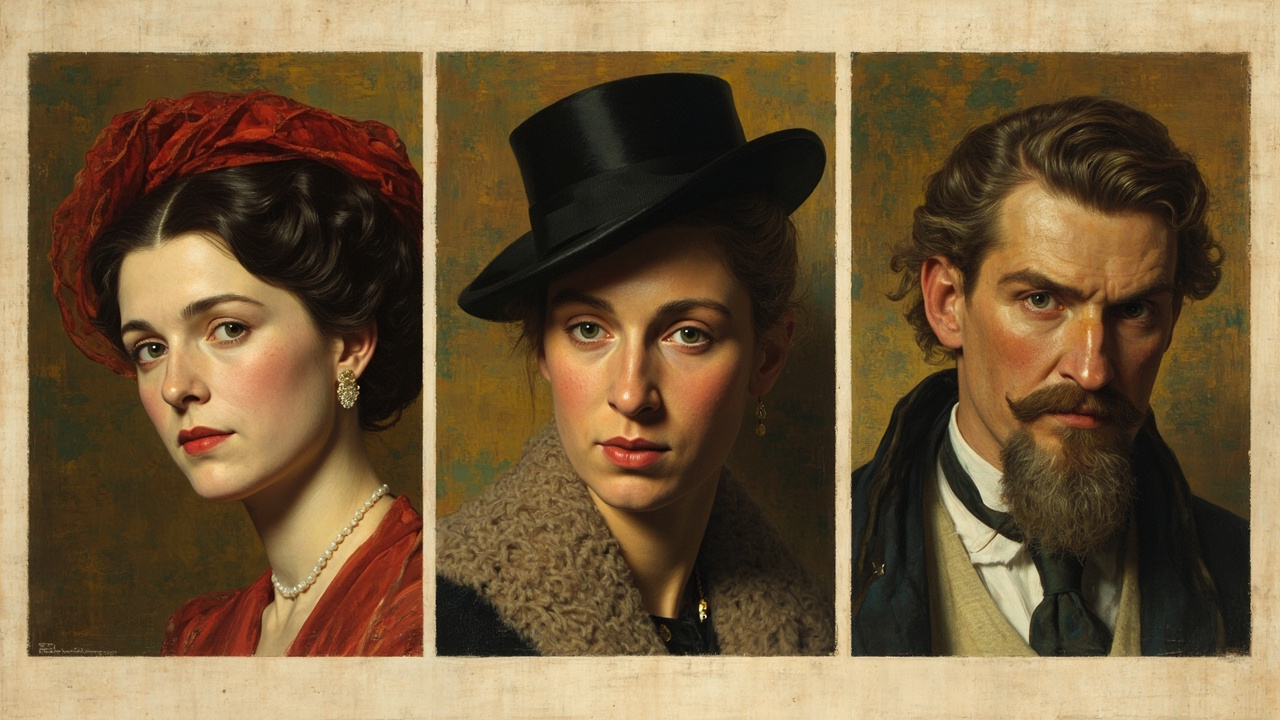
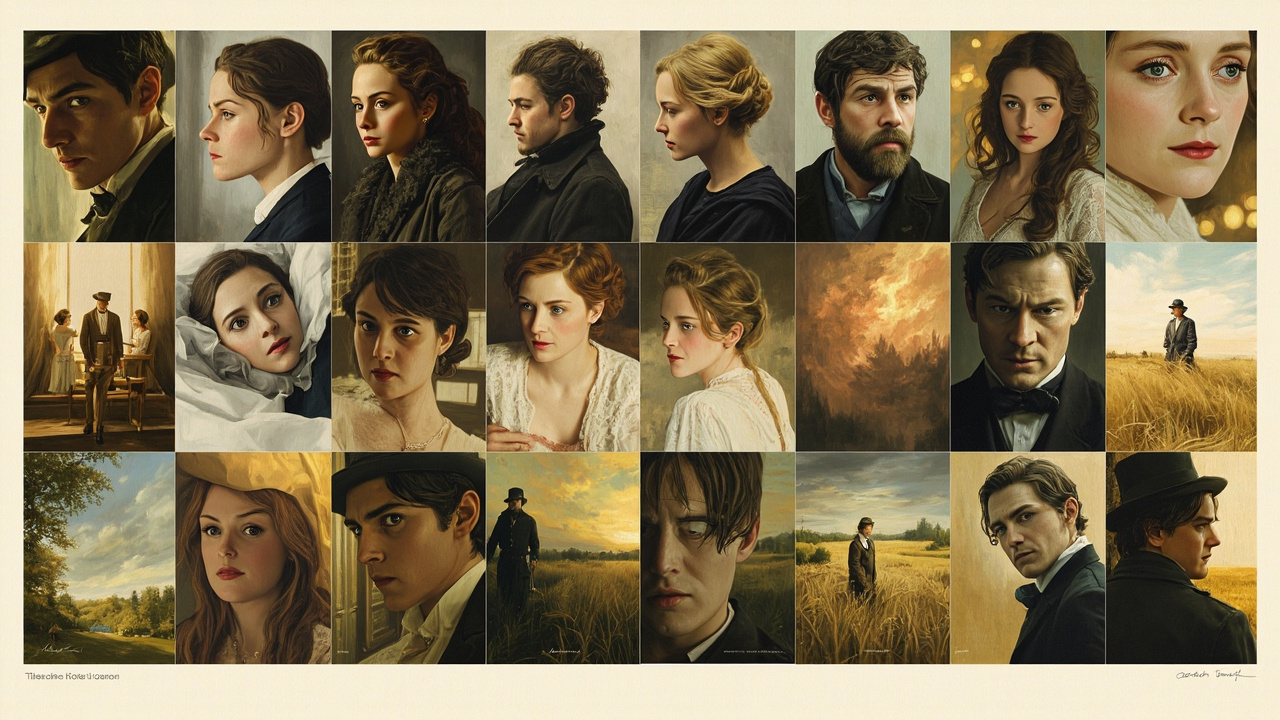
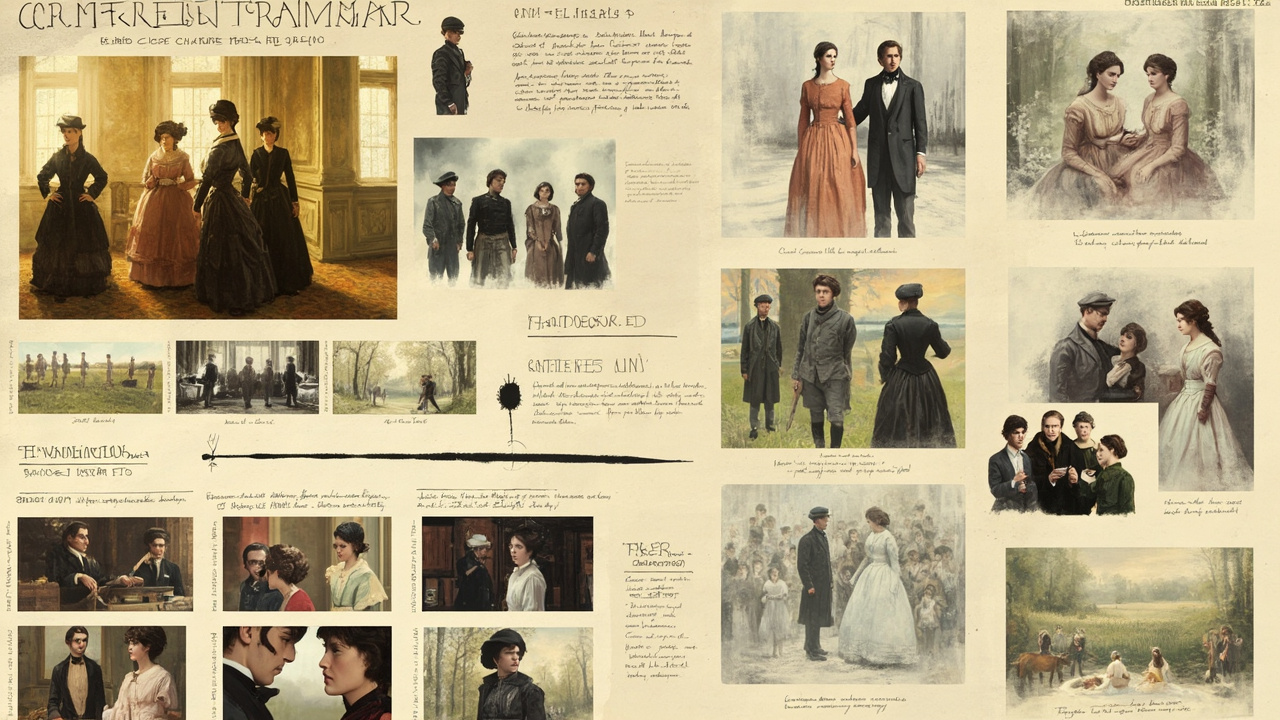
Art Direction4 plates
Before the guide was written, this book got a visual foundation — every illustration you just read grew out of it.