Broken Wings (Al-Ajniha al-Mutakassirah) · Companion Guide
折翼
一个十八岁的少年,在贝鲁特月下的花园里第一次懂得什么是爱,又在同一套教会的秩序下,被告知他无权守住它。
Opening
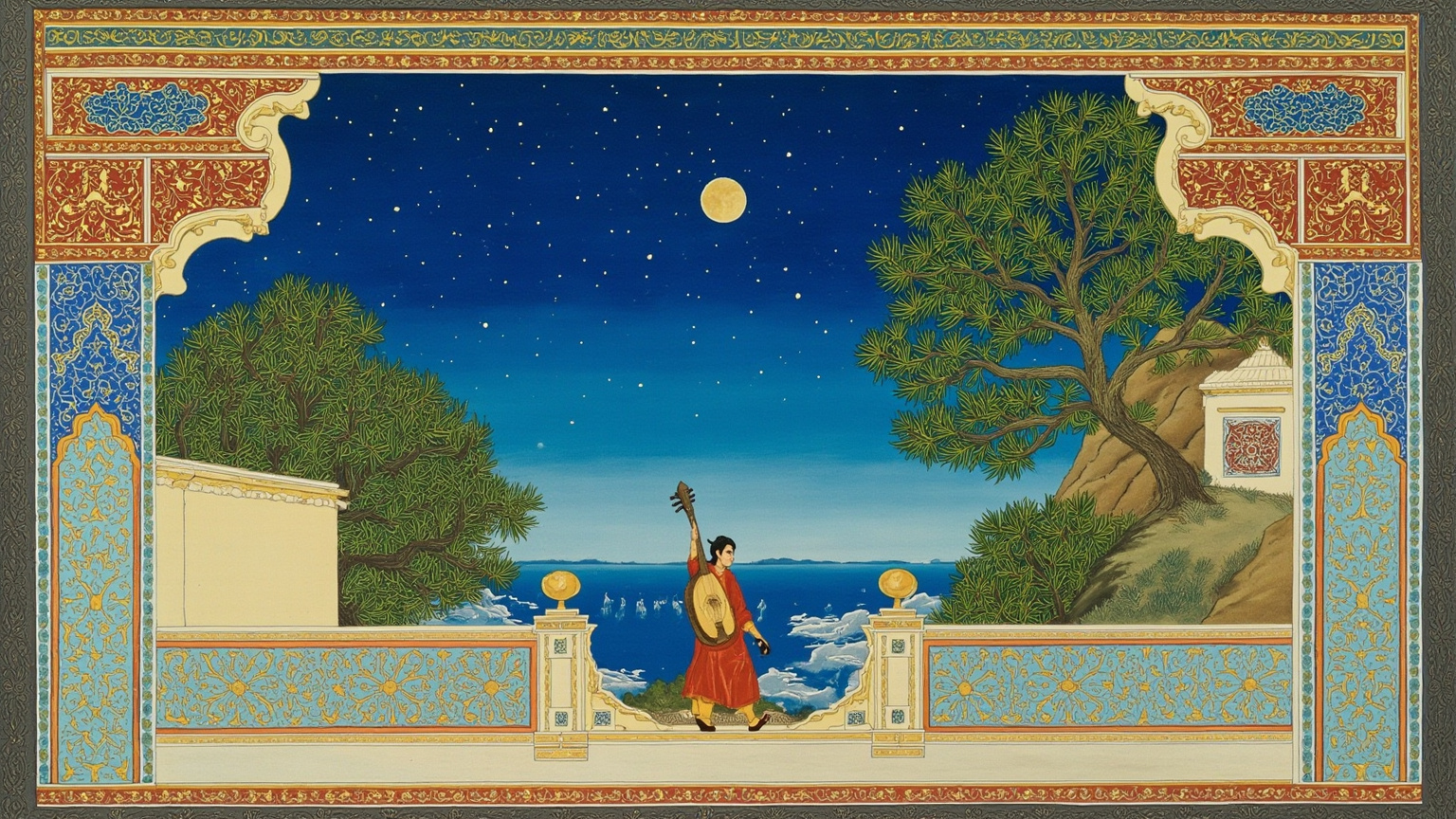
An eighteen-year-old boy carries an oud out of the cedar forest, walking toward the sea. Its strings have gone silent. The girl who used to play it was married off a few days earlier, sent by her family through the doors of the Maronite stone church to the bishop's nephew. He does not fight for her, does not disrupt the wedding. He simply carries the oud out, down the mountain path he has walked under the moon a hundred times, until he can hear the waves.
The Broken Wings is built around exactly this image. The oud, the boy, the cedars, the sea: these four things are the book's visual fingerprint from first page to last.
What kind of book is this
It is Kahlil Gibran's only narrative novel, self-published in Arabic in New York in 1912, and it is now regarded as one of the founding works of modern Arabic literature. Before Gibran, Arabic fiction mostly stayed at the level of anecdote and incident. He was the first to write a novel like a poem, working in psychology, in scent, in the breath of a garden balcony under moonlight, and that opened the road for the generation of Taha Hussein and Naguib Mahfouz who came after him.
What's striking is that this is the book closest to Gibran's own life. The cedar forest, the Maronite church, the great shuttered houses of old Beirut families are lifted almost whole from his own boyhood. In other words, the year he wrote it, he was using the novel to walk back through pain he had only just lived through.
Characters and world
The book's narrator, the 'I,' is an eighteen-year-old youth living with his aunt's family. His uncle is a leading figure in Beirut's Maronite church. Selma is a cousin also staying in that household, clever and shy, able to play the oud, and the two of them find each other on a garden balcony under the moon. The uncle wants family standing and a good alliance with the parish. The bishop wants his nephew married into a respected family, to steady his own position in the diocese. The two men fall into agreement at once, and Selma is promised to the bishop's nephew, Mansour.
Mansour is not the villain of this book. He is simply a decent, well-mannered young man of privilege who never bullies and never threatens, and that is what makes the whole thing colder. What swallows Selma is not one person's malice. It is the entire gentle machinery of Maronite patriarchy, family, and church-brokered marriage working together. The narrator's own father, kept away by debt and unable to come back and stand up for his son, deepens the helplessness further: an eighteen-year-old with no property and no standing, and inside this net, no one is listening to him at all.
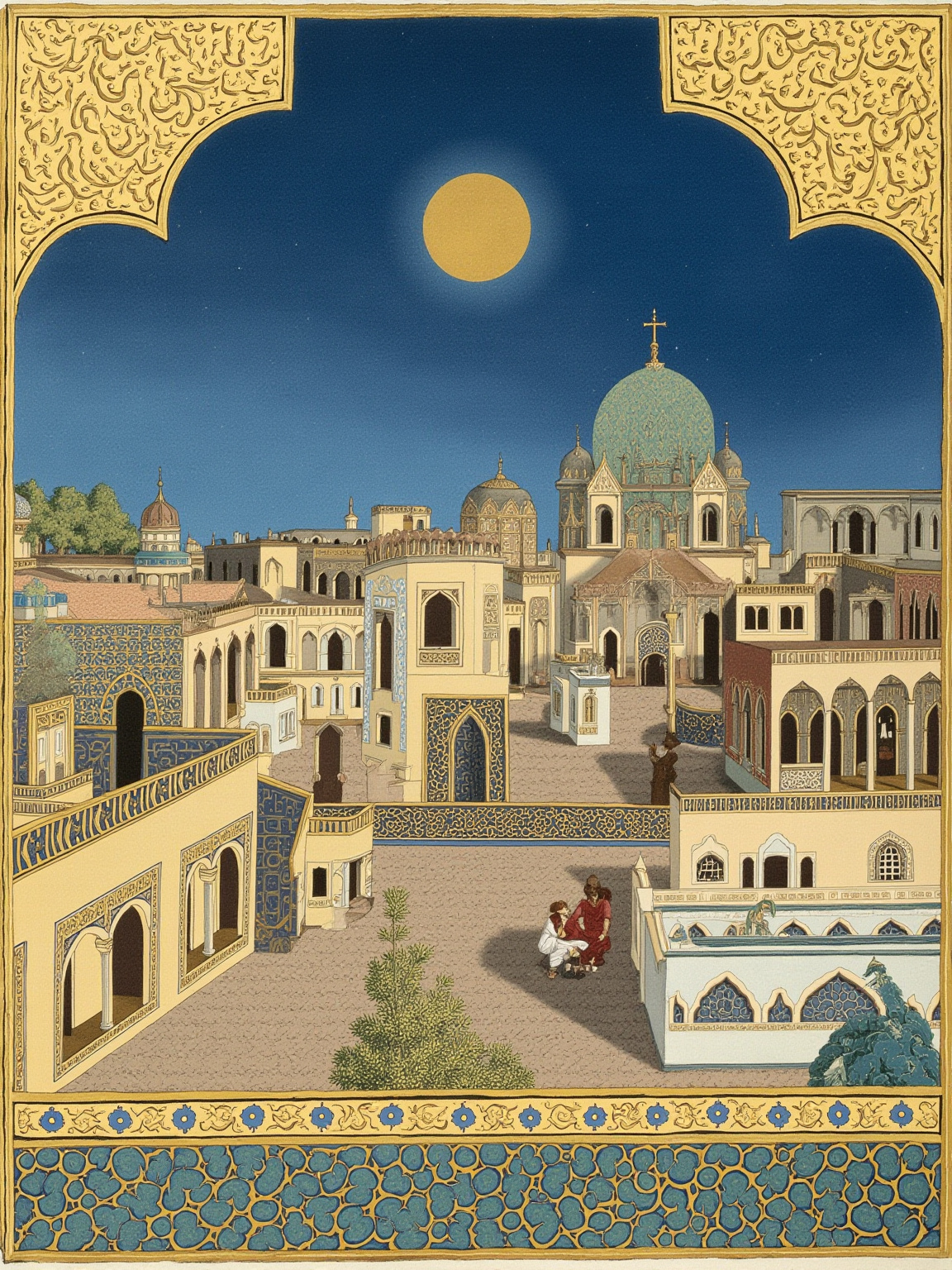
We were children of the cedars and the moon, and our fathers' fathers walked the same paths before the walls rose around us.
我们是雪松与月光的儿女,祖父辈未曾在墙内走路之前,也曾走过同一条小路。
金句 · 开篇 · 黎巴嫩往昔的村庄与雪松林
How the story unfolds
The story opens with landscape before it opens with people. It lingers on Lebanon's old cedar forests, on villages under moonlight not yet bound tight by church and family rule. This is the whole sky before the wings break, and every sorrow in the book is measured against it. Putting the land first is the book's first move that makes a reader sit up: Gibran gets you to love this place before he makes you watch it break someone.
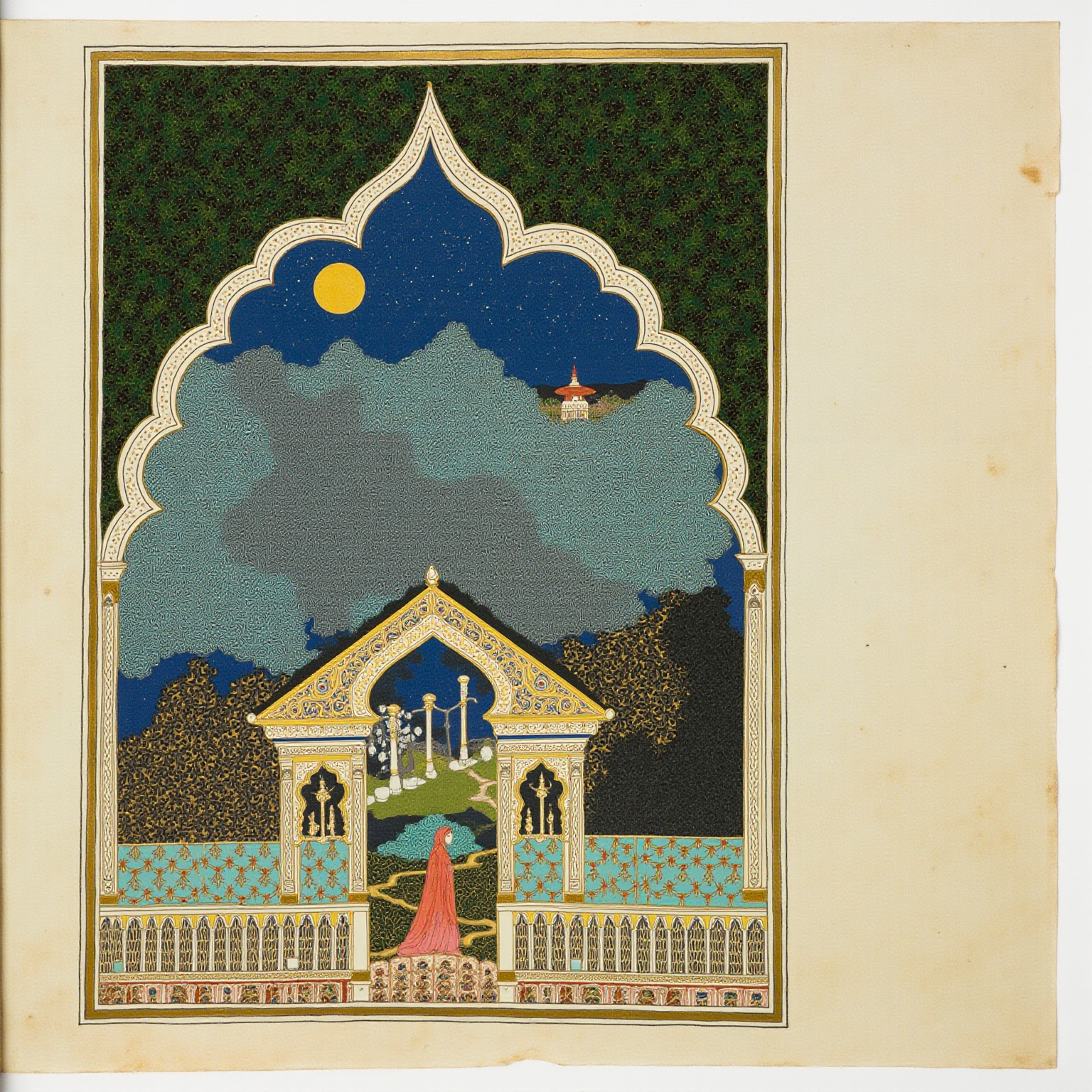
And our village was a nest upon the hill, where the windows opened each morning to the perfume of jasmine and the silence of the cypresses.
我们的村庄是筑在山上的巢,窗户一扇一扇向茉莉的香气和柏树的静默敞开。
金句 · 第一章 · 雪松林与月光下的村庄
In the spring and summer he turns eighteen, the narrator is living with his aunt's family. Selma comes to stay in the same house, and the two children grow up together in the garden. They meet on the balcony under the moon, love takes root in the smell of cedar and jasmine, and for the first time the narrator learns what love is. He believes this is simply how the world works. The oud comes alive here for the first time: Selma plays, the boy listens, and the music becomes the most concrete language between them.
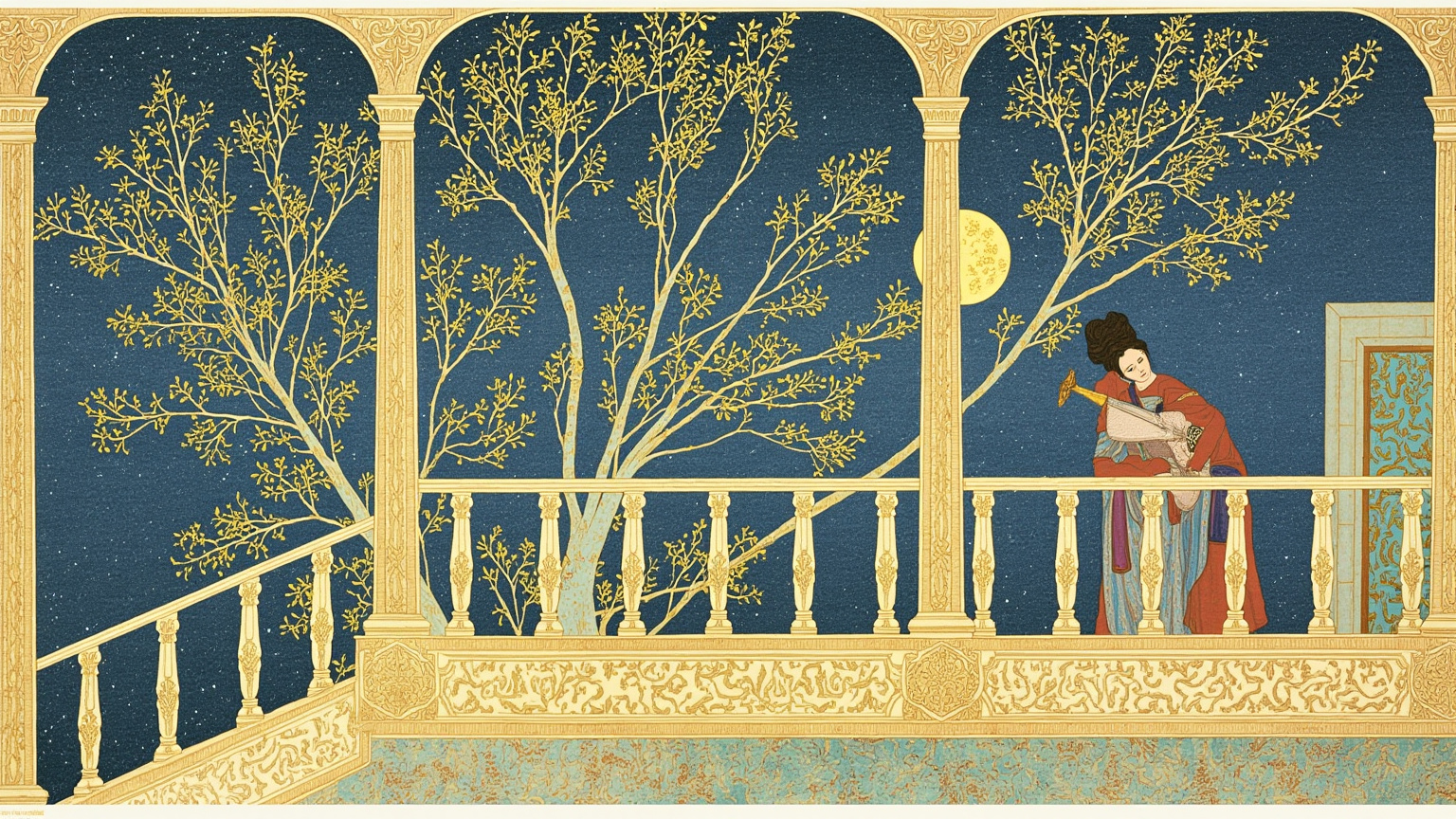
Love that comes in the fullness of spring is not a choice — it is a tide that lifts the soul before the mind can speak.
春天盛时来到的爱,不是选择——它是一道潮水,先把灵魂托起,才让理性开口。
金句 · 第二章 · 月下花园阳台
Nothing stays hidden for long, and nothing here was ever really meant to. In Beirut's Maronite society, the daughter of a great family cannot marry down to a poor boy. The uncle and the bishop reach their understanding quickly, and Selma is promised to Mansour. What makes this book suffocating is how civil and how calm the whole negotiation is. No argument, no slammed door. Two families sit down, finish a cup of coffee, and a girl's fate is settled.
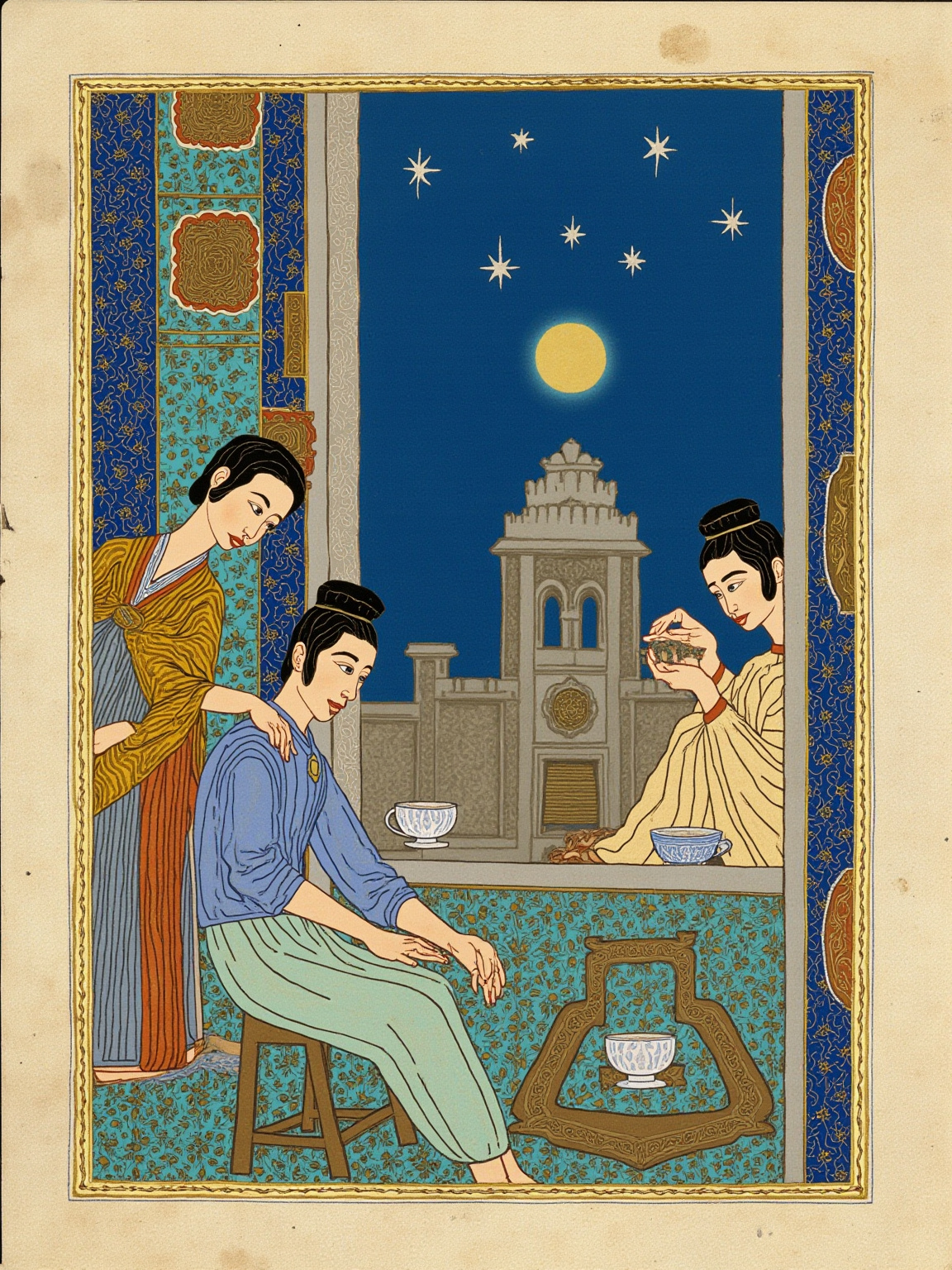
They spoke of duty and of holy order, and no voice among them trembled for the girl whose hand was being given away.
他们谈的是责任与神圣的秩序,没有人因那个正在被许出去的女孩而颤抖。
金句 · 第四章 · 主教的客厅
The narrator goes to plead with the bishop and is told, instead, to submit to sacred order. He looks for help everywhere and finds no one willing to stand up for him. An eighteen-year-old with no property and no name has no way to fight the combined weight of Maronite church, patriarchal family, and marriage among the great houses. Gibran never lets him make a scene, seize her, or fight a duel, any of which would have turned this into legend. He is simply turned away, politely, again and again. This is the book's second move that makes a reader sit up: the tragedy comes from no single villain, but from one whole net, gentle and unbreakable at once.
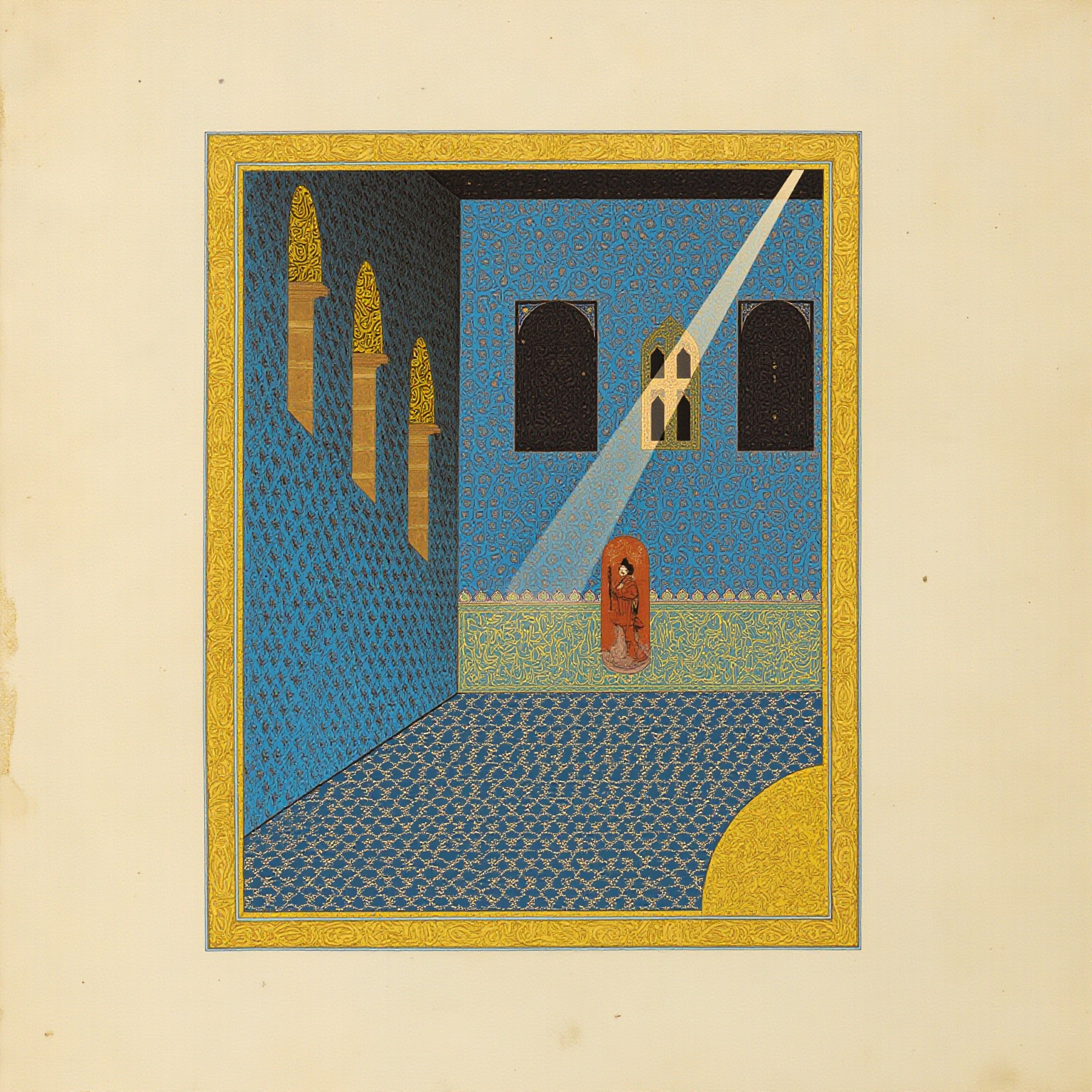
I knocked at many doors, and each one answered with a prayer — prayers that closed more firmly than any lock.
我叩了许多门,每一扇都用一段祷文来应答——祷文比任何锁都关得更紧。
金句 · 第五章 · 求告无门的少年
The wedding takes place in Beirut's Maronite stone church. Church ritual and family propriety close around Selma together, and once she walks through that door she is no longer the girl who laughed in the garden. Gibran leaves her married life deliberately blank. No wedding night, no marriage described, only the fact that she grows quieter and paler by the day. That blank space is the sharpest cut in the whole book. The reader is shut in with her, behind a door no one else can see.
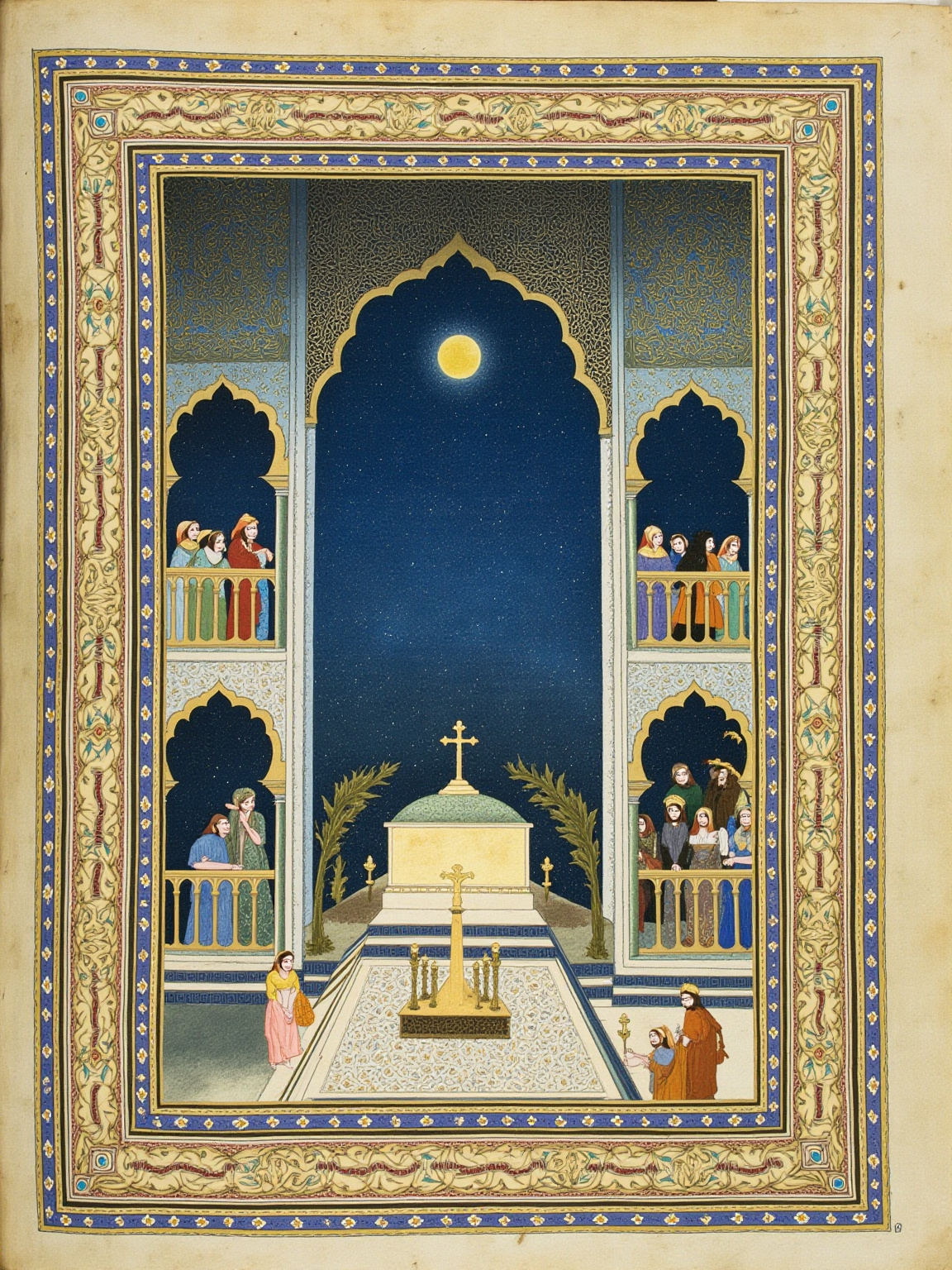
She walked through the church door, and the girl who had laughed in the garden did not come out on the other side.
她从教堂的门里走进去,花园里笑过的那个女孩,再没有从另一头走出来。
金句 · 第六章 · 马拉迪派石造教堂
The closing image is the one this piece opened with: the narrator carrying Selma's oud out of the cedar forest toward the harbor and the sea. It is not revenge, and it is not flight. It is a boy seeing, whole and clear for the first time, what the world is actually like. The wings in the title are not only Selma's. They are his too, the part of his own eighteen-year-old innocence the world broke along with her. I stopped short the first time I read this: Gibran did not write this as one girl's tragedy. He wrote it as two people losing the sky at the same time.
Theme and craft
What is this book actually about? Institutional oppression, the almost gentle violence woven together by church, patriarchy, and arranged marriage. There is no real villain in it. The uncle is not evil, the bishop is not evil, Mansour least of all, and yet together they break a girl anyway. That is why the book still stings today: it shows you that the deepest violence usually comes dressed in good manners.
As craft, Gibran writes the novel the way he writes a poem: heavy on blank space, heavy on image. The garden, the cedars, the oud, the moonlight, the church window, the letters, keep recurring and carry the book's emotional weight. He gives Selma's married life not one sentence, only the fact that she grows quieter and paler. That restraint is the most skillful thing in the whole book. It keeps the sorrow from being spoken and lets it stay hidden instead.
Love is not beautiful because it is sorrowful. It is sorrowful because it is beautiful.
Why read the book itself
A companion guide gives you the map. The novel is the land itself. The feel of this book lives in the way Gibran writes moonlight. Finish this guide and you know what happens, but you still have not smelled the jasmine in a Beirut garden, have not heard a boy walking alone through the cedars at dawn, have not held your breath in the candlelight of an Eastern Catholic church. None of that is something a guide can hand you. You have to open the book yourself.
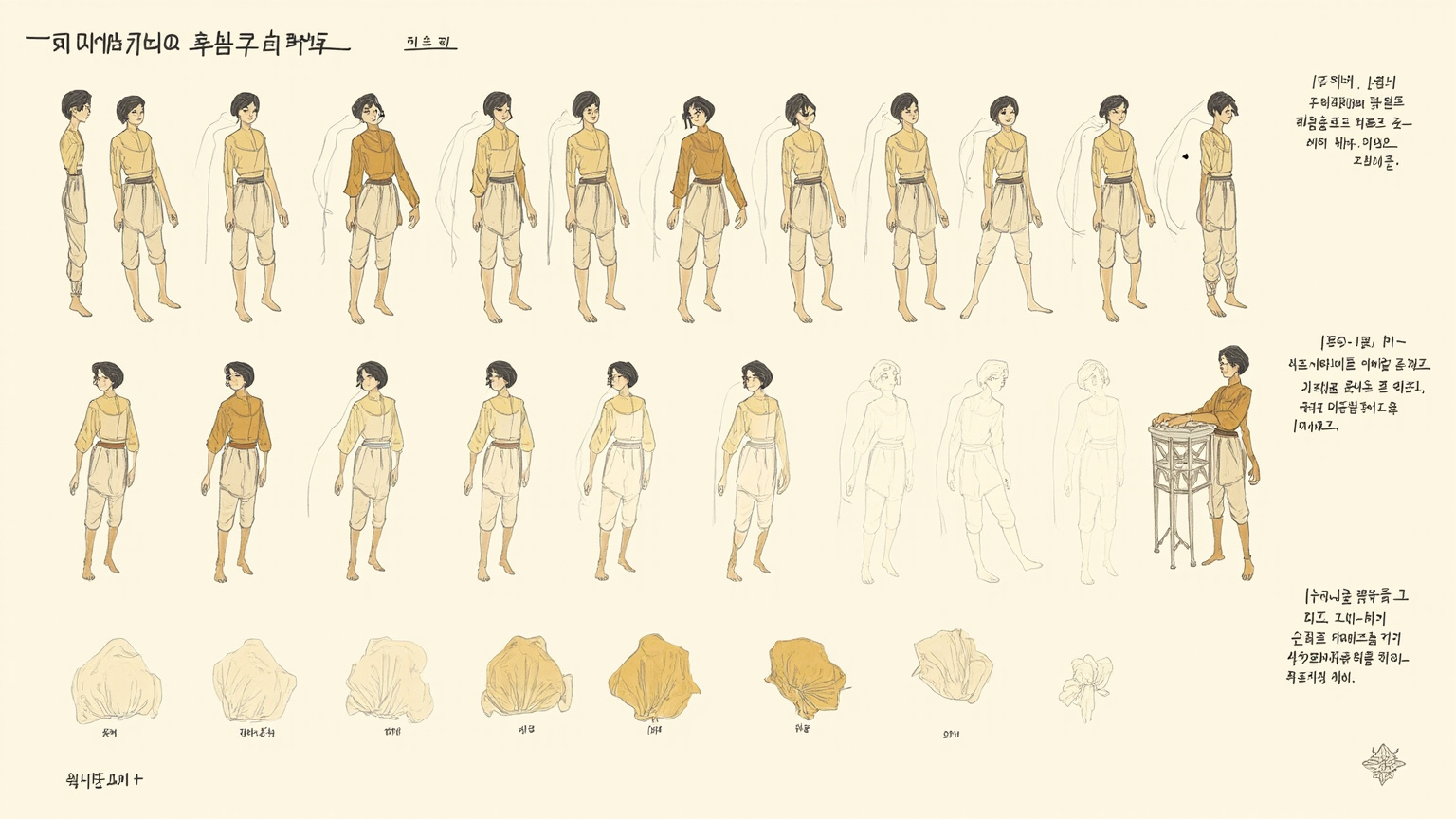
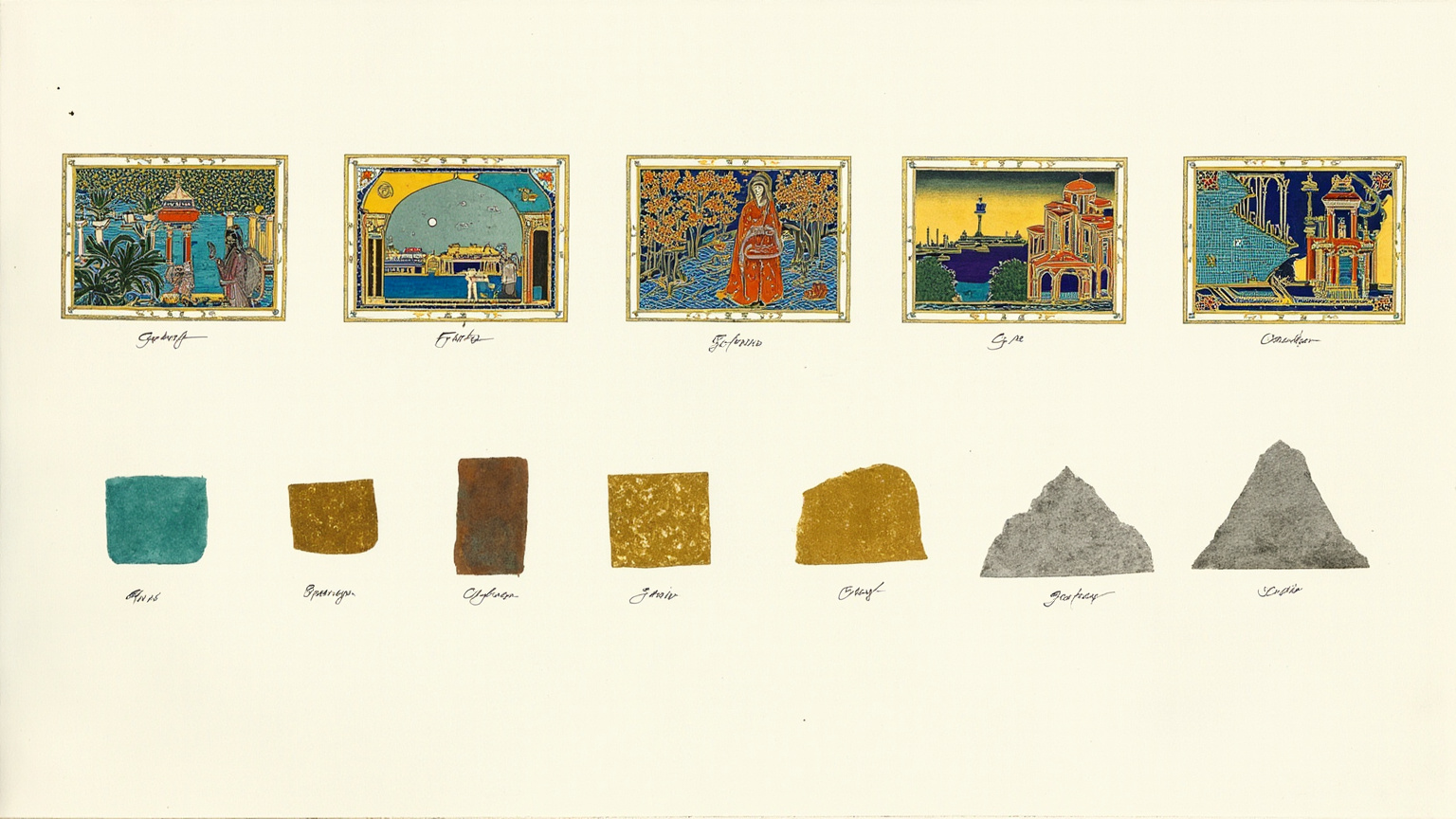
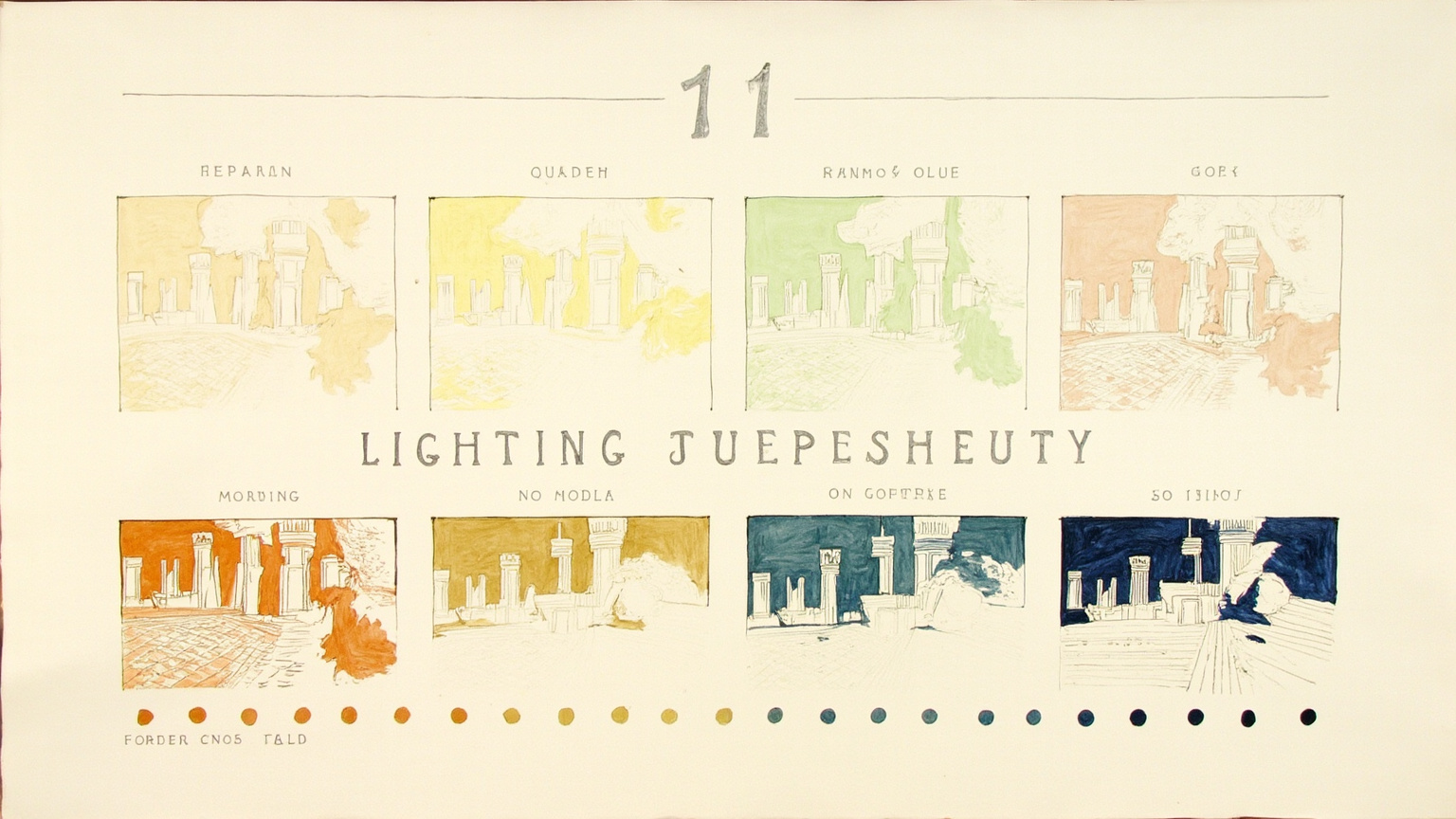
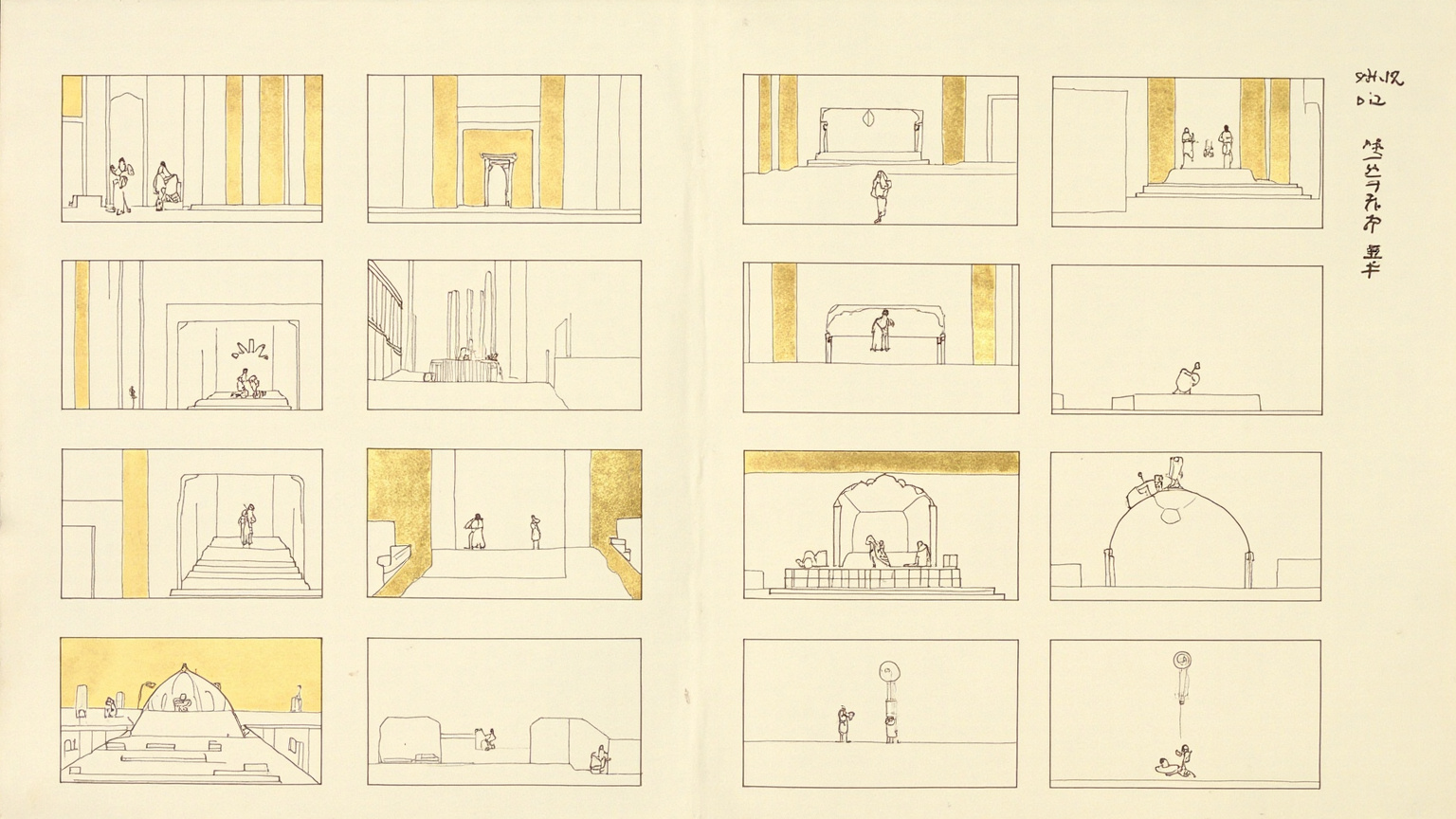
Art Direction4 plates
Before the guide was written, this book got a visual foundation — every illustration you just read grew out of it.