Cancer Ward (Rakovy korpus / Раковый корпус) · Companion Guide
癌症楼
一个刚出劳改营的男人,在病房里第一次被允许喊疼;可当他该出院时,却宁愿留在消毒水味里再做一会儿病人。
One Building, Two Kinds of Wound
A branch of apricot blossom lies across the ward windowsill, and from the open-air market below, the calls of vendors drift up faintly. This is an oncology hospital in Tashkent, Central Asia, sometime in the 1950s, where the smell of disinfectant never leaves the corridor. Two kinds of wound live in this building: one visible on an X-ray as the shadow of a tumor, the other invisible, ten years in the Gulag, a father shot as an enemy of the people, a frame-up just overturned. Solzhenitsyn lays them over each other in the same corridor, and that is where the book gets its name.
What Kind of Book This Is
Cancer Ward was written by Alexander Solzhenitsyn; the Russian title, Rakovy Korpus, translates literally as Cancer Building. It circulated underground in the Soviet Union in 1968, and a Western edition appeared the same year. It is Solzhenitsyn's most significant novel after One Day in the Life of Ivan Denisovich, and one of the works that won him the Nobel Prize in Literature in 1970. Chinese readers tend to mention it in the same breath as The Gulag Archipelago, but this book is longer and reads more like a novel. It does not depict the labor camp directly. It depicts a man who has just come out of one.
Who He Is, Where He Is
Oleg Kostoglotov has just finished ten years of Gulag exile. His surname is built from two Russian roots, bone and swallow, something like the bone-swallower, a name that already sounds like it has survived something. He is diagnosed with a tumor in the neck and admitted to this building in Tashkent. On the ward is Zoya, a chatty, cheerful patient with a mild case who likes giving orders; downstairs lies Yevgenia, an old woman who almost never speaks; his devout young roommate Alyosha keeps a Gospel hidden under his pillow; and sharing the room is Rudolf, a Volga German fitter, also just back from exile like him. Upstairs and downstairs, life at one end and death at the other, and between them the low murmur of the corridor.
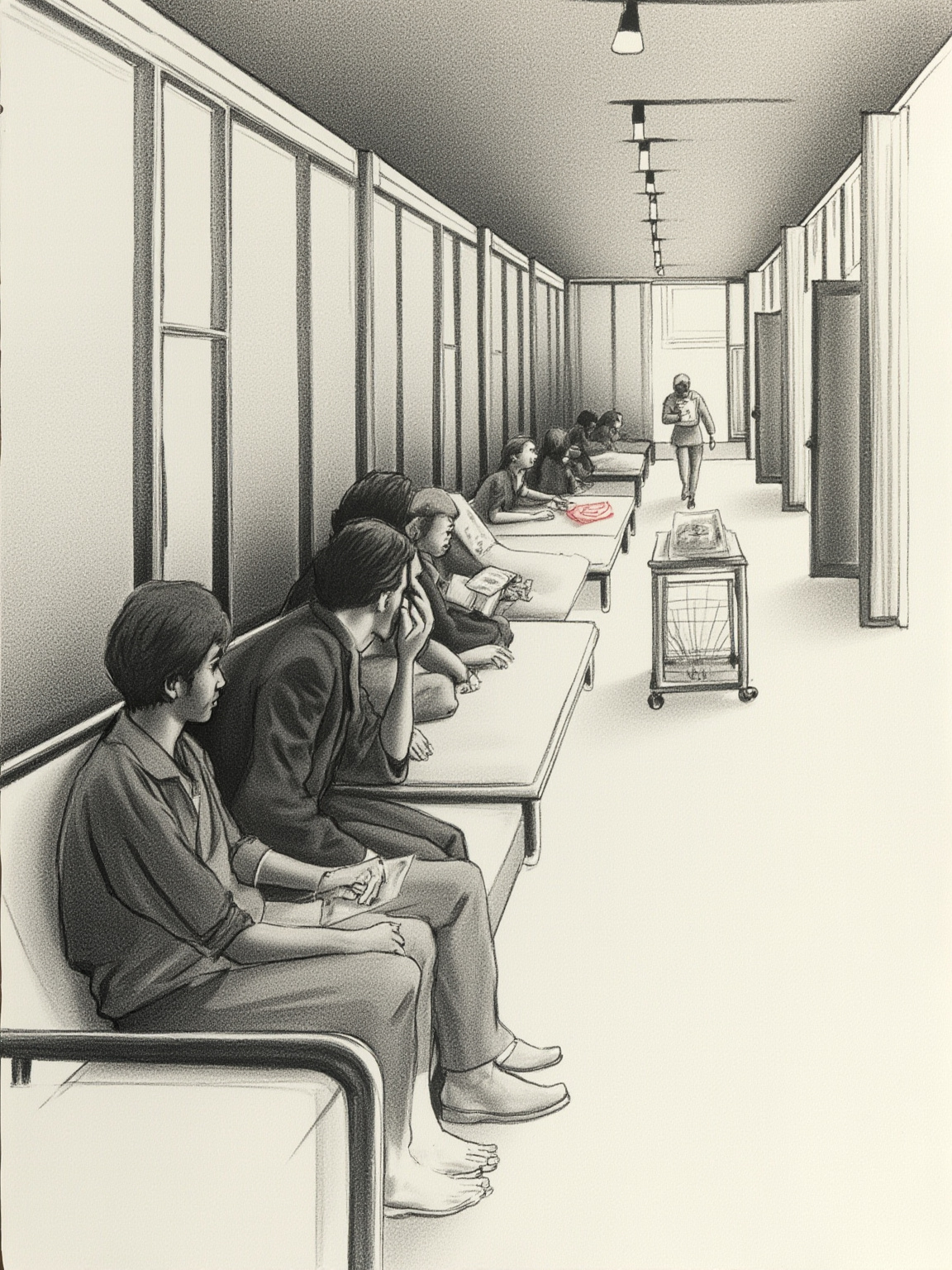
He had not even known how much strength was left in him until they told him to lie down, open his mouth, and extend his arm under the X-ray.
他甚至不知道自己还剩下多少气力,直到有人叫他躺下、张嘴、把胳膊伸进 X 光机。
金句 · 开篇入病房 · 被允许成为病人
Vera Gangart, the resident oncologist, is professional, guarded, a woman of few words. Her silence is not just temperament. Her father was arrested under Stalin. What Kostoglotov feels for her is a love held down on all sides: by her role as his doctor, by the shadow of politics, by the corridor light itself. He knows she will not answer him. He also knows it is not because she does not want to.
Out of the Camp, Into the Ward
Standing in the ward corridor, Kostoglotov is treated, for the first time, as a patient rather than a deportee. For ten years he was numbered, marched, counted off at roll call, and no one ever asked where it hurt. Now someone tells him to lie down, open his mouth, put his arm into the X-ray machine, and he feels, strangely, free. This is the book's most counterintuitive move: a man diagnosed with cancer turns out to live more like a human being here than he ever did in so-called ordinary society.
Low Voices in the Corridor
The ward quickly becomes a cross-section of Soviet society, sliced straight through. Kostoglotov lies in his bed; to his left, Zoya is loudly complaining to a nurse about the man snoring in the next bed; two beds to his right, Alyosha reads his Gospel under his breath while Rudolf turns to face the wall. Within three meters of the same corridor, several mouths are talking about several unrelated things at once, a diagnosis, God, a work assignment, the route someone once walked out of a labor camp. Solzhenitsyn does not need to spell it out; the reader hears it without being told: that crowded, mutually deaf noise is the outside world.
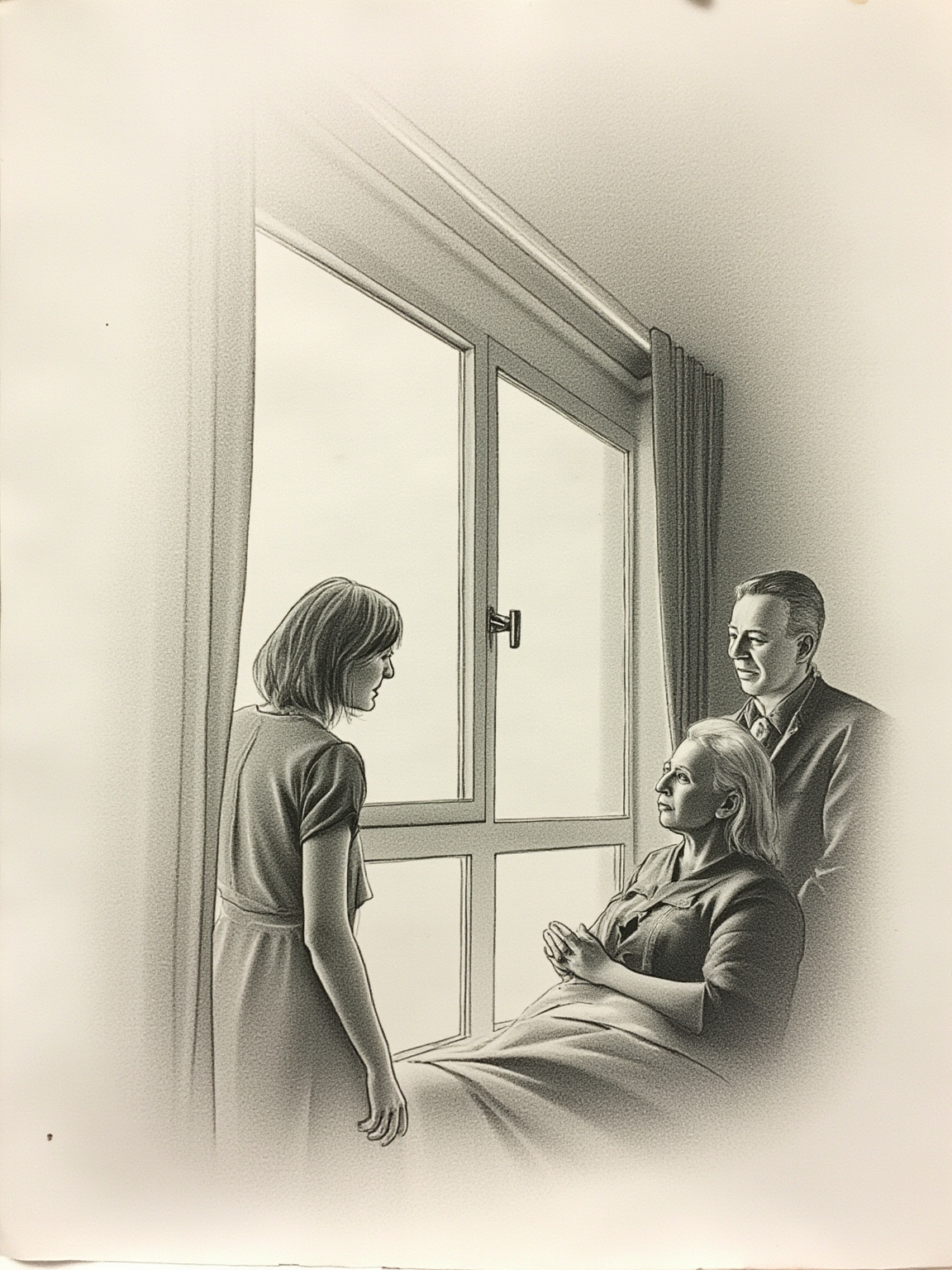
The ward was a cross-section of the whole country, laid out horizontally along the corridor.
病房就是整块国土的一段横切片,沿着走廊一字排开。
金句 · 病房群像 · 走廊里的低声
Himself, at the Light Box
At the light box he keeps tracing the outline of his own tumor's shadow. That shadow is patient, deportee, and citizen at once, three identities layered onto one body. The doctors put him on hormone treatment, and he goes along with it, but the side effect follows: his sexual capacity is gone, for now. Solzhenitsyn stays entirely in the psychology here, not the body. This is an inner wound, not a plot device for shock value. A few days into the injections, he passes Vera in the corridor, the doctor he has come to care about, and steps aside for her as politely as always, while whatever had just started to wake in him is being pulled back under. He steps aside, and in his head he quietly crosses out the words starting over. What it means to lose that, for a man who has not touched a woman in ten years and had just begun to think he could live again, Solzhenitsyn leaves for the reader to decide.
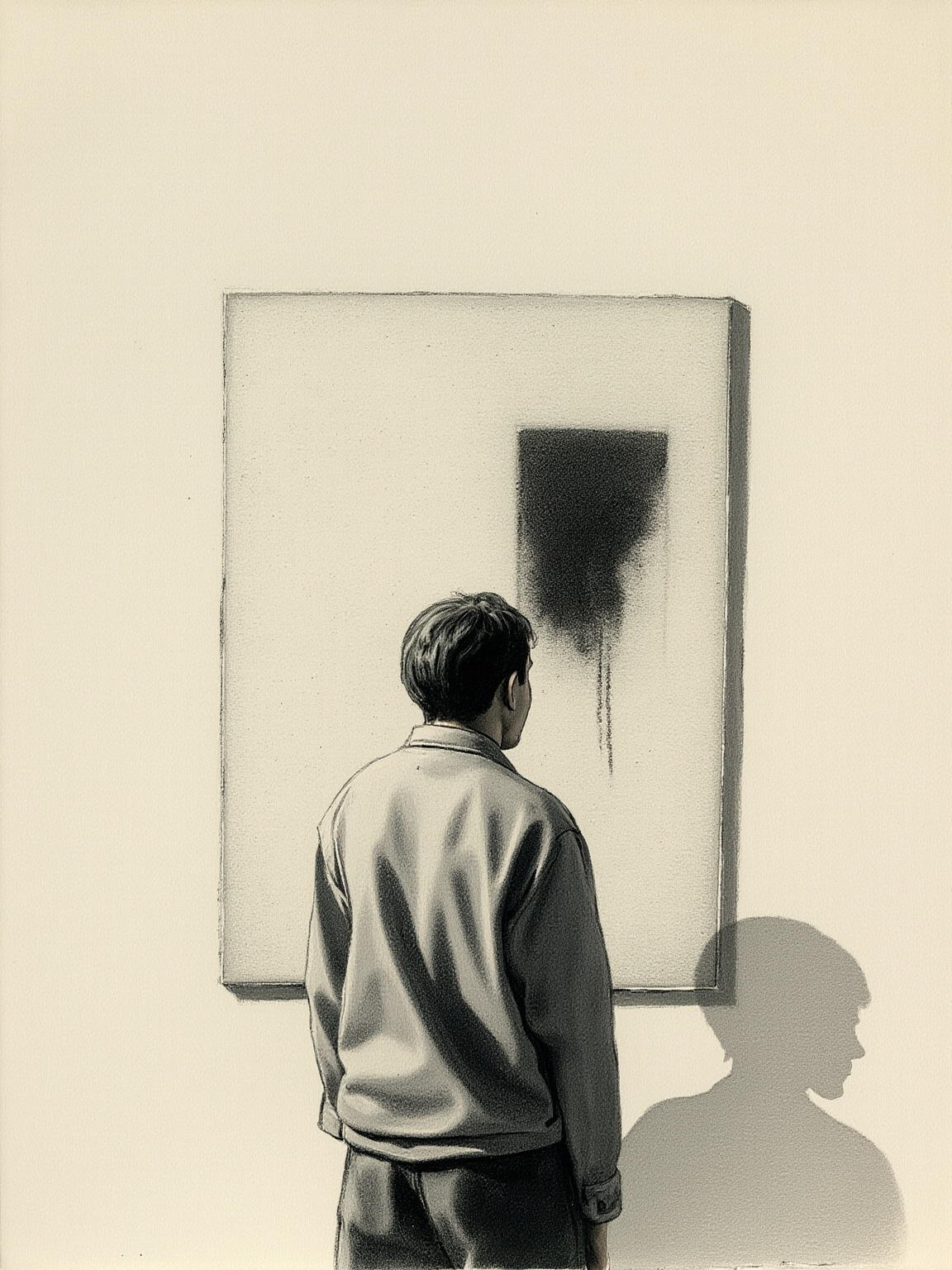
He stood before the light box studying the dark blur in his own neck — patient, exile, and citizen, all three superimposed in one shadow.
他站在灯箱前反复辨认自己脖颈上那块模糊的暗影——病人、流放犯、公民,三个自己叠在同一道影子里。
金句 · 灯箱前的自己 · 病人与流放犯的叠影
Spring in Tashkent
Outside the hospital, Tashkent is a different color entirely. Apricot trees are breaking into bloom in clusters, the poplars are putting out new leaves, and the open-air market is selling raisins and flatbread. Running between offices to sort out his paperwork and his treatment, he discovers, for the first time, what it feels like to walk where he likes and say what he likes, things that would not register as anything to a man who had never spent ten years in a labor camp, but that make him happy as a child. Solzhenitsyn keeps this passage spare. It is one of the few bright stretches in the whole book.
An Echo in the Corridor
Political trauma enters the ward as an echo. Stalin dies in March 1953, and soon after, the new leadership overturns the frame-up he had ordered against a group of Jewish doctors accused of plotting to murder the country's leaders. The doctors on the ward talk about it in low voices in the corridor; the newspaper goes around the nurses' station; the radio plays funeral music. In the same corridor, the same people in white coats are counting tumor shadows on X-rays with one hand and discussing a case just overturned with the other. Two lines of life and death lie over each other.
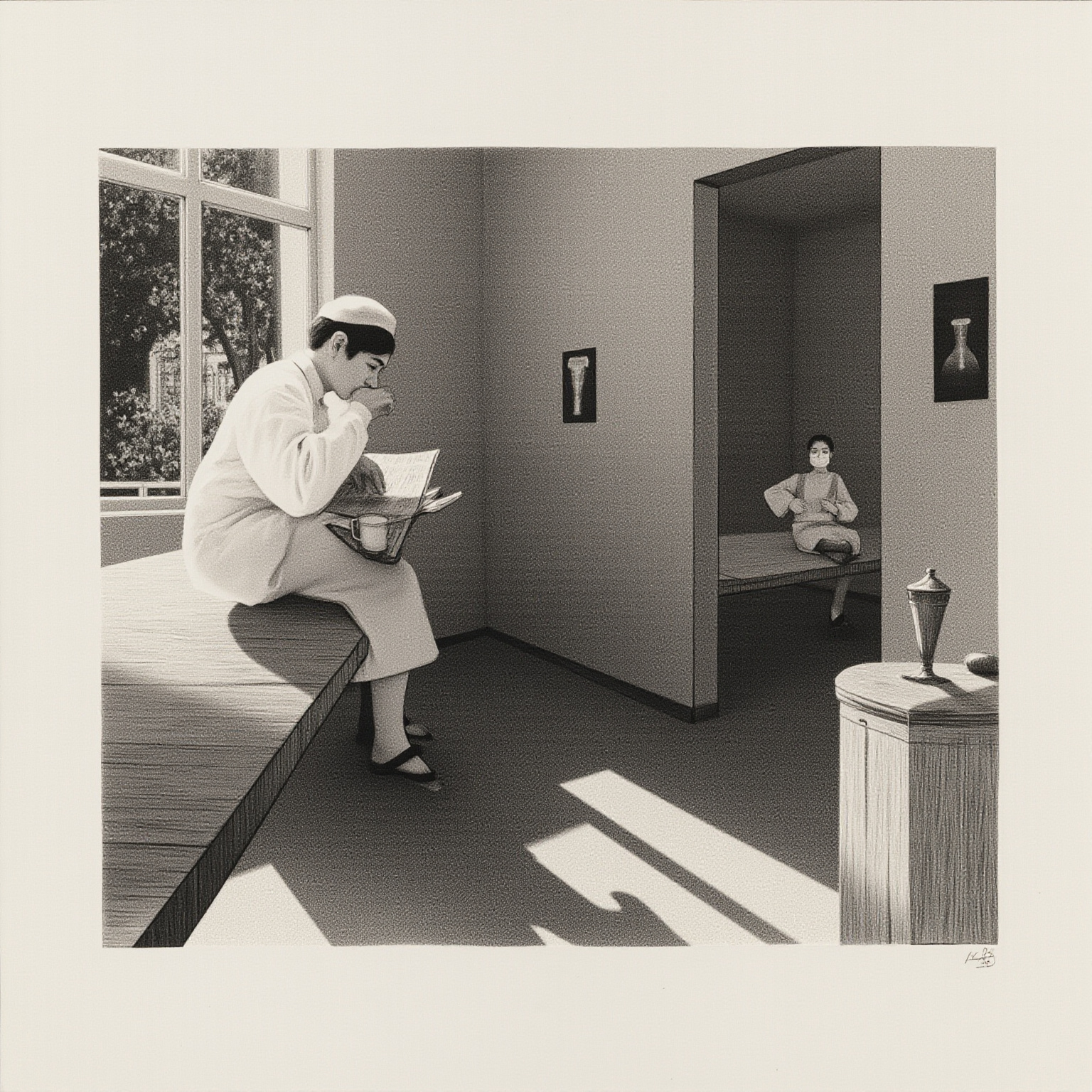
Stalin was dead, and the doctors' plot was unmasked overnight — the same corridor, the same whispers, a different verdict.
斯大林死了,昨天还被定罪的『医生案』一夜翻案——同一条走廊,同一拨低语,只是判决换了。
金句 · 走廊里的回声 · 斯大林之死与医生案
Why He Does Not Want to Leave
Evening light slants in through the window at the end of the corridor, mixing the smell of disinfectant with apricot pollen drifting up from below, a scent particular to Tashkent, half hospital, half early spring. Treatment finished, the doctors tell him he can be discharged. Discharge means going back to the ordinary machinery of the system: an assigned job, supervised residence, the demand to state where he stands. He has spent months on this ward being treated, for the first time, as someone who can hurt, ask questions, be afraid. Now he is to be fitted back into the structure that crushed him for ten years. He would rather linger a while longer in this building. The night before he is discharged, he hesitates a long time, standing at that window, disinfectant and blossom pressing into the same breath. This is the hardest passage in the whole book to sit still through, and it works precisely because Solzhenitsyn does not let him say anything wise about it. He only lets him take that breath in, and let it out slowly.
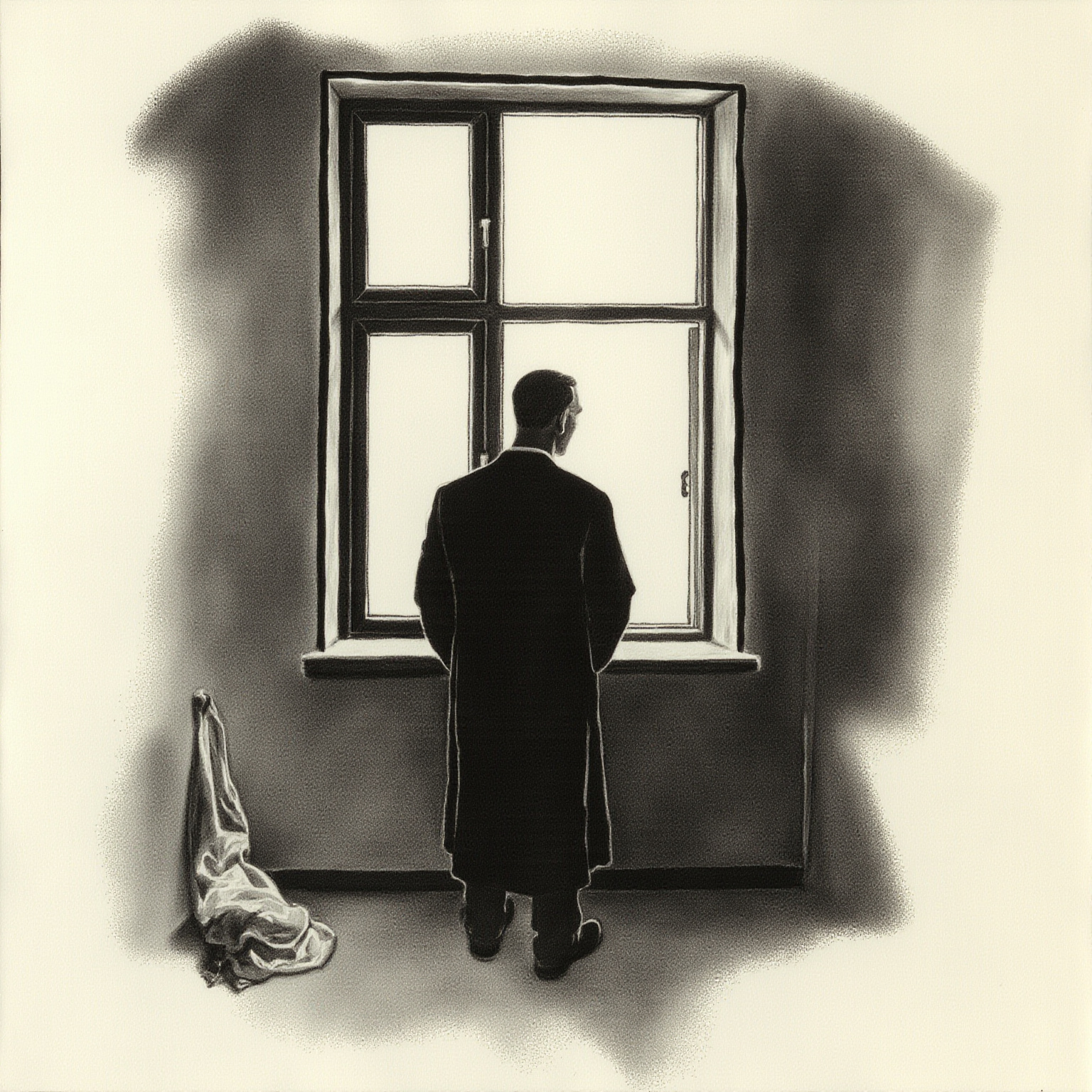
They told him he could leave tomorrow. He lay still and did not rejoice. To go back was to be assigned a job, a flat, a watcher's eye.
医生说明天可以出院了。他躺着,没有高兴。回去意味着被分配一份工、一间房、一双盯着他的眼睛。
金句 · 出院前夜 · 他不愿出院的理由
Why It Is Remembered
What makes Cancer Ward work is that it never uses the camp to write the camp, and never uses the hospital to write the hospital. It uses a man out of the camp to write the hospital, and the hospital to write a country. The ward corridor holds two different kinds of light, and the novel makes you line them up yourself: at dusk, sun slants through the window and the apricot blossoms outside turn pink-white with a touch of warm yellow; a nurse pulls the cord, the fluorescent tube snaps on, and that clinical white strips every color off the wall. Solzhenitsyn keeps moving Kostoglotov between these two kinds of light. He is the line where they meet. Chinese readers keep coming back to this book because it preserved, for an entire generation, the memory of one building: a building that housed, at the same time, patients, deportees, the daughter of a man who was shot, a devout young believer, and a man who trusted nothing at all.
The sharpest wound in this book is not the pain. It is being allowed to say so.
Knowing the Plot Is Not the Same as Reading It
You now have a rough sense of the plot, but a few things a summary cannot give you. One is the bodily sensation at the light box, where patient, deportee, and citizen stack into one man. Solzhenitsyn lived this, and the smell memory of the ward runs through every line: disinfectant, apricot pollen, footsteps echoing down the corridor. You can only smell it in the original. The second is that brightness of early spring in Central Asia, being allowed to breathe. Your shoulders only drop if you read that passage yourself. The third is the half-sentence he never says out loud on the night he does not want to leave. That kind of silence only works on someone actually sitting with the book. Understanding it is not hard. Being held by it for a moment takes opening the book yourself.
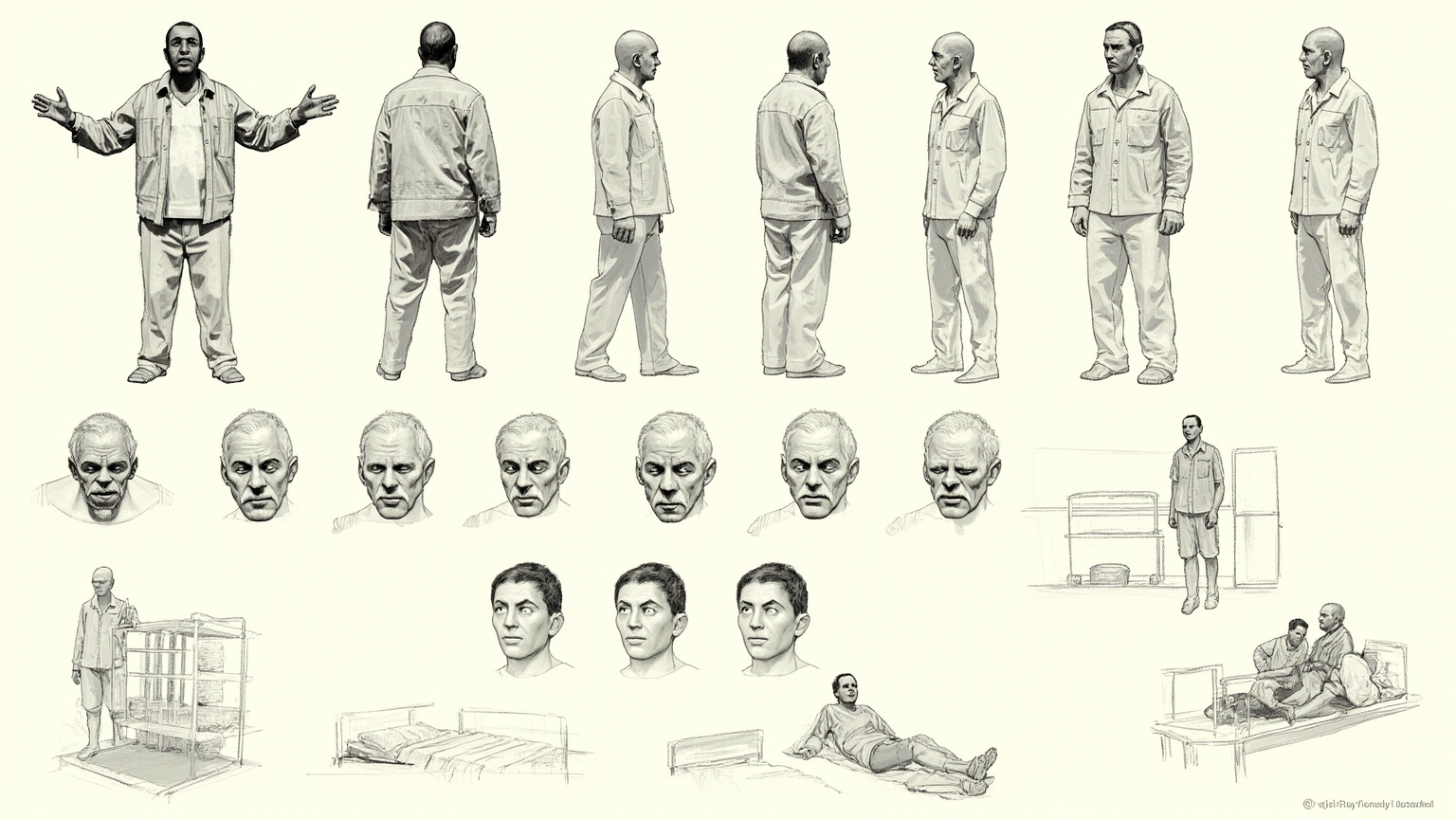
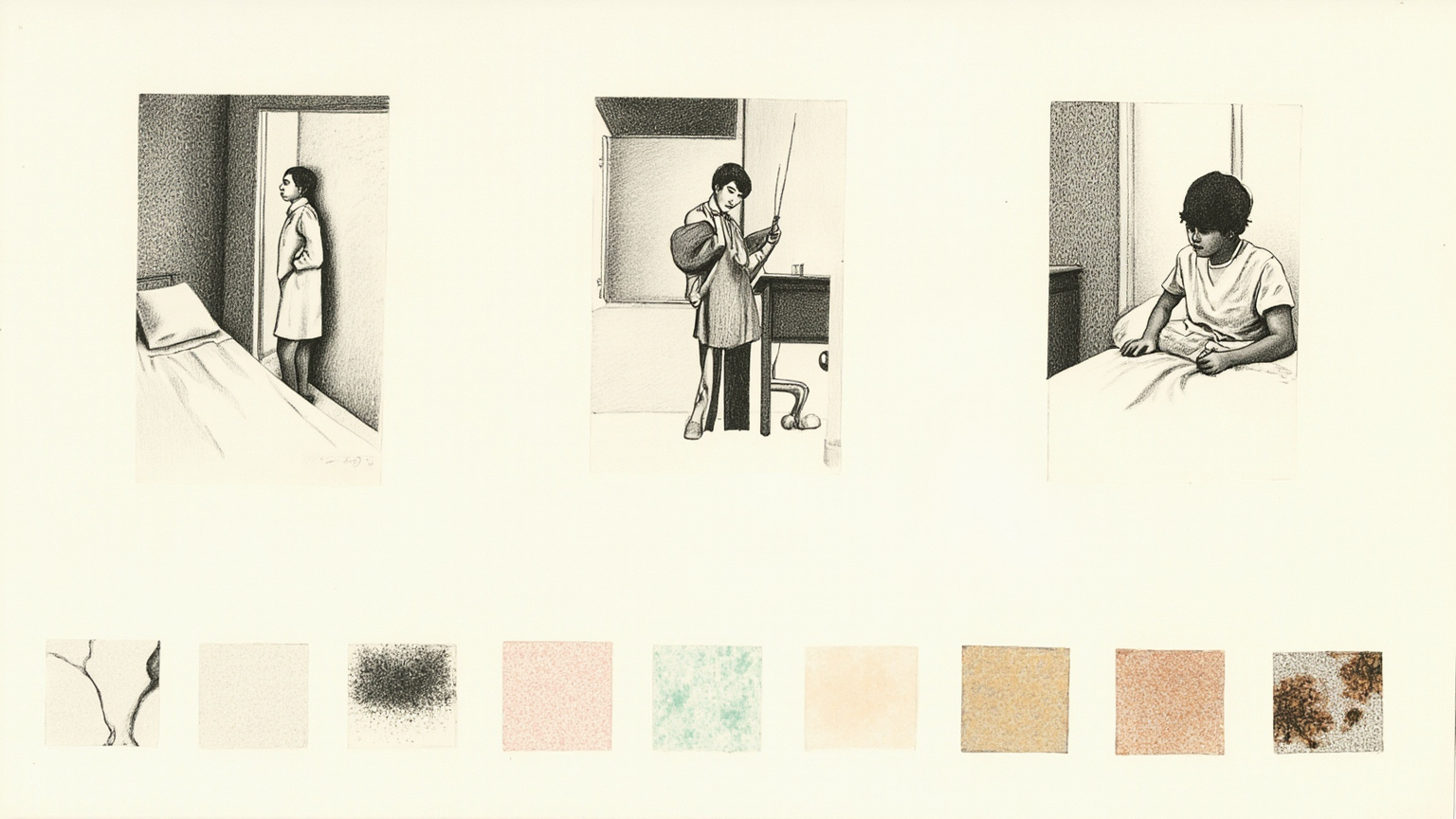
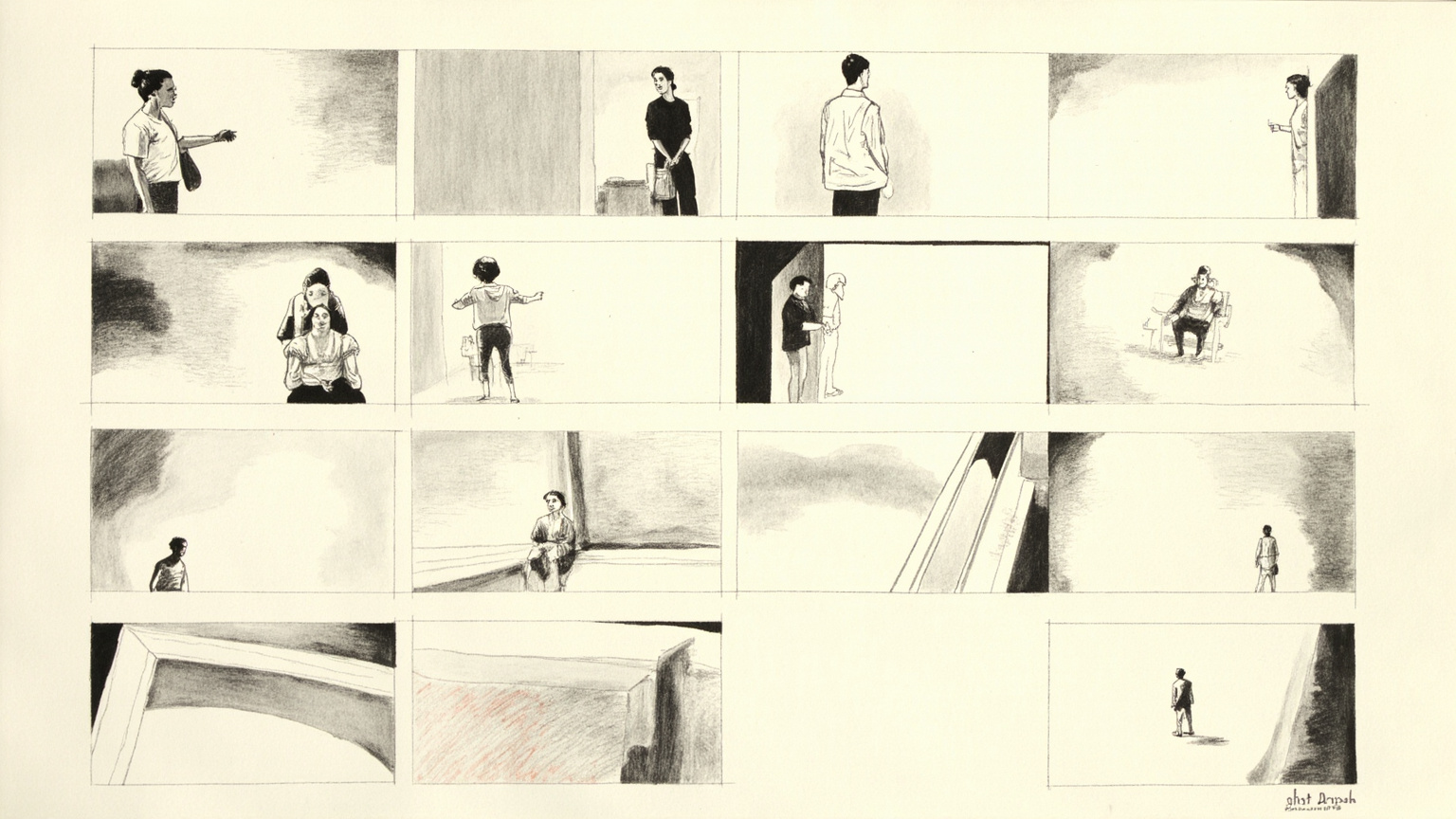
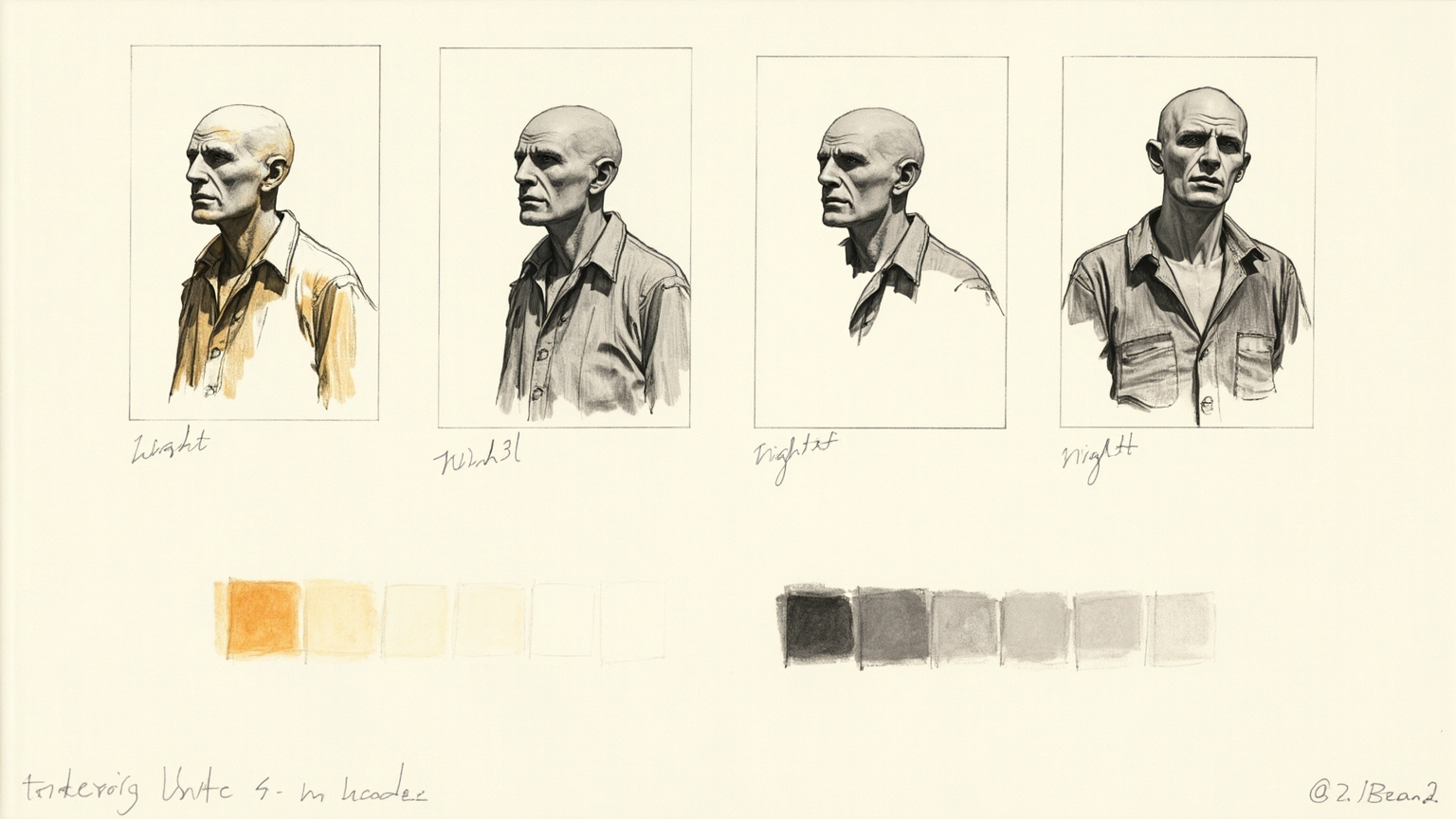
Art Direction4 plates
Before the guide was written, this book got a visual foundation — every illustration you just read grew out of it.