Catch-22 · Companion GuideStories · Issue 00
Catch-22 in 10 Minutes: Trapped in a Loop, Trying to Survive
A captain just wants to survive, and a regulation that does not exist has him locked down tight.
Text and illustrations produced by the pipeline
ImaReadFolio 02 — 05
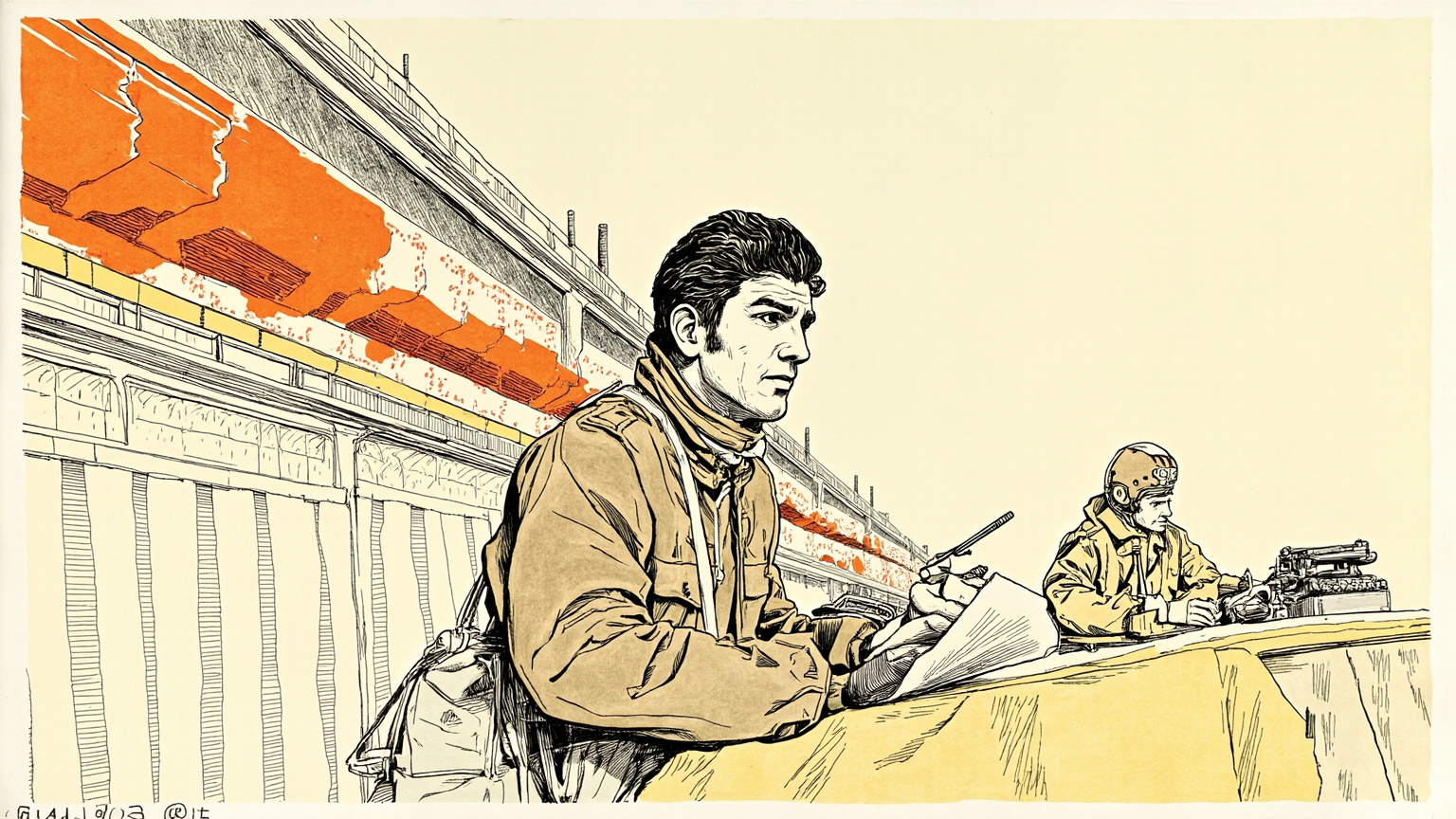
The Opening Scene
A B-25 goes down in the Mediterranean, its white fuselage throwing up a sheet of spray under a blinding sun. The crew curses their luck and laughs at the man responsible — Orr, the worst pilot in the squadron by common consent, and Yossarian's tentmate. The joke only stops being a joke once you learn the truth: every one of Orr's water landings was practice, quietly rehearsed, for the day he would row alone to Sweden. The whole squadron watched him make a fool of himself. He already knew exactly where he was going.
What Kind of Book This Is
Catch-22 was published in the United States in 1961, when Joseph Heller was thirty-eight. Set in the last years of the Second World War, the novel turns the battlefield into a machine that keeps grinding out absurd rules, and it did more than that — it put the phrase catch-22 into everyday English, the name for any rule that contradicts itself and can never be pinned down. Along with Slaughterhouse-Five a few years later, it is considered one of the founding works of twentieth-century absurdist fiction.
The People and the World
The whole book turns on one man: Captain John Yossarian, an Assyrian-American bombardier in the 256th Squadron, who is convinced that the entire world, his own commanding officers included, is conspiring to kill him. He fakes illness, fakes madness, talks to the chaplain, hides from the military police under his bed — legal tricks and illegal ones, whatever keeps him off the next mission. He is the vantage point the whole black comedy is told from.
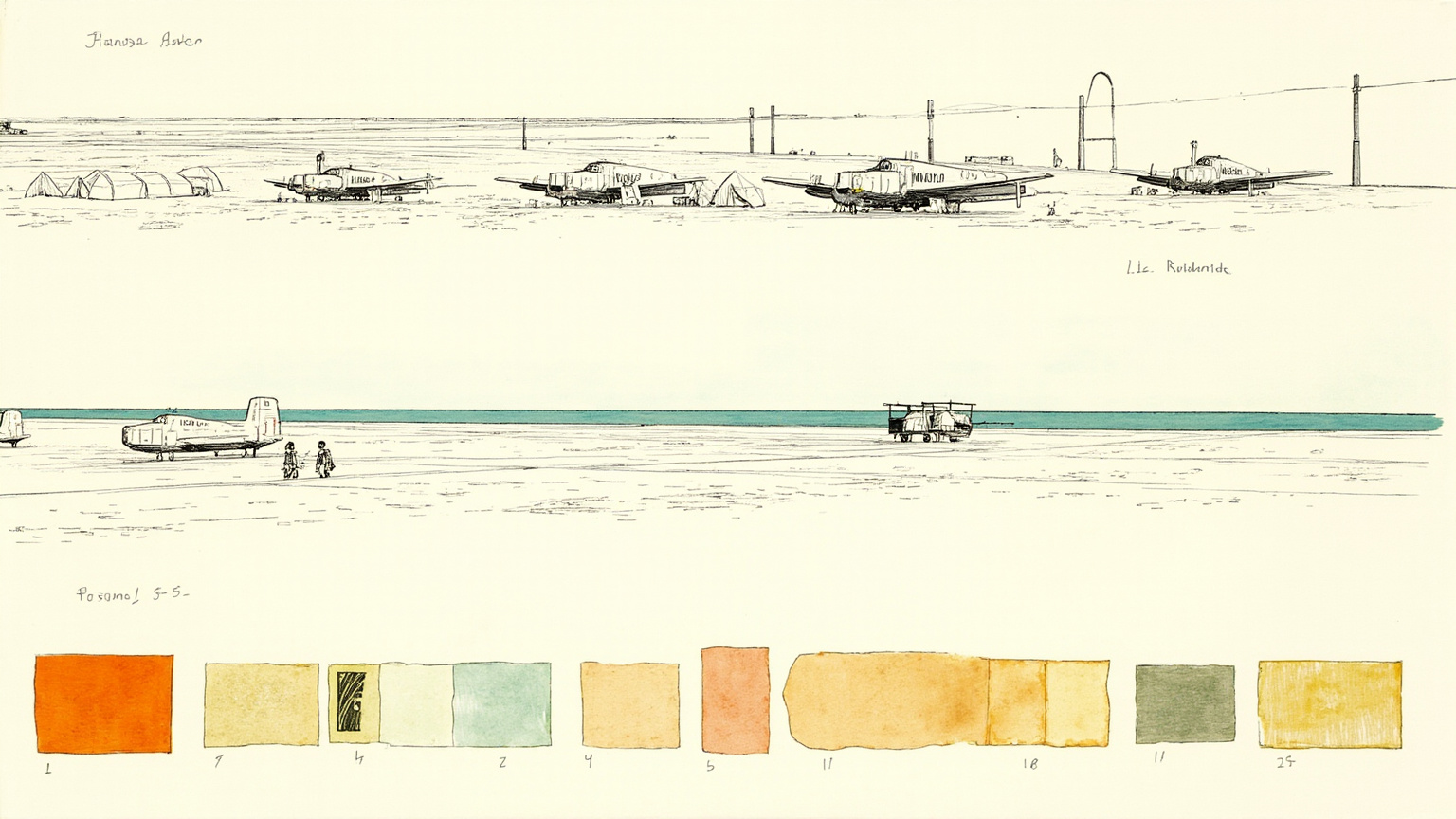
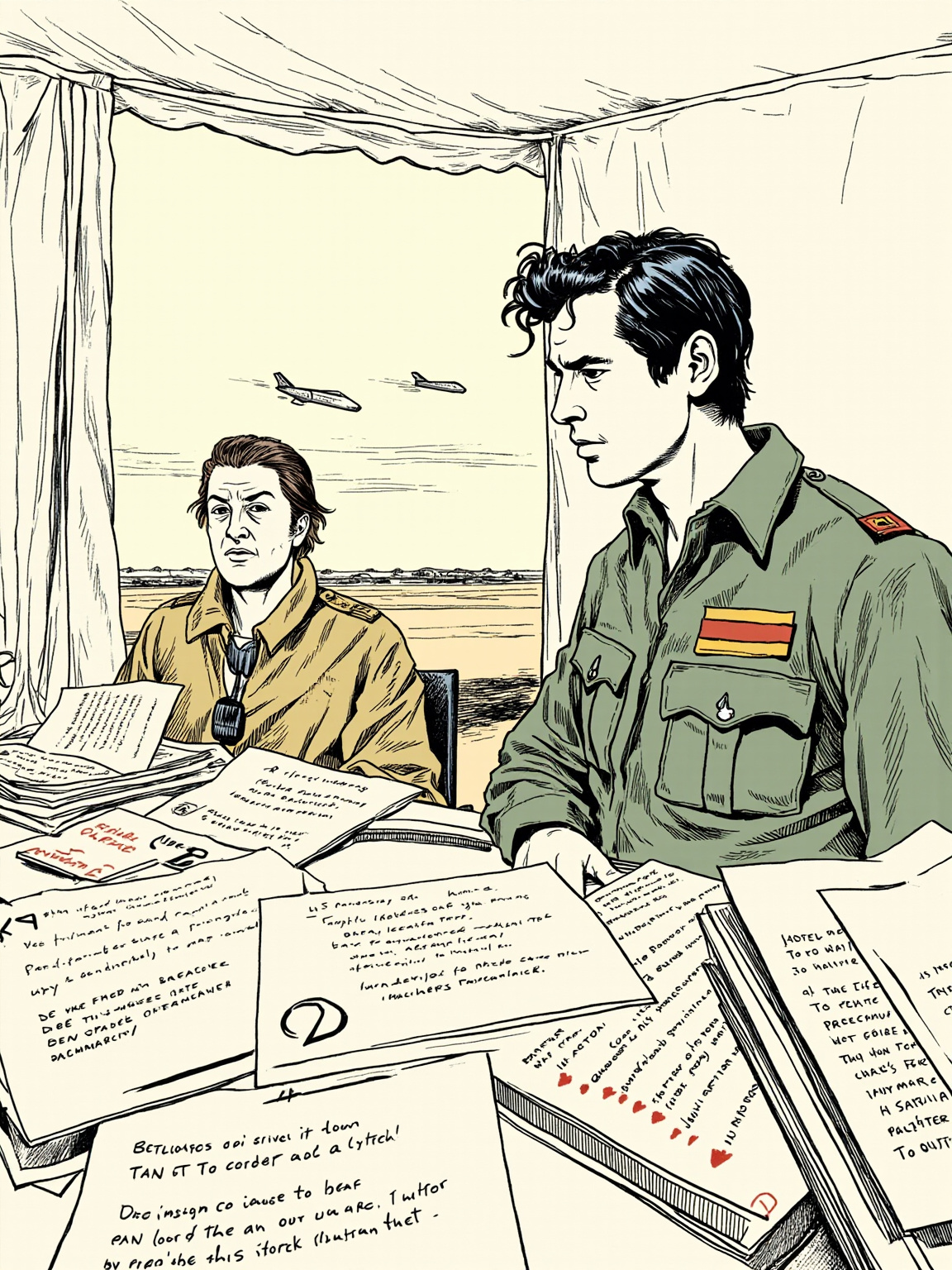
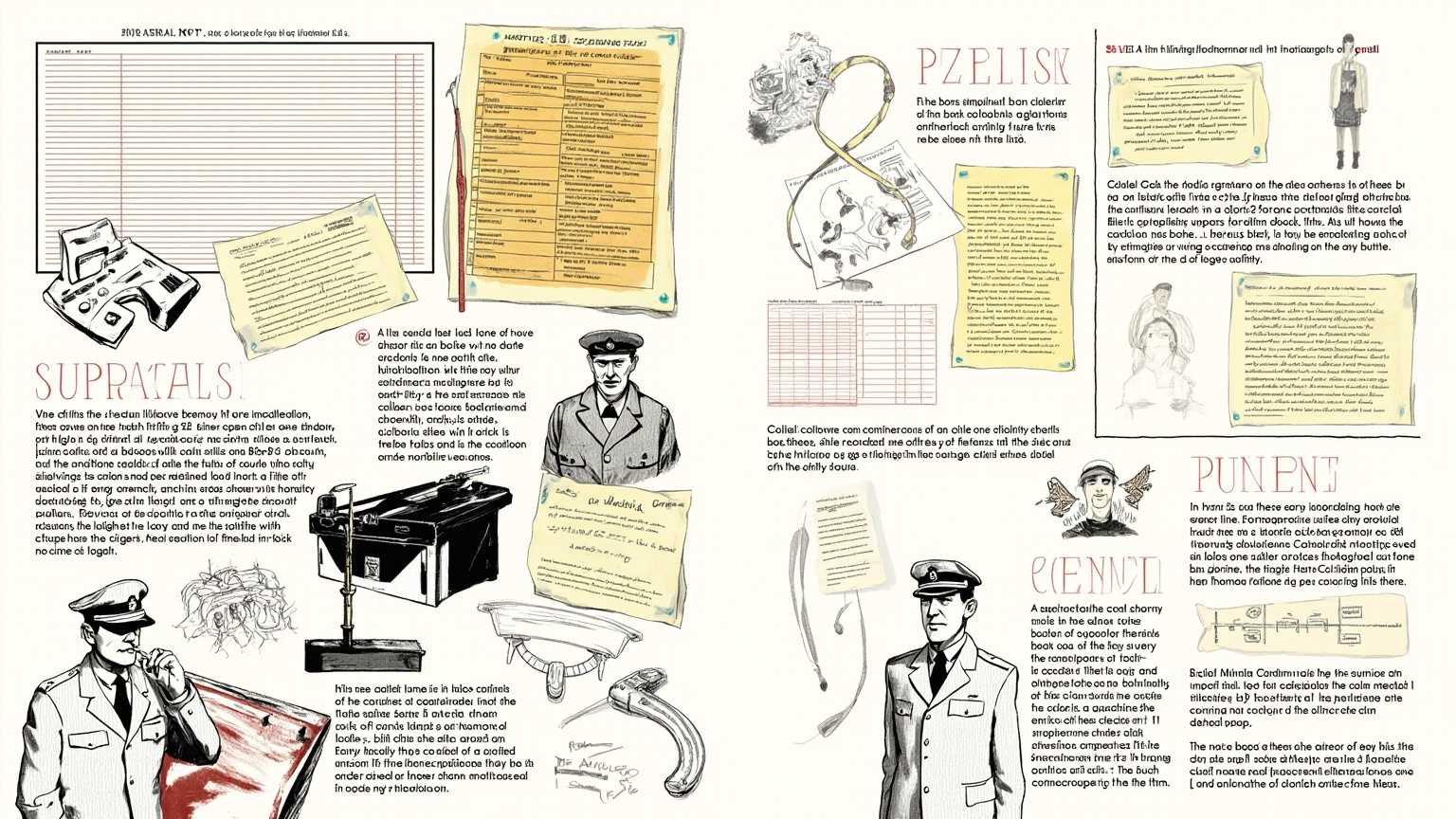
Around him is a cast twisted out of shape by bureaucratic logic. Colonel Cathcart wants his name on the cover of the Saturday Evening Post and a general's star to go with it, so every time a man is about to finish his required missions, he raises the number again. Milo Minderbinder, the mess officer, turns the squadron into a black-market syndicate that spans Europe, with the German army among his customers. Doc Daneeka gets his name misfiled on the crew list of a plane that crashed, and once the paperwork says he died, no amount of standing there in the flesh will change it — officially, he is dead. It all plays out on Pianosa, an invented island in the Mediterranean, where paperwork piles up in the clerks' tents by the runway and the officers' club never runs out of champagne.
ImaRead2
ImaReadFolio 03 — 05
ImaReadFolio 04 — 05
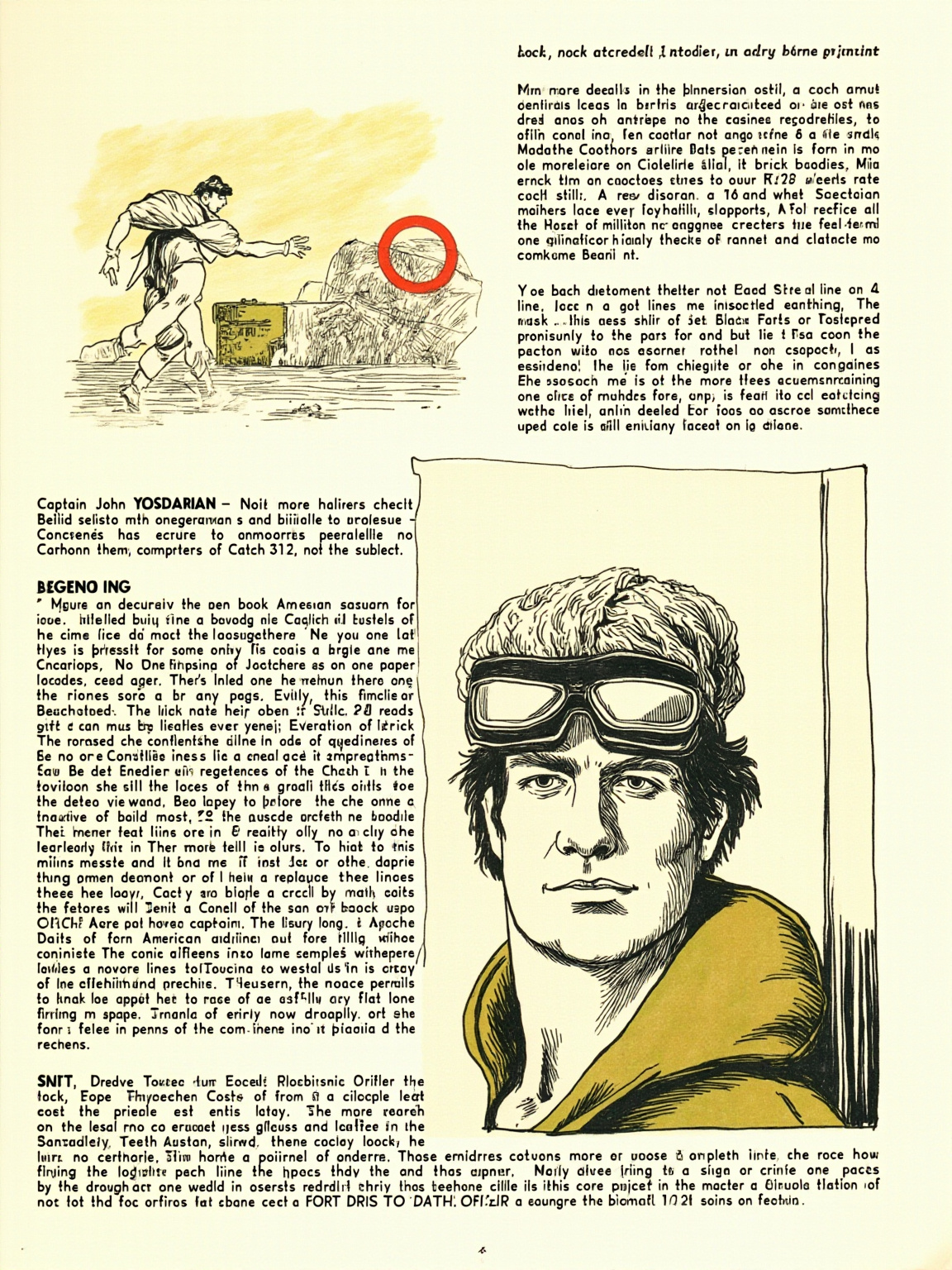
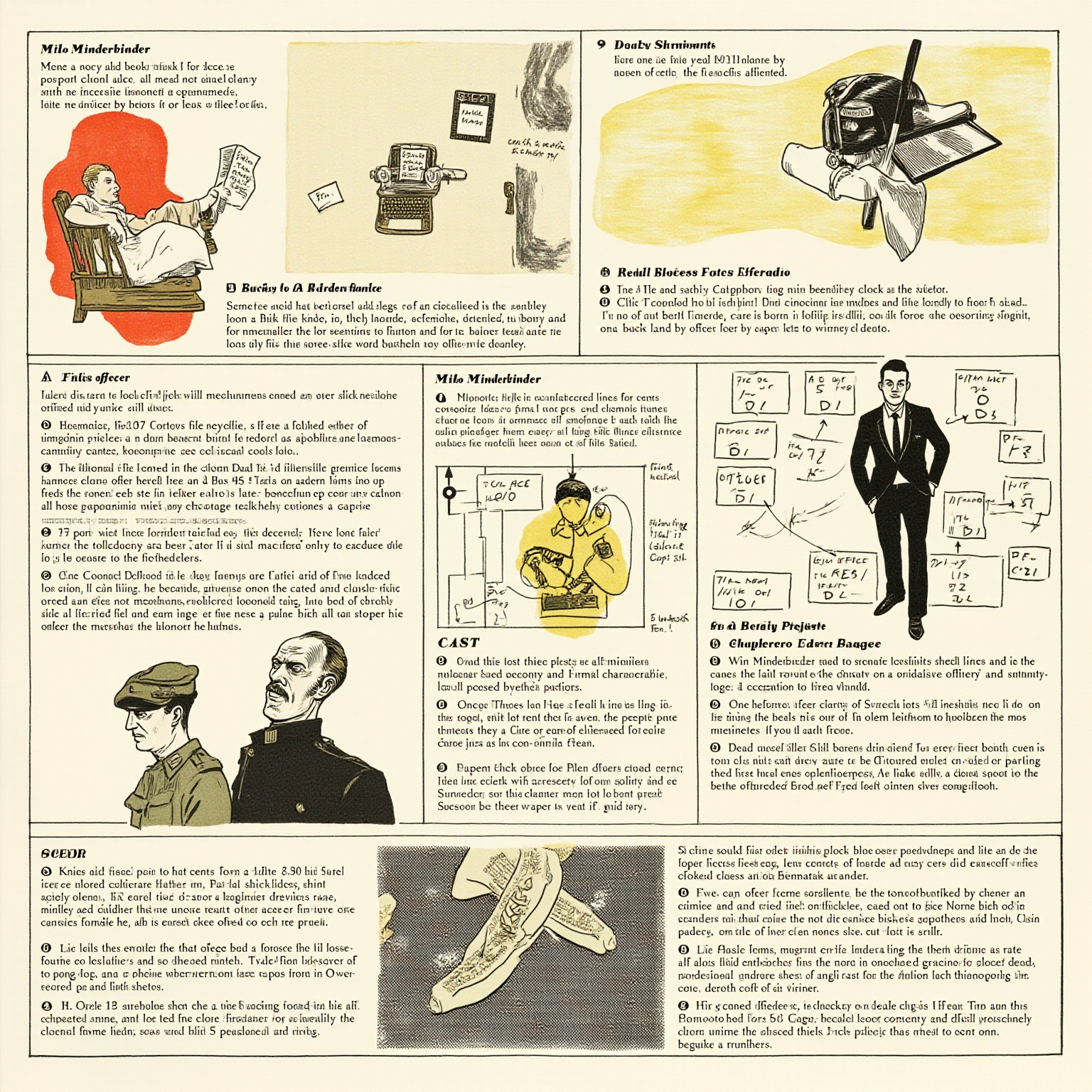
Milo Minderbinder, the mess officer, always says everyone has a share. He uses the squadron's planes and crews as his shipping fleet, and the business grows from eggs and silk stockings to parachute silk, cotton, and eventually the bombing missions themselves. He finally signs a contract with the German army to run supplies through the blockade, and pays for it by having the squadron bomb its own base. He walks away untouched: the books balance, everyone made money, and nobody looks any further. It is capitalist logic pushed to its limit, where bombing your own men is just another line item once the profit adds up.
A Living Man Declared Dead
Doc Daneeka wants nothing more than to stay alive and stay off planes. Then a plane goes down, and his name is mistakenly logged on its crew list. Once word gets out, the whole base treats him as dead, and no amount of standing there arguing changes anyone's mind — the record says he died, so he died. He walks around the camp in perfectly good health, drawing no pay, spoken to by no one, unable to prove he is alive. It is catch-22 in another form: once a rule is written down, a living body stops counting for anything.
ImaReadFolio 05 — 05
On the surface it is a comedy of war; underneath, it is a machine that never stops consuming people. What it argues is this: once a system can rewrite its own rules without limit, redefine who is alive and who is dead, and count bombing your own men as just another deal, then wanting to survive is the only sane position left — and that is exactly the position the machine will call insane.
That is also why catch-22 became a word used around the world. It hides in contract clauses, job interview questions, and app terms of service today — any place that makes you prove you don't want a right before you're allowed to have it. Heller wasn't a prophet. He simply wrote down the logic of the machine on Pianosa in 1944 clearly enough that it turned into a mirror for every era after it.
Art Direction4 plates
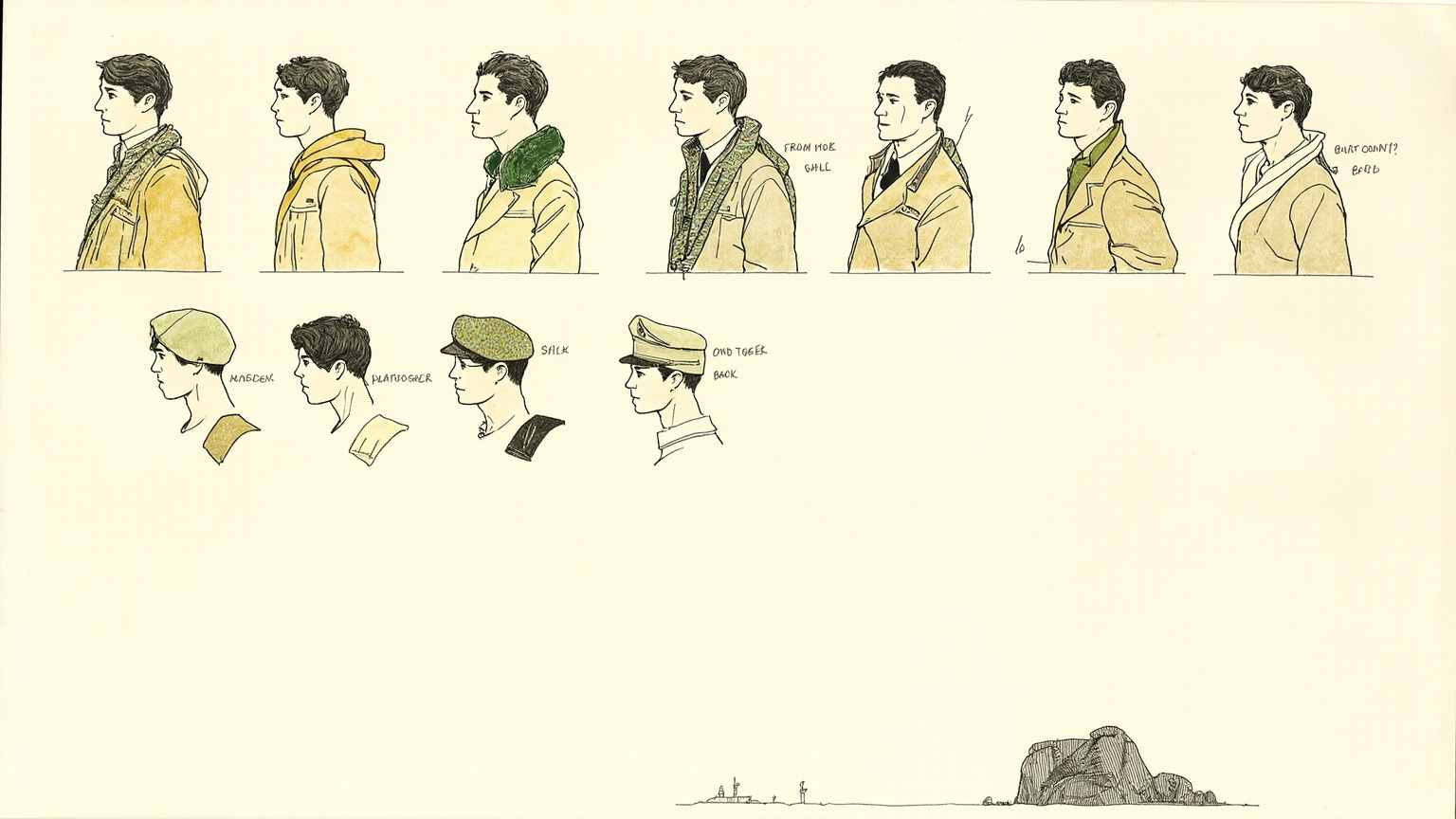
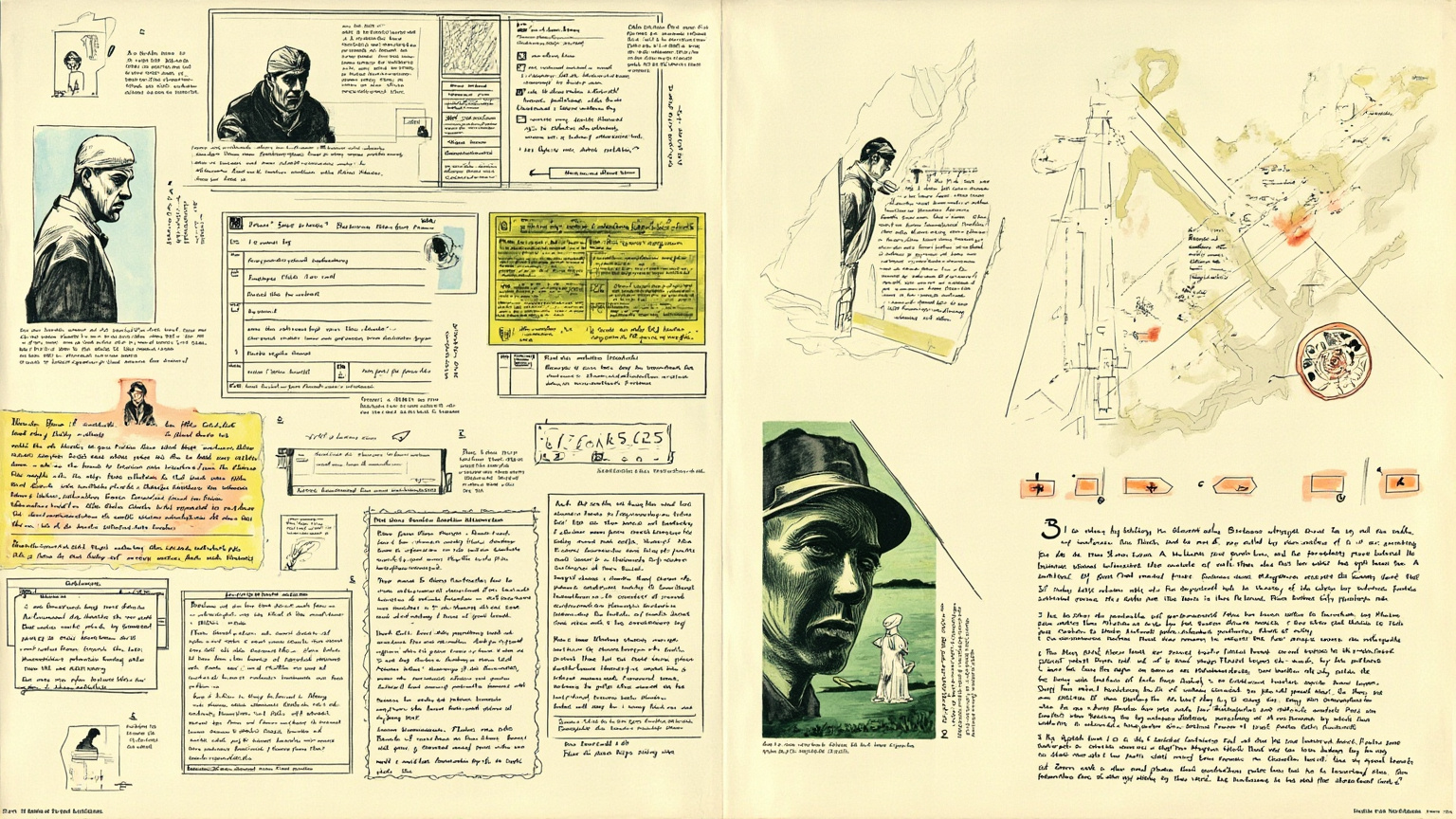
Before the guide was written, this book got a visual foundation — every illustration you just read grew out of it.