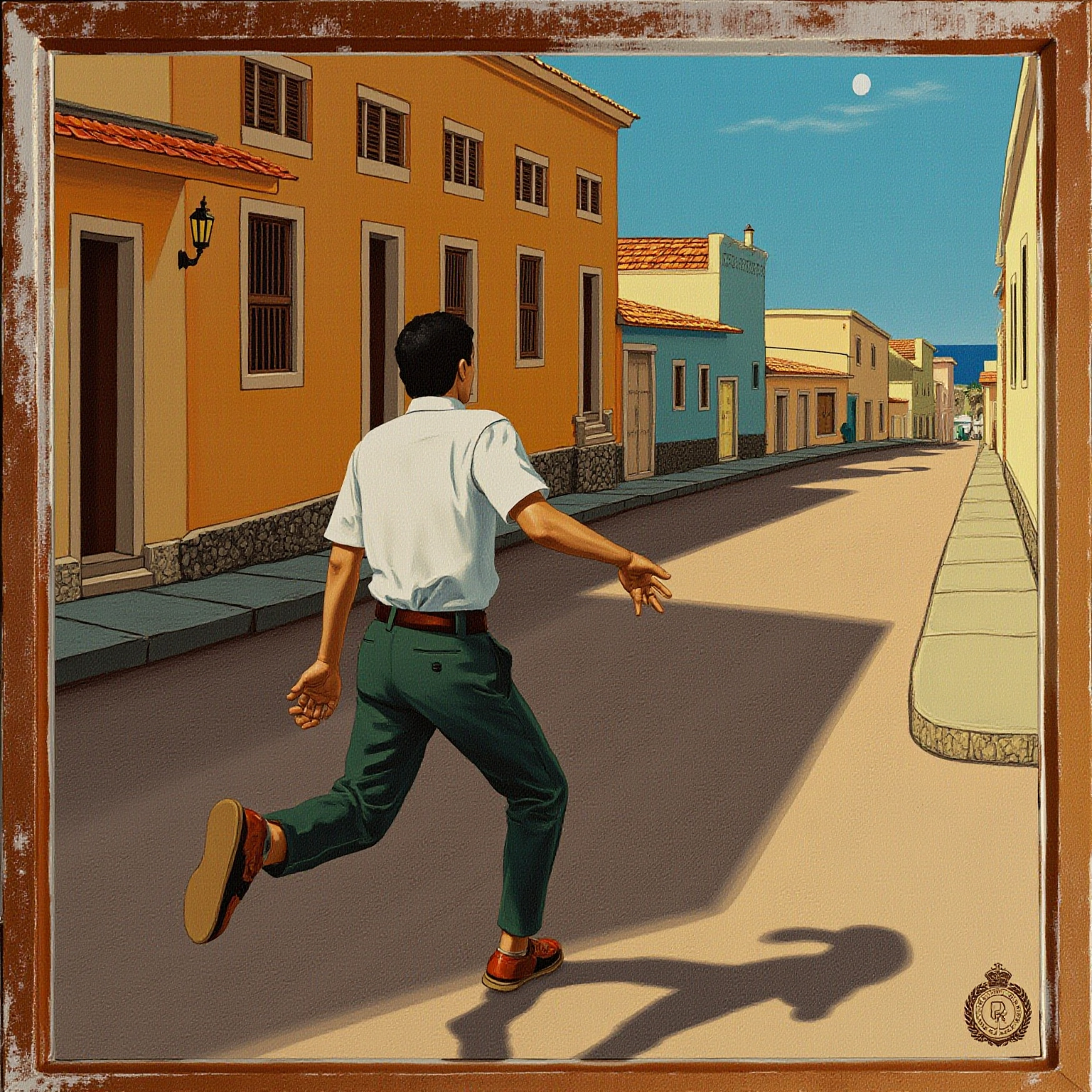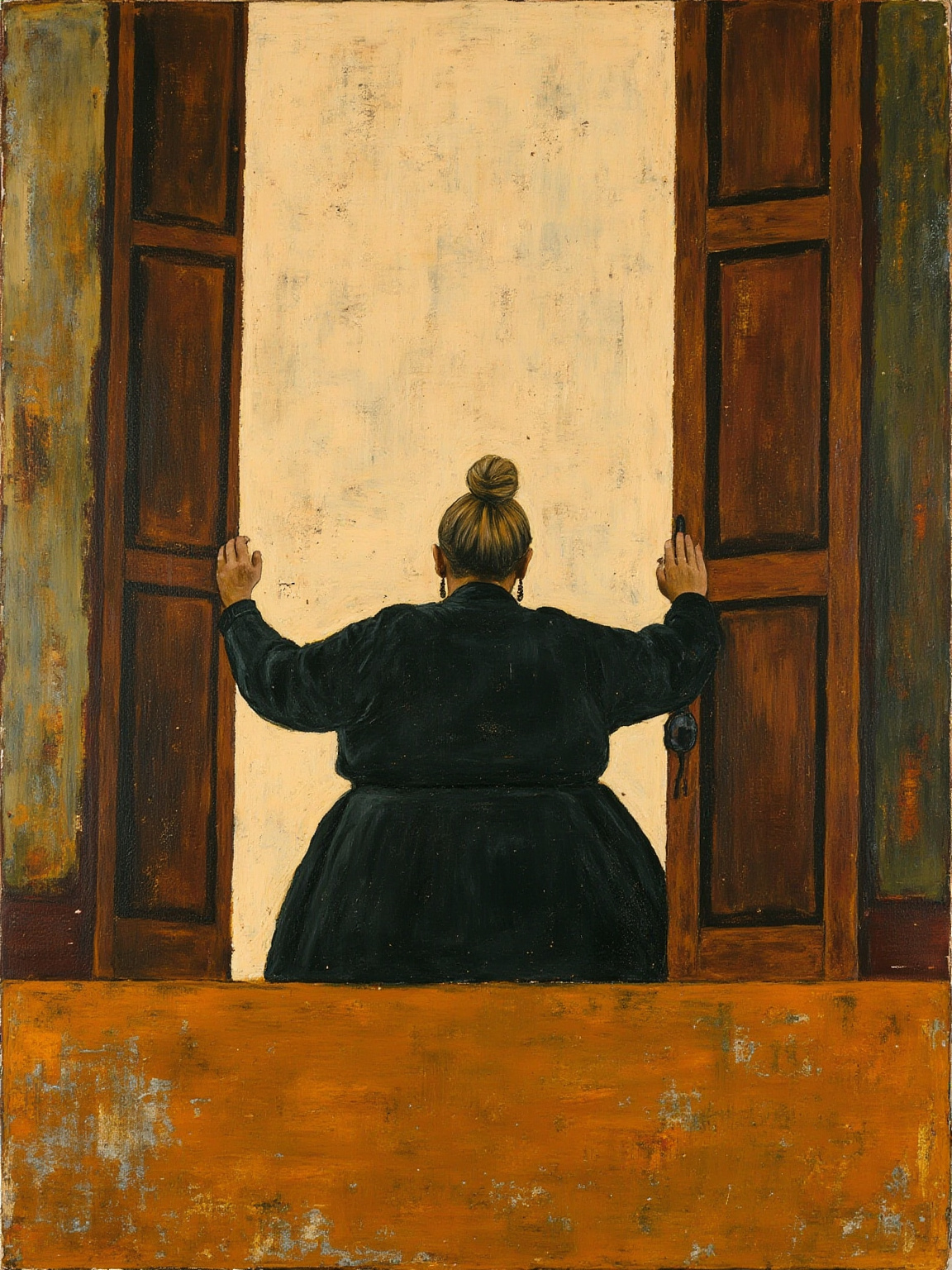
García Márquez's sharpest cut doesn't land at the murder scene.
Text and illustrations produced by the pipeline
On the morning he was carried off his own doorstep, Santiago Nasar had been, only the day before, the town's most promising young rancher, and he had just told his mother about an unsettling dream. Who killed him? The book's very first sentence already tells you.
Chronicle of a Death Foretold is the novella Gabriel García Márquez published in 1981, originally titled Crónica de una muerte anunciada. It is an outlier in his body of work — none of the sprawling, magical family sagas of One Hundred Years of Solitude, but restrained to the point of dryness. Márquez takes a case that was settled long before the book opens and hammers at it again and again with a reporter's method, and the result cuts deeper than any of his novels. It has stayed in readers' minds because it asks an uncomfortable question: how does a murder that an entire town knows about in advance actually happen?
The killing at the center of the book is drawn from a real murder that happened near García Márquez's hometown in 1951. He took the actual events apart and rebuilt them with a novelist's hand — a masterclass in working the border between fact and fiction, and the coldest spark ever struck between journalism and magical realism.
The story is set in a small town on the Colombian Caribbean coast in the mid-twentieth century — García Márquez deliberately never names it, as if any town like it would do. It is small enough that neighbors can recite each other's family history of births, marriages, and deaths going back generations, and that closeness is exactly why old codes like honor, chastity, and respectability carry more weight than the law.
The dead man, Santiago Nasar, is twenty-one, the son of an Arab rancher, a fine horseman with a gift for falconry, the kind of young man everyone in town greets by name. On the other side stand the Vicario twins, Pedro and Pablo, twenty-four, professional butchers whose faces are so alike that García Márquez keeps you from telling them apart on purpose. The bride, Angela Vicario, is their twenty-year-old younger sister; sent home on her wedding night, she is pressed by her brothers until she names Santiago, though whether he is really the man who took her virginity is never settled anywhere in the book, and that ambiguity is deliberate. The outsider bridegroom, Bayardo San Román, is around thirty, wealthy and composed; when he discovers his bride is not a virgin, he says nothing and simply returns her, then vanishes from the story. He is the quietest character in the book, and somehow the most jarring.
What an explainer like this can give you is a map. The book itself gives you the feeling of standing on the ground the map describes. García Márquez does something in here that rarely comes up in summaries: he has twenty-seven witnesses, twenty-seven years later, questioned again and again by the same reporter about the same day, and no two of them agree. Memory lies, loyalties bend the story, and even I saw it happen turns out to mean something different from one mouth to the next. That sense of the truth being torn into twenty-seven pieces is something no plot summary can hold. There is also the current of the uncanny running under sentences dry enough to be newswire copy — the dream reading, the bishop who never lands, the twins you cannot tell apart. You have to turn to those actual pages yourself and let García Márquez nudge you, before you catch yourself thinking: did I just miss something? Knowing how it ends is only the entry fee. Being cut by the knife the book never shows you is what it actually has to give you.
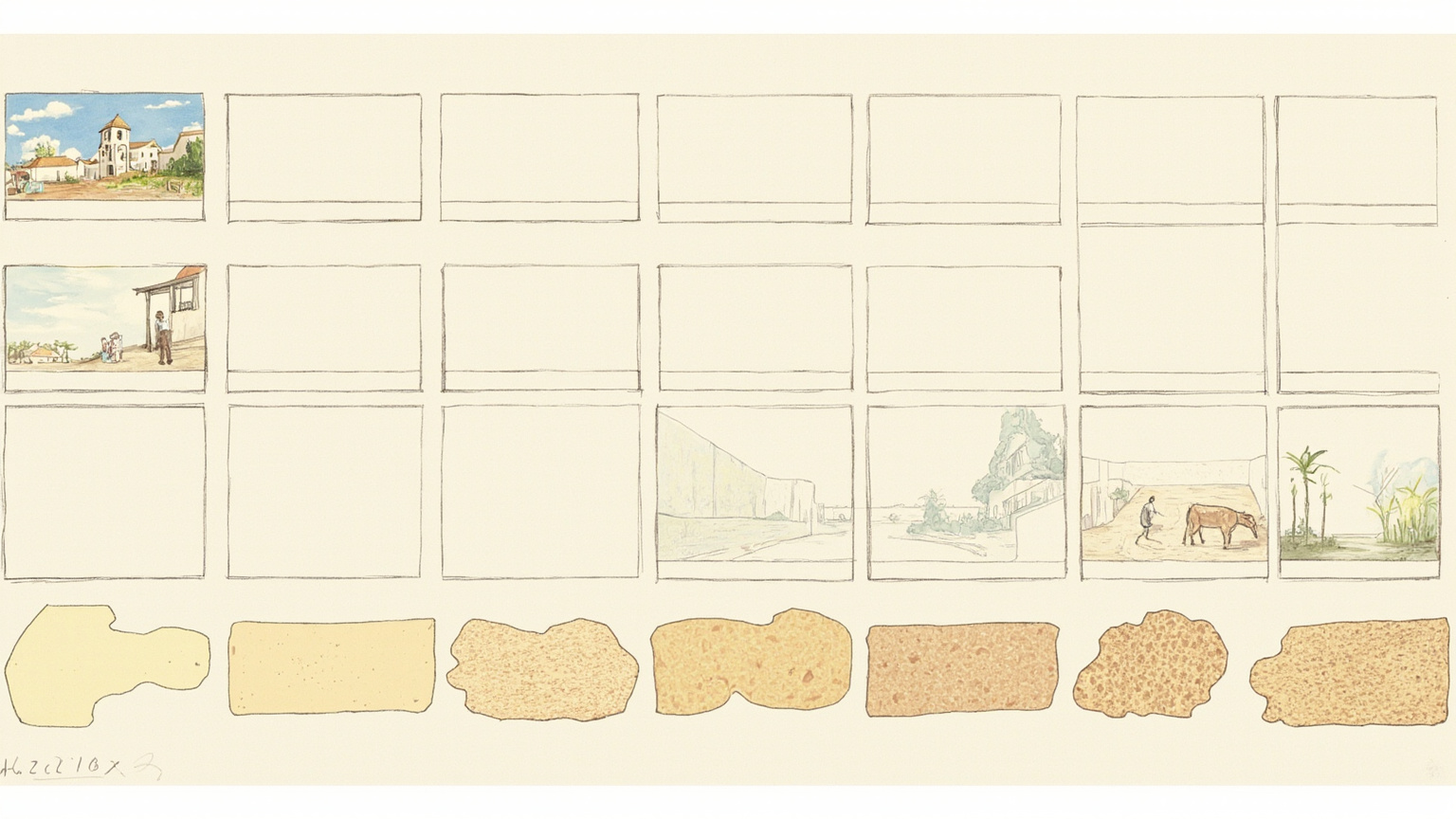
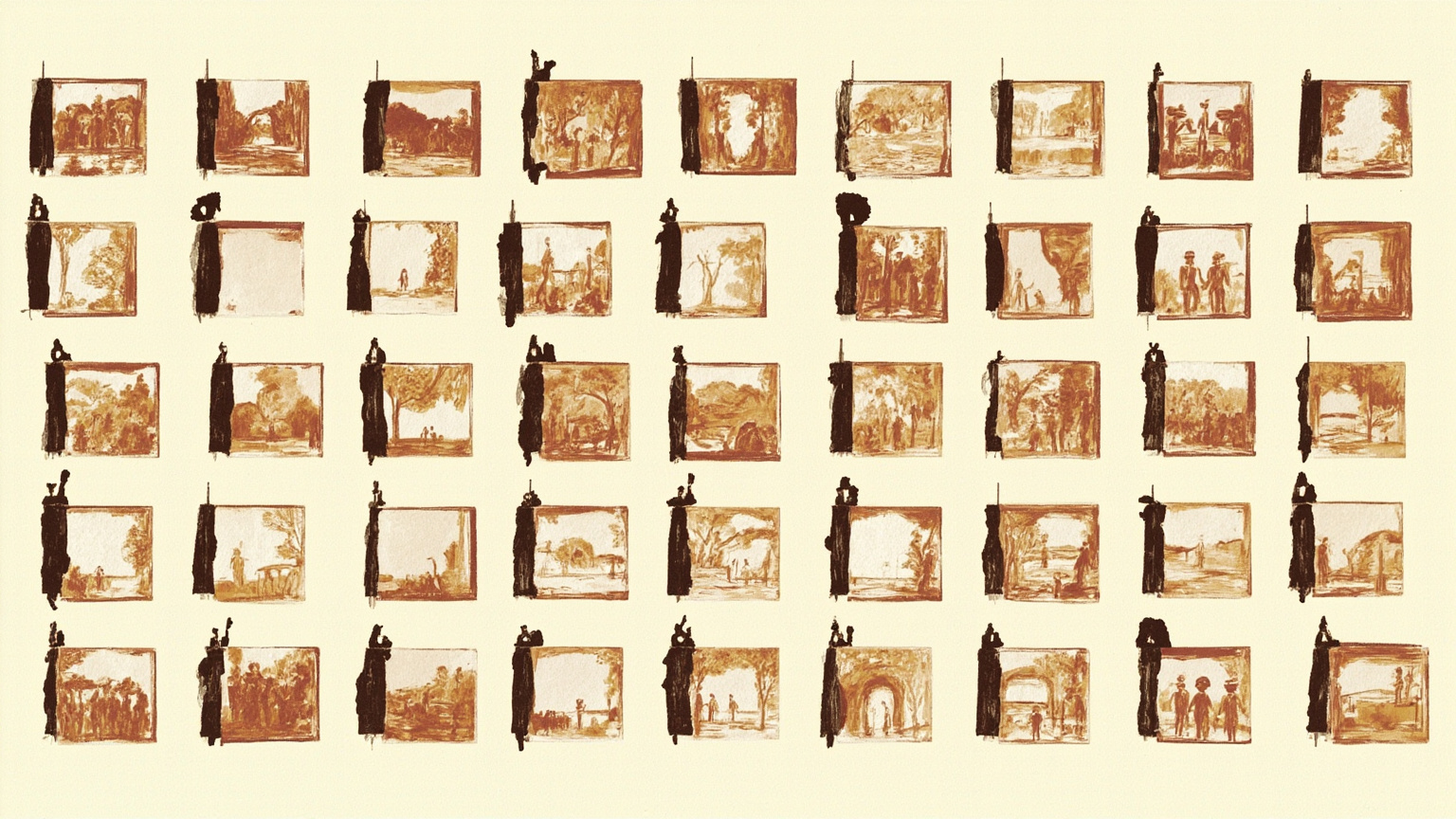
Before the guide was written, this book got a visual foundation — every illustration you just read grew out of it.
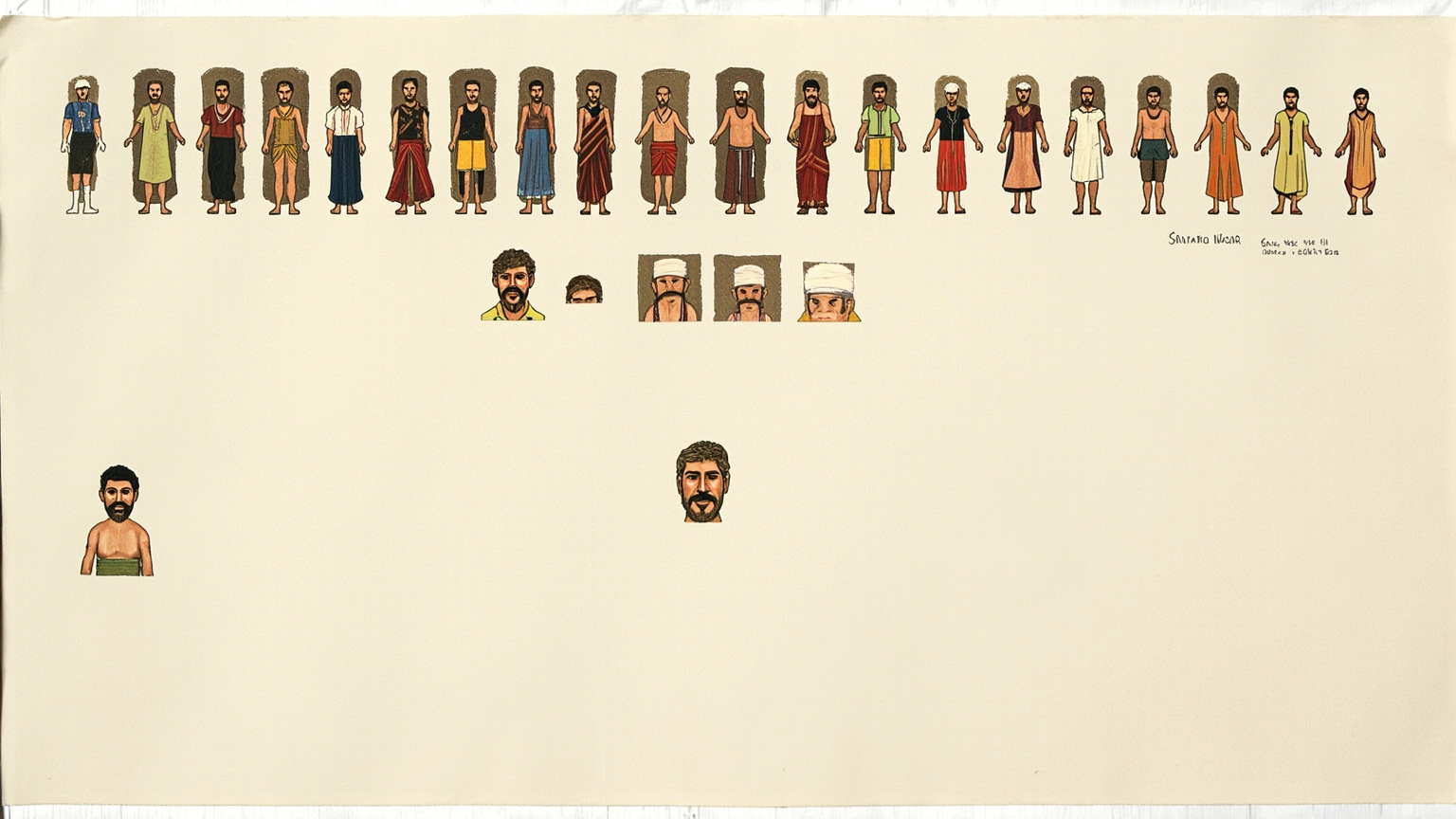
Two more characters are worth holding onto: Cristo Bedoya, Santiago's closest friend and a medical student, who spends the morning of the killing running through the streets trying to warn him; and Santiago's mother, Plácida, known around town for reading dreams — the one detail that makes it worse is that this woman, whose trade is dreams, misreads the dream her son mentions to her that very morning, then in her panic locks the front door and shuts her own son out.
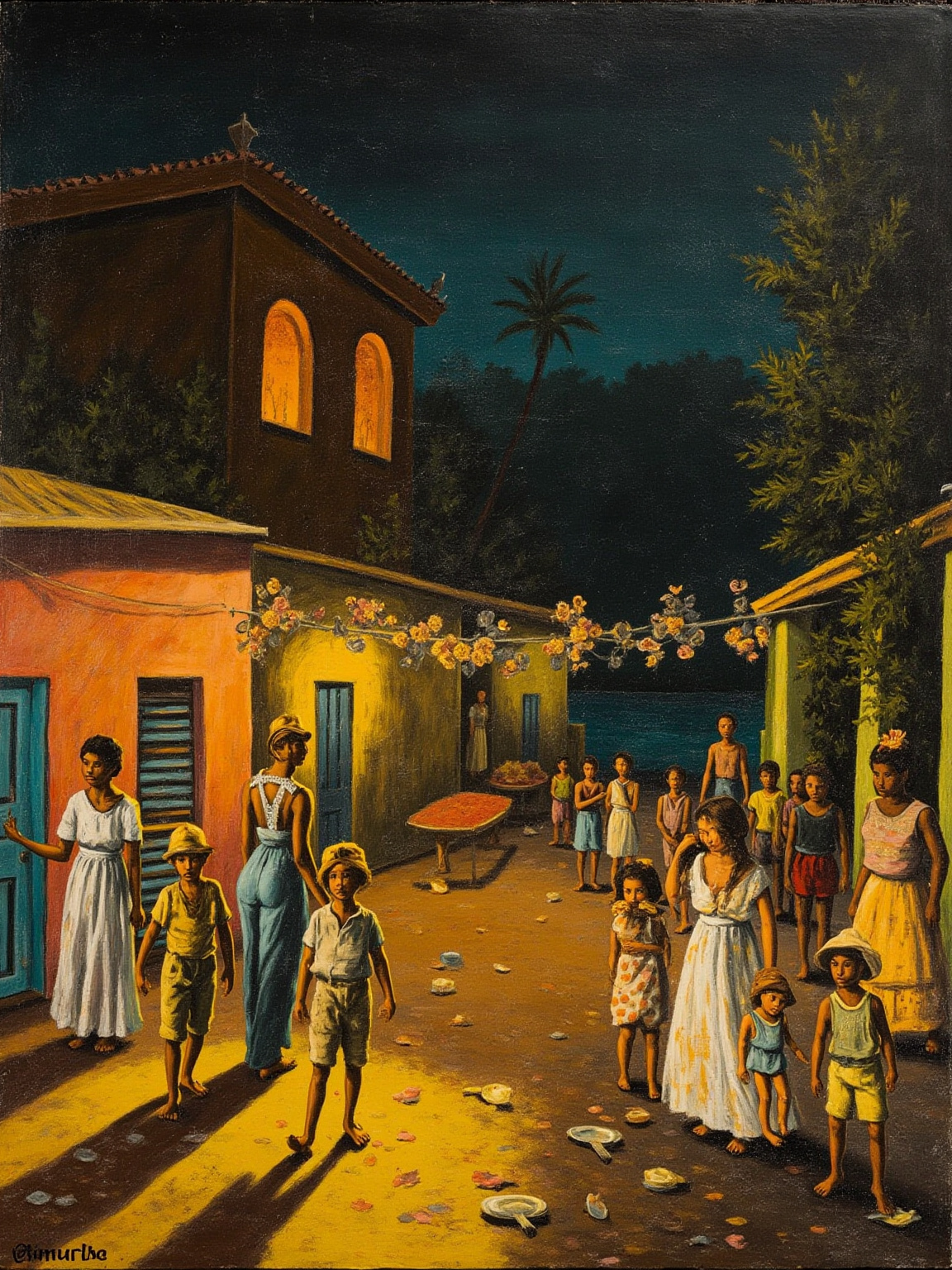
Start with the wedding. Bayardo San Román, a wealthy outsider, falls for Angela Vicario, a poor girl from town, at first sight, and throws a wedding so lavish that nearly the whole town turns out for it. It is the one genuinely festive stretch in the entire book: lanterns, wine, dancing that runs all night. But García Márquez is telling you from the first page that the louder this night is, the harder it will hurt to look back on.
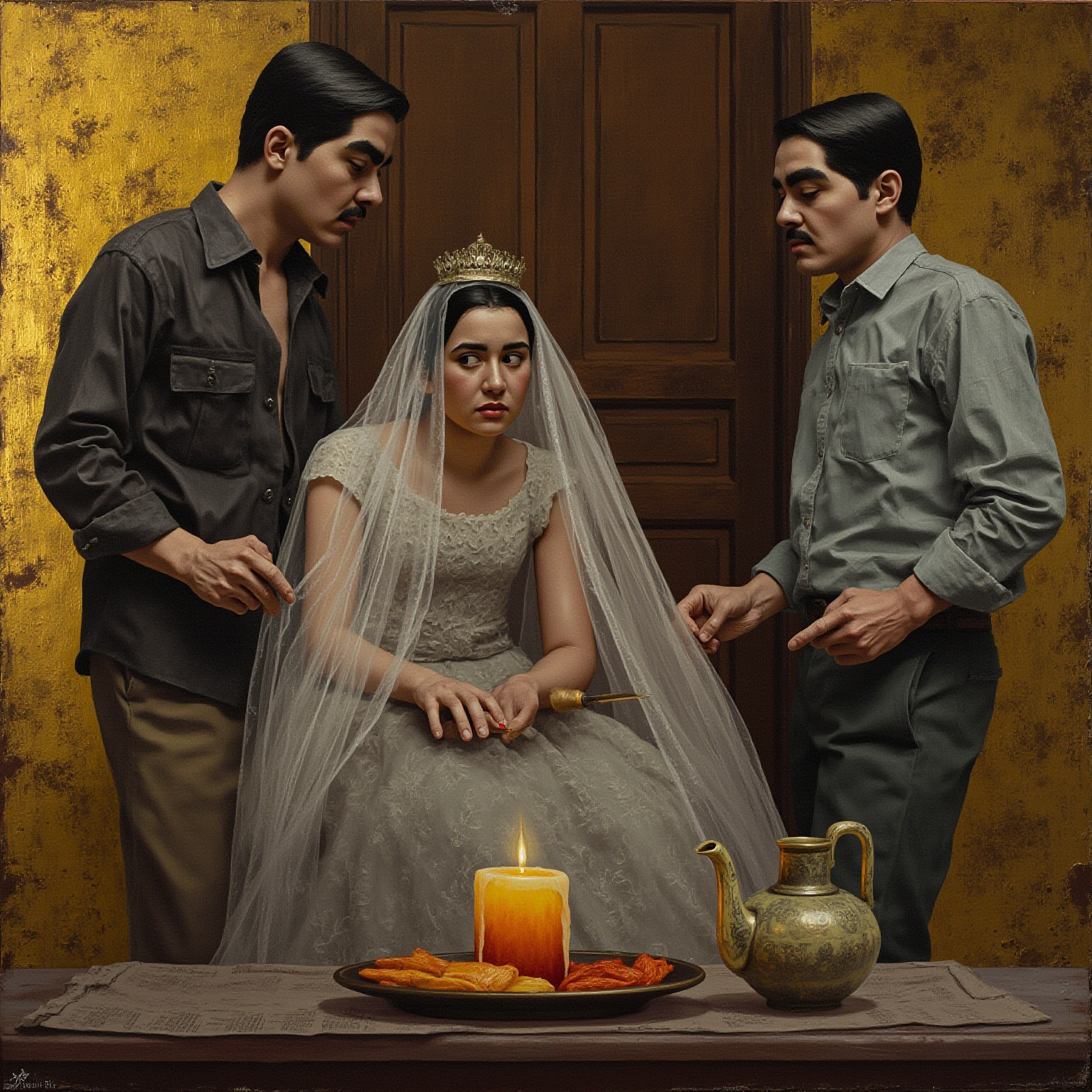
On the wedding night, Bayardo discovers Angela is not a virgin. There is no fight, no shouting, not a single word — he packs her bags and returns her, untouched, to the Vicario house. The moment the door closes behind her, everything changes course. Her twin brothers corner her and demand the man's name. Angela says Santiago Nasar, and from that second on, the name is a bomb with the clock already running.
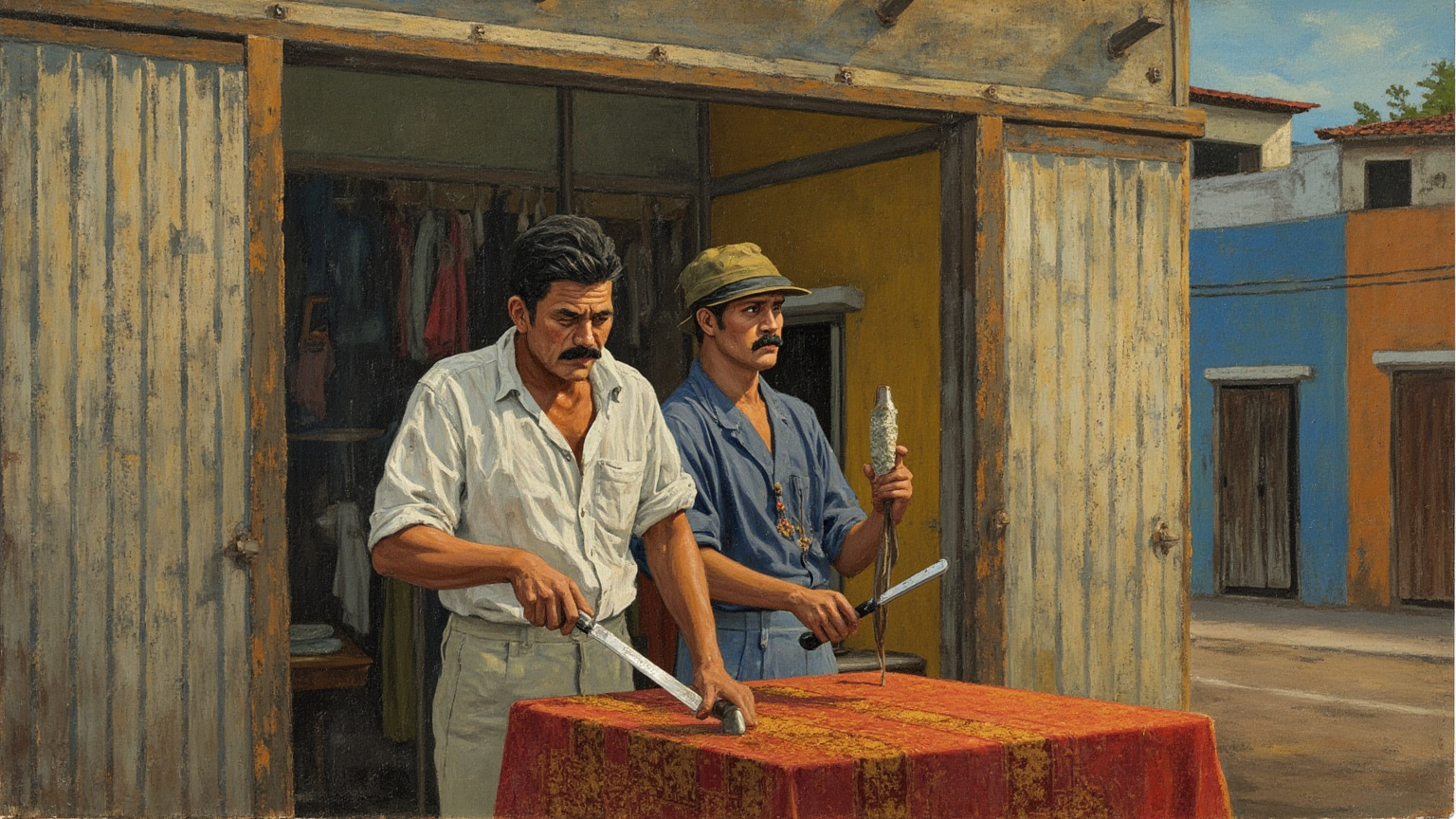
What follows is the spine of the book. Pedro and Pablo spend the night sharpening their knives in the butcher shop; García Márquez makes a point of writing that the hog-killing blades were honed sharp enough to strike sparks off the ground. Before dawn, the brothers post themselves near the main square and tell anyone who passes: today, we are going to kill Santiago Nasar. They do not whisper it; they announce it. The woman who runs the milk shop hears it, the police hear it, the priest hears it, the vegetable sellers on the corner hear it. Within a few hours, the whole town has this foretold killing ringing in its ears.
And yet no one actually stops them. Everyone has a different reason, and each one sounds reasonable: someone else must have gone to the police, the brothers were just drunk and talking, Santiago was an Arab and Arabs are supposed to be hard to kill, the priest must have already talked them down, the groom's family would surely intervene. It is a textbook chain of bystander logic, link after link, and it is exactly what builds a murder that never needed to happen.
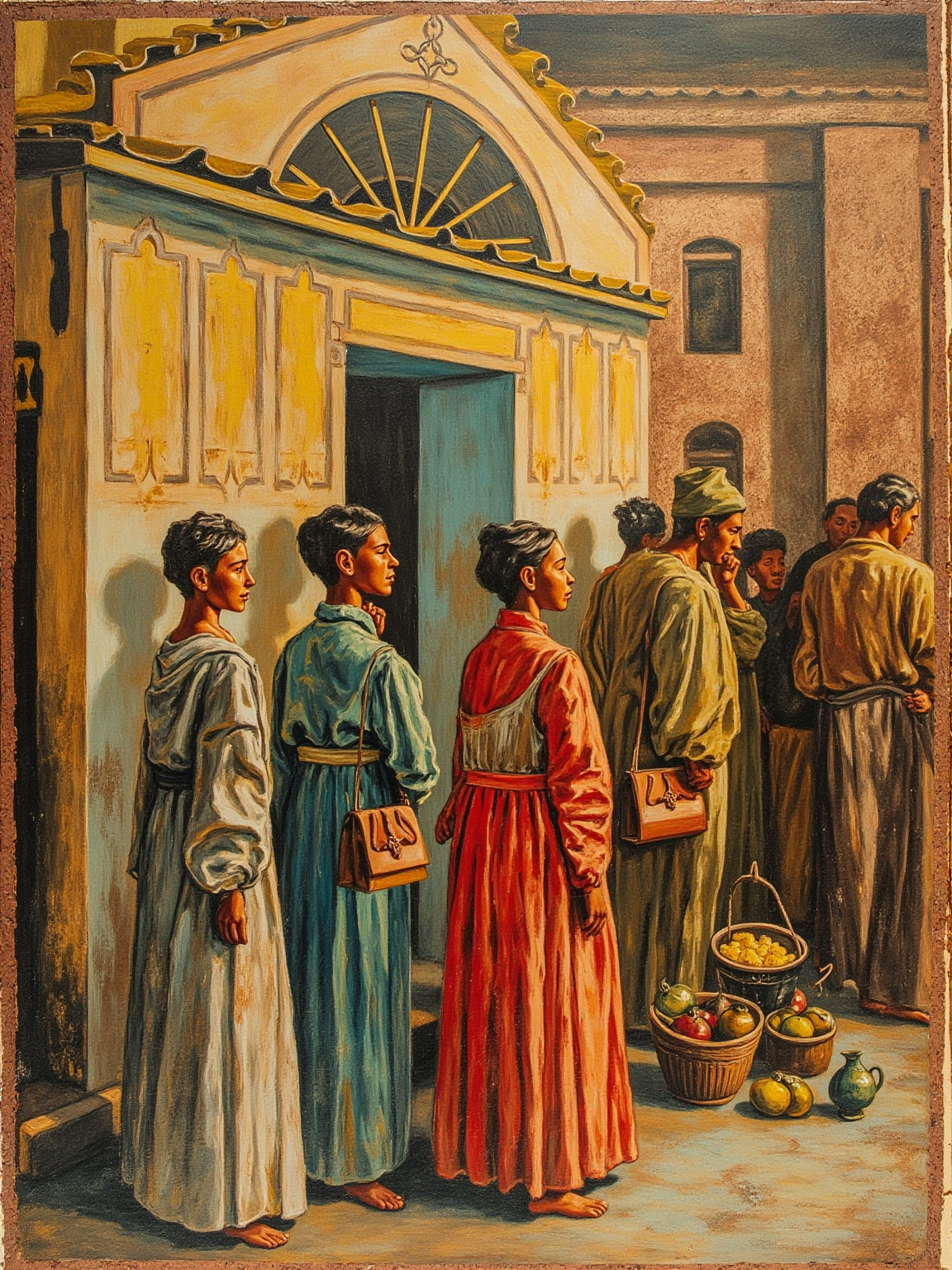
That same morning, the whole town is streaming toward the dock, because a bishop's boat is due to pass through and he is expected to come ashore and bless the town. Santiago goes down to the dock too, as he always would, with no idea his own name is already on everyone's lips. But the bishop's boat never lands. It draws a cross in the air from a distance and sails on, and the wait for it pulls away the very attention that might have saved his life.
Cristo Bedoya runs through the streets asking everyone he meets, where is Santiago, trying to reach him before the knives do. But he keeps missing him by a hair, one of them searching this side of the river while the other walks the far bank, one pushing through a door as the other steps out of it. The misalignment is written almost like farce, and yet nothing about it is funny.
The fatal blow finally lands right at his own front door. His mother, Plácida, famous around town for reading dreams, brushed off the ominous one her son mentioned that morning. When she finally hears the commotion and runs to help, she has already bolted the door — locking her son outside, with the butchers already there. After the knife goes in, García Márquez never describes the weapon, the wounds, or the blood; all we get are scraps of neighbors' testimony, where they say they were standing, what they say they heard, who they assumed would step in. This is Márquez at his most ruthless: the blank space does more to unsettle you than any close-up ever could.
Twenty-seven years later, the narrator, a journalist whose life closely mirrors García Márquez's own, returns to a town that has mostly stopped thinking about the killing. He knocks on the doors of everyone who was there that day, one by one: what did you see that morning, did you hear anything, why didn't you stop it? No two accounts agree; the memories don't line up with each other. This is where the book's real subject finally surfaces: who did it stopped mattering long ago. What is much harder to reconstruct is how an entire town became complicit.
What García Márquez pulls off here is turning a murder with zero mystery about who did it into the most suspenseful book he ever wrote. What actually grips you is the question the book never answers directly: if everyone knew in advance, why did no one act? Honor, chastity, and respectability work like an invisible net — the killers feel they have no choice, the town tells itself this is someone else's business, the police treat it as a family matter rather than police work, and every one of these small self-justifications lays another brick in the wall that becomes the murder.
The structure is the cleverest part of the craft: the very first sentence gives away the death, and the rest of the book works backward, piecing the day together out of witness after witness, the skeleton of a piece of investigative journalism. But scattered through it are things no news report would ever carry: a mother reading dreams, omens, a bishop who never arrives, twin brothers the reader can't tell apart. The magical realism here is dialed all the way down from the sprawl of One Hundred Years of Solitude, but it never stops seeping through the ground underneath. That mix of journalistic method and a sense of fate closing in is a combination only Márquez could pull off.
For readers today, the sharpest edge of the book is how well it works as a parable of the bystander effect. A death everyone saw coming could happen in any era, in any crowded town or building; swap out honor killing for any social pressure strong enough to make people freeze, and the structure holds exactly the same. That is why the book is still cutting more than forty years later.