Cold Nights (Han Ye) · Companion Guide
寒夜
抗战胜利那夜全城放鞭炮,一个小校对员在同一刻无声死去——胜利属于谁,他一辈子相信的稿纸没能回答。
Opening: How a Proofreader Dies
He died on the day the firecrackers started. In the fog-bound mountain city where the Yangtze meets the Jialing, the whole town was cheering, and a parade beat drums and gongs past the window below. In an old rented room, a man in his forties, his lungs already half-choked with phlegm, lay on a rented plank bed while his breathing slowly gave out. The louder it got outside, the quieter it got inside. Outside was history reaching its climax. Inside was one particular man collapsing, in that same instant.
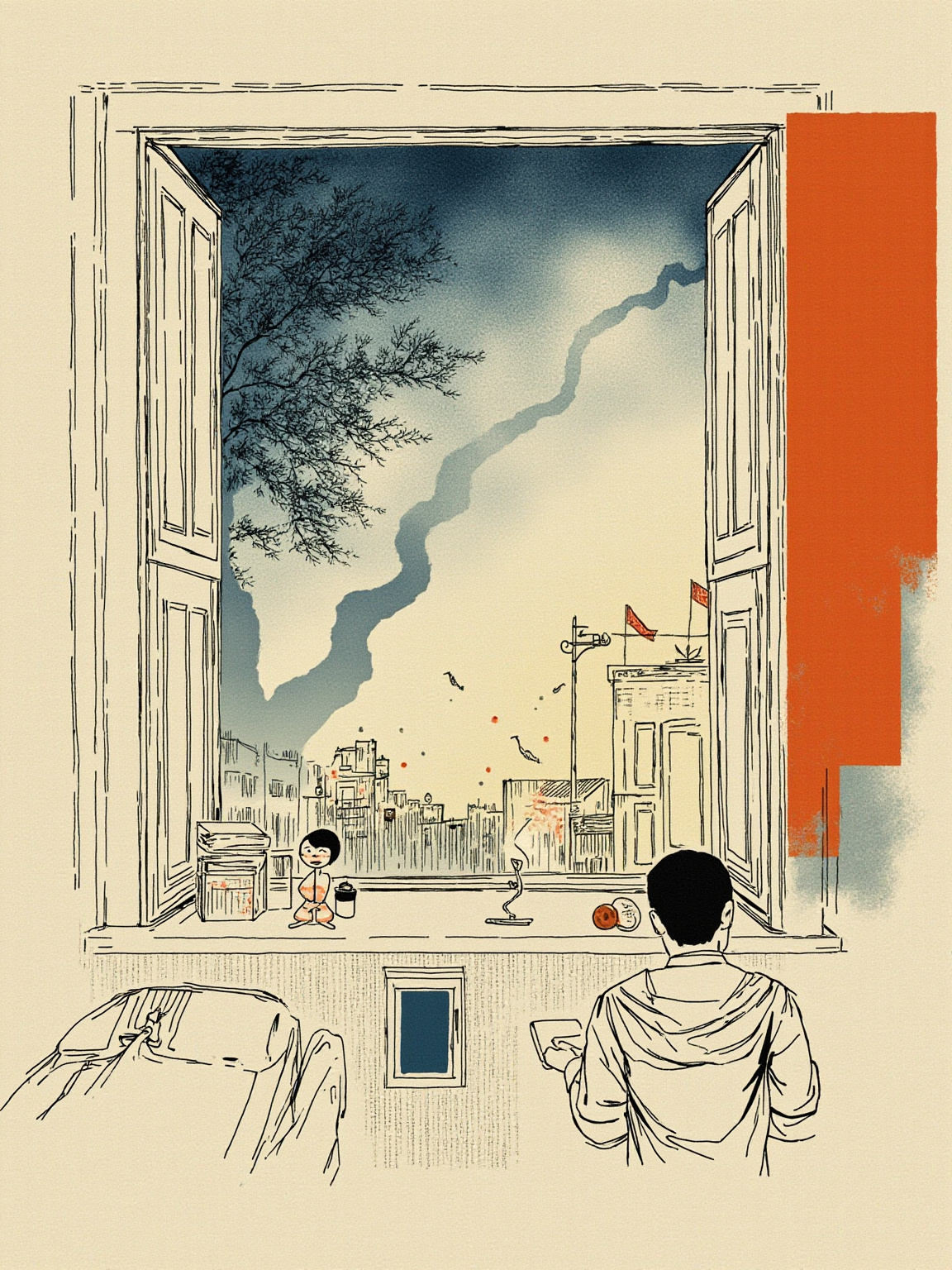
Firecrackers burst across the city; in that old rented room, a man of forty drew his last, slow breath.
外面越热闹,屋里越静;他靠在租来的木板床上,呼吸一点一点没了。
金句 · 开篇 · 汪文宣之死
Who Wrote This Book, and Why It's Remembered
Cold Nights is a novel Ba Jin published in 1947. Ba Jin was born Li Yaotang, and for most of his career he wrote the young man's cry that runs through Family, Spring, and Autumn. Cold Nights is the book he himself called his best, and the one modern Chinese literary history treats as his mature masterpiece. The novel that usually sits out on the shelf is Family, the one about a young man breaking out of the old household. Cold Nights gets pushed to the corner. But this is the book about middle-aged silence, and it's the one where Ba Jin actually goes cold, writes down to the bone.
Three People Wearing Each Other Down in One Old Room
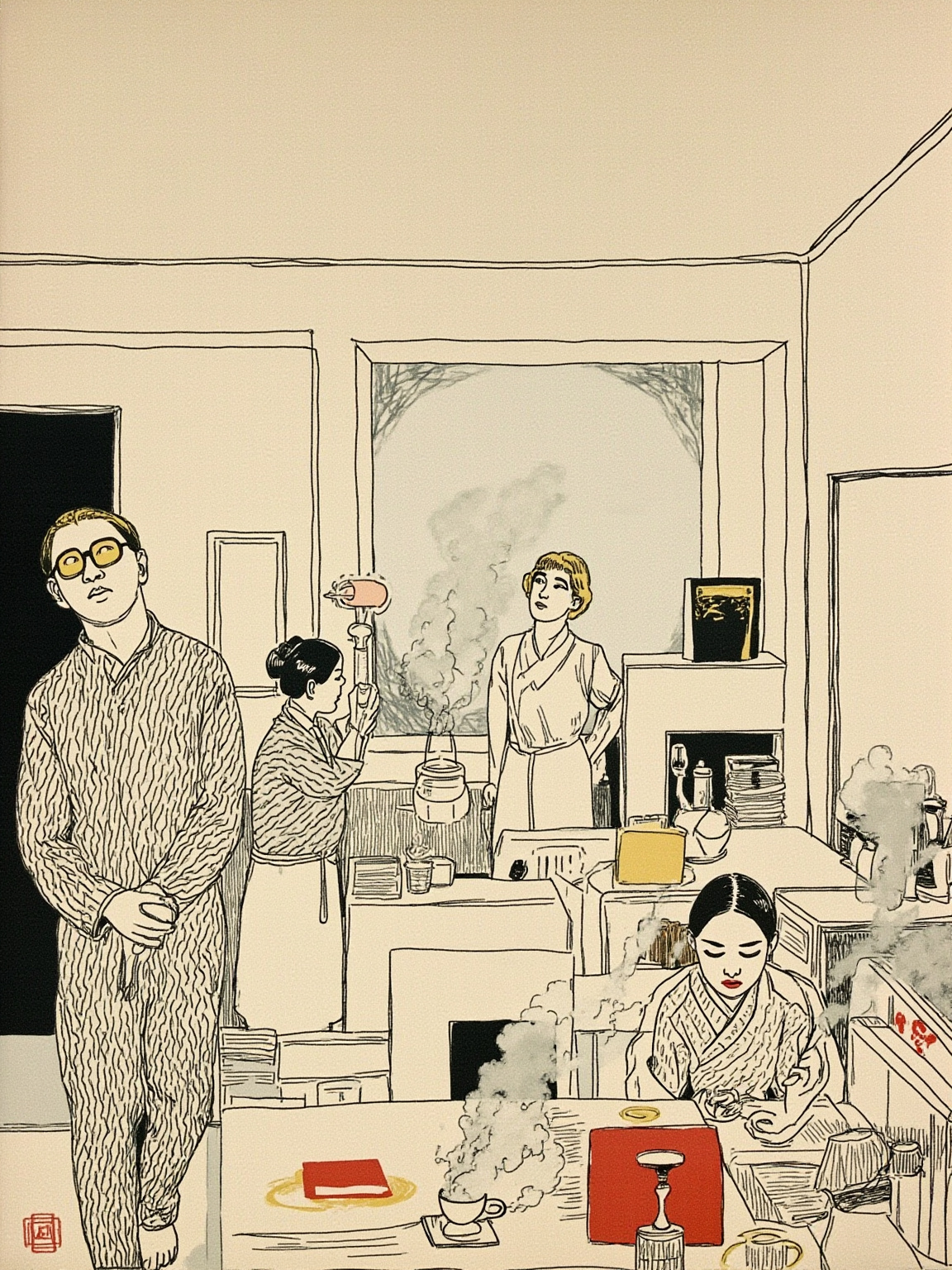
Wang Wenxuan works as a proofreader at a half-official, half-commercial publishing company, his lungs failing, dragging out his days on manuscript pages he no longer believes matter. His wife, Zeng Shusheng, has a modern education and a job at a commercial bank, and she moves through the banks and coffeehouses of the wartime capital, a different kind of light entirely from the one in the old room. Wang's mother has come from the countryside to Chongqing, doting on her son and resenting his wife, keeping watch over an oil lamp and an old clay pot forever simmering medicine. What the two women are fighting over isn't complicated: who actually runs this rented, two-room house. The boy is still young, maybe ten, and he has already learned to read the adults' faces. Three people, trapped under one roof, and nowhere for any of them to go.
A Fog-Bound Proofreader in Chongqing: What His Days Grind Away
Here is Wang Wenxuan's day: before dawn, he's under an oil lamp checking proofs, marking wrong characters box by box, and once one sheet is done the next one is exactly the same work, requiring no judgment at all. When the air-raid siren goes off, he shoves the proofs in a drawer and runs down the hillside to the shelter; when it's lifted and the fog still hasn't cleared, he walks back and sits down at the same desk. His old classmate Old Zhong grinds out his days at the same office, and the two of them run into each other now and then: Old Zhong will say a few words about the ideals they once had about education, then laugh it off. The ambitions of their whole generation of educated men had already been pulped into paper by this wartime capital.
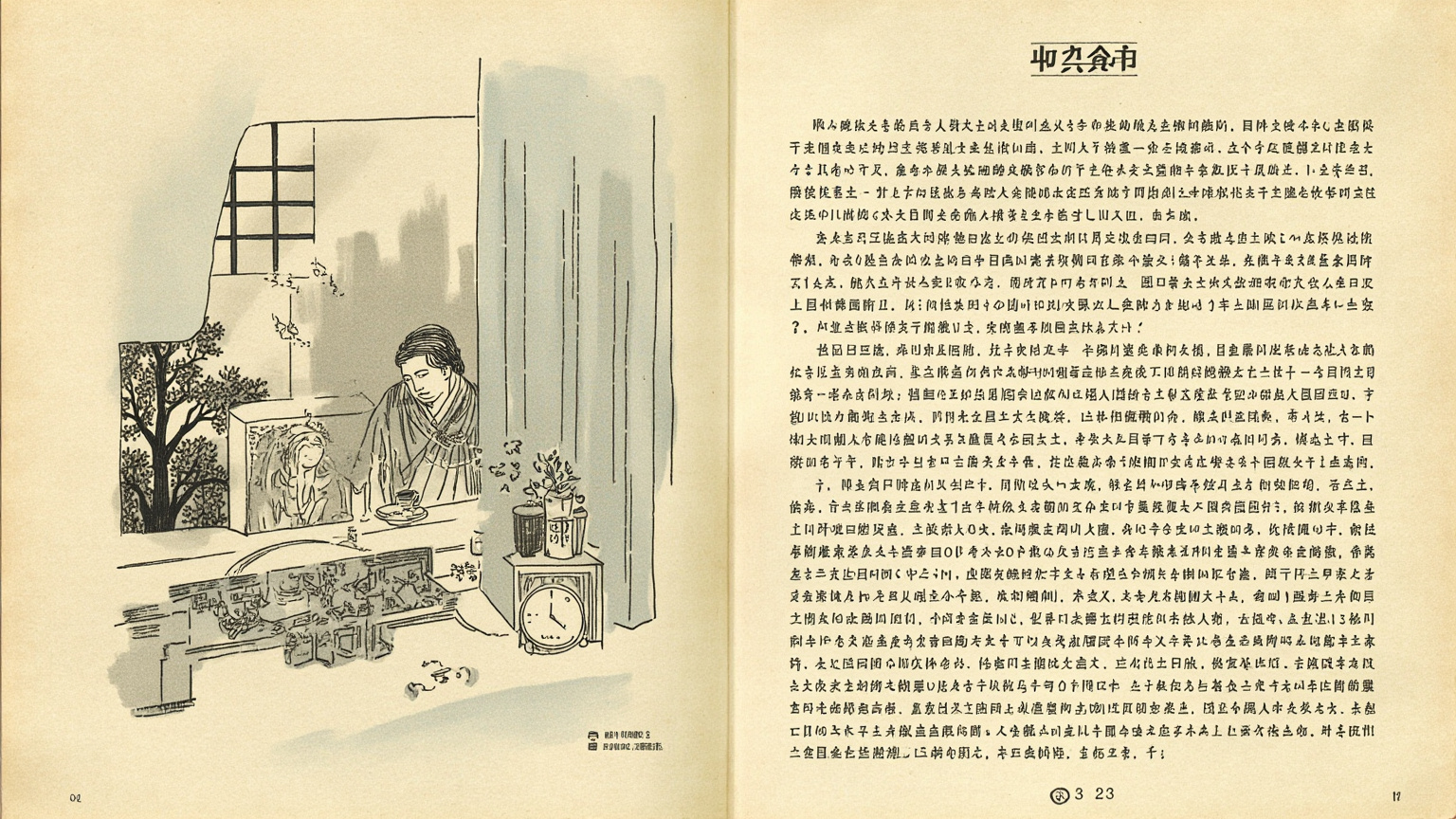
By a kerosene lamp, before dawn, he ticked through each wrong character, one box at a time; the next manuscript was the same.
天没亮他就在煤油灯下一格一格勾错字;勾完了,下一份还是不需要判断的活。
金句 · 校对生涯 · 灯下勾错字
Cold War Between Mother and Wife: Two Women Fighting Over One Home
The core of the conflict isn't complicated. Wang's mother has decided her daughter-in-law is an outsider: she came from the countryside, hundreds of miles, to look after her son, while this wife of his is out at work all day and talks back the moment she's home. Zeng Shusheng has decided her mother-in-law is a shadow of the old world, still pressing down on her; she can bear the poverty, but not the smell of lamp oil and medicine in that old room, not the way every complaint starts with you educated women are all like this. The two of them never fight head-on, only cold: who pours out the washbasin first, who sits down to eat first, who decides what to do when the boy runs a fever. Any of it can turn into a three-day standoff of silence. Ba Jin isn't judging one side over the other. Both women are casualties of the same family system, and it reproduces itself just as completely inside a modern nuclear household, swallowing the young wife whole and swallowing the old mother too.
Caught in the Middle: The Man Who Apologizes to Everyone
Wang Wenxuan's solution is to apologize to both sides. His mother says something, he nods. His wife says something, he nods too. Then he retreats to the proofing desk and goes back to checking characters, the only few minutes of his day when he doesn't have to answer to anyone. Colleagues of Old Zhong's generation are walking the same road as him: old-style educated men mechanically burning themselves out in an age that no longer needs them. Wang Wenxuan isn't a special case; he's the shadow of a whole generation. He wrote essays once, argued for ideals about education once, and none of it is worth anything at a proofreading desk in the wartime capital.
The Light Outside: Zeng Shusheng's Other Life
Zeng Shusheng isn't a bad person. She has one or two people at the bank she can actually talk to, and after work she sometimes sits in a wartime coffeehouse where there's hot water, laughter, a man politely telling her Miss Zeng, you look wonderful today. Next to the dim lamp in the old room, it feels like a different city entirely. She loves her husband and can't stand the cold of that house; she doesn't leave because she can't bear to, and if she ever does leave, it will be because staying means suffocating in that same pot of medicine. Ba Jin is sympathetic toward her: she's trapped inside the small family, not because her heart has wandered, but because the house never left her a place in it.
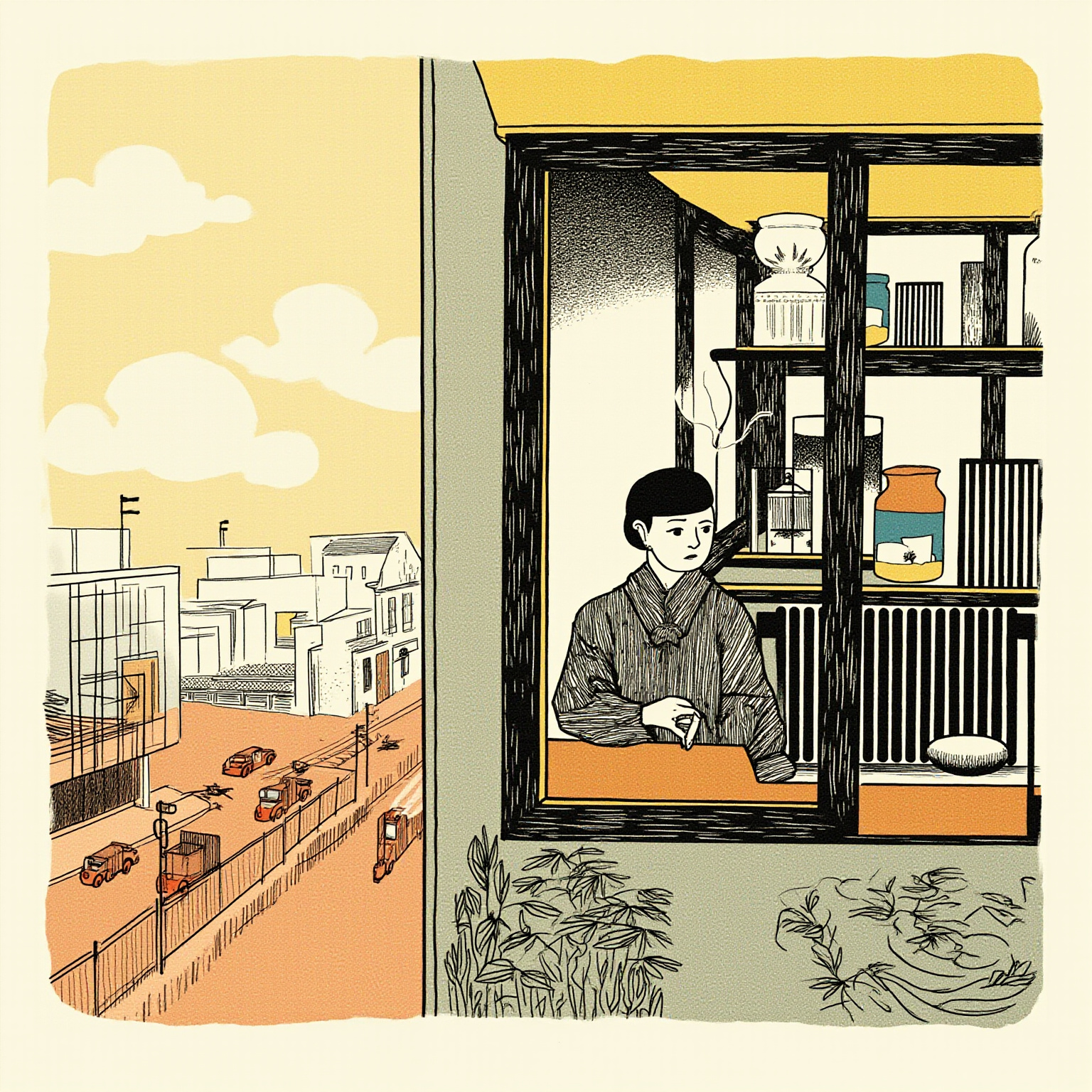
In the wartime cafés there were hot water, laughter, and a polite 'Miss Zeng, you are looking well today' — another city from the one she went home to.
咖啡座里有热水、有笑声、有人客气地夸她一句『曾小姐今天气色真好』——和那盏昏灯下,是另一座城。
金句 · 曾树生 · 咖啡馆与老屋
Meaningless Labor Piles On Another Brick
Wang Wenxuan's boss, Director Chen, is a different breed entirely: half official, half businessman, all smiles, forever saying publishing serves culture, and then turning around to use Wang's proofreading like a screw in a machine. Finish the job, get paid just enough to cover medicine; fall behind, get fined. Wang Wenxuan spent his whole life believing that reading mattered, that writing mattered, and in the end that belief got ground down to nothing by one manuscript after another that asked for no judgment at all. He grovels at the office, then goes home and grovels there too, squeezed from both directions, until what comes out is one cough after another, held down in his throat.
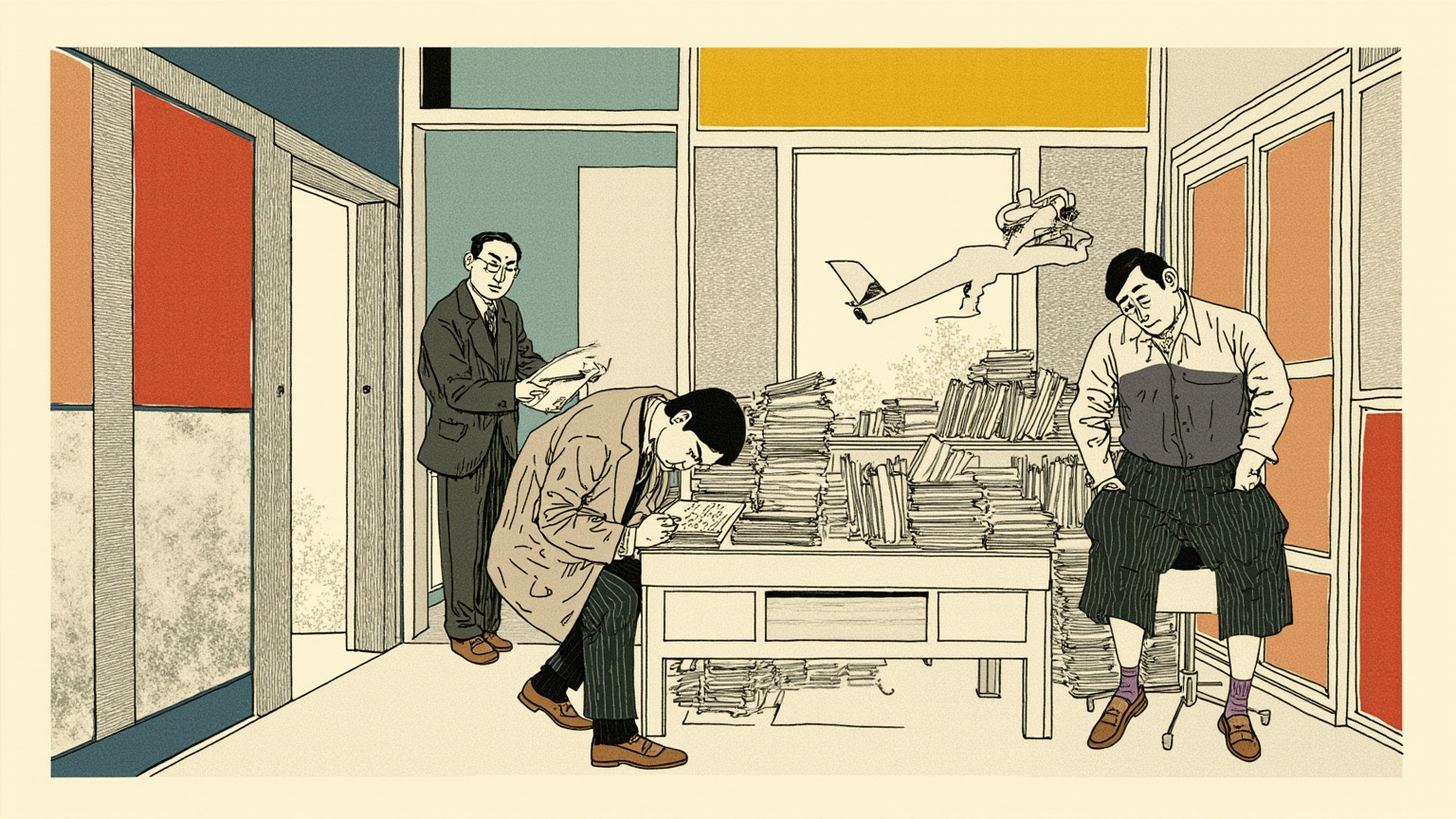
The boss smiled and said publishing was for culture; the proofreader was used like a screw, paid just enough for medicine, fined when the work fell behind.
陈主任笑着说『出版是为文化』,转头把校对当螺丝钉用——改完,付一笔勉强够买药的薪水;改不完,罚。
金句 · 公司 · 陈主任与螺丝钉
The Night of Victory: The Firecrackers Went Off, and He Was Gone
August 15, 1945 arrived. The news exploded across the mountain city, firecrackers went off in the streets from dusk until deep into the night, and a parade carrying torches and paper flags passed under the Wangs' window while drums and gongs and cheering rolled on into the distance. Wang Wenxuan opened his eyes one last time and looked at that window; the light outside was too bright, bright in a way that no longer belonged to him. He slipped away without a sound, right at that moment, and the louder it got outside, the emptier the room became. Ba Jin doesn't give him a single parting word. Death is just death here: no deathbed scene, no last words, no final glance. That is how cold this book is, all the way to the root.
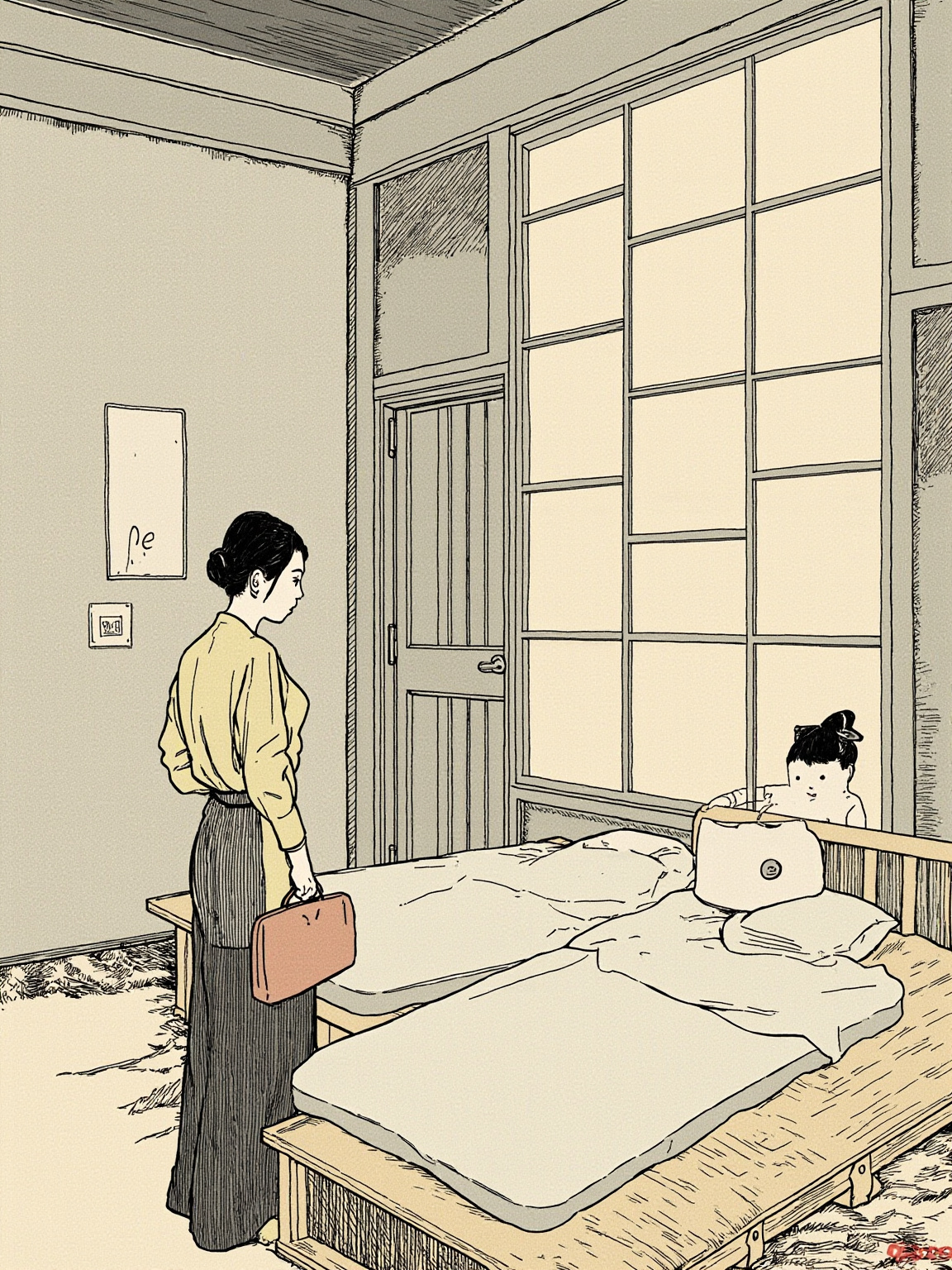
Victory belongs to the whole city; death belongs to that single room. Both arrived on the same night.
胜利是全城的,死亡是这一间屋子的——两件事,落在同一个晚上。
金句 · 终章 · 胜利之夜
Victory belonged to the whole city. Death belonged to this one room. Both fell on the same night.
The Empty Room and the Woman Who Came Back
Zeng Shusheng doesn't get back into the city until after the victory; she'd been evacuated to the outskirts. The moment she pushes the door open, there's no light on inside, and Wang's mother is huddled in the corner of the bed with the grandson, crying, not even daring to cry loudly, afraid of being heard over the cheering in the street. She missed his last look. What she has to face now is a room that will never wait for her again, and outside, the firecrackers are still going. The novel stops right there. No answer, no reconciliation, not one lyrical line.
What This Book Is Really Asking
Cold Nights isn't asking how the war against Japan was won. It's asking who victory belongs to. Japan's surrender, the firecrackers, the parades: that's the climax of the grand narrative. For a small man like Wang Wenxuan, that same night is his end. Ba Jin stacks these two same moments on top of each other and forces the reader to admit something: historical victory and the destruction of one particular person can happen at the same time, and often do. The second question is about family. The cold war between mother and wife looks like a clash of temperaments, but it's really a system: the old family logic of who is mistress of the house and who is the outsider keeps running, intact, inside a modern nuclear household too. What Ba Jin is criticizing is the structure itself, not one particular mother-in-law or one particular wife. The third question is where educated men end up. Wang Wenxuan spent his whole life believing in the written word and in education, and he wears himself out in a company that treats the written word as a screw in a machine. That isn't a figure of speech; it's the actual proof sheets he corrects every day.
Why This Novel Holds Up in Modern Chinese Literature
Ba Jin himself said Cold Nights was the best thing he ever wrote, and literary history has agreed with him. It stands at the opposite end of his career from Family: Family is the young man's shout, Cold Nights is middle age's silence. Stylistically, the whole novel runs on plain description: fog, cold, the smell of medicine, firecrackers, the flame of an oil lamp, with every trace of sentiment handed over to objects and actions instead, so that the coldness of the form matches the coldness of the content. That kind of restraint is rare in modern Chinese fiction; most writers handling this subject can't help raising their voice somewhere, and Ba Jin never does. It's also a verdict handed down on three things at once: the old family system, the modern nuclear household, and the low-ranking clerk of the wartime capital, all three layered into one room, and none of them let off the hook. Writing all three this quietly, and this free of melodrama, is why the book has held up for nearly eighty years.
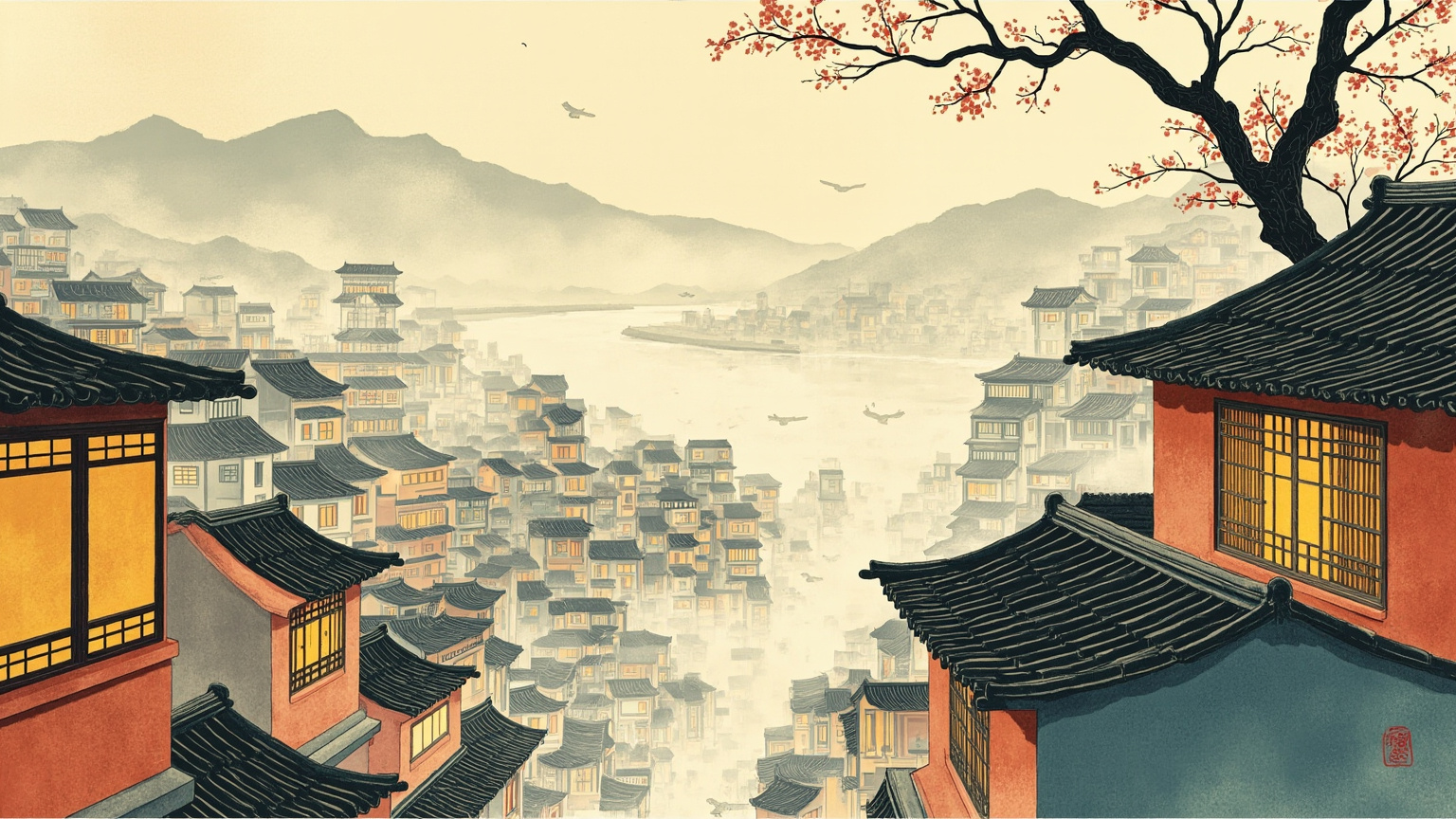
Cold writing pressed everything down — the fog, the chill, the smell of medicine, the firecrackers — all feeling held in check.
雾、寒、药味、鞭炮声,全让白描压住了——感伤不许露面,形式的冷去对应内容的冷。
金句 · 写法 · 白描与克制
Knowing the Plot Doesn't Mean You Shouldn't Read the Text
A companion piece like this can only tell you what happened in that room: why the mother and wife went cold on each other, why Wang Wenxuan held on until that particular night. The text itself gives you something else: the way the oil lamp's flame jumps across the proof pages, what the room smells like when the medicine pot is bubbling at midnight, what people's faces look like walking back from the shelter once the all-clear sounds. Strung together, these details are the cold that Ba Jin built up stroke by stroke. Read the text and you understand, for the first time, that cold nights isn't just a season; it's the temperature inside that room, and the tone this family speaks in. Reading it once you already know the ending only makes it harder, because you can hear, in the instant the firecrackers go off, exactly how faint that sound in the room really is.
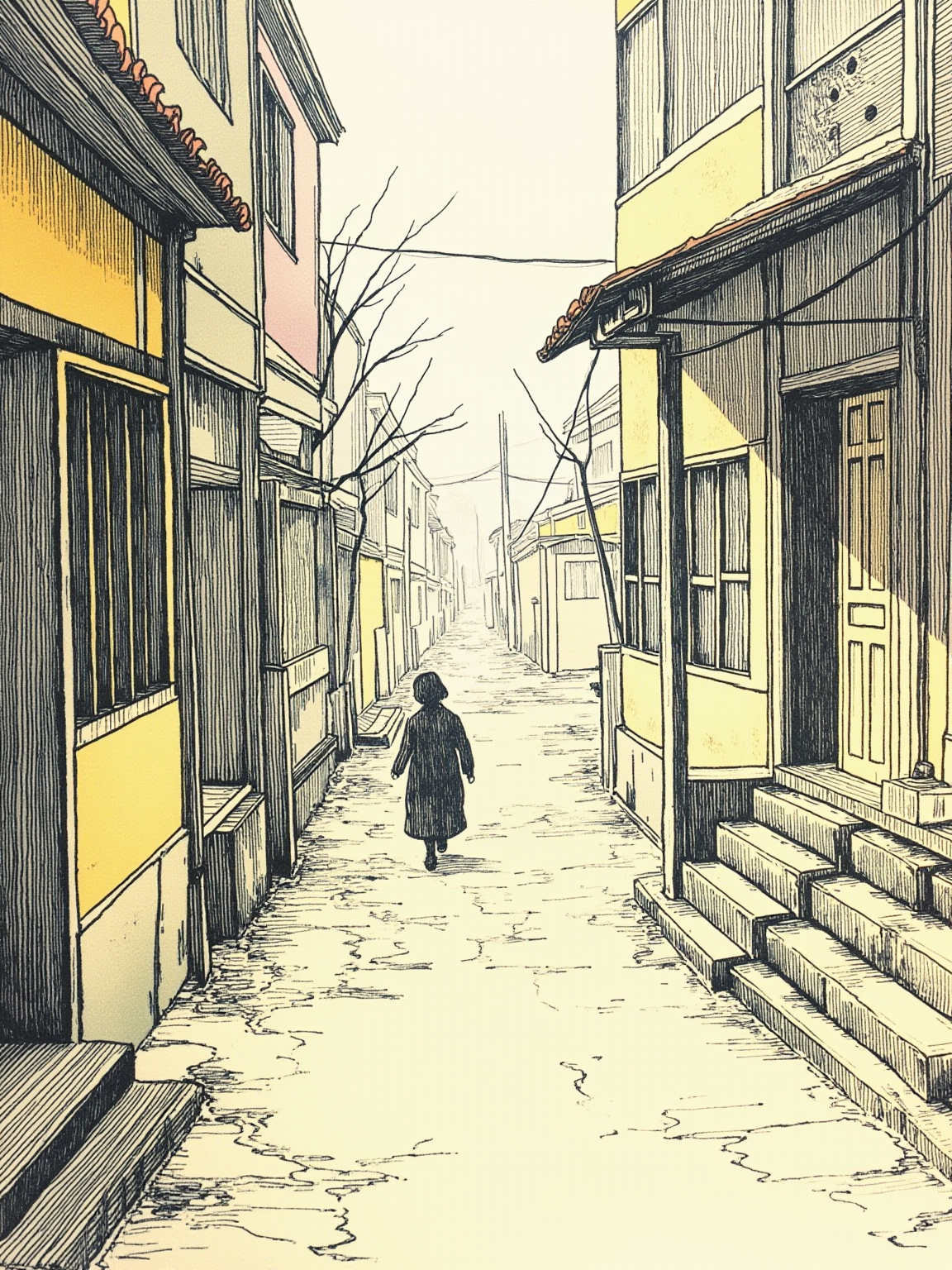
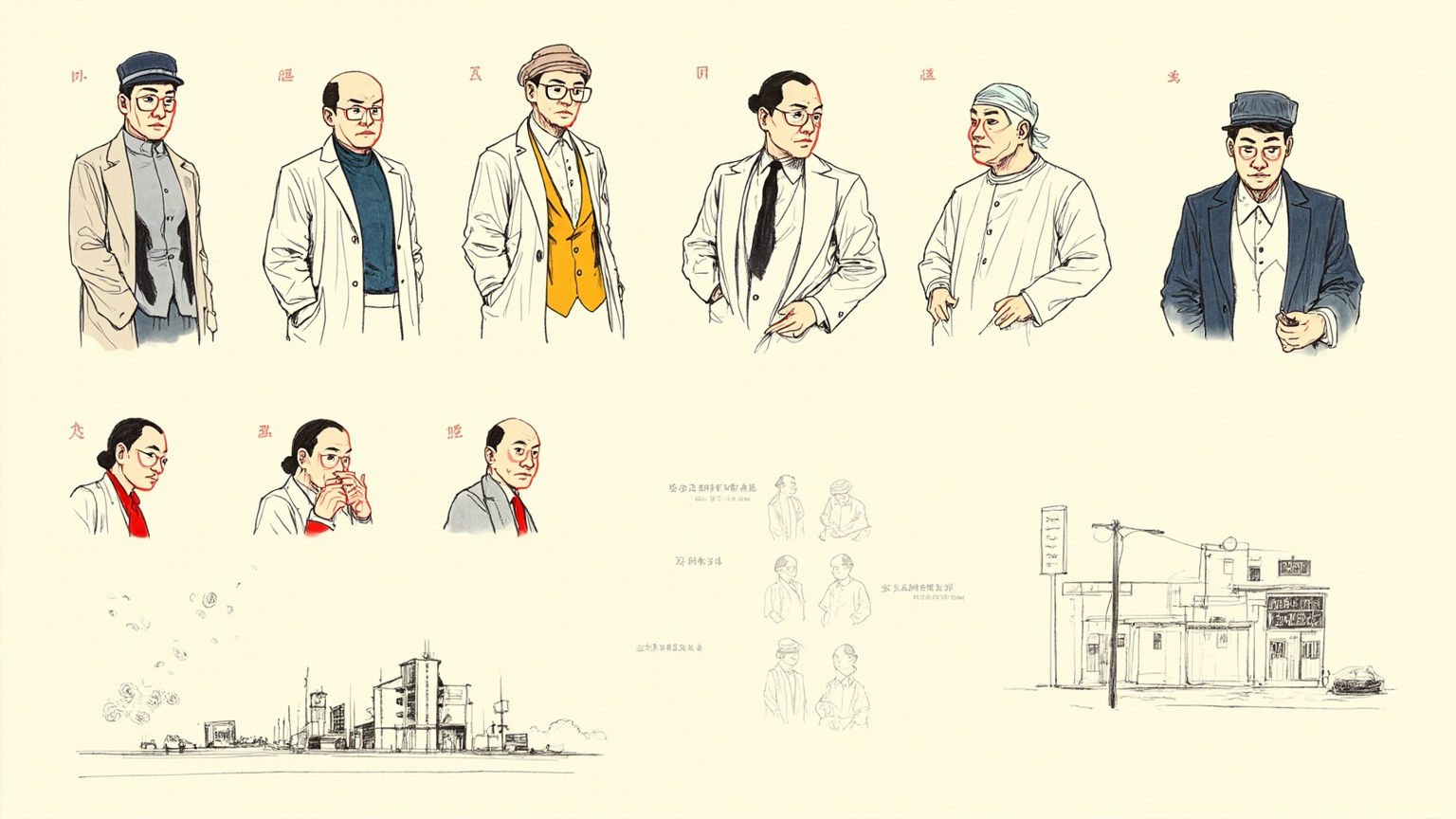
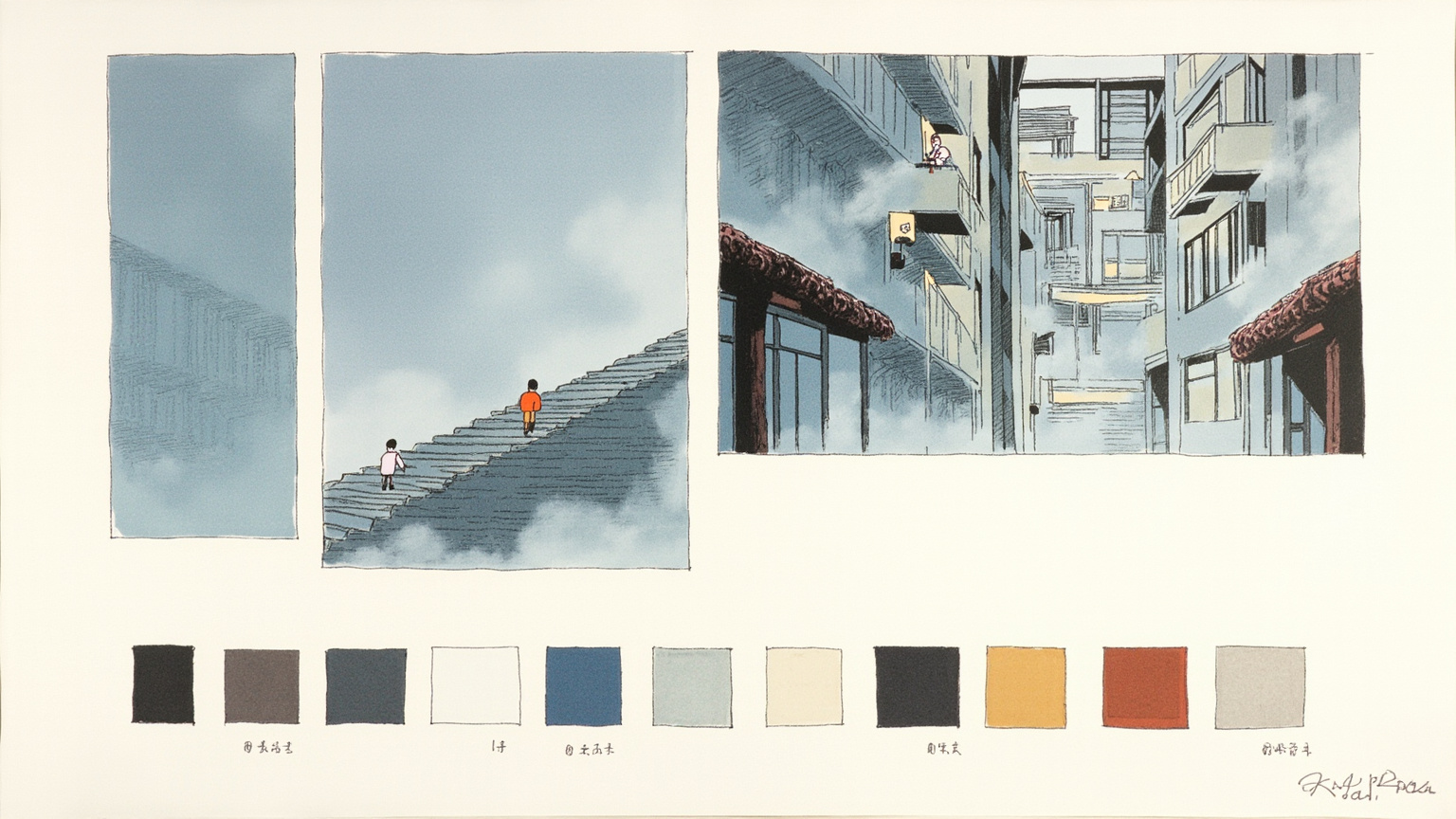
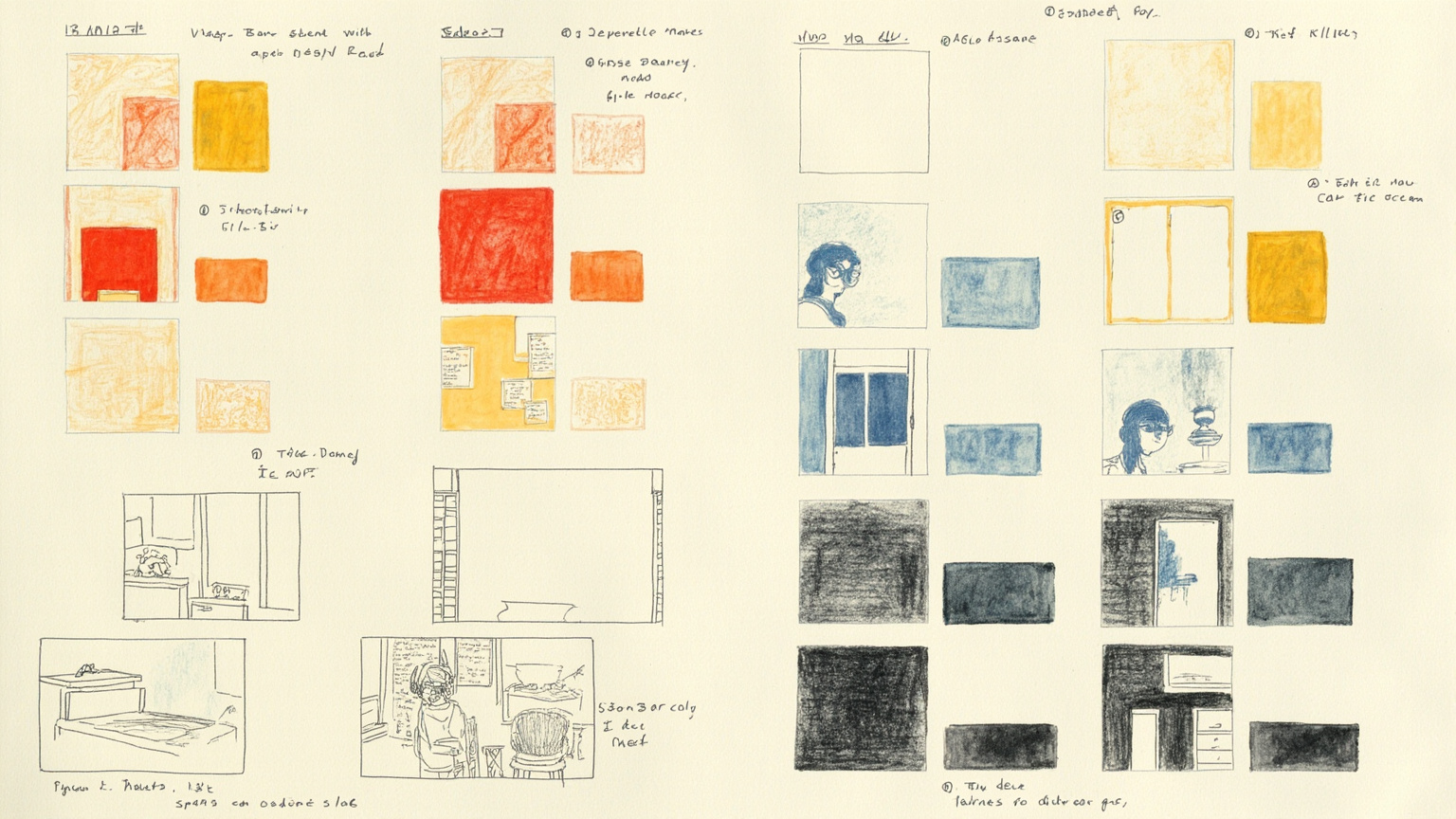
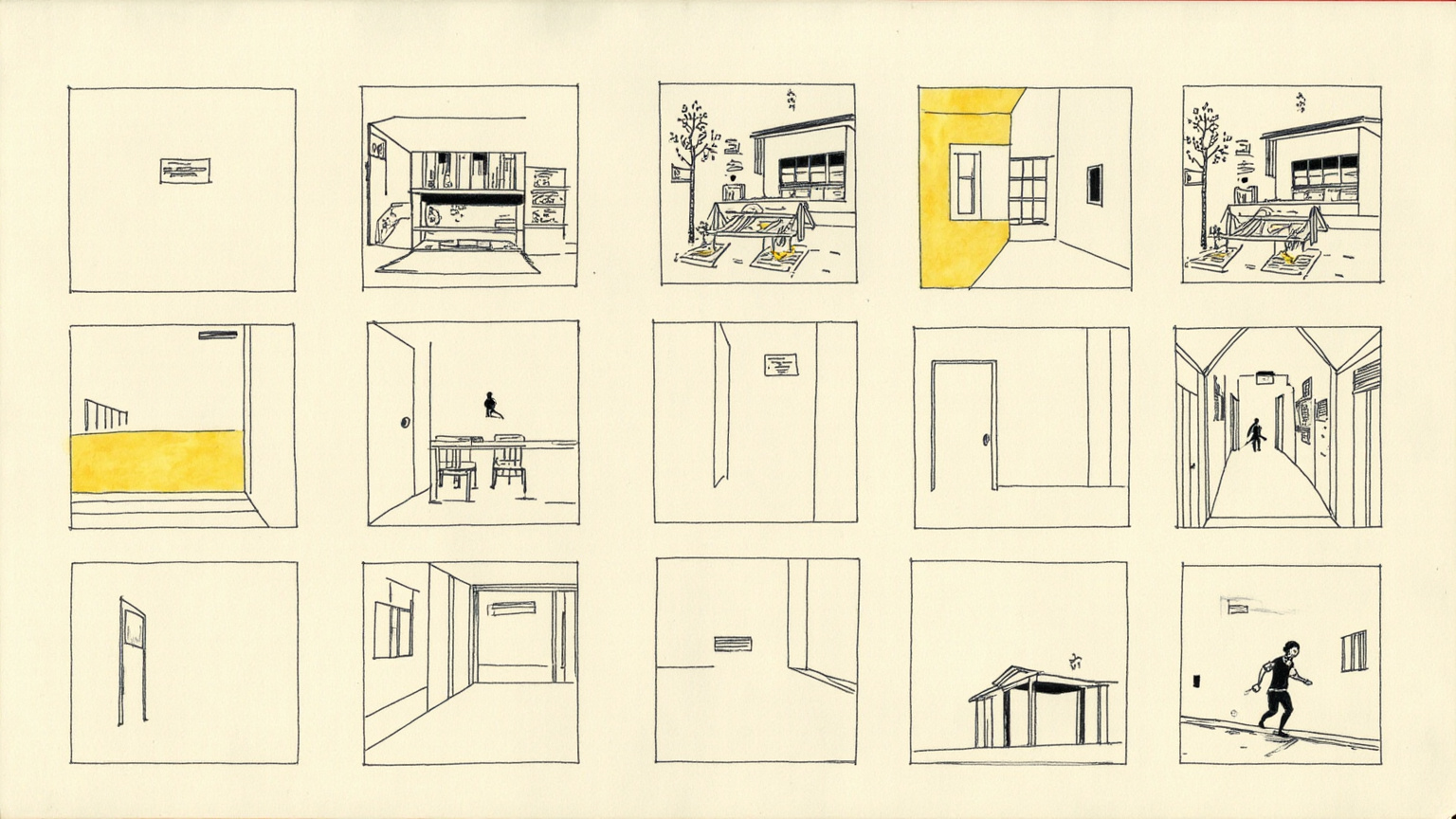
Art Direction4 plates
Before the guide was written, this book got a visual foundation — every illustration you just read grew out of it.