Colomba · Companion Guide
高龙巴
拿破仑老兵的尸骨未寒,黑衣女儿已在村口等了两年——等一个哥哥回来,等一把枪响。梅里美冷眼写尽文明理性与血仇荣光的肉搏。
The Opening: A Sister Waiting at the Door
At the mouth of a lane in the village of Pietranera, a woman in black has been standing for two years. Her name is Colomba, the elder daughter of a dead father, sister to Orso. Their father was a colonel under Napoleon, killed two years ago at his own doorstep -- officially by "two bandits." The case was closed long ago. But the sister does not believe it. She stands at the bend in the mountain path where her brother will appear, waiting for him, waiting for a man who can avenge their father. This is how Merimee's novel opens.
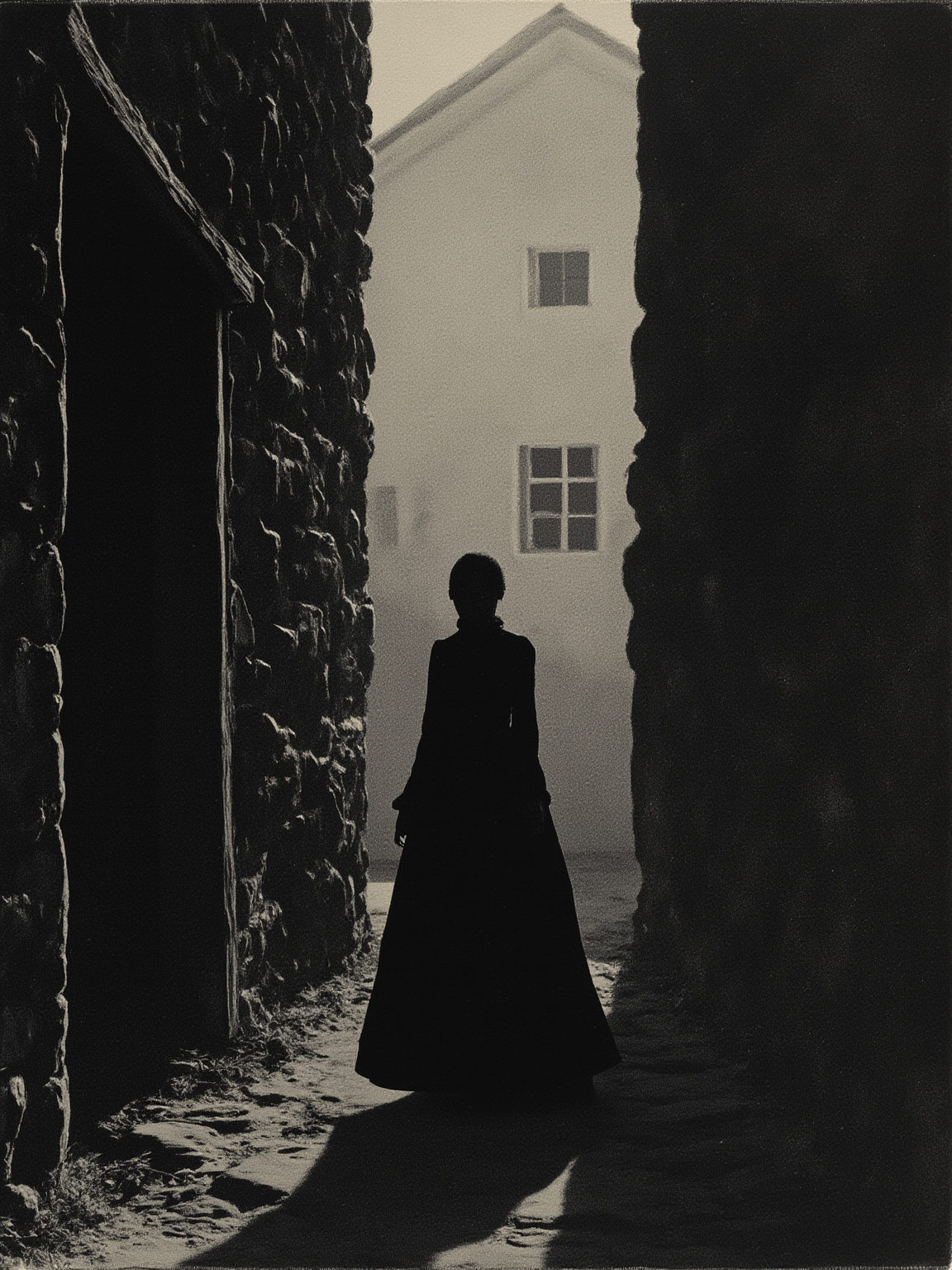
However that may be, there was, to use the time-honoured expression, "blood between the two houses."
两家之间,用句老话说,已经'沾了血'。
原文金句 · 第2章 · 世仇
What Kind of Book This Is
Prosper Merimee, the great French master of the short story in the nineteenth century, wrote Carmen and La Double Meprise, as well as tales of human nature and foreign lands. This novella, Colomba, is his best-known long work: it ran first as a serial in the Revue des Deux Mondes in Paris in 1840, and came out the same year as a standalone book. It is set in Corsica in the years right after Napoleon's fall, when the Bourbon monarchy had just been restored -- a corner of Europe still run by the old law of blood feud. It is remembered today partly for compressing a Corsican family vendetta into something taut and short, and partly for creating one of the rare revenge plots in literary history run by a sister.
The People and the World
Orso della Rebbia, the male lead, is a young lieutenant discharged from the French imperial army, coming home on half pay. His education has made him "civilized" -- his head is full of legal statutes and rational procedure, and something in him instinctively resists blood revenge. His sister Colomba, a Corsican woman two years into mourning, can improvise a lament (a vocero) on the spot, and has eyes like a hawk. She is the enforcer of the old code of honor, convinced that the real killer is old Barricini, the family's longtime enemy -- a lawyer turned village mayor, father of two sons, Orlanduccio and Vincentello -- who framed two bandits already shot dead. The English Colonel Sir Thomas Nevil is touring Corsica with his daughter Lydia; father and daughter are observers sent by "civilized Europe," and Lydia later becomes Orso's wife. Then there are two bandits up in the Corsican hills: Brandolaccio and Giocanto Castriconi, nicknamed the Curate. Both wanted men, both bound by their own code of loyalty, they help Orso in secret -- pieces Colomba has quietly set in place. The story takes place in Pietranera, stone houses scattered across ochre-red hills thick with maquis scrub. The della Rebbia and Barricini houses face each other across a lane -- a feud centuries old, the muzzles of their guns separated by nothing more than a low wall.
Homecoming, and a Thought Takes Hold
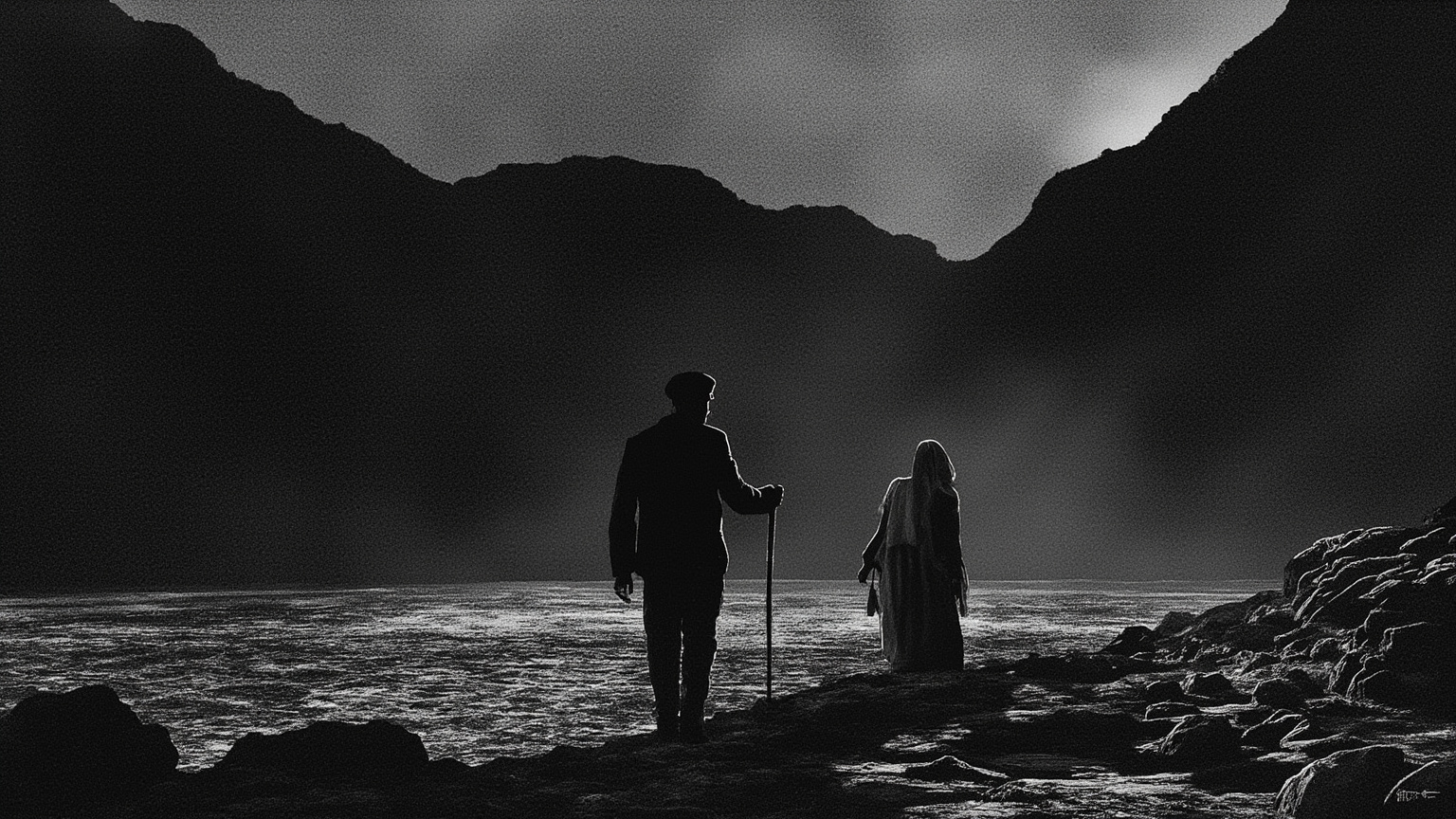
Orso sets out from France, the steamer calls at Marseille, and a smaller boat carries him on to the Corsican coast. On the crossing he meets Colonel Sir Thomas Nevil and his daughter -- the father a hearty old huntsman, the daughter Lydia, an English lady of perfect manners. Orso falls for the fair-haired girl almost at once. Once the ship reaches Corsica, Orso says goodbye to father and daughter and rides alone into the hills, following a path through the maquis toward Pietranera. He is not yet home before he catches a scent that no French garrison ever had: a shepherd stops him on the road to murmur that the Barricini have just bought new guns; one man will not shake his hand, another gives him a wide berth. He has not even crossed his own threshold, and already the net of the feud is closing. This is where the writing earns its keep: Merimee never tells us Orso is on high alert. He gives us a shepherd by the road, lowering his voice, dropping one throwaway line about guns. The reader is left to feel that invisible thread on their own.
The Sister's Lament, and Her Evidence
Colomba meets him at their own door. Two years in black, fire in her eyes. She does not cry -- she sings. She was not home the night their father died, but she has since walked the scene over and over, gathering evidence. At the dinner table she lays it out without a flicker of emotion: a pair of boot prints in the mud, at the exact height of their father's wound; a scrap of legging cloth caught on the fence, the same weave the mayor's servants wear. She lets her brother look for himself and draw his own conclusions. Her sharpest move is the lament. When a Corsican loses a relative, custom calls for an improvised keening on the spot, a vocero. Colomba sings hers again in front of their father's portrait, her voice never rising, every word honed to an edge. She translates the official verdict -- "two bandits" -- into scapegoats, and everyone in the room hears what she means: this family does not accept the ruling, and the matter is not closed. Orso listens, and something tightens in his chest. He is an educated man; his first instinct is to write to the judge and go through proper channels. Colomba's only answer is flat: in Corsica, the judges never win these cases.
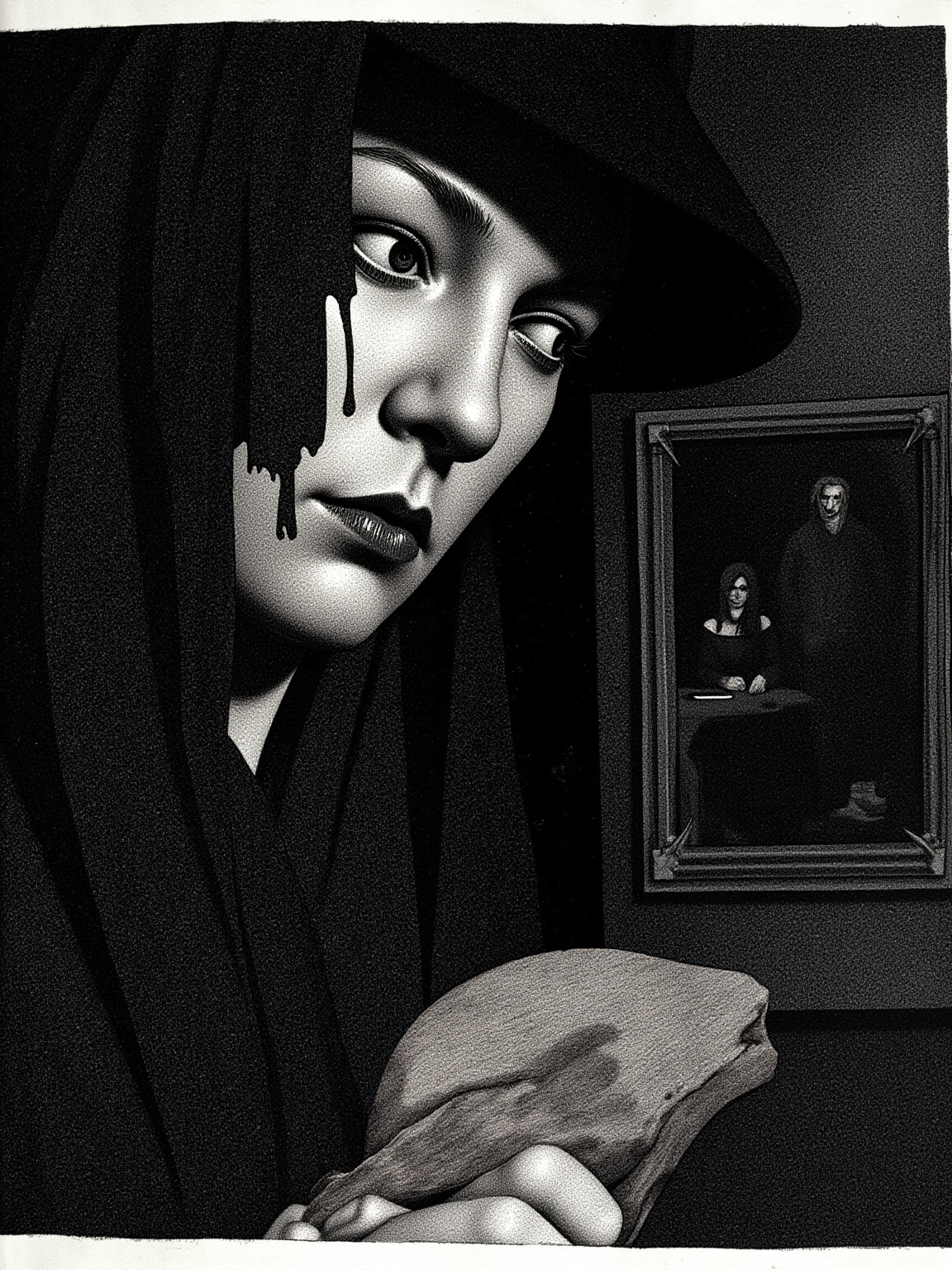
After turning the leaves for a few moments, she stretched out her hand toward the mayor and cried, "There stands the murderer!"
她翻了几页,猛地伸手一指村长,喊道:'凶手就站在那儿!'
原文金句 · 第3章 · 证物
Reason Against the Feud
The weeks that follow are one long, quiet war between brother and sister. Orso writes his letters, calls on the judge, and is fobbed off. Colomba does not stop him -- she only needs time. Quietly she reaches the two bandits in the hills, Brandolaccio and the Curate, and has them stand ready in a shepherd's hut near the della Rebbia house. She sends Brandolaccio's niece Chilina, a small girl who knows every path through the maquis, back and forth as her messenger. Her sharpest move is a dinner invitation. She invites old Barricini and his two sons to the house -- reconciliation on the surface, but really it seats her brother across the table from his enemies so he can take their measure. Partway through the meal she asks, smiling, whether the scrap of legging caught on their fence happens to be the work of the Barricini household's tailor. After that dinner, the Barricini can no longer sit still. Orlanduccio and Vincentello decide to strike first. What the writing does well: Colomba never threatens, never raises her voice for blood. She only lays the facts on the table, invites her enemies through the door, and leaves the choice to her brother. She drives men onto the road using nothing but manners.
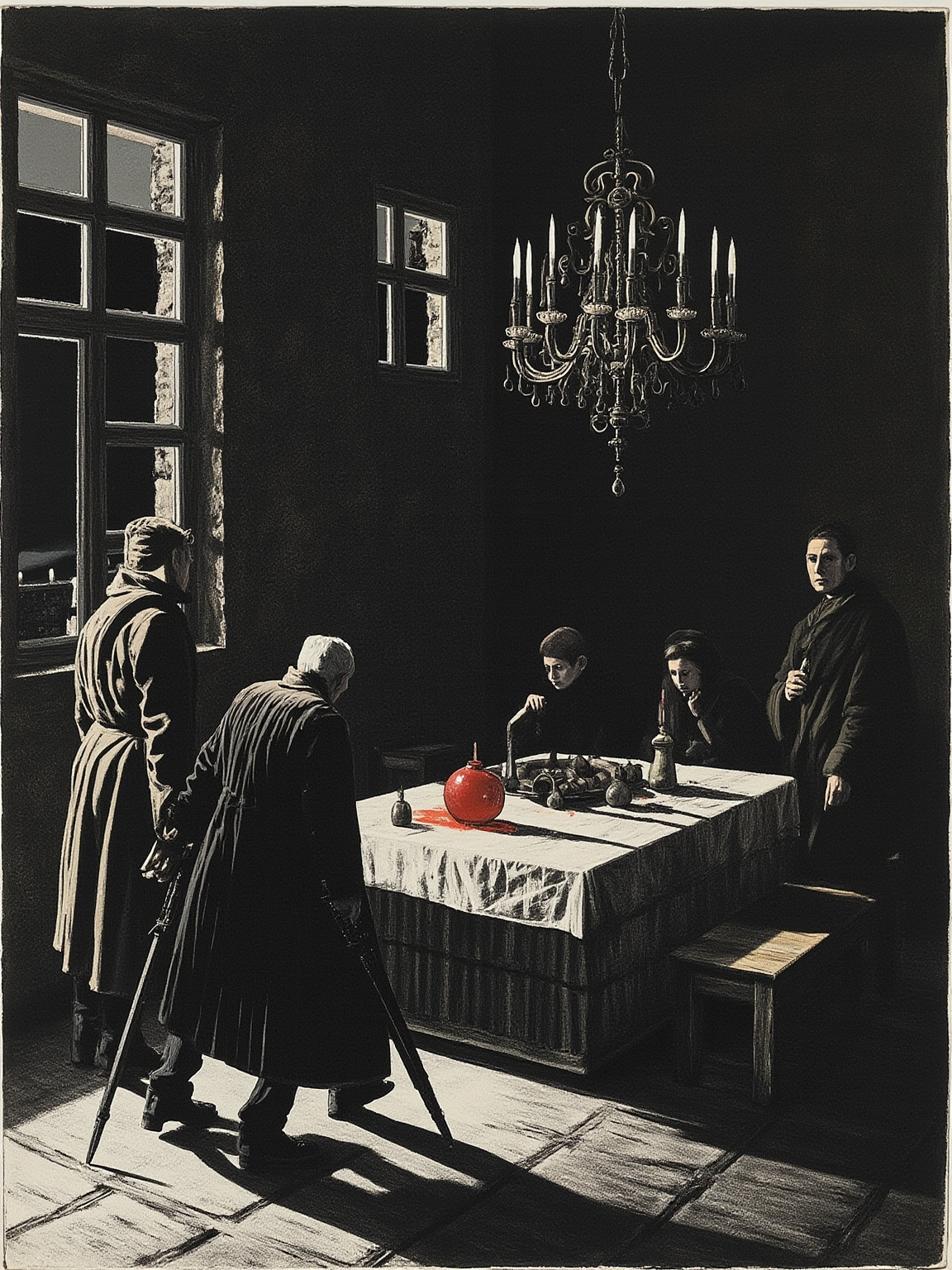
Listen, I am alone here; I have no one but you to prevent me from going mad, as you call it.
听着,我孤零零一个人;除了你,谁还能拦住我不发疯,像你说的那样。
原文金句 · 第4章 · 拉锯
The English Guests Become Witnesses
At almost the same time, Colonel Nevil and Lydia arrive in Pietranera at Orso's invitation, to stay a while. Lydia has come looking for a thrill -- she has read Byron, and finds something poetic in Mediterranean wildness. Walking through the village she sees bullet holes in the walls, hears an old woman at her doorway counting under her breath how many deaths are still owed, and her color drains away by degrees. She watches Colomba sing to their father's portrait, and hears the blade folded into that lament. Orso walks with her in the hills, and she asks him: are you really going to shoot someone? The law will not give me justice, he answers. Something shifts in her eyes -- not fear, but the first real understanding of what she has fallen in love with. What the writing does well: Merimee lets this romance between two "civilized" people grow up right beside a blood feud, English afternoon tea and a Corsican lament sharing the same frame. The contrast cuts harder than any argument could.
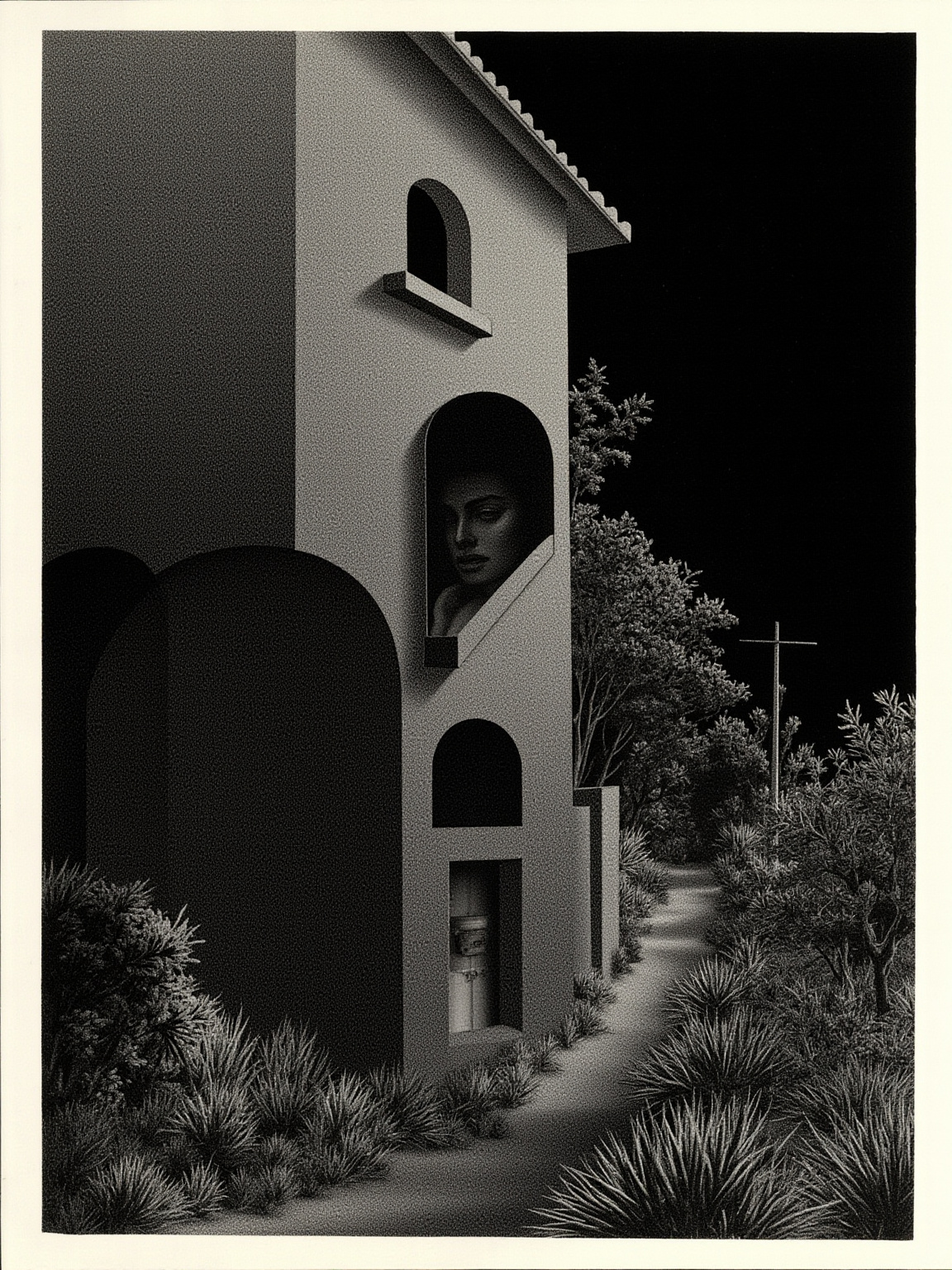
When you started hence with the fair voceratrice, with your gun in hand, and your brow lowering, you struck me as being more Corsican than ever--too Corsican indeed!
那天你带着那位漂亮的哭丧女出门,枪握在手里,眉头压得低低的——我觉得你比以往更像个科西嘉人,简直太科西嘉了!
原文金句 · 第7章 · 客人
Gunfire in the Hills
The day finally comes. Orso rides out with a servant on an errand, and at a bend in the mountain path Orlanduccio and Vincentello break from behind the rocks, guns already raised -- they mean to strike first. Orso is thrown from his horse, shot through the shoulder, and rolls into a ditch. The instant the brothers close in to finish him, the two wanted men in the hills open fire from the positions Colomba set for them in advance -- Brandolaccio from the left, the Curate from the right. Orso fires back through the pain, and the gunfight is over almost as soon as it starts. The result: both Barricini brothers are dead. Orso is badly wounded, but he lives. The point that matters: this is self-defense, not assassination. The Barricini fired first; the bandits were only backup, hidden. That single fact is what decides how the law will read it.
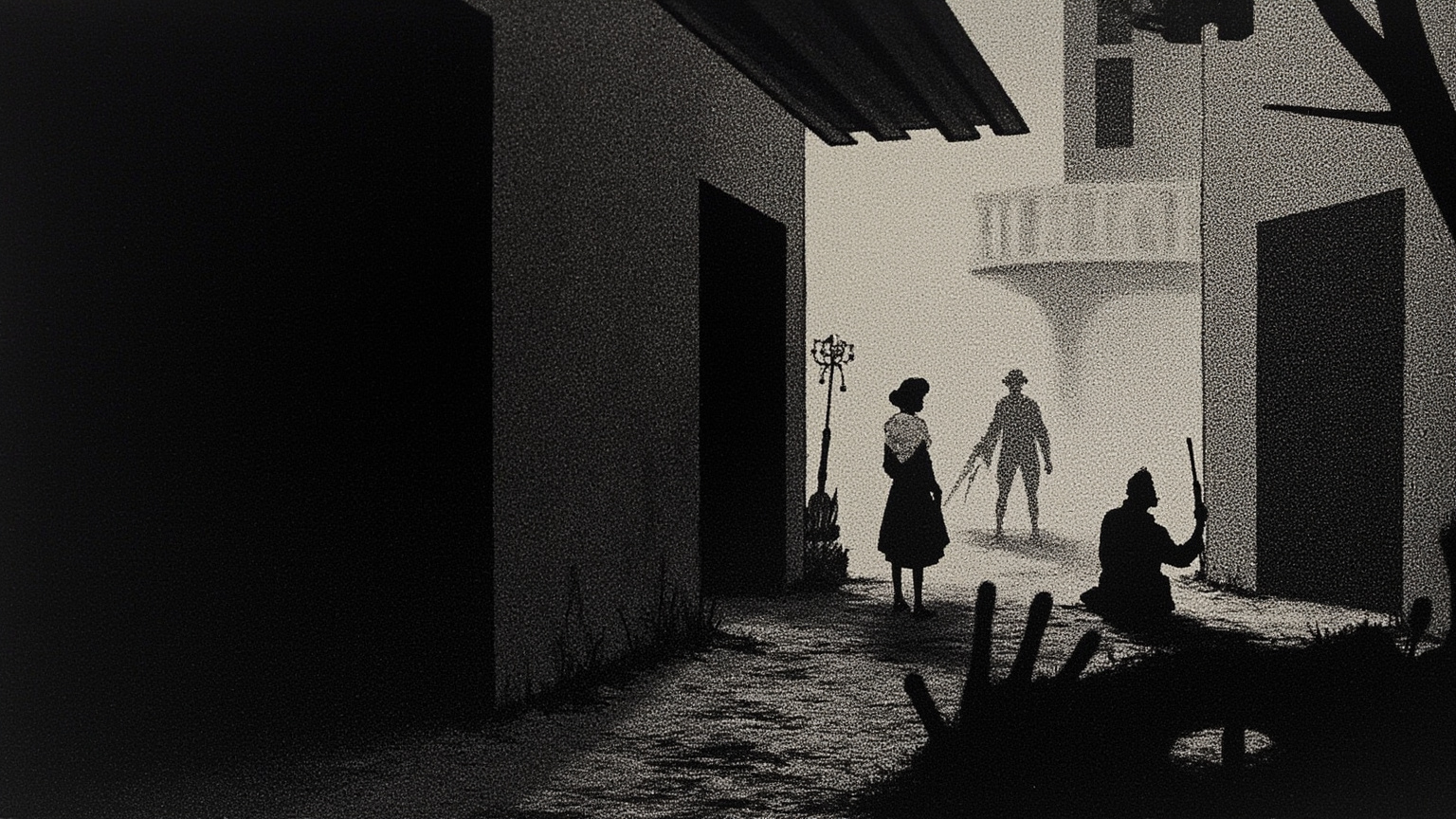
Brandolaccio ran after the dog to the nearest field and leaned over to look at the other side of the wall, then pulling off his cap-- "Signor Orlanduccio, I salute you!"
布兰多拉乔跟着狗跑到最近的一块田边,探身朝墙那头一看,摘下帽子——'奥兰杜乔先生,我向你致意!'
原文金句 · 第9章 · 山间
Trial and Reckoning
Orso is arrested and held in the Ajaccio jail to await trial. Colomba does not let up -- she tracks down other witnesses who were on the mountain path that day, finds where the Barricini brothers' spent cartridges fell to prove they fired first, and finds that the servant, untouched by any bullet, confirms Orso was forced into the fight rather than starting it. In court the chain of evidence holds together, and the jury rules self-defense. Orso walks free. Old Barricini loses both sons in a single night and loses his mind with them. A man once known for his deep cunning is found muttering to himself at an empty lane, and within six months he is dead of grief. The centuries-old feud between the della Rebbia and Barricini families ends there, with one bloodline cut off entirely. What the writing does well: Merimee does not give us tragic tears. He gives us an enemy's old age -- madness, death, an empty lane. It lands heavier than any wailing could.
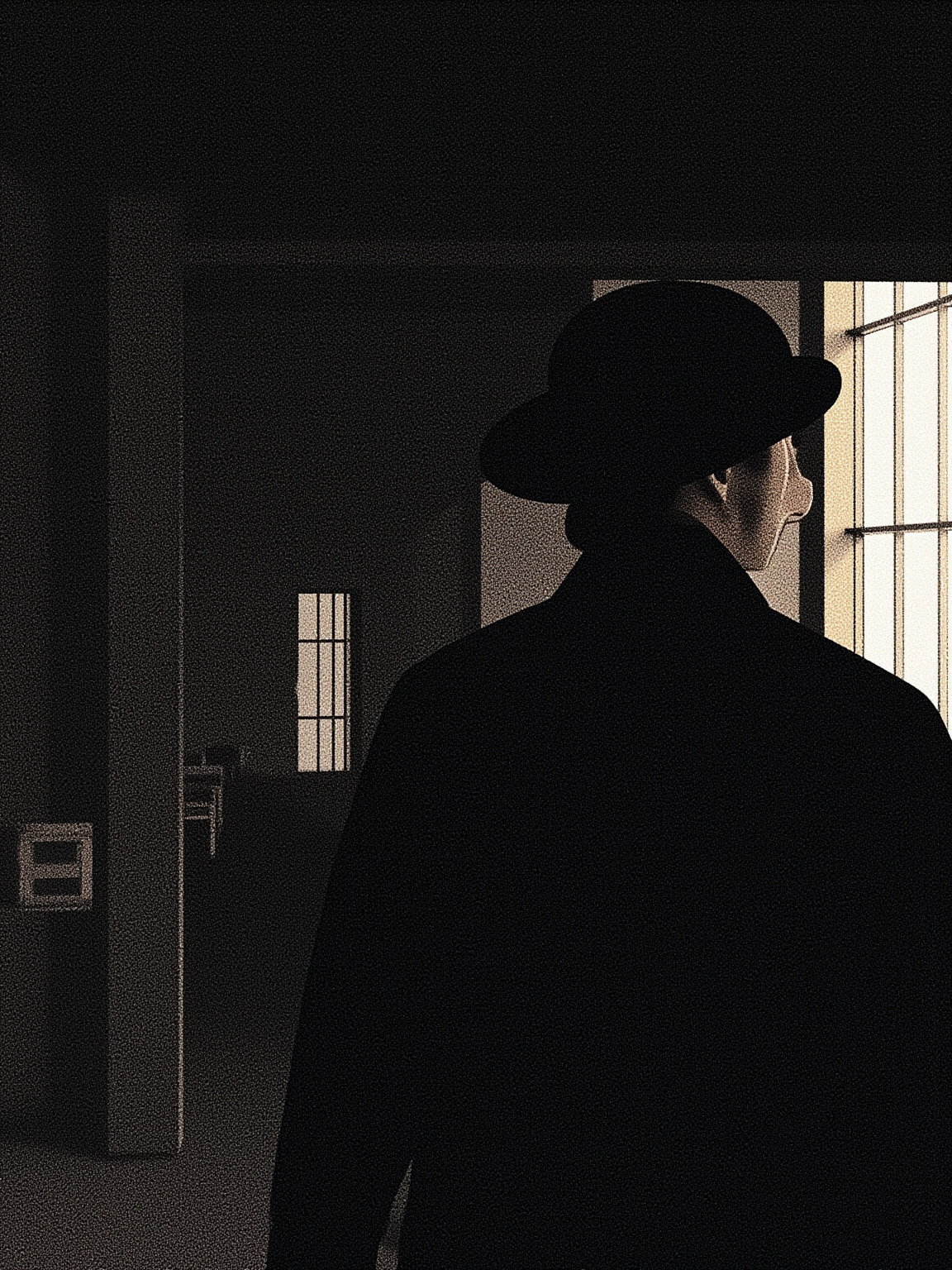
Remember the blood-stained pocket-book in which you wrote with your forger's hand!
别忘记那本沾了血的记事簿——你在上面用伪造笔迹写字的!
原文金句 · 第10章 · 审判
Epilogue: The Other Colomba, in Pisa
A year later, Pisa. Orso has married Lydia and moves through the local society. Colomba has followed her brother and his wife, and lives in the same apartment. But the way she carries herself in a Pisan drawing room stops anyone who knew her before. This is not the woman in black from Pietranera, her head full of laments and enemies -- she wears the latest fashions, dances, is fought over by officers wanting a turn with her, laughs with perfect poise, moves like someone entirely at home in this world. Only one reading catches the second layer underneath -- I stopped on this page myself, the first time through -- she has not changed. She has simply found another way to keep her brother's family in her grip. In Pietranera her tools were the lament and the gun; in Pisa they are the dinner party and the dress. Here Merimee puts the knife away. He gives Colomba an ending that looks like everyone wins, but leaves one chill in it: once this woman decides to hold on to something, there is no method she will not use.
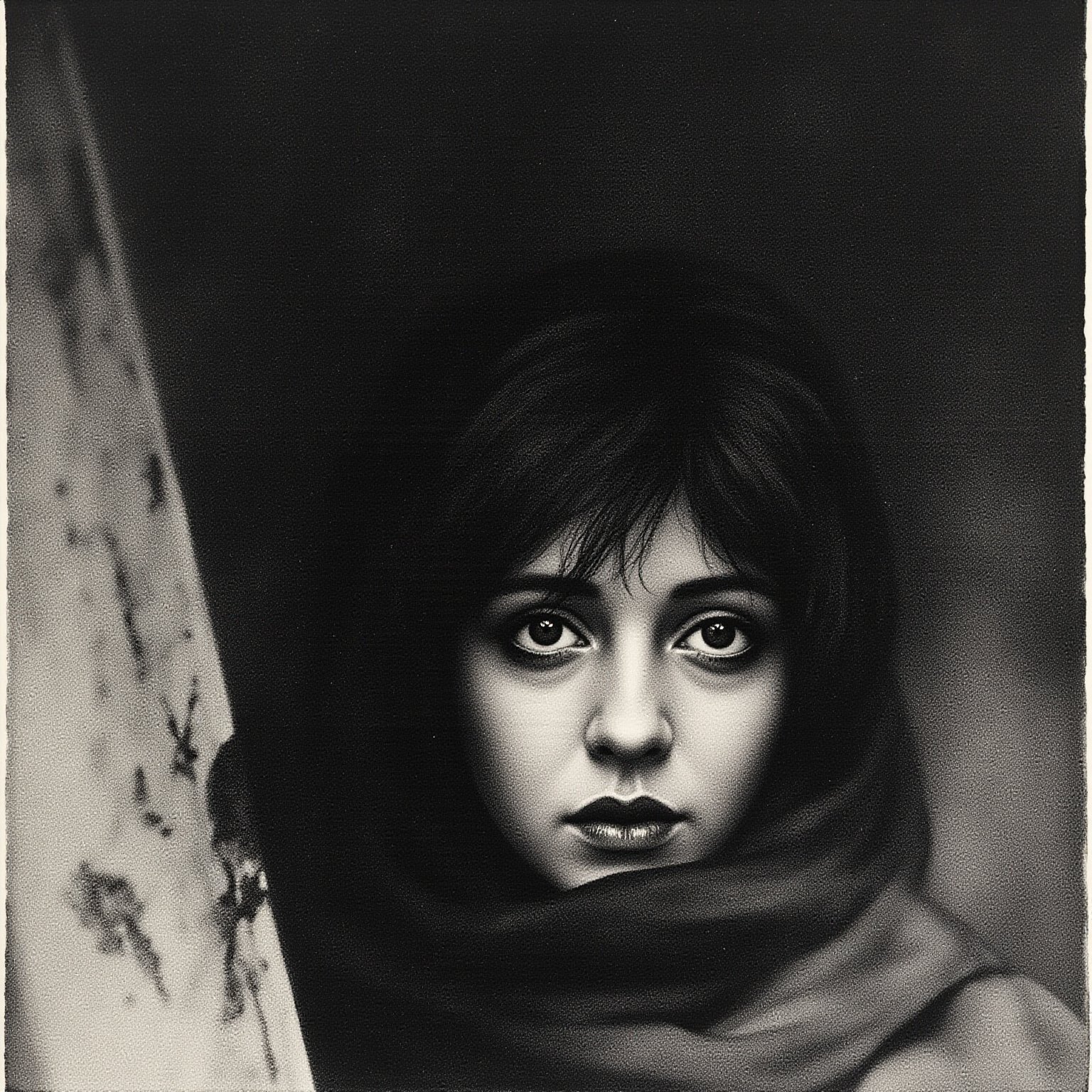
What This Book Is Really About
On the surface, this is a blood feud. Underneath, it is one civilization arm-wrestling another. Orso's French legal reasoning simply does not work once he is back in Corsica. The judge stalls, the witnesses go quiet, the whole procedure runs its course, and his father is still unavenged. Colomba's own logic -- that failing to avenge a death is shameful, that the vendetta outranks everything -- would not survive a transplant to Paris either. Merimee splits the brother and sister between these two systems and lets neither one win outright. It is also a book about a woman's hidden power. The usual revenge plot puts a man at the controls; here it is the sister. She never lifts a blade, never fires a shot herself. She uses manners, laments, dinner invitations, and messengers to push her brother to the point where he chooses, on his own, to pick up a gun. That is more unsettling than any hot-blooded man drawing his sword, and harder to forget. The novel's detective-story structure deserves a mention too. Who really killed the father? The official story says two bandits; Colomba says the mayor's family. Merimee builds the case layer by layer -- boot prints, a scrap of cloth, where the cartridges fell, an eyewitness -- and the pacing never slackens. For a novella more than a hundred years old, the suspense still holds up today.
She is not avenging her brother. She is using her brother's hand to enforce her own order.
Reasons to Read the Novel Itself
A companion guide can give you the map. It cannot give you the heat of a Corsican noon sun on ochre-red rock, or the cadence of Colomba's lament in front of her father's portrait, every word honed like a blade, or the silence of an English girl on a mountain path the first time she is truly afraid. For that, you have to turn to the page yourself and feel the chill run down your back. Merimee's novella is like a knife: short in the blade, bright at the edge. Read it, and you will understand how a nineteenth-century French writer turned one private Corsican family's vendetta into one of the coldest, sharpest stories in European literature.
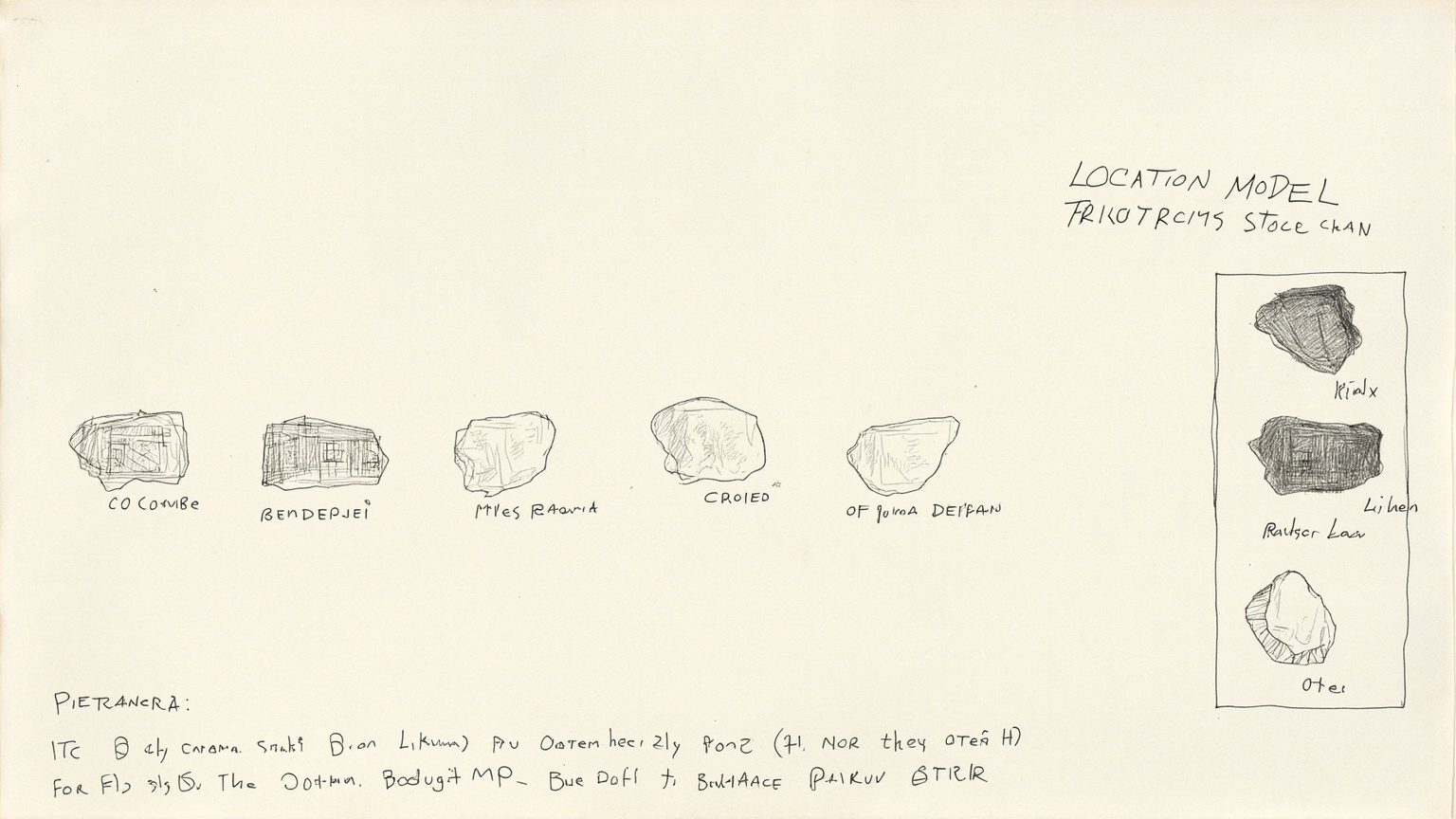
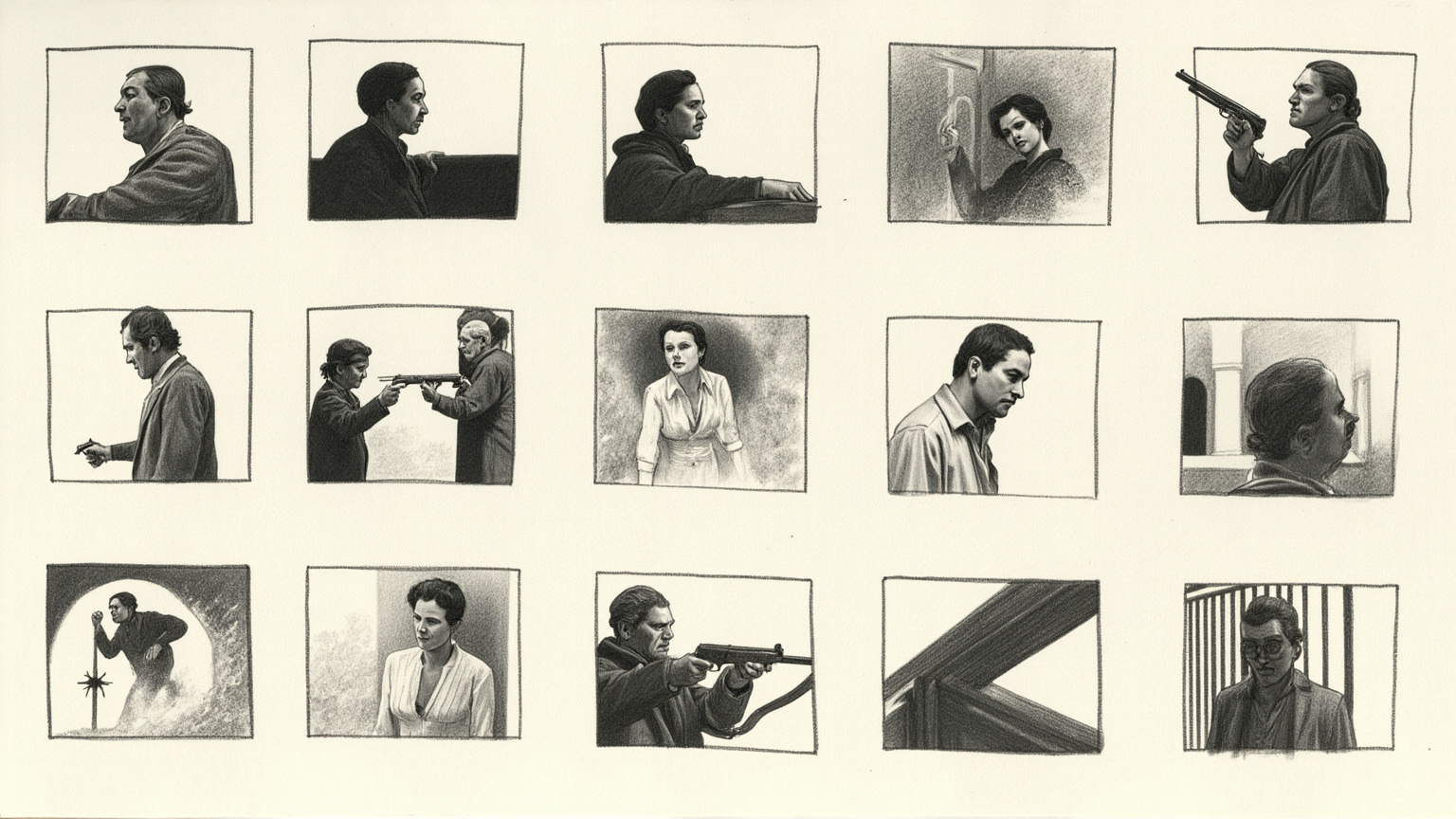
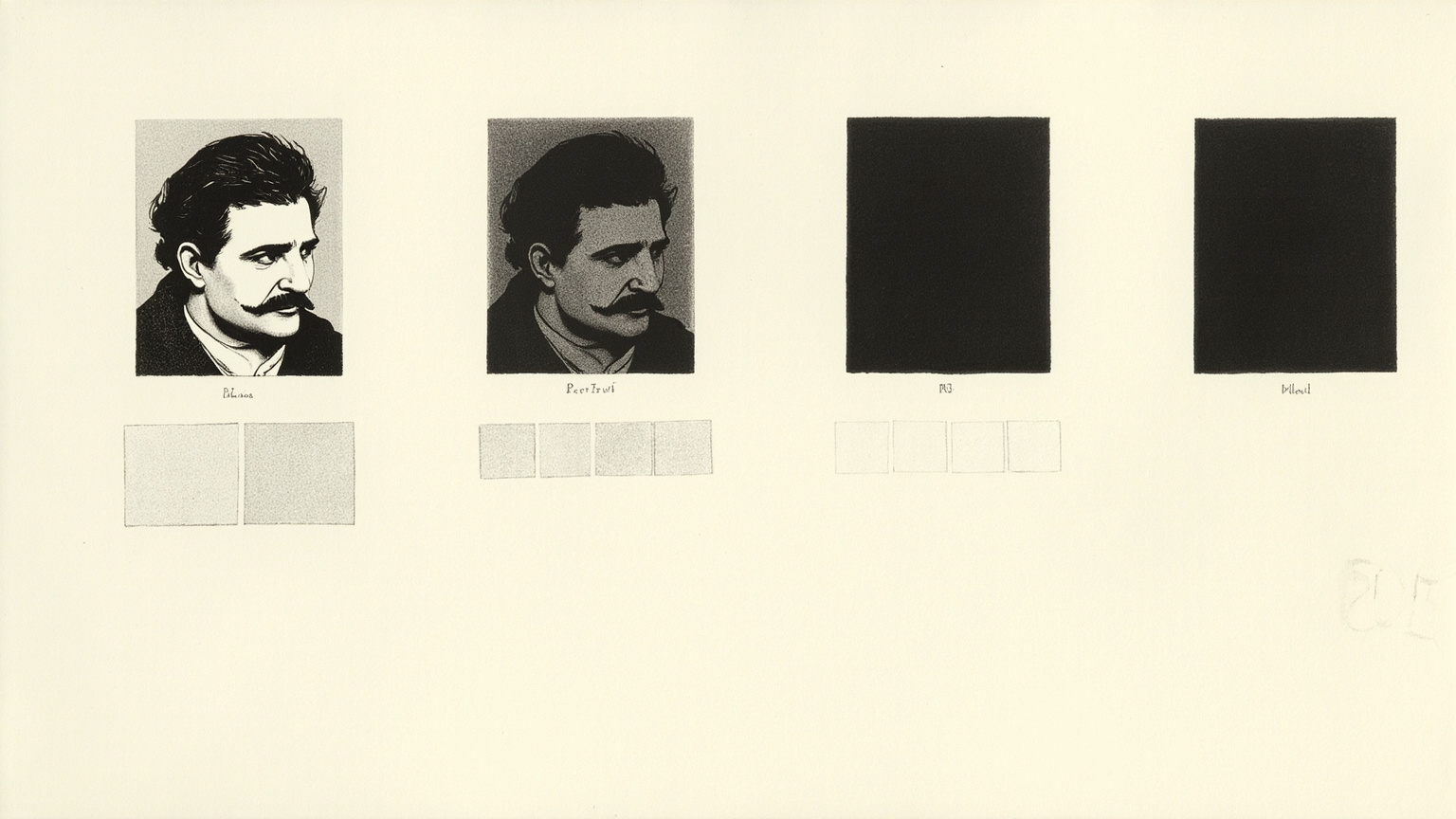
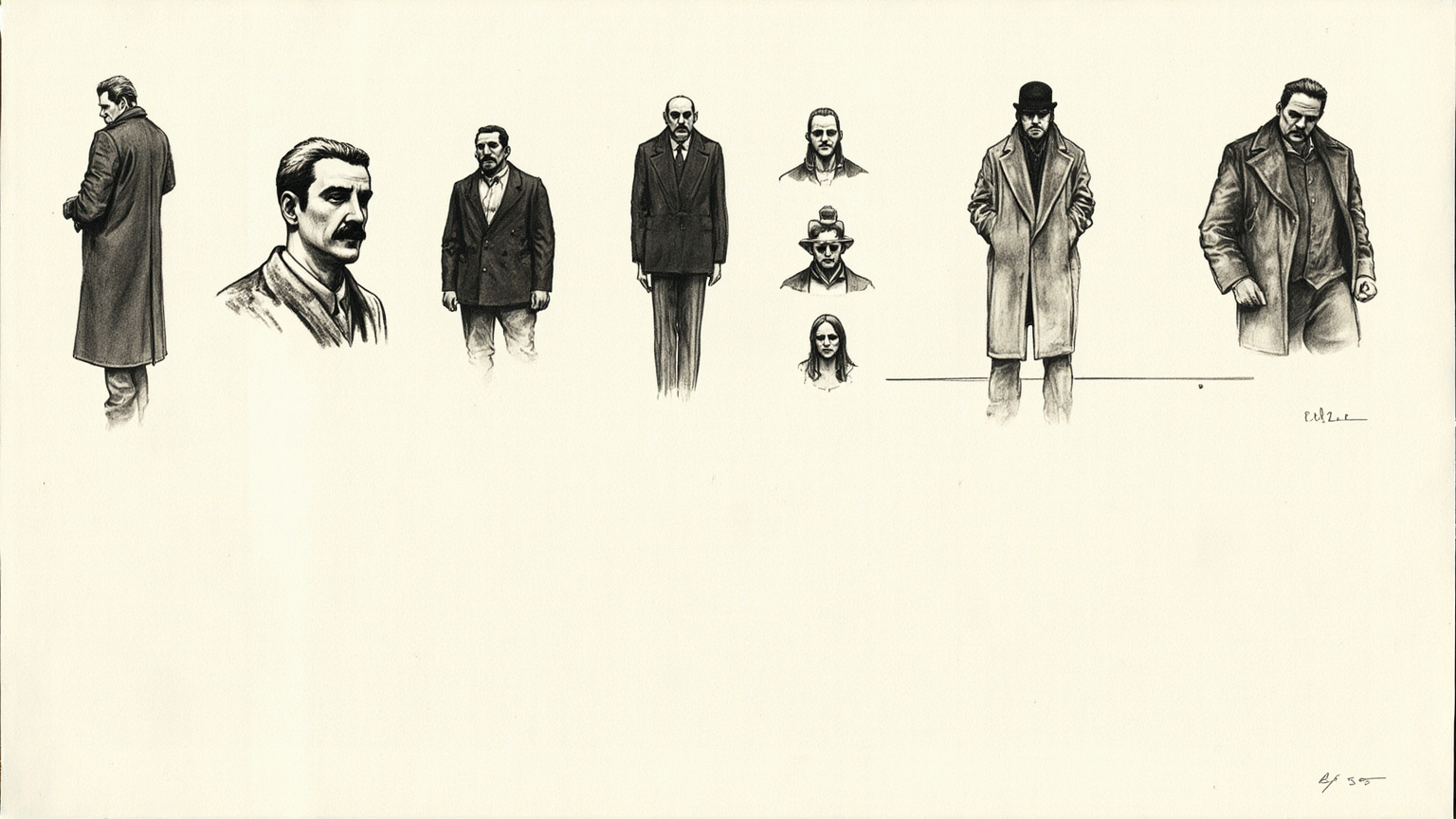
Art Direction4 plates
Before the guide was written, this book got a visual foundation — every illustration you just read grew out of it.