Cousin Bette (La Cousine Bette) · Companion Guide
贝姨
一个被忽视了三十二年的表妹,靠一根针、一双手,把整户体面人家缝进土里。
Hook: The Hands in the Attic
A Paris attic, sewing basket spread beneath the window, an old woman hunched over her mending. She is Aunt Béa, the poor cousin of the respectable family upstairs. Thirty-two years no one has truly looked at her—not because she's poor, but because she's ugly, because no one wants to linger on her. The stitches from her hands are gentler than any word she utters. Below, the family: a handsome baron, a beautiful wife, a sweet daughter, holding together a noble shell on the fading glory of an old empire. Inside the shell, hollow debt.
She glances down from the attic, then bends back to her sewing. This book grows from that glance—a dark needle, piercing straight into the household's bloodline.
What Book Is This
Honoré de Balzac, a sharp late work from La Comédie humaine, published in the 1840s. He spent his life trying to paint a full portrait of Paris—financiers, lawyers, artists, criminals, old maidens in attics—all caught in the same web. La Cousine Bette is the mesh tightest with knots: a family's collapse, a cross-section of the July Monarchy's rot, that era when money did the talking. Balzac himself called it his 'social epic'—grand words, but he actually pulled it off.
Character and World
The Baron de Nucingen's family lives in a respectable apartment, held up by old military honors and face-saving. The baron is lecherous and extravagant; his wife Adèle endures and holds the home together; their two children each nurse their own worries. The debt sits in a drawer, unspoken. Aunt Béa is Adèle's cousin, living in the attic, making her living from sewing—a relative in name, a servant in truth. She once saved a Polish exile sculptor, Stidmann, found him a place to stay, slipped him money, pulled strings for commissions—her attention elsewhere: a woman's possessive desire that was never allowed to name itself. Valérie Marneffe is another sort entirely—young, beautiful, calculating, trading her body for money in Paris. Kolb is a retired businessman who made his fortune, the baron's rival for Valérie, also chasing her. Victor is the eldest son, a lawyer, cold and clear-headed; Odette is the baron's daughter, in love with Stidmann. In one drawing room, this crowd assembles—money, desire, resentment, all meshing together.
There is only one rule in this world: money is gravity, desire its tides. Whether a family stands or falls depends on how tight the men's belts are, and whether the accounts can be stitched back together.
Plot Line
One: Hatred in the Attic
Aunt Betsy wasn't born wicked. She was a woman who had been ignored too long, watching her cousin Adèle be praised as "the beauty of her day," watching her cousin host dinner parties and receive flowers while Betsy herself could only slip in through the back stairs, treated as a relative who costs nothing. She didn't hate any particular person — she hated "why am I not her." Balzac's method is ruthless: he has the reader sympathize with her at first, the figure bent over her mending, her lowered voice, her careful sense of being a dependent — and then, bit by bit, he makes you see that beneath that sympathy lies a warehouse full of old scores.
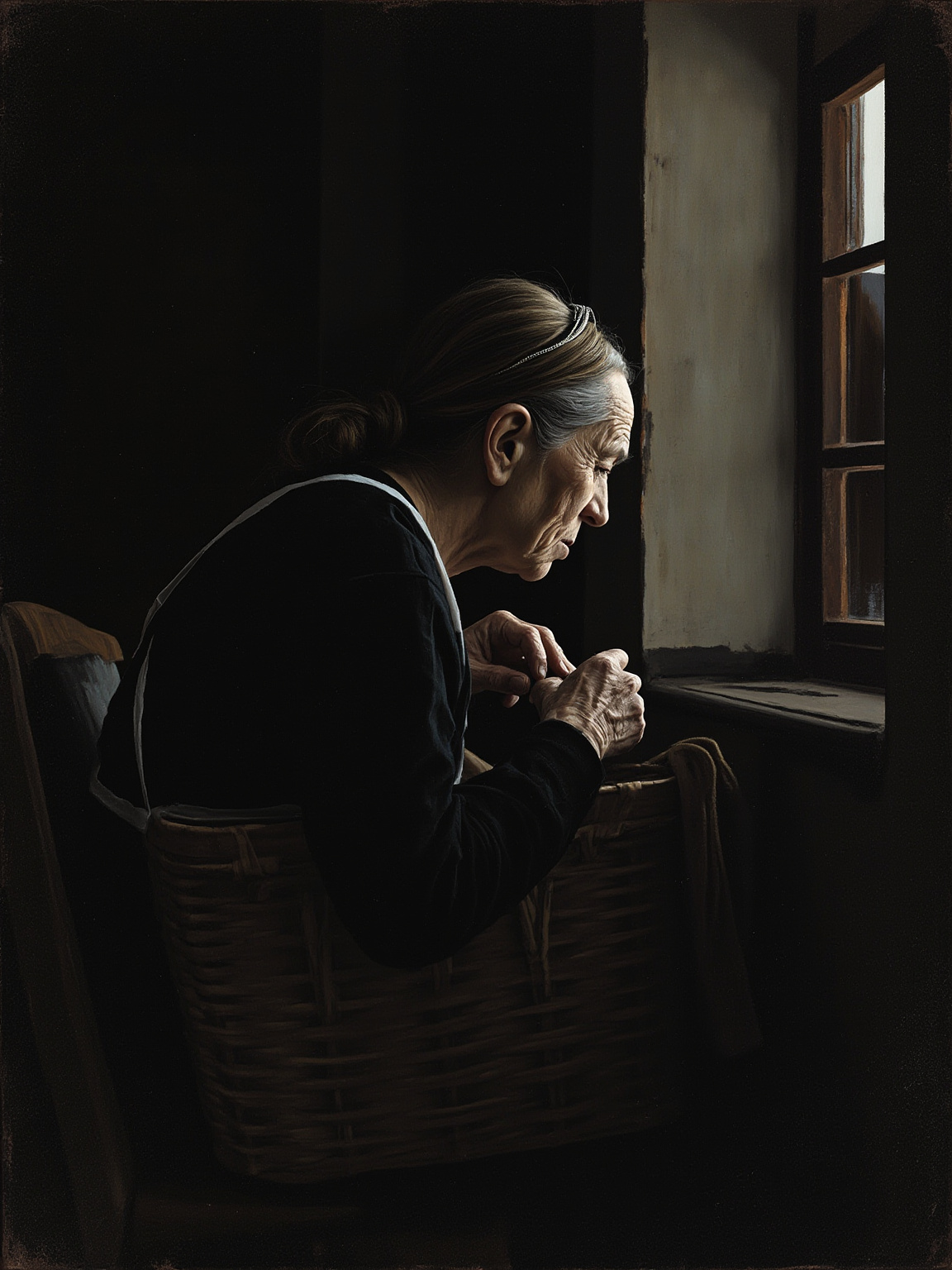
She was the poor relation of the family, the humble seamstress whom nobody looked at twice.
她不过是这门穷亲戚,一个谁也不会多看一眼的缝穷女工。
金句 · 开篇 · 阁楼里的恨
Two: The Sculptor from Poland
Starnbock was an exiled Polish sculptor, poor, proud, talented, and unrecognized in Paris. Aunt Betsy caught him — found him a studio, paid for his clay herself, negotiated his commissions, pulled him back from the edge of starvation. She wanted no money. She wanted the illusion that he belonged to her. It was the only moment in her life when someone needed her, and she held on with all her strength. Balzac writes this passage almost like a first love: an old maid pouring all her tenderness into a young artist, with a kind of reverence that makes the skin crawl.
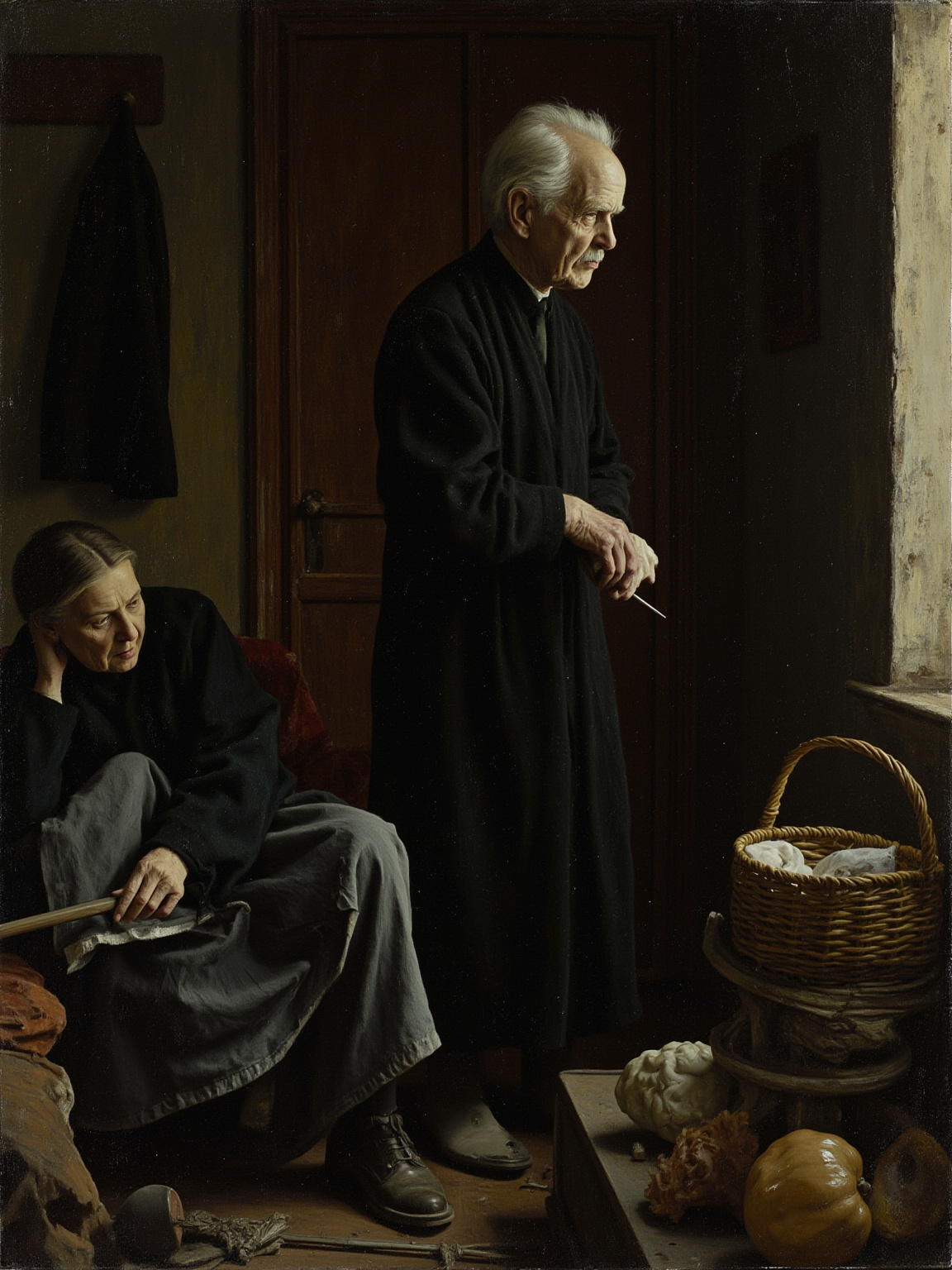
She did not love him as a woman loves a man; she loved him as a miser loves his gold.
她并不像女人那样爱他,而像守财奴爱金子那样占有他。
金句 · 斯坦波克初登场 · 阁楼的占有
Then Odette appeared. The young, beautiful daughter of the de Nucingen family walked into the studio, fell in love with the sculptor at first sight, and was loved in return. On the day the two married, Aunt Betsy sat alone in the attic, her sewing basket knocked over on the floor. Balzac writes that she didn't cry — only the corner of her mouth twitched. That twitch was heavier than tears. The man she had loved had been taken not through any rival's scheming, but through her cousin's family simply "having" him as if it were their right. A lifetime of resentment, all contained in that single stroke.
Three: Bringing Temptation into the Salon
Aunt Betsy wanted revenge, but her method wore no face. She introduced Valéry Marneffe — the kind of Paris woman who lives on her beauty, young, clever, indifferent to everything — into the de Nucingen salon. The Baron's eyes fixed on her immediately. An old soldier's ambition, a husband's dignity — all of it crumbled before Valéry's skirts. Balzac writes the Baron's downfall with the coldest precision: he has the reader watch this old man sign one loan document after another, embezzle public funds, pawn his wife's jewelry, each signature as respectable as the last, each one tearing another wall from the house.
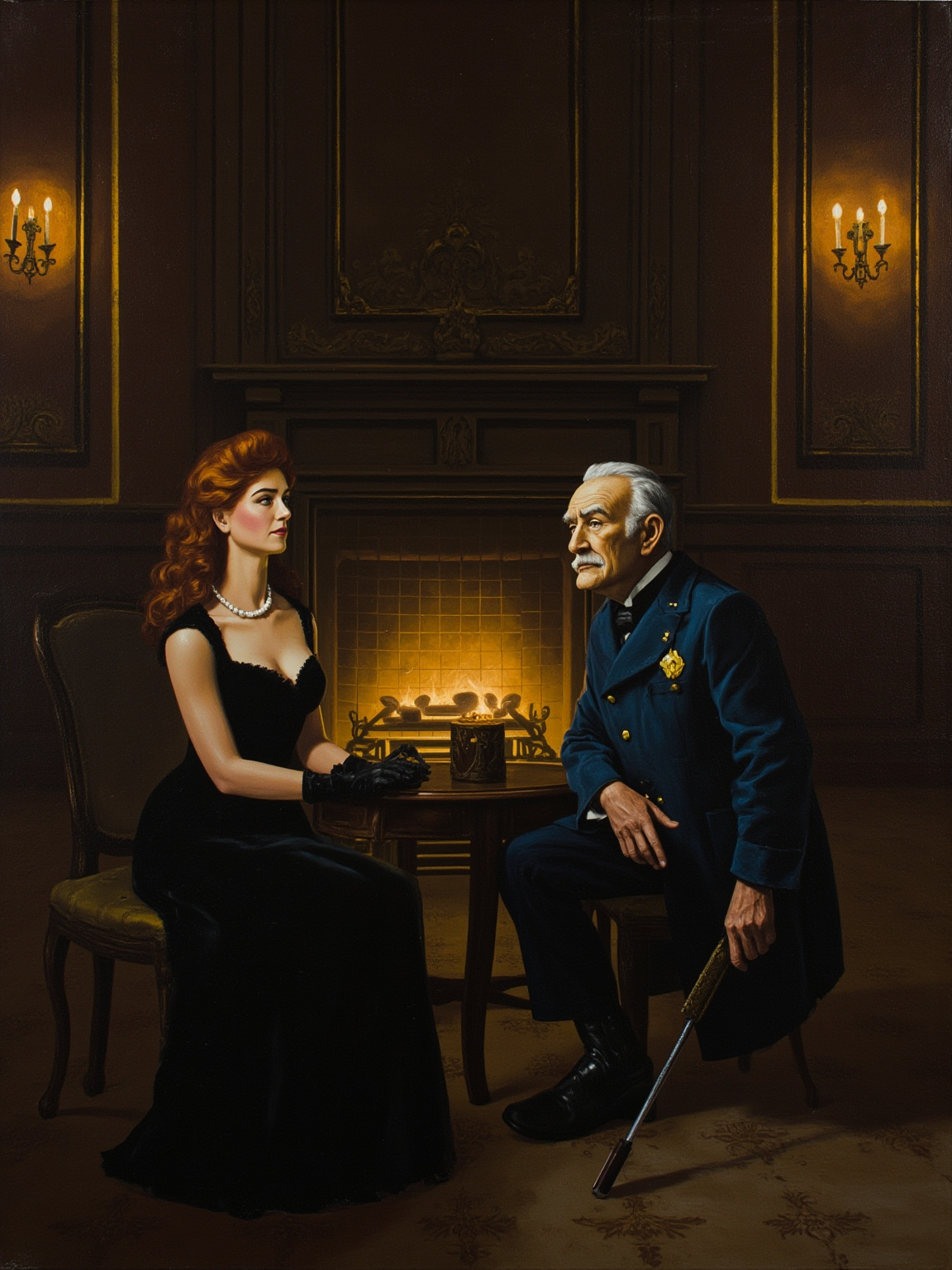
The Baron's eyes fastened upon Valérie as a tiger fastens upon his prey.
男爵的目光落在瓦莱丽身上,像猛虎死死盯住了它的猎物。
金句 · 瓦莱丽入客厅 · 妖冶进门
IV. The Double Fall
The baron falls, and the daughter falls too. Valérie is Hulot's mistress, and Crevel's, and the Brazilian mining baron's, all at once, milking each for whatever she can get. Steinbock is caught in the same web: what little artist's backbone he has barely lasts three rounds against her. Hortense discovers her husband is unfaithful; the couple freeze each other out, the home lies in pieces. Balzac writes this scene at his cruelest. Two falls at once — a father and a husband — the same black hole sucking away one household's money, reputation, and blood.
Paris is a fair field for those who know how to gamble with the hearts of men and the gold of fools.
巴黎是一块旷野,专供那些懂得拿人心和蠢人金币下注的人驰骋。
金句 · 双双坠落 · 欲望的账
V. The Lawyer's Reckoning
Victorin is the eldest son, a lawyer, cold to the point of cruelty. He doesn't weep, he doesn't rage. He gathers evidence and lays out Valérie's crimes one by one: the lives she's ruined, the debts she's run up, who died by her hand. The law is cold; he uses this cold machinery to settle accounts with a woman. Valérie is exposed, prosecuted, cast out by society. Balzac lets the reader breathe a sigh of relief, but only halfway. Because the home has already caved in.
VI. The Leprosy Virus
The Brazilian mining baron is the one Valérie enchanted most deeply. Discovering that she was sleeping in other men's beds at the same time, he doesn't weep, he doesn't rage — he has someone draw the virus from a leper, mixes it into chocolate, and hands it to her himself. Valérie dies with her whole body ulcerated. Balzac writes her death without describing her face: what he shows is those hands, still tallying accounts as she lies dying. Desire was her body; even in death, she tries to grab one more.
VII. The Attic on the Ruins
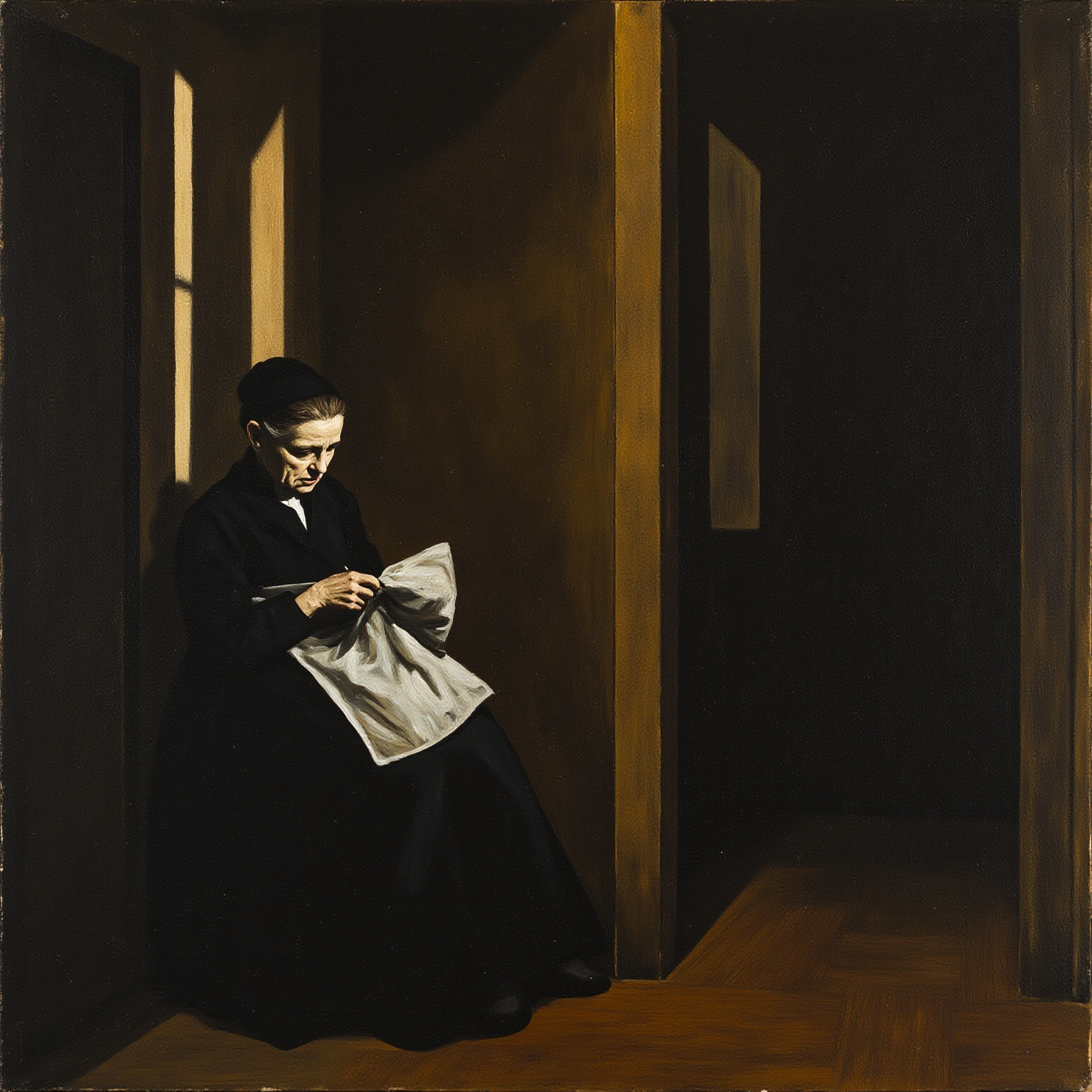
Valérie is dead, and Baron Hulot fares no better. His embezzlement is exposed; he is forced to flee, and is finally found living with an ugly cook in a slum. The end of an imperial soldier is the bed of a coarse, fat woman. Cousin Bette, on her deathbed, lies on the old bed in the attic; through the window she can hear the weeping from the household below. The destruction she wrought with her own hands: she sees it at last. But seeing is not repenting, and repenting is not making amends. Balzac does not let her 'discover her conscience' so cheaply. A woman who has hated for half a lifetime, one last look at the end, and the accounts still won't balance. Adélaïde and Hortense piece together what remains of their lives from the wreckage, stitching and patching, propping up a façade that has already collapsed.
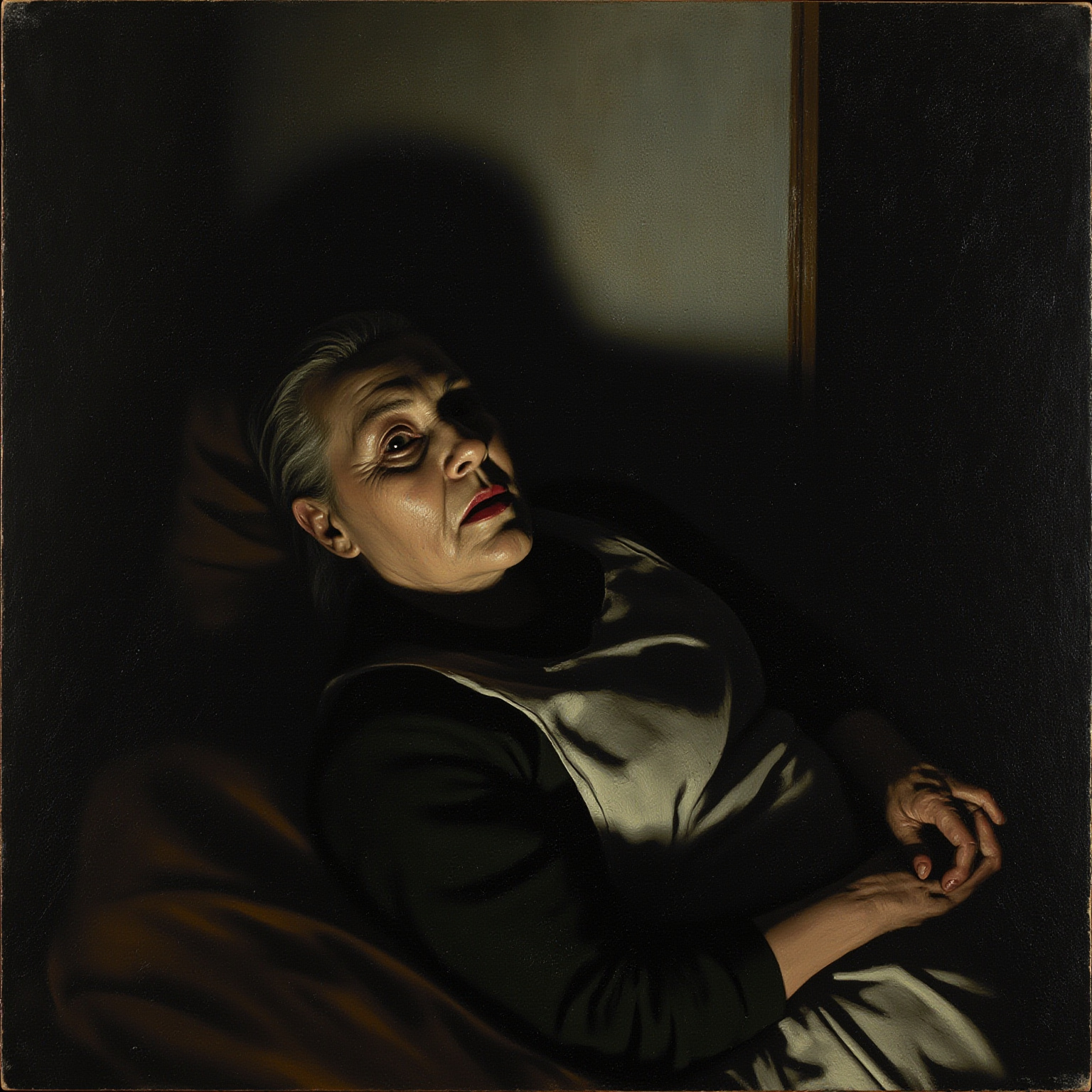
She died without a priest, as she had lived without a conscience, rotting where she had sinned.
她死时没有神甫,正如她活时没有良心,烂在她作孽的那一处。
金句 · 瓦莱丽之死 · 麻风病毒
Themes and Method
On the surface this book is about jealousy. Underneath, it is about money. Cousin Bette's hatred owes nothing to men. It comes from never being seen. Hulot's ruin owes nothing to love. He crumbles because he mistakes a respectable front for actual capital. Valérie Marneffe does not die as payback. She dies because she treated others as instruments and was in turn swallowed by a larger one. Balzac strips the Paris of the July Monarchy bare — the Paris where finance and appetite called the shots. Every character is a screw in that machine, carried toward their respective ends by money and desire.
His method is accumulation. Every piece of furniture in the parlor, every fabric on every back, every figure on every signed contract: all of it is realist detail accurate to the decimal. Reading him feels like leafing through an account book that happens to contain a novel. You never see him getting lyrical. You only see him drawing the world line by line. Of all his characters, the most fearsome is Cousin Bette — the one who 'does nothing.' She signs nothing, never leaves the parlor, never shows her face in public. Her weapons are patience, expression, the sewing hand. An old woman who lives by needlework ends up dismantling an entire building. Nobody hits that kind of contrast harder than Balzac.
Balzac at his cruelest: he makes you pity Cousin Bette first, then fear her, and finally see she is no different from the cousin downstairs.
A Hook for the Book Itself
A guide can lay out who schemed against whom and who died at whose hand — but it can't give you the weight of a Balzac sentence landing. The plot is the least of it. Knowing the ending, you could guess half of it anyway. What stays with you is the almost physical pressure inside every turn: the sound of a needle hitting the floor, the height of debt-notes piling up, the twitch at the corner of an old woman's mouth. If you really want to 'see' how a nineteenth-century Parisian parlor slowly corrodes into a ruin under the weight of money, you have to flip to that page and smell it yourself. The guide hands you a map. The book is the terrain. That terrain is worth walking in person.
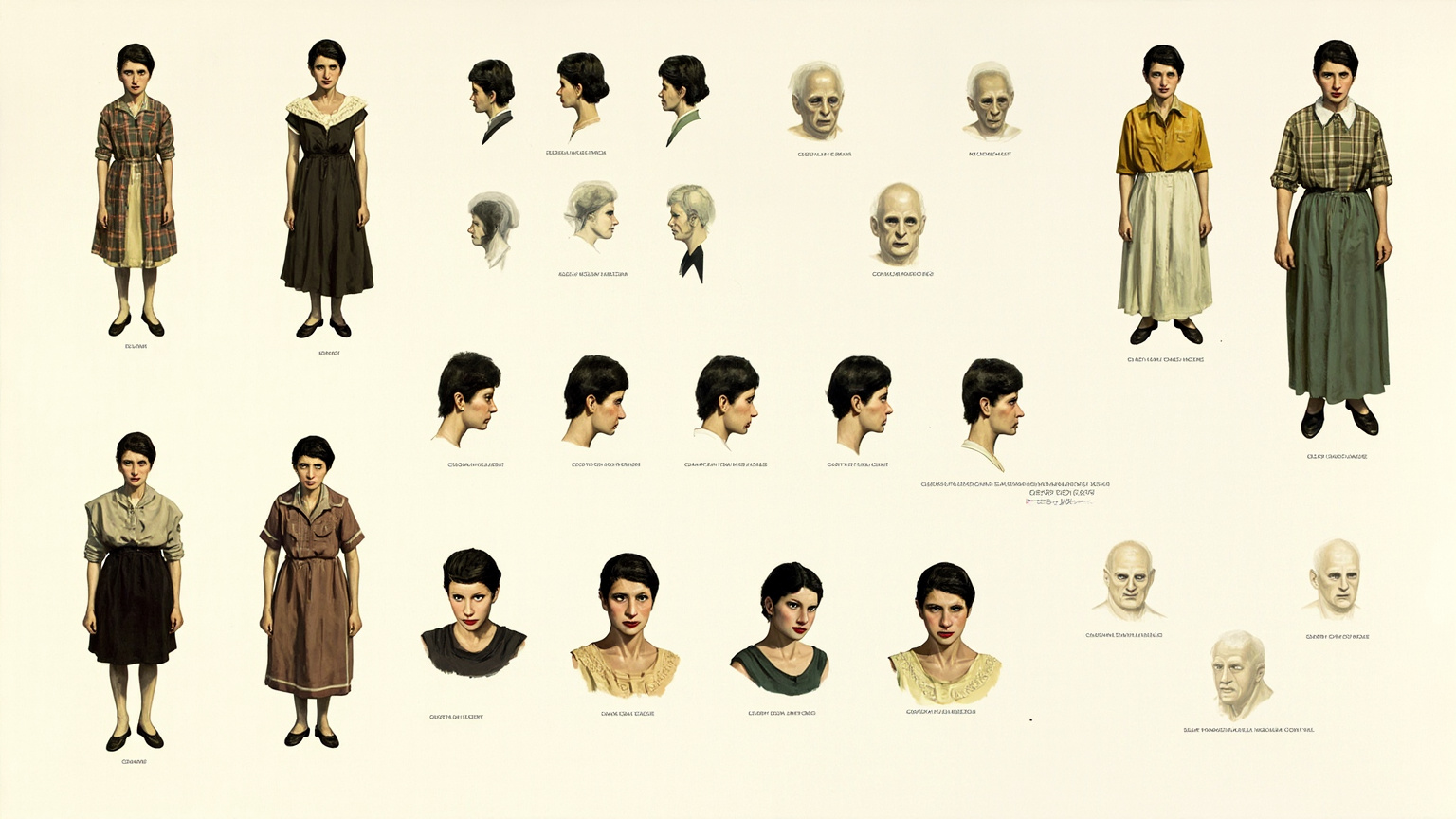
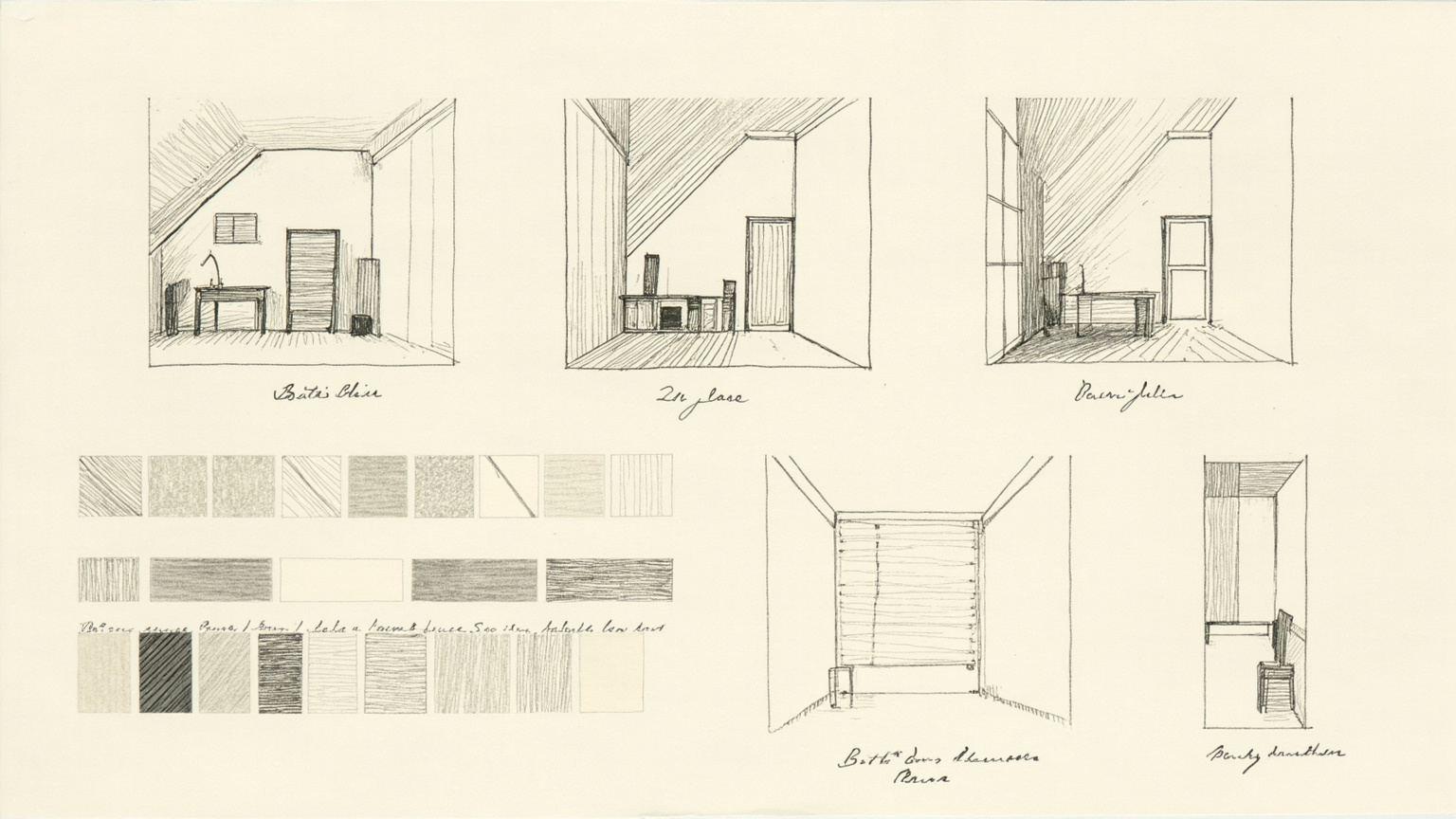
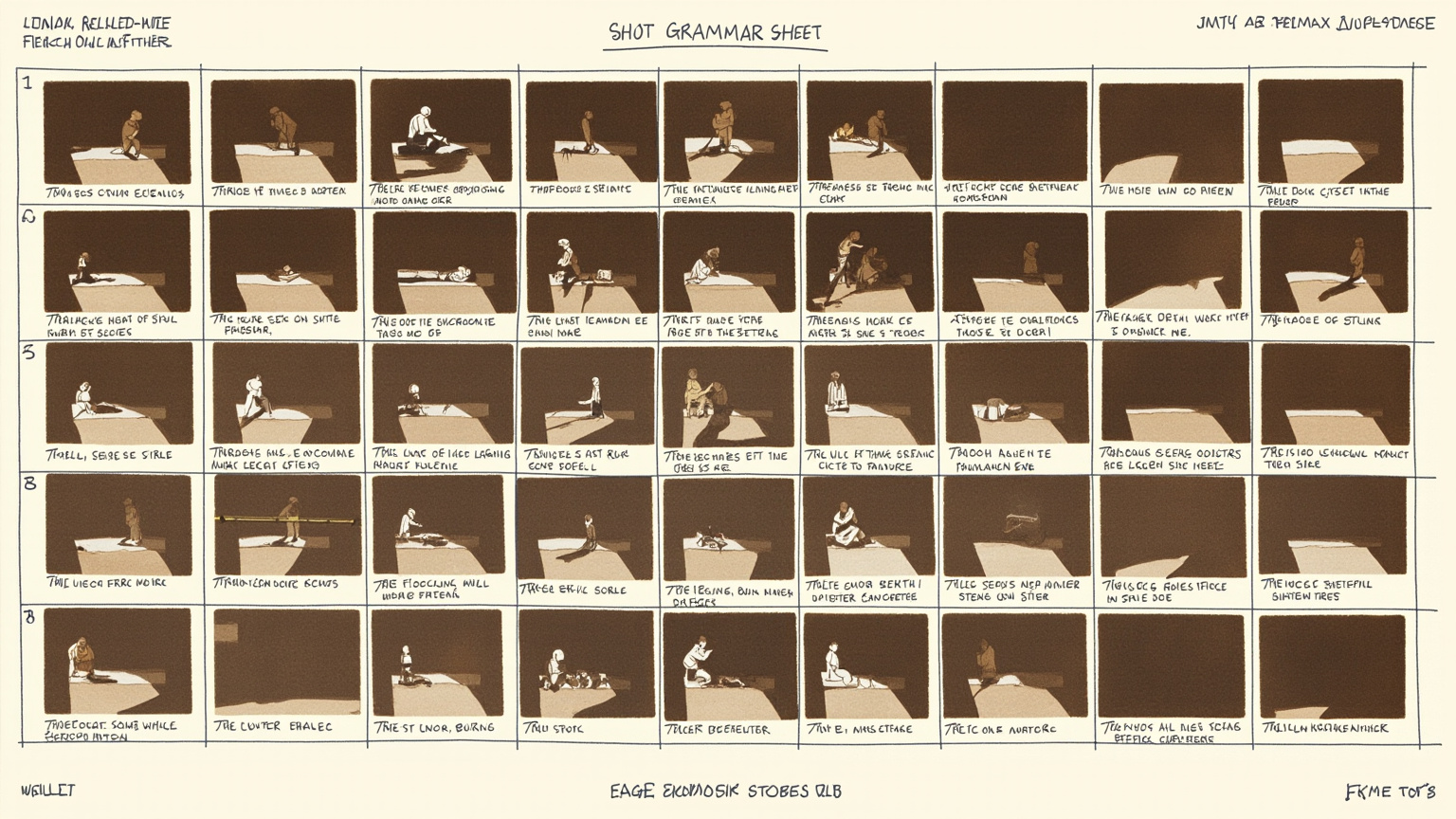
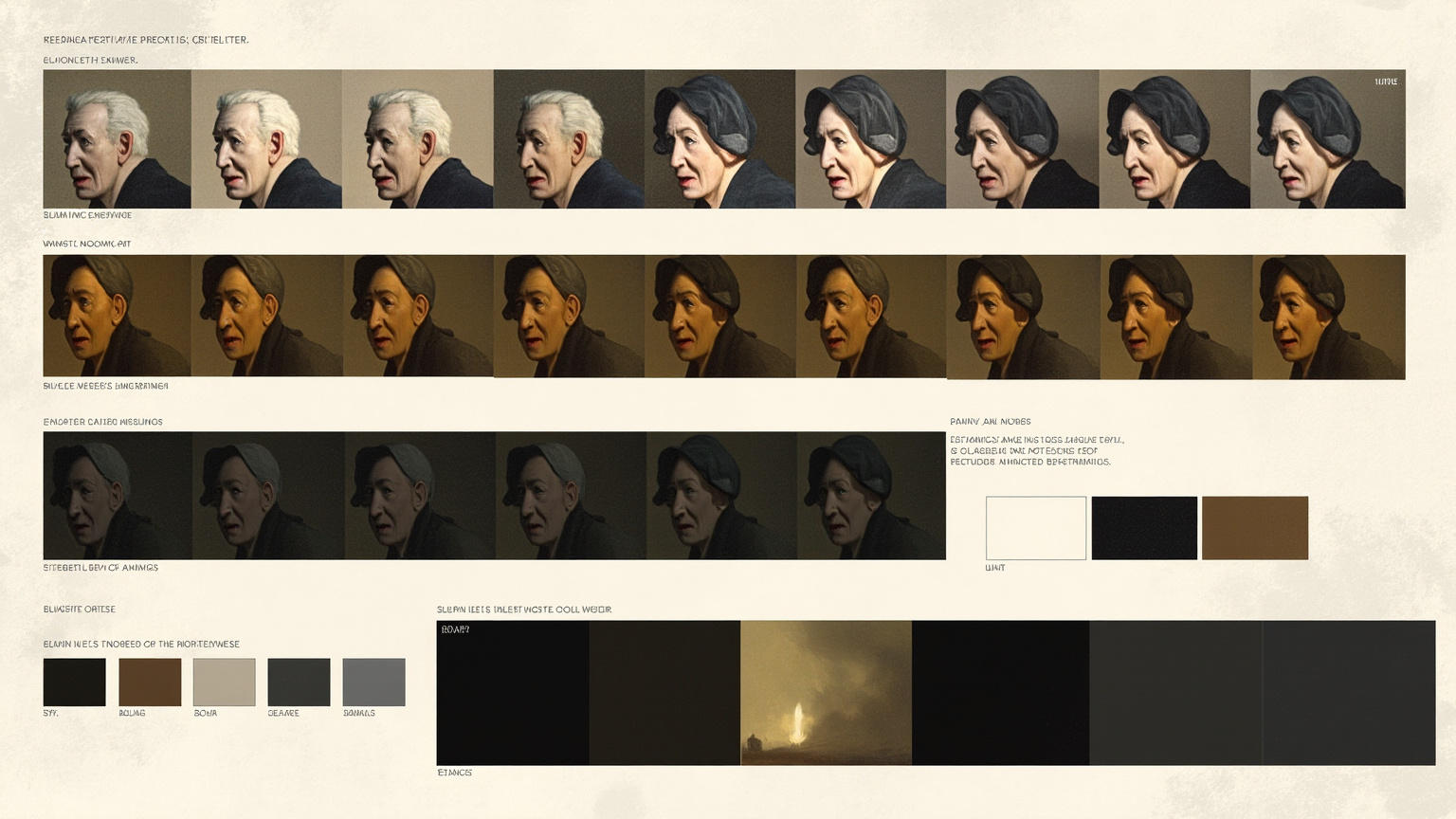
Art Direction4 plates
Before the guide was written, this book got a visual foundation — every illustration you just read grew out of it.