Daisy Miller · Companion Guide
黛西·米勒
一个单纯的美国姑娘,被一座旧大陆的礼仪围栏慢慢挤到了月色下的斗兽场里——谁有资格判定她正不正派?
A Hat in the Moonlight
The story's final image is not a sickbed but an empty stone archway. Moonlight falls across the steps of the Roman Colosseum, and at the center of them sits an abandoned hat, a woman's hat, pale, its ribbon loose. Its owner has already gone home, but she will never be quite herself again. In a few weeks she will close her eyes in a Roman hotel room, still young. James leaves this hat at the very end of the book and lets the reader rewind on their own: whose hat is it? Who forgot it in the Colosseum at that hour of night? What actually happened that evening?
Her name is Daisy Miller, and she comes from Schenectady, New York. She has no idea that she will be killed that night by what readers of papers like the London Times called Roman fever, which, in the book, is neither consumption nor some romantic ailment, but plain malaria. It rose as vapor off the low Roman Campagna on warm nights, though Europeans in the 1870s preferred to treat it as a kind of retribution for wandering the Colosseum after dark. Daisy went anyway.
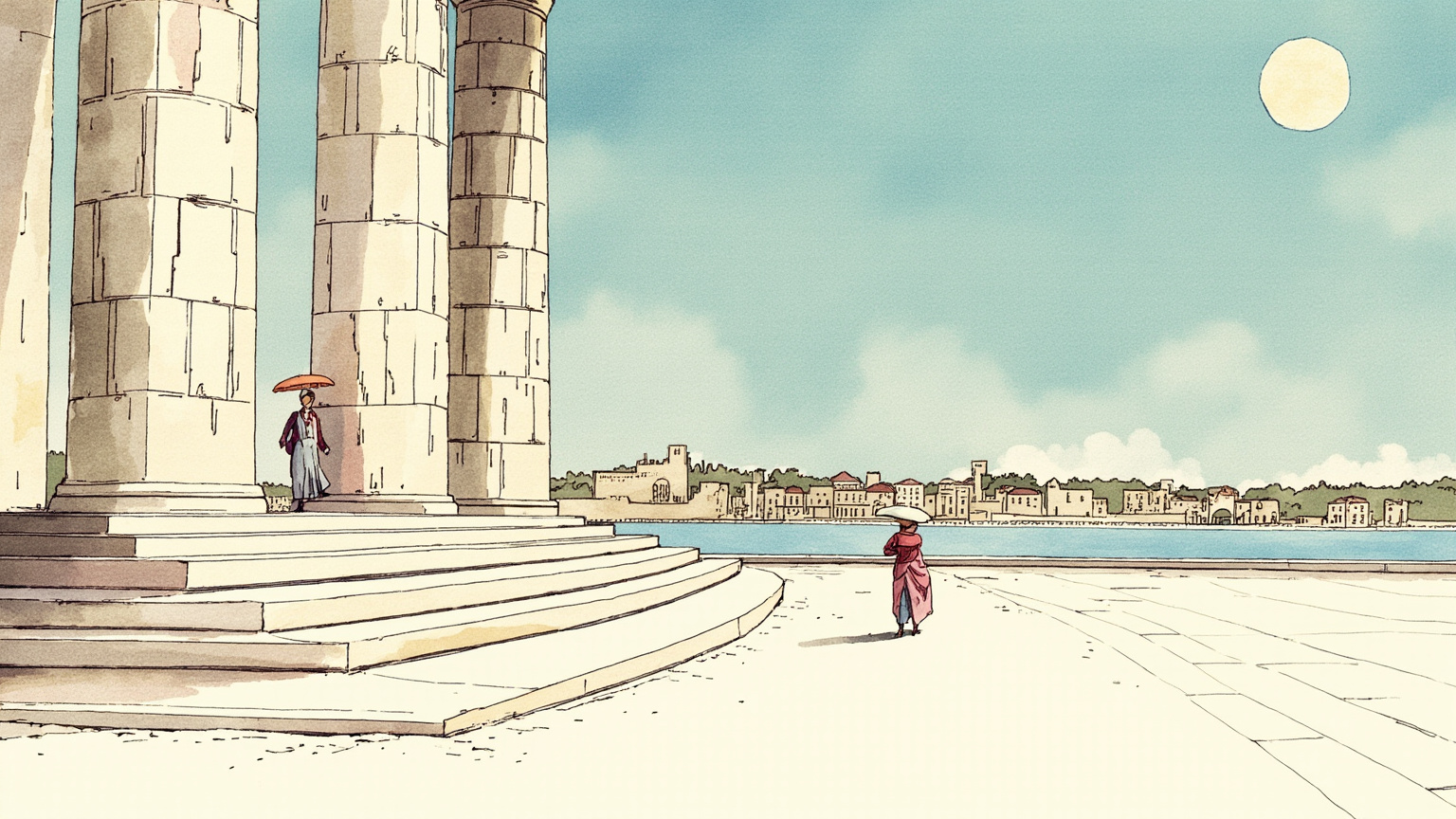
She had been carried away by the romance of the place, and had forgotten—in the romance of the place—that she was indoors at night, in the malaria, with a man she had known only a few weeks.
她是被这地方的浪漫气息带走了,忘了——恰恰是这份浪漫里——她是在夜里、在这片瘴气里、跟一个才认识几星期的男人独处的。
金句 · 第二部分 · 月下斗兽场
Why a European Novella from Over a Hundred Years Ago Is Still Dog-Eared in Freshman English
Daisy Miller was first serialized in a British magazine in 1878, published in London that same year, and brought out in America the year after. Its author, Henry James, was American but spent most of his life in London, becoming one of the late Victorian era's literary giants, the man who would go on to write books with the heft of The Portrait of a Lady and The Turn of the Screw. Strangely enough, what made him famous in his early thirties was this novella of under a hundred pages, short enough to teach in a single class period, yet still handed to freshman English students as their first step into James, and cited by generations of professors as the founding text of the International Theme. The reason is simple: it takes one girl's social catastrophe and drags a half-century-old subject, American innocence against European propriety, straight out of the fine grain of everyday life.
Three Sets of Characters, Three Circles
Daisy Miller, the heroine, is the kind of girl Schenectady raises: direct, her smile bright enough to catch the sun on her teeth, and entirely unversed in Europe's written and unwritten rules about unmarried girls, gentleman callers, and moonlit visits to ruins. Her mother travels with her, along with a younger brother. The family is in Europe on a genuine trip, not a performance of one.
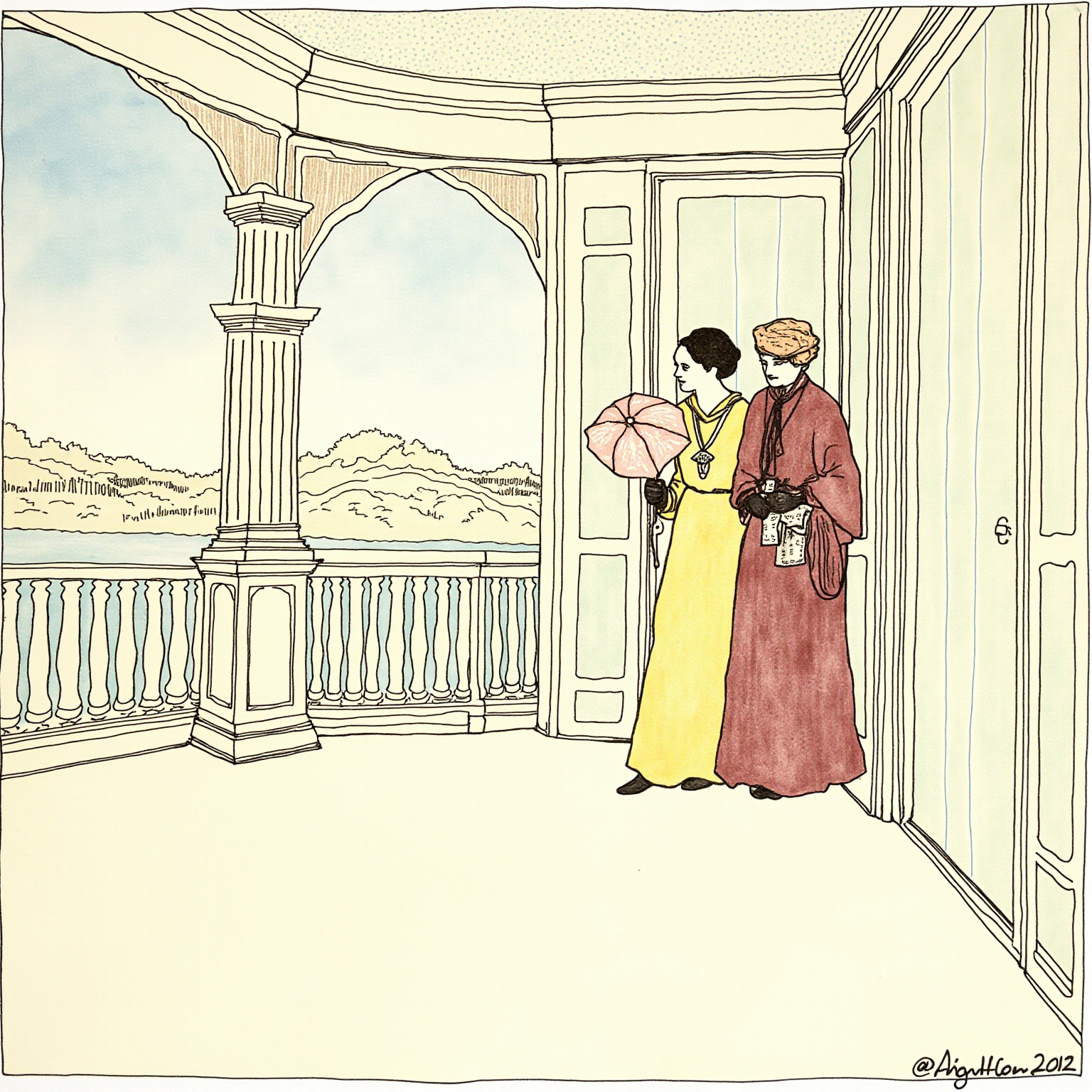
She is a young person whom any gentleman in Vevey might take pleasure in looking at.
她是个随便哪位温韦绅士看着都会觉得赏心悦目的年轻姑娘。
金句 · 第一部分 · 沃韦湖滨初遇
Frederick Winterbourne, the hero, is another version of the young American: one who has lived in Europe long enough to have learned to see people the way Europeans do. He is drawn to Daisy's vitality even as he is wary of being pulled outside the rules by her. On one side stands his aunt, Mrs. Costello, who guards the border of European propriety for him on the shore of Lake Geneva, the first cold-eyed judge Daisy meets among the old expatriate set. On the other, once the story moves to Rome, is the circle of American ladies led by Mrs. Walker, who grow steadily less forgiving of Daisy. Rome supplies two more key figures: Eugenio, the Italian courier, whose needling "is she waiting for him to die?" is the coldest line in the whole book, and the young Italian gentleman Giovanelli, who escorts Daisy in public and is taken by Roman society for the man who has compromised her.
Lake Light at Vevey, a Flirtation Condemned Before It Began
The story opens at Vevey, on the shore of Switzerland's Lake Geneva. James describes the town as small and white, with pale blue mountains across the water. Winterbourne is introduced to the Miller family, over from America on a tour of Europe, through his aunt Mrs. Costello, who promptly delivers her verdict on Daisy into her nephew's ear: not respectable. In the vocabulary of Europe's old expatriates, those two words amount to a life sentence. Winterbourne is caught by Daisy's brightness anyway, asks her out walking more than once, and never quite finds the nerve to defend her against his aunt's European logic. The two of them drift through several rounds of near-flirtation on the shore at Vevey, neither one saying it outright, neither one pulling away.
A craft note: James barely lets a verdict pass through dialogue in this section. Instead he hides all of Winterbourne's hesitation in his footsteps. He means to keep an appointment and arrives late, he wants to explain the European rules to Daisy at the castle ruins and can't get the words out, he simply goes elsewhere to avoid her. This technique of showing everything by saying nothing is the seed of the entire Portrait of a Lady to come.
Geneva Trails Off, the Scene Shifts to Rome
Daisy never gets the clear declaration she was waiting for. She heads south to Rome with her mother and brother as planned, leaving Winterbourne with something like: if you really care, come find me in Rome. He drags his feet for months before finally going, pulled along, it turns out, by a guilt he can't quite name even to himself. I stalled out the first time I read this part too: does the man actually love her, or is he tormented enough by his own cowardice to want absolution? James has no intention of answering for him.
In a Roman Hotel, the Crime of a Woman Walking Alone
In Rome, the scales tip suddenly. Daisy and her mother take rooms at a hotel in the city; she walks out alone by day and is seen in public with the young Italian Giovanelli by night. None of this would make headlines today, but in that era's Roman social circle it was close to a declaration that she was fast. Mrs. Walker, an American lady long settled in Rome, becomes her harshest judge, a warning first, then an open break, and finally a public snub in society itself. The unwritten rule that an unmarried girl cannot go about at night with a man who isn't family gets enforced, bite by bite, by exactly these women.
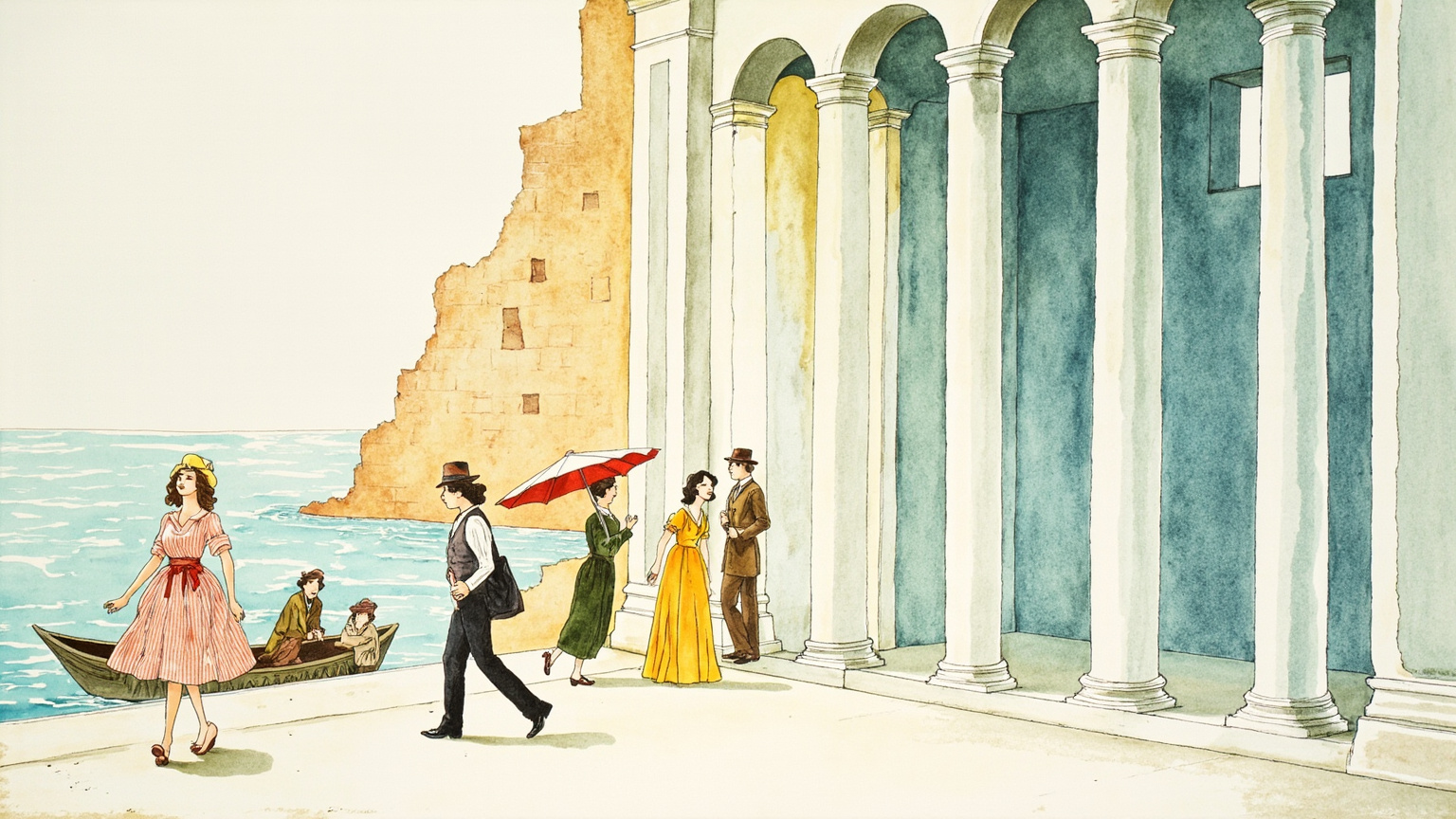
She sat there in the light of the lamp, and looked at him with a little swaying movement of her fan, as if she were a little offended, and yet rather pleased.
她在灯影里坐着,扇子轻轻摇着望他,像是有几分委屈,又有几分得意。
金句 · 第二部分 · 罗马旅馆与乔瓦内利
A craft note: James stays almost entirely inside Winterbourne's third-person point of view, but quietly cuts to Daisy's own perspective in the scenes he isn't present for, letting the reader see the Daisy Winterbourne never does, a woman who isn't doing anything wrong, only lonely. By the time Winterbourne sees her again, he has caught the same "is she waiting for him to die?" rumor going around Rome, and it is he, not anyone else, who ends up looking the most cowardly of all.
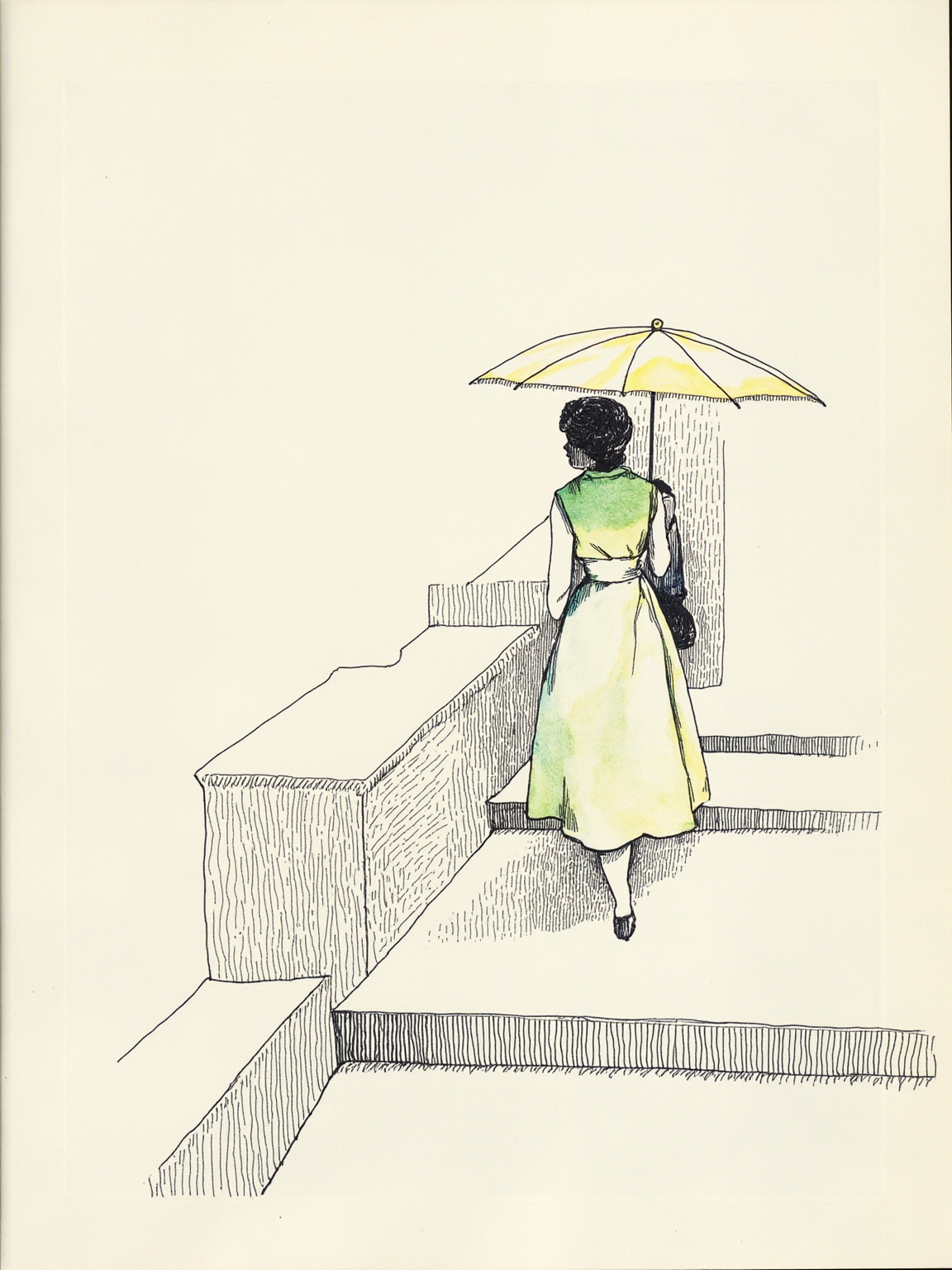
He was not afraid of her; he was only afraid of himself.
他并不怕她;他只是怕他自己。
金句 · 第二部分 · 温特伯恩的犹豫
Moonlit Night at the Colosseum, the Night She Caught Roman Fever
The single most important night in the book. Winterbourne comes upon Daisy and Giovanelli late at night at the Colosseum. The moonlight is cold and blue, the stones enormous, the three of them walking among the empty arches. Winterbourne urges her to leave; Daisy pushes back — she isn't being led astray, she's free, and while she hates being called improper, she won't bow to it either. Winterbourne nearly softens, then doesn't quite. Daisy insists on one more turn around the ruins. She doesn't know, or doesn't care, that what is rising off the Colosseum that summer night is exactly what will put her in bed for good.
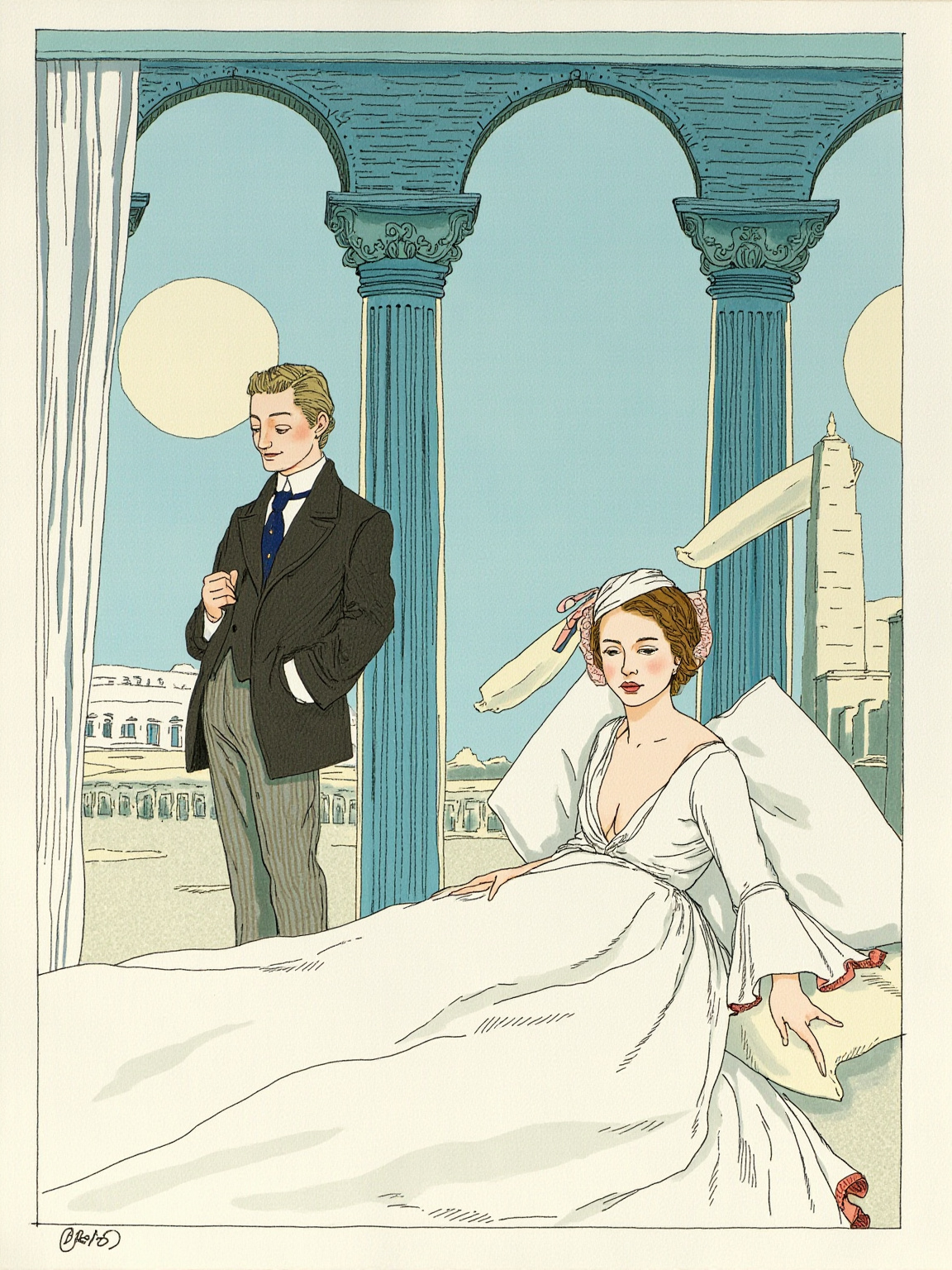
A few weeks later she really does fall ill: a low fever first, then alternating chills and heat, in that narrow hotel bed in Rome. Winterbourne arrives at her bedside and finally says the thing he should have said long before, that she is "a perfectly innocent girl." His realization arrives exactly as her illness turns terminal. James handles this with real cruelty. He has Winterbourne say the line only after the reader already knows it has come too late.
I have said she was a perfectly innocent girl.
我说过,她是一个完全清白的姑娘。
金句 · 尾声 · 病床前的醒悟
A Bright Ground, and Shadows Turning Blue
What's interesting is that the whole book's palette starts in cream and pale gold: sunlight on Lake Geneva, summer dresses under a hotel veranda, the Miller family's American cheer. Once the scene shifts to Rome, the picture cools by degrees, stone steps near the legation quarter, the dark shawls of women in drawing rooms, the blue-green moonlight at the Colosseum. James's darkest touch is Roman fever itself. He hangs the disease's name over Rome's warm season from the start, so the ending never arrives out of nowhere; readers only notice, looking back, that they had been warned all along. It's the same cruelty, the reader knowing before the characters do, that he would use again and again in The Ambassadors.
Respectability Was Never the Real Question — Judgment Was
On the surface, Daisy Miller is about an American girl losing points against European propriety. Underneath, it's an interrogation of watching itself: who has the right to observe another person, who has the right to judge? Winterbourne is the book's observer from start to finish, yet after an entire novella of observing he still can't admit whether he loves her. Mrs. Walker, Mrs. Costello, every pair of eyes in Roman society: each one is a small tribunal, and not one of their verdicts on Daisy is anything she could have talked her way out of. James's sympathy plainly isn't with the rules. He makes Daisy sincere, warm, light enough to be almost transparent, then lets that code of conduct grind her down inch by inch until there's nowhere left to go. That is exactly where this novella of under a hundred pages turns sharp: nobody walks away with a clean win.
You Know the Ending — Why the Text Is Still Worth Reading
A guide can tell you that Daisy dies, dies of malaria, dies from a moonlit night at the Colosseum, dies of a misjudgment by Roman society. What it cannot give you is the catch in Winterbourne's chest the first time he spots Daisy and her brother walking under that big chestnut tree at Vevey. James takes three paragraphs to get to his gaze, and none of those paragraphs contain a single word of interior thought, only tree, lake, stone steps, sunlight, and a girl in motion. Nor can it give you the huge stone echo inside the Colosseum, or the stubborn, guileless note in Daisy's voice inside that echo when she insists that she is not the sort of girl he thinks she is. Of all the people James wrote across his career, Daisy is among the lightest — light enough that the whole weight of European propriety that crushes her starts to look weightless by comparison. That lightness has to be read, felt page by page, not handed to you secondhand. Next time you turn to that sunlit page at Vevey, look a little longer, on Winterbourne's behalf.
Art Direction4 plates
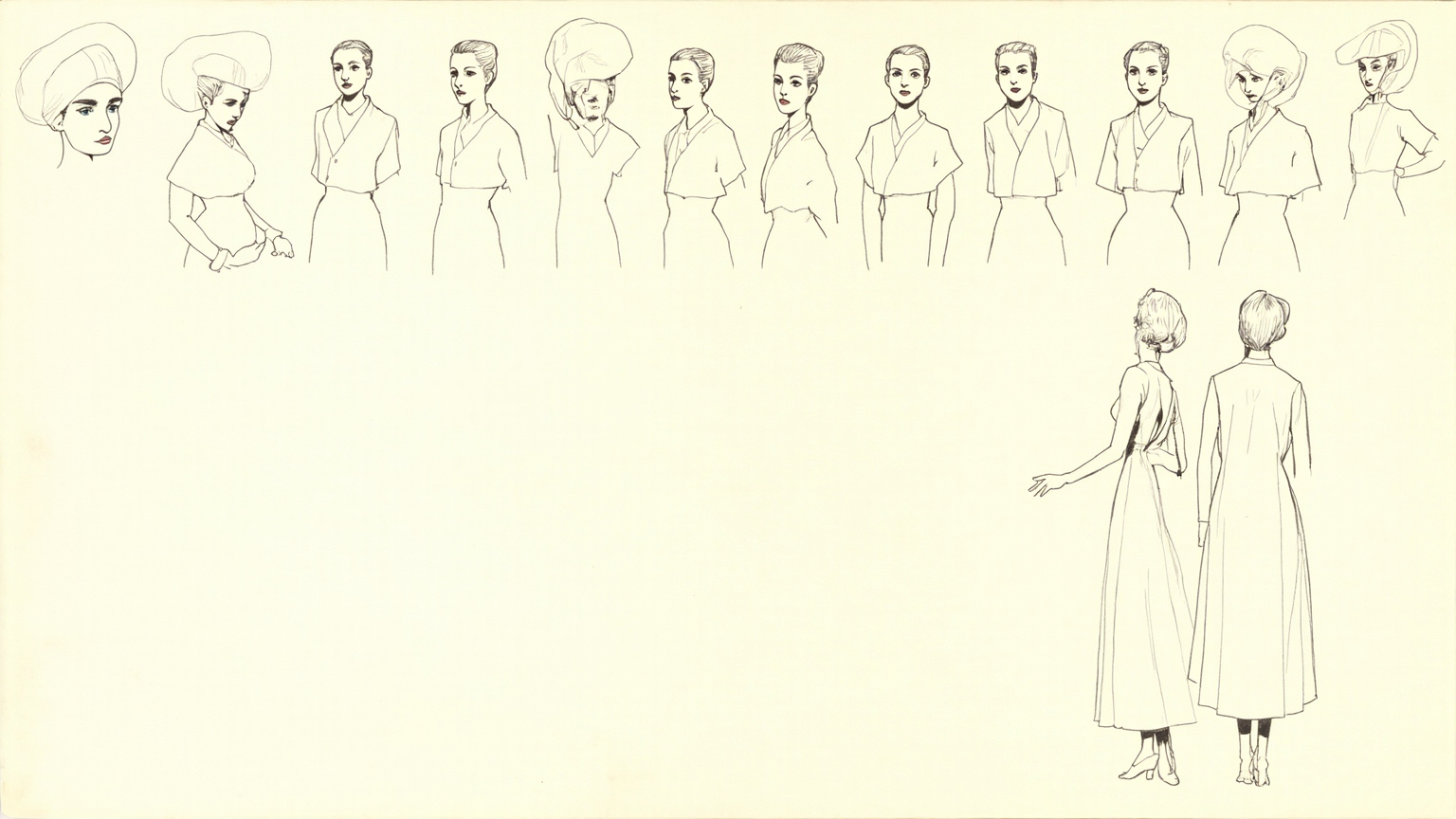
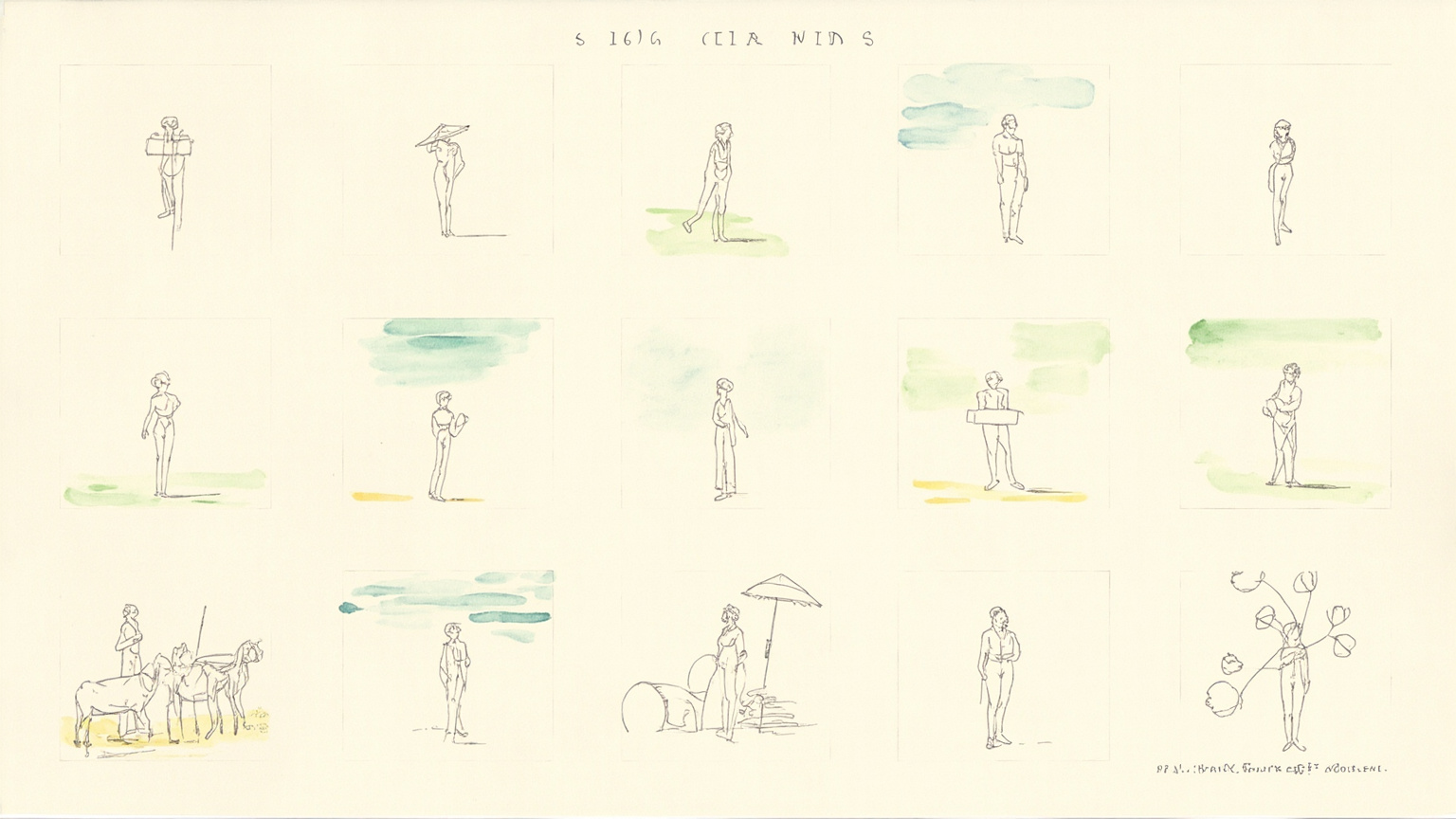
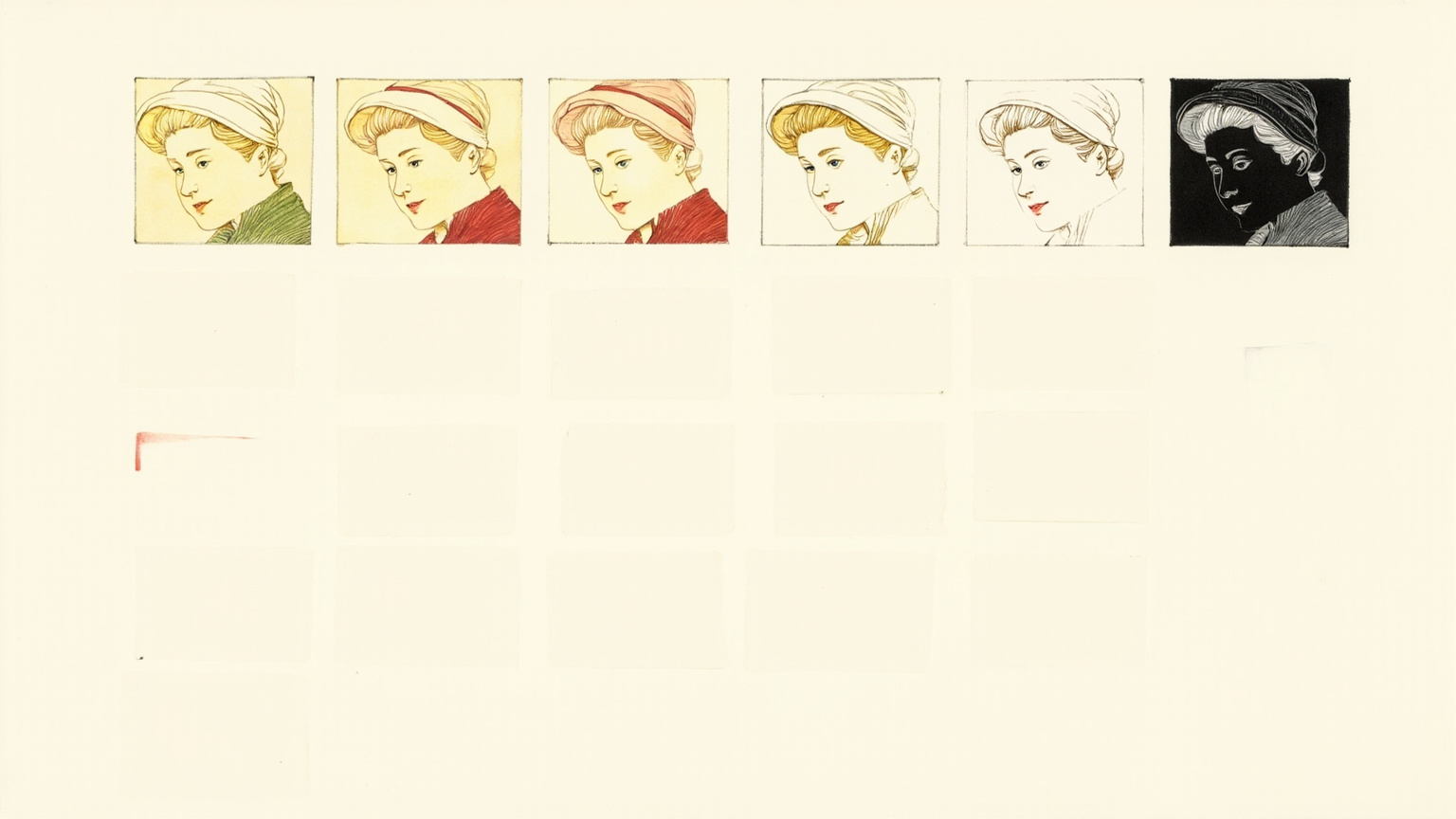
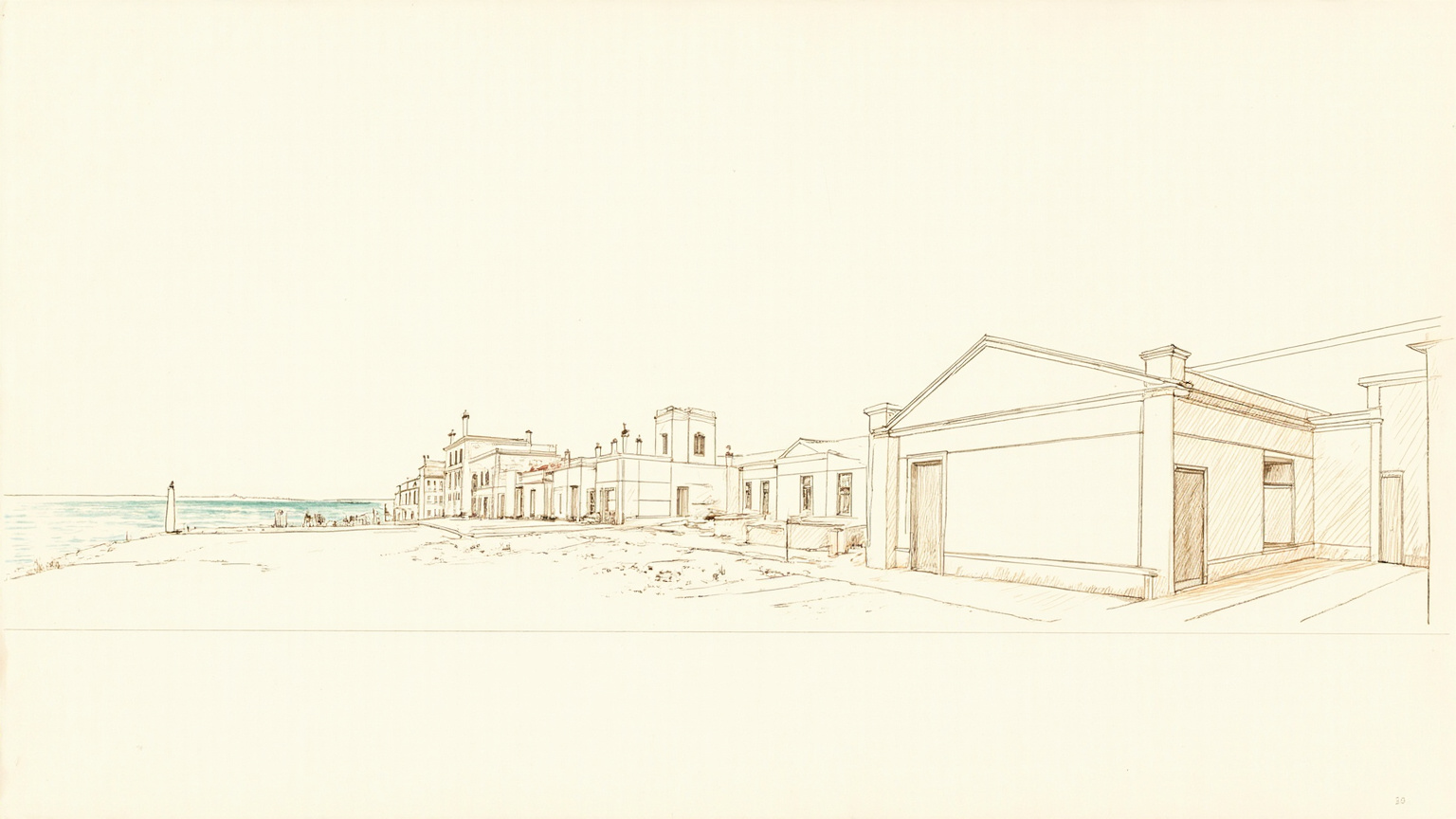
Before the guide was written, this book got a visual foundation — every illustration you just read grew out of it.