Don Segundo Sombra · Companion Guide
堂塞贡多·松勃拉
一个弃儿跟着流浪高乔走进潘帕斯,五年后认领遗产成了庄园主,师父却悄然回到草原尽头——高乔的最后一个幻影。
The Hook
A gaunt horse, a shadow that never speaks, and a boy of fourteen following behind him, walking into the endless dusk of the pampas.
The man on horseback is Don Segundo Sombra. He never explains why he drifts from one ranch to the next; at night he only leans his knife against the wall and tells the boy a story about the devil and the plain. The boy is Fabio Cáceres, a foundling boarded out with an aunt in town, unloved, unsupervised, without even a name he could rightly claim. At fourteen he ran off and never looked back.
What Kind of Book This Is
Don Segundo Sombra was published in 1926. Its author, the Argentine writer Ricardo Güiraldes, died at forty-one, and the following year the book won him Argentina's National Prize for Literature. It followed the three great gauchesco epics before it (Martín Fierro, Santos Vega, Fausto) and is considered the closing word in gaucho literature. In short: the gauchos' living days on the pampas were being erased by barbed wire and encroaching cities, and Güiraldes picked up his pen to nail these vanishing shadows of freedom into the page, one stroke at a time.
Characters and World
The main character is a boy who can't even hold on to his own surname. Fabio Cáceres is fourteen, born out of wedlock, raised by aunts who taught him his prayers and took him to Mass, and gave him nothing but beatings and lockups in between, never once a smile. Don Fabio Cáceres, the town's wealthy rancher and Fabio's real father, would occasionally take him out riding as a boy and once gave him a colt as a gift, but stopped visiting once Fabio turned eleven and died not long after, leaving behind a fortune large enough to turn him from a poor herdsman into a great landowner, though the inheritance would not reach him until five years after he left home.
Don Segundo Sombra is the true soul of the book. He is a gaucho who never stops drifting, silent as a shadow, never drunk no matter how much he drinks, riding without a whip, throwing a lasso that never misses. He is kind, brave, and unknowable, and he hands Fabio the whole culture of the plains along with the trade itself: breaking horses, roping cattle, singing the old songs, telling ghost stories by the fire. Don Leandro Galván owns the first ranch where Fabio lands after taking to the road; he hires the boy at half wages as a hand on the cattle drives and formally inducts him into gaucho work. Pedro Barrales, an old friend of Don Segundo's, is the one who later brings the letter that rewrites Fabio's fate. Raucho, Don Leandro's son, is the one who pulls Fabio out of the rough life of the plains and through the door into literature and culture.
The Arc: Stream, River, Lake
The book runs twenty-seven chapters, nine to a movement, each keyed to one of three water images, stream, river, lake: a childhood by the stream, five years of apprenticeship along the river, and a homecoming to the estate beside the lake.
The first movement, the stream of childhood. Fabio is skipping school and drifting around the small town of San Antonio de Areco, in Buenos Aires Province, when he's caught by the sight of Don Segundo riding in from the edge of town, calm and sharp and every inch a knight. He warns the man of an ambush waiting for him, and by the next day he's made up his mind to run, after the hero he's chosen, out into the pampas. His first stop is Don Leandro Galván's ranch, where he joins the cattle drive as a resero at half pay and formally enters the gaucho trade.
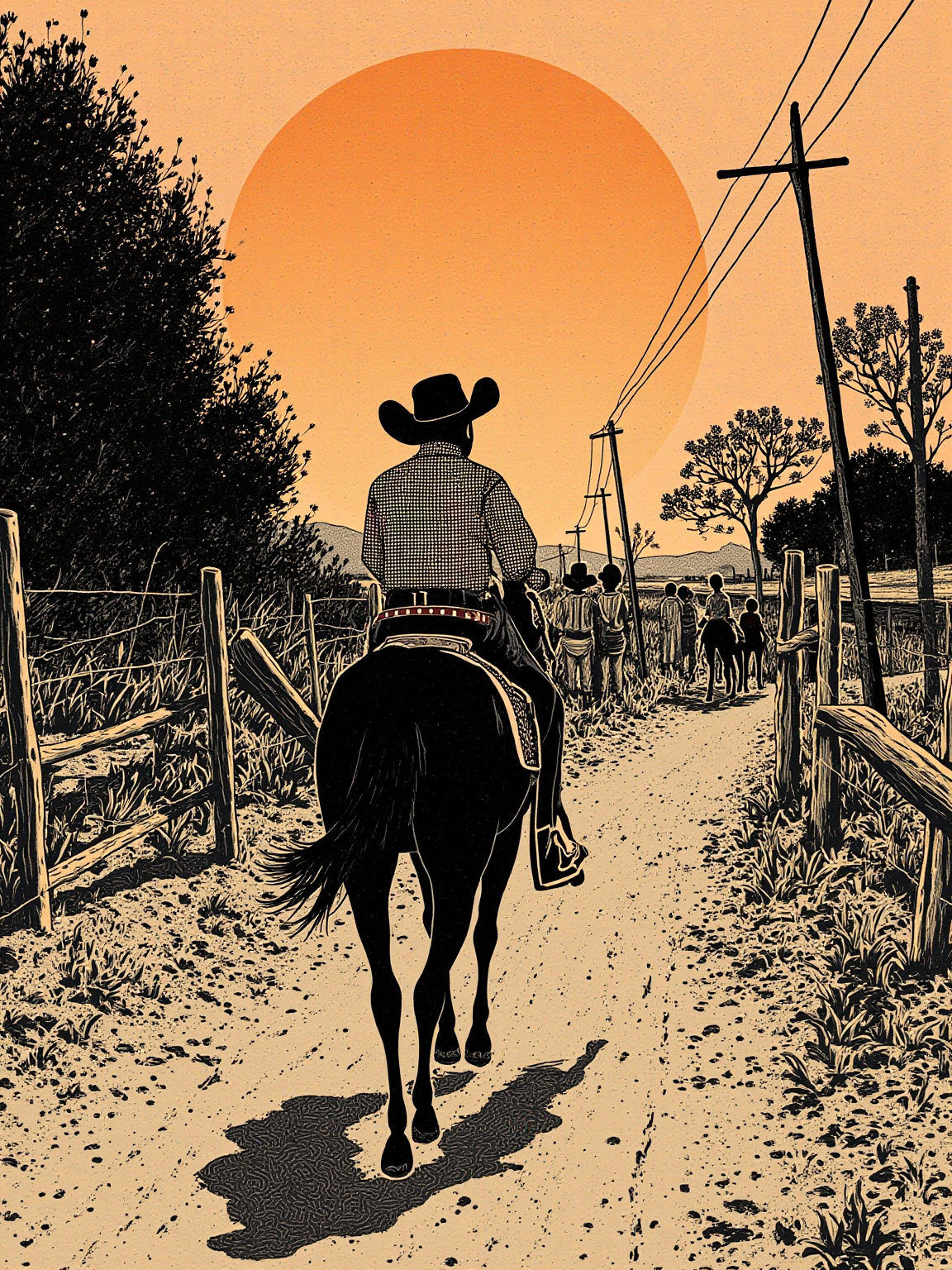
I felt my soul, in its poverty, was not poverty itself, but something like the reflection of a great destiny.
我感到我的灵魂虽是贫穷,却并非贫穷本身,而是某种宏大命运的倒影。
金句 · 第1章 · 小溪旁的影子
The second movement, five years of apprenticeship along the river. Fabio follows his master from ranch to ranch, picking up the whole gaucho skill set: tending horses and tack, driving cattle through every kind of weather, singing the old songs, dancing, telling ghost stories over the counter of the pulpería. He wins money at a cockfight in the town of Navarro, drives cattle as far as a ranch on the coast, gets hurt on the job, and meets a girl named Paula there while he's healing, the first time his heart is in it. His master hands him a trade and a whole culture in the same motion. Five years on, he isn't just a boy driving cattle anymore. He's a gaucho.
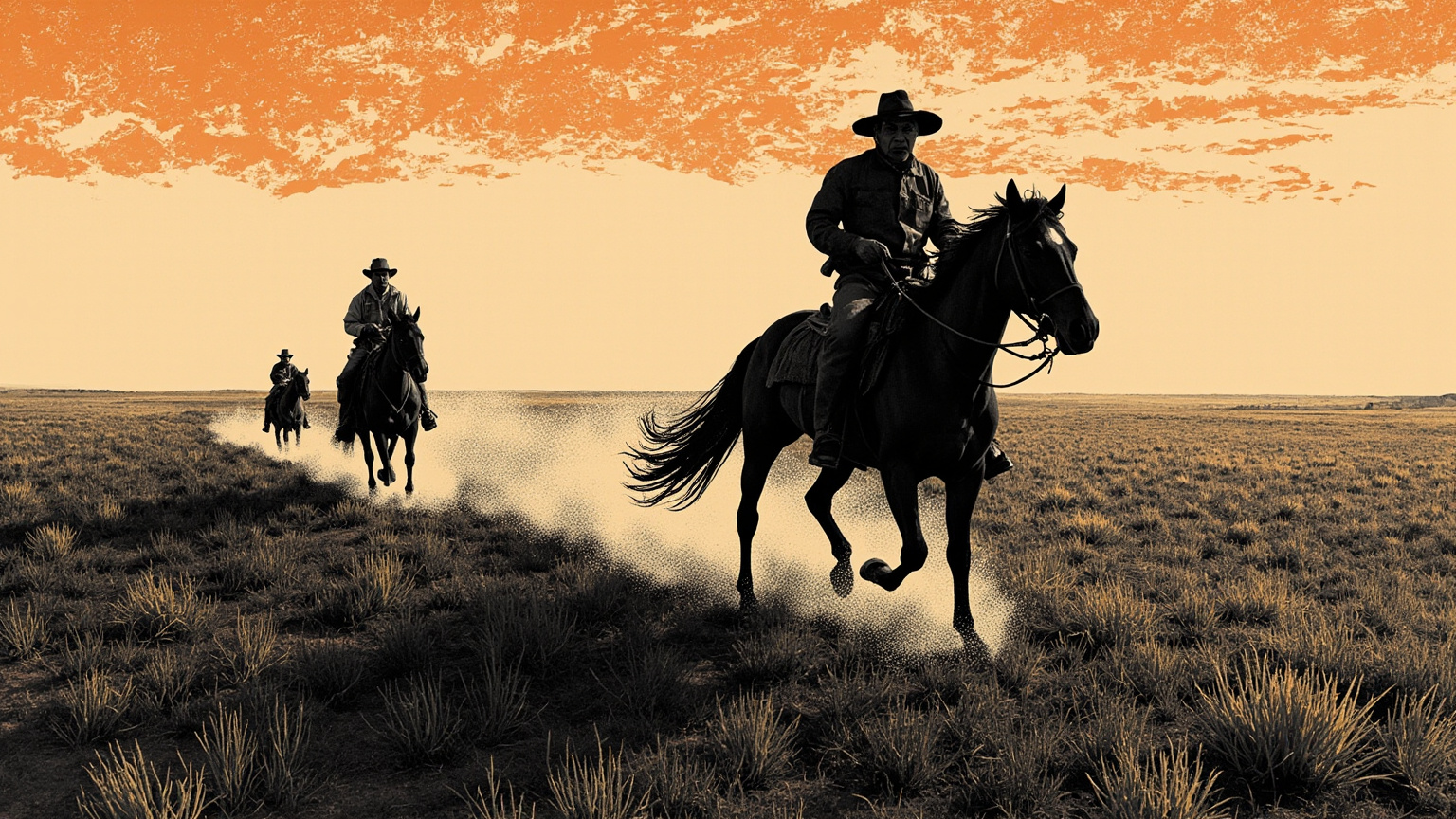
The gaucho is not born; he makes himself, the way the wind shapes the stone of the plain.
高乔不是天生的,是磨出来的——像风一刀一刀地削着潘帕斯的石头。
金句 · 第12章 · 河边学艺
The turn in the third movement comes without warning. In the middle of a cattle drive, Pedro Barrales, an old friend of Don Segundo's, arrives with a letter: Fabio's father, Don Fabio Cáceres, has died, leaving him a large inheritance, with Don Leandro Galván named as his guardian. Overnight, he goes from a poor herdsman to the owner of a great estate.
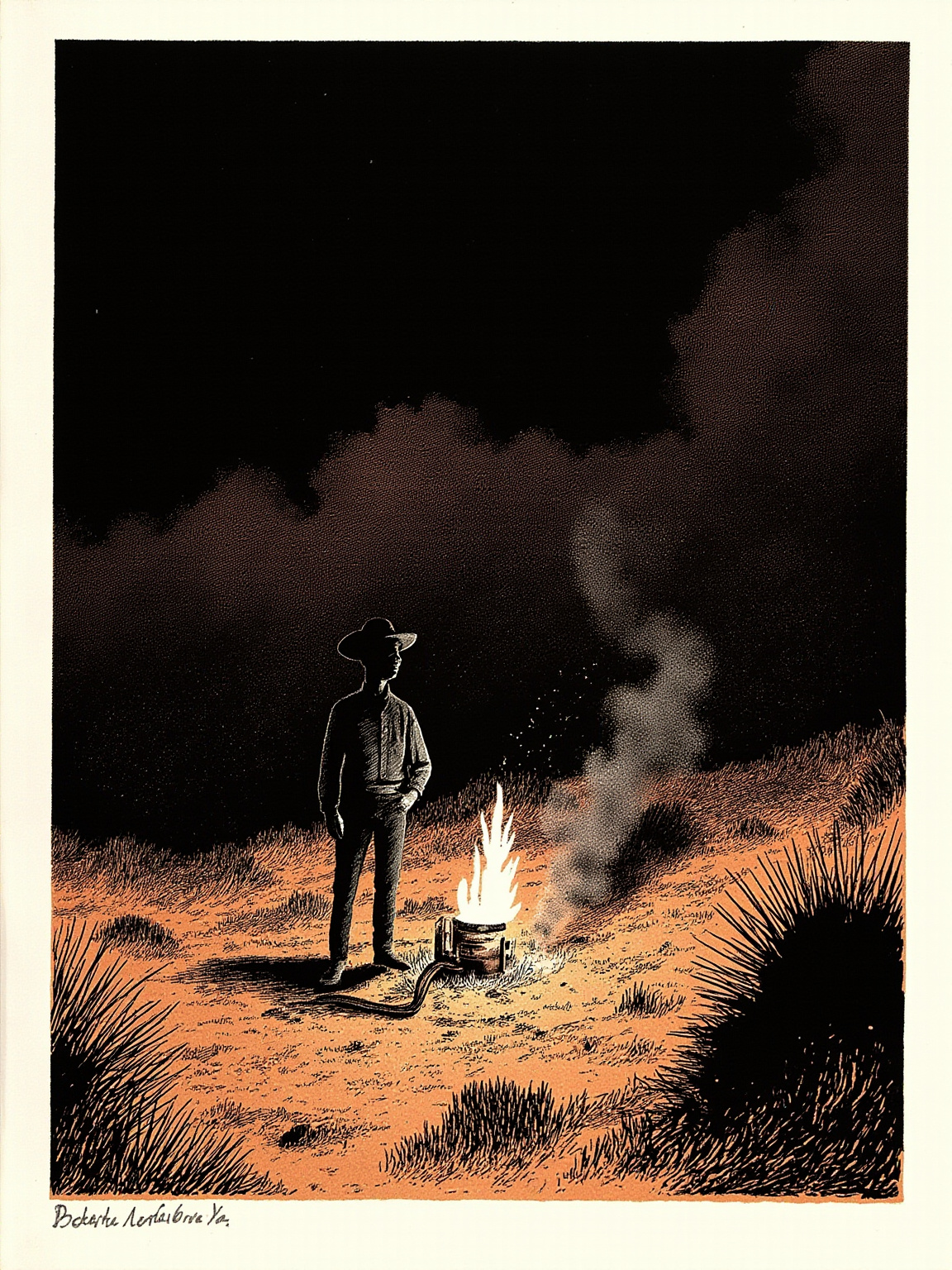
He was a silence that walked, a justice that did not speak its own name.
他是一道会走路的沉默,是一种不肯报出自己名字的公道。
金句 · 第18章 · 信与遗产
The status changes; the man underneath doesn't. What Fabio fears is two things: that his new standing will change how people look at him, and worse, that he'll lose the gaucho in himself that five years on the road cost him to earn. He spends three years on the home ranch with his guardian, still riding, herding, and roping right alongside the hands, while his friend Raucho, a boy his own age, draws him into books, theater, and culture, the orphan's first step through the door into a life of learning.
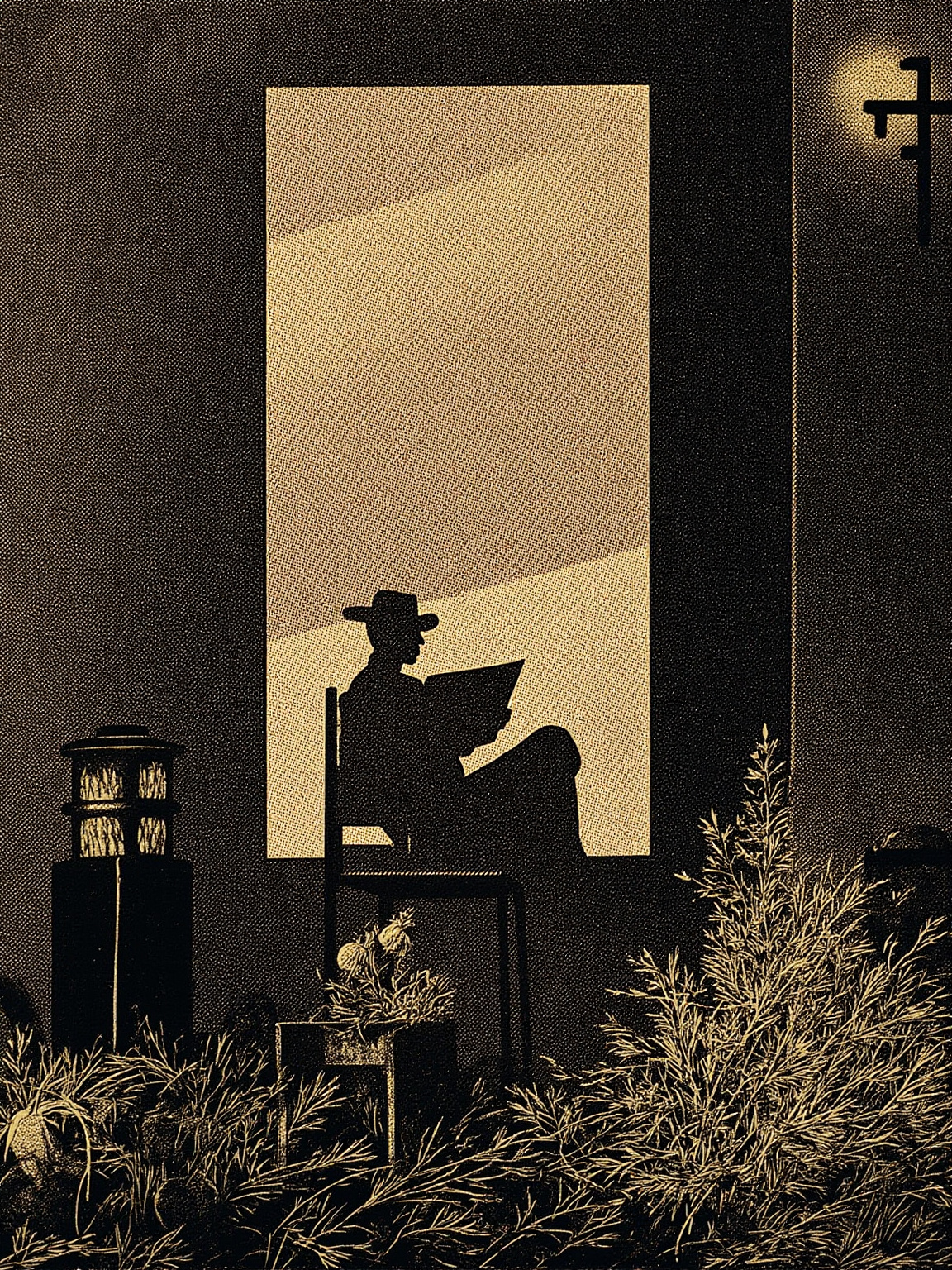
I feared the inheritance would change the way others looked at me, and I feared, even more, losing the gaucho I had earned with five years of wandering.
我怕遗产改变别人看我的眼神,更怕丢掉用五年流浪挣来的那个自己。
金句 · 第22章 · 湖畔三年
Three years on, the lake movement reaches its end. Don Segundo won't settle into the comfortable, penned-in life of the estate: he isn't fired, he isn't cast off; it's simply that the string in a gaucho's nature that can't stand being tied down has been pulled tighter and tighter by the fineness of ranch living. One morning he leaves without a word, back out into the open plain, back to a life with no master, no ties, drifting free. Fabio stands at the gate and watches his master's back grow small in the distance, the quietest passage in the book, and the heaviest.
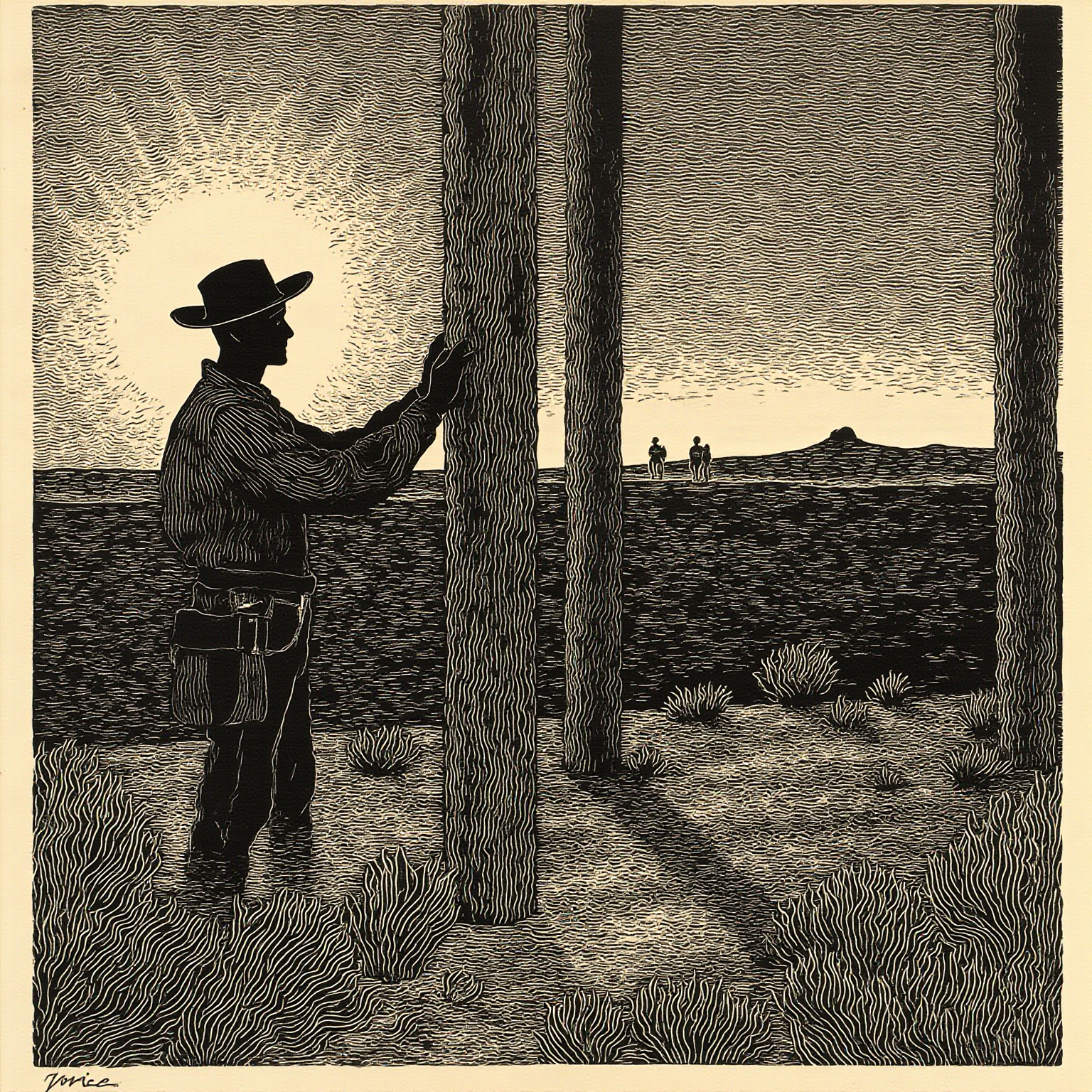
A gaucho, when he no longer rides, is no longer a gaucho; he is only the shadow of what he was.
高乔一旦不再骑马,便不再是高乔,只剩下他自己过去的影子。
金句 · 第27章 · 远去的师父
Theme and Craft
On the surface it's a coming-of-age story. Underneath, it's the exit of an entire way of being. Fabio spends five years learning how to be a gaucho, then three more accepting that he won't get to stay one; his master Don Segundo values freedom over comfort enough to walk away from the easy life on the estate and go back to the plains. That's the sharpest cut in the whole book: the gaucho spirit, at its core, cannot be domesticated.
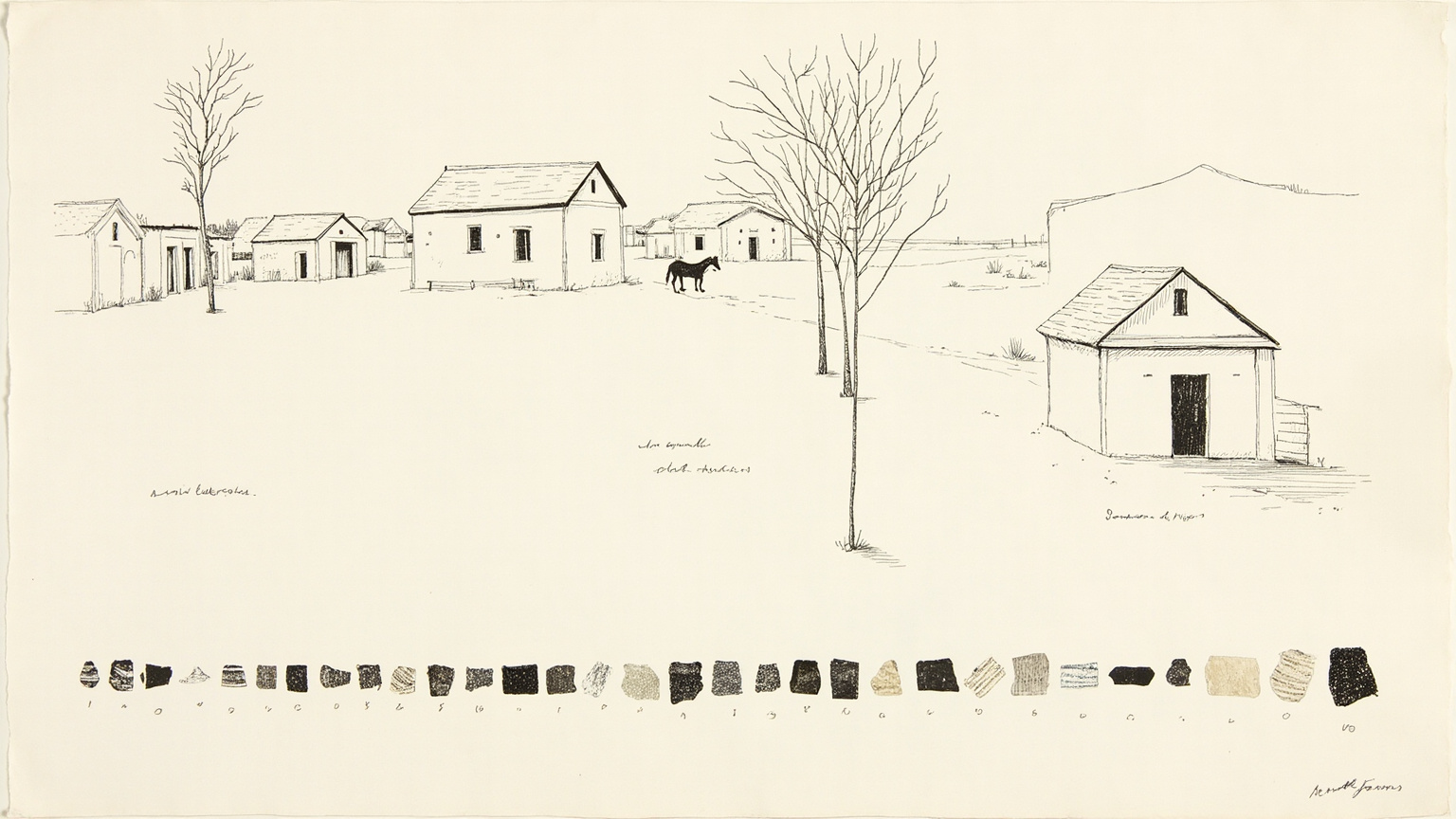
The structure is clean enough to teach from. Five beats carry it: wild child, takes to the road with a master, five years of apprenticeship, claims his birthright, master rides off. Those beats braid three throughlines together, orphan into landowner, apprentice into gaucho, gaucho's farewell to the plain. The water imagery shifts with him, from the restless trickle of the stream, to the steady current of the river years, to the stillness of the lake where the estate finally settles him, so that the book is almost landscape doing the work of growing up. The pampas isn't just a backdrop; it's a character in its own right: vast, lit from behind at dusk, rider and horse pressed down into small silhouettes against the horizon, an image strong enough that a single picture could hold the whole book.
Why It Lasts
It is regarded as Argentina's national novel, and critics have placed it alongside Don Quixote as a novel of pure Spanish knight-errantry, where the interest lies in the character and the action is little more than a string of episodes. Through the eyes of one invented boy, it fixes a vanishing world of freedom at the exact moment of 1926: the barbed wire going up, the cities pushing outward, the living gaucho of the open plain exiting the pampas for good. What Güiraldes did was raise a literary monument to that last shadow.
He spent five years learning how to be a gaucho, and three more accepting that he wouldn't stay one, while his master valued freedom over comfort.
Why Read the Book Itself
A guide hands you the map; the book itself is the ground. What this novel really has going for it is the breath of the Argentine countryside running through its first-person, backward-looking voice: the bitterness of maté, the hum of a lasso cutting the air, a loose-sleeved shirt filling with wind and falling slack again, the long silhouettes that rider and horse throw at dusk. No guide can hand you any of that. Neither can it give you the water-still rhythm of Don Segundo telling a story, the set of the boy's jaw the moment he leaves town, or that last look back at the end. Those you only get by turning the pages yourself.
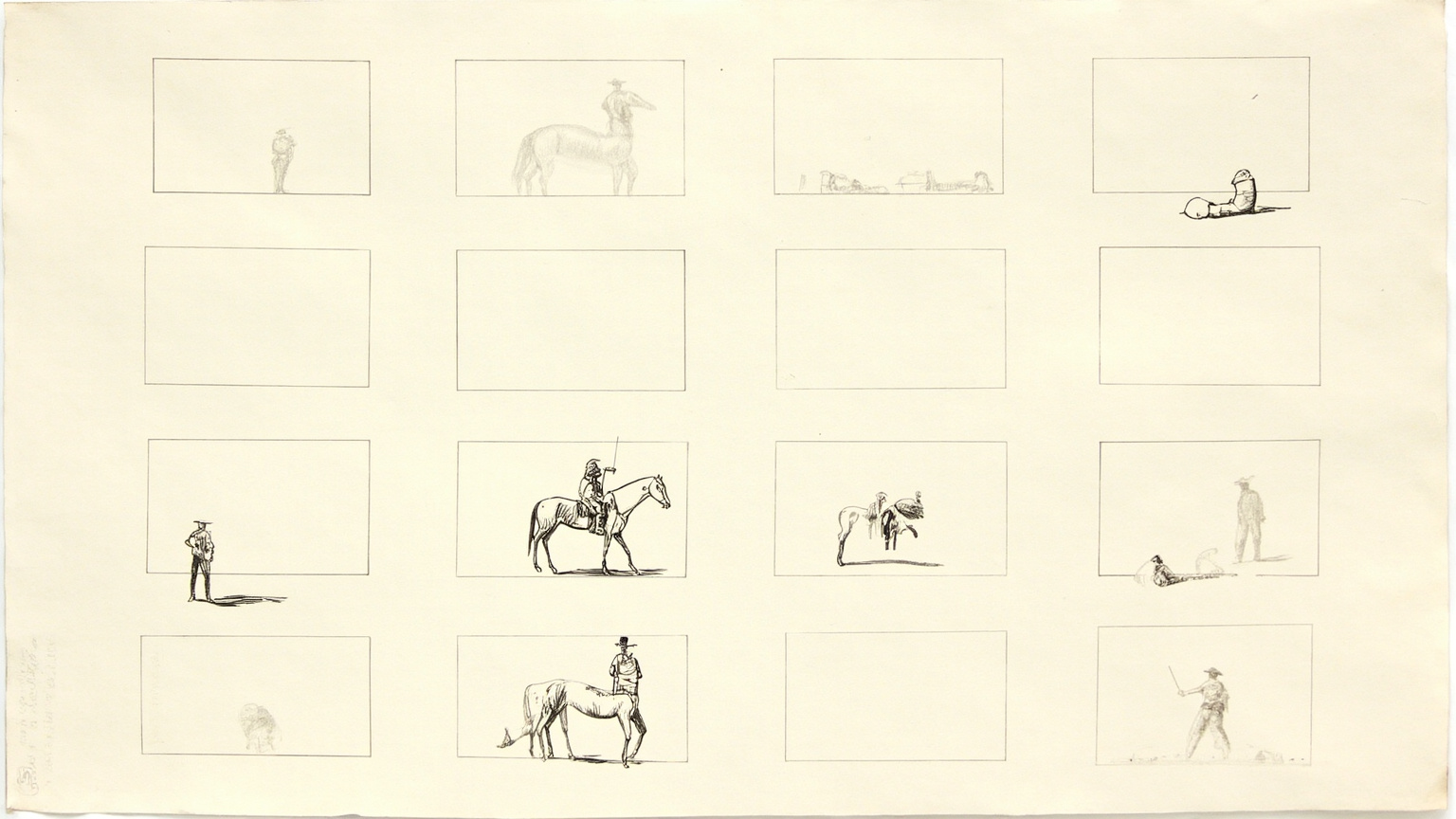
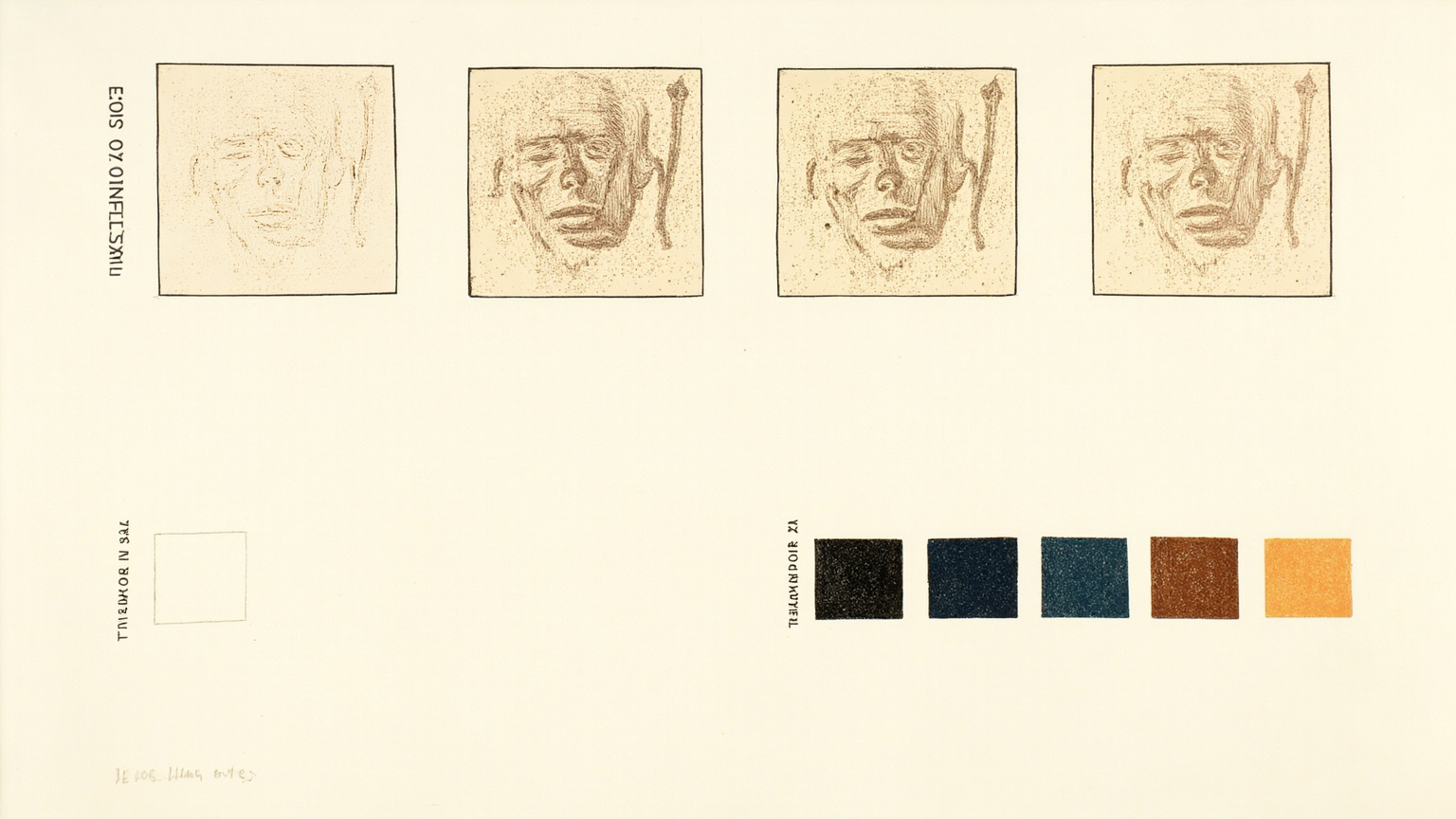
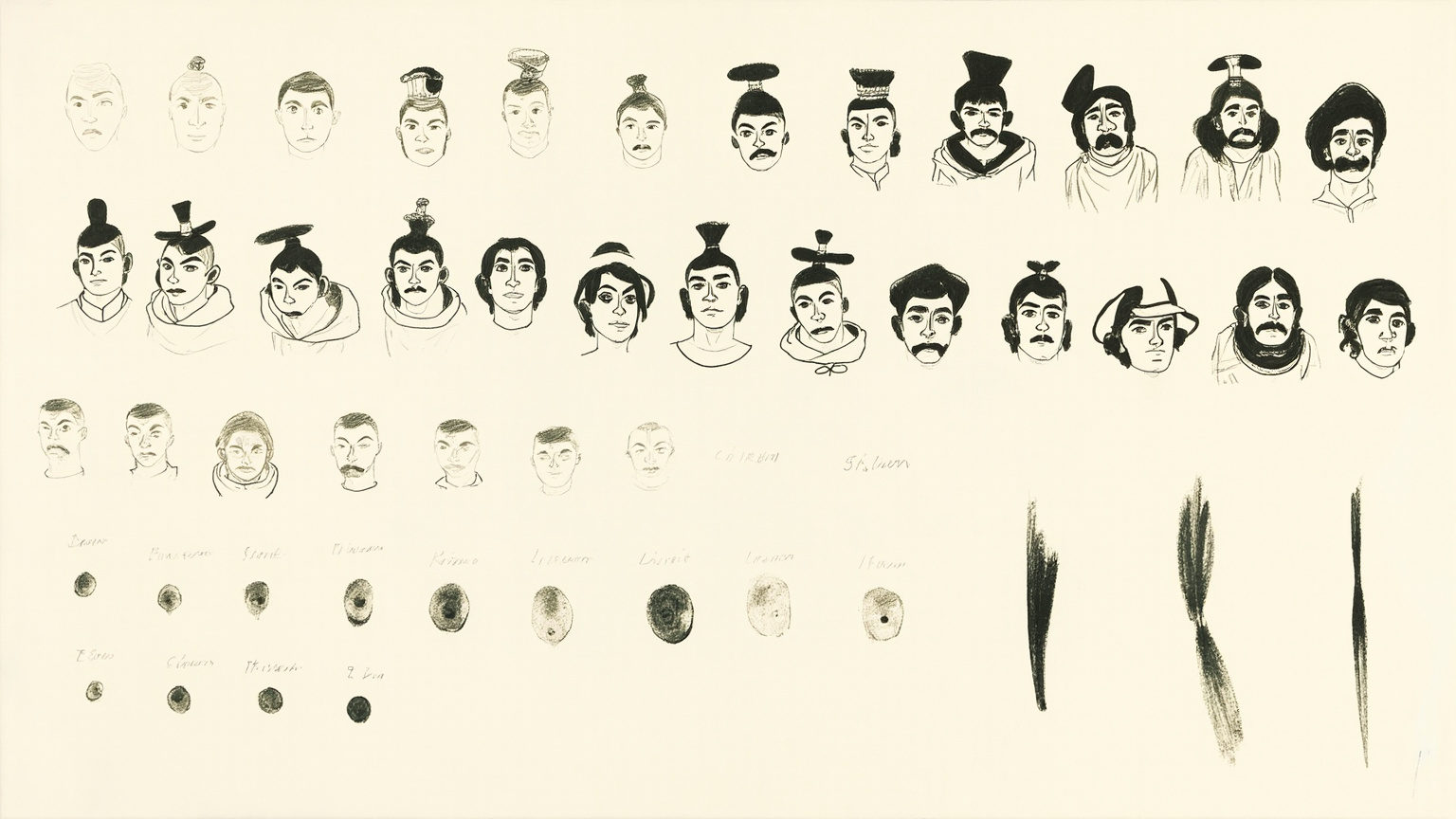
Art Direction4 plates
Before the guide was written, this book got a visual foundation — every illustration you just read grew out of it.