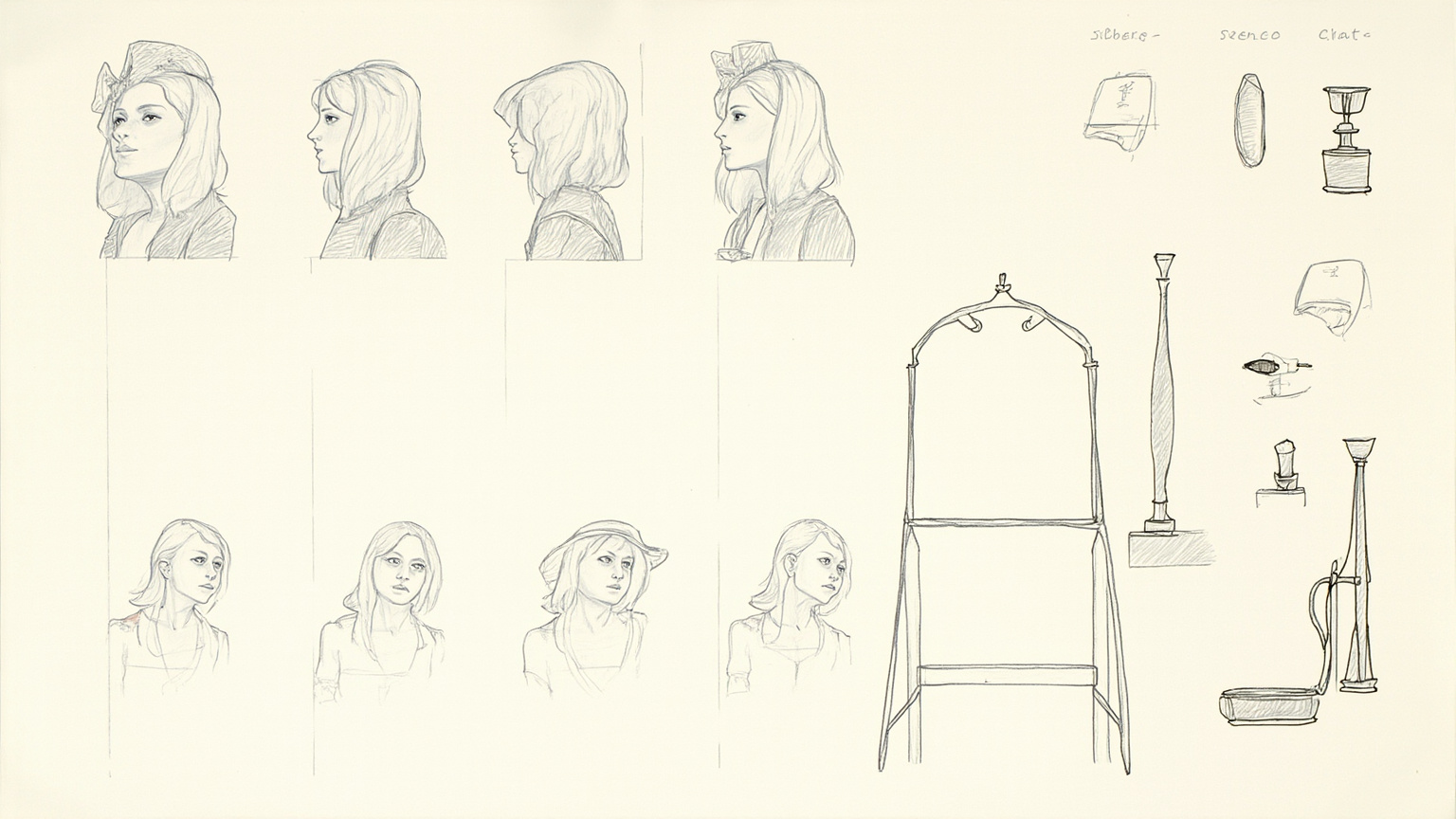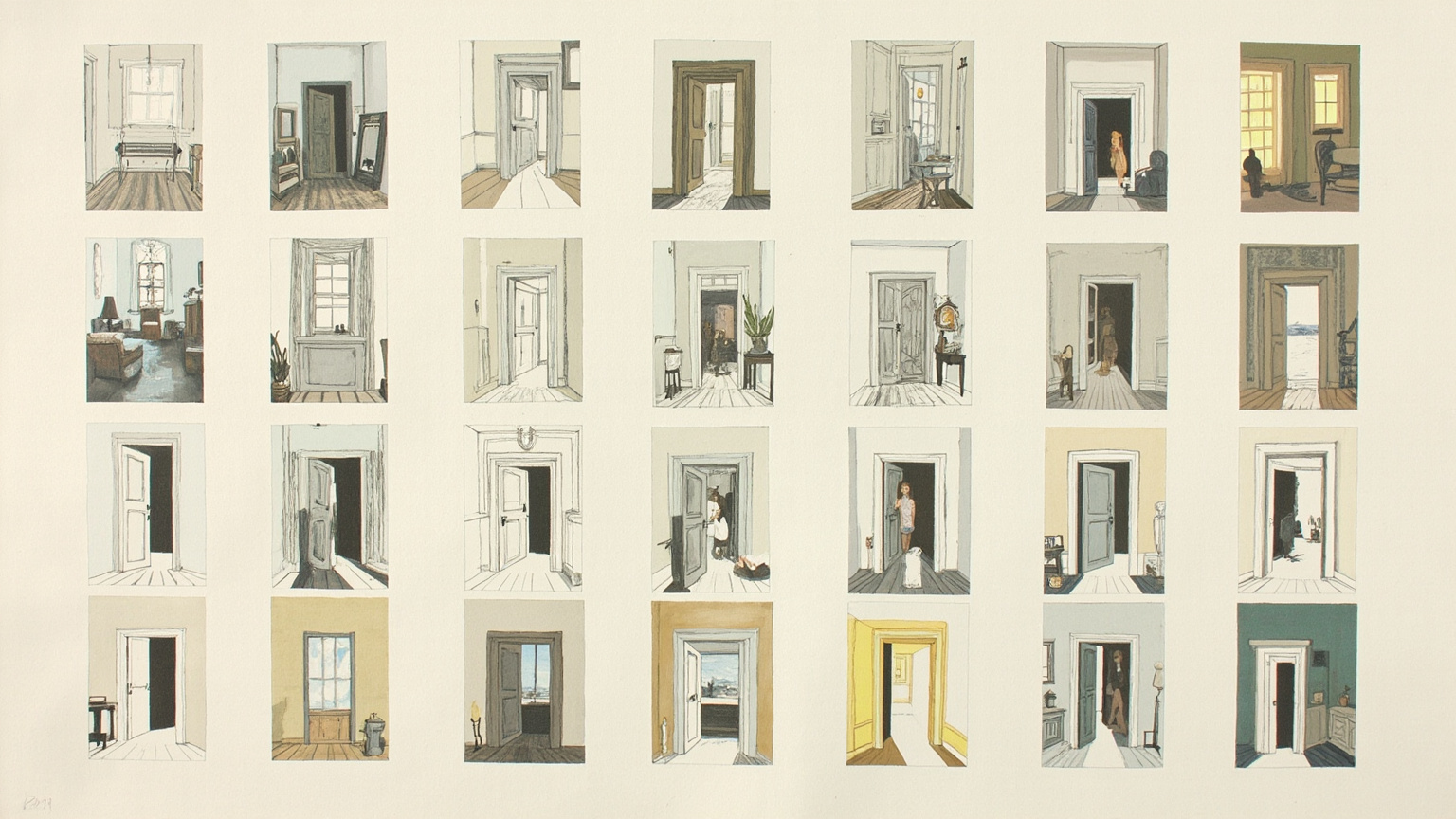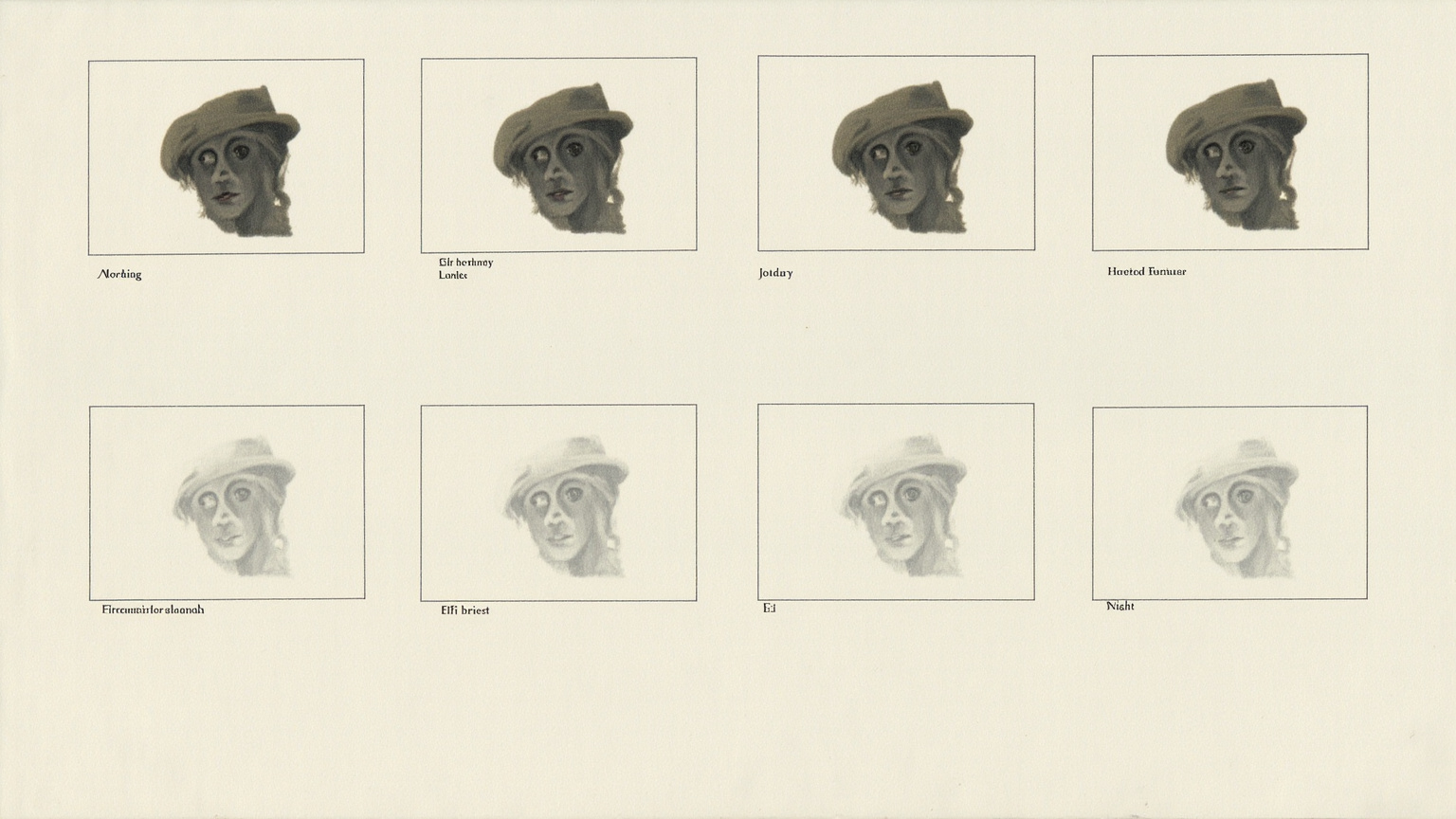
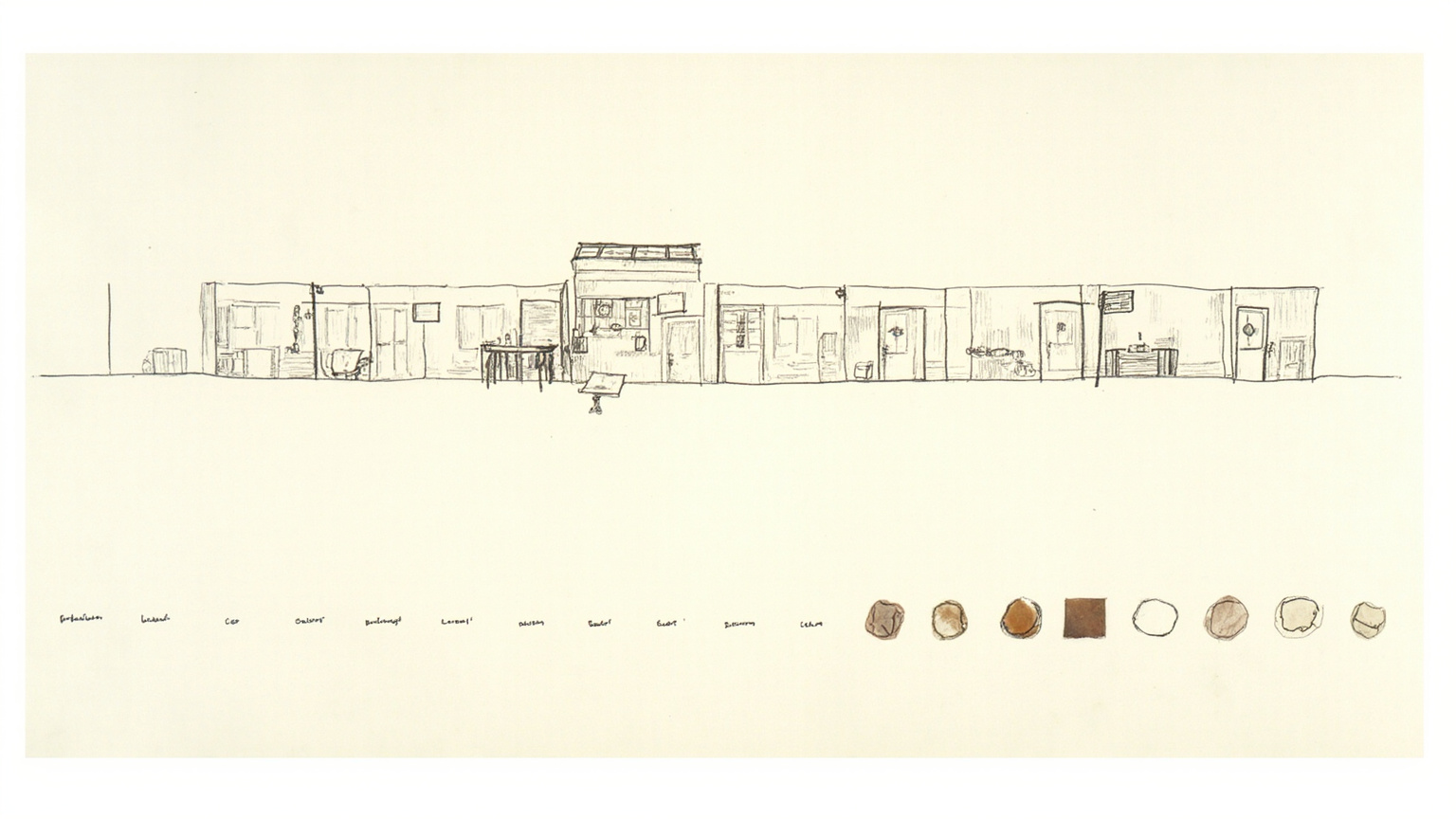
Effi Briest · Companion Guide
艾菲·布里斯特
一个十七岁的少女被塞进荣誉法的磨盘里,六年之后,连她的女儿都不再姓她的姓。
Opening: the girl on the swing
A bare wooden swing, a seventeen-year-old Berlin girl pumping it high into the sunlight. Her skirt flares, her braid whips over her shoulder, and behind her stand her retired-major father's tidy garden and her mother's tea table laid with a white cloth. A few pages on, she will be put on a train bound for the provincial town of Kessin. Six years after that, she will die on a narrow bed without seeing her own daughter one last time.
What this book is
Effi Briest is the 1894 novel by the German writer Theodor Fontane, and posterity has set it alongside Flaubert's Madame Bovary and Tolstoy's Anna Karenina as one of the three great marriage tragedies of nineteenth-century Europe. It is not really about an affair. It is about how a seventeen-year-old girl is ground down, piece by piece, by the machine called respectability. Fontane writes with a cold, almost surgical hand, and that coldness is exactly why the tragedy hasn't dulled in a hundred years.
German literature classes reach most often for Fontane's early Immensee, a clean pastoral elegy; but the book that actually shows the height of his powers is this harder, colder Effi Briest. It is set in the era of the German Empire, Prussian aristocratic society from the late 1870s into the early 1880s, a world that held respectability, reputation, and etiquette above everything and would not yield an inch.
People and the world
Effi is seventeen, the daughter of a Berlin middle-class family, naive, quick-witted, given to daydreaming. Baron Geert von Innstetten is more than twenty years her senior, the district administrator of the provincial town of Kessin, composed, controlled, and someone who values his reputation above his wife. Major Crampas, of the dragoon regiment stationed at Kessin, married and polished and full of charm, is the other target the coming storm will find. Effi's mother cares more about her health and appetite than about what she feels; her father, a retired major, treats the marriage as a transaction for social standing, and it is his own hand that signs away his daughter.
The story plays out mainly in two places: the fictional Baltic coastal town of Kessin, where an old house with a reputation for being haunted stands behind dunes, a harbor, and a constant wind; and a tidy aristocratic estate near Schwedt, northwest of Berlin. Both wear the same face: servants in white, floors polished to a shine, tea served with perfect manners, and any lapse treated as a flaw that must be dealt with.
The shape of the plot
The marriage is settled in a Berlin drawing room. The major and his wife call their daughter in and lay it out for her, a good match, a bright future, served up as if on an engraved silver tray. Effi wants to ask something and swallows it back; she is seventeen, with no standing to ask and no experience to ask with. Fontane writes this scene with total restraint, no accusing note in it anywhere, just a gentle hand pressing a girl's bowed head a little lower in a drawing room. The reader already knows that head will never come back up.
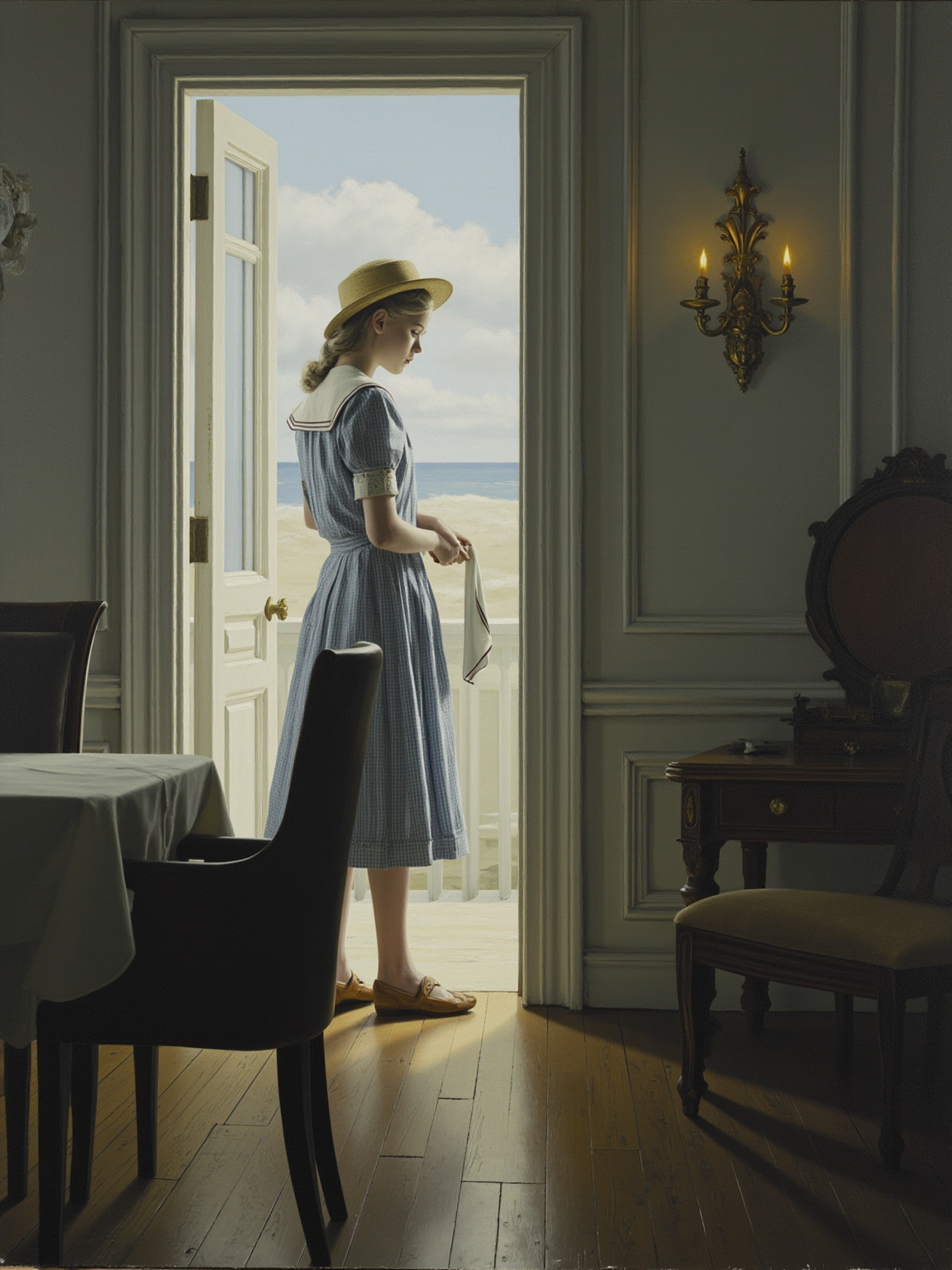
But she was only seventeen, and she had no right to ask, and no experience that would have taught her to ask.
可她只有十七岁,没有资格问,也没有那份经验会让她知道该问。
金句 · 第5章 · 客厅里的婚事
The newlyweds arrive in Kessin. The baron spends his days at the district office and his evenings going through papers in his study, and Effi is left alone in the house everyone says is haunted. The old servant, Roswitha, a woman who loves a ghost story and is stocked with folk cunning, tells her an embellished version of how the previous young mistress died under strange circumstances: a porcelain figure, a picture frame, a pair of shoes that walk at night. Effi lies awake with the lamp lit, listening to the sea wind knock at the windowpanes. Fontane's touch here is masterful: the ghosts never once appear on the page. All the dread ferments inside Effi's own head. The haunting is her own fear, magnified.
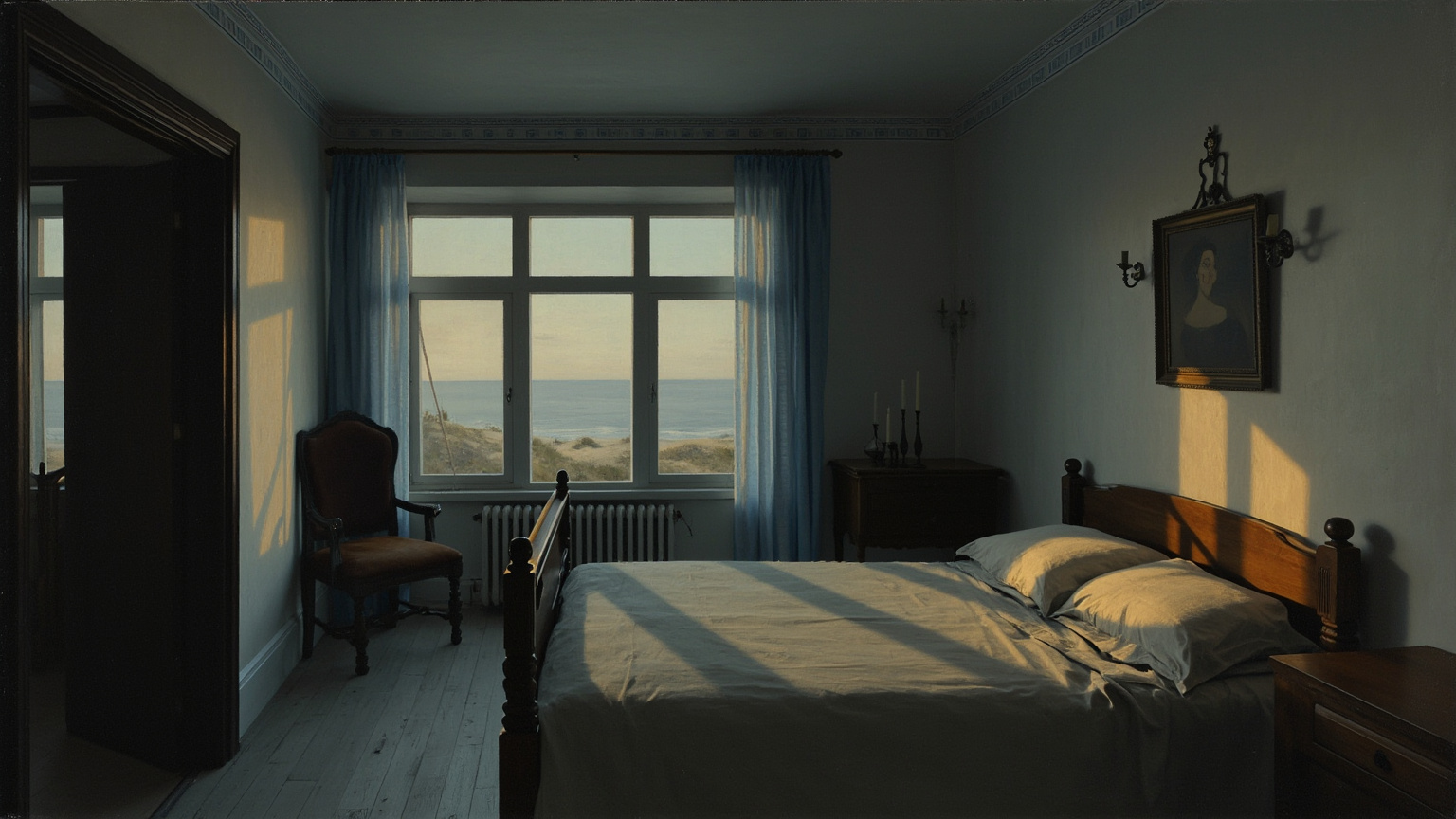
And the house told its old tale again, and she had to sit there alone and listen.
老宅又讲起了那个旧故事,她只好独自坐着,听下去。
金句 · 第8章 · 罗莱特的鬼故事
It's into these lonely, sleepless nights, with her imagination running wild, that Major Crampas walks in. He moves in her husband's social circle, comes and goes from the house as if it were his own, and is smooth and practiced with her, teasing her the way you'd tease a child, riding with her out along the coastal dunes. Effi isn't seduced so much as she is drawn, by a pair of warm hands, out of a cold house and onto a horse. Fontane is merciful enough not to write this as a scene of the flesh. It ends in letters, in a silent goodbye, in the train that carries Effi away from Kessin when her husband is promoted.
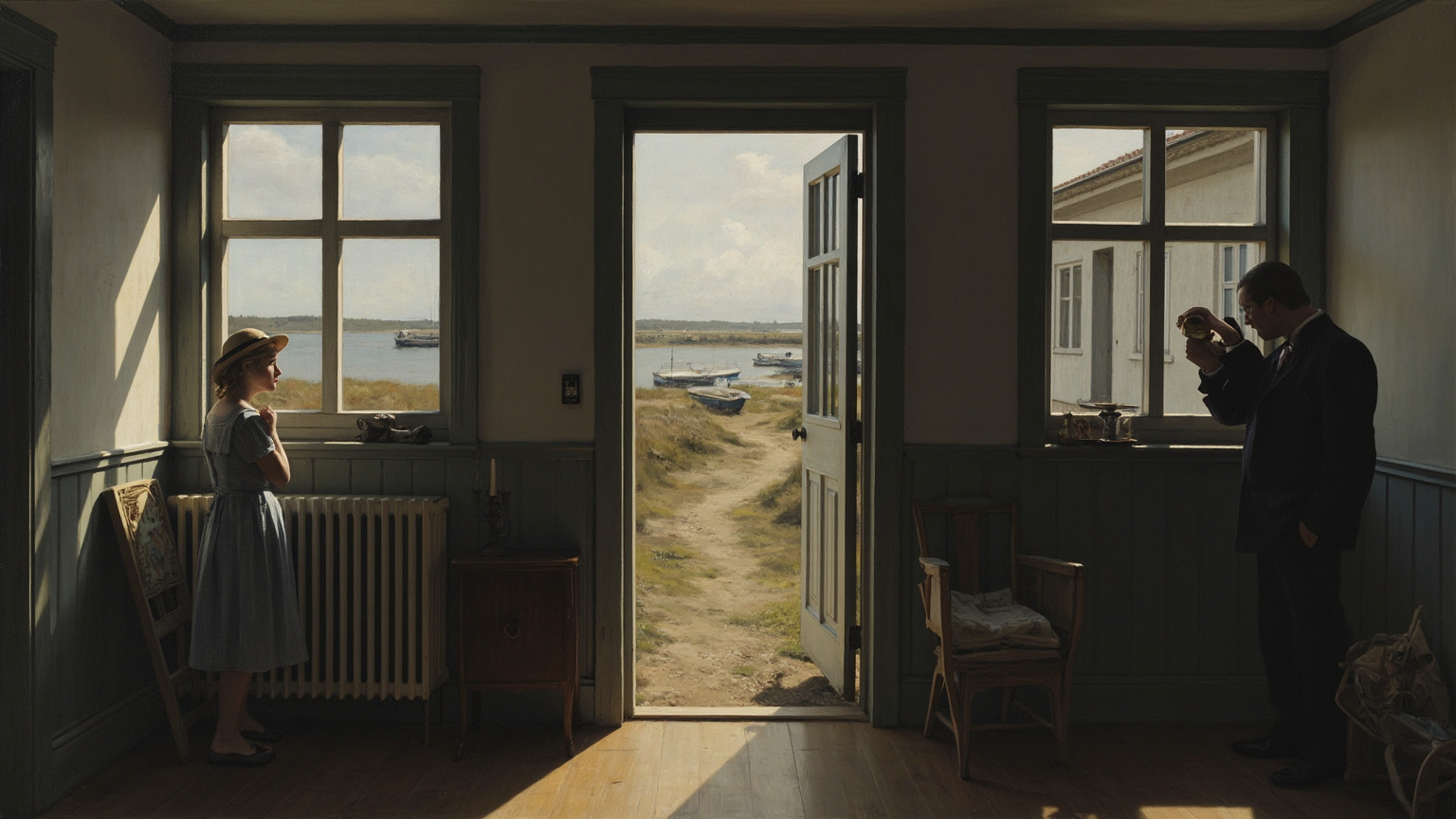
She was not seduced; she was only enticed, and enticed as a child is enticed.
她不是被勾引,她只是被引过去,像一个孩子被引过去那样。
金句 · 第11章 · 海边沙丘上的马
Six years pass. Effi is living on an estate near Schwedt, outside Berlin, with a daughter, Annie, and that old affair is long buried. Then an old letter turns up out of a drawer of papers. Baron von Innstetten comes across it while sorting through old things, and his face closes over by degrees. The next day he goes out as usual, greets people as usual, and keeps a knife tucked under his papers as usual. Fontane doesn't write him as furious, only colder. He doesn't write him in tears, only exacting, working through every step of the procedure without missing one.
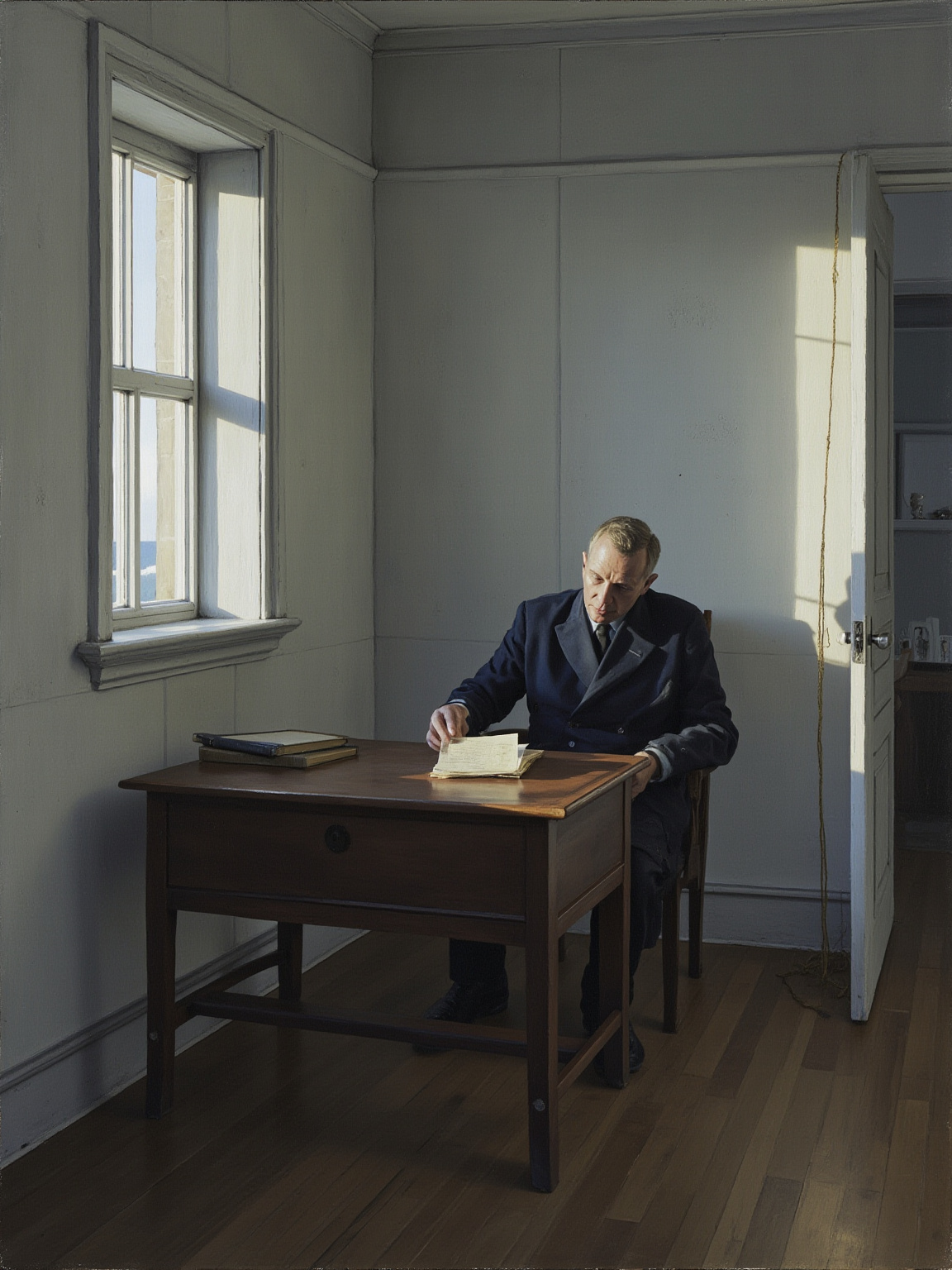
Everything had long been buried, and now a letter dug it all up again.
一切都早已埋下,如今一封信又把它整个翻了出来。
金句 · 第22章 · 故纸堆里的旧信
The divorce happens in their handsome Berlin house. The baron delivers the verdict without a trace of feeling and without one word to spare: he takes their daughter, cuts off all contact, and from now on she is a Briest again, not an Innstetten. Effi's mother stands to one side, leaning against the arm of the sofa, twisting a handkerchief in her fingers, unable to get out a single word of protest. This is Fontane at his coldest. No one here means her harm. It is that every procedure is followed to the letter, and each one peels Effi a little further out of her own life.
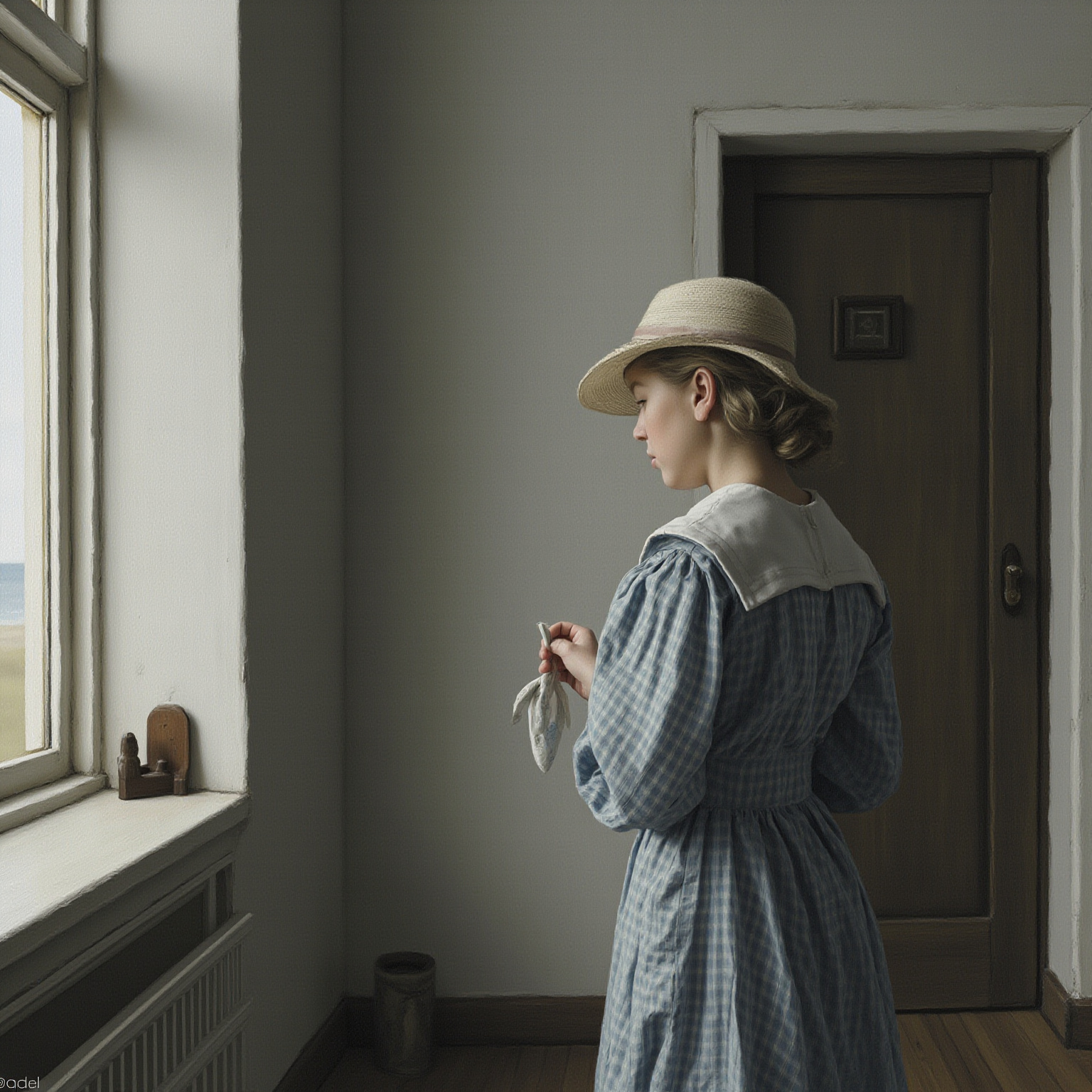
From this hour you are a Briest again, and not an Instett.
从这一刻起,你又是布里斯特家的人了,不再姓伊斯塔。
金句 · 第24章 · 柏林宅中的休妻
At five in the morning, in a fog-covered wood outside Berlin, two men stand facing each other, each with his second. Prussia's code of honor demands that an affair six years old be settled in blood, not because anyone still feels wronged, but because the system requires it. Crampas is badly wounded and dies soon after. There's no drama in the duel, no cathartic revenge, no sense of justice done. There is only fog, only the rules, and a man who lies down and doesn't get up.
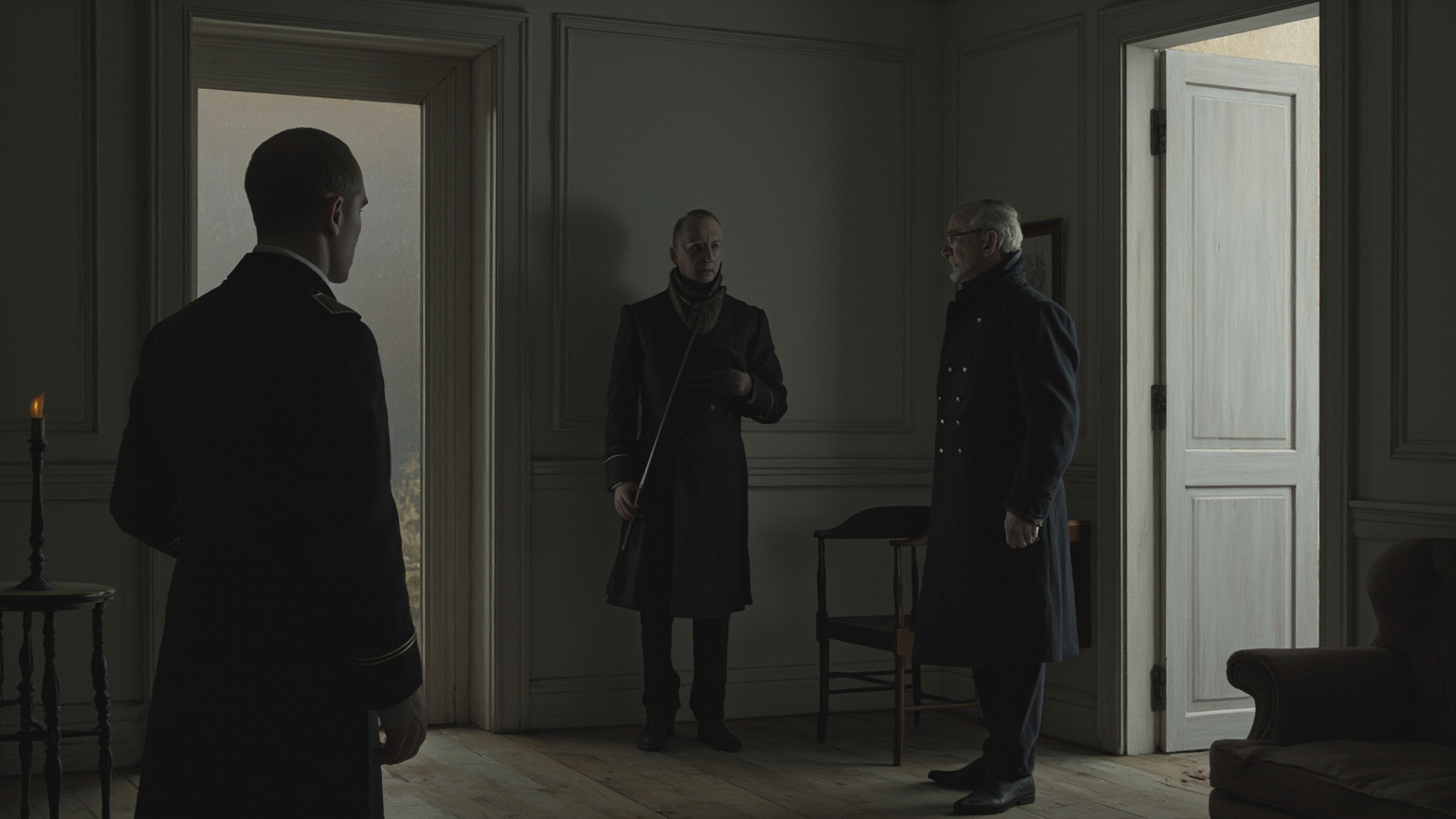
Five in the morning, a thin mist over the trees outside Berlin, and the two faced each other.
清晨五点,柏林城外一片薄雾压在林子上,两个人面对面站着。
金句 · 第25章 · 林中决斗
Effi's family takes her in and gives her a narrow attic room. She has lost her daughter, her reputation is ruined, and tuberculosis tightens its grip until she can no longer manage the stairs. Fontane records how long she was ill, who she saw before the end, the warmth of her mother's arms, all of it handled with the same restraint, not even letting a sob be loud. What kills her is consumption. What killed her first was a society that made reputation its only law.

The book ends at a graveside. Years later, Annie, now grown into a university student, is brought by her aging father, Baron von Innstetten, to stand at her mother's grave. Father and daughter stand there together, no fierce reconciliation, no tears of vengeance, just a cold, dutiful sense of closure. The novel bookends itself: the girl on the swing at the start and the child at the grave at the end are the same Effi, one arc running from the swing to the ground.
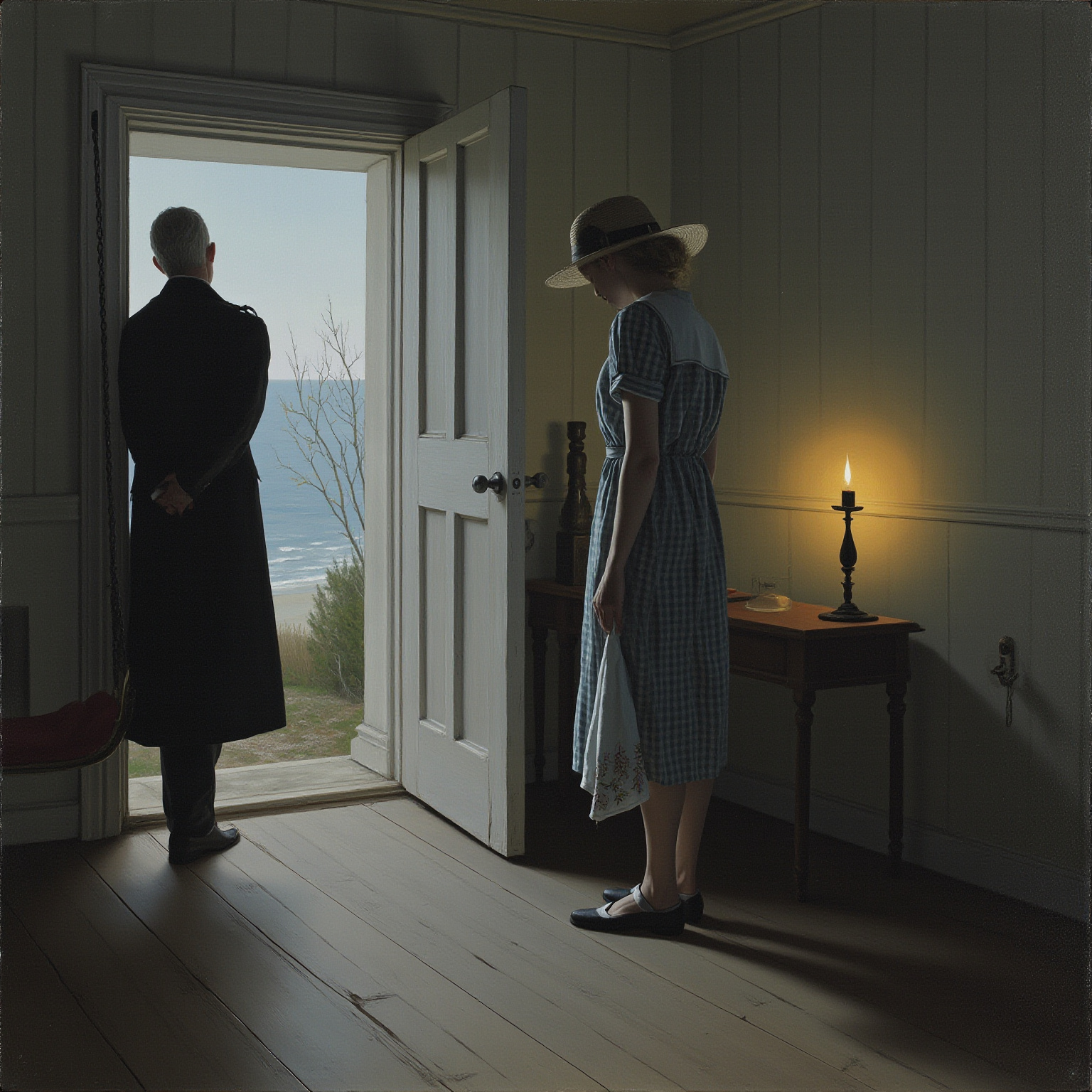
Themes and craft
What is this book actually about? How order kills. Prussian aristocratic society treats its code of honor as absolute law: once an affair comes to light, it makes no difference whether anyone still wants it or how many years have passed, it has to be dealt with, through a duel, social death, a reckoning. The coldest thing in the book isn't the dying. It's how faithfully the machinery does its job. Baron von Innstetten works through every step of the procedure not because he hates Effi, but because the coldness of a system that equates honor with order has simply overridden whatever he feels. Fontane never gives him a line of interior monologue. He just lets every action be carried out to the letter. That is the most frightening kind of revenge.
It's also a novel about a child bride. Effi is seventeen when she's married off to a baron more than twenty years older, pushed by an alliance of patriarchy and respectability into a role she was never equipped to carry. Her tragedy isn't that she deserved it. It's that she is a casualty of the social order. The girl on the swing and the child at the graveside answer each other, and the whole book is that single arc, from the swing to the grave. Fontane's tone stays cool, restrained, almost surgical, and what he leaves unsaid hits harder than what he says.
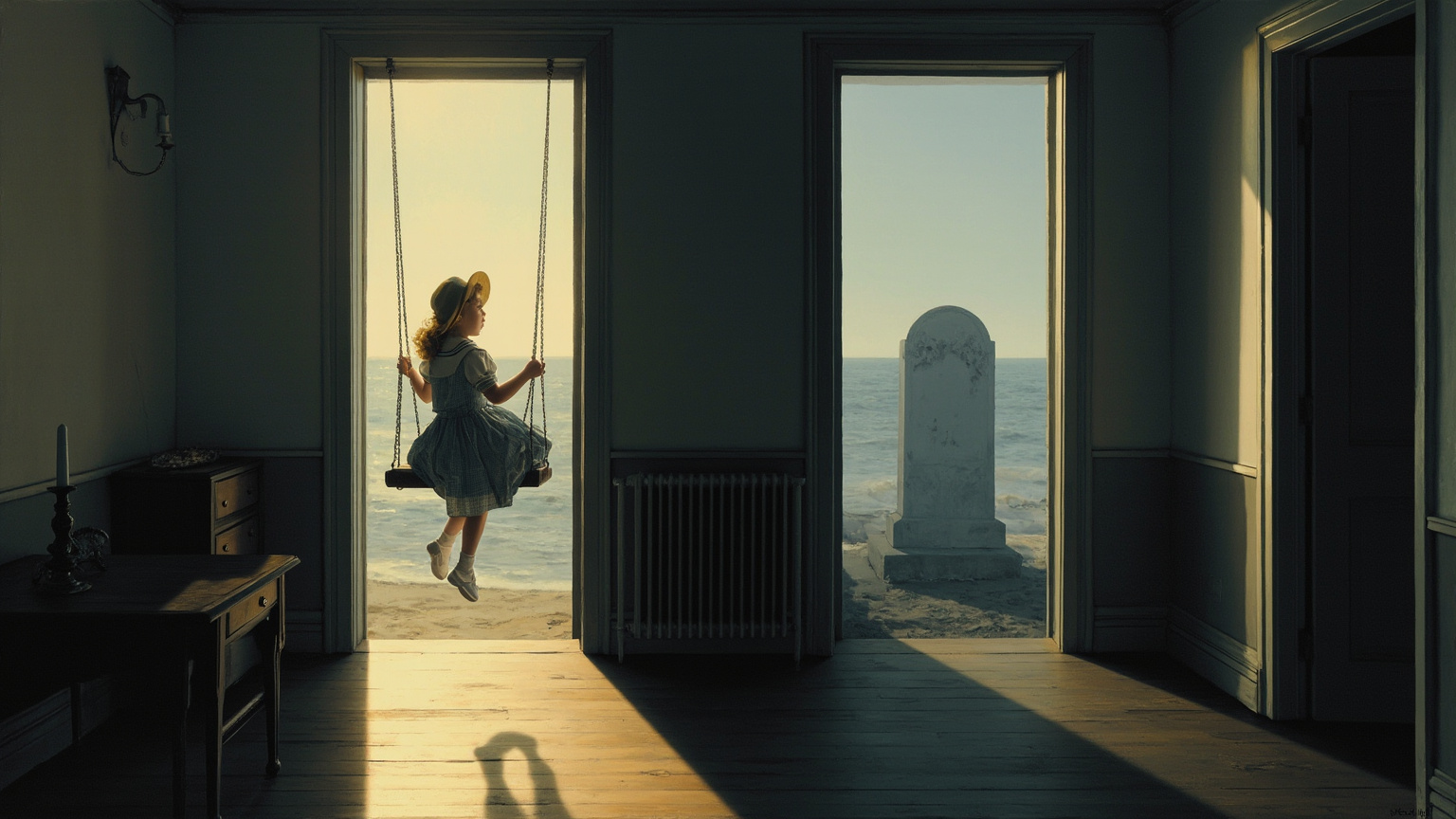
Effi Briest isn't really about an affair. It's about how a seventeen-year-old girl is ground down, piece by piece, by the machine called respectability.
Why this book still matters
For a twenty-first-century reader, Effi Briest works as a mirror. What it reflects isn't the exotic customs of nineteenth-century Prussia, but the man-eating machine hiding under the phrase just following the rules, in any era you care to name. No one around Effi is a villain: her father wants what's best for her, her mother worries about her health, her husband divorces her by the book, the duel is a procedure carried out correctly. That is exactly what makes it so chilling. A system's cruelty never needs a villain to run it.
Why you should go read the original
A summary can tell you the plot, but it can't give you the feeling of turning the page even though you already know how it ends. Fontane's restraint only exists in the full text. He never tells you how wretched Effi is, he just shows you the narcissus wilting on her attic windowsill. He never tells you how cold the baron is, he just shows him filing the old letters away and going to his study to work through the day's papers as usual. That kind of unspoken dread can't be spoiled and can't fit in a summary. Neither can the exact etiquette of meals and tea and leaving the house in the Berlin drawing room, the old Kessin house, the Schwedt estate. It's only once the rules are rendered in that much detail that a reader feels the precision of the machine, and the pitifulness of anyone it grinds through.
Art Direction4 plates
Before the guide was written, this book got a visual foundation — every illustration you just read grew out of it.