The Mangy Parrot (El Periquillo Sarniento) · Companion Guide
癞皮鹦鹉
一个中产克里奥尔少年从学堂溜出去,把墨西哥城所有见不得光的行当都干了一遍,最后在绞架下学会做人。
Opening
In a small schoolhouse in Mexico City, a boy in a green coat and yellow breeches gets stuck with an ugly nickname from his classmates. A decade or so later, that boy has worked his way through nearly every disreputable trade the city has to offer, drifted as far as Manila and back, and on his deathbed dictates the whole absurd story of his life to a journalist who writes under the name the Mexican Thinker. That journalist turns it into the first novel in Latin America.
What kind of book is this
The Mangy Parrot was written in the last years of New Spain, in the early nineteenth century. Its author, Jose Joaquin Fernandez de Lizardi, was a novelist and one of the founders of Mexican journalism. He started writing it on the eve of the independence movement, and colonial censors cut and reworked it so many times that the four volumes only reached print, one at a time, over more than three decades. It is recognized as the first true novel in Latin American literature, predating every other nineteenth-century Latin American novel and standing at the point where the continent's novel tradition begins.
What sets this book apart is its voice. Lizardi packs Enlightenment argument into a picaresque shell, and comedy and moralizing shove against each other the whole way through. When the American translator Katherine Anne Porter brought it into English, she cut more than half the moralizing passages outright, unable to stand the lecturing tone. But for a Mexican reader in the early 1800s, that habit of scolding as it goes was exactly Lizardi's voice.
Characters and world
The full picture of the protagonist only comes together in the novel's closing section. Pedro Sarmiento -- the Mangy Parrot is only a nickname, born from the pun between his surname and the word for mangy, and from the schoolboy uniform he wore -- comes from a middling Creole family in Mexico City. His father wanted him to learn a trade and become a respectable merchant; his mother wanted him in a friar's habit. Neither wish came true.
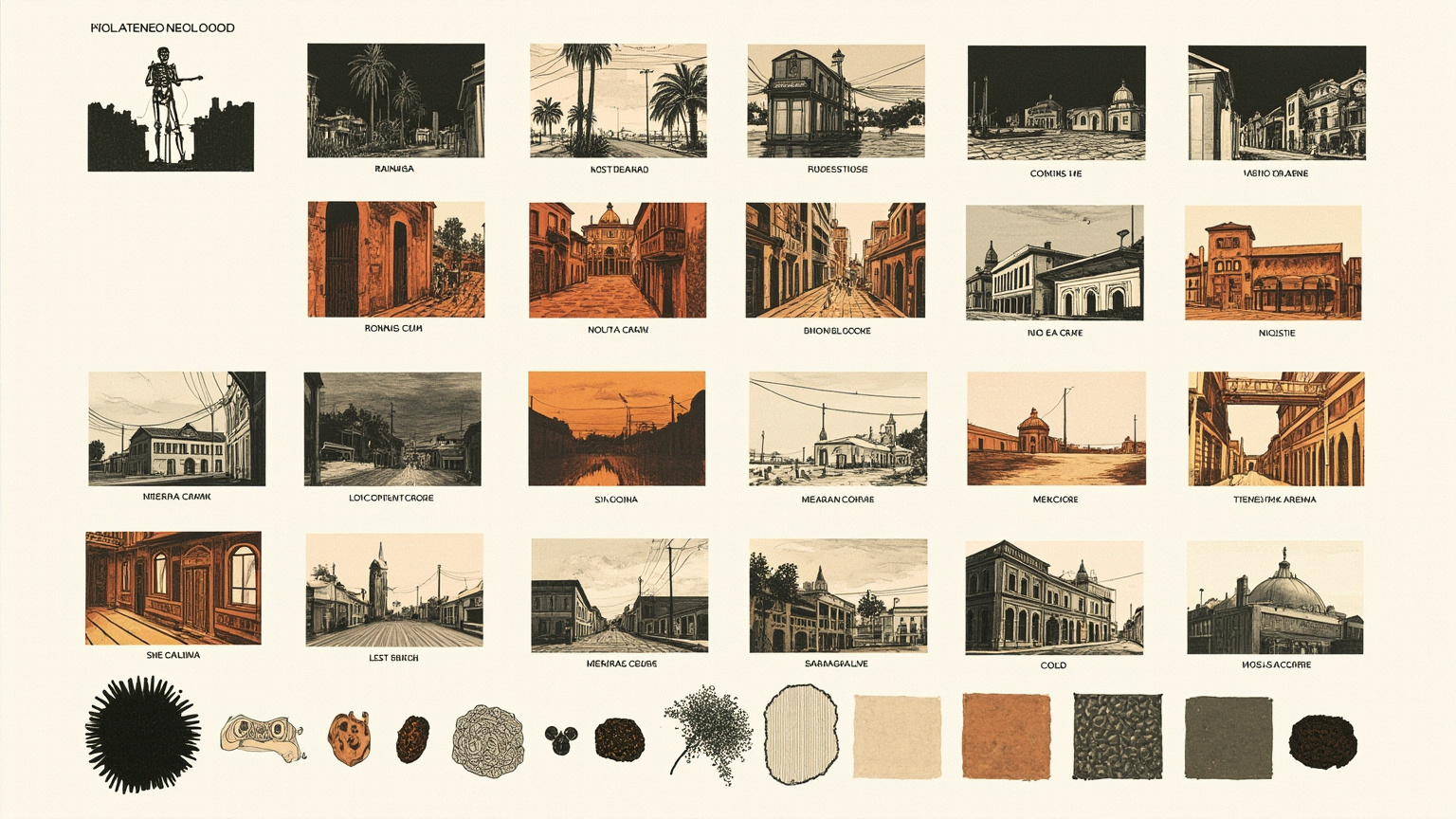
The Mexico City of the novel is an imperial capital at a turning point: stone arcades, church bell towers, muddy streets, candlelit gambling dens, clay jars in apothecary shops, scribes' quill pens, chili peppers and colored ribbons in the market stalls. Here Pedro works his way through life as a petty thug, a gambler, a thief, a convict, and a fake healer, before he is finally sentenced to exile. He then sails as far as Manila, where he serves as an orderly and secretary to an honest colonel -- the turning point of his life. One figure recurs through the book: Don Antonio, who helped Pedro while he was wrongly imprisoned, and who later, fallen on hard times himself, is helped in turn by Pedro. After the wastrel reforms, Pedro marries Don Antonio's daughter and inherits his estate.
Where the nickname starts
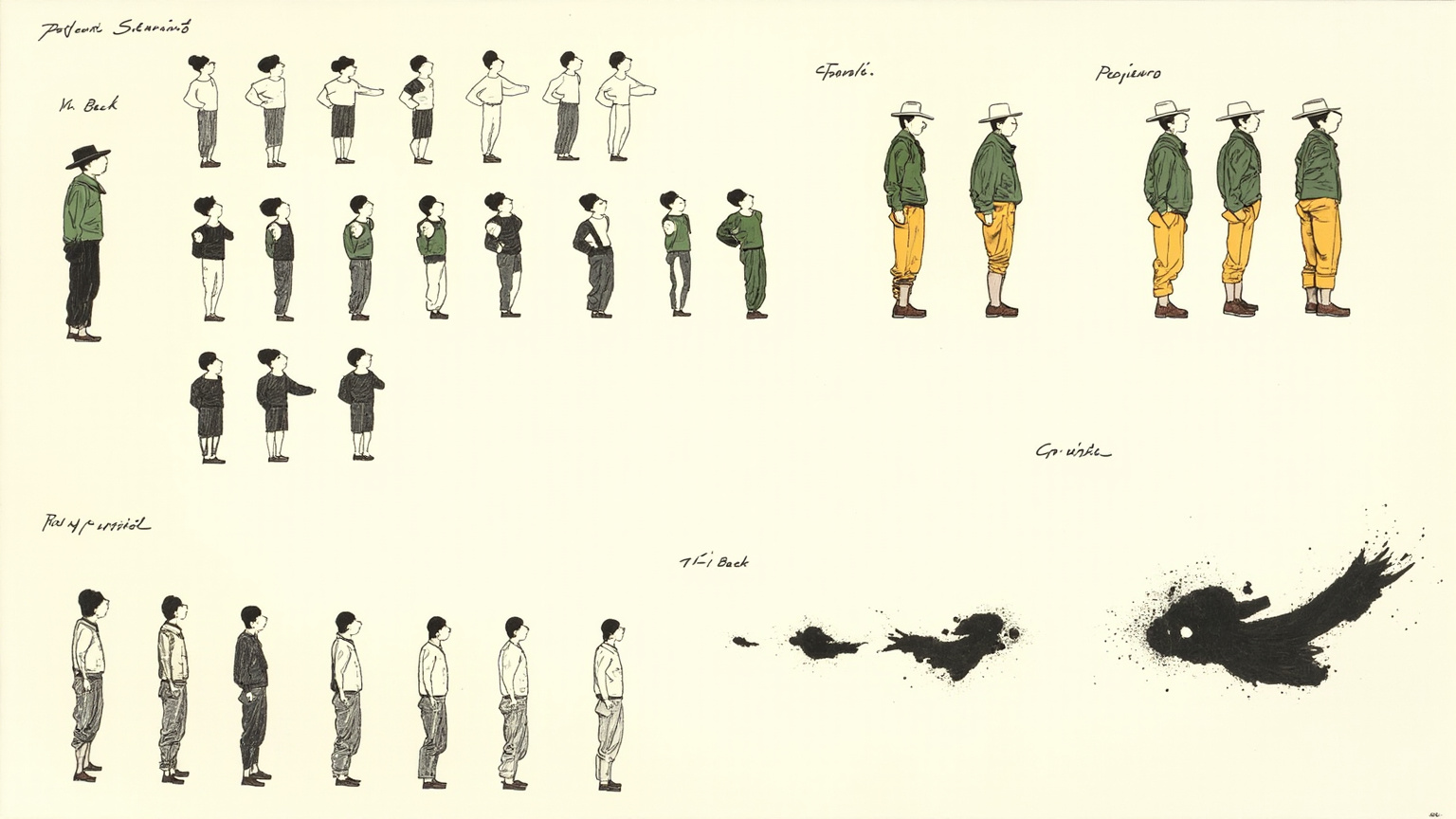
The story opens with a boy whose own clothes get him in trouble. Green coats and yellow breeches were the uniform of New Spain's schoolboys, and Pedro's surname, Sarmiento, happened to rhyme with the word for mangy, so his classmates never let it go. His schoolmate Januario mocks him to his face for courting a cousin, while scheming behind his back to steal her for himself. This small grudge sets the tone for the whole book's anti-heroism -- Pedro is never the boy the story admires. He is the one it heckles.
His father pulls him toward trade; his mother pushes him toward the monastery. Both fight over him, and both are disappointed. The scene moves briskly, with none of the weepy moralizing you might expect -- just clipped street dialogue and a family shoving each other around. In the end the father is ruined by his own son's spending, and the mother dies of grief and anger. The collapse of these two hopes is the starting line for the thirty years of foolishness that follow.
The capital's long fall
Once Pedro breaks out of the monastery, Mexico City opens an entire staircase downward for him. He learns to cheat at cards in the gambling dens, learns to cut corners as a scribe, learns to bluff his way through an apothecary shop, and finally has the nerve to pass himself off as a healer -- dropping a few words of Latin to sound like a scholar, though he cannot even take a pulse properly. He is jailed more than once, his wife dies, his household falls apart, and he is finally sentenced to exile. Lizardi's method works like a magic lantern show: one line of street detail, then a cold aside, then a still more absurd comeuppance.
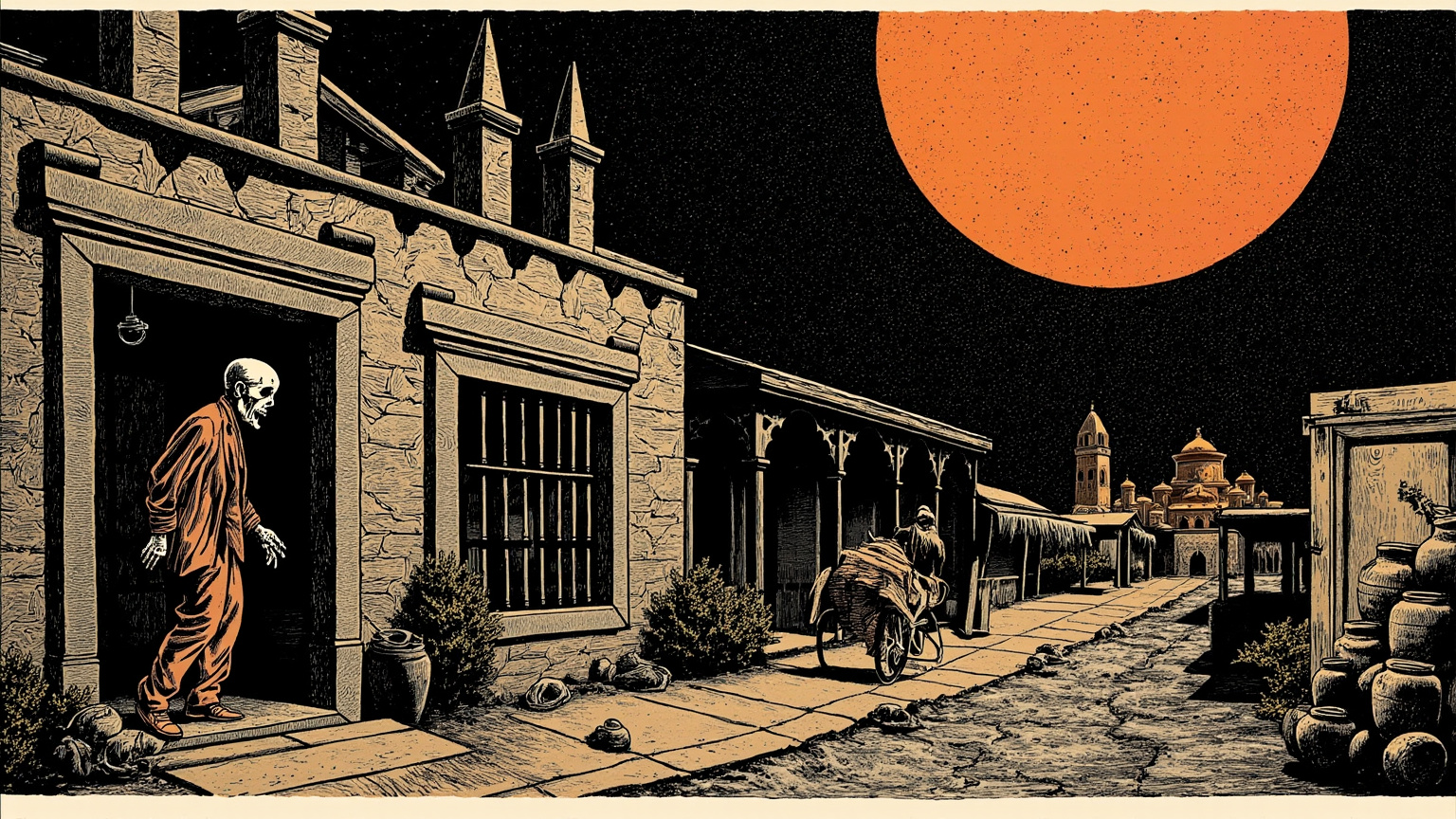
I fled the cloister and the city opened its whole descending staircase to me: gambling dens, forgeries, the apothecary's jars, the quack's Latin — every rung lower than the last.
我逃出修道院,整座城便朝我敞开了一道下坠的阶梯:赌坊、假账、药罐、庸医的拉丁文——每一级都比上一级更往深处去。
金句 · 第2卷 · 帝都的层层坠落
What is worth pausing over here is how the section turns the whole city into a census. Friars, barbers, scribes, apothecary apprentices, quacks, beggars, thieves -- every time Pedro changes trade, Lizardi airs out that trade's own slang along with him. Reading it feels like listening to early nineteenth-century Mexico City talk about itself: street vendors' cries, the monastery's evening bell, the lowered voices in the gambling den, all of it preserved on the page.
The turn in Manila
Exile puts him on a ship bound for Manila. There he serves as orderly and secretary to an honest colonel, a man who is strict about accounts, never raises a hand or his voice to his staff, and keeps everything on the record. For the first time in his life Pedro works for someone who plays by the rules. He saves eight thousand pesos, and along with it, a measure of self-reflection he has never had before.
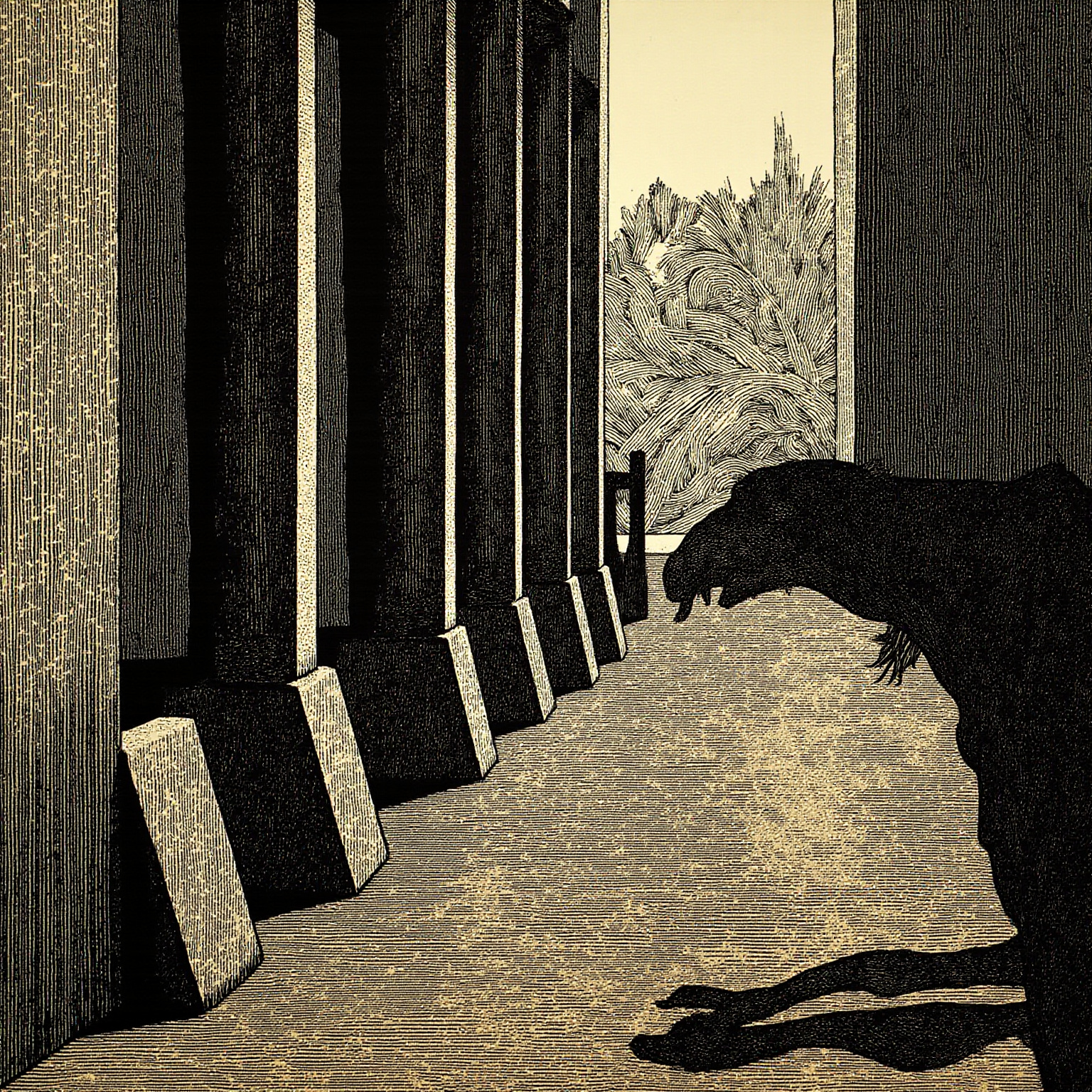
He kept his accounts square, he never raised his hand, he left a paper trail for everything — and for the first time I served a man whose books were honest.
他对账目一板一眼,从不动手打人,凡事都留底——我头一回跟一个账本干净的人做事。
金句 · 第3卷 · 马尼拉的转折
This passage is the pivot in the book's rhythm. Everything before it has been a joke collection of a wastrel's steady decline; in Manila the pace suddenly slows and the narration turns inward, into first-person reflection. Lizardi does not waste the opening -- through his protagonist's mouth he criticizes colonial society's ignorance, superstition, and corruption head-on for the first time, though the tone is no longer satire but something closer to a sheepish admission: I was part of that mud too.
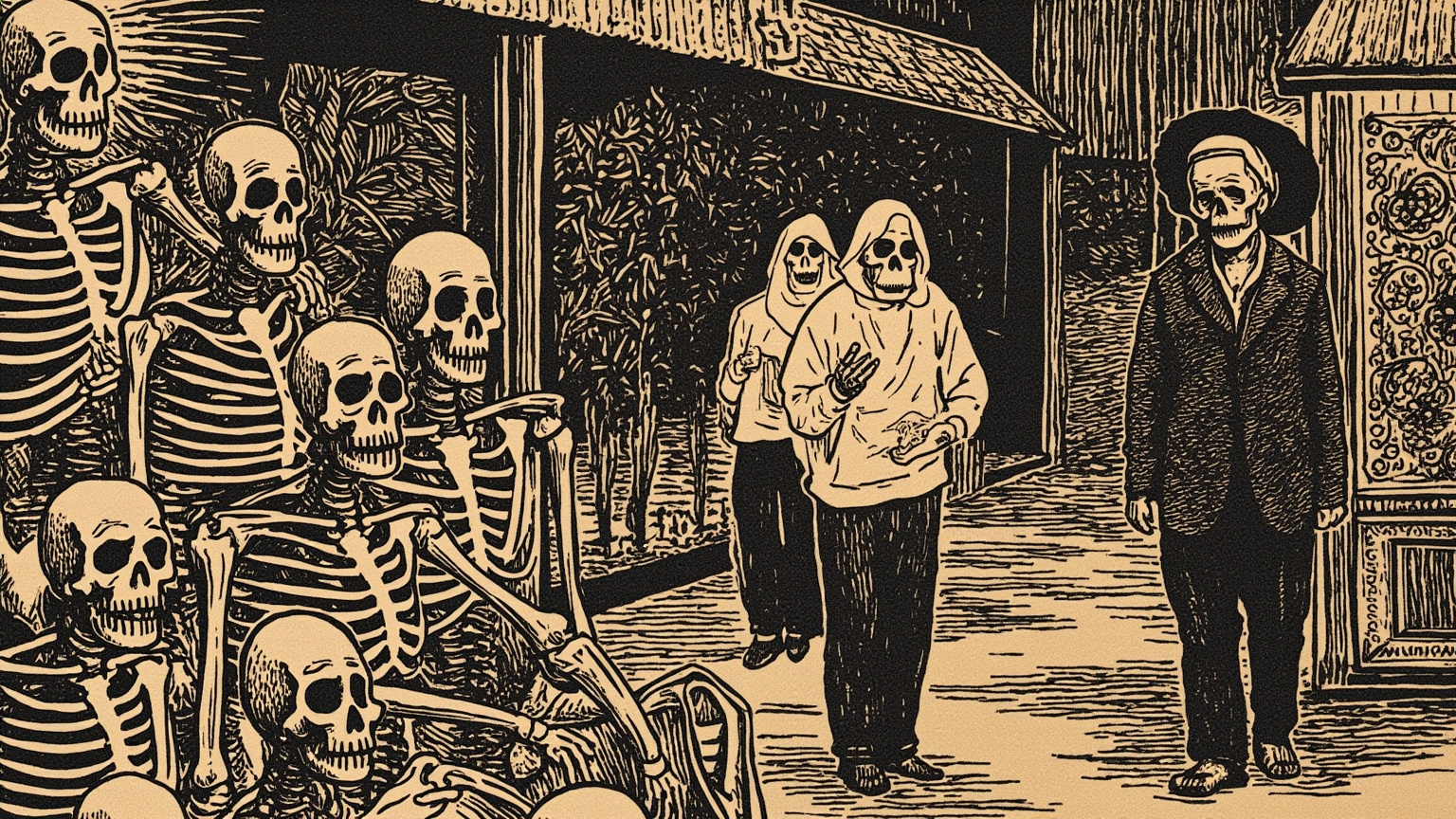
There, in Manila, the pícaro at last looks back, and the satire turns, for the first time, into a ledger of the colony.
到了马尼拉,浪荡子终于回头一望,嬉笑怒骂第一次变成了殖民地的一本账。
金句 · 第3卷 · 第一人称的回想
The moment of turning back
On the voyage home he runs into trouble at sea, and the eight thousand pesos are nearly gone by the time he lands. Back in Mexico City, he drifts, half-aware, into a gang of thieves, and this time the gang's leader is caught and hanged from a thorny mesquite outside the city gates, as a public warning. Pedro watches it happen -- he came within a step of standing in that man's place. It hits him like a blow to the head, and it wakes him up. The wastrel stops running from here on.
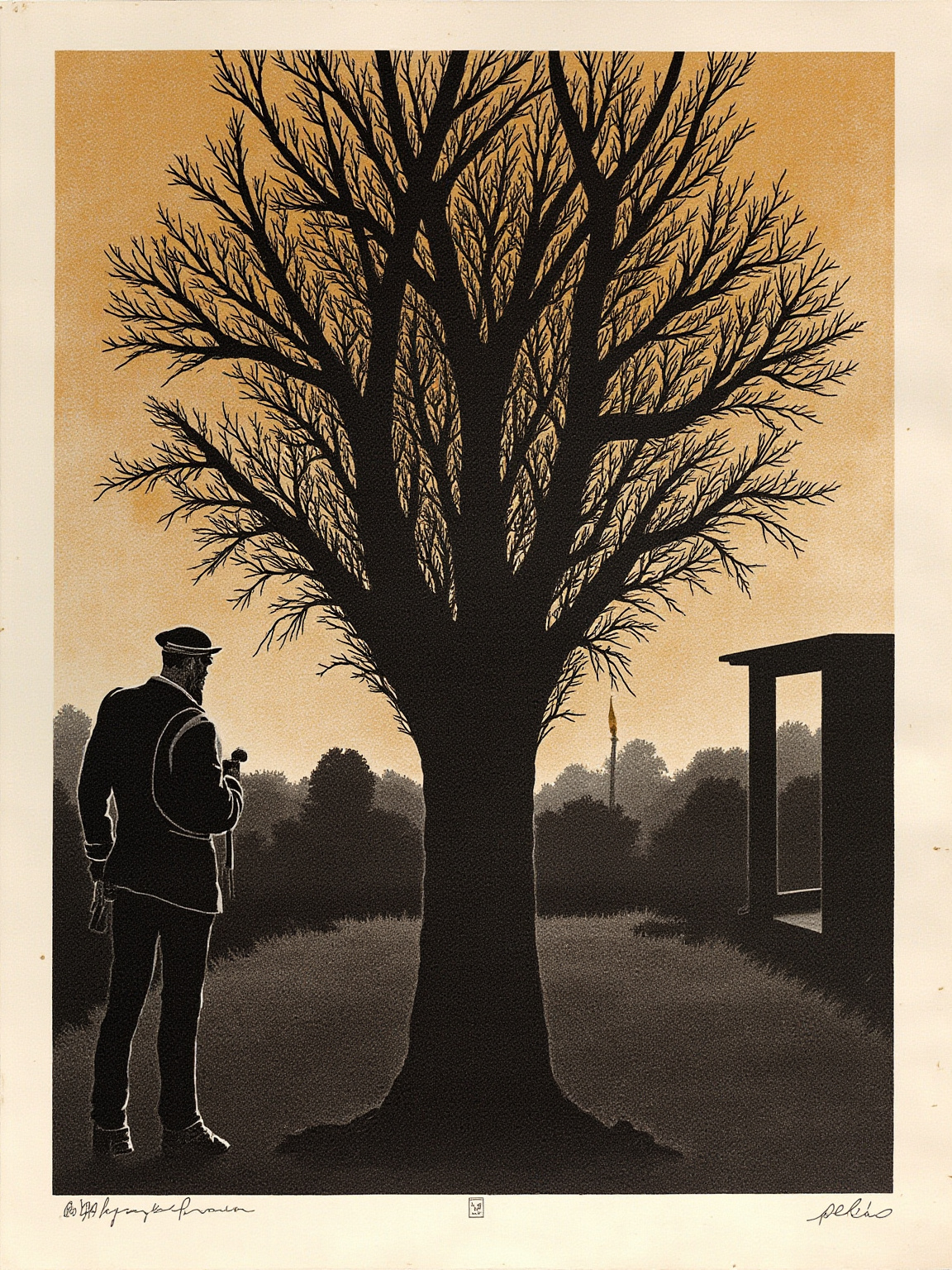
They hanged the ringleader on a thorny mezquite outside the city gate; I stood beneath that tree and saw, with a single blow of reality, what my life was hastening to become.
他们在城外一棵多刺的牧豆树上吊死了那伙人的头子;我站在那棵树下,被现实一巴掌扇醒,看清了我这辈子的去处。
金句 · 第4卷 · 回头的那一刻
Lizardi handles this moment with real restraint. He does not give his protagonist a speech of confession -- he just leaves Pedro standing dazed under the tree. That restraint is what makes the turn believable. It is not a moral awakening. It is a slap from reality.
The wastrel's ending
Lizardi moves quickly through the years after Pedro reforms. Pedro inherits the estate of his old benefactor, Don Antonio, marries his daughter, and settles into a quiet life. Read today, this happy ending can feel rushed, but in early nineteenth-century Mexico it was itself a statement: letting a wastrel end up respectable, rather than dead in the street, was closer to the Enlightenment belief that people can be corrected.
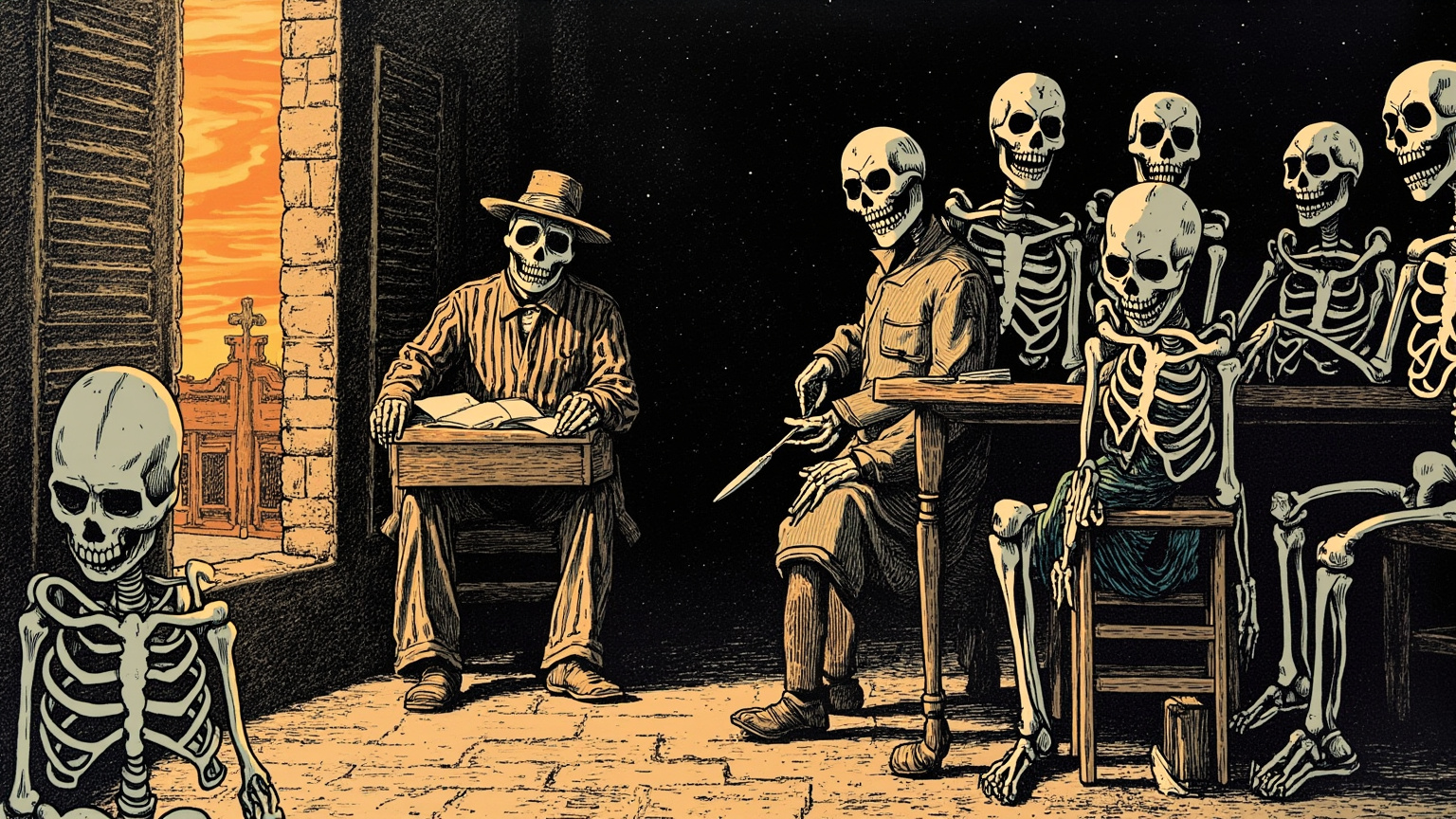
A vagabond's life, told to the end, is not an adventure but a diagnosis — ignorance its weather, superstition its soil, the gallows its only honest mirror.
浪荡子的一生说到头,不是冒险,是一份诊断——无知是天,迷信是地,绞架才是他唯一的忠实的镜子。
金句 · 第4卷 · 浪子的收梢
A footnote in the narration itself
The novel's final section is one of the odd corners of novel history. On his deathbed, Pedro dictates the story of his life to the Mexican Thinker -- Lizardi has written himself into his own book. This Enlightenment journalist turns a wastrel's life into a bill of indictment against colonial rule in New Spain: ignorance as the background color, superstition as the custom, corruption as the structure. Pedro's foolishness is not only his own failure. It is the old order's failure too.
Lizardi does this to fit the light shell of the picaresque novel over the hard casing of Enlightenment commentary. That is the biggest difference between this book and its European picaresque cousins: it is not only the adventures of a rogue, it is a diagnosis of a society. Porter cut half the moralizing passages because she found them tedious, but in the history of the Latin American novel, that very tedium set the pattern for the tradition of narrative braided with commentary that followed.
Why it is remembered
Three reasons. The first is its founding position: begun in early nineteenth-century Mexico as the independence movement was brewing, the novel moves from colony to new nation, and it became the prototype of the founding-of-a-nation novel. The second is how it strings together every trade in an imperial capital along the path of one wastrel's feet, rebuilding late-colonial Mexico City on the page. The third is Lizardi's voice itself -- comedy laced with Enlightenment argument -- which generations of Mexican novelists inherited afterward. The comedy is the front door. The argument is the frame holding up the house.
For a reader today, what makes this book hardest to put down is its sense of the city. Finish it and you feel as though you have actually stood for a while on a street corner in early nineteenth-century Mexico City, hearing the whispers by candlelight in a gambling den, the monastery bell at evening prayer, the clink of clay jars in an apothecary shop. It is not only the first brick of the Latin American novel. It is also a recording of how the old order's city sounded.
What makes The Mangy Parrot most interesting is that it turns one wastrel's absurd life into a diagnosis of colonial society -- comedy at the front door, diagnosis holding up the frame.
Knowing the story is not the same as reading it
A guide like this one gives you the map. The text is the land itself. Knowing the line from Pedro's schoolroom to his deathbed still leaves you needing to read the very passages Porter found tedious -- Lizardi's running commentary. Only there do you meet an Enlightenment journalist patiently taking the old order apart: what the quack's Latin is hiding, what lies beneath the monastery's evening bell, where the money moving by candlelight in the gambling den actually comes from. No guide can substitute for that.
There is one more thing a guide cannot give you: how the city feels to your own eye. Lizardi draws heavily on Mexican folk tales, proverbs, slang, and regional speech, and they push up out of the page like street vendors' cries. Only in the text itself do you actually hear early nineteenth-century Mexico City talking. That is the whole reason it is worth reading even after you already know what happens.
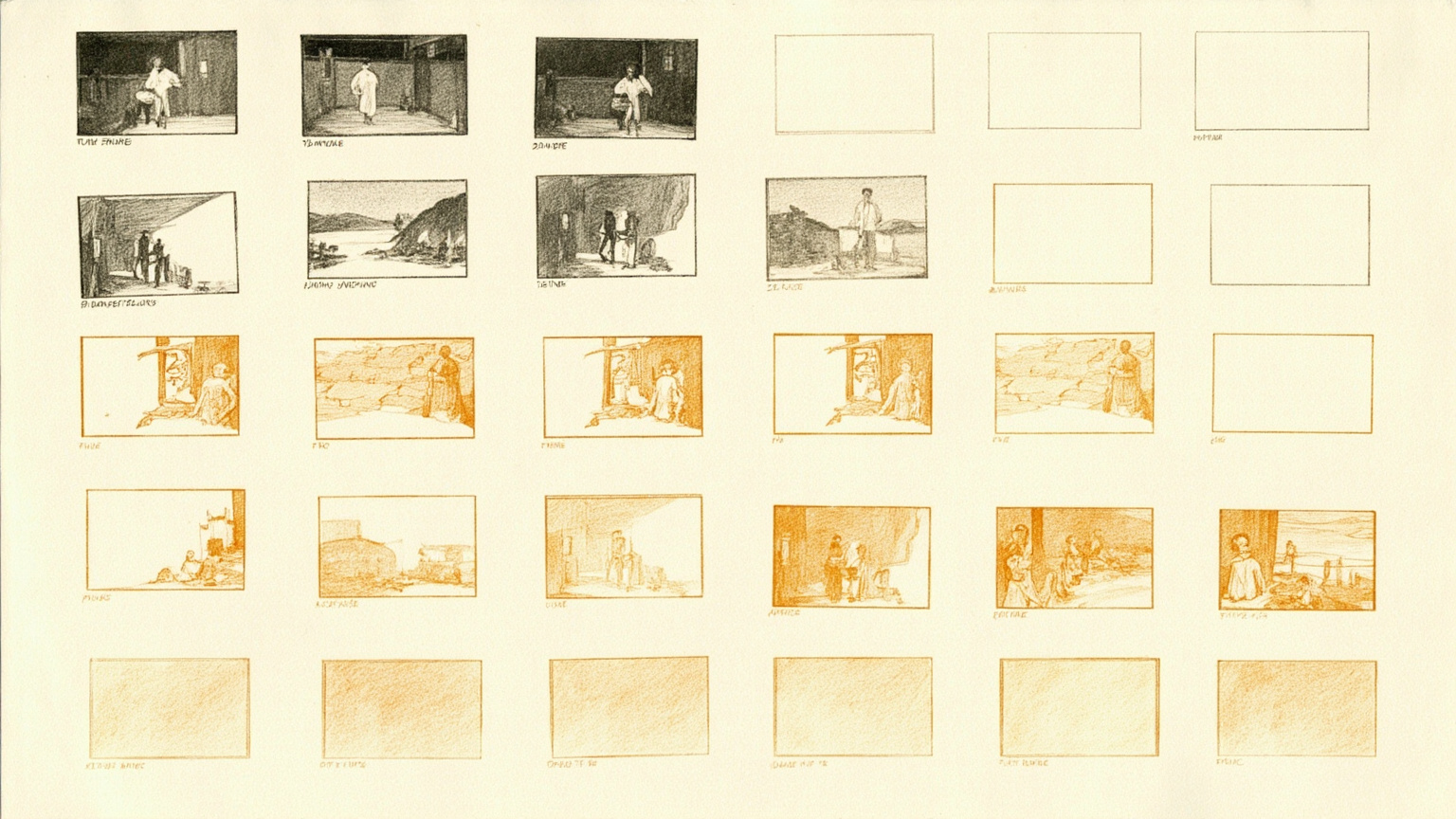
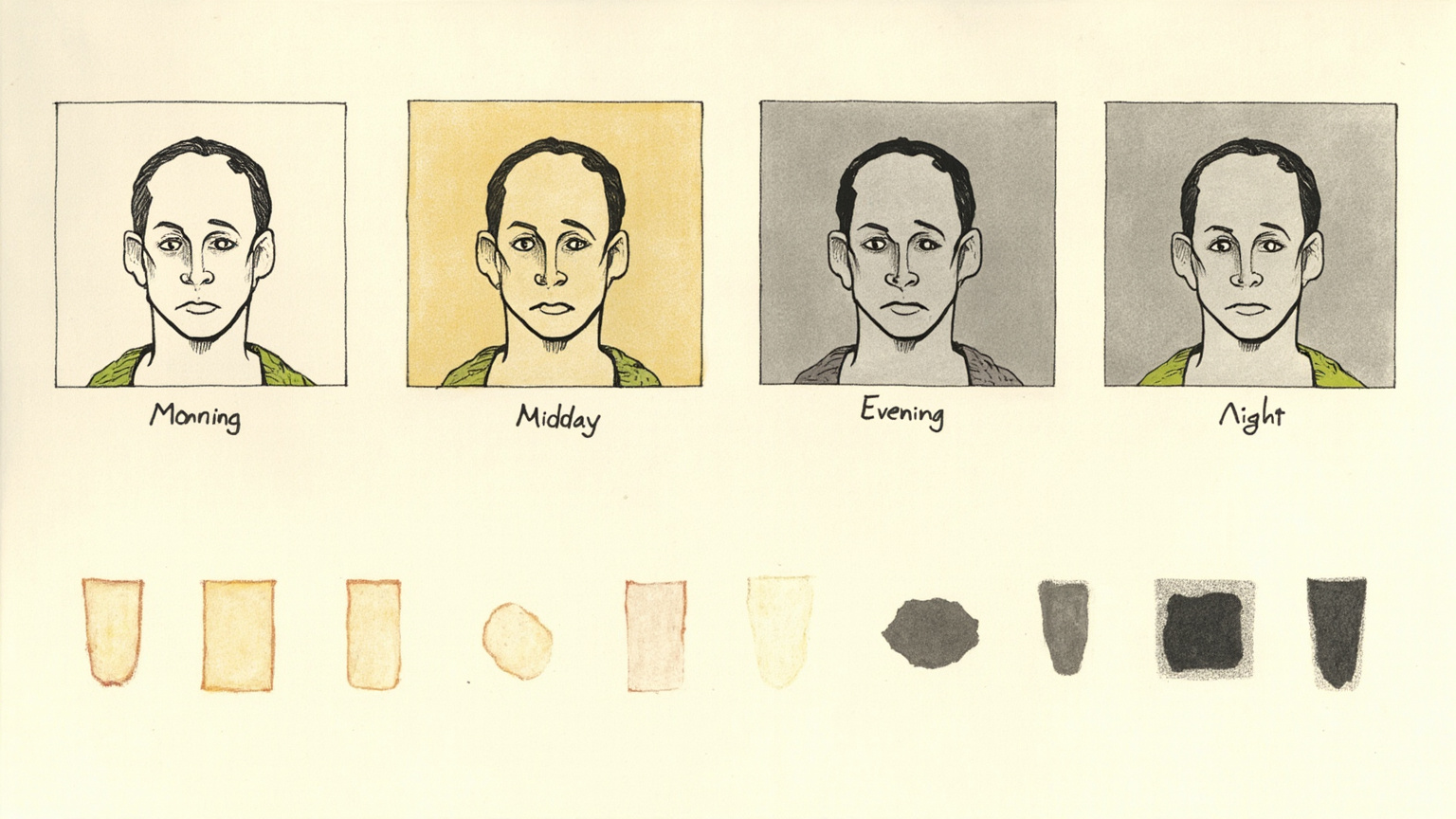
Art Direction4 plates
Before the guide was written, this book got a visual foundation — every illustration you just read grew out of it.