Ennin's Diary: The Record of a Pilgrimage to China in Search of the Law (Nittō Guhō Junrei Kōki) · Companion Guide
入唐求法巡礼行记
一个日本僧人的九年黄纸:海上断了桅,长安没了僧袍,最后只剩一份账本替会昌法难作证。
A Sheet of Yellow Paper Once Saved His Life
A Japanese embassy ship lost its mast at sea. Which way the wind blew, which way the mast fell, how many inches of water filled the hold: the man who wrote it down was no poet, just a Japanese monk keeping a daily log. His name was Ennin. Nine years later, marched east out of Tang China, stripped of his robes, sent back across the water, he could look back and see that the real adversary of his pilgrimage had been neither the storm nor any doctrinal rival in the history of Buddhism, but a sheet of yellow paper stamped with a red seal — the travel permit issued by the Tang government, called a gongyan.
What Kind of Book Is This
Ennin's Diary: The Record of a Pilgrimage to China in Search of the Law is the nine-year day-by-day account that the Japanese Tendai monk Ennin assembled after he returned home; it begins with his crossing on an embassy ship in the late 830s and ends with his expulsion in the late 840s. Along with Xuanzang's Great Tang Records on the Western Regions and the travels of Marco Polo, it is counted among the three great travel accounts of the East — but it is the only one written day by day, by a foreigner, on Chinese soil during the Tang. The medieval historian Edwin Reischauer translated it into English, and one of the foundation texts of Western scholarship on Tang history turned out not to be a Chinese dynastic history at all, but this Japanese monk's diary.
People and World
Ennin is the protagonist, a monk who climbed Mount Hiei at fifteen and studied Tendai teaching under his master Saichō. In 838 he pushed his way onto an embassy ship as a short-term student monk, hoping to reach Mount Tiantai to study; instead the storm threw him onto the coastal flats of Jiangsu and Shandong. For the next nine years, he had to find his own way through the paperwork of the Tang state. Two kinds of people surround him throughout. There are the companions at hand: the Japanese monks on his ship, the Tang local officials who escorted him once it washed ashore, the Silla-descended interpreters who later took him in at the Fahua Cloister on Mount Chi in Shandong. And there are the figures at a distance — Emperor Wenzong and, after him, Emperor Wuzong; the monks of Mount Wutai; the Sogdian, Persian, and Arab merchants in Chang'an's Western Market. The world of this book is ninth-century East Asia, cultured enough under Wenzong, and a different color the moment Wuzong took the throne.
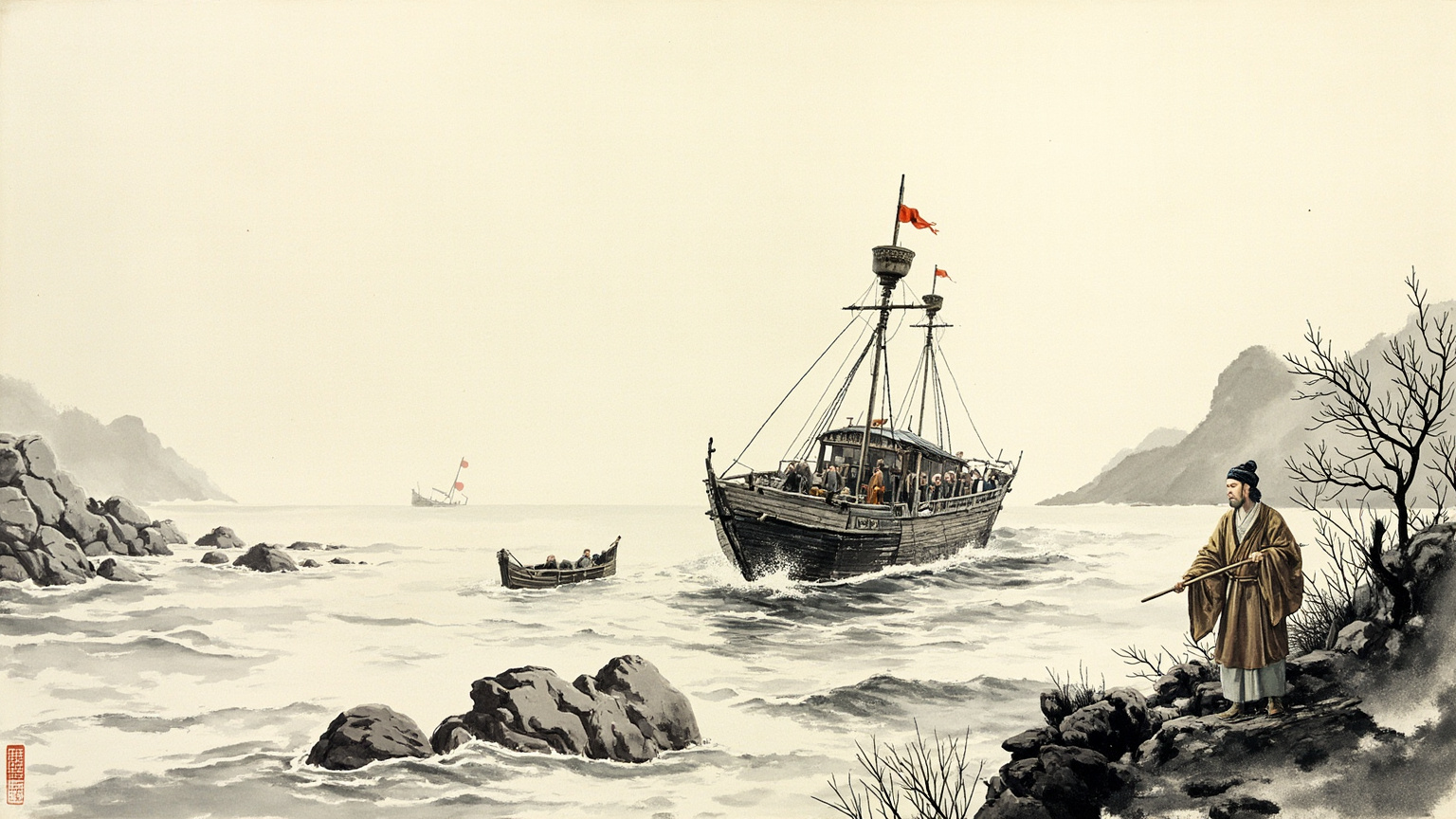
The mast snapped; the sea poured in to the third plank of the hold — and a monk began to write the days down.
舶桅折断,海水漫进船舱第三板——一个僧人,在风浪里开始逐日记日。
金句 · 卷一 · 海上断桅
How the Story Unfolds
I. At Sea: A Broken Mast and the Start of the Paperwork
One day in 838, the embassy ship cast off from Hizen, in Japan, near present-day Saga. It had not even cleared the coastal waters when the typhoon hit. The mast snapped, the hull cracked, and the ship drifted for who knows how many days before running aground on a mudflat on the Chinese coast. Some of the crew were rescued by Tang soldiers; others were sent back at once. Ennin survived — but what awaited him next was not a monastery, it was a county office. The Tang government had a strict entry procedure for foreign monks: a travel permit, a guarantor, a seal from every county along the way. Ennin had none of it. Working his way up the coast through Yangzhou, Chuzhou, Haizhou, and Qingzhou, he filed petition after petition and was turned down again and again. This is the least romantic stretch of the whole diary, and also the most valuable: it records, in exhausting detail, exactly how a monk gets ground down by a bureaucracy.
II. Reaching Wutai Through Silla Hands
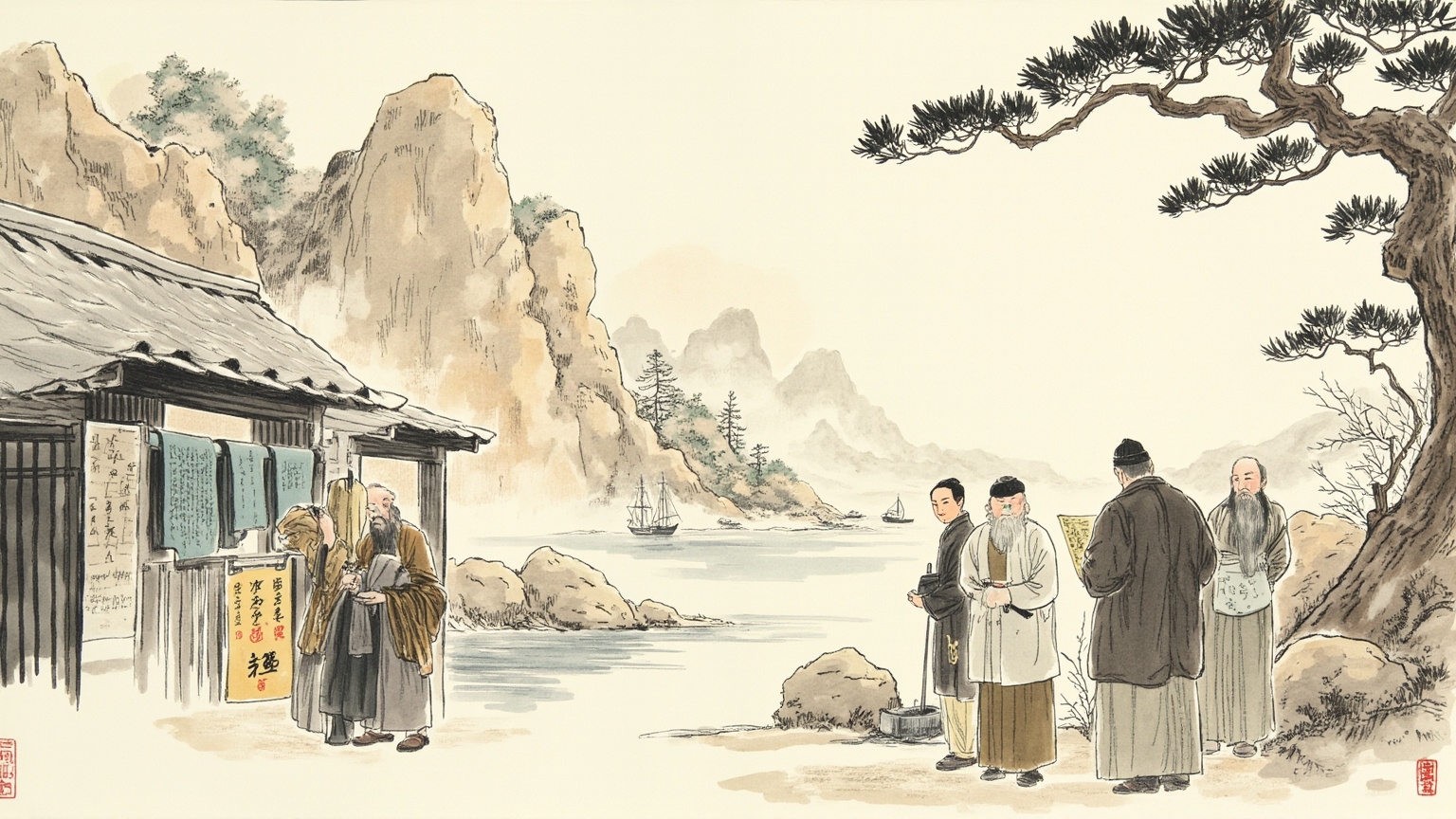
On the Shandong peninsula, Ennin found the Fahua Cloister on Mount Chi. Silla expatriates had raised the money to build it themselves, and its abbot and senior monks were all Silla men who spoke Chinese but also knew Silla and Japanese. Ennin stayed there for several years, learning Chinese, reading the Tang government's official documents, and working through the legal steps needed to enter Mount Wutai. This stretch is the liveliest slice in the whole diary of the maritime network linking East Asia. On the ninth-century Shandong coast, Silla merchants, Japanese monks, Tang local officials, and Persian traders were all packed into this one small monastic community. Ennin relied on these Silla interpreters to translate for him, run his errands, and deal with the county magistrate on his behalf, until at last he had in hand a permit allowing him to travel to Mount Wutai.
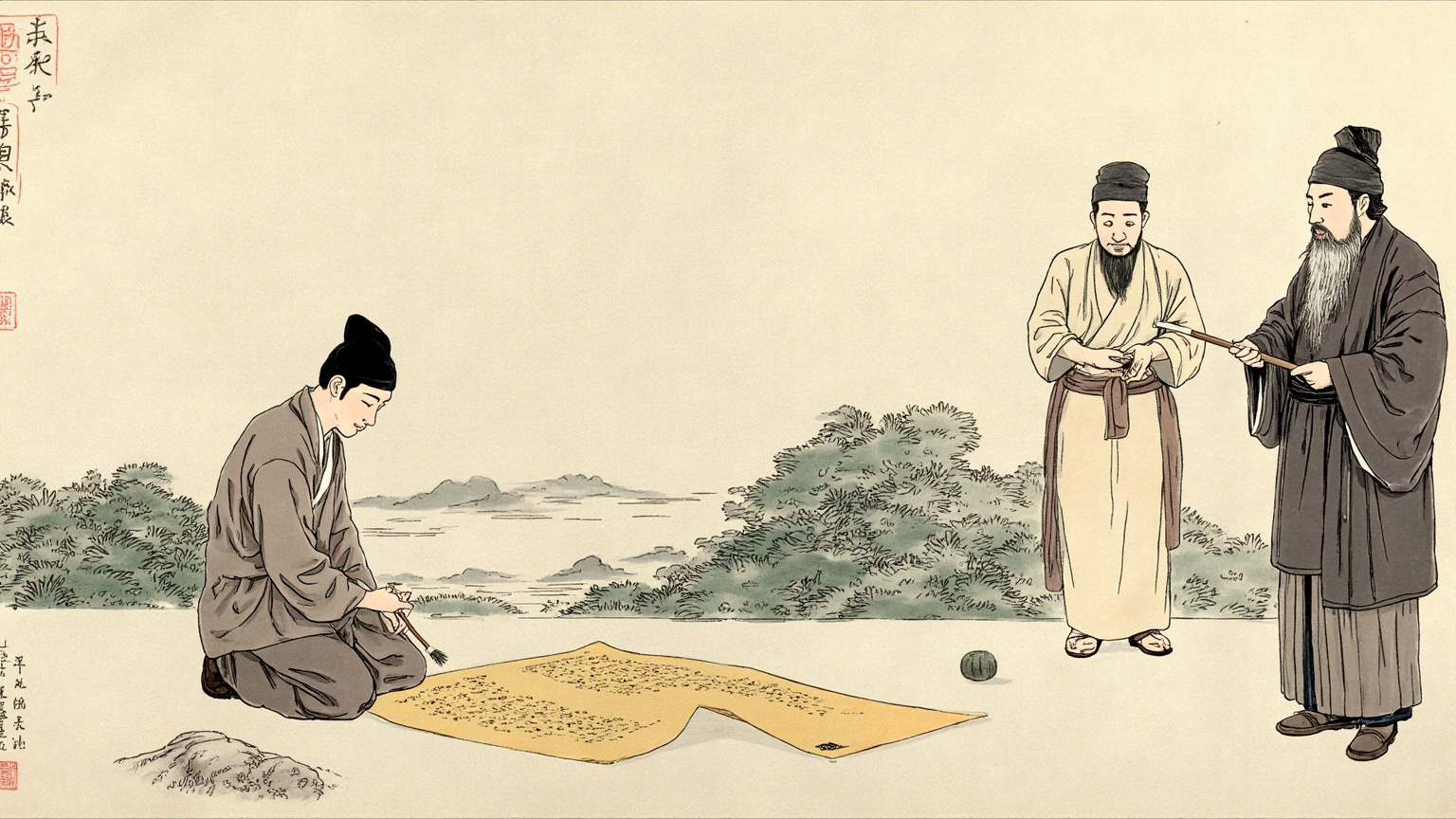
A single yellow paper, stamped and sealed, was to be his life for the next nine years.
一张盖了朱印的黄纸,便是他此后九年的护身。
金句 · 卷二 · 公验与赤山
III. Five Years in Chang'an: Foreign Merchants in the Markets, an Emperor in the Palace
In 840, Ennin traveled from Mount Wutai to Chang'an. The emperor was Wenzong, a man fond of poetry and painting who had worn himself out managing eunuchs and chancellors alike. He granted Ennin an imperial permit to visit temples freely. Ennin was now a legal visitor: he could wander the Western Market, he could go and worship at the foreign temples. This stretch of the diary is the most visually dense in the whole book. Sogdian merchants weigh out gold coin in the shops of the Western Market, the bell of a Persian Nestorian church rings out, the famous Nestorian Stele stands near the Liquan quarter, the camels of foreign traders line up at the docks to unload. Ennin recorded all of it like a ledger, day by day: what he ate at which shop in the Western Market, which sutra he heard read in which ward. In the first month of that same year, Wenzong died. The eunuchs put his brother on the throne, Emperor Wuzong. Wuzong put his faith in the Daoist Zhao Guizhen and his circle, and his attitude toward Buddhism turned from indifference to hostility. Ennin's settled days in Chang'an were coming to an end.
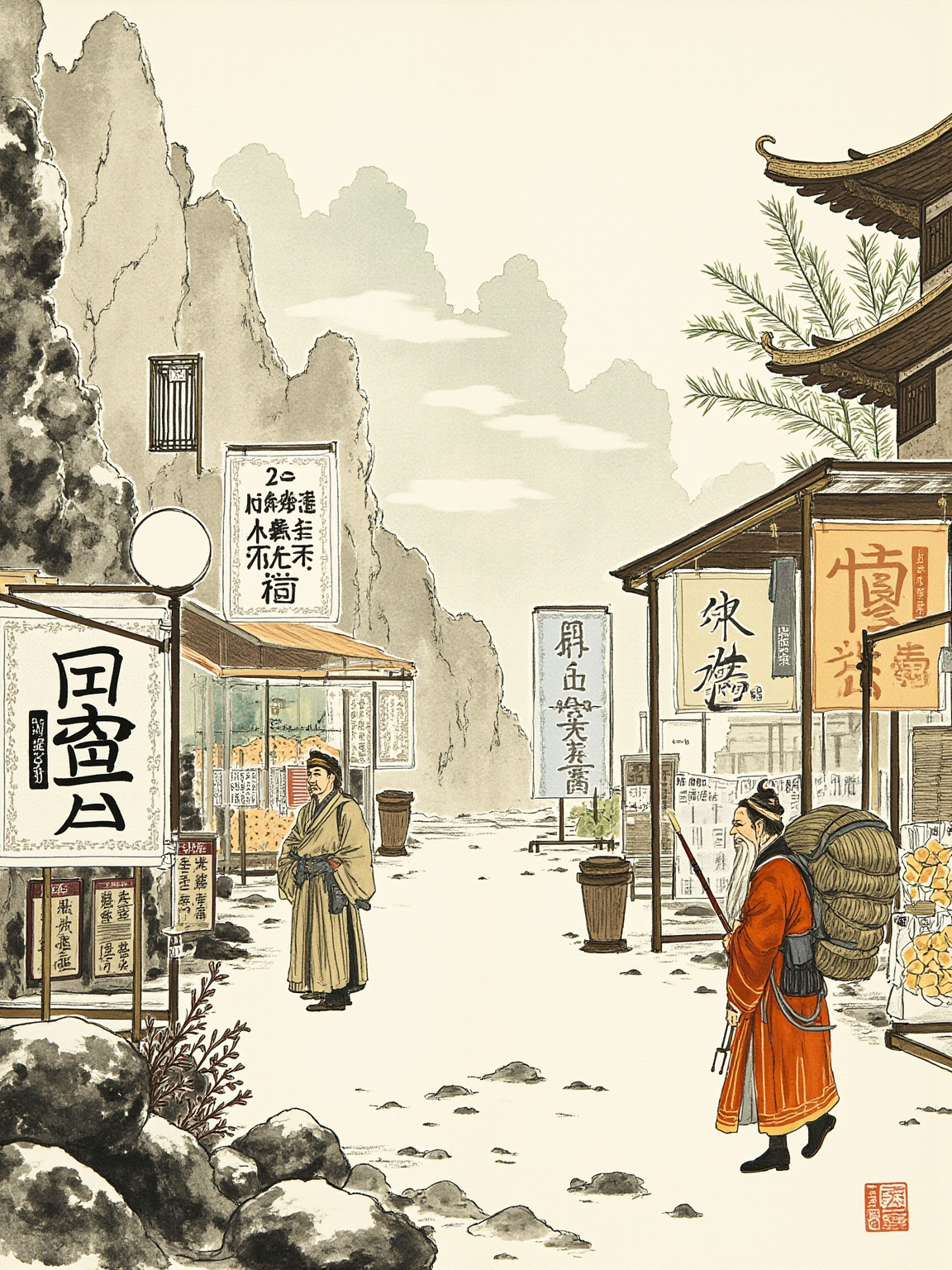
In the West Market the Sogdian and Persian merchants drank beside the Silla monks, and a pilgrim from Japan watched them all.
西市里,粟特商胡与新罗僧人隔桌共饮;一个日本僧人在一旁,一一记下。
金句 · 卷三 · 长安西市
IV. The Slow Tightening of a Buddhist-Daoist Rivalry
By the early Huichang years, from 841 to 844, the court's rivalry between Buddhism and Daoism had spread down into the streets. The Daoist Zhao Guizhen rose in influence, and the chancellor Li Deyu worked alongside the eunuchs to push Buddhism back. A string of small, unremarkable, unsettling things begins to appear in Ennin's diary: monk registration grows stricter, ordination certificates are checked more often, and the range foreign monks are allowed to move in keeps narrowing. Ennin was still permitted to visit temples at this point, but he could feel the rope tightening inch by inch. He set it all down day by day — not a political manifesto, just a foreign monk watching the temperature around him drop.
V. 845: The Huichang Persecution of Buddhism
In 845, the fifth year of Huichang, the edict against Buddhism came down. Over four thousand temples were torn down, more than two hundred and sixty thousand monks and nuns were ordered back to lay life, bronze statues and bells were melted into coin, and temple lands were seized by the state. Ennin, a foreign monk, was forced back to lay life along with everyone else, his ordination certificate confiscated, his return to Japan ordered. He wrote the day down. Not as an outraged protest, just a few flat lines: on such a date, the temple was torn down; on such a date, he was ordered to return to lay life; on such a date, his travel permit was confiscated. His diary does not dramatize the violence. It simply records, day by day, how the edict traveled downward through the ranks, how local officials carried it out, and how one minor monk went from legal visitor to a man being expelled. That is exactly what makes it so valuable: more immediate, more detailed, more precise in its craftsmanship than any official history of the Tang.
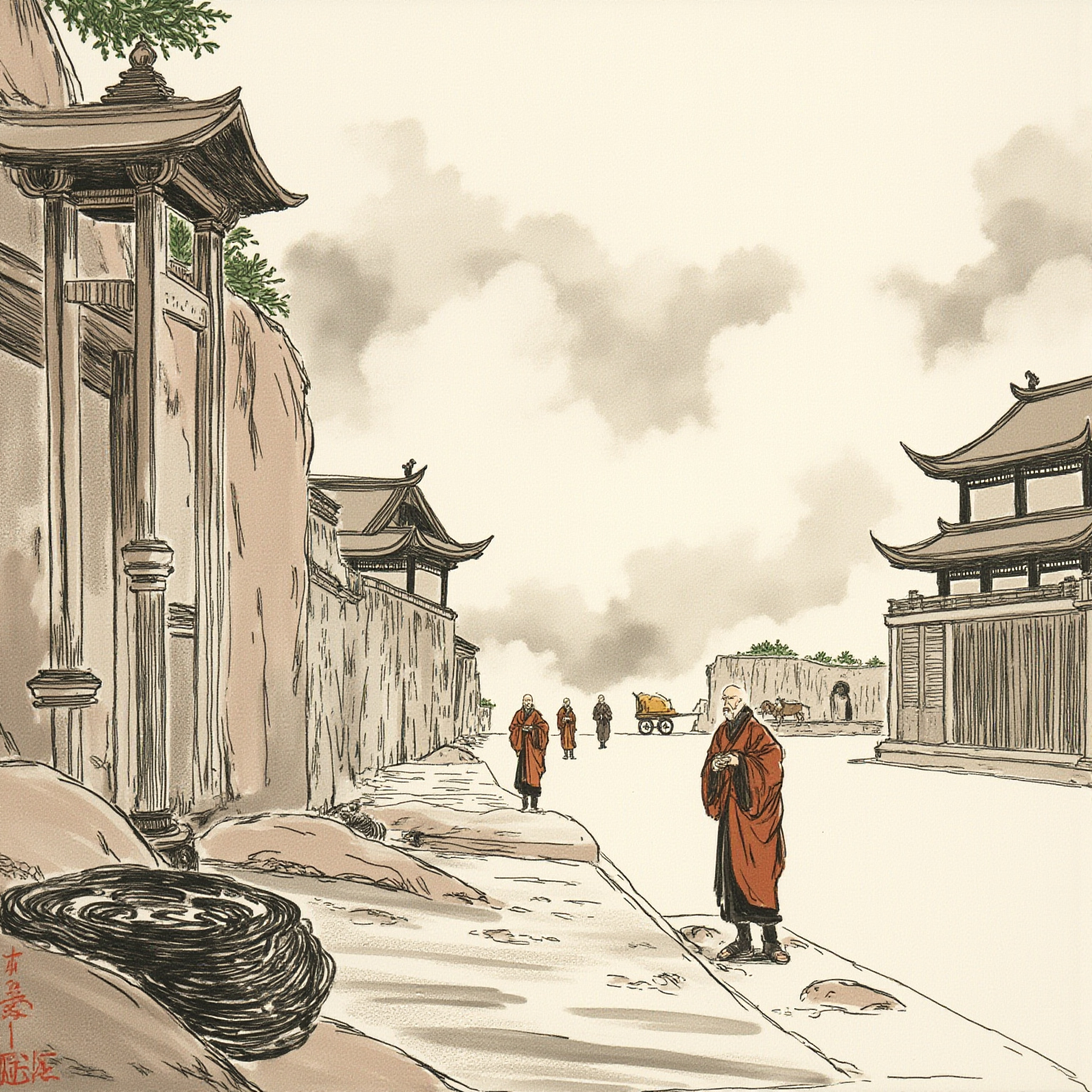
They took the robe, they took the register, they took the seal — and left him standing in a layman's coat.
僧袍被收,僧籍被销,度牒被夺——他穿着俗衣,站在原地。
金句 · 卷四 · 会昌五年灭佛
VI. Marched East, Home Across the Sea
In 846, Ennin was marched out of Chang'an and sent south along the canal on his way home. Wuzong died that same year and Emperor Xuanzong took the throne, and the persecution eased somewhat, but Ennin was already registered as a layman and was still expelled from Tang territory. In 847 he crossed back over the sea to Japan and returned to Mount Hiei. What he brought home was not the glory of scriptures recovered but nine years of daily notes. Once home, he worked them into Ennin's Diary, and that mattered more than any sutra he might have carried back, because it is the only eyewitness record of the Huichang persecution written down day by day by a foreigner who lived through it.
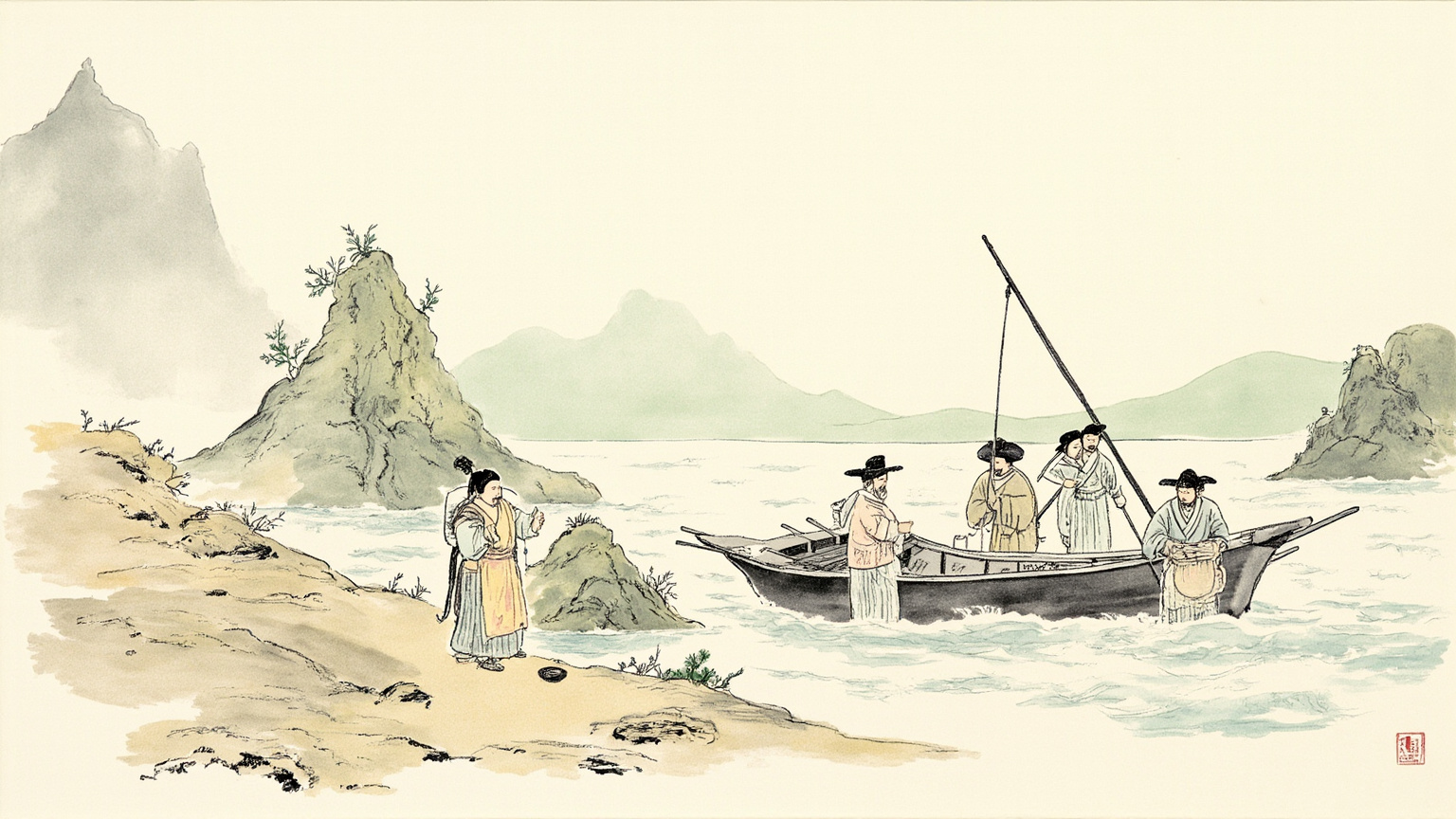
He had been expelled, unrobed, and sent home — yet in his hands he carried the record that outlived them all.
还俗、押送、逐出唐境——可他怀里那卷手记,比任何一道敕令都活得长久。
金句 · 卷四 · 押送东归
Themes and Method
Ennin never wrote a single line of protest. He just entered each day into his ledger, and that ledger became the only eyewitness testimony the Huichang persecution has.
A Note Before You Read
One more thing: the diary was written in Chinese, but the word order and particles are Japanese-style Chinese, not standard classical Chinese, and it reads with an odd rhythm, like a man keeping careful accounts in a borrowed language. Knowing that going in, you will not be confused when you open it. If anything, that ninth-century Japanese monk will feel closer.
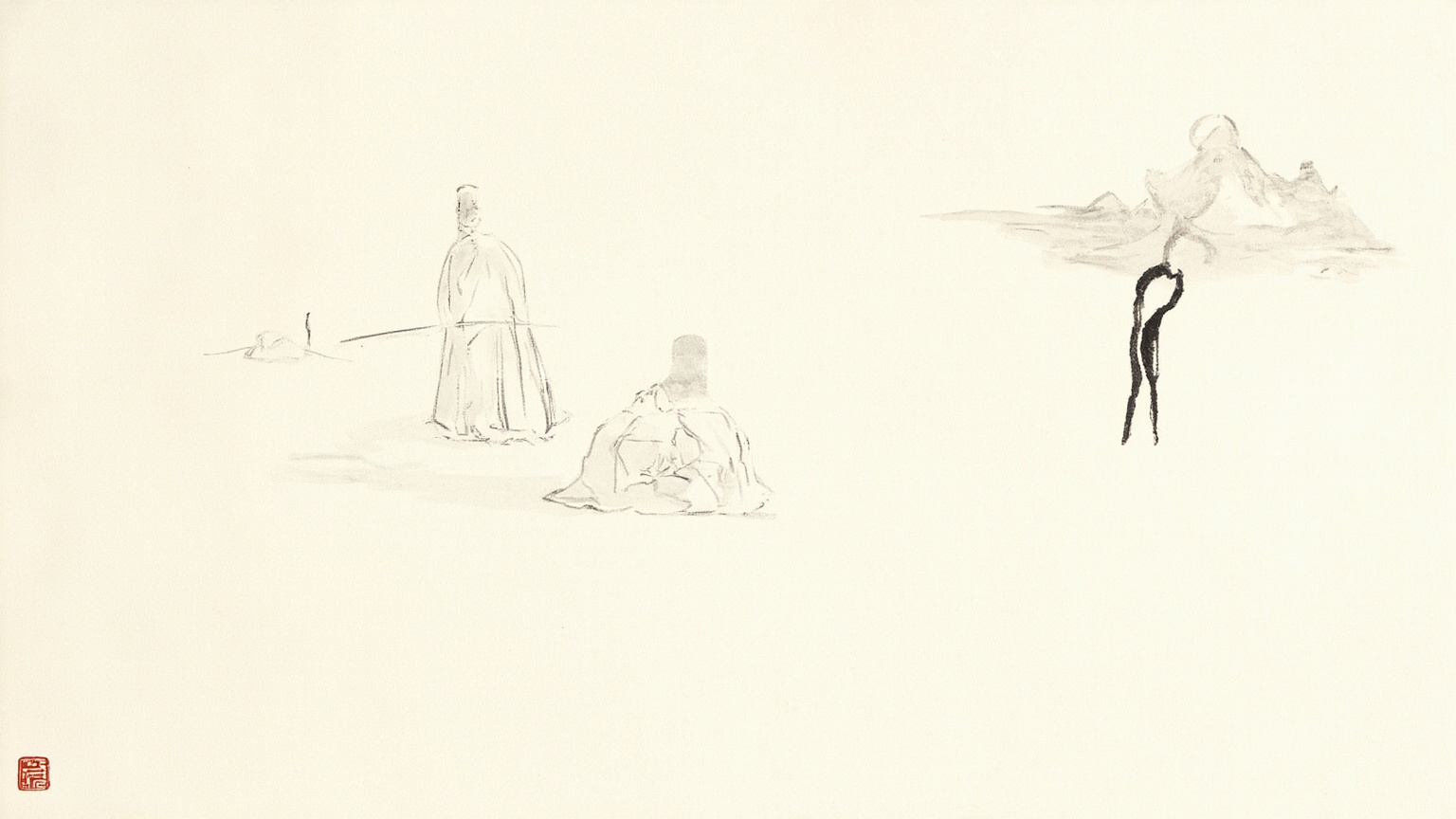
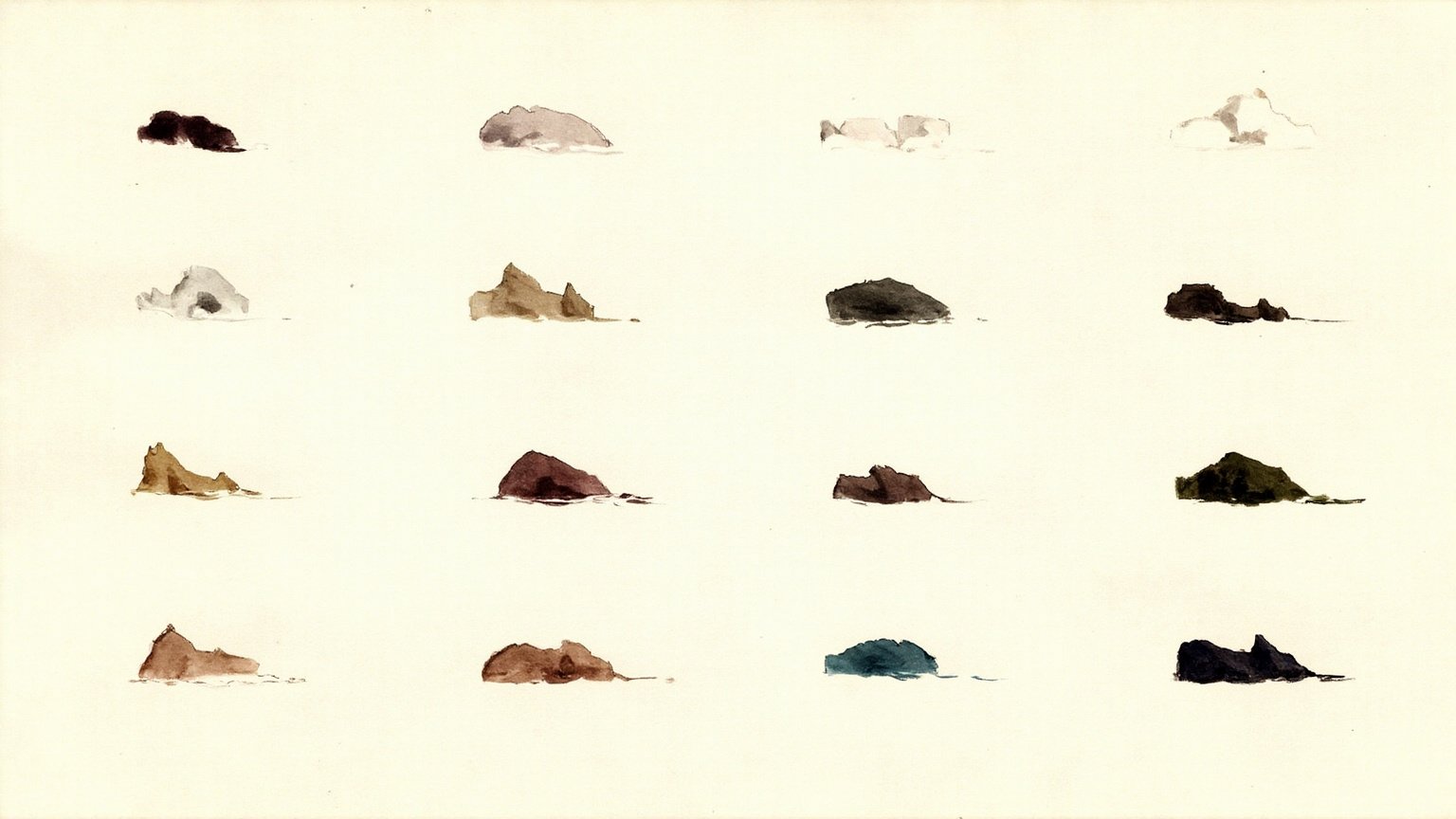
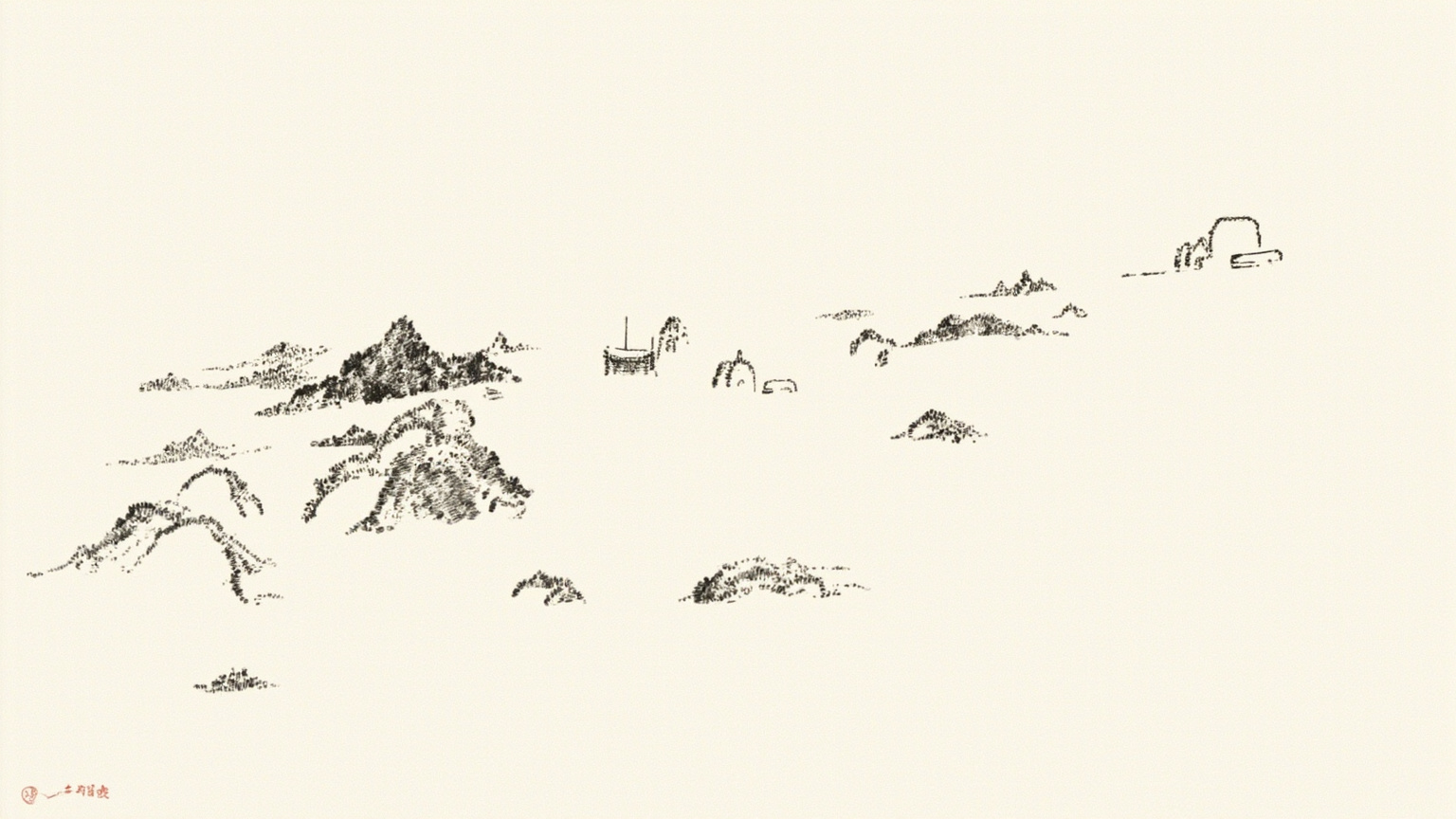
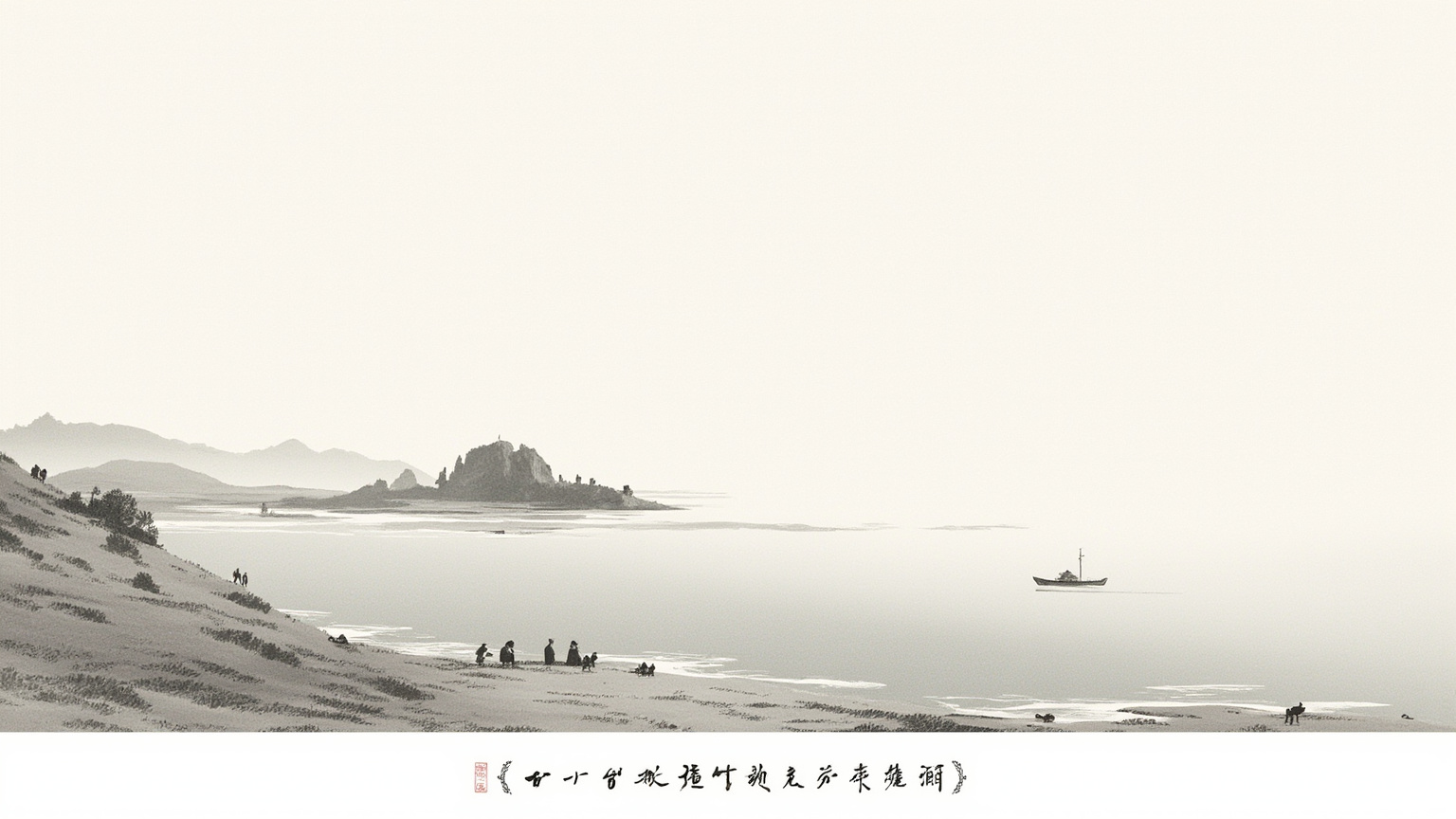
Art Direction4 plates
Before the guide was written, this book got a visual foundation — every illustration you just read grew out of it.