Great Expectations · Companion Guide
远大前程
孤儿皮普以为金钱能让他成为绅士,直到那个最卑微的逃犯叩响房门——远大前程的账单,从来不是钱,是良心。
A child shaking with fear steals a pork chop from home
It's the night before Christmas, and the marshes of Kent are raw and freezing. A skinny boy of seven or eight is stopped by an escaped convict in rags, a leg iron still dragging behind him — the convict turns the boy upside down and inside out, like shaking out a rag, just to make him say whether there's a file and food to be had at home. The boy runs home in tears, steals a pork chop, a pie, and a bottle of liquor, then runs back to the marsh in tears and presses the file into the convict's hand. This isn't the opening of an adventure story. It's a terrified child doing something he doesn't fully understand — and that one act rewrites the rest of his life.
What kind of book is this
Great Expectations is the novel Charles Dickens wrote and serialized in the early 1860s. It belongs to the bildungsroman tradition — the story of how someone walks out of childhood into society, and gets knocked around by society's illusions along the way. But what Dickens does here is harsher than mere growing up: he uses the story of an orphan's rise to take apart the whole Victorian faith that climbing the social ladder equals success. The title itself is ironic — those expectations were a misattributed gift from the start, and in the end they belong to him no more than they ever truly land in his hands. Today the novel is widely considered Dickens's most tightly structured, its mystery buried inside a first-person memoir that drives the plot forward while quietly putting the narrator himself on trial.
People and place: the marsh, the prison ship, the stopped clock
The hero, Pip, is an orphan raised by his sister's own hand — quite literally, with a cane. His brother-in-law Joe, the village blacksmith, treats him more gently than any real father might. Pip's childhood world has two halves: on one side, the forge, the marshes, and the derelict prison ship moored at the river mouth; on the other, a strange great house called Satis House, home to Miss Havisham, who has stopped every clock in the place and lives alone in a rotting wedding dress, and her adopted daughter Estella, raised cold and beautiful by design. Pip's turn from blacksmith's apprentice to would-be gentleman begins the moment he's summoned to the house to play for Miss Havisham — he falls in love with Estella, and from then on is ashamed of where he comes from.
The London half of the world rests on three key figures: Jaggers, the formidable and icy lawyer; his clerk Wemmick, who runs the office like a machine and turns into a devoted son the moment he gets home; and Herbert Pocket, the friend Pip makes in London — the pale young gentleman whose business ventures keep failing and who stays cheerful regardless. These characters do more than move the plot along. Together they're Dickens's diagnosis of Victorian society: who is sincere, who is performing, and who hides the deepest debts behind the most respectable front.
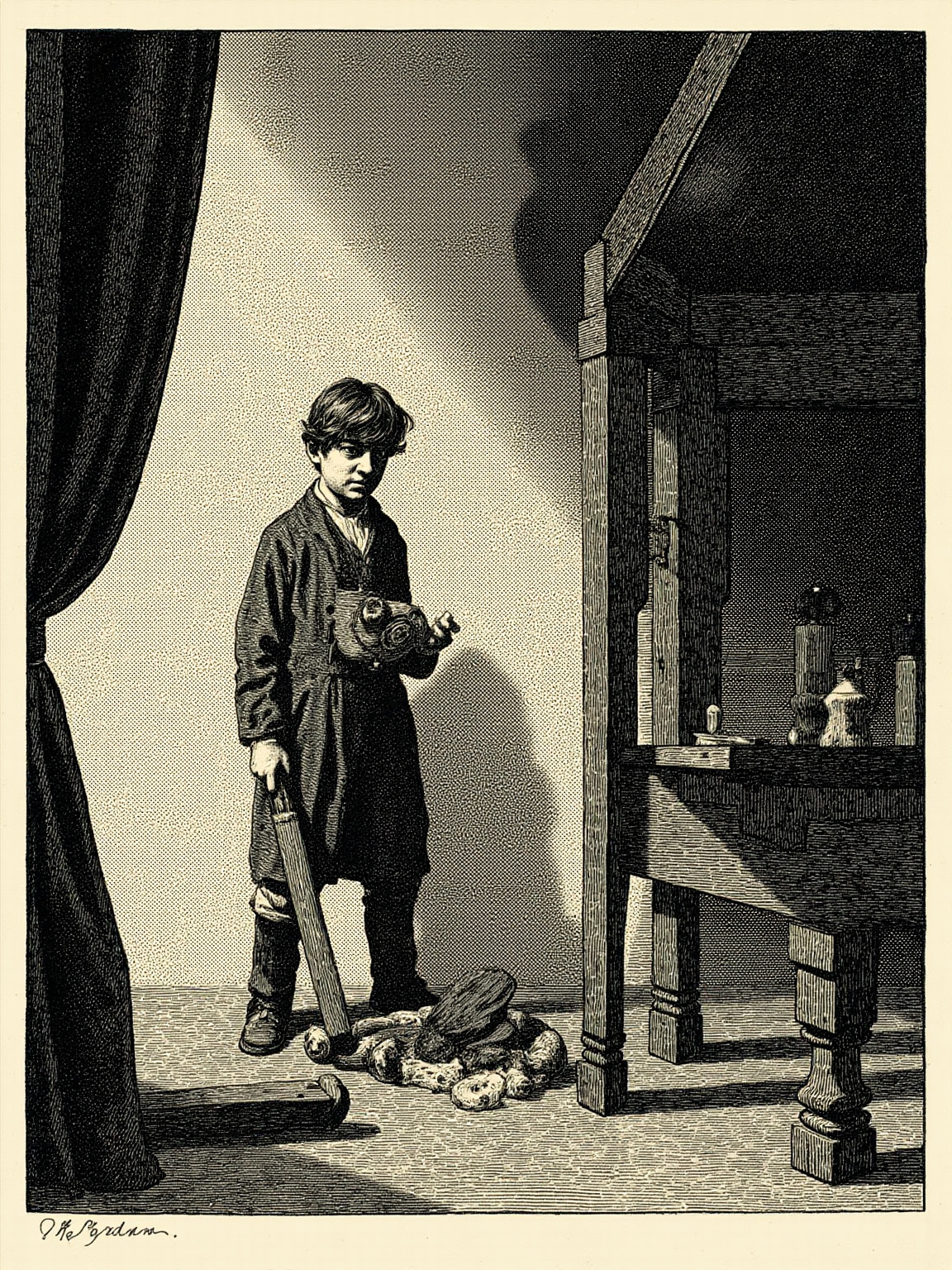
He had a woman's delicacy of feature, and was-"as you may see, though you never saw her,"
他生着一张女子般清秀的脸,就像你虽没见过她却也能想象的那样。
原文金句 · 第42章(书程42%)
The plot: a novel peeled like an onion
The story begins on the marshes. Pip grows up caned by his sister and gentled by Joe, and that Christmas Eve encounter becomes a secret he never dares to speak aloud. Then he's summoned to Satis House — the novel's first scene that stops you cold: a woman in a wedding dress sits at a mildewed bridal table, every clock in the house frozen at twenty to nine, and at the end of the corridor stands a girl colder and more beautiful than any of those clocks, Estella. This is where Pip splits in two: the world he wants and the world he stands in become two lines that will never meet again. The craft here is in the child's-eye view Dickens uses — Pip himself doesn't really understand what's happening, but the reader has already caught, in that room where everything stopped, the shape of the whole book.
A few years later, Pip is formally apprenticed to Joe at the forge. But it isn't long before a letter lands in the smithy — a lawyer named Jaggers has come from London to announce, in person, that an anonymous benefactor is willing to pay for Pip to go to London and become a gentleman. Pip, the reader, and nearly everyone present immediately assume the benefactor must be Miss Havisham, secretly arranging a match between him and Estella. From here Dickens drives what looks like a Cinderella story two-thirds of the way forward — Pip runs joyfully off to London, leaving Joe behind for the future he believes is rightfully his. The craft here is a narrative trap: the narrator Pip believes it completely himself, and the reader is kept in the dark right along with him. That shared misjudgment is exactly what makes the later reversal land hard enough to knock the wind out of you.
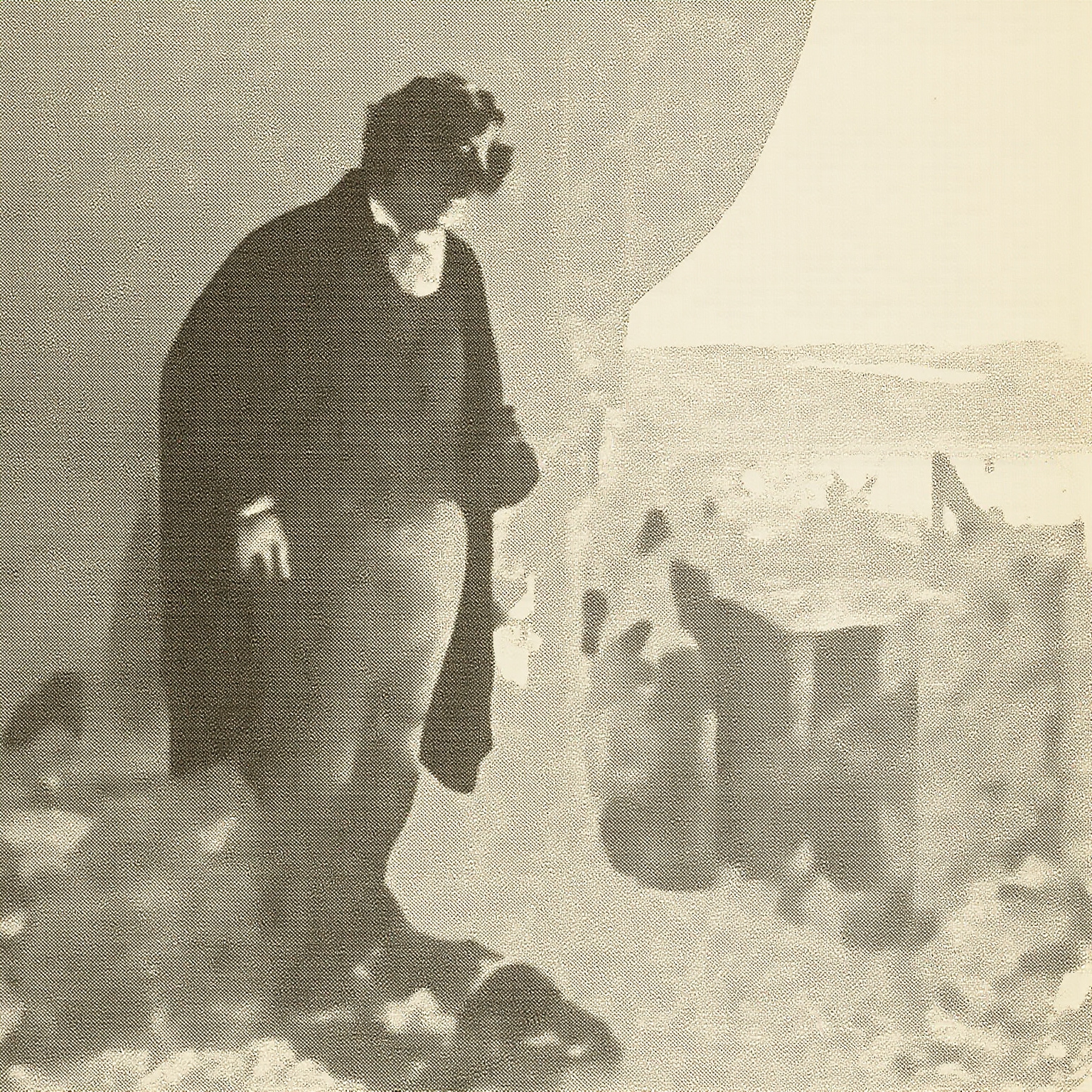
"Here am I, getting on in the first year of my time, and, since the day of my being bound, I have never thanked Miss Havisham, or asked after her, or shown that I remember her."
我当学徒都满一年了,可从正式拜师那天起,我既没去谢过郝薇香小姐,也没问一声她好不好,更没半点表示还记得她。
原文金句 · 第22章(书程22%)
The London years run as a beautifully constructed double track: becoming and falling. Pip moves into modest but unsupervised lodgings, becomes fast friends with Herbert, and learns gloves, carriages, table manners — and also debt, arrogance, and contempt. Visiting home, he starts to wince at the smoke of the forge, his sister's coarse language, Joe's big hands that can hold a hammer but not a knife and fork; he even decides that Biddy, the village girl who taught him to read as a child, is now beneath the position he's climbing toward. Dickens writes this stretch with real cruelty: he isn't drawing a villain, he's drawing an ordinary person whose conscience is being slowly eaten by vanity — and every step of the decline is so natural the reader almost nods along in sympathy. This is the part of the book that cuts deepest for readers today: the act of climbing is itself corrosive.
Then the truth comes crashing down. Late one night, a stranger bursts into the now-grown Pip's rooms — rough, weathered, dark from travel — and grabs him in a bear hug that leaves him breathless: he says it was his own hand that made Pip a gentleman. The convict on the marshes all those years ago, it turns out, was Magwitch. Transported to Australia, he made a fortune, poured all his gratitude into Pip, and risked his life sneaking back into England just to lay eyes on the gentleman he had made. Shame, gratitude, and panic explode in Pip all at once: his benefactor was never Miss Havisham smoothing his path, but a convict he'd once been ashamed to be seen with; worse, every pound of his expectations had been paid for with Magwitch's life on the line. The craft here is in the turn Dickens has Pip make on the spot — the very moment he stops recoiling from Magwitch, he starts scheming desperately to smuggle his benefactor out of England. This isn't forgiveness. It's something heavier than forgiveness: taking responsibility.
What follows is two seemingly unrelated threads stitched together at the end by an invisible hand. Magwitch is caught attempting to escape, and in the chase Compeyson drowns — the same Compeyson who, years earlier, jilted Miss Havisham at the altar on her wedding day. Two people wronged — a bride abandoned by her groom, a convict framed by his own partner in crime — turn out to have had their lives ruined by the same man. After Magwitch dies in prison, Pip realizes he never truly inherited the fortune at all: the estate is legally seized by the Crown, and overnight he goes from gentleman back to a man without a penny. This is Dickens's most direct blow against something for nothing: the life you thought you'd been given was never yours to begin with.
Near the end, Miss Havisham catches fire — her dress strays too close to the hearth — and for the first time, dying, she weeps in front of Pip: she regrets raising Estella to be a tool for breaking men's hearts. Satis House collapses and burns soon after. A deeper truth surfaces here too: Estella turns out to be Magwitch's own daughter, quietly fusing the benefactor thread and the beloved thread into one. Penniless, Pip returns to the marshes, falls ill with a fever nursed by Joe and Biddy — the oldest debt he owes anyone — and finally makes peace with both of them. In Dickens's original manuscript, Pip and Estella meet briefly among the ruins and part again with no hint of reunion; the more widely printed ending, revised on a friend's advice, leaves the possibility of meeting again more quietly open. Either version you read, the book carries the same weight.
Themes and craft: what Dickens is really writing about
One of the central concerns of Great Expectations is dismantling the illusion of the gentleman. Victorian England believed climbing up from the bottom was a story worth celebrating, but Dickens uses every step of Pip's decline to tell you otherwise: each rung of that ladder is paid for by distancing yourself from the people who genuinely love you. He isn't arguing against bettering your circumstances — he's arguing against the illusion that a new coat and a new accent amount to a new life. That critique still cuts today: any contemporary story that equates rising with succeeding owes this book a reckoning.
The other real theme is who raises you. Joe is not Pip's biological father, yet he's the novel's warmest moral compass; Magwitch is Pip's true benefactor, yet Pip despises him for most of the book; Miss Havisham raises Estella into an instrument of revenge, only to be devoured, at the end, by the very hatred she built. Through three adults contesting the upbringing of two children, Dickens asks a question: character isn't decided by blood, it's decided by who treats you how, day after day. Read today, this thread will stop any parent, and any adult still reckoning with how they themselves were raised.
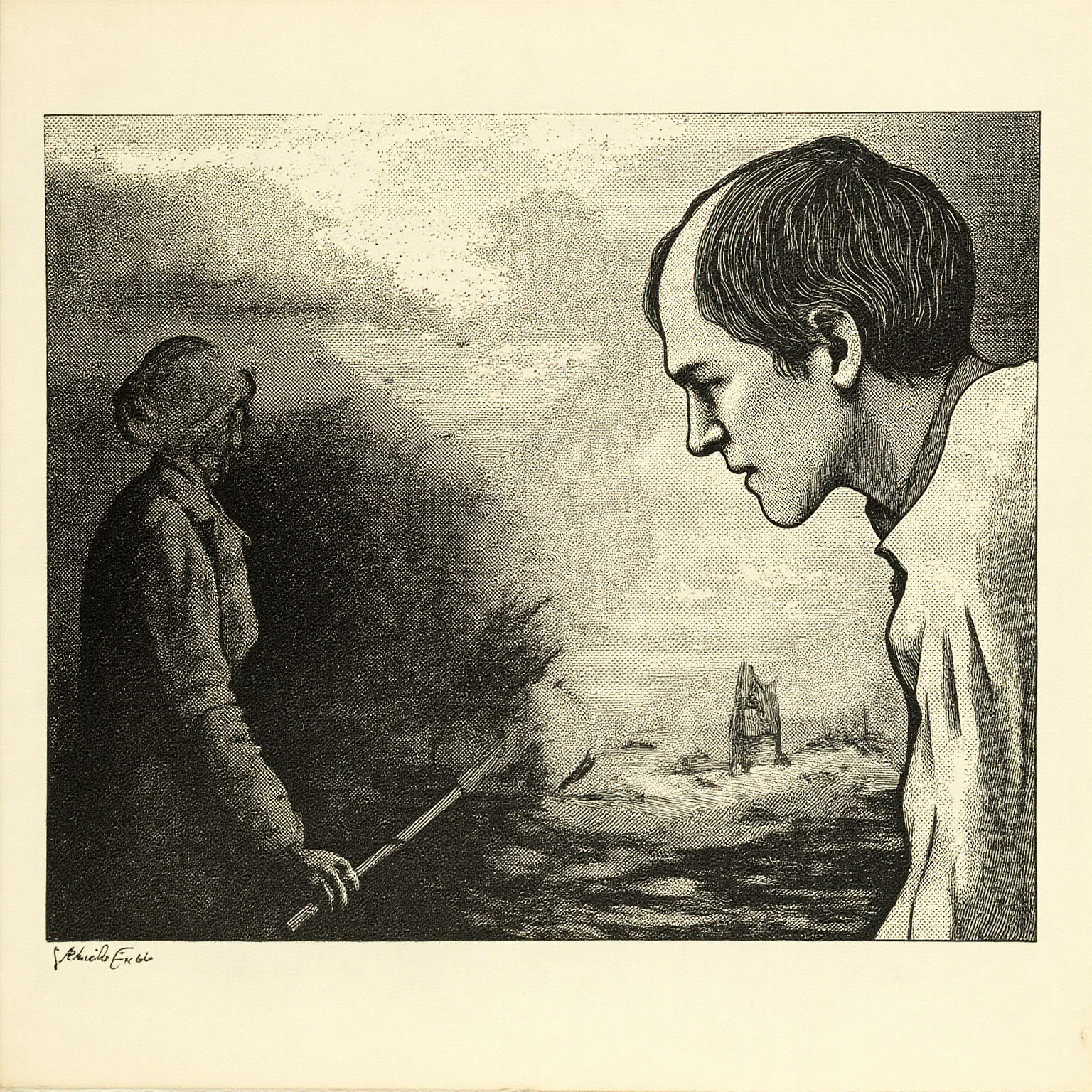
No wisdom on earth could have given me the comfort that I should have derived from their simplicity and fidelity; but I could never, never, undo what I had done.
世间再多的聪明也带不来他们那份质朴忠诚所能给我的安慰;可我已经犯下的错,再也收不回来了。
原文金句 · 第67章(书程67%)
Craft-wise, the novel is considered so tightly built because Dickens buries a genuine mystery — who is the benefactor — inside a first-person memoir, where the narrator himself is the biggest source of misdirection. The reader misjudges Miss Havisham right alongside Pip, assumes Estella simply fell into his life, and gets knocked breathless on the same night Pip does when the truth comes out. And the frozen clock, the moldering wedding feast, the dead-still air of Satis House form the book's most powerful image: Miss Havisham turns her own trauma into a machine for revenge, and the final form that machine takes is Estella, who in turn wounds Pip, who has spent his whole life wanting to be loved. This is Dickens at his best — a single frozen room carrying the metaphor of an entire novel.
Why read the novel itself: the guide gives you the map, the text is the land
Even once you know the plot, the book is still worth reading. Three reasons: first, Dickens's sentences have real temperature — the damp cold of the marshes, the mildew of Satis House, the cramped rooms of a London lodging house are things you can only smell by walking through them page by page. Second, Pip's shame and vanity are rendered with extraordinary precision; the true feel of looking down on the person who loves you most only comes through in long stretches of first-person confession. Third, the novel has two endings — one a clean farewell, the other a more restrained, open one — the same story with two different hearts, and it's worth reading both. Once you know the map, go read the land — you'll find that the passages you assumed were just connective tissue are where Dickens hides his real grace and his real heartbreak.
The sharpest cut in Great Expectations isn't telling you that rising in the world is a lie — it's what happens after the lie collapses, when the poor, jolted-awake boy discovers the debt he owes is worth more than money.
Art Direction4 plates
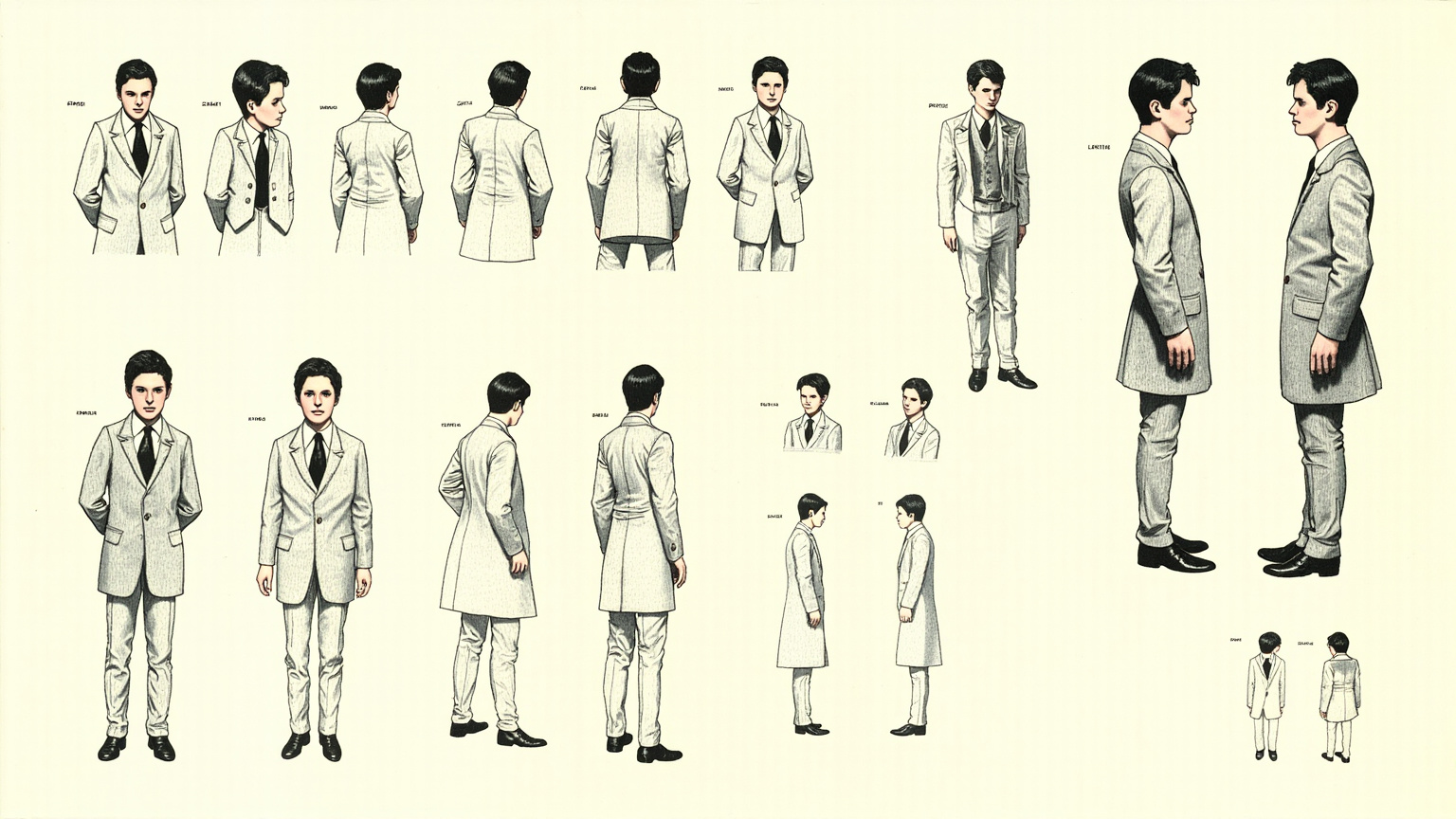
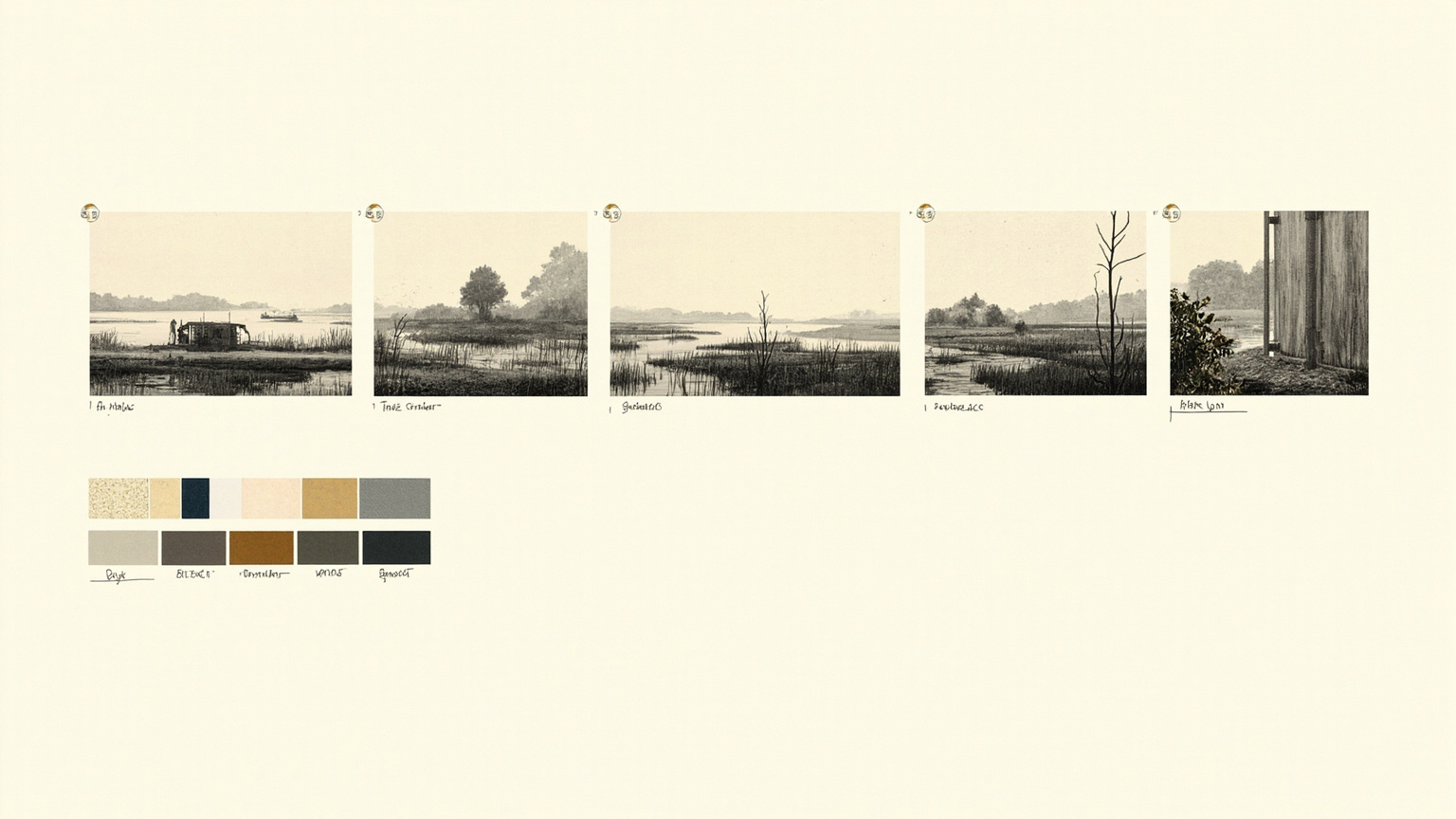
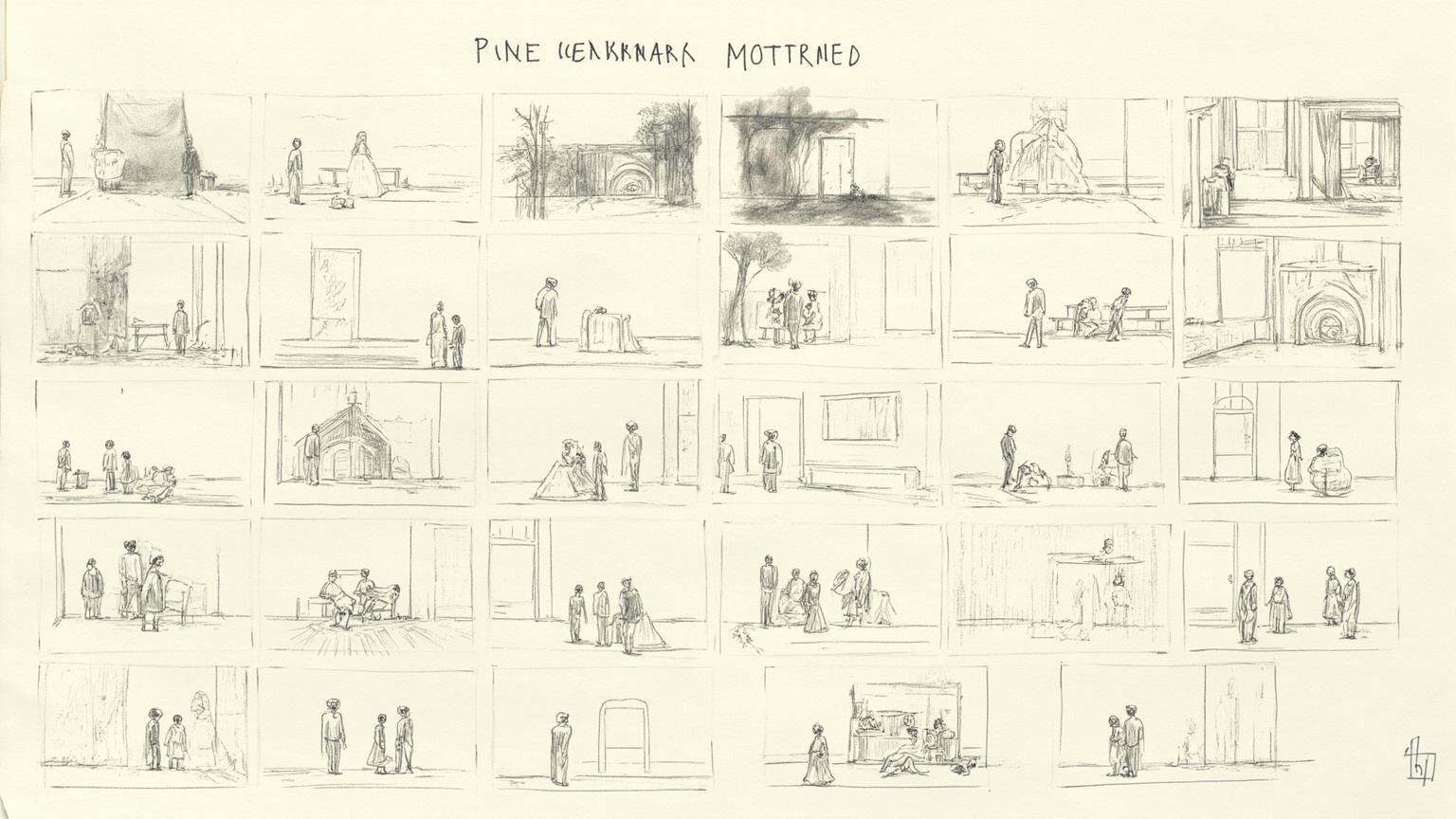
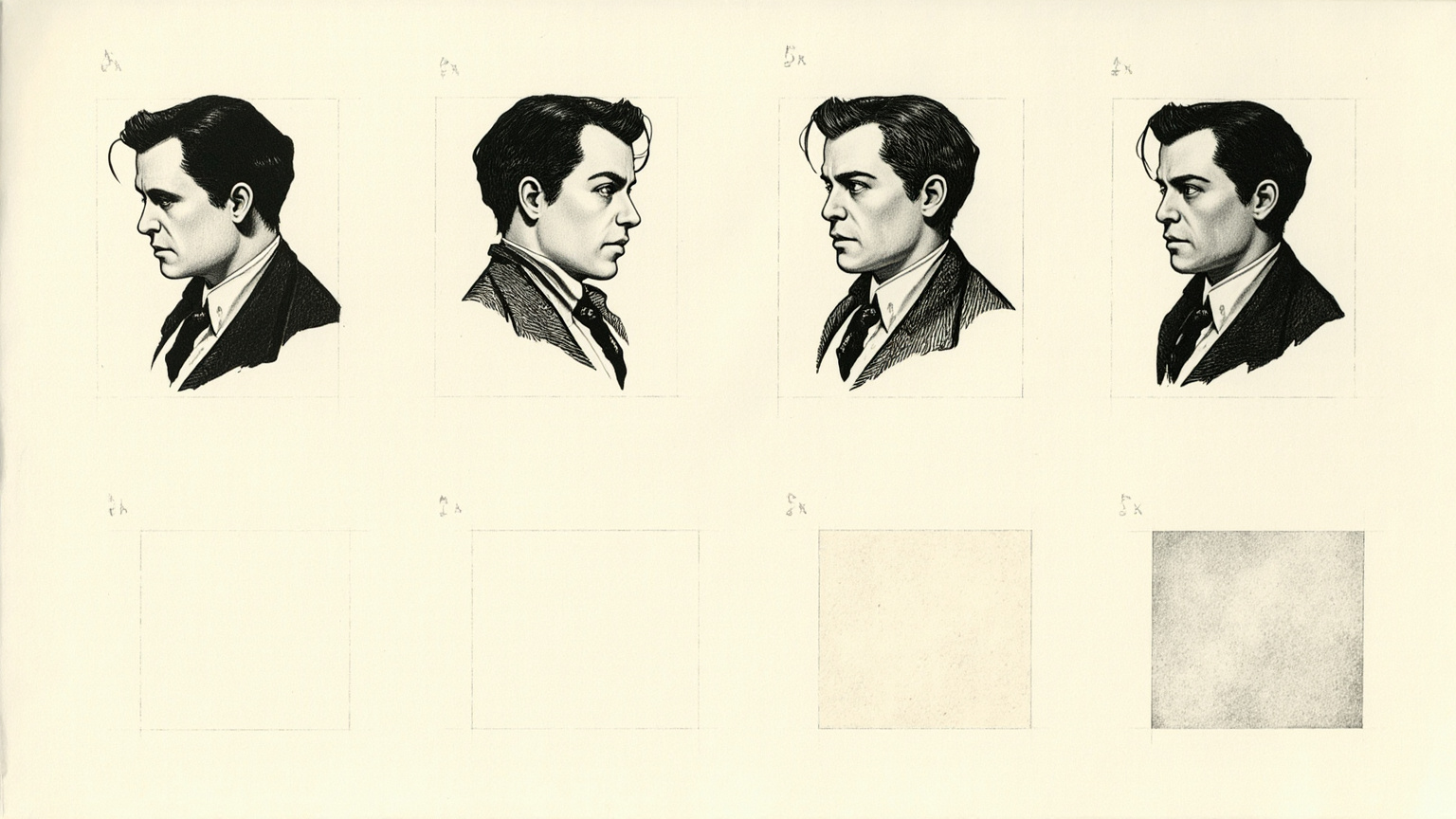
Before the guide was written, this book got a visual foundation — every illustration you just read grew out of it.