Hagakure (Hagakure Kikigaki 葉隠聞書) · Companion Guide
叶隐
一个没上过战场的下级武士,在山中草庵里向年轻人口述武士道——把从未亲历的旧日,念成活在当下的心法。
Opening: a samurai with no war left to fight shuts himself in the mountains
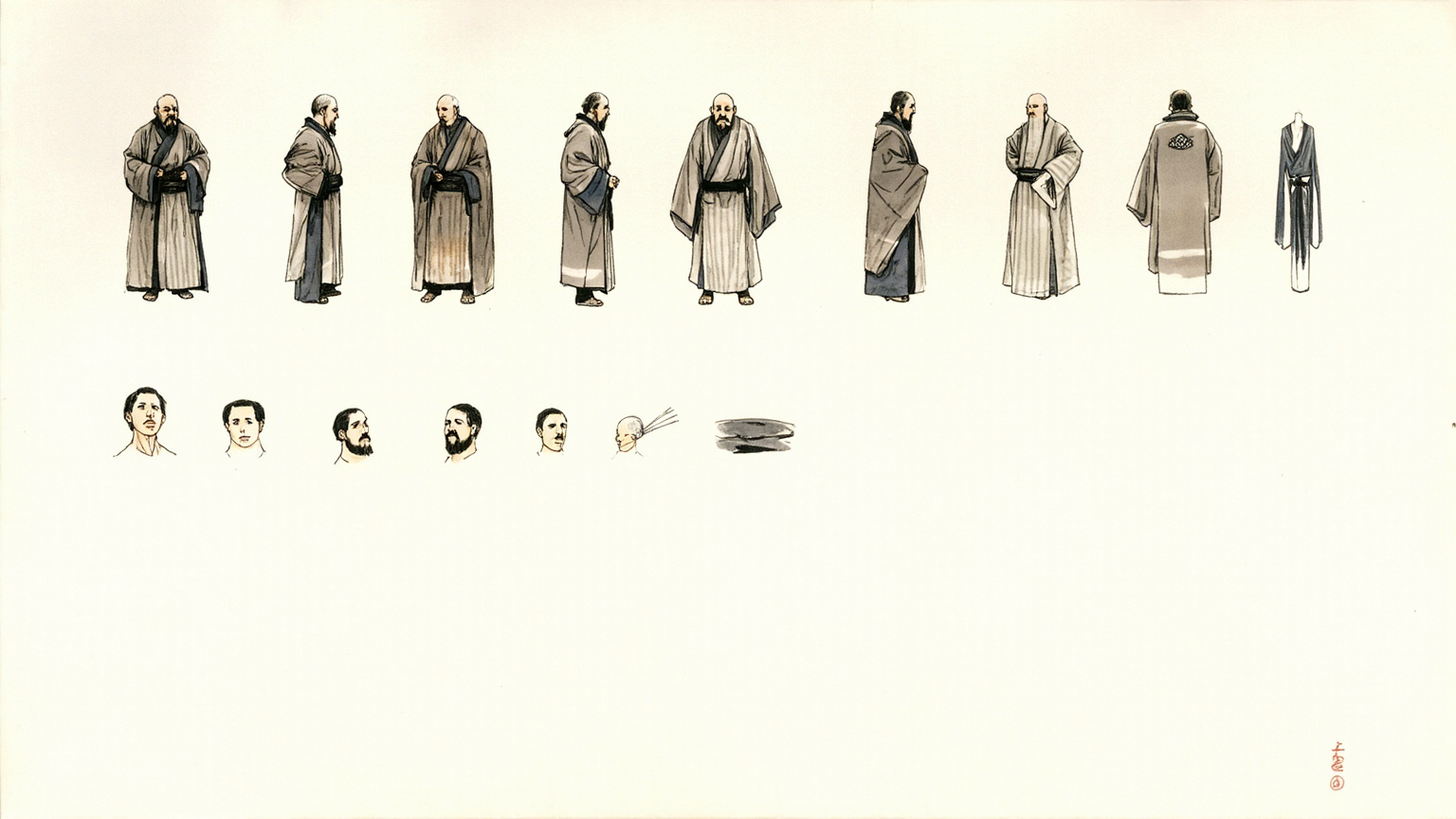
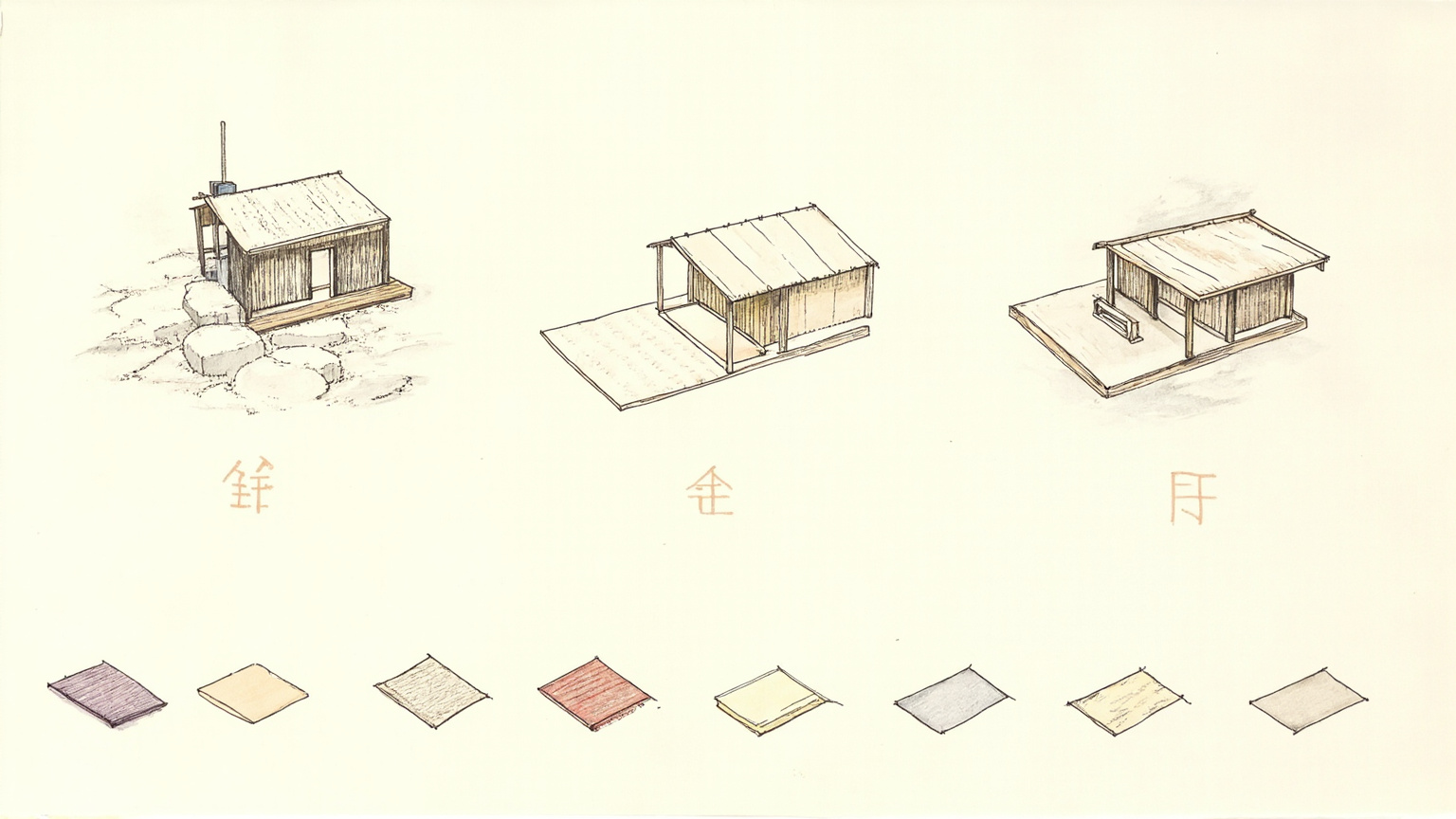
In the mountains of Saga stood a thatched hermitage. Inside sat a man who had taken vows and put on a monk's robe, and across from him a young domain retainer in his early twenties, paper spread out, ink ground and ready. The man spoke a passage; the young man wrote it down. This went on for seven years. The man was Yamamoto Tsunetomo, born in 1659, a low-ranking samurai of the Saga domain who from the age of nine had served at his lord's side as a clerk, keeping records, running errands, handling paperwork, and had never once drawn a blade in earnest. The young man was Tashiro Tsuramoto. Between the two of them there were no battle honors to pass down, no campaigns to recount; what filled Tsunetomo's head was an age he had never seen himself, the old days when lords like Nabeshima Naoshige and Nabeshima Katsushige led men into war. That age had ended twenty-one years before he was born.
This is the scene Hagakure was born from. A samurai with no battlefield, dictating a code of the warrior from a hut in the mountains. The fact alone is strange enough.
What this book is, and why anyone still remembers it
Hagakure, in full Hagakure Kikigaki, was completed in 1716: eleven scrolls, roughly twelve hundred entries. It is not a treatise and not a memoir but a set of dictated notes, Tsunetomo speaking and Tashiro writing, assembled into something close to the short aphoristic form of the Analects. It can't be read like a story; it has to be heard the way you'd listen to an old man talking in fits and starts about what he understood a samurai to be. The first two scrolls are instruction, the part most often lifted out on its own as the classic statement of bushido, while the later scrolls collect anecdotes about the words and conduct of Saga's successive lords and retainers, one small story per entry, with no throughline connecting them. In early eighteenth-century Japan the book drew little attention and sat forgotten for close to two hundred years. The first modern edition appeared in 1900, and the book only became widely known after the 1930s, when the Japanese military establishment picked it out as the canonical text of bushido and folded it into conscription-era education, and again after 1967, when Yukio Mishima took it up and turned it into Hagakure Nyumon. Most people's sense of this book today comes from those two acts of appropriation, not from wherever it actually sat before them.
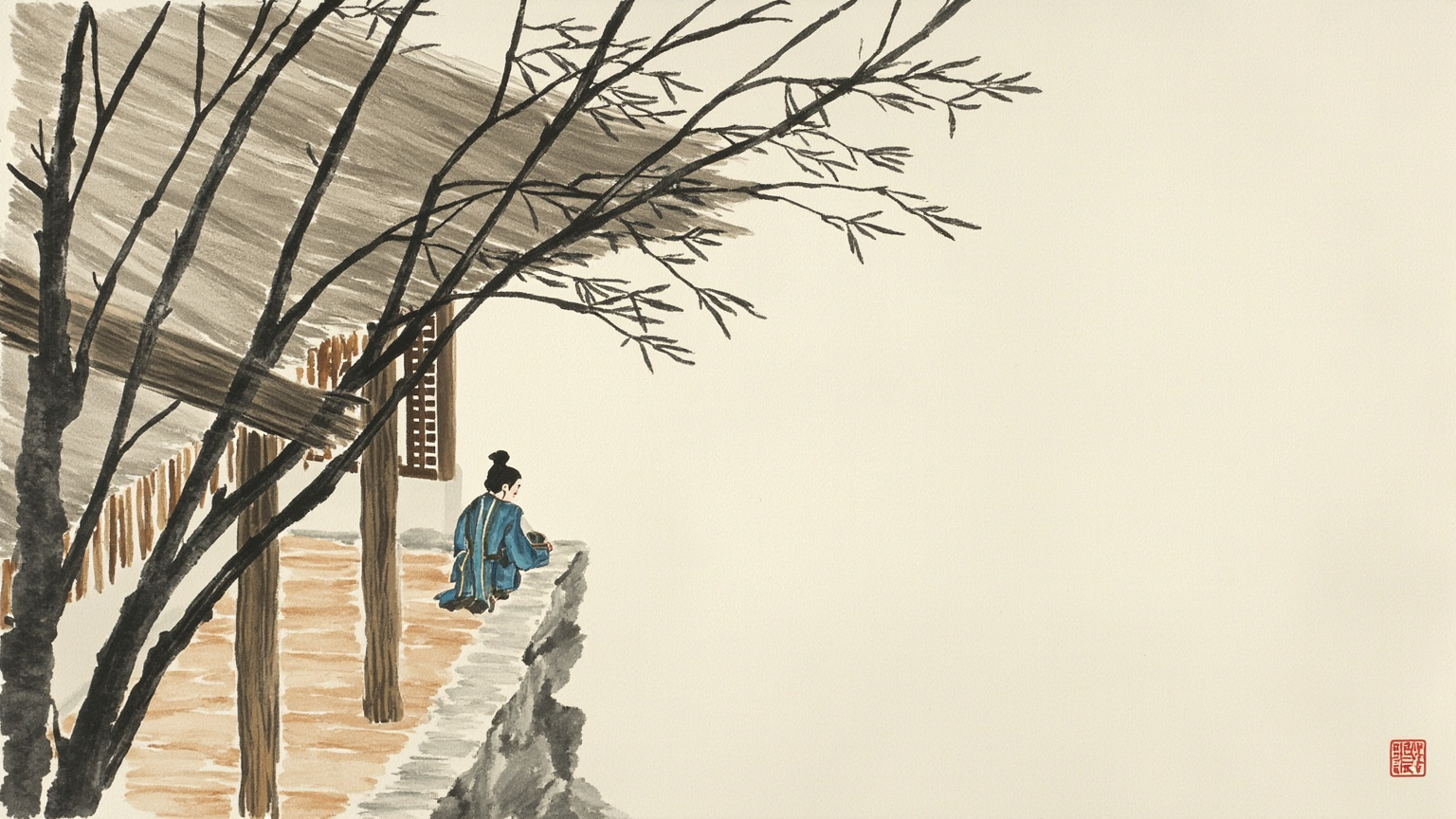
I have found the Way of the Samurai to be death — when one is in a state of resolve, one can settle all matters without fail.
武士道即是赴死之事——人若每刻都有赴死的觉悟,便无一事不能断。
金句 · 卷一 · 武士道者死之谓也
Three men, one domain, a war already over
The cast is small. The central pair is Tsunetomo, who spoke, and Tashiro, who wrote; the two were far apart in age and in standing, Tsunetomo a retired old samurai, Tashiro a younger man still serving the domain. The lord Tsunetomo had served was Nabeshima Mitsushige, third lord of Saga, who died in 1700. Tsunetomo wanted to follow him in death, junshi, dying to accompany one's lord, but the shogunate had long since banned the practice, and Mitsushige himself had explicitly opposed it while alive, so Tsunetomo gave up the idea, took vows alongside his wife, and withdrew into the mountains at forty-two. The old days heroes he keeps invoking in his dictation are the domain's founder, Nabeshima Naoshige, and its second lord, Nabeshima Katsushige, both men from the late Warring States into the early Edo period who actually led troops into battle and left behind a great many bloody anecdotes. The book has no other faction, no antagonist; its whole world is this one domain and these few men.
The predicament behind the writing: an age gone weightless
The most striking thing about Hagakure is the situation it was written in. After the Shimabara Rebellion was crushed in 1638, Japan under the Tokugawa shogunate went roughly two hundred years without any war the state sanctioned, and private dueling was strictly forbidden. The samurai class was remade, from soldiers on a battlefield into the clerks, ceremonial guards, and accountants of the shogunal bureaucracy. Tsunetomo was born in 1659, twenty years after the last legal fighting had ended, and spent his whole working life as a clerk who had never fought in a war. The intense samurai aesthetic running through his dictation, the one that keeps reaching for life and death, comes from an old days he never lived through himself; the fighting generation of Naoshige and Katsushige was, to him, legend, story, borrowed material to prop up an identity. How does a samurai with no war left to fight hold on to the feeling of being a samurai at all? Hagakure is the confession that predicament forced out of him.
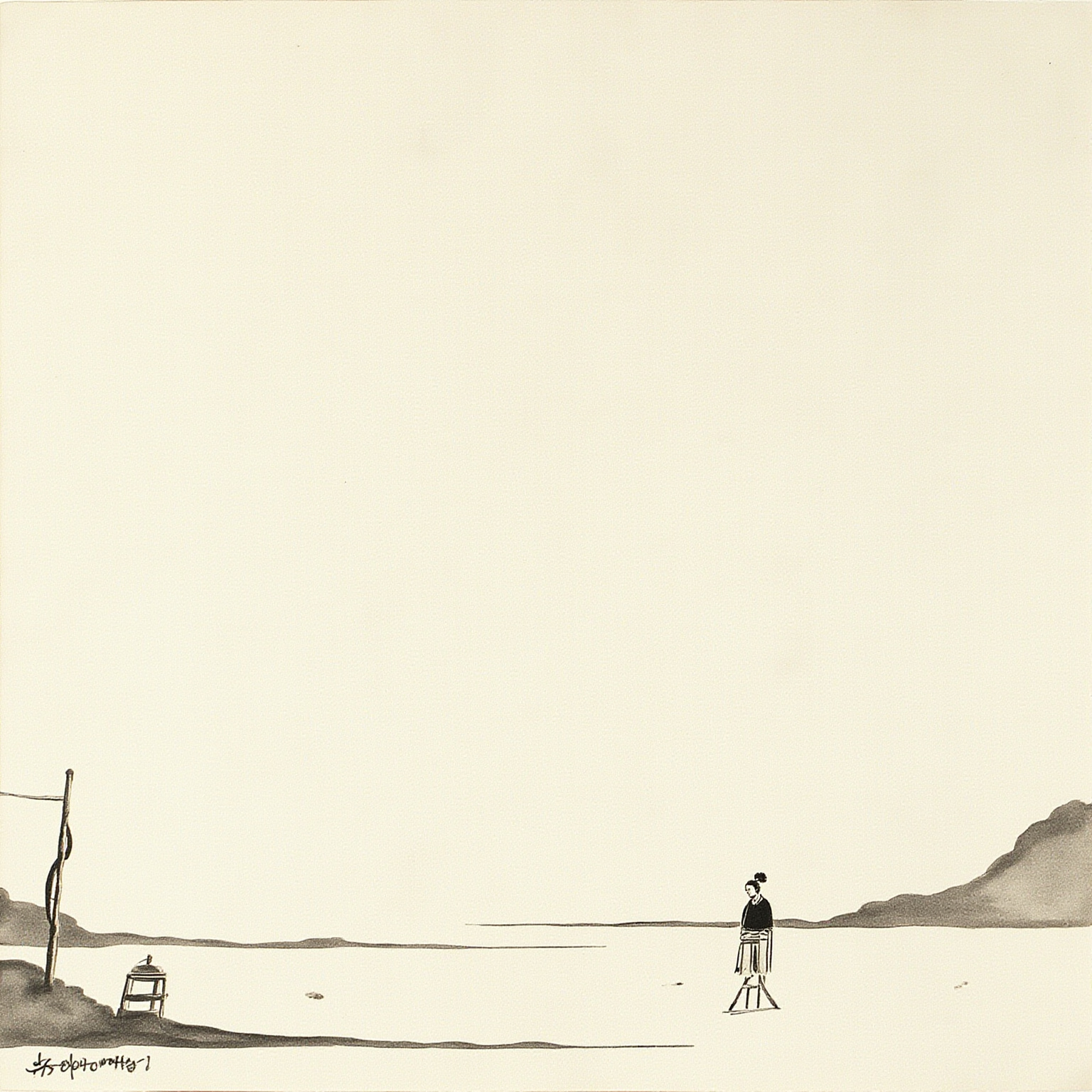
The way of the warrior is found in the midst of death; pondering on it day and night, one must never lose awareness of death.
武士之道,常在死地——日日夜夜思量此事,一时一刻不可忘死。
金句 · 卷一 · 日夜思死
The line everyone misreads: The Way of the Samurai is found in death
Hagakure's most quoted line is The Way of the Samurai is found in death. Popular culture often flattens it into bushido means going to die, even reads it as a call to suicide. That is a misreading. What Tsunetomo meant was that a samurai should hold death constantly in mind, should know he could die at any moment, and use that awareness to strip away distraction until what is left is a clean, single-pointed focus, the state from which he could carry out his duty perfectly. It is a discipline for the mind, not a set of marching orders. The trouble is that Tsunetomo never quite spelled out that distinction either; he spent his whole life practicing this discipline from behind a clerk's desk, and the sentences that came out of it read, too easily, like death meant literally. That tension is exactly what makes the book worth reading: it is describing a state of practice, and it sounds like an order to die.
A man who never saw a battlefield turned dying in this instant into a discipline of mind. It sounds like a call to die; it is really a lesson in how to live through days with no war to fight.
Scrolls one through eleven: the form is the content
The book's structure should not be read as ordinary chapters. The first two scrolls are instructional sayings, the shortest and most clipped, close to a collection of maxims, and the part most often quoted on its own. Scroll three centers on the domain's founder, Naoshige; scroll four records the second lord, Katsushige; scroll five covers Mitsushige and Tsunashige; scrolls six through nine gather stories of valor and service from Saga's own retainers; scroll ten records samurai from other domains; scroll eleven is an appendix. There is no rising action, no argument building toward a conclusion. Each entry is a single small piece, and together they sit like stones set down on a table without much plan. Tsunetomo was talking to one person, Tashiro, not to a public, so he never built a system; he just laid out one judgment, one anecdote, after another. The form itself is telling you something: this is not a treatise, it is the flow of an old man's talk to a younger one. Its authority runs on tone, not argument.
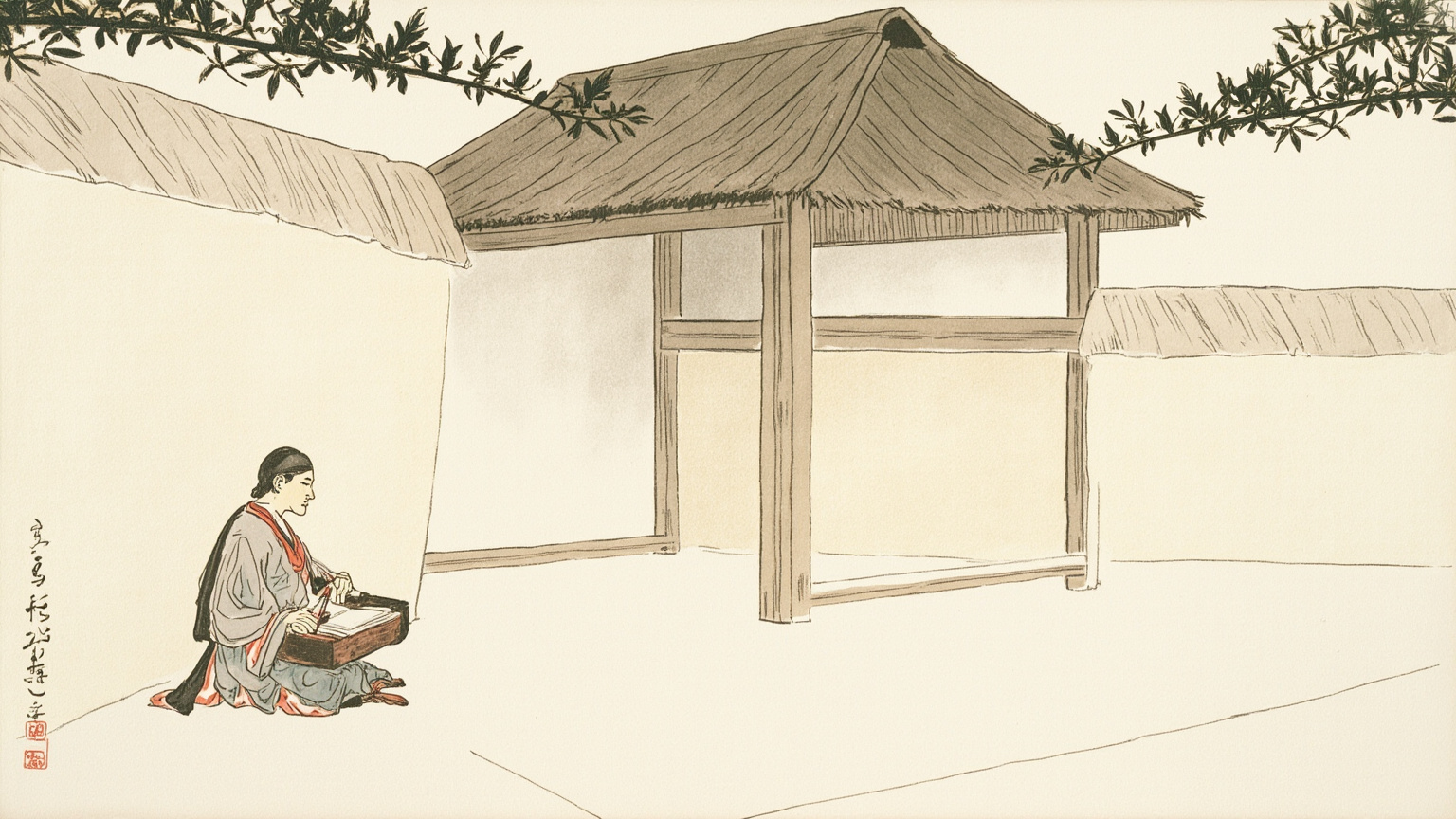
In Kamakura's last days there was one man who, dying on his sickbed, had his belly cut open by his retainer and died content.
镰仓末世,曾有病笃之人令近臣剖其腹而逝,死时神色安然。
金句 · 卷二 · 病中剖腹而终
Remembering a vanished age: the harsh aesthetic of the old-time samurai
Tsunetomo draws heavily on anecdotes from the Naoshige and Katsushige generation. The most notorious of these are the ones that push a boy into an extreme situation to harden him to killing. By one account, Naoshige had the young Katsushige line up ten men at the Nishi training grounds to practice execution one after another, and Katsushige, having beheaded nine, let the tenth man go. It is a hard passage to sit with, but Tsunetomo's point is not to dwell on the blood; he is using these vanished old stories to build a harsh aesthetic. In his eyes, that unhesitating, no-holds-back readiness to hand over one's own life, the quality Naoshige and Katsushige had, was the true bedrock of a samurai. There is something both absurd and pitiable in it: every example he cites happened before he was born. He never once lived through anything like it himself. He is using other men's stories as his own training manual.
His complaint against the Ako loyalists: a revenge he found too slow
In the book Tsunetomo has no patience for the Forty-Seven Ronin of Ako, already a celebrated story in his own time. Those men avenged their lord and then committed mass seppuku, one of the most famous samurai stories Japan has. But Tsunetomo thought they had calculated too carefully; they waited years after their lord's death before they finally moved. What he admired was action taken on the spot, a death with nothing held back, the posture of throwing yourself at the moment as it happens with no thought for consequences and no way back. The aesthetic is plainly out of step with reality: in an age with no war to fight, he was still praising a hair-trigger, non-negotiable decisiveness, and the result is that he drifts further and further from the world he is actually in. The first time I read his complaint about Ako, it stopped me too, a clerk complaining that samurai took too long to get their revenge, and the men he was calling slow are the ones later generations put on a pedestal.
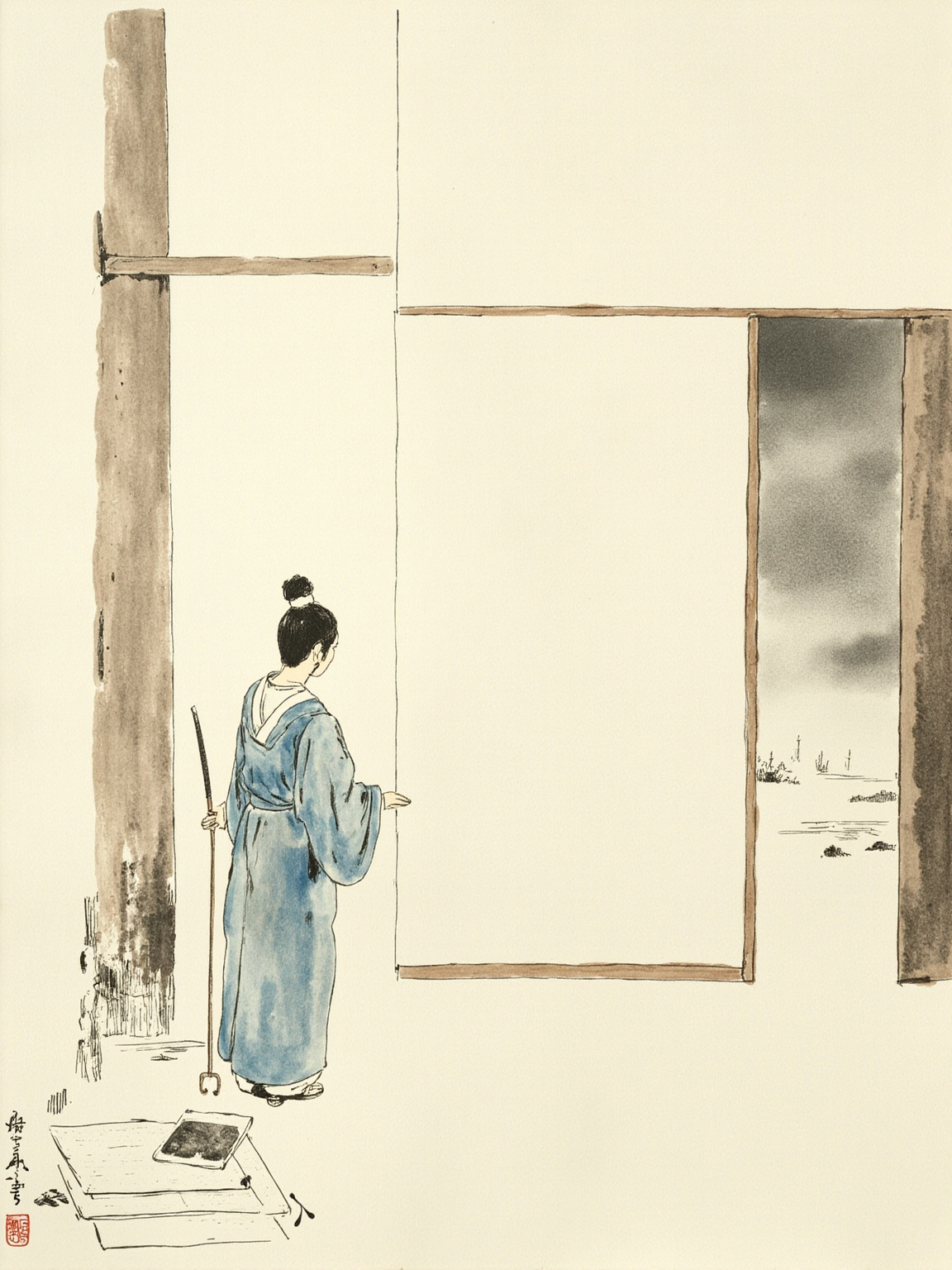
When one is resolved, death is nothing — it is the moment of hesitation that is to be feared.
志既定者,死不足畏;可畏者,是那一瞬的迟疑。
金句 · 卷一 · 志定于死之前
Forgotten for two hundred years, then borrowed twice
The reception history of Hagakure is more dramatic than the book itself. After it was completed in 1716 it made almost no stir outside Saga and sat largely forgotten for about two hundred years; the first modern edition did not appear until 1900. It only reached a mass readership in the 1930s, when the Japanese military establishment named it the canonical text of bushido and folded it into conscription-era reading for young men about to be sent to the front, read at that point as a doctrine that a samurai should die for the emperor, a trimmed-down version of itself. It went quiet again after the war, until 1967, when Yukio Mishima pulled it back out and turned it into Hagakure Nyumon, using it as the spiritual justification for his own political theater. What Mishima wanted was not the real Tsunetomo either; he only wanted that line about death to prop up his own stage. The two acts of appropriation pointed in different directions, but the method was the same: each took an early eighteenth-century set of dictated notes and claimed it, sanding its ambiguous tone down into a slogan. So the book most people picture when they hear the name Hagakure today is, for the most part, the version the military and Mishima processed. The original is the least-known edition of all.
Why read it today
Hagakure is not a rousing book, and it is not one that makes you want to imitate anything in it. What actually makes it interesting is that it is raw material, seen from the inside, on the historical problem of what a warrior class does once it has no more wars to fight, the confusion of one low-ranking samurai, in his own words, before anyone smoothed it over. That confusion has the same shape wherever a group loses its reason for existing: people who cannot find their footing prop themselves up by remembering the last generation's legend. Tsunetomo's sentences got taken by the military and taken by Mishima because that tone of keeping death close at hand was too useful to pass up, but the very thing that made it useful is what buried the original's hesitation, its careful, private discipline of mind, under two separate acts of theft. The point of reading it is not to learn bushido. It is to watch one person in a weightless age hold himself together with a rhetoric he built for himself, and that situation is worth stopping for more than any single famous line.
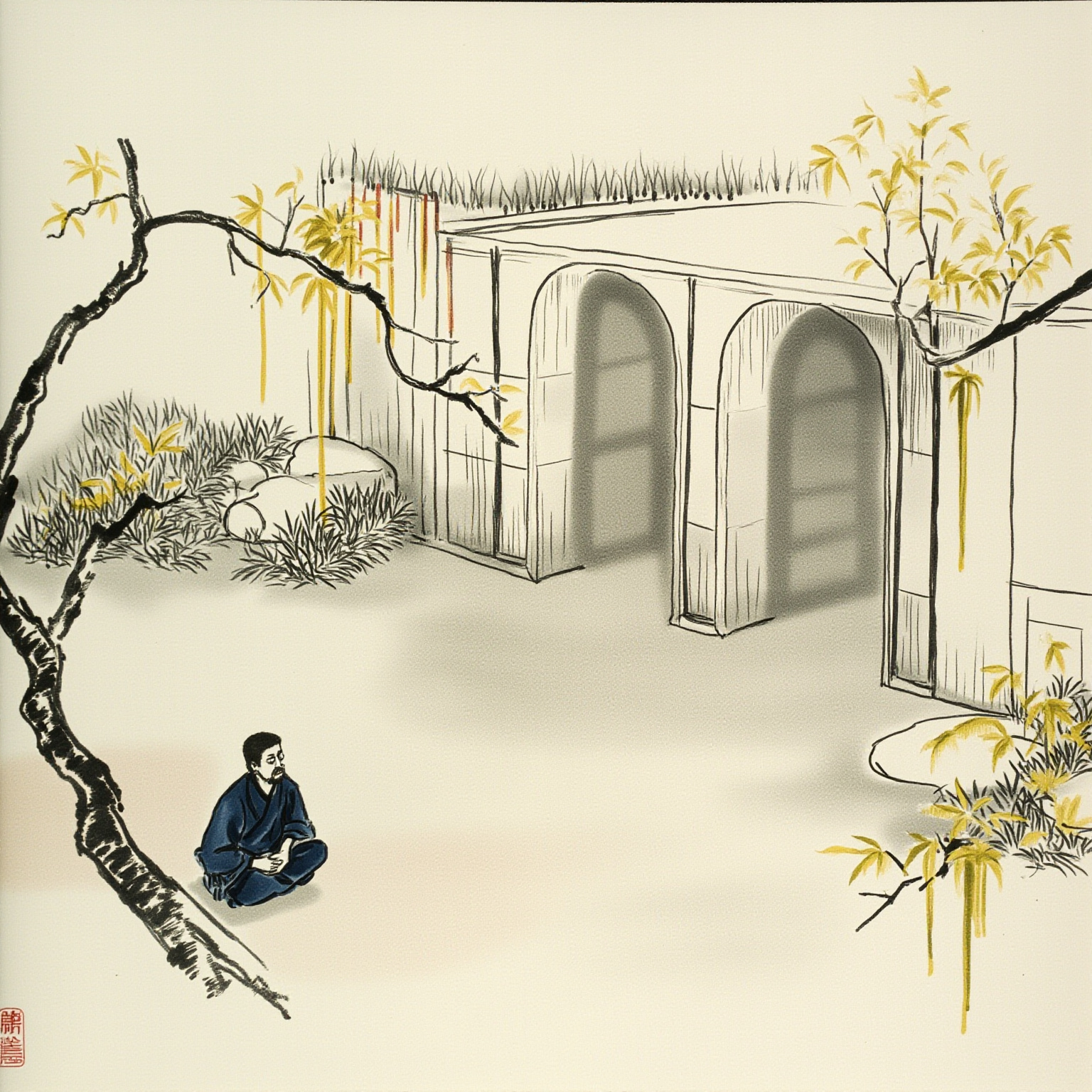
These books are a record of conversations over seven years; they hold nothing more than what a man of one era has said to a man of another.
此书不过一人与另一人,七年间断续之问答,再无其他。
金句 · 卷十一 · 补遗末语
Before you read the text itself: what a companion guide cannot give you
A companion guide can tell you what Hagakure is about, the situation it came from, the history of how it was read, how that famous line got misread. What it cannot give you is the warmth of Tsunetomo's actual speech. The short sentences Tashiro wrote down carry no argument, no setup; Tsunetomo just talks wherever the thought takes him, one idea per entry, and reading it feels like sitting with an old man rambling on. That warmth only comes through in the original text. Read a companion guide and you get the book's skeleton; read the book itself and you can feel it breathe. One more thing: the appropriated versions, the military's conscription reader, Mishima's Hagakure Nyumon, both filed Tsunetomo's sentences down into slogans. Seeing where the filing marks are means reading the original. The original's ambiguous, self-contradicting tone, one that implicates its own speaker along with everyone else, is the part most worth keeping, and the part most easily sanded away.
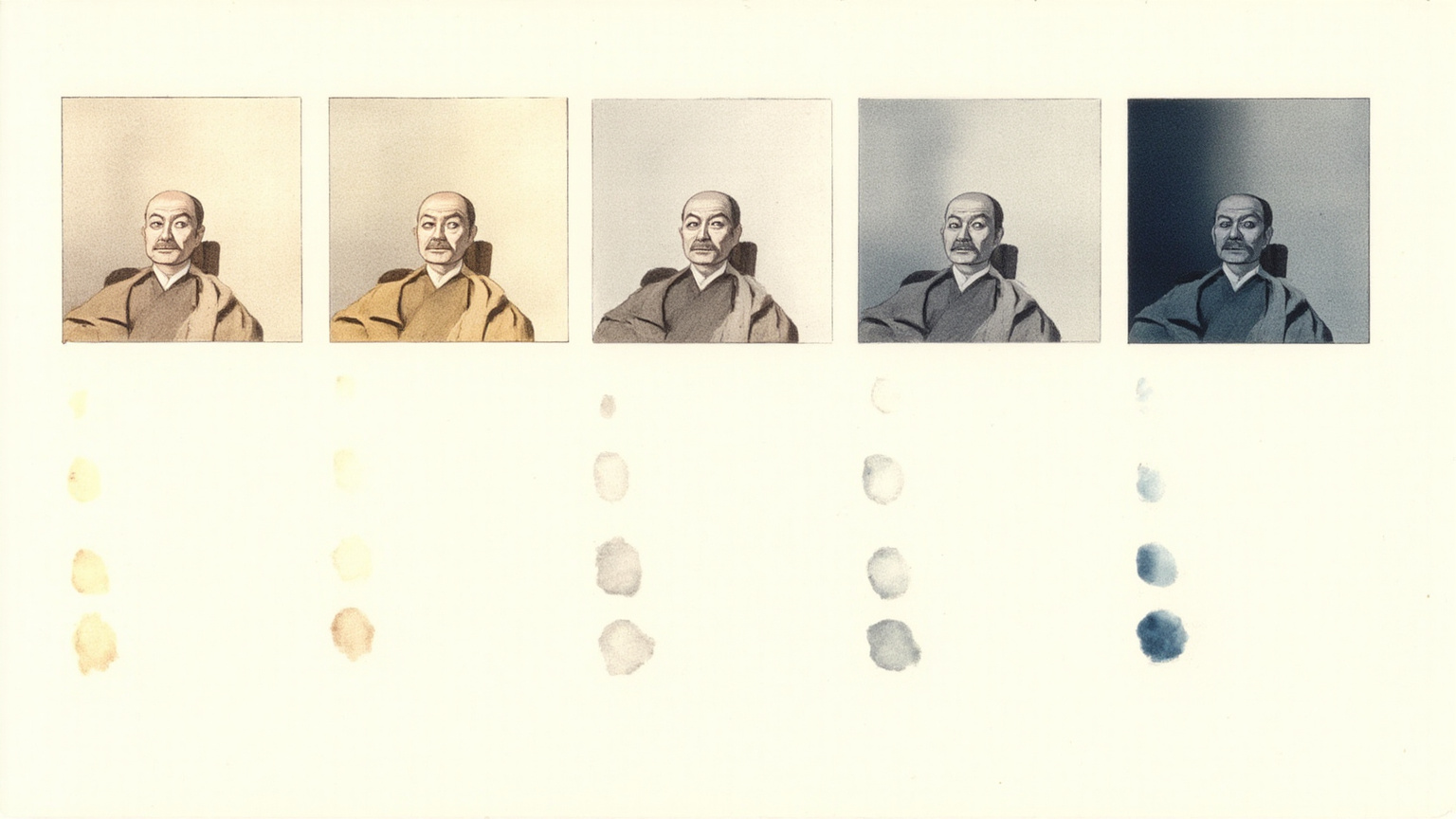
Art Direction4 plates
Before the guide was written, this book got a visual foundation — every illustration you just read grew out of it.