The House of the Seven Gables · Companion Guide
七角楼
一座老宅,一把扶手椅,一道代代相传的血痕——当没落贵族打开杂货铺的门,诅咒的生命才真正开始。
Opening: The Armchair That Has Killed Twice
The carved armchair in the middle of the parlor has killed two people. Across two hundred years, sitting in it has meant a thread of blood at the throat. The first was Colonel Pyncheon, the family's founder — on the day the new house opened to a hall full of guests, he was smiling at the room when he dropped dead in that chair. The second was a descendant of the same family, more than two hundred years later. It was the same chair. The Colonel's cold portrait still hung in the parlor. The death was identical, down to the detail — except this time, no one called for an inquest.
What Kind of Book This Is
The House of the Seven Gables is the novel Hawthorne finished in 1851 — the darkest, and somehow the tidiest, house in American Romantic fiction. Hawthorne spent his whole career obsessed with how a forebear's guilt settles on the shoulders of the living; he himself descended from one of the judges in the Salem witch trials, so this book is close to a family confession. He did not write it as cheap ghost-story thrills. He used a lichen-covered old house in New England as a container and pressed a seventeenth-century land grab and false accusation, a nineteenth-century wrongful conviction, and a fight over an inheritance, all into a few months of parlor drama. It was his second novel after The Scarlet Letter, and it shares that book's temperament, but it is more forgiving, and more domestic.
The People in the Old House, and What Each of Them Wants
Hepzibah Pyncheon is the old house's sole remaining owner, a spinster from a family long past its prime. She has spent thirty years waiting for a brother wrongly convicted of murder. She has no husband, no dowry left, nothing but an aristocrat's pride and a pair of eyes too weak to read fine print — and now she has opened a penny shop, so mortified by the transaction that she can barely hand over a cent's worth of candy. That pride makes her look strange to the neighbors, who are half afraid of her; really she is just a woman backed into a corner. Clifford is Hepzibah's brother, freshly released after thirty years in prison for a crime he did not commit. He should have grown into an easy, well-kept gentleman; instead the years inside shrank him into something as fragile as an infant. Sunlight, a sweet, a handsome bouquet — any of it can move him to tears of happiness. He and his sister are the most heartbreaking pair in the book.
Phoebe Pyncheon is a young cousin from the country who comes to stay. She is bright, she can cook, she knows to pull the mildewed curtains down and air them in the sun — she is the shaft of light that gets in through the window frame while the old house sits stuck in its fate. Holgrave, who rents the garret, is a daguerreotypist, a radical young man who writes down the family's old stories as a hobby. He sounds like an outsider, but he is in fact the direct descendant of Matthew Maule, the carpenter hanged as a witch generations before. Judge Jaffrey Pyncheon is the family's current head, and the most dangerous person in the house — impeccably dressed, generous to charities, forever talking about what is best for the family, while underneath he is chasing a lost deed said to be hidden somewhere in Maine, and the fortune behind it.
The Seventeenth Century: The First Pyncheon to Sit in That Chair
Turn the clock back two hundred years. A Puritan carpenter named Matthew Maule cleared land on the edge of a New England town and built himself a plot and a house on it. Colonel Pyncheon, from the town's leading family, wanted that land. He had Maule denounced as a wizard and hanged, then raised on the same ground a great house crowned with seven peaked gables — the House of the Seven Gables. At the gallows Maule said only one thing: God would give the Colonel blood to drink.
The Colonel paid the curse no mind. On the day the new house opened, the parlor filled with guests, and he was in the middle of some pleasantry when a thread of blood appeared at his throat — he dropped dead in the carved armchair at the center of the room. The guests took it for a visitation from above; really it was fate settling its account. The manner of his death was fixed forever by the family portrait and by word of mouth, and from then on that cold painted face has watched over generation after generation of Pyncheons, each one bearing some trace of his features, none of them able to escape that same chair. Hawthorne uses this two-minute death to nail two hundred years of family history to the middle of the parlor.
Two Hundred Years Later: A Penny Shop's Opening Day
Cut to the book's present. Hepzibah has kept the old house alone for thirty years, living off the last dwindling rents until there is nothing left, and finally decides to open a little shop in her own parlor. She has never once touched money for a living, and on opening day making change for a single cent leaves her red to the ears. She does it anyway — for her brother Clifford, who is about to come home. By the time Clifford arrives, he no longer seems like a grown man. Thirty years in prison has reduced him to something like a child: sunlight makes him cry, the sight of his sister's odd reading spectacles makes him laugh, and that mixture of innocence and old age on one face is hard to look at straight on. Hepzibah throws open every curtain in the house — a gift from a sister to a brother, and a gesture Hawthorne is making to the reader too: let the light into this old house.
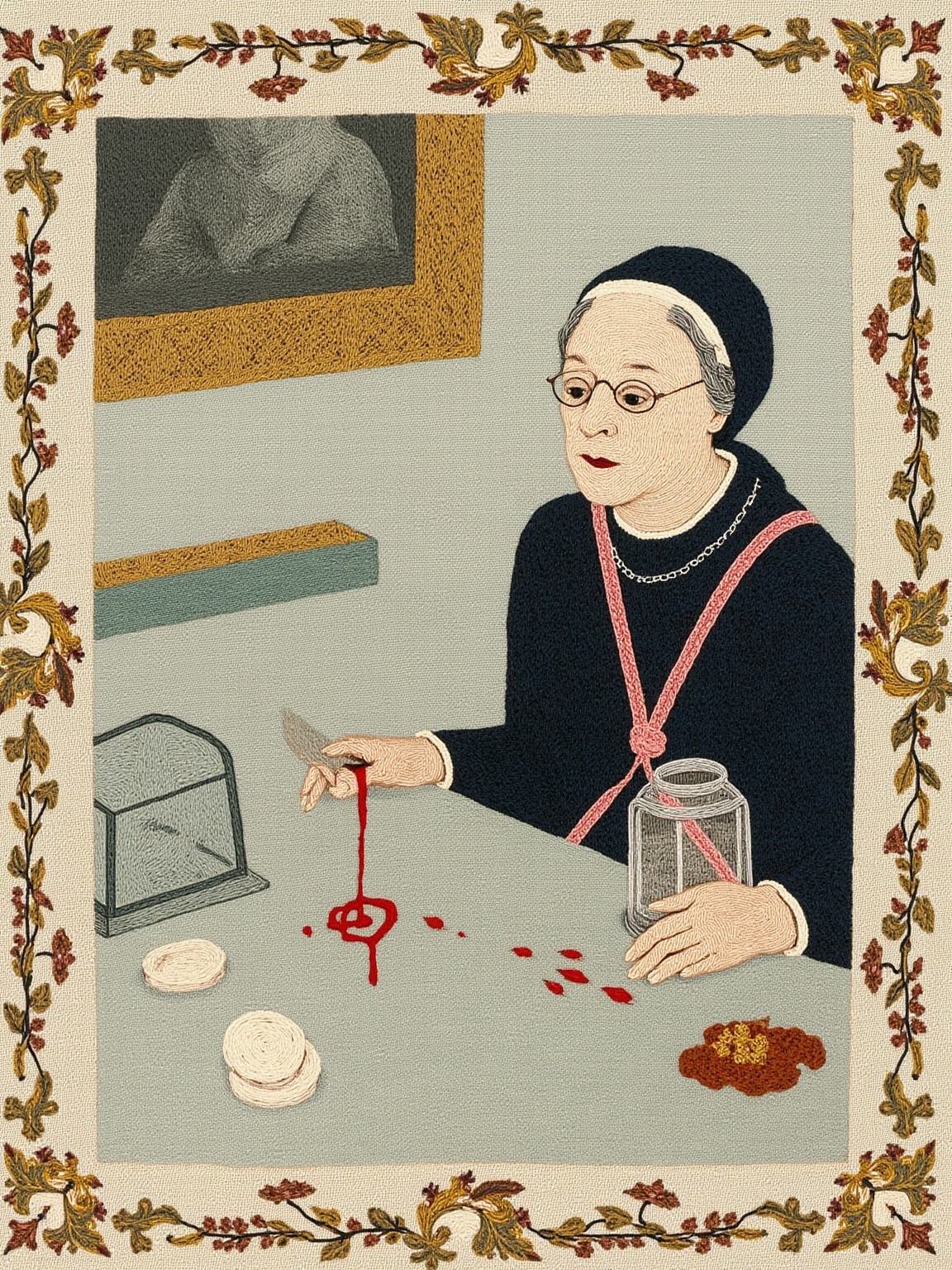
The door, which moved with difficulty on its creaking and rusty hinges, being forced quite open, a square and sturdy little urchin became apparent, with cheeks as red as an apple.
门猛地被推开,一个脸蛋像苹果般红扑扑的结实小男孩出现了。
原文金句 · 杂货铺开张
Phoebe Arrives, and the Old House Starts to Breathe
Phoebe, the country cousin, comes to stay. She has her sleeves rolled up the moment she walks in the door: she scrubs the kitchen pots bright, cuts back the dead wood in the garden, knits Clifford a scarf. Clifford leans on her like a child, and even his smiles come more easily now. Phoebe also gets to know Holgrave, the garret tenant — a young daguerreotypist who travels with a tripod on his back and talks like a spark from the radical reform movement. The two of them keep talking, in the garret, in the garden, over the shop counter, and keep drawing closer.
Hawthorne writes Phoebe in a classical register — he makes her the old house's oxygen. A family that has been rigid inside a curse for too long needs exactly this kind of person: someone who grows mint, chooses good curtains, and can tell by the smell which floorboard is about to give way. Phoebe does not break the curse. She is the one who reminds this family how to go on living.
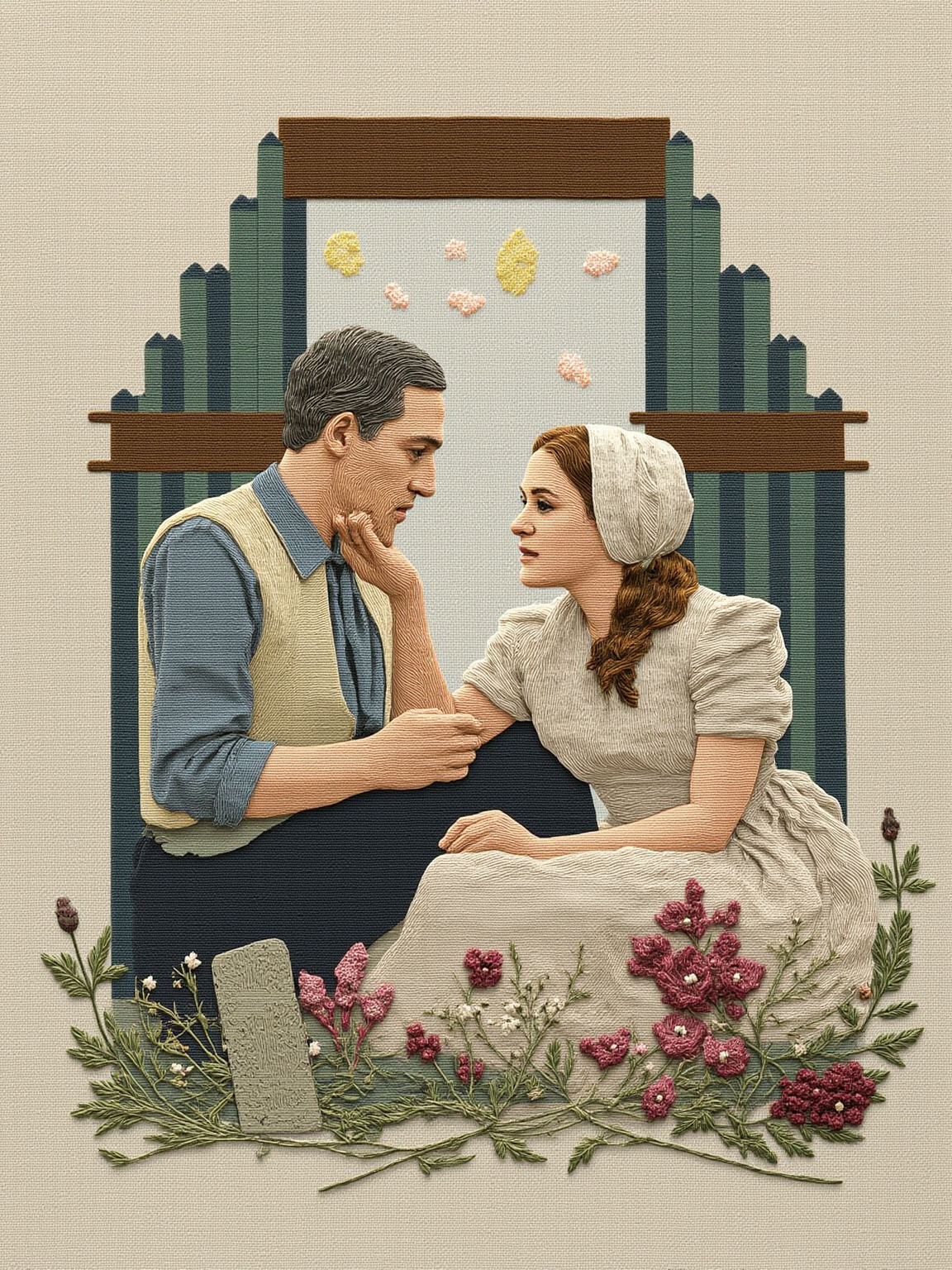
"Here is a new kind of rose, which I found this morning in the garden,"
这是一种新玫瑰,我今天早上在花园里发现的。
原文金句 · 菲比带来的生机
A Knife Behind the Patriarch's Smile
Judge Jaffrey Pyncheon makes his entrance — immaculately dressed, warm-voiced, forever talking about family duty. He invites Clifford to tea and asks after a deed said to be hidden away in Maine, supposedly the most valuable piece of paper the Pyncheons own, folded years ago into some map the Colonel left behind and never found since. The word "deed" alone sets Clifford shaking, and Hepzibah loses her temper on the spot — thirty years without raising her voice at anyone, and today she points the Judge to the door.
After the Judge leaves, Holgrave tells Phoebe the truth: on the night their uncle died suddenly thirty years earlier, this same nephew — a lawyer even then — used the confusion to hide a new will, one that favored Clifford. It was his own cousin who had Clifford sent to prison. The Judge did not come today to reminisce. He came to close out unfinished business. Hawthorne never writes his villains with fangs bared; he writes a man whose smile gets warmer the more your spine ought to be crawling — and this is one of the most suffocating stretches in the whole book.
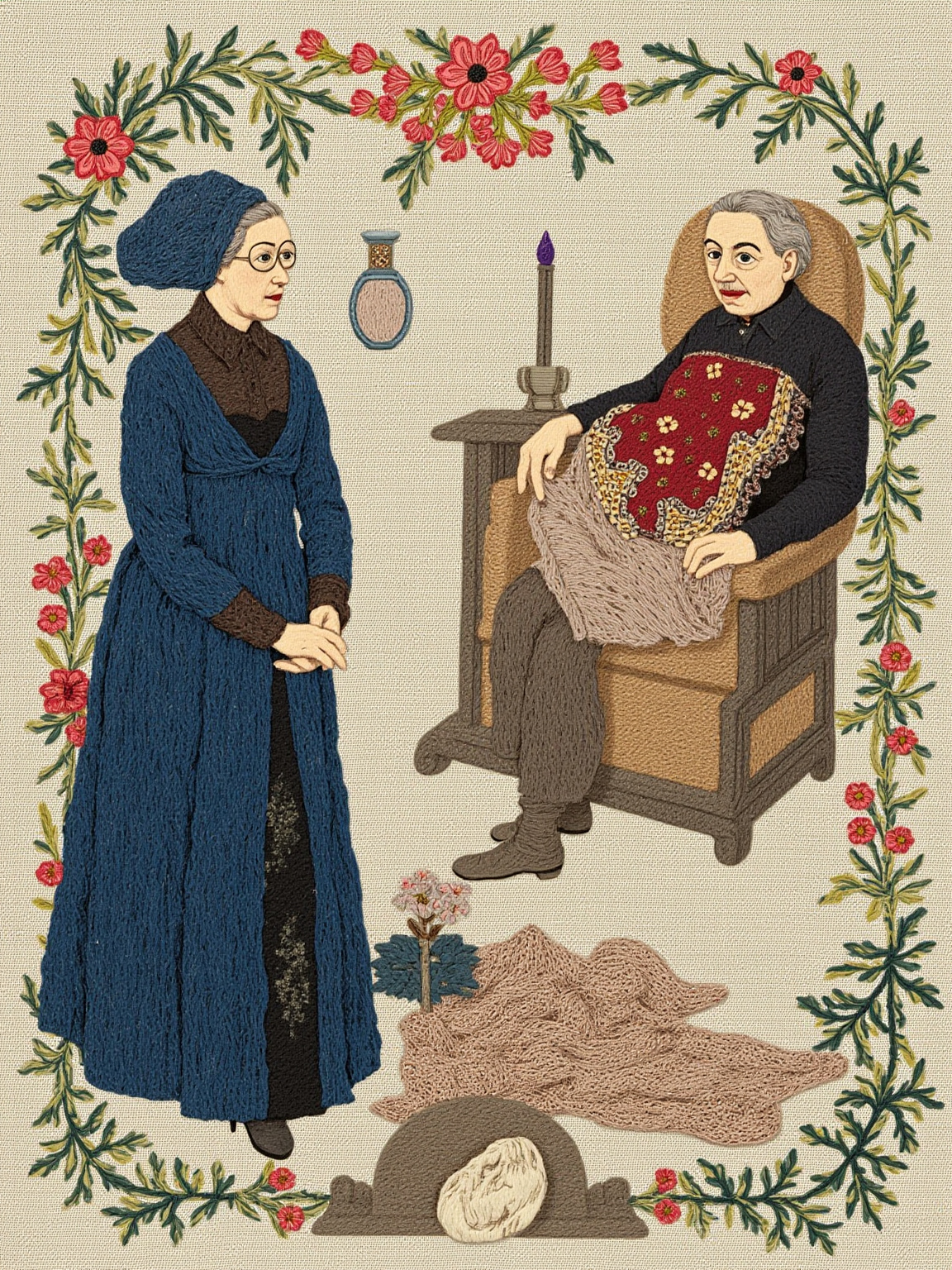
"I rejoice to hear so favorable and so ingenuous an account of my cousin Clifford,"
我很高兴听到对我表兄克利福德如此有利和坦率的描述。
原文金句 · 法官的伪善
A Maule Descendant Makes a Different Choice
In the garret, Holgrave confesses to Phoebe that his real name is Maule — the same line the Colonel had denounced as witches two centuries earlier. He admits that the Maules have carried, generation after generation, something close to an instinctive power over Pyncheon minds, a way of putting a person into a trance and speaking through them. But in that one pause, he does something Hawthorne makes almost impossible for any of his characters: he holds back. He could bend Phoebe's will, talk her into marrying him, let two families' old grievance settle itself through one more act of harm. He doesn't.
The first time I read this passage, I had to stop. Hawthorne could have gone the other way — let the last of the Maules use that power to bring the Judge down and settle two hundred years of debt in blood. He doesn't take it. If the curse is going to break, it has to break through forgiveness, through restraint, through one person choosing to set the knife down. This is the point where the book is most like The Scarlet Letter, and least like a haunted-house story.
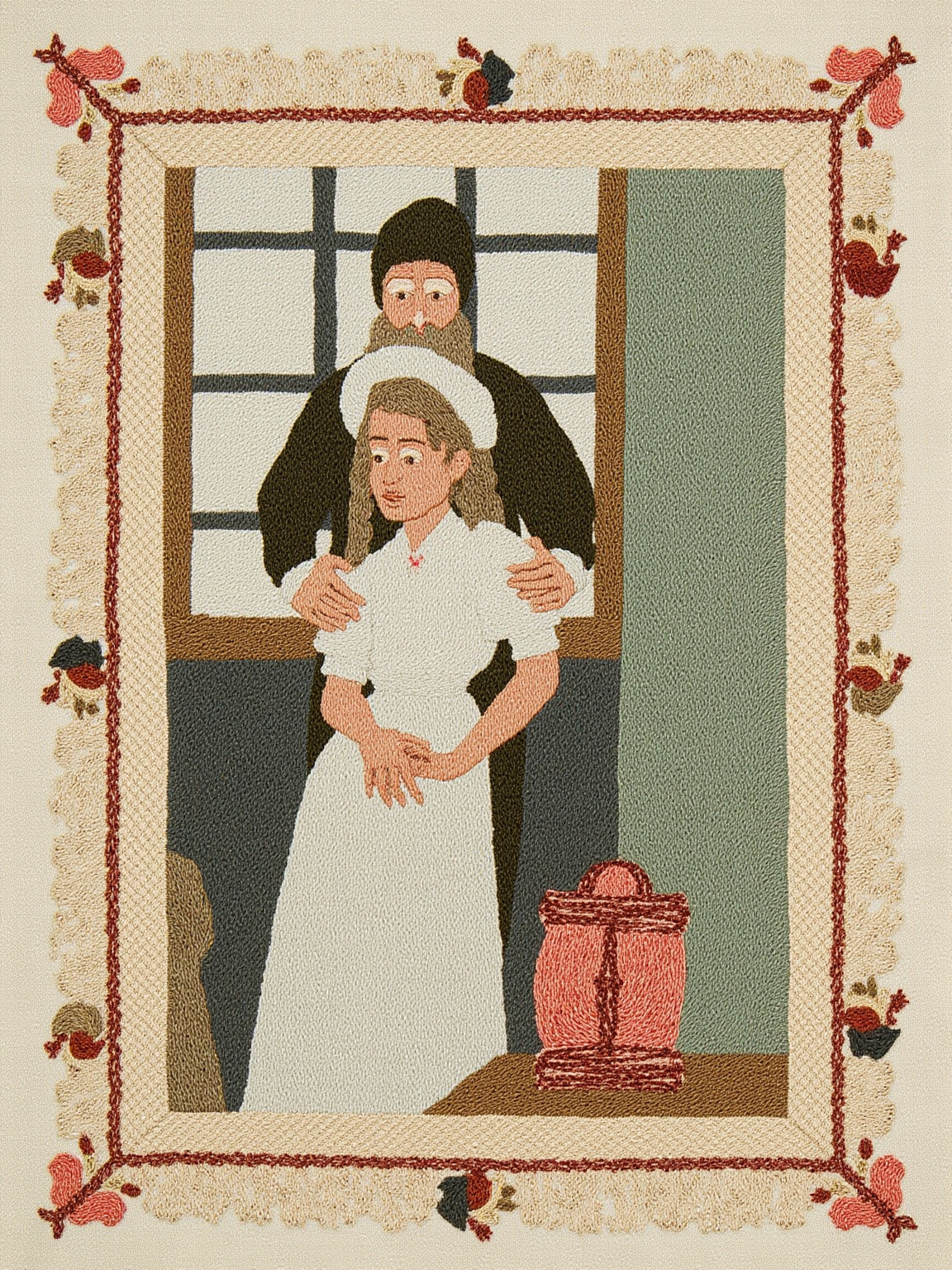
The tendency is in my blood, together with the faculty of mesmerism, which might have brought me to Gallows Hill, in the good old times of witchcraft.
这种倾向根植于我的血脉,连同催眠术的禀赋——在巫术横行的老日子里,这足以把我送上绞架山。
原文金句 · 莫尔后裔的坦白
The Second Armchair, the Second Death
That same night, the Judge does not leave. He sits alone in the carved armchair at the center of the parlor, waiting for Clifford's nerve to break so he'll give up the deed. He waits, and Clifford never comes. When Hepzibah finally comes back into the room, the man in the chair is not moving — a thread of blood at the throat, exactly as in the portrait of the ancestor painted two hundred years before. Phoebe comes running at the sound and touches the Judge's hand; it is already cold. Clifford shrinks into himself in terror — this is exactly how he found his uncle dead thirty years earlier, and tonight is that nightmare playing over again.
Hawthorne is careful here to leave the line between curse and disease uncrossed. The doctors' verdict is that the Judge died of a hereditary condition running in the family, nothing more. It is a curse, and it is an illness. It is retribution, and it is blood. One symptom, two explanations, and neither side will concede the other. The whole book's gothic charge condenses into that thread of blood at the throat: no ghost drifts down the hallway, no coffin lid lifts itself — a body simply pays, on the ancestor's behalf, what the ancestor owed.
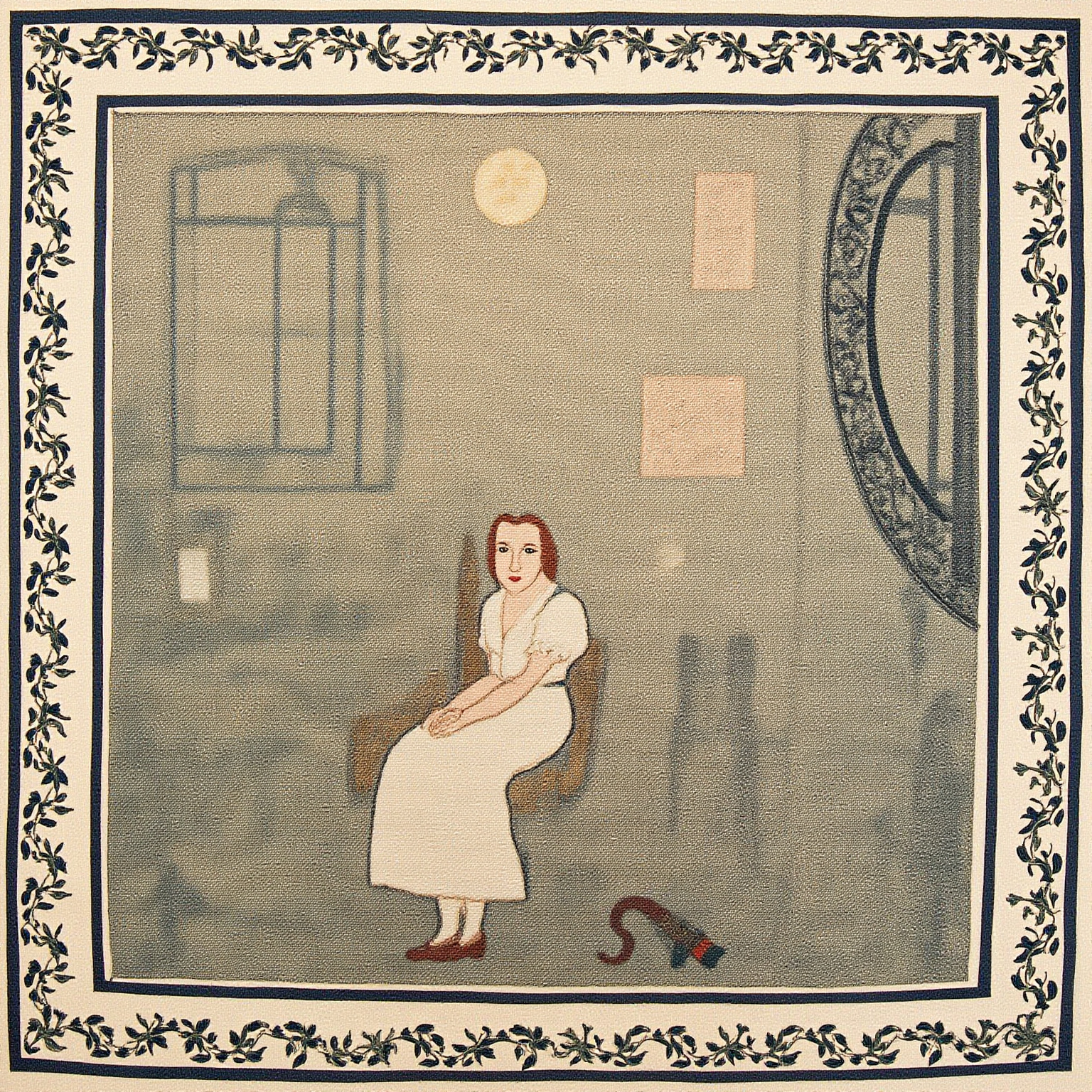
The Judge had taken his watch from his vest pocket and now held it in his hand, measuring the interval which was to ensue before the appearance of Clifford.
法官从背心口袋里掏出怀表,捏在手中,计算着克利福德出现前还要等多久。
原文金句 · 死亡前的等待
Vindication, and a Change of Ownership
With the Judge dead, the long-missing new will and the Maine deed both turn up — they had been sitting in the Judge's own safe the whole time. The thing he spent thirty years scheming after was locked in his own study. Clifford's name is cleared, the inheritance falls back into place, and the Pyncheon family's ghost finally lifts. The old house changes hands. Hepzibah and Clifford, along with Phoebe and Holgrave, move out to the country estate the Judge leaves behind and start over, bringing along even poor old Uncle Venner, their penniless neighbor, to live with them. Hawthorne walks everyone out of the House of the Seven Gables, out from under the lichen and the portraits and the curse — but he does not send them back to live in it. The old house stays behind, as a chapter that has closed.
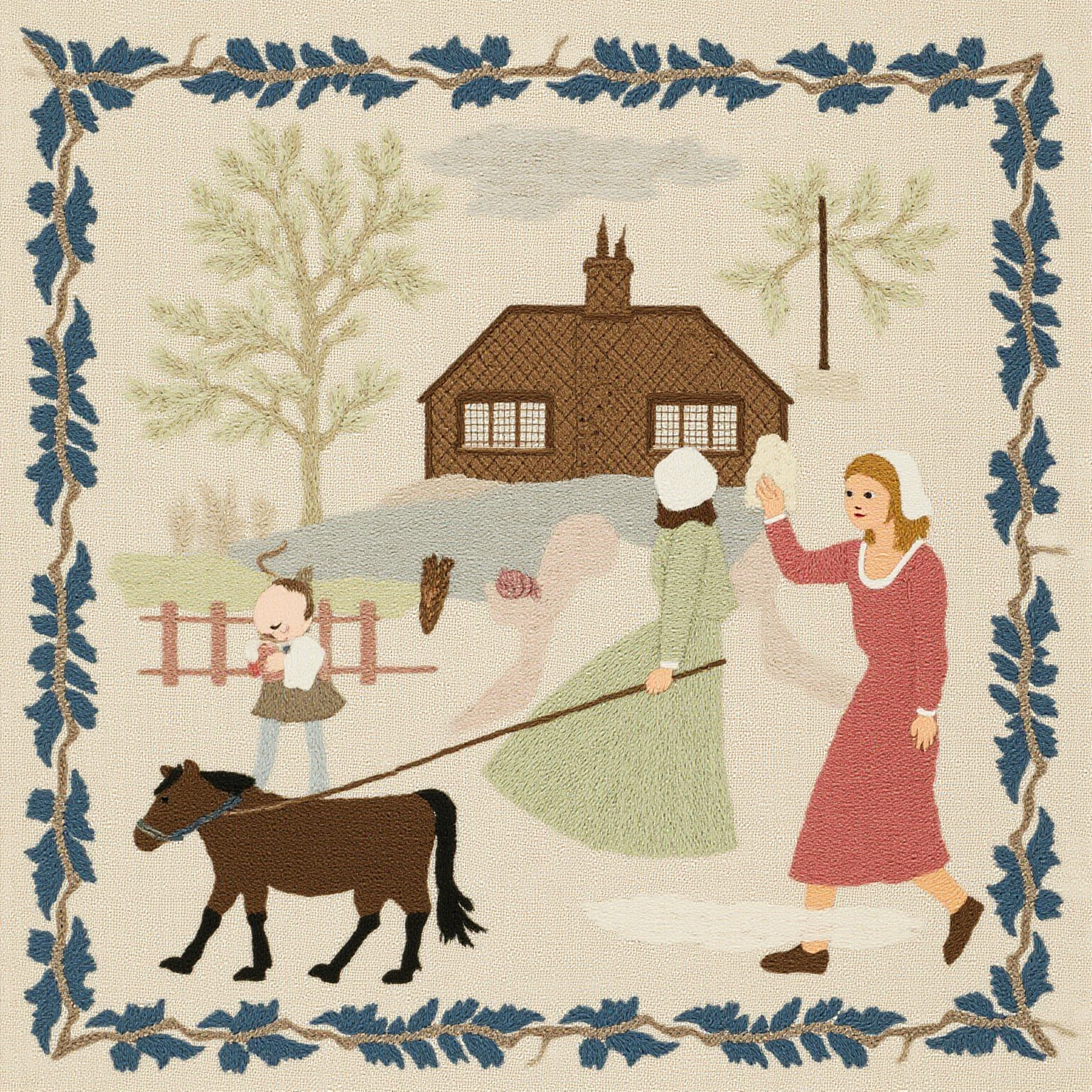
"The best chance of pleasure, in an easterly rain, I take it, is in a man's own house, with a nice little fire in the chimney."
依我看,刮东风下雨天,最好的乐趣莫过于待在自己家里,壁炉里生一小堆火。
原文金句 · 风雨中的新家
What Hawthorne Is Really Writing About
On the surface, The House of the Seven Gables is a haunted-house story. Underneath, it is a piece of family business from Puritan America: what does a debt left by the ancestors cost the descendants who pay it? Hawthorne's answer is reconciliation — even a reconciliation that papers over the cracks, that settles for a cheap peace. A Maule marries into the Pyncheon line, and the curse ends in a wedding rather than a reckoning. This is Hawthorne's gentlest and slyest cut at the Puritan doctrine of original sin: he grants that the sin cannot be undone, but insists that acknowledging it is already the cure. Hepzibah looks difficult but is loyal to the bone; the Judge looks charitable but is bloodthirsty underneath. Hawthorne keeps warning the reader not to trust appearances. He never preaches the point — he lets that wall of portraits in the parlor make it for him.
The most underrated thing this book does is turn a house into a character. The Seven Gables is not backdrop; it is a seventh character — it molds, it breathes, it lets the drafts in, its portraits watch coldly, its floorboards creak on cue. Hawthorne is the one who gave American gothic fiction its house-as-fate template, and the line runs straight through many of Poe's stories, through Southern gothic, and down to the family-trauma-in-an-old-house novels being written today.
Why It's Still Worth Reading Once You Know the Plot
The plot gives you the map. The text gives you the temperature inside the house — the chill of it, the dust hanging in a beam of light, the moment Clifford bursts into tears at the sight of a bouquet, Phoebe with her sleeves pushed up to the elbow scrubbing the stove. Hawthorne's sentences have a grain to them like old wood — no showing off, but every noun lands exactly where it should. Go back once you know how it ends, and you'll notice he planted the clues in every paragraph: the Judge's smile was wrong from the very first page, and Hepzibah's tears already had their reason. Read it a second time and you'll realize you were played — pleasantly.
Art Direction4 plates
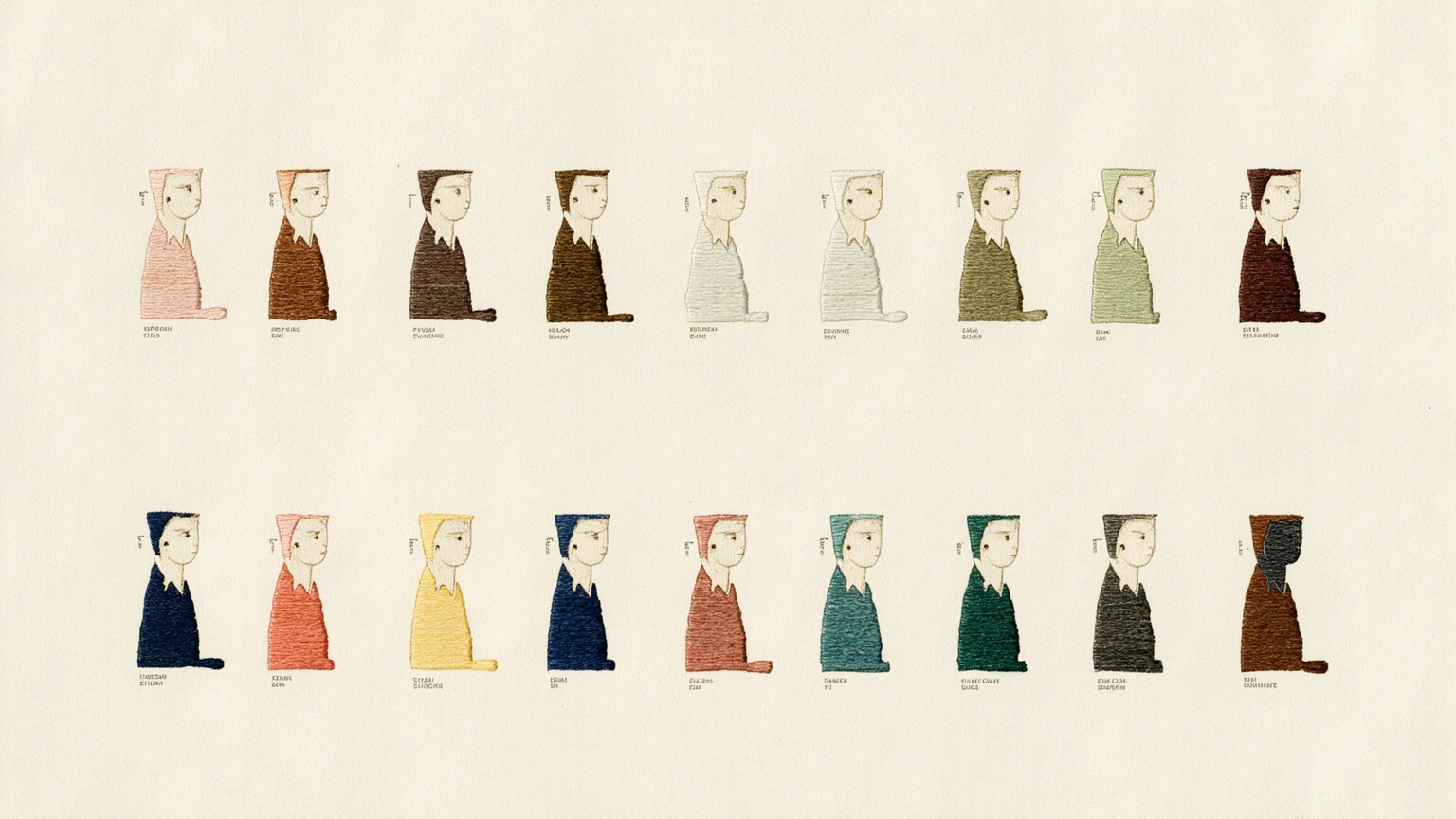
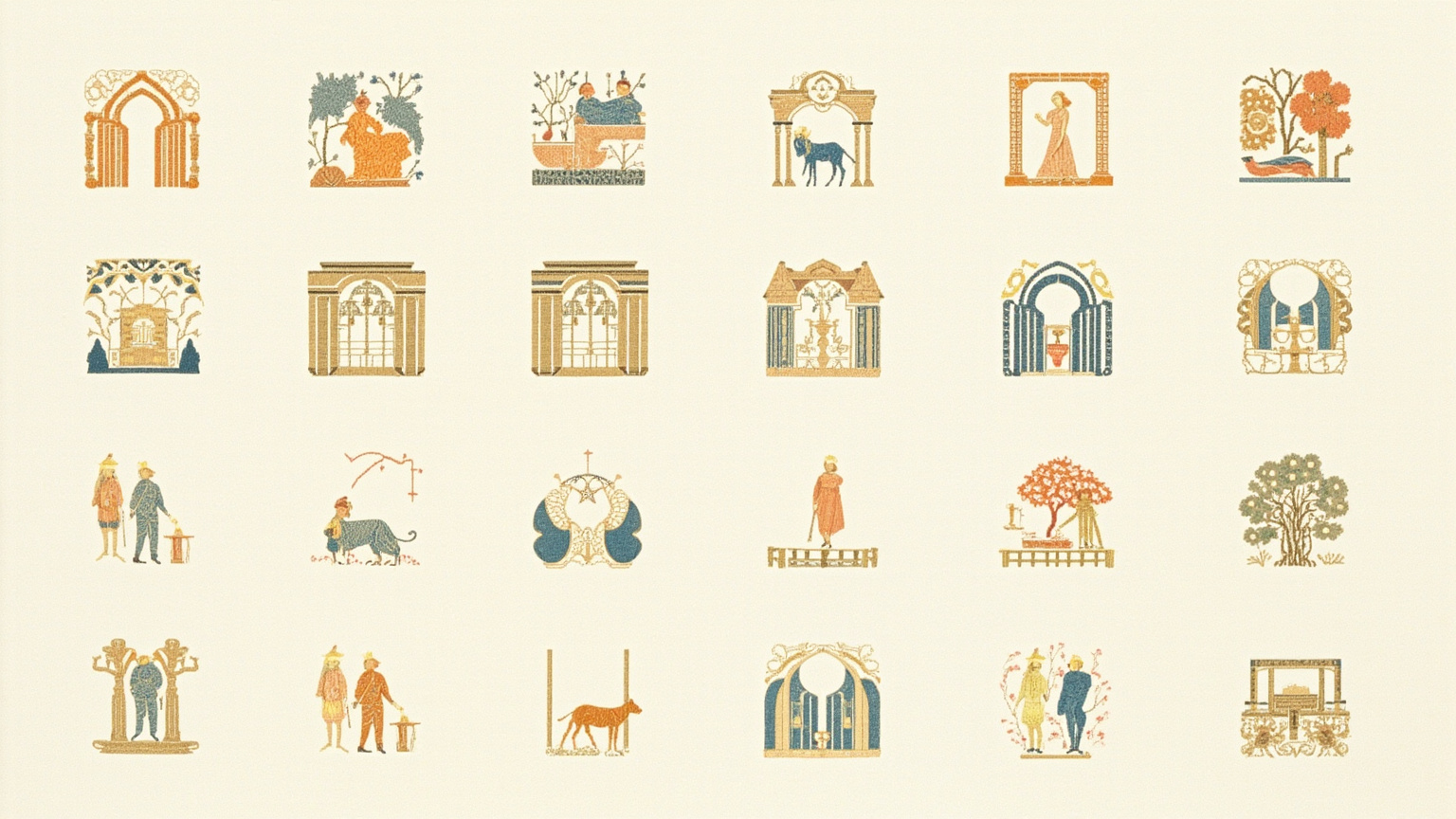
Before the guide was written, this book got a visual foundation — every illustration you just read grew out of it.