How the Steel Was Tempered · Companion GuideStories · Issue 00
How the Steel Was Tempered in 10 Minutes: A Paralyzed Man Dictates His Life Into a Book
Exiled as a boy, nearly killed nine times in the civil war, blind in both eyes — and still refusing to give up
Text and illustrations produced by the pipeline
ImaReadFolio 02 — 05
Opening: a paralyzed man writing his life into a book, flat on his back
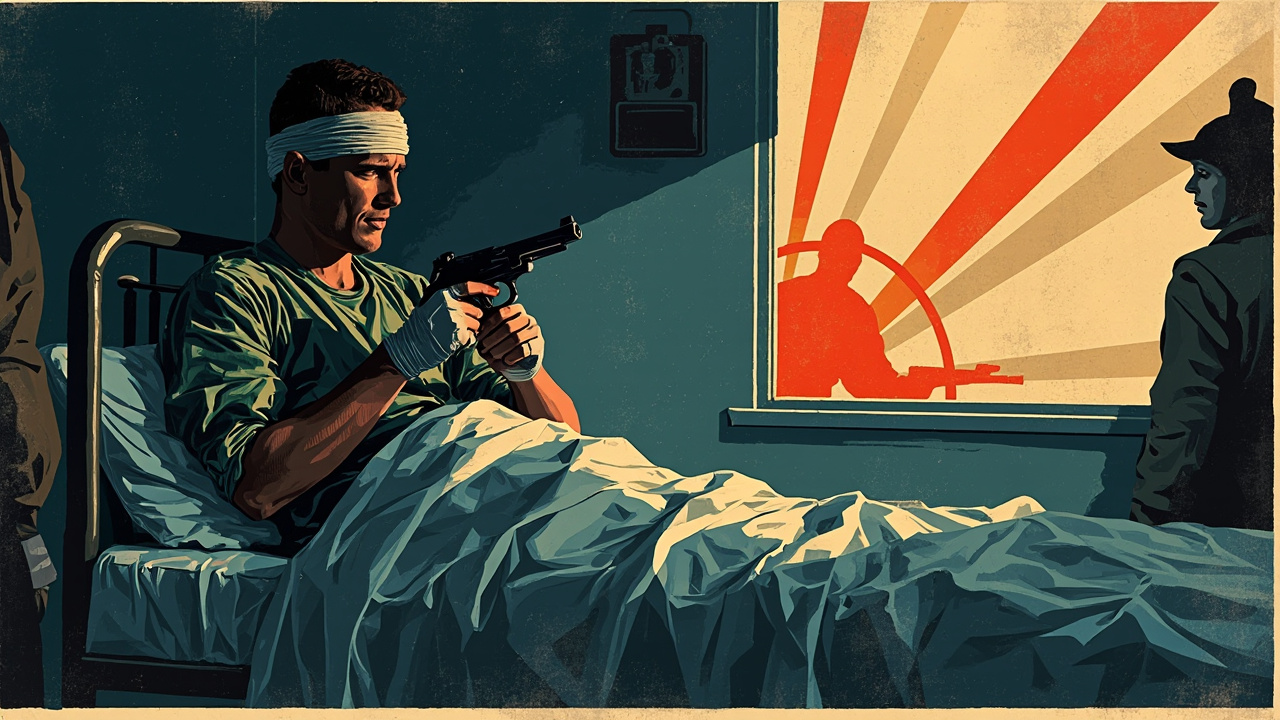
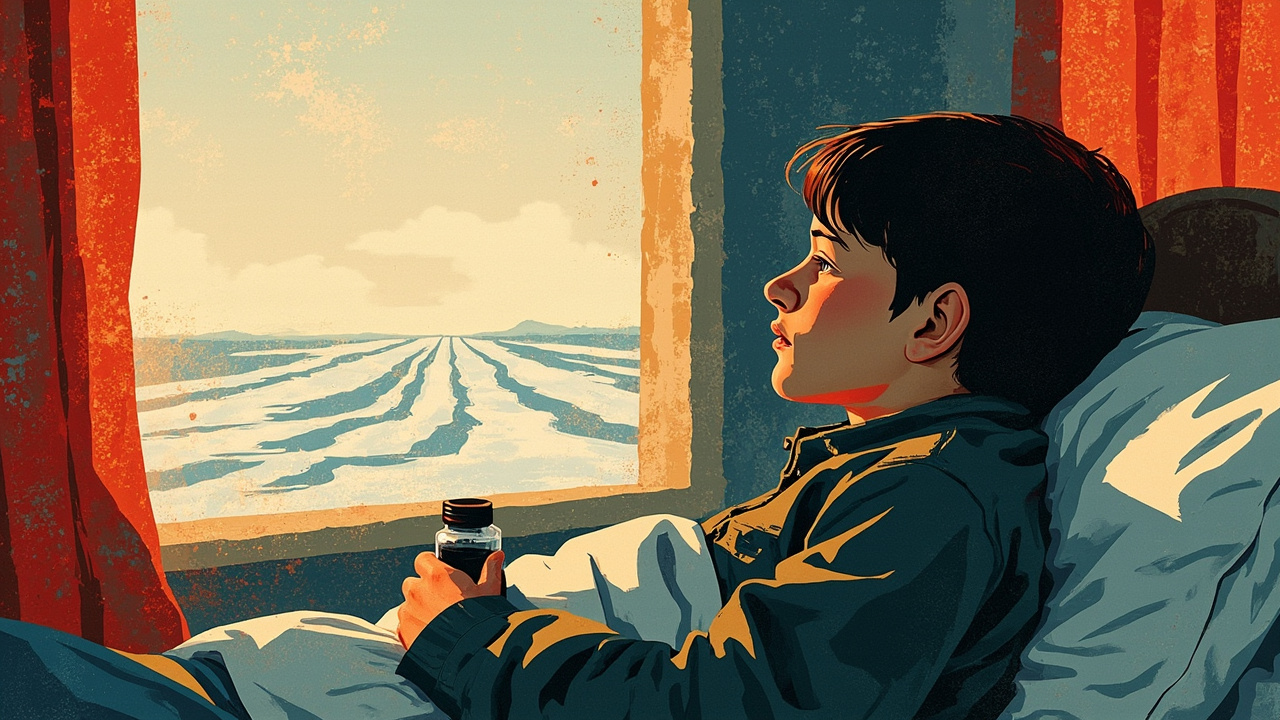
A manuscript, mailed off, comes back. He sends it again; it comes back again. The man is on a narrow bed, unable to move, unable to see — the post office loses it once, and he has to start over. You might ask: paralyzed like that, why not just give up? He doesn't. He grits his teeth, rages at his own fear, and talks himself into writing on. That is how this book got written — by force. And here is the harder part: the man flat on that bed is himself the boy who becomes a Red Army soldier and then a cripple, in the very pages he is writing.
What kind of book this is: a Soviet coming-of-age textbook written flat on a board
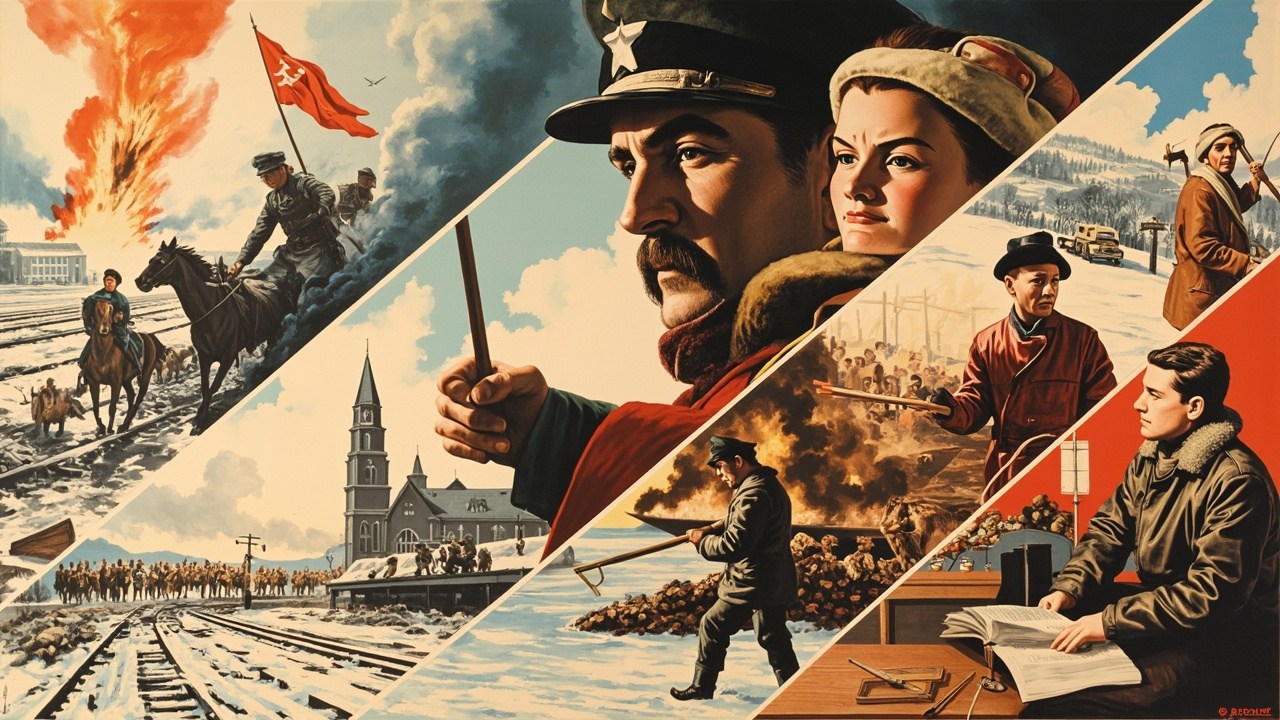
The author, Nikolai Alexeyevich Ostrovsky, was born at the start of the twentieth century and died before he turned thirty-two. He enlisted as a boy, was wounded in the civil war, was paralyzed as a young man, and went blind — and he folded all of it into a boy named Pavel Korchagin, dictating the novel from his sickbed. Part One was serialized in the Soviet Komsomol's magazine in the early 1930s; Part Two finished its serialization in 1934, and the polished single-volume edition didn't come out until 1936. In other words, the author himself never lived to see the book at its peak. It went on to become one of the founding texts of socialist realism, and for generations of Chinese readers it was the first tough-guy book they ever read.
People and world: who's in the furnace where the steel gets made
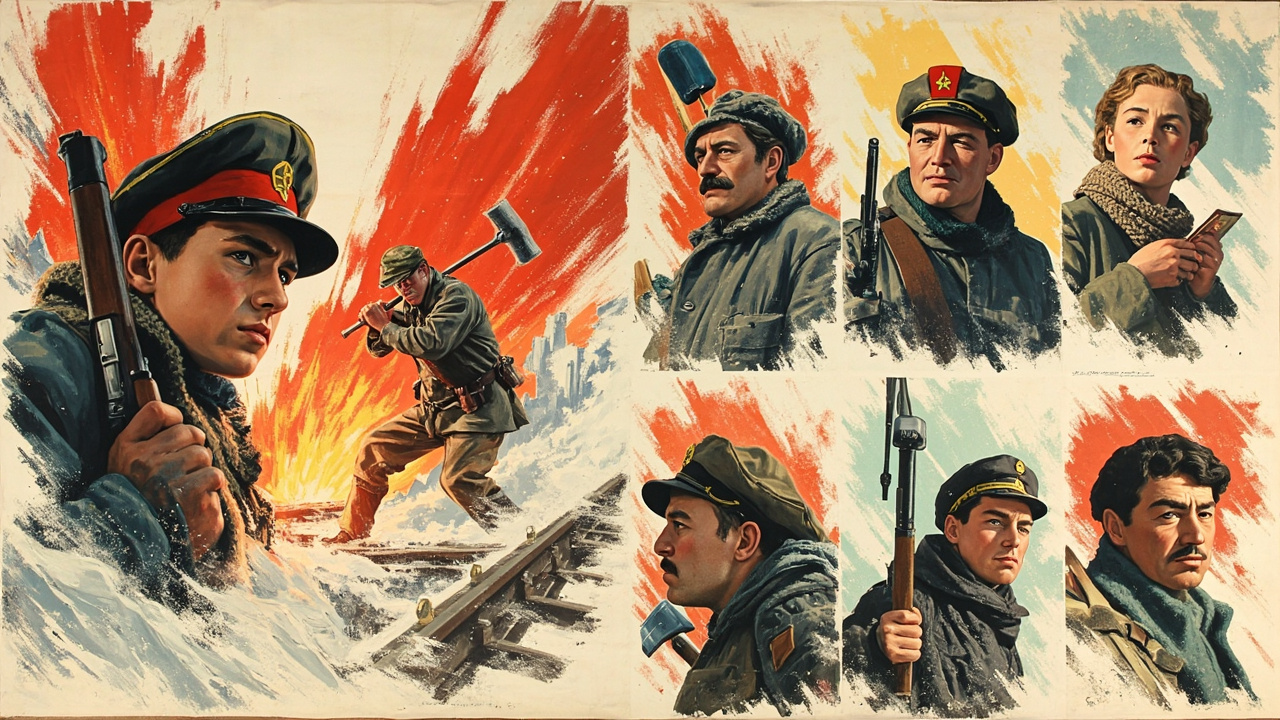
The protagonist, Pavel Korchagin, is the son of a poor railway family. As a boy he's expelled from school for sprinkling tobacco into the priest's holy water, and ends up a kitchen boy at the station canteen — beaten, cursed, humiliated. The man who pulls him out of that fog is Zhukhrai, an underground Bolshevik sailor, who teaches him to box and teaches him what class means. After the war, the Komsomol official Rita becomes his second guide, this time to the soul, nailing his revolutionary convictions into place. Two women run through the love story: Tonya, the forester's daughter, is his first love — they've known each other since childhood, but grow onto completely different paths. Taya appears only after his paralysis, the partner who stays beside him at the moment he looks least like a hero. The story runs from the last days of the First World War to the late 1920s in the Soviet Union — from the October Revolution through the civil war, from the battlefield to the construction site. Not much time, an enormous amount of intensity.
The boy gets thrown out: how the first spark gets lit
Pavel's awakening doesn't happen in one morning; it gets beaten into him one slap at a time. He sprinkles tobacco into the holy water during the priest's service, gets caught red-handed, and is thrown out of school. His mother cries; he sets his jaw. Right after that he's dumped into the station canteen as a kitchen boy — the stove scalding hot, the staff getting beaten, the head cook quick to slap anyone in reach. This is the first time he sees exactly how this world grinds the people at the bottom into the floor.
ImaRead2
ImaReadFolio 03 — 05
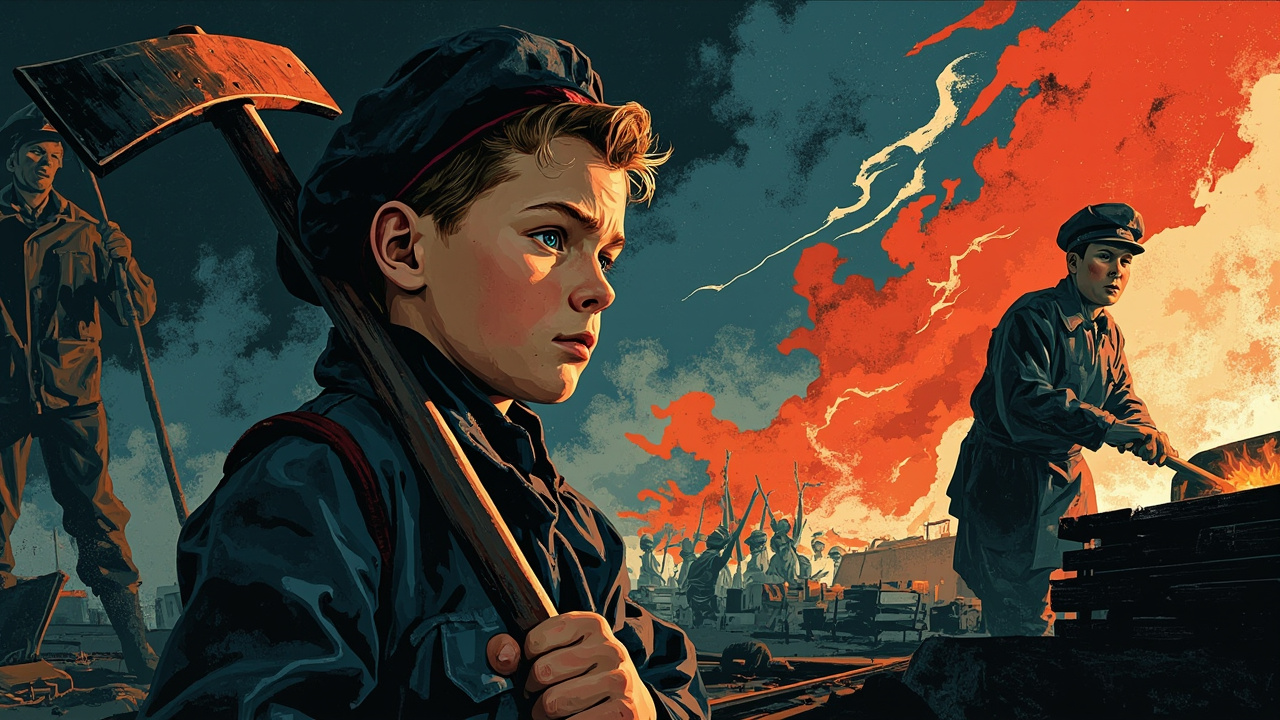
The writing here is restrained, no big words. Ostrovsky showing a twelve- or thirteen-year-old boy with his eyes stinging behind the stove does more work than ten thousand words denouncing the old society for devouring people — and that's the sharpest thing about a semi-autobiographical novel: the memory itself is the indictment.
Zhukhrai and the Red Army: forging a boy into a soldier
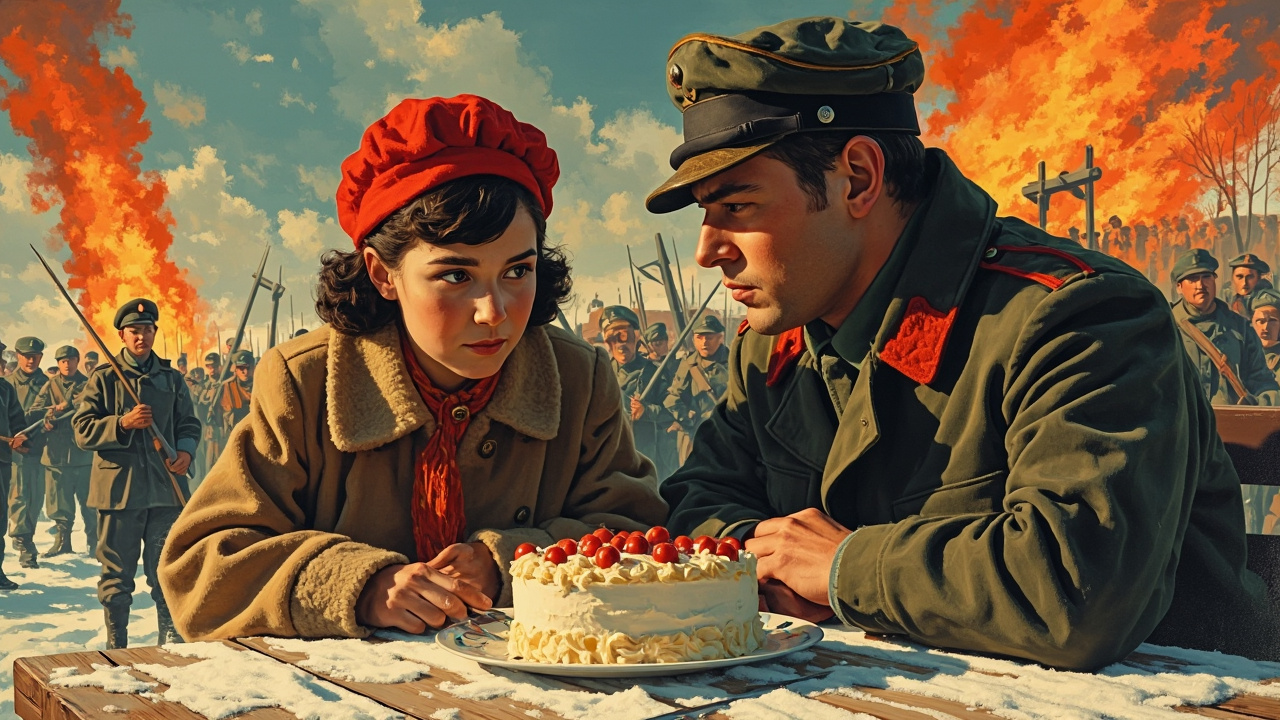
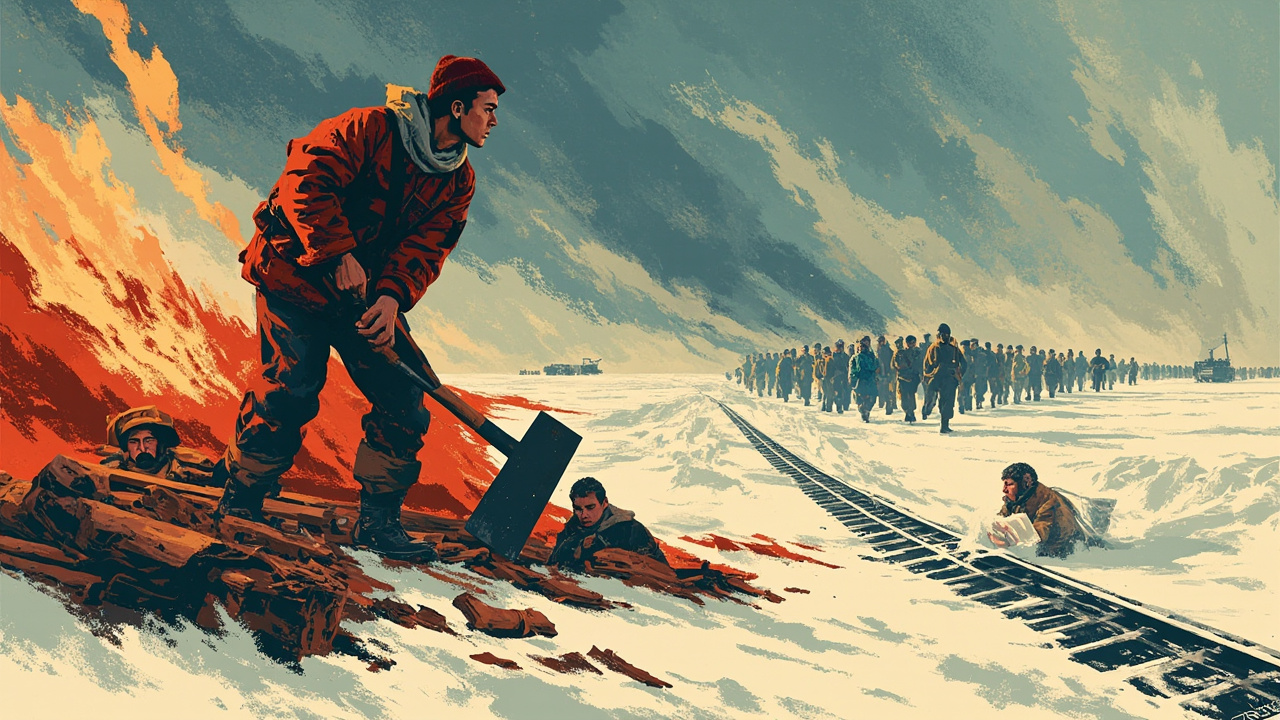
The man who really changes Pavel is Zhukhrai — an underground Bolshevik sailor, quiet, seasoned, good with his fists. He notices the kid with the wrong look in his eyes at the station canteen, and privately teaches him to box and explains revolution to him. When the October Revolution comes and the civil war breaks out, Pavel lies about his age and slips into a Red cavalry unit.
ImaReadFolio 04 — 05
ImaReadFolio 05 — 05
Art Direction4 plates
Before the guide was written, this book got a visual foundation — every illustration you just read grew out of it.