A Western Han prince's compendium for an emperor, with Nuwa, Gonggong, Houyi and Chang'e living inside it
Text and illustrations produced by the pipeline
The sky split open, and black water poured through the gap into the human world. Nuwa crouched by her furnace, softening five-colored stones one by one and smearing them, piece by piece, across the heavens. It is the oldest disaster-recovery project in Chinese mythology. And the book that tells it is not some fantasy novel; it is a statecraft manual written more than two thousand years ago to be presented to an emperor. Its name is the Huainanzi.
The Huainanzi was compiled in the early Western Han, overseen by Liu An, Prince of Huainan, and written collectively by his retainers. Its original title was the Honglie, and on paper it was a miscellany of statecraft addressed to Emperor Wu. Rooted in Daoism but drawing on Yin-Yang cosmology, Confucianism, and Legalism, it stands as the representative work of what Chinese intellectual history calls the eclectic school, the zajia. The gift was never delivered. Its author was later jailed on charges of treason and died by suicide in Chang'an. But this rejected proposal happens to contain a complete run of ancient myths, Nuwa mending the sky with stone, Gonggong smashing into Mount Buzhou in his rage, Houyi shooting down nine suns, Chang'e fleeing to the moon, and that sequence became the foundation later readers of Chinese myth could not do without. A political gift that failed won an entire treasury of myth instead.
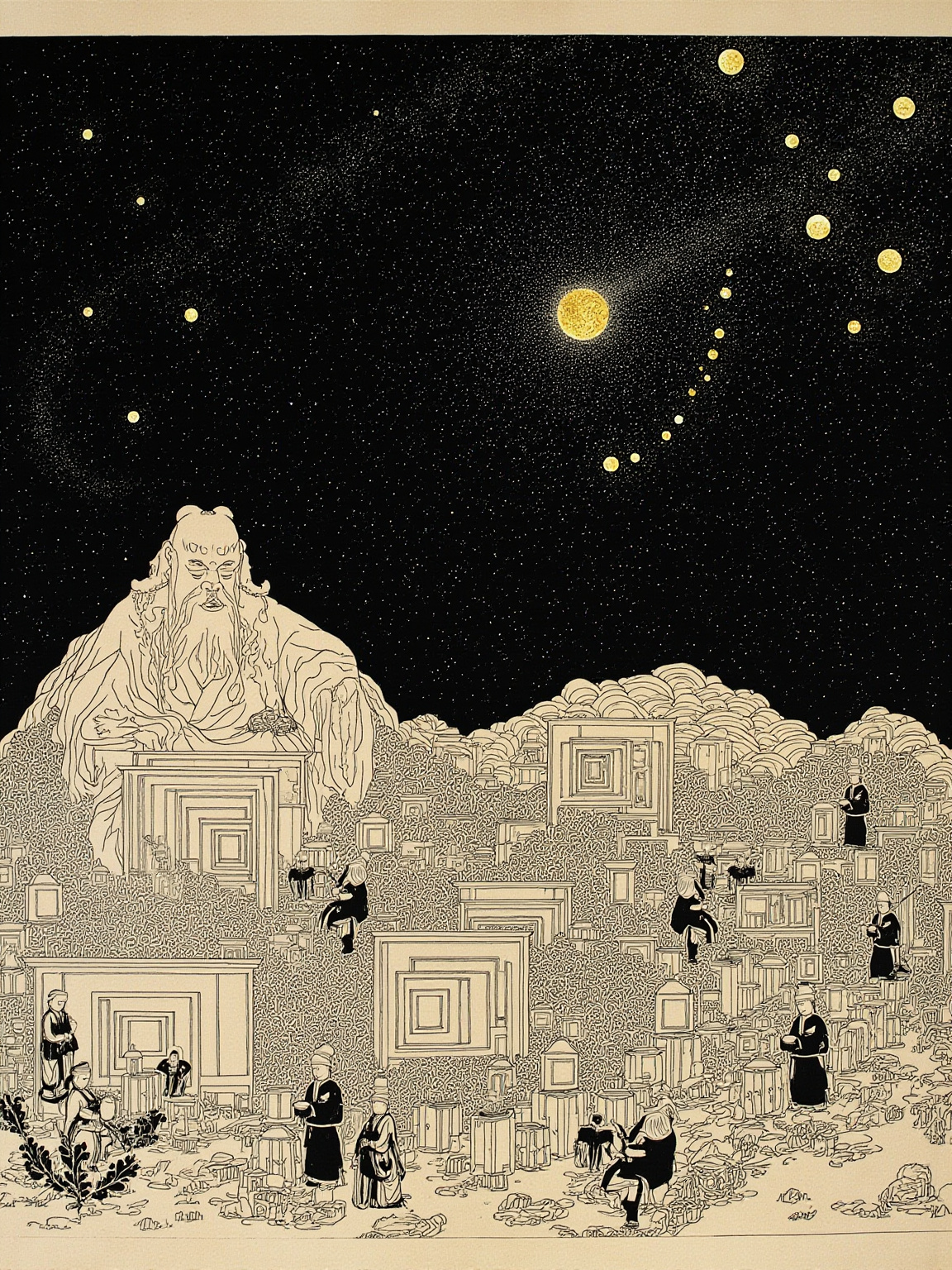
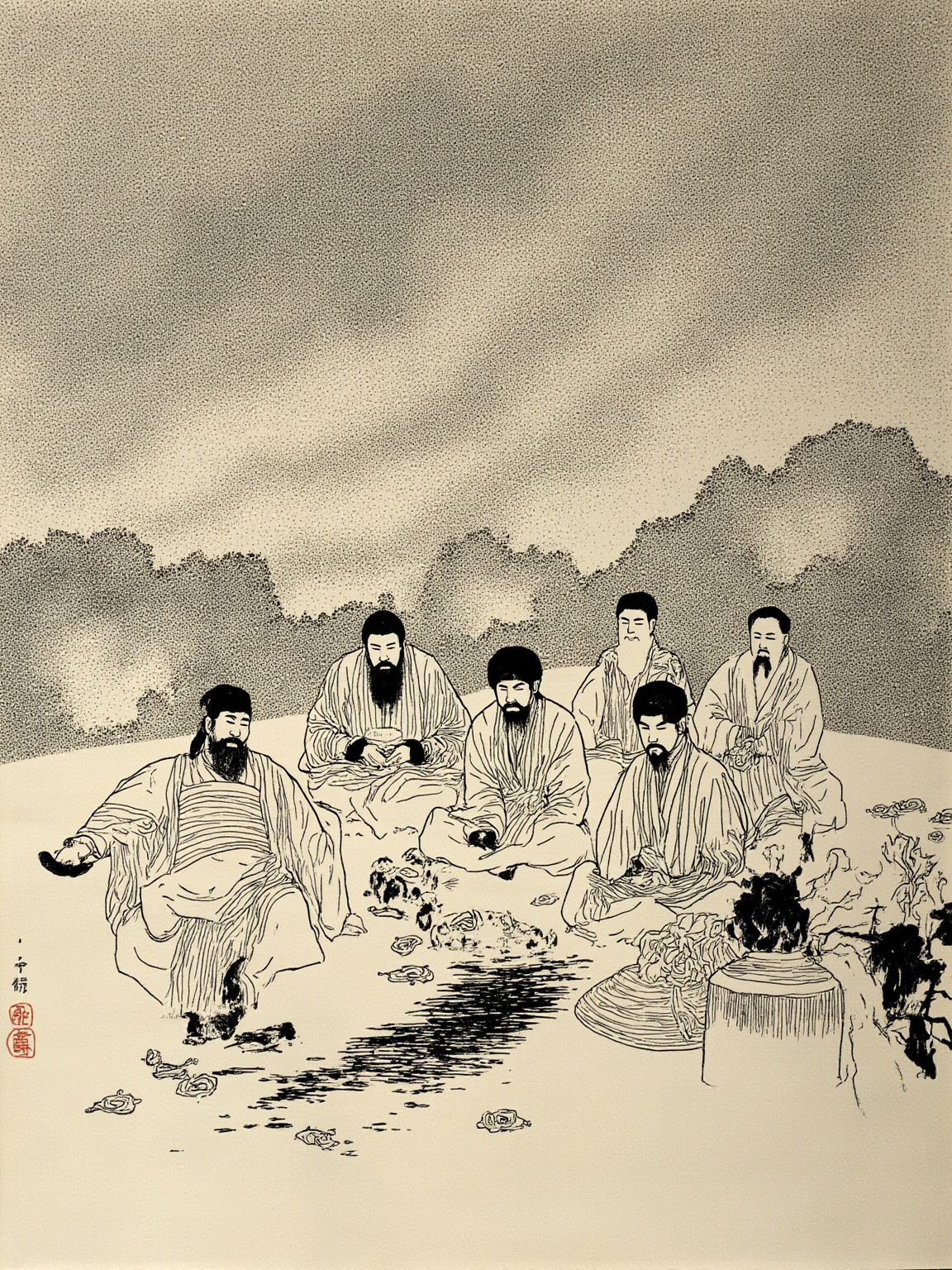
Liu An was a grandson of Emperor Gaozu, the Han founder, and inherited his father's title to become Prince of Huainan, a learned man, fond of writing, who loved gathering retainers around him. Around him gathered a group of scholars known as the Eight Elders: Su Fei, Li Shang, Zuo Wu, Chen You, Wu Bei, Mao Bei, Lei Bei, and Jin Chang. In the book, these are less individual names than the strokes of one collective pen. The text took shape as they sat in the Shouchun palace and at the foot of Mount Baigong, talking over bamboo slips. Nuwa, Gonggong, Houyi, and Chang'e are the half-abstract deities who populate the book, with none of the elaborate powers, spells, and power-ups of later immortal dramas. Their images stay close to Han-dynasty stone reliefs: sky, earth, pillar, stone, bow, cassia tree. That is all they need.
The book's world has two layers. The real one sits in the Huai River valley of the early Western Han: Shouchun, Mount Baigong, the Huai River itself, the actual place where this book was written. The mythic layer has no fixed geography at all — the Pillar of Heaven, the celestial palace, Kunlun, Fusang, the Ruo tree, Mount Buzhou, coordinates that exist only in myth. The two layers sit stacked in the same book, never interfering with each other, yet answering each other all the same.


What makes the Huainanzi genuinely clever is that it lets myth speak for politics. Nuwa mending heaven is the rebuilding of order: who steps up to set the mountains and rivers right after disaster, addressed to the emperor as a lesson in rulership. Houyi shooting down the suns is saving the people from ruin: ten suns doing harm, nine shot down, one spared, addressed to the emperor as a lesson in service. Myth in this book is not decoration. It is argument. What looks like a story about gods is really a metaphor about politics.
This body of myth is only complete when read alongside the Classic of Mountains and Seas. That book is a geographic bestiary, where myth survives in scattered fragments, like a stack of maps that never quite connect. The Huainanzi, by contrast, gives the full narrative version: Nuwa smelting stone, Gonggong ramming the mountain, Houyi shooting the suns, Chang'e fleeing to the moon, four episodes that follow one another in cause and consequence. One book catalogs, the other narrates. One is fragments, the other is a finished story. The two works are two sides of the same coin, together holding up the foundation on which Chinese readers understand ancient myth. The story of the old frontiersman who lost his horse also comes from this book's chapter "Among Men"; the idea that fortune and misfortune depend on each other has made this book its home ever since.
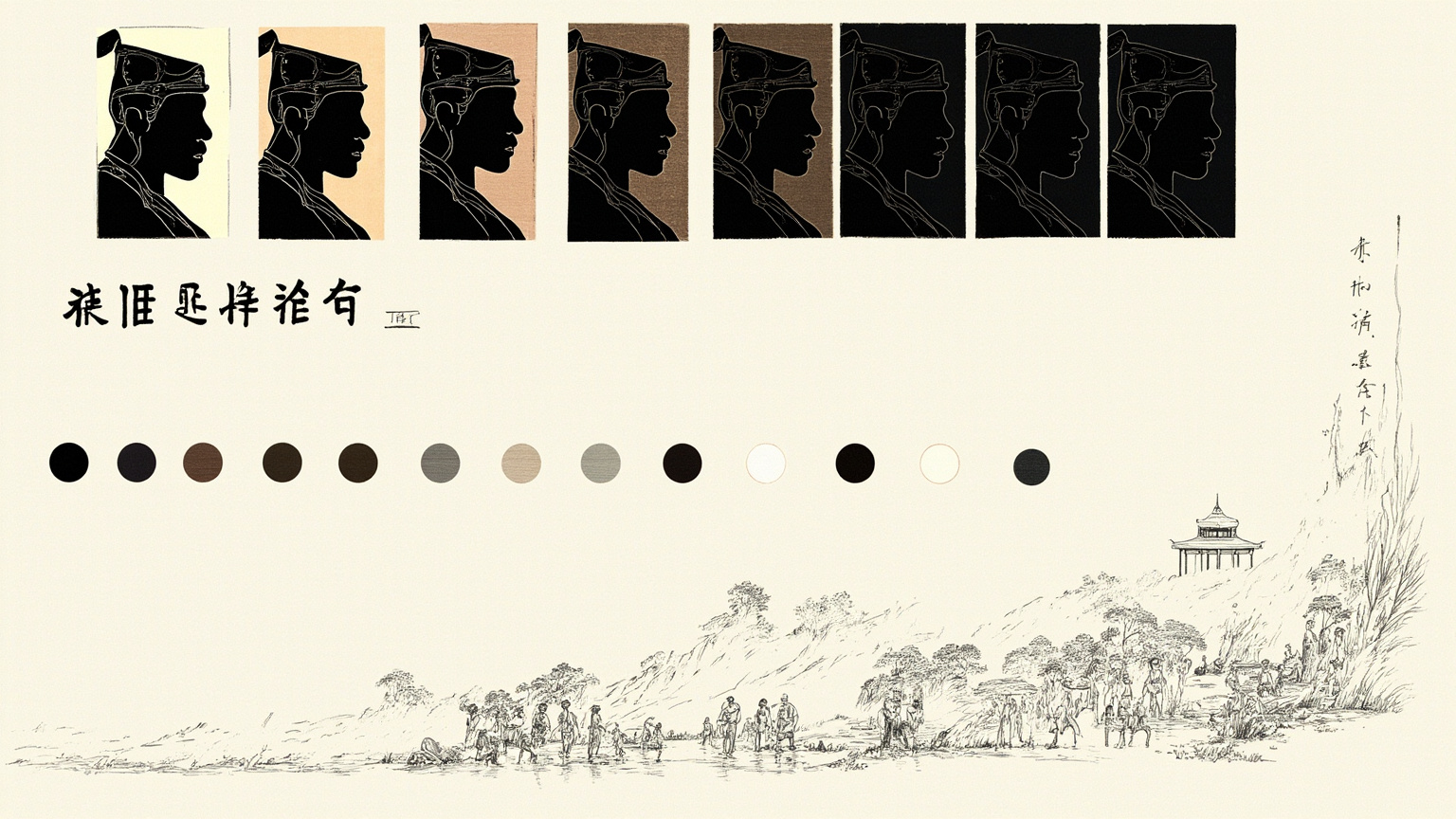
Before the guide was written, this book got a visual foundation — every illustration you just read grew out of it.
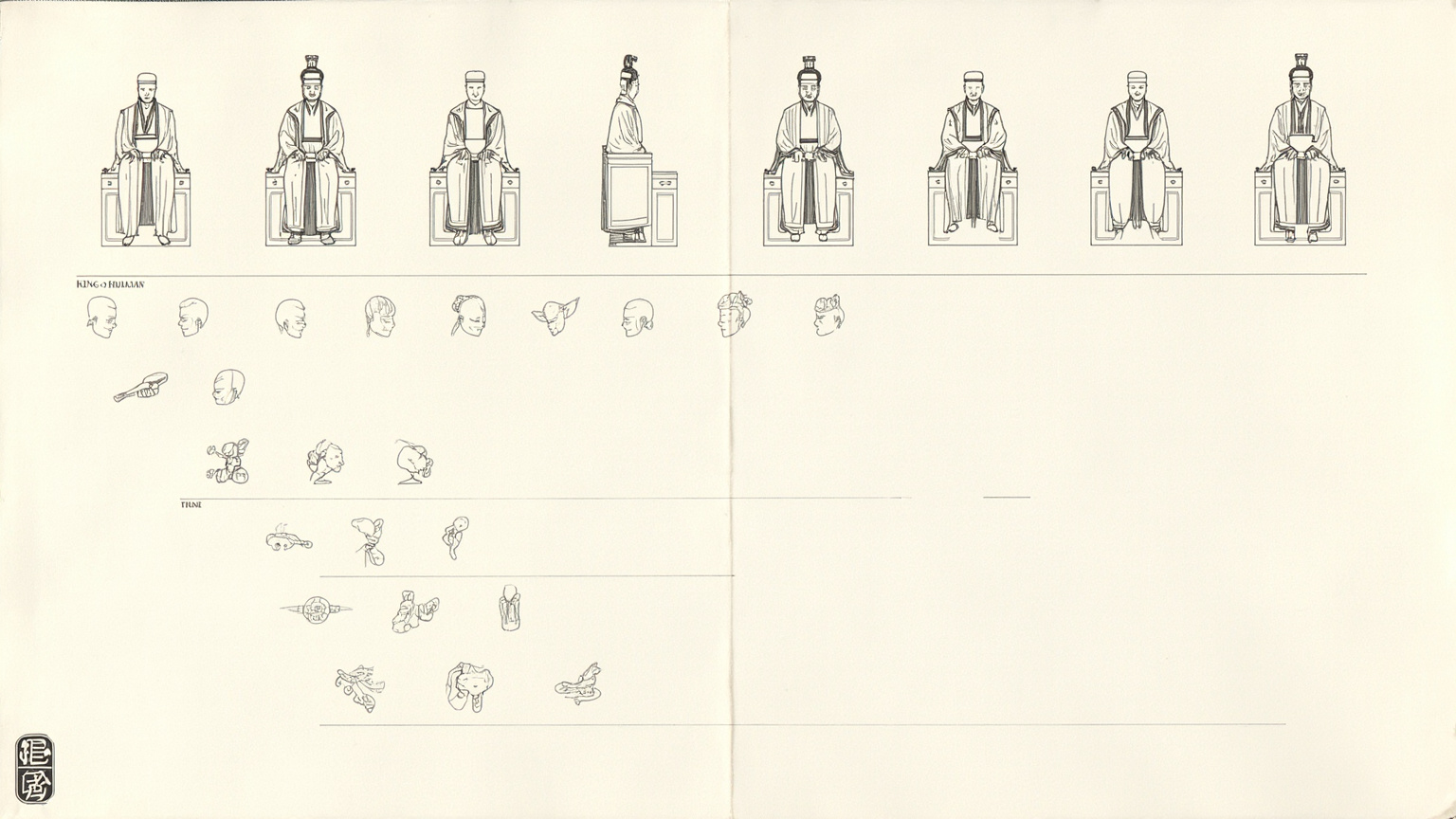
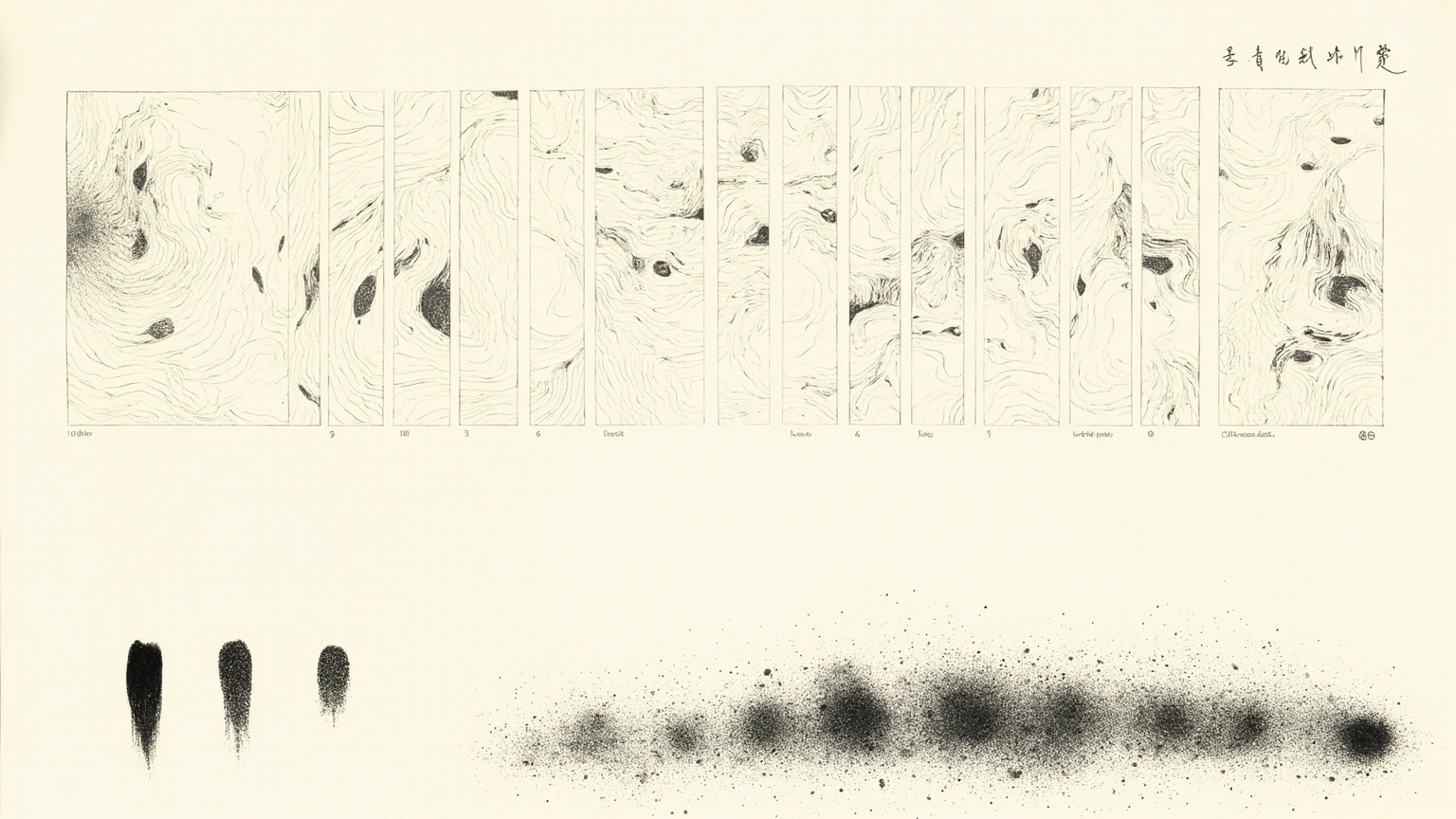
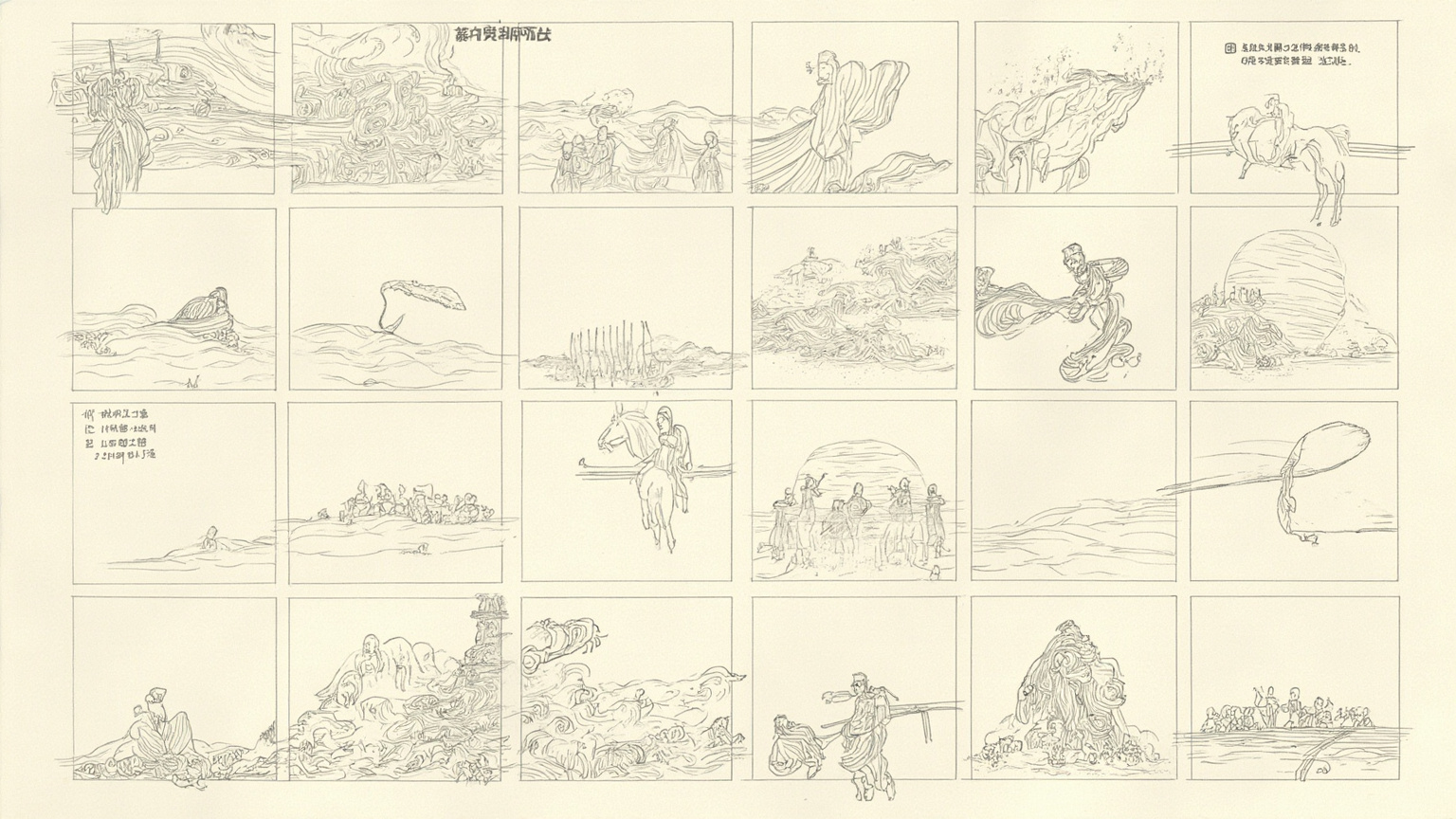
Start with the motive. Early in Emperor Wu's reign, Liu An set out to do something large: gather thousands of guests and masters of esoteric arts (the history books' "thousands" is surely an exaggeration, though the sheer number of his retainers was real) and compile a statecraft manual that fused Daoist, Confucian, and Yin-Yang thought, then present it to the emperor. The aim was to gain a foothold in central politics and go toe to toe with men like Zhufu Yan at court. This was not a literary motive. It was a political one.
So the Eight Elders gathered at the foot of Mount Baigong to discuss the Way, treating dao as the highest category, and packed the origin of heaven and earth, the transformations of yin and yang, the arts of rulership and ministry, military strategy, and human affairs into twenty-one chapters. On paper, every chapter is about how to govern. But as the writing went on, the mythic material kept growing thicker. While compiling their statecraft manual, the retainers ended up, almost in passing, fixing the ancient oral myths into the complete form we can still recite today. I always pause a little when I get to this point: how does a political draft leak into myth? Maybe the answer is that Liu An, who loved esoteric arts and fine language, was heading for the vastness of heaven and earth all along, and governance was only the passport that let this big book through.
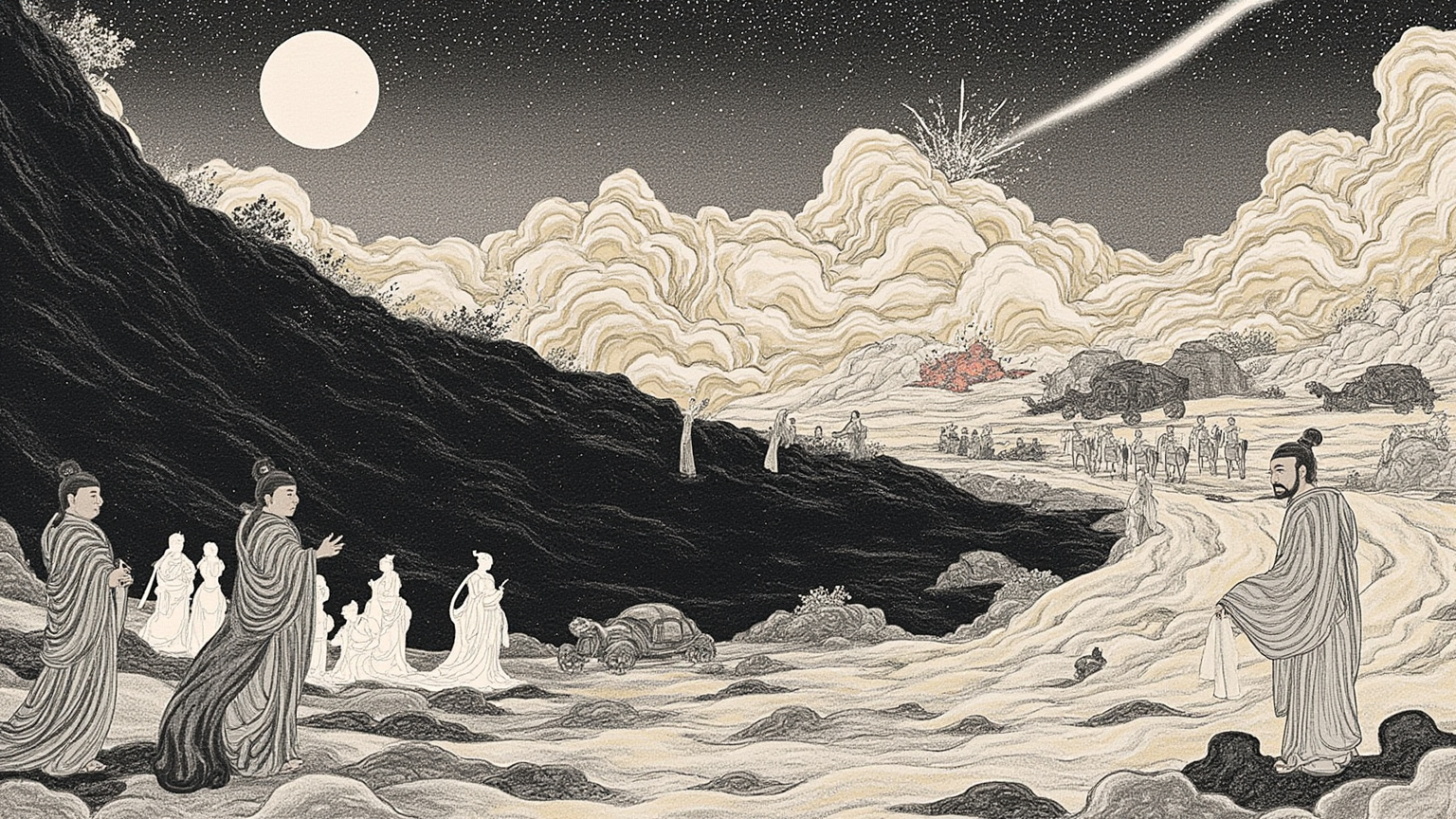
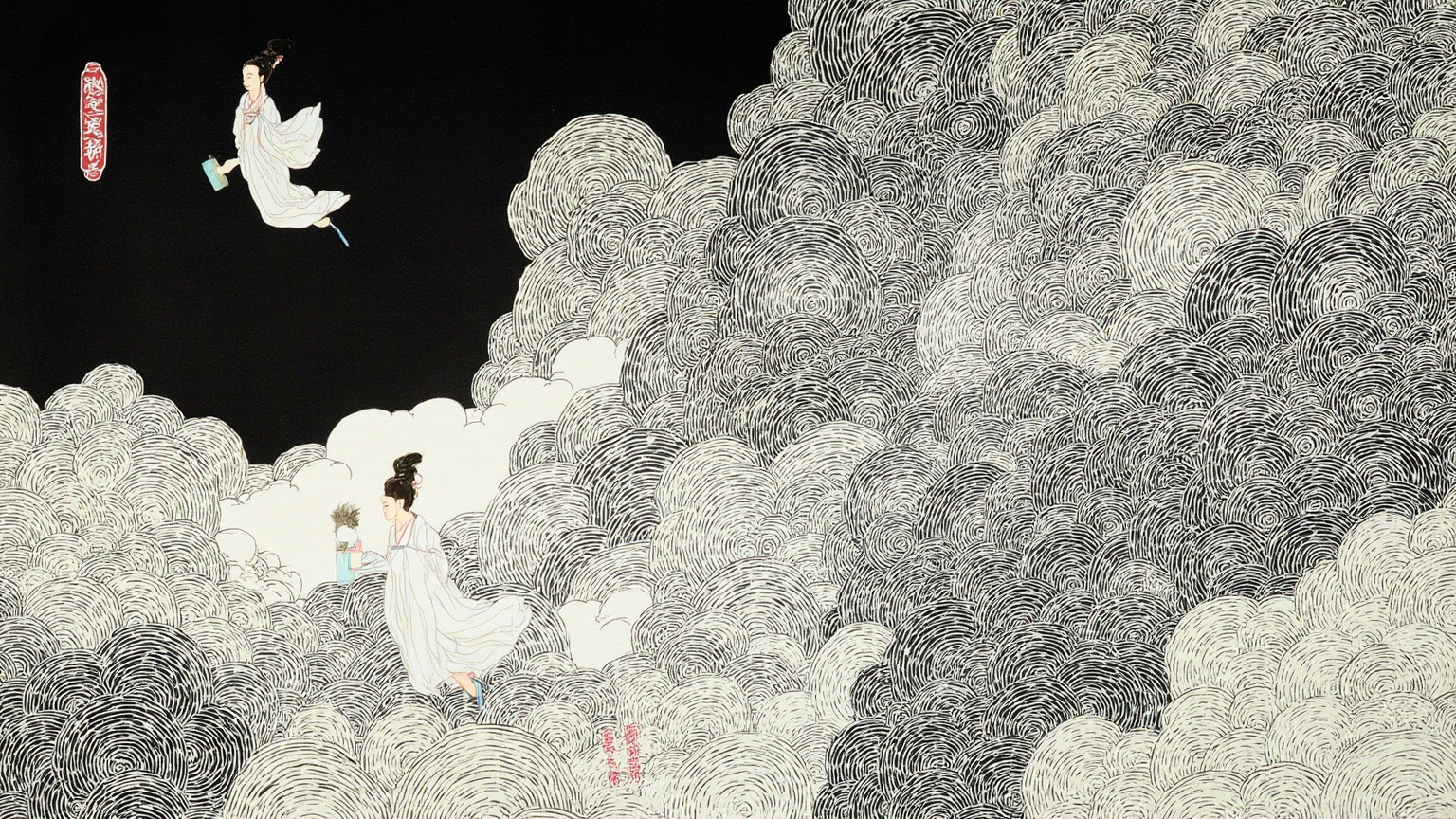
The first myth to leak through is Nuwa's. Gonggong knocked over Mount Buzhou, the Pillar of Heaven snapped, the great cord tying down the earth broke, the props at the four corners collapsed, and the Nine Provinces split open at the seams: a disaster on a cosmic scale. Nuwa enters in the chapters "Peering into the Obscure" and "Patterns of Heaven," smelting five-colored stones to mend the azure sky, cutting the four legs off a giant turtle to prop the corners back up, killing a black dragon to save the province of Ji, and piling up reed ash to dam the rising flood. What makes the passage work is that it turns the phrase "rebuilding after disaster" into a chain of concrete actions: heat the stone, spread the stone, raise the pillar, kill the dragon, pile the ash, rather than a single line like "Nuwa mended heaven, a feat for the ages." What she mends is not the sky. It is order.
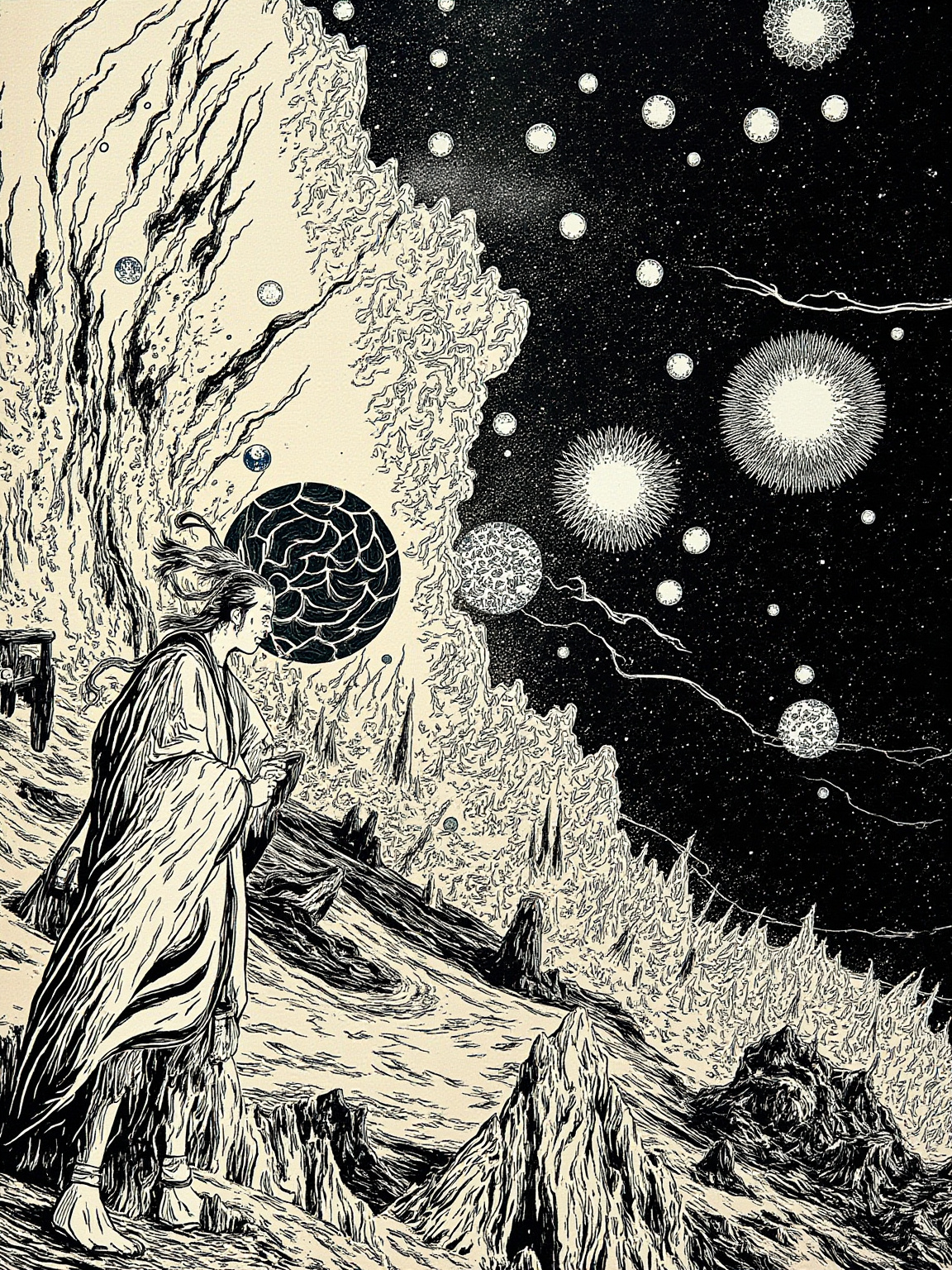
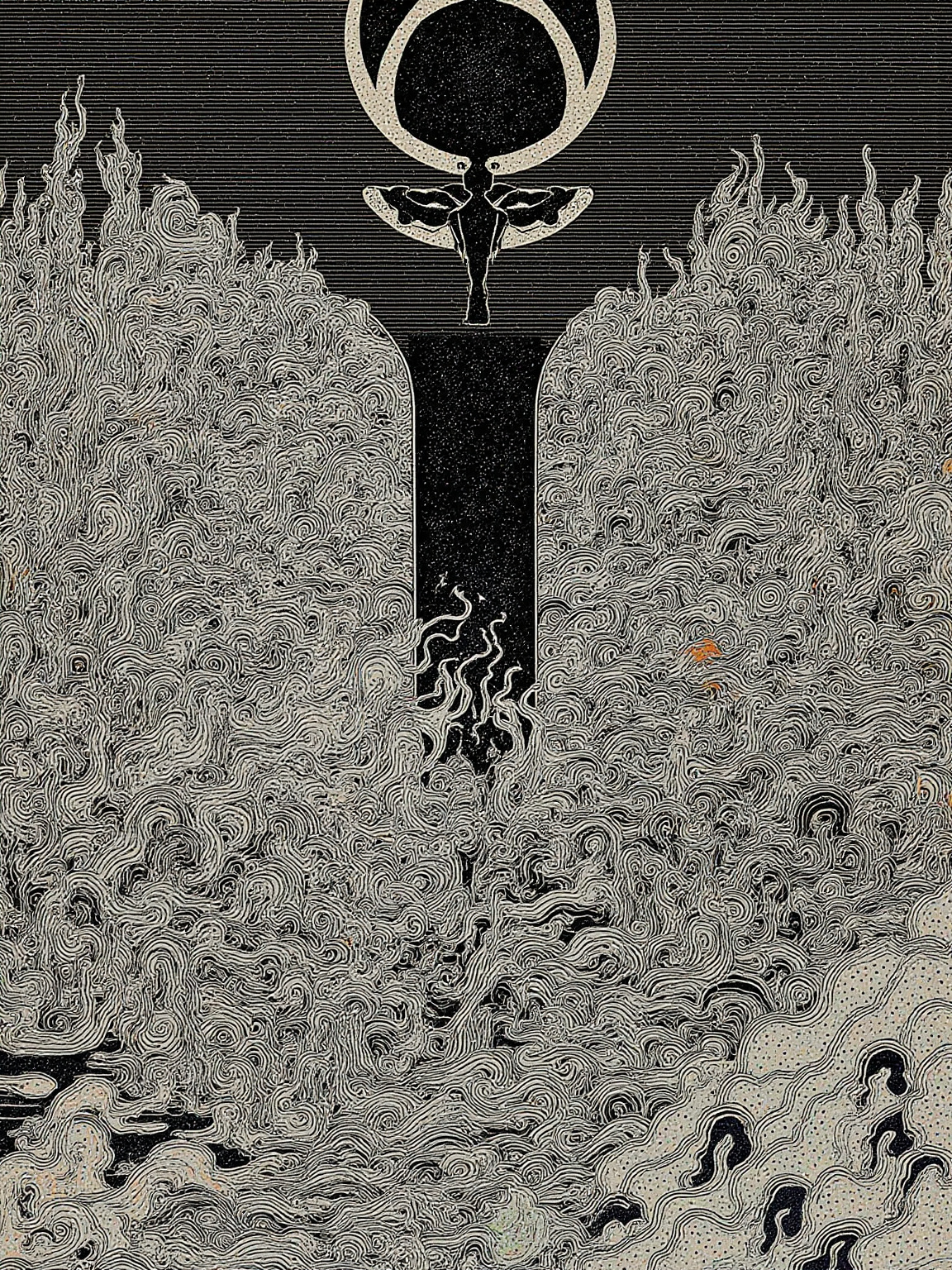
Right after that comes the collision that caused all the trouble. Gonggong fought Zhuanxu for the throne of heaven, lost, and in his fury rammed his head into Mount Buzhou. The impact snapped the Pillar of Heaven, so the sky tilted toward the northwest and the earth sank toward the southeast, which is why the sun, moon, and stars all drift west and the rivers all run east. The most frequently cited cosmic disaster in Chinese mythology opens with a single line: he fought Zhuanxu for the throne, and in his fury rammed his head into Mount Buzhou. The word fury carries the whole passage.
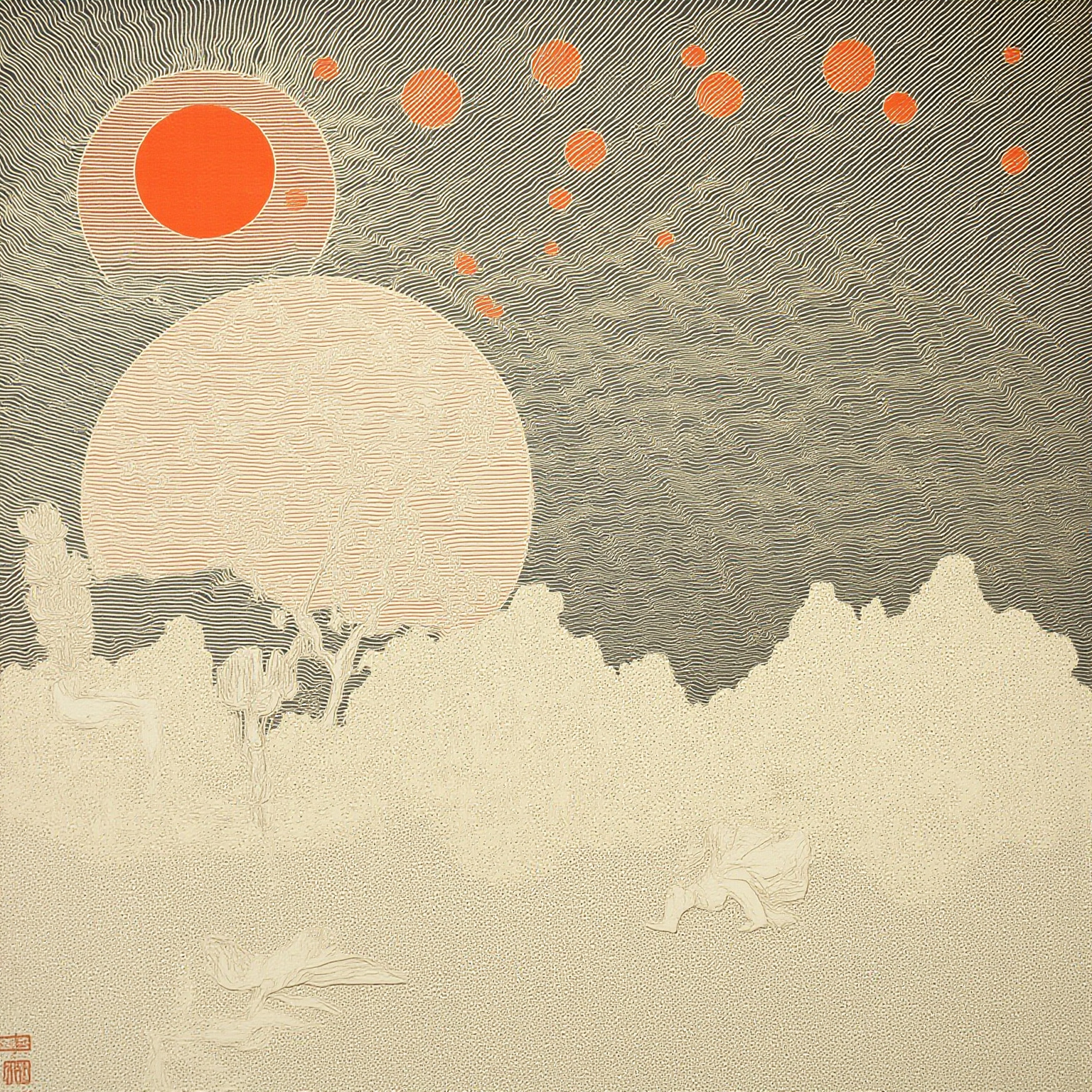
Heaven was mended, order was restored, and still the world suffered. In the time of Yao, ten suns hung in the sky at once, scorching the crops, killing every plant, leaving the people with nothing to eat. This is where Houyi enters: he drew his bow and shot down nine of the ten suns, leaving just one. The narration is as short and fast as one of his own arrows: Houyi drew his bow and shot down nine suns, sparing the last. The chapter "Basic Warp" never dresses this up as heroism. It is simply about saving the people by shooting down the suns. Shooting down nine is the act. Sparing one is the restraint. Houyi's greatness is not in his power. It is in knowing which one to leave.
The other half of Houyi's story belongs to Chang'e. Houyi obtained the elixir of immortality from the Queen Mother of the West; Chang'e stole a taste of it and fled into the moon. This woman, who would later come to live in the Palace of Boundless Cold, takes up only a few lines in the ancient commentary on "Peering into the Obscure," gliding past like a silhouette. Yet it is these few lines that first give the phrase "fleeing to the moon" a source. Myth writes this sparingly on purpose: a single line's worth of space, and an eternal pose left behind.
The book was finished. In the second year of the Jianyuan era, Liu An presented the Inner Chapters at court, and Emperor Wu did not adopt them. That same year, his conspiracy fell apart. He was jailed in Chang'an and died by suicide; the histories give it a single line, no details. A prince who wanted to do something great lost the game he had staked everything on. But the book survived. A statecraft manual the emperor never accepted is still being read thousands of years later, because Nuwa, Gonggong, Houyi, and Chang'e live inside it.
A guide gives you the map. The ground still has to be walked. The first thing worth experiencing firsthand in the Huainanzi is a habit particular to Han-dynasty writers: using myth as argument, so that a mythic sentence sits right beside a political one, jarring at first glance and exactly right on second thought. The second thing worth seeing for yourself is a narrative rhythm pared down as far as it will go: the collision with the mountain gets one line, in his fury he rammed his head into Mount Buzhou; the shooting of the suns gets one line, Houyi drew his bow and shot down nine suns; everything left unsaid is pure open space. The third thing is watching, with your own eyes, how a byproduct broke free of the purpose it was written for and simply survived. That, on its own, may be the oldest and most interesting metaphor a book can offer.
A statecraft manual written for an emperor left behind, in the end, nothing more lasting than a handful of names of ancient gods — which may be the most telling thing the Huainanzi ever wrote.