The Tale of Janghwa and Hongryeon (Janghwa Hongryeonjeon) · Companion Guide
蔷花红莲传
雪夜回廊有人提灯走过,绣鞋踩雪没出声——体面两班宅邸内里已冷,前室姐妹先后沉尸莲池,死后回家作祟,继母与官衙一一崩塌。
Opening
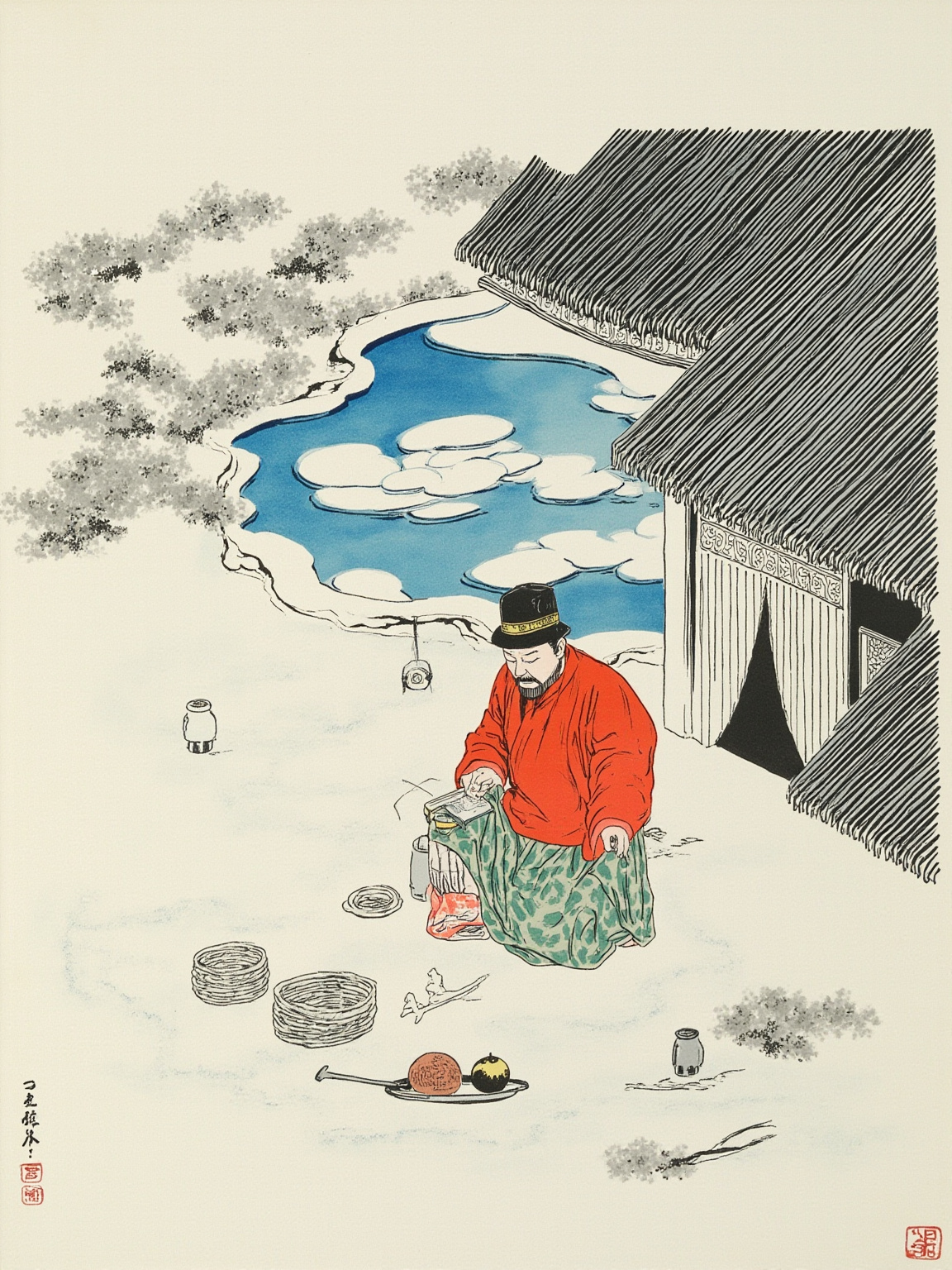
The pond in the back garden has frozen over. A woman crosses the covered walkway carrying a lantern, her embroidered shoes silent on the snow. She should be asleep in the room next door, but all that room holds now is a quilt gone cold.
That is the first image The Story of Janghwa and Hongryeon puts in front of you: not open wilderness, not a graveyard, but someone's own courtyard. The house belongs to a provincial magistrate posted to the north of Joseon, snow white along the walkway, a water jar split open by the cold, paper lanterns lit inside. Every bit as respectable as it is cold.
What kind of book this is
No one knows who wrote it. The manuscript passed hand to hand in copies, said to have grown out of the countryside around Cheolsan, in Pyongan Province, sometime in the late Joseon dynasty, the seventeenth or eighteenth century, written in a mix of classical Chinese and vernacular Korean script. It carries no author's name, and people have kept it alive for three hundred years anyway, for a simple reason: it is the template almost every later Korean vengeful-ghost story works from. The older sister dies, the younger sister dies too, every magistrate who takes the post dies with her, and the grievance outranks the office. Grouped with Geumcheon-jeon and The Tale of Choe Chiwon as the three great ghost stories of Joseon, this is the one where the type starts.
The household
Four people live in the house. The father, a magistrate posted away by the court, just back home. The stepmother, recently married in, already running the household with a firm hand. Janghwa, the elder daughter, left behind by the first wife. Hongryeon, her full sister, the two of them now living at the stepmother's mercy. Outside the house stands another, unseen layer: the local magistrates, one after another sent to handle the case. The cast is not complicated. What is complicated is rank, whose son was born of the proper wife, whose order the second wife brought with her, and inside this house that outweighs any official title.
How the plot runs
One: The stepmother arrives
By the day the father comes home from the capital, the house already has a new mistress. The stepmother has moved in ahead of him, the servants replaced, the sewing basket shifted to a new spot, even the paintings along the walkway changed out. Janghwa and Hongryeon bow at the moon gate and say the word mother, knowing full well she is not theirs. The father sits in the main hall drinking tea and says nothing. The household still looks proper. Underneath, it has already gone cold.
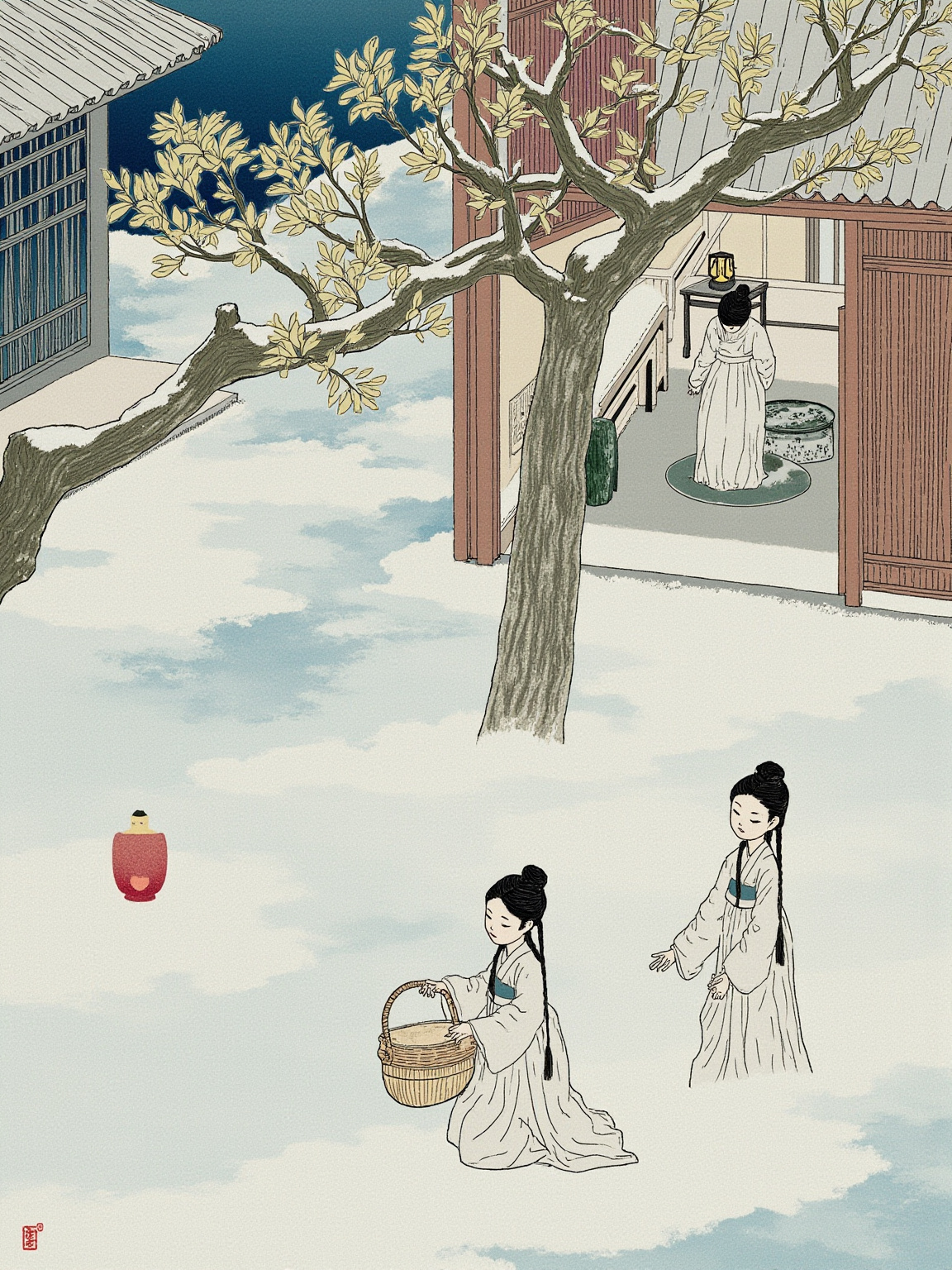
A father came home from his post to a house that was no longer his daughters' house.
父亲自外任归来,走进一座已不姓两个女儿名下的宅子。
金句 · 续弦入门
Two: False evidence in the hall
Some time passes, and the stepmother's patience seems to run out. One day, not long after the father returns, she produces something in the main hall, in front of him, something that could destroy Janghwa's reputation on the spot. The novel does not let us hear how it was staged or what words were used. It only lets us watch the father's face stiffen, degree by degree. Janghwa kneels below the hall and offers no defense. Hongryeon stands behind her sister, gripping the sash of her dress. The cruelty of the scene is exact: the worst part of a false accusation is not the accusation itself, it is that the accused knows, instantly, that she has already lost.
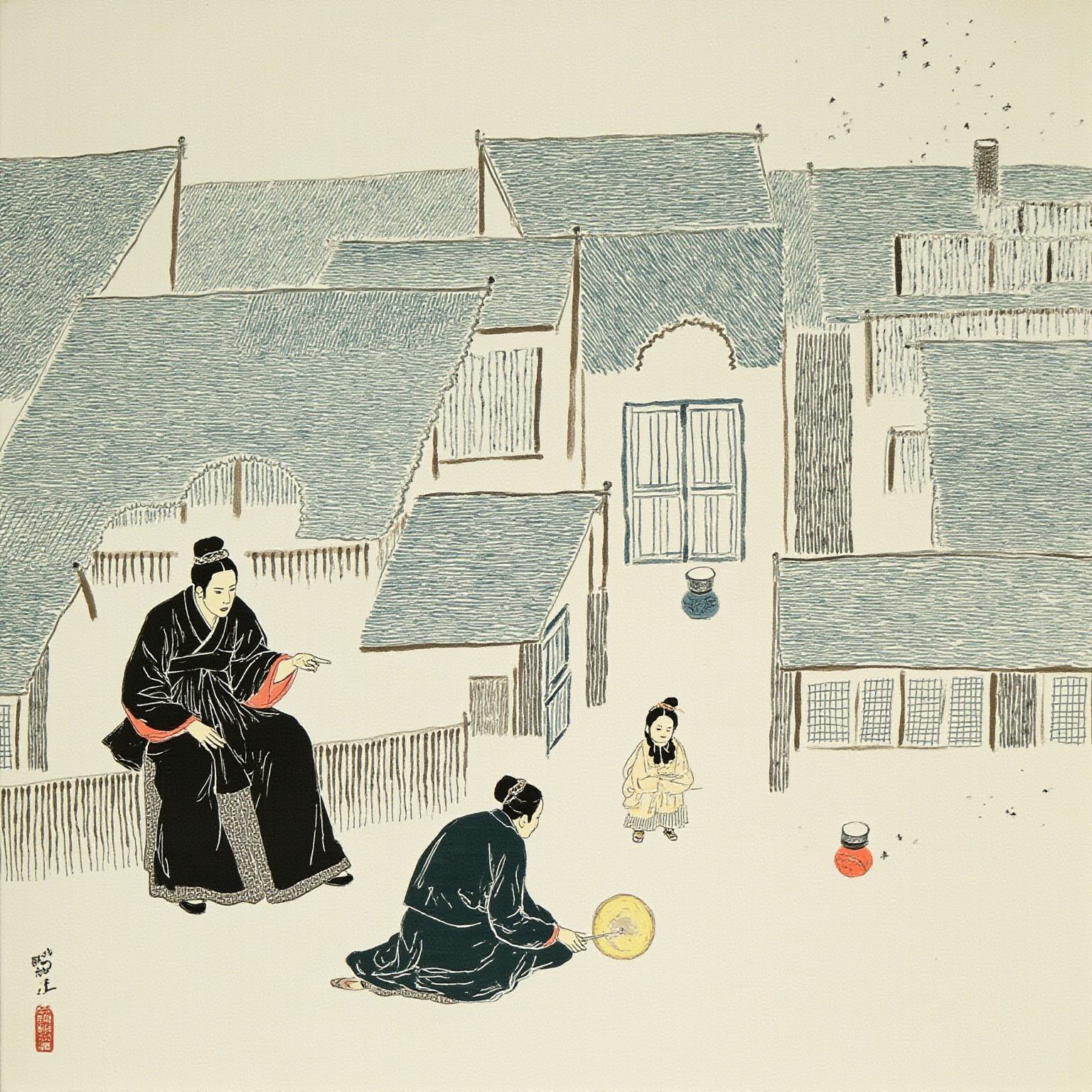
The stepmother set the false token on the table; the father's face tightened, and the daughters' names were already forfeit.
继母将那件东西往堂上一亮,父亲脸色一僵,姐姐的名节便当堂塌了。
金句 · 伪证当堂
Three: Drowned in the lotus pond
The father believes it, or pretends to. Janghwa and Hongryeon die, one after the other, in that pond in the back garden, wronged, not pushed, not seeking release, but driven there with no way out by a single false charge. The novel gives them no last speech. It only lets them walk out past the covered walkway, past the sewing basket, past the stepmother's door with its lamp still burning. The pond's surface freezes over, thaws, freezes again. No one in the house wears mourning white for them, because a woman whose honor is in question is not owed that.
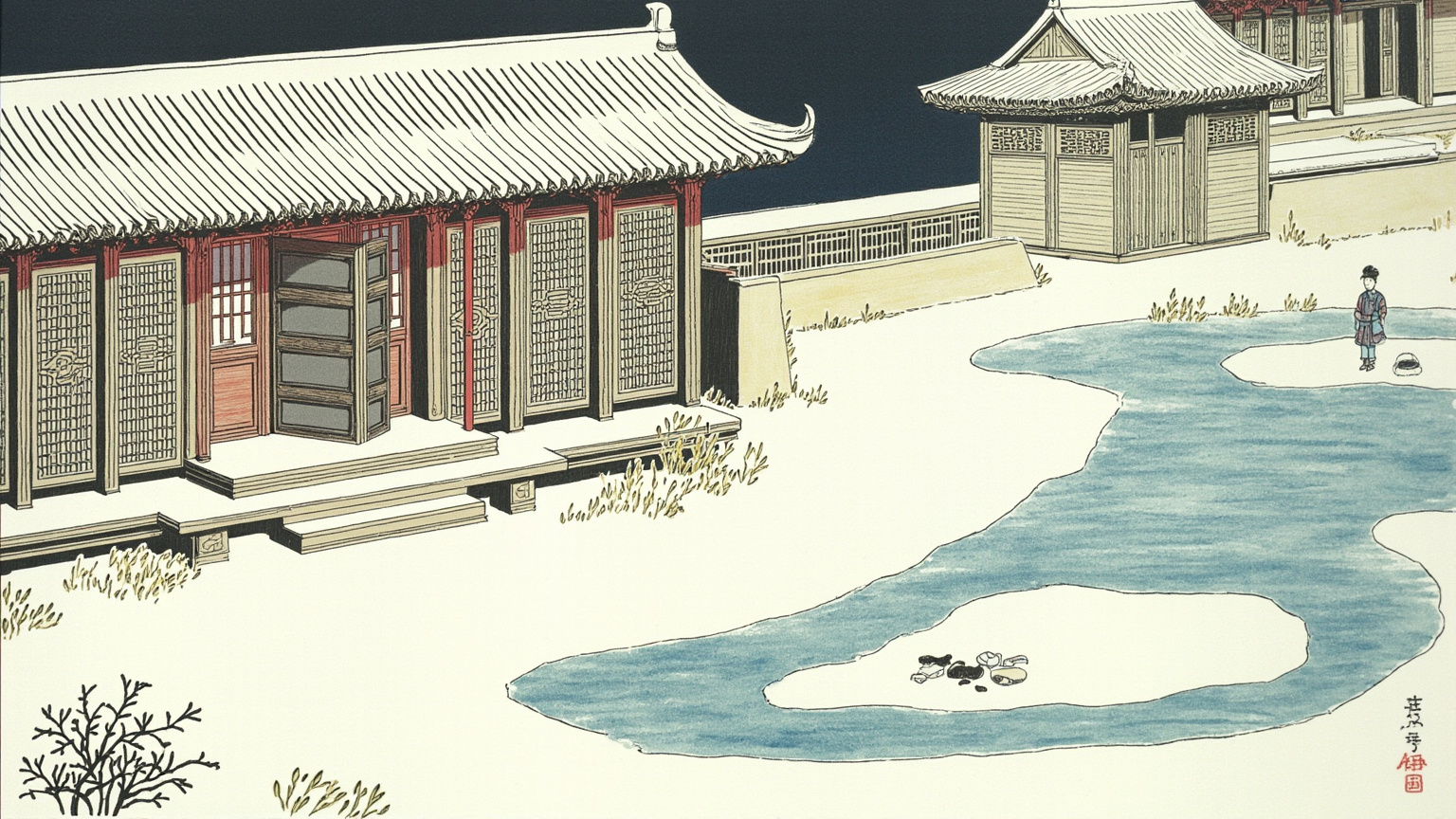
They did not leap into the pool, nor did anyone push them; they were driven, step by step, until the frozen water received them.
不是推下去的,也不是跳下去的——是被那一纸诬告逼到无路,绕过户牖,绕过回廊,落到那片封了冰的池水里。
金句 · 沉尸莲池
Four: The haunting begins
The dead start coming home. First it is the sewing basket, scissors, thread, a half-finished handkerchief, shifting position overnight. The stepmother blames a careless maid and has her replaced the next day. Then it is the walkway: on a snowy night, someone crosses it carrying a lantern, embroidered shoes silent on the snow, a candle's shadow sliding inch by inch across the paper window screen. The stepmother throws open the door and finds the walkway empty except for snow. On the third night, the scissors in the sewing basket stand themselves upright. This is the section written closest to daily life. What frightens you is not a stranger's ghost, it is the pond in your own courtyard, too still by half, and the snow outside your door at dawn with no footprints in it.
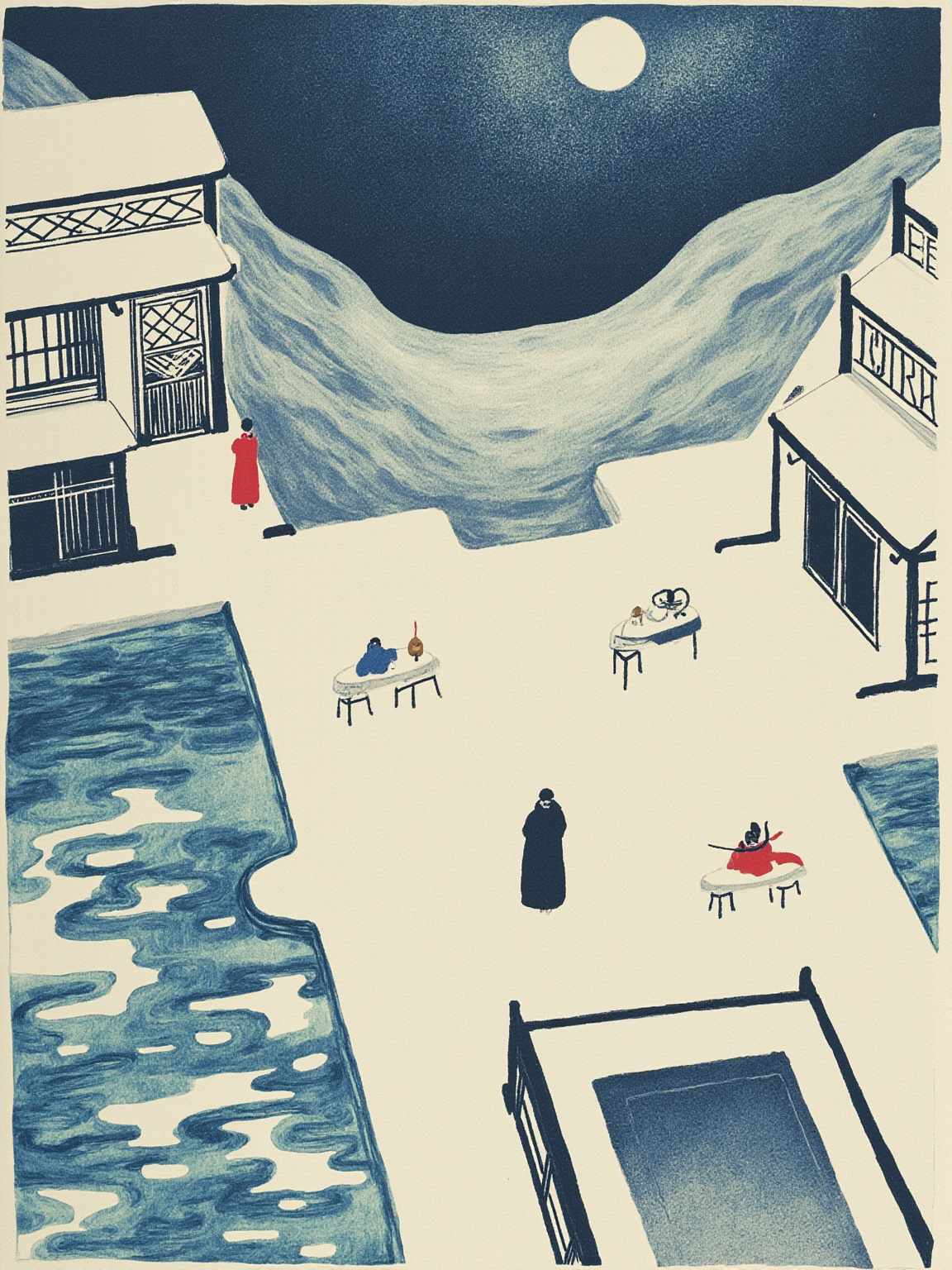
In the corridor, at the dead of night, a lantern passed by on silent embroidered shoes, and the snow held no footprints in the morning.
雪夜回廊有人提灯走过,绣鞋踩雪没声音;待到天明,阶下雪地,并无半个脚印。
金句 · 宅中作祟
Five: Magistrates, dying in succession
The father reports it to the authorities, and the court sends a magistrate to hear the case. The new magistrate opens the file on his first day, calls the hearing on his second, and is dead before the case is resolved. His successor comes, and dies too. One after another: the file grows thicker, the chair grows colder. Word spreads locally that the house is cursed and the case is not one to take. Still the court keeps sending magistrates, because the matter remains unsolved. A magistrate's office is supposed to be where wrongs get righted; here, each one folds into another grave. This is the part of the story that actually raises the hair on your neck: the grievance outranks the office.
One magistrate after another took the seat; before the ink on the brush was dry, the seat was empty again.
新府使升堂问话,案尚未结,椅上人已没了;继任者再来,再死——官衙的椅子愈坐愈冷,含冤的人比衙门大。
金句 · 府使连毙
Six: The wrong is righted
What finally breaks the case is not a person but something closer to fate. The novel lets the stepmother's false testimony and the murder unravel almost like a verdict handed down from above. Traditional tellings tend to bury the actual mechanics here inside omens and portents, leaving the specifics to storytellers and stage adaptations to fill in. You only need to know one thing: the wrong is eventually made right, but the cost of clearing it runs through the magistrate's office, the father's standing, the whole family's name. The living pay more for it than the dead.
Theme and craft
On the surface this is a ghost story. Underneath, it is about who in a household gets to count as the proper wife's child. What mattered most to Joseon's yangban aristocracy was never money, it was the purity of the bloodline and the correctness of rank. The moment the stepmother walks in the door, Janghwa and Hongryeon are already standing at the edge of a cliff. The novel pushes that struggle over rank to a bloody extreme, lets two girls die in their own back garden, then presses their grievance back onto the living, layer by layer. What stays with you after finishing it is not the ghosts. It is the moon gate, the pond, the piece of evidence the story never quite names.
What makes it good is that it turns the house, the pond, the winter snow, the walkway, the magistrate's office, the ordinary furniture of Korean daily life, into a gothic stage. The reader is not afraid of some unfamiliar ghost. The reader is afraid of the pond in their own courtyard gone unnaturally still, of opening the door at dawn to snow with no footprints in it. The pacing is just as unforgiving: false accusation, drowning, haunting, magistrates dying one after another, the wrong righted, five or six movements that tighten like a lock, one notch at a time, barely leaving room to breathe. That same pacing is exactly why it has always traveled so well, retold, staged as pansori, put on film. Almost every Korean vengeful-ghost story since can trace its first line back to this one.
A magistrate's office is supposed to right wrongs. In this book, the chair never even warms before its occupant is dead. The wronged outrank the office, and that is the soul of the story.
Why it is worth reading even once you know how it ends
I can tell you the plot. I cannot hand you the cold coming off the page. The frozen pond, the lantern that crosses the walkway on its own at night, the scissors standing themselves upright, none of that lands until you turn to that page yourself, sitting at a table on a winter night, and feel it climb up your spine. The novel also holds details I have no way to hand you secondhand: exactly what kind of stiffening crosses the father's face, where Janghwa's hands go as she kneels, whether Hongryeon's last walk takes her past the stepmother's door or around it. The pleasure of the original text lives in those gaps. Once you know how it ends, going back to read the false accusation again, you will see something far heavier than you did the first time.
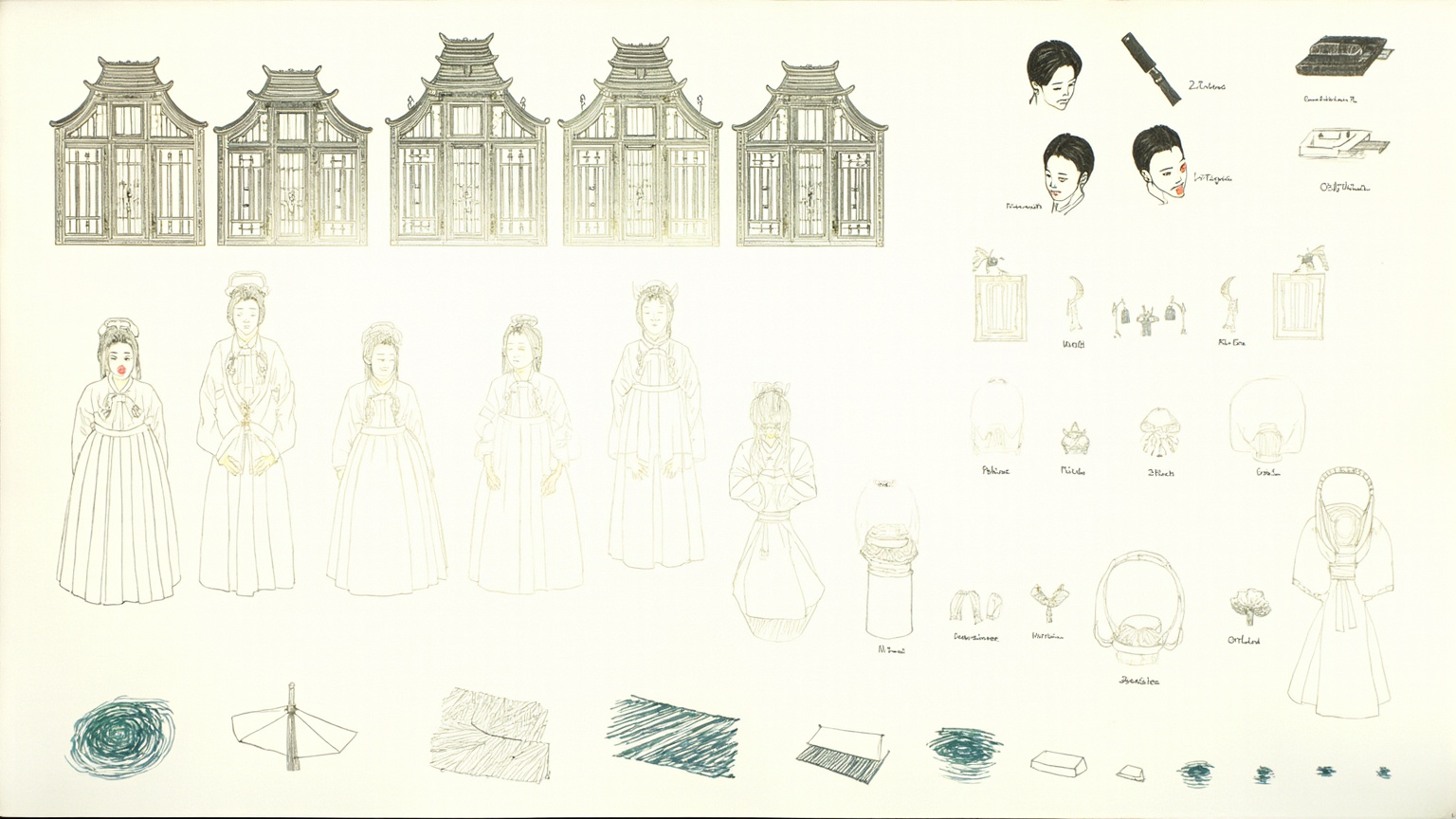
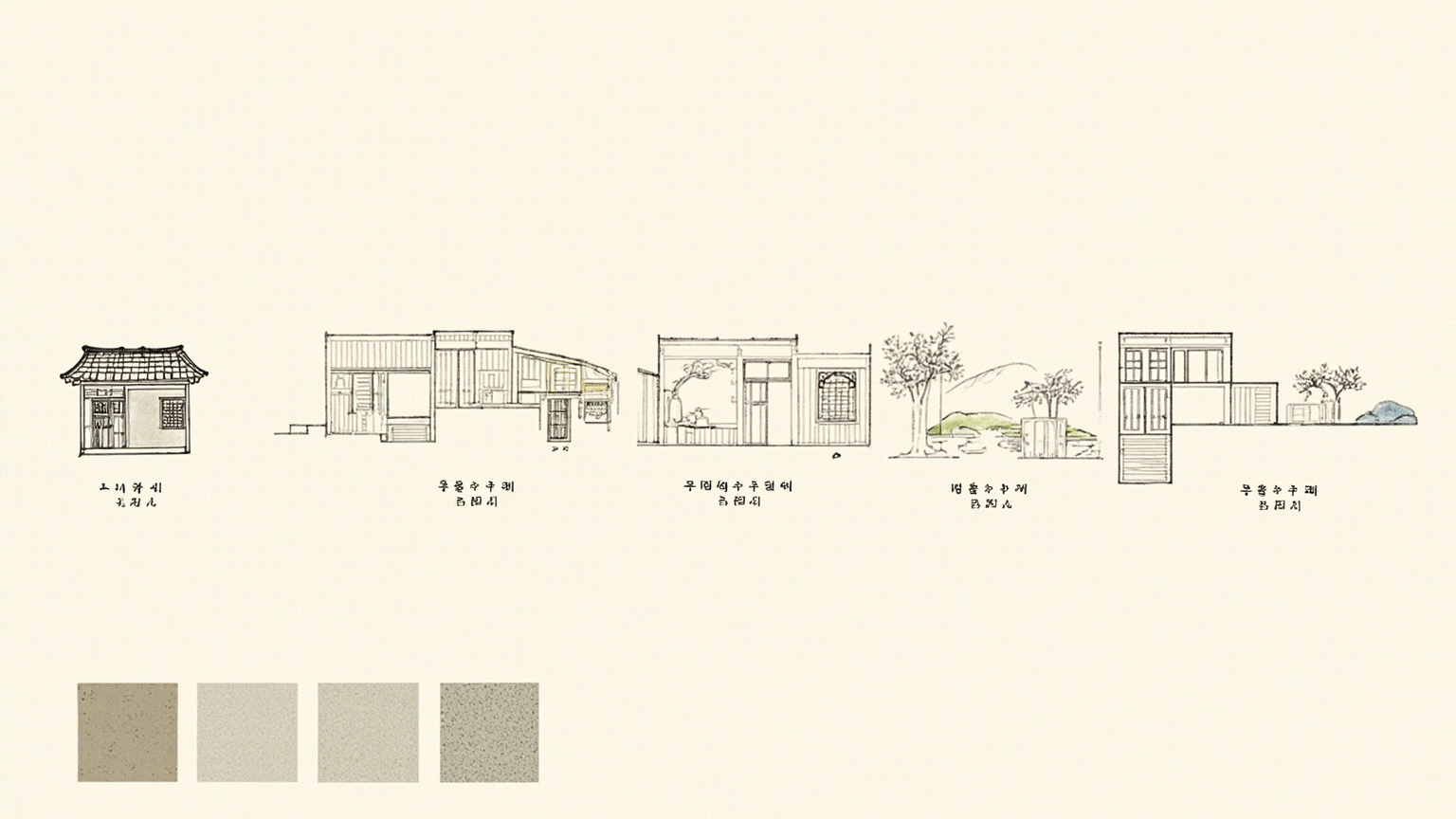
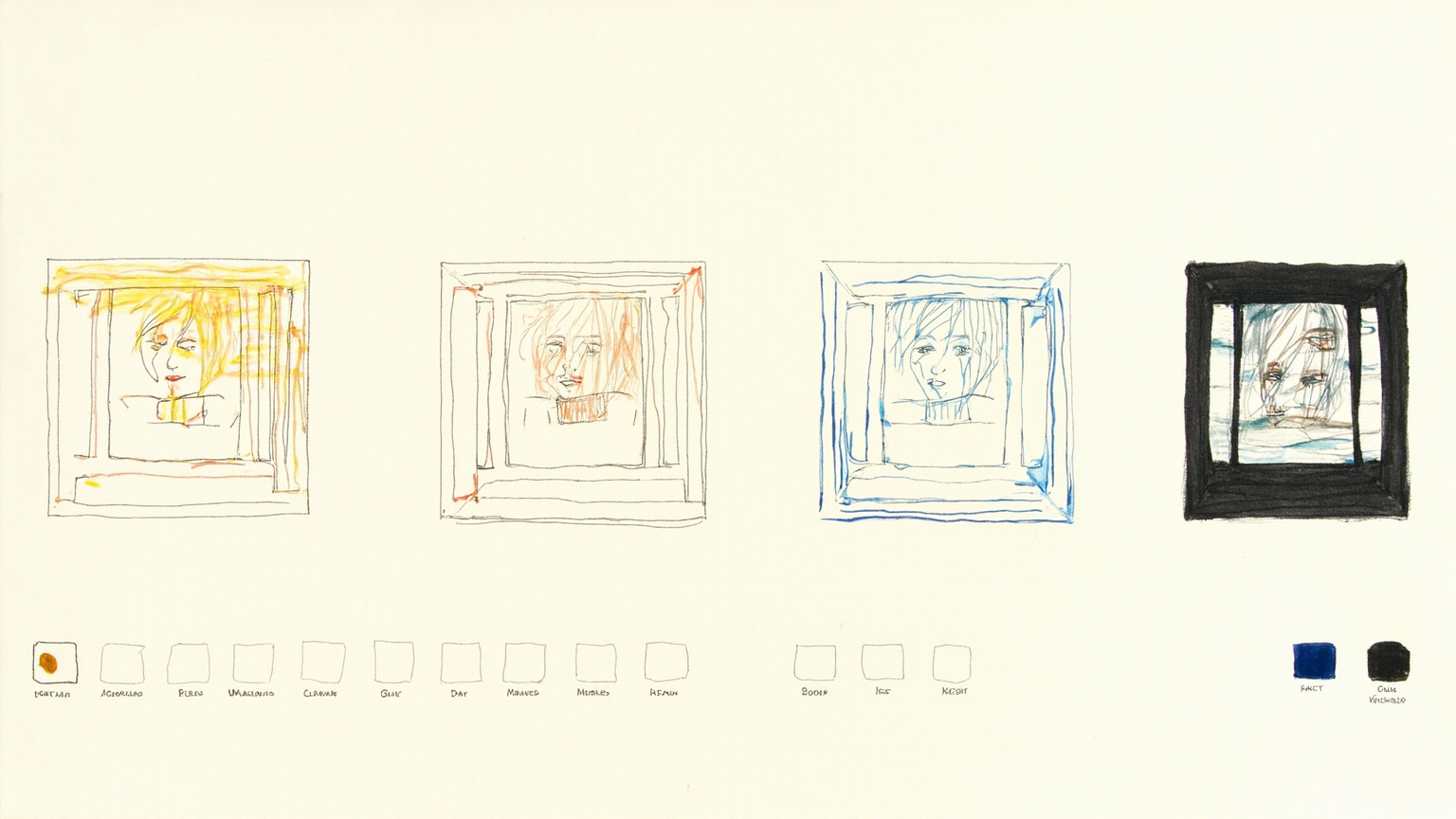
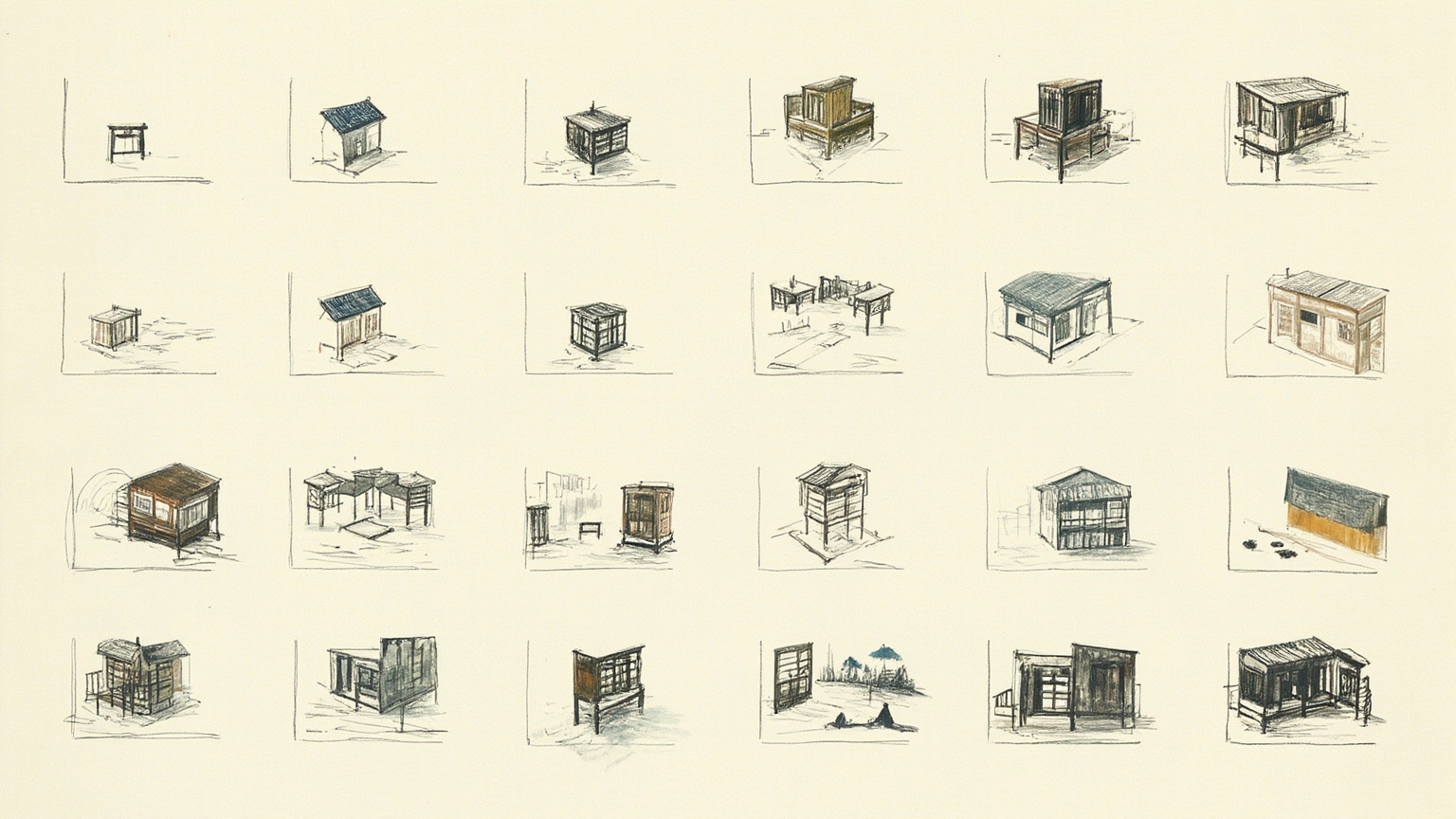
Art Direction4 plates
Before the guide was written, this book got a visual foundation — every illustration you just read grew out of it.