The Jehol Diary (Yŏrha Ilgi / 熱河日記) · Companion Guide
热河日记
一个朝鲜书生蹲在鸭绿江渡口看对岸砖瓦,五十七天后他带回了一部以器物写成的改革论。
A Pair of Eyes Fixed on Brick and Tile
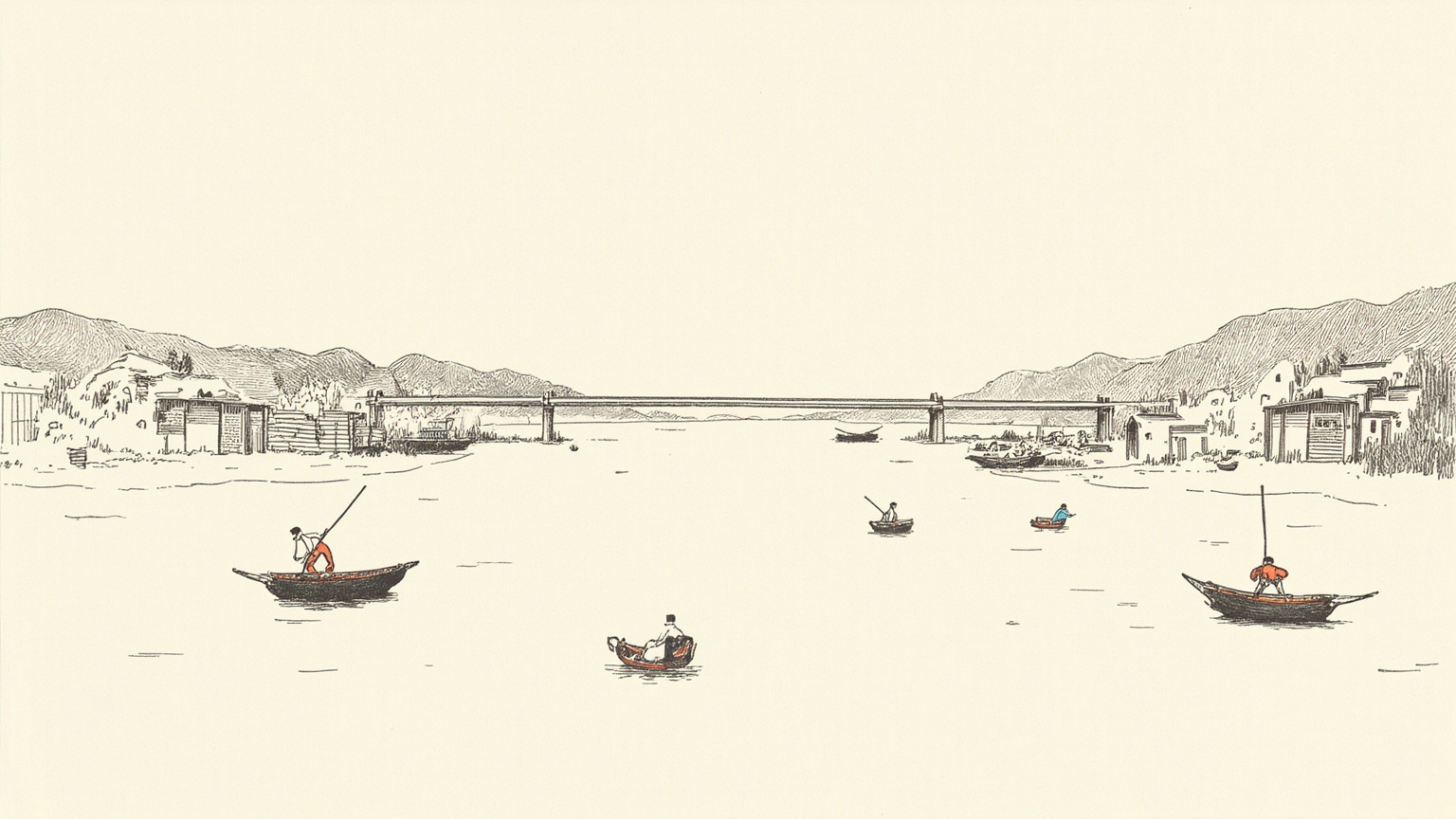
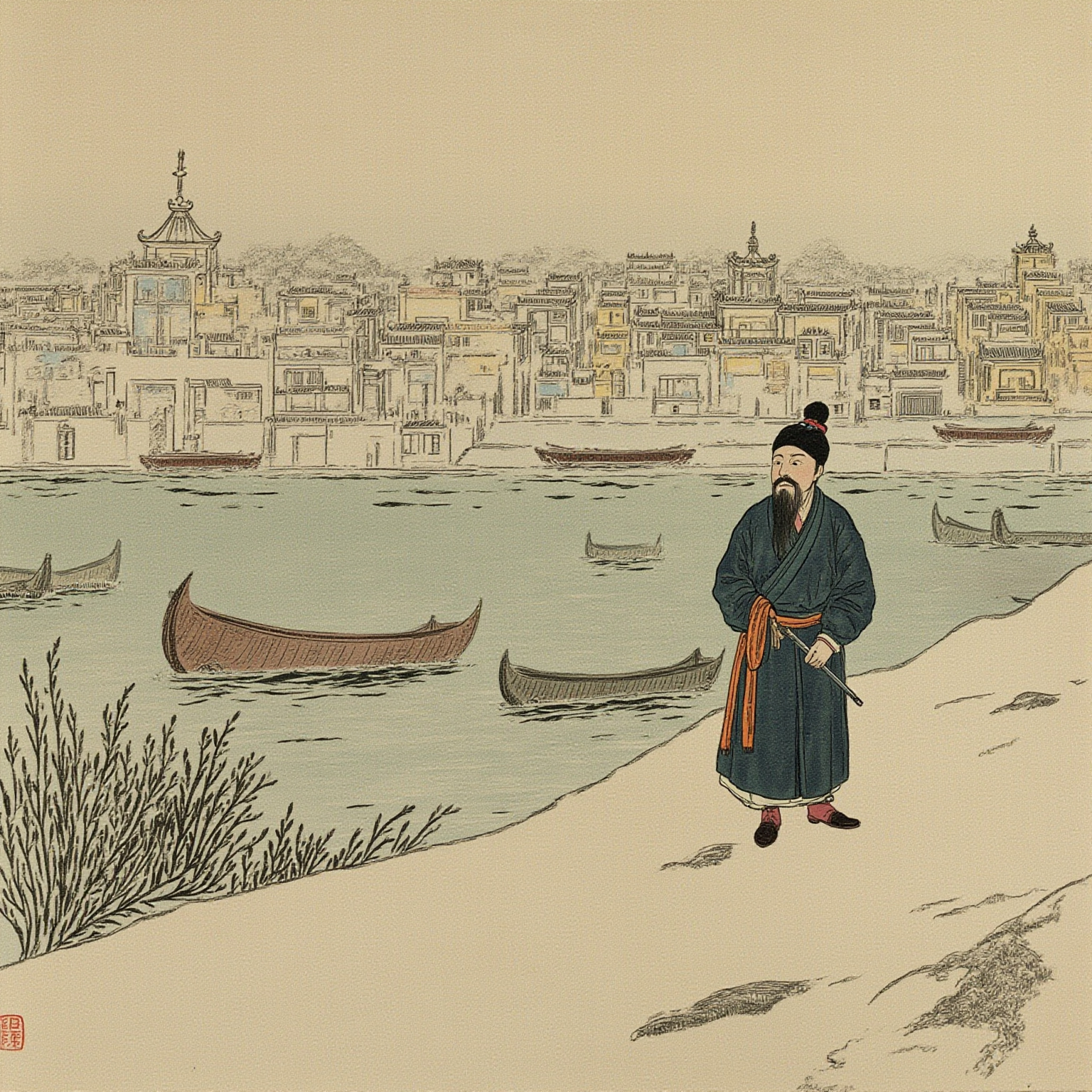
At the Yalu River crossing, a few rafts wait for passengers, their knots pulled tight. This bank is Joseon; the far one is Qing China. A Joseon scholar in his early thirties crouches down to look at the knots, then looks up at the brick houses on the opposite shore, with the eyes of a countryman seeing a city for the first time. The book begins right there, in that crouch. His name was Park Ji-won, and he wrote under the pen name Yeonam.
What Kind of Book Is This
The Jehol Diary was written in 1780, in classical Chinese, on the journey itself. It stands as the signature work of the Bukhak, or Northern Learning, wing of late-Joseon Silhak scholarship. It first appeared in print in 1901, folded into the Collected Works of Yeonam. This is not a Qing subject writing Qing history — it is a Joseon scholar who rode along on a birthday tribute mission to the Qing court, made his own detour through northern China, and came home to shape what he had seen into a book. The first half runs as a day-by-day diary; the second breaks into a set of independent essays and fables. It is the kind of book Korean middle-school textbooks keep coming back to.
Four Men, One Mission, One Road
Park Ji-won is the book's eye and its narrator. His cousin Park Myeong-won led the mission as its chief envoy, sent officially by King Jeongjo of Joseon. Park Ji-won himself held no diplomatic post; his cousin brought him along as a nominal military aide, which bought him something more useful than rank — the freedom to wander and look. Add two personal servants who stayed at his side the whole way, and you have the four men who carry the entire cast of the book.
The Chinese he meets along the way — officials, scholars, merchants — pass through the record without names. The real protagonist of this book was never a person. It was objects, spaces, and institutions.
From the River Crossing to Shanhai Pass: Objects Take the Lead
In the first days after crossing the river, Park Ji-won becomes a camera switched on: how the mule harness is knotted, how the shop banners hang, the shape of a pawnshop counter, the creak a wheelbarrow makes rolling by — he records all of it. The brick heated-floor houses around Shengjing catch him especially. He crouches by a stranger's stove mouth, absorbed in how much ingenuity a northern winter has packed into a seam of brick.
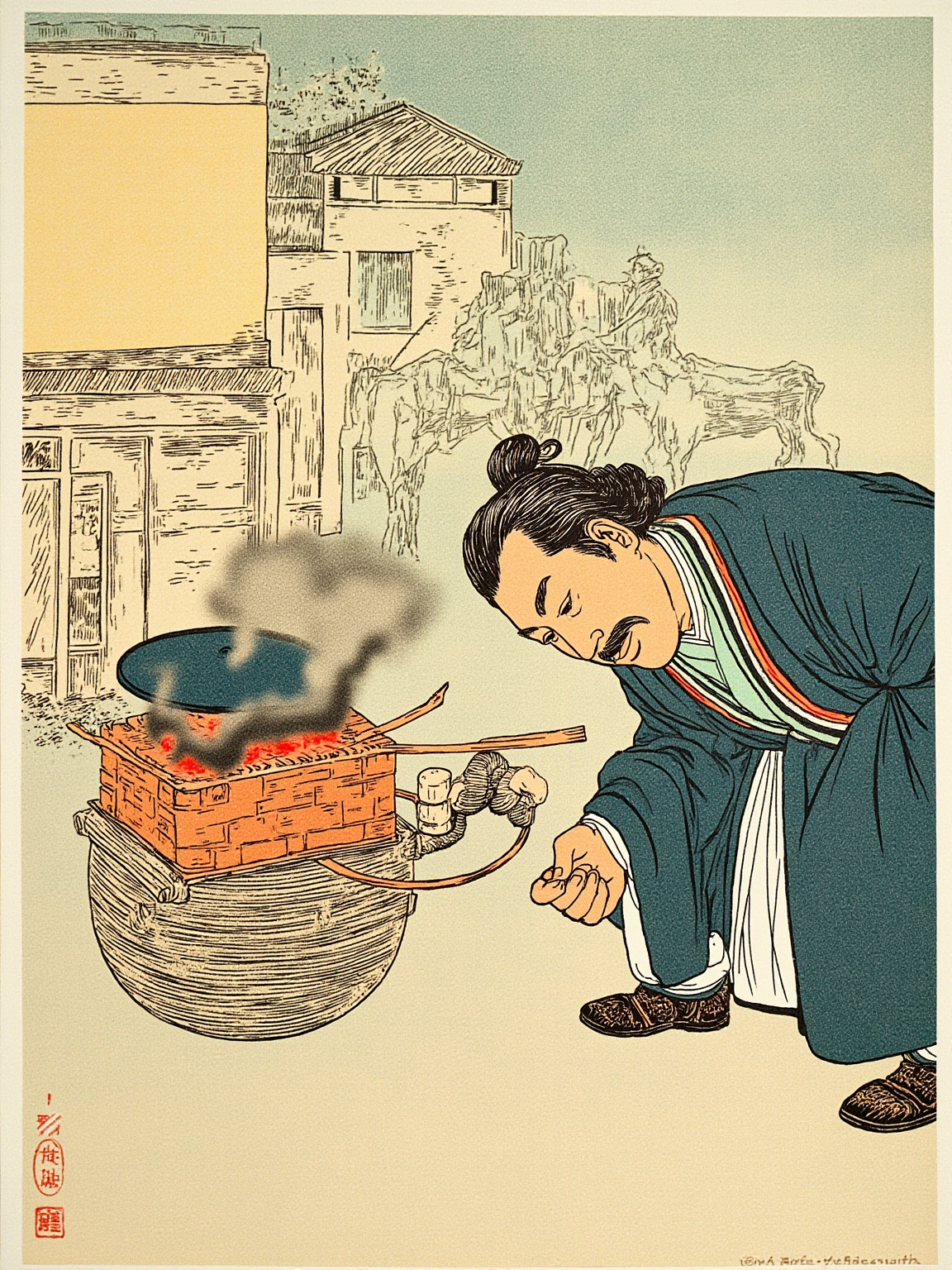
Tie the raft to the bank — the rope-knots on the Yalu, and the brick roofs across the water, are the first page of this book.
筏子系在渡口,鸭绿江上的绳结与对岸的砖瓦,便是这书的第一页。
金句 · 渡江录 · 卷一
This is where his method shows itself: Park Ji-won does not write the grand scene, he writes the object. To him, a country's real face is in these unremarkable knots and wheels. The more closely a foreign eye watches, the finer what it sees — and that is what makes the first half of the book so hard to put down.
The Detour North, and One Famous Line
The mission was meant to end at Beijing. That year the Qianlong Emperor was staying at the Mountain Resort in Jehol, so the delegation decided to push on north after him — a longer road, and a harder one. Worn down by the pace, Park Ji-won finally broke and wrote the book's most quoted line about himself, wishing for just one idle night to wander the northern frontier. The first time I reached that page, I went back and read the one before it again.
What makes the passage work is that he is not complaining, he is using his exhaustion to describe a condition: a lifelong wish to see the real frontier, tied for good to a mission's timetable, with no standing even to stop and catch his breath. The schedule bearing down on him was decades of settled protocol between the Qing and Joseon courts — nothing one aide could bend.
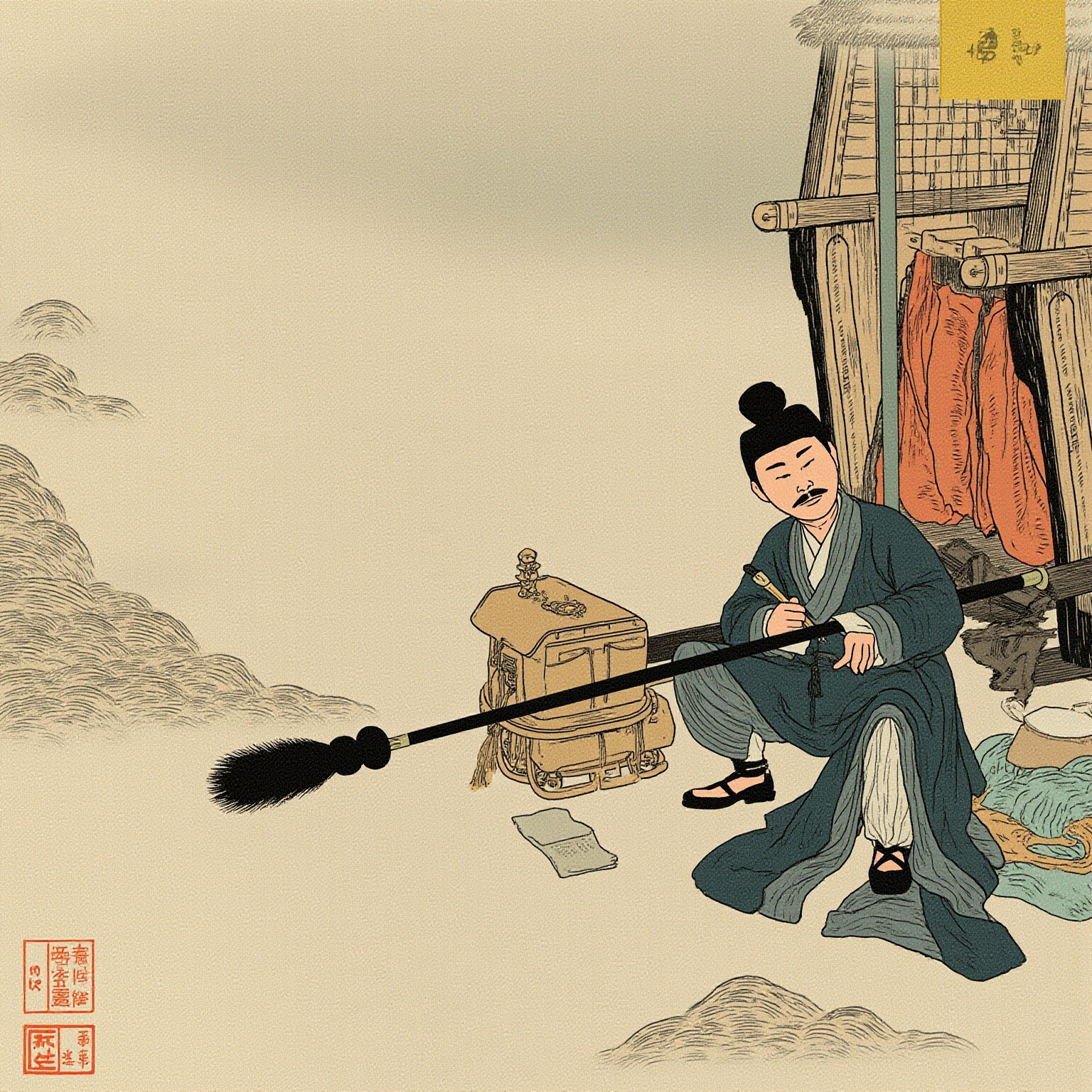
Let me steal one whole night — a single idle hour beyond the northern wall — and I shall account it a long life.
愿假一宵之闲,得一日之暇于北塞之外,则平生之愿毕矣。
金句 · 北塞愿假一宵 · 卷六
A Glimpse of Jehol: Gold Roofs Outside the Palace Wall
At Jehol, in Chengde, the mission got no closer to the Mountain Resort than a look from outside its walls. Inside was Qianlong's temporary court; outside stood a field of Mongol yurts, and past them a temple with a gilded roof, built by envoys from Tibet. Park Ji-won, an outsider even to this outside, never crossed the wall, but he set down everything in that political and religious space beyond it: how the yurts were arranged, how the temple's gold roof looked in the afternoon light.
What holds him here is not imperial majesty but everything sitting just outside the wall. There is a capital region beyond the capital region — the empire is not only the Forbidden City. True to form, he skips the grand scene again, writing instead a gold roof catching the light, and voices leaking out through a yurt's felt door.
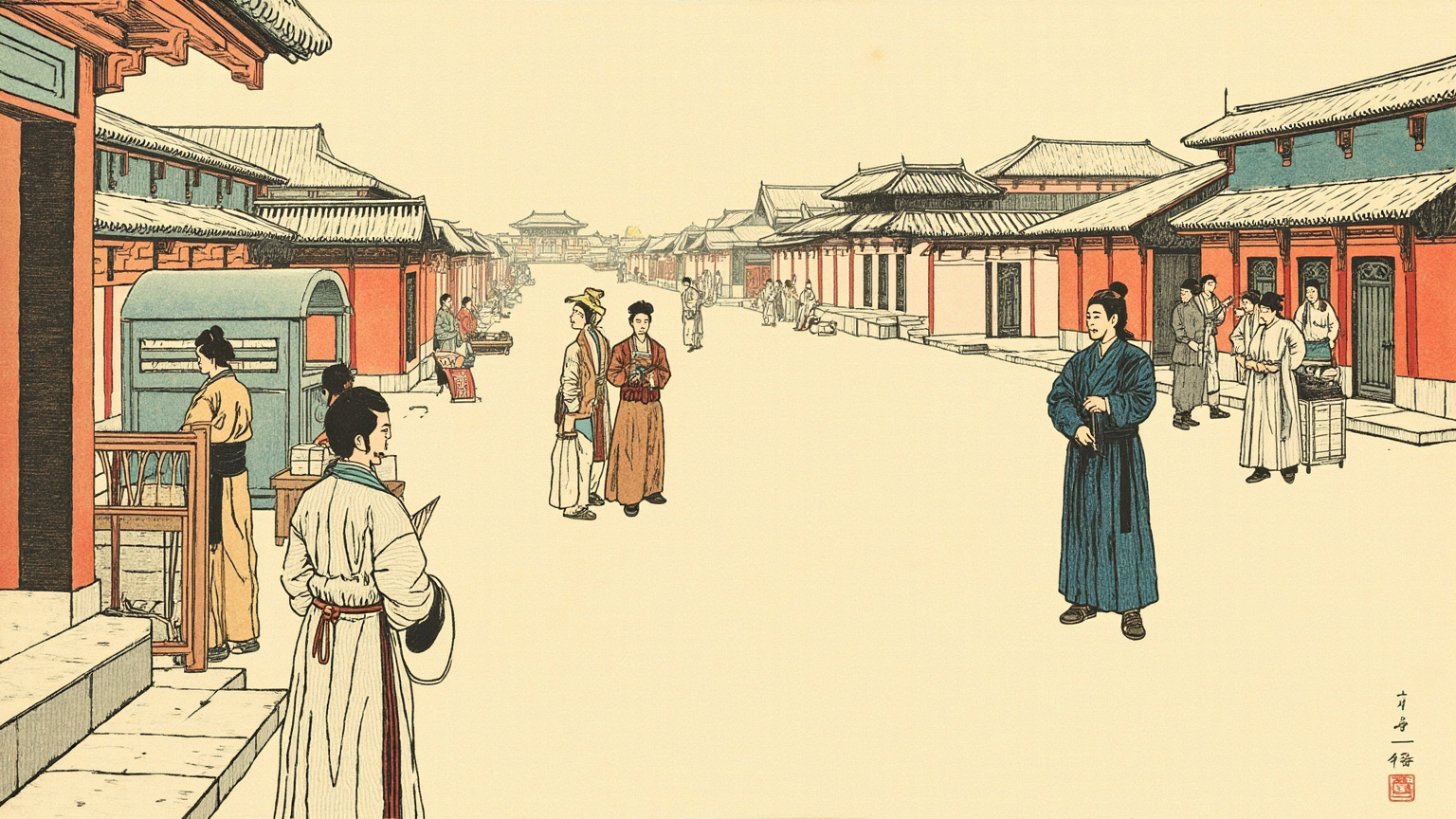
Beyond the palace wall stand the Mongol yurts, and beyond them a gilded Buddhist roof raised by men of Tibet — the empire does not end at the crimson gates.
宫墙之外,蒙古包在焉;蒙古包之外,金顶佛堂在焉——帝国不独紫禁城一片也。
金句 · 热河纪行 · 卷七
The Backbone of the Second Half: Two Fables
The second half runs nineteen chapters, book 8 through book 26, and nearly all of them stand as independent essays: The Panchen Lama, from Start to Finish; Night Talk at the Jade Box; Notes Written on the Road Through Dongnan; Questions and Answers on the Yellow Teaching; On Reading the Times, and more. Park Ji-won drops the travelogue here and writes argument instead. But two fables are folded into that argument, and they are the sharpest thing in the whole book — the chapters Korean middle schools never skip.
One is called The Tiger's Rebuke. A tiger meets a solemn, self-righteous Confucian scholar in a night forest and dresses him down to his face — you know perfectly well what's under that robe. There is no mauling in it, no body, only distance held at exactly the right length. The other is The Tale of Heo Saeng: an obscure scholar who takes fifty thousand ounces of silver and runs circles around the entire national economy.
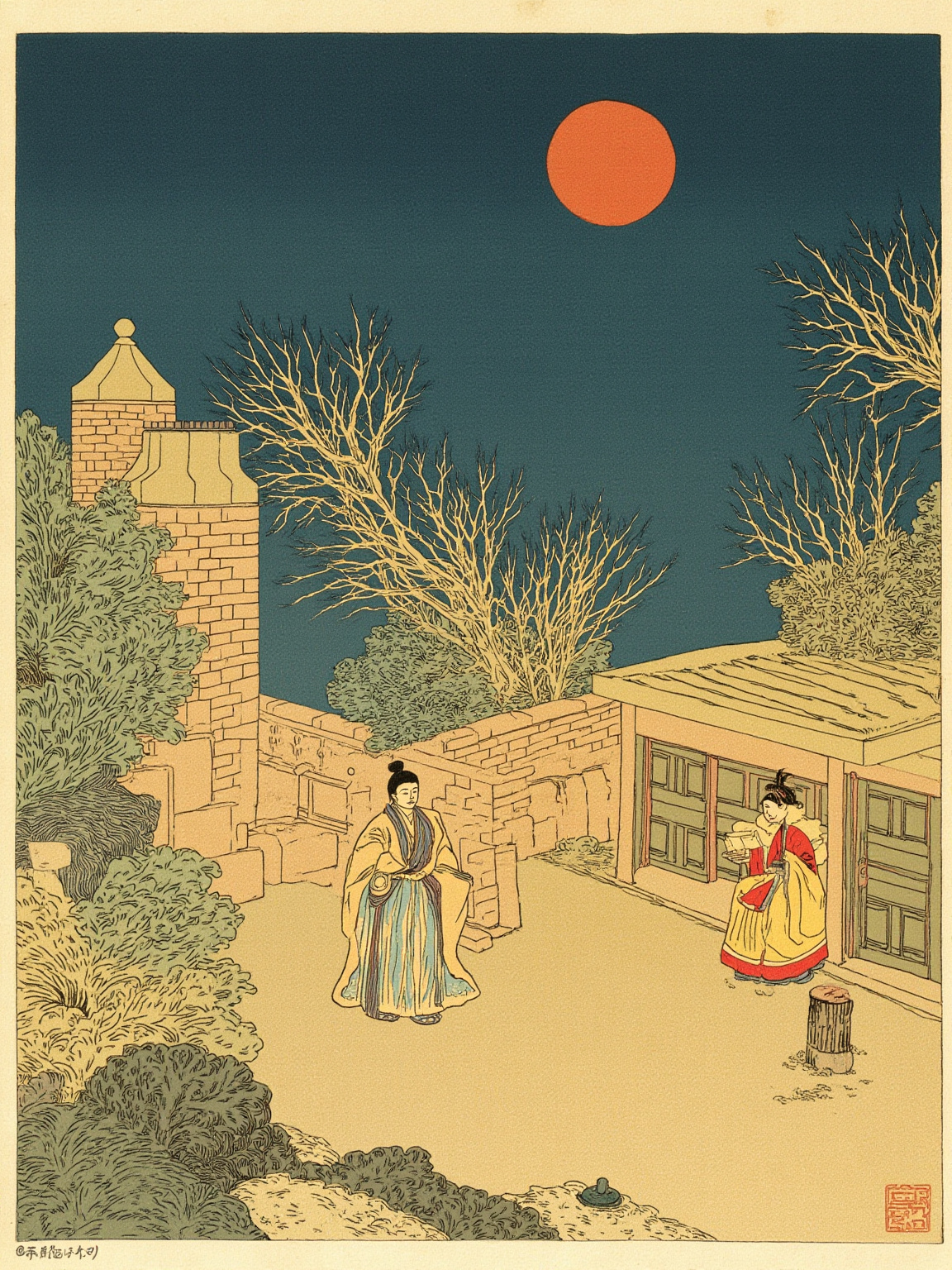
Strip off that robe — what is there beneath it that you yourself do not know?
脱尔外袍,其中空空如也,尔岂不自知乎?
金句 · 虎叱 · 卷十五
Recording every brick, every wheel, every wheelbarrow, every heated floor — he was opening a country's eyes for it, one object at a time.
The Theme: The Road of Northern Learning
Finish the book and look back at those early passages fixed on brick and tile, and their point finally lands: Northern Learning. Set down the old civilized-versus-barbarian prejudice and go learn, deliberately, from a rival stronger than you are. Learn the technology, the institutions, the reasoning hidden inside ordinary objects. It is the hardest proposition eighteenth-century Joseon Silhak scholarship left behind.
It still holds up today because the proposition has not expired. Whether a country is willing to bend down and look at someone else's brick and tile decides whether it can grow up.
Why It Is Considered a Great Book
First, it is the flagship work of Joseon Silhak, the sharpest thing the Bukhak school produced. Second, those two fables hold an outsized place in Korean literary history — they are the reason people started calling him the Voltaire of Joseon. Third, image and argument both reach full strength at once: the first half reads as travel prose, the second as a reform tract, with the sharpest fables in the language wedged between them. Three books live inside one, which is why it keeps getting assigned.
Fifty-Seven Days on the Road: An Expedition of Ideas
The mission retraced its route to Beijing, then turned south again for the Yalu. Fifty-seven days traced out a shape like a drawn bow. What Park Ji-won came home with was not a completed diplomatic errand but a clear view of exactly what his own country lacked, standing next to the giant to its north. The diary form is itself the argument: what he chose to record, and how, matters more than anything he says outright.
Fifty thousand taels in the hand of one scholar — and the whole state was made to dance.
许生以五万两白银,戏弄一国于掌股之上。
金句 · 许生传 · 卷十七
Why the Original Text Is Still Worth Reading
What a guide like this can give you is the map — which roads the fifty-seven days ran, who was met, what came home changed. Take the map away and two things still stand in the original text. The first is the feel of the prose itself. Park Ji-won writes a tiger dressing down a Confucian scholar to his face, and the cold edge of mockery in it survives a plain retelling only as meaning — the blade goes missing. The second is the density of things. Any single passage from the early stretch fixed on brick, on wheelbarrows, on heated floors, could stand alone as its own short piece — a guide flattens them, but the text itself is page after page of the scene actually happening. So even knowing how it all comes out, it is still worth reading once through, and letting the knots, the heated floors, the gold roofs walk up to you on their own.
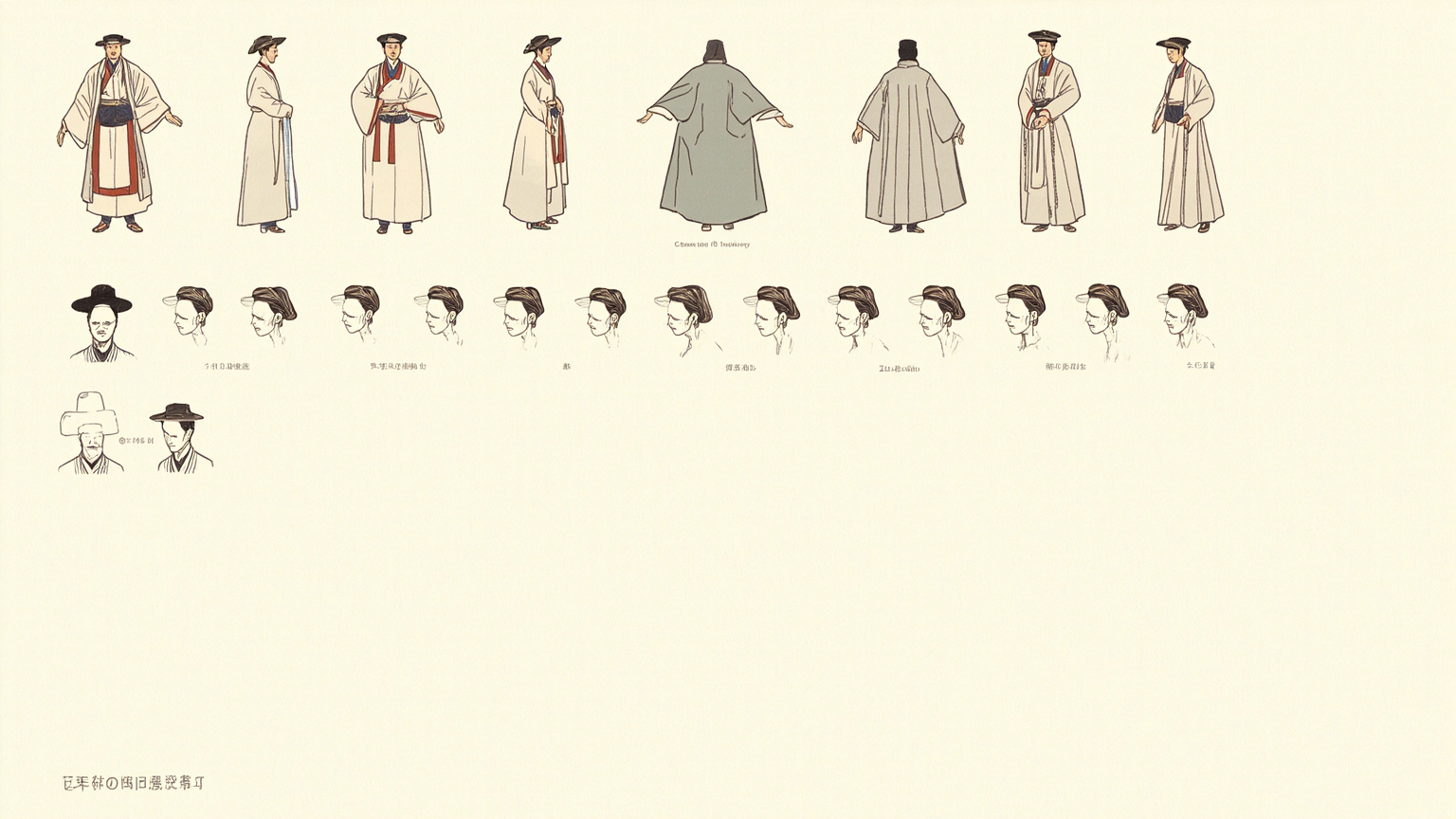
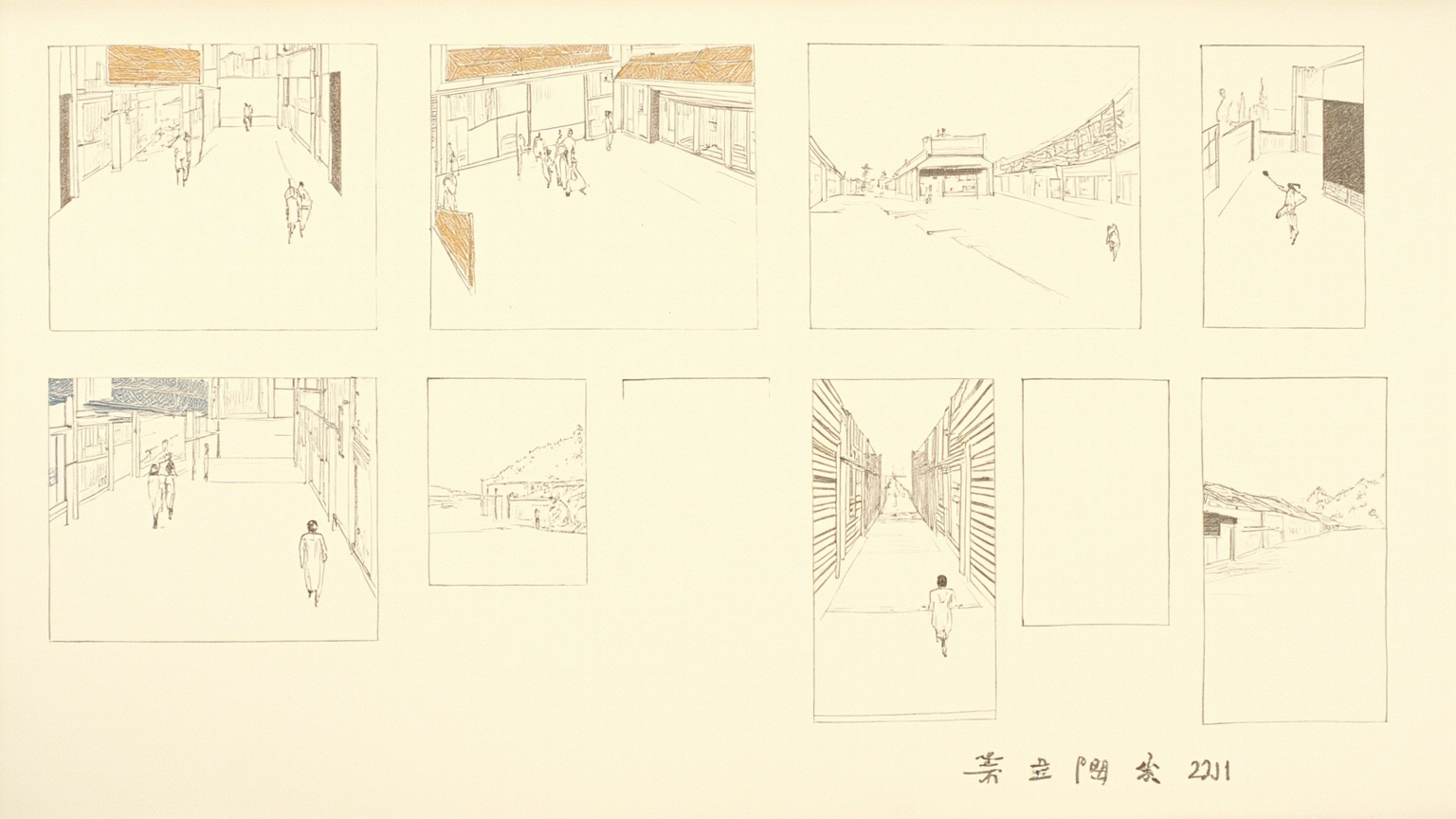
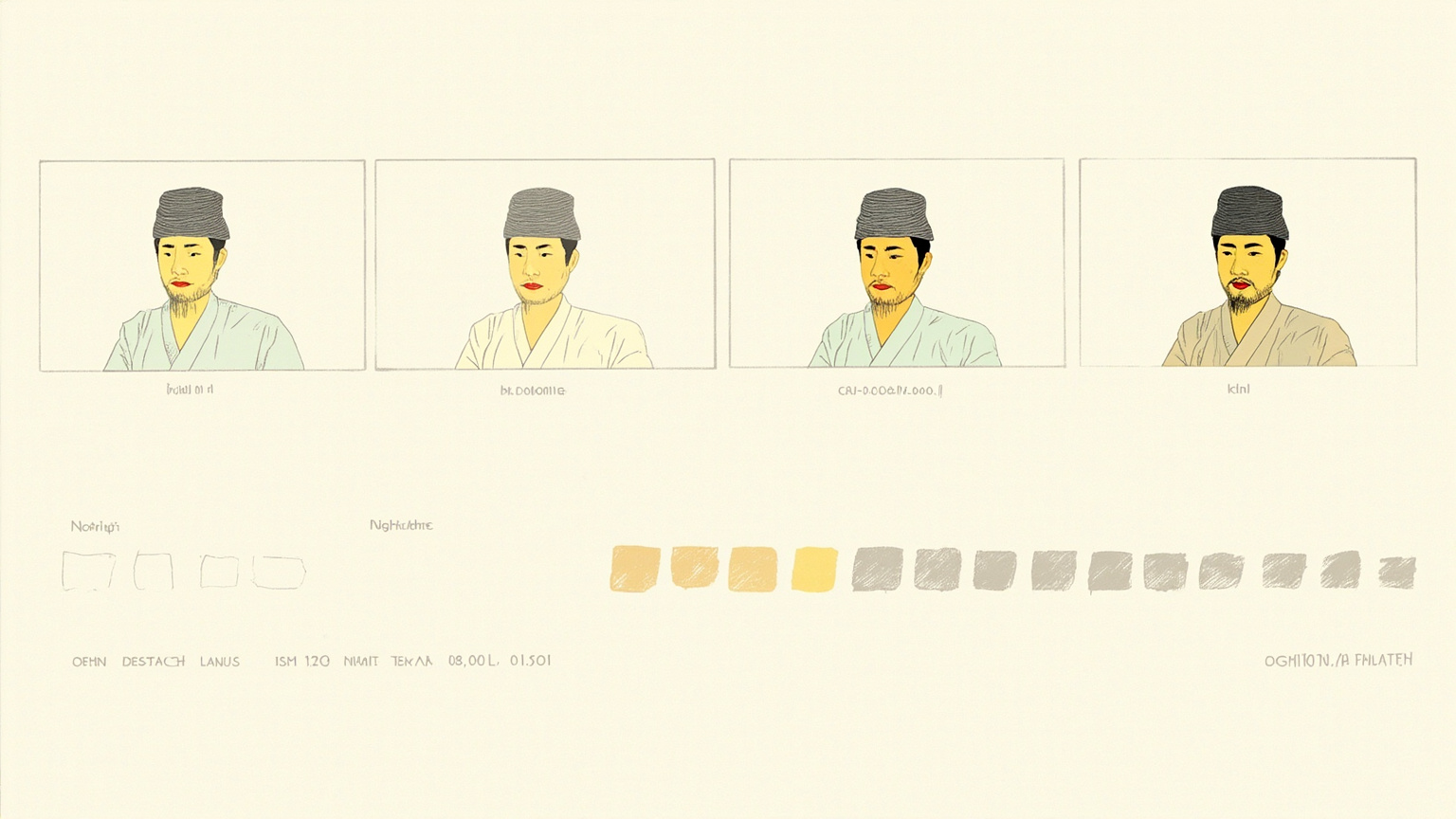
Art Direction4 plates
Before the guide was written, this book got a visual foundation — every illustration you just read grew out of it.