Strange Case of Dr Jekyll and Mr Hyde · Companion Guide
Dr. Jekyll and Mr. Hyde
A respectable doctor brews a potion that peels the evil in him into another man — small, pale Hyde, whom everyone instinctively recoils from; and once evil is loose, it grows hungrier with every feeding, never able to retreat behind that respectable door again.
Opening: The Windowless Side Door in Every Respectable Man
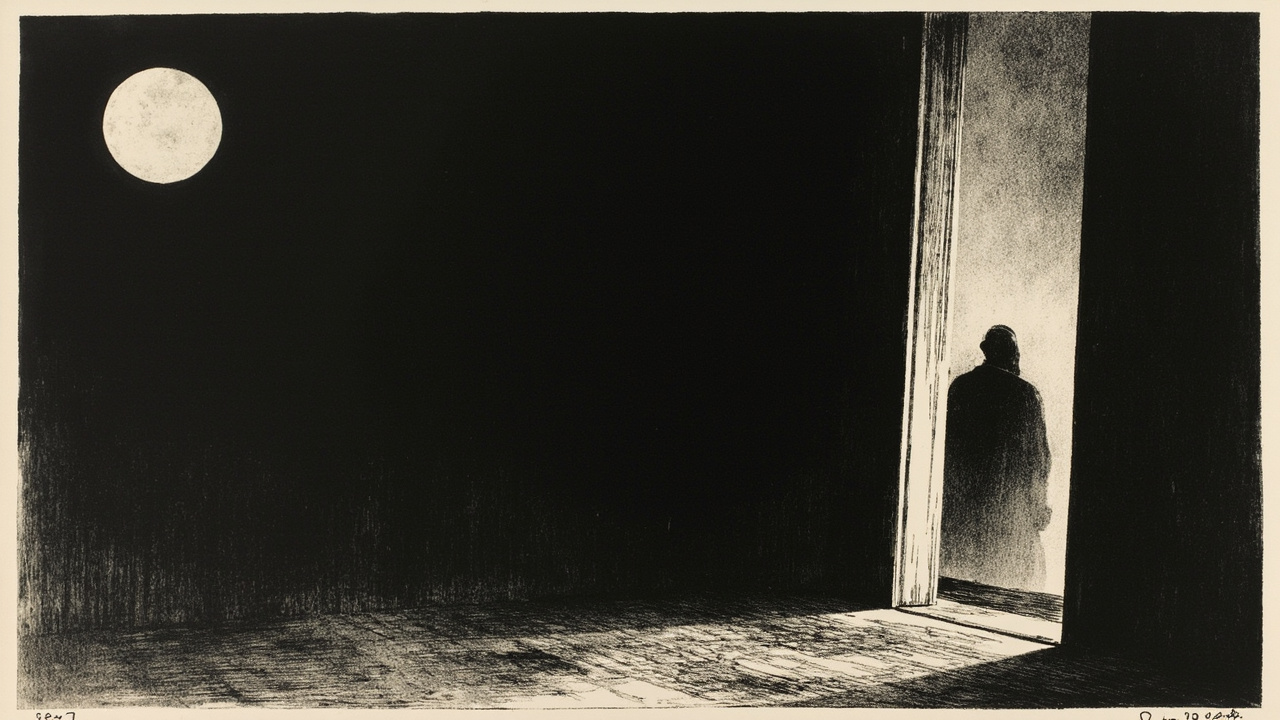
You know someone like this — impeccably dressed by day, generous with charity, unimpeachable in company, and someone else entirely once the door is shut at night. You treat the thought as a moral joke, until one foggy evening you see him slip past his own front door and duck through an unlit side entrance, head down, moving fast. This is not an urban legend. This is the switch Strange Case of Dr Jekyll and Mr Hyde throws in your imagination: every respectable man has a windowless side door somewhere inside him.
Behind that door the book lets you glimpse, something lives — younger and smaller than its owner, and instinctively repellent to everyone who meets it. It has no name and no history, yet it can settle, with your own check, for a child it trampled underfoot, and it can beat an elderly statesman to death with a cane on a foggy night. This is a mystery that keeps its answer until the very end, and the single most important sentence in the whole book is spoken to you, in the last chapter, by the victim himself.
What Kind of Book This Is
This is a late nineteenth-century Gothic novella, an instant classic on its first printing in 1886, and one of the shortest, earliest works in English literature to lodge itself permanently in the popular imagination as a fable of the divided self. It wins on no length at all — the whole book runs to a few tens of thousands of words — yet it promoted "Jekyll and Hyde" from a title to an everyday shorthand. From psychology textbooks to pop culture to comic-book dialogue, "Jekyll and Hyde" has become nearly synonymous with the idea of two people living inside one body. Very few novels ever manage that.
Characters and World: Five Lives in Fog-Bound London
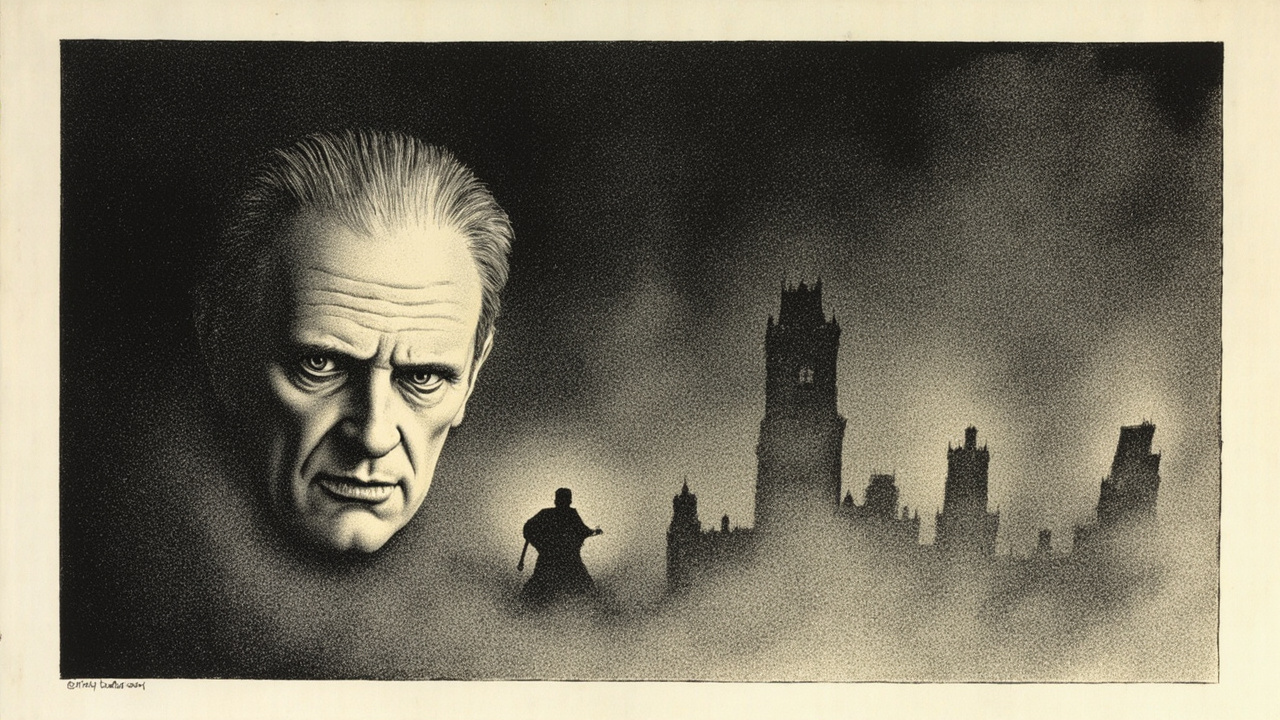
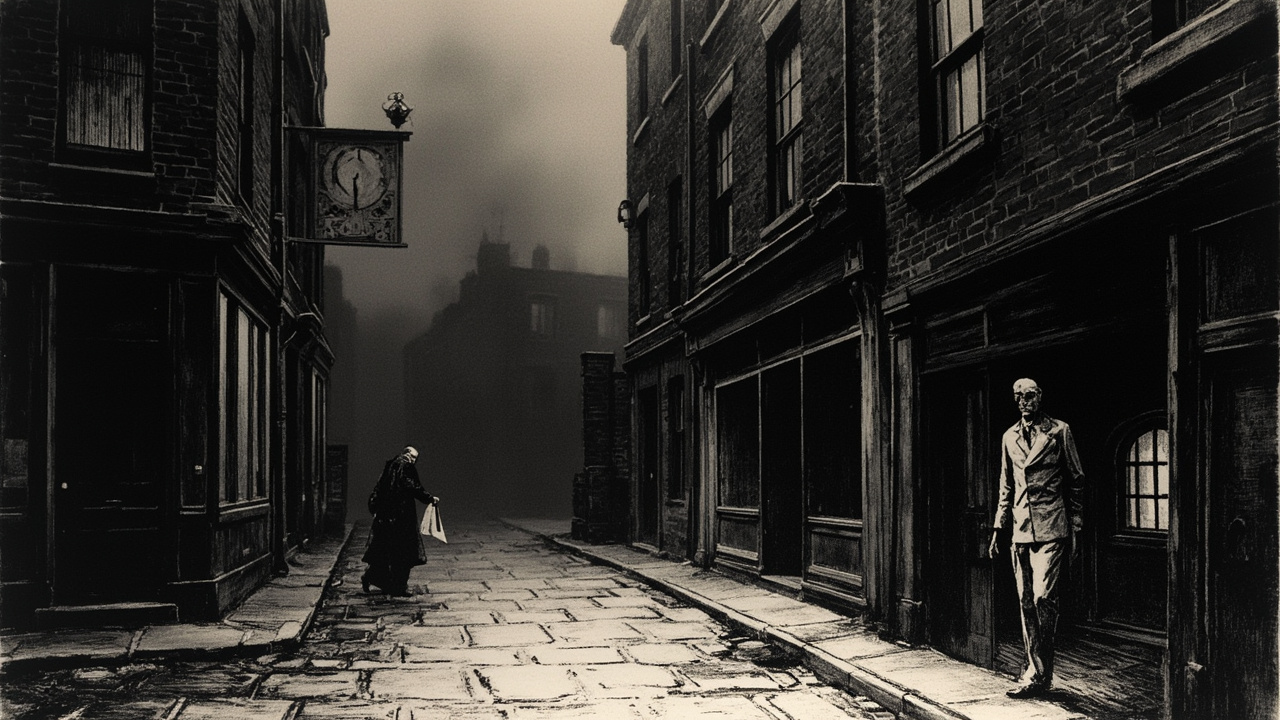
The story unfolds in a Victorian London wrapped in gaslight and fog. Along the cobbled streets, the facades of respectable houses gleam, and just behind them, unlit side doors wait in the back lanes. A handful of key figures populate this city. Utterson is the book's investigating eye, an old-fashioned lawyer of few words and much restraint, and it is he who peels back the truth layer by layer. Dr. Jekyll is your friend, the imposing, upright physician of about fifty with a spotless reputation. Dr. Lanyon is Jekyll's estranged old friend, ruddy-faced and white-haired, hearty and self-assured, who dismisses Jekyll's research as nonsense. Poole is the old butler who has served his master for twenty years. And the small, pale figure that everyone instinctively loathes without being able to name what's wrong with him — that is Hyde.
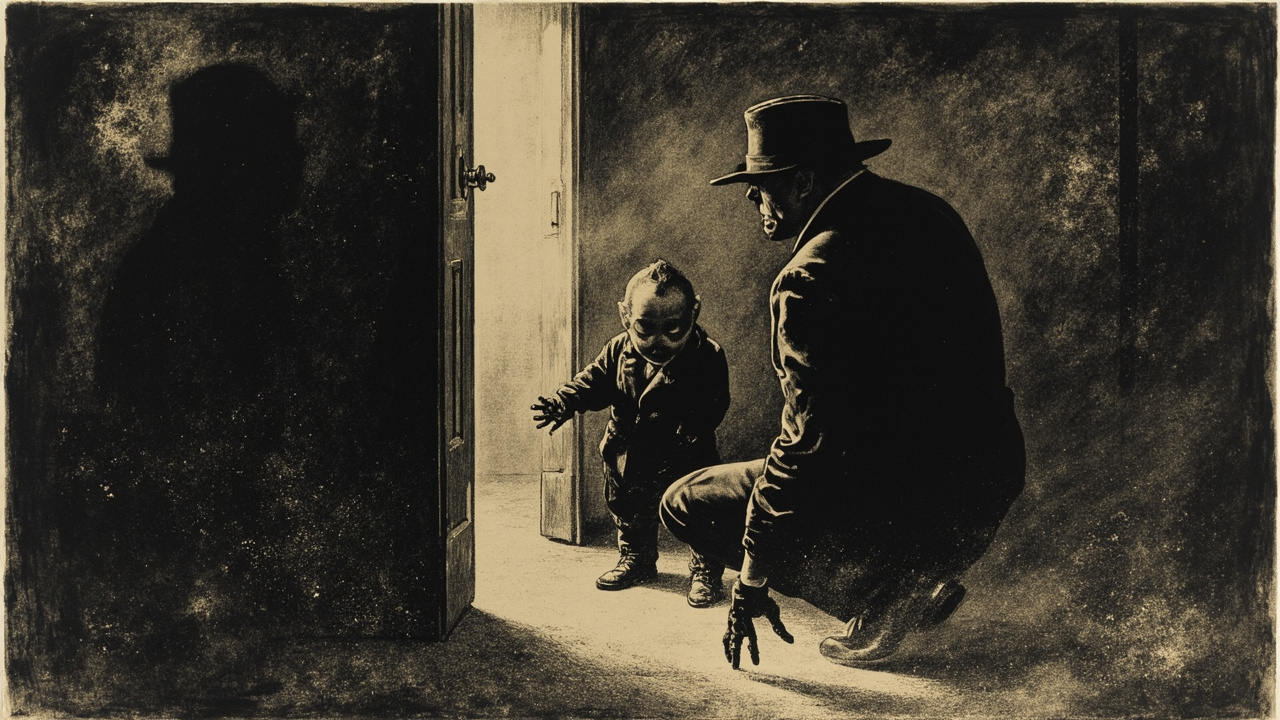
There is something wrong with his appearance; something displeasing, something down-right detestable.
他的模样有种说不出的不对劲——透着一股令人不快、彻头彻尾令人厌恶的东西。
Original line · Chapter 1, "Story of the Door" · Enfield's first sighting of Hyde
Of the five, Utterson leads the reader forward, Jekyll sits at the center of the puzzle, Hyde is the answer made flesh, Lanyon holds the key to the truth, and Poole is the last pair of hands to break down the door. London itself is only the set. The real protagonist is the fog — it covers, for every one of them, the half of themselves they'd rather keep hidden.
The Plot: An Unmasking Wrapped in Layer After Layer of Veil
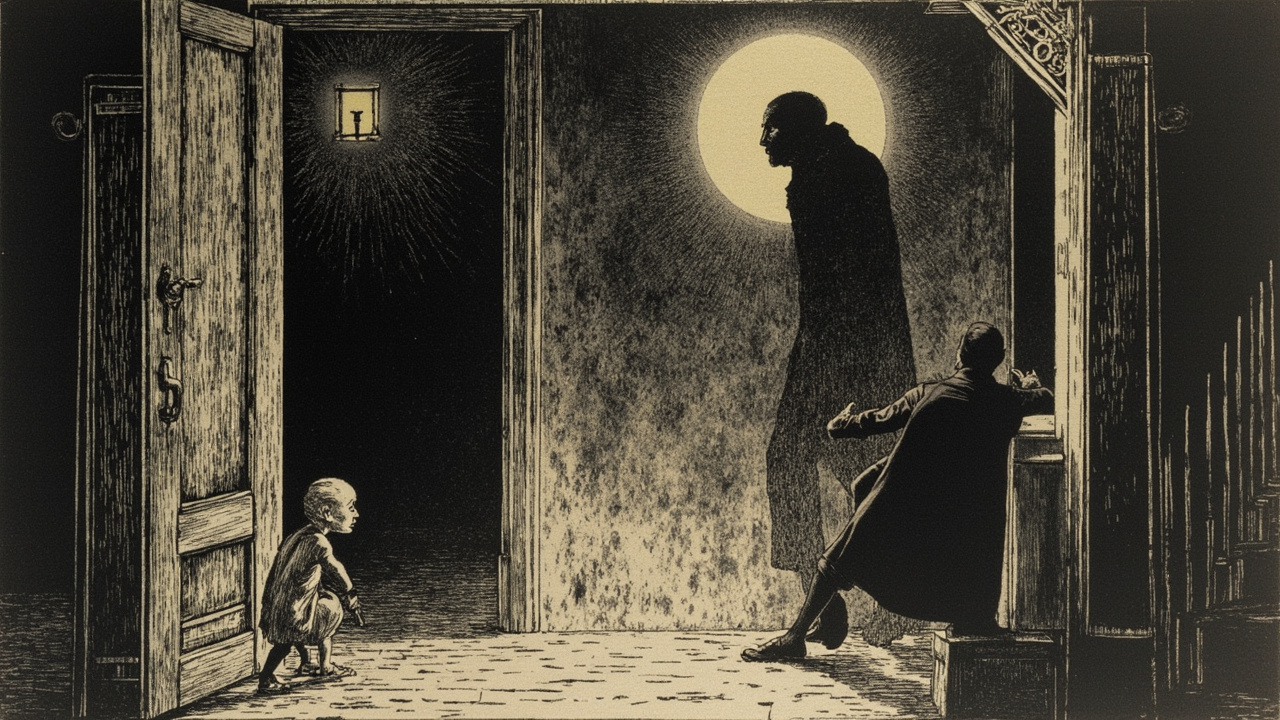
It all starts with a piece of gossip the lawyer Utterson picks up from his cousin Enfield: at three in the morning, a small man named Edward Hyde trampled a young girl in an empty street in cold blood, and afterward the family settled quietly for a check drawn on Dr. Jekyll's name. From then on the name Hyde lodges in Utterson's mind like a splinter. This is the book's first hook: what does it mean when a respectable man pays off a devil's debts?
Utterson then discovers that his friend Jekyll's will leaves his entire fortune to this Hyde, a man of no known origin — which is not normal. Why would a wealthy, respectable physician sign over a lifetime's savings to a small man nobody can place and everybody despises? Utterson begins to suspect blackmail. He watches Jekyll, tries to draw Hyde out, scans the crowds in the dark on the street more than once, and catches, more than once, a distant glimpse of that small figure's back — always gone in an instant, never a face-to-face encounter. The cleverness of this stretch is that the novel deliberately never lets the reader get a clear look at Hyde; all the suspense is loaded onto Utterson's particular anxiety of searching everywhere for a man he never actually manages to see.
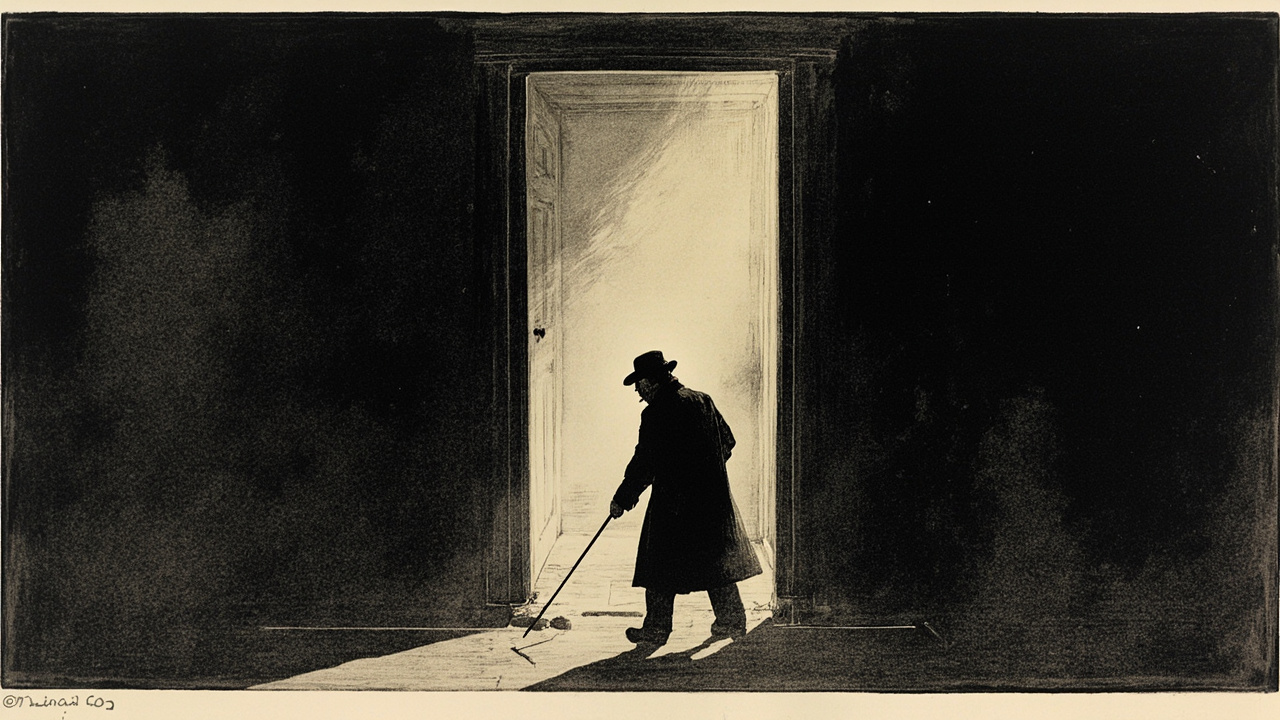
I shall be Mr. Seek.
那我,就来做『搜寻先生』。
Original line · Chapter 2, "Search for Mr. Hyde" · Utterson's pun-laden resolve: "If he be Mr. Hyde, I shall be Mr. Seek"
Then comes the climax of that foggy night: in full view, at a street crossing, Hyde beats an elderly statesman to death with his cane. Within a night the news is all over London, Hyde becomes a wanted man, and then he vanishes without a trace, as if he'd slipped through a crack between the paving stones. Strangely enough, Dr. Jekyll reappears in society right afterward, giving to charity, hosting dinners, laughing and talking, looking like a man who's just set down a great weight. Good and evil are taking shifts here, and the mask of respectability comes away unmarked.
The good spell doesn't last. One night, Jekyll's old friend Dr. Lanyon gets an urgent message and rushes over to Jekyll's laboratory, thinking he's only there to fetch an item. The door opens, and he watches, with his own eyes, a small figure swallow some kind of potion in front of him, cry out and convulse for a few seconds, its bones and face wrenching out of shape, and then rise from the floor as Jekyll himself. Lanyon never recovers. He falls ill on the spot and is dead within weeks, leaving behind a letter marked to be opened by Utterson alone, and only after Jekyll's death or disappearance. The key to the truth gets locked inside a letter that only a dead man's instructions can unseal. It is the book's best mid-story reversal: the bomb that will detonate the whole mystery is packed into Lanyon's coffin.
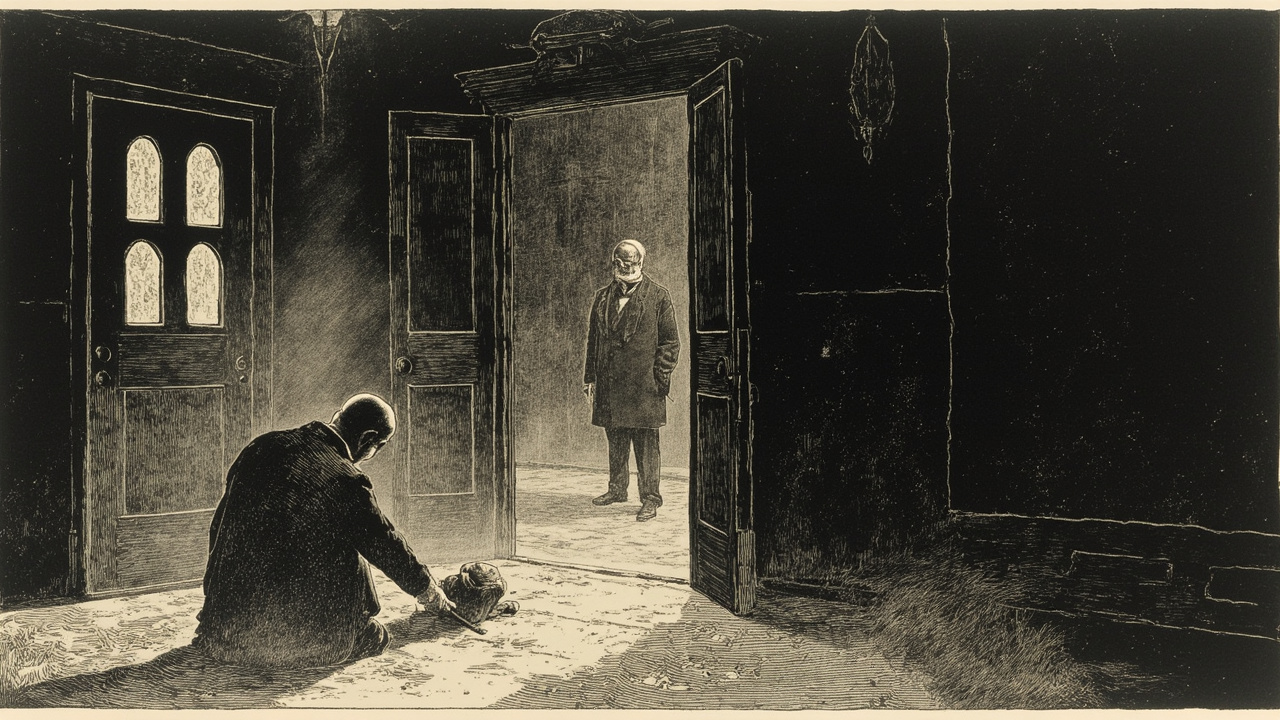
Edward Hyde, alone in the ranks of mankind, was pure evil.
在整个人类之中,唯有爱德华·海德,是纯粹的恶。
Original line · Chapter 10, "Henry Jekyll's Full Statement of the Case" · Hyde is evil, pure and simple
The final gate of the story is broken open by the old butler, Poole. He comes running to Utterson in a panic: his master has locked himself in the laboratory for days, pushing out only slips of paper demanding more of some chemical from under the door, and the voice on the other side isn't Jekyll's anymore — sharper, colder, someone else's. The two men decide at once to break the door down, and inside there is no living Jekyll, no sign of a struggle, only, swallowed inside a heap of Jekyll's oversized clothes, a small dead body that has poisoned itself — and the face is unmistakably the one nobody could ever quite name what was wrong with, the one everyone loathed on sight: Edward Hyde.
The whole case is unlocked by two documents laid out on the desk: Lanyon's testimony, the terror he sealed inside an envelope, and Jekyll's own full confession. The truth is that Jekyll had spent years developing a potion that could split off the "evil" side of a personality, and drinking it would turn him into another man entirely. At first it looks like the best of both worlds — a perfect gentleman by day, the dark private appetites let loose by night, and the respectable skin put back on afterward without anyone ever catching him out.
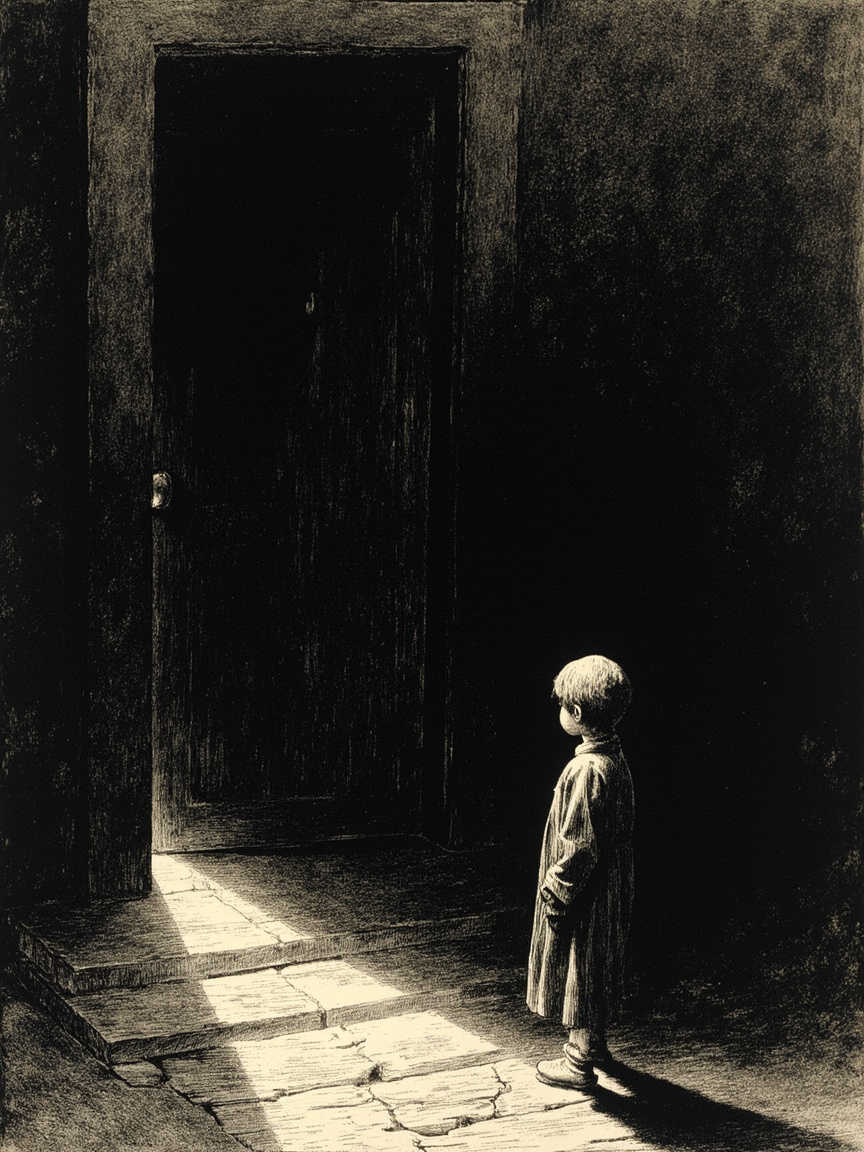
man is not truly one, but truly two.
人并非真的是一个,而是实实在在的两个。
Original line · Chapter 10, "Henry Jekyll's Full Statement of the Case" · man is not truly one, but truly two
But once evil is let loose, it behaves like any addiction: the more it's fed, the hungrier it gets. The more Hyde indulges himself, the stronger he grows, until eventually he can take over the body without any potion at all, while Jekyll is the one who now needs the same chemical just to struggle back into being a respectable man. The worst turn of all is that the key ingredient for the potion runs out, and it can never be reproduced. When that day finally comes, Jekyll, in his last lucid moments, finishes his letter to Utterson, swallows the final dose, and lets himself be trapped in Hyde's shape for good, leaving nothing behind but a cold body. The line the whole book has been building toward is the one he finally says himself, at the very end: the monster you have been hunting so hard, the blackmailer, the murderer — was never anyone but him.
Themes and Craft: Where the Monster Lives
The most counterintuitive thing about Strange Case of Dr Jekyll and Mr Hyde is that Hyde is not some hulking monster or green-faced fiend. He is smaller than Jekyll, younger, paler — and that is precisely the book's most vicious piece of design. Stevenson writes repressed evil as stunted and shrunken, which is exactly the point: the deeper the concealment, the more disfigured the thing that finally gets loose. Jekyll's tragedy is that he isn't invaded by some outside force; he is evicted from his own house by a tool he built with his own hands. The part of yourself you think you control is not you.
The second theme is the price Victorian society exacts. It is a portrait of how a respectable man is forced to spend his whole life wearing two faces — charity, dinners, donations by day; his true self by night. Stevenson wrote this novel before formal psychology existed, yet he predicted, with remarkable precision, the obsession the whole Western world would soon develop with the unconscious: the divided self, the social mask, the war between inner impulse and morality. It is fair to call this a fable of the unconscious written a good decade before Freud, a generation ahead of the psychoanalytic school.
The third is its structural double nature. On the surface it's a tight detective mystery, with Utterson chasing and the reader guessing all the way; underneath, it's a tragedy about a fractured self. Each section is narrated by a different witness — pulling back, closing in, shifting angle — until the answer is finally dropped on the reader all at once. The whole book works like a puzzle box whose gears all mesh.
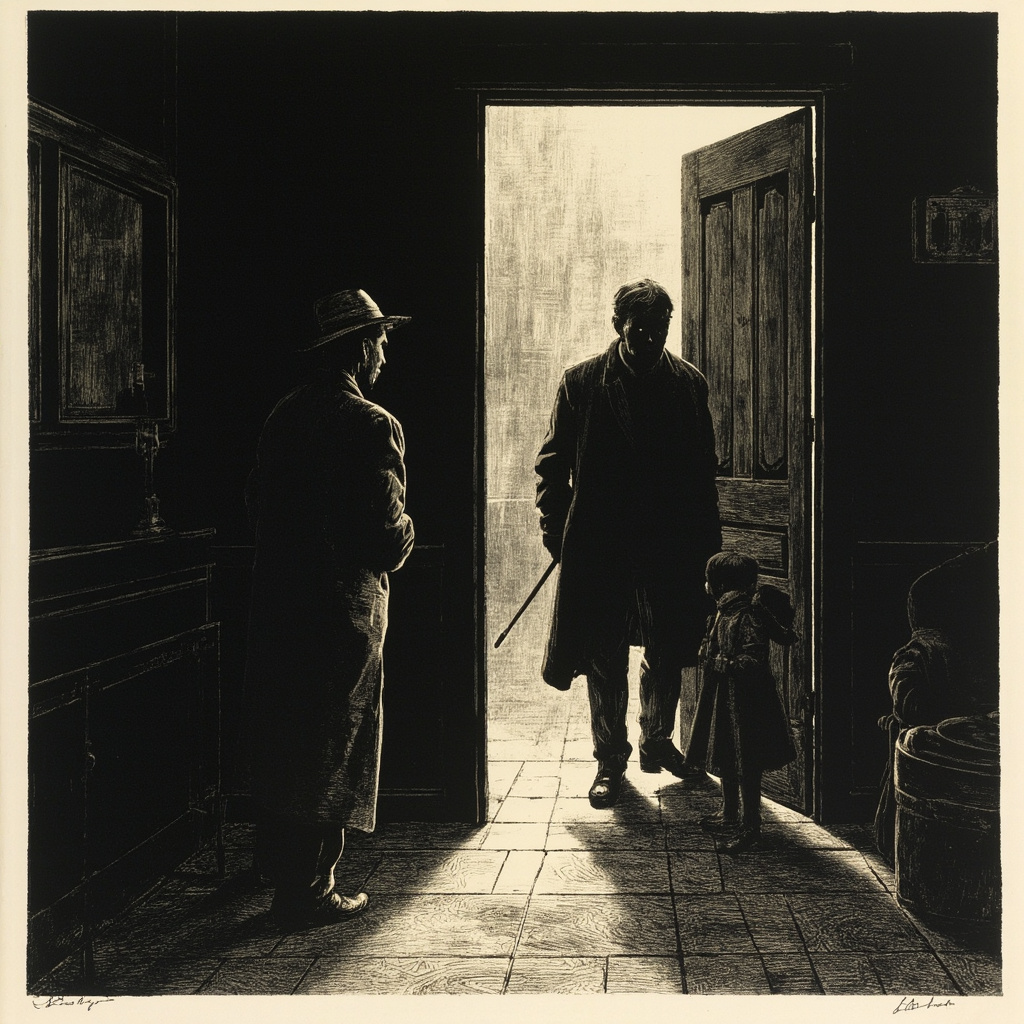
It sounds nothing to hear, but it was hellish to see.
说出来不算什么,可亲眼看见,简直像地狱一般。
Original line · Chapter 1, "Story of the Door" · Hyde tramples a child on a foggy night
Why This Book Is Remembered
Because it never lectures anyone. Split personality, the divided self, the monster hiding under a respectable man's skin — before this book, these were scattered notions philosophers argued over; after it, they became everyday language. Very few titles ever become part of the dictionary itself, borrowed again and again. Strange Case of Dr Jekyll and Mr Hyde is one of them. What's harder still is that it's astonishingly short, short enough to finish in one evening — and yet once you've finished it, that small, pale figure never quite leaves you.
Strange Case of Dr Jekyll and Mr Hyde names a fear deeper than anything Gothic — the real monster isn't out in the fog or beyond the door, but behind the windowless side door inside every respectable man.
The Hook to Go Read It: Why It's Still Worth Reading Once You Know the Plot
By now this essay has handed you every plot point and the whole truth at its center. But the experience of the actual text is not something a summary can replace. First, there's that Victorian restraint of tone, the density of fog and gaslight in every scene, which only comes through reading it line by line. Second, the narrative keeps the answer locked behind Utterson's limited view all the way to the final chapter, and the anxiety of reading it that way cannot be reproduced by hearing the story secondhand. And finally, the greatest disproportion of all: Hyde is not some bloodthirsty giant but a small pale man, and it is exactly this choice that lifts the book's horror past mere horror into something colder and more shameful — a revulsion at yourself — a feeling you can only get by actually holding the book and walking those London night streets page by page. It is a very short book, but worth spending a full day on.
Art Direction4 plates
Before the guide was written, this book got a visual foundation — every illustration you just read grew out of it.