Kon-Tiki: Across the Pacific by Raft (The Kon-Tiki Expedition) · Companion Guide
孤筏重洋
六个人把命交给风与洋流,在没有仪器的筏上漂过整片太平洋,去证明一个学界不肯听的点子。
Nine Logs, One Crazy Idea
A raft some fifteen meters long, lashed from nine balsa logs cut in South America, its sail painted with a sun god, arms spread, eyes fixed dead ahead: this was the Kon-Tiki, towed out from the coast of Peru into the Pacific in the spring of 1947. No modern navigation gear aboard, no radar, no generator, just a hand-cranked transmitter and a few coils of rope. Six Scandinavians meant to ride wind, current, and stars across forty-three hundred nautical miles.
Why It Got Remembered
The author was Thor Heyerdahl, a Norwegian biologist with an idea nobody in the academy wanted to hear: that the ancestors of the Polynesians might have drifted there, at least in part, from South America on the ocean currents. His fellow anthropologists in Norway shut the door on it, so instead of fighting for journal space, he went and found men willing to cut down trees and build a boat. Kon-Tiki: Across the Pacific by Raft came out in Norway in 1948, and within a year it had been translated into dozens of languages, turning the voyage into one of the twentieth century's most recognizable images of adventure — the raft, the sharks, the moonlight, the sun god on the sail, a silhouette sharper than any modern fleet's.
The Six Men Aboard
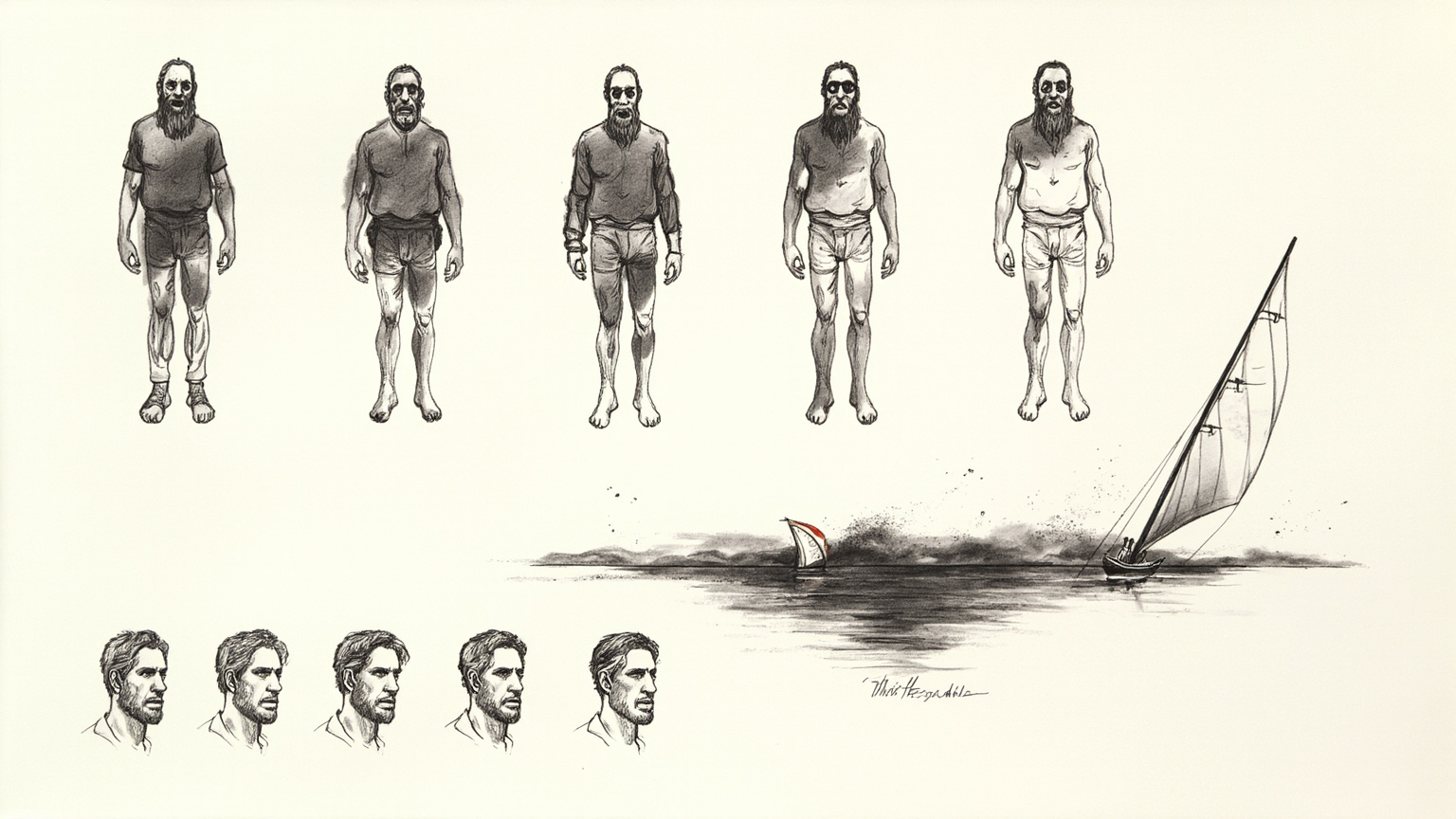
Heyerdahl led, and kept the log the whole way. Erik Hesselberg, the painter, was the only working sailor aboard who could navigate by the stars, and he also carved the god's face on the bow and painted the sail. Bengt Danielsson, a Swede and the only non-Norwegian on board, trained as a sociologist and handled water samples and records. Herman Watzinger, who had served on Norwegian submarines during the war, was the quietest man aboard, and he ran the steering oar, logged wind direction, and kept the raft's timbers patched. The two radiomen, Knut Haugland and Torstein Raaby, were both veterans of the war: Haugland had operated the radio for Operation Grouse with the British commandos, and Raaby had transmitted for the resistance from a hideout in the Norwegian mountains, evading the Gestapo. Between them they ran a single hand-cranked transmitter, the one that eventually sent word of Kon-Tiki's success back to the whole world.
A Voyage to Prove a Point
The plot is simple enough: build the raft, launch it, drift for a hundred and one days, run aground on a reef, get taken in by the islanders. What gives each stage its bite is how it's told.
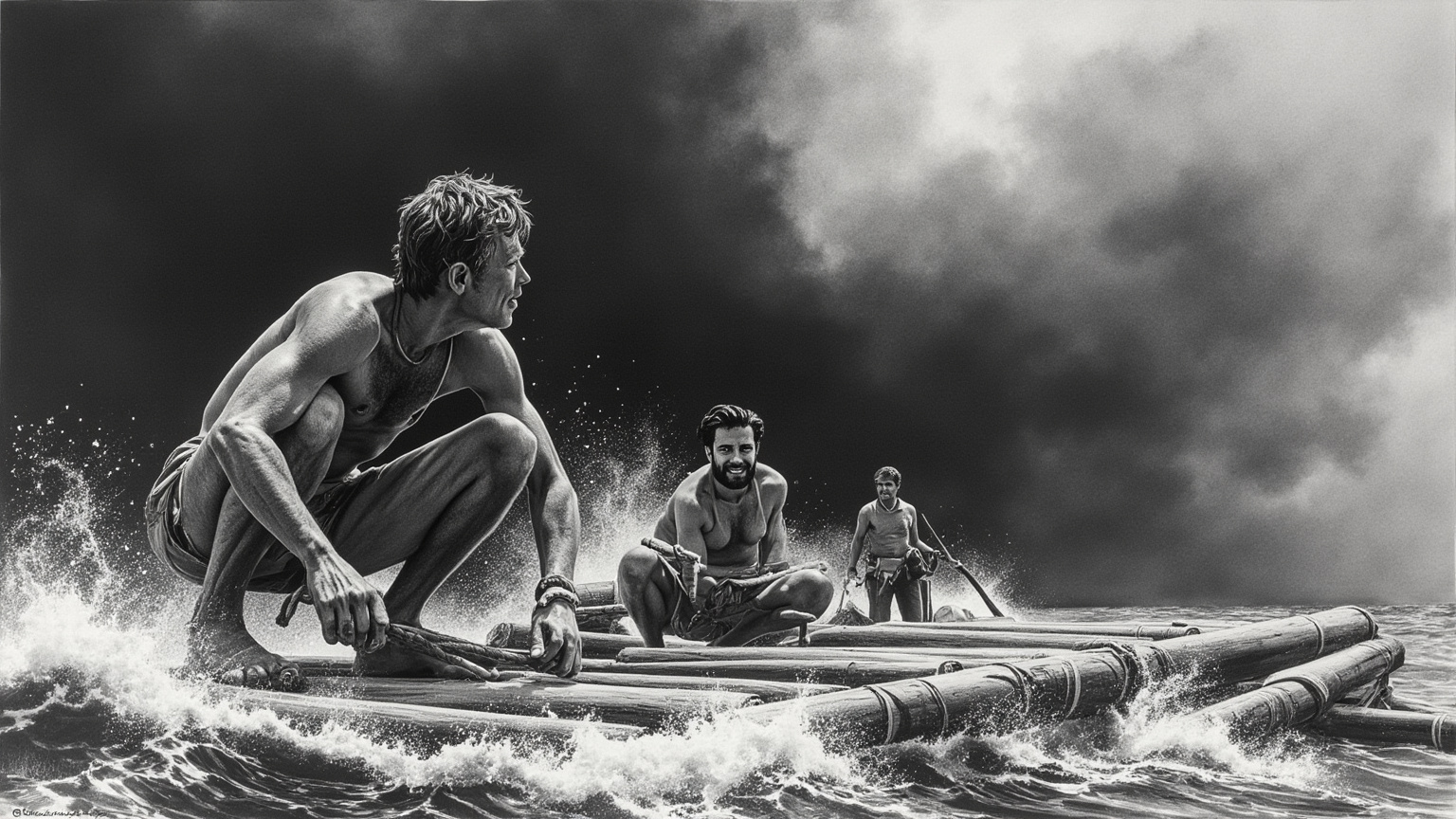
No man could have believed that any raft, however strongly built, could endure the fury of the Pacific.
没有人会相信,无论一只木筏扎得多么牢,它竟能在太平洋的暴怒里撑下来。
金句 · 第1章 · 九根原木,一个疯狂点子
From Felling Timber to Launch
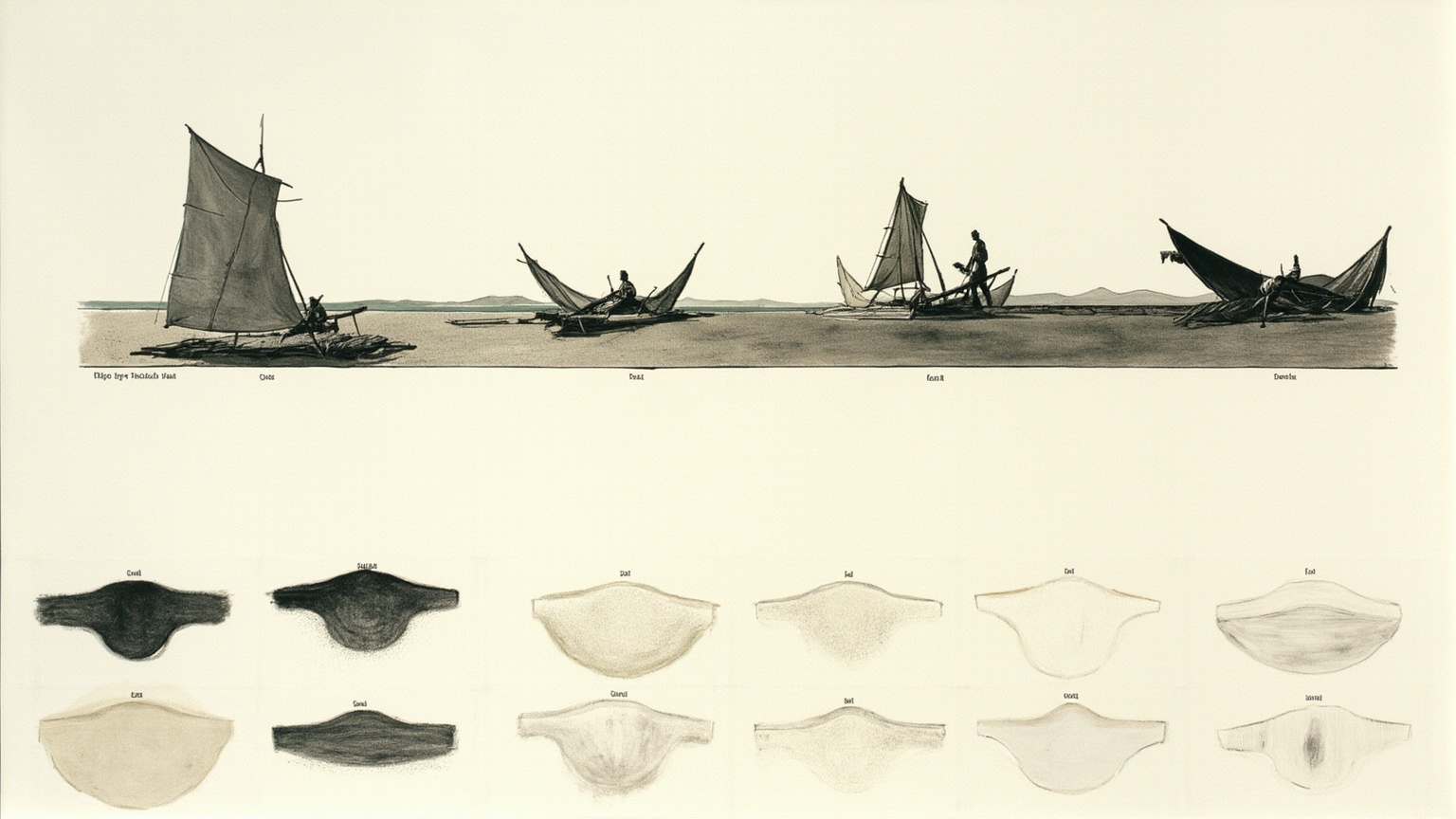
Early in 1947, Heyerdahl and his crew felled nine balsa logs in inland Peru in the pre-Inca style, lashed them into a raft, raised a bamboo-woven cabin roof, and hoisted a sail painted with a Melanesian design. The Peruvian navy would not let them sail out of Callao harbor, so they launched instead from the coast between Callao and Lima, and a Peruvian navy tug towed them out to open water before casting them loose. On April 28, 1947, the tug's captain wished them well, turned, and steamed off, and the Kon-Tiki drifted alone into the Humboldt Current: the moment they said goodbye to land was the moment they handed their lives over to it.
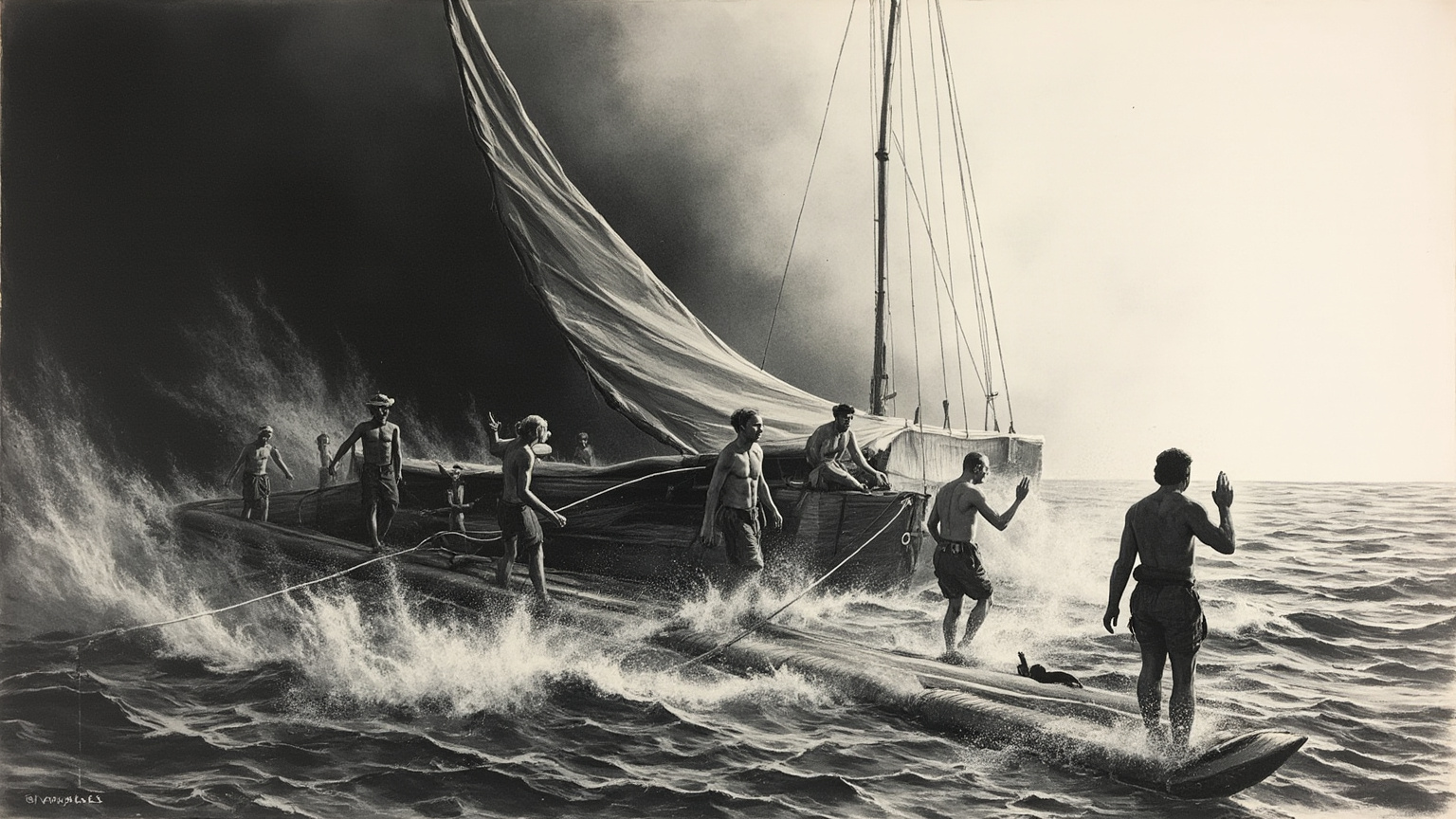
The Peruvian Navy would not let us sail from Callao. So we slid our raft into the sea from a beach farther north, and a tug towed us out beyond the headland.
秘鲁海军不肯让我们从卡亚俄出港。我们于是把木筏从更北的一段海滩推下水,由一艘拖船送出岬角外的远海。
金句 · 第2章 · 从砍木到下水
A Hundred and One Days at Sea
No modern instruments aboard. They steered by the sun and the stars, and logged wind, wave height, and the birds that passed overhead every day. Rain squalls punched through the cabin roof, gales frayed the sail to threads, and at night the raft collided with drifting logs often enough to stop noticing. The food was monotonous to the point of austerity: coconut, flying fish, shark meat, seabirds, fledgling albatross, and the small crabs and seaweed tucked into the driftwood the Humboldt Current carried past. Drinking water came from what rain they could store, and from dew collected on canvas by an old Norwegian method. When I got to the passage where they sliced whale meat into strips and hung it off the raft to draw the sharks, I went back and read the page before it again — the knife passing through the flesh, strip after strip hung along the edge, seawater climbing up from below to wash the smell thin.
Two Standoffs by Moonlight
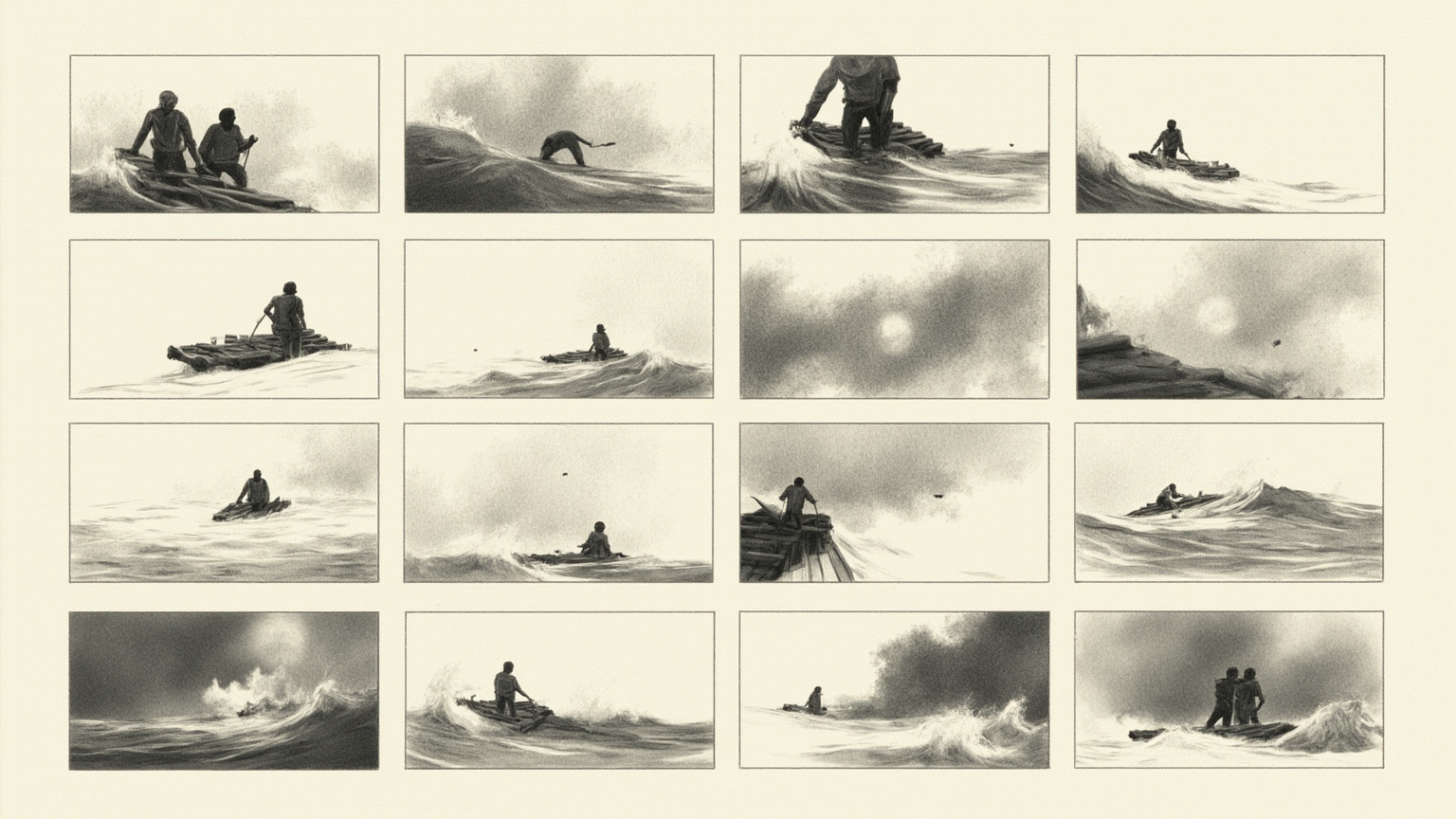
The book's two real visual set-pieces aren't gory. In one, a pack of hammerhead sharks works the underside of the raft, gnawing a spare plank behind the rudder down to half a log's worth of wood; moonlight turns the spray the fish churn up to silver, and the sharks' fins cut through it — a standoff between men and the sea, not a slaughter. In the other, a heavy sea knocks the foremast down, the bamboo cabin roof caves in on one side, and the crew stand waist-deep in water, using rope and lines lashed to the logs to haul mast and roof back into place. They hang out strips of whale meat as bait, the sharks pull back for a moment, and the crew use the gap to cinch the break tight. What makes it work is that every dangerous moment stays pinned to the physical texture of moonlight and seawater; not one adjective is left to do the shouting.
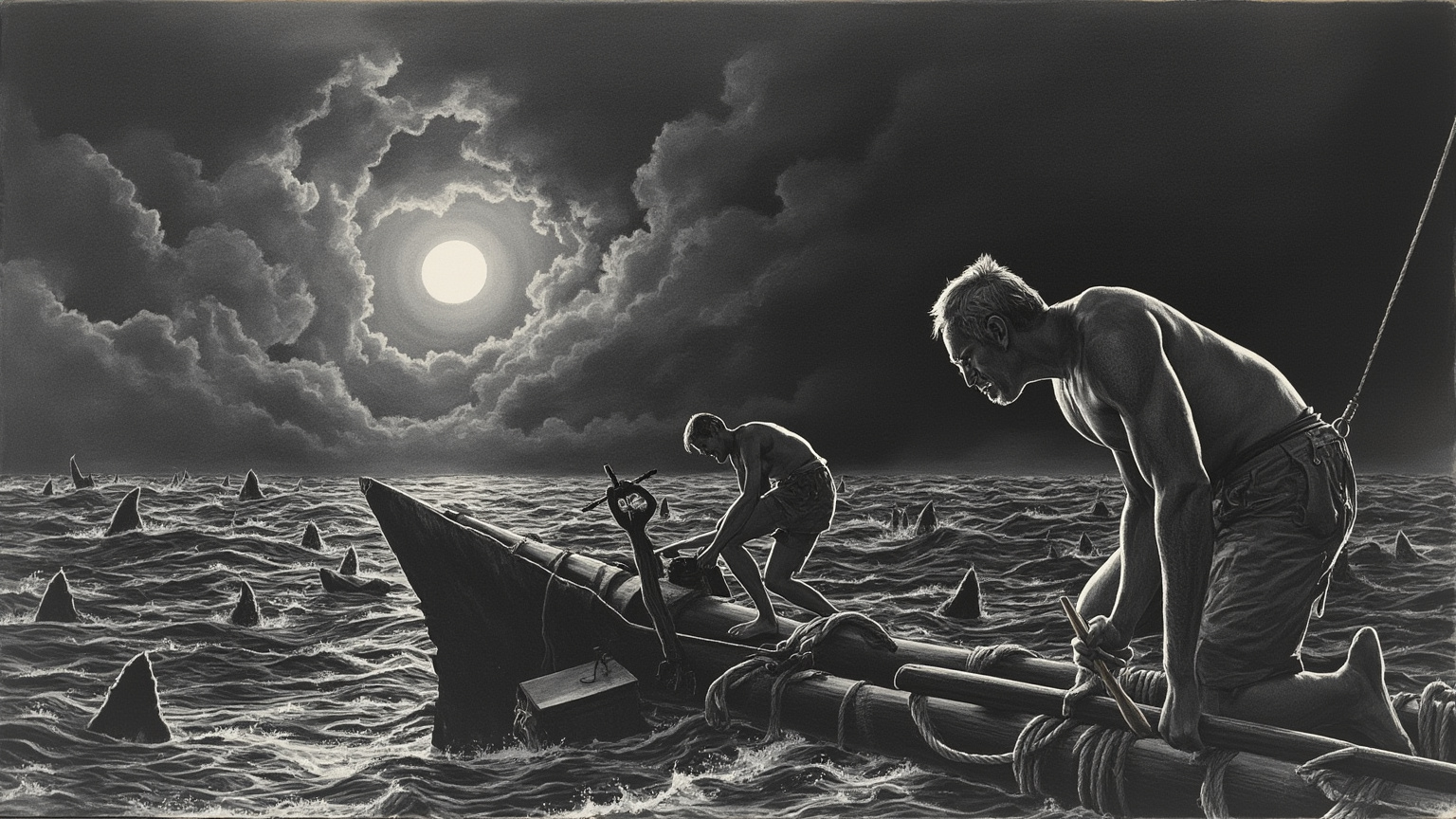
In the moonlight the sea was like liquid silver, and the black fins cut across it as if drawn by an unseen hand.
月光下,海面像流动的银子,黝黑的背鳍在其中划出一道道看不见的手留下的笔迹。
金句 · 第7章 · 月光下的两场对峙
Caught by Strangers' Kindness
On August 7, 1947, the raft struck a reef off Raroia atoll in the Tuamotus, and a heavy sea drove it up onto the coral. The six men waded ashore from the wreck to find the beach already crowded with Polynesian islanders. By local custom, the best house went to the guests, and the first meal, coconut crab and roasted breadfruit, was set in front of them before they'd even dried off. That was how the hundred and one days ended: caught by the kindness of a people they'd never met. The warmest line in the whole book isn't at sea. It's the moment they step onto the sand.
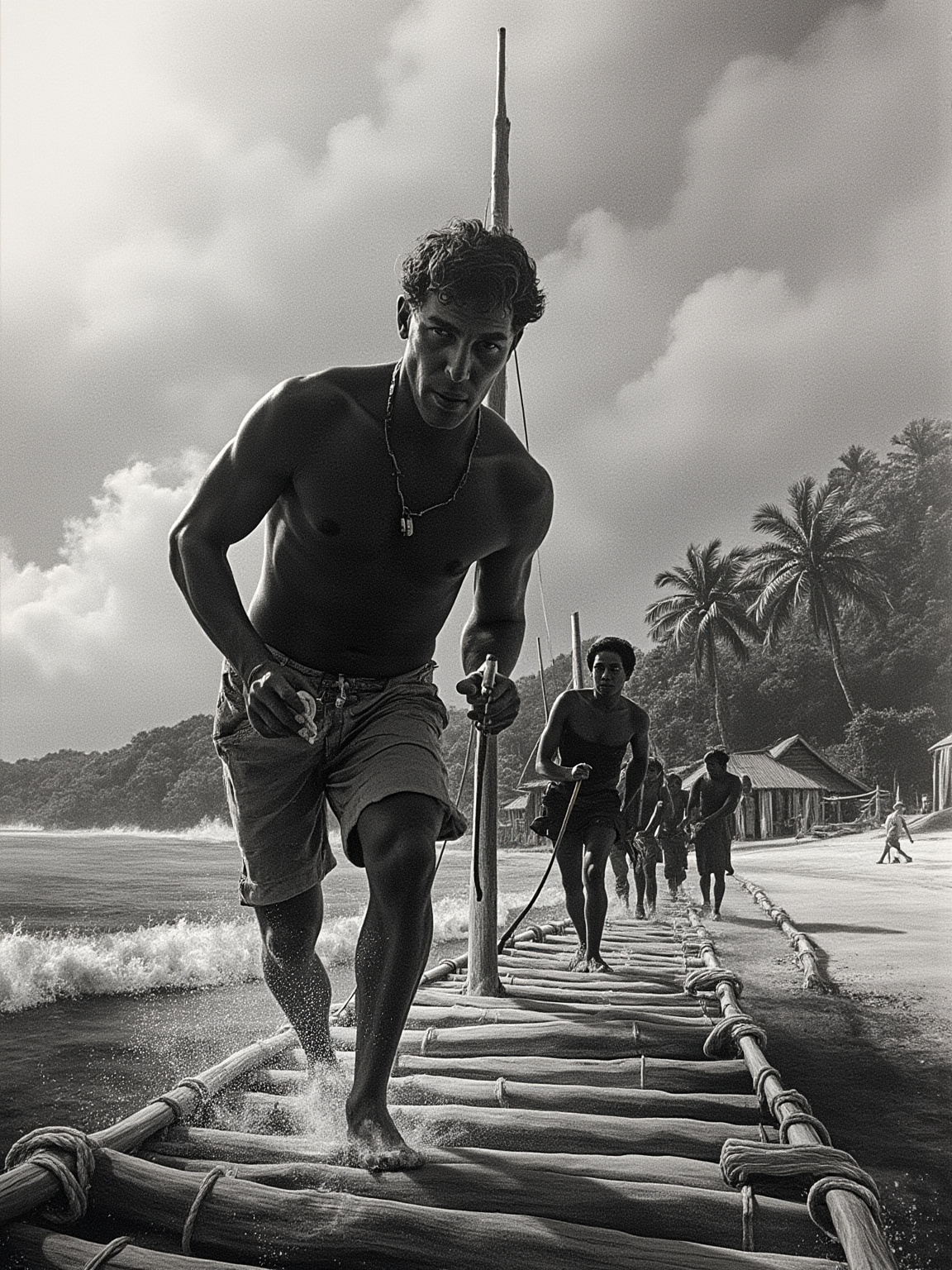
The best house in the village was given to the strangers, and the first food was laid before them without a word of payment.
村里最好的房子让给了这几位陌生人,第一顿饭端上来时,没有人提过一个钱字。
金句 · 第9章 · 被陌生人的善意接住
One Hand-Cranked Radio, a Global Sensation
Before they'd even reached civilization, Haugland and Raaby had already cranked the transmitter at the stern and sent word out that Kon-Tiki had made it. By the time they actually stepped ashore, the press had already caught fire: six men on a raft across the Pacific became the picture on front pages everywhere. The manuscript was finished that same year, and the book came out in 1948, a byproduct of an obscure anthropological argument that turned into the book that launched several generations into adventure reading.
What It's Really Saying, and Why It Stuck
In the end this book isn't really about where the Polynesians came from. Heyerdahl's hypothesis was never accepted by the mainstream, and its weight in intellectual history far outstrips whatever it proved anthropologically. What actually holds the book up is its posture: when an idea couldn't win over a room full of skeptics, its author didn't write more papers, he went and cut down trees. That combination of thinker and craftsman, romanticism proven by hand, is a rare currency in twentieth-century adventure writing. The other pillar is the kindness of strangers — the loggers in Peru, the tugboat captain, the islanders of the Tuamotus. The book's real fulcrum isn't the raft, it's the hands that reached out to it. The ocean, from the start, connected people rather than separating them, and the author needed only a hundred and one days to let the reader feel that for themselves.
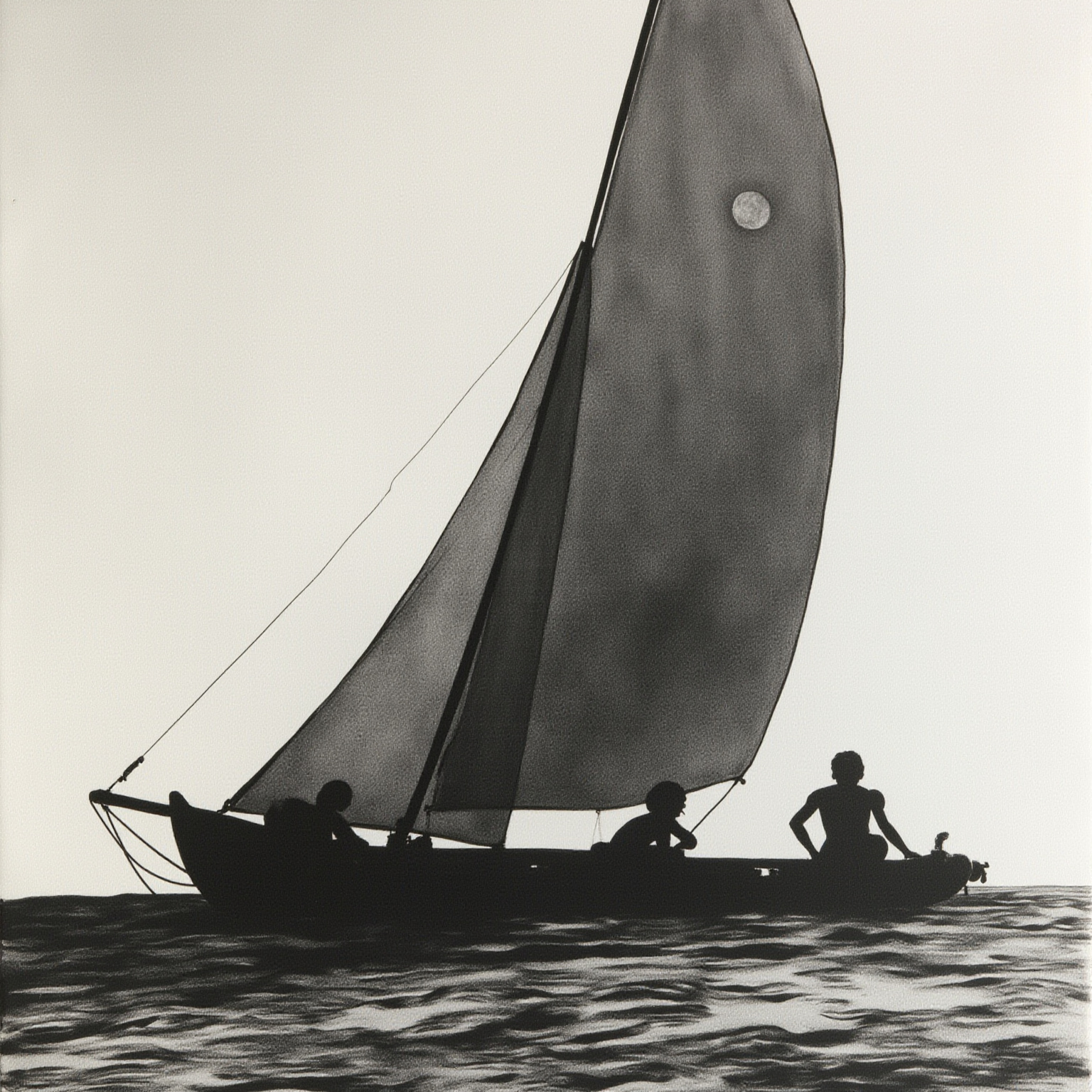
An idea that could not win its case in a lecture hall was answered, instead, by a raft and a hundred and one days at sea.
一个在讲堂里辩不赢的点子,最后是用一只木筏和海上一百零一天来回应的。
金句 · 第11章 · 它在说什么,为什么被记住
Why You Should Still Read It, Knowing How It Ends
A summary can tell you what happened. It can't tell you what the sea smelled like out there, what color the sun burned the six of them, or the exact moment your fists clench along with theirs. Heyerdahl keeps every dangerous moment pinned to the physical weight of moonlight and water, and that's a feeling only the original text can give you. Then there are the old skills folded into the details: how the painter navigated by the stars, how the radiomen cranked out power by hand, how the submarine engineer lashed a broken mast back together with rope. Read those passages and you're watching ordinary people assemble an impossible voyage out of skills they'd picked up before and during a war. Knowing how it ends is exactly where the weight of those hundred and one days on the page begins.
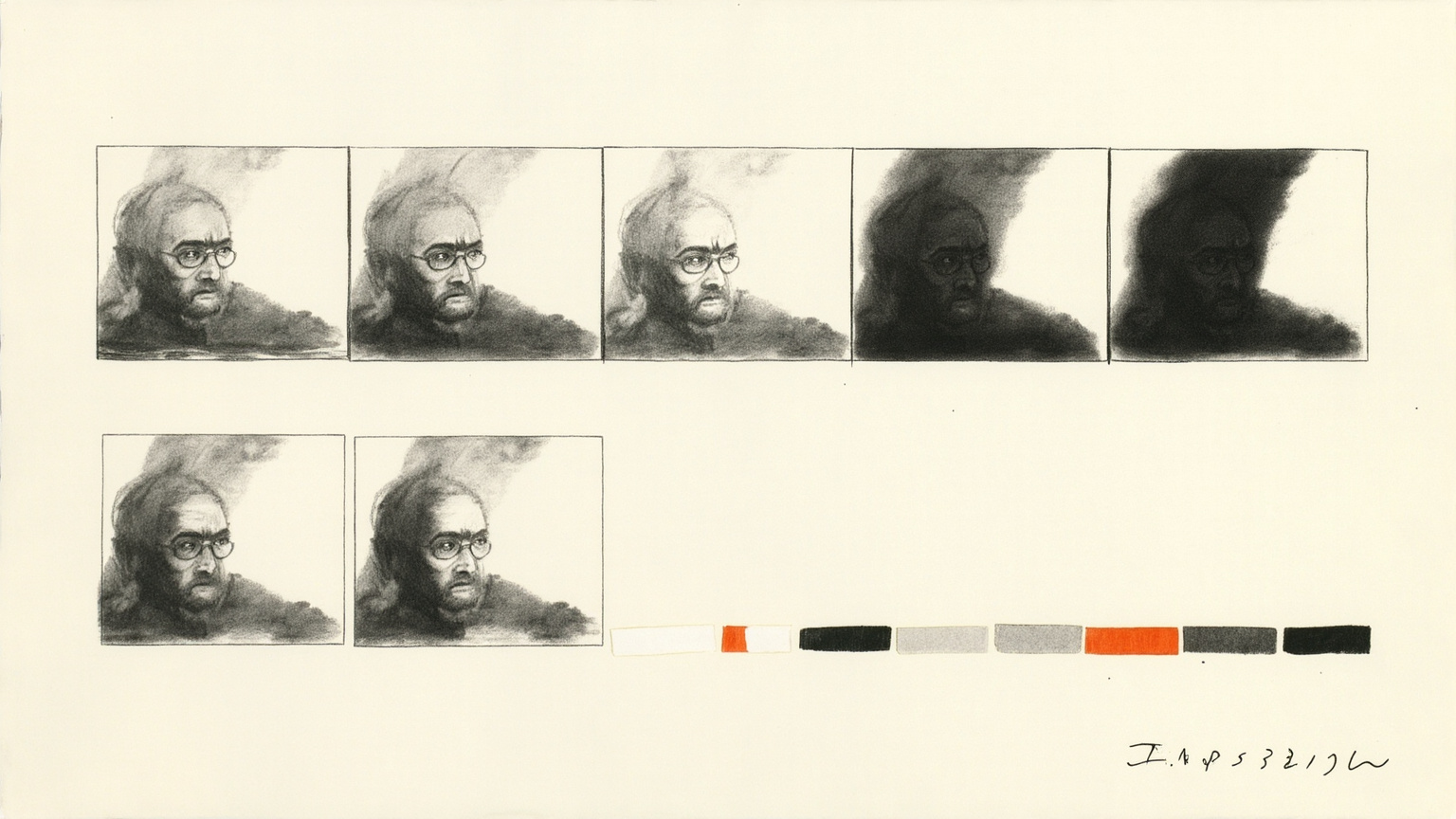
Art Direction4 plates
Before the guide was written, this book got a visual foundation — every illustration you just read grew out of it.