Konjaku Monogatarishū (今昔物語集, Tales of Times Now Past) · Companion Guide
今昔物語集
一千则不分主角、只分因果的短篇,佛从印度走到日本、落到市井上。
Opening
More than a thousand stories, and not one protagonist among them. Each opens with the same four words — Ima wa mukashi, now, it is the past — dropped like a knock on a wooden fish drum. The book was compiled in the early twelfth century by a monk whose name nobody kept, and it gathers everything into one volume: the Suzaku Avenue of Heian-kyo, thatched huts deep in the mountains, a corpse under a city gate. Classical Japanese literature has three fixed points. One is Murasaki Shikibu's The Tale of Genji. One is The Tale of the Heike, carried from biwa player to biwa player. The third is this book — the name Konjaku Monogatari is common knowledge in Japan.
What Kind of Book Is This
It took shape around 1120, written in Old Japanese, and started life as raw material for monks who told stories in temples. More than a thousand tales, arranged in three blocks — India, China, Japan — each running a few dozen characters at the shortest and a few pages at the longest. Later collections, the Uji Shui Monogatari and the Kokon Chomonju of the Edo period, both drew from this same well. Nearly a thousand years after that, Akutagawa Ryunosuke sat down with it and rewrote dozens of its tales in one sitting — Rashomon, The Nose, In a Grove, Hell Screen, Yam Gruel. The bleak, unsparing Japan he put on the page stands almost entirely on this book's shoulders.
A dynasty's silhouette, authorless, held up by a thousand short tales.
People and World
No protagonist. That is the first idea to drop before reading this book. It is not a gallery of heroes, and it is not the story of one life growing up — it is a collection of a thousand faces. Books one through five keep returning to Shakyamuni, who both preaches the dharma and gets tested by it more often than anyone else. Books six through ten turn the camera on China, where monks and emperors take their turns on stage. Books eleven through thirty-one come home to Japan: Heian aristocrats, onmyoji diviners, warriors, farmers, courtesans, beggars, each getting a scene, along with foxes, rats, and shape-shifting women who are not women at all.
The whole world is stacked in three layers: India is the source, China the relay station, Japan the place it finally lands. Stacked in that order, the three layers trace the exact route Buddhism took — out of India, through China, into Japan, changing shape as it went. The compiler swapped geography in for chronology: whichever book you are in, that is the stretch of road the dharma is traveling. The arrangement is itself an argument. Buddhism does not pass hand to hand like a letter. It moves downstream, like a river.
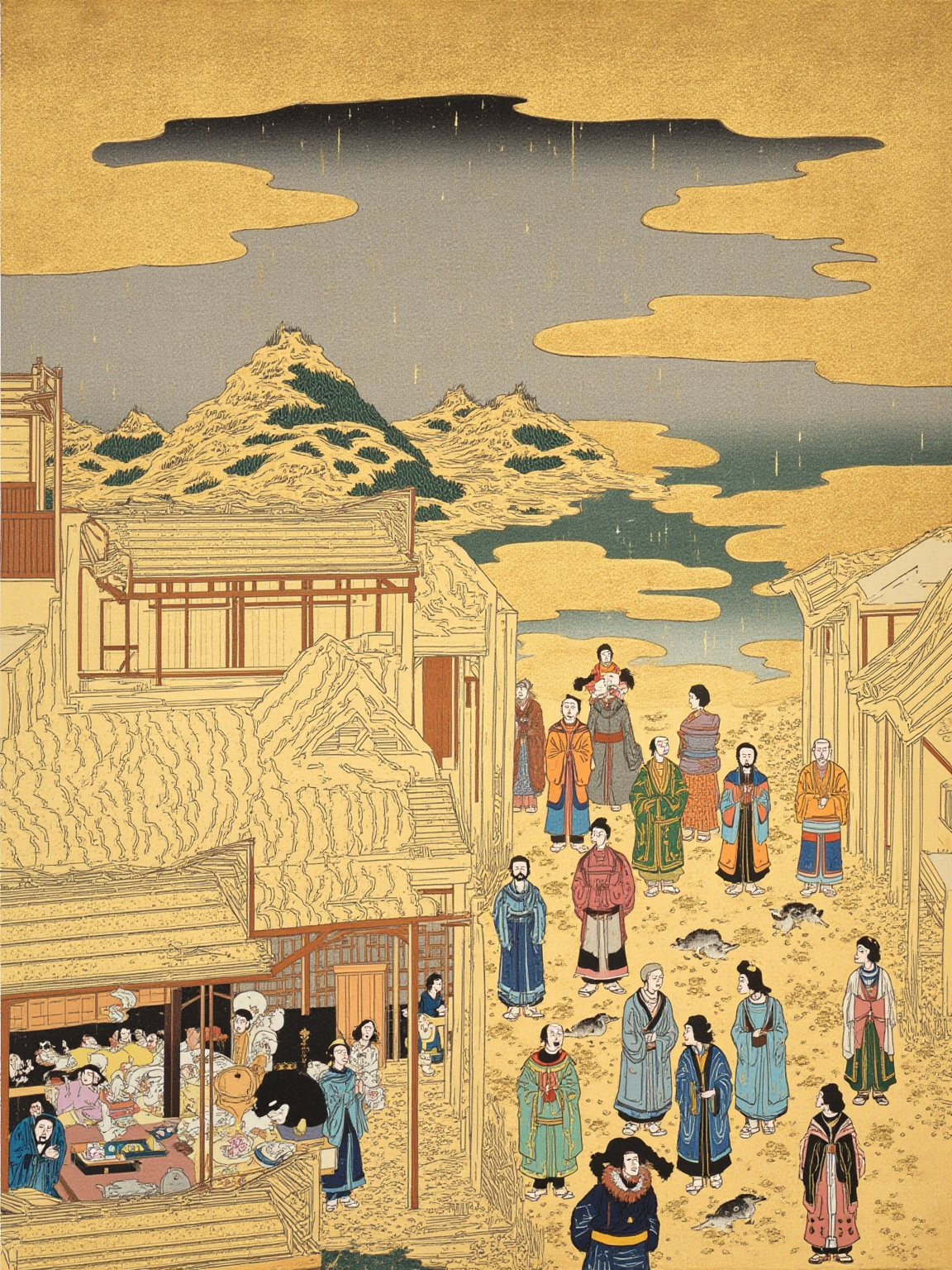
Long ago, in the time when the Buddha yet walked this earth beneath the bodhi tree, he spoke of cause and consequence to all who would listen.
昔者、釈迦如来世におわしまして、菩提樹のもとに因縁の法を説き給へり。
金句 · 天竺部卷一 · 釈迦降誕の段
India: The Buddha Still in Heaven
The first five books belong to Shakyamuni. His birth, a legendary youth, the sermon under the bodhi tree, his final passing, and then, in book five, the jataka tales of his past lives — together these form the source of the dharma. Putting them first sets the tone for the whole book: every cause and effect you will read, every reckoning, every act of good or evil, flows out of this prince who once walked away from India.
One detail in the craft is worth pausing on. In the earlier India books, Shakyamuni is the protagonist. By book five he has already stepped aside — in the past-life tales he is only a deer, only a monkey, only a farmer. The closer you get to the source, in other words, the less the narration reads like history and the more it reads like fable. This is the first thing about the book that will not let you sit still: the Buddha does not have to be the Buddha. He can be any deer bending its head to drink.
China: The Dharma Gets Translated Once
Books six through ten are the middle stretch, the camera pushed toward China. Buddhist legend and secular anecdote start mixing: an emperor welcoming a relic of the Buddha, monks climbing into the mountains to translate sutras, the stock morality plays of filial sons and chaste widows. What sets these stories apart from the India books is that they start picking up the smell of the everyday. The dharma is still being preached, but the audience is now officials and mothers.
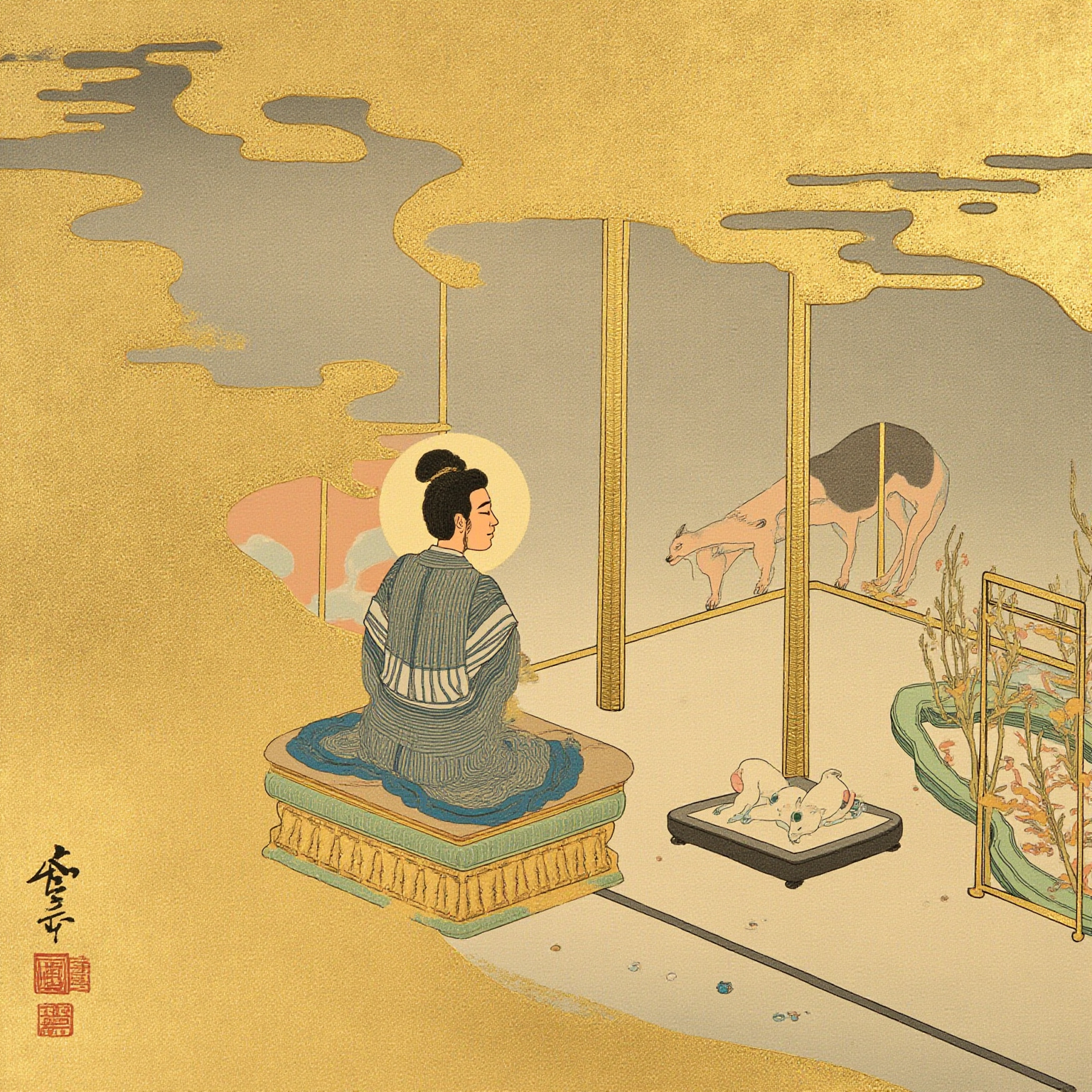
In the capital of the Middle Kingdom, a monk in mountain silence copied sutras by lamplight, that the Dharma might cross the sea eastward.
震旦の都に山居の僧あり、灯のもとに経を写し、法をして東海に伝えたまふ。
金句 · 震旦部卷七 · 山中訳経の段
I stopped short the first time I read this stretch too: the chain of cause and effect that had been floating somewhere above the world comes down to earth, and starts telling you what a mother will do for her son, how an official is cornered in his own courtroom — a preview of what the Japan section is about to do. The China books work like a bridge. Myth stands on one side of it. Suzaku Avenue in Heian-kyo stands on the other.
Japan: A Thousand Faces Packed into One Book
Books eleven through thirty-one are the liveliest stretch of the whole collection, and the longest — more than half the book by volume. Over a thousand short tales, and monks, aristocrats, warriors, farmers, courtesans, thieves, foxes, and women who turn out not to be women all crowd onto the same street, strung together by cause and effect and by the lessons of ordinary life. Sorted by subject, some tales work out karmic reckoning, some retell the doings of historical figures, some stage filial sons and chaste widows, and others turn to romance, spirits and monsters, immortals and bandits. Book twenty-nine is given over entirely to thieves and corpses, and the secular tales of the Japan section fold in stories of men and women together. Taken as a whole, this stretch is a portrait of everyone alive in the last years of the Heian court, told in a voice that watches without judging.
The thing most worth stopping on, craft-wise, is how the compiler fits a thousand faces into one book. He does not comment. He simply lines the stories up one after another and lets you do the comparing between any two of them. A monk attains enlightenment, and the very next tale is a farmer being fooled by a fox — the compiler never steps in to say, see, cause and effect never misses; he just lets you feel the drop yourself. That restraint is the real reason this book could later feed Akutagawa. Cold frightens harder than heat does.
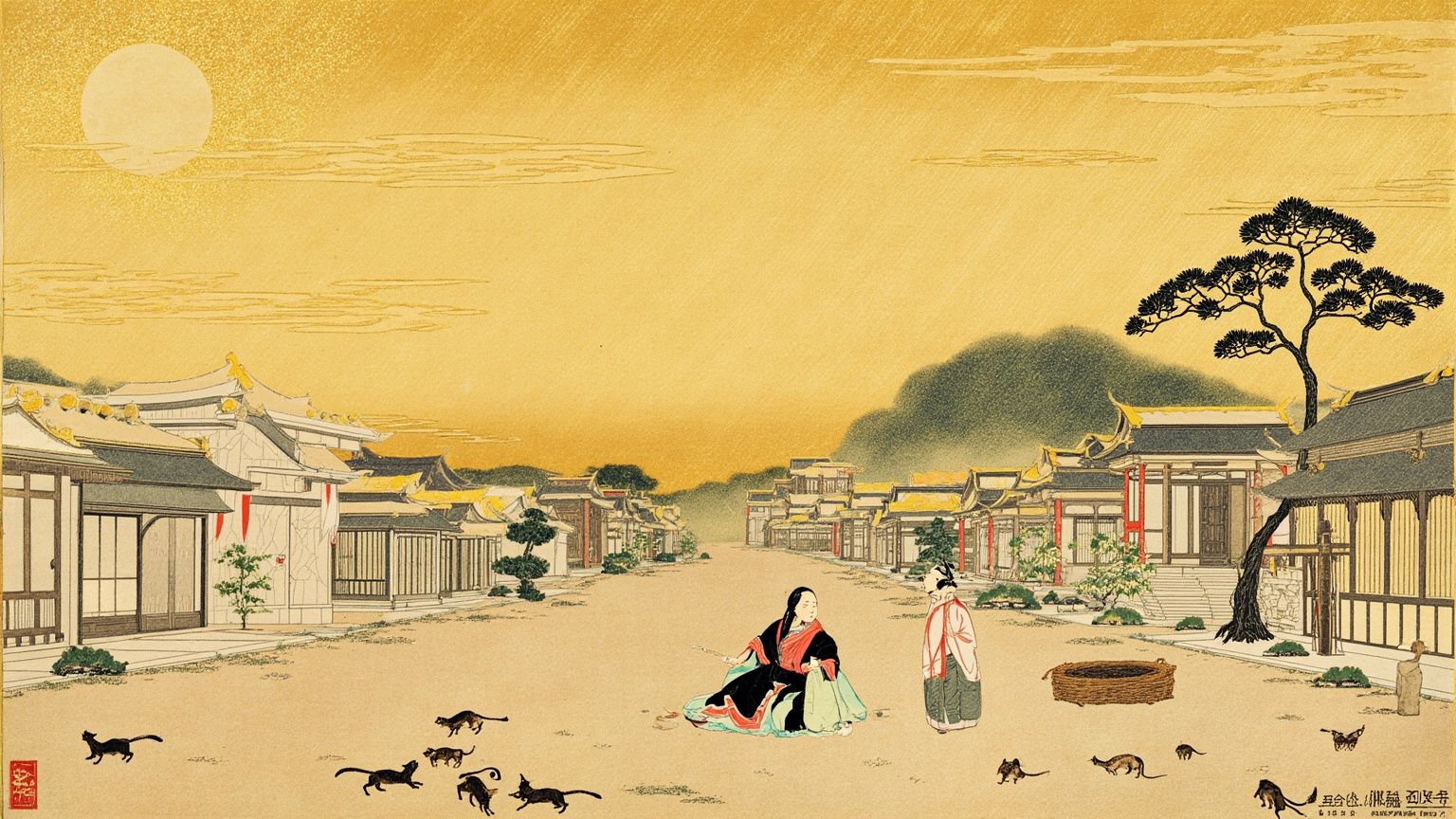
In the capital of the morning sun, demons kept their disguises and foxes walked the market street as merchants of this world.
今は昔、都のうちに狐あり、ものの皮を被て人の家にあゆみき。
金句 · 本朝部卷二十九 · 狐変化の段
Who Compiled It: A Work Without an Author
Tradition once credited the compilation to Minamoto no Takakuni, the Uji Major Counselor. That no longer holds — Takakuni died in the eleventh century, and the collection includes tales that happened after his death. Some scholars have proposed Toba Sozu instead; others argue the compiler was simply some unnamed monk working in or around Kyoto or Nara in the last years of the Heian period. All three claims still stand, and none has won. In other words, one of the three great fixed points of classical Japanese literature is, in the fullest sense, an anonymous work.
That should feel strange, but it actually feels right. A compiler with a name attached would never have built a book like this one — his own taste would have bound him, his own position would have bound him. Namelessness is what let this compiler take everything as it came: Buddhas and foxes, monks and courtesans, filial sons and thieves, all sharing the same page.
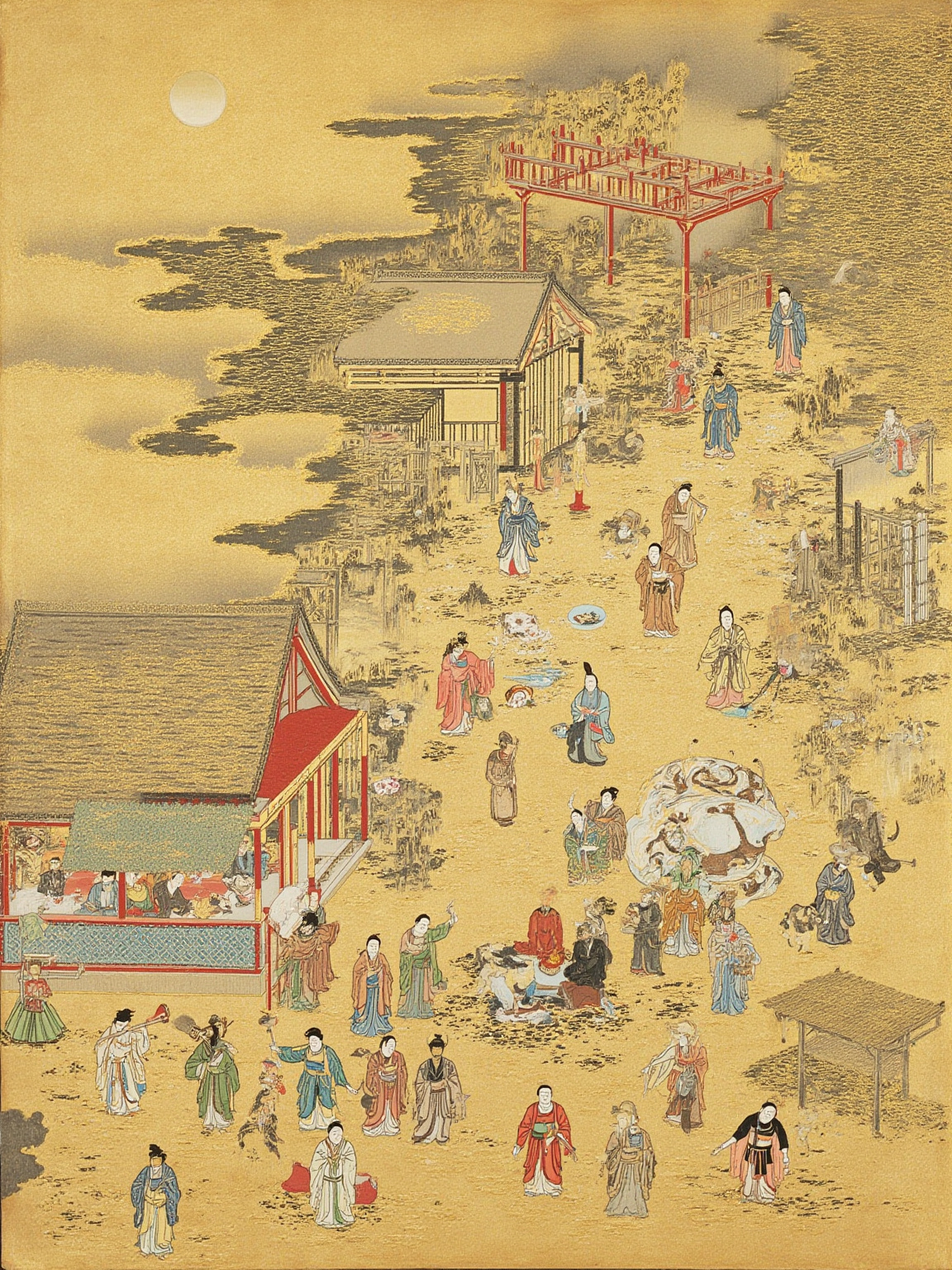
Every tale begins the same way, with four syllables that fall like a mokugyo's hollow note: ima wa mukashi.
每一则都从同一句话起头——「今は昔」,四个音节,像木鱼敲下来,回响千年。
金句 · 編者解題
A Thousand Years Later: Akutagawa and Kurosawa
The book went quiet for about eight hundred years. Then, in the early twentieth century, a young man named Akutagawa Ryunosuke dug it back up. He rewrote dozens of its tales in one sustained run — Rashomon, The Nose, In a Grove, Hell Screen, Yam Gruel, Chuto. The bleak, rot-tinged Japan he built on the page rests almost entirely on this book's shoulders. One tale in particular, the Mount Oe story, is the shared source behind both Akutagawa's In a Grove and Kurosawa Akira's 1950 film Rashomon. Yumemakura Baku's Onmyoji novels have drawn from this same old book more than once.
Why this book, of all books? Because its raw material happens to be exactly what modern readers want: cause and effect delivered fast, characters pushed to the margins, a story that never explains itself. Pick one tale out of a thousand, add a twist, and it is already a modern short story. What Akutagawa took from this book was not plot. It was an attitude toward telling — stop short, and let the reader swallow the last breath alone.
What This Book Is Really Saying
A thousand stories, three stretches of geography, zero protagonists — and all of it is saying one thing: cause and effect is the fairest playwright this world has, and the dharma does not need one person to carry it forward. It travels through a thousand people, each meeting their own reckoning. The compiler swapped geography in for chronology, a crowd in for a hero, cold in for heat — and modern Japanese fiction has been quietly borrowing that same move ever since.
One more angle worth pausing on is where this book sits in world literature. A folk-tale collection built on the skeleton of Buddhism's eastward journey, drawing India, China, and Japan into a single body of stories — that combination is close to unheard of anywhere else in world literary history. Akutagawa called it ancient Japan's Human Comedy, and that is not an exaggeration. A thousand short tales pressed together, splendor shot through with impermanence, boiling hot and always about to go cold.
Why Read the Text After Already Knowing the Plot
A companion guide hands you the map. The text itself is the land. That is truer of this book than most — you have heard me walk through its India, China, and Japan, heard how much Akutagawa borrowed from it, but open the book yourself and each tale runs only a few dozen characters. Four words, Ima wa mukashi, drop first, then a few dozen more drop a whole story, and nothing bridges one tale to the next. That rhythm, that density of a thousand faces crowded together, that restraint of a compiler who never comments and simply leaves you standing between one cause and its effect — no companion guide can carry that across secondhand. This is not a book you finish. It is a book you move into.
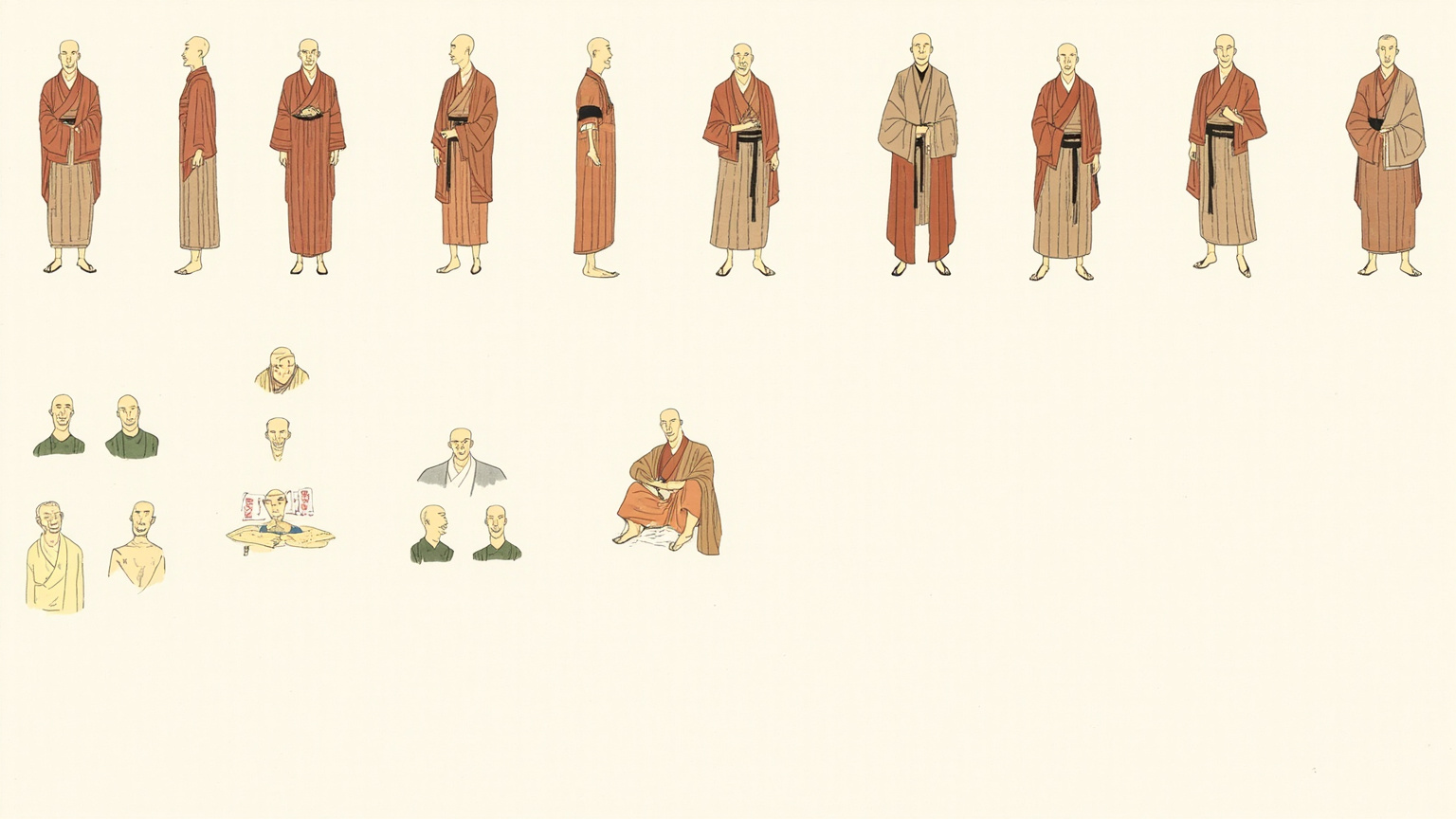
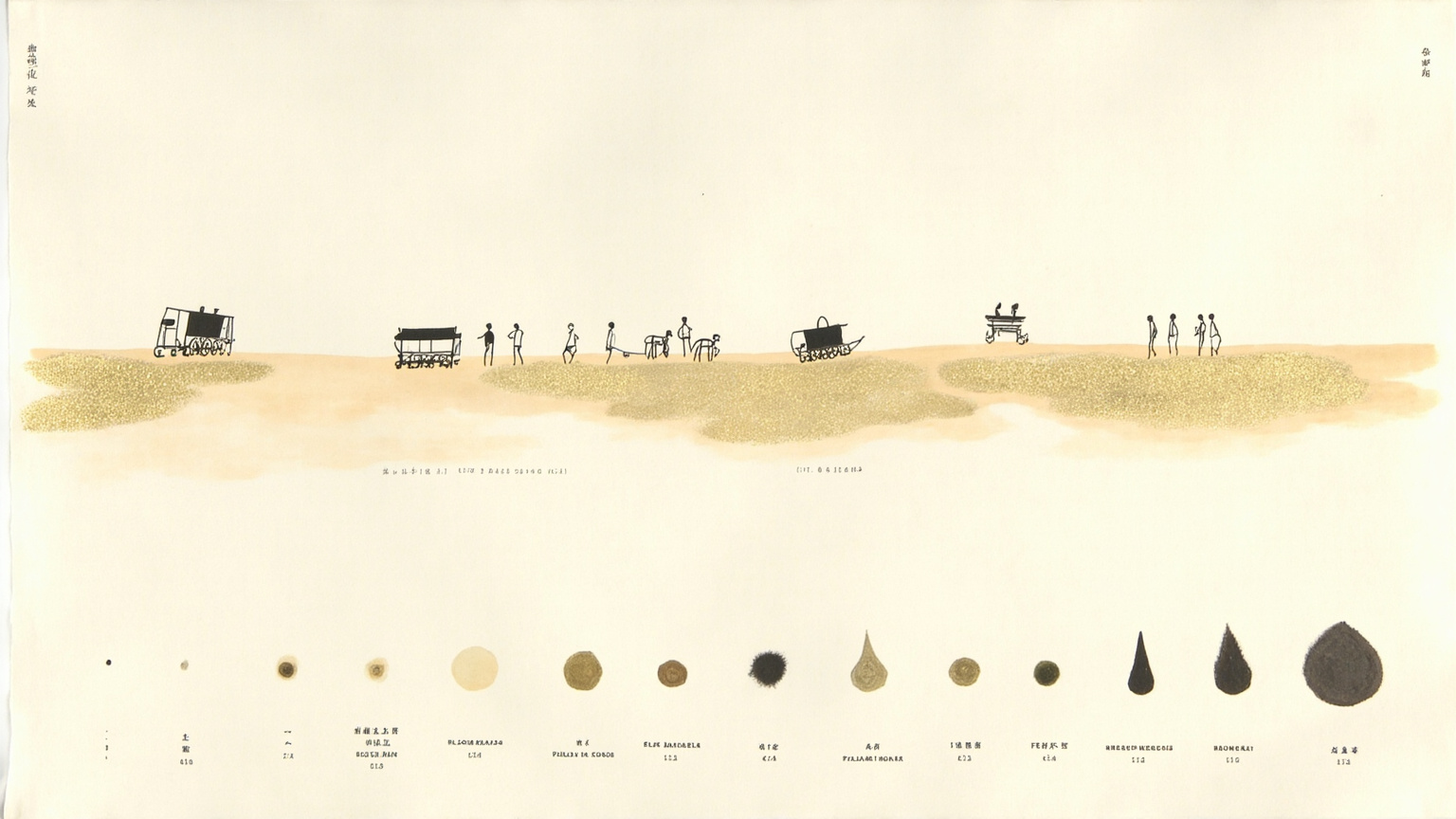
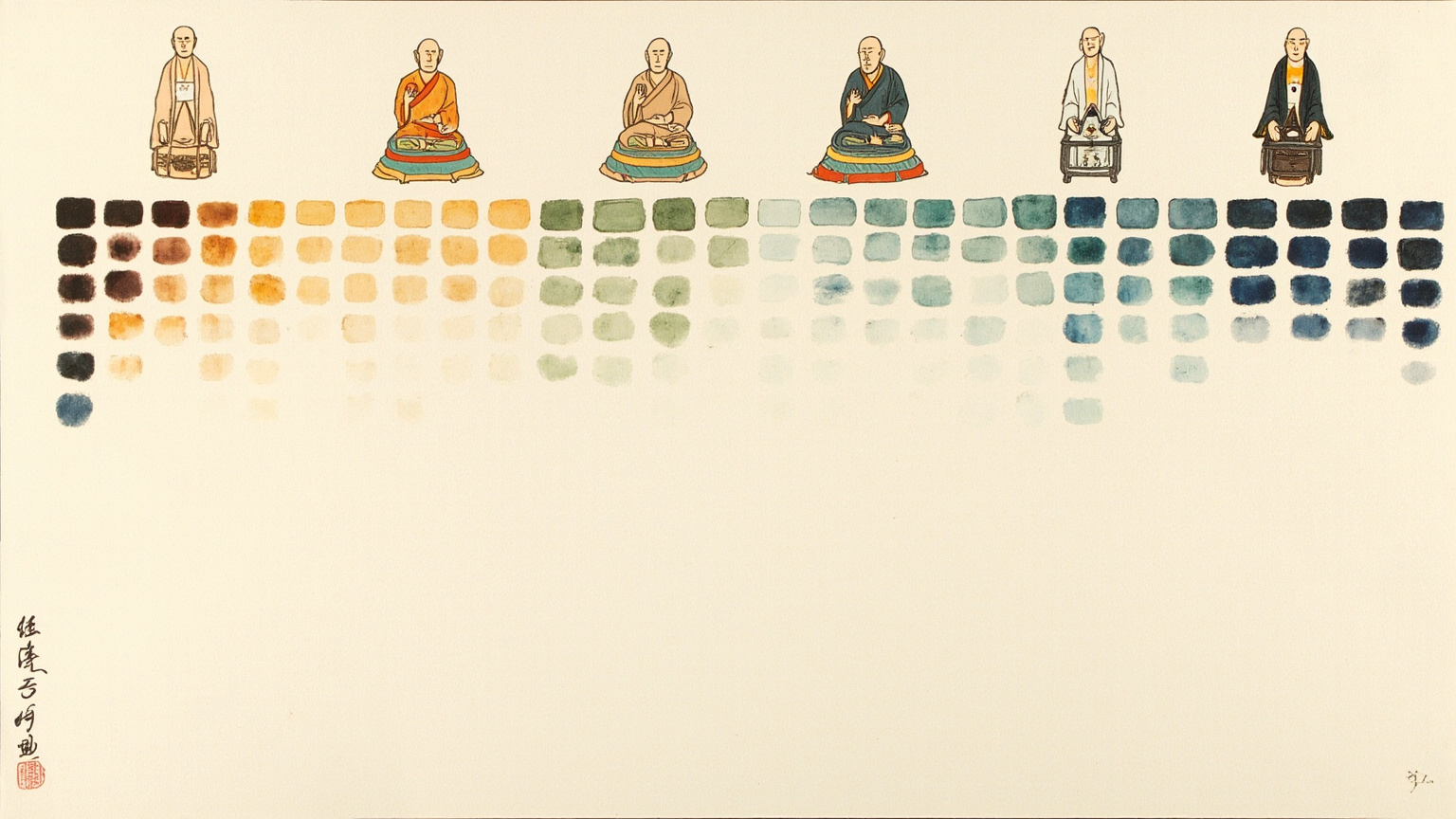
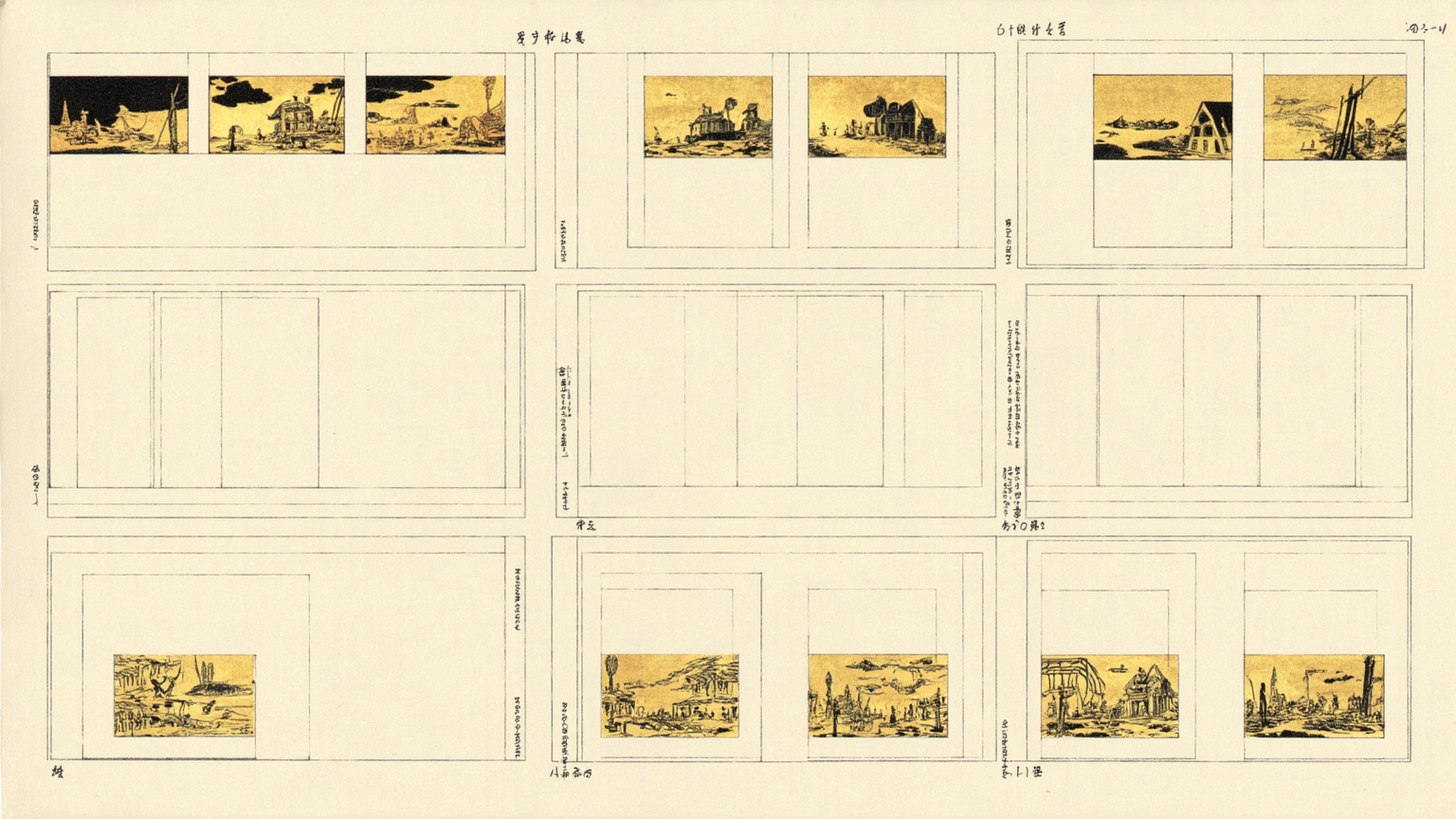
Art Direction4 plates
Before the guide was written, this book got a visual foundation — every illustration you just read grew out of it.