Kristin Lavransdatter · Companion GuideStories · Issue 00
Kristin Lavransdatter in 10 Minutes — A Lifetime Spent Paying for One Choice
A medieval Norwegian woman's book of consequences, not a girl's romance
Text and illustrations produced by the pipeline
ImaReadFolio 02 — 05

A Choice Under a Turf Roof
Under a turf roof, seventeen-year-old Kristin tore up the betrothal her father had arranged for her. The man she wanted instead was pushing thirty, his name already ruined, and there was still a wife in his household. This happens at Jørundgaard, in central Norway, in the fourteenth century — a world where the king's law and the old codes governed people at once, and in summer the cowbells on the mountain pasture carried closer than any church bell. Her father, Lavrans, waited inside the house for her to change her mind. She didn't.
What Kind of Book This Is
Sigrid Undset was Norwegian, the daughter of an archaeologist. She spent three years writing this trilogy — The Wreath, The Wife, The Cross — researching a fourteenth-century Norwegian farmstead down to its turf roofing and its law codes. In 1928 the book won her the Nobel Prize in Literature, the first time a Scandinavian had taken it, and about as uncontested a win as the prize has ever had.
In Norway it is the national novel — every Norwegian has cracked it open in high school, and no one reads it as a love story. Undset wasn't writing about a girl's romance. She was writing about a medieval woman carrying one choice on her back for forty years.
Who's Who, and What They Want
Kristin, seventeen, willful, spoiled, determined to let her own heart rule. Erlend Nikulaussøn, a knight pushing thirty, who loves her, writes verse, keeps loose discipline over himself, and trails trouble everywhere. Lavrans, her father, master of Jørundgaard, decent and stern, who has been laying his daughter's betrothal like a foundation stone. Simon Darre, the fiancé her father chose for her, decent, devoted, who later becomes godfather to her children. Andreas Ødsson, a Benedictine monk of Sistrand Abbey, who watches her from seventeen to fifty — witness to her youth, her confessions, her old age, and the most important onlooker in the whole book.
ImaRead2
ImaReadFolio 03 — 05
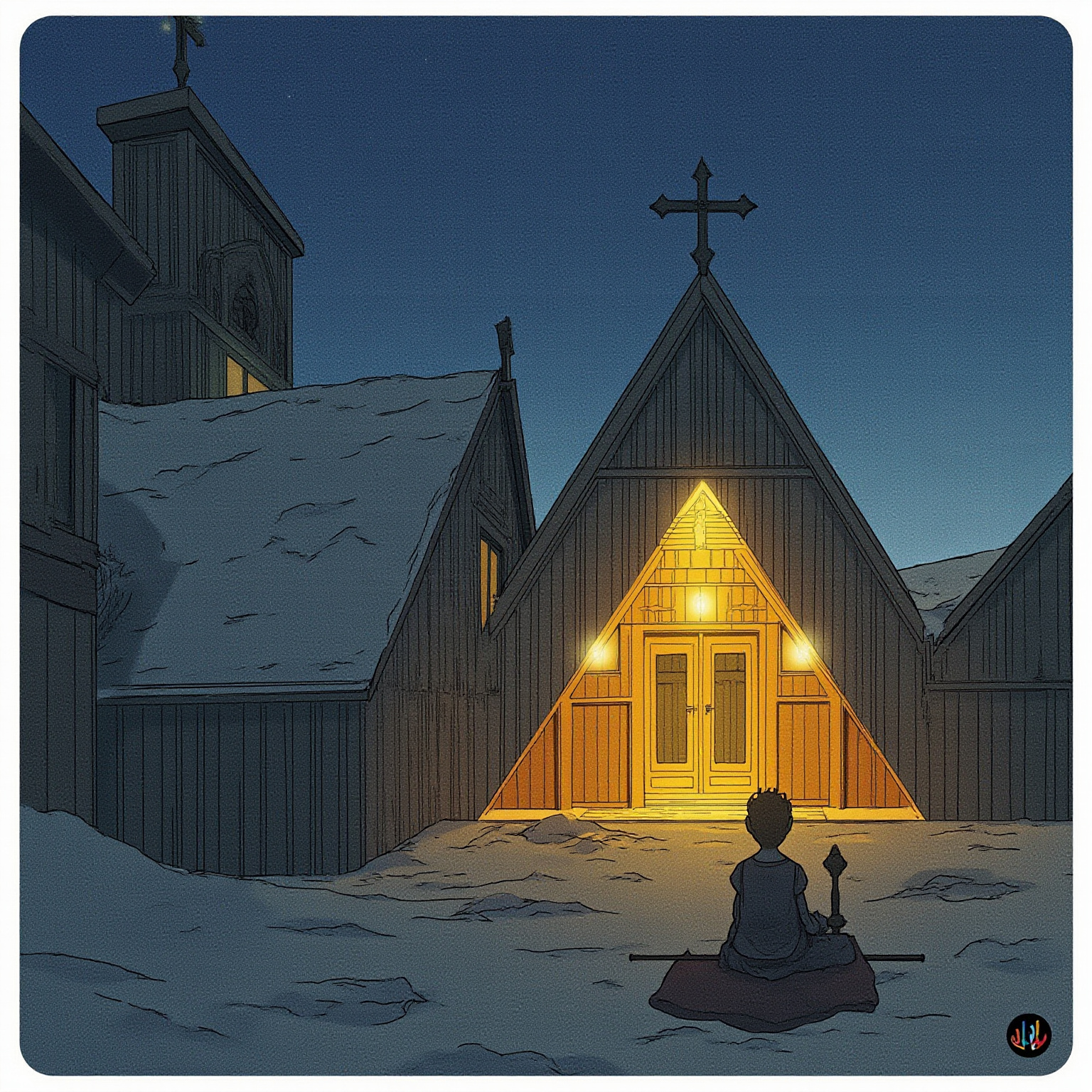
The Knife at Seventeen
Her father had settled on Simon Darre for her — steady, devoted, a good match. Then at a feast, Erlend caught her eye and wouldn't let it go. The man had a wife, a connection to a killing, and a reputation already gone bad. But she was seventeen, and her heart outran her head.
Lavrans couldn't stop her. The break between father and daughter is the book's first real wound — not the romance, but a daughter taking a hammer to a foundation her father had spent seventeen years laying. She won the choice and lost her place. In the first year after the break, Lavrans wouldn't let his wife set a place for her at the table; when her grandfather heard about it, he had the oak chest he'd been filling with her dowry carried down to the cellar in front of her mother. Every road home closed behind her, one at a time, and she started learning her mother's old ways for herself: milking, cutting cheese, burying bread in the hearth ashes to bake it. Jørundgaard had no other life to offer a daughter who'd walked out.
ImaReadFolio 04 — 05

Father and daughter reconciled as Lavrans lay dying. It's the heaviest anticlimax in the book: what she won back wasn't forgiveness, it was the foundation. The one she'd taken a hammer to as a girl, she spent her later years tamping back down, shovelful by shovelful. Not her husband, not her children — no one understood why she'd had to choose that road the way Lavrans did, and no one knew its cost the way he did either. At his deathbed he held her hand and said only one thing: let her grandson be raised and schooled at Jørundgaard. It's that one line that finally closes the account between father and daughter.
The Namesake Daughter and the Pilgrim Road
In The Cross, the youngest and best-loved daughter is also named Kristin, the one given her grandfather's blessing at birth. A love affair goes nowhere, and she leaves home for a convent in Nidaros. Her mother goes with her on the pilgrim road, out of Jørundgaard, over the western mountains, all the way north to the cathedral.
ImaReadFolio 05 — 05
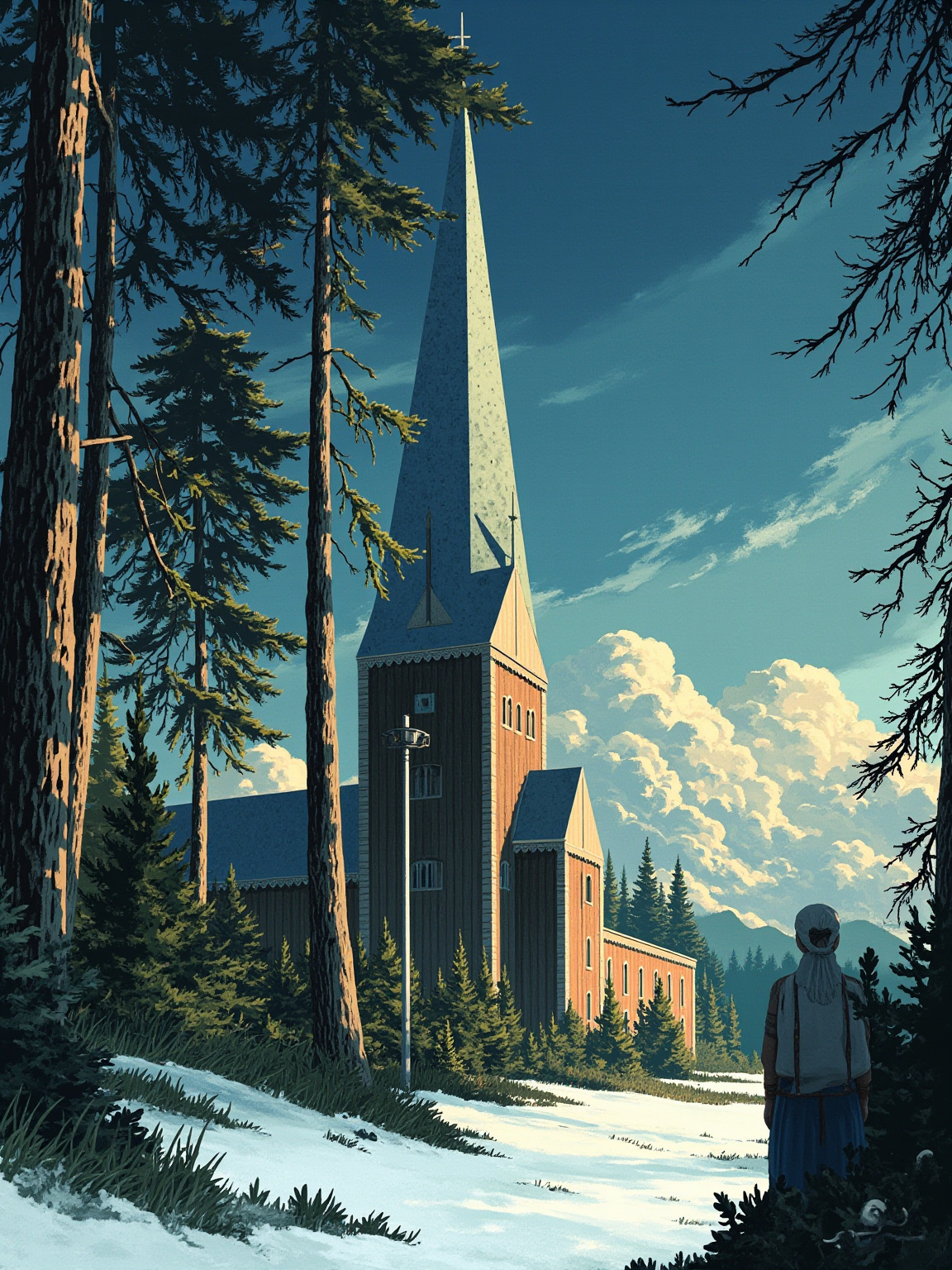
Kristin herself falls ill in the end and dies quietly at Jørundgaard. She dies in her own farmhouse bed, not of love, not as a martyr, not as a sacrifice, but of plague, the death that fit a medieval farmwife's station. Only now does the hammer blow she struck at seventeen finally stop echoing.
What Makes This Book Great
The book's structure isn't a girl's romance, it's forty years of carrying the weight of one choice. That's what separates it from every book like it: the tragedy isn't the love affair, it's what comes after. A person paying a lifetime for a single choice reads closer to us now than it did when it was written.
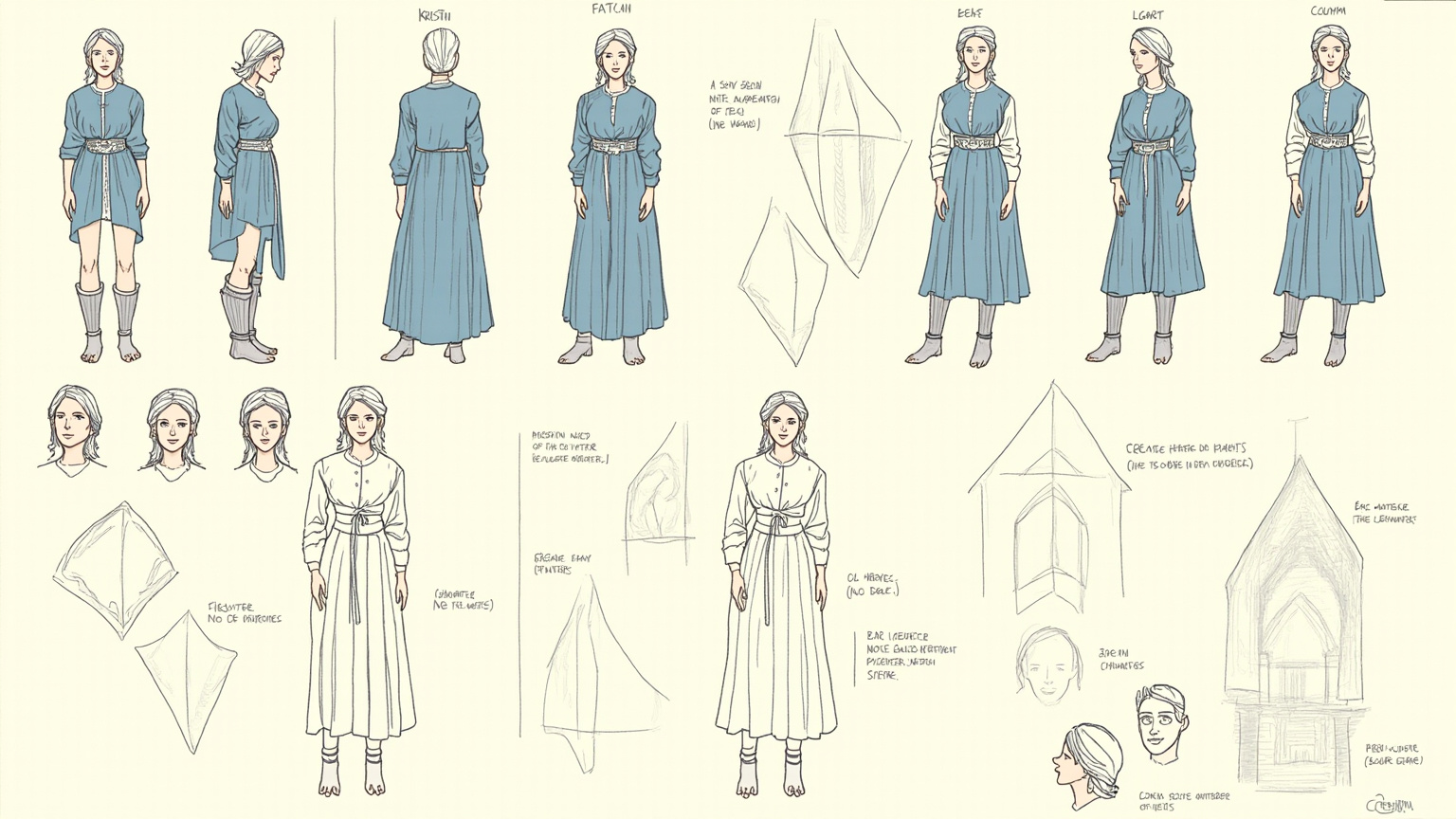
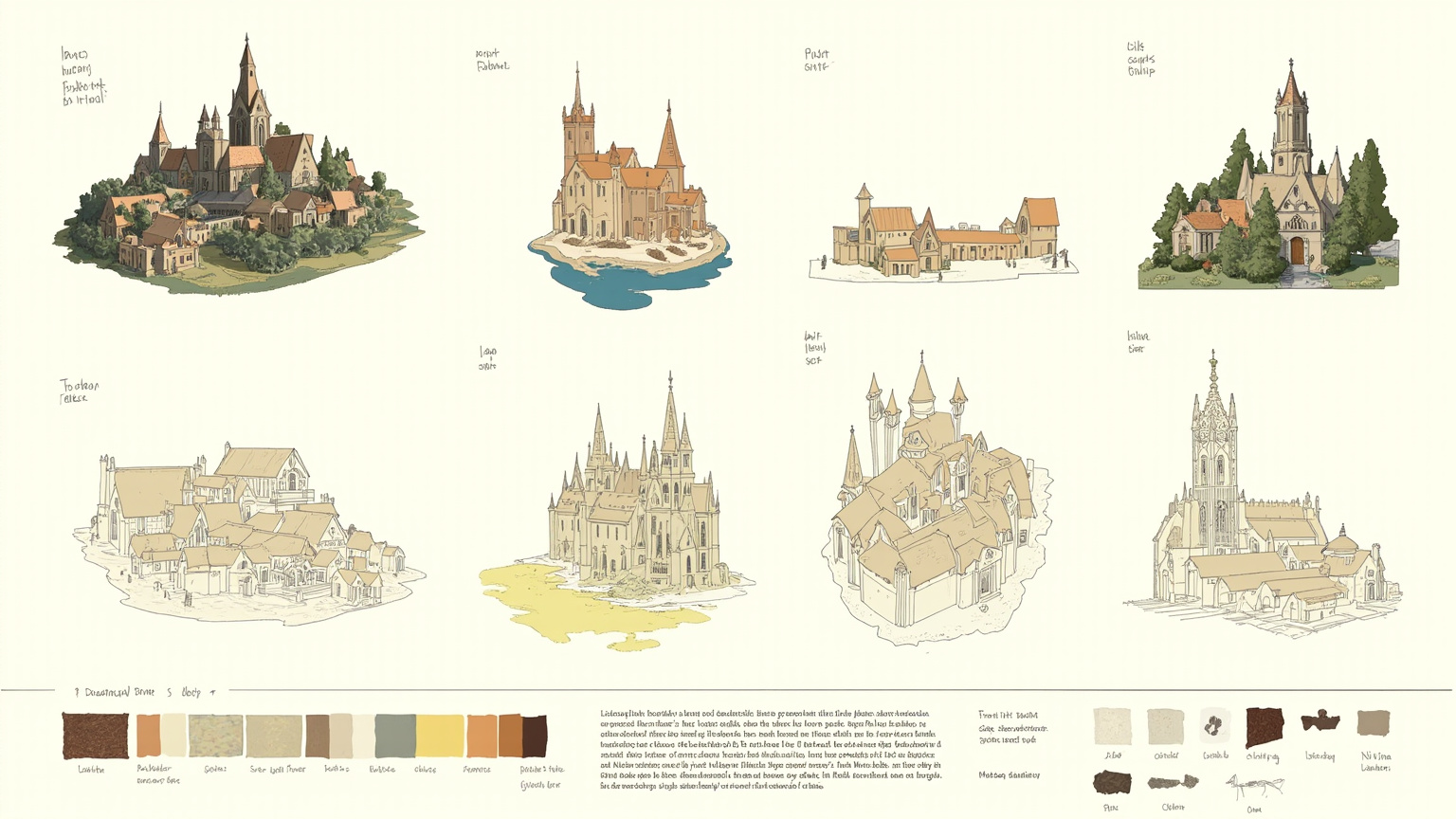
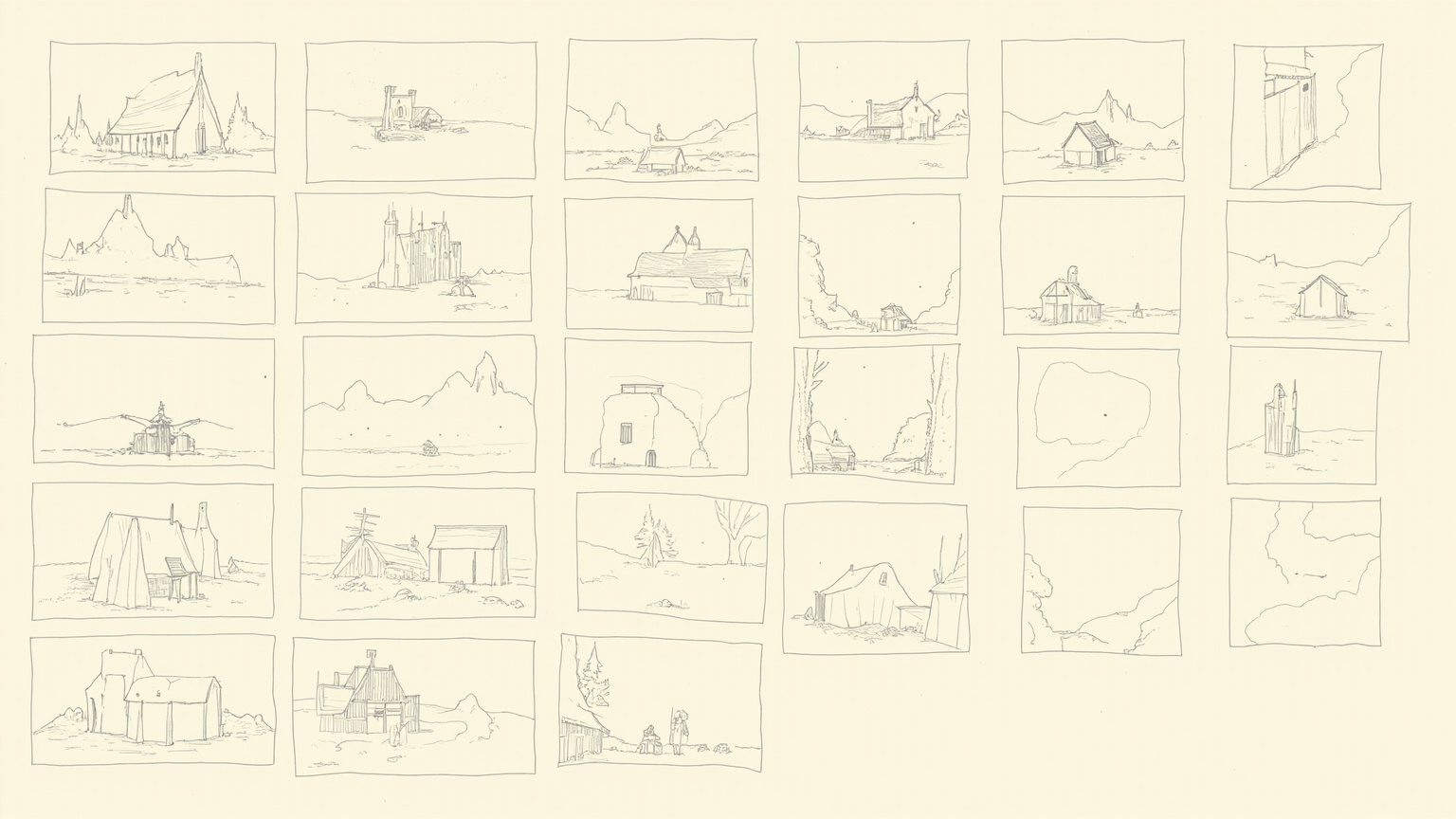
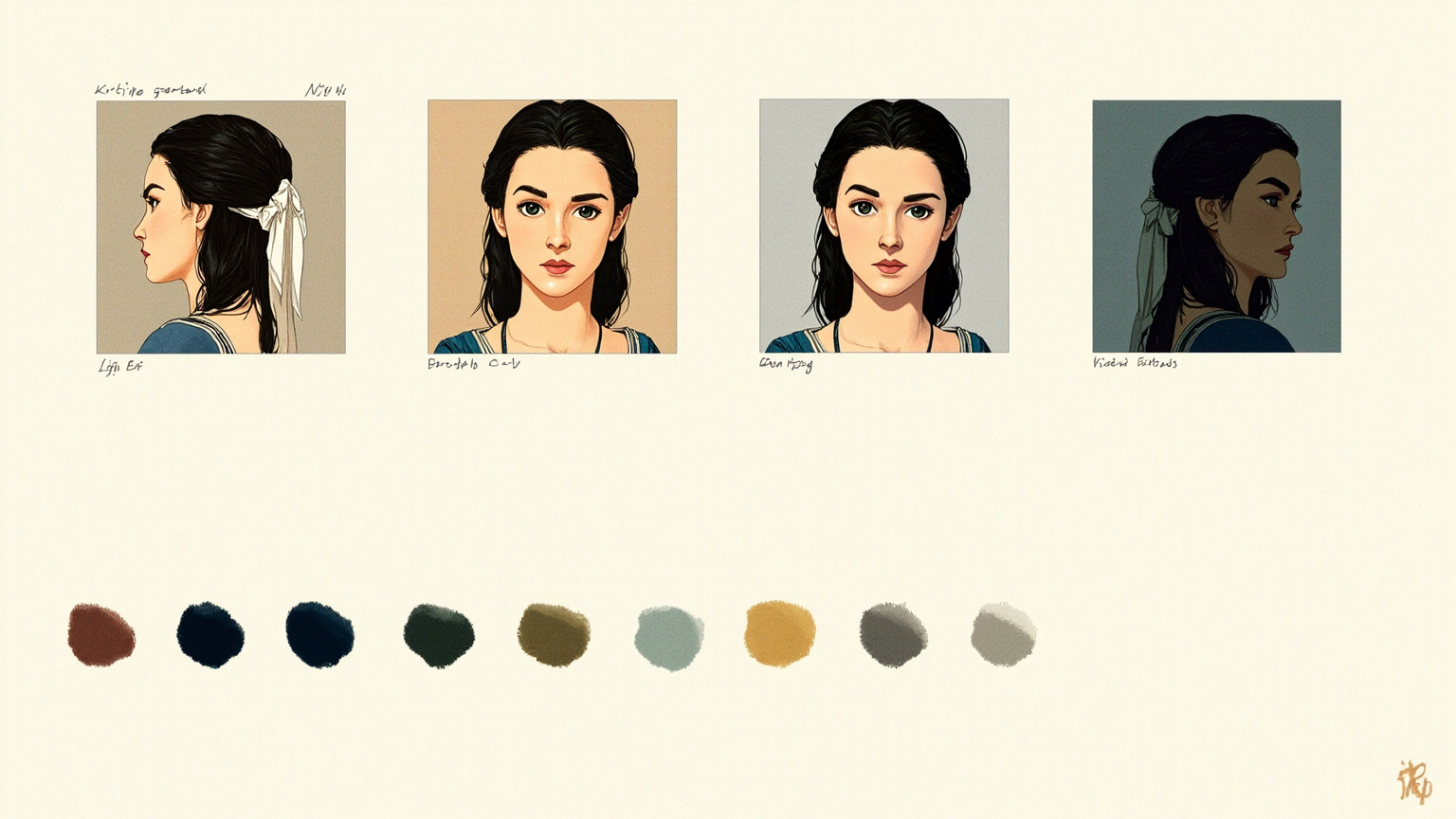
Art Direction4 plates
Before the guide was written, this book got a visual foundation — every illustration you just read grew out of it.