Lady Audley's Secret · Companion Guide
奥德利夫人的秘密
金发蓝眼的天使夫人,嫁进庄园两年便被业余侦探从烟袋、信件与一绺卷发里一层层剥开——美丽即是她的武器,也是她的证据。
Opening: The Well Under the Ivy
In the grounds of Audley Court there is an old well, half swallowed by ivy, and no one can say where it leads. Every time the new young mistress of the house passes it, her golden curls stir faintly in the wind, and her smile gives nothing away. It takes two years for anyone to understand what that smile is hiding: a fire, a marriage erased from the record, and a man she pushed down from the attic with her own hands.
What Kind of Book Is This
Mary Elizabeth Braddon was not yet thirty when she wrote this book. The year it came out, it seemed like everyone owned a copy — even Dickens read it. Literary history later crowned it, alongside The Woman in White, as one of the two founding pillars of the sensation novel: fiction that took the things polite society was too ashamed to mention (murder, bigamy, forged identities) and set them down without apology on the family tea table. What makes Braddon formidable is that she gets the reader's pulse racing page after page, while making it impossible to fully hate the woman who did the killing.
The People and Their World
The two leads are an unlikely pair of adversaries. Lady Audley (born Lucy Graham, once known as Helen Talboys) has curls like a golden waterfall and eyes the blue of porcelain. She has married the fifty-three-year-old squire Sir Michael Audley and become the young mistress of his estate. Her first husband, the naval officer George Talboys, was declared drowned in a fire two years earlier. Lucy believed him dead, remarried, took a new name, buried her old one, and climbed from penniless governess into a house of velvet. Then George came back alive, and she became the missing woman the courts were looking for. Across from her sits a young man who looks fit for nothing but smoking: Sir Robert Audley, the son of the baronet's first marriage and Lucy's cousin. He spends his days at the billiard table of his club, a long pipe clamped in his teeth, walking as if he never quite woke up. At first the reader is ready to write him off as furniture. He turns out to have the coldest eyes in the book.
The world of the novel is the English countryside at the middle of the nineteenth century, and its rule is simple to the point of cruelty: a beautiful woman with no money has almost no legitimate ladder to climb. Marry an old man, change your name, burn your past — these are the only paths she can count on one hand, and every one of them runs through crime. Braddon buries this rule beneath the estate's gold-brown velvet and lets it hold the whole house up like a foundation.
Plot: Beauty and Its Price
The story opens with a wedding. Lucy Graham, a penniless governess, climbs the steps of Audley Court and marries a baronet more than thirty years her senior, moving into a boudoir lined in gold-brown velvet. She gathers the gallery, the lake, the summerhouse into her smile, and it looks like the end of a fairy tale — except Braddon refuses to let the reader settle in. In the opening pages, a faded ink stain in her dressing-table drawer and an old diary worn soft from handling are already making a small, wrong sound.
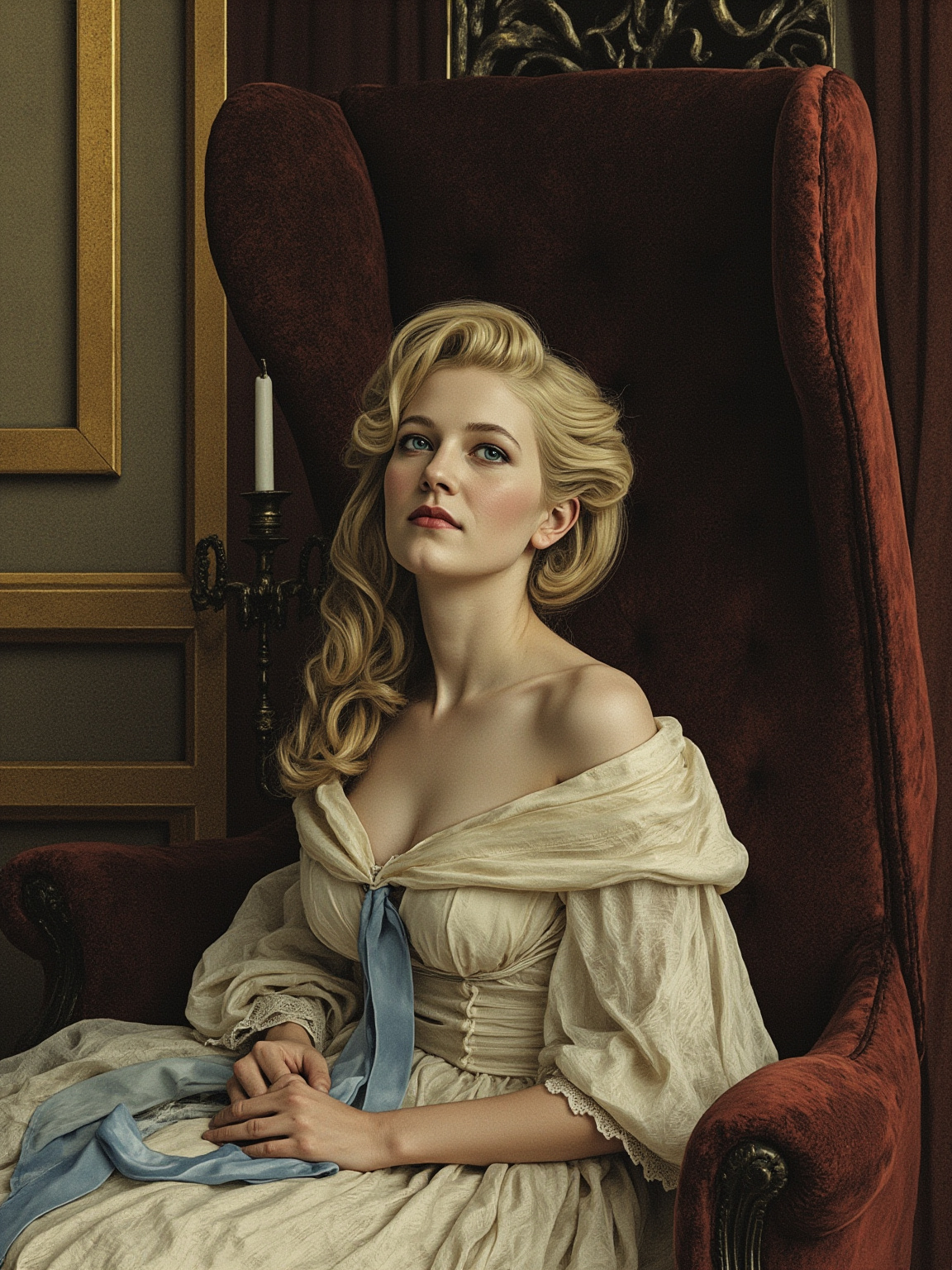
She had the smallest possible foot that was compatible with making any progress at all on the dusty road.
她的脚是那双能在尘土飞扬的路上迈出步子的最小尺寸。
金句 · 第6章 · 嫁入庄园
Two years into the marriage, a man comes back from Australia. Captain George Talboys, broad-shouldered, sun-browned, a naval officer whose laugh could light up a table, is Lucy's missing first husband. Everyone believed him dead, and here he is, alive, knocking on a relative's door. He wants to find her. He will not let it go. Talboys's return is a wedge quietly pulled out, and the whole house begins to creak.
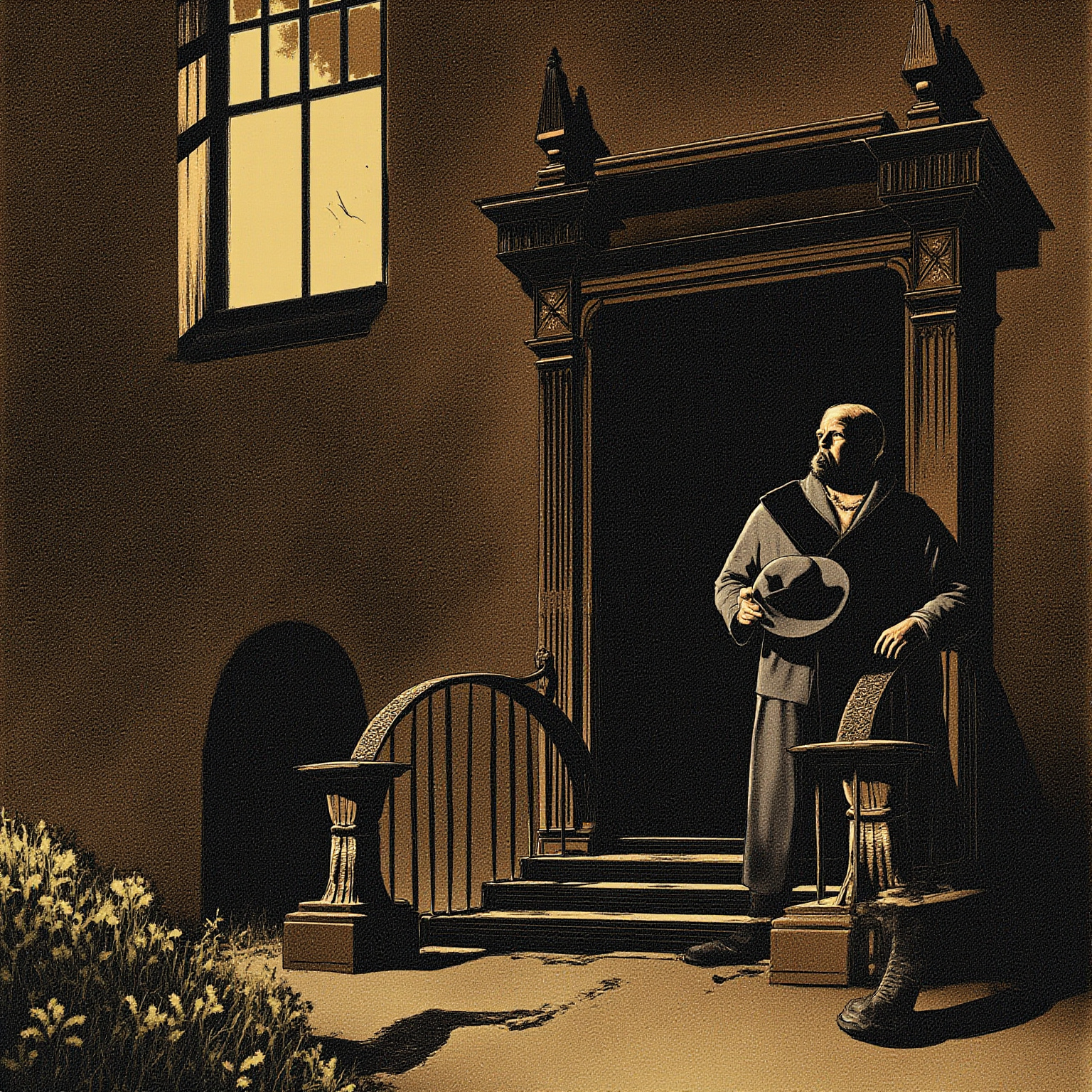
He was a big, broad-chested, sunburnt man, with the frank blue eyes and easy smile of an Englishman who has been long at sea.
他是个肩宽胸阔、皮肤晒成褐色的男人,一双坦率的蓝眼睛,脸上挂着那种在海上漂久了才有的从容笑意。
金句 · 第11章 · 旧夫归来
There is a second wedge buried deeper in the estate. The old well half-covered in ivy looks like nothing more than a disused water source, but underneath it there is a hidden room. The closer Captain Talboys gets, the tighter Lucy holds her secret: he has crawled out of a fire carrying his wounds, made his way home, and will not stop searching for his wife's whereabouts. Braddon is cunning here. She never writes the words thrown down the well — she simply lets the reader watch the ivy thicken day by day, and the locks deep in the house get changed again and again.
Meanwhile, the club's resident idler, Sir Robert Audley, slowly sits up straight. Pipe in hand, he pieces it together page by page: a small advertisement in the Times, the guest register of a London boarding house, an old roll of pupils from a school in some provincial town. He is unhurried, like a chess player who is already calculating three moves ahead before finishing the current one. Braddon makes him one of the earliest amateur gentleman detectives of the 1860s — no magnifying glass, no monocle, just a long pipe and a string of registered letters.
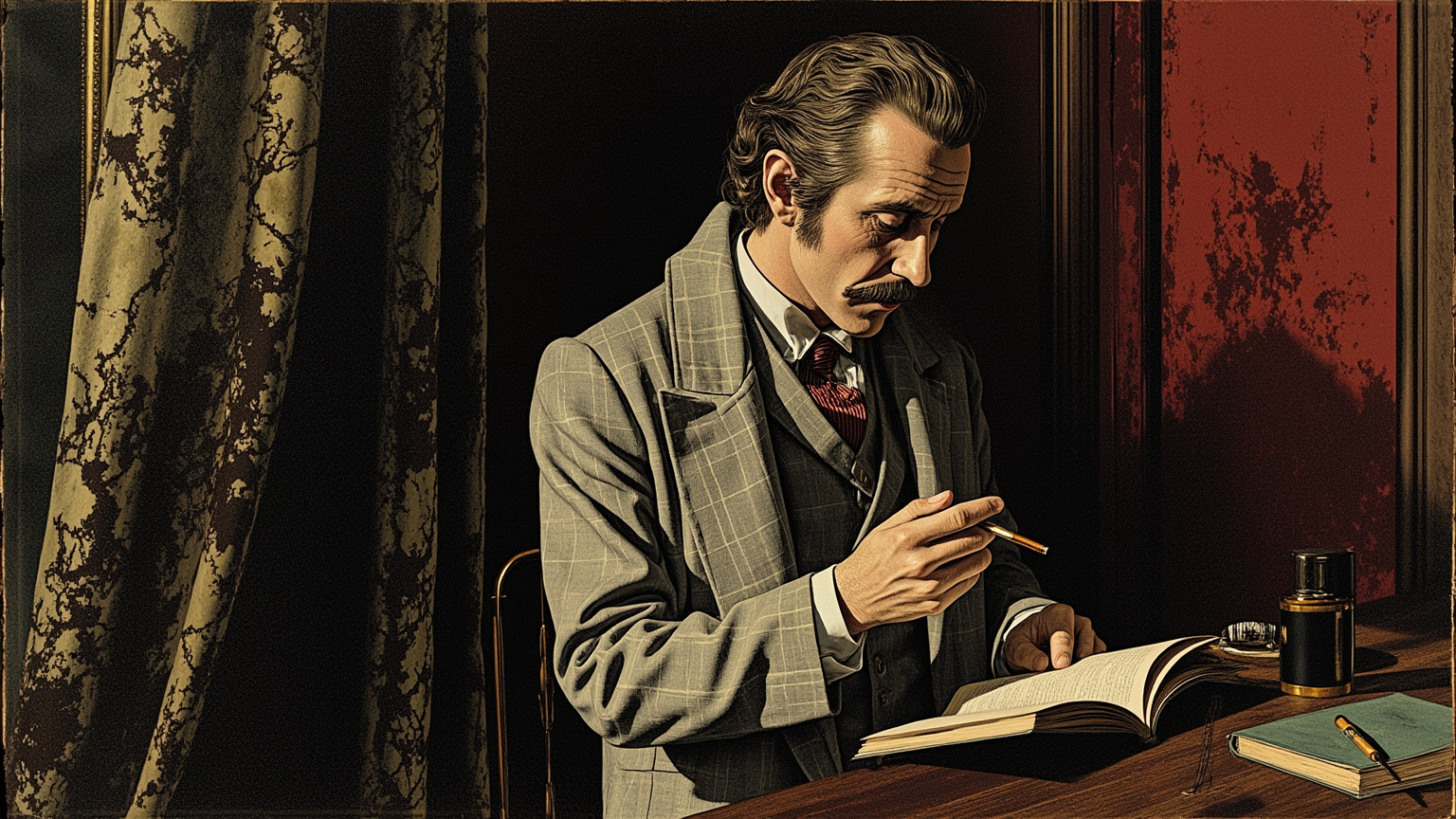
He smoked his meerschaum with the placid enjoyment of a man who had nothing in the world to trouble him.
他吸着那只海泡石烟斗,神情之安闲,像一个这世上已没有任何烦心事的人。
金句 · 第17章 · 罗伯特的烟袋
The Gothic imagery starts to tighten. Alone in the hidden room, Lucy burns the whole diary and scrubs the ink stain out of the dressing-table drawer, mark by mark. The reader hears flame eating paper and catches the smell of scorching drifting down the hall. Then comes a harder blow: a body, belonging to George Talboys, her lover from years before, is discovered below an attic window. Braddon never writes the act of pushing itself, only the flowerbed beneath the attic, broken where something landed, and the look on a maid's face. She holds back, and the more she holds back, the more frightening it gets.
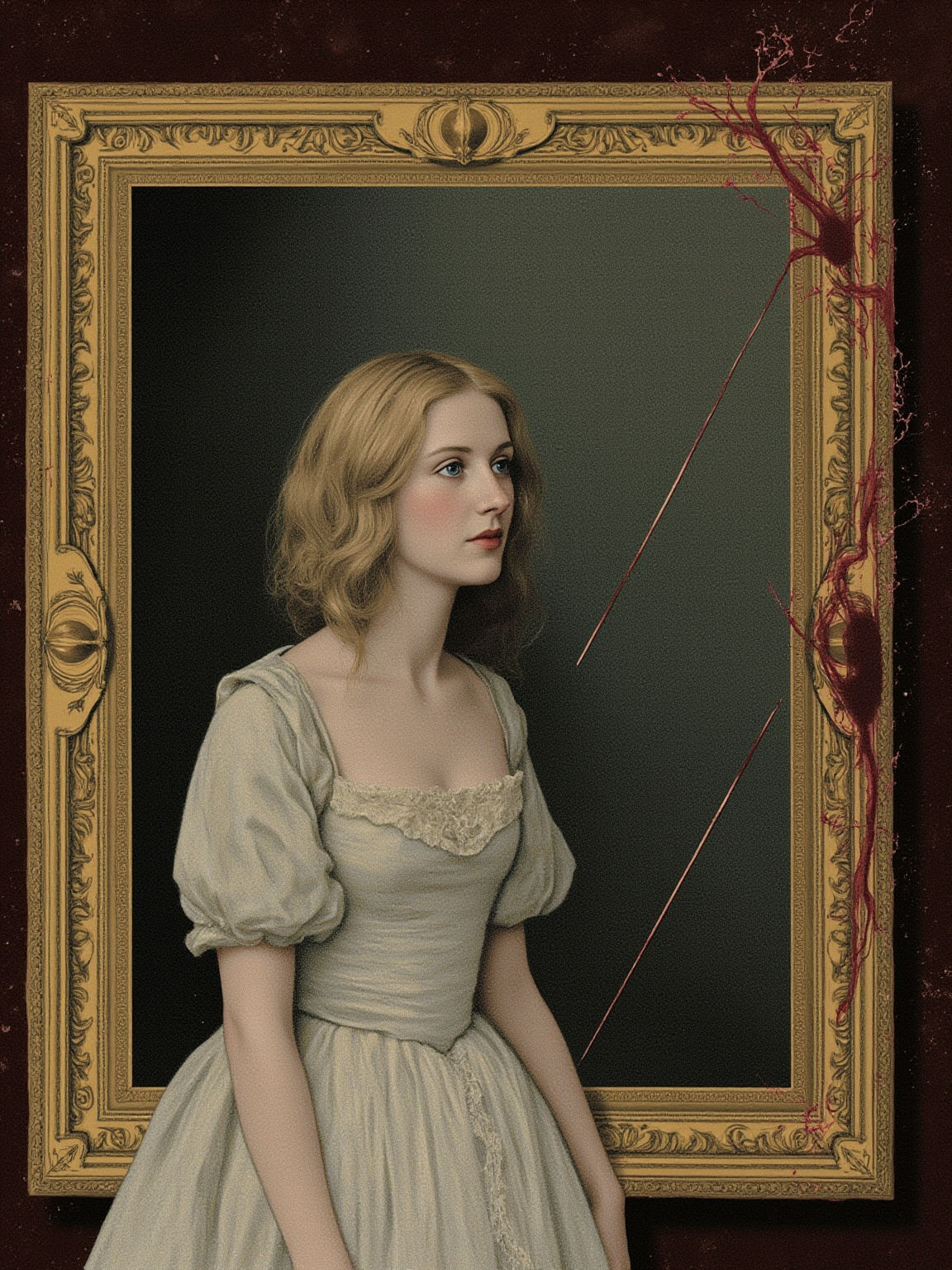
She had burned the record of her own sin; and the ashes of the burning lay in that little heap upon the carpet.
她亲手把自己罪孽的记录付之一炬,灰烬就在地毯上落成那一小堆。
金句 · 第29章 · 焚烧的日记
When the net finally closes, Robert does something that chills the spine: he does not call the police, does not send for a constable. He simply lays a letter naming her old identity, an old photograph of Lucy as a young woman, and a lock of golden hair from the scene of the fire on the table in front of her, then asks her to sit down for tea. She listens. She does not run. She does not even cry. Braddon writes her confession like a lamp being switched off: no struggle, no scream, only a quiet admission. The scene stays with the reader longer than any scream could.
The ending is neither a gallows nor a madhouse on some distant island. Lucy is placed in a private asylum and quietly sealed away. She goes on living, and the reader never sees her again. Victorian high society had a way of shutting women like her into rooms lined with velvet and telling the world she was in poor health — and that, more than anything else in the story, is the cruelest footnote of all.
Theme and Craft
Braddon stitches the beautiful victim and the cold-blooded perpetrator into a single woman, so the reader can neither love her nor hate her cleanly. That discomfort is the thing this book actually wants you to walk away with.
At the core of this book is an invisible rule of Victorian society: beauty plus poverty equals no way out. Lucy is not a villain by nature. Braddon will not let the reader dismiss her that easily. She lets the reader see the door closing tighter behind every one of Lucy's smiles, see the ink stain in the drawer fade a little more each time she uses her golden curls as a weapon, see the old diary worn soft at the edges and then burned whole. This is not forgiveness. It is sympathetic understanding, understanding a woman with no legitimate way up, pushed down from the attic by her own face and by the society around her, together.
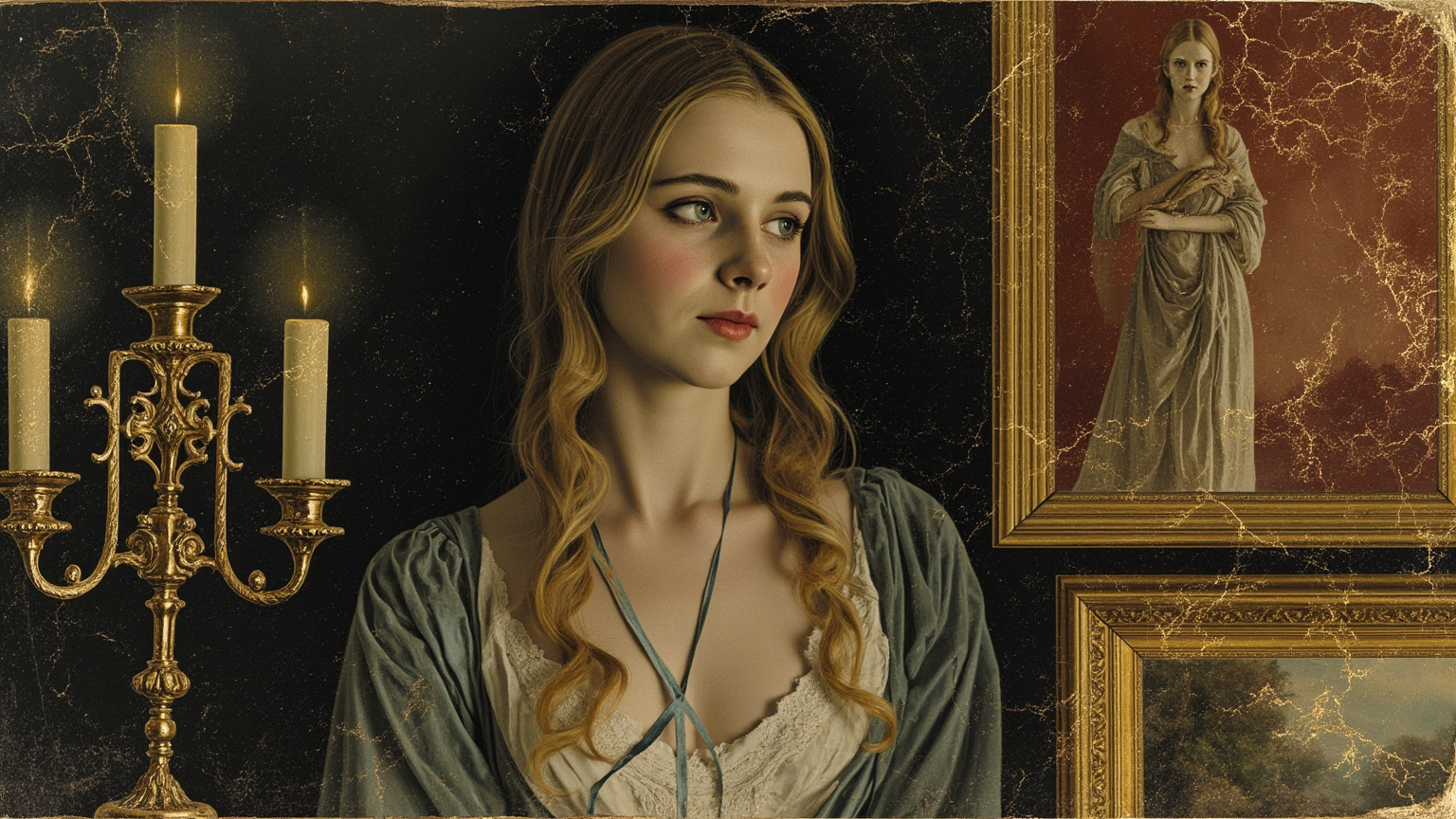
The angel of his hearth had been a woman whose smile had been a lie, whose very beauty had been a snare.
他壁炉边的天使,原来是一个以微笑作谎、以美貌设饵的女人。
金句 · 第37章 · 真相落地
On the craft side, Braddon does three things that shaped a century of Gothic and mystery fiction after her. First, she breaks the unwritten rule that a murderer has to look like a monster: hers can be beautiful as porcelain and smile like an angel. Second, she writes one of the earliest amateur gentleman detectives, and Robert's method (pipe in his teeth, chasing the truth through letters) becomes standard equipment for every detective who comes after him. Third, she moves Gothic imagery out of the haunted castle and into the Victorian drawing room: the attic, the corridor, the portrait, the old well, all sitting inside a country squire's own house. What the reader fears is no longer a ghost far away. It is the smiling mistress next door.
Why Read the Novel Itself
A guide can tell you what happens. It cannot give you the physical feeling of your fingers going cold as you turn the next page. Braddon's sentences have a particular flavor: she does not scream, she lays things out, letting a curl of golden hair stir in the wind and letting the reader frighten themselves. Read it again knowing the ending, and the dread only gets heavier, because now you can see every crack forming before it opens. There is also the way Robert holds his pipe, the portrait in the gallery with the wrong look in its eyes, the ivy in the garden growing thicker by the page, things that only take hold of you if you sit with the book yourself. The map has been drawn. The land is still out there, waiting.
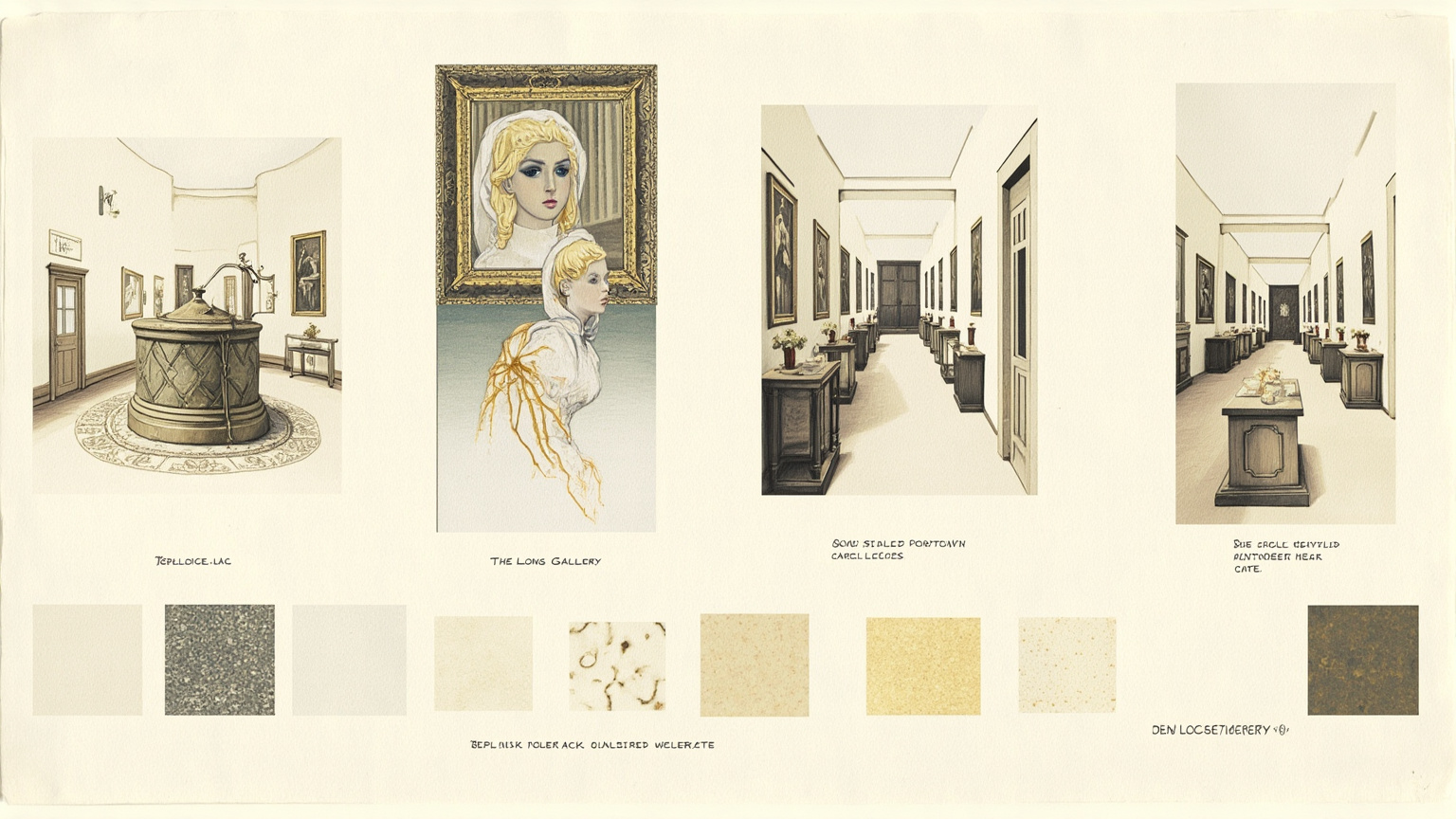
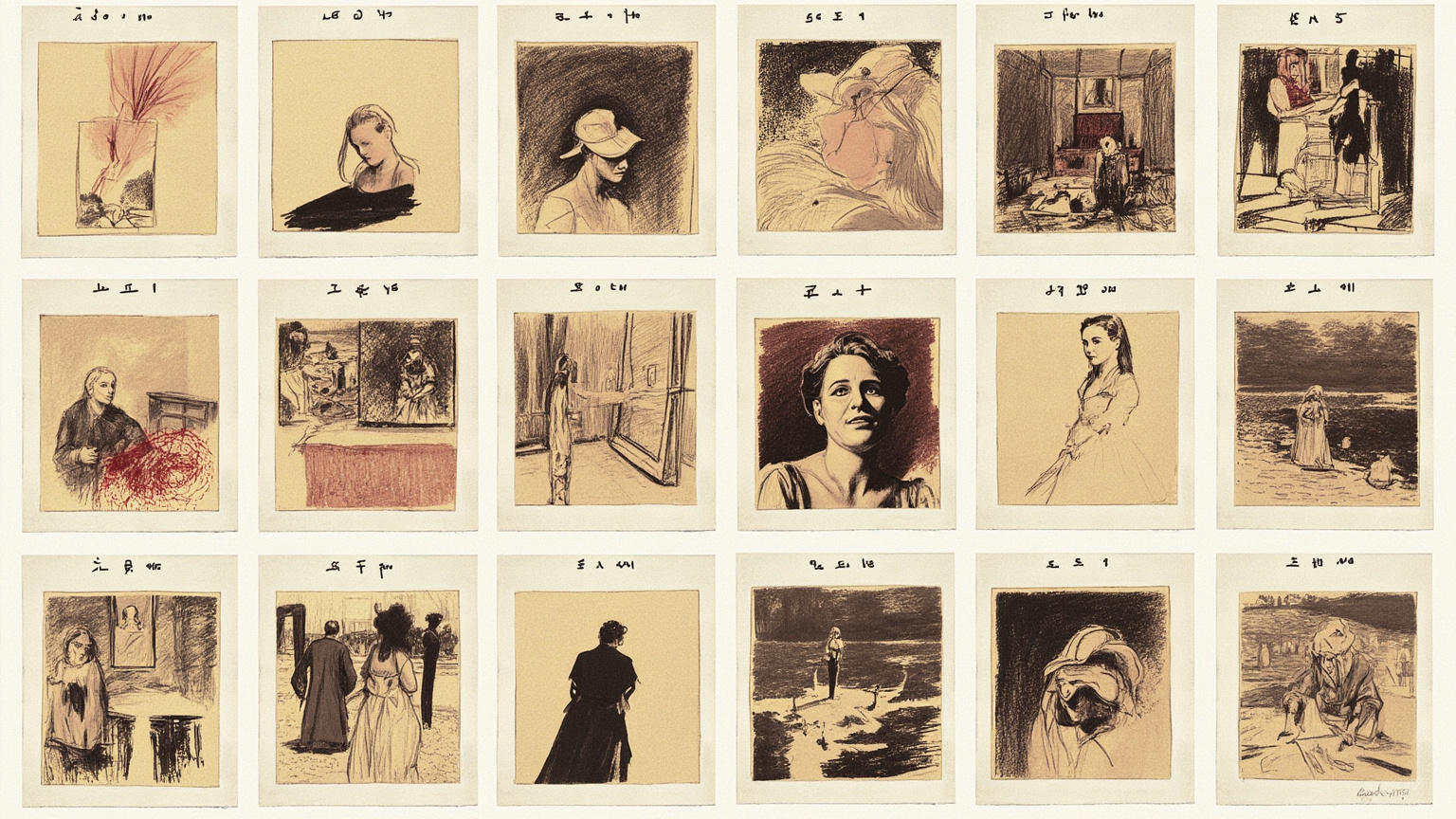
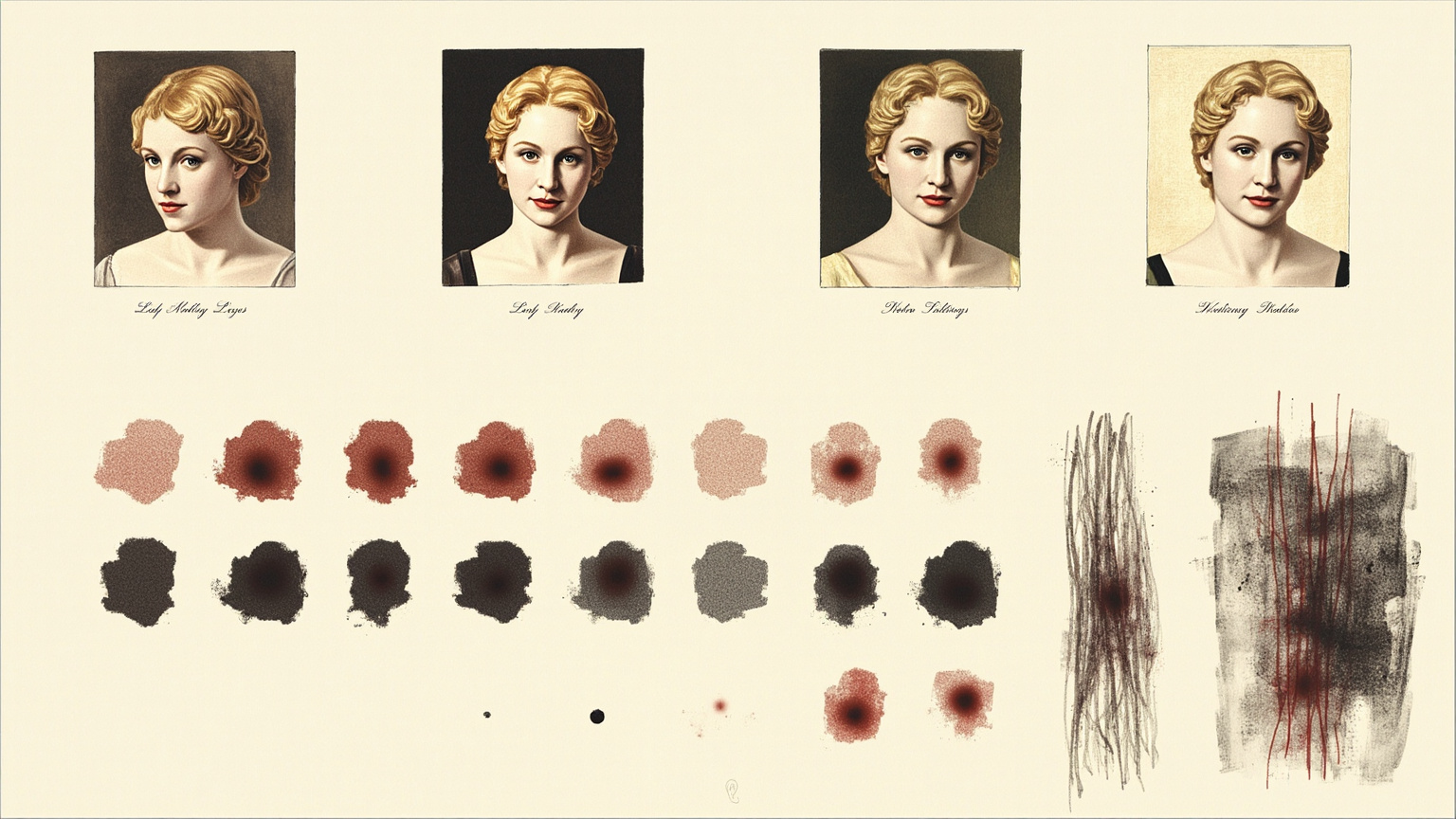
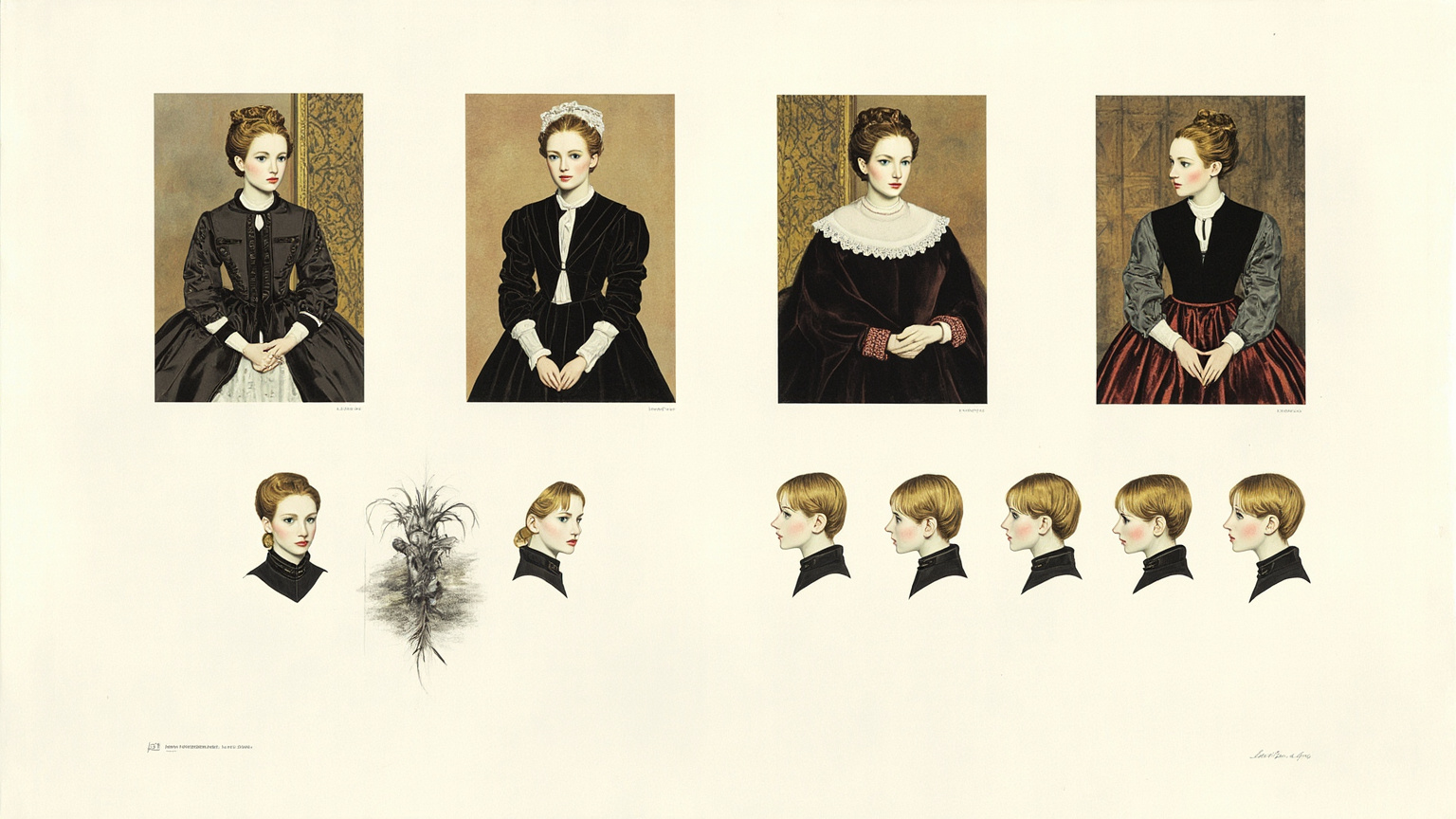
Art Direction4 plates
Before the guide was written, this book got a visual foundation — every illustration you just read grew out of it.