The Life of Lazarillo de Tormes: His Fortunes & Adversities (La vida de Lazarillo de Tormes y de sus fortunas y adversidades) · Companion Guide
小癞子(托尔梅斯河的拉萨罗的一生)
一个穷小子为了不掉回饥饿,学会用机智与妥协在伪善的世道里往上爬——每一步都踩着自己的良心。
Opening: A Letter, and a Rumor That Won't Sit Still
A man sits down to write a letter to a person of some standing, addressed only as Your Honor. He means to clear up a piece of gossip that will not go away — word around town is that his wife has been sleeping with the local archpriest. He settles onto the page, but he does not rush to defend himself. Instead he goes all the way back, to the mill on the Tormes River where he was born. This is the unsigned little book published in 1554 that literary history came to call Lazarillo de Tormes (in full, The Life of Lazarillo de Tormes, and of His Fortunes and Adversities). It does not open like a chivalric romance, with a hero striding onstage. It is a poor kid from the bottom of the world writing his own alibi, and doing it with a wink.
What Kind of Book This Is
Nobody has ever established who wrote it. The first edition, published in Spain in 1554, carried no author's name — the title page simply said anonymous. Booksellers liked to pin it on Diego Hurtado de Mendoza, but modern scholarship long ago filed that under unsolved. So the safest word for the author is anonymous. This is the first picaresque novel in European literature: a low-born hero, a plot strung together by a string of short-term masters, told in the first person, comedy soaked through with bitterness. Cervantes and Defoe both borrowed keys from it when they wrote Don Quixote and Robinson Crusoe. Almost as soon as it appeared, its satire of the Church got it placed on the Spanish Inquisition's index of banned books, and it did not resurface until 1573, in a censored, cleaned-up edition.
People and World: A Hungry Boy and His Betters
Our hero Lazaro says he was born at a mill on the Tormes River — his mother went into labor there in the middle of the night, and he later jokes that he was truly born in the river, a dig at the chivalric-romance convention that every hero needs a great river at his back. It is a tease, not a claim that he actually floated downstream. His father was sentenced to military service for stealing wheat and died in the field. His mother later moved in with Zaide, a Black stableman at the mill, who stole feed to help support the household and was caught and beaten half to death for it. Lazaro's first lesson in life was not his letters. It was punishment.
The world's hierarchy is unforgiving: the well-off eat meat, the rest go hungry. Every better Lazaro ever served came with a scar of his own — a vicious blind beggar who taught him cunning on an empty stomach; a miserly priest in Maqueda who locked the bread away and would rather feed it to the mice than let him have one extra bite; a penniless hidalgo in Toledo who strapped on a sword and strolled the streets every day pretending he had just eaten; a con man peddling the Pope's indulgences, working a fake-possession routine with a corrupt bailiff to shake coins out of villagers. Later he took a position in the household of the archpriest of San Salvador in Toledo, married the archpriest's maid, and landed the post of pregonero, the town crier — the one scrap of official respectability the whole book grants him. And it is right there that the town's gossip grows its first thorn.
Chapter One: The Blind Man's Initiation, and the First Bite of Sausage
Lazaro's mother could not afford to keep him, so she handed him over to the blind beggar to serve as his guide. A blind man's servant has to be sharper than the devil himself — the blind man's own words. On the first day he bought a sausage, set it roasting over the fire, and sent Lazaro off for wine. When Lazaro got back, the sausage was gone, and the blind man accused him outright of eating it. Lazaro swore up and down he hadn't touched it. The blind man kept scolding, then gave an order: after the oath, stick out your tongue so I can feel it. Lazaro obeyed, and the old man clamped down — there was a bitten-off piece of sausage hidden in his own mouth all along. Lazaro's palm still stung red from the hot grease, and the blind man laughed, pleased with himself. That slap was the whole orientation.
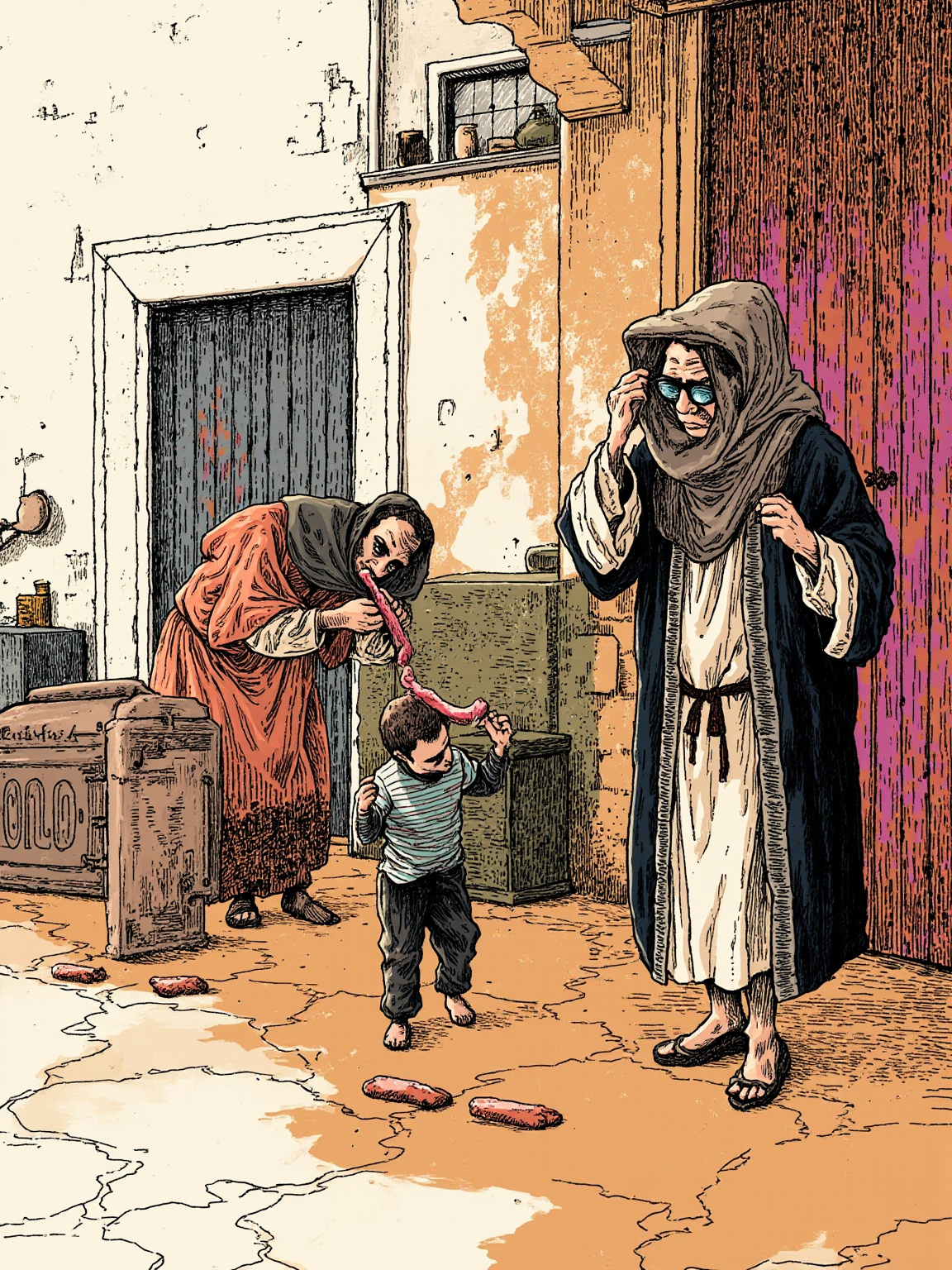
When he felt that my head was against the stone, he raised his hand and gave me a tremendous blow against the devil of a bull, so that I felt the pain for more than three days.
他摸到我的头贴上了那块石头,猛地一巴掌,把我撞向那头该死的石牛,那疼痛三天都没消。
原文金句 · 第一章 · 瞎子的入学礼
After that, half-starved, he grabbed a sausage and passed off a turnip as its replacement, stole wine and got beaten for it, lost a tooth in the process. But what actually ended things wasn't any of those small raids — it was one public act of revenge. The blind man had Lazaro guide him across a bridge where a stone pillar stood in the middle of the path. Lazaro told him to run and jump. The blind man took a full running start and slammed chest-first into the pillar, blood bursting out. Lazaro slipped into the crowd while the old man reeled. He was badly hurt — the book never says he died, and Lazaro never really wanted him dead. He just wanted to get even.
Chapter Two: The Priest of Maqueda's Lock, and the Key Cut on the Sly
After the blind man came a parish priest in Maqueda. The bread stayed locked in a chest, the key hung from his belt. Lazaro got so hungry his legs went weak, and he finally gritted his teeth and had a smith in town cut a third key. From then on he gnawed bread at night.
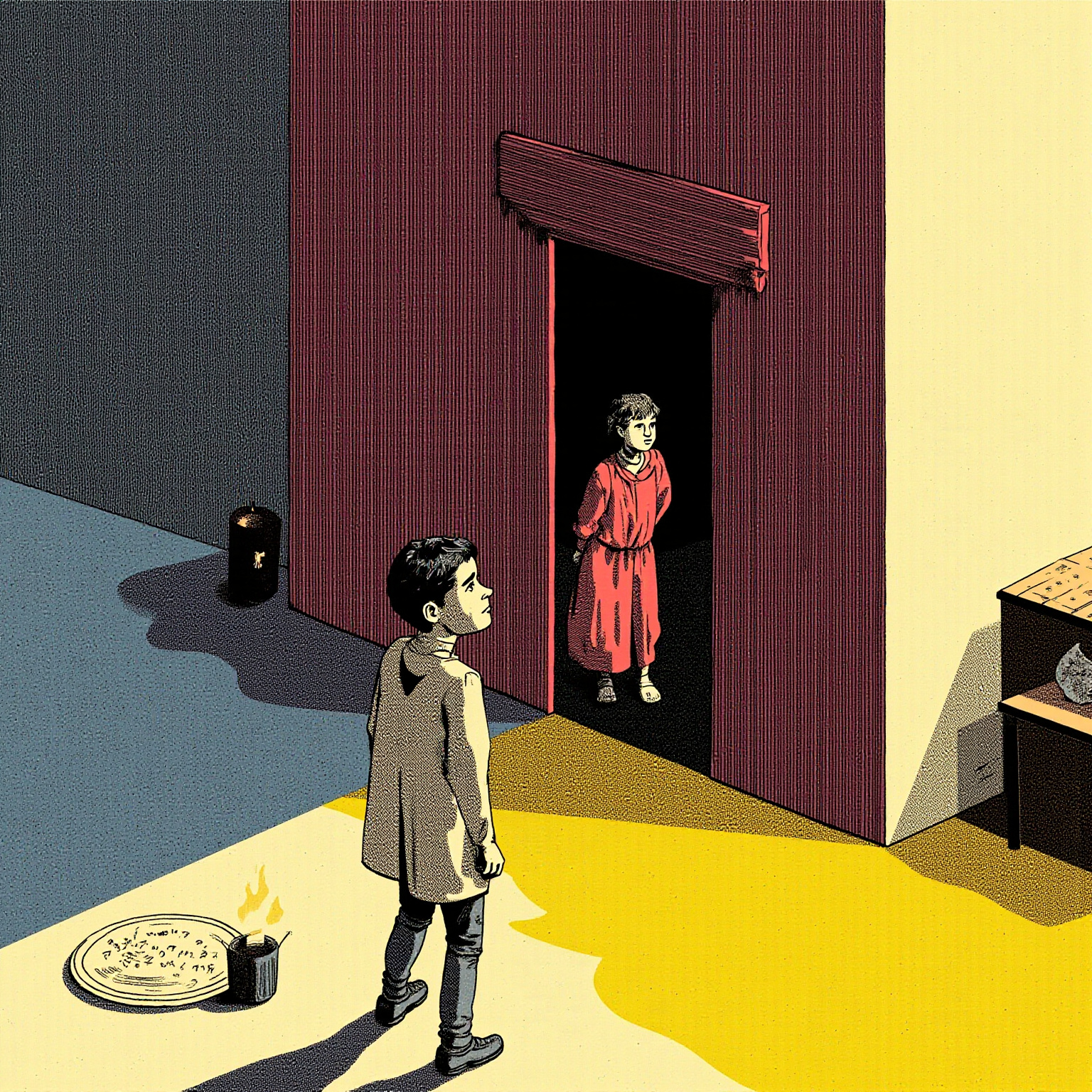
I used the knife in the way of a gimlet, and as the ancient piece of furniture was without strength or heart, it soon surrendered, and allowed me to make a nice hole.
我用刀当钻子,那件老家具既无骨气也无心肝,很快就投降,让我凿了个好洞。
原文金句 · 第二章 · 马凯达神父的锁柜
The priest first blamed mice and reinforced the bread bag. Then someone suggested it might be a snake, and, spooked, he hung bells around the bread chest. One night he lay in wait himself, heard the bells ring, and grabbed Lazaro's face in the dark — the key came right out of the boy's mouth. A priest with his hand around a child caught mid-theft is an ugly picture. He had Lazaro beaten and thrown out. Being turned back onto the street without being starved to death counted, in this world, as mercy. The writing here is remarkable: it never once uses the word hunger. It just lets the bread sit in the chest and the key hang from the belt, back and forth, and lets that carry the whole weight.
Chapter Three: The Poor Nobleman of Toledo, and an Empty Stomach
The third master is the sharpest piece of irony in the book. A hidalgo without a coin to his name moved into the house Lazaro had found to rent, strapped on his sword every day, and went out for a stroll — the neighbors, taken in by his bearing and his airs, assumed he had just finished a meal.
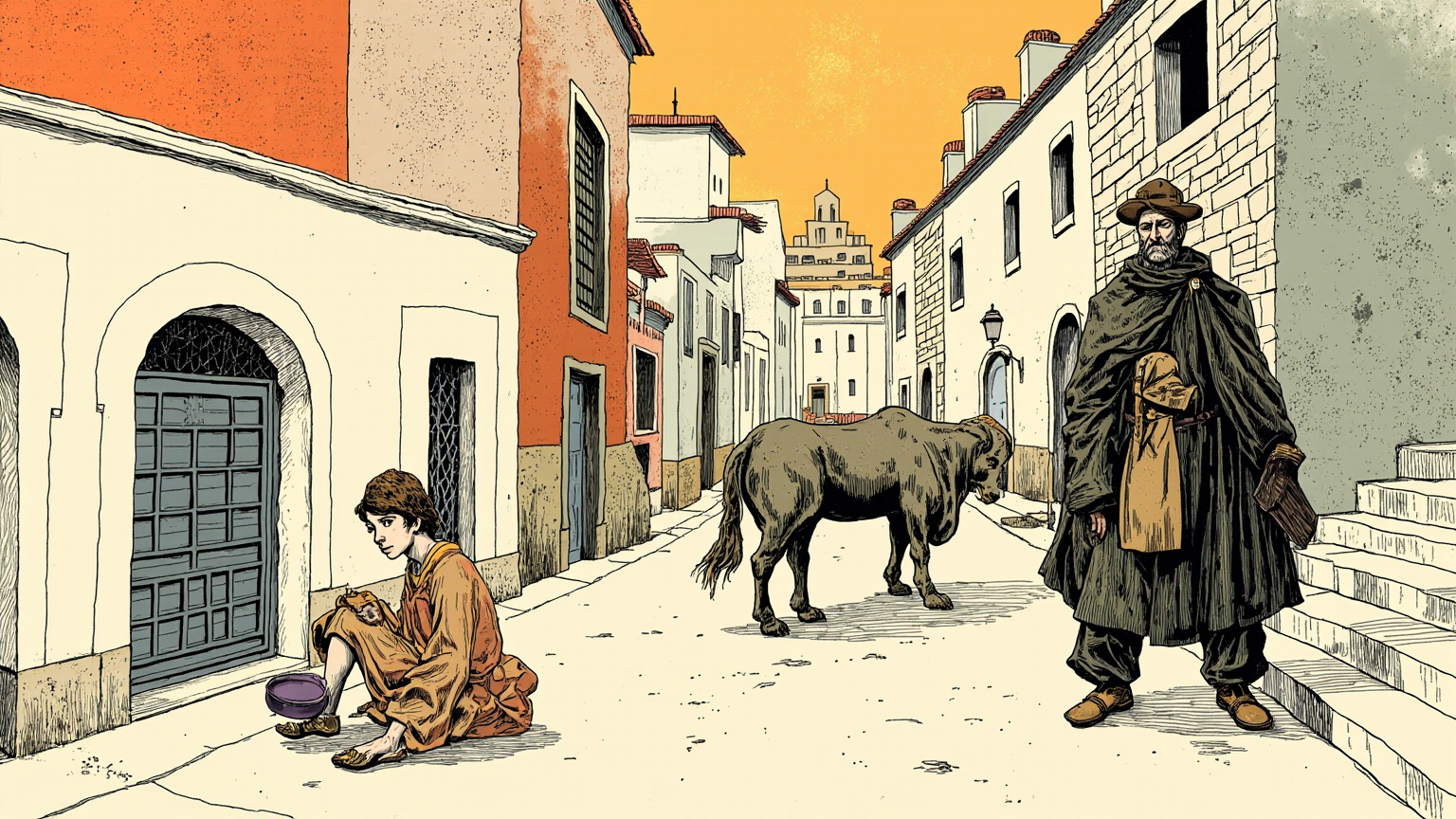
"The great longing that you have makes you think my way of eating so beautiful,"
你这饿极了的馋相,倒把我的吃相衬得优雅无比。
原文金句 · 第三章 · 托莱多的穷贵族
He had no food. Lazaro went out begging leftovers door to door, and the two of them chewed in silence behind a closed door. One day Lazaro noticed the knees of the man's breeches worn through, and, out on one of his strolls, gave his sleeve a tug in front of others — the hidalgo's face couldn't hold its composure for a second, though what he really couldn't hold onto was next month's rent. One day he simply didn't come back, and the landlord showed up demanding payment. Lazaro was thrown onto the street a second time, his pride and his dinner broken in the same stroke. The scene is told lightly, almost in passing, but a nobleman who carries a sword and no substance behind it is a harder thing to laugh at than any staged chivalric farce in Spain.
Chapter Four: The Pardoner's Staged Miracle
After that he briefly served a man who wandered from town to town selling indulgences — a buldero, the sort of traveling con man who peddled the Pope's pardons. This man worked in league with a corrupt bailiff.
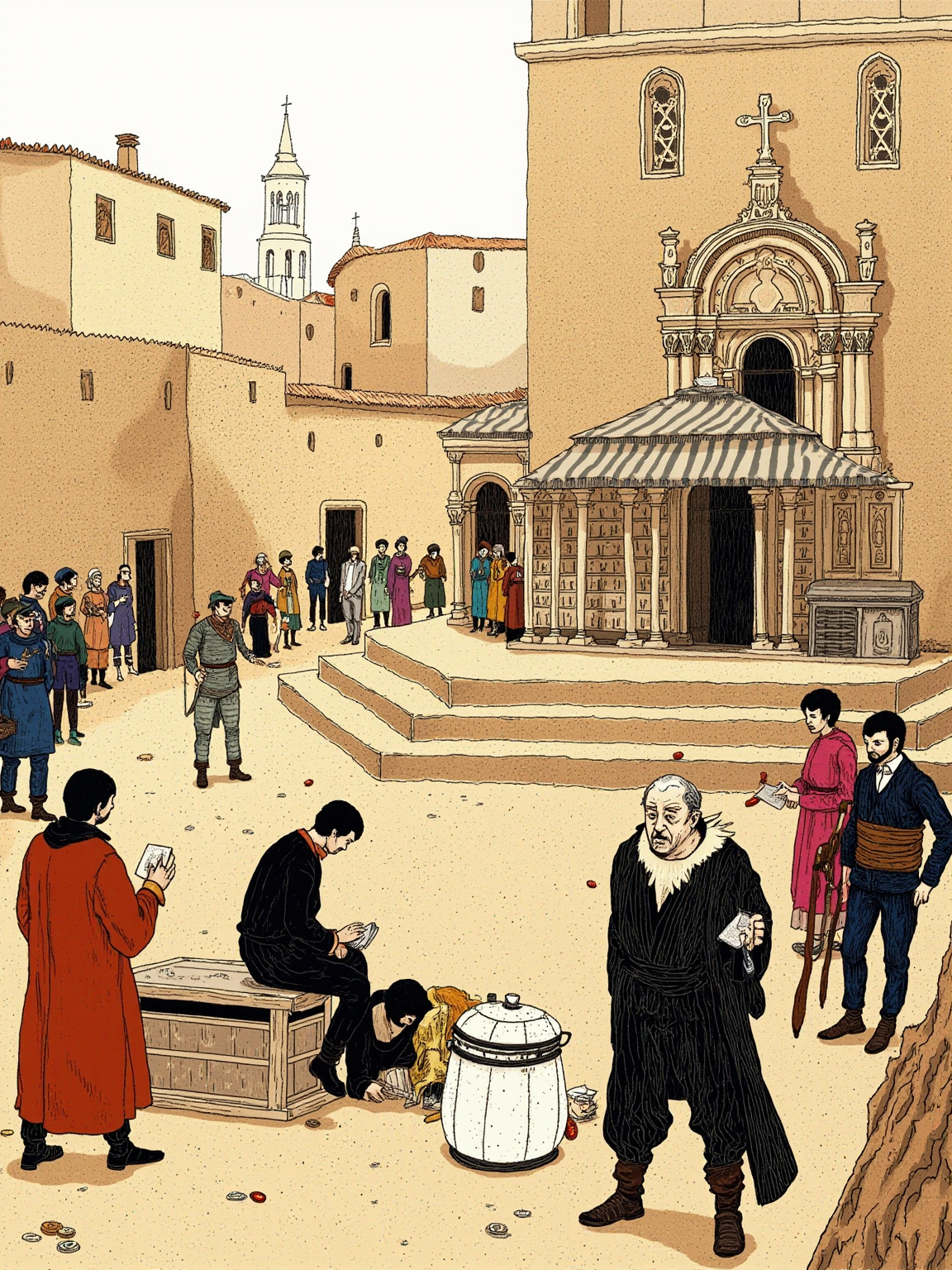
I swear to God that if I met a count in the street and he did not salute me, I would not salute him if I met him again.
我敢对上帝起誓,若是在街上碰见个伯爵不向我行礼,下回再遇着,我定不先向他致敬。
原文金句 · 第四章 · 荣誉的虚影
The bailiff would fall to the ground in public, convulsing, and the pardoner would perform an exorcism on the spot, and the villagers, taken in, opened their purses. Lazaro stood there and watched the whole show, then walked away. He never exposed the scam, but he had no intention of serving the man any longer. This is the book's first real cut at the Church of the day — and it was no small thing: in 1559 the Inquisition named this very book and banned it outright, and it stayed buried for a full fourteen years before it resurfaced.
Chapter Five: Respectability, Secondhand
After several more moves, Lazaro found work with a water carrier, saved up a little money, and bought a used but decent suit of clothes at a secondhand shop. He put it on, checked his reflection in a puddle, and finally felt like a respectable man. I stopped short the first time I read this — a boy who had starved, played blind, stolen, and his one extravagant ambition turns out to be a coat with no patches on it.
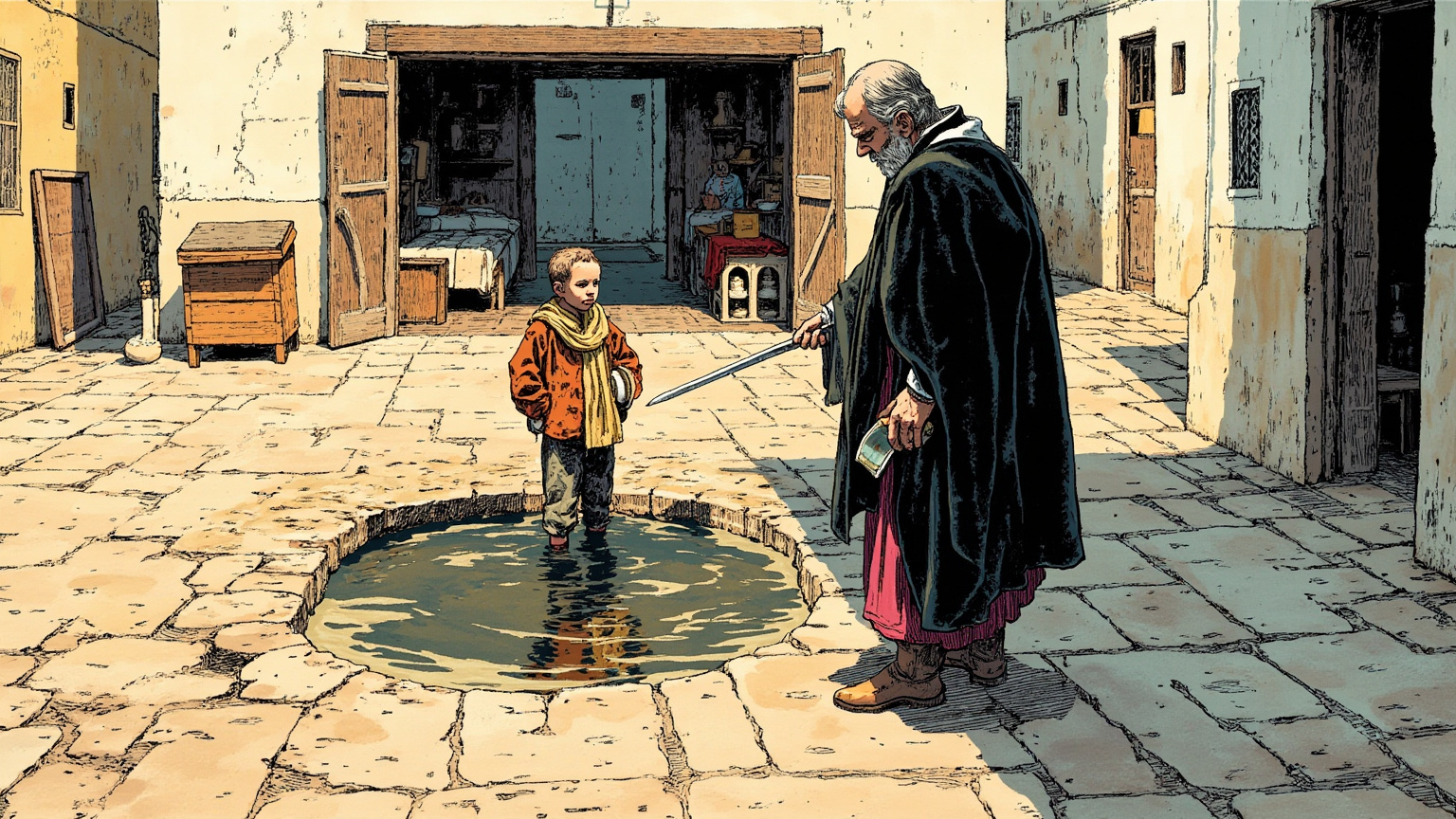
He also took a brief turn as a bailiff himself, then quit because the work was too dangerous. It reads like a side note, but it isn't one to skip — these small jobs are Lazaro's whole guide to climbing, and each one is really about how not to get crushed in the cracks of sixteenth-century Spain.
Chapter Six: The Summit, and What It Costs
The final act plays out in Toledo. The archpriest of San Salvador arranges for Lazaro to marry his own housemaid, and secures him the royal post of pregonero — the official town crier, reading public notices, auctioning off wine, with a decent income around the holidays. With that, Lazaro finally has a household in Toledo, a roof, a measure of standing in town. And that's when the gossip starts: word is that the maid was already the archpriest's mistress, and that she keeps visiting his house after the wedding.
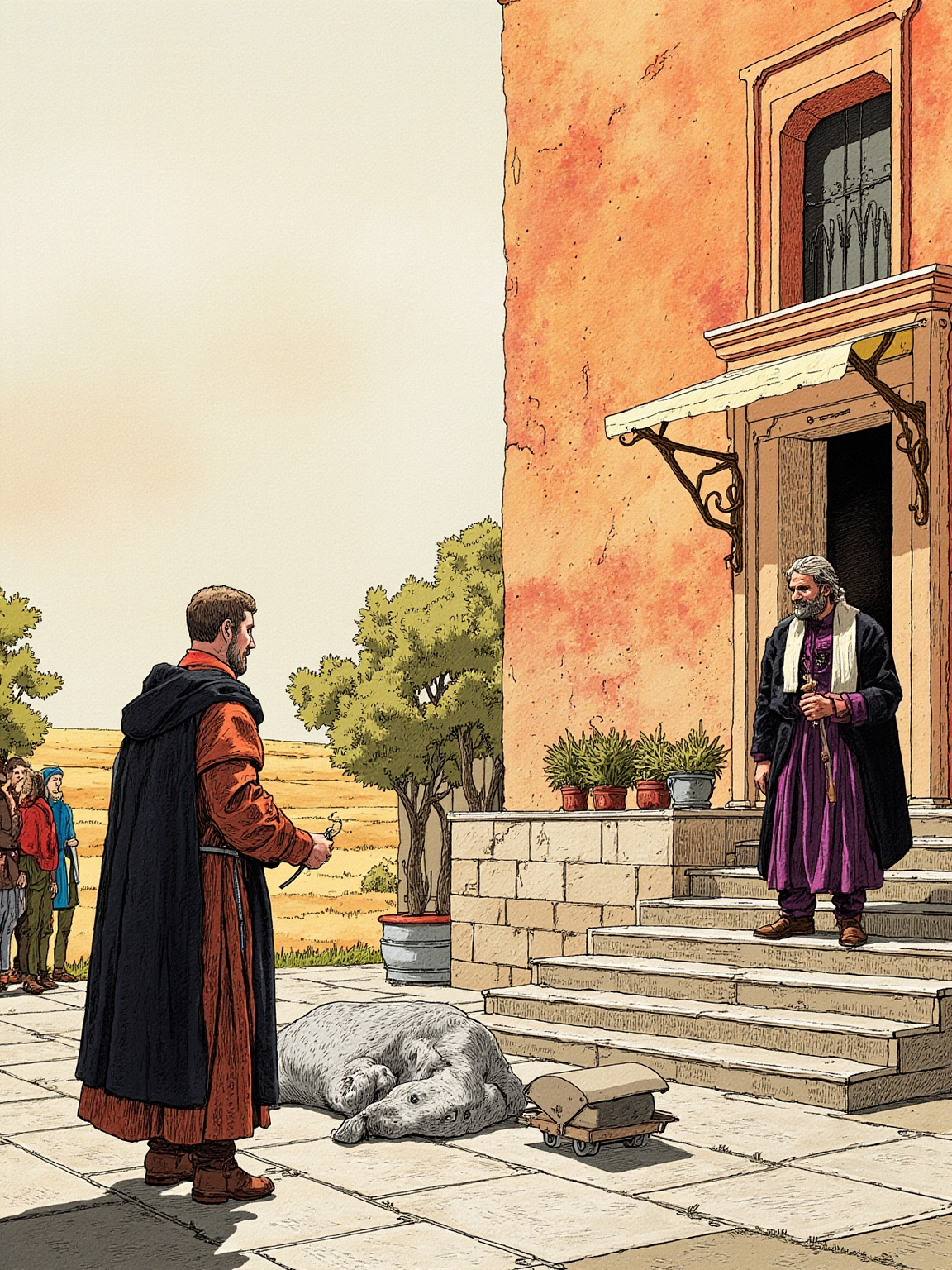
This is why Lazaro sits down to write the letter, laying the rumor out plainly at the start. He insists his conscience is clear, but he never presses further — the archpriest protects him, the post is secure, the roof doesn't leak. The price is simply not looking too hard. It's the line in the whole book that's hardest to sit with: what Lazaro calls reaching the summit of his fortune turns out to be nothing more than stability bought with a closed eye. And here the author offers no comment at all, just lays the whole case out and leaves the reader to judge it.
The book's real cruelty isn't in tearing the gentry down. It's in showing exactly which eye a poor boy will shut first, so he never falls back into starving again.
What It Did to Literary History
Lazarillo invented a way of telling a story: let the poor speak for themselves. First person, low birth, a hero passed from master to master, comedy wrapped around real bitterness — these are the marks of what later got the name picaresque, and they entered the European bloodstream through this one book. Cervantes gave Sancho Panza a voice, Defoe gave Robinson Crusoe one, Lesage gave Gil Blas one, and every one of those voices traces back to this unsigned little book from 1554.
It also worked out a chain of cause and effect running from hunger to cunning: the boy who steals bread isn't wicked, he's just been starved into it; the man keeping up appearances isn't strong, he's the one who has to starve first to keep the appearance going. Nobody before had worked that logic down to the level of the sentence. What matters even more is the tone — light, no shouting, no weeping, no railing — and that lightness is exactly what makes each little jab land harder.
Why It's Worth Reading Even Once You Know the Plot
A summary can walk you through the plot, but the real pleasure only shows up when you open the book yourself. No summary can hand you Lazaro's voice — playful on the surface, sharp underneath, still holding a grudge when he writes about the blind man, laced with dark humor when he writes about the priest, tossing off the hidalgo's disappearance in a single passing line. The discomfort packed into that lightness only comes through in the original. And when he swears his conscience is clear, whether that's bravado, resignation, or quiet defiance depends on exactly where he lets the sentence pause. You have the map now. Go walk the ground yourself.
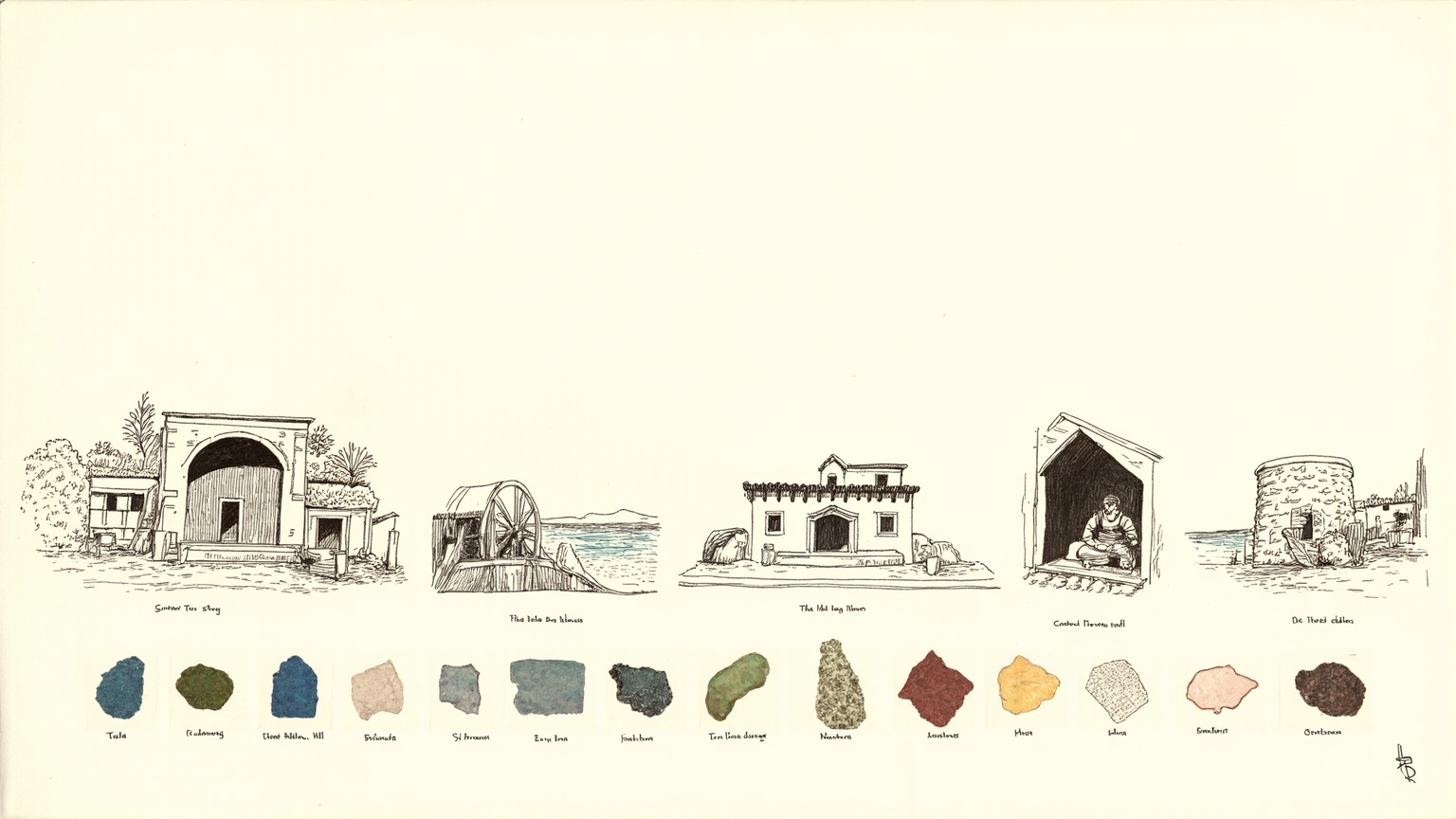
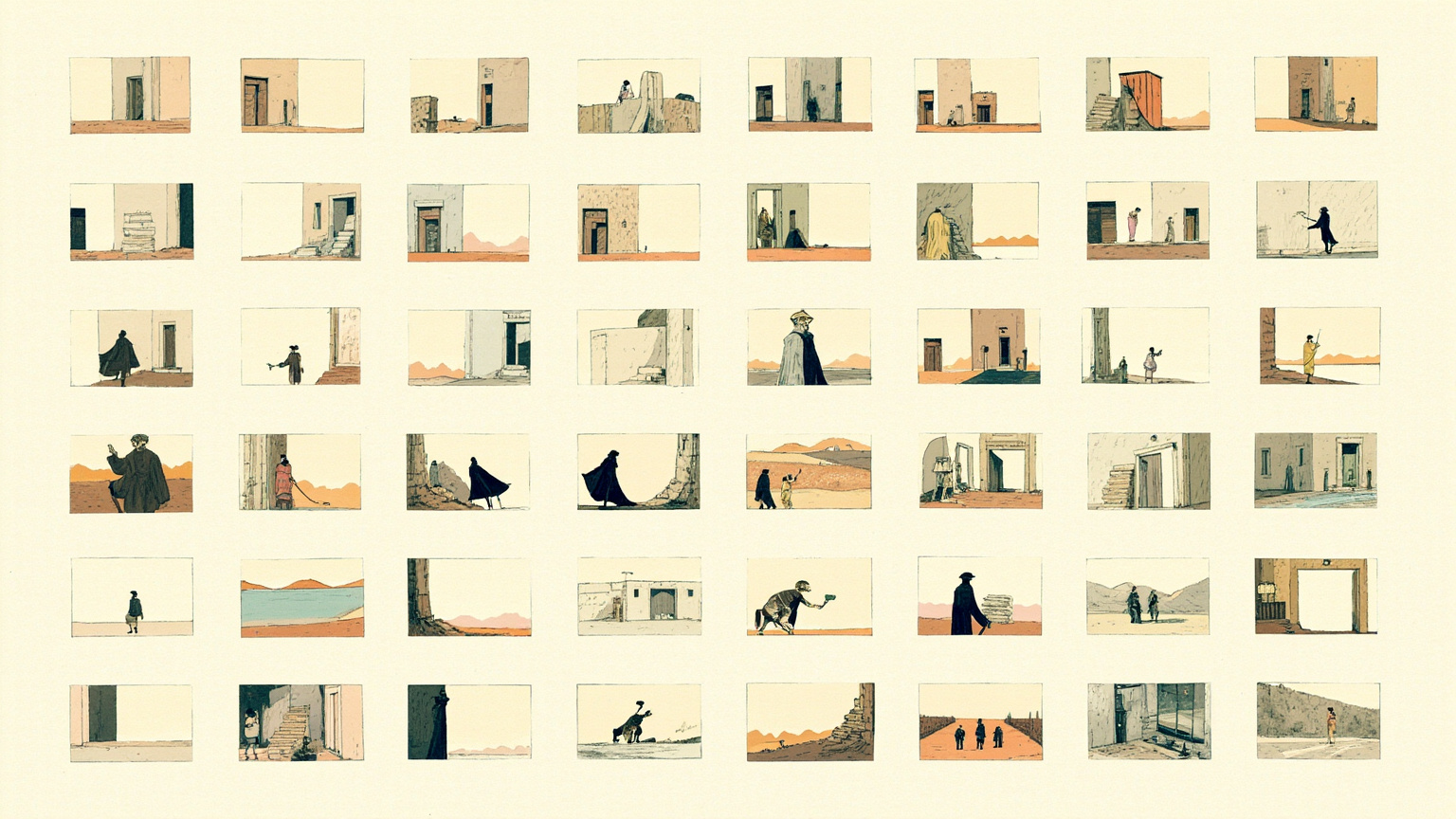
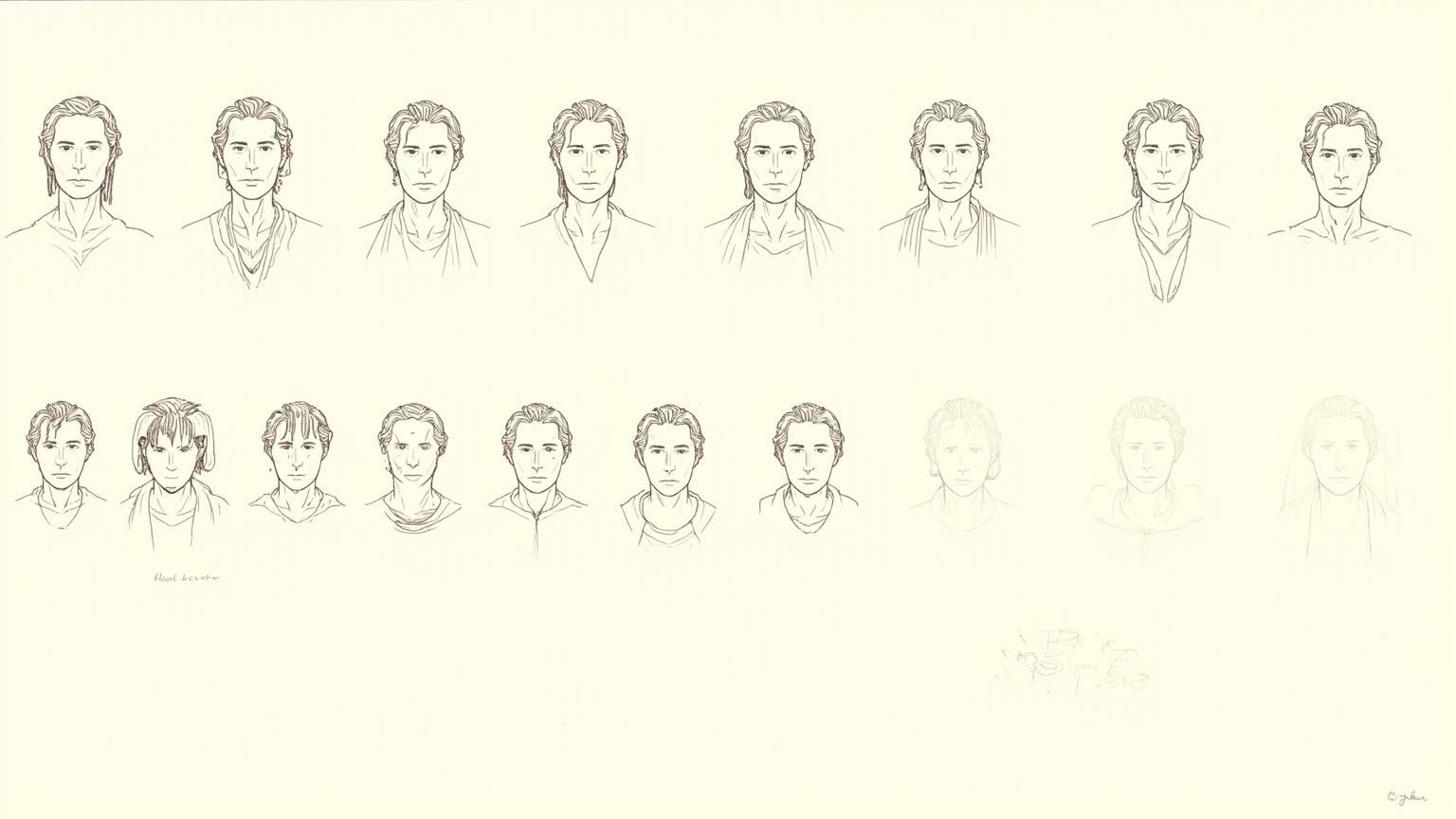
Art Direction4 plates
Before the guide was written, this book got a visual foundation — every illustration you just read grew out of it.