The Wanderer (Le Grand Meaulnes) · Companion Guide
大摩纳
冬夜误入一场化装舞会,从此用整本书去找一座会消失的庄园——少年追的不是少女,是第一次被烛光点亮的领地。
Opening: That Winter Night, the Candles Still Burning
The gravel path is still frozen under the snow. Paper lanterns still hang in the branches. In an empty ballroom, only the candlesticks nobody bothered to clear away are left standing. A boy of sixteen or seventeen stands at the door: heavy wool coat, astrakhan collar, snow still melting off his boots. His name is Augustin Meaulnes, a student at a country boarding school in the Sologne, in central France, in the 1890s. He was led into this ballroom the night before and stood under the candlelight for hours, not a guest at the dance, just someone let in and then left alone. Now that the party has emptied out, he is looking for his way back through the snow. What he doesn't know yet is that this stray, unexplained detour will use up the rest of the book.
What Kind of Book This Is
Le Grand Meaulnes is the only novel the French writer Alain-Fournier ever finished, published in 1913. He was killed the following year, on the first day of the First World War, at twenty-seven. Its place in French literature is an odd one: it appeared a full decade before In Search of Lost Time, yet it's widely read as an early instance of that same tradition — the novel that shows you how to use a boy's point of view to turn a first love into an elegy for a vanished world. Fournier lived to finish only this one book, and his death doubles the novel's own theme of loss: he wrote about a boy who can never get his dream back, and he himself never got the chance to write a second one.
Characters and World: A Boarding School, a Vanished Estate
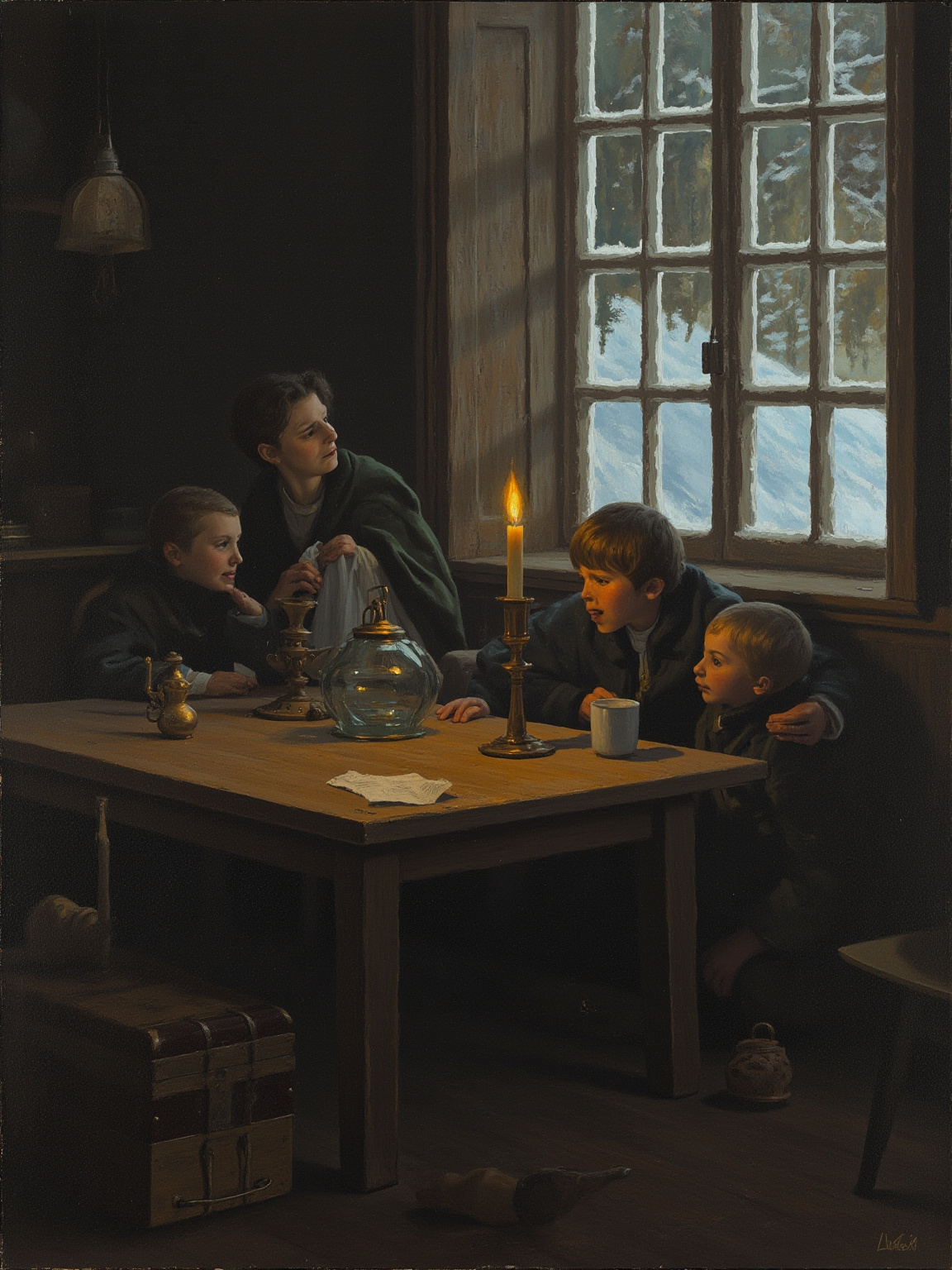
The story has two centers. One is the narrator, "I," François Seurel, a younger boy at the boarding school: calm, precocious, watchful, the one who keeps the book's memory. The other is his roommate Augustin Meaulnes, known as the Grand Meaulnes, an outsider two or three years older than his classmates, silent, proud, and reckless. Meaulnes drives the whole story; Seurel is only the one who walks alongside him and, years later, writes it all down. A third figure who can't be left out is Florence, the country girl who leads Meaulnes into the ballroom that night. She falls for him at first sight; he never so much as looks at her. Later it's she who brings a girl she's been quietly helping, actually an old friend of Yvonne's, back to the boarding school. She's the overlooked go-between of the mysterious estate, someone nobody pays attention to, and yet it's through her that the clue reaches Seurel. The setting is the Sologne, in central France in the 1890s, a countryside known for its forests, ponds, mist, and abandoned manors. Outside the classroom there's white frost, cold fog, winter fields; the boys warm themselves and talk at Madame Seurel's kitchen table, the only trace of family warmth in a boarding-school life that otherwise feels orphaned. The book's real stage isn't the school at all, but somewhere else: an unnamed, half-ruined estate known as the mysterious estate. A candlelit hall full of costumed guests, a cold spring in the woods, a snow-covered gravel drive, carriages arriving one after another — this is where the novel's whole atmosphere comes from. The real Sologne countryside and a wedding estate that vanishes like a dream overlap in the reader's mind from beginning to end.
How the Plot Unfolds
The Day Meaulnes Arrives at the Boarding School
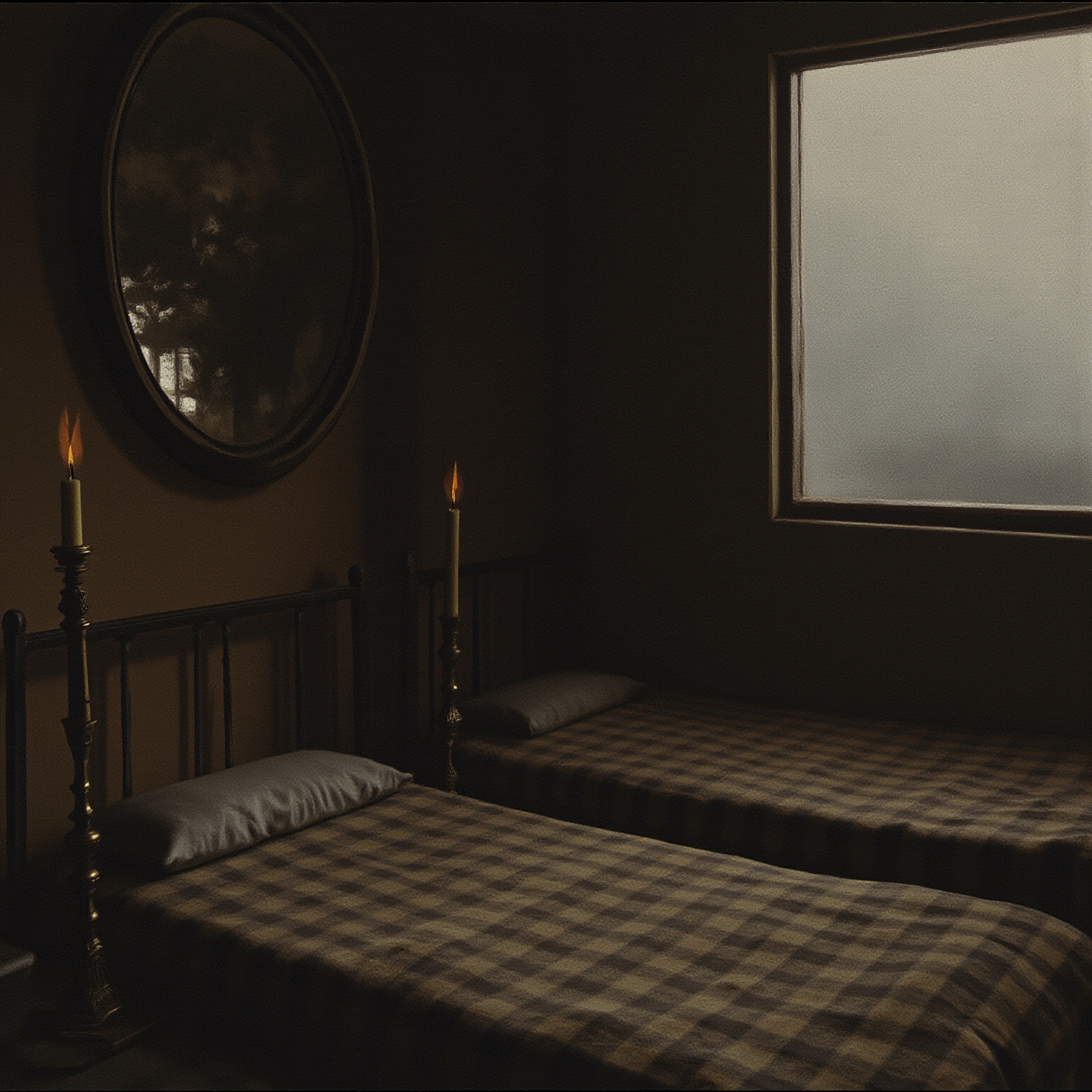
It starts small: Meaulnes transfers in from another village, two or three years older than Seurel, a boy of few words who walks like he's in a hurry. The dormitory gets rearranged and a bed is found for him. There's no buildup to the friendship between the two boys, one quiet, precocious, willing to listen, the other wild, proud, reckless. Fournier is restrained about it: he never explains why they become friends, he just lets Seurel say, "From that day on, I was the Grand Meaulnes's companion." That restraint shows up again and again in the book — Fournier trusts the reader to fill in what's left unsaid.
He was a boy of about seventeen, tall and rather fair, with dark eyes and the hard, defiant look that country boys bring back from the college town.
他大约十七岁,个子高高的,面色相当白皙,一双深色的眼睛带着乡下少年从外镇中学带回来的那种倔强而戒备的神情。
金句 · 第一部 · 摩纳闯进寄宿学校的那一天
A Winter Night, Lost in the Mysterious Estate
One winter evening, Meaulnes sets out to see off an odd boy named Dani and ends up carried away by a cart deep into the forest. He has no idea that a costume ball is under way at the estate he stumbles onto: old M. de Galais is marrying off his daughter Yvonne de Galais, dressed in her dead mother's wedding gown, to a rich young man from a neighboring village, and the old man, already gravely ill, means the party as both a celebration and a farewell. Among the candles and paper lanterns, Meaulnes falls for Yvonne at first sight. She stands there like a figure out of a Renaissance portrait, someone who has stepped straight out of a painting. What makes the writing work here? Fournier never lets Meaulnes say a single word through the whole scene. The boy has been struck overnight, and the author keeps him silent. It's a rare kind of passion for a French novel to allow, passion that explains nothing. You believe a boy can fall in love with someone by candlelight in a single night, and the author never has to tell you why.
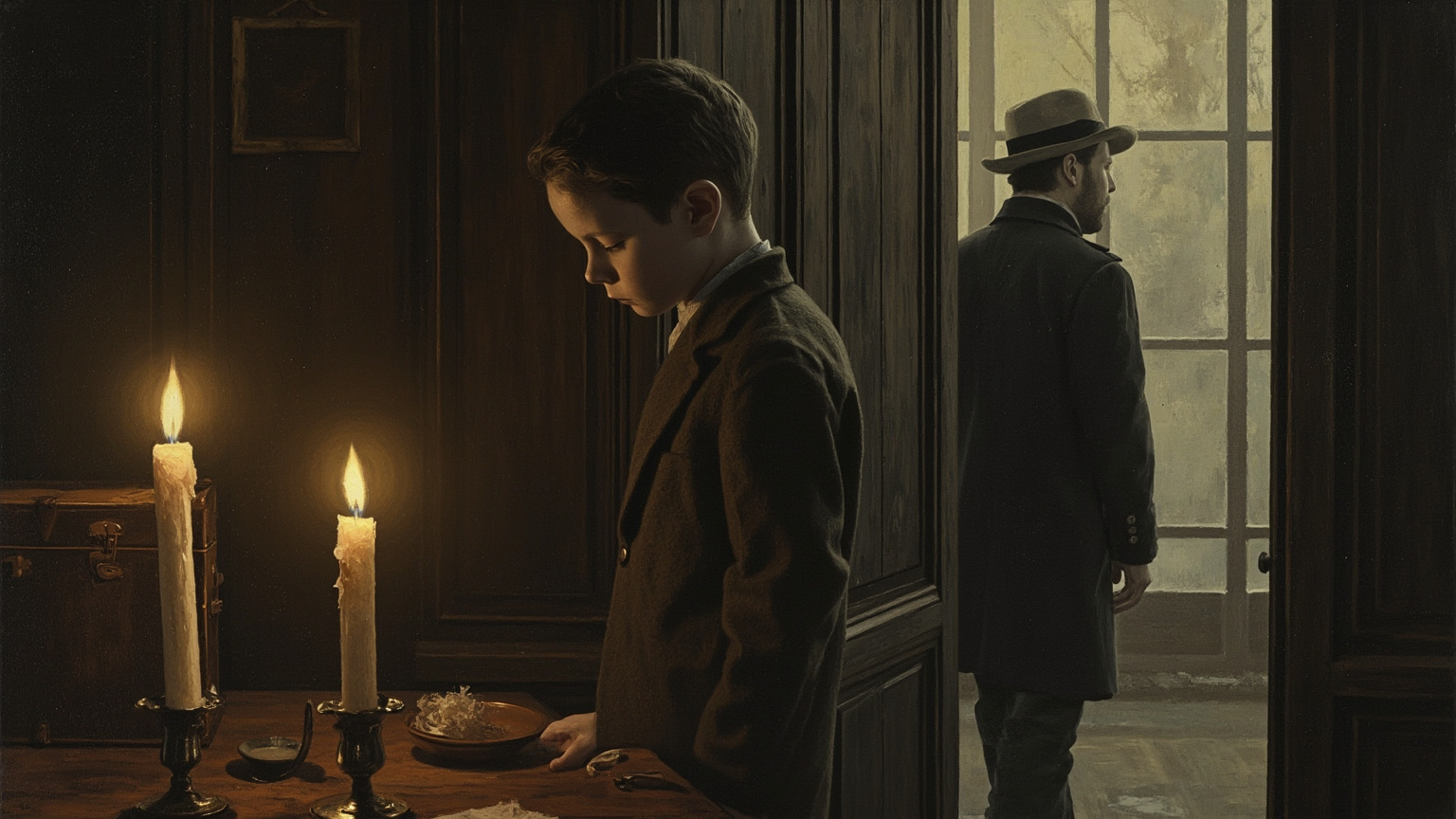
It was a scene from some old fairy-tale: in the great dim hall, lit by the dancing flames of a few candles, the guests in their strange costumes were circling slowly in a waltz.
那是从某一则古老童话里走出来的场面:空旷而昏暗的大厅里,稀稀几支烛焰摇曳着,宾客们穿着奇异的礼服,缓缓地旋进一支华尔兹。
金句 · 第一部 · 冬夜误入奇异的领地
The Ball Empties Out, Lost in the Snow
Morning comes. The guests are gone, and the estate feels emptied out in a single breath. Meaulnes is sent on his way and can't find the road back through the snow. Worse, the estate seems to have stopped existing altogether: the next day he wanders the same stretch of forest for hours and can't even recognize the fences. Back at school he falls seriously ill, feverish and delirious, muttering only about the estate and the girl. Fournier's handling of this passage is unsparing in its own way: he never writes what's going on inside Meaulnes, only his body, the sweating, the tossing, the fists clenched in the sheets, a glass knocked over. The reader is left to translate those movements into something on fire.
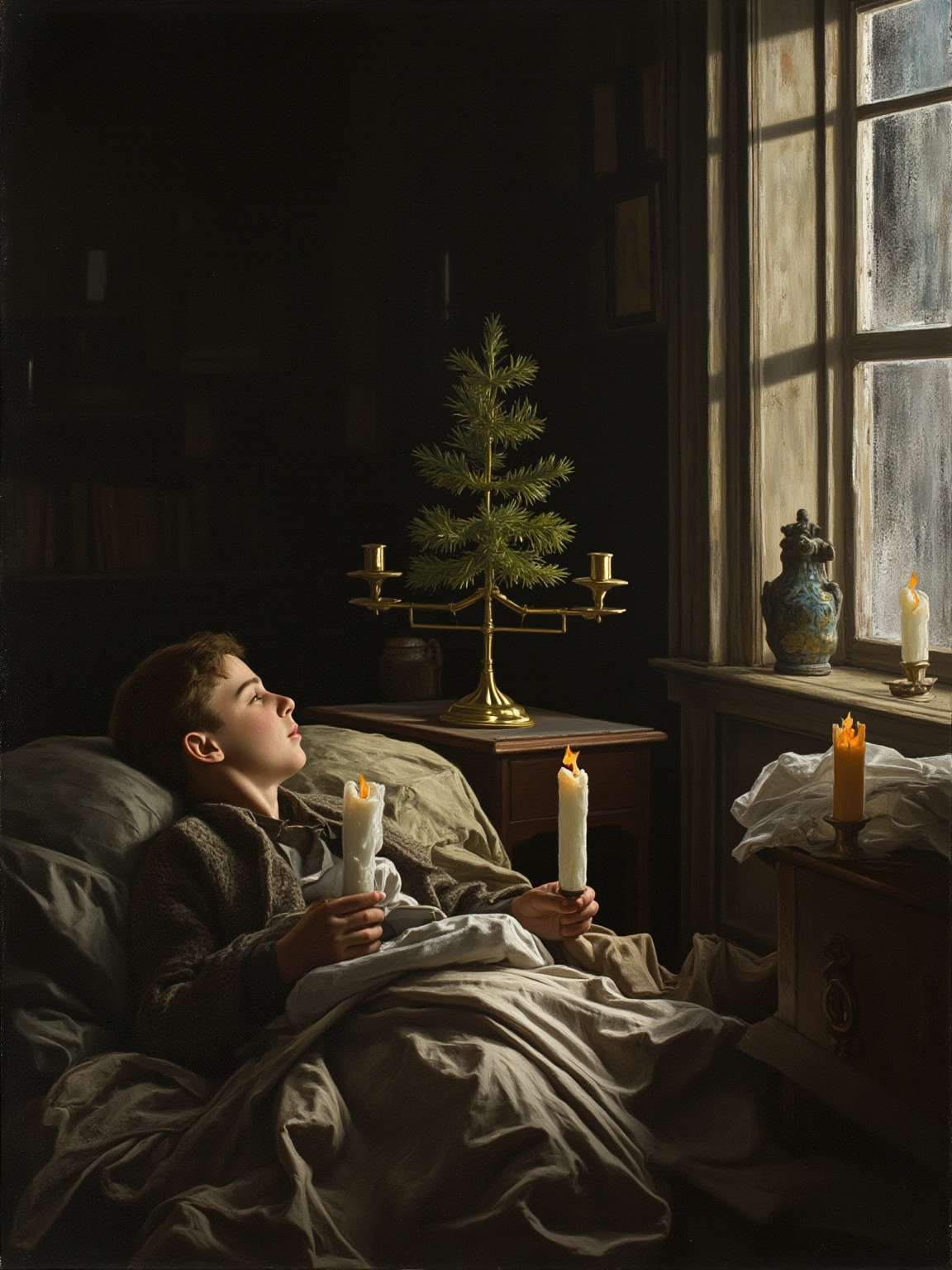
Next morning the park, the garden, the courtyards were empty and already half buried in snow; there was no longer any trace of a road, of wheels, of footsteps.
第二天早晨,花园、庭园、院落都空无一人,半埋在雪里;轮迹、脚步、来路——一切都已没了痕迹。
金句 · 第一部 · 舞会散尽,雪地迷路
The Easter Holiday's Romantic Kidnapping
Meaulnes is only half-recovered, but he can't leave it alone. Over the Easter holiday, he talks his closest friend Moulin and a handful of other boys into a plan: take a battered old cart and go rescue the girl, as if she'd been kidnapped, a mission doomed from the start. Moulin is the wildest boy in the school, even more reckless than Meaulnes, and he thumps his chest and promises, "We'll have her back tonight." This is one of the few passages in the book built around a group, not a pair. Fournier plays it for comedy: the cart breaks down, the horses spook, the boys turn on each other in the dark, and they slink back to school covered in mud. But once the laughing stops, it hits you — this is both the most romantic and the most reckless thing this group of boys will ever do, probably the only time in their lives.
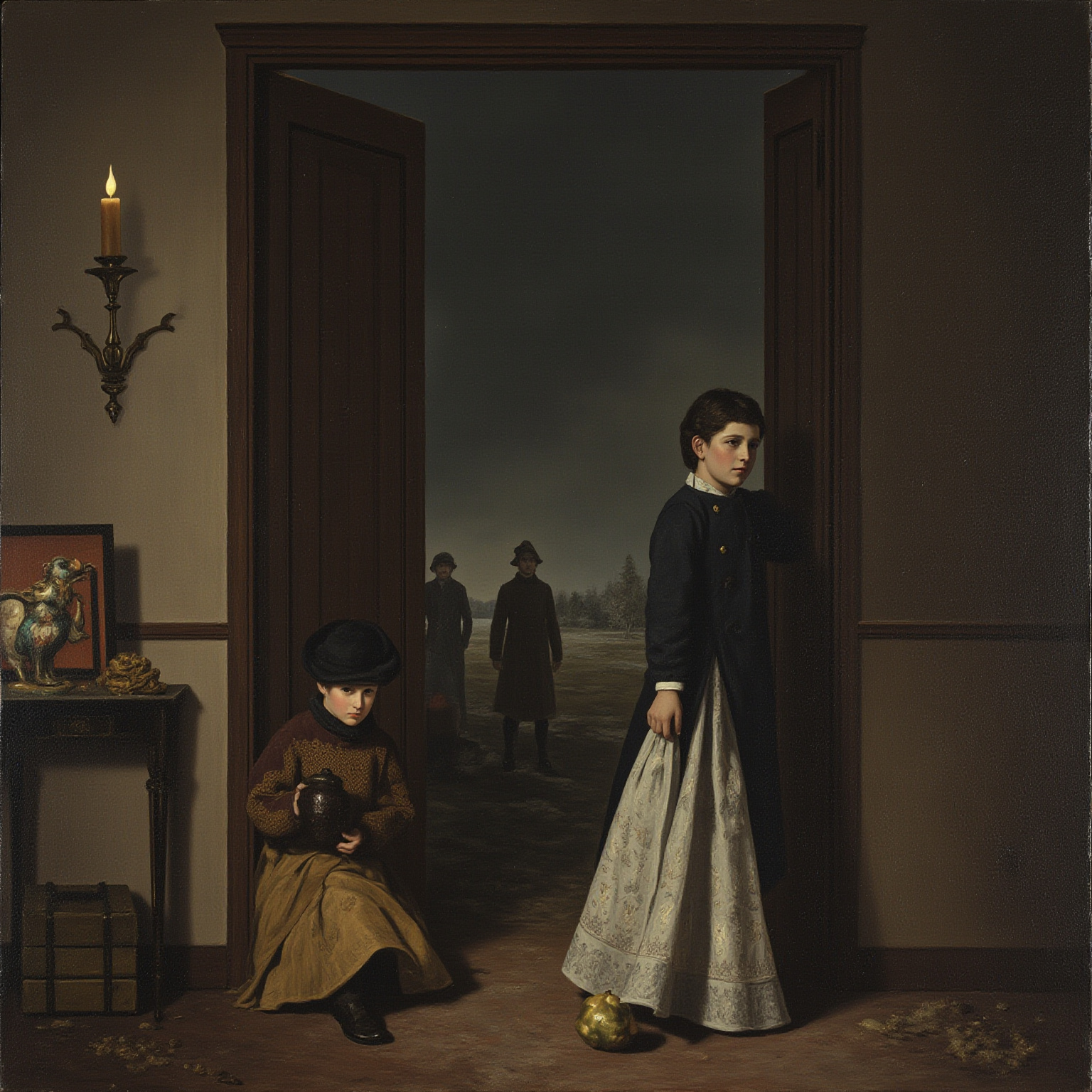
Months of Searching, Scraps of a Clue
When the holiday ends, Meaulnes starts searching for the estate on his own. He meets an old woman, comes across a stretch of old fencing, hears a few pieces of local folklore. The clues pile up in fragments, always missing that last piece. This is the longest, quietest stretch of the book: Fournier lets the Sologne fog wrap around Meaulnes and lets the reader get lost right along with him. The first time I read this section I was genuinely thrown. The author really does make Meaulnes search that long, with no shortcut, no miracle, no twist where it turns out the place was next door all along. The search itself is the book's real subject: how far are you willing to walk for something that's already gone?
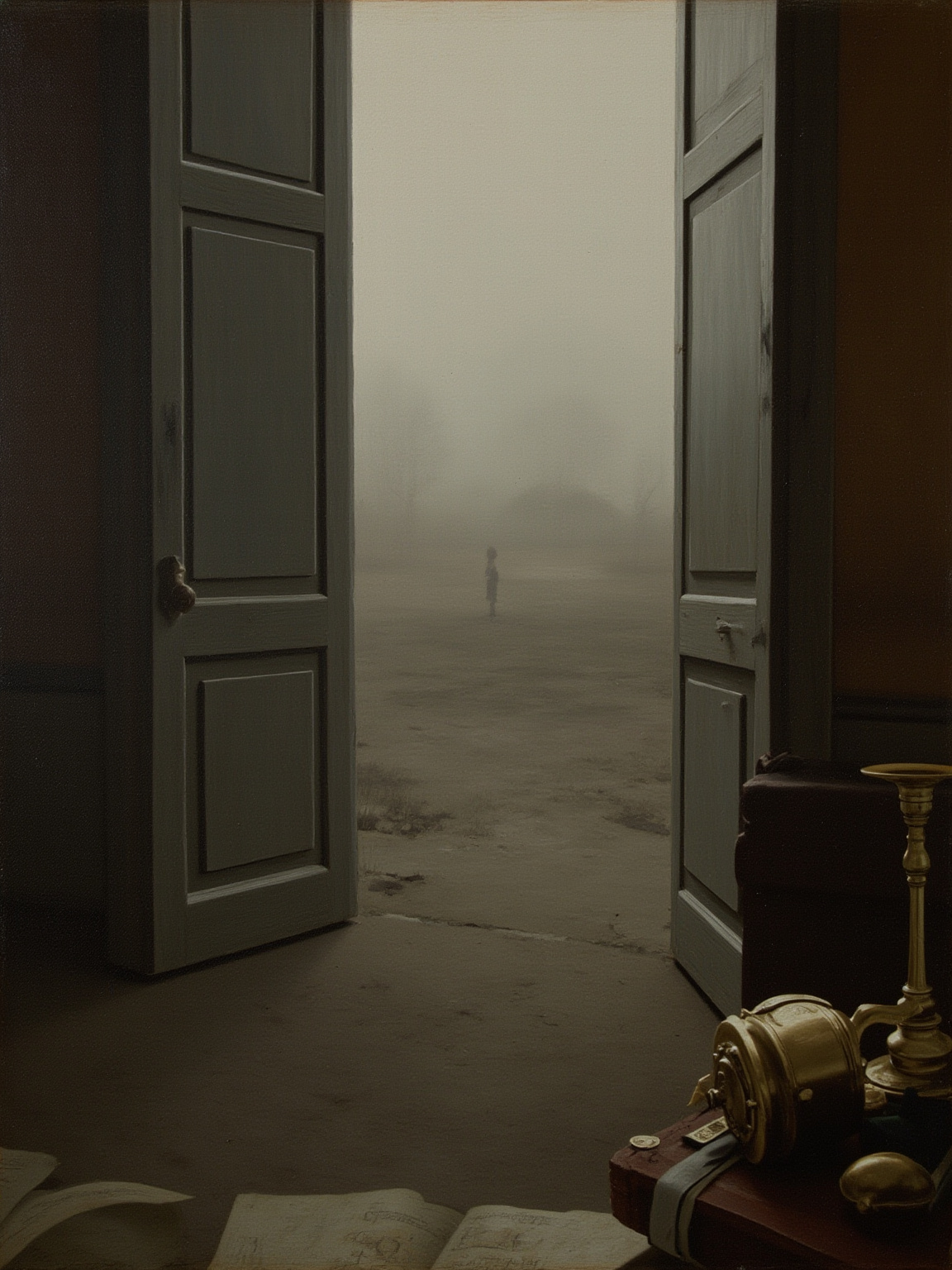
I spent the whole summer wandering through the countryside, asking everyone I met, hoping always to come upon some forgotten corner of that vanished domain.
整个夏天我都在乡野里走,见人就问,总盼着能撞见那个已经消失的领地里某个被人遗忘的角落。
金句 · 第二部 · 数月寻访的零碎线索
A Reunion Outside Paris
Months later, Meaulnes finds Yvonne again at a new house on the outskirts of Paris. She has already married the man she was engaged to that night at the ball and is now a young mother. The old feeling comes back between them, and she becomes pregnant with Meaulnes's child. Fournier is at his most restrained here: he never writes that Meaulnes "gets" Yvonne, only that he stands outside the new house for a long time, watching a light burning in the window. It's the quietest turn in the whole book: after searching this long for the dream, he finds himself standing at the door, unable to go in.
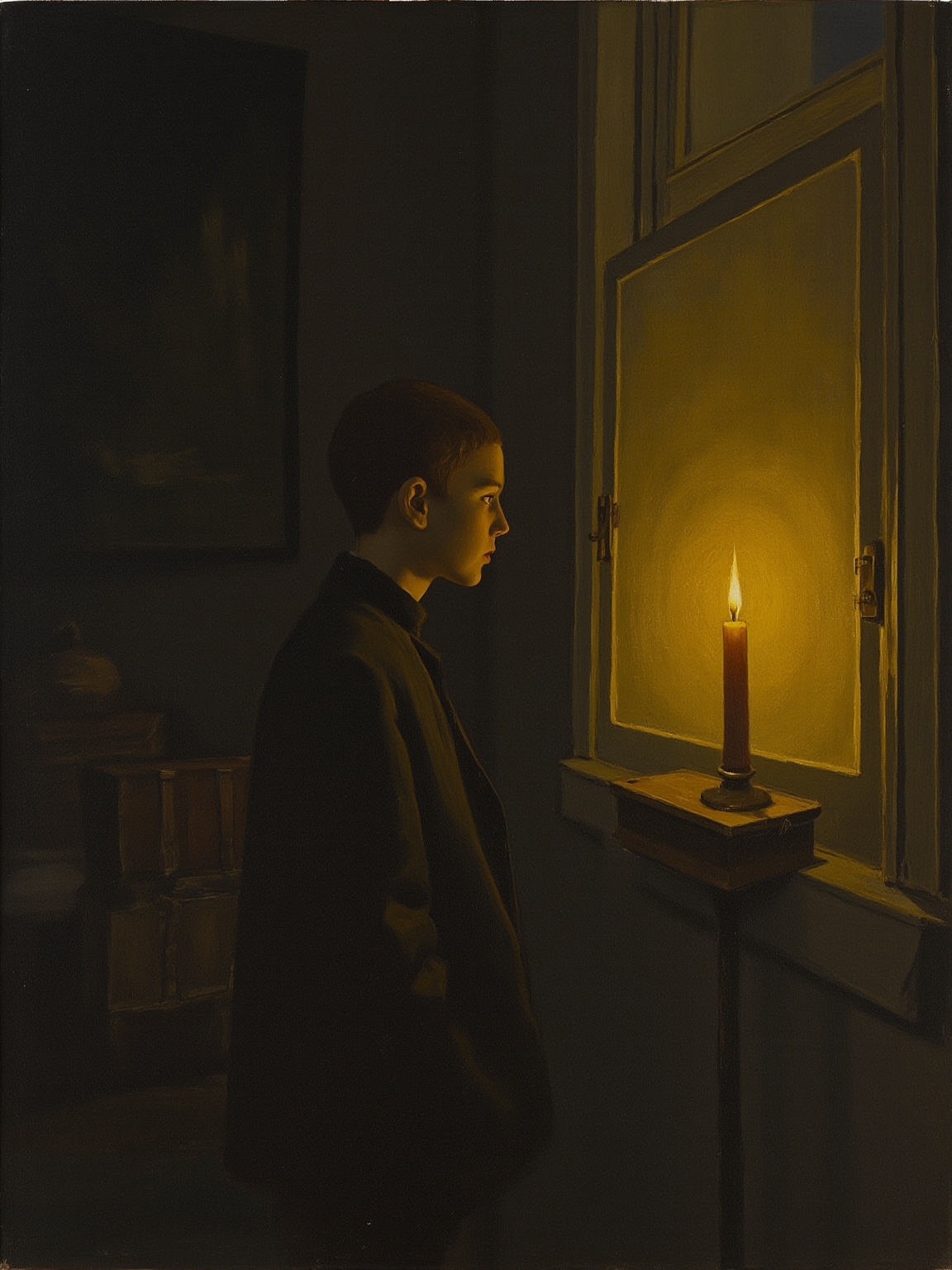
She was no longer the child of the strange domain: she was a young woman, a wife, a mother — and yet, for a moment, I thought I saw her smile as she had smiled that first night.
她已不再是那个奇异的领地里的小姑娘了:她已是一位年轻的妻子,一位母亲——可那一瞬间,我觉得她又像初见那一夜那样,微微笑了。
金句 · 第三部 · 巴黎郊外重逢
The Last Winter at the Old House
Meaulnes goes back to his family's old house and spends one last winter there. Yvonne dies in childbirth, and the child dies a few hours later. Meaulnes loses the very dream he has spent the whole book chasing. Fournier handles the death with a bare minimum of words: no scene in the birthing room, no wailing, just a brief line telling the reader that she is gone. Years later, François Seurel opens an old notebook and turns all of it into this memoir. The moment he closes the notebook, the fog outside still hasn't lifted. That voice isn't something Fournier reached for on purpose. It grows naturally out of a narrator who has spent years keeping someone else's memory for him.
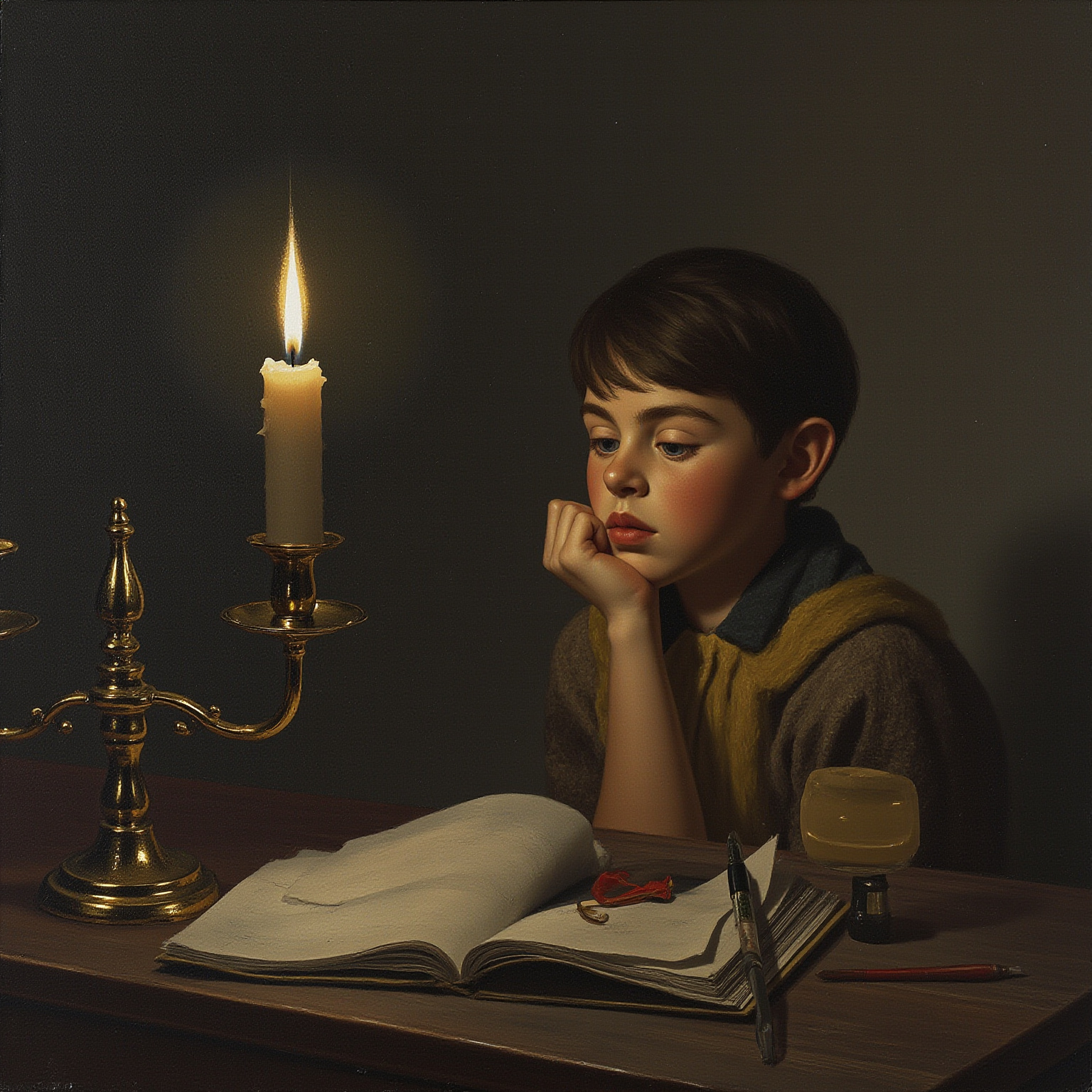
What This Book Is Really About
You think you're chasing a girl. What you're really chasing is the first place that was ever lit up for you, and that place was always going to disappear.
Why It's Still Worth Reading Today
Does knowing the plot in advance ruin the book? It doesn't. This is the kind of novel that keeps you restless even after you already know what happens. You know the ball is going to end, and you still want to walk through the snow with Meaulnes one more time; you know Yvonne is going to die, and you still want to sit a little longer by the fire in that old house. Fournier left behind more than a story. He left a voice: French literature has had a name ever since for the romantic young man forever chasing a lost memory, le Grand Meaulnes. More than a hundred years later, the name is still alive.
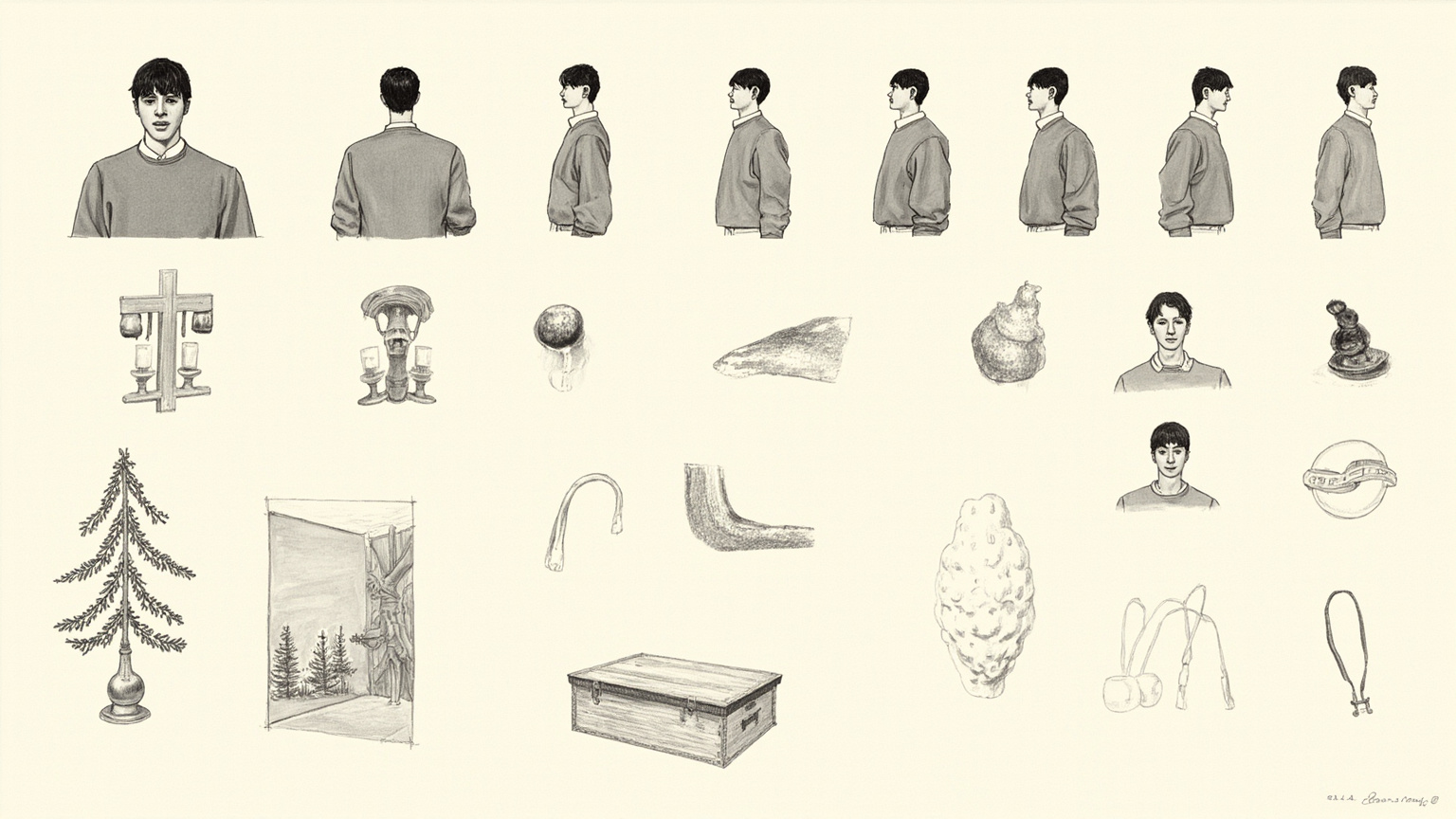
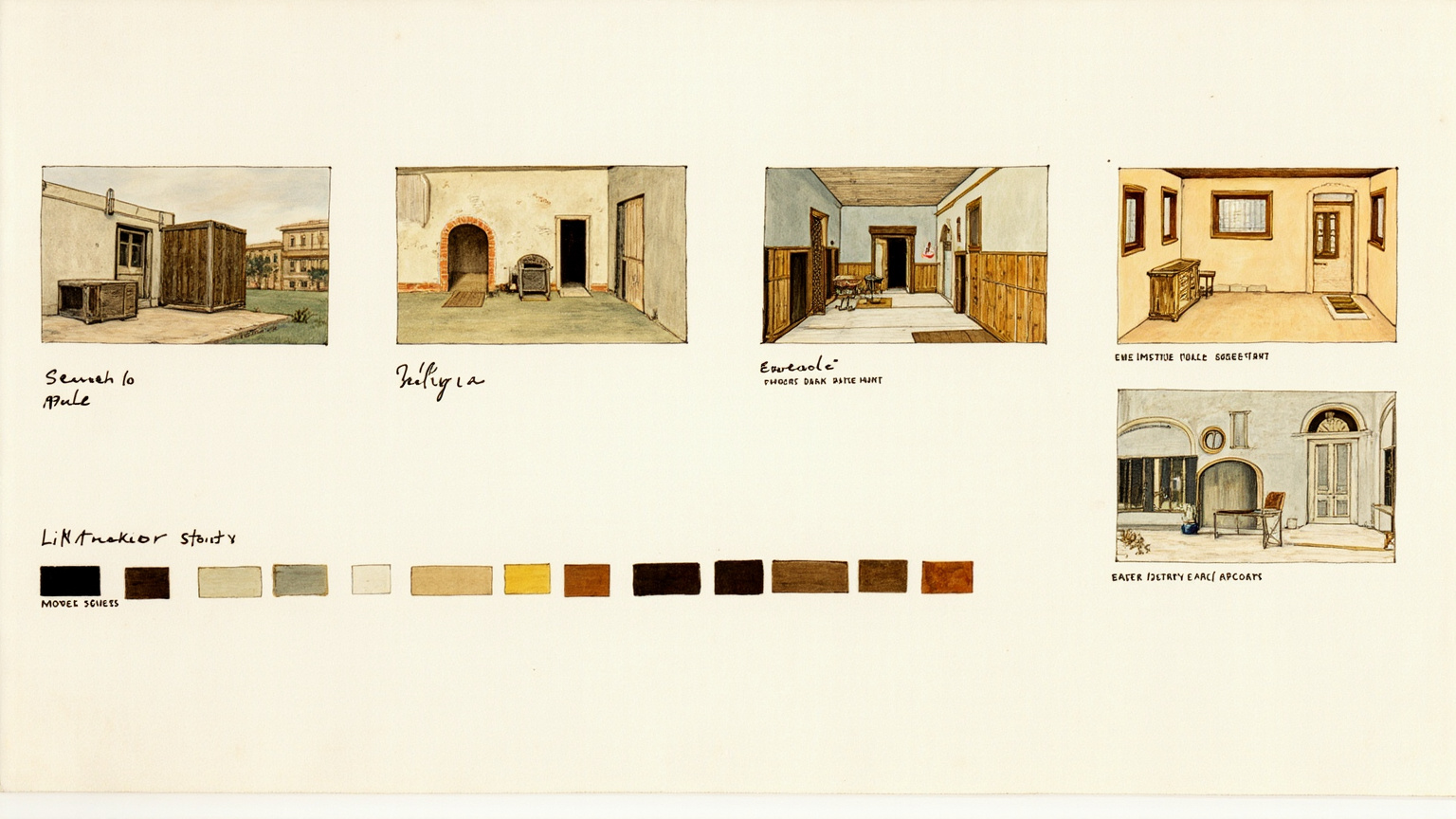
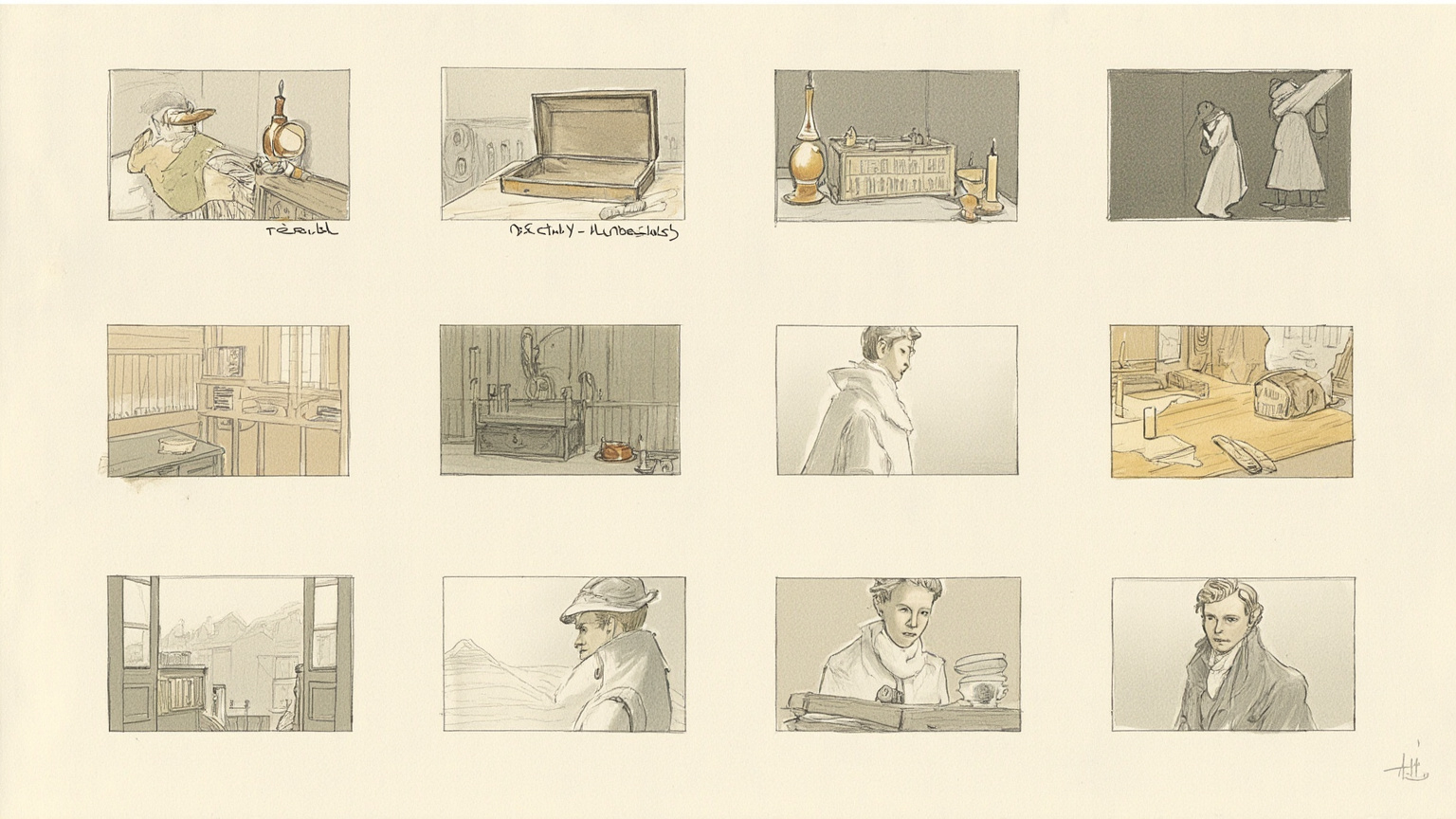
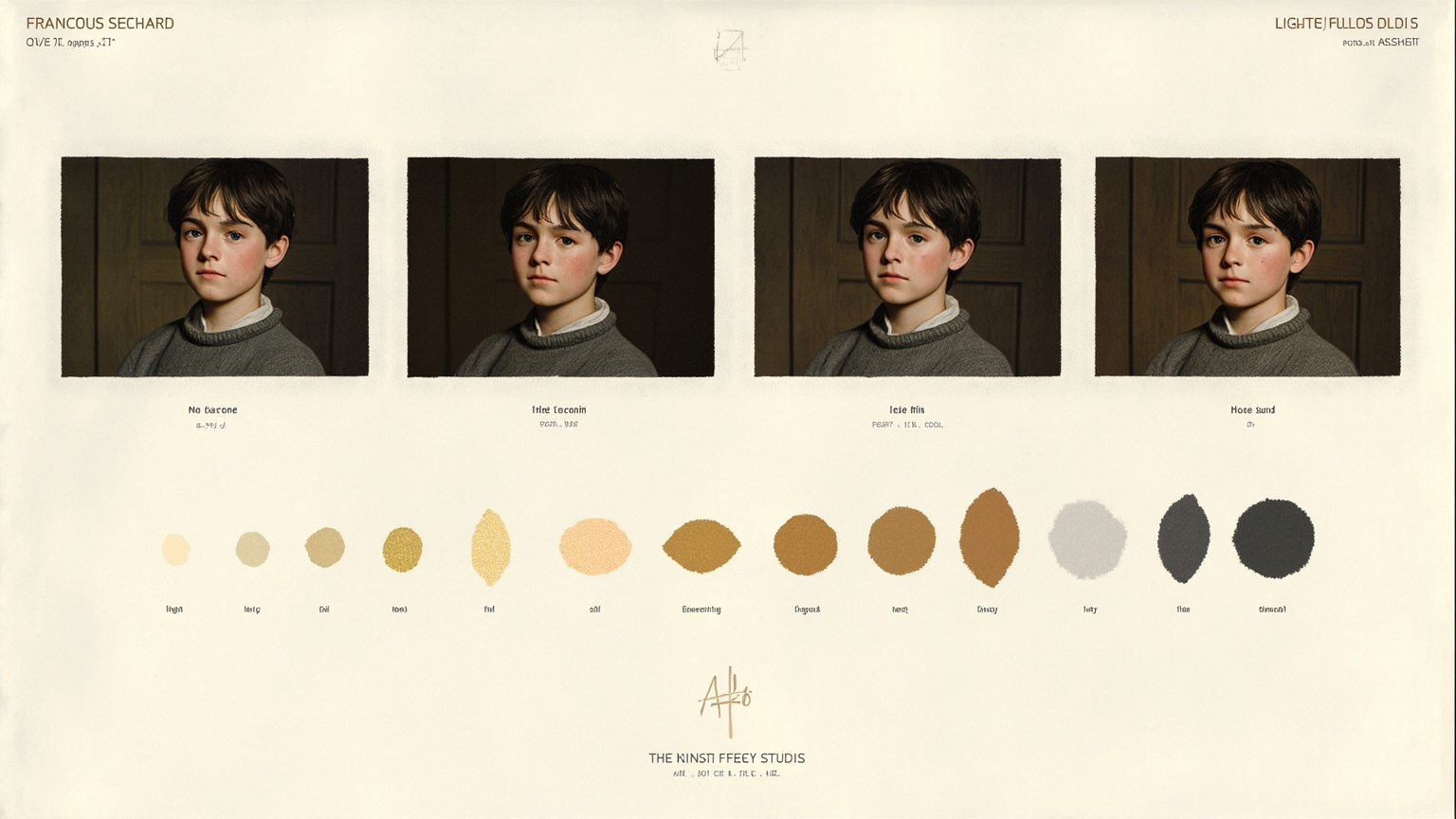
Art Direction4 plates
Before the guide was written, this book got a visual foundation — every illustration you just read grew out of it.