Letter from an Unknown Woman (Brief einer Unbekannten) · Companion GuideStories · Issue 00
10 minutes to Letter from an Unknown Woman — a letter that leaves the man responsible for it all hollowed out by the last line
The quietest, most merciless love letter Zweig ever wrote.
Text and illustrations produced by the pipeline
ImaReadFolio 02 — 05
Opening: A Letter Slipped Under the Door
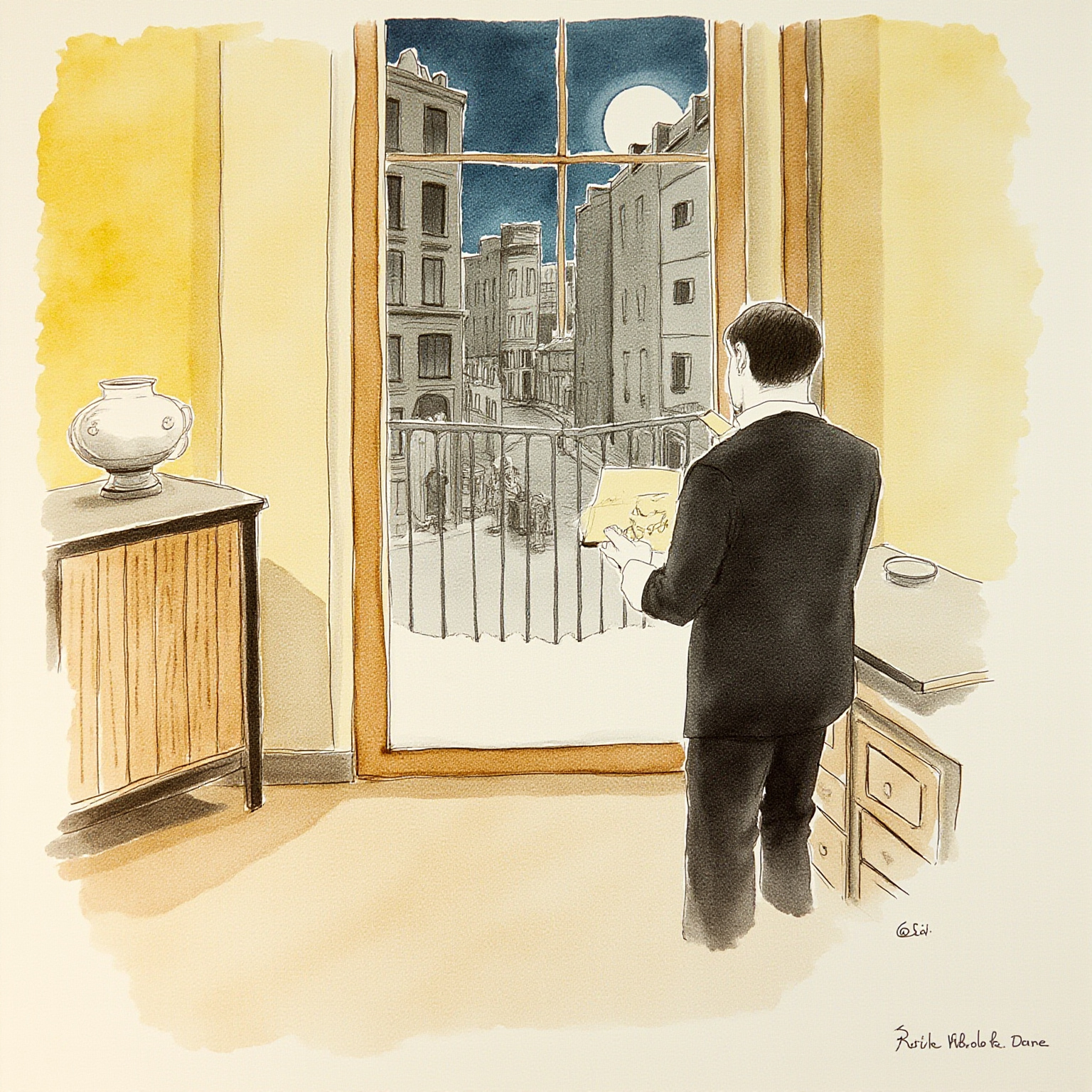
At four in the morning, the study holds only the glow of a single lamp. R. has just returned from a stay in the mountains, back a few days after his birthday, his luggage still unpacked, when his manservant places a letter in his hand — no signature, no return address, the handwriting neat to the point of obsession. He sits down to read it. When he finishes, all he can summon is a bottle of white roses gone from his life long ago, and a face he never really saw.
What Kind of Book Is This
This is the novella Zweig published in 1922. The original German title, Brief einer Unbekannten, translates literally as Letter from an Unknown Woman — the characters do not even rate names. The woman stays unknown throughout; the man is never called anything but R. It runs almost entirely as a single unbroken psychological monologue: the letter's content is the whole of her confession, thirty-odd years of a life. A century on, the book has been adapted for the screen and the stage again and again and translated into dozens of languages, and it still leaves people speechless — not on the strength of its plot, but through a love that is almost pathological in its purity.
Characters and World
The heroine is the daughter of a poor widow in Vienna. At thirteen she falls for R., a young novelist who has just moved in across the hall, and she never falls for anyone else again. R. is the city's reigning literary darling, charming, susceptible, and forgetful, a man who has chased countless women and never kept one in mind. Johann, the old manservant who has served R.'s household for years, recognizes her the moment she reappears at the door years later; his master, meanwhile, does not know her at all. The three of them form a cruel triangle — the one who loves remembers everything down to the bone, the one who is loved remembers nothing, and the bystander turns out to remember best of all.
This kind of ending is crueler than any epiphany could be. It makes clear what obsessive love is truly up against: the one who fails you was never in the room.
What It Is Really Saying
What Zweig writes is an asymmetry. Not only the asymmetry of love, but of memory — one person builds her whole life around another, becomes the heaviest thing in his existence, and he cannot even recall her face. What makes this asymmetry tighten your chest is that most of us, in real life, have been R.: someone has done something like this for us, and we never noticed. With the four words I love you, and it is no burden of yours, the woman salvages the last scrap of her own dignity: even if you have forgotten me, I will not let myself become a victim.
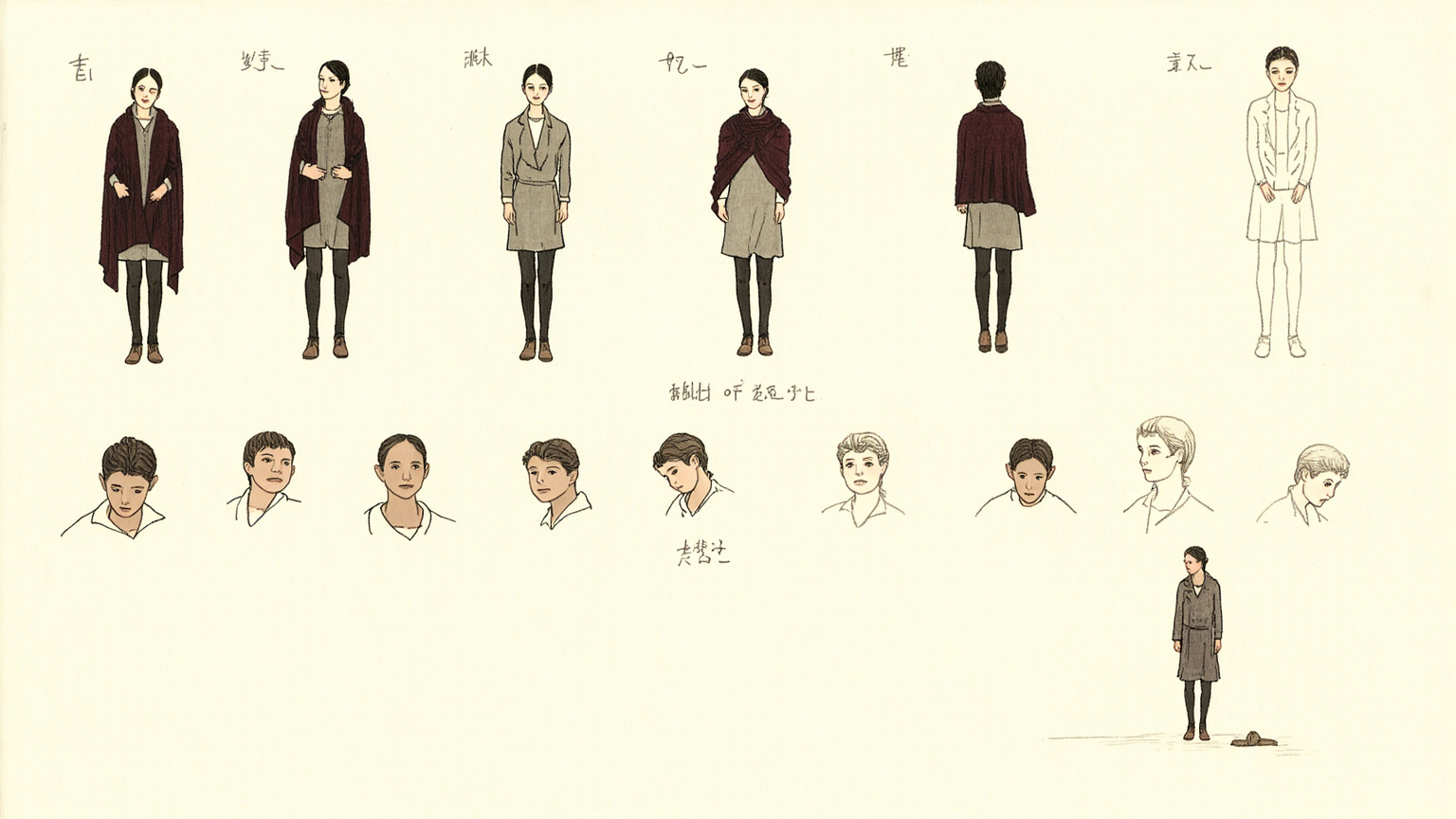
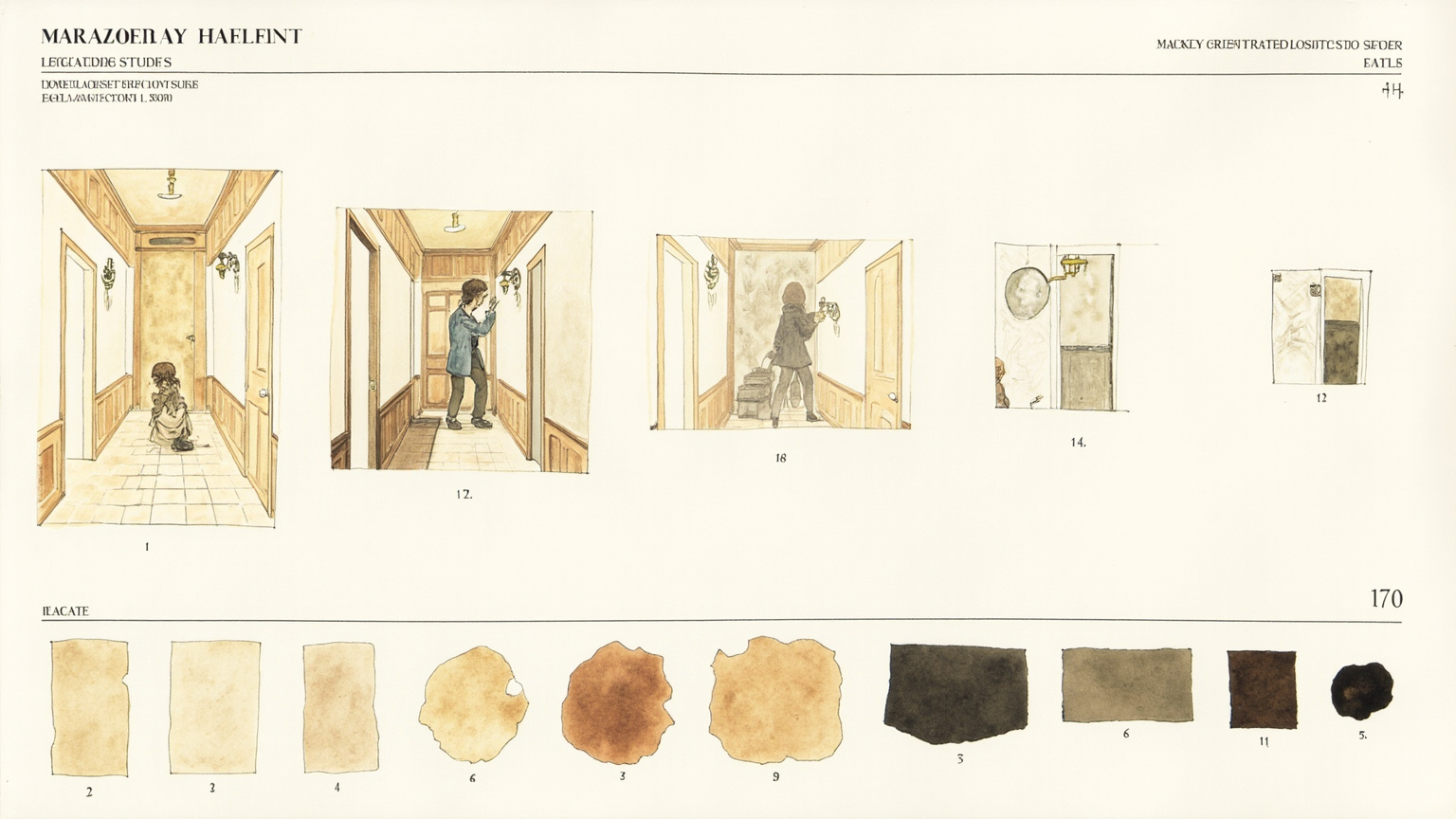
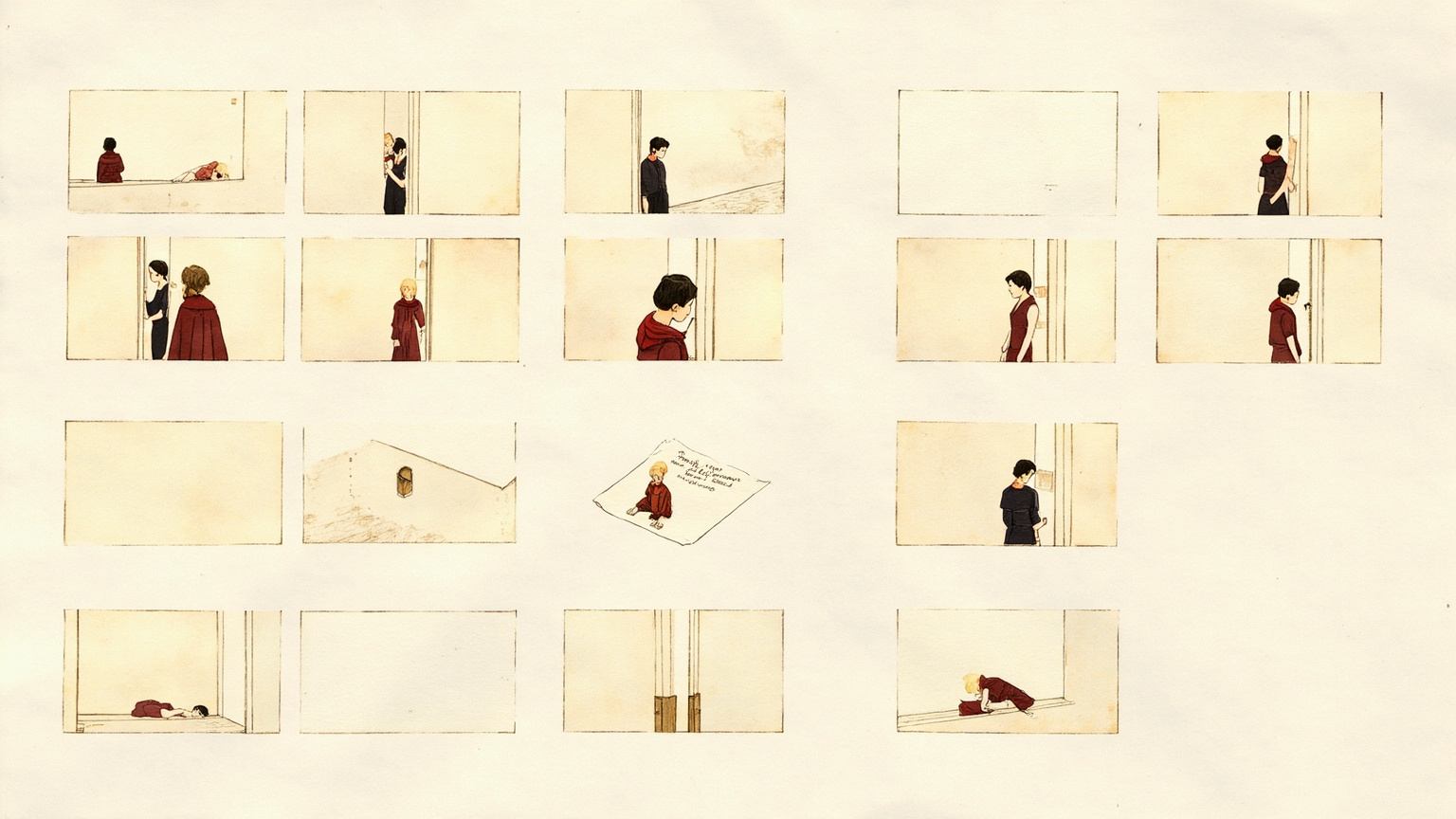
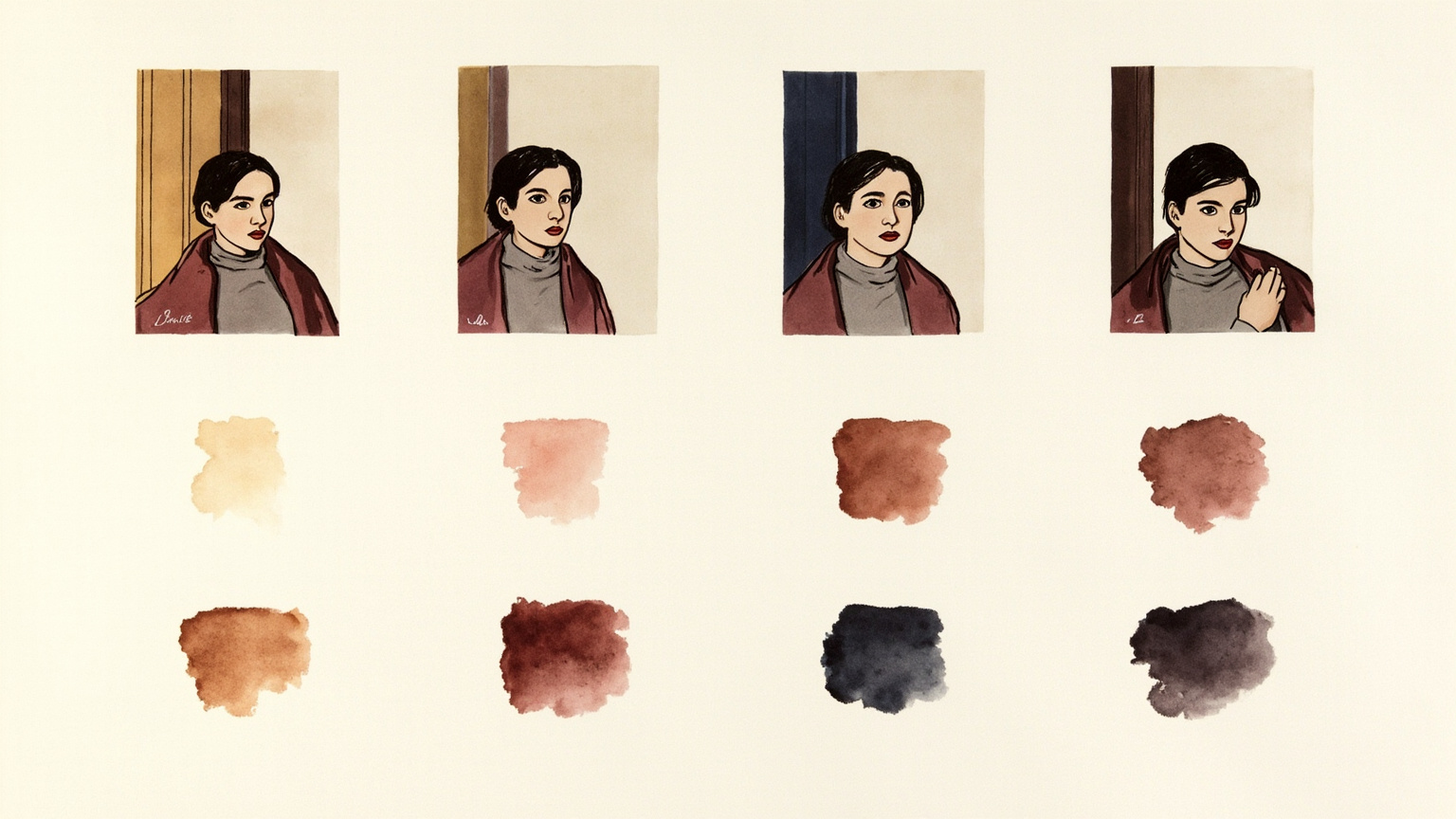
Art Direction4 plates
Before the guide was written, this book got a visual foundation — every illustration you just read grew out of it.
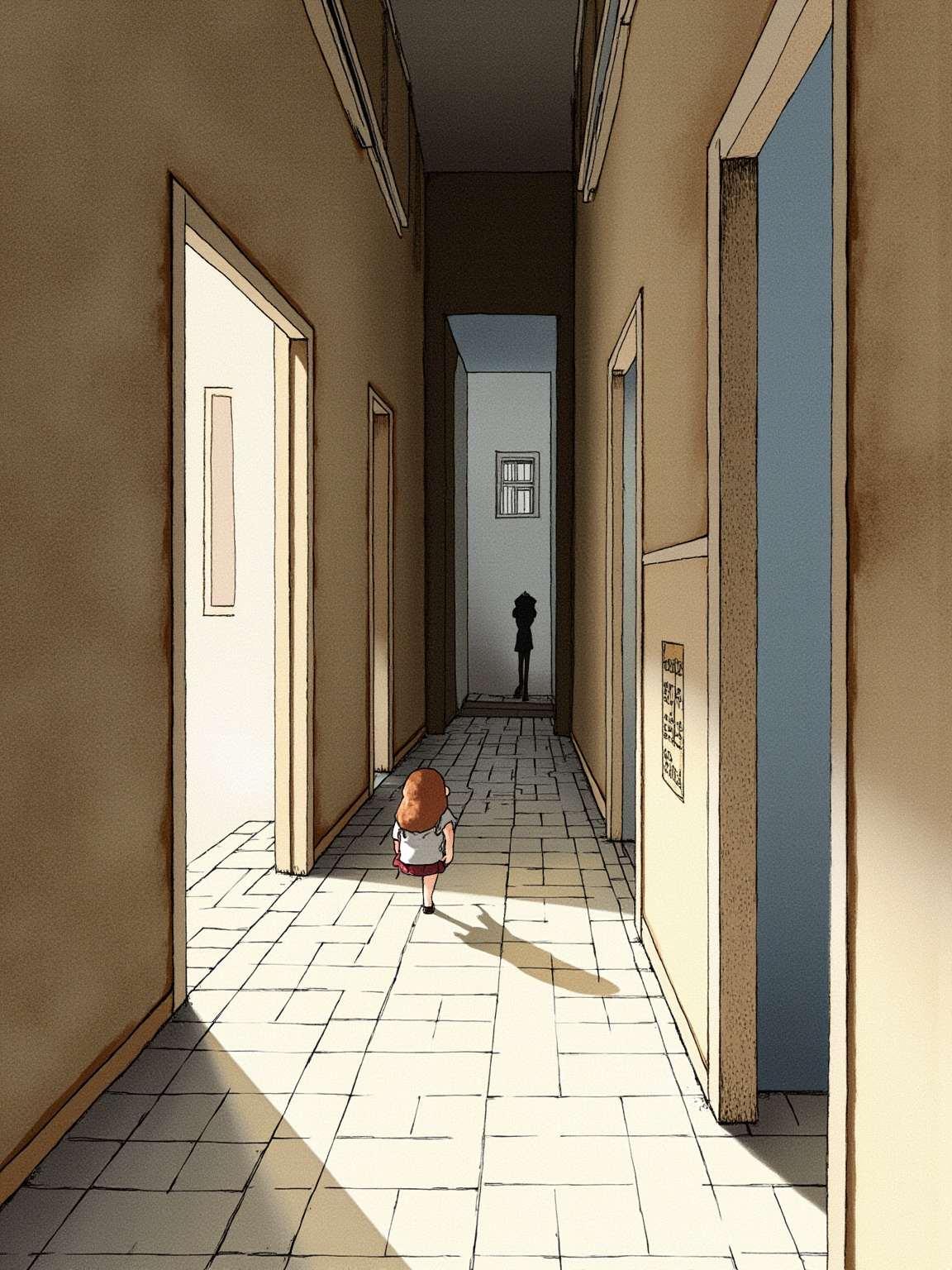
She is thirteen. Her mother, a widow who scrapes by on self-denial, keeps house with her on the second floor of an old Vienna apartment building. Across the hall moves in a young writer, flowers at his door, laughter and the footsteps of strangers coming and going leaking through the gap beneath it. Her first sight of R. comes on the stairs — he is coming down, she is going up, their shoulders nearly brush. Through his open study door she catches a glimpse inside: books stacked to the ceiling, a desk, a painting on the wall. From that moment, this thirteen-year-old girl becomes someone addicted to loving from a distance.
Taken Away by Her Mother, and Sneaking Back
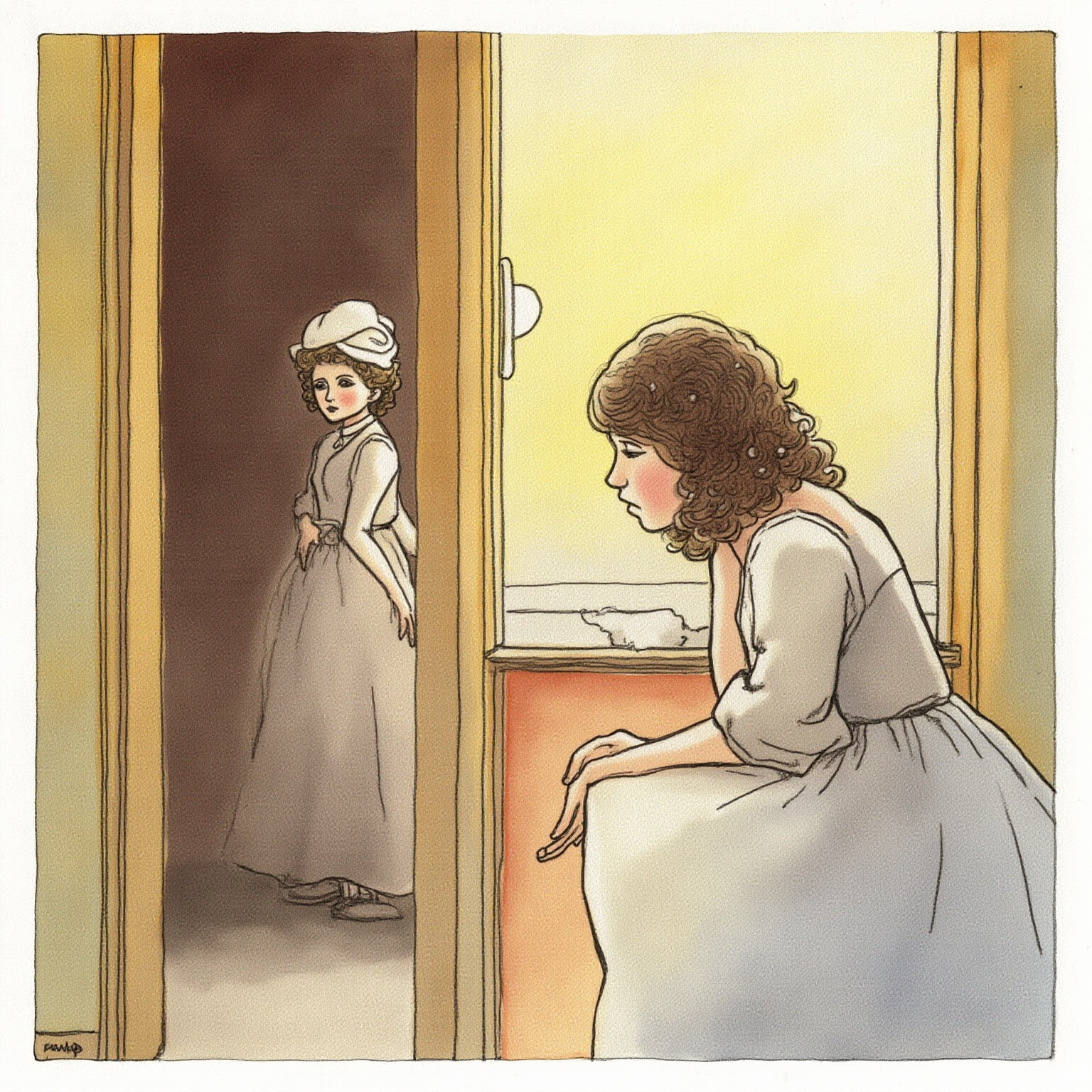
A few years later her mother remarries and the family moves to Innsbruck. On moving day she looks back at the stairwell one last time. The new city brings a new house and suitors who take a real interest in her; she accepts none of them. She has grown up reading every new book R. publishes, copying down every line the critics quote, and the moment she turns eighteen she goes back to Vienna alone, without telling her mother, without telling anyone, wanting only to be near him again.
Three Reunions, and Each Time a Stranger
The first time, he singles her out at a dance hall. He kisses her, holds her, and she nearly faints in his arms. Days later she goes looking for him and the doorman tells her the gentleman has gone out — that is his goodbye. The second time comes years afterward, a chance meeting in a theater box; he is drawn to this stranger all over again and takes her home that same night. She wakes at dawn to find him already gone. The third time is the cruelest: he stops her on the street, this time not even recognizing her, taking her for some woman waiting on trade, and presses a few banknotes into her hand from his pocket. She stands on the corner clutching the money for a long time, does not cry, and turns for home, and in that moment what comes back to her is the night, years before, when she first carried his child.
Living a Different Life, for Her Son
She decides never to tell R., and never to ask him for a cent. She becomes the mistress of a few wealthy men — in the letter's own words, they paid, and I let them care for me. What she wants is never money; it is for her son to live as R.'s son should: dressed well, schooled well, speaking like a well-bred young gentleman the moment he opens his mouth. The boy never learns who his father is, and she never once says R.'s name aloud. She only keeps every book R. has written at the boy's bedside, and reads them once he is asleep.
The Sharpest Glance
ImaRead3
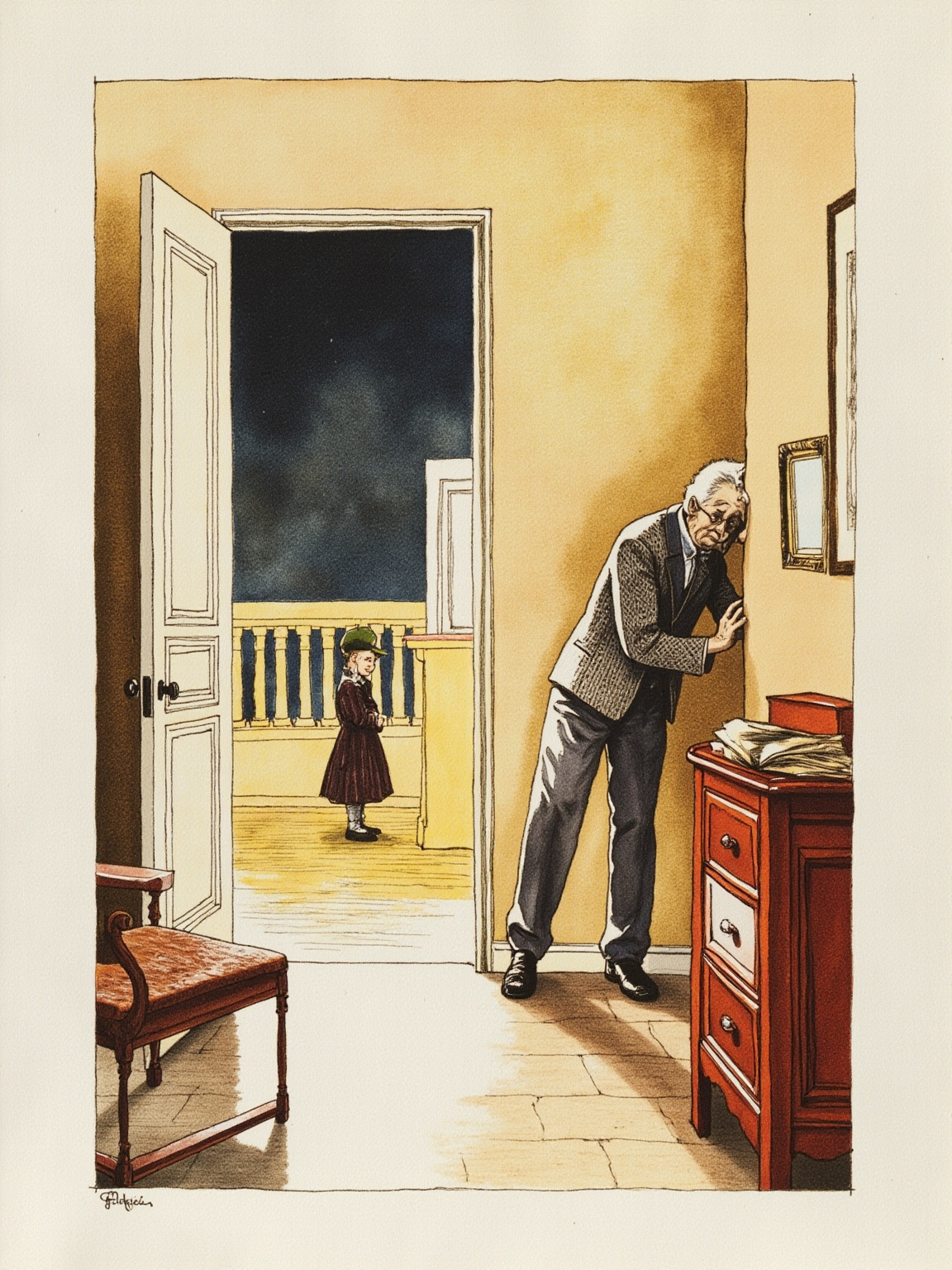
Years later she works up the courage to call on him, wanting her son to see what his father looks like. It is not R. who opens the door but Johann. The old manservant, his hair gone gray, freezes the moment he sees her — he remembers. Tears run down his face. R. comes out and gives her nothing but a polite smile, as though greeting a stranger come to pitch a manuscript. It is the quietest moment in the book, and the loudest — the one who is loved has forgotten completely, while the bystander understands who the victim is better than the man responsible for it ever will.
The Turn from Winter to Spring, 1918
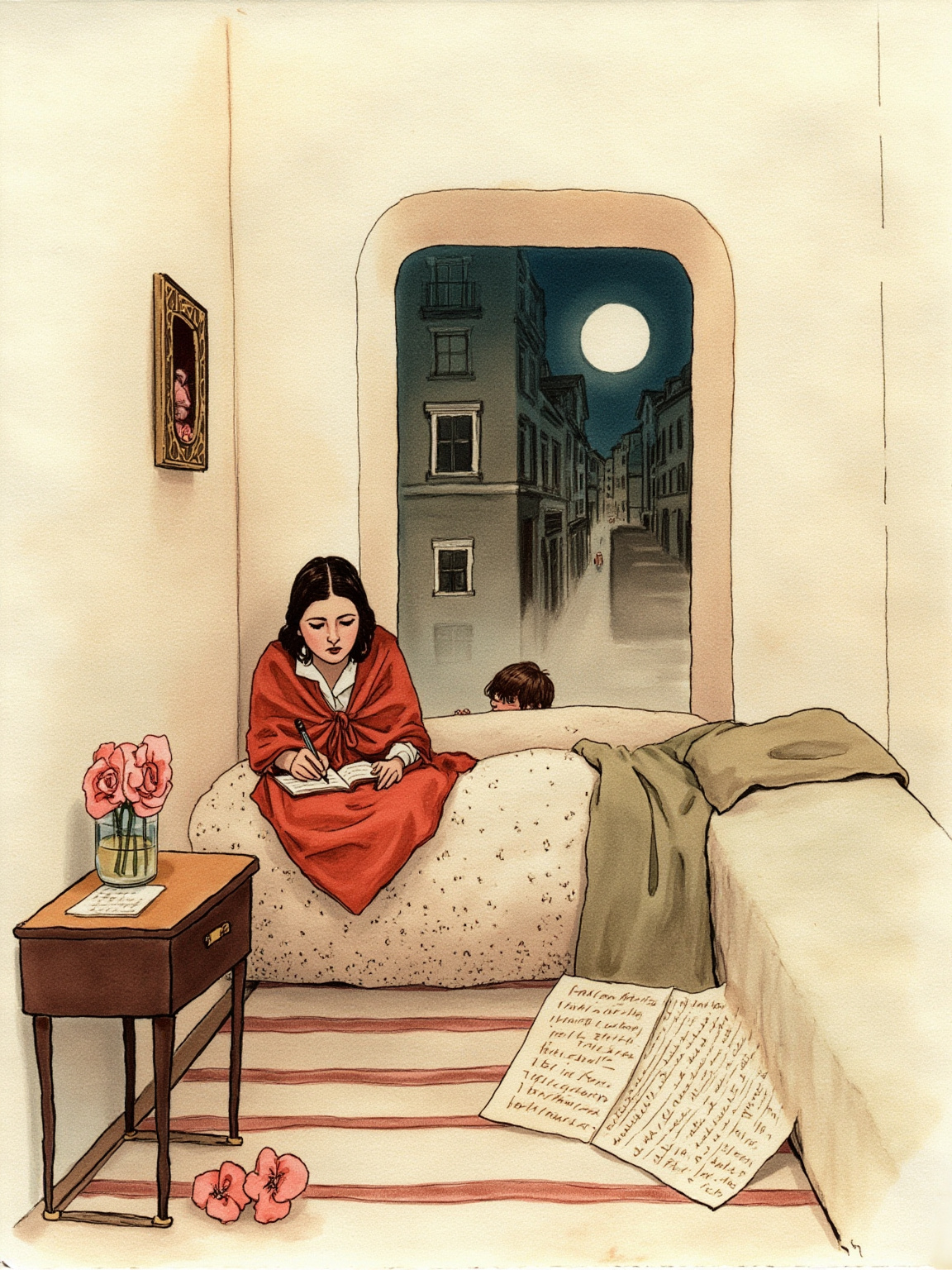
In the early spring of 1918, influenza sweeps across Europe and the boy falls ill. She sits up with him through the nights and comes down with a fever herself. The boy dies first. Three days later she knows she will follow him. She pulls herself up from her bed and writes this letter, the whole of one night, from dusk until dawn. She returns to the same line again and again: I love you, and it is no burden of yours. She makes no accusation, asks for no acknowledgment; she simply lays out, line by line before him, thirty years of restraint, of leaving without a word, of meetings he let slip past him.
After R. Finishes Reading
The letter's account comes to an end. The scene cuts back to the opening — R. sitting in his study, turning over the last page. Zweig does not give him remorse, does not have him slam his fist on the desk, does not send him running out the door after her. Zweig gives him only a few impressions, vague, fragmentary, impossible to say whether they were ever real: a bottle of white roses, a trace of perfume, a woman he never once saw clearly. As he always does, he picks up his coat and leaves for another dinner engagement. The letter goes back into the drawer without another thought.
ImaRead4
As a matter of craft, Zweig takes an extraordinary risk: he pours the entire novella into a single letter. The reader has nothing but her monologue across thirty years; R. never speaks, never acts, never defends himself — the more completely he is absent, the more this obsession reads as one-sided, unfalsifiable, almost a matter of faith. A long letter with no possibility of reply is one of the cleanest vessels literature has ever found for writing being forgotten to its absolute limit.
Why It Still Draws Tears a Century Later
The first time I finished this letter, I closed the book and sat without a word for five minutes. What makes it so powerful is not the tragedy itself: a woman loving a man who does not love her back could fill a museum of world literature on its own. What makes it powerful is that Zweig turns unrequited love into one person shouldering an entire life alone. She never lets R. know, never asks him to change, never uses his name to claim anything from him. She spends the whole of her life loving a man who has no idea she exists. An ordinary person gets tired just imagining it. She did it for thirty years.
Worth Reading Even When You Already Know the Plot
A summary gives you the map; the text itself is the narrow bed lit by candlelight. Zweig's prose carries a particular kind of pressure: the sentences are not ornate, but each one is pressed into the page, carrying its own warmth. In the letter you will find a long stretch of jealousy she will not even admit to herself, the moment in the delivery room where she grips the sheets and cannot make a sound, the flicker of a bitter smile at the corner of her mouth the instant R. presses money into her hand on the street. None of that is something a summary can hand you. Read it once, and she will stay with you a long time.