María · Companion Guide
玛丽亚
考卡河谷庄园里长大的少年与表妹,从青梅竹马走到咳血黎明;马蹄远去,回忆永不收鞘。
Opening Hook
A white horse comes on slowly from the far end of the cane field, and the rider does not look back. Behind him stands a nineteenth-century hacienda in Colombia's Cauca Valley — columned porches, white walls, a window sill lost under roses. Inside, a girl has just stopped breathing. Her name is María, not yet twenty, fair-haired, pale, fond of singing, her face now covered with a linen sheet. The young man on the horse is her cousin Efraín. He will not come back.
This is not a piece of country folklore. It is a novel that reached nearly every household in the Spanish-speaking world during the nineteenth century. María, written by Jorge Isaacs in his early thirties and published in the late 1860s, would come to be called Colombia's Romeo and Juliet and treated as one of the founding works of Latin American Romanticism, reprinted again and again into the twentieth century. There is no Macondo here, no magic — only a hacienda, open fields, a sickbed, and a girl who dies young.
What Kind of Book This Is
The author, Jorge Isaacs, was born in Colombia in 1837. He was a poet and the son of a hacienda-owning family, raised in the Cauca Valley, and drawn into the political upheavals of his youth. The novel reads almost like an echo of his own adolescence: first person, told in memory, lyrical to the point of fever. On publication it quickly became one of the most widely read love stories in the Spanish-speaking world, and it set the template for what later critics would call the novela sentimental — a Latin American tradition built on the hacienda, tropical nature, pure love, and early death. This has nothing to do with the twentieth-century Latin America you already know from García Márquez. The register here is a sentimental, poetic realism, no magic anywhere, only time and the body slowly closing their net from behind.
Characters and World
The whole novel has a single vantage point: Efraín, the only son of a Cauca Valley hacienda family, sensitive, melancholy, given to memory and to the natural world around him. Everything he tells us about María, he wrote down as an adult looking back. He rides on horseback, walks the cane fields and the jungle paths, sits on the veranda of the great house at night, and that image of a rider on horseback recurs through the whole book as its visual signature.
María is a cousin raised in the same household, a fair-haired girl brought up on the estate, so close to Efraín in her adopted-daughter role that the two are barely distinguishable. She is beautiful, devout, fond of singing and of flowers, frail and pale from childhood, and often coughing through the night. The other half of the book's imagery — white gauze, thin curtains, roses, the shape of a girl lying ill on her side — belongs entirely to her. Around them: Efraín's father, a magnanimous hacienda owner who joined the Liberal uprisings as a young man and came home in his prime to run the sugar cane estate; his mother Salomé, pious and gentle, the mistress of the house and anxious over her daughter's failing health; and the old servant Brígida, a Black elder who helped raise María and knows every herbal remedy in the valley. There is also Feliciana, an older enslaved woman on the estate — her story comes later.
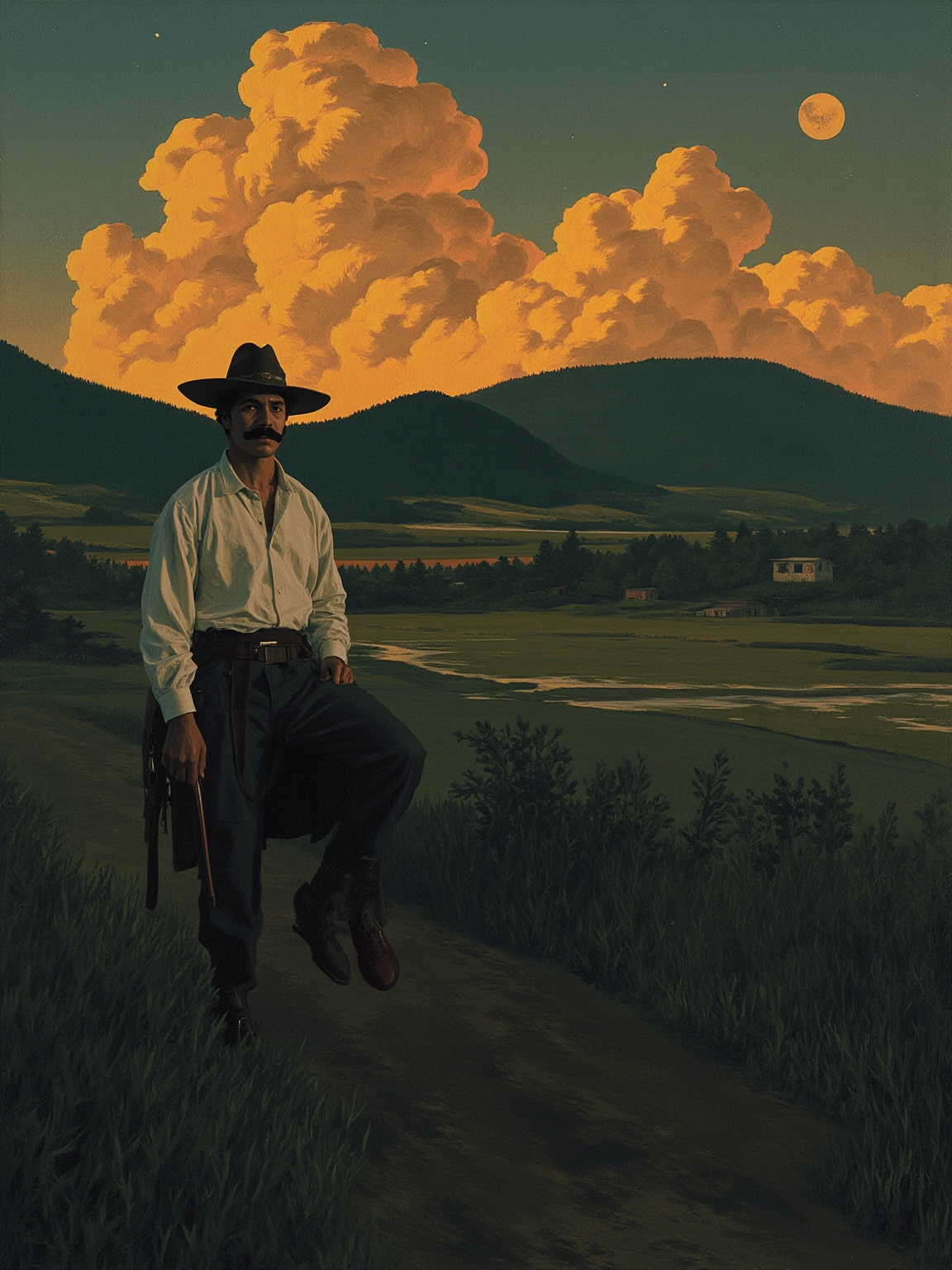
We grew up together in the corridors of the hacienda, like two branches of the same tree.
我们一起在庄园的长廊里长大,就像同一棵树上分出来的两根枝条。
金句 · 庄园岁月
The world of the story is a mid-nineteenth-century Colombian hacienda in the Cauca Valley: sugar cane fields, tropical forest, nights around the fire, travel on horseback. This is shortly after Colombia's 1851 abolition of slavery, so the estate is a mix of former slaves and free laborers — not a slaveholding plantation in the old sense, and not a modern farm either. It has a texture of time that belongs only to itself.
First Meeting and the Years on the Estate
The story opens with a boy traveling with his father. On the way home they stop at a relative's house, and Efraín sees his cousin María for the first time — fair-haired, pale, fond of singing. The two families are already close, and María is taken into the estate to be raised alongside Efraín. From then on the two children are never apart.
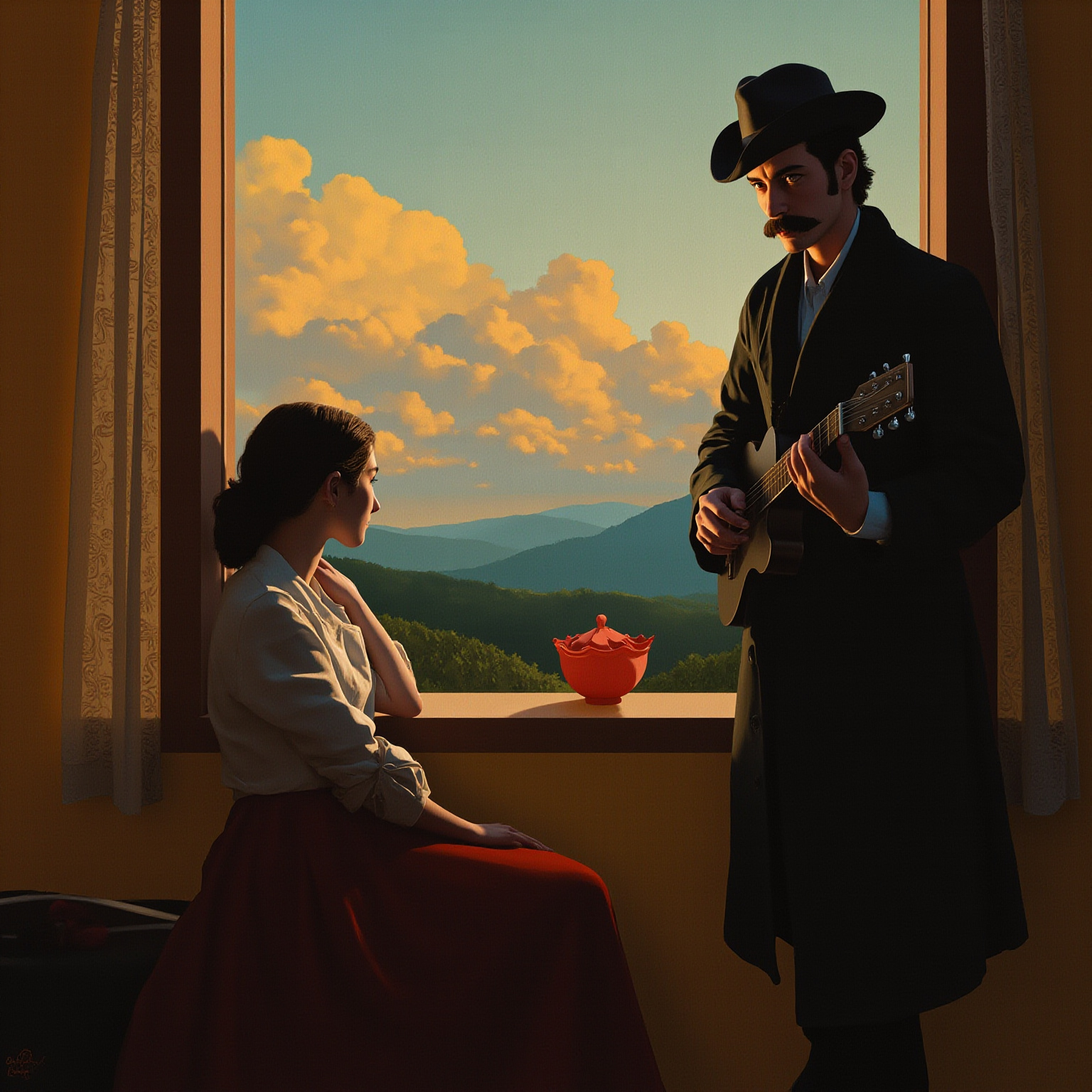
She was pale and golden, with eyes so blue that even the sky of her Cauca valley might have envied them.
她生得金发而苍白,那双湛蓝的眼,怕是考卡河谷的天也要嫉妒几分。
金句 · 初见表妹
The years on the estate form the longest lyrical stretch in the book. Efraín and María chase each other through the cane fields, walk side by side on the jungle paths, talk in low voices by a moonlit window sill, moving slowly from a sibling-like closeness into a love neither of them can name out loud. A guitar at midnight, Salomé's quiet worry, the color draining from María's lips: these make up the texture of ordinary days. The pacing here is deliberately slow, almost extravagant. Isaacs lays out every sweetness in full view of the reader, because he already knows what is folded inside that wrapper.
Fireside Talk and Echoes of an Older World
The estate's nights are not only for lovers. By the fire, the old woman Feliciana tells Efraín her own history: she and her husband Sinar were once free people in West Africa, taken aboard a slave ship, and separated by force at sea. They never saw each other again. This account is generally read as the novel's anti-slavery episode, and it exists only as memory and spoken testimony, never as a scene played out in the estate's present. Isaacs never stages it as violence on the page. He hides it inside an old woman's voice instead, and that restraint is harder to argue with than any direct accusation would be.
A larger world keeps seeping in from beyond the estate. Efraín's father joined the Liberal uprisings as a young man, and relics of that time still sit in his study; word of the mid-century reform wars reaches the valley through newspapers and the men who handle the horses. Efraín leaves briefly to join the army, then comes home when María's illness worsens. This is the novel's second undercurrent: passion and grief wound around each other, with the young man caught between a distant war and the roses at a sickbed.
The old slave woman by the fire told me of a love that had crossed the sea in chains and never found its other shore.
篝火边的老女奴向我讲起一份爱——它戴着镣铐渡海而去,再也没能抵达对岸。
金句 · 费莉西安娜夜话
Deeper Into the Sickbed
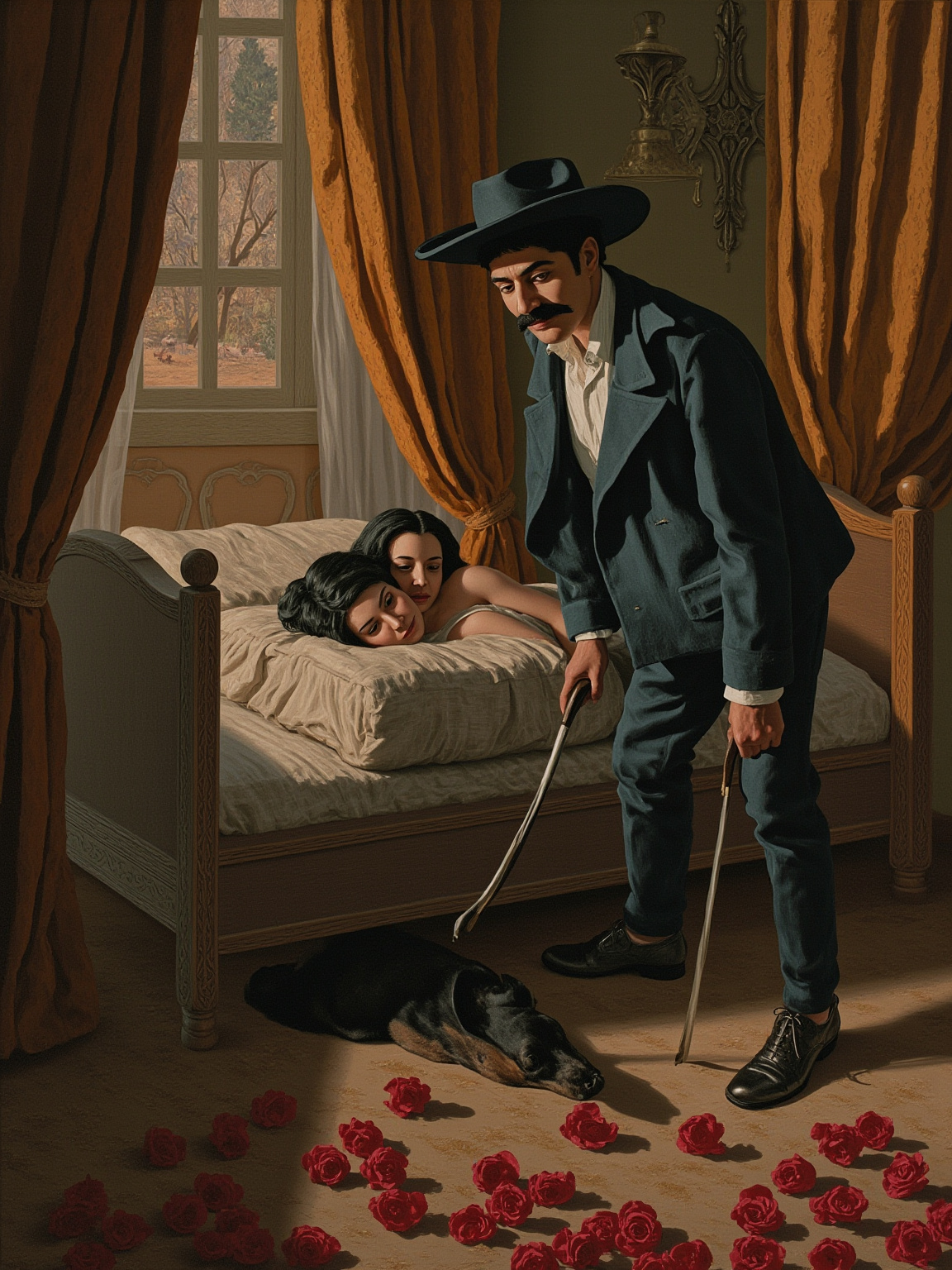
María's illness is planted quietly in the book from the start: a congenital blood disorder, purpura, what the novel itself calls the disease of the blood, marked by coughing blood, breathlessness at night, and bruising under the skin. It is not consumption, and Isaacs never writes it as consumption. She grows pale, coughs, occasionally spits blood, and neither doctors nor home remedies can hold it back. Efraín keeps watch at her bedside, and the imagery narrows to roses, thin curtains, white gauze — María lying on her side, the curtain stirring in the wind, the jungle outside as green as ever. That contrast is the cruelest image in the whole book.
One craft choice is worth naming here: Isaacs never lets Efraín think about the illness in so many words. He only lets the reader see objects — an extra medicine bowl by the bed, the rosary María can no longer hold, the linen sheet changed for the third or fourth time. All the feeling is hidden inside things, and the reader has to swallow it alone. Writing under that kind of pressure is harder than writing in tears.
Death at Dawn, and Riding Away
The book's climax has no dialogue. María dies just before dawn, with Salomé and old Brígida at her side, and Efraín holds her body and weeps. Outside, the sky is not yet light. Rose petals fall to the floor. The coughing has stopped. This is a mournful parting, not a matched pair of deaths — one person dies in this book, and one person walks away still living.
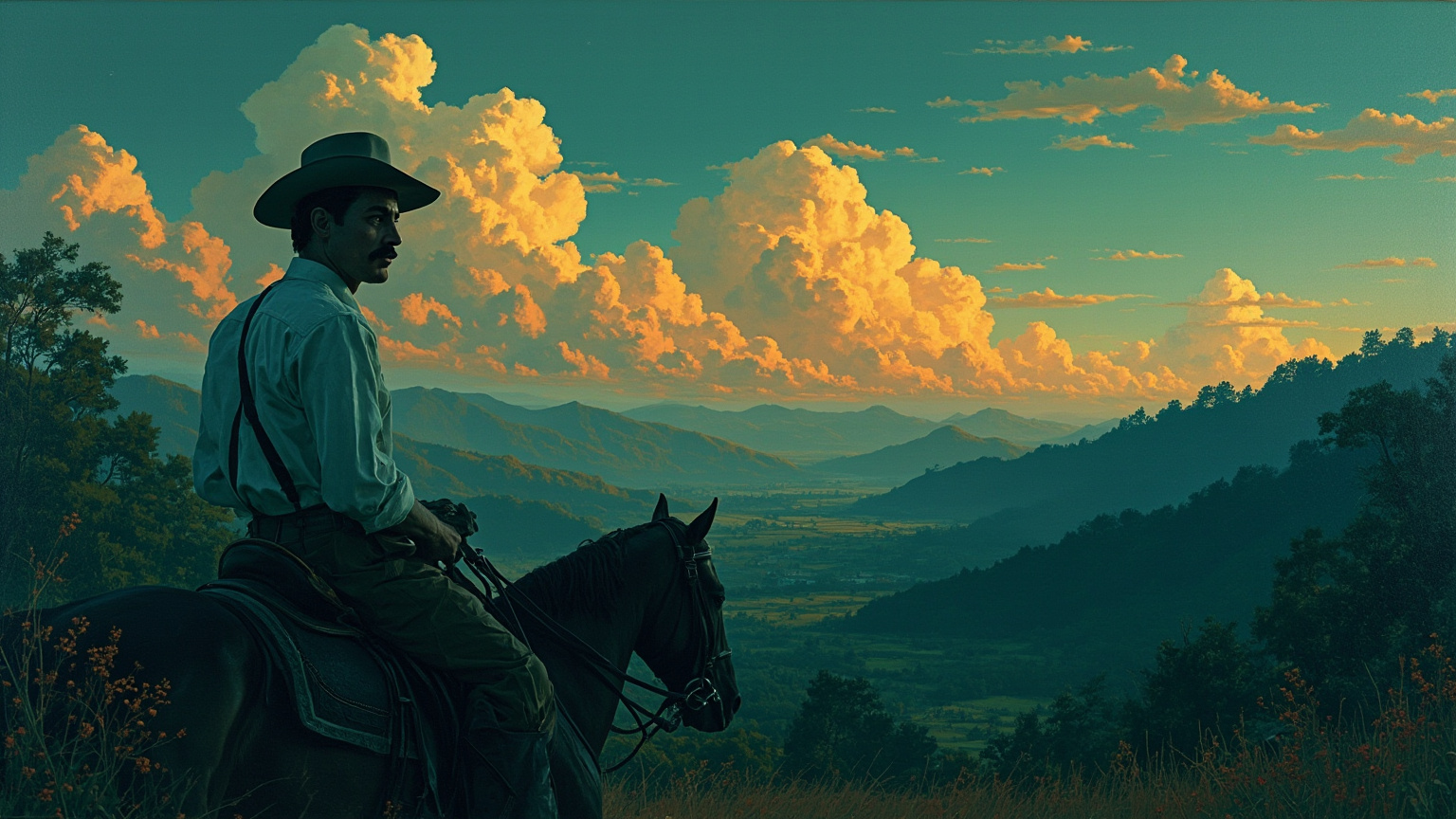
After the funeral, Efraín rides out of the Cauca Valley alone. The estate is unchanged, the fields are unchanged, the roses are unchanged — only the fair-haired girl singing by the window sill now lives in memory alone. The closing pages show an older Efraín looking back on all of it from far away, sealing María and the estate forever inside a sentimental, poetic memory. The hoofbeats fade, and no one is left in the cane fields to hear him tell the story again.
I rode away from the valley, and the valley kept her—as rivers keep the stones they have polished into silence.
我策马离开河谷,而河谷留下了她——正如河水留下那些被磨得无声的石头。
金句 · 尾声骑马远去
Theme and Craft
What this book is really about is a fated kind of melancholy. The love carries the shadow of death from its first page, and time and the body conspire to sentence it. María's illness is not an accident. It is structural, planted from the start. A reader knows from the moment she appears that the last page will show her eyes closed, and Isaacs makes no attempt to hide that fact.
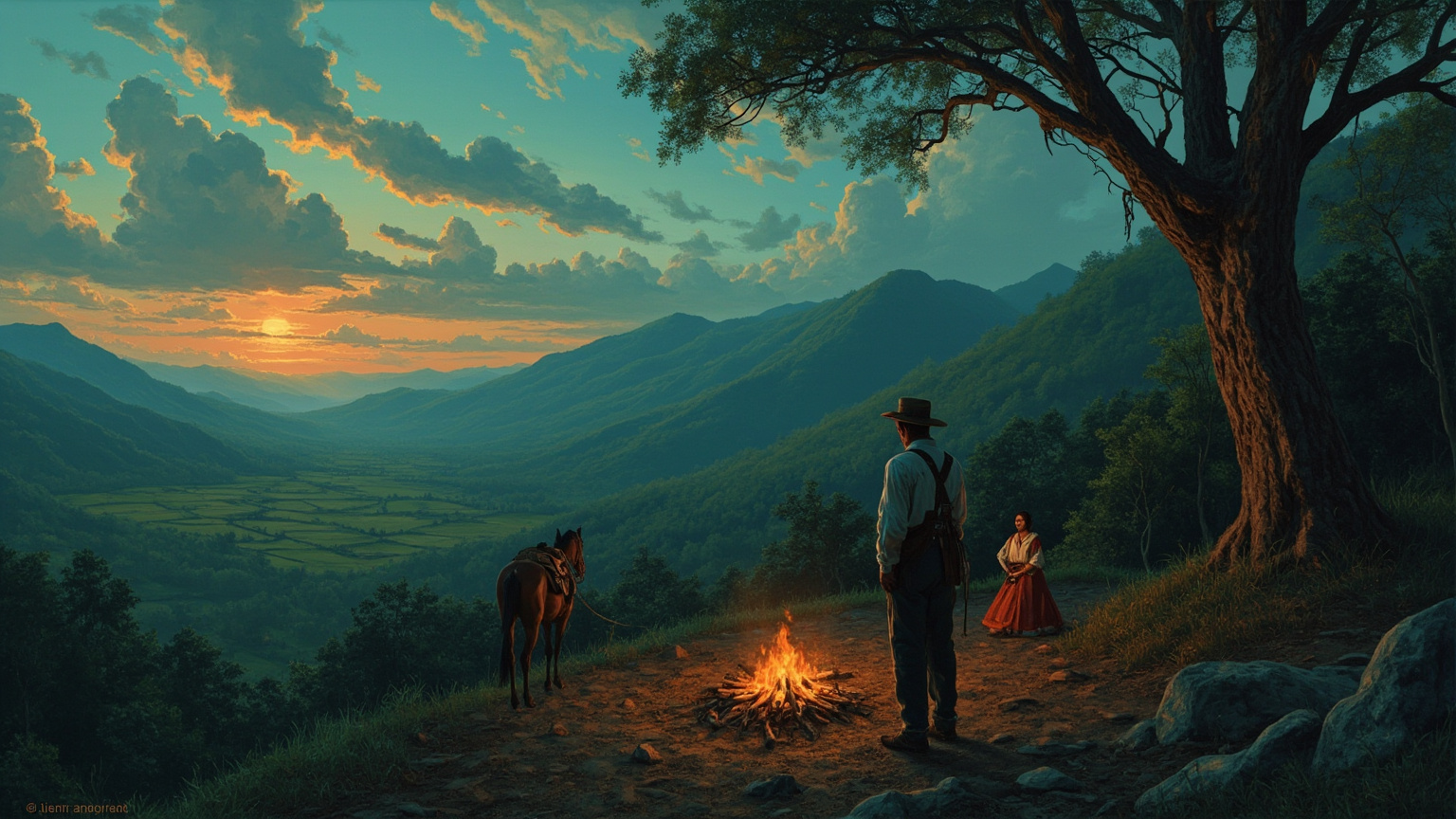
She was dying the way the dawn bleeds into night—slowly, silently, and without forgiveness.
她就这样凋零,像黎明无声无息地渗入夜色——缓慢、静默、不可宽恕。
金句 · 病榻日深
Two threads interlock in the writing. One is sentimental Romanticism, fusing love, nature, childhood, and political nostalgia into a single current. The other is a humanist undercurrent against slavery — Feliciana's spoken account gives this love story a layer of historical scarring it would not otherwise carry. Neither thread advances through preaching; both move entirely through objects and voice. This approach later shaped the whole Latin American tradition of the sentimental novel, and it stands opposite the magical realism of García Márquez's line — a starting point, not a companion to it.
What this book taught me was not love. It was how time keeps pushing you forward before you are ready.
Why Read the Original
A guide like this can only give you the skeleton: who falls for whom, who dies on which page. What it cannot give you is Isaacs's lyricism at full heat, nearly indecent in its intensity, the smell of the jungle on a Cauca Valley afternoon, the particular slowness of hooves crossing a cane field. In the original, every paragraph runs long, long enough that it feels deliberate, as if Isaacs wanted his reader to stay in that hacienda a little longer with him. That density, that rhetorical habit belonging only to the nineteenth-century Spanish-speaking world, is something no summary can recover. Knowing the plot in advance does not spoil it. Read the original and you actually move into that house.
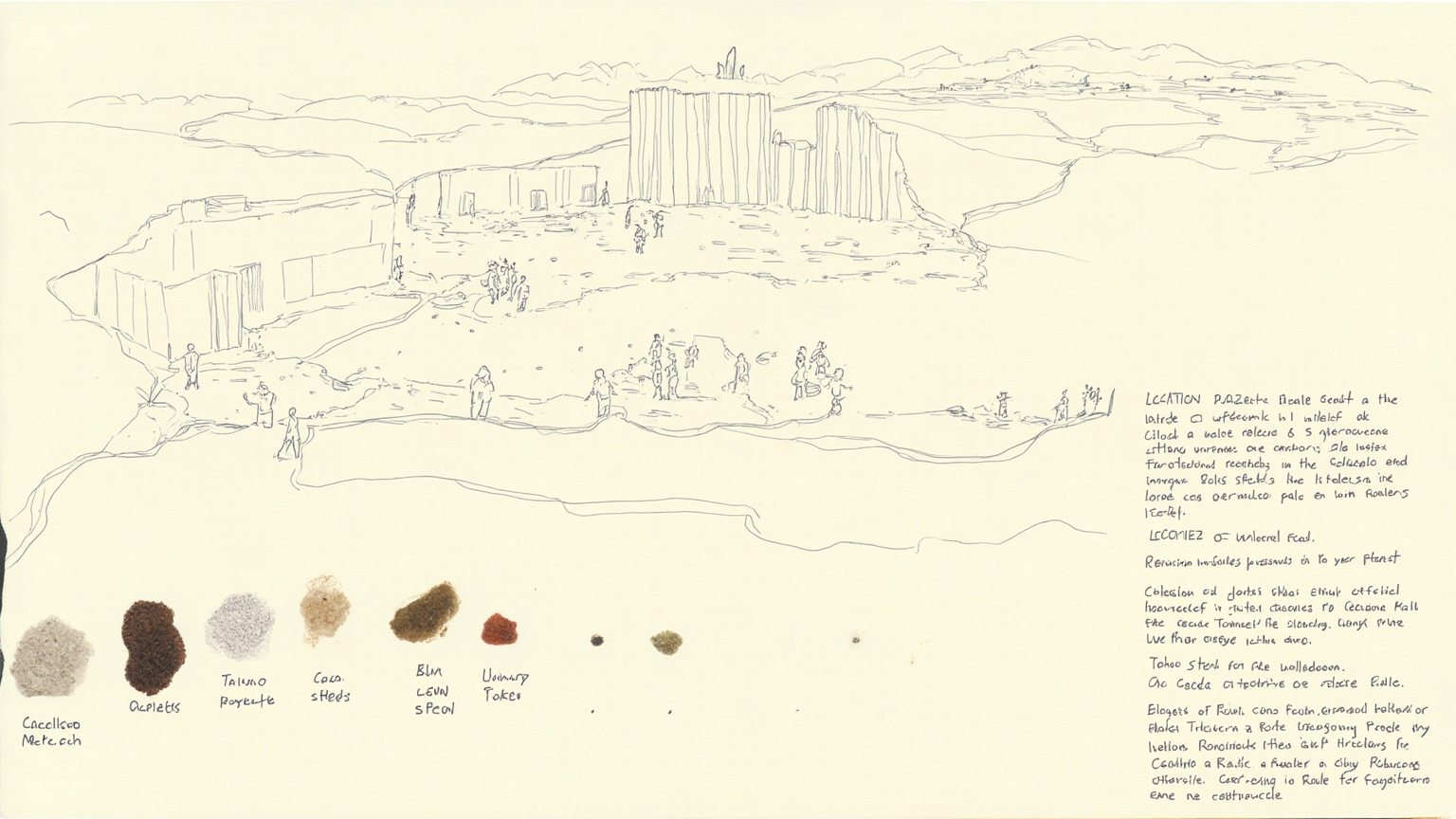
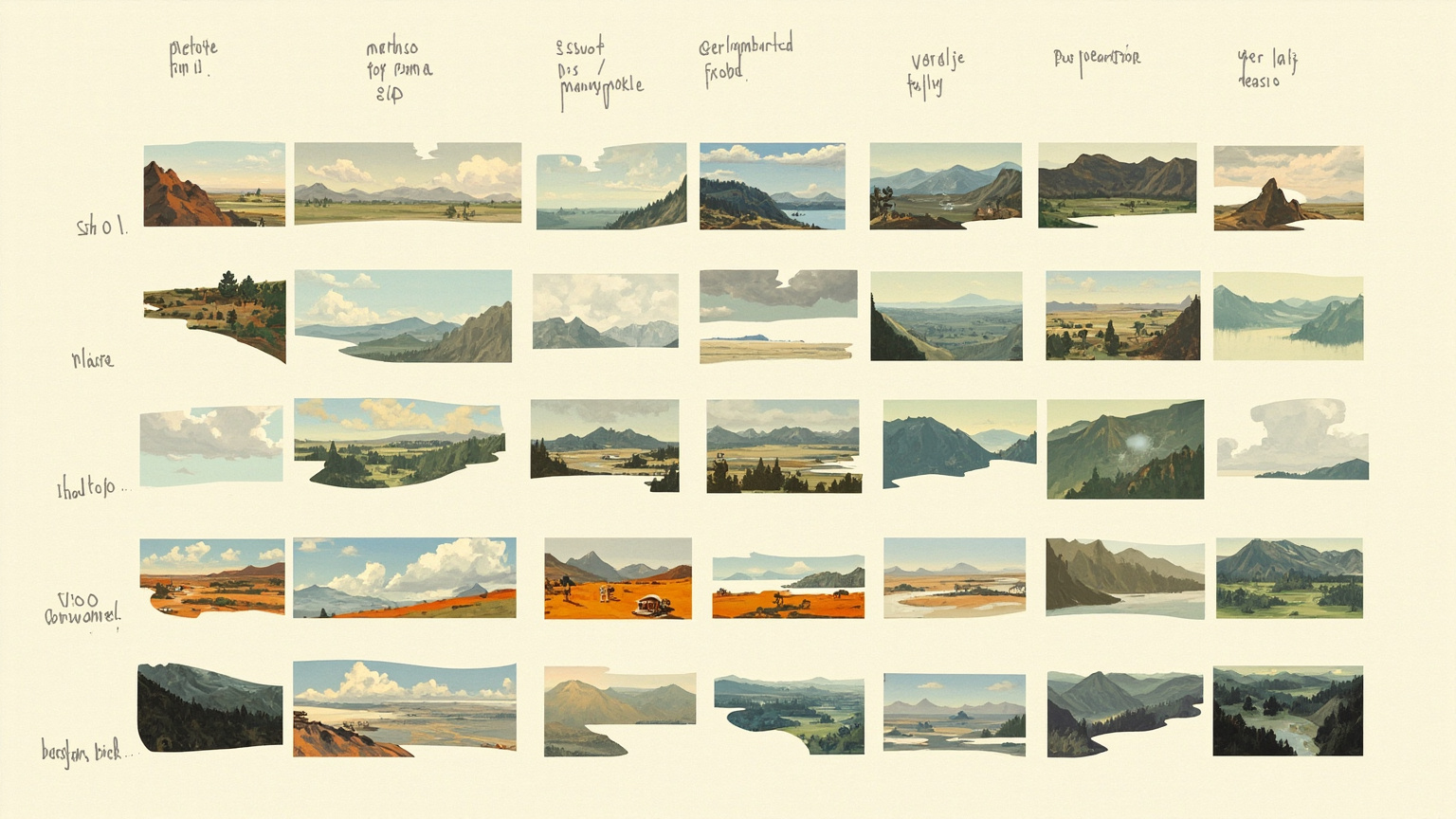
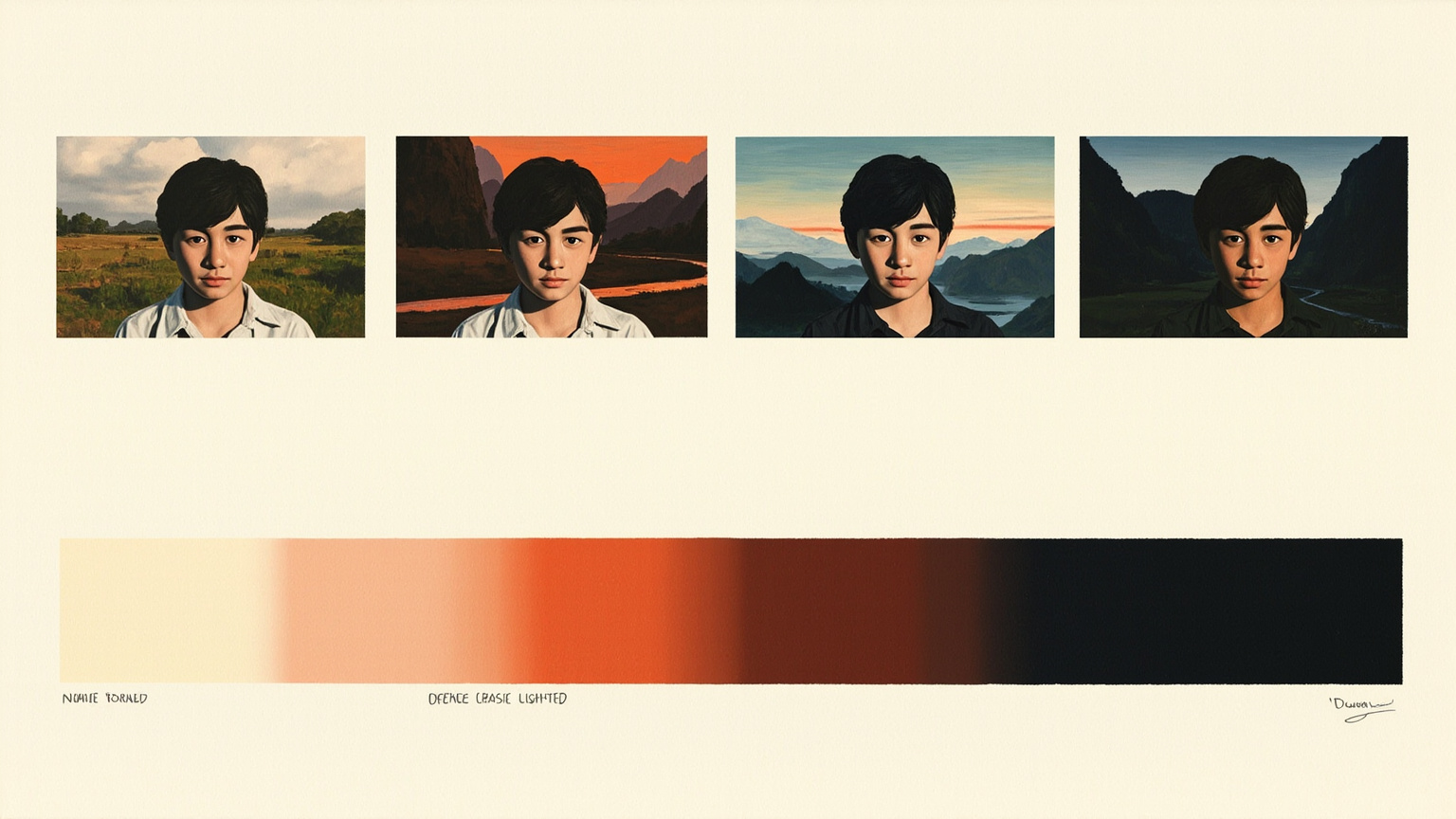
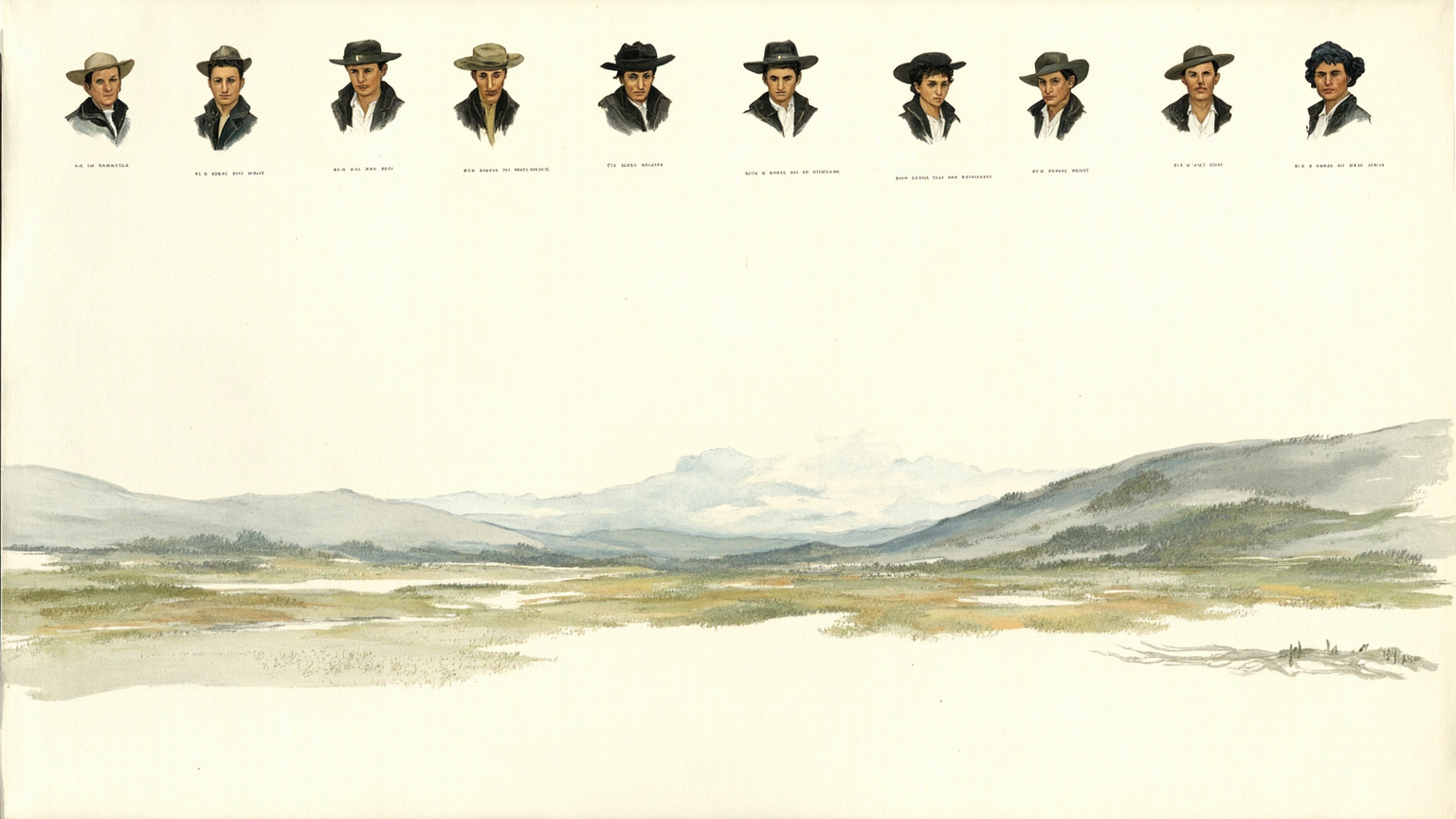
Art Direction4 plates
Before the guide was written, this book got a visual foundation — every illustration you just read grew out of it.