My Brilliant Career · Companion Guide
我的光辉生涯
在干旱红土与乡间婚配的逼迫下,一个少女用一卷未竟的稿子,守住她不肯被安排的人生。
I. Opening: Red Dirt, a Milk Pail, Shakespeare
She slams a tin milk pail to the ground and the milk sprays out into the morning fog. On one side of that pail is Sybylla Melvyn, the eldest daughter of a remote sheep station in New South Wales. On the other is the Dickens and Shakespeare she keeps hidden under her mattress. She swears an oath over the pail: I will not marry, I will be a writer. The whole outback takes it for nonsense.
II. What This Book Is
My Brilliant Career was first published in Melbourne in 1901, under the name Miles Franklin — a name that reads as a man's, though behind it was an Australian girl still in her teens when she wrote the book. Later histories of Australian literature treat it as the country's first true coming-of-age novel, and as the source that Oceania's women's writing keeps tracing back to. One line to hold onto: this is Australian literature's first heroine who stood up and said I won't marry.
III. People and World: No Other Road on the Station
Sybylla's world is red dirt fenced in by timber rails: sparse gum trees, hard sun, dust storms, and thousands of sheep. Her family has already come down in the world. Her father, Mr. Melvyn, was once a respectable small grazier, until the drought and depression of the late nineteenth century broke him back down to nothing; now he drinks, rages, and loves his family without being able to hold himself together. Poverty has pulled her mother taut as a bowstring, and she works her daughter like a hired hand while pinning her hopes on marrying Sybylla off to some wealthy grazier who can save them all. Harold Beecham, a rich young man, is that candidate — decent, genuinely fond of her, the closest thing to a way up that Sybylla has. He is also the future she fears most.
There is exactly one rule out here: a daughter's only respectable path is marrying a decent man. Reading, writing, earning her own living — the outback treats all of it as nonsense. Sybylla insists on taking the nonsense seriously. That is her situation, in full: it is not that no one loves her, it is that everyone loves her in the wrong direction.
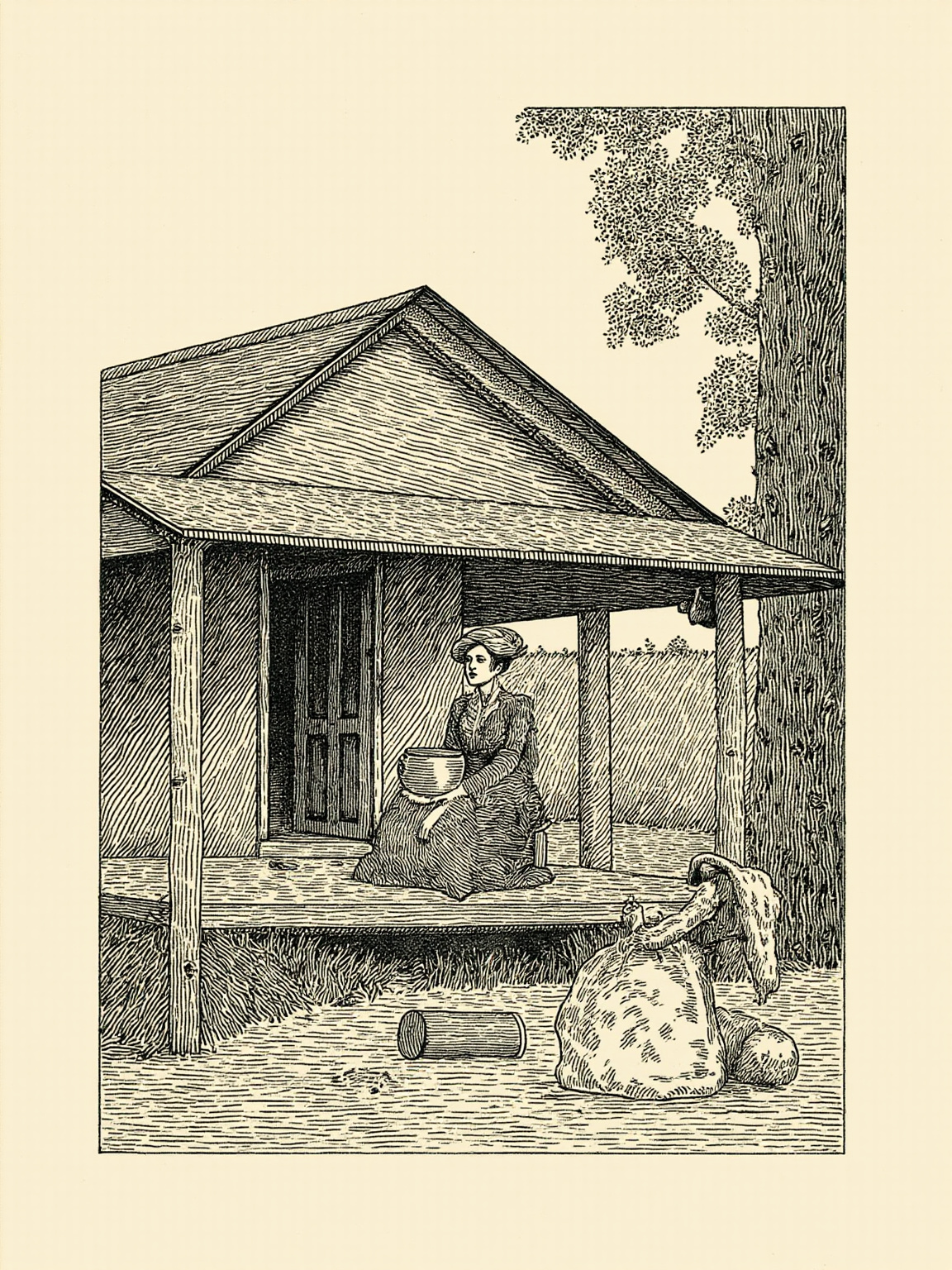
I was not a poet or a writer by choice, but by compulsion.
我并非出于自愿才成为诗人或作家,而是出于一种无法抗拒的必然。
金句 · 开篇自述
IV. The Plot: One Manuscript Against an Entire Countryside
Possum Gully: Milking with One Hand, Writing in Secret with the Other
The story opens in Sybylla's own voice — she is both narrator and heroine. She was born on a sheep station near Possum Gully, into a family so poor it rattles, and her mother works her like a second housemaid. She milks cows, does the washing, minds her younger siblings, and steals every book she can get her hands on: Shakespeare, Dickens, the Bible. Nobody out here cares about any of it. She does. The flame in her is specific: I want to be a writer. But she doesn't dare say it to anyone in the family, because saying it out loud only earns her rolled eyes.
Five Bob Downs: Driven to Drier Ground, Pushed Toward a Ball
Her father loses his position again, and the family is pushed out to Five Bob Downs, further out and drier still. A stretch of hopeless, grinding days follows. Then her mother hatches a plan: a wealthy family nearby is holding a ball, and Sybylla must go — must be seen, must be chosen, must trade herself for a secure future. Sybylla resists on instinct. It isn't shyness. She sees exactly what the ball is really for, and it's the very logic she despises most: a daughter's only worth is being picked. That logic suffocates her.
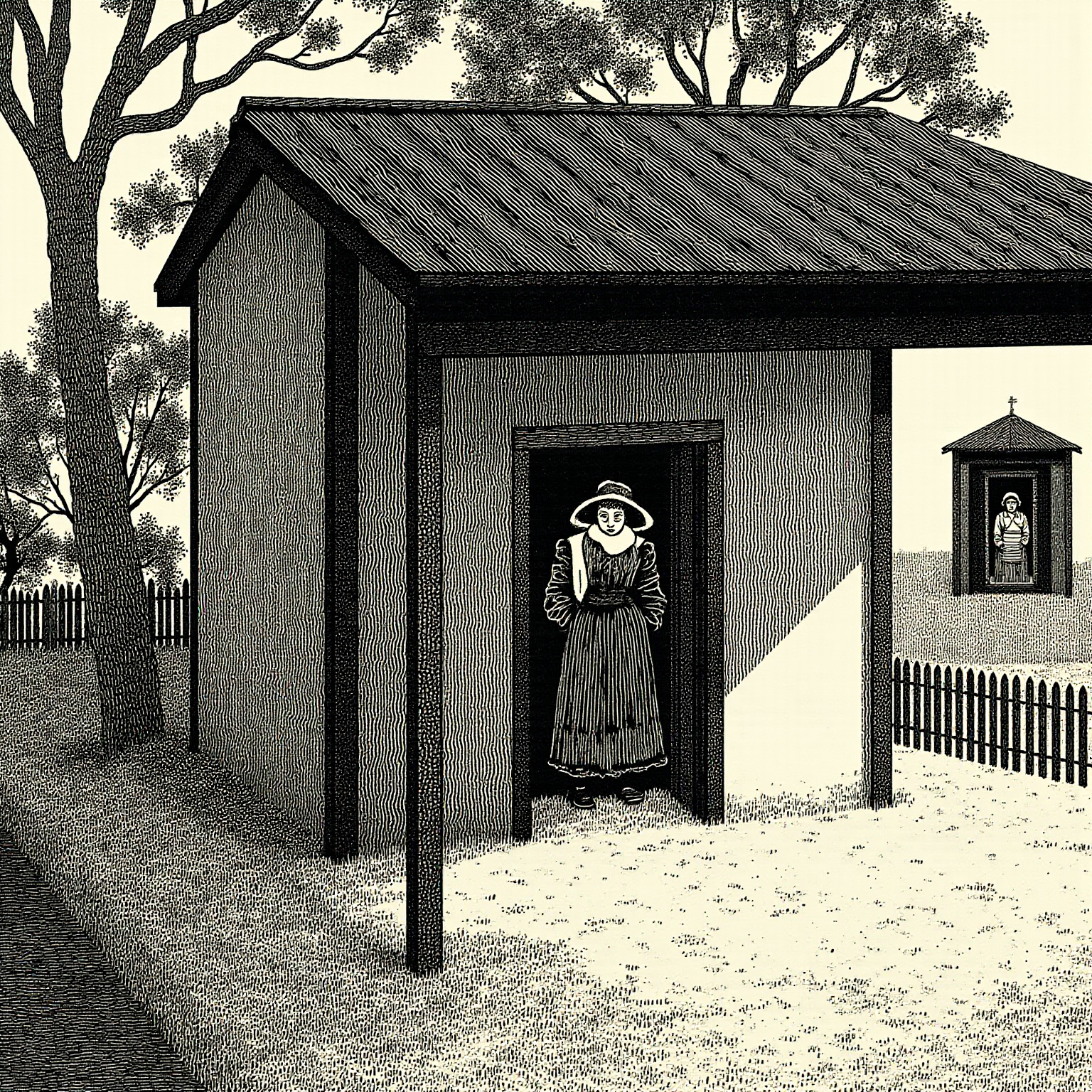
I would rather be a genius than an heiress.
我宁愿做一个天才,也不愿做一个女继承人。
金句 · 舞会与婚配
A Night at the McSwats': Seeing What Respectability Costs
Her mother arranges a short stint of hired help at the McSwats', a neighboring property that looks respectable enough from outside. Staying over one night, Sybylla catches the shadow a drunken husband casts over his wife — no dramatized detail, just a face the next morning pretending nothing happened. That single glimpse snaps something in her for good: so this is where marrying into a respectable household can end up. Her aversion to the countryside's men and its marriage-market fate stops being instinct and becomes something she has witnessed with her own eyes.
Harold's Proposal: The Gentlest Cut of All
Harold Beecham, the wealthy young man, appears — gentle, respectable, genuinely taken with her, and he proposes more than once. Sybylla wavers. The outback is so lonely, and the pull of escape is strong; marrying him really would trade this life for an easier one. She weighs it over and over: say yes, and it might be a kind of completeness; say no, and nothing lies ahead. Just as everything is nearly settled, she refuses him. It isn't that she doesn't love him. It's that she sees clearly where the road of marriage leads, and it isn't the life she wants. Even reading it the first time, you pause here — this isn't rejecting a man. It's rejecting the whole road.
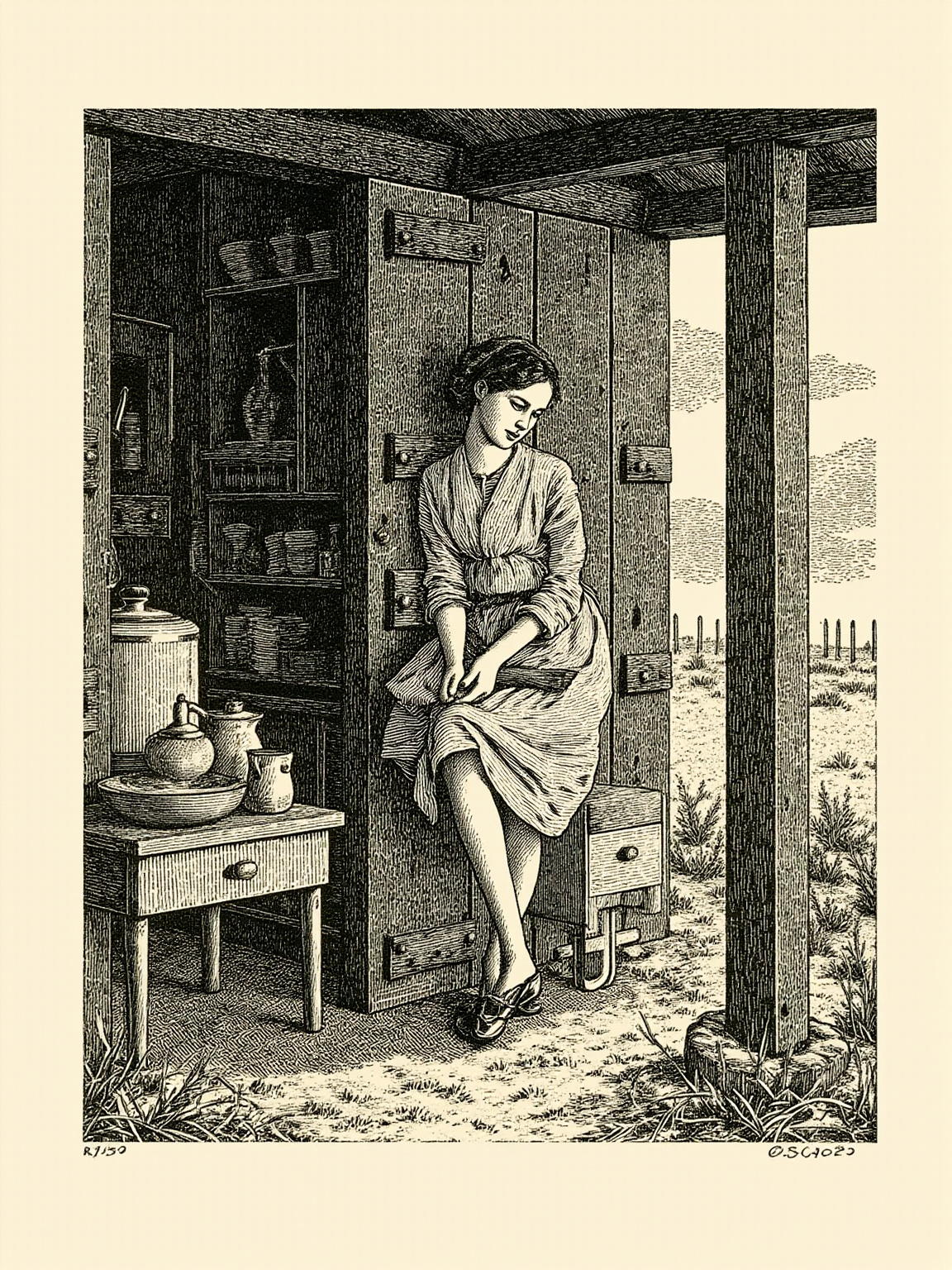
I do not want to marry him, or anyone else.
我不想嫁给他,也不愿嫁给任何人。
金句 · 哈罗德求婚之际
Cadwallader: A Deeper Loneliness, A Longer Manuscript
Her father takes a job minding sheep at Cadwallader, a large station under a new employer, and Sybylla moves with the family. This station is more remote, more isolated, further from anything resembling town life than any before it. On the way there, she lays it all out for the first time: this land, these people, this road that has already been paved for her, and the brilliant career she carries in her head — there is a gap between them she cannot cross. She doesn't stop. She keeps writing. The novel taking shape under her hand is the only weapon she has.
Ending: One Manuscript, One Stubborn Pause
The book closes on a first-person monologue. Sybylla never runs away, never marries Harold, and by the time the novel was published under the gender-neutral name Miles Franklin, she still hadn't become a working writer either. What she has is only this manuscript, still being written. The ending stays open — not a happy ending, not a tragedy, but a stubborn pause. Why should a daughter have only one road, marriage? She answers with a page of manuscript: not necessarily.
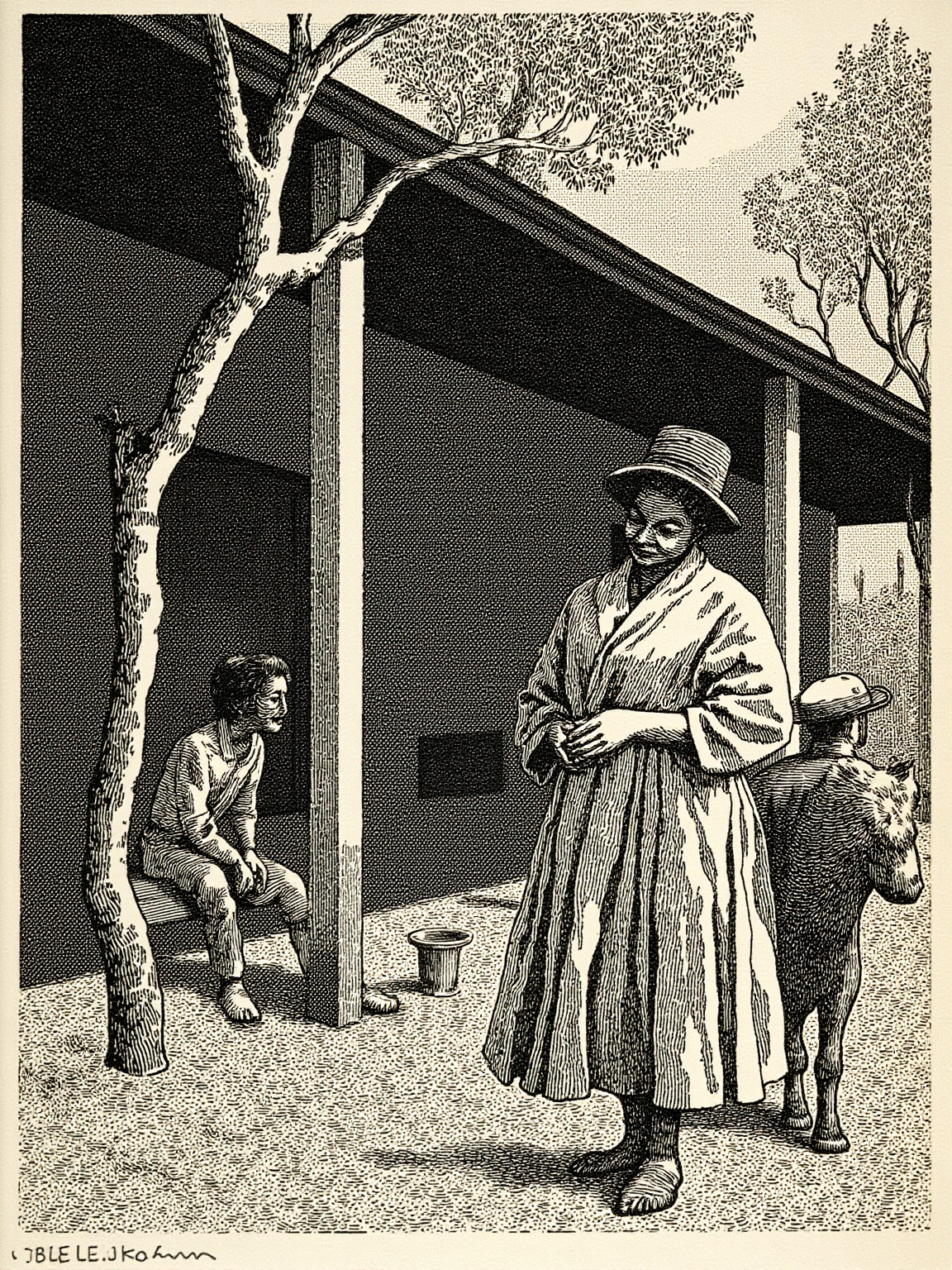
I have made up my mind that I will not marry, and I will keep to it.
我已下定决心不嫁人,而且我决意坚持下去。
金句 · Cadwallader · 独白收束
V. Theme and Craft: The Refusal Is the Book
On the surface it's a girl's coming of age. Underneath, it's an entire rural logic cracking apart. In the Australian outback of the late nineteenth century, men are out of work, women are treated as currency for marriage, and the whole red-dirt country is choking under dust storms and bank debt. Sybylla's stubbornness doesn't come from nowhere — it grows straight out of that particular soil. What she refuses isn't one marriage. It's the entire path laid out for women by mothers, by neighbors, by economic pressure. The intensity of that refusal is where every later Australian and New Zealand coming-of-age novel by a woman traces its roots.
The craft does three things well. First, the first-person monologue: Sybylla's voice is sharp, biting, and still unmistakably a girl's, and the whole book is her interior battlefield with no one else around to dilute her temper. Second, the setting isn't scenery but structural pressure — the drought, the depression, the shadow of domestic violence are never decoration; they're the hand that keeps forcing her choices. Third, the byline is itself the theme: a woman wrote this book, then published it under the gender-neutral name Miles Franklin, and inside the novel Sybylla keeps imagining what if I had been born a man. The name on the cover rehearses the argument inside it. Put those three together and My Brilliant Career becomes a landmark Australian literature can't route around — later generations named one of Australasia's most important literary prizes, the Miles Franklin Award, after it, which is this book's nail driven into literary history.
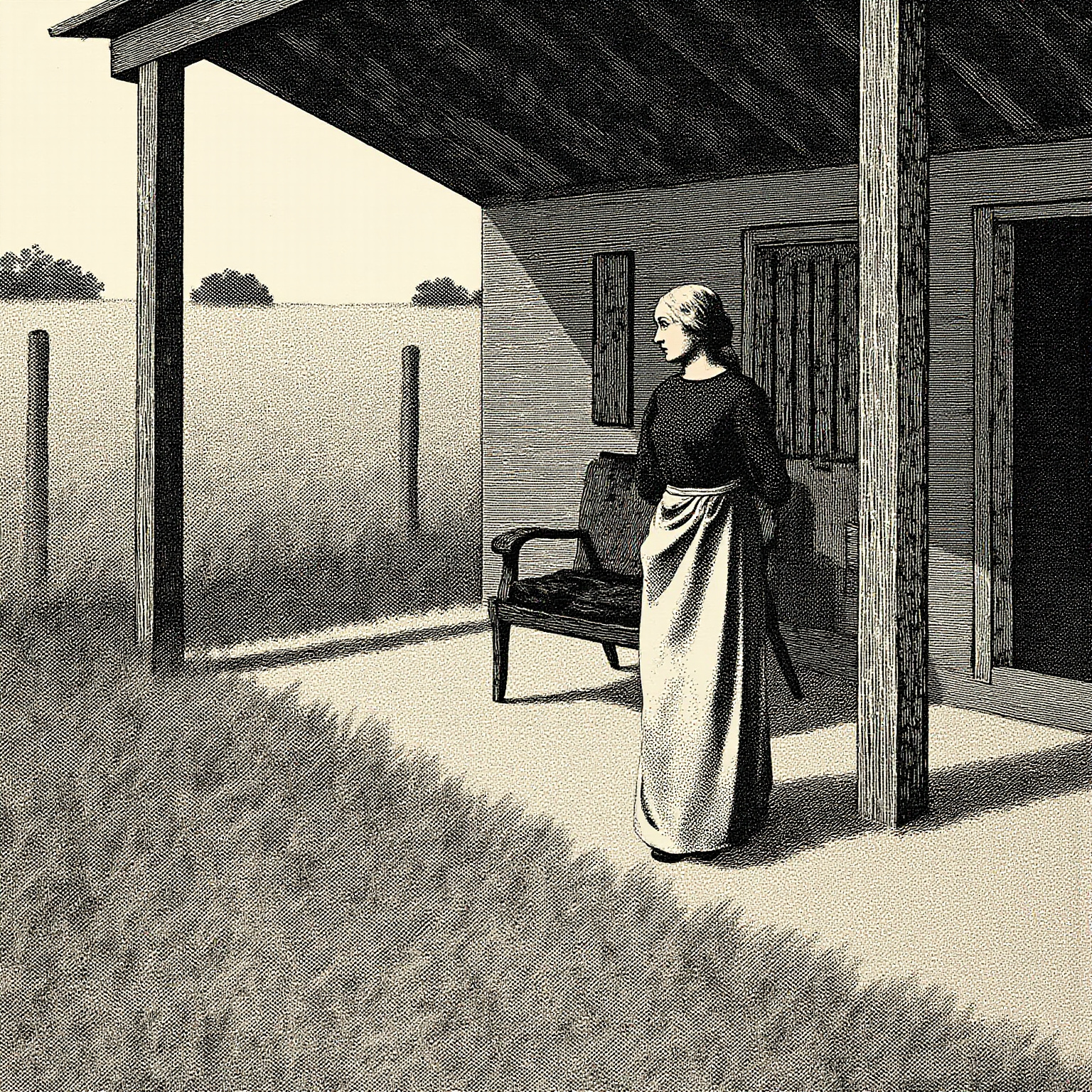
The world is full of men who have no money, and women who are bored.
世上尽是身无分文的男人,和百无聊赖的女人。
金句 · 婚恋与体面
She didn't run away, didn't marry, didn't become a writer — she just finished the manuscript. Written by an Australian girl more than a hundred years ago, this novel does something harder than running away: it refuses the whole road.
VI. Why Read the Novel Itself
This guide gives you the map. The novel is the red dirt itself. Sybylla's resentment toward her mother, her hatred of the outback, the way she weighs Harold with both longing and clear eyes — the prose carries a thorny heat that any retelling wears smooth. And there's the girl behind the byline Miles Franklin, barely out of her teens: how she actually wrote this book, and why she chose to hide her name behind a neutral one at publication — that story behind the story only turns up once you open the text itself. Knowing the ending doesn't make the reading any less worth it.
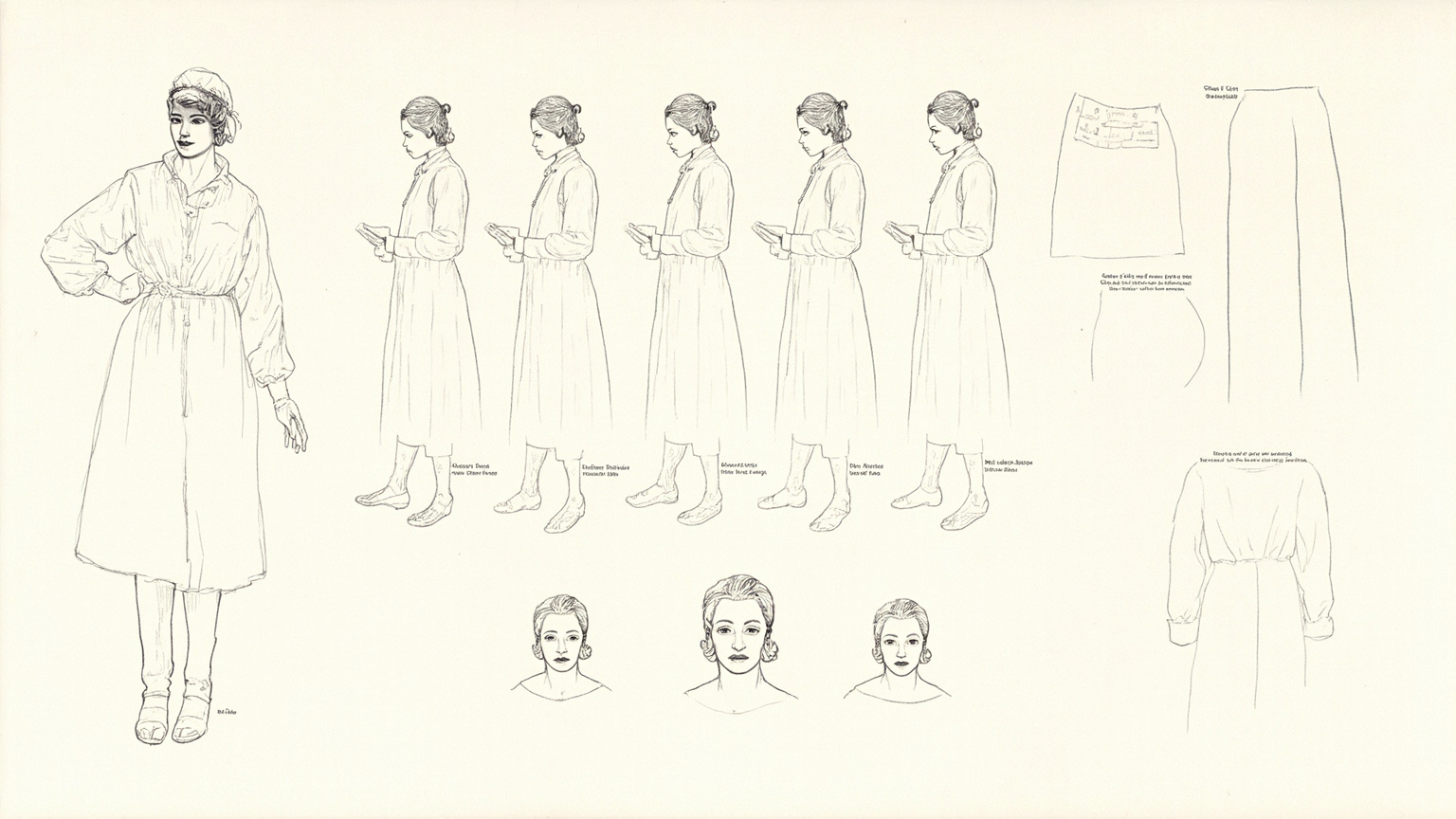
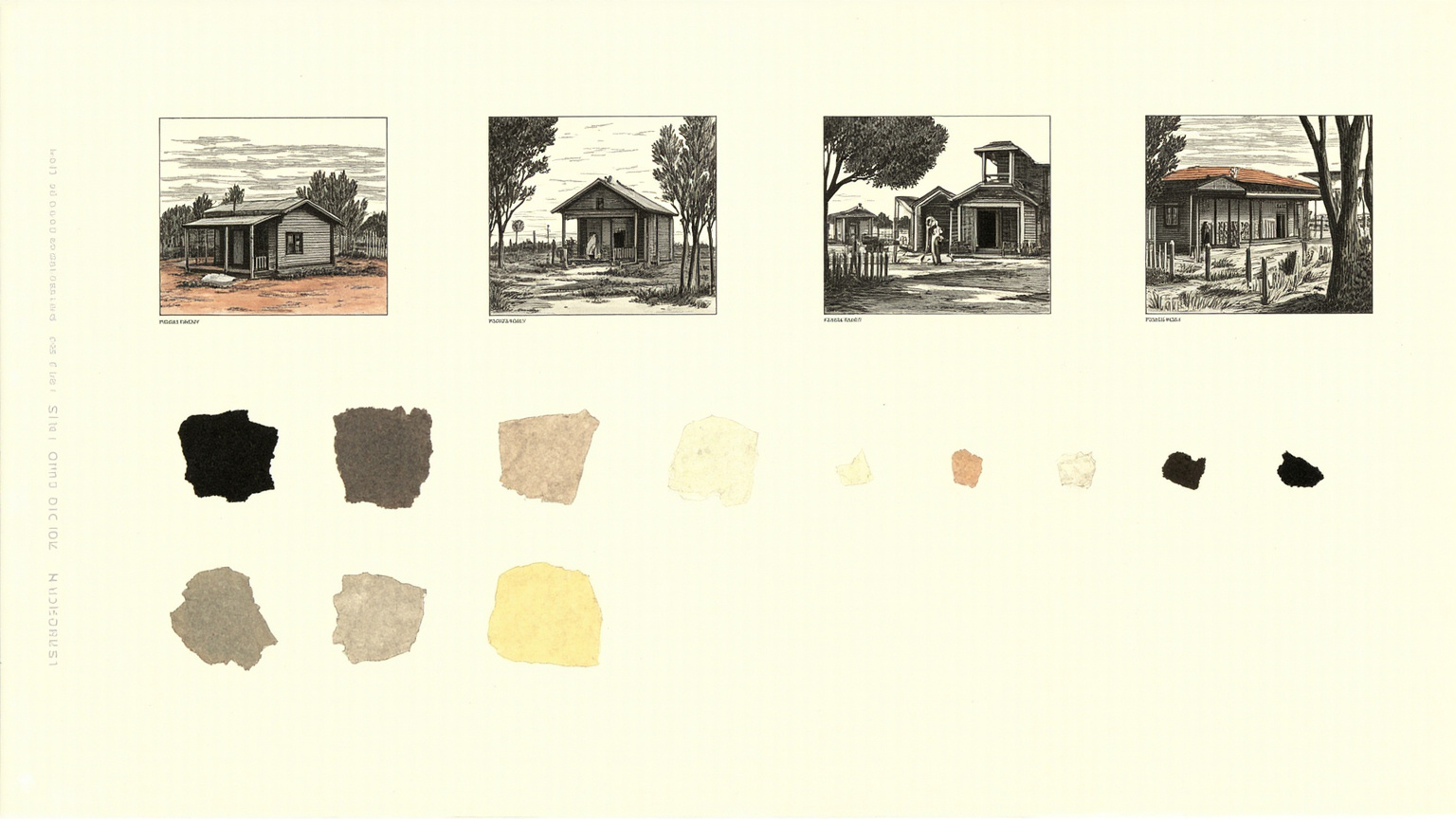
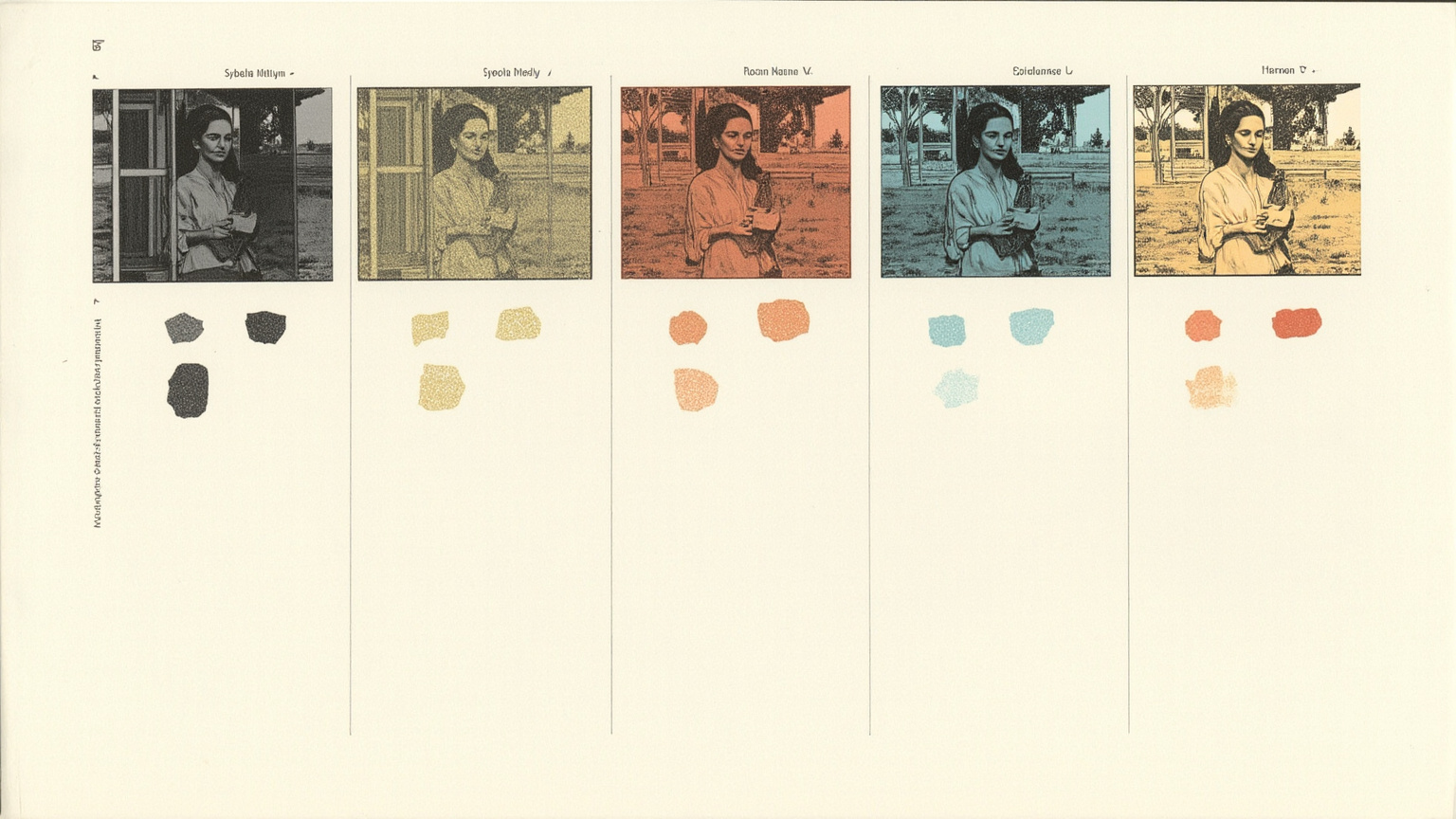
Art Direction4 plates
Before the guide was written, this book got a visual foundation — every illustration you just read grew out of it.