Niels Lyhne · Companion Guide
尼尔斯·律内
一个决心活成无神论者的男人,从童年理想、爱情幻灭到战场孤独战死,始终拒绝任何慰藉,坚守直到最后一息。
Opening
A young Dane keeps watch at his dying child's bed, then gathers up the body once it has stopped breathing — a priest is waiting just outside the door, and he never lets the child be carried to the font. This is Niels Lyhne.
He does not go mad, and he does not turn to God in that instant. He simply lays the body back under the covers, closes the window, and walks back to his own empty bedroom. The boy had just learned to walk, had just learned to say Papa, and none of it outweighs the one thing that matters: Niels is holding to a line his mother planted in him as a child — better to let a child die this naked than to cushion it with a single lie.
What kind of book this is
Niels Lyhne is a novel the Danish writer Jens Peter Jacobsen published in 1880. Jacobsen trained as a botanist and translated Darwin's Origin of Species into Danish, and he carried that naturalist's precision straight into fiction, watching a single mind with the patience of a laboratory experiment. Five years after finishing the book he died of tuberculosis, at thirty-eight.
Literary history treats it as the foundation stone of the Danish psychological novel — years before Nietzsche announced that God was dead, this book had already walked a man determined to live as an atheist all the way to the end. Rilke would later murmur the name Niels Lyhne over and over in The Notebooks of Malte Laurids Brigge, and Joyce and Thomas Mann both cited it as a forerunner. It is not an anti-religious fable. It is a long, specific experiment: once every route back to salvation is sealed off, how do you keep breathing, all the way to death.
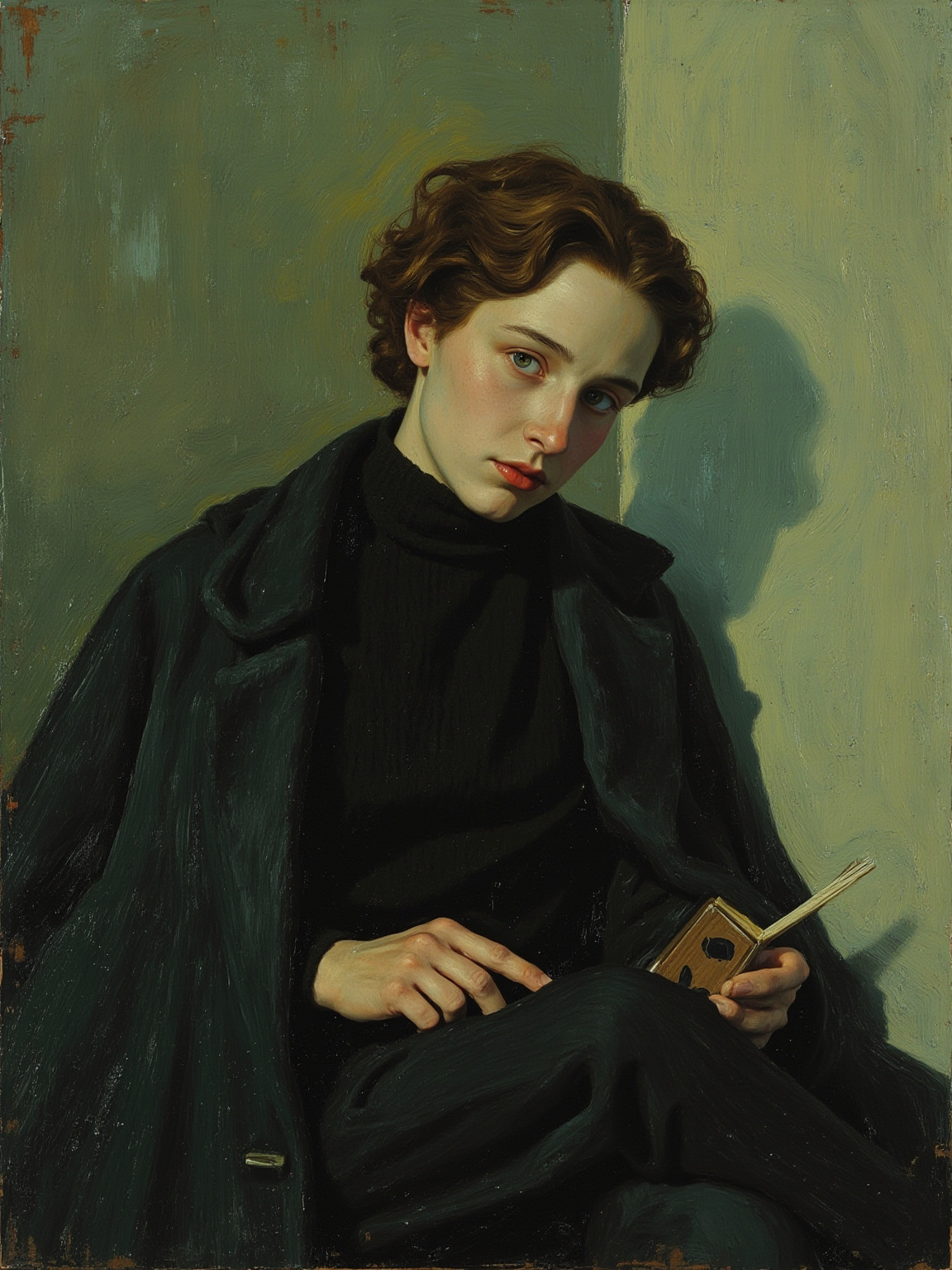
I shall be one of those who fight for the greatest, and I promise you that I shall not fail, that I shall always be faithful to you and to my gift.
我必成为那为至大而战的人,我应许你,我绝不失败,我将永远忠于你,忠于我的禀赋。
原文金句 · 第1章 · 母亲的誓言
People and world
Niels is the only character who runs through the whole book, from a boy longing for far-off places to the man who falls on a battlefield. Everyone around him arrives and then pulls away at the crucial moment: his mother Bartholine, a poet by temperament, is the source of it all — she nails the image of a godless wilderness into his mind. His aunt Edele gives him his first lesson in a beautiful death. His cousin Fennimore lets him taste love he cannot have, then turns and blames him for it. His wife Gerda seems, at first, like someone he could grow old with — and then turns her face away from him as she is dying.
The world is mid-nineteenth-century Denmark. The first half is nearly all confined to a country estate — a study, a sickbed, an autumn wood — where time moves at a crawl. The second half shifts to Copenhagen's literary salons, with cigars and wine and love affairs that don't last, then pulls back to the farm, a marriage, a child. It ends on the smoke of the 1864 battlefield, the war that cut a large piece off Denmark's map.
How the plot runs
In Niels's earliest memories, his mother Bartholine is far more vivid than his father. His father is a silent country squire who runs the estate with quiet competence and cannot give his wife any of the romance she craves. So Bartholine pours everything into her son instead — poetry, the imagery of the German Romantics, and one core belief: that God is an old story poets made up, that the world is a wilderness with no god in it, and that all a person can do is stand up straight and live anyway. That sentence becomes the knot every later event in the book ties back to.
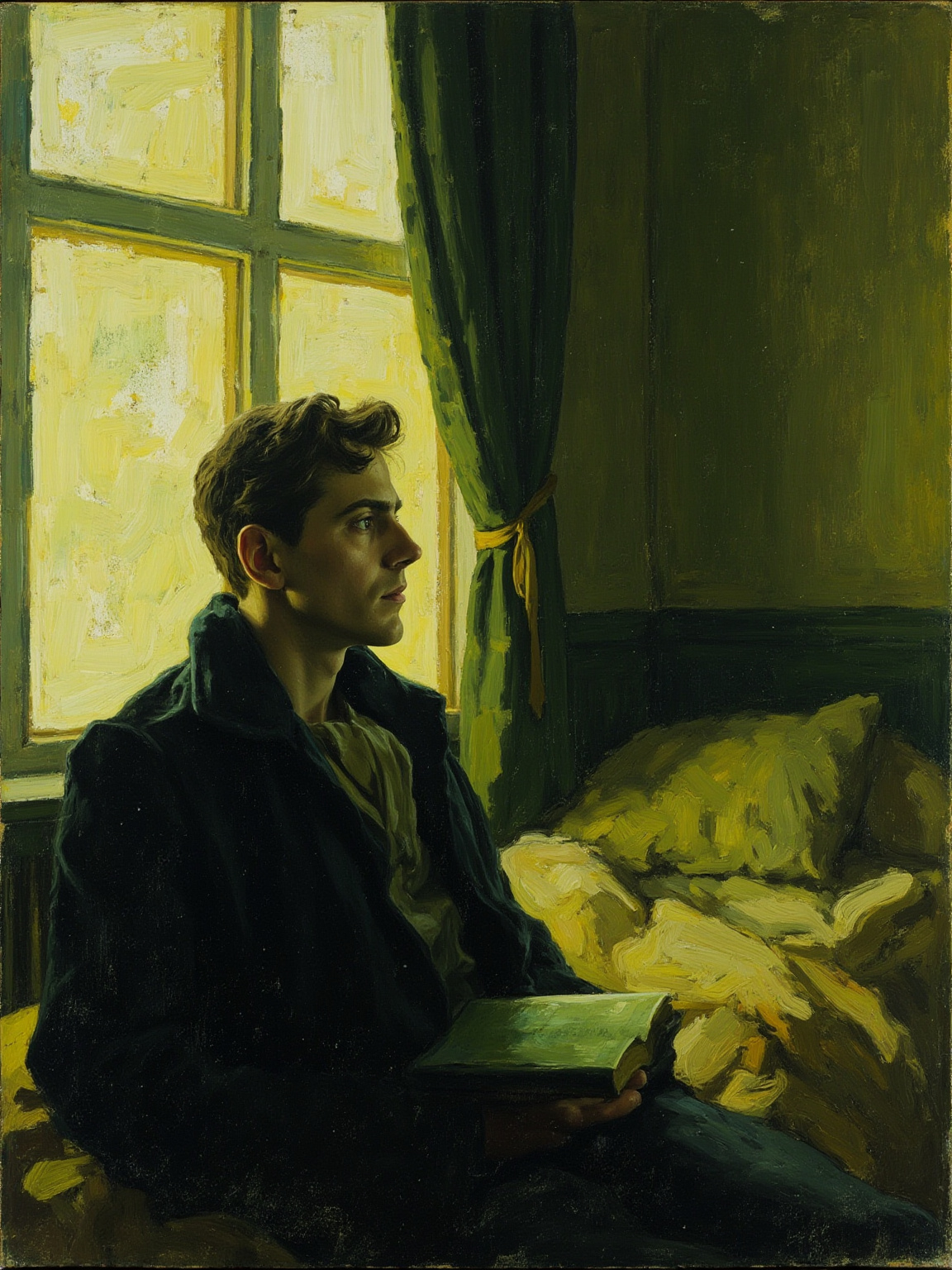
If that makes you unhappy, you must be unhappy; if you suffer, you must suffer-there are always some who have to suffer.
如果那些让你不快乐,你就必须不快乐;如果你受苦,你就必须受苦——总有人是该受苦的。
原文金句 · 第3章 · 病榻旁
Niels's first collision with death, as a boy, is his aunt Edele. Edele has spent her health among the balls, the champagne, and the love letters of Copenhagen, and by the time she comes back to the estate she is a body going transparent by degrees. Niels sits in the corner of her room every day, watching illness hollow her out inch by inch, listening to her read poetry, while the air around her slowly takes on the sour smell of a sickbed. There is no dramatic flourish in any of it — Jacobsen records the color under her nails, the tremor at the corner of her mouth, the dust-filmed light on the windowsill, the way a botanist records a plant wilting, and a boy's romantic fantasy dries out slowly under all that close observation.
His mother dies not long after. Niels leaves home carrying what she gave him and lands in Copenhagen among a circle of poets and painters. He has an affair, laced with self-mockery, with Mrs. Boye, a woman older than him who has already seen through how little love lasts, and the two of them huddle together for warmth while using irony to keep each other at arm's length. There is little of the traditional novel's heartbreak in it. It reads more like two clever people seeing disillusionment coming and choosing to rehearse it in advance.
What really traps him is his cousin Fennimore, younger than he is but already spoken for. Fennimore has married his best friend Erik, who means to be a sculptor and a painter. Once married, Erik sinks fast into drink and card tables, his brushes gather dust, and he seems to lose his spine entirely. Fennimore's disappointment curdles into numbness, and after Erik dies in a carriage accident, she turns to Niels, stumbling. The two begin a secret affair in the dark of her widowhood, every touch of it weighed down with guilt toward the dead man. But nothing about this relationship saves either of them: Fennimore pours the whole of her grief onto Niels, accuses him of fouling her husband's memory, and cuts every tie between them in one screaming break, as if the little warmth they had could only be allowed to exist once it was rebuilt out of hatred for him.
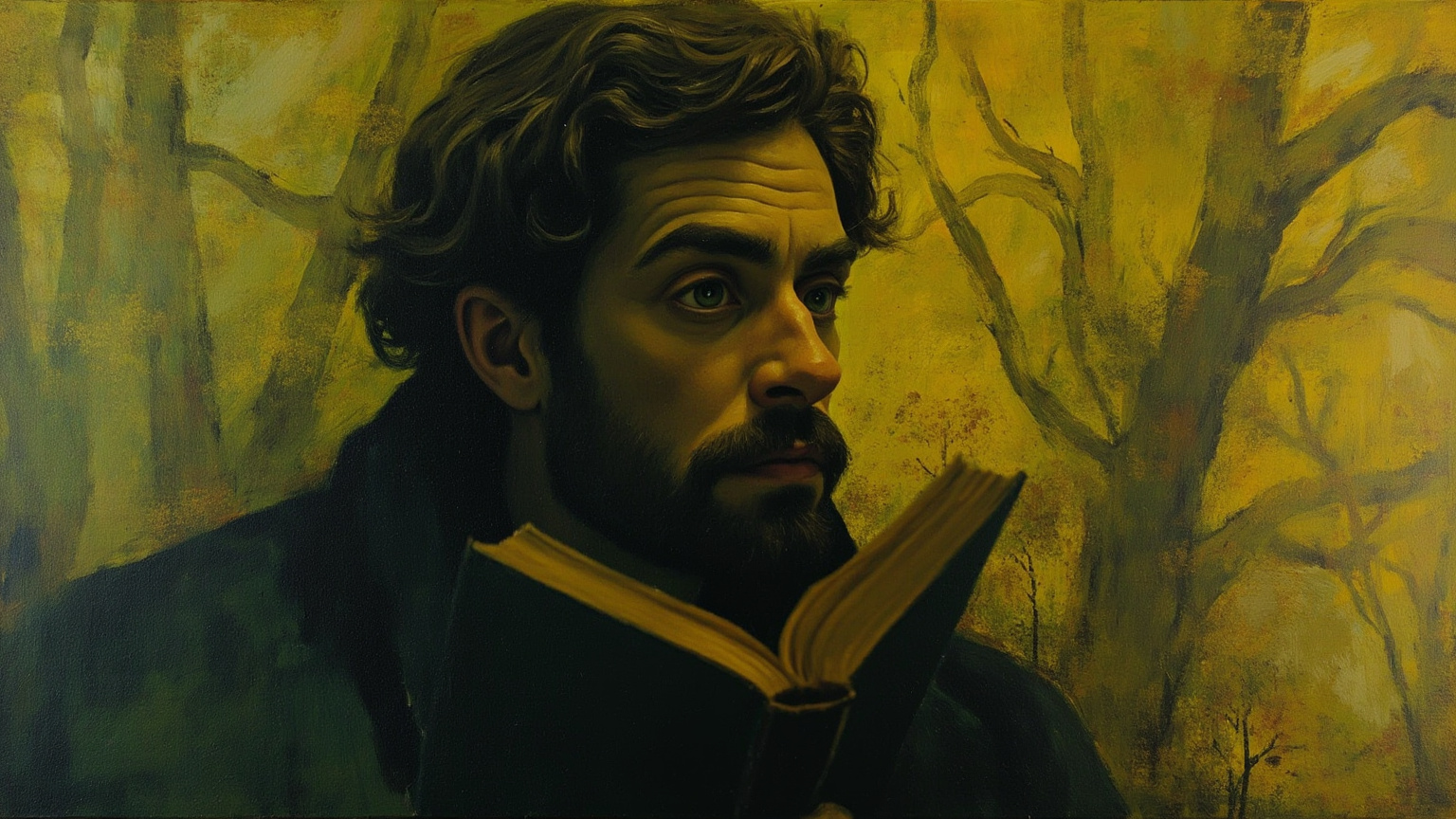
Remember you were not here, Niels, and my love-I did not know how real it was; it seemed more like something that just interested me.
记得你不在,尼尔斯,而我的爱——我并不知道它有多真实;它更像是只是一件令我感兴趣的东西。
原文金句 · 第7章 · 哥本哈根
Torn in half, Niels leaves Copenhagen and returns to the family farm, which by now feels half-strange to him. He buries himself in fields and ledgers. Gerda, a neighbor's daughter, stands up for him one day when others are mocking him, and that one blunt act of loyalty is enough to make him propose. They marry, a son comes quickly, and for a while ordinary life stitches the wound shut.
What follows is the cruelest passage in the whole book. The child falls gravely ill and is dying, and Gerda and everyone around them begs Niels to send for the priest, if only to soothe the boy toward death with talk of heaven. Niels kneels at his son's bed, holds the small hand as it goes cold, and never gives in. He wants his son to face death naked, without a shred of comfort painted over it, the way his mother taught him, the way he himself means to do it one day. The child stops breathing inside that absolute honesty. Gerda never forgives him. Not long after, she falls ill herself, and as she is dying she stops looking at her husband and calls for the priest instead, leaving this life by Christian rite. It is Niels's most complete disillusionment: the person who shared his life longest is the one who twists the knife in his conviction.
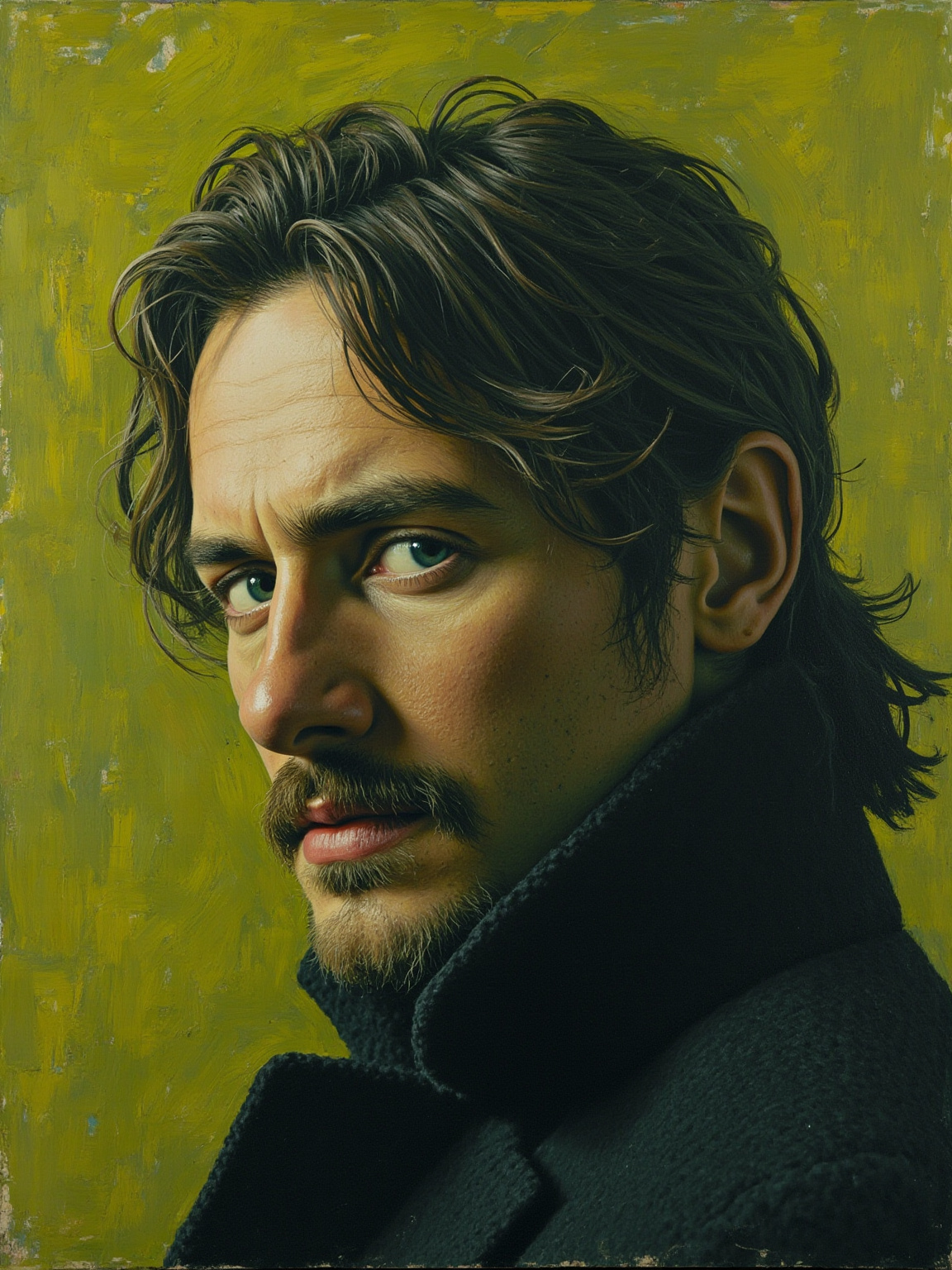
I am struggling and groping for something that eludes me, something that I can't grasp even if I toil and moil till I sweat blood.
我在挣扎摸索着什么,它躲避着我,即便我劳苦到汗血俱下也抓不住它。
原文金句 · 第10章 · 画室
The story's last stretch is the 1864 battlefield. Denmark's war against Prussia is a rout, and Niels enlists, not out of any heroic fervor, more like a man handing the rest of his life over to a bullet. When he falls alone, hit, there is no priest's oil around him, no vision at the end, only cold spring mud and scattered gunfire. In dying, he holds the line he lived by: that a person can go the whole way without being saved, without ever bowing his head.
Theme and craft
Jacobsen is not arguing here about whether God exists. He treats atheism as an ethic that has to be lived out in the body. The book's two death scenes answer each other — the terms his son dies under are the terms Niels dies under himself, like two coins struck from the same mold, one an act of cruelty inflicted, the other a burden carried alone. There is no uplift, no miracle, only a man refusing to cheat in the last moment.
A second thread running through the book is poetry and reality wearing each other down. His mother teaches him poetry, and for the rest of his life he keeps running into walls in love, marriage, friendship. Every relationship that briefly makes him think this time might be different ends up as sandpaper, rubbing away one more layer of illusion. Jacobsen watches this erosion with a botanist's eye dissecting a flower: not through declaration, but by recording, bit by bit, a change in the color of a voice, a hesitation in the body, the different weight of different silences. For its time this method was radical. It pulled the novel's center of gravity out of events and into consciousness, and it became one of the foundation stones of later existentialist literature.
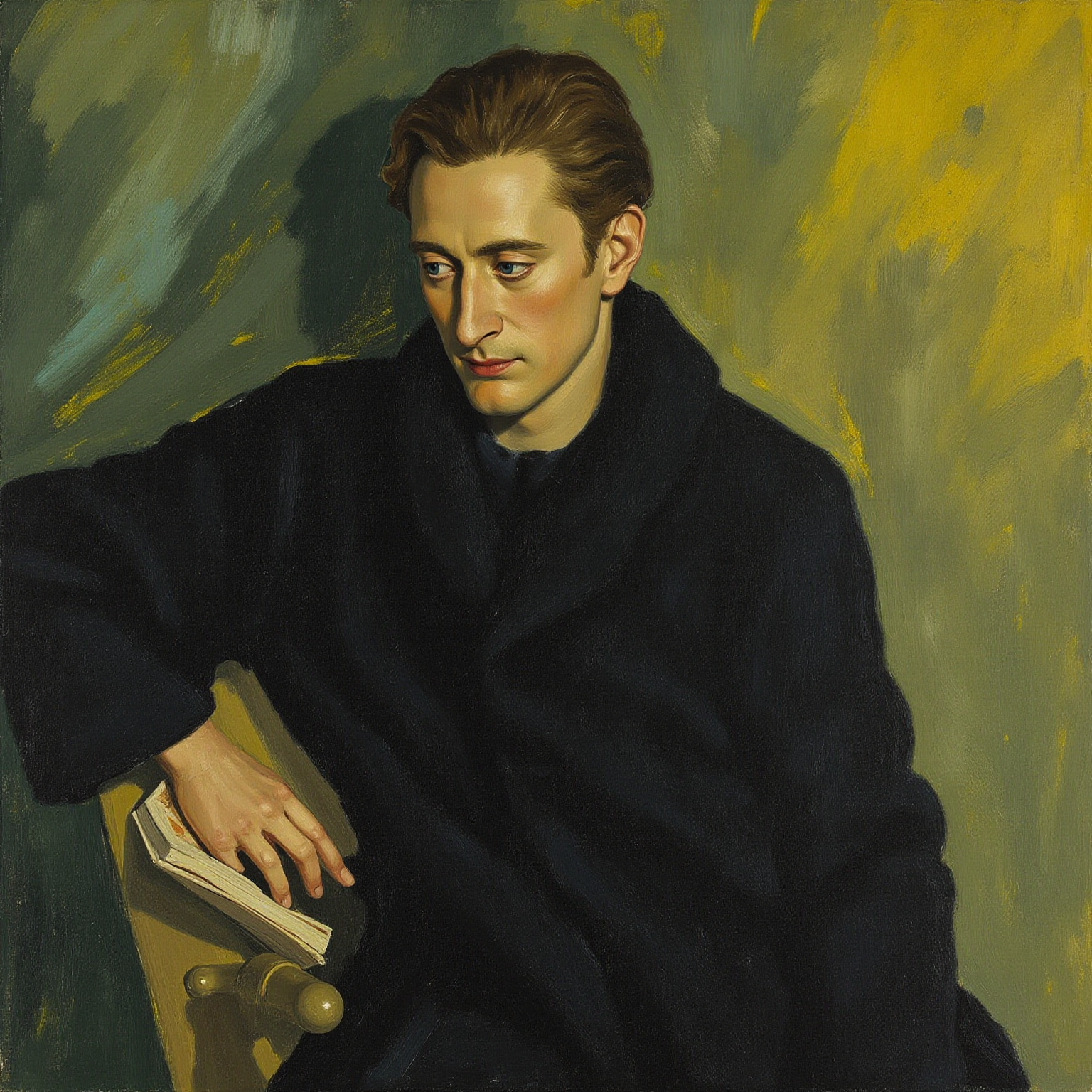
"Poor Fennimore, would you rather never have known it?"
可怜的芬妮莫尔,你宁愿从来不曾知道吗?
原文金句 · 第11章 · 终局
So reading this book is not chasing a plot. It is watching how much betrayal and death a single will can stand before it breaks. Niels never becomes a hero, is not even an ideal atheist. He simply holds out, right up to his last breath, without ever reaching for a lie, and that turns out to be enough weight to carry a whole book.
Go read the book
None of this survives a summary intact. You have to see for yourself how Jacobsen can write a patch of light moving across a windowsill in a single sentence, how a conversation between two people can cut sharper in its silences than in its words, how at the moment a child stops breathing he refuses to reach for feeling and writes only that a man picks up a book from the floor and sets it back on the table. That is where Niels Lyhne is actually alive. If you want to know what temperature the end of a godless life really is, this book holds out a cold hand to you in silence, and not one lie in it.
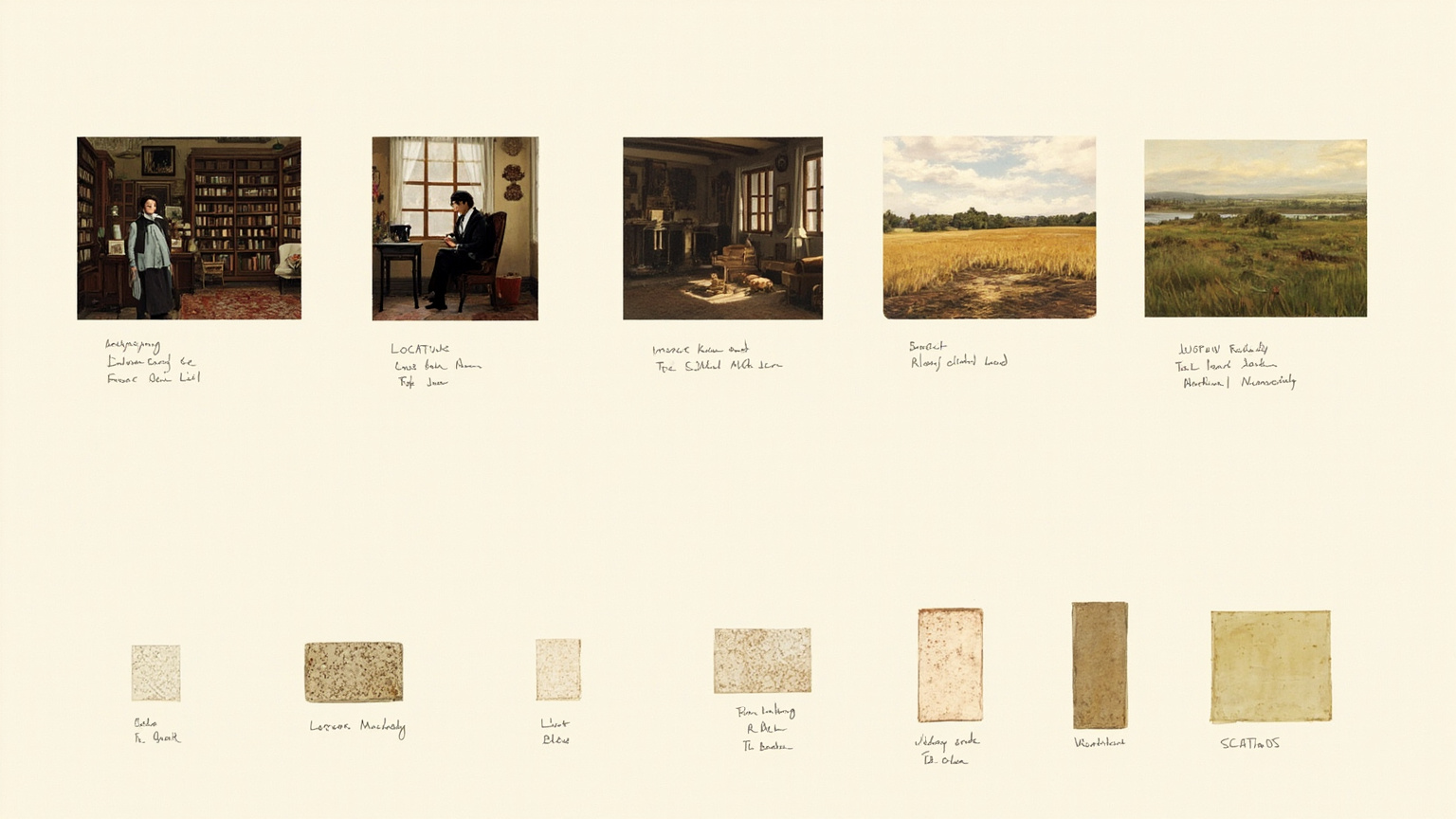
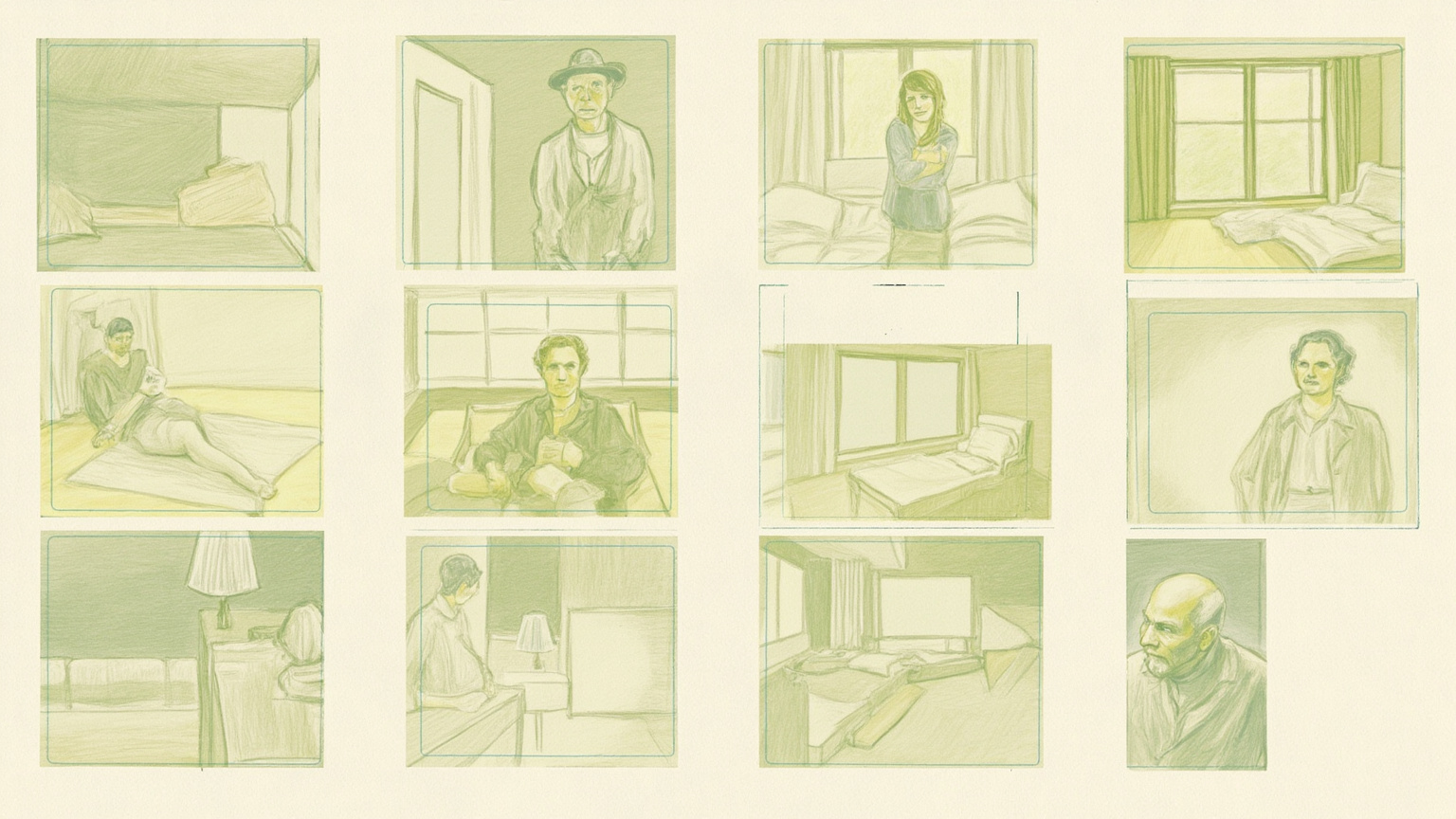
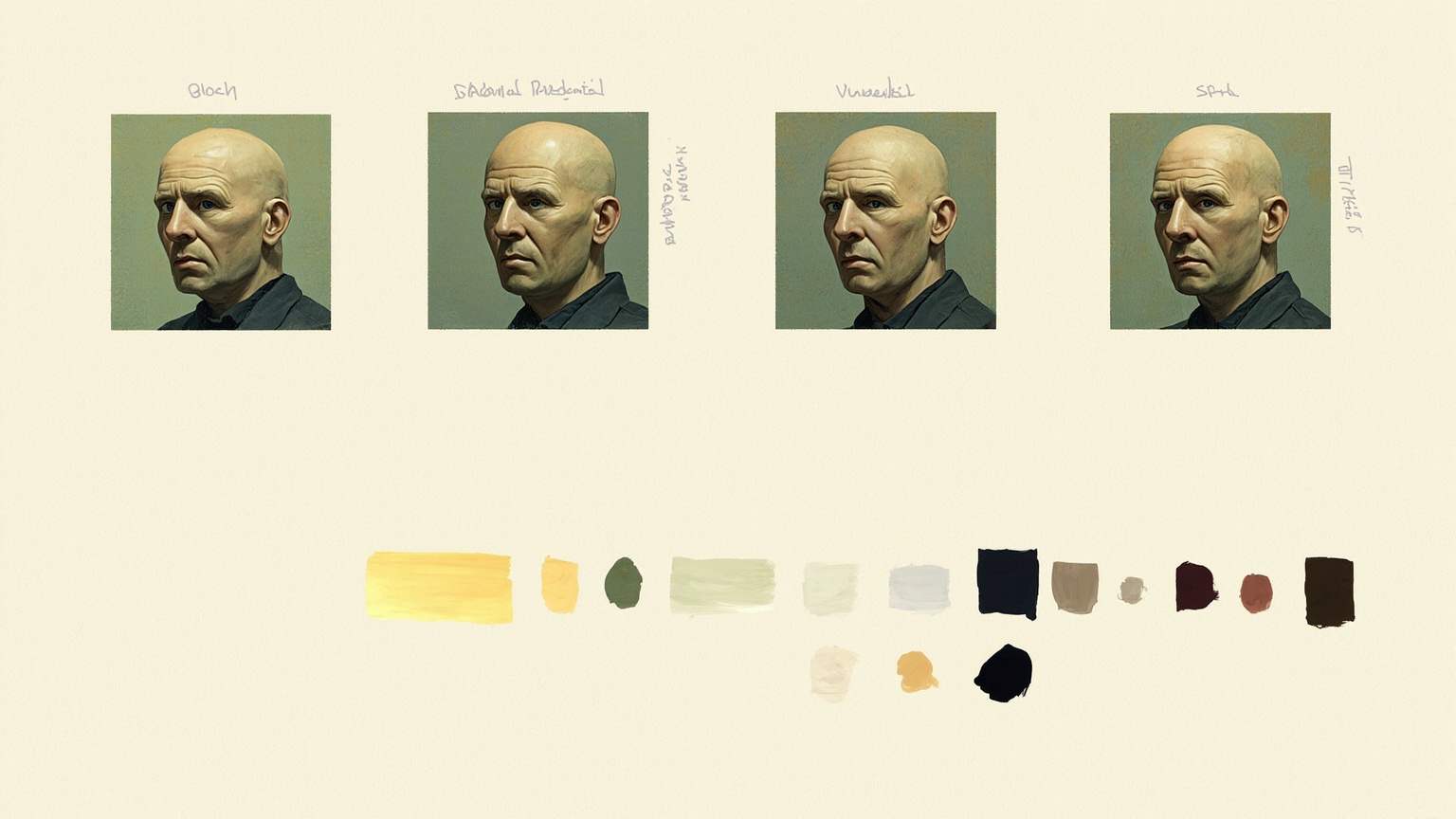
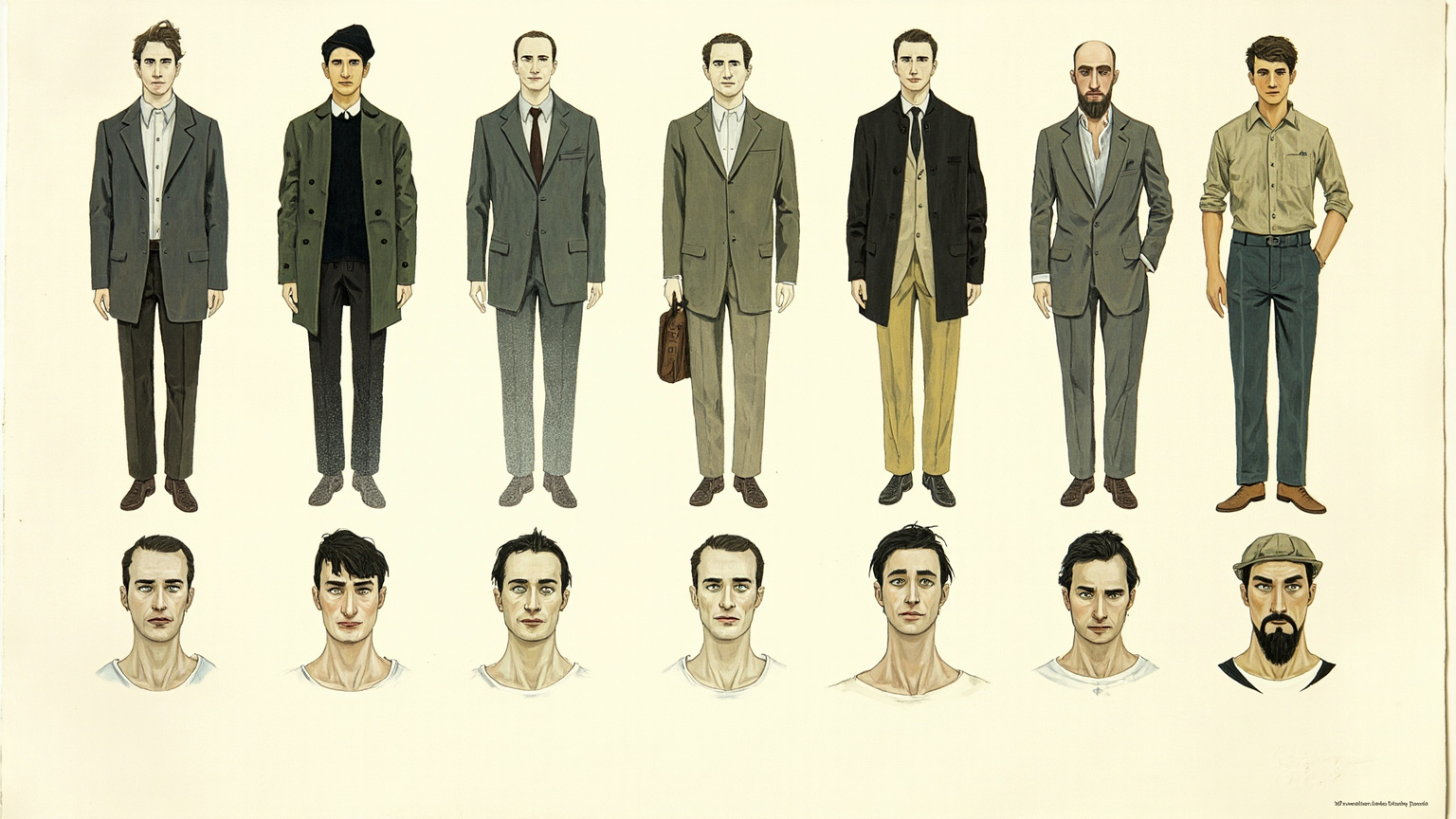
Art Direction4 plates
Before the guide was written, this book got a visual foundation — every illustration you just read grew out of it.