Northanger Abbey · Companion Guide
诺桑觉寺
一个满脑子哥特幻想的乡村少女,闯进摄政时代巴斯社交季与古堡疑云,却发现最可怕的秘密不过是一张洗衣账单。
The Opening: A Sinister Old Abbey Full of Laundry Bills
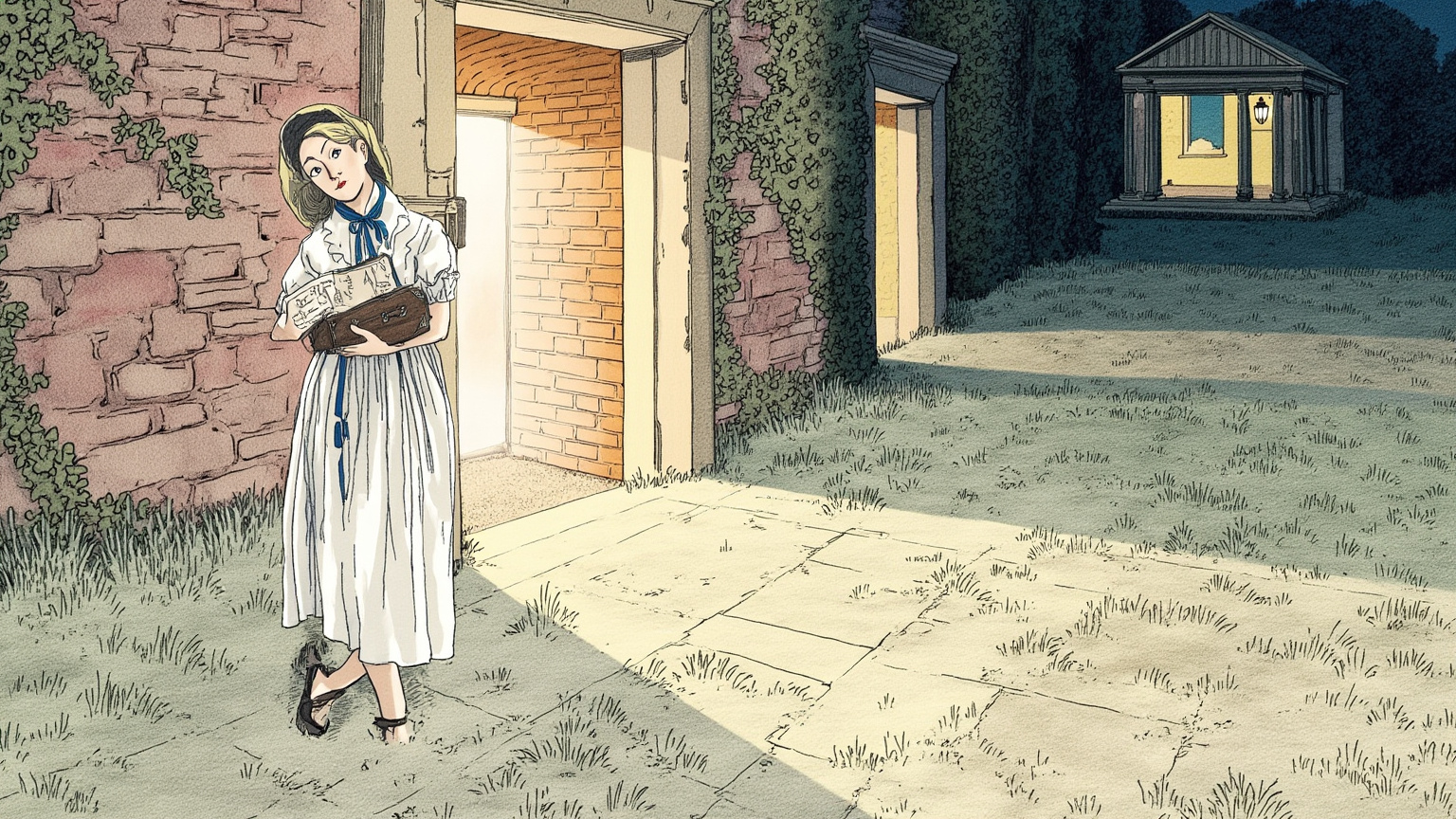
Late at night at Northanger Abbey in Gloucestershire, teenage Catherine Morland pads barefoot across the floorboards, holding her breath, reaching for the locked antique cabinet beside the room that belonged to the family's late mother. Her heart is pounding—by the logic of The Mysteries of Udolpho, which she has read, there is probably a shriveled corpse behind that door. The door creaks open. Inside: a stack of laundry bills and a neatly kept household inventory.
This is where Austen's dry wit lives: the Gothic novels taught her heroine to look for murder in real life, and real life hands her a bill instead. The horror in this book isn't in a locked cell, it's in the drawing room; its villain doesn't carry a knife, he's a father who throws a girl out of his house for the crime of not being rich enough. What Catherine has to learn is how to take her eyes off the novels and put them on the ordinary, status-obsessed people in front of her.
What Kind of Book This Is
Northanger Abbey was written in the early nineteenth century, finished in Jane Austen's lifetime but published only after her death, bound together with Persuasion. She started it in her twenties under the title Susan, revised it repeatedly, and it didn't reach readers until the year she died. Of all her novels, it's the least decorous, the most willing to bicker with the reader, and the closest in tone to her private letters—needling everyone with a smile, never actually losing its temper.
It's remembered for two layers stacked on top of each other. On the surface, it's a light romantic comedy about a country girl who crashes a fashionable social season, meets the man she wants, gets thrown out of a great house, and is chased down and won back. Underneath, it's an itemized bill served to the Gothic novel—Austen sends up every one of Ann Radcliffe's scare tactics, and along the way caricatures the money-talk that ran the marriage market of the day. Literary history tends to file it as Austen's most metafictional book, because she doesn't just tell the story; she keeps stepping outside it to defend a genre everyone looked down on: the novel itself.
The Cast and Their World
Catherine Morland is a country clergyman's daughter, plain-looking, plain-minded, with exactly one unusual habit: a bedside stack of Ann Radcliffe's Gothic novels. Her neighbors the Allens take her to Bath—England's most fashionable spa town at the time, where everyone makes small talk over mineral water in the Pump Room, dances all night at the Lower Rooms, and the shop windows on Milsom Street pull the ladies harder than any bookshelf. Catherine throws herself into it headlong, falling for the balls and for a young clergyman at one of them who talks entirely in irony: Henry Tilney.
Henry is the second son of the widowed General Tilney, holds a small clergy living of his own at Woodston, and talks as if he's constantly solving a riddle. His sister Eleanor is gentle and proper, and it's she who personally invites Catherine to Northanger Abbey. The General is the abbey's master—domineering, status-obsessed, forever running numbers in his head, and he doesn't resemble a single villain Catherine has ever read about, because he never raises a knife. He only keeps accounts. Then there's Bath's shadow duo: Isabella Thorpe and her crude brother John—one who dazzles Catherine's brother and then drops him without a second thought, the other who talks endlessly about horses and, with just a couple of sentences, changes an entire family's fortunes.
How the Plot Moves
The moment Bath opens, the Allens walk Catherine straight into the marriage market. Mr. Allen is there to take the waters for his gout; Mrs. Allen has eyes only for her new lace and is all but blind to Catherine's romantic prospects—she'll go down as the textbook Austen specimen of the useless chaperone. It's at one of these unsupervised balls that Henry Tilney first teases her: have you read any Gothic novels? Catherine goes scarlet. Austen ties her hero and heroine's first meeting to a joke about reading habits.
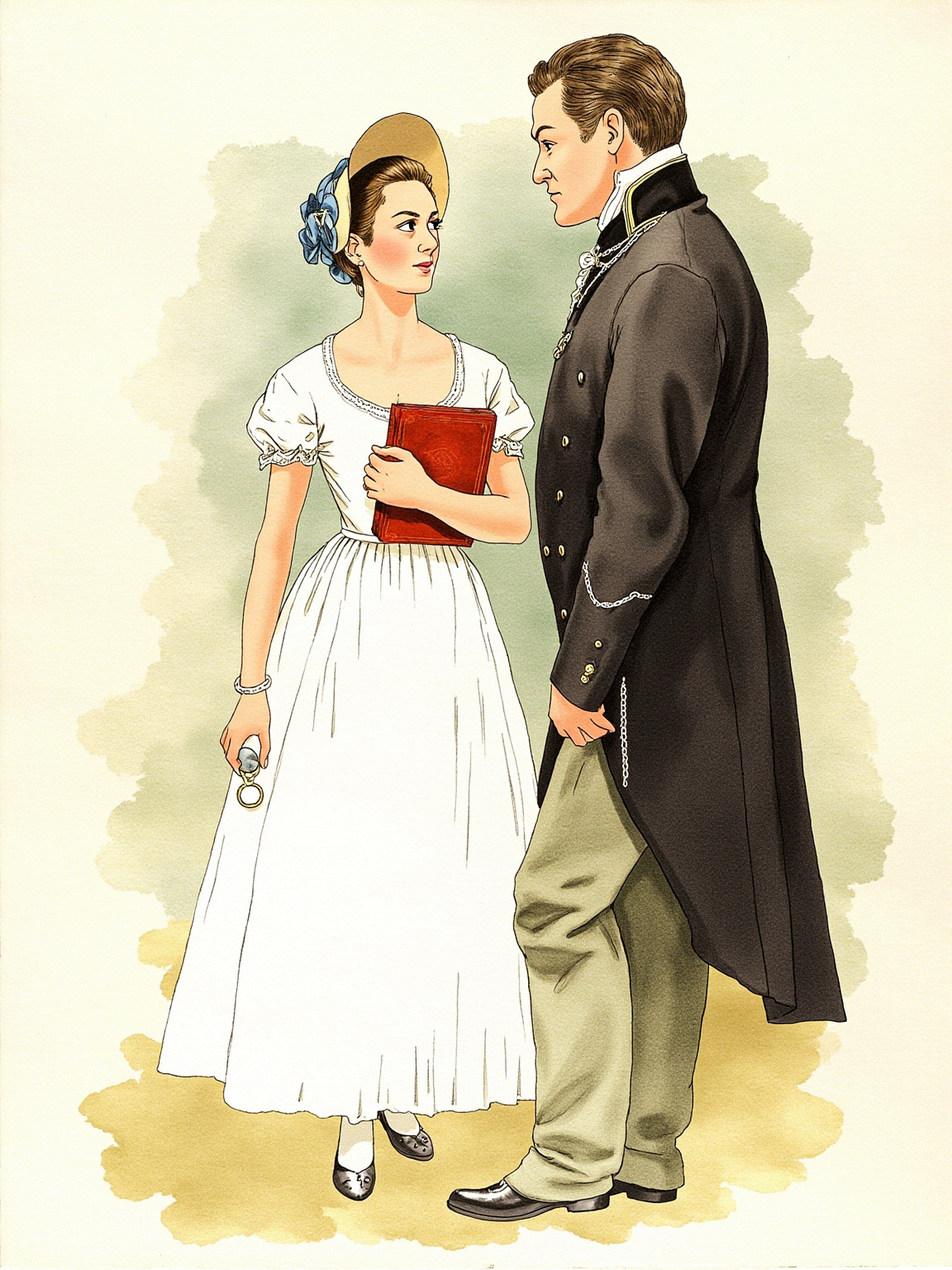
Allen's, and James, as the door was closed on them, said, "Well, Catherine, how do you like my friend Thorpe?"
“凯瑟琳,你觉得我的朋友索普怎么样?”
原文金句 · 第7章 · 巴斯初识
Almost at the same time, the Thorpes plant two lies. John boasts about his carriage and his horsemanship, then turns around and tells General Tilney that Catherine is the Morlands' sole heiress, sitting on a frightening fortune; his sister Isabella, smiling, takes Catherine's brother James by the arm, and within days has him happily wearing an engagement ring. Caught between the two families, Catherine hasn't yet noticed that she's already a commodity being traded in other people's conversations.
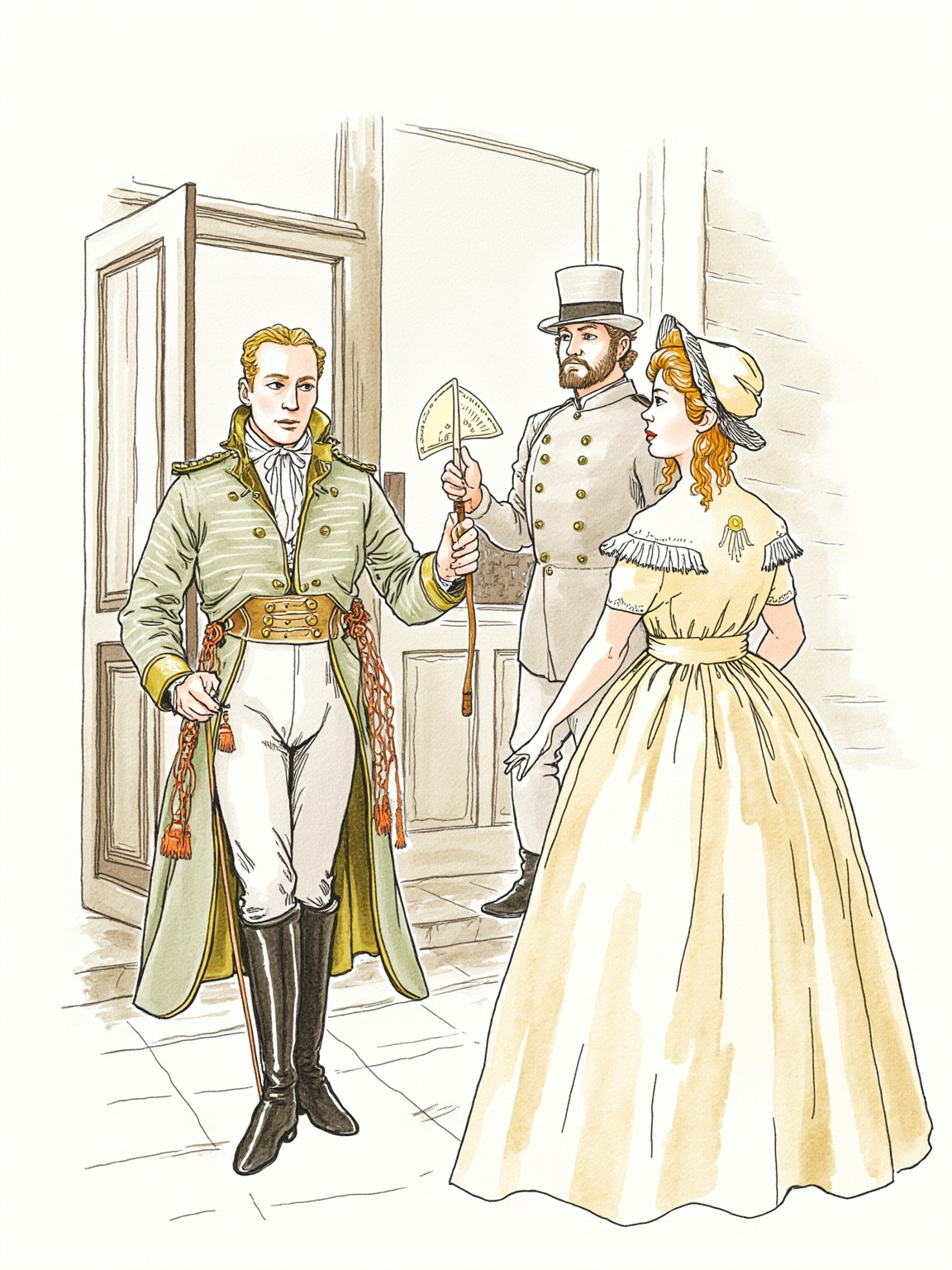
A silence of several minutes succeeded their first short dialogue; it was broken by Thorpe's saying very abruptly, "Old Allen is as rich as a Jew-is not he?"
“老艾伦富得像个犹太人,是不是?”
原文金句 · 第9章 · 金钱臆想
One day when Henry isn't around, his sister Eleanor quietly hands Catherine an invitation: come stay with the family at Northanger Abbey. The moment Catherine climbs into the carriage, her head fills with images from The Mysteries of Udolpho—looming towers, drafts through corridors, a wardrobe hiding a secret. She pictures herself entering a medieval monastery. The carriage pulls up to the door and she freezes: freshly whitewashed walls, sash windows that glide without a creak, kitchen copper polished to a shine, new carpet running down the passages. The Gothic stage set has been renovated, at the General's expense, into the kind of comfortable country house every fashionable Londoner wants—and Catherine's disappointment is written all over her face.
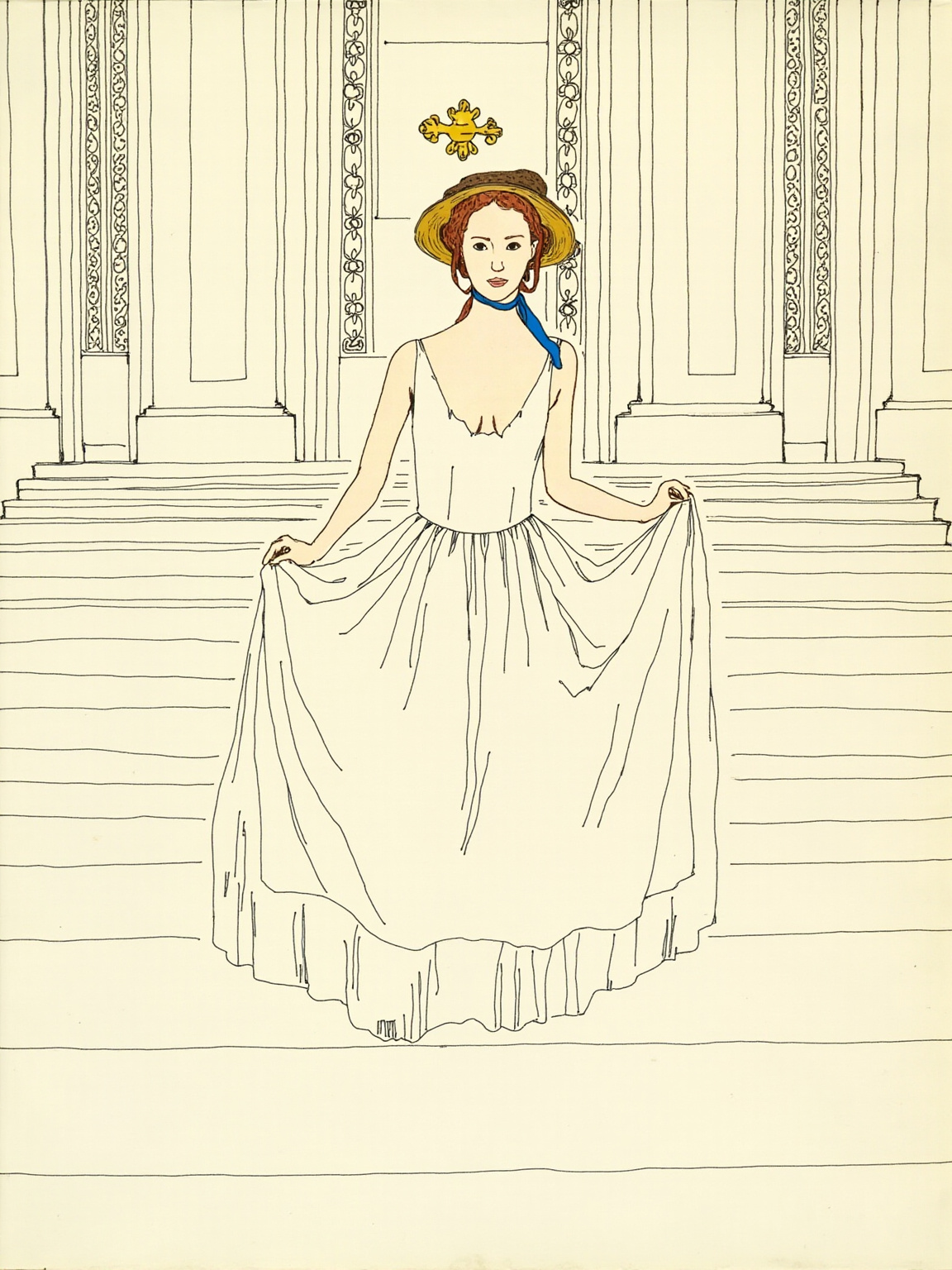
"Go, by all means, my dear; only put on a white gown; Miss Tilney always wears white."
“一定要去,亲爱的;穿白裙子就好;蒂尔尼小姐总是穿白色。”
原文金句 · 第11章 · 白裙之邀
A few days into her stay at the abbey, Catherine can't hold herself back any longer. At night she slips into the late Mrs. Tilney's old bedroom, feels along the walls for a hidden door, and forces open the locked oak chest—inside, laundry bills and a tidy household inventory. The more she searches, the more convinced she becomes that the General murdered or imprisoned his wife. Henry's expression turns cold by degrees. Finally he corners her outside his late mother's room, his voice gentle, each sentence landing sharper than the last: you got this from a novel, didn't you? Catherine is struck dumb. Her girlish fantasy is dismantled to her face by the person she loves most—gently, cleanly, leaving her nowhere to retreat.
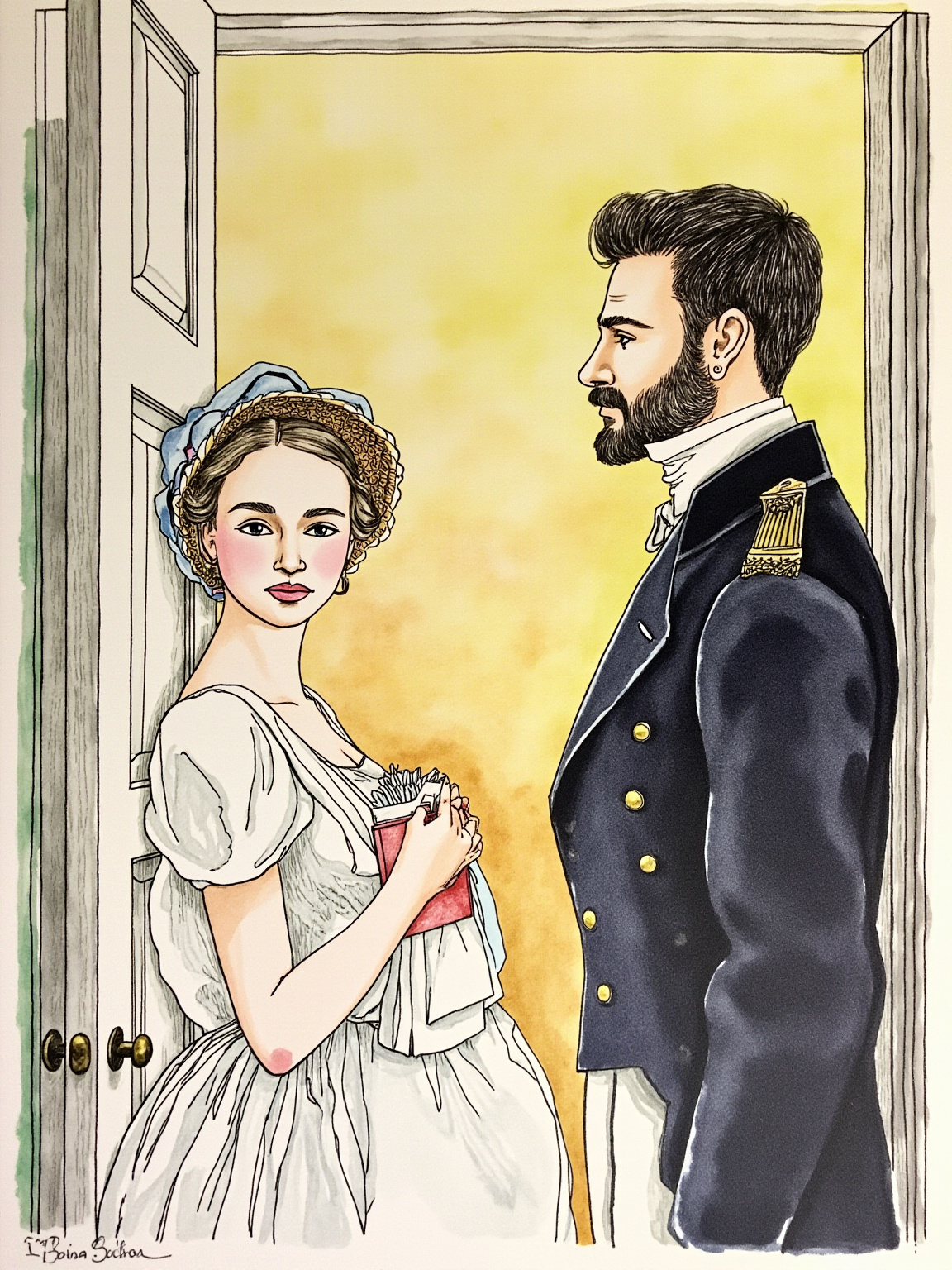
To be sure, the pointed arch was preserved-the form of them was Gothic-they might be even casements-but every pane was so large, so clear, so light!
“尖拱倒是保留了——窗户是哥特式的——甚至可以算是窗扇——但每块玻璃都那么宽大、明净、亮堂!”
原文金句 · 第21章 · 明亮之窗
In the same month, the Bath plotline collapses entirely. Isabella's head is turned; she drops the honest, unremarkable James and sets her sights on the General's elder son, the serving officer Captain Frederick Tilney—convinced this is the truly respectable match. The Captain is only amusing himself with her, and once he's bored he vanishes back to London to dance with someone else, leaving Isabella with nothing and her reputation in pieces. The scene reads as a throwaway, but underneath it Austen has carved the phrase marriage market right down to the bone: treat an engagement as a stepping stone and the market will make a fool of you.
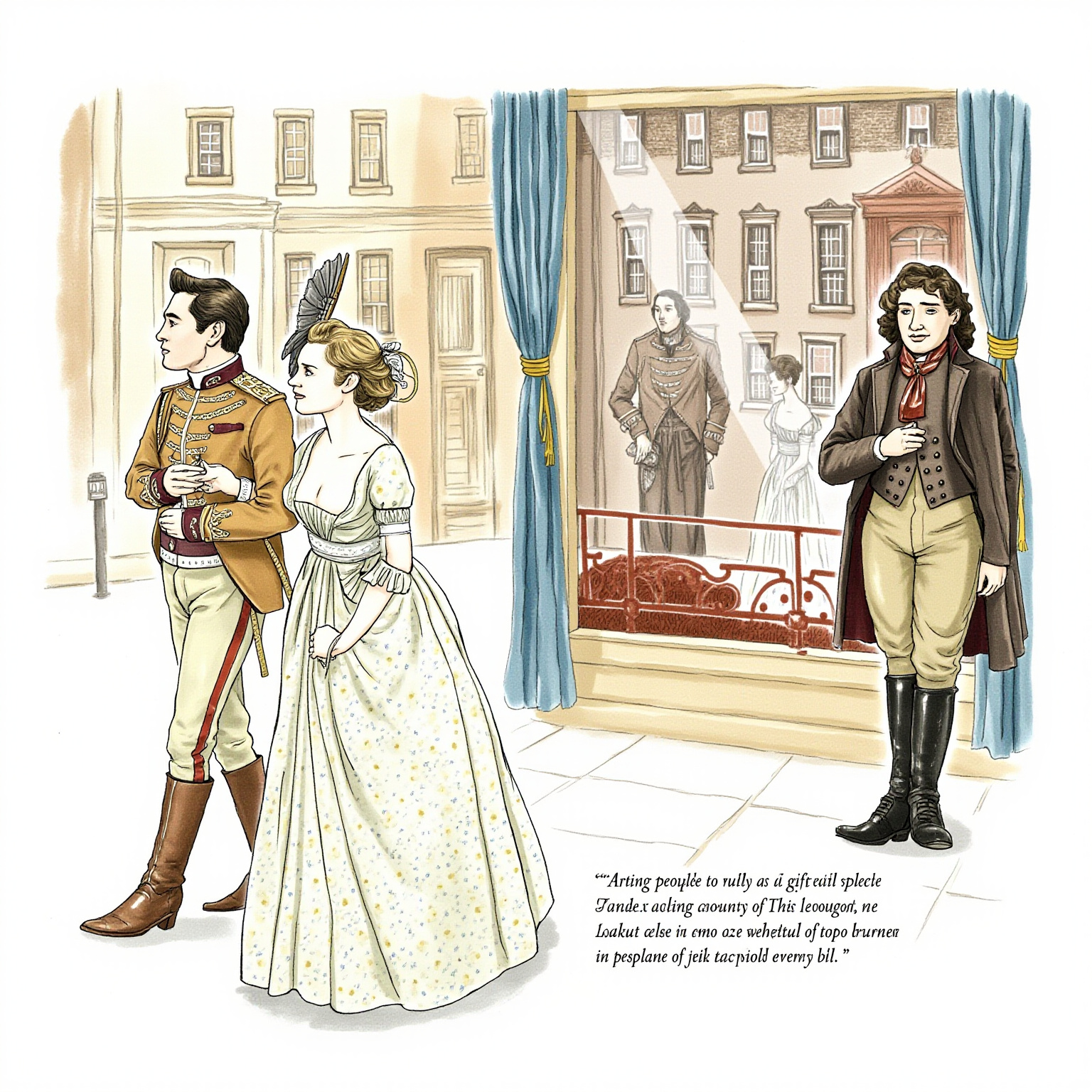
She opened it; it was from Oxford; and to this purpose: "Dear Catherine, "Though, God knows, with little inclination for writing, I think it my duty to tell you that everything is at an end between Miss Thorpe and me.
“亲爱的凯瑟琳,虽然上帝知道我毫无写信的心情,但我有责任告诉你,我与索普小姐之间的一切都结束了。”
原文金句 · 第25章 · 婚约终结
The good days at Northanger Abbey run out too. John Thorpe, still stinging from Catherine's rejection, goes behind her back and tells the General the truth as he now spins it: the Morlands are dirt poor. The General's face changes overnight—all warmth at dinner one day, and that same night he has the servants pack her off, bags and all, on a carriage back to Fullerton. Catherine sits alone through the jolting night journey without ever receiving a formal word telling her to leave. There's no screaming, no struggle, only the cold violence of snobbery: no money, no door.
Poor Thorpe is in town: I dread the sight of him; his honest heart would feel so much.
“可怜的索普在伦敦:我害怕见到他;他诚实的心会多么难过。”
原文金句 · 第25章 · 诚实的索普
Henry learns what happened from his father's study and rides through the night after her. He catches up with her at Fullerton and gets down on one knee in the parsonage's small parlor—he proposes for no reason but that he has seen she is genuine. As for the General, once he learns the Morlands are comfortably well-off after all, and just as his daughter Eleanor happens to marry up to a wealthy viscount, his mood improves enough that he consents to the match. This time Catherine doesn't read people through the lens of a Gothic novel. She has finally learned to recognize a love that is a little plain, a little clumsy, and entirely steady.
Themes and Technique
Northanger Abbey can't avoid the question of fantasy versus reality, but the sharpest cut comes after the fantasy collapses: reality turns out shabbier than the novels, and gentler than them too. What Catherine learns isn't to give up novels, but to know when to set one down. Austen uses her to fire an entire chapter's worth of ammunition at the opinion, common in her day, that novels were a frivolous thing for silly women—she steps out and defends the genre, and the women who love reading it, with an argument confident enough to make a reader today want to applaud.
The other theme is money. The General's two faces, John Thorpe's two contradictory sentences, Isabella's habit of falling for whoever's convenient—all of it is strung together on a single motive: profit. Austen writes the Bath social season of the late eighteenth century as an auction with the prices posted openly: the girls are the lots, the ladies are the bidders, and the Gothic novel is only the spice thrown in to season a dull transaction. From start to finish, the book has exactly one real villain—not a murderer, an accountant.
What Austen does in Northanger Abbey is invite the Gothic novel's ghost into the drawing room, then let everyone see that the ghost was a ledger all along.
Why It's Been Read for Over a Hundred Years
A few reasons stack up. It's Austen at her youngest and most carried away, with a narrator who keeps breaking in to tease the reader—more metafictional than anything else she wrote. It also runs the country-girl-walks-into-a-great-house story backward for every writer who came after: you expect a mysterious old estate to be hiding a secret, and the secret turns out to be nothing more than who has money and who can't be bothered to seem mysterious. Then there's Catherine's arc—from a girl who takes novel plots literally to one who can tell love from snobbery—which is cleaner and more complete than in any of Austen's other novels, closer to a textbook coming-of-age story than anything else she wrote.
Why Go Read the Book Itself
A companion guide gives you the map; the novel is the ground itself. Only in the original do you run into Austen's most valuable weapon—irony. She writes the General's fatherly smile, and a chill runs down your back; she writes Catherine settling comfortably into the carriage, and a sentence later you're jolted enough to want to cry. Catherine's shame, Isabella's ruined name, the General's air of having done more than his duty required—none of it lands the same way unless you meet it sentence by sentence in the original. And there's a whole chapter where Austen steps forward in person to defend the novel as a form—that dead-serious defense, in the early nineteenth century, of women reading for pleasure, delivered in her particular voice, mild on the surface and cutting underneath, is something no companion guide can imitate.
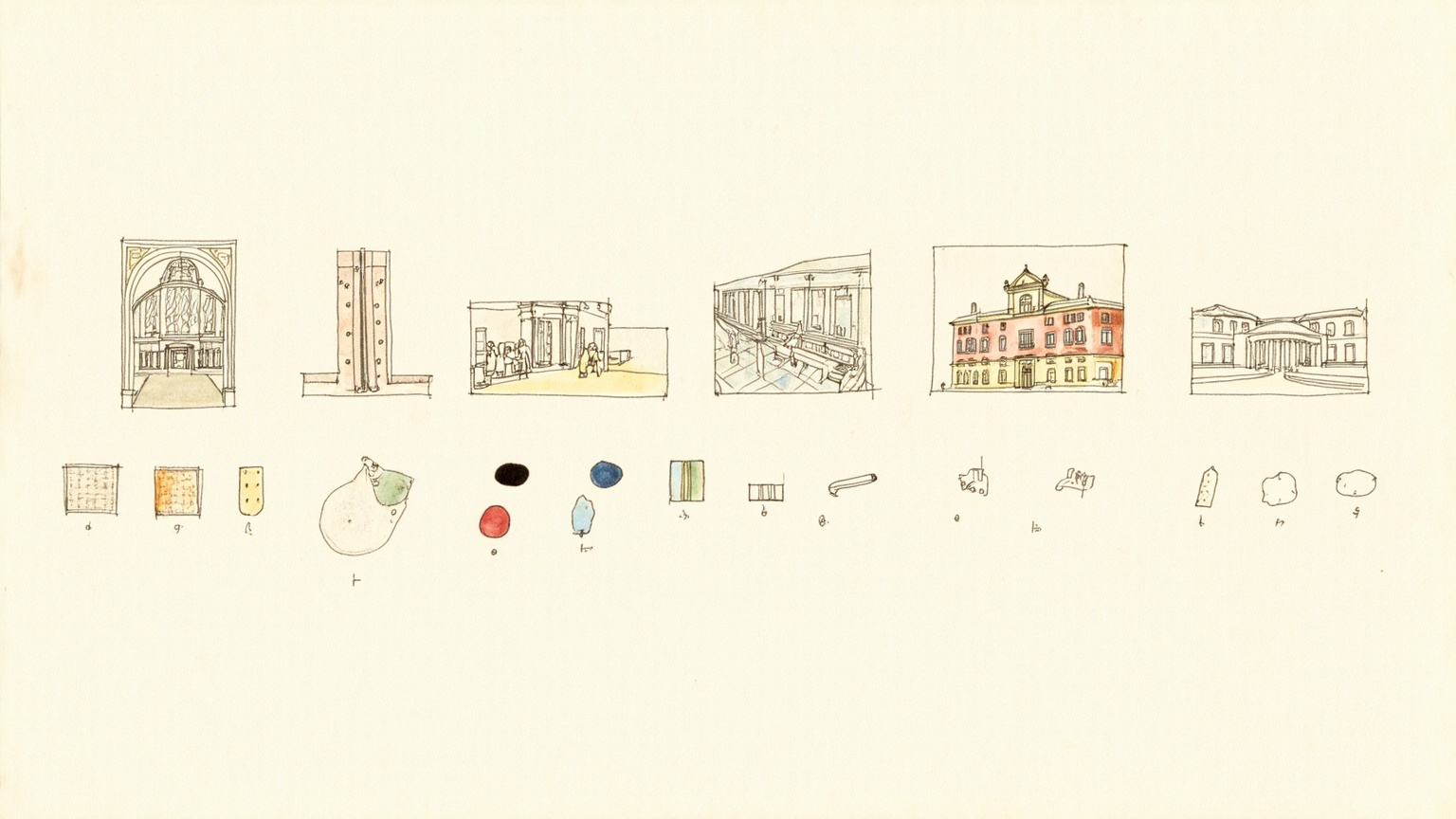
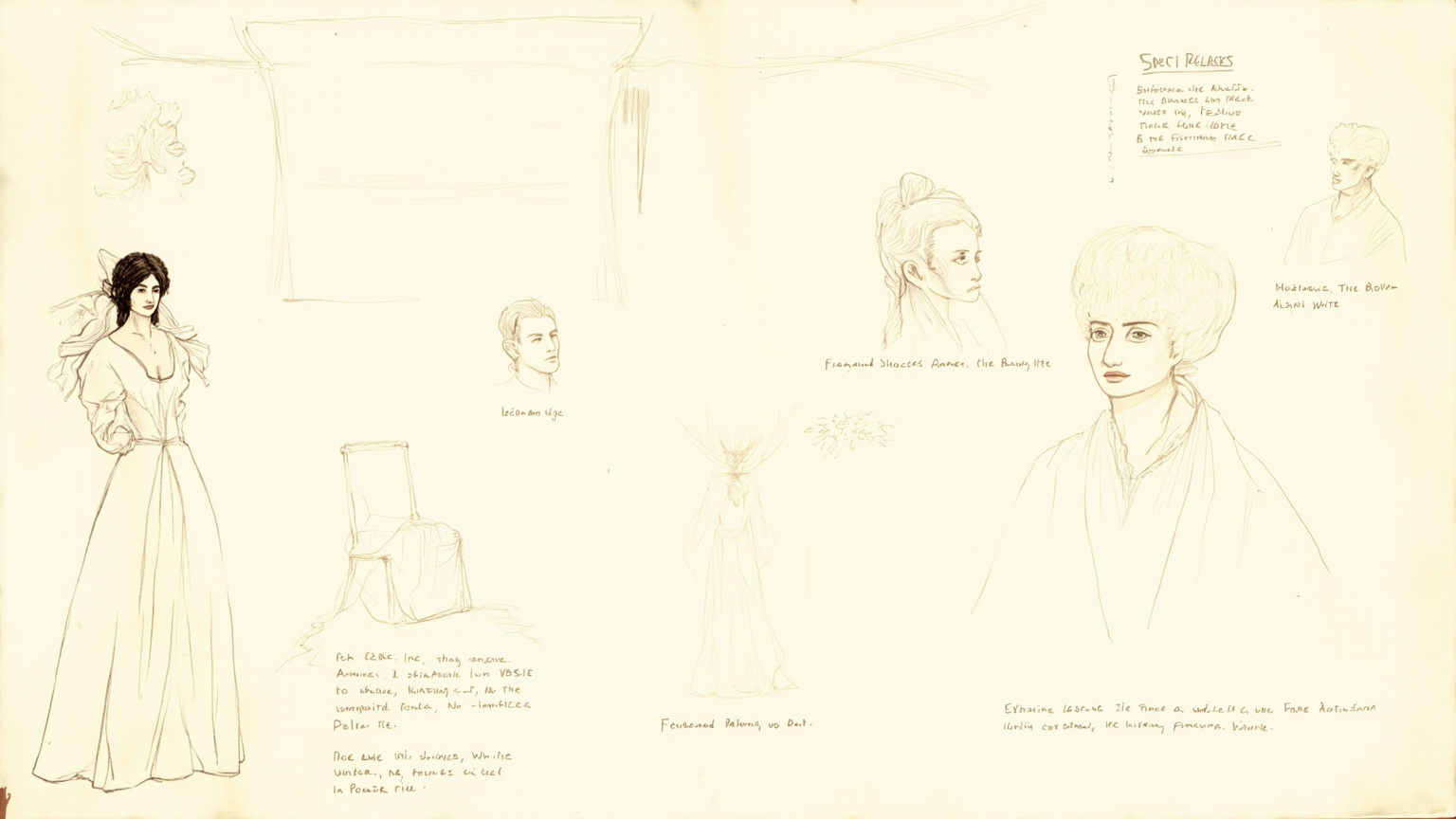
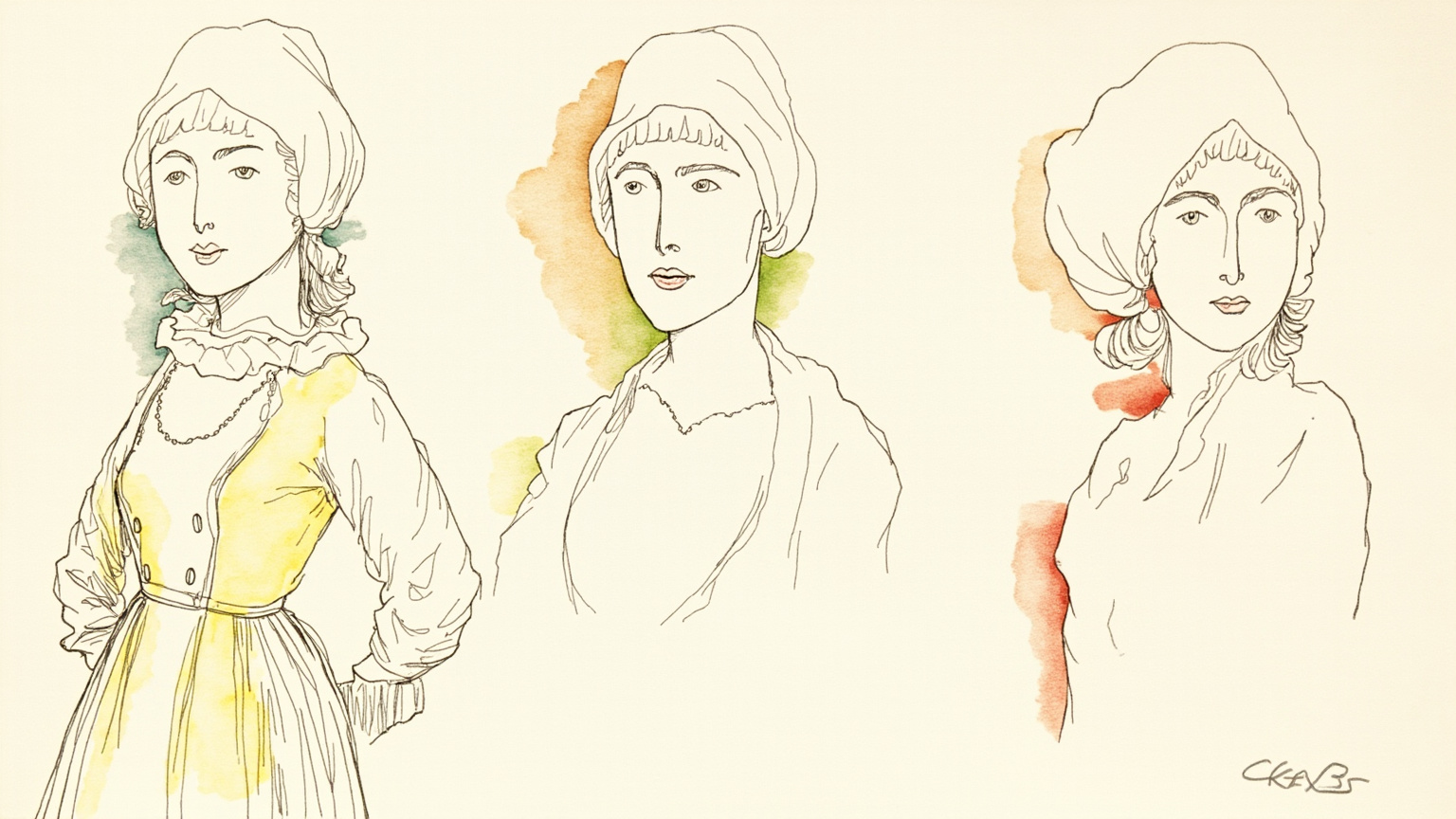
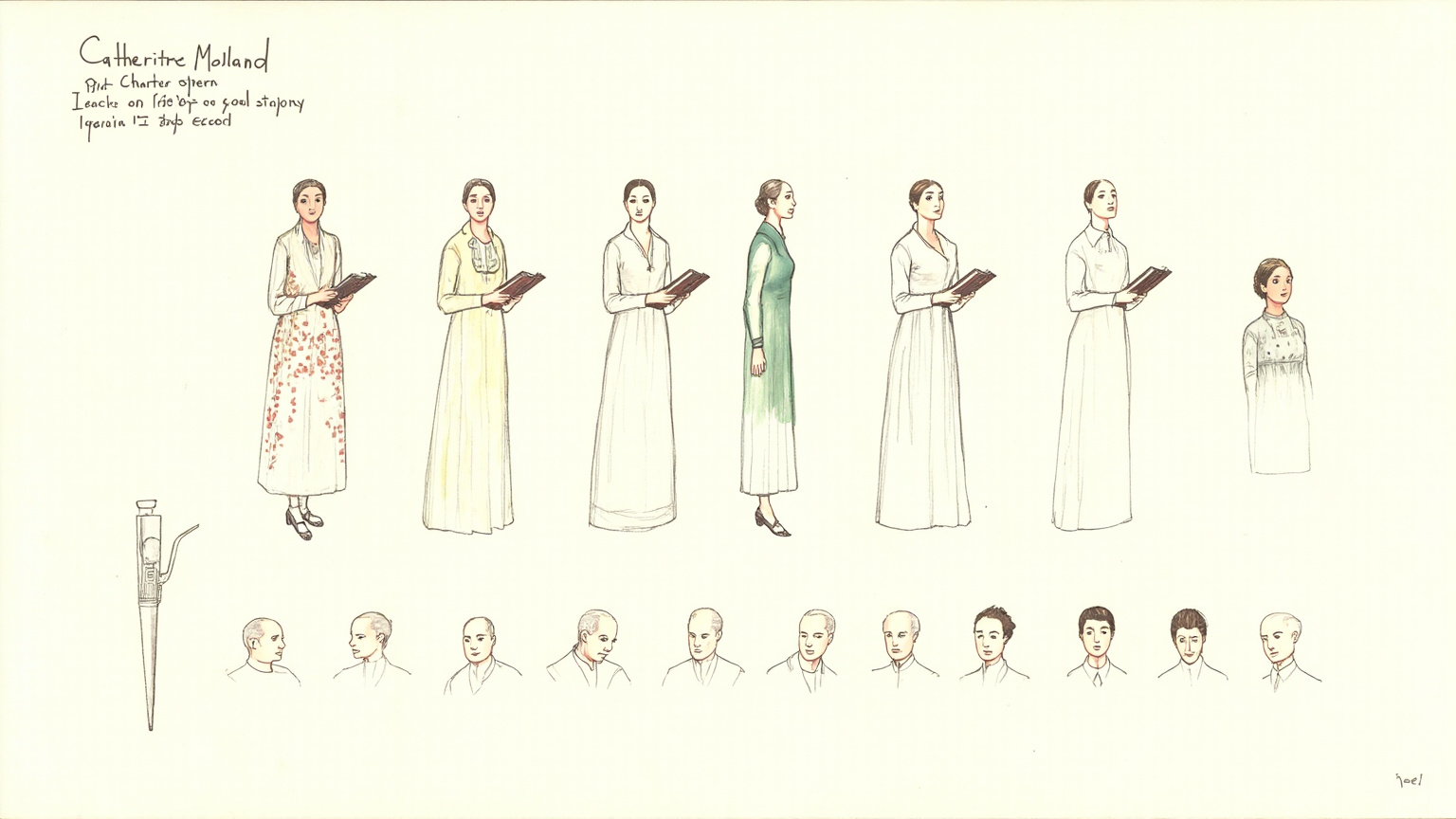
Art Direction4 plates
Before the guide was written, this book got a visual foundation — every illustration you just read grew out of it.