Ollantay (Ollanta: An Ancient Ynca Drama) · Companion Guide
奥扬泰
印加帝国黄金时代,平民将军爱上太阳贞女,抗命十年后于库斯科祭典长跪请罪,王以太阳之名赦其罪、复其官、还其女。
I. Opening: A Fortress That Should Never Have Been Built
On a ridge outside Cuzco stands the fortress later named for him: Ollantaytambo. Its walls are built from stones taller than a man, stacked so tightly a blade could not slip between them. Below the walls, terraces step down into the gorge, and below the terraces, a sea of cloud. This is where Ollantay retreated with his men after defying the king, and held out for ten years. He was no fugitive. He commanded troops, governed a province, and ruled from behind these walls for a decade, refusing summons from the royal court again and again until his domain looked less like rebellion than a breakaway state. And the cause of all this defiance was a man who stood up at a victory feast and asked the Temple of the Sun for permission to marry a princess already consecrated to the House of the Virgins.
II. What This Book Is
Ollantay is the only Quechua court drama from the Inca era that survives whole and can still be staged. Its story passed through generations of Andean oral tradition before Bishop Valdez worked the traditional material into a performable script in the eighteenth century, and the English translator Clements Markham published it in London in the nineteenth. On the map of world literature it holds up one half of a pair with the Maya Popol Vuh: Central American rainforest myth on one side, Andean highland court drama on the other. Even the imagery has nothing in common. The Maya text runs on vines, jungle, and towering feather headdresses; this one runs on gold, boulders, terraced fields, llamas, and snow peaks.
III. Characters: Four People, One Wall of Sacred Law
Ollantay was born a commoner and fought his way up to supreme general of the conquest. His service was more than enough; his blood was not. He stood outside the circle of Inca nobility — good enough to command an army, not good enough to marry a princess. Cusi Coyllur, daughter of the Inca king Pachacutec, had already been consecrated to the House of the Virgins of the Sun, bound to lifelong celibacy in the sun god's service; to break that vow was to defy divine authority itself. What separated them was not only rank. It was an entire order built in the sun god's name.
King Pachacutec is that order made flesh. He built the empire's golden age, and he ruled by the letter of the law, majestic and cold, keeping his daughter locked in the convent's dungeon for ten years without giving an inch. Ima Sumac is the other woman in the story, a noblewoman who stayed with Ollantay after he withdrew to the fortress, gentle and loyal, and it is her pleading that finally moves him. The play is careful about what she is: the tender push toward repentance, not a rival for his affection.
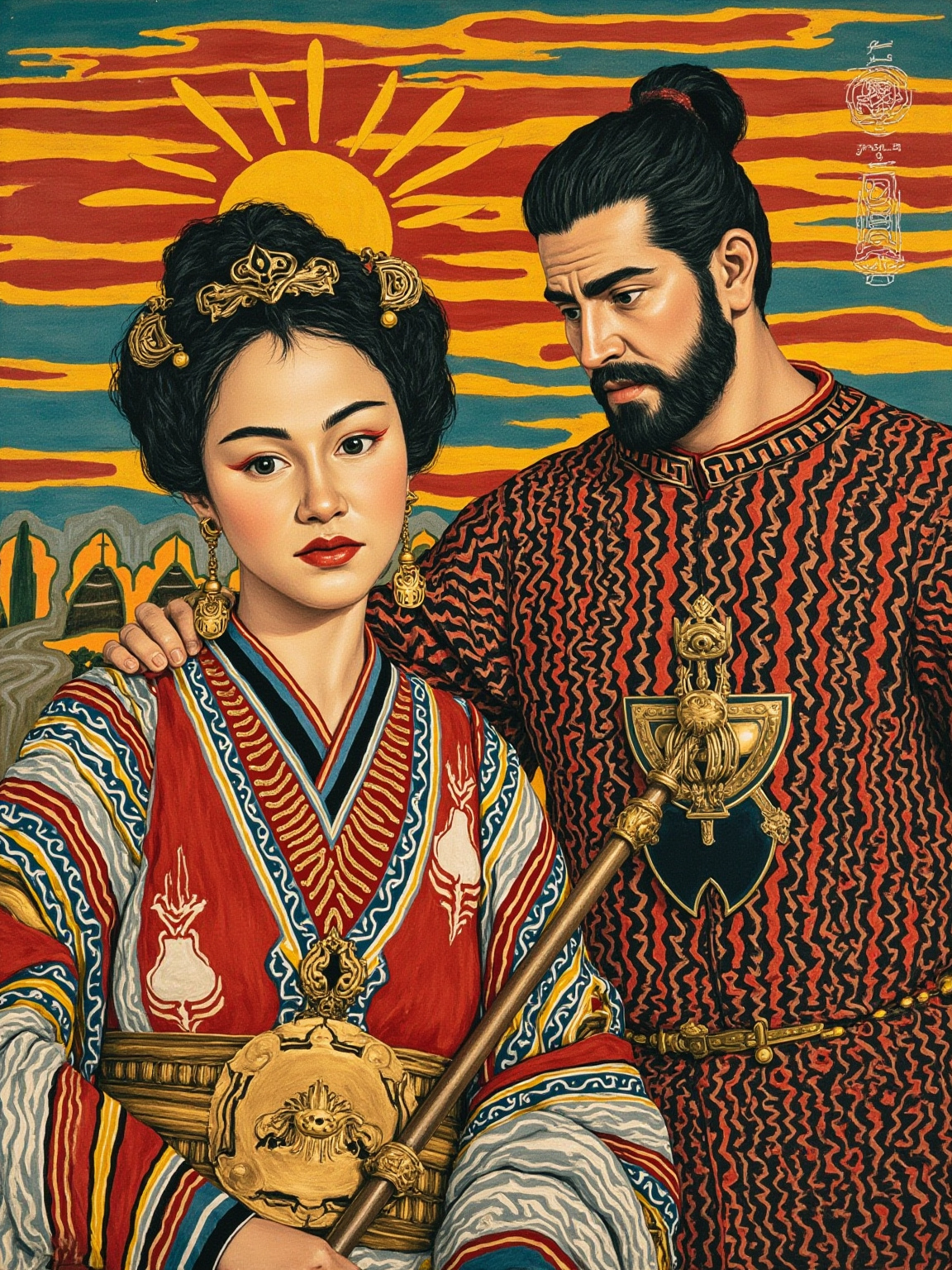
Let the sun himself give answer, and his priest declare it.
让太阳亲自裁断,让他的祭司宣谕。
金句 · 庆功宴抗命 · 大祭司峻拒
IV. The Plot: Defiance, Siege, Repentance, Reunion
The story begins with a love that was never permitted in the first place. At the victory feast, Ollantay, supreme general of the conquest, returns in triumph, and in the crowd Princess Cusi Coyllur sees his face clearly for the first time — or finally stops pretending she has not looked at it many times before. They fall in love in secret within the palace, but secrets like this do not keep. Ollantay then makes a decision he likely never weighed the cost of: he stands before the court and asks the high priest of the Sun Temple for permission to marry her.
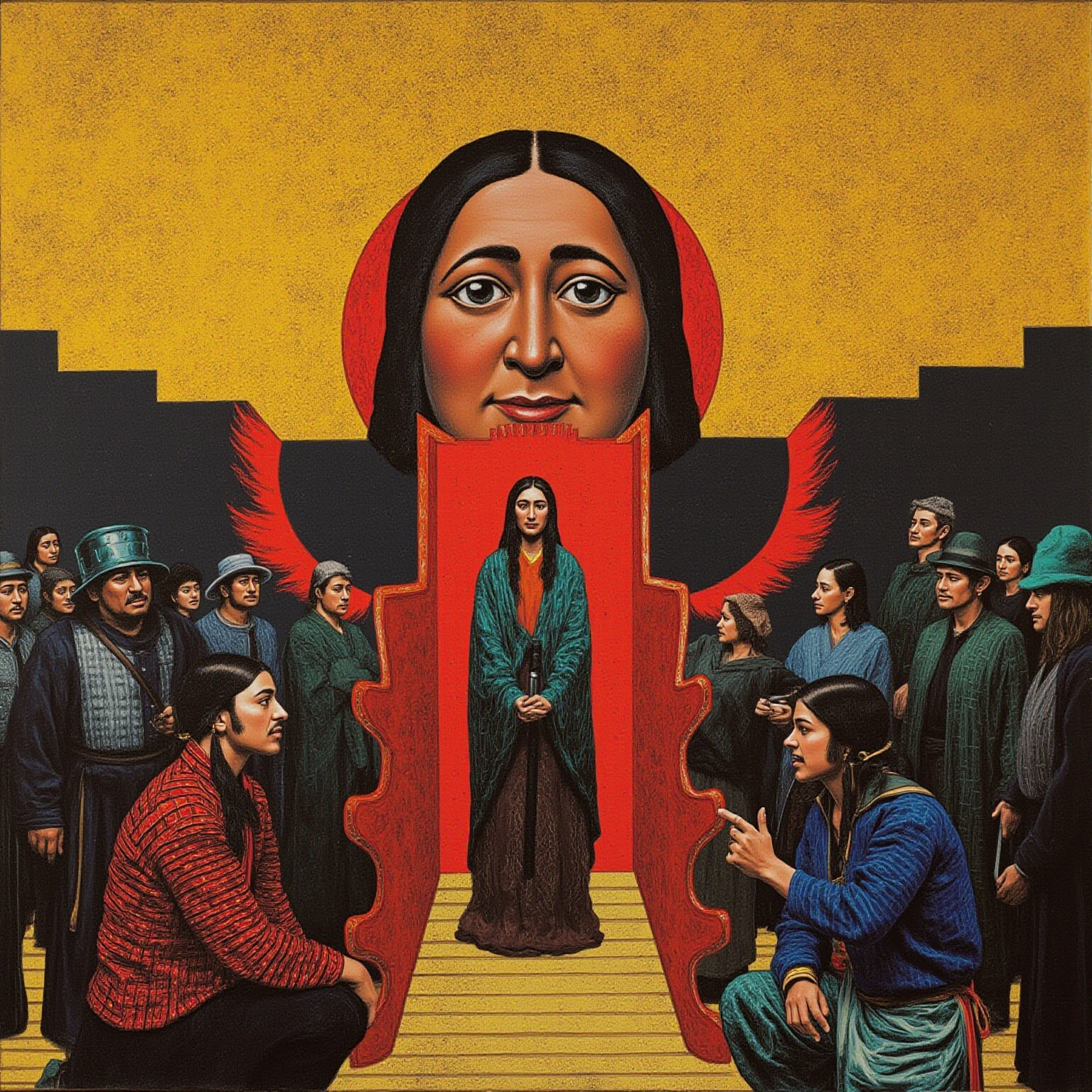
To Ollantay's stronghold no road runs, and its terraces climb like ladders into the cloud.
通往奥扬泰堡垒的路本就不存在,梯田一层一层向上,直爬进云里。
金句 · 退守奥扬泰坦博 · 行省称雄
The high priest refuses flatly. It is not personal dislike; it is impossibility. The ban on marrying a Sun Virgin is written into a divinely ordained order, and breaking it once breaks the whole structure. Ollantay does not bow. He pulls his men out of Cuzco that same night and falls back to the near-impregnable stone fortress of Ollantaytambo. He has troops, he has a province, and for the next ten years he refuses one royal summons after another, until his hold on the region looks like a breakaway state — a far greater embarrassment to the court than any lone man's flight would have been.
The princess suffers a different way. Her father locks her in the convent's dungeon for a full ten years. The play does not turn her into a symbol of suffering — she never wavers, she raises Ollantay's son in confinement, and once the boy is old enough he is smuggled out. Outside the cell door she is the Inca king's daughter and a violator of divine law; inside it she is a mother who kept her word. This is where Quechua oral drama does what it does best: long stretches of duet and monologue that give a woman who cannot appear on stage a voice anyway, even from inside a dungeon.
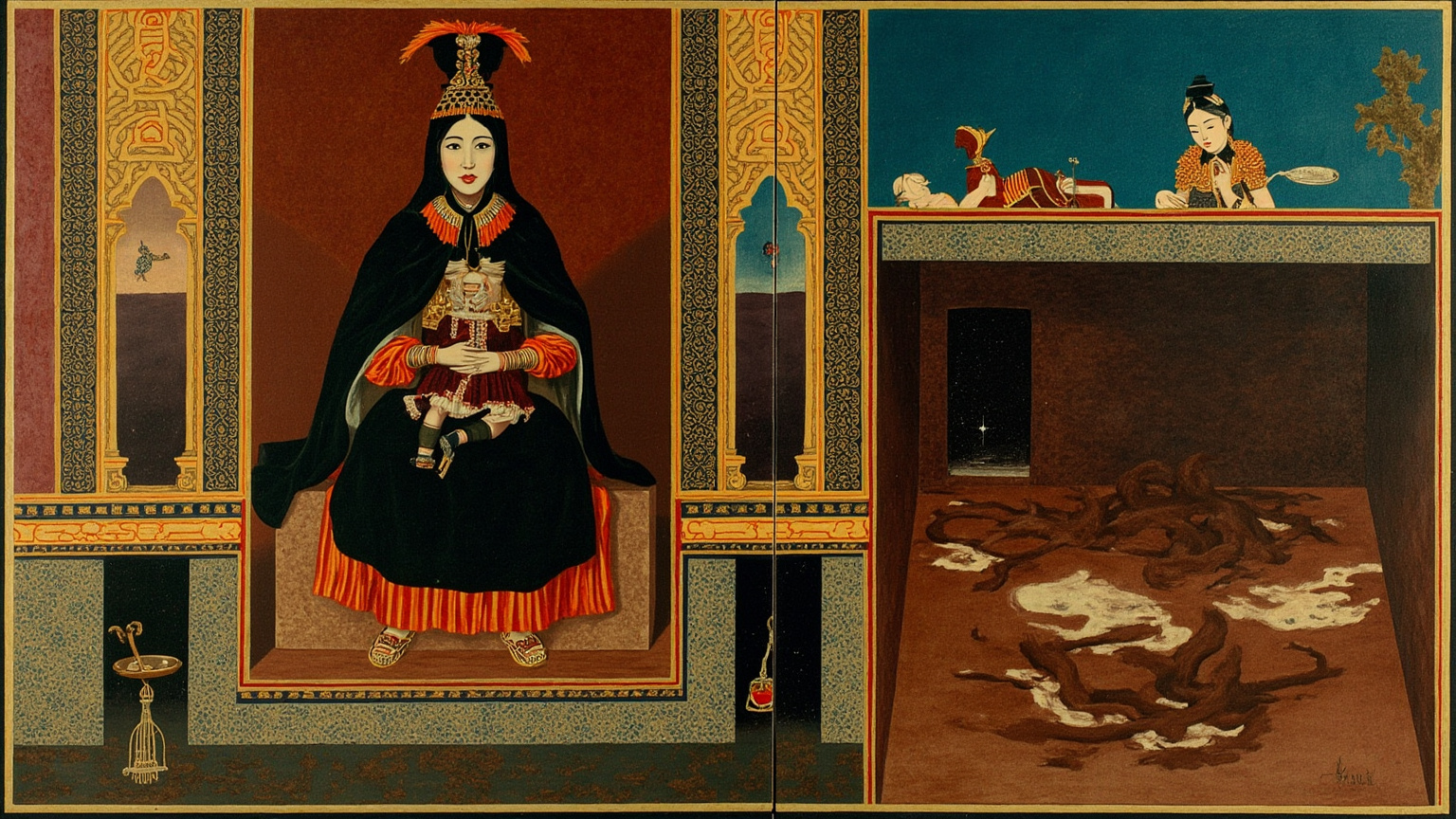
Ten years behind the door of the Sun, and still her heart is his.
在太阳的门后关了整整十年,她的心仍只向着一个人。
金句 · 贞女院地牢十年 · 矢志不悔
Ten years on, King Pachacutec marches on Ollantaytambo himself. Moving an army through the cloud-choked Andean passes is already a reminder of divine and natural authority working together, and at the foot of the fortress the terrain simply will not yield — boulder walls and stacked terraces turn the whole mountain into a natural barricade. Someone at court proposes a different plan: skip the assault, offer generous terms, summon Ollantay to stand trial, and let him surrender himself. After ten years of standoff, Ollantay is tired too.
This produces the heaviest scene in the play. Ollantay descends the terraces step by step with Ima Sumac, his young son, and his officers, and walks into the ceremonial grounds of Cuzco. He kneels before the king for a long while, confesses, and asks to be put to death for his defiance. The playwright does something elegant here: he lets Ima Sumac cry first. Her pleading — the grief of a woman who loves Ollantay lawfully, tenderly, within the bounds her people allow — is what finally cracks the last of his resolve. He is not brought back by defeat. He is brought back by his own honest remorse.
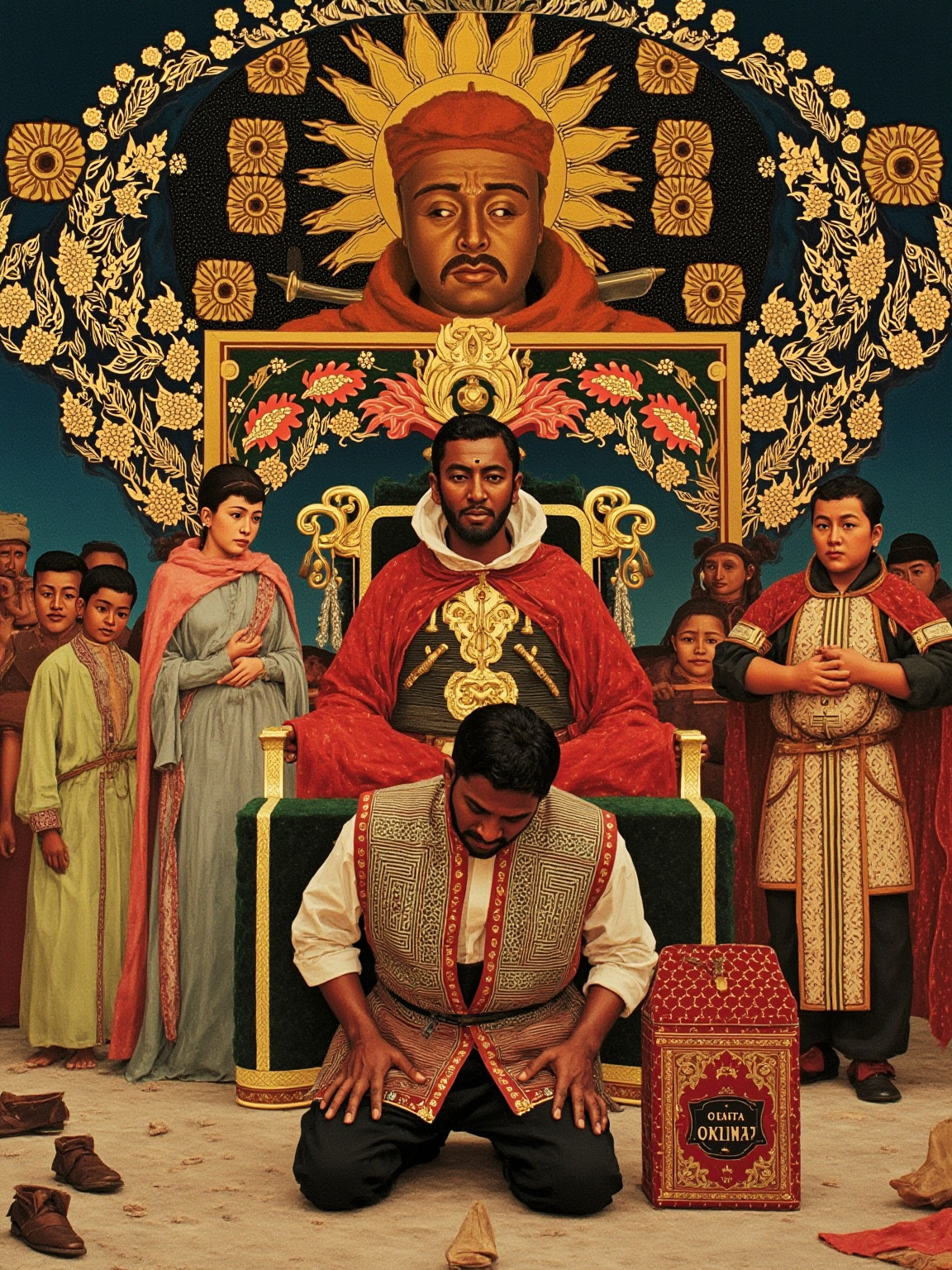
I, Ollantay, have sinned against the Sun and against my Inca; I kneel to receive the death I have earned.
我奥扬泰,得罪了太阳,得罪了我的印加王;我跪在这里,领取我应得的一死。
金句 · 库斯科祭典 · 长跪陈悔
The king sees the remorse is real. He pardons Ollantay, restores his rank, and brings the princess up from the dungeon to reunite them. It is a happy ending, but the author never lets it read as rebellion winning. The royal proclamation is explicit: divine law still stands, the ban on marrying a Sun Virgin still holds, but the Sun forgives whoever repents in earnest. Great service does not excuse a man from the law; feeling can move the law, but it cannot cancel it. This is reconciliation, not revolution — an order that was shaken once and then reaffirmed.
V. Why This Play Is Remembered
Stretch the timeline out far enough and Ollantay looks like one of the founding templates of South American narrative. A love across an impossible class divide, defiance and exile, a ten-year siege, repentance and reunion: later writers rebuild this skeleton again and again, from Garcia Marquez to Neruda, and the motifs that keep surfacing out of Andean oral tradition were already pressed into this one play. It fills in the Inca half of the blank space on the map of Indigenous literature, and it demonstrates a way of writing: let love and politics collide head-on inside the strictest possible order, and win reconciliation not by tearing the order down but by admitting what it costs.
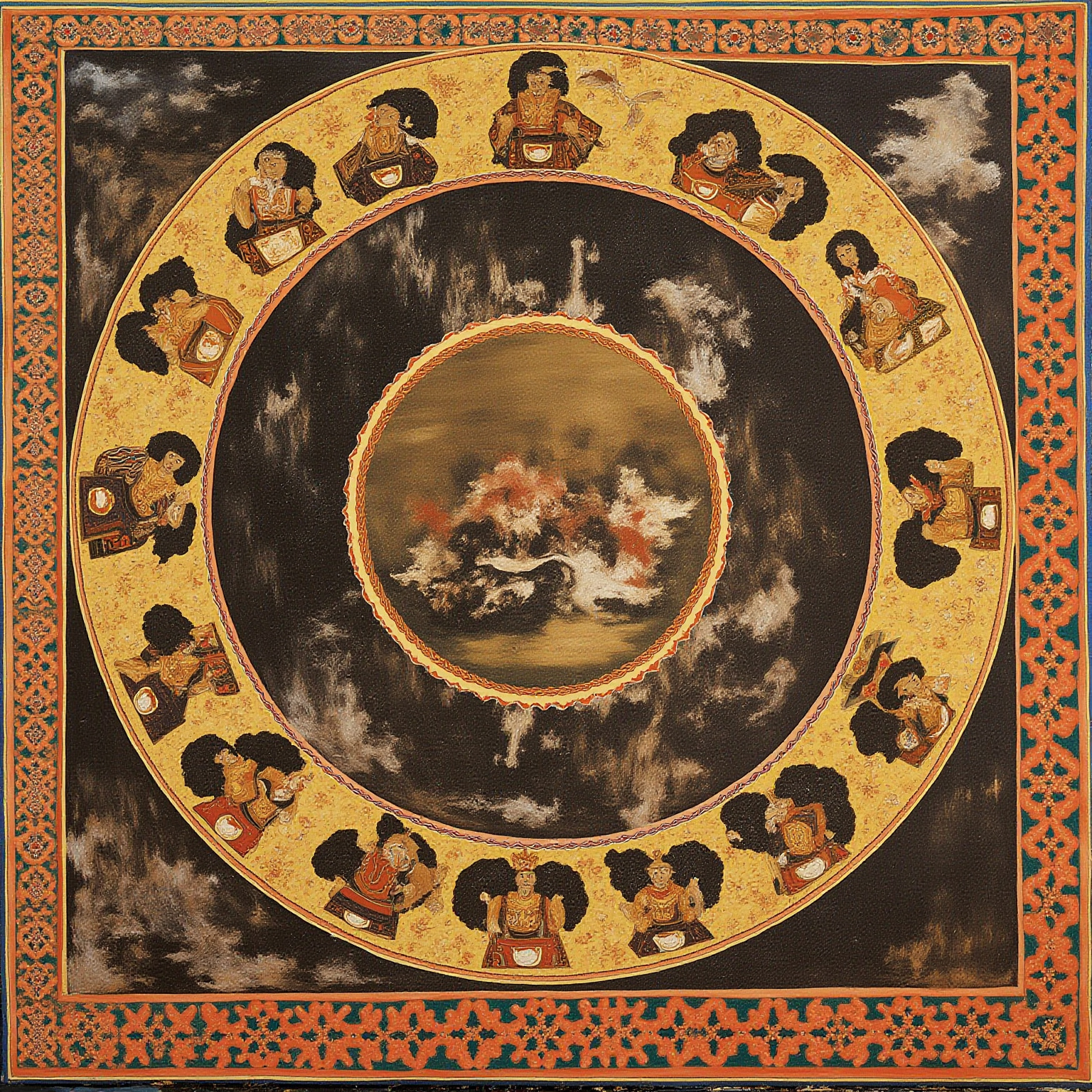
The law of the Sun is not broken; but the Sun forgives the man whose tears are true.
太阳的神律并未破废,只是太阳赦宥了泪水真诚的人。
金句 · 王廷宣谕 · 神律可恕
The form deserves a second look. Duet, monologue, chorus — these conventions are not decoration; they are the technology that lets a commoner and a king speak on the same stage. Without the monologue, the princess's ten years in the dungeon would be a blank. Without the chorus, the royal proclamation would be no more than a memo. The play is a living fossil of the shift from Quechua ritual drama into court drama, built equally to be performed and to be read. Reading that final proclamation, restrained, leaving room for the gods, you catch something not unlike the ending of a Greek tragedy.
VI. Why Read the Text Itself
A guide gives you the map. The text is the land. There are things here no summary can hand you. One is the rhythm of the Quechua duets, the breath and the pause built into that call and response, most of which a prose translation loses outright. Another is the physical weight of Ollantaytambo — as a place, as a fortress, as ten years of standoff — you need those stacked terraces laid out in your head before you can feel what let one man hold out that long. A third is the texture of Cusi Coyllur's monologues in the convent dungeon, that confinement imposed lawfully, in the name of a divine institution, and still unbearable. If you want to know what Andean oral literature actually sounds like, this is the door in.
Great service does not excuse a man from the law. Feeling can move the law, but it cannot cancel it. That is the real reason this play is still remembered centuries later.
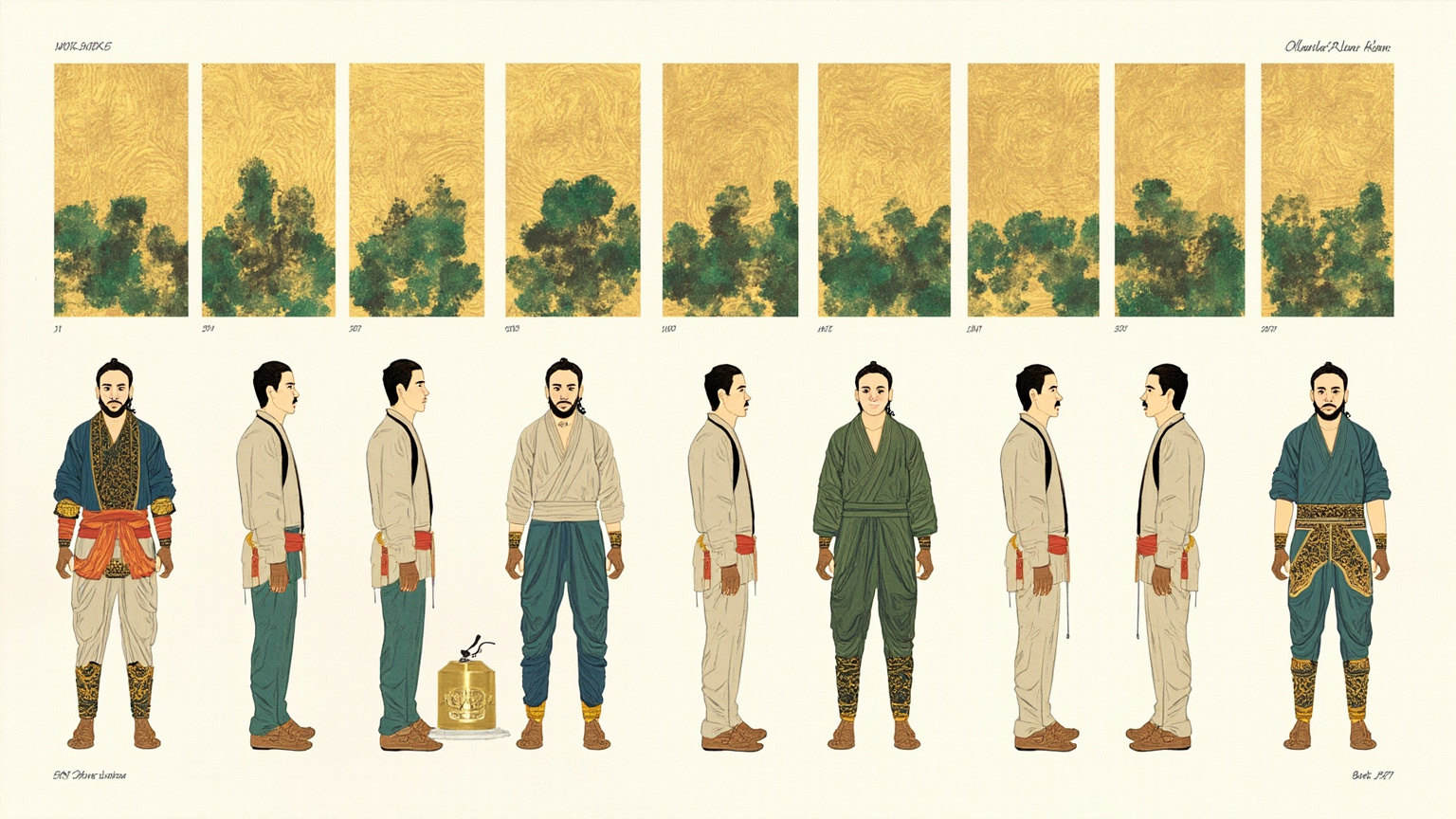
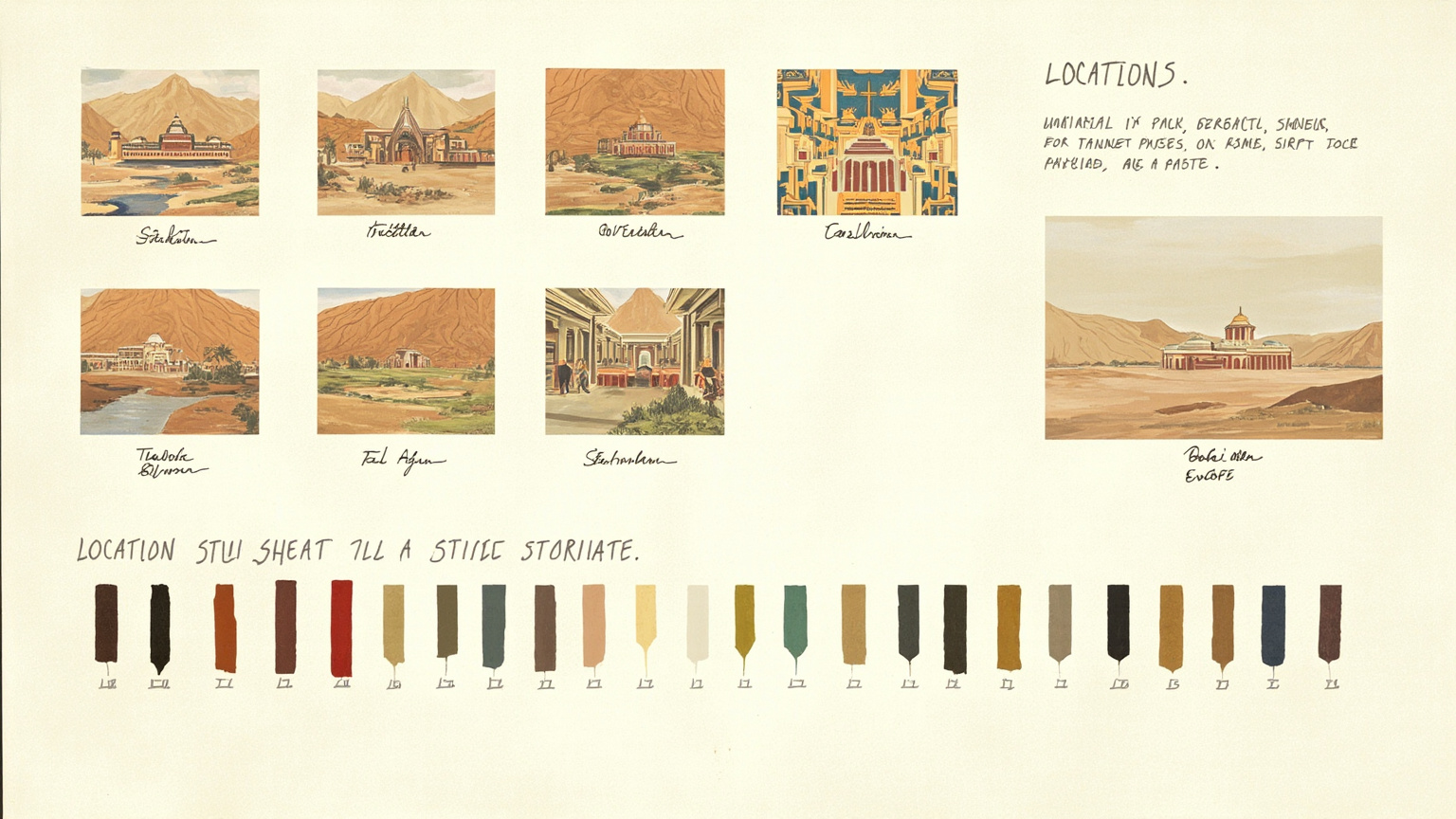
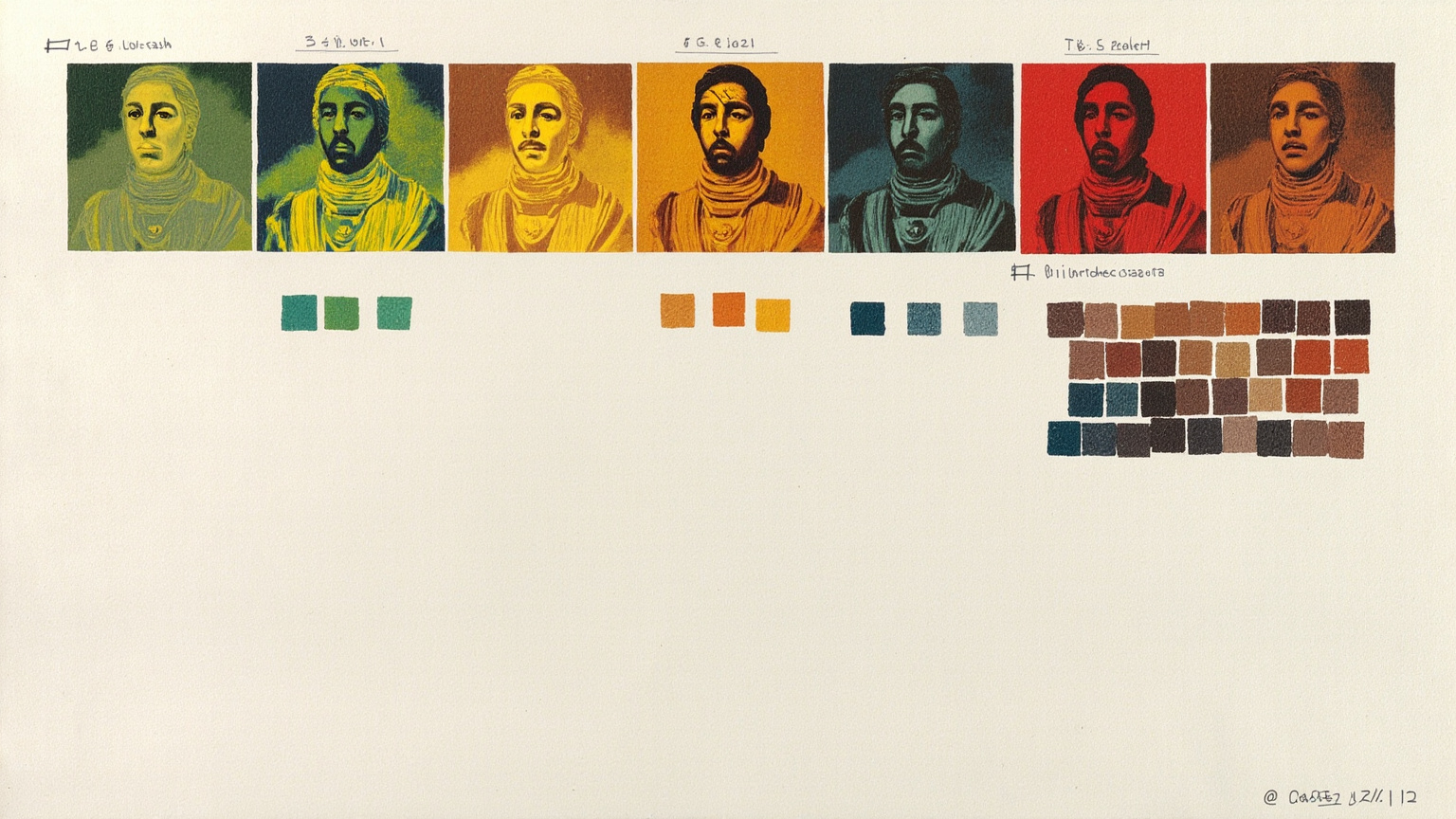
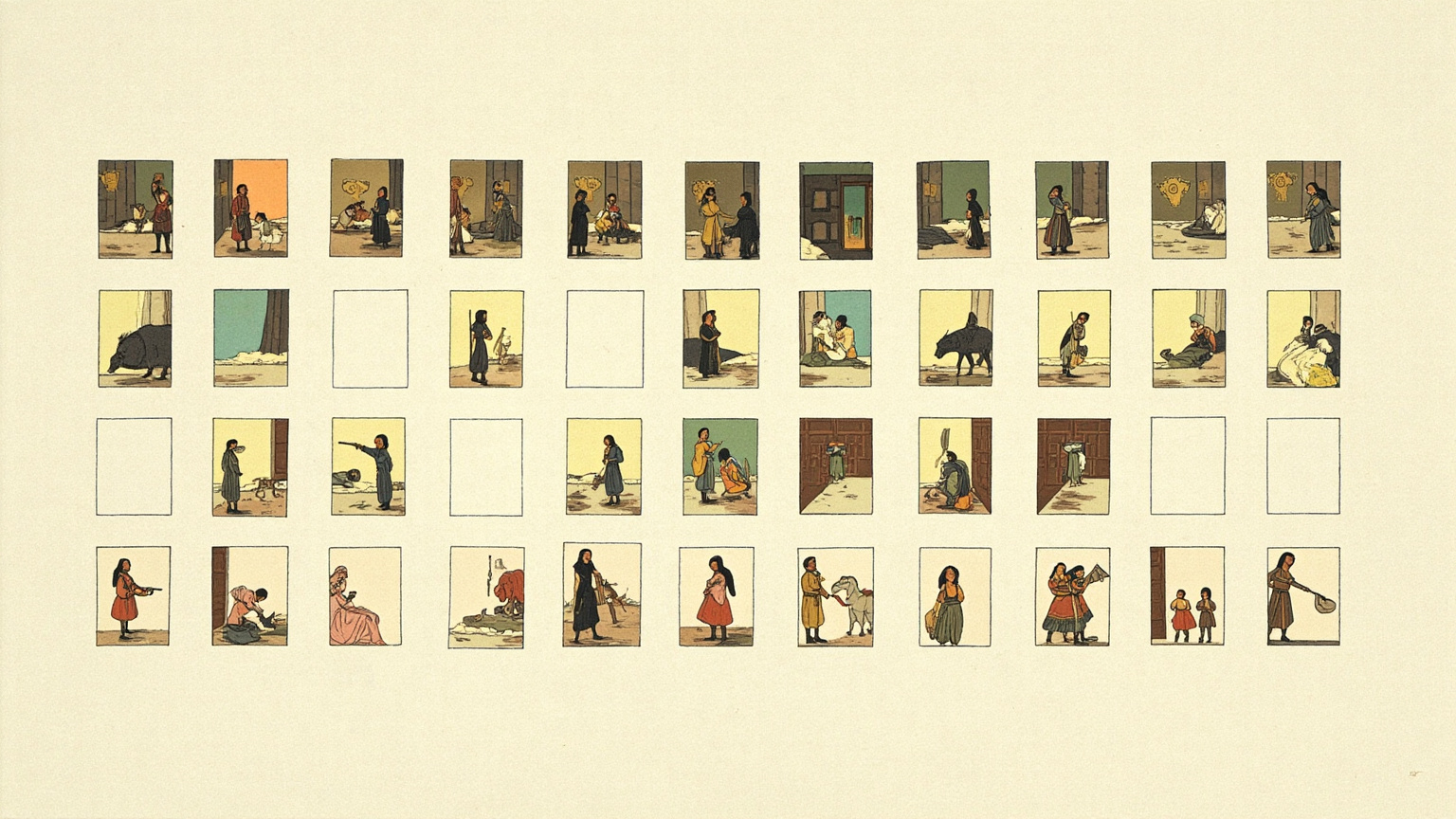
Art Direction4 plates
Before the guide was written, this book got a visual foundation — every illustration you just read grew out of it.