Pensées · Companion Guide
思想录
一个想给混乱的世界定稿的人,没能定稿。碎片留下来,被一代代人重新拼——这件事本身,就是这部残稿的哲学。
A Reed Cut to Pieces
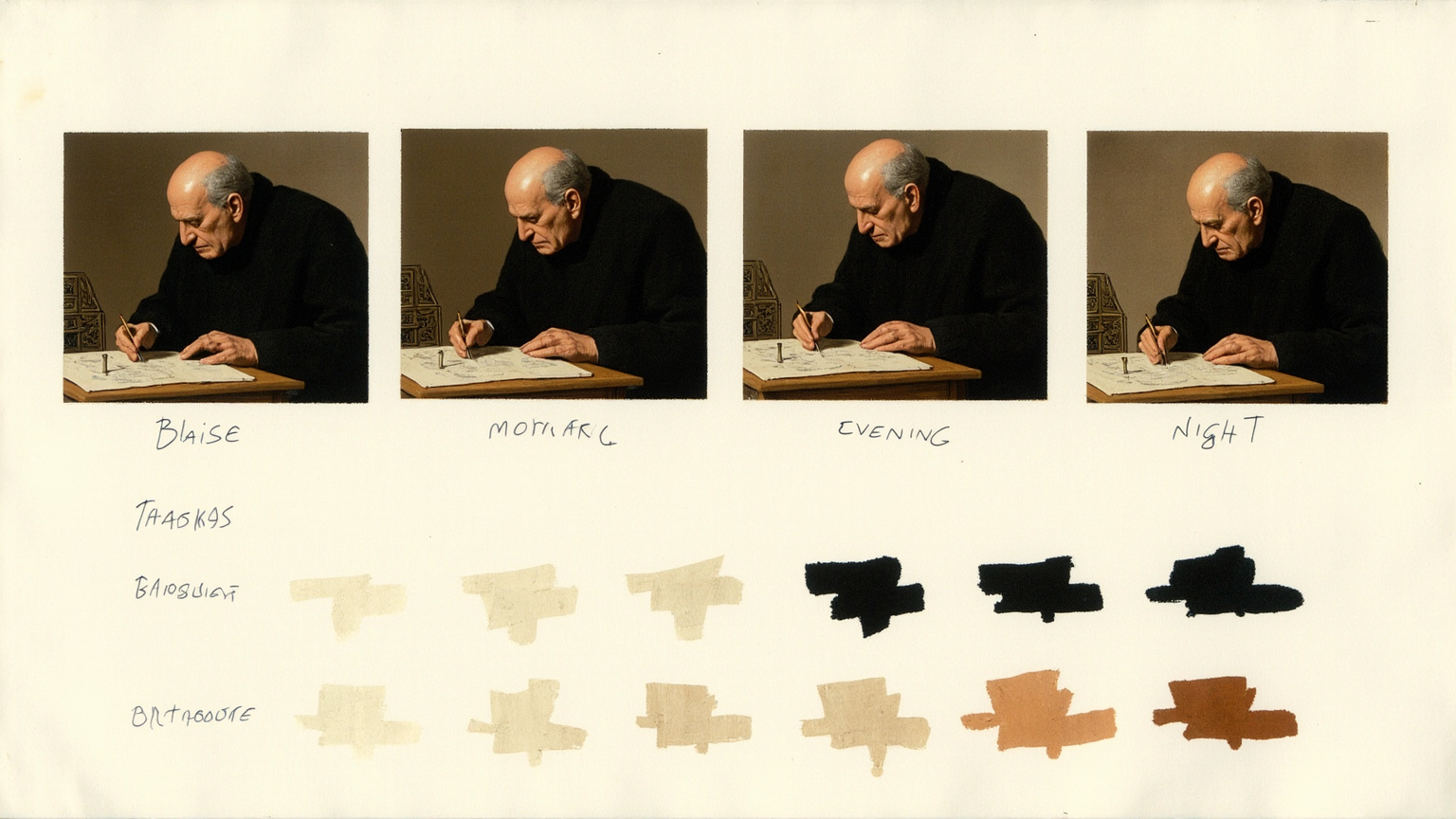
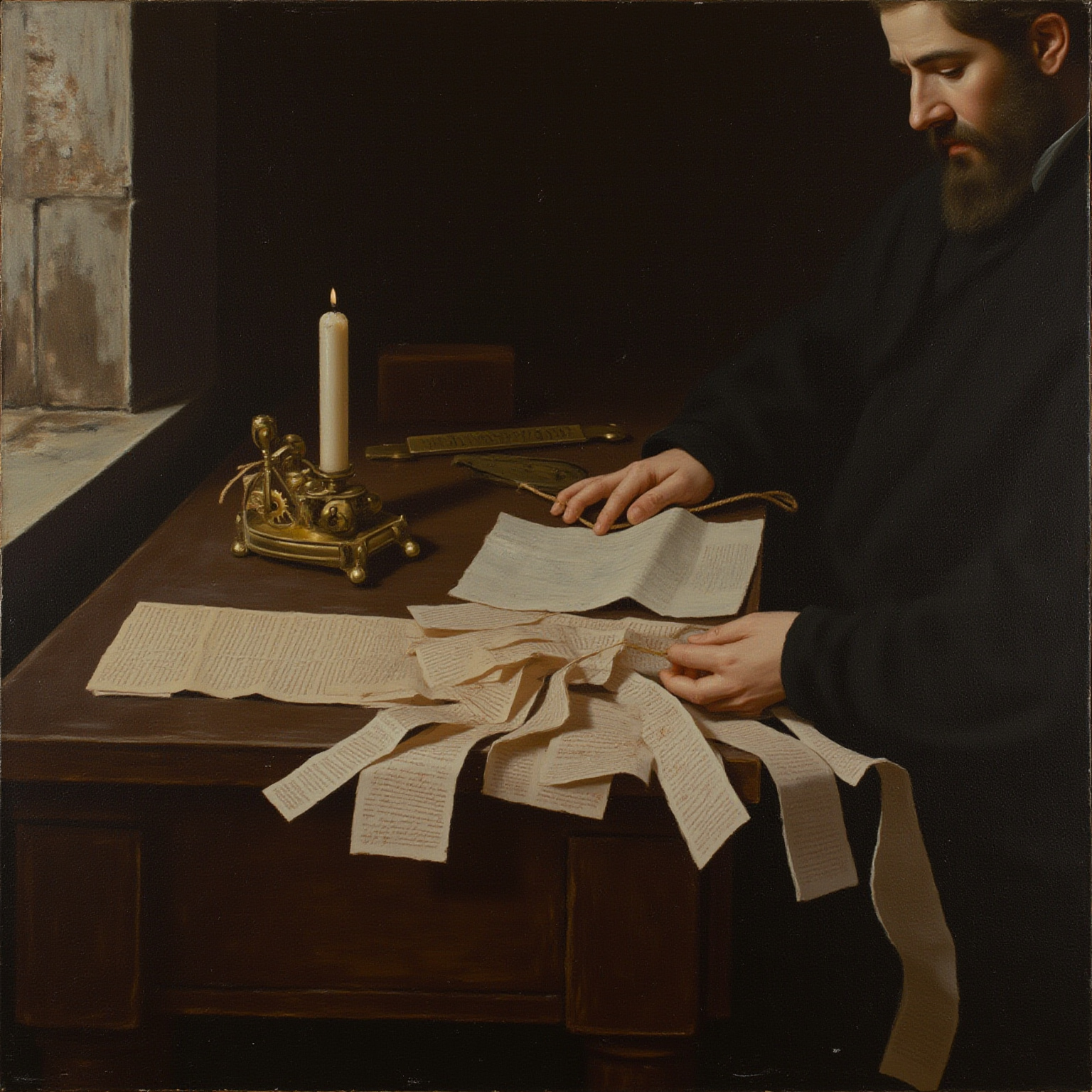
On the table lie small strips of cut paper, edges ragged, strung loosely together with thread. It is Paris, the early 1660s, some night before Blaise Pascal's death, and this is what he is doing: taking an unfinished book apart, cutting it up, rearranging it into the order only he can see. He is barely past thirty (he was, in fact, close to forty when he died) and already the man for whom the pascal, the unit of atmospheric pressure, is named, the prodigy who worked out Pascal's theorem in his teens, the inventor of the first machine in the world that could add and subtract. None of that has anything to do with the paper on this table.
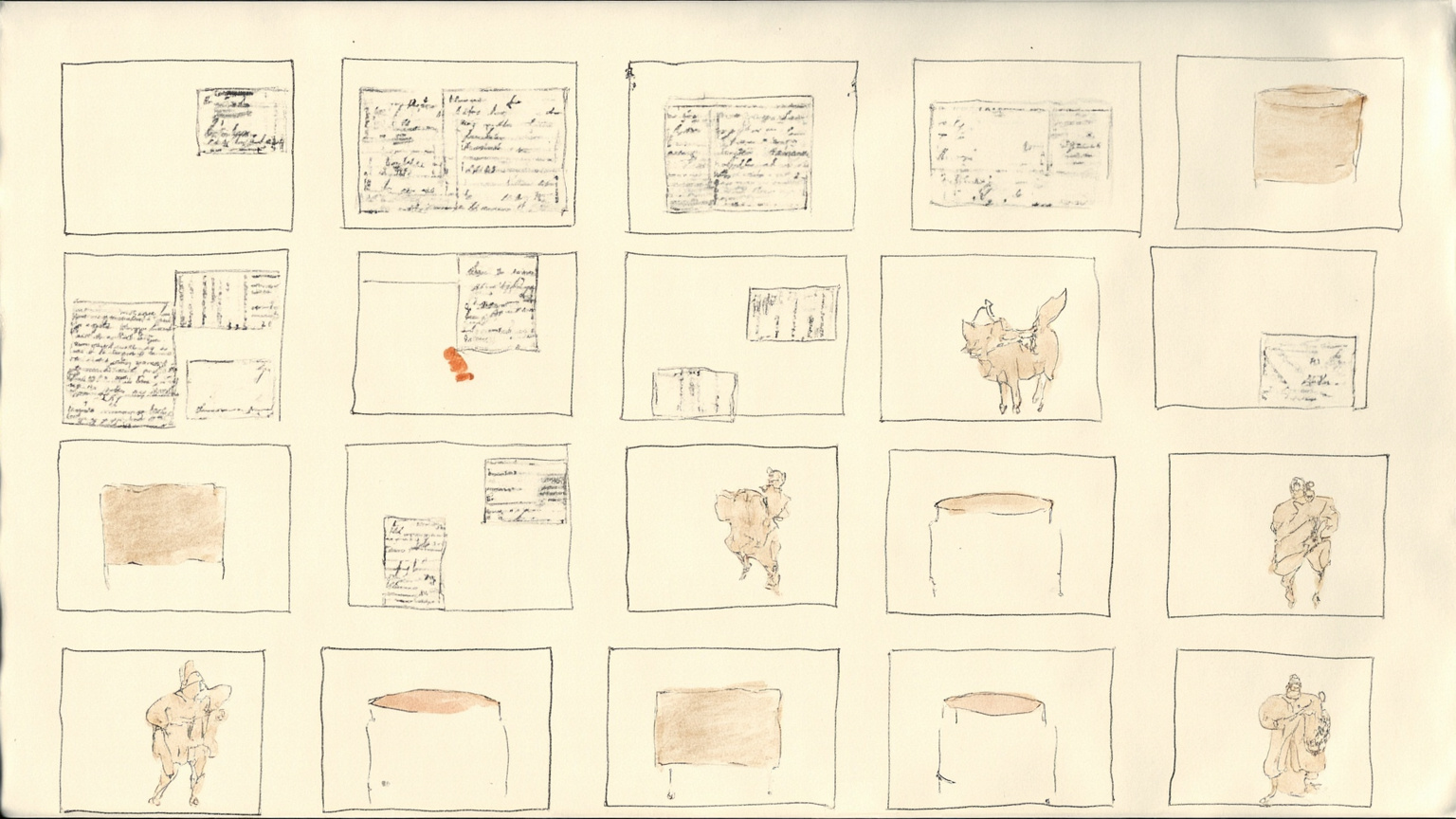
He was writing a work of apologetics, a book meant to persuade modern people to believe in Christianity. He gave everything to it: he cut the paper, strung the thread, rearranged the drafts into the chapters he had planned in his head, and then he died. The people who sorted through his papers afterward could not make out the structure he had intended. They saw only a heap of scattered maxims, and in 1670 they published them under the title Pensées. A book meant to be a complete apologetic argument was fixed forever, instead, as a fragment.
What Kind of Book This Is
So the Pensées is not a book its author finished and approved. It is a collection of fragments, gathered after his death by his Jansenist friends at Port-Royal and handed to editors to be assembled. Its original French title was Thoughts on Religion and Other Subjects. Pascal himself never called it a Christian Apologetics; that title was grafted on afterward, an invention of later readers.
Yet the book has been remembered across generations. The French critic Sainte-Beuve called it the most beautiful pages in the French language; the historian Will Durant called it the most eloquent prose France ever produced. A manuscript assembled after its author's death earns praise like that not by being whole, but because every fragment is sharp enough on its own. It is aphoristic, paradoxical, torn apart. Open it at random and you will hit a sentence that stops whatever you were doing.
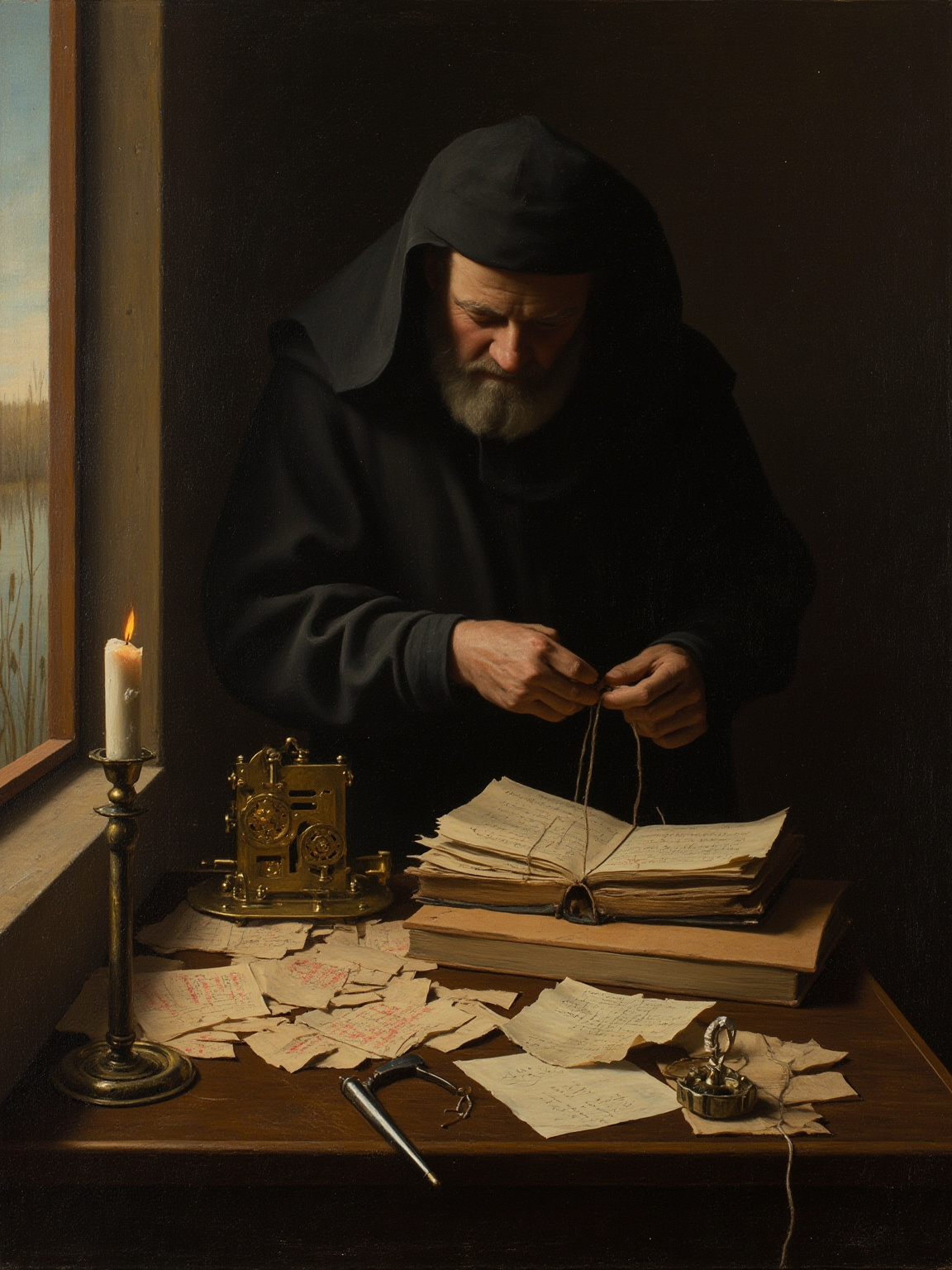
Man is only a reed, the weakest in nature, but he is a thinking reed.
人只是一根芦苇,自然界最脆弱的东西,但他是一根会思想的芦苇。
金句 · 残篇六 · 人是一根会思想的芦苇
Character and World: One Man, One Monastery
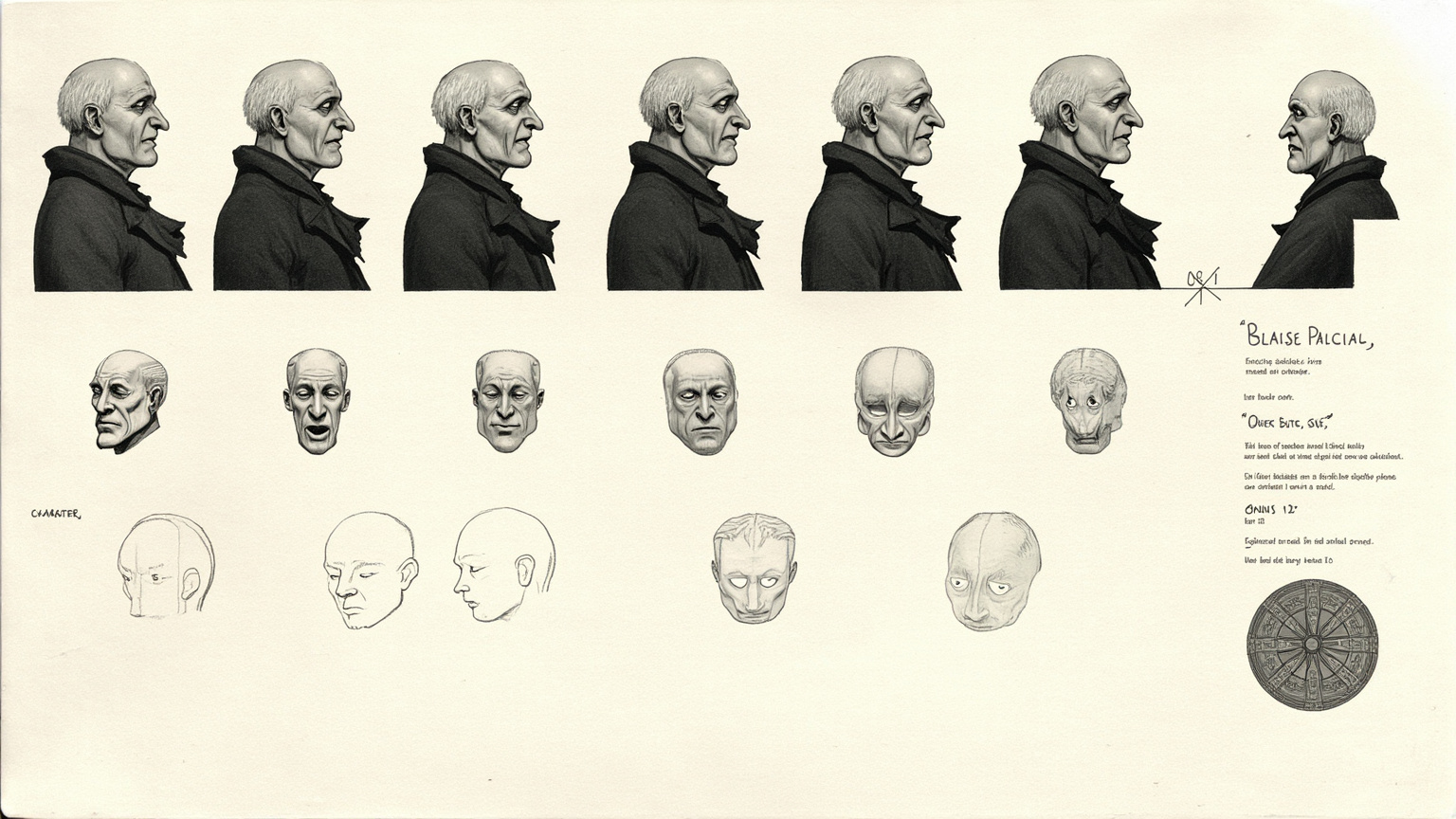
This book has only one character: its author. But that author is not one man. Before thirty he was one of the sharpest mathematicians in Europe; after thirty he became a devout believer bound to the monastery at Port-Royal. The distance between those two Pascals is what this book is actually about.
The world is seventeenth-century Paris. After his conversion in midlife, Pascal allied himself with the Jansenists at Port-Royal, Catholic ascetics who insisted on the depravity of human nature, the necessity of grace, and a strict doctrine of predestination. He lived among them, in something close to monastic withdrawal. The fiercest maxims in the book were written between the cloister walks and the bare cell of that monastery.
The Plot: Starting From a Fragment
Start with the book's plot: there isn't one. This is not a novel; it has no rising action, no resolution. Its real story is how a book failed to get written.
Pascal wanted to write an apologetic for modern people. What he set out to prove was not that God exists (his contemporary Descartes had already tried that with pure reason) but why a person should care whether God exists at all. So he does not open with a proof. He opens with a diagnosis: what, exactly, is wrong with modern people.
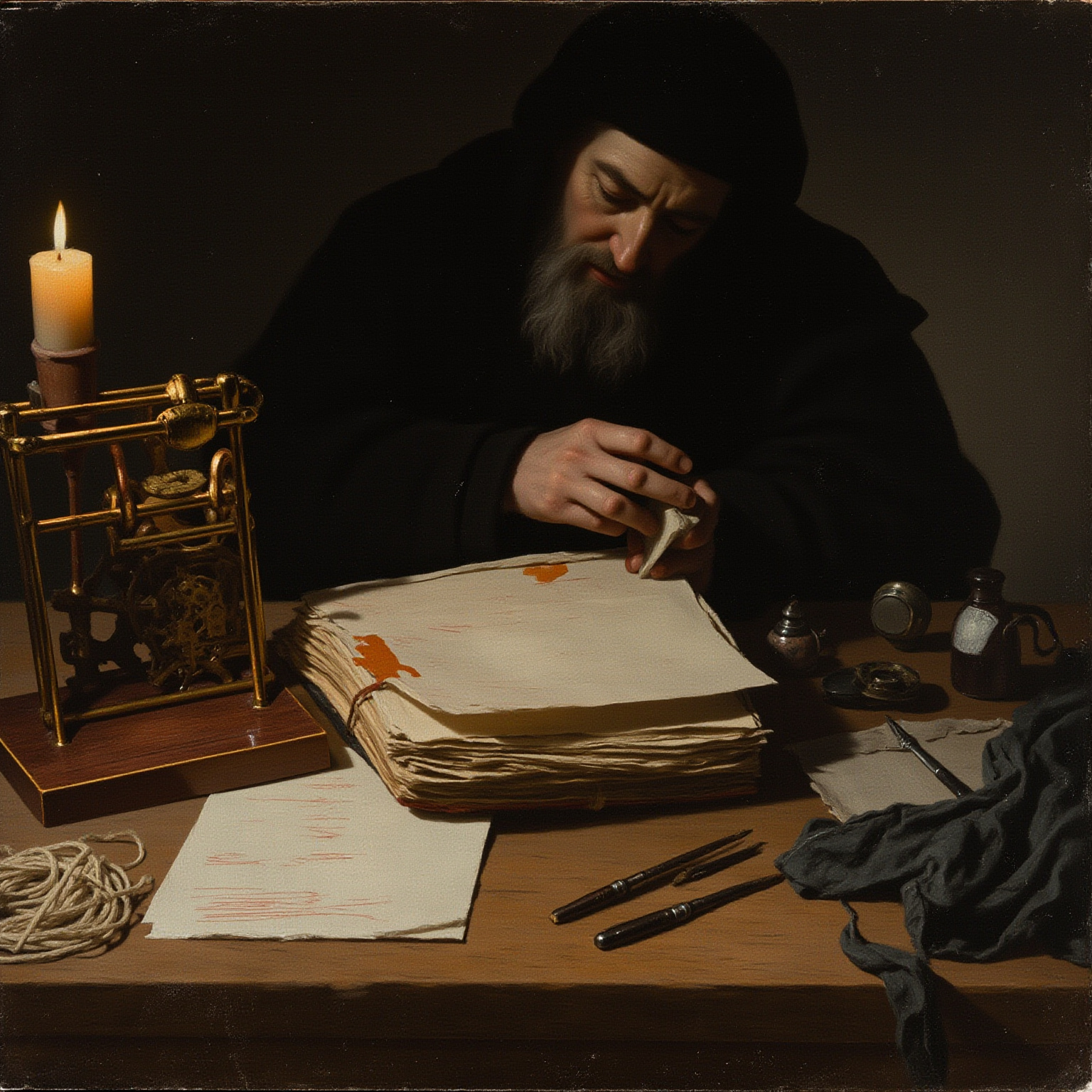
Man is but a reed, the weakest in nature, but he is a thinking reed.
人不过是一根芦苇,自然中最脆弱的,却因能思想而高于整个宇宙。
金句 · 残篇六 · 一根会思想的芦苇
The first cut of the diagnosis draws a portrait of man. What is a human being? A reed, the frailest thing in nature, snapped by a puff of wind. But a thinking reed. That makes him nobler than the entire universe, because the universe does not need to know it exists, and he knows he will die, knows he is ignorant, knows he hangs suspended between two infinities.
The second cut strips away modern self-deception. Pascal coins a word, divertissement: diversion, or distraction. People hunt, wage war, chase rank, fall in love, gamble, he says, not out of love for any of it but out of fear: fear of sitting still alone, fear of facing the fact that they will die, that they are insignificant, that they depend on a God they cannot see. So they stuff themselves full of entertainment, status, ambition. Stop moving, and you hear death.
He goes on: social life is ruled by imagination, not reason. A judge wears a wig and a doctor wears a robe not because the costume makes any logical sense, but because no one respects a man who stands on reason alone. Push further: custom and justice are often founded not on truth but on habit and force. The ground beneath a whole society is, more often than not, not rightness but simply what everyone has always done.
The diagnosis is finished, the patient's disease laid out on the table. Now Pascal has to solve a problem: how do you get a modern person, addicted to distraction and governed by imagination, to face the fact he is so afraid of? He had already tried the Cartesian route of pure reason himself, and it did not work. Argue a man into believing in God with proofs, and he only grows sharper and colder. So Pascal turns a corner: he takes the ball out of reason's hands and gives it to the heart.
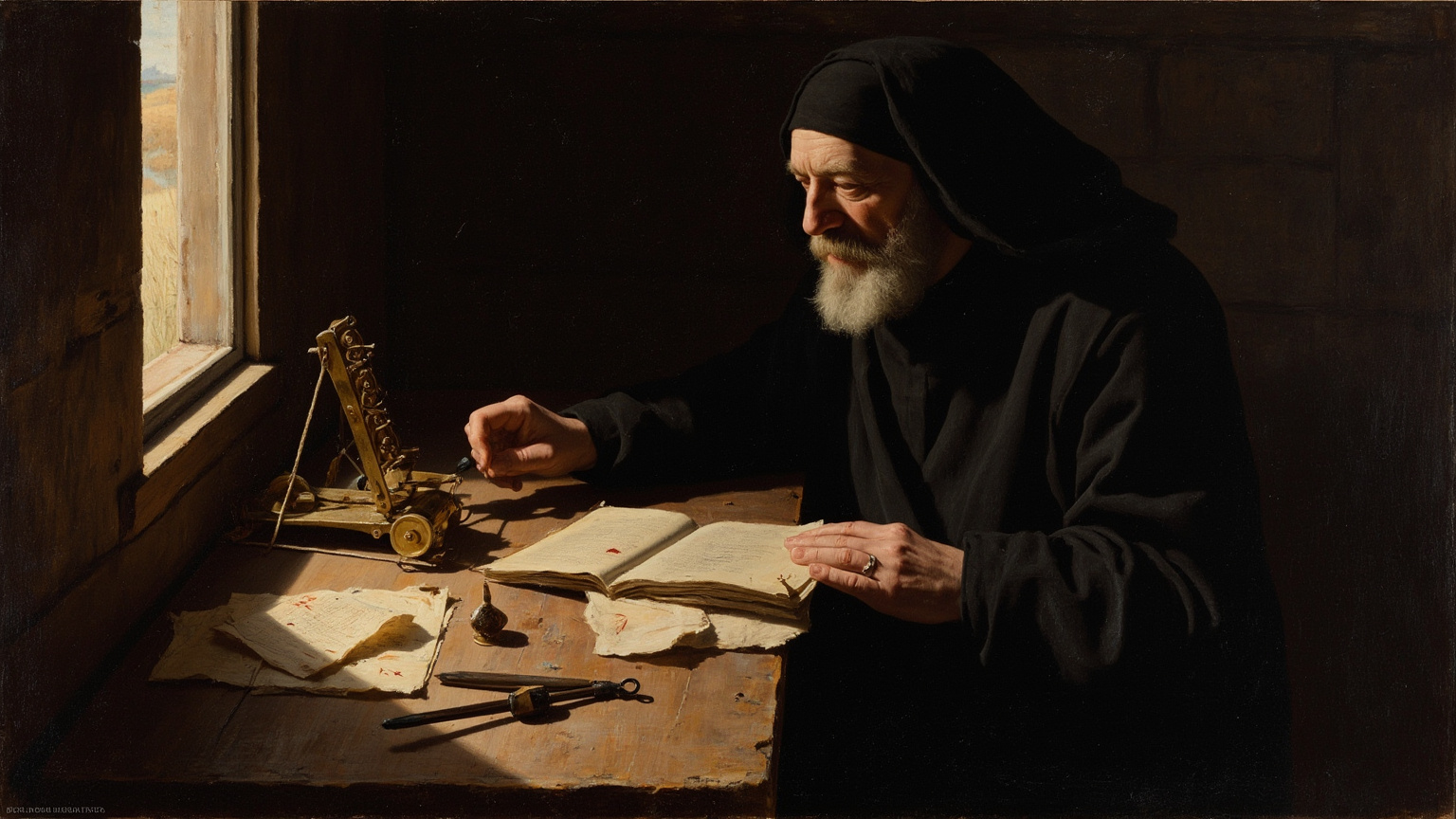
The heart has its reasons which reason knows nothing of.
心有其理,那是理性一无所知的道理。
金句 · 残篇四二四 · 心有其理
He writes the line that has stopped every historian of philosophy since, to reread it: the heart has its reasons, which reason does not know. Note what this does not mean. It is not follow your feelings, and it is not faith needs no reason. What Pascal is arguing is that there is an order of the heart: moral and religious truths are not reached by proof, the way a geometric theorem is, but are grasped first by a more complete kind of apprehension. Reason has a boundary. Past it, you need a different instrument.
But admitting that reason falls short is not enough to get anyone up off the couch to make a decision. So Pascal produces what would later be called Pascal's Wager, the most famous, and most misread, passage in the Pensées.
The logic of the wager runs like this. Whether God exists or not cannot be settled by reason. But you have to bet either way. Bet that God exists: if he does, you win the infinite; if he does not, what you have lost is a few decades of church, a handful of restrictions, a finite loss. Bet that God does not exist: if he does, you lose the infinite; if he does not, whatever you have gained is still only finite. Run the expected value, and the only bet that never loses is belief.
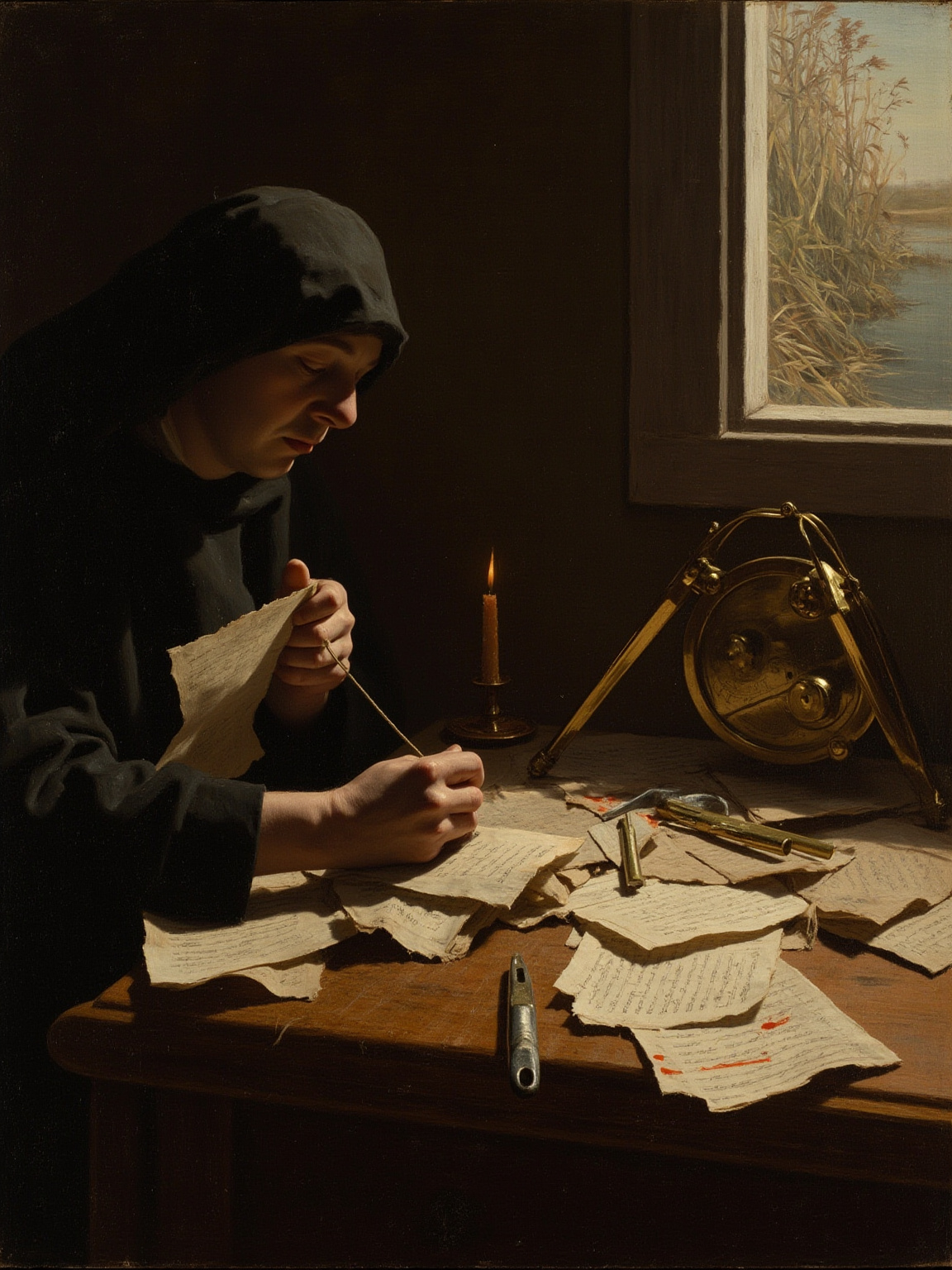
If you gain, you gain all; if you lose, you lose nothing.
若赢,你赢得一切;若输,你一无所失。
金句 · 残篇二三三 · 帕斯卡赌注
But Pascal does not stop there. Most retellings do, and that is how the wager gets misread as a mathematical proof of God. He goes on: placing the bet is not enough. You have to live as if you believed. Go to church, pray, fast, keep company with believers, not because you already believe, but because acting it out long enough reshapes the will and the senses underneath it. This is the therapeutic bridge from indifference to commitment, not a proof.
The last section the fragments reach is the hidden God. God conceals himself on purpose, giving the seeker enough light to find him without forcing the indifferent to see him. If God appeared plainly, written across the sky, faith would stop being faith and become homework. Pascal's God stays behind the clouds, speaking in clues rather than evidence. Faith is therefore a matter of the heart, not of proof.
And then, nothing. The manuscript simply stops here. The apologetic was never finished. For more than three hundred years, editor after editor has argued over the correct order of these fragments, and no one has settled it.
What It Is Saying, and Why It Still Matters Today
On the surface the Pensées is a seventeenth-century Catholic apologetic. But the place it actually sits is the crack between Cartesian rationalism and the existentialism that came after. Descartes said I think, therefore I am, and made reason the foundation of everything; Nietzsche, Kierkegaard, and Camus, generations later, kept existence precedes essence and thrown into the world on their lips. Pascal, decades before any of them, had already written that man is a reed suspended between two infinities, that he flees himself through distraction, and that the heart reaches the truth before reason does.
There is enough light for those who desire only to see, and enough darkness for those of a contrary disposition.
对只愿看见的人,光已足够;对背向光的人,黑暗也已足够。
金句 · 残篇五七九 · 隐藏的上帝
What can this book still do for a reader today? It will not make you believe in God, and it will not make you stop believing. It hands you a mirror and shows you what you stuff yourself with: scrolling, bingeing shows, working late, arguing, gossiping, and then asks one question: when you stop, what do you hear? And it has a quality almost impossible to find now: every sentence is short, and every sentence draws blood. This is the kind of book you can read three pages of on the subway and spend a week thinking about.
Why the Original Text Still Matters Once You Know the Plot
A summary can tell you what arguments the book makes, hand you the keywords: reed, wager, distraction, heart. But there are things no summary can give you. First, the sentences themselves. Pascal's French has a rhythm: each maxim short enough to drive in like a nail, and then the next sentence hooks into it and the whole passage flips over. Read it in translation and you lose half of that; read the original, even leaning on a translator's notes, and you get a layer nothing else gives you. Second, the physical sense of being diagnosed. You are not analyzing him, he is taking you apart. Read the passage about people who hunt and fall in love and chase rank because they are afraid to sit still alone, and most readers go quiet for a second. That moment of going quiet is the thing the book is actually trying to give you. Third, the fragments themselves. The order has never been settled, which means you can build your own, rearrange the pieces by your own reading of them. No summary can do that for you.
The form of the Pensées is its message: a man who wanted to give a disordered world a final draft never got one. The fragments remain, reassembled by each generation that reads them, and that, itself, is the philosophy of this unfinished book.
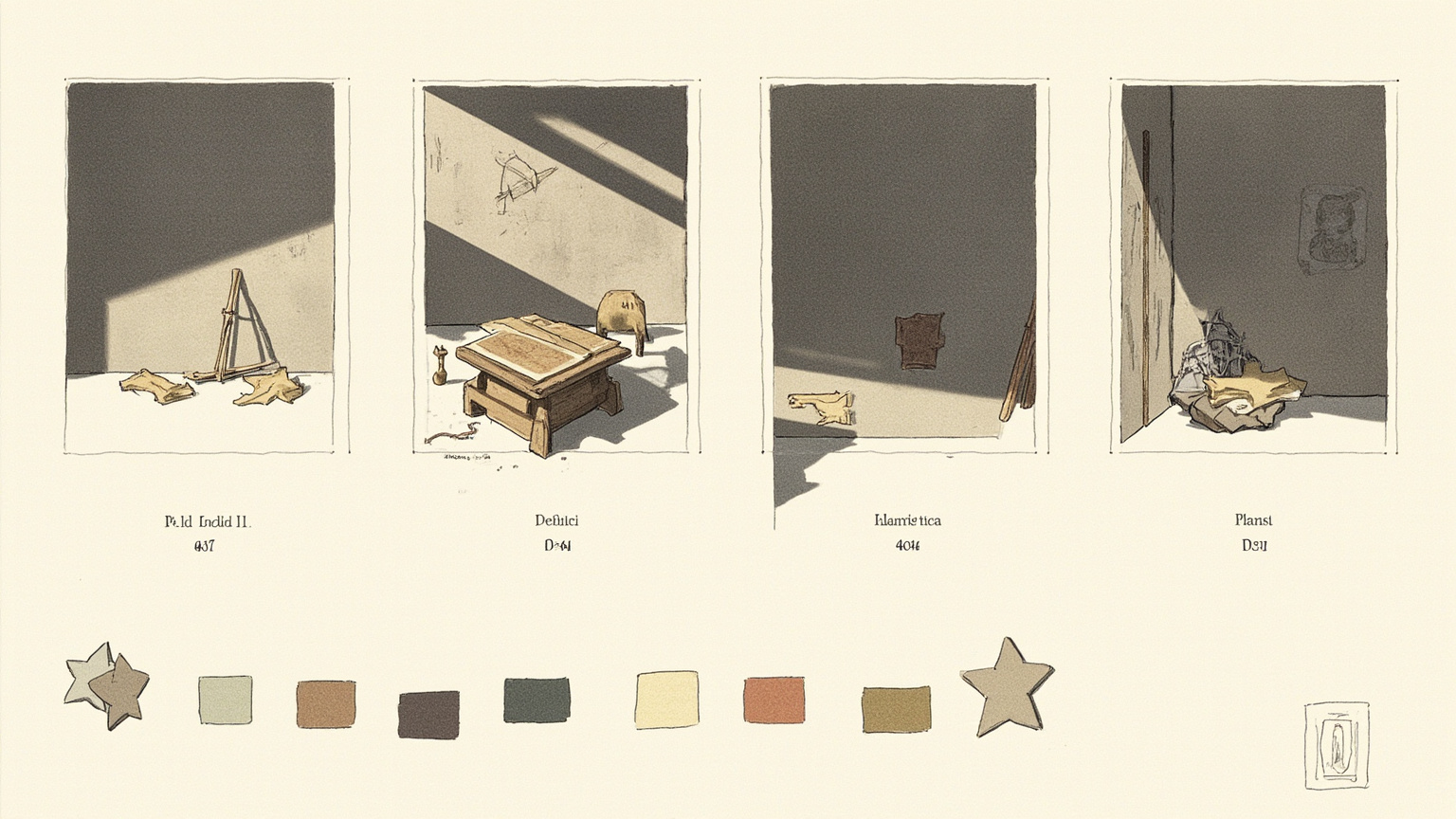
Art Direction4 plates
Before the guide was written, this book got a visual foundation — every illustration you just read grew out of it.