Prelude (a.k.a. The Prelude) · Companion Guide
序曲
一个八九岁的女孩在搬家的早晨第一次睁大眼睛,看见了光、看见了活埋的蒲公英、看见了鱼眼——而真正的长大还在明天。
Opening
The garden has not been touched yet. Dandelions have been shoved into the soil in a hurry, roots still sticking up. A marlin lies flat on the kitchen table, staring out of two glassy blue eyes — it is waiting for tonight's dinner guests, and Kezia has just woken up. That is the first page of Prelude: somewhere outside Wellington, New Zealand, in the 1890s, an eight- or nine-year-old girl takes her first real look at the house she is about to live in.
Katherine Mansfield wrote this story barely two decades after her own childhood ended. She was born into a colonial middle-class family outside Wellington, christened Kathleen Beauchamp, and later took her husband's surname, Murry, publishing as Katherine Mansfield. Everything she wrote was short, and so was her life. Prelude first appeared in 1918 in the London literary magazine The Athenaeum, then in 1920 Hogarth Press printed it as a standalone volume folded into a collection under the same title — the edition Chinese readers most often meet. The reason it has lasted is simple: at a moment when the stream-of-consciousness short story was just finding its feet, she turned an ordinary house move into the instant a child feels the world come loose.
What Kind of Book Is This
A complete modernist short story in its own right, not a prologue trimmed from some longer novel. It belongs to that early modernist strain that sees the ordinary day through a child's eyes — the same period, the same direction as Joyce's A Portrait of the Artist as a Young Man, except Mansfield packs that same energy into the grain of a single day inside one colonial household. The title is the argument: the real story has not started yet. Today is only the curtain going up.
The People and Their World
Kezia, the youngest daughter, is about eight or nine and almost too sensitive for her own good — light, sound, smell, the feel of things against her skin, all of it reaches her at full strength. One glance at a dandelion and she can feel the flower being buried alive; one glance at the marlin and she can feel its eye staring back. She is not childhood remembered from adulthood. She is a child happening right now. Her older sister Isabel, in her early teens, already worries about whether her hair is pinned properly and whether she looks pretty, and shares the job of raising a few newly hatched ducklings with Kezia. The youngest, Lottie, is still a baby, left mostly alone in her cradle.
Linda, the mother, runs the new household: highly strung, worn out, visibly close to the end of her rope. Stanley, the father, is a businessman in town who has already appointed himself head of the family, full of himself, fond of holding forth at the dinner table. The grandmother, old Mrs. Fairfield, has moved in with her daughter's family; she is curious about the garden and one of the few gentle voices in the house. Pat, the groom, is an Irish hired hand, quick and capable, in charge of the move and of killing the duck. The new kitchen maid, Alice, is still clumsy, ordered around by everyone. The world around them is a new house at the ragged edge of settlement outside Wellington in the 1890s southern hemisphere: the cart still runs on a gravel road, the kitchen only holds together because the maid scrambles to keep it that way, the gas lamps have not yet been properly broken in. Everything is in the middle of settling, and none of it has settled yet.
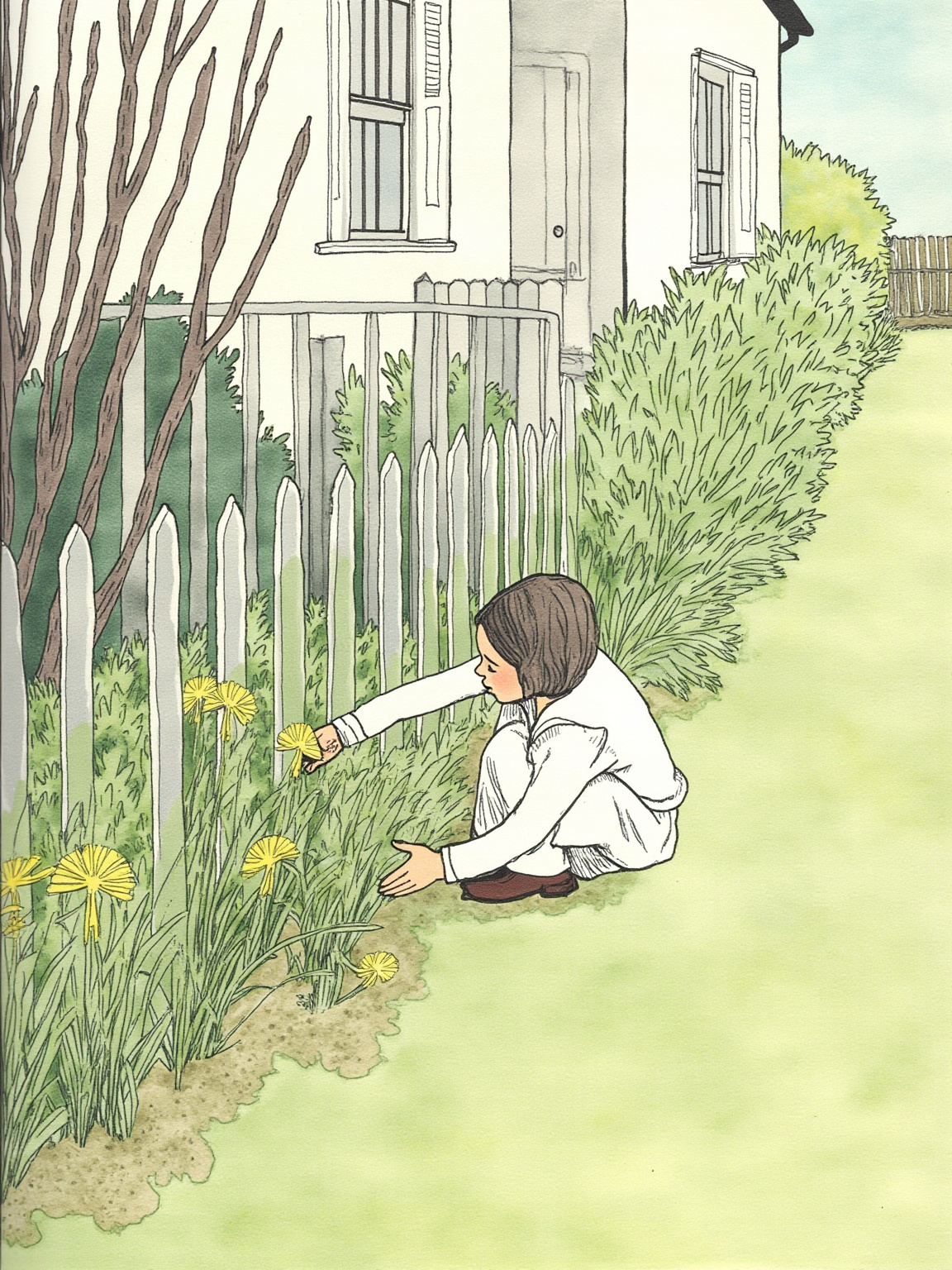
There was no dew on the dandelions; she had only just noticed, but now she saw it plainly, the dandelions were all dead.
蒲公英上竟没有露水——她方才还没留心,这会儿却看得很清楚,蒲公英全死了。
金句 · 开场段 · 花园里的蒲公英
How the Story Moves
The story opens on a bright morning. Kezia wakes on the bare patch of ground where the moving carts stood, the house still in chaos, the furniture not yet in place, crates piled in the corners. The first thing she sees is the garden, hastily tidied, dandelions crammed root-first into the flower bed with their roots still poking out. She walks into the kitchen and finds a silver marlin laid out on the table, its blue glass eyes staring back at her — company is coming tonight, and her father ordered the fish. The whole morning carries that suspended feeling of a new life that has not officially begun.
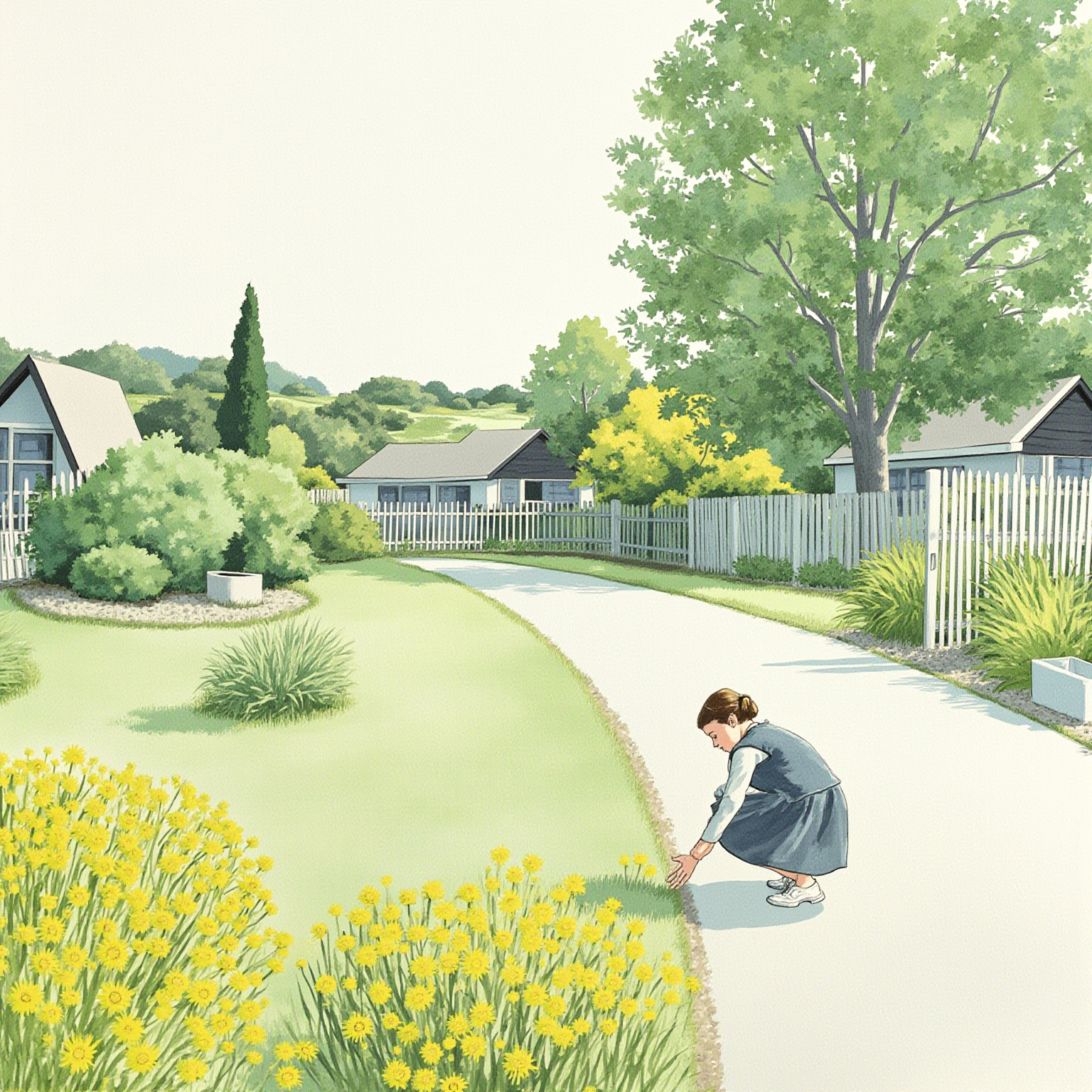
Oh, how the big white moon glared down at her! She could not face it, and she turned away.
噢,那一轮大白月亮是怎样瞪着她!她受不住那目光,便转过了身。
金句 · 开场段 · 夜里被月亮盯住的孩子
The morning is the most chaotic stretch of the day. Stanley is off in town chasing business, already acting as though he owns this new house outright. Linda, sick and exhausted, feels her resentment climb by degrees. The grandmother wanders the garden, curious. Alice gets ordered about by Linda and Pat in turns. Lottie sits forgotten in her cradle. Kezia moves between all of them, and she takes in every glance, every trembling hand, every unspoken exhaustion in a sentence. This is Mansfield at her best: she never writes that the mood is oppressive. She writes a shaking hand, a girl being bossed around, a fish left lying on a table.
A little later that morning, Isabel pulls Kezia off to see the ducklings they are raising. A few fuzzy yellow things, they are the first friends the two sisters have made in this new house — by a child's arithmetic, they count as the house's first residents. Kezia crouches down to watch them wobble across the garden, and the feeling that she finally belongs to this place is the first real happiness of her day. Mansfield does not load the ducklings with any symbolism here. They are just ducklings: the soft, specific, touchable part of the new life.
In the afternoon the whole family goes out walking along the edge of the scrub next to the new house — gorse, kowhai, the local shrubs, damp-smelling, their leaves catching the southern-hemisphere afternoon light. This walk is my favorite passage in the whole story. As Kezia walks, the world stops being things she sees and starts being things she is moving through: light dapples jumping on the gravel path, the roughness of bark traveling up through her fingers, wind squeezing out through gaps in the brush. In a few lines Mansfield gets at a childhood sensation that specific: for one moment, the thin membrane between being a child and being a girl gets pushed, gently, from the inside, for the first time.
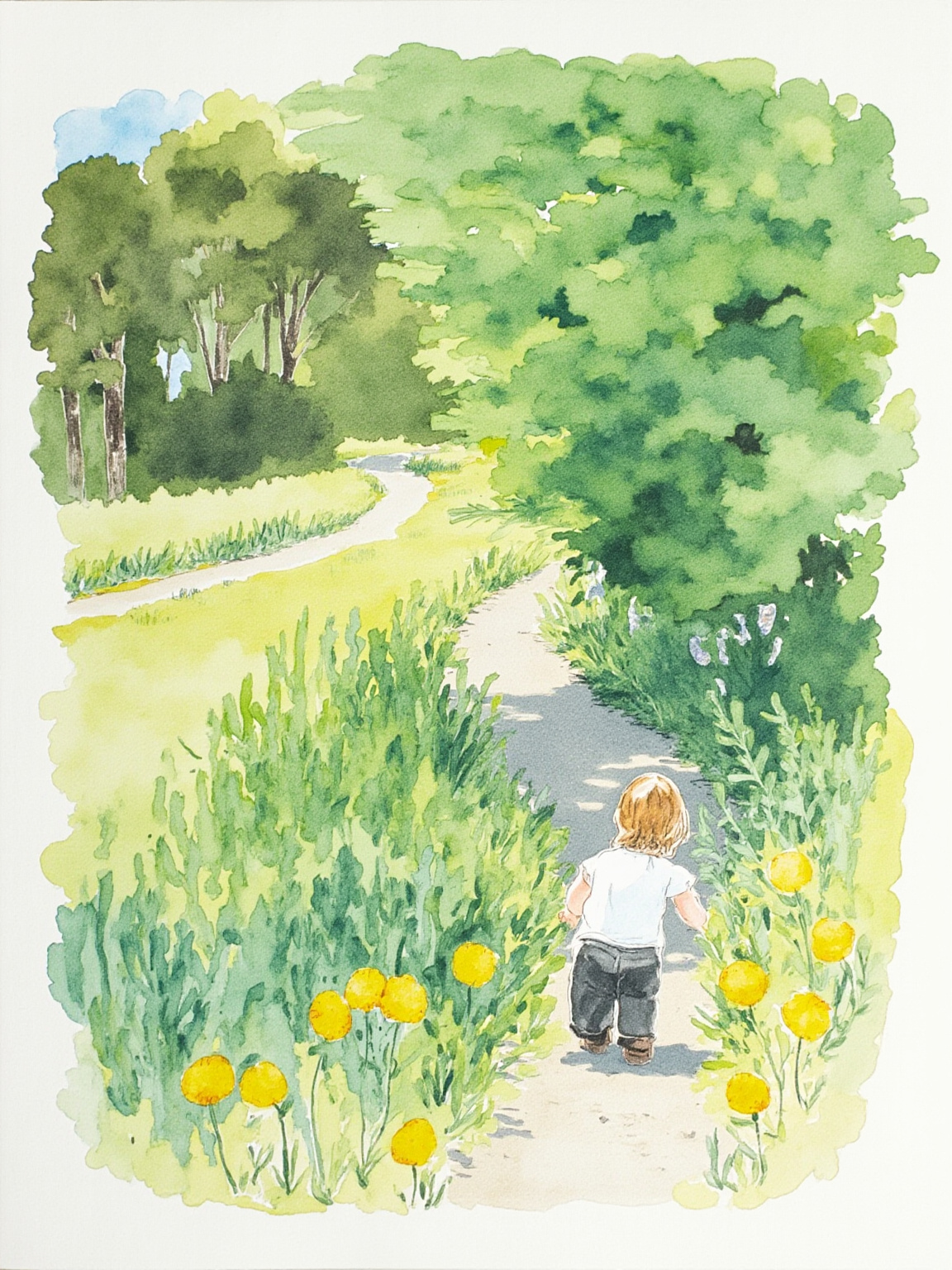
And she ran after the others, rounding the bushes, sniffing the air, sniffing the earth, sniffing the leaves.
她跑着去追旁人,绕过灌木丛,嗅着风,嗅着土,嗅着叶子。
金句 · 林缘散步段 · 凯齐娅的感官全开
Evening brings the most forceful moment in the whole story. With company coming tonight, Stanley casually tells Pat to kill one of the children's ducklings and stew it for the guests. Kezia is standing in the yard when she sees Pat catch the duck and raise the axe. She turns away. This is Mansfield at her most restrained and most ruthless: she never shows Kezia the duck dying, never writes the blood, never writes the twitching. She writes only the instant an eight- or nine-year-old turns her back. But that instant alone is enough to crack open the gentle side of this new house.
The crack between husband and wife that opens after the duck is killed is the real thing this colonial middle-class household has been hiding. Linda erupts, not because anyone treated her violently, but because she finally sees clearly that her husband will kill, without a second thought, the first tender thing his daughter has claimed in this new house, just to keep up appearances for a dinner party. This is not a story about patriarchal oppression. It is the resentment of a sick, exhausted wife hollowed out by housework and appearances, the instant she suddenly sees her own position in this family. Stanley, meanwhile, keeps holding forth at the dinner table, riding high, noticing none of it.
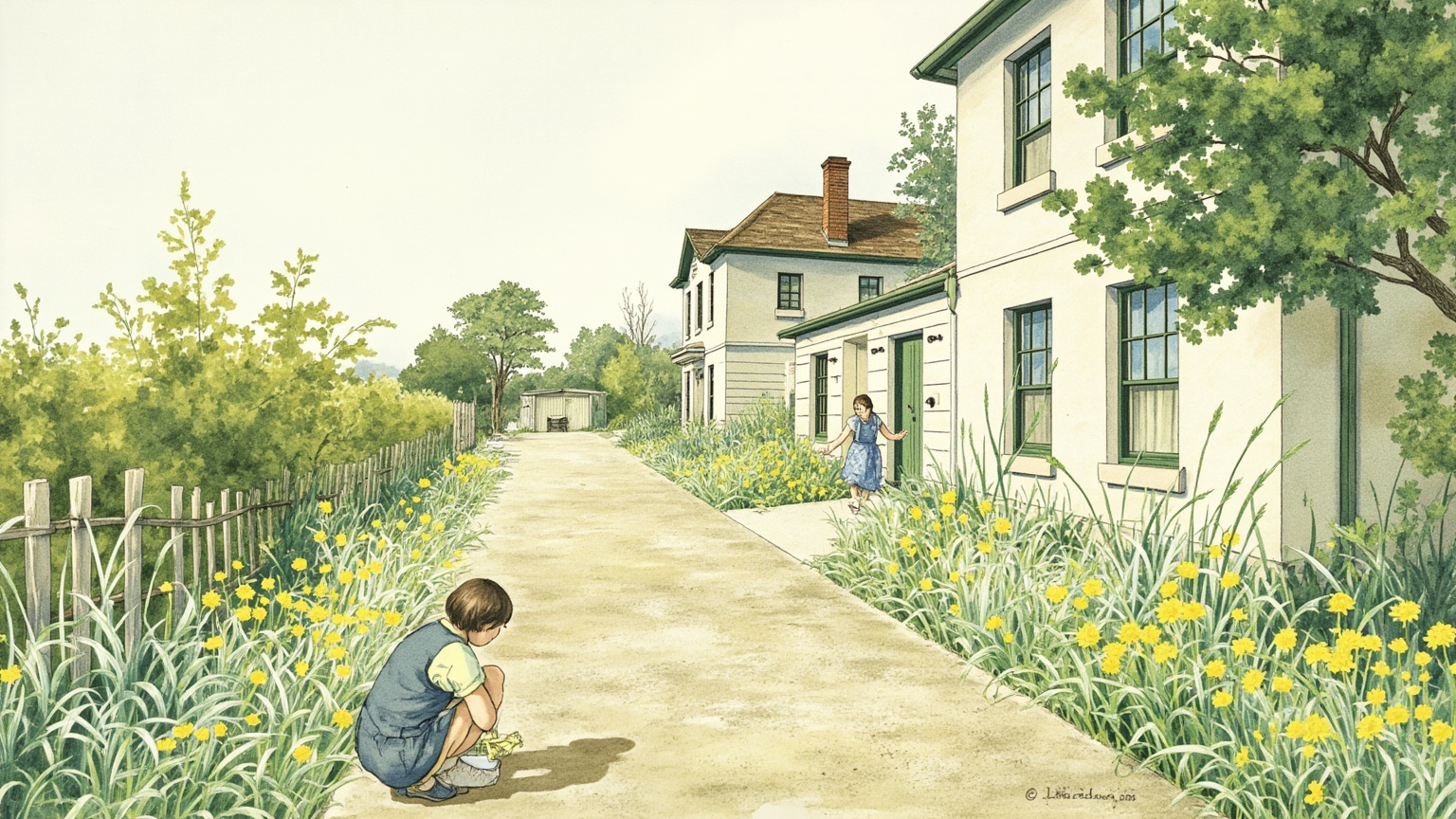
It seemed to her that she was living the events of a whole day, a wonderful, exciting day that had no end.
她觉得自己正活过整整一天的种种——一个没有尽头的、让人又惊又喜的一天。
金句 · 杀鸭之后段 · 傍晚的预兆
Late at night the guests leave, and the lamps go out one by one. Kezia lies down, still wide awake. She already senses, dimly, that a move like this cannot be undone: carry the old house's things into the new one, and you have also carried yourself away from who you were the day before. But the thing that will really happen is still tomorrow — growing up properly starts tomorrow. This is where Mansfield sets down her pen. Prelude is a prelude because she deliberately does not write the growing up itself. She writes only the moment you still remember: the membrane is still there, but you can already feel wind coming from the other side of it.
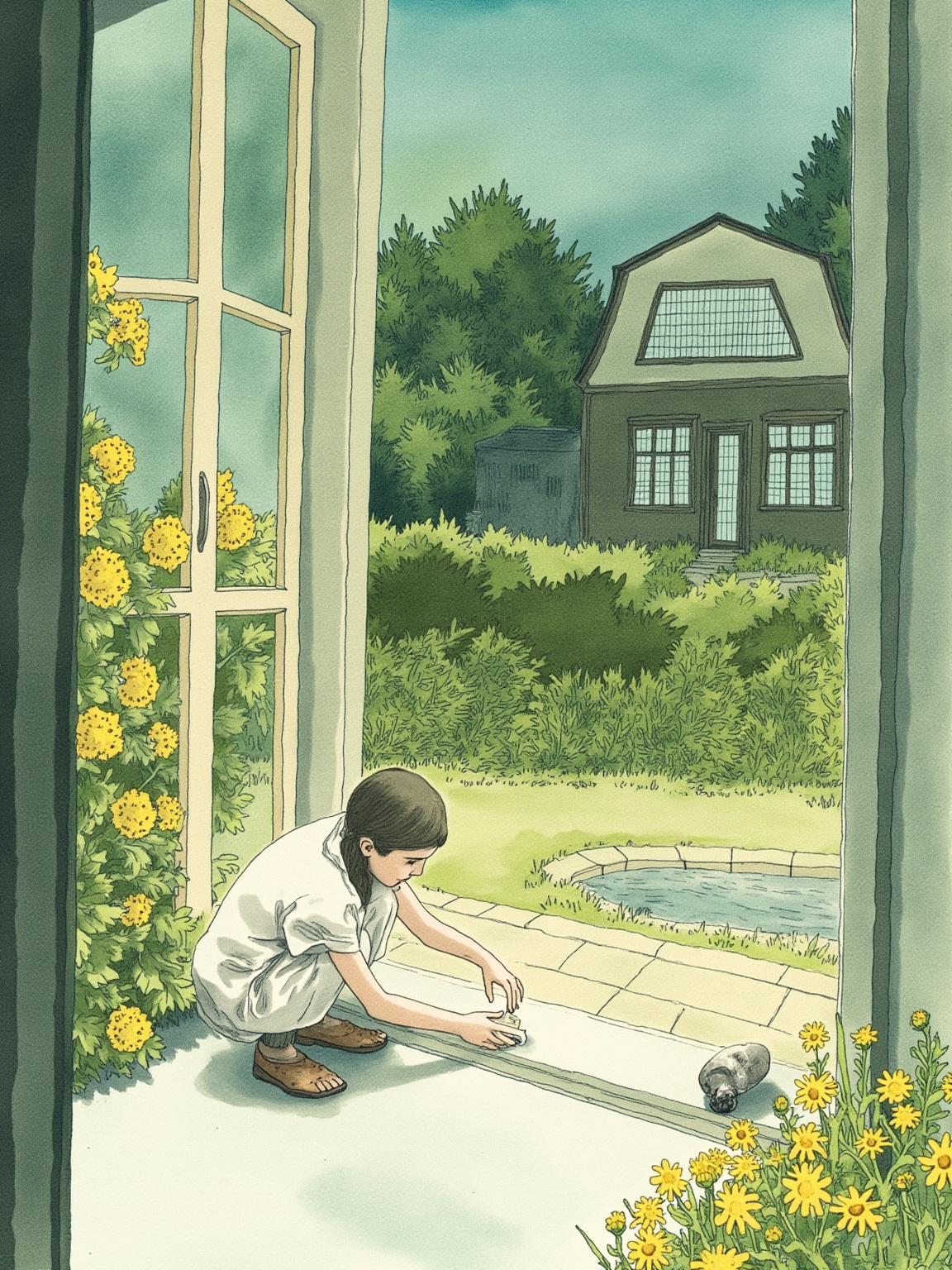
Tomorrow she would begin to think about the doll's house; to-morrow she would begin to be grown-up.
明天她才会开始去玩那间娃娃屋;明天,她才会开始长大。
金句 · 尾声段 · 灯火熄后的凯齐娅
Mansfield never writes the growing up itself — only the moment the membrane is still there, and you can already feel the wind on its other side.
Theme and Technique
What is Prelude actually about? On the surface, one day in the life of a colonial middle-class family moving house. Underneath, an eight- or nine-year-old feels, for the first time, the act of noticing itself. The dandelion buried alive, the marlin's stare, the killed duckling, the wind in the scrub: none of it is plot. It is Kezia's senses catching each thing as it comes. This is the most comfortable mode of the early stream-of-consciousness short story: sensation instead of psychology, not she felt sad but the second her fingertip stops against the bark.
Mansfield writes well because she dares to stop at this scale of grain. A house move, a dinner for guests, a duck killed, a walk in the afternoon — no war, no funeral, no large external event of any kind. She makes you believe that the light, the smell, the temperature, the touch a child's eyes take in over a single day, add up on their own to a complete drama of growing up. Kezia is also one of the rare, truly convincing girl-narrators in literary history: not childhood remembered by an adult, but a wide-open, fully sensing awareness happening right now. That is the real reason readers have kept remembering her, generation after generation.
Why Go Read the Story
A summary like this one can only tell you what happened that day. Only the story itself lets you see it second by second, through Kezia's eyes: the dandelion, the marlin, the wind in the scrub, the fluff on the ducklings, her father's voice at the dinner table. Mansfield gets these details so exact, so specific, that only by walking into the page yourself will you suddenly realize you have had a moment like that too, when the membrane got pushed from the inside — you simply never stopped to notice it. Finish this story and you will want to close your eyes in the sun for a moment.
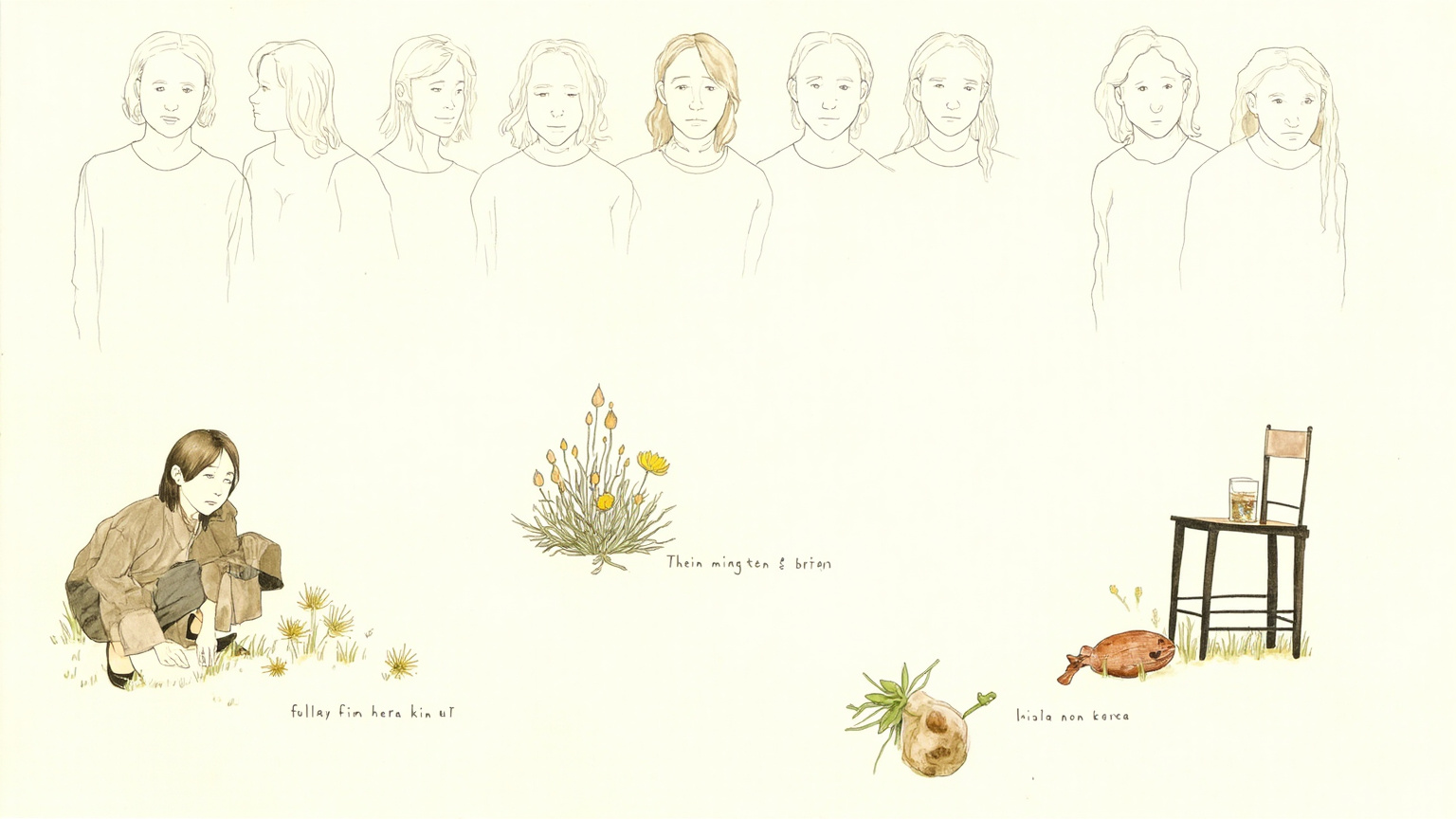
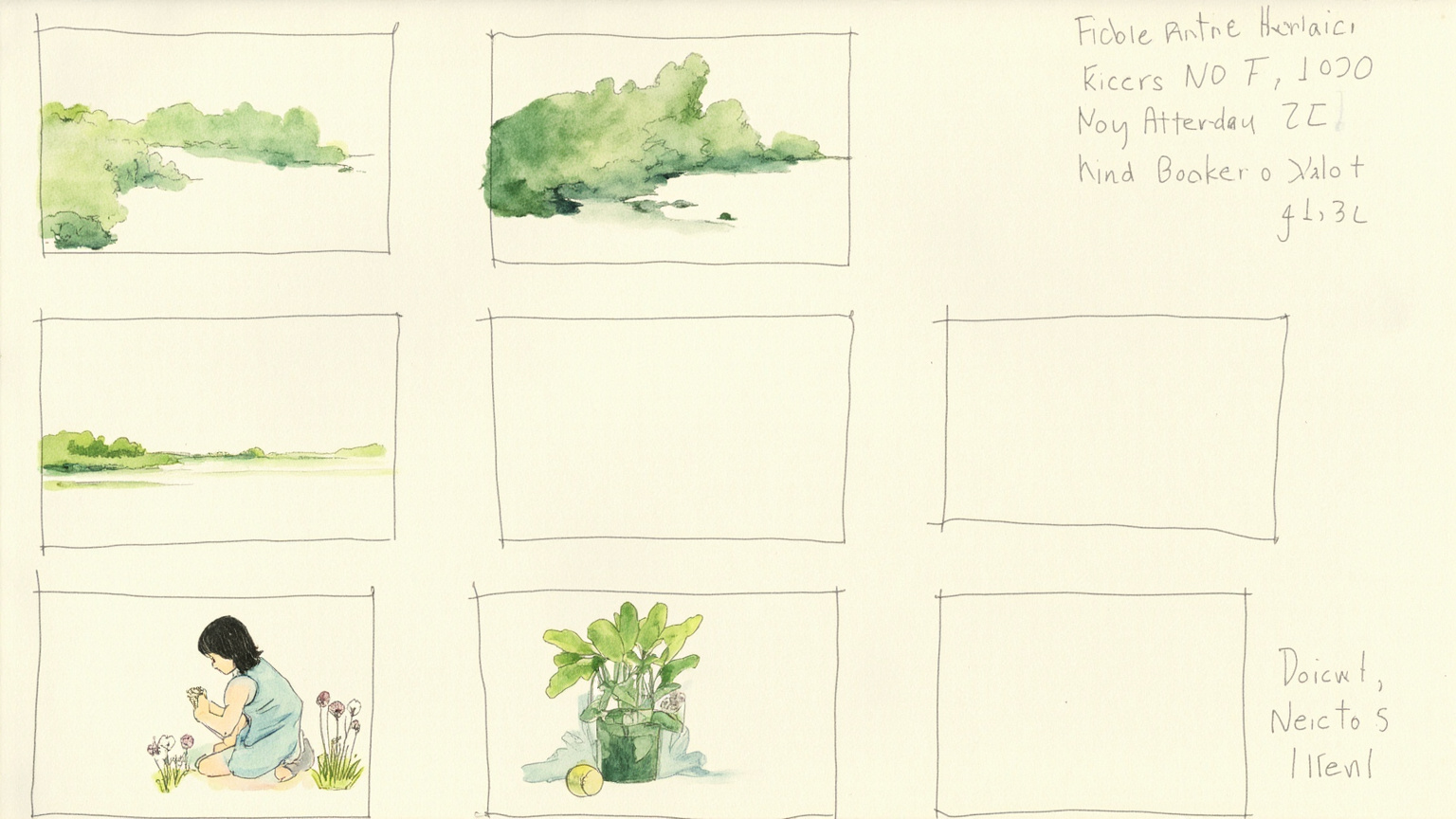
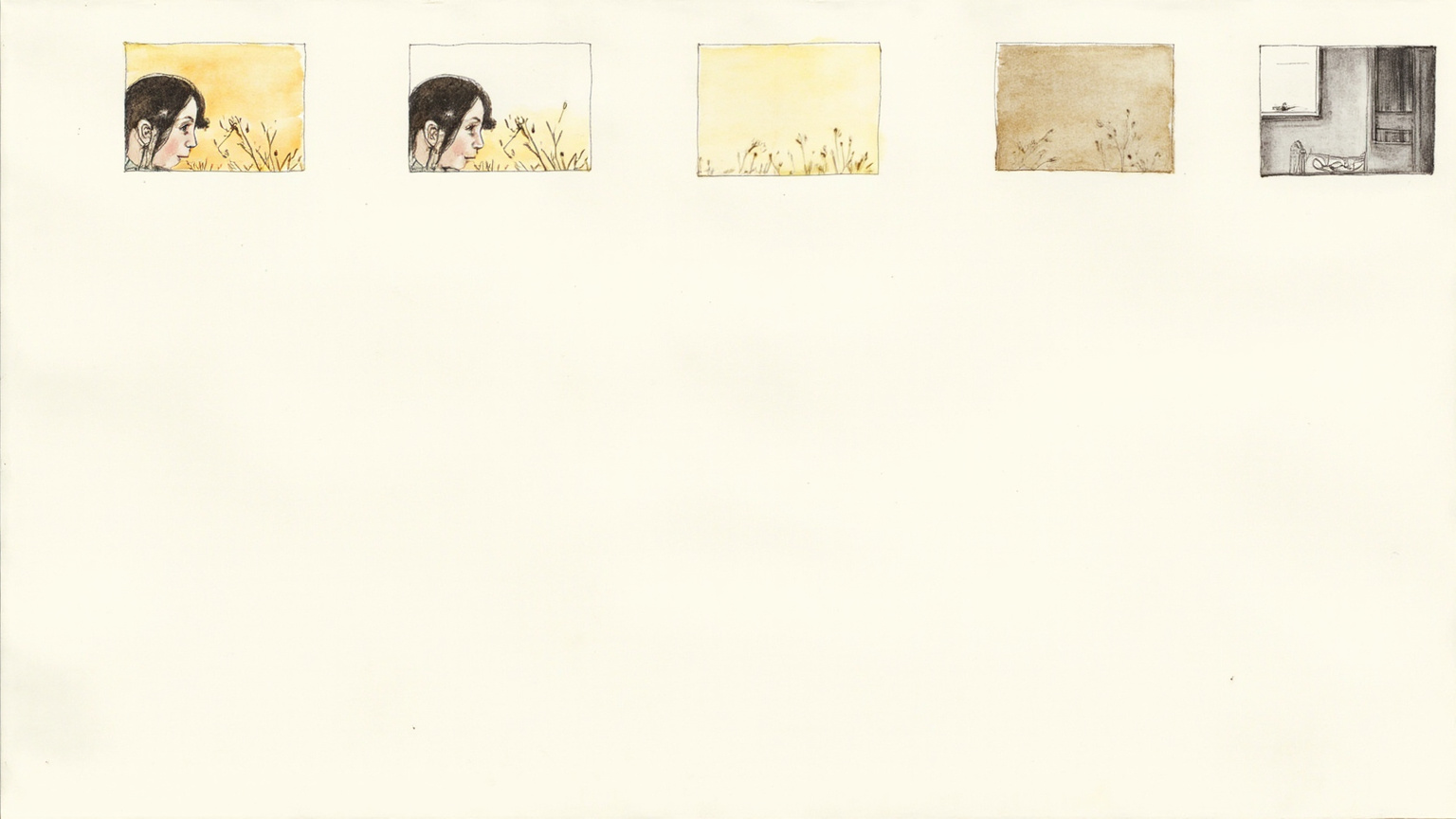
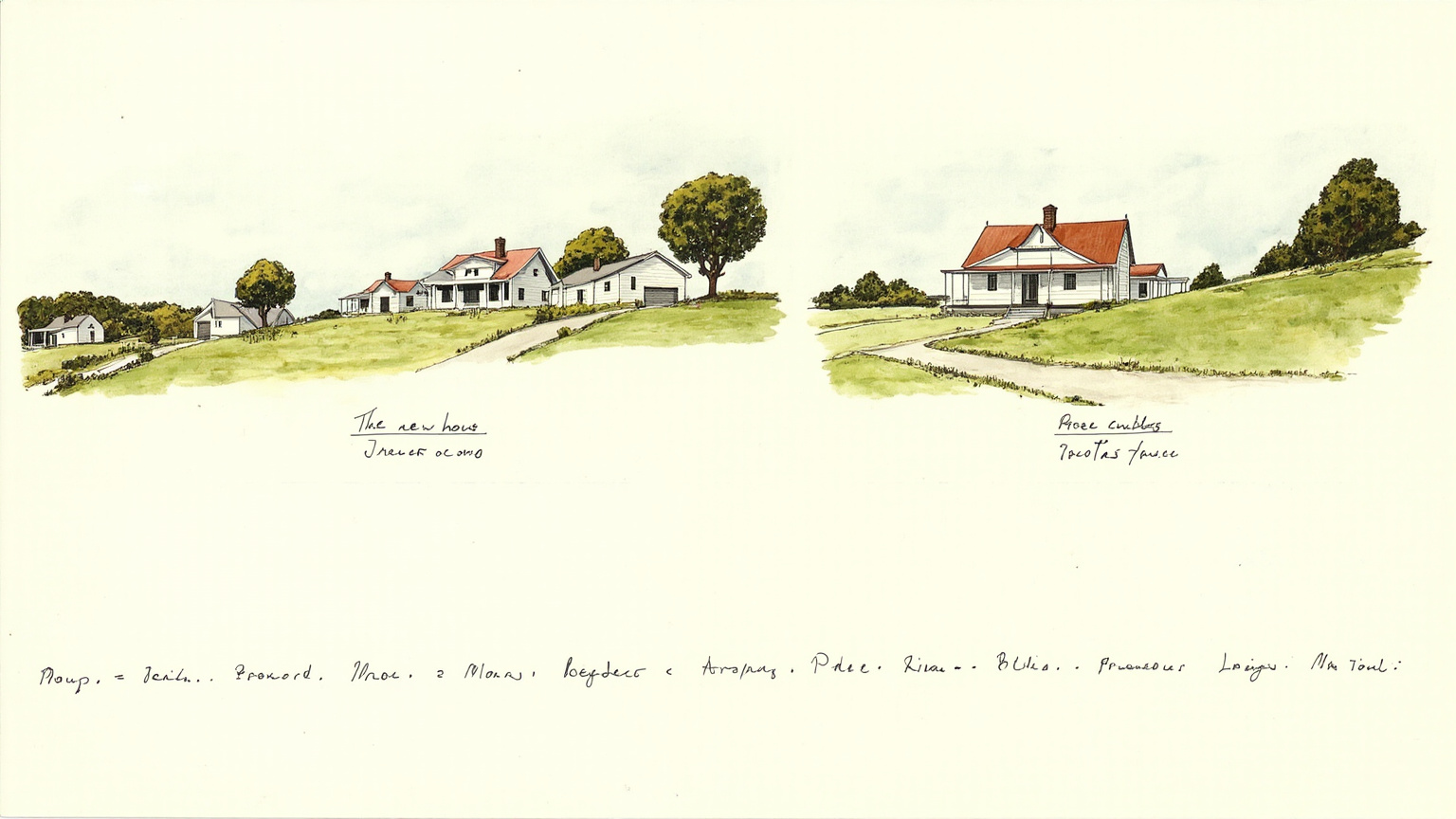
Art Direction4 plates
Before the guide was written, this book got a visual foundation — every illustration you just read grew out of it.