Red Poppies · Companion Guide
尘埃落定
一个被视为傻子的少爷,在土司制度的黄昏里看见命运率先落定的模样。
The Moment the Idiot Opened His Eyes
The birthing room in the Tusi's fortress was too quiet. The second wife of Tusi Maiq had just given birth to a son — normally a cause for celebration, a new addition to the family. But the midwife and the others present could not bring themselves to speak first. The baby's cry was muffled, his eyes darted about, and the family recognized him on the spot as Simple — Simple for the rest of his life. Tusi sat outside, his face ashen. Nine months the fortress had waited, and what arrived was a child they could not understand.
Why This Book Is Remembered
The Dust Settles is a novel Alaï wrote in 1998, which five years later won the Fifth Mao Dun Literature Prize. The judges saw in it a remarkable feat: a Han writer who plunged deep into the Jiarong Tibetan region of western Sichuan, chronicling a Tusi fortress from flourishing to collapse, writing with the lyricism of poetry and the immediacy of a living anthropological slice. Readers remember it for a different reason — the one telling the story is an idiot.
The Fortress in the Mountains
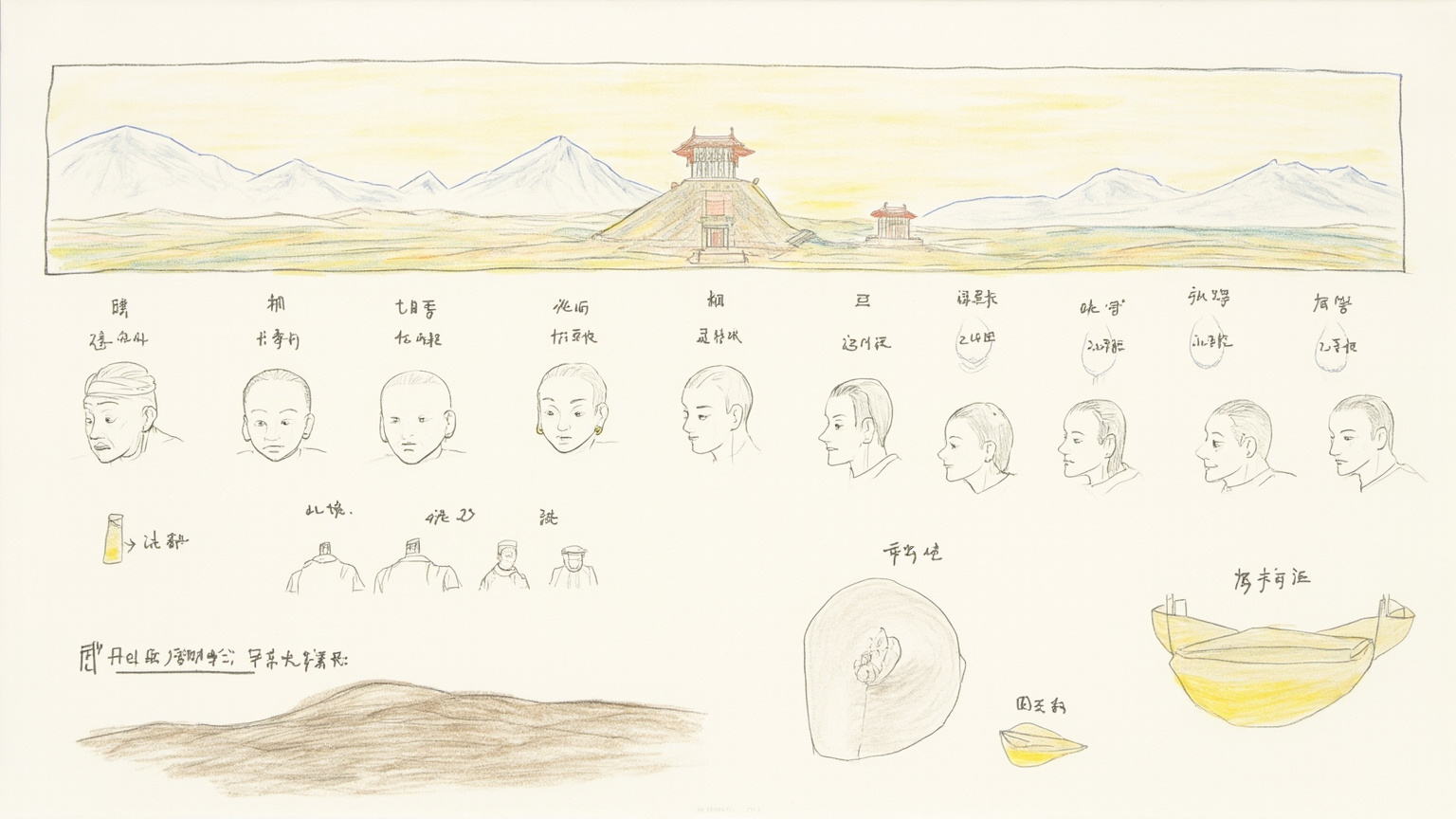
The story unfolds in the first half of the twentieth century, in the northwest of Sichuan, in the heart of the barley fields beneath snow-capped mountains in the Jiarong Tibetan region. There stands the stone fortress of Tusi Maiq. The Tusi is the land's private emperor, ruling a handful of villages and several hundred Tibetan households, prayer flags fluttering from the watchtowers, stone cairns guarding the mountain passes. Within the fortress, strict hierarchy: the Tusi sits at the highest seat, each wife has her own courtyard, and the servants move around the hearth. The story circles this fortress, and the light that shifts through it from dawn to dusk.
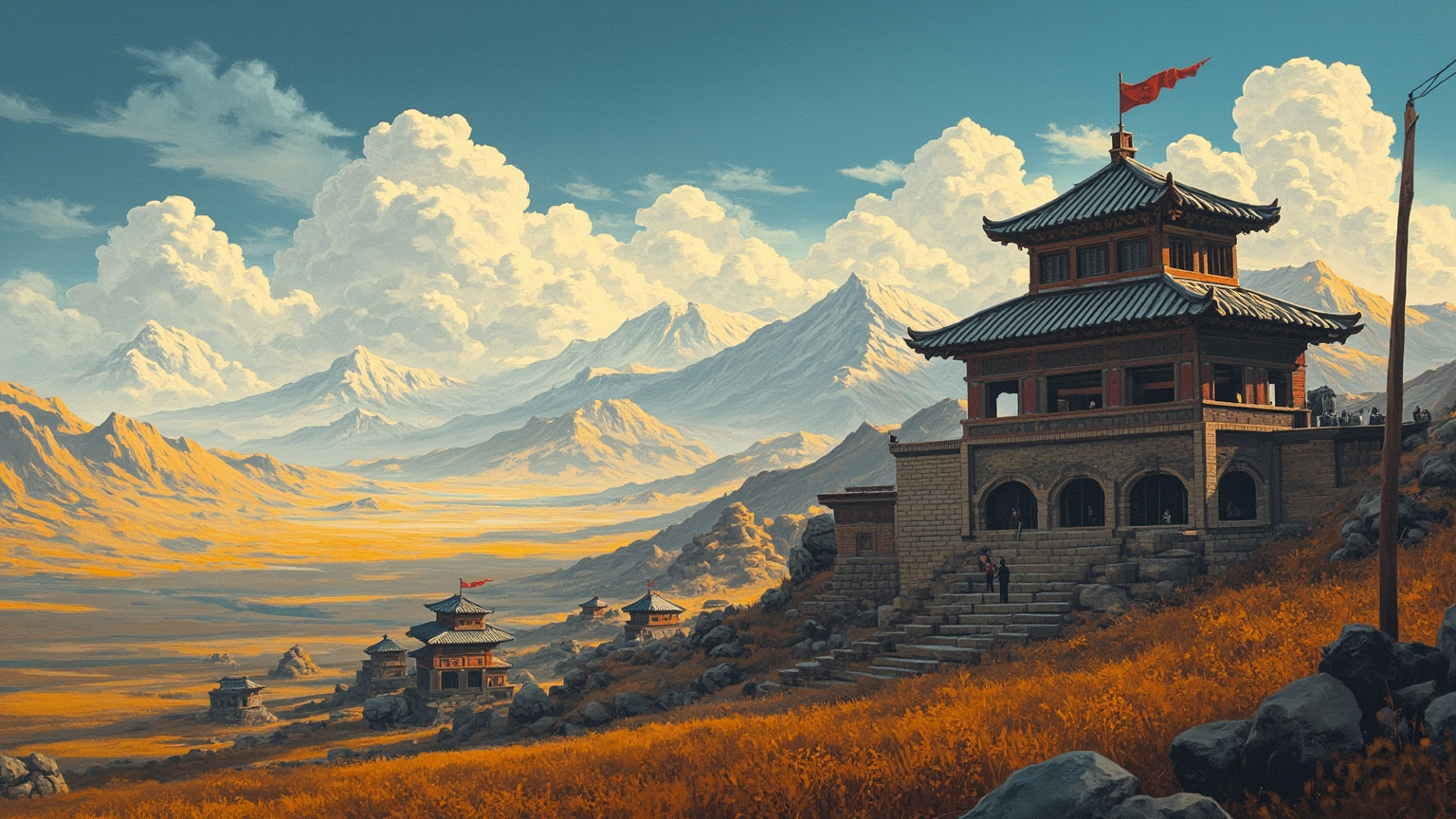
My father was a chieftain, ruler over a handful of villages and a few hundred households—yet to the people of those villages, he was the lord of all beneath heaven.
我父亲是麦其土司,管着几座寨子、几百户人——可在这片土地上,他就是百姓的天。
金句 · 开篇 · 麦其土司的辖地
The Idiot's Birth
The idiot young master is the son of Tusi Maiq and his second wife, marked as simple from the moment he was born. He was slow to speak, unreliable in action, always tilting his head to stare at the hearth. But he had something no one else possessed — he could, before anything happened, smell its coming. Someone in the tavern said trouble was brewing at the border; he lowered his head and ate, and the next day the words proved true. The steward asked whether to open a market at a certain place; he nodded, and the place truly became a gathering spot for merchants from every direction. His foolish chatter gradually became the hidden thread behind the Tusi's decisions.
A Wind That Shook a Manor
The Maqi family had risen on a newly introduced crop, but one year the tusi listened to the fool and turned vast fields over to grain. The next year famine swept through the surrounding lands, but the Maqi granaries were full and prices soared. The tusi used this to build caravans, arm his household militia, and push his power to unprecedented limits. The fool was even sent to the border to open a market — he took no soldiers, just a few loads of tea and a blank expression, but traders came rushing from every direction, and a brand-new border market sprang up from nothing.
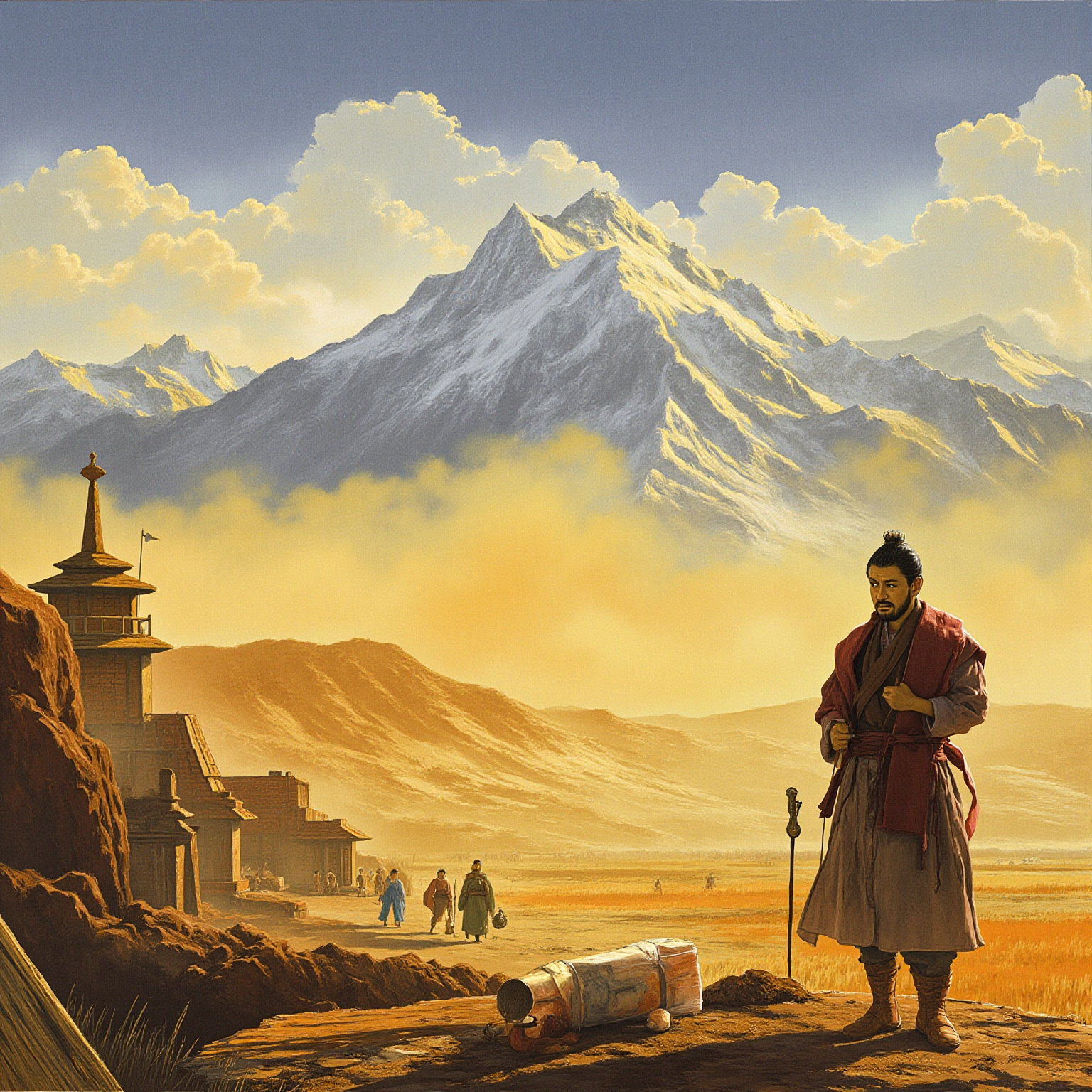
The wind that year came from the south, and the weather turned so strange that grain sprouted in the soil and hope sprouted in the fields.
那年的风从南边来,天气反常得让人心慌,地里的种子发芽,地里的希望也跟着发芽。
金句 · 罂粟季 · 麦其家靠白色花穗翻身
The Tusi's Greed and the Fire Around
The neighboring tusi were green with envy. The Rugong tusi and the others scrambled to follow suit, to grab land, to start wars. On the once-isolated plateau, the tusi bit at each other while looking toward the Han lands. The fool stood at the highest window of the manor, watching it all with perfect clarity — he could see the power at its height, and he could see the wobbling pillars beneath it. When he said nothing, people treated him like air; when he spoke, his father did as he was told.
The Knife in the Darkened Hearth
Surface prosperity couldn't hide the rot underneath. The elder son, Dan Zhen Gongbu, was the legal heir — brave and aggressive, never shirking a fight — but privately he was always wary of his dim-witted younger brother. His wife Tana was a beautiful woman sent by the Rugong tusi, a political marriage on the surface, but she kept cheating on him, each betrayal landing precisely on the family's wounds. The personal maid Sangji Zhuoma moved through the manor's shadows, serving tea, adding coal, keeping watch at night, occasionally whispering something only the two of them understood — she was closer to the boy's life than any mistress, yet no one ever took her seriously. The Maqi tusi was aging, his suspicions growing heavier even as he tried to appear stronger. He followed the fool's advice in secret, but would rather die than admit he relied on an idiot.
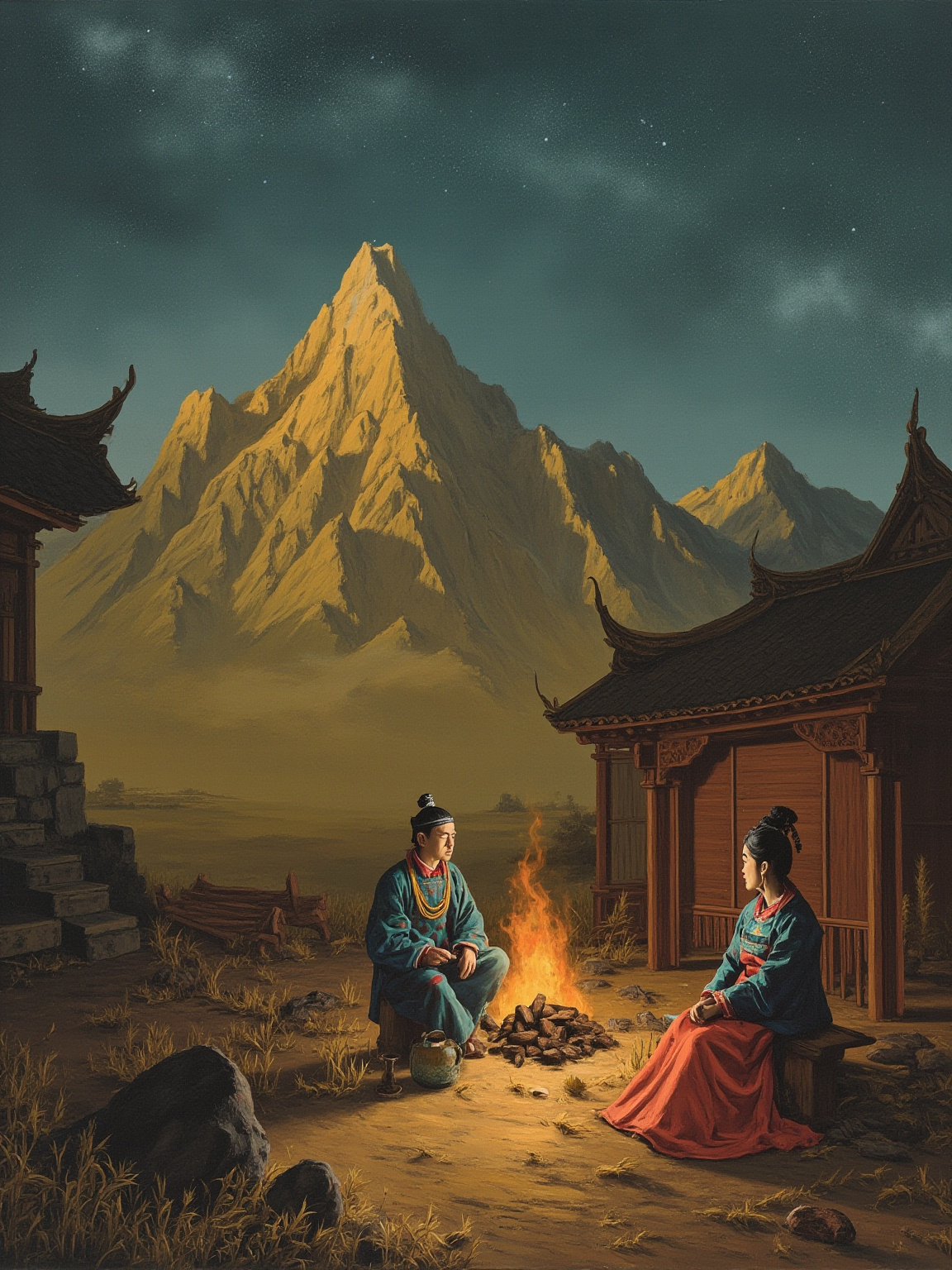
Power in the chieftain's house was like a fire in the hearth: the closer you sat, the more it burned you.
土司官寨里的权势,就像火塘里的火——坐得越近,烧得越狠。
金句 · 火塘篇 · 塔娜背叛与兄弟对峙
A Man Without a Tongue Still Keeps Record
The supporting character you'll remember forever is Wangbo Yixi. A geshe from the holy city, a learned scribe, he was expelled and his tongue cut out for speaking plainly and offending the tusi, then taken in by the Maqi tusi. Without a mouth, his hands only grew steadier — he wrote without stopping, recording everything in the manor book by book. His presence was a mirror: the fool's mouth spoke what he saw, and Wangbo Yixi's pen nailed it into history.
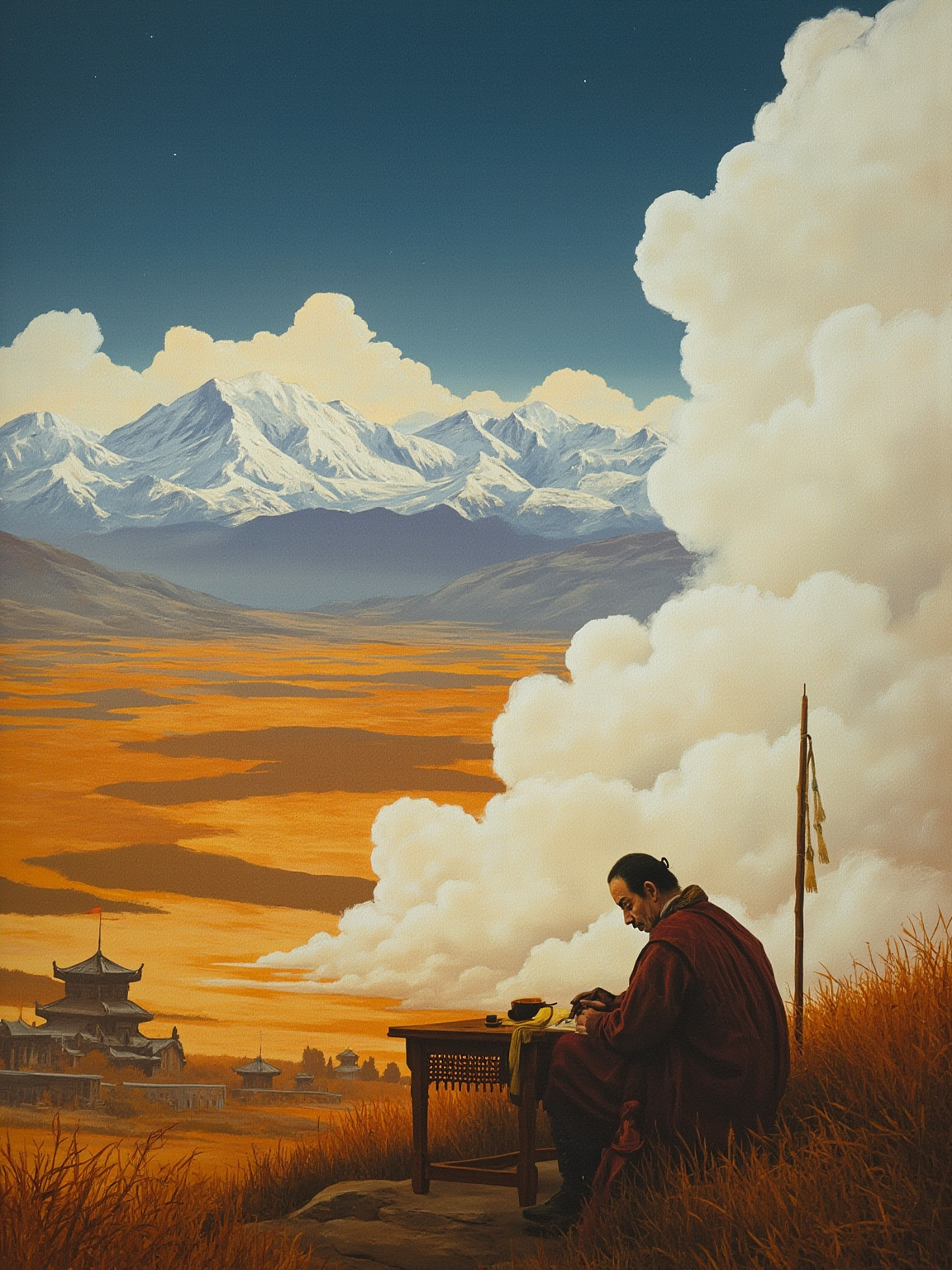
Our History Officer dipped his brush into ink, and all the unspeakable things of the manor were written down in firm, silent strokes.
书记官将笔尖蘸满墨水,官寨里一切不可言说的事情,都被他一笔一画、稳稳当当地记进了册子。
金句 · 书记官断舌 · 翁波意西
Trucks and Cannon Fire Beyond the Mountain
The outside world wouldn't wait. The caravan trains gave way to trucks carrying goods, and gunfire drew closer year by year. Nationalist defeatists, Han merchants, missionaries poured in through the mountain passes one wave after another. The chieftains allied today, turned on each other tomorrow, but none could hold back the avalanche rolling down the slope. The Maqi chieftain's fortress still blazed with lamplight, the barley wine still churned in the copper pots, but the ancient paintings on the walls had already begun to fade.
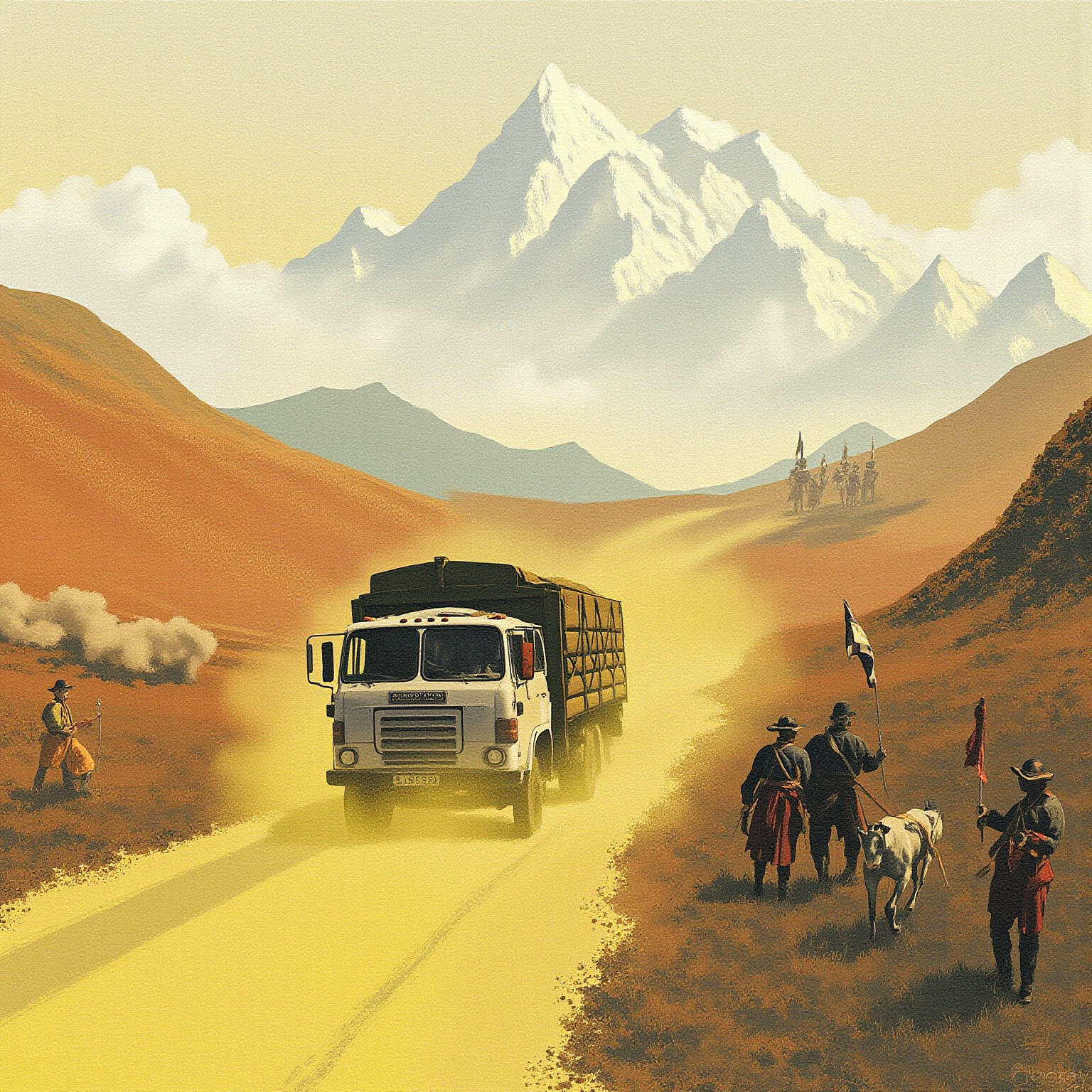
Trucks came up the mountain road, and the old order began to shake like a mani pile in an earthquake.
卡车从山外开进来,旧秩序就像玛尼堆遇上了地震,一块一块地往下塌。
金句 · 山外 · 新势力涌入
The night the People's Liberation Army entered Tibet, the Maqi chieftain's fortress was consumed by cannon fire and flame. The Maqi chieftain and his wife died in the chaos, never leaving their own watchtower. The stone walls of the fortress crumbled section by section in the explosions, the prayer flags on the roof caught fire and were blown away. The idiot young lord didn't run—he sat in the swirling dust. An old enemy found him, the knife fell, and he didn't dodge.
Dust Settles
The last thing he saw before dying was the gray dust filling the sky. It slowly settled, covering the watchtower, covering the hearth, covering the chair where his father had sat as chieftain. The chieftains on this land had ruled for hundreds of years; his was the last story. The most accurate line in the book—all that power, wealth, love and hatred, finally like that dust, falling, falling, returning to silence.
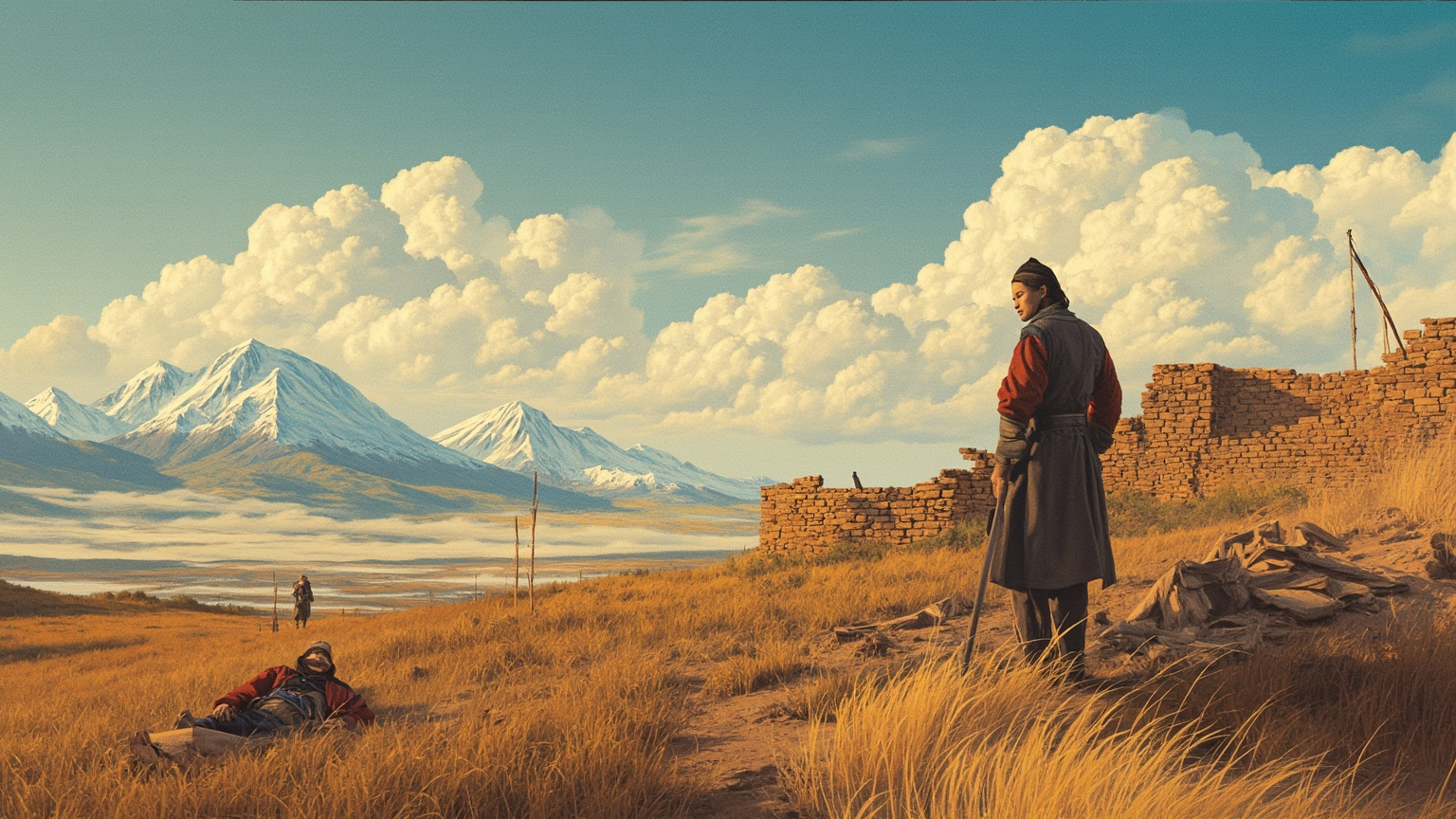
All the dust rose into the sky, then slowly, slowly fell, covering the watchtower, the fire pit, the seat where my father had once been lord.
尘埃飞扬起来,又慢慢落下来,盖住碉楼,盖住火塘,盖住我父亲做过土司的那把椅子。
金句 · 终章 · 尘埃落定
The idiot can tell the whole story of a fortress's decline because he never had any intention of inheriting it.
What Is It Talking About
On the surface it writes of a family's downfall, at its core it's about a kind of heart disease of power. Between father and son, between brothers, between husband and wife—each fears the other, each feeds on the other, each moves against the way—the old system rotted from within, and the outside guns and cannons emptied it out before the chieftains themselves could. Ala gave this task to an idiot to watch and tell: it's cruel. The clever ones calculate too well and can't see what's falling off the edge of the ledger; the idiot keeps no accounts, he only keeps his eyes open.
The magic isn't in the plot — it's in the sight
The Dust Settles carries the flavor of magical realism, but its magic isn't in the plot — there are no spirits or shape-shifters, no one flying or vanishing into the earth. Its magic lives in a fool's perception: he can sense where the wind is going, can turn a thought into a snowstorm. You can't quite say whether this is sixth sense, the Buddha's wisdom, or a peculiar radiance of the plateau. Either way, follow his eyes and every inch of light and shadow across the mountains, the landscape, inside and outside the official fortress takes on another layer of meaning.
Why you should still read it knowing the ending
A commentary can give you a map, not the land itself. Alai's novel-language, poetic as it is — the wind in the barley fields, the copper kettle by the hearth, the fool's half-spoken words with a crooked smile — cannot be paraphrased; the storylines of Sangye Drolma, the steward, and Ronggong Tusi that we set aside, that old atmosphere, cannot be fitted into an overview. And then there's the bodily sensation — the plateau cold that cuts your face, the tea hissing in the pot, the hearth smoke stinging your eyes — these are things only the person who turns to that page and catches that wisp of smoke can gather for themselves. The map has already been given to you. The rest of the road, you walk yourself.
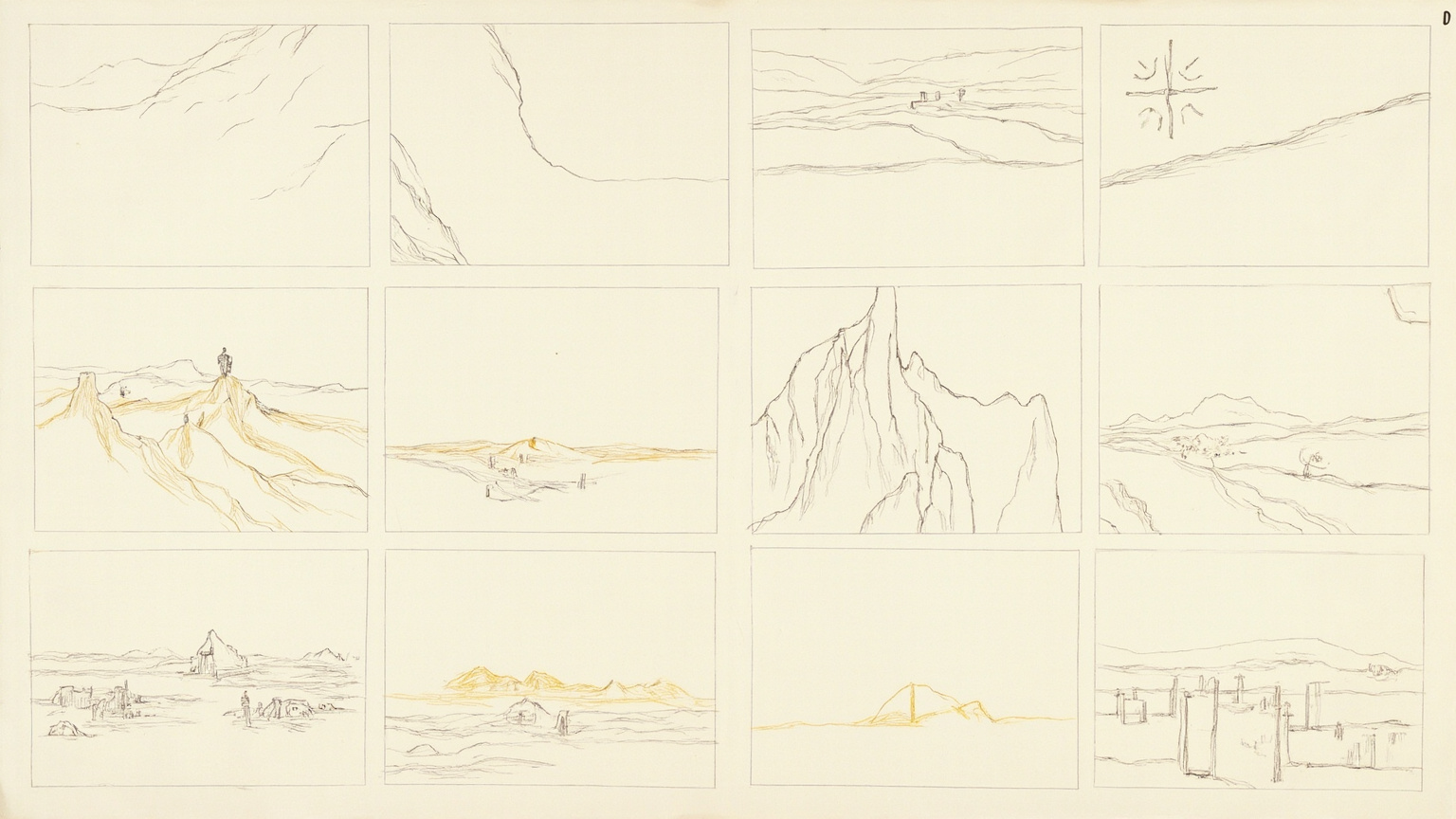
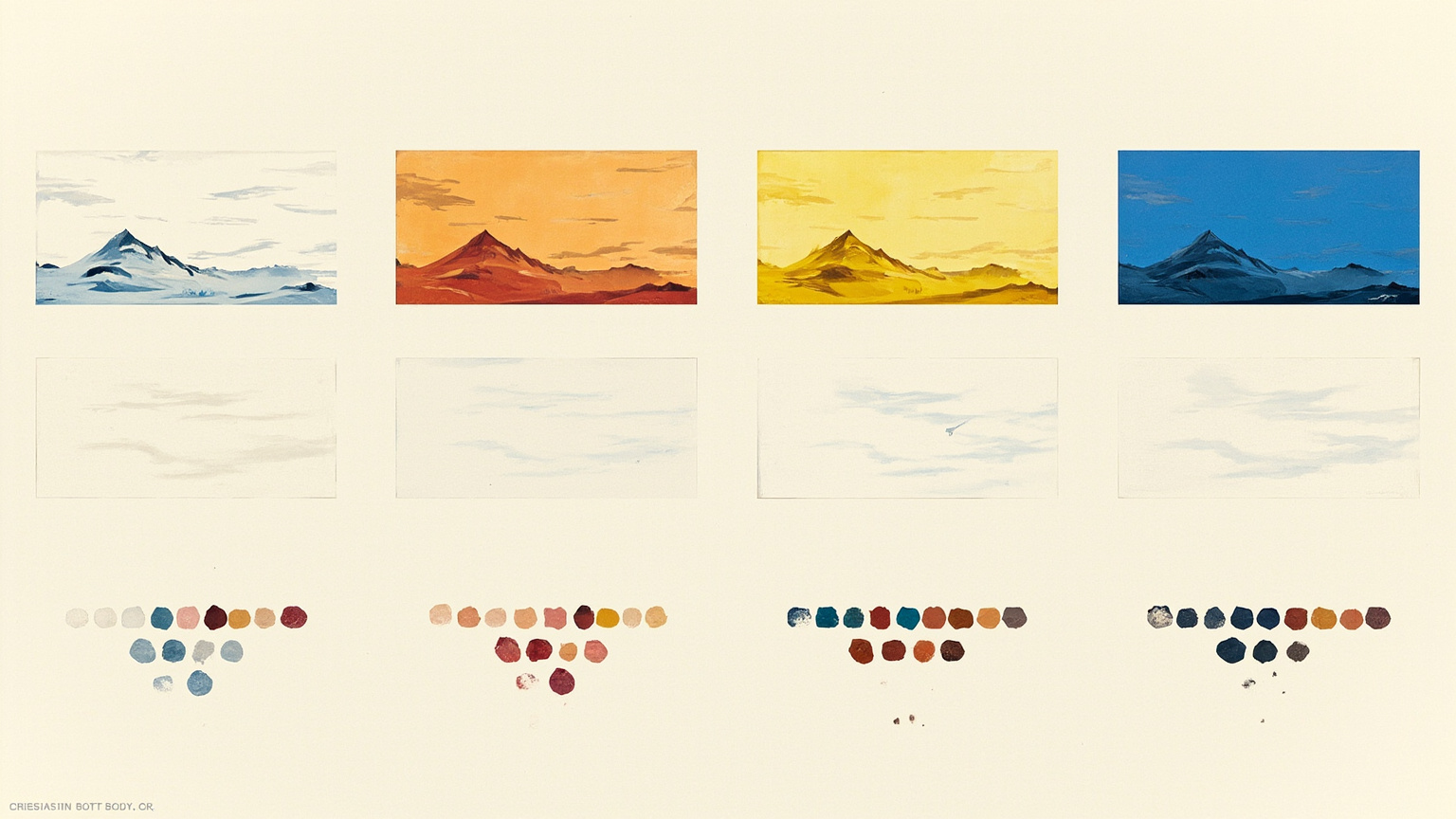
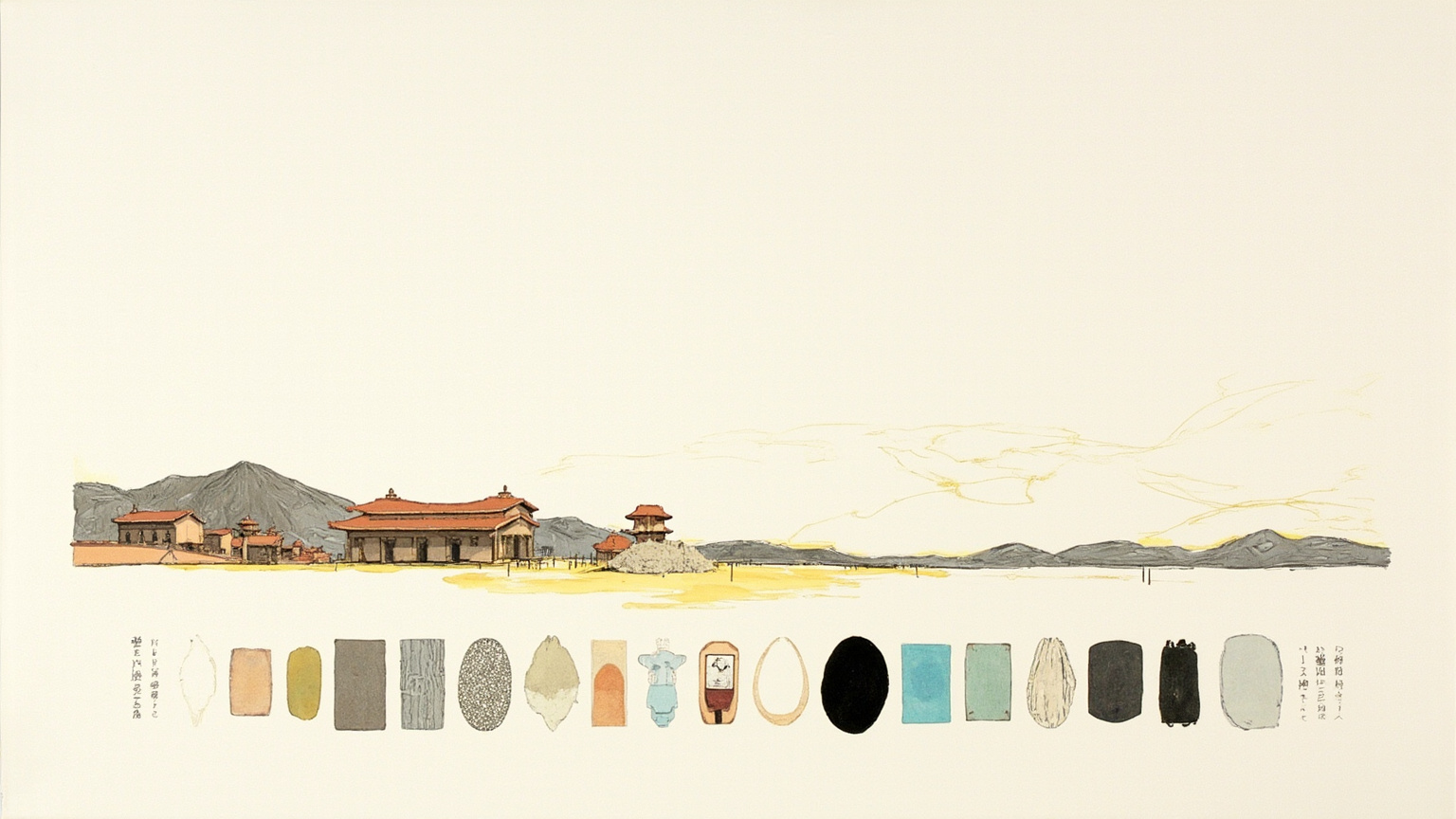
Art Direction4 plates
Before the guide was written, this book got a visual foundation — every illustration you just read grew out of it.