Resurrection (Воскресение) · Companion Guide
复活
陪审席上他认出了她——十年前被他诱奸又抛弃的女仆,如今以杀人嫌疑犯的身份站在被告席。一个体面贵族就此踏上漫长的赎罪之路。
Opening: The Look in the Courtroom
The wooden jury seats were hard on the bones. Nekhlyudov sat bored, listening to the judge drone through some murder case, when suddenly — the woman in the defendant's box raised her eyes and looked at him. He recognized her. She recognized him. That single look detonated every page of backstory the book had been building toward.
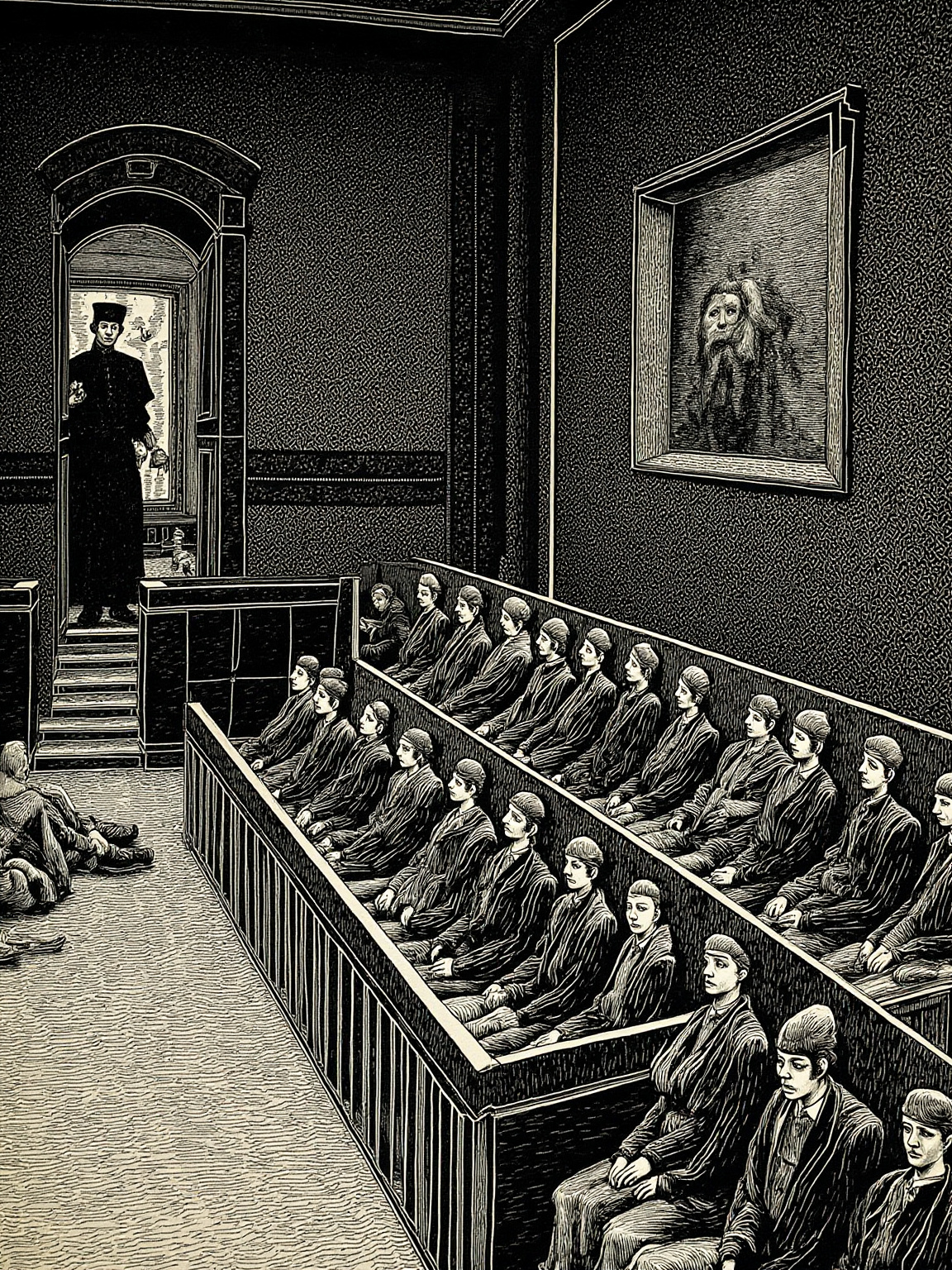
He recognized her, and she recognized him.
他认出了她,她也认出了他。
金句 · 第一部 · 第1章 · 法庭旁听席
What Book Is This
Resurrection was published in 1899, one of the last major novels Tolstoy wrote in his seventies. Unlike War and Peace, with its sweep of war and family destiny, or Anna Karenina, focused on one woman's fall, it fixes its lens on a single, concrete event: a nobleman discovers he owes a debt to a woman, and what he should do about it. The book is remembered in literary history less for its art than for its almost unbearable moral pressure — Tolstoy in his final years was on the eve of a complete break with the church and the Orthodox establishment, and he wrote that break into every step Nekhlyudov takes.
Characters and World
The male lead, Nekhlyudov, is a young duke of good family, good looks, and originally decent heart — but those three words "originally decent" are exactly what this book sets out to dismantle. While staying at his aunt's house, he seduces the maid Maslova, then abandons her. The female lead, Maslova, began as a pure, laughing country girl who loved to sing; after being abandoned, her baby died, and she slid step by step into prostitution, until she was falsely accused of poisoning a merchant and sentenced to hard labor in Siberia without quite understanding why. The third key character is the political prisoner Simonov — he appears on the road to exile, idealistic, simple, treating Maslova as a person rather than a "sinner," a genuine warmth on that brutal path.
The story unfolds across two spaces in late nineteenth-century Tsarist Russia: on one side, the courts, prisons, and noble parlors of provincial Moscow, with their long tablecloths and candlelight; on the other, the snow-covered plains where prisoner transport teams drag convicts toward Siberia, the air thick with steam and chains rattling. Tolstoy drags Nekhlyudov from the first space into the second, step by step, and won't let him turn back.
Plot Overview
The story begins ten years ago with that "love affair." The young Nekhlyudov spent a summer at his two aunts' estate, where Maslova — their adopted daughter and servant — was innocent, beautiful, and treated him like a god. He seduced her in the casual way a young nobleman does — and when it was over, he pressed some money into her hand and went back to his regiment. She became pregnant, was driven out by her aunts, the child died within days, and she never found her way home again. Tolstoy tells this passage without melodrama; what he relies on is the shameful ease with which the male protagonist "completely forgets" — he didn't even remember her name before moving on.
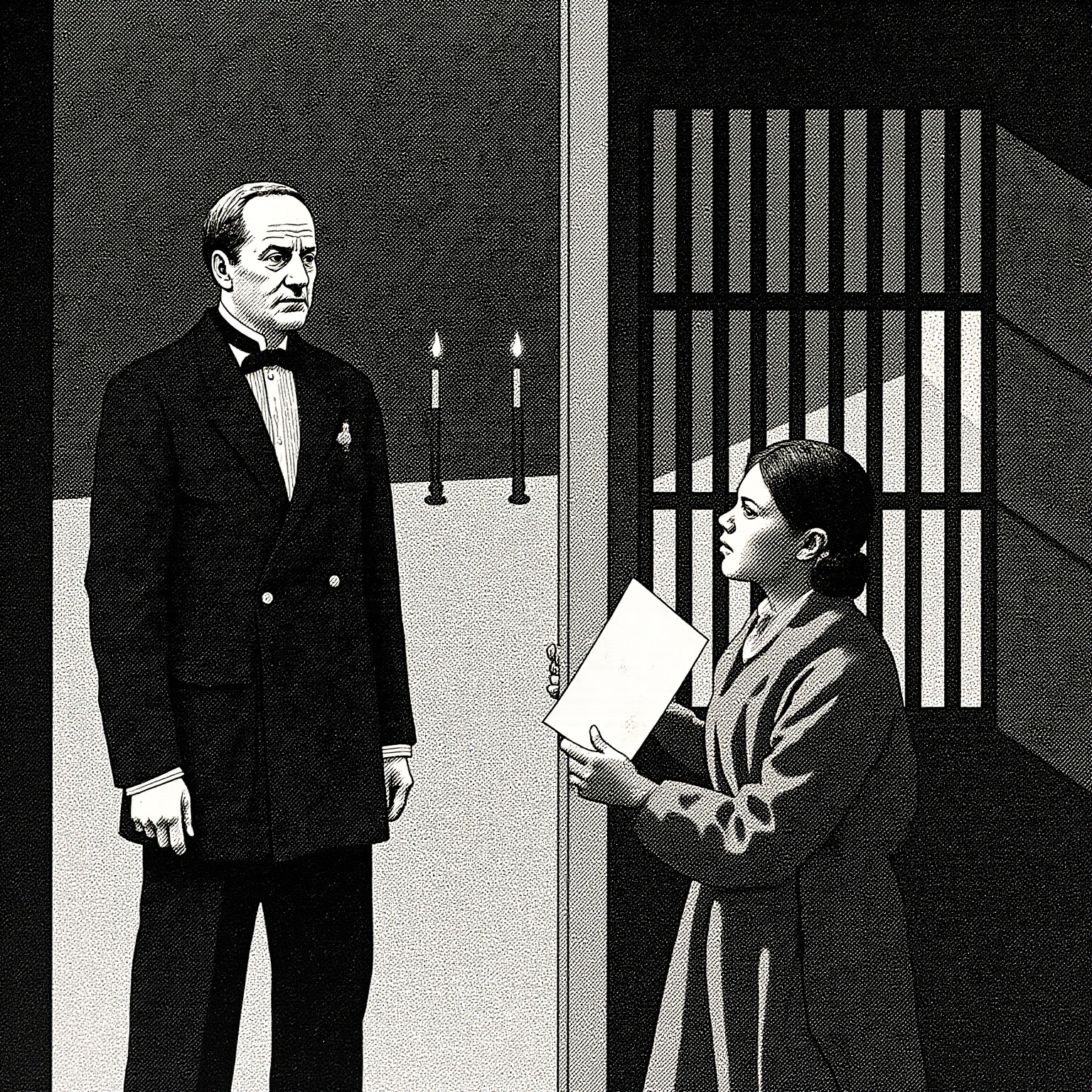
He could not recall without a sinking of the heart how he had used her, and how he had cast her off.
每念起当年怎样利用她又把她推出去,他的心就往下沉。
金句 · 第一部 · 第14章 · 庄园夏日
The reunion in court ten years later is the detonator of this book. Nekhlyudov sits on the jury in a high-backed chair, intending merely to go through the motions — until he sees a familiar face in the dock. Maslova is accused of complicity with her lover in poisoning a merchant — in reality she's taken the fall for someone else's crime. The court, hasty and indifferent because she's a fallen woman with no one to speak for her, sentences her to four years of hard labor in Siberia after just four hours of testimony. In the moment the verdict is read, Nekhlyudov wants to rush forward and shout "It was me," but his legs don't move. This line cuts deep: a decent person's conscience doesn't explode at the truth — it stalls first, then slowly festers.
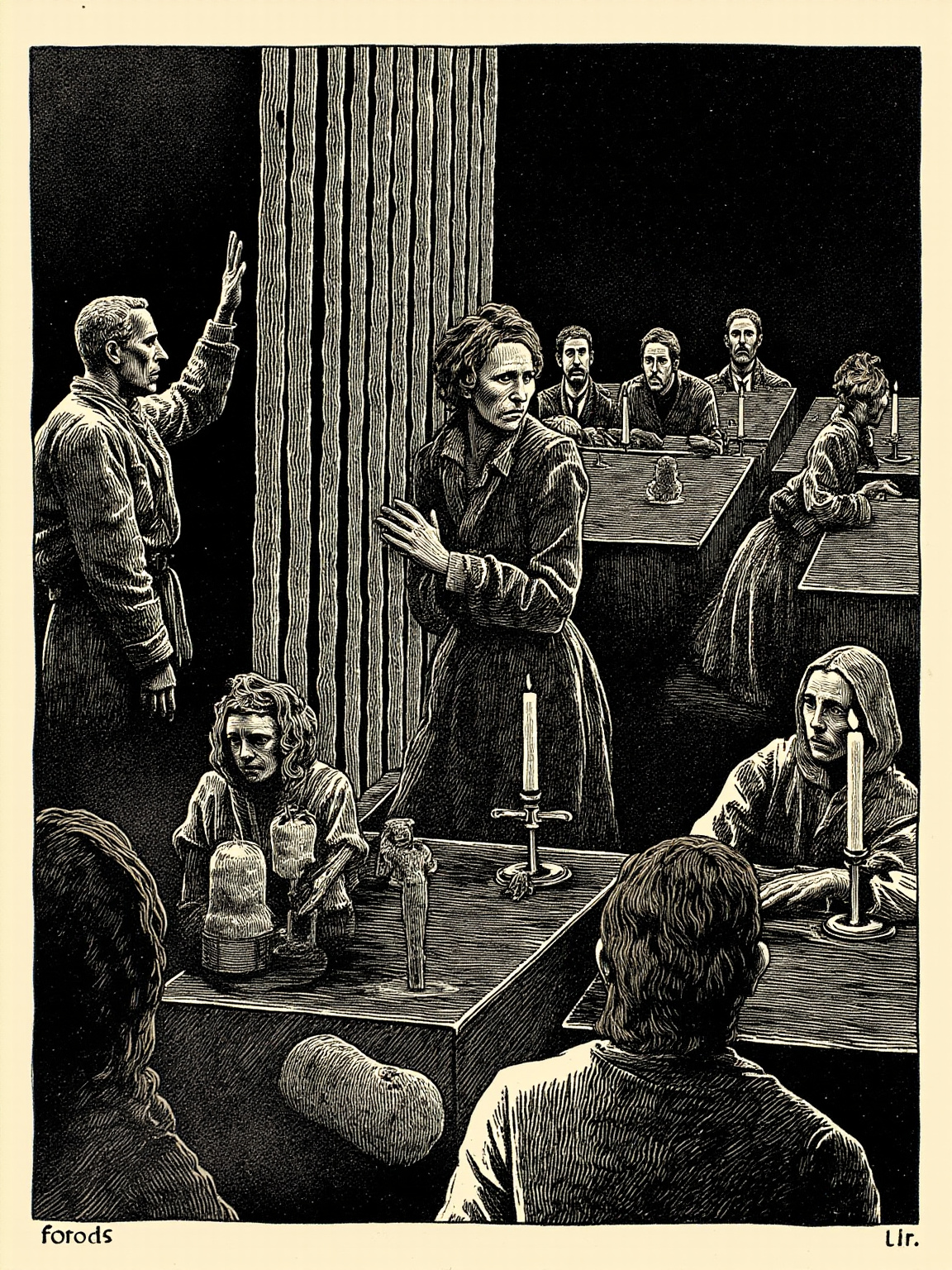
She was innocent — yet the judges condemned her to penal servitude in Siberia.
她无罪,可法官们还是把她判了西伯利亚苦役。
金句 · 第一部 · 第6章 · 判决
Nekhlyudov's atonement is not a single epiphany — it's a series of ugly actions. He begins visiting Maslova in prison, hires lawyers to appeal her case, sells ancestral property to give money to the peasants, resigns his respectable jury position, and decides to accompany the transport convoy. Each step requires explaining himself to his former circle, to himself, to Maslova. At first, Maslova responds by throwing his money away, treating his visits as just another man's game — her coldness is justified: why should she trust this man who destroyed her once? The sharpest part of this passage is that Tolstoy doesn't have her forgive him suddenly; instead, the two of them awkwardly, slowly draw closer.
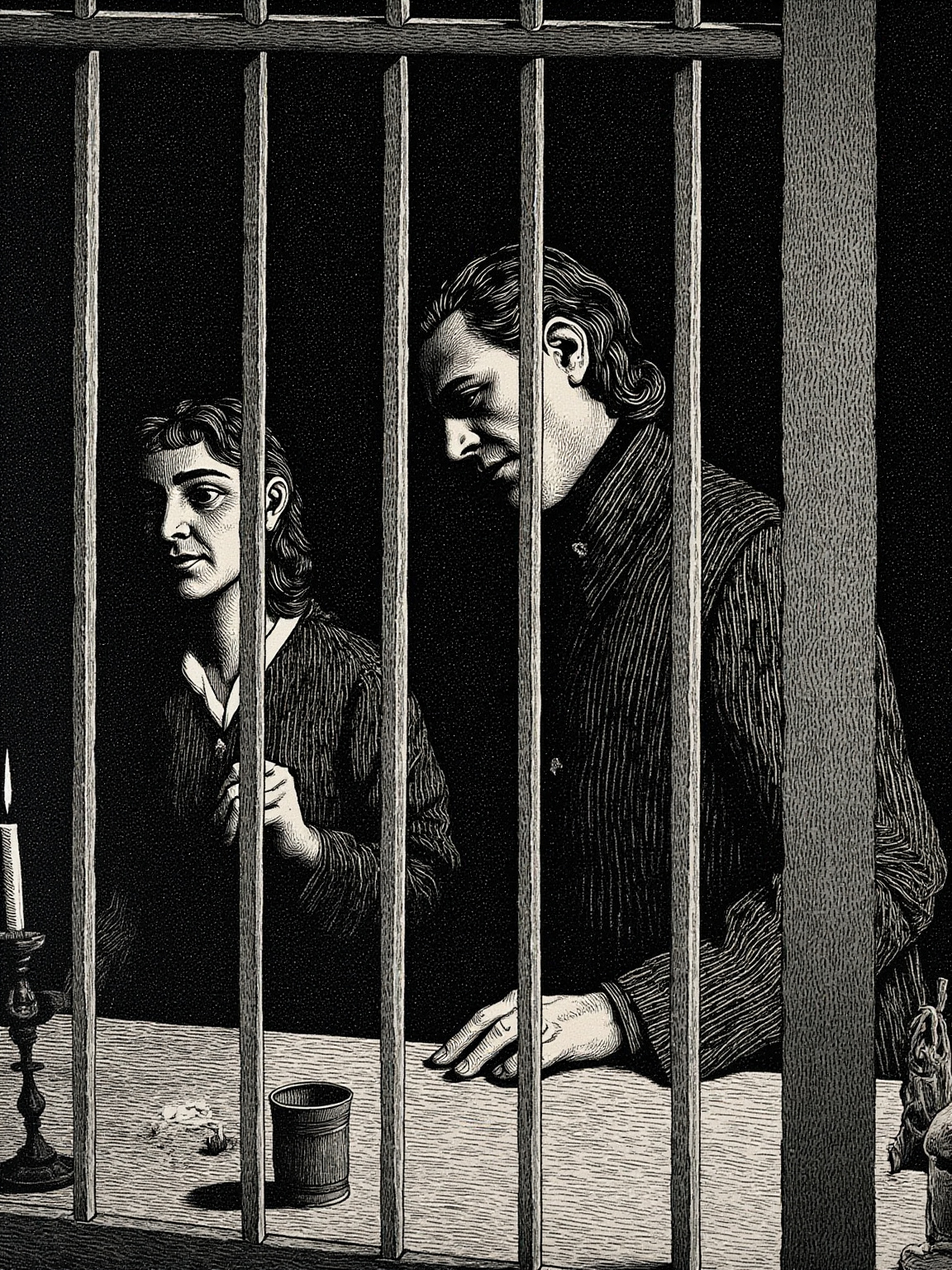
He could not abandon her and go on living as before.
他无法抛下她,继续像从前那样活着。
金句 · 第二部 · 第12章 · 探监
Slowly, things turn. It isn't Nekhlyudov "saving" Maslova — it's his sustained sincerity that lets her learn to respect herself again. She stops looking at herself with self-abandoning eyes, begins refusing the leering attention of male prisoners, starts pleading on behalf of people in the prison. Here Tolstoy accomplishes a turn few novels dare to write: the savior is instead the one saved, and the saved person drags the savior out of his fraudulent old shell.
The appeal fails. The efforts to reduce her sentence come to nothing. Maslova, in her convict uniform with half her head shaved, boards the transport train to Siberia. Nekhlyudov doesn't stay in Moscow to scheme — he pulls strings to join the convoy, sitting in the stifling carriage with the prisoners and political exiles, eating the same black bread, walking the same muddy roads. This is a passage many overlook, but it's brilliantly written — Tolstoy makes him see the prison firsthand, see the real hardship of the exile road, and his original "personal atonement plan" looks ridiculous and insignificant against the vast machinery of the system.
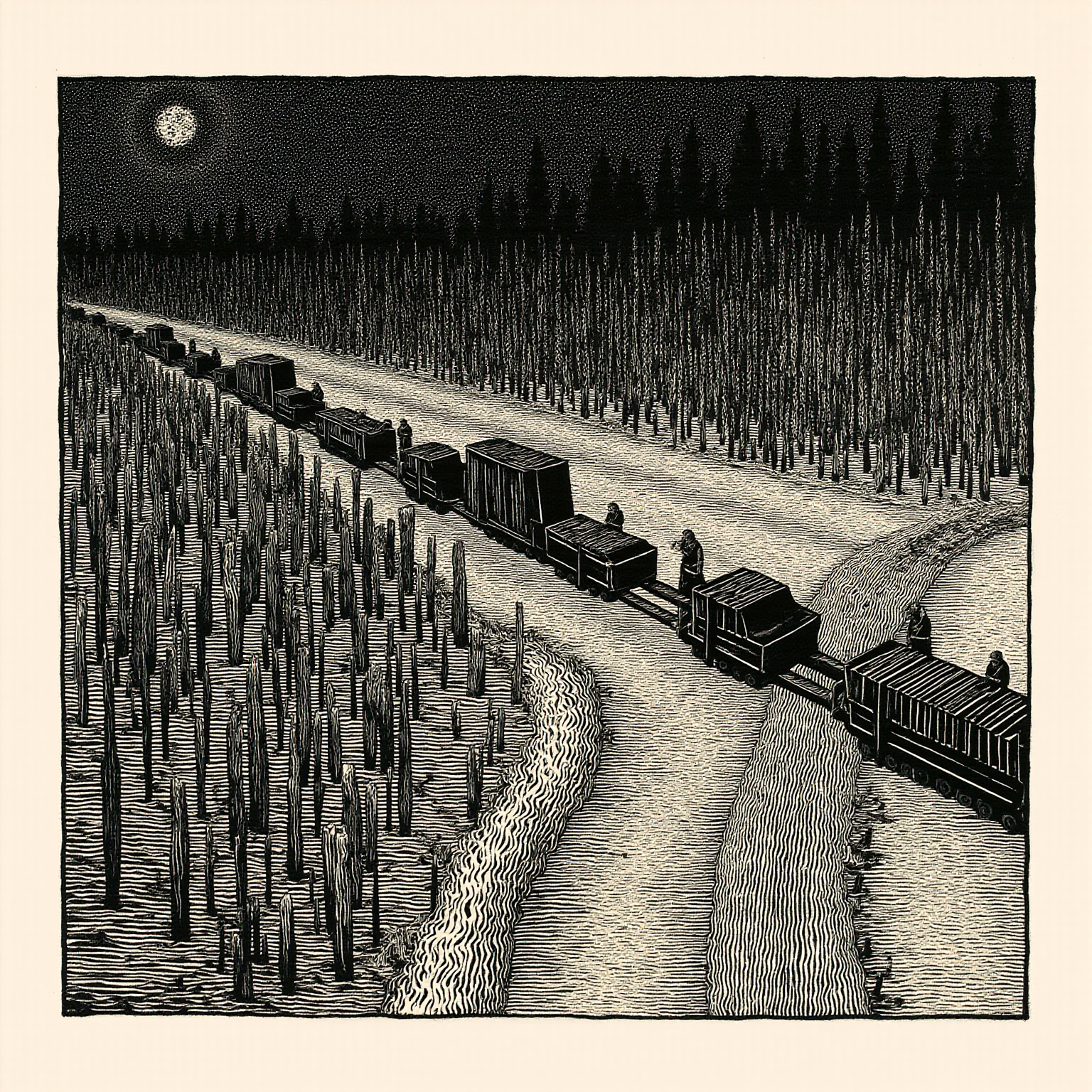
Among the exiles appears the political prisoner Simonson. He's not a bad man — on the contrary, he's an idealistic, almost transparent positive character — believing in simplicity, believing people can change without violence, and never asking about Maslova's past. His respect for her makes her feel, for the first time, that she can be treated as an equal. She decides to join him. This is a double blow to Nekhlyudov: setting aside whether he loves her, the entire meaning of his atonement was that she "accept his salvation" — now she doesn't need it.
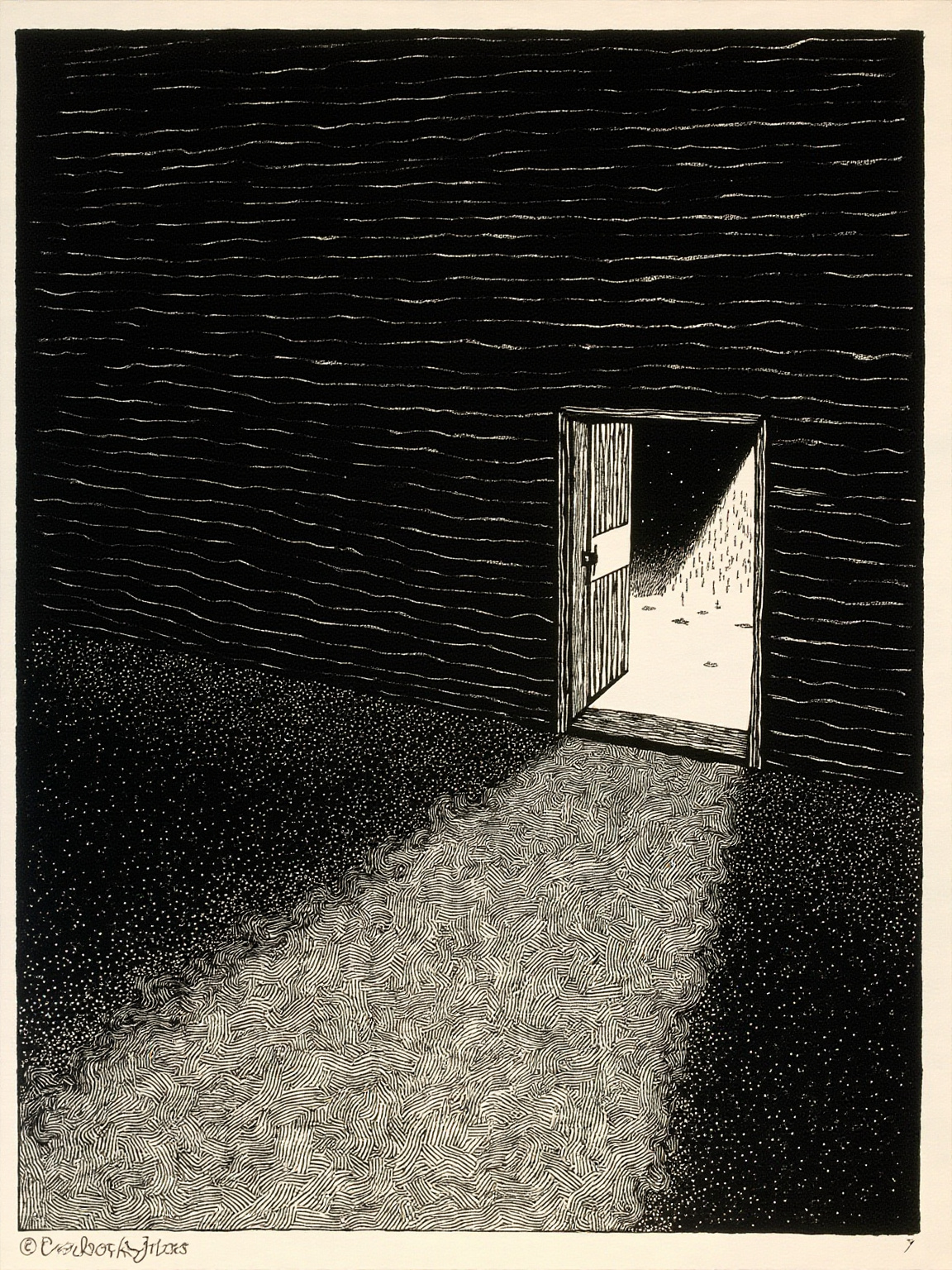
He never asked about her past — he only respected her as she stood before him.
他从不追问她的过去,只尊重她此刻活成的样子。
金句 · 第三部 · 西蒙松
Maslova sincerely rejects his proposal, telling him she's leaving with Simonson, but thanking him — a genuine thanks, not just politeness. Nekhlyudov sits alone beneath the window in agony for a long time. Tolstoy doesn't let him die, go mad, or return to his old life — instead, he has him open the Gospel, and gradually grow quiet before passages like "resist not evil with violence" and "love your enemies." The book's final line is: "He began a completely new life."
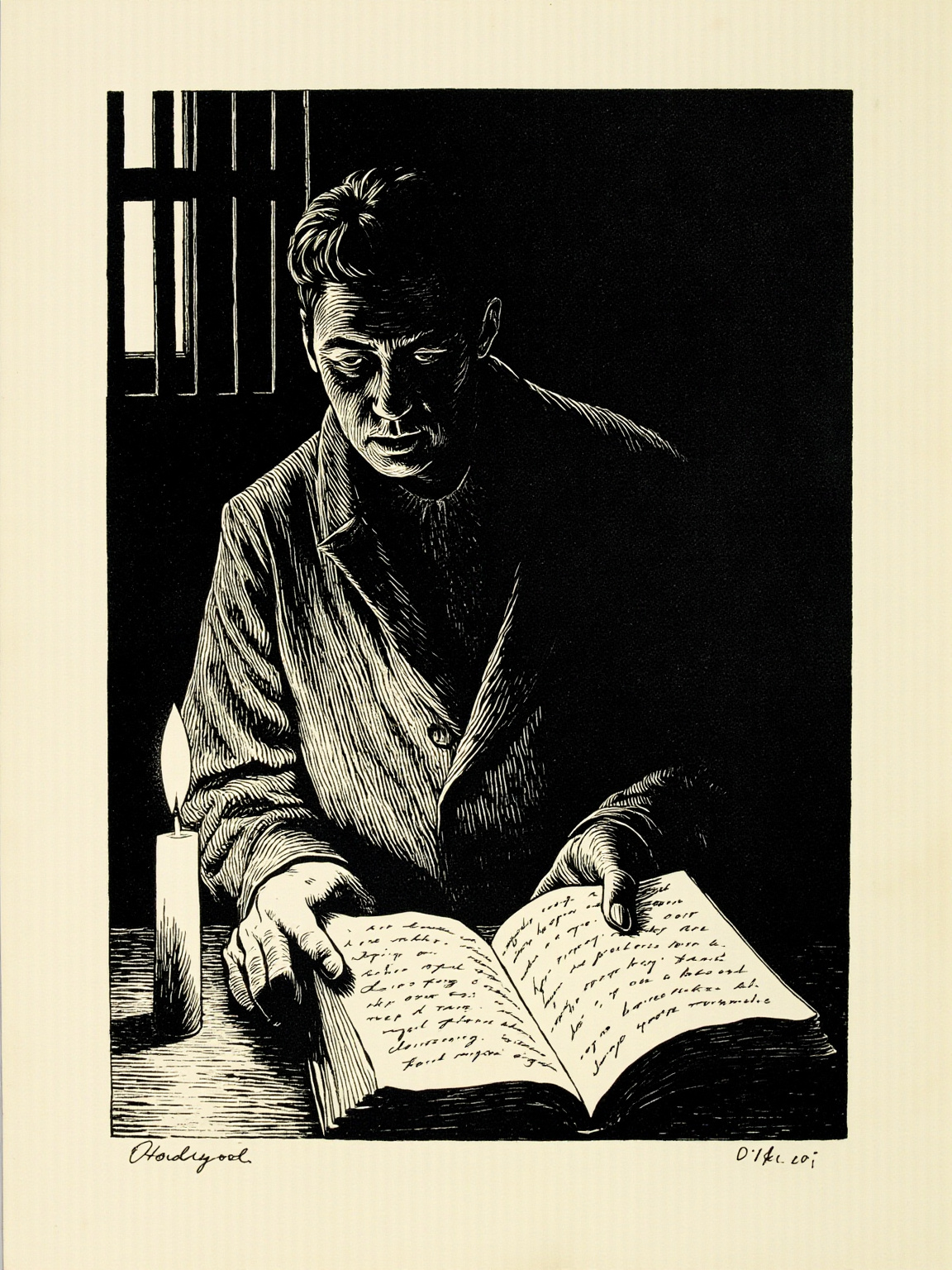
He found in the Gospel, read at last with his whole heart, the answer to his life.
他在福音书里第一次用整颗心去读,找到了自己人生的答案。
金句 · 第三部 · 尾声 · 福音书
Tolstoy turns confession into the ugliest thing a person can do: not kneeling, but peeling off layer after layer of his respectable shell and showing it to others.
Themes and Technique
On its surface this book tells the story of how a nobleman seeks redemption; at a deeper level it lays bare the festering wound of all Tsarist Russian society — how the courts treat lives carelessly, how prisons treat people as objects, how the land binds the peasantry in chains. Every time Nekhlyudov's personal efforts hit a wall, Tolstoy shows him that the system itself is the wall. This is what sets it apart from the ordinary conscience novel: conscience is not the exit, conscience is merely the entry.
Technically, Tolstoy's late style has stripped away the opulence of War and Peace — short sentences, fast pacing, psychological portraiture that verges on brutality. He writes each of Maslova's refusals differently: the first time it is hatred, the second time it is testing, the third time it is a genuinely peaceful declination. Each expression, each inner passage — the author doesn't fudge it with adjectives.
Readers today often get stuck on the Tolstoyism section — the protagonist finally finds his way out through the Gospels, which looks like religious consolation. But set against the backdrop of Tolstoy's own 1899 break with the Orthodox Church, this is precisely not a retreat; it is the final foundation stone he lays for moral self-perfection. Understanding this is what allows one to read the strange peace of the ending aright.
Hooks for reading the main text
What the commentary can tell you is what Nekhlyudov did, whom Maslova chose, and how he finds resurrection in the Gospels at the end. What the commentary cannot give you is the bodily sensation of Tolstoy writing about a conscience that has stuck — the way a decent person's legs go weak, the throat goes dry, they know they should stand but cannot; the indescribable closeness between people huddled together in a Siberian snow night when the transport cart clatters and clangs. These things are not in the plot, they are in the breath between sentences. Knowing the story, one still has reason to read.
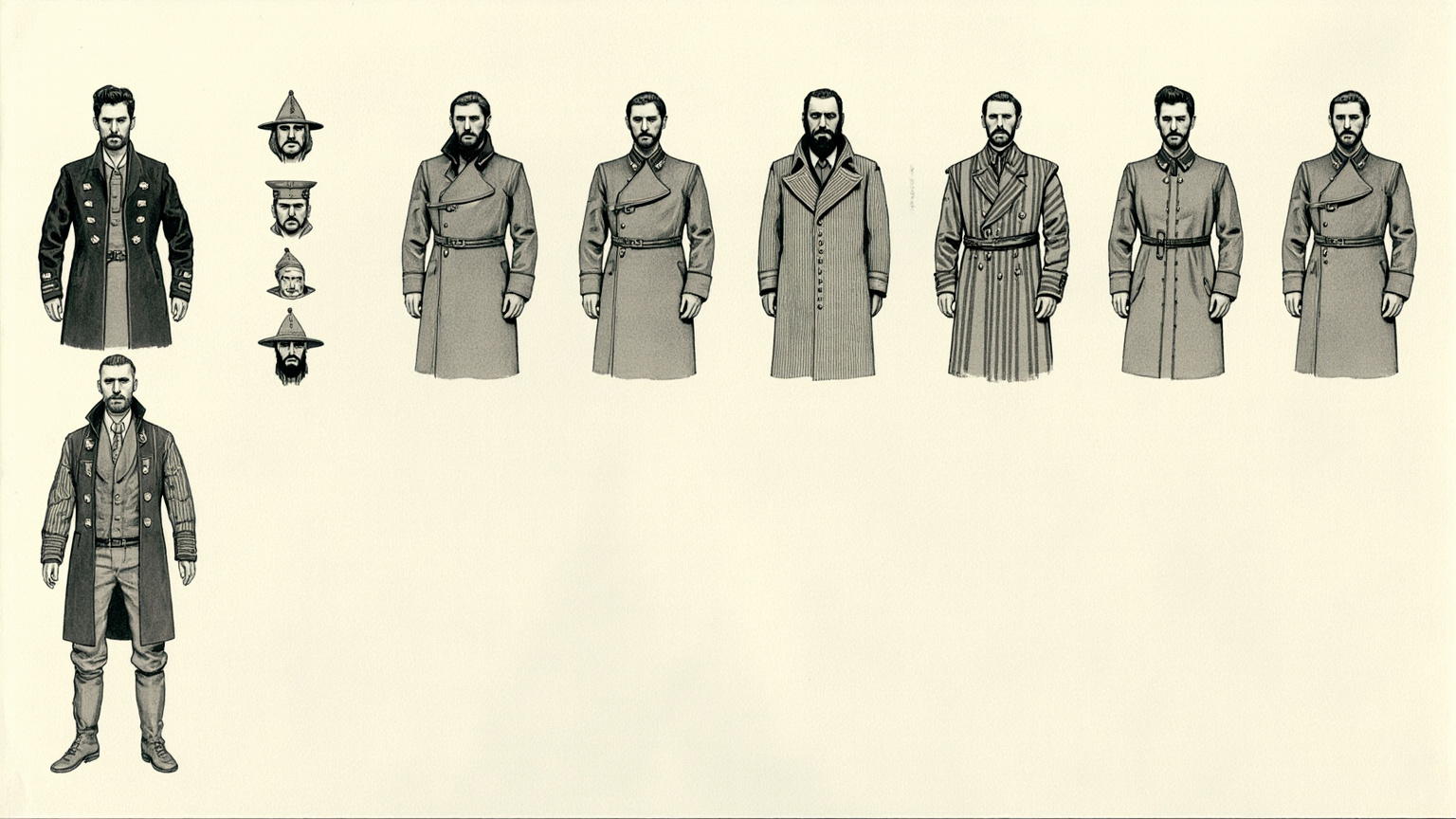
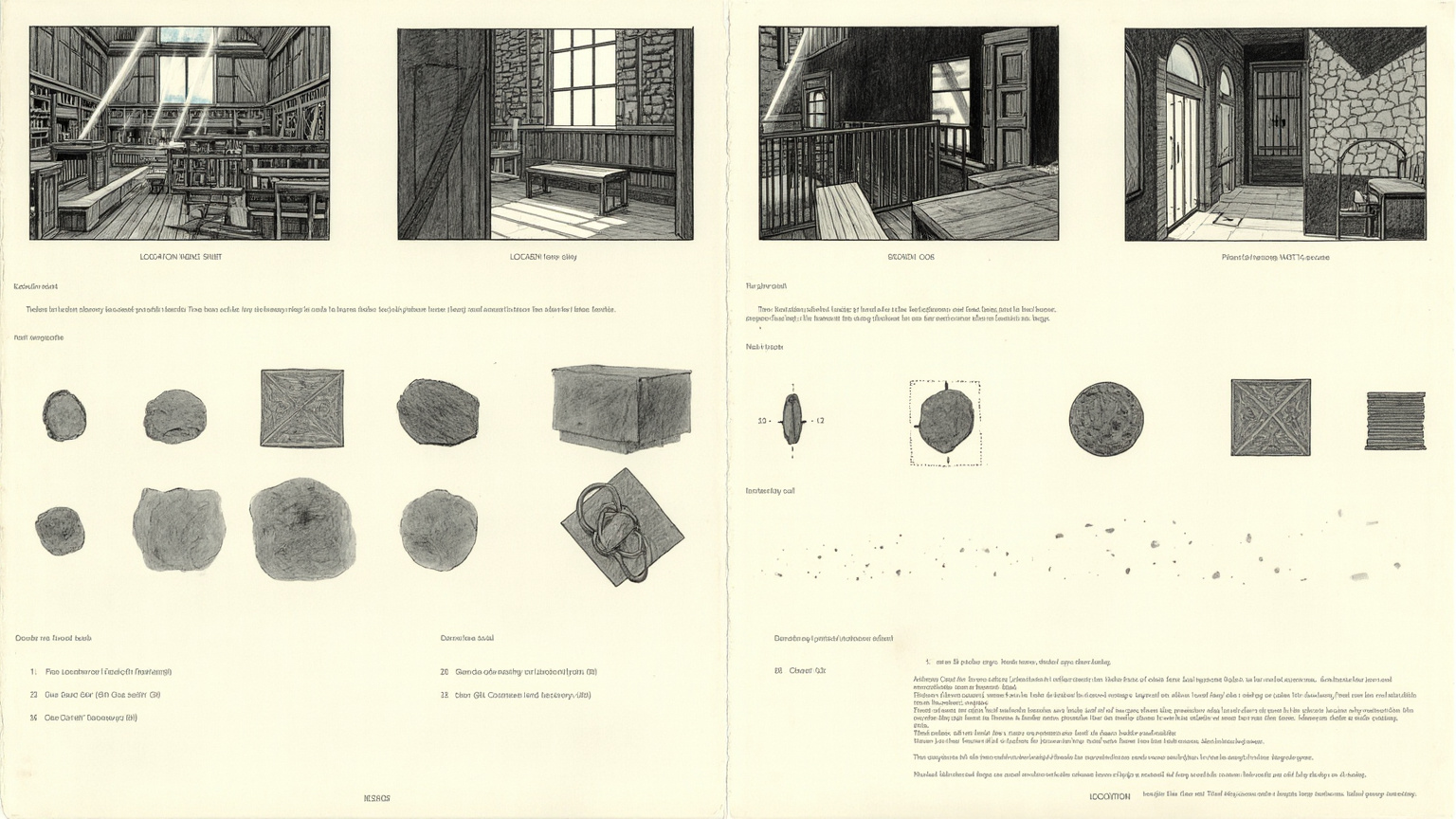
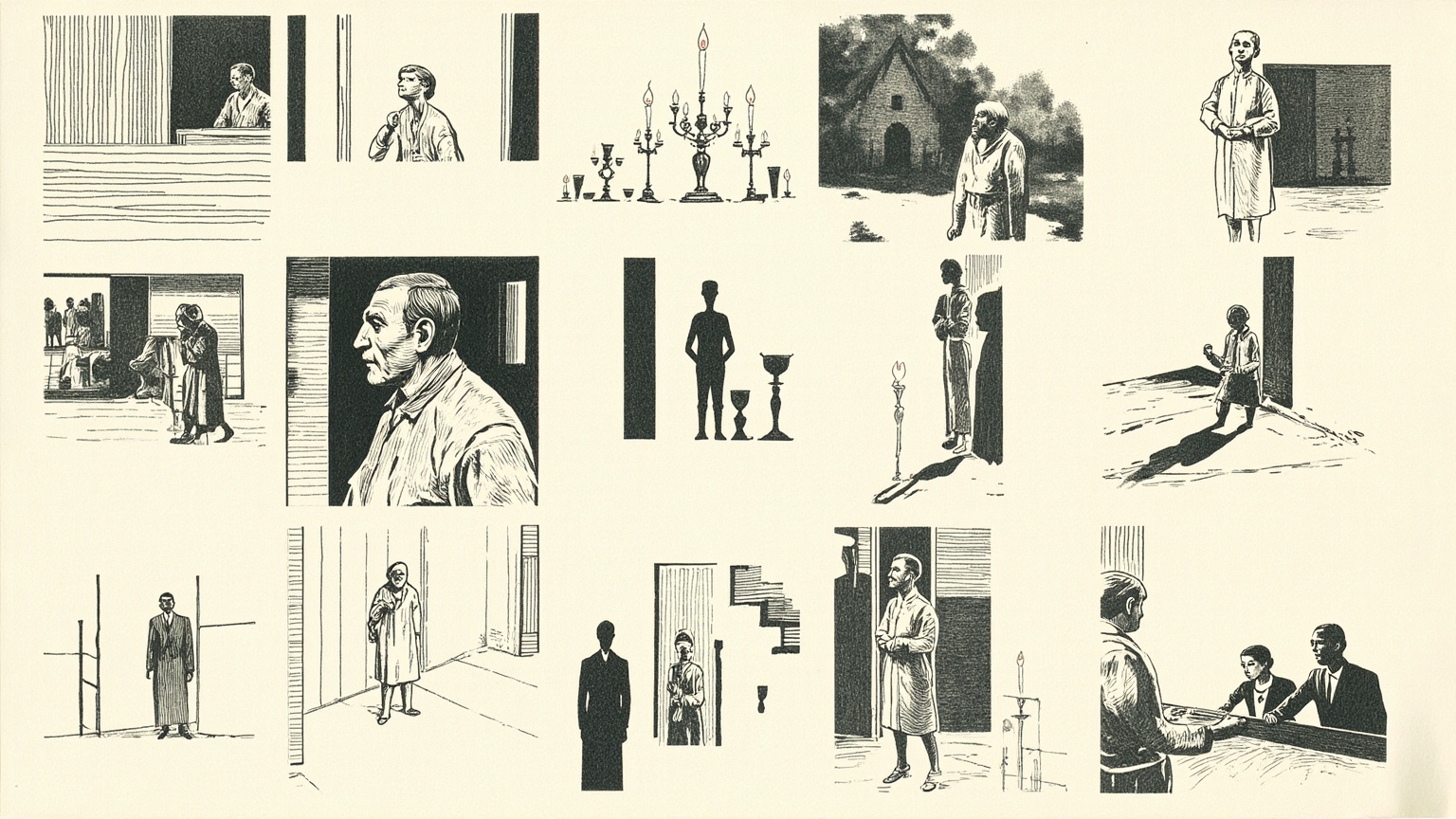
Art Direction4 plates
Before the guide was written, this book got a visual foundation — every illustration you just read grew out of it.