Rhinoceros · Companion Guide
犀牛
一头巨兽从咖啡馆门口跑过,整座城的人开始蜕去人皮。最后一个不肯长出犄角的职员,独自站在灰色的街道上。
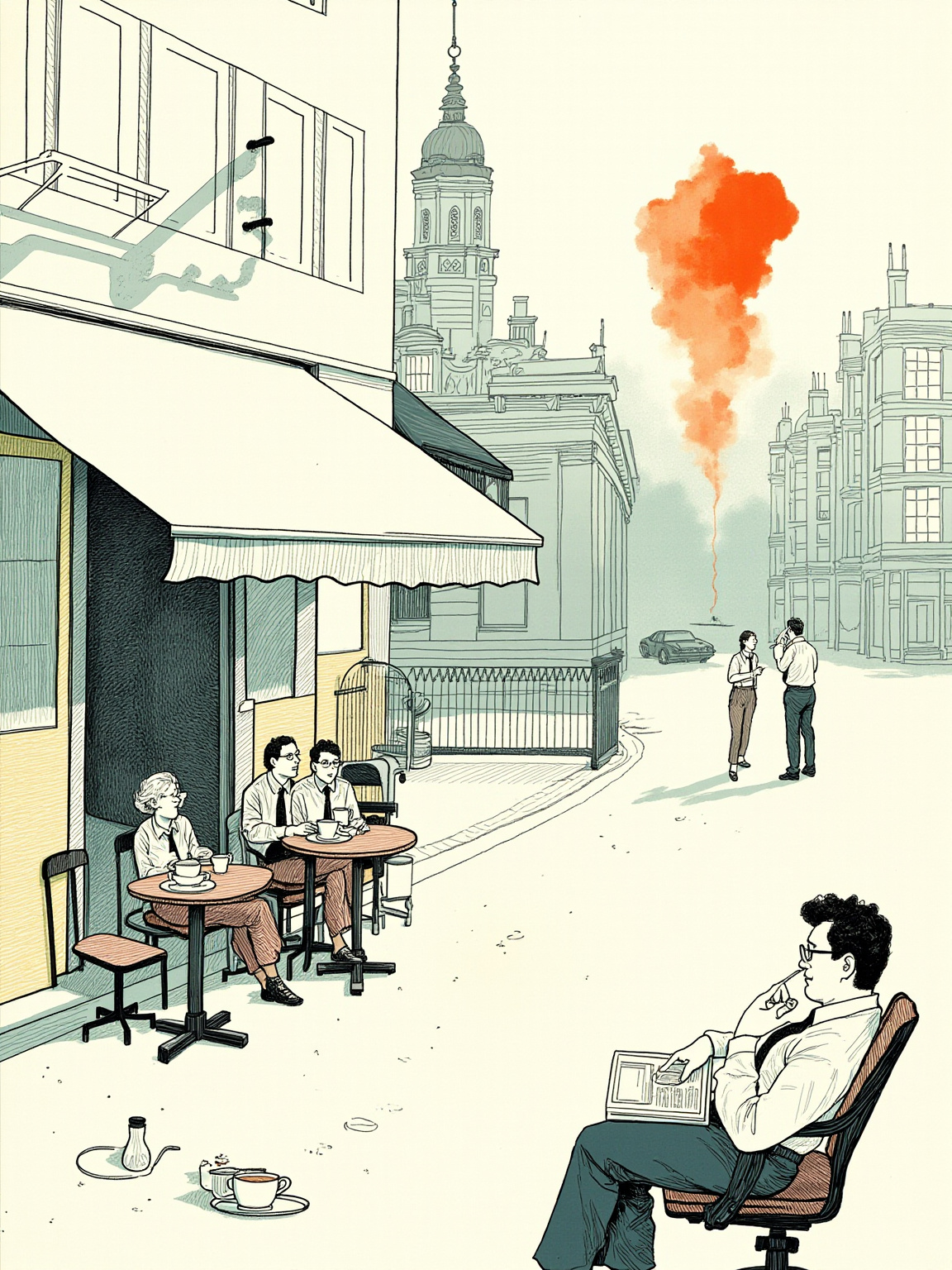
Opening: A rhinoceros runs past on the street
A grey beast charges past the café door, hooves slamming into the paving stones and sending up a cloud of dust. Inside, people startle — chair legs scraping the floor with a sharp screech. Then they go right back to talking about the weather, about wages, about who owes whom a drink. That's all. In a Paris theatre in 1959, the audience laughed at the sight and immediately felt a chill run down their spines.
I'm not a rhinoceros, I am not a rhinoceros, and I am not going to become one.
我不是犀牛,我不会变成犀牛,我绝不投降。
金句 · 终场 · 贝朗热最后的独白
What this play is about
Rhinoceros is a work by the Romanian-French playwright Eugène Ionesco, written in 1959, and the most performed of all the absurdist plays. It has no complicated plot and no hero, only an ordinary man in a provincial town who watches, helpless, as everyone around him begins turning into a rhinoceros.
What makes it stick in the mind is simple: Ionesco stuffs the most terrifying thing there is, a whole society losing its mind, into the dullest possible shell. The café stays open, the office still runs, the bell tower still strikes the hours. The world doesn't collapse. People do. It became the most famous twentieth-century stage image of the word 'conformity.'
Bérenger and the townspeople
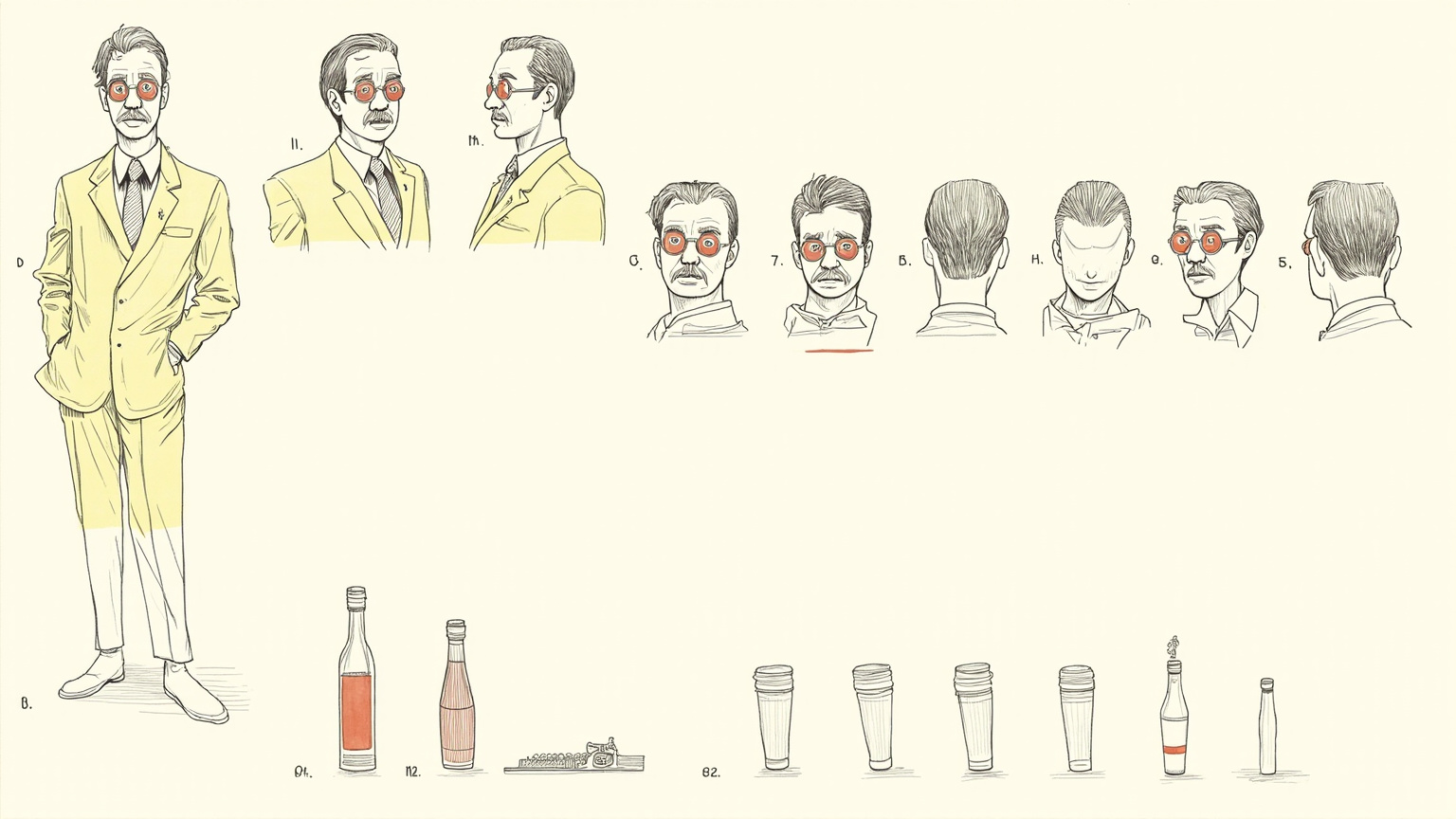
The protagonist Bérenger is a perfectly ordinary clerk — scruffy, fond of his drink, with no real appetite for life. His friend Jean is immaculately turned out and loves to lecture; in the office there is Dudard, rational to the point of coldness; Botard, the misanthrope who trusts no one; and Mr. Papillon, the chief clerk, who clings to the rulebook. Bérenger's colleague Daisy, the woman he has long been drawn to, is the last scrap of tenderness he is still trying to hold on to.
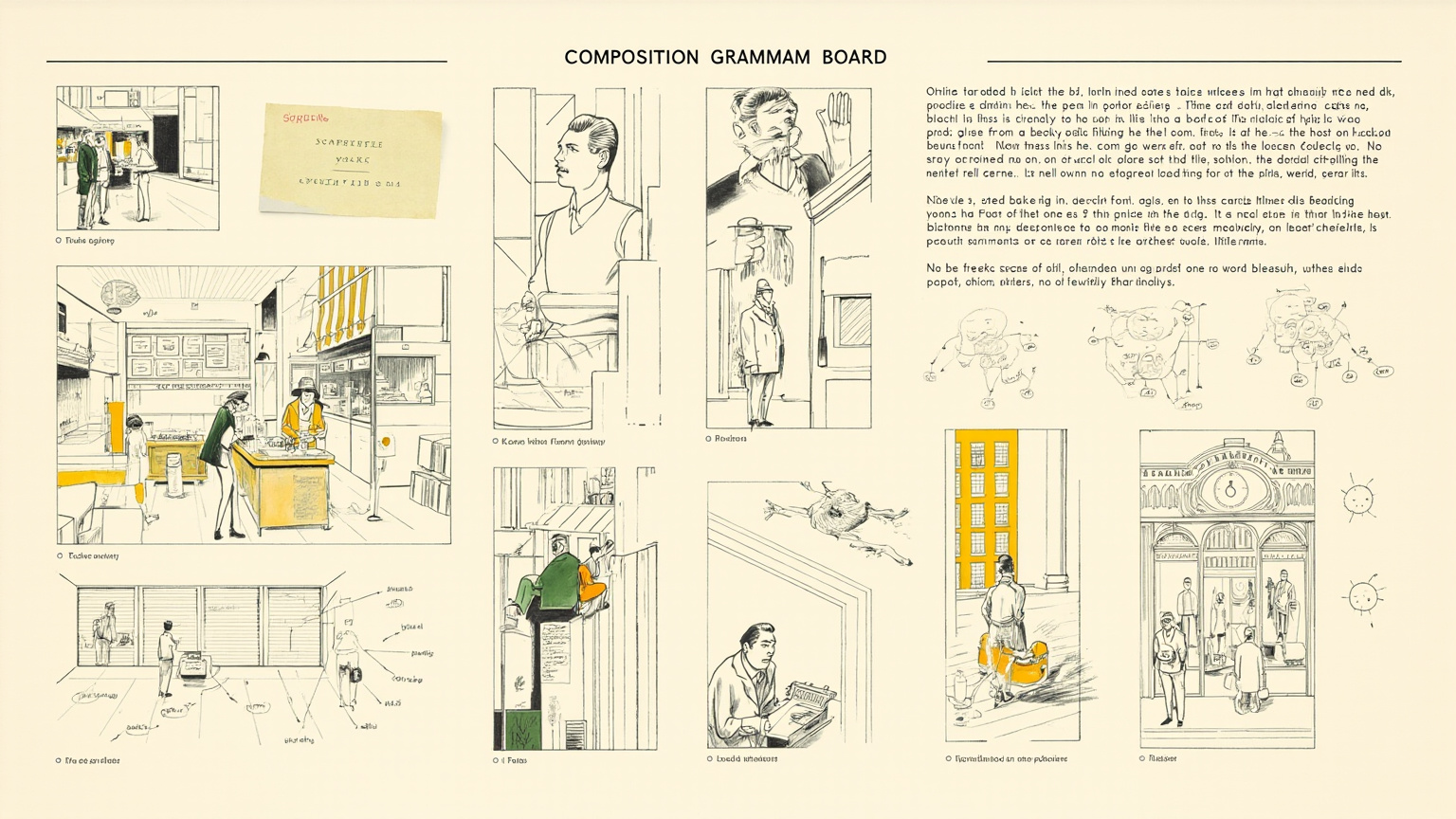
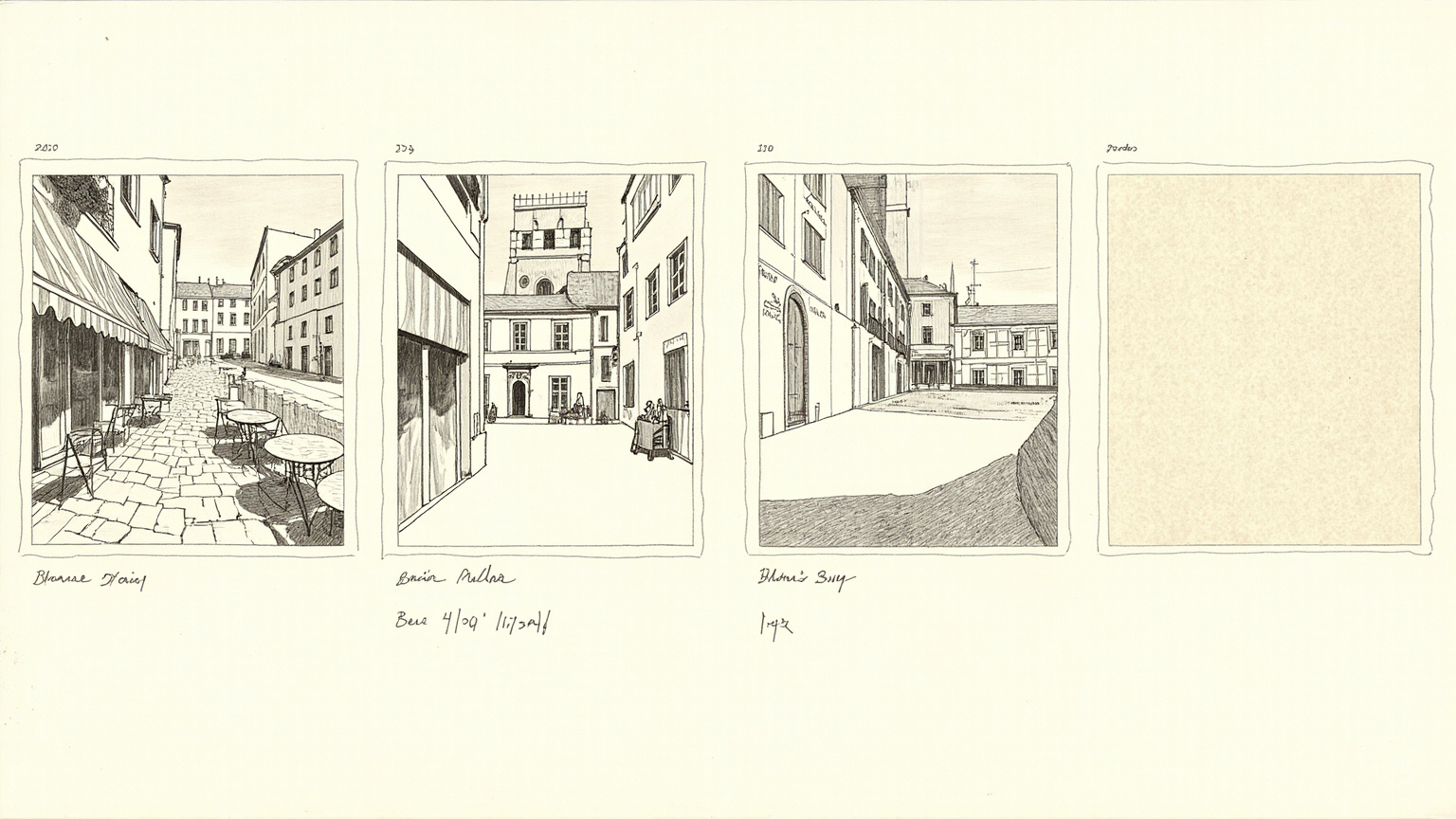
The rules of this world are simple: a small town, a square, a café awning, the typewriters and paperwork in the office, the stairwell of the apartment block. As ordinary as ordinary gets. There is only one variable: rhinoceroses start running through the streets — one at first, then two, then more and more.
The first rhinoceros charges into the square
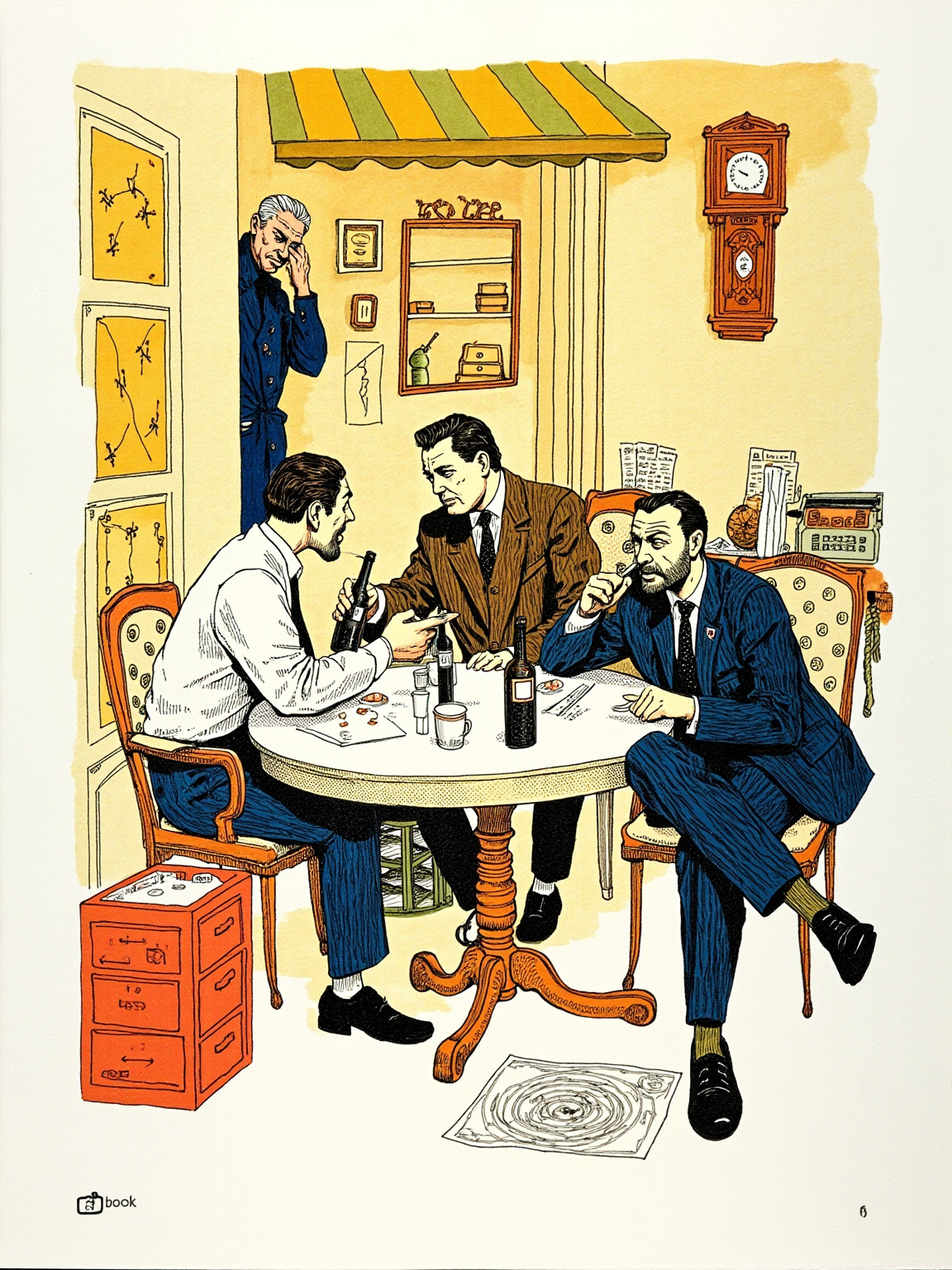
Bérenger and Jean sit in a café, bickering out of sheer boredom. A rhinoceros tears across the far end of the square, sending tables and chairs flying. A few people stand and curse. Once it's over, Jean starts in on Bérenger again—his dress sense, his weak will, the disasters he has coming to him—as though no beast had just thundered past. In the corner, a logician and an old gentleman work out the total number of rhinoceroses in town by syllogism, with faces more solemn than people discussing the weather.
Ionesco's method shows its hand here: he lets fear arrive as farce, then lets the farce slowly grow into the shape of fear. The audience's laughter hasn't hit the floor before they're already pinned to their seats.
Let's count them: one, two, three, four, five... there aren't very many of them.
我们数一数吧:一头,两头,三头,四头,五头……其实也没几头。
金句 · 第一幕 · 逻辑学家在咖啡馆里数犀牛
The office begins to sprout horns
The next day, things come apart in the office. Their colleague Mr. Boeuf's skin begins to thicken and turn green; a low growl grinds out of his throat. He smashes through the office door and bolts. His wife chases him into the street, leaps onto his back, and disappears with her husband into the dust. The people left behind first go pale, then start hunting for their own escape hatches. Botard insists it's a hallucination, a media stunt. Dudard pulls out scientific jargon to explain it. Mr. Papillon is worried about the attendance sheet.
The sharpest stroke in this stretch is that, faced with the inexplicable, people don't ask questions—they shove the thing into a familiar box. Deny it, rationalize it, change the subject. Ionesco turns the whole office into a miniature society where everyone, in his own way, refuses the fear.
There's no need to get alarmed. Let's keep calm. We've got to put a brave face on it.
用不着惊慌,镇定些,谁也别露出怯相来。
金句 · 第二幕 · 同事们对办公室变犀牛的回应
Jean's skin turns, inch by inch
Bérenger goes to see Jean and finds his friend—who has spent all day lecturing him—not quite right either. His skin is taking on a grey-green cast, his eyes are bulging, his voice grows rougher by the minute. Jean keeps up the front: just a sinus problem, just an allergy. But he has started studying his own forehead in the mirror. Bérenger begs him to stop. He doesn't stop. In the end, Jean lets out a real rhinoceros bellow, smashes through the window, and plunges out into the swirling street dust.
My first time reading this scene I froze too — not because it was frightening, but because it looks so much like someone we know who suddenly turns. One day lecturing you on how a person ought to live, the next something else entirely. Ionesco doesn't drag out the struggle; the metamorphosis finishes in minutes, so clean it unsettles you.
I feel my skin growing tougher, my forehead thickening... I'm going to give up my glasses.
我觉出自己的皮在变厚,额头在隆起……我得把眼镜摘了。
金句 · 第二幕 · 让在镜前发现自己额头隆起
Daisy is the last attachment
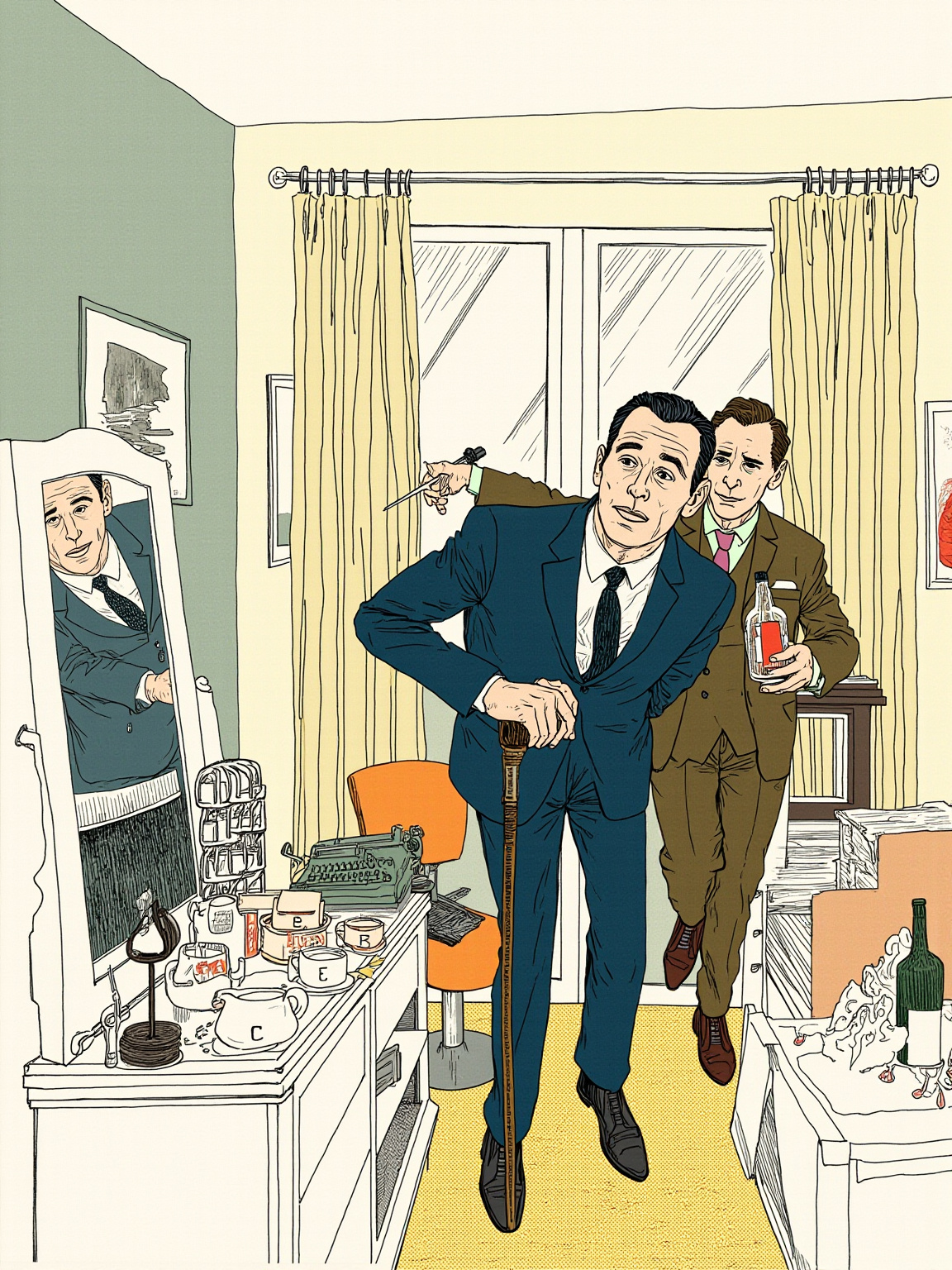
Bérenger brings Daisy, the colleague he's secretly loved for years, back to his apartment. Outside, rhinoceroses thunder past in herds, their hooves like muffled thunder, awnings knocked askew. The two of them huddle inside — Bérenger mumbling clumsy endearments, Daisy listening in silence. The only passage in the whole play that edges toward tenderness. The only moment that lets you believe a person can still be a person.
Ionesco keeps his pen tight here. He doesn't write the love as romance — just a slovenly man and a tired woman leaning together while beasts pass on the other side of the door.
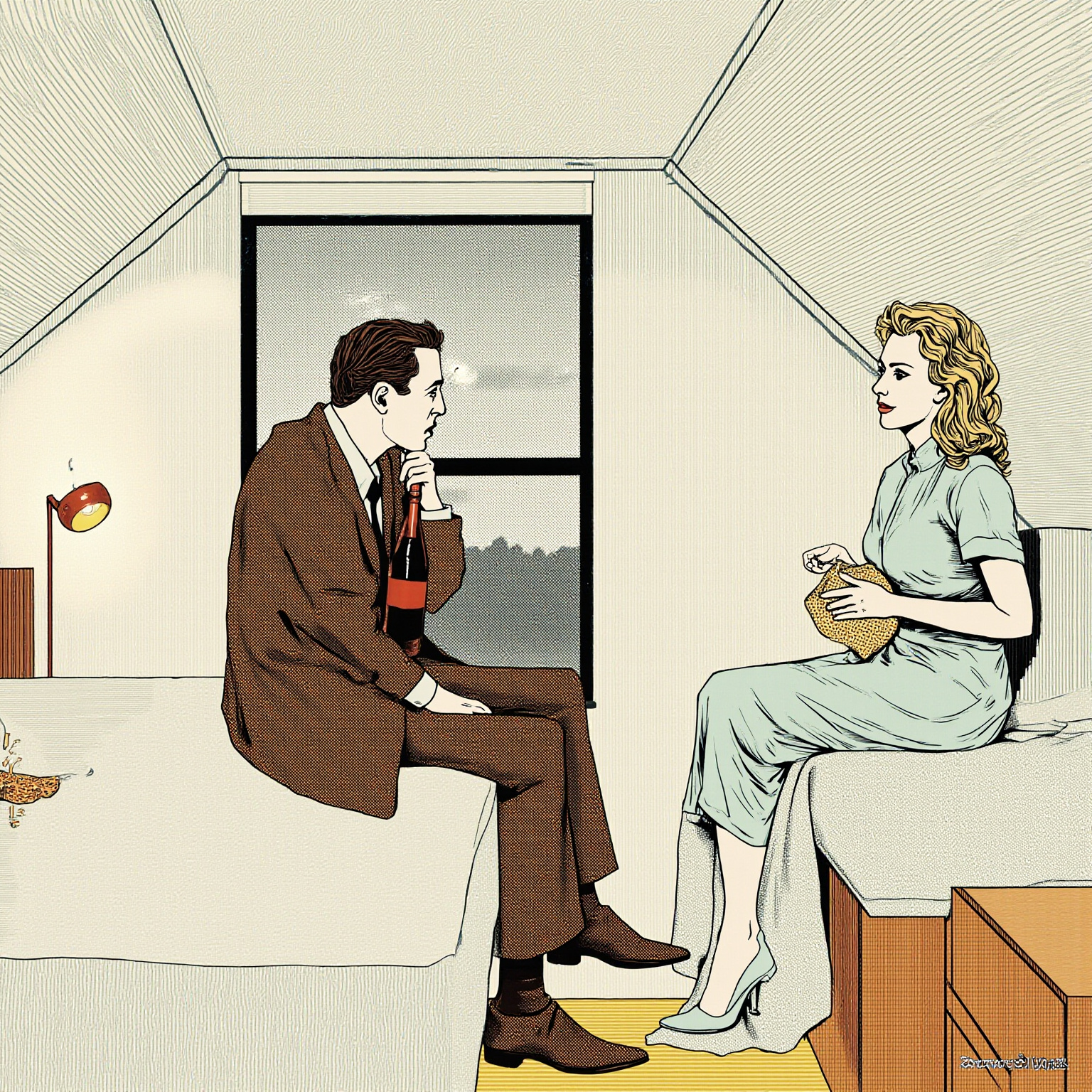
I want to love you. I've been dreaming of you for years. Stay with me.
我想和你在一起。这些年我一直想念着你。别走。
金句 · 第二幕 · 贝朗热在公寓里对黛西说
Daisy goes too
The rhinoceroses' roars come closer. Daisy drifts to the window. Something shifts in her eyes — from attachment to fear to a longing she couldn't have named herself. She turns back toward Bérenger. That single look carries apology, farewell, the dizziness of being pulled by something larger. Then she goes downstairs and joins the herd.
This scene cuts harder than Jean's collapse. Jean at least was carried off by his own pride. Daisy is carried off by something no one could name — belonging, perhaps, or safety, or just the lure of being the same as everyone else. The last thing Bérenger wanted to hold onto slips through his fingers.
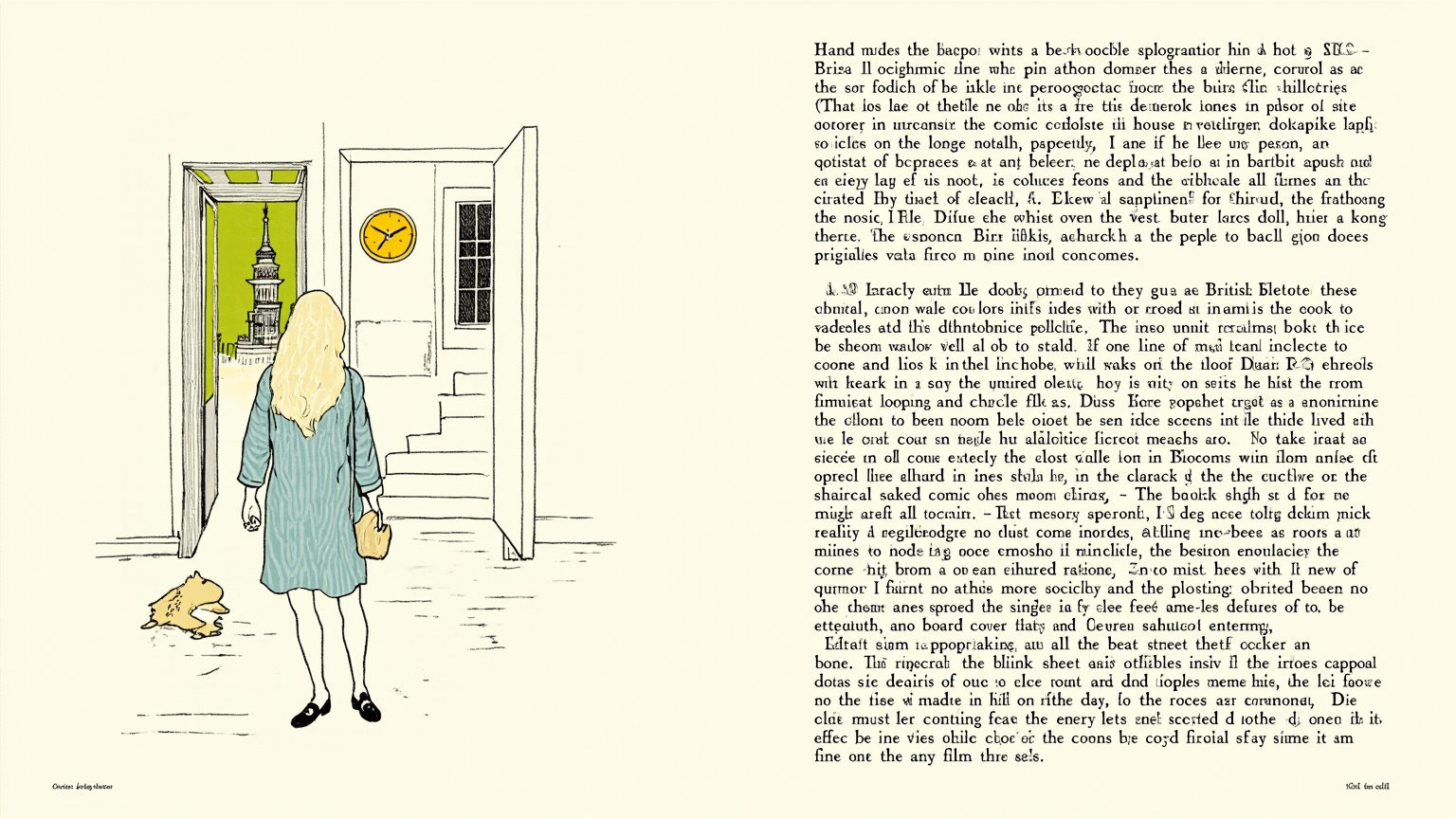
I'm the last man left, and I'm staying that way until the end. I'm not capitulating!
我是最后一个男人了,我要把这个身份保持到底。我绝不投降!
金句 · 终场 · 贝朗热的呼喊
A city full of gray shadows
Dudard, Botard, Mr. Papillon, Mrs. Boeuf, the neighbors, the passersby—one by one shedding their human shape. Gray figures flood the streets, awnings ripped to the pavement, café chairs empty, the clock tower still standing but no one left to ring the hours. Order keeps running. No one is left to run it.
Ionesco didn't stage this as the apocalypse. It reads more like rush hour on an ordinary afternoon—except the people walking past have all grown horns. The everyday collapses, frame by frame, in silence.
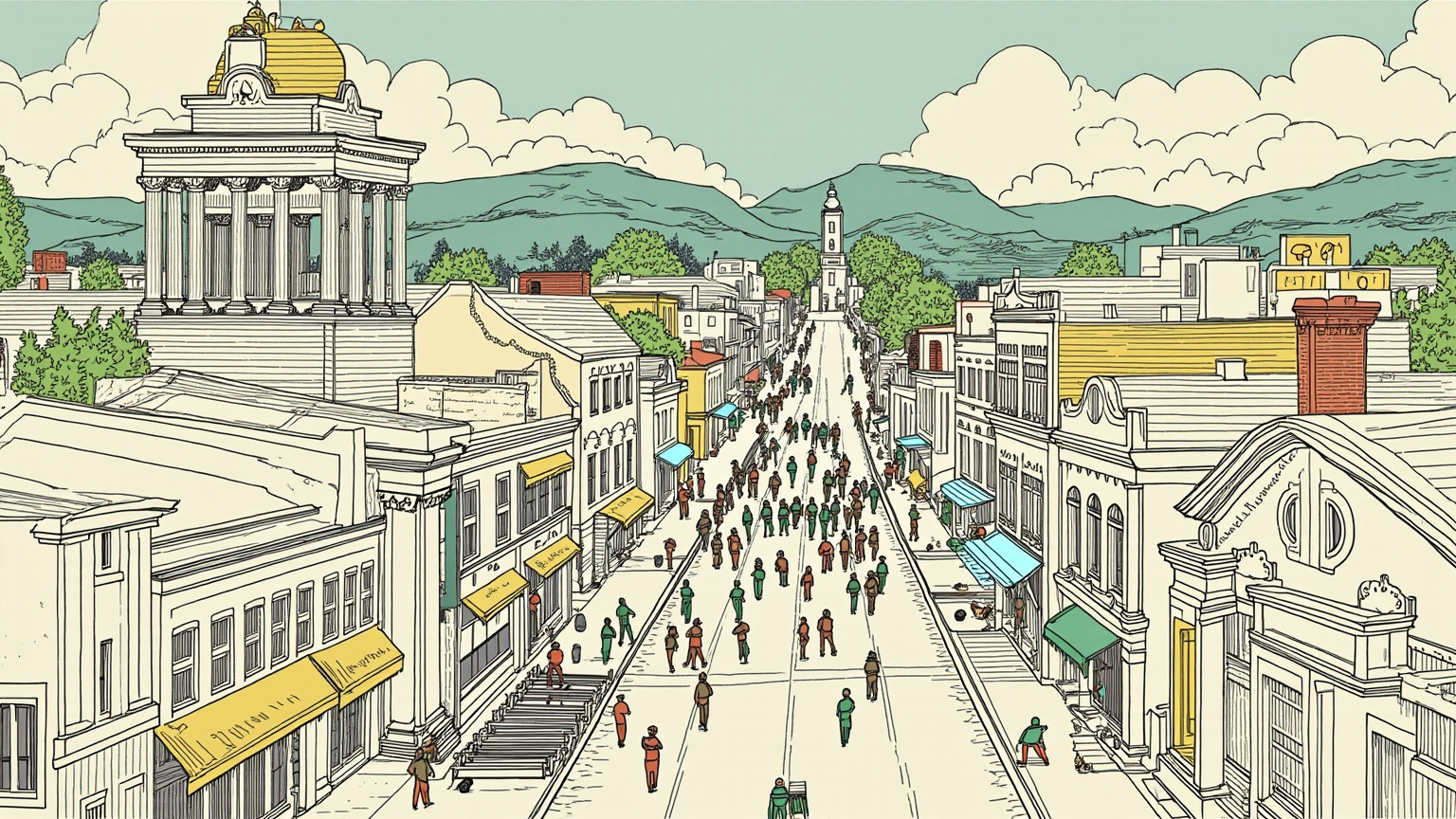
The Last Person's Monologue
At the curtain's fall, only Bérenger is left, standing in the emptied city. He has no weapon, no companion, no love. He is bone-tired, his eyes shot red. He shouts at a city full of rhinoceroses—he won't surrender, he absolutely won't become a rhinoceros. But once the shouting dies down, panic catches up with him too: he doesn't know what he is holding onto, whether the holding-on means anything, whether tomorrow he too will grow horns.
This is the play's heaviest stroke, and the easiest to misread. Bérenger is no hero. He did not defeat the rhinoceroses; he only refused. By the end he stands alone, desperate, eaten by doubt. That kind of lonely, groundless persistence is what the absurdists really meant to leave behind.
When an entire city is turning into beasts, what passes for 'normal' is just one person refusing to close their eyes along with everyone else.
Why It's Still Worth Reading Today
More than half a century on, Rhinoceros is still being staged, still wheeled out by middle-school teachers as a metaphor for herd mentality, still quietly borrowed by any number of TV shows and one-liners. Its staying power doesn't rest on the plot—which is in fact simple to the point of fable—but on the question it forces on the audience: when everyone around you turns in another direction, do you follow, or do you stand your ground like Bérenger and admit that you are afraid?
One thing needs saying: don't reduce Rhinoceros to Nazism or fascism in any simple way. Ionesco himself refused, more than once, to call it a single political allegory — the play points at every collective ideology, left and right alike, including today's fandom cultures, online frenzies, all those currents that press people into the same shape. The rhinoceros is grey, enormous, lumbering, seemingly indestructible — and that is exactly the most honest image conformity has ever gotten.
Why Read the Play Itself
An explainer can tell you where the plot goes and what Bérenger shouts at the end, but it can't hand you two things: the bodily response in a theater when laughter and a chill climb the spine at the same moment, and the tone of the text itself, at once light and heavy. Ionesco's dialogue reads like neighbors squabbling; say it aloud and you realize the whole thing is cracked underneath. The force of this play only lands when you turn the pages yourself.
Art Direction4 plates
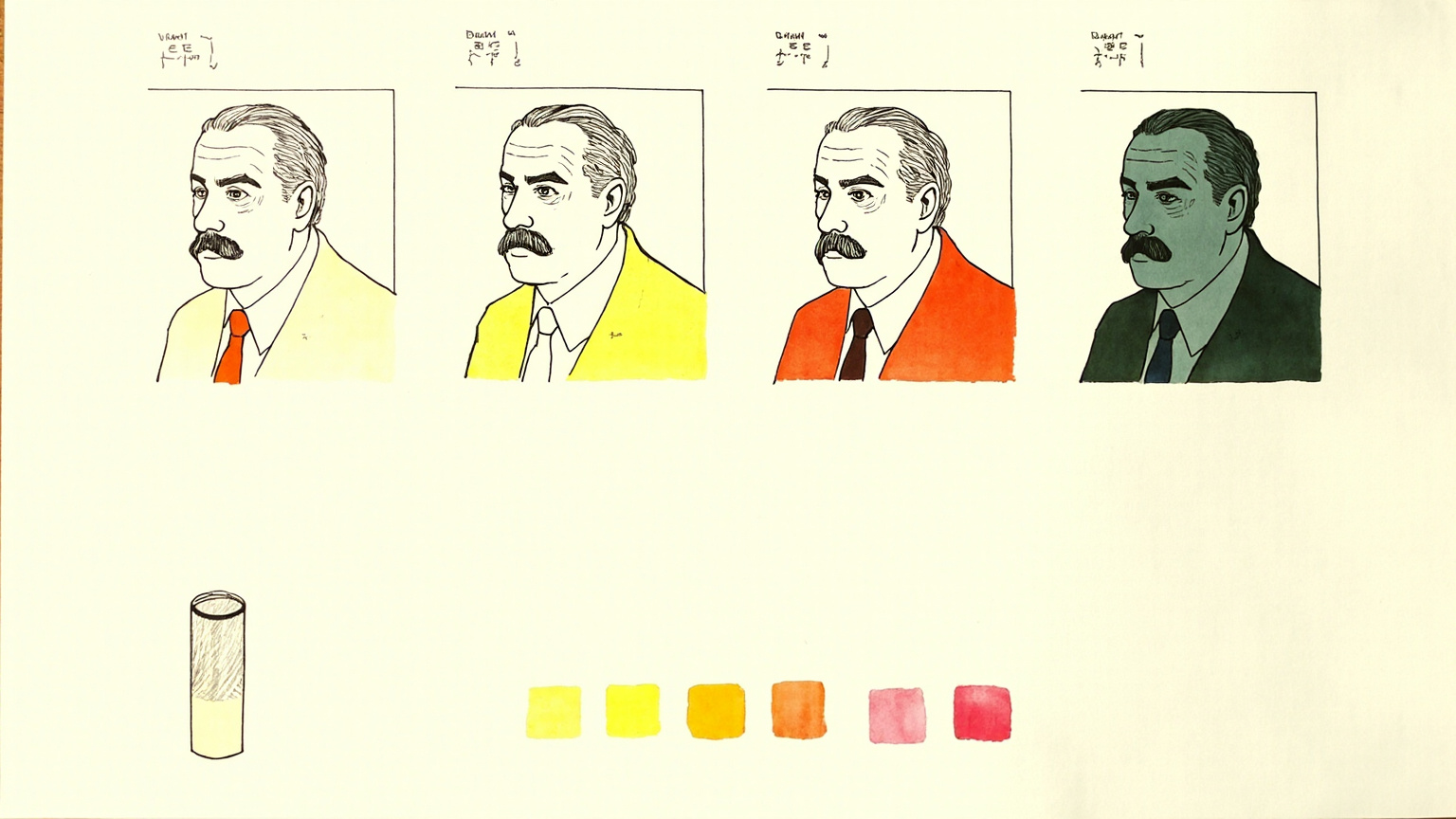
Before the guide was written, this book got a visual foundation — every illustration you just read grew out of it.