Sakya Legshe / A Treasury of Aphoristic Jewels · Companion Guide
萨迦格言
十三世纪后藏一位年轻学者,把猫头鹰、大海、磁石与香花装进四百五十七首七言短诗——让格言替智者立传,让猫头鹰在阳光下变瞎。
An Owl Blinded by Sunlight
The sun floods the land, and the owl cannot see it. A young scholar in thirteenth-century Tsang opened his first collection of verse with that blind bird, and he was not really writing about a bird. Aphorisms, he says, are the distilled wisdom of the learned, and fools can make nothing of them: when the sun rises and floods the earth, the owl goes blind. From that first line on, the book has a spine — the learned on one side, the foolish on the other.
What Kind of Book Is This
The Sakya Legshe was written in the first half of the thirteenth century by Sakya Pandita Kunga Gyaltsen (1182-1251), born into the Khön clan of Sakya in Tsang. He took ordination under his uncle as a boy, studied in India from the age of twenty-three, mastered the five major and five minor sciences, and earned the title Pandita — the first Tibetan ever to hold it. The book is aphoristic verse he wrote in Tibetan, in a genre called legs bshad, well-said: nine chapters, four hundred fifty-seven four-line stanzas. Histories of Chinese literature call it repeatedly the first philosophical collection of aphorisms in Tibetan, often compared to the Analects. Every later collection of Tibetan aphoristic verse, from Gungtang Könchok Tenpai Drönme's Water and Wood to Sonam Drakpa's Ganden Legshe, treats it as the ancestor text.
The reason it stuck is simple: for the first time, someone took the short, memorable form of aphoristic verse and packed the whole of Tibetan human experience into one four-line stanza after another. The standard Chinese translation is Wang Yao's 1980 edition from the Tibet People's Publishing House; the standard English translation is Ordinary Wisdom, from Wisdom Publications in 2000. An old book that is still carved onto woodblocks and reprinted at monastic printing houses seven hundred years later, still required reading for scholars, still passed mouth to mouth among ordinary people, owes that survival not to fame. It owes it to being worth rereading.
Cast and World: No Hero, Only Archetypes
There is no hero here, no plot, no rise and fall. Nine chapters and four hundred fifty-seven poems are strung together instead by a set of archetypes that keep reappearing. Sakya Pandita himself stands outside the verse as its counselor, calm and restrained, like an old white-bearded monk watching a game of chess from the window. The scholar is his recurring positive type: to become a treasury of water, the ocean must gather every river. The fool is his recurring target: someone who refuses to correct his mistakes, treats learning as decoration, the owl that goes blind in daylight. The villain is the one most worth watching for in the marketplace — he flatters you first, and if you do not stay wary you will be cheated in the end; he is always the one pinning his own faults on someone else.
The king is in his lens too: if you find yourself pushed into a position of leadership, you had better understand what that costs you. You have eyes to judge others, but you still need a mirror for yourself; pour out too much perfumed oil and the sal tree it was meant to nourish will wither instead. Leadership, in his hands, becomes a moral burden rather than a privilege. Then there is the quack: how can someone who has not mastered worldly conduct practice a teaching beyond the world? This unlearned teacher is the negative example he leaves behind for telling real learning from fake. None of these figures has a name or a history. Stacked together they form a mirror: read who the scholar resembles, who the fool resembles, who the villain resembles, and the face looking back is your own.
Thread One: A Universe of Metaphor, Water and Vessel, Gold and Copper
Sakya Pandita's sharpest skill is pressing abstract ethics into everyday objects. To write about telling right from wrong, he reaches for iron filings and a lodestone: true gold is drawn to it, mix in copper shavings and nothing moves. To write about keeping good company, he reaches for flowers drawing bees. To write about the brave clearing away harm, he reaches for a lion pouncing on a garuda, a garuda pecking a venomous snake. To write about giving and being repaid, he reaches for water poured into a vessel, water filling a cup to the brim. Every one of these comparisons is something a thirteenth-century Tibetan could see just by looking up: fish, birds, beasts, insects; flowers and grasses; sun, moon, mountains, rivers; knives, scissors, hairpins, rings; butter lamps, copper offering bowls, the long strips of scripture bound between wooden covers. Not one of them needs a footnote, and that is the hard craft that has kept it in circulation for seven hundred years.
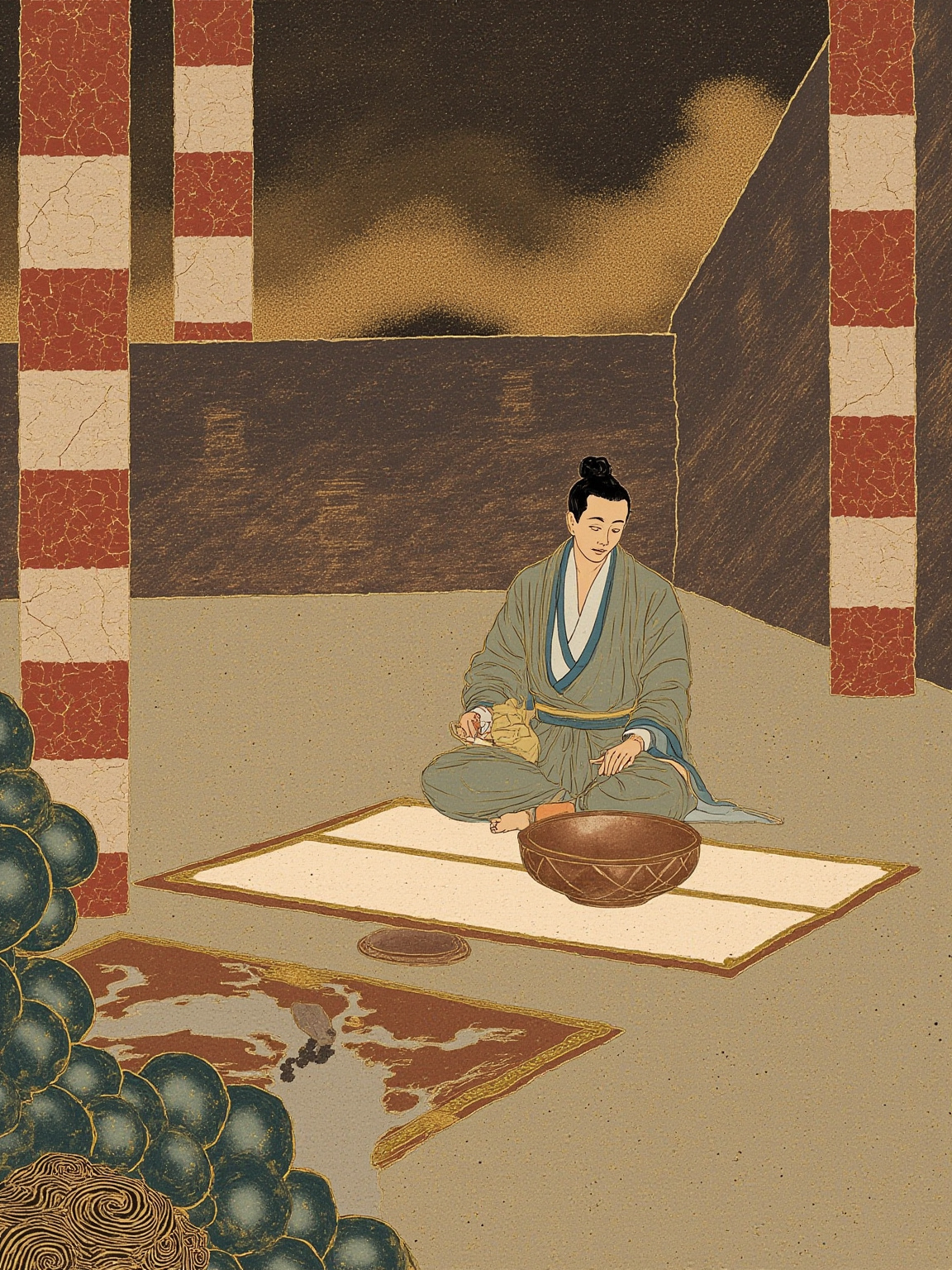
True gold alone is drawn by the lodestone; gold mingled with copper dust stirs not.
真金才被磁石吸住,掺了铜屑便吸不动。
金句 · 第1章 · 观察学者
Thread Two: The Owl and the Ocean
The scholar is written as the ocean: it must gather rivers to become vast, and he must gather aphorisms his whole life to become wise; and the scholar is brave enough to correct his own mistakes, the way a garuda can peck a venomous snake to death where a crow would never dare. The fool is written as the owl blinded by sunlight, as a single thread of starlight, just enough to light the tip of his own nose. Setting these two images side by side in the same poem is a way of making the reader choose: which eyes will you use? Sakya Pandita is not scolding fools. He simply lays out two kinds of sight and lets the reader decide, without a lecture, and that is why generation after generation has kept wanting to read it.
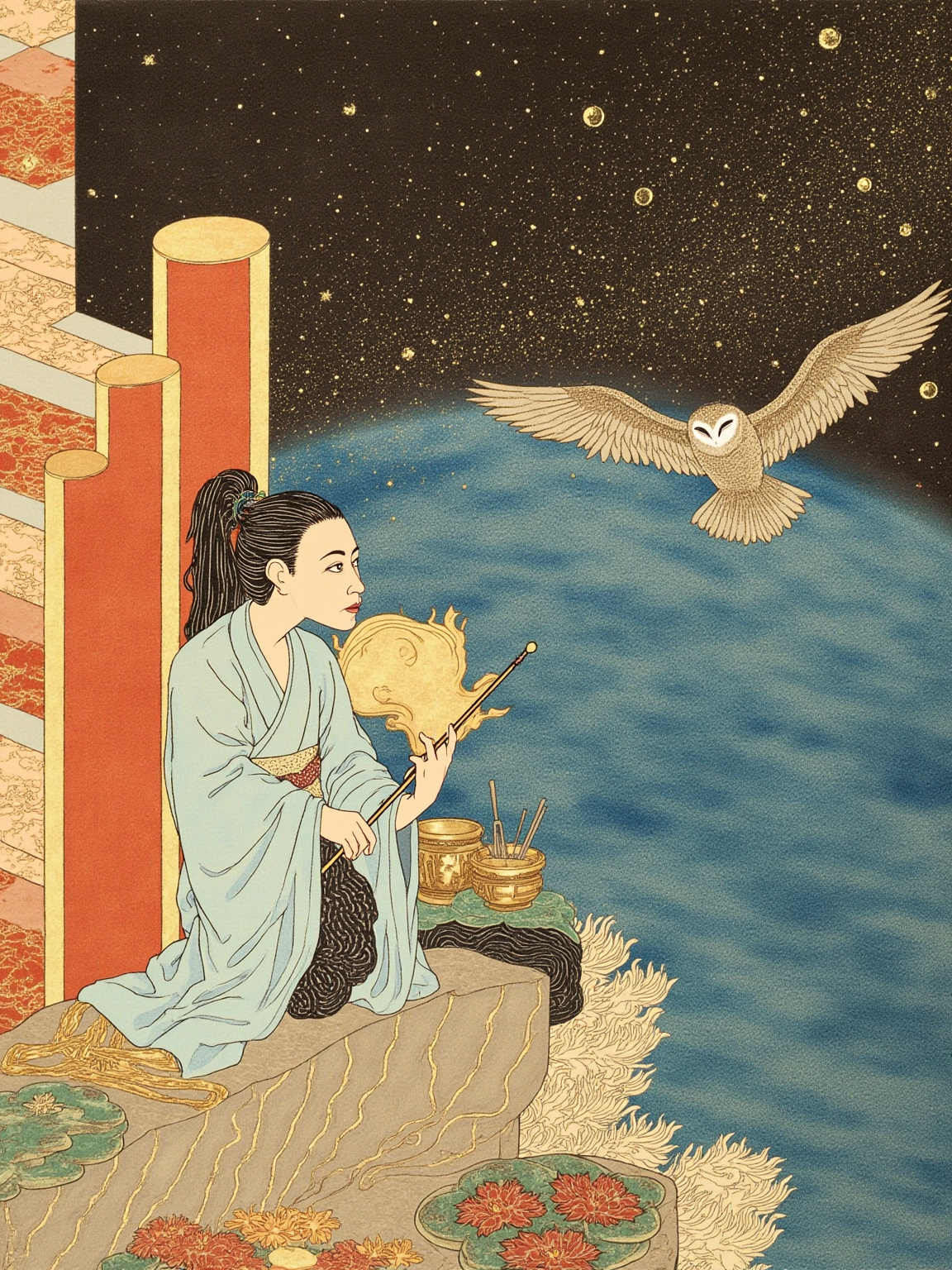
When sunlight floods the earth, the owl is struck blind — so with the fool when wisdom's light appears.
阳光普照大地时,猫头鹰反成了瞎子。
金句 · 第1章 · 观察学者
I stopped short the first time I read this passage too — writing that refuses to lecture, that just leaves you to choose: which eyes will you use?
Thread Three: The Villain's Honeyed Words, Hidden Blade
One chapter is devoted entirely to observing the villain, and it is the harshest writing in the book. The villain flatters you first to deceive you. The villain is quick to find fault in others. The villain habitually pins his own mistakes on someone else. Three lines, three blades, all aimed at the same type of person: the one with honey on his tongue and a knife behind his back. Sakya Pandita never paints this villain a face. He gives only the sequence of moves: smile first, stab next, then wipe the blood on someone else's sleeve. What is hardest to guard against in the marketplace is not an open blade but this needle wrapped in honey, which is why he gives it a whole chapter and returns to the warning again and again.
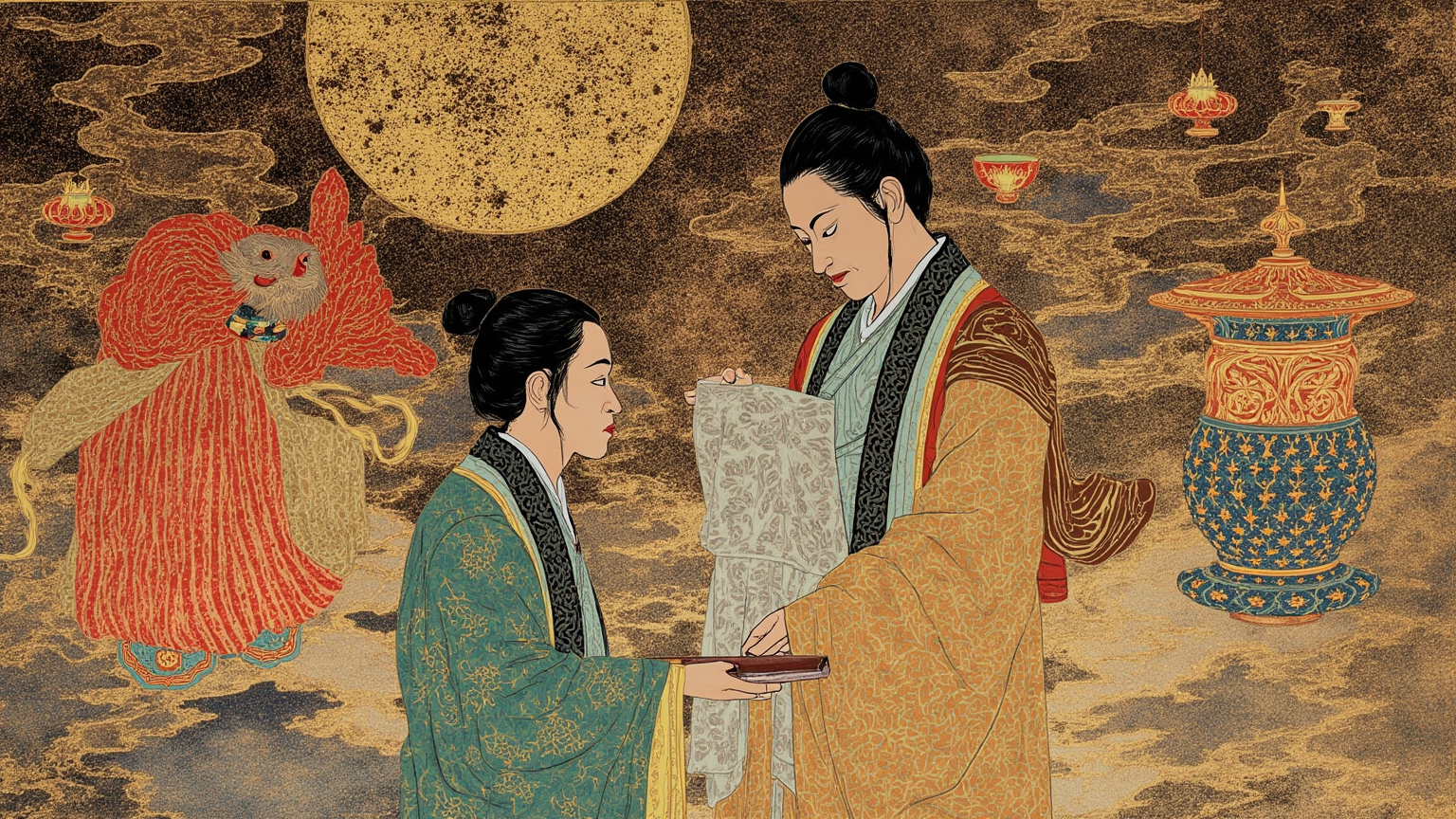
The wicked man first binds you with flowers of honeyed speech — then strikes where you stand unguarded.
恶人先用花言巧语把你缠住,再在你毫无防备的地方下手。
金句 · 第4章 · 观察恶人
Thread Four: The King Who Borrows a Mirror
Another chapter is titled observing the king, and its tone differs from the usual admonitory verse. The day a king is pushed up into a position of leadership, he takes on a burden: he may have eyes to judge others, but he still needs a mirror for himself. Taxation is written as spilled perfume: pour out too much of it and the sal tree withers. This is not an argument against kings. It writes kingship as a high-risk occupation — the higher you sit, the more you need that mirror turned on yourself; the more you collect, the faster that tree of common people dies. Thirteenth-century Tibet was moving out of fragmentation and toward unification, and it took some nerve to write leadership as a moral burden rather than a privilege in that climate.
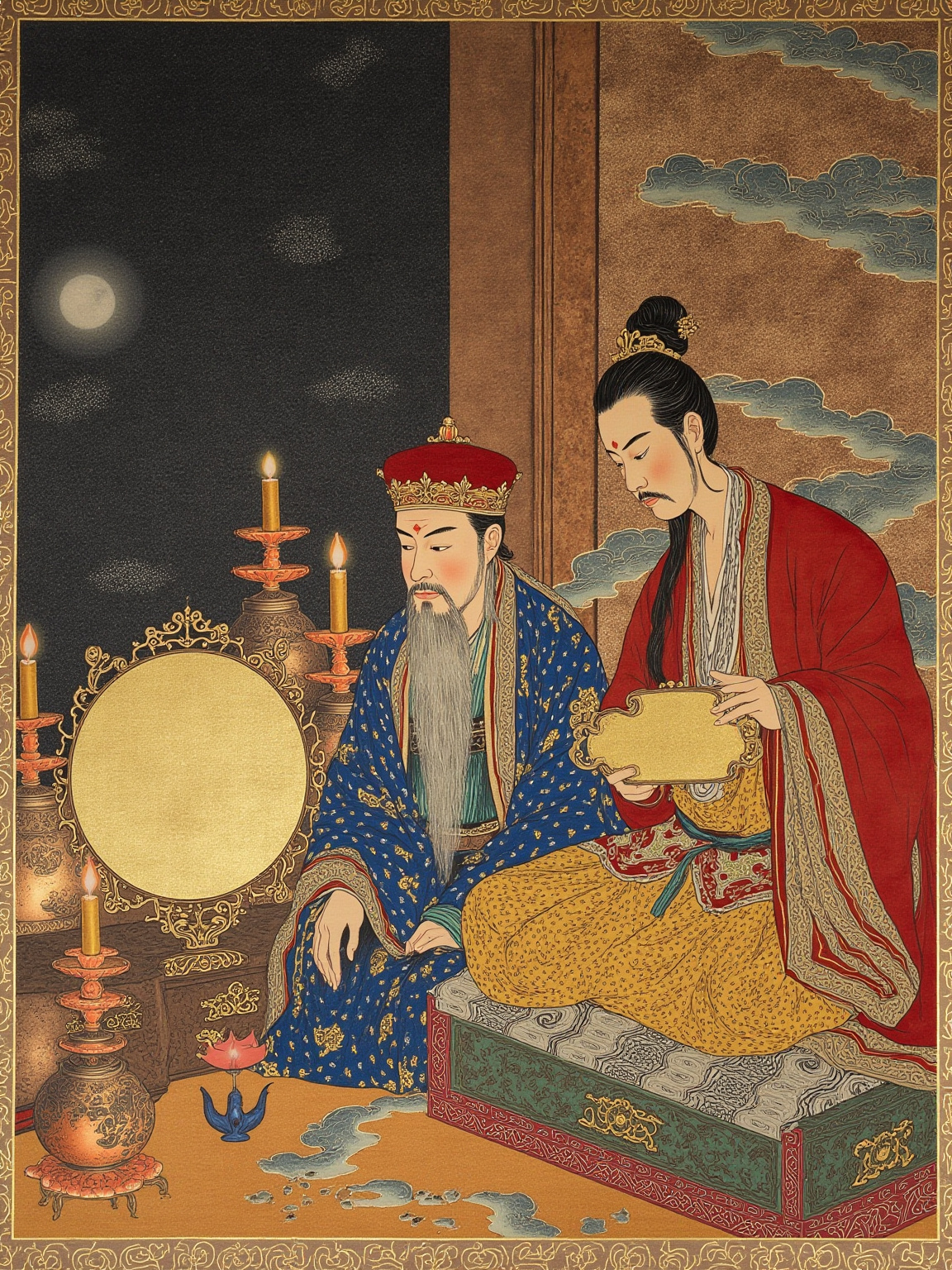
Though he has eyes to read his people, a king must needs borrow a mirror to see himself.
纵有眼睛观人,仍须借镜子照己。
金句 · 第6章 · 观察君王
Thread Five: The Quack Doctor, Teaching Through Medicine
The most interesting thing the author says about himself is a single verse explaining why he wrote this book: as a doctor prescribes diet alongside medicine to treat a serious illness, I follow the conventions of the world to preach the sacred dharma here. He casts himself as a physician — the medicine of the dharma has to be delivered in a worldly spoon before anyone will open their mouth for it. The quack is his negative example: how can someone who has not mastered worldly conduct practice a teaching beyond the world? Someone unlearned who holds a position anyway is more dangerous than the illness itself. So when he writes aphorisms, he is not stacking up quotable maxims. He is writing a prescription for how the world works, and he is the doctor who tested the medicine on himself first.
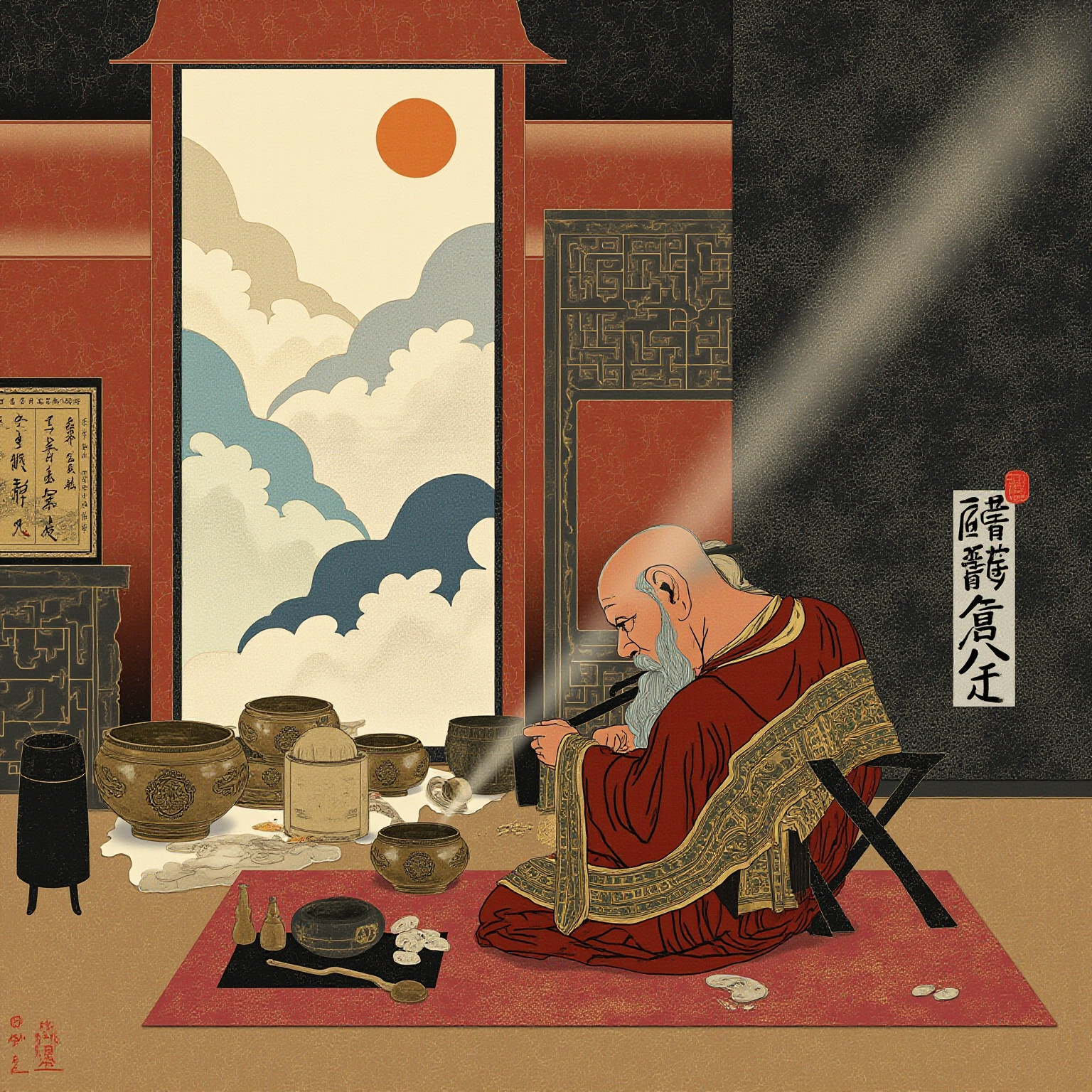
As a physician flavors food with medicine to heal a grievous sickness, so I follow the world's way to teach the Holy Dharma.
如同医生以药调饮食、为治那沉疴重疾,我随顺世间规范,在此宣讲圣佛法。
金句 · 跋偈 · 以医喻教
Thread Six: Stitching the Worldly to the Sacred
The final chapter is titled observing the true dharma. After a whole book written through fish, birds, beasts, insects, sun, moon, mountains, rivers, knives, scissors, hairpins, and rings, Sakya Pandita quietly steers these four hundred fifty-seven poems into the basic virtues of Buddhism: compassion, love for the people, patience, generosity, selflessness, integrity, honesty, diligence. At first you think he is teaching you how to choose friends, spot villains, guard against the petty, and govern a country. Only here do you realize he has been mapping worldly ethics back onto the plainest virtues of the dharma all along. He insists again and again that only by mastering worldly conduct can one accomplish the teaching beyond the world, and he manages it not through sermons but through metaphor.
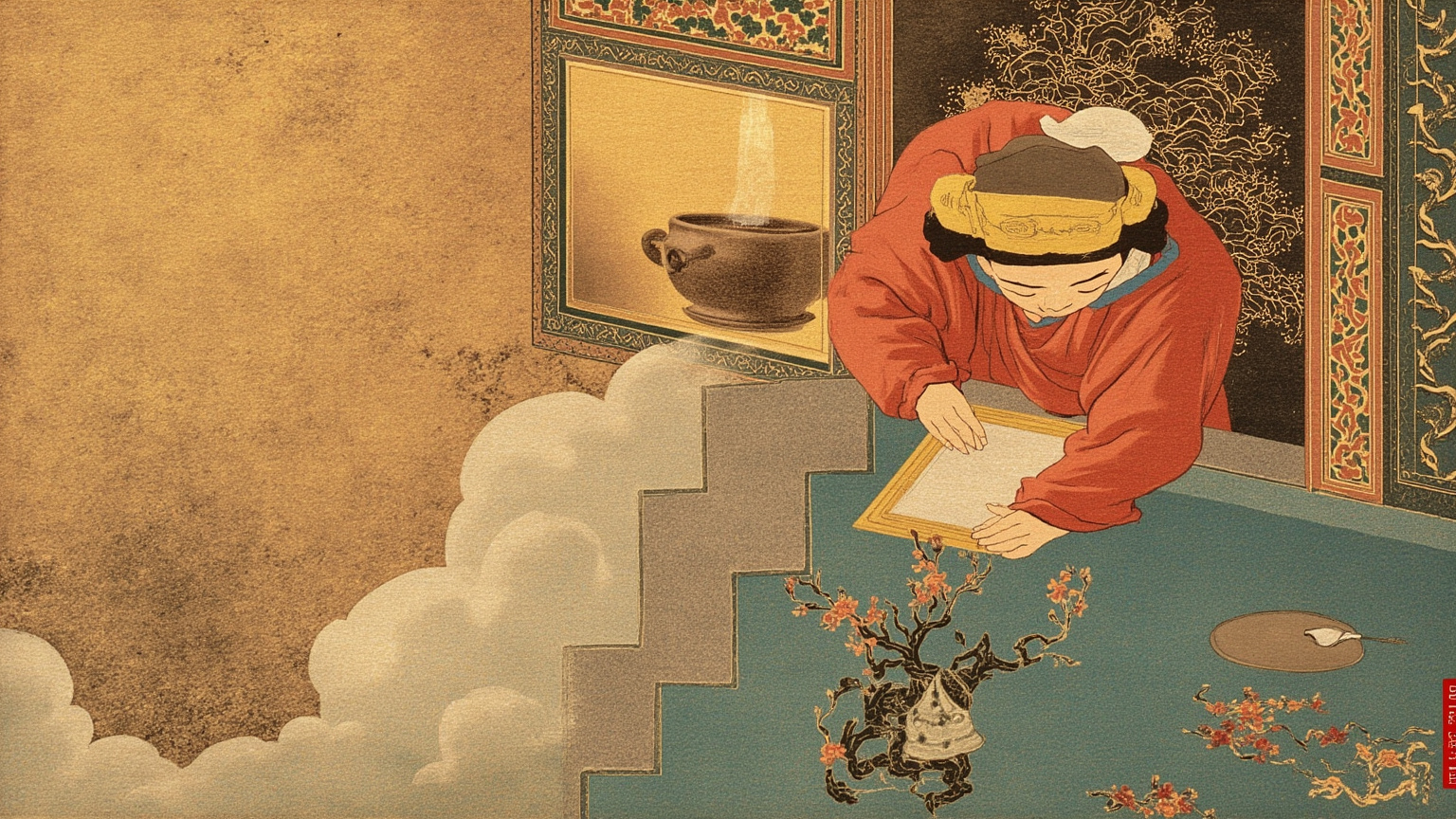
He who has not mastered the ways of the world — how shall he cultivate the ways beyond it?
未通世间法,安能修出世法?
金句 · 跋偈 · 以医喻教
Theme and Craft: The Hero Steps Aside, the Sage Takes the Stage
Read against the backdrop of thirteenth-century Tibet, the book carries another layer of meaning. The age of war and fragmentation was ending, and the age of unification would run not on swords but on judgment. Sakya Pandita gives his highest praise to the sage — someone who can tell right from wrong, correct his own mistakes, rise through adversity, keep learning for life, and work for the good of the world — and quietly lets hero worship give way to the worship of wisdom. He completes this whole shift, from warrior to scholar, from blade to book, with a single pair of images: the scholar like an ocean gathering rivers, the fool like an owl blinded by daylight.
Then there is the craft itself. What later generations praise most is how it packs the whole of human experience into short four-line stanzas built from the most ordinary comparisons, each one complete in itself, each one a single stand-alone unit ready to be paired with a picture. It is not a narrative poem with a rise and fall. It is a series of aphoristic instants: the scholar telling right from wrong is one instant, the fool as an owl is one instant, the villain's honeyed words are one instant, the king borrowing a mirror is one instant, the quack's misdiagnosis is one instant. Every scene arrives already carrying its own image. That is also why it is still being printed and translated seven hundred years later — it was built from the start to be told one piece at a time.
This book has no hero, but someone is standing inside every poem — the you who just felt this line land.
Why Read the Text Itself
A guide can hand you a map. It cannot hand you the ground. Here you can learn that the book runs nine chapters and four hundred fifty-seven poems, that it argues through the ocean and the owl, that it makes the king a man who borrows a mirror to see himself. What you cannot get here is the blunt weight of each four-line stanza rolling over your tongue, the force of a line like pour out too much perfumed oil and the sal tree will wither, fourteen words that leave a whole tree dead, or the quiet drop in your chest at the turn from worldly ethics into sacred virtue. What this book is worth most is its rhythm: four hundred fifty-seven short poems that hit you, pause, hit you again. Rhythm is something only the original can give you.
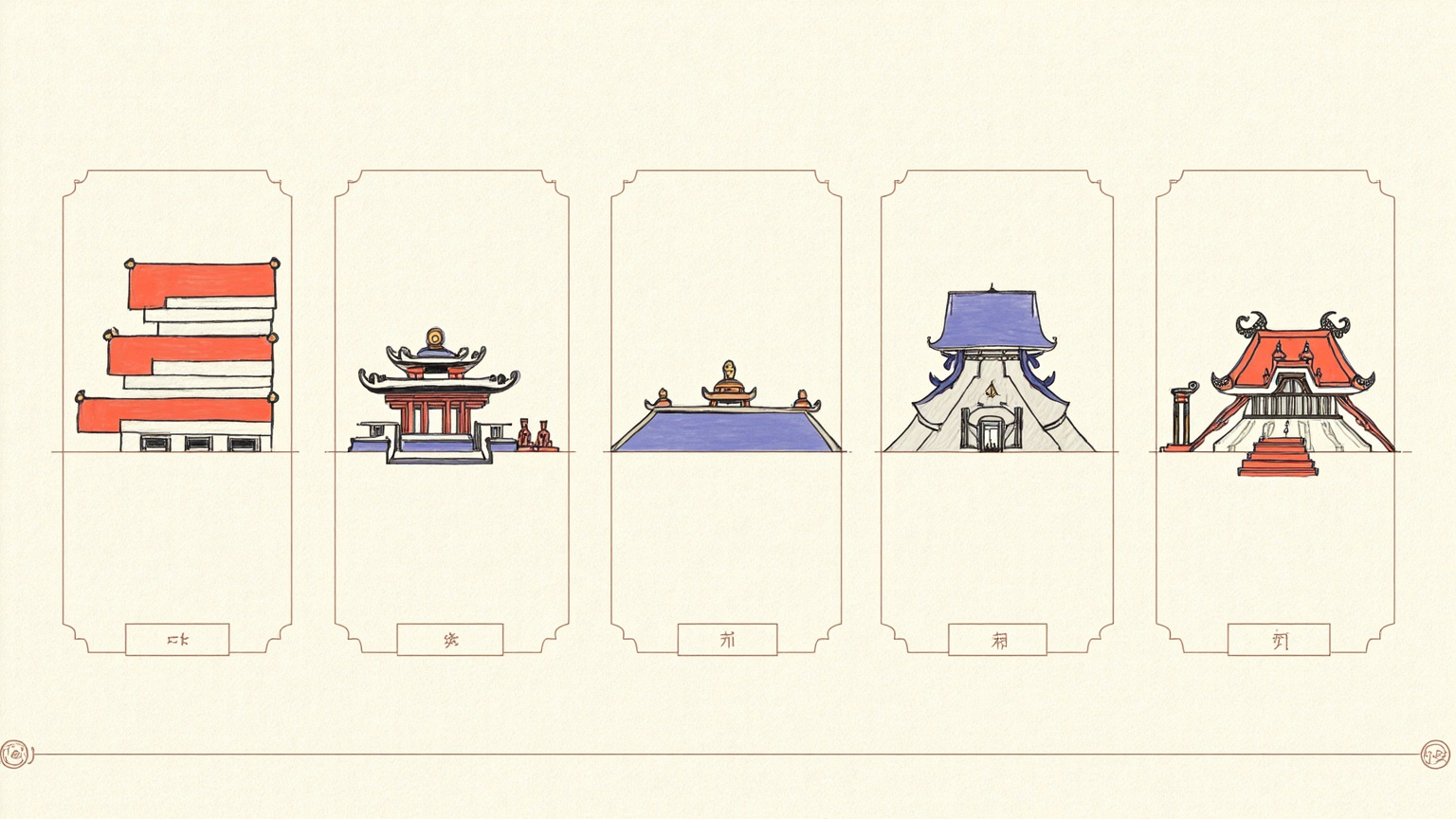
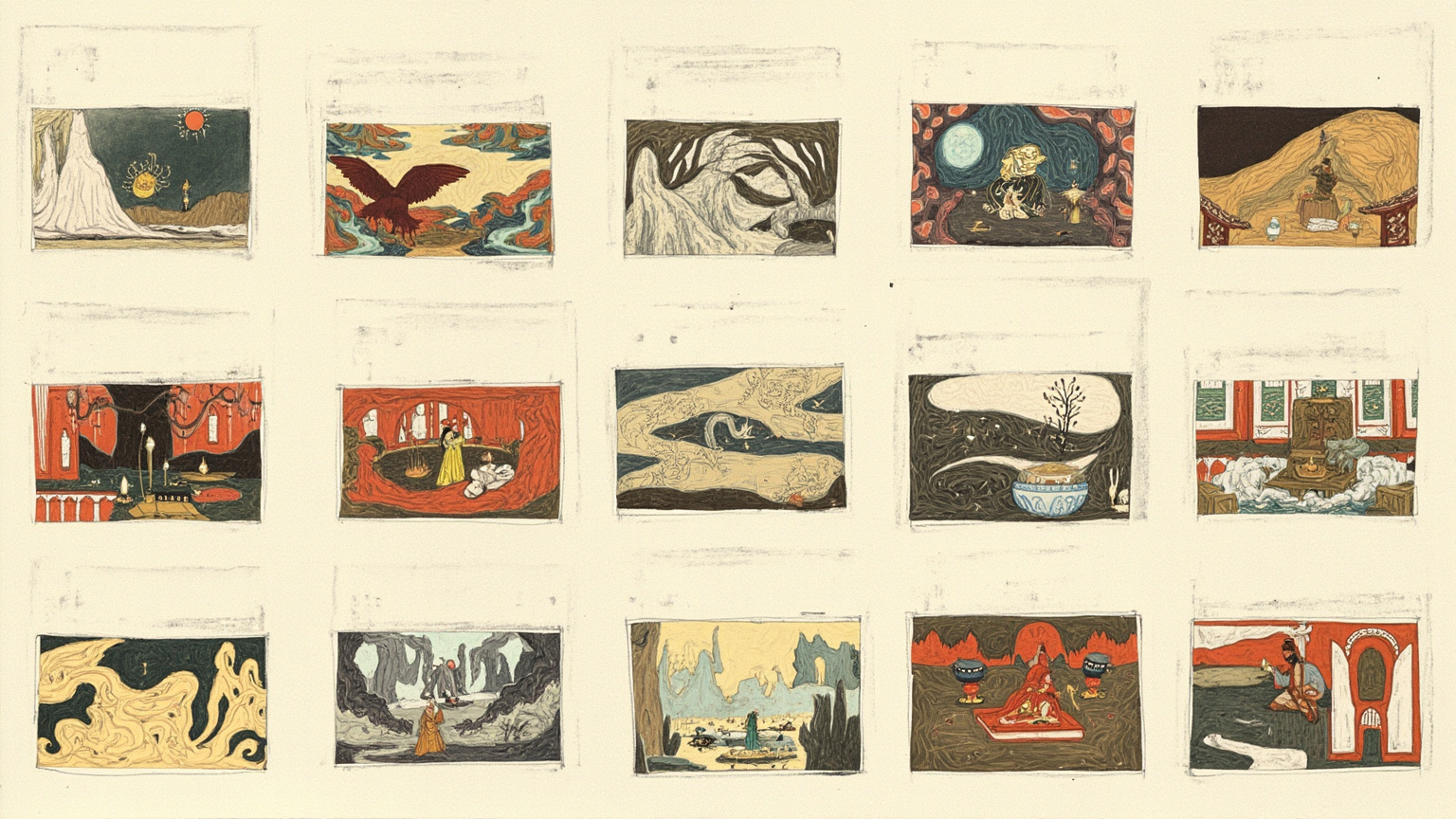
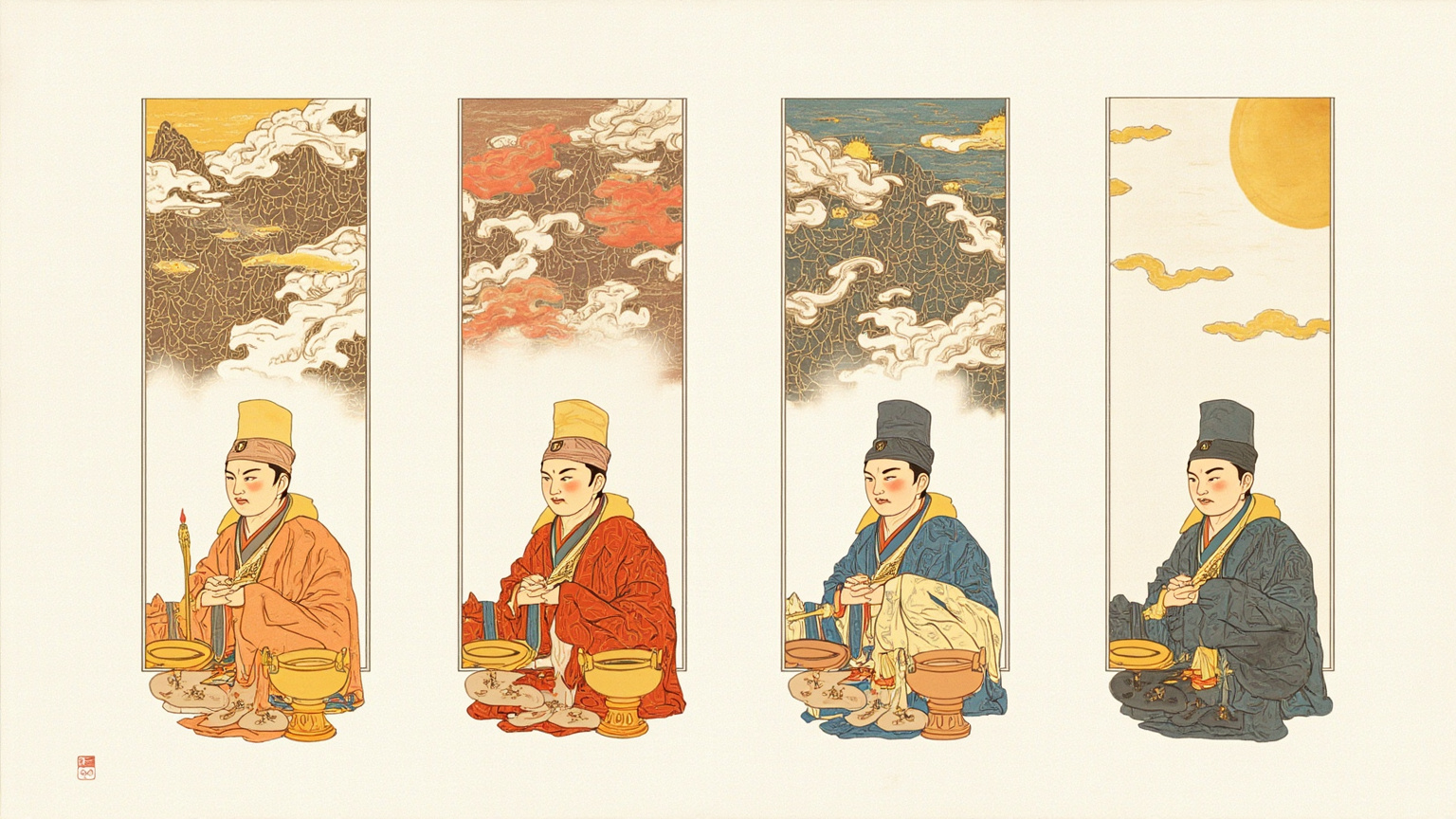
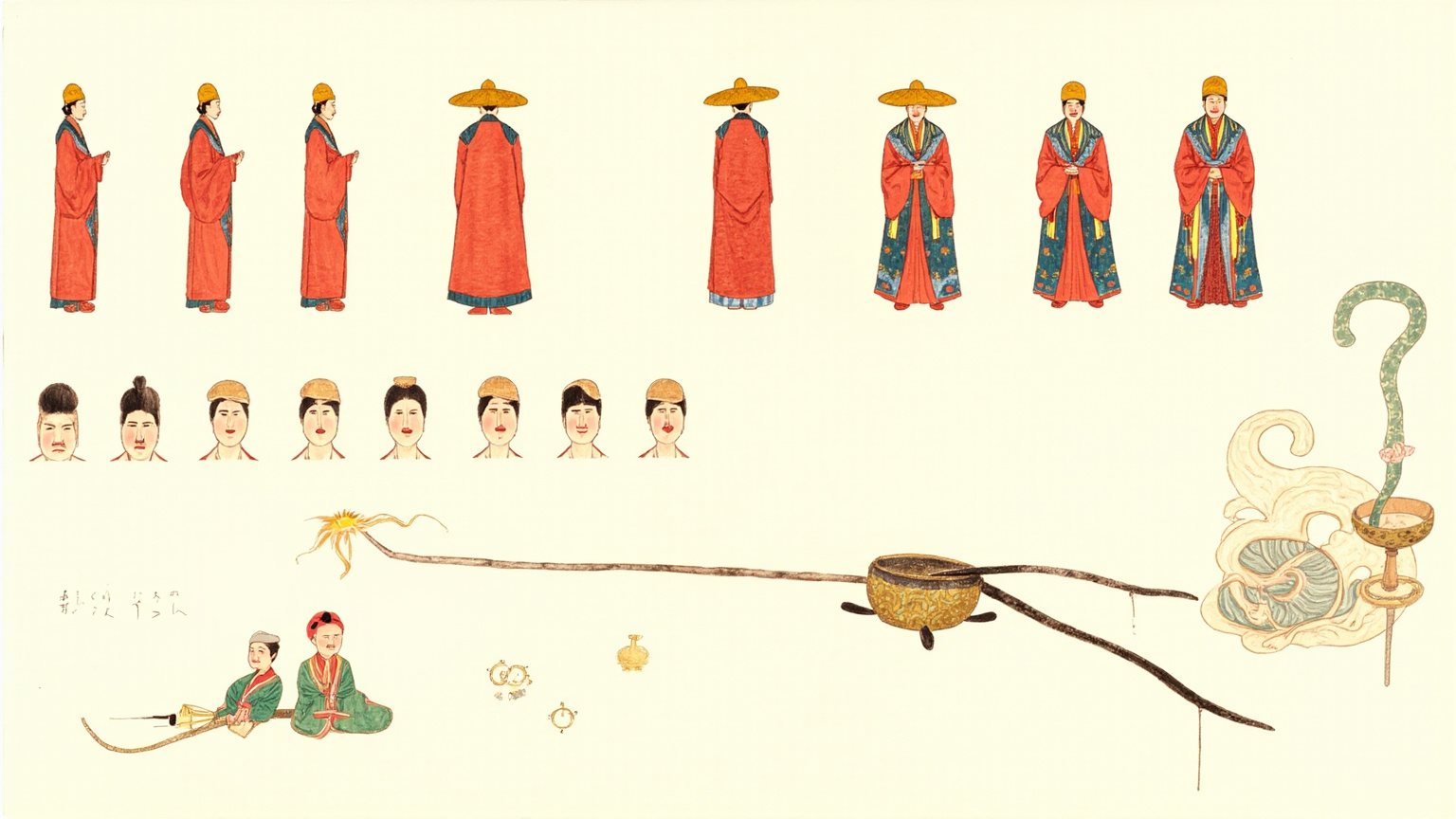
Art Direction4 plates
Before the guide was written, this book got a visual foundation — every illustration you just read grew out of it.