The Malay Annals (Sejarah Melayu / Sulalatus Salatin) · Companion Guide
马来纪年
白鹿奔入泥滩,王子自须弥山降临,流亡宰相在囚居中为王朝系紧最后的正统血脉——一部用神话写成的建国典籍。
Opening Scene: A White Stag, a Boar, and a Harbor Town Rewritten
A white stag ran along the shore. The hunters chased it until they drove it into a mudflat, where a fierce boar knocked it down. The hunters stopped short. Something was wrong with this place — or right with it. An omen had shown itself, so the prince founded a kingdom on the spot. It would become Singapore. From there he moved north, and at another river mouth another sign appeared: a small white mouse crept out of a log the waves had washed ashore, scurried up the bank, and vanished. His retinue applauded. Another good omen. The prince stayed and built Malacca. That is how the Malay Annals tell a port town into being — first the animal, then the man, then the city. A Southeast Asian harbor grew out of a white stag and a small white mouse.
What Kind of Book Is This
The book's original title was Sulalatus Salatin, the Genealogy of Kings. "Malay Annals" is the English name Stamford Raffles gave it later. It is a classical Malay chronicle, and myth, legend, and fact run through it so tangled that no one has ever fully pulled them apart. It covers the rise and fall of the Malacca Sultanate from the fifteenth century into the early sixteenth, compressing more than six hundred years of history into a single line of royal legitimacy. The man who compiled it was Tun Sri Lanang, Bendahara of Johor from the late sixteenth into the early seventeenth century, and he finished the work in exile. The text settled into roughly its present form by the early nineteenth century. In the early twenty-first century it was inscribed on UNESCO's Memory of the World Register, one of the highest protections a piece of human documentary heritage can receive. Any Malay studying their own language and culture has to pass through this book.
More precisely, it is a founding text remade after the kingdom that founded it was already lost. After Malacca fell in 1511 and the royal house withdrew north to Johor, Tun Sri Lanang, acting on the order of the Johor regent Raja Bongsu, gathered up the old court memories, the oral tales, the official documents, and shaped them into this book. It is history and it is myth at once, a royal genealogy and a political statement addressed to everyone who would come after: this is the bloodline you have inherited, running unbroken all the way back to Alexander.
People and Place: A Harbor, a Chancellor, an Admiral, and a Guest from China
The story unfolds on the Strait of Malacca. Tropical coastline, houses on stilts, a forest of masts, Chinese junks riding at anchor in the harbor — one of the busiest ports of the fifteenth century. A few kinds of people recur through the book and are worth knowing on sight. There is the royal line, from the founder Sang Nila Utama down to the sultan the Portuguese would eventually drive out. There are the ministers, chiefly Bendahara Tun Perak and Laksamana Hang Tuah. There are envoys from distant courts: Siam, Champa, Majapahit, Ming China. And there is one Chinese visitor the chronicle takes care to record by name, Zheng He, who came to Malacca and organized soldiers and townspeople to build its walls and its four gates, north, south, east, and west, along with a system of watch.
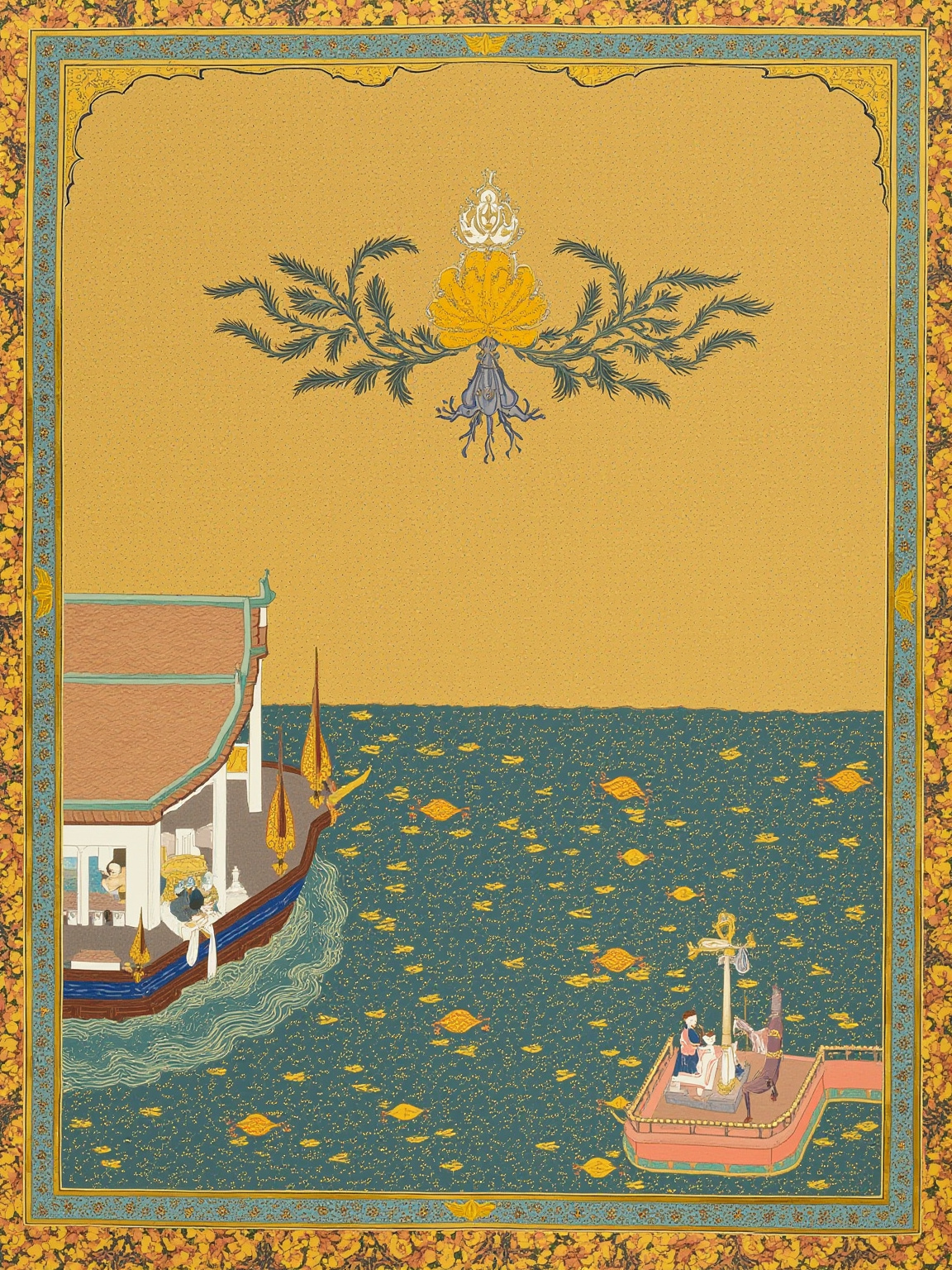
In the name of Allah, the Merciful, the Compassionate, whose praise be glorified, and upon His Prophet Muhammad, upon whom be blessing and peace.
奉至仁至慈的真主之名,赞颂归于他,祝福与平安归于先知穆罕默德。
金句 · 开篇赞辞 · 颂真主与先知
Hold onto these names and you have the key to the Malay Annals. Sang Nila Utama, the founder, is the first pillar: a prince of Srivijaya who set out from Palembang, settled first at Temasek, and then moved north to found Malacca. Hang Tuah is the second pillar. He enters the book as Laksamana, the naval commander, and his story later broke off into its own long Malay epic, the Hikayat Hang Tuah. The Bendahara Tun Perak is the third pillar, spoken of in the same breath as Hang Tuah and standing for everything the golden age of Malacca meant. Three names: one line of royal legitimacy, and two ministers who carried it on their backs.
The Plot Line: From Bukit Seguntang to the Fall of Malacca
Founding Myth. The book opens with praise for God and the Prophet, and then does something with real weight: it traces the bloodline of Malacca's first sultan back to Iskandar Zulkarnain. That is the name Alexander the Great carries in the Malay world, and Muslim tradition remembers him as the conqueror who crossed continents. The Malay royal house did not spring from nowhere — it flows all the way down from Alexander. Once that line is drawn, every sultan who takes the throne afterward, every marriage made with a foreign court, stands on ground nobody can contest. The craft here is worth noticing: before the book says a word about Malacca, it starts with Alexander, setting all of Southeast Asian kingship inside a much larger frame of world history.
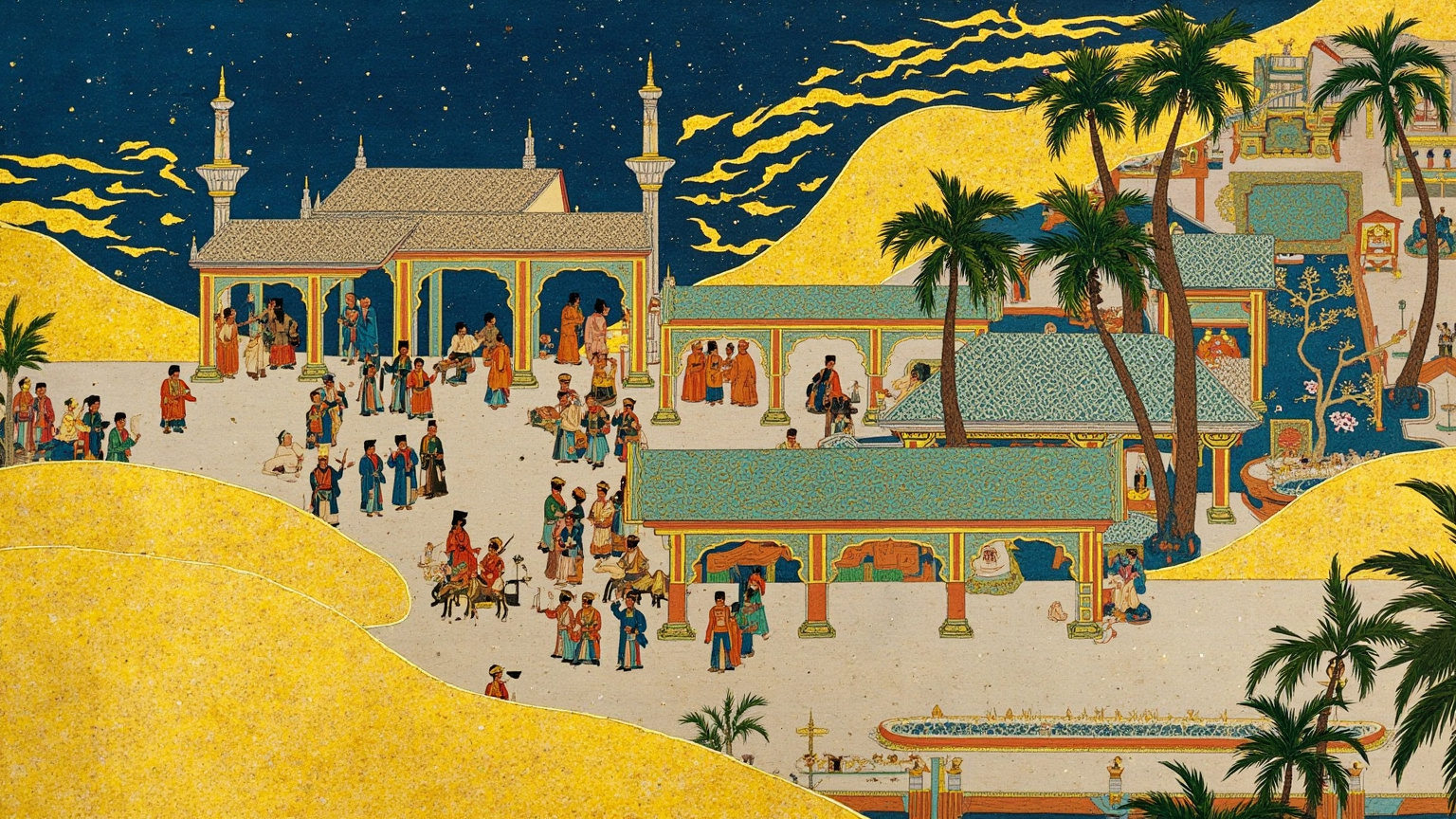
This Sang Nila Utama came down from Bukit Seguntang, even as Alexander Zulkarnain, the Two-Horned Lord, had come before him from the world's end.
桑·司里·尼尔·乌达玛自须弥山降临,正如昔日的伊斯干达·祖尔·卡奈恩自天涯而来。
金句 · 第一章 · 王子自须弥山降临
The Prince Descends, the Compact Is Sworn. The bloodline is settled; what needs settling next is the compact. The Srivijayan prince Sang Nila Utama appears in miraculous fashion on Bukit Seguntang and descends to Palembang. There, the local chief Demang Lebar Daun is no mere host welcoming a guest: he is the other party to a pact with the prince, and together they set down a covenant between ruler and ruled. The sultan is bound to protect and improve his subjects' lives, and the subjects, no matter how cruel the sultan becomes, must stay loyal and never be made to feel disgraced. Later generations would treat this compact as the origin of Malay customary law and of the whole idea of a covenant between crown and subject. It is not a pretty document — it carves "obey even a tyrant" in stone — but it gives Malay political thought its oldest surviving draft. The first time I read this passage, I went back and read the previous page again. This is not a fairy-tale founding story. It is a sanctified political contract.
A Harbor Rises, Marriages Reach Far. With the compact sworn, the prince heads north, founds a kingdom at Temasek, and later moves it to Malacca. Malacca grows from a river-mouth village into one of the busiest ports of the fifteenth century, carried there by treaties and marriages with Siam, Champa, Kalingga, Majapahit, and Ming China. The royal house wove Malacca into a marriage network that spanned all of Southeast Asia. The book records a famous story here: Sultan Mansur Shah of Malacca marries Princess Hang Li Po of China, sent south with an escort of five hundred by order of the Yongle Emperor. This belongs to the legendary diplomatic lore of Malay chronicles, not to verified history. But it tells you something real: in the Malay world's memory of itself, China stood on the other side of that marriage.
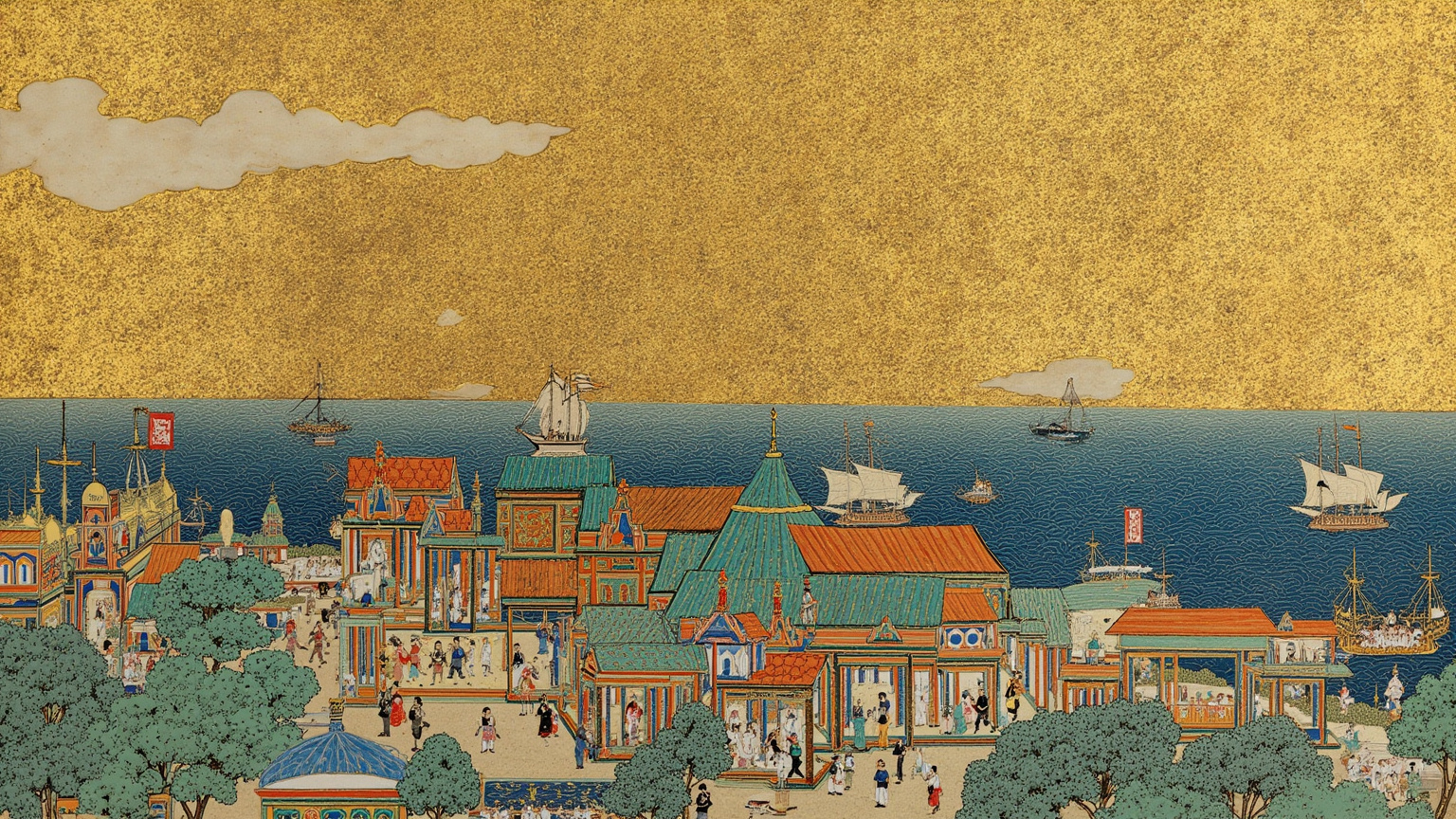
Hang Tuah was the flower of all Malacca's warriors; with him beside the Sultan, no enemy could stand against the port.
汉都亚乃马六甲武将之冠,有他立于苏丹身侧,港市之敌便无人能立。
金句 · 第五章 · 汉都亚立像
Islam Takes Root, Ministers Earn Their Names. With the port established, the skeleton of religion and administration has to be raised as well. Islam settles into Malacca and spreads across the region. The court's administrative order takes shape here, with the Bendahara at the head of the civil officials and the Laksamana at the head of the military. The two great ministers the book celebrates, Bendahara Tun Perak and Laksamana Hang Tuah, stand for exactly those two poles, civil and military. Hang Tuah appears in these pages as Laksamana, and his life was later drawn out and written into its own epic, one of the most famous in Malay literature, the Hikayat Hang Tuah. The relationship between source and offshoot is planted right here. This section reads almost like a string of short biographies: a minister does something worthy, is rewarded, is praised, and the dynasty defines itself through the question of who counts as a good minister.
The Portuguese Arrive, the Court Flees North. In 1511 the Portuguese took Malacca. Sultan Mahmud Shah fled, and the royal house and its records moved north in stages, first to Perak, then Pahang, finally settling in Johor. The fall of the port takes only a few lines in the chronicle, but the weight of it is enormous: a sultanate more than a century old is wiped off the map. What the royal house carried out was not only people and treasure but a store of court documents, oral memory, and ritual protocol. Tun Sri Lanang later folded all of it into the Malay Annals. In other words, the raw material of the book is exactly the chest a defeated army carried into exile.
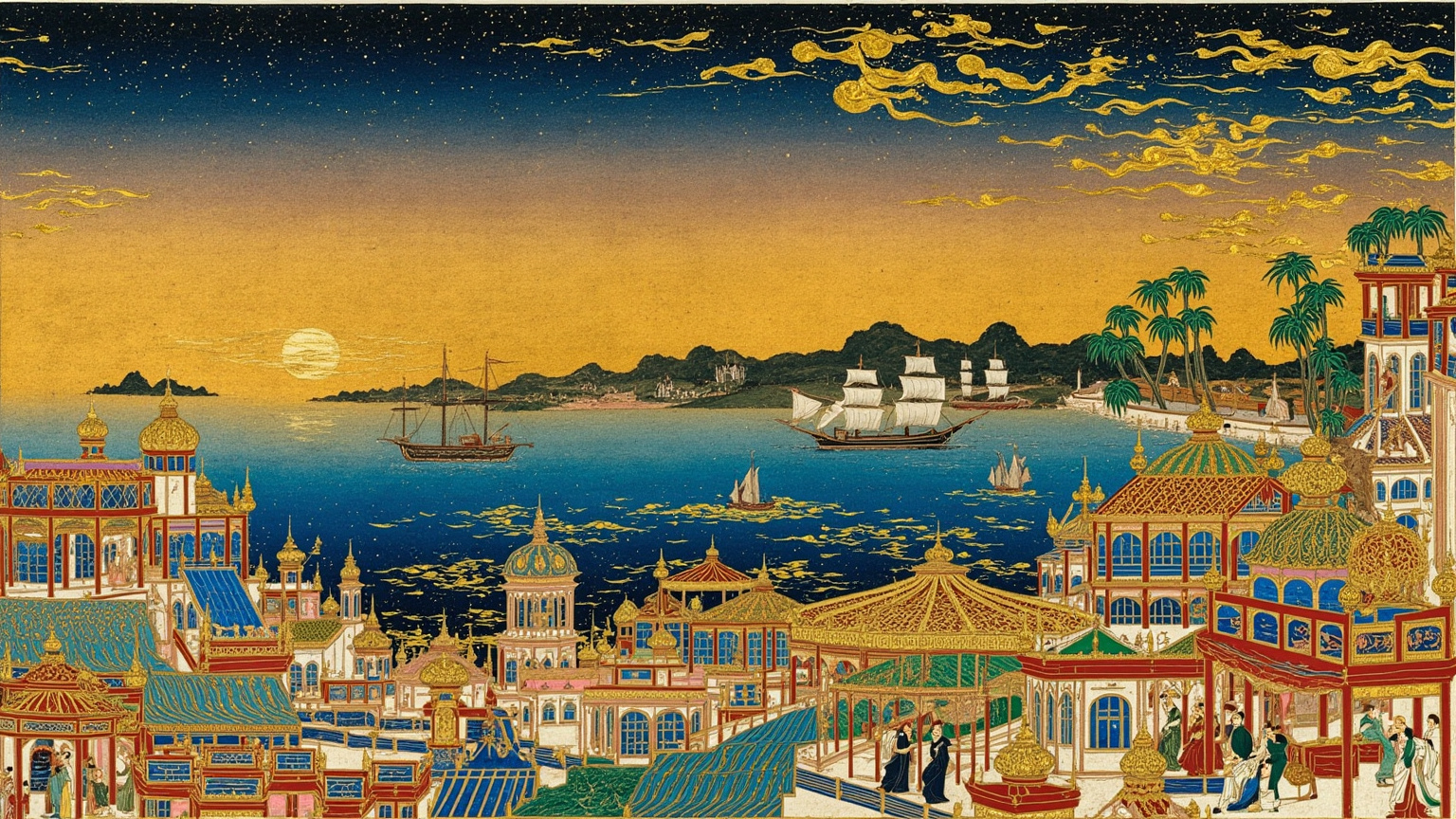
The city that had stood a hundred years fell to the Franks; the Sultan fled up the coast, and the annals went with him, northward, into Johor.
百年港市终于法兰克人之手倾覆,苏丹沿海岸北奔,而史书亦随之北上,入于柔佛。
金句 · 第七章 · 葡萄牙陷落与北迁
Compiled in Exile. The blow did not end with the move north. In 1613 Aceh took Batu Sawar, the Johor capital, and Tun Sri Lanang was captured along with Raja Bongsu and exiled to Aceh. Through those uprooted years of flight and captivity, the compilation reached its final stage of revision and arrangement, and by the early seventeenth century this founding text, commissioned by the regent of Johor, had settled into roughly the form it holds today. A foundational Malay text was finished by a chancellor losing his kingdom not once but twice. That fact is itself part of the Malay Annals — this is not only Malacca's story, it is the compiler's own.
Theme and Craft: Myth Is Politics by Other Means
What this book is actually doing is not recording history but redistributing the legitimacy of history through myth. Tracing the royal bloodline to Alexander, staging the prince's descent on Bukit Seguntang, writing the compact between ruler and ruled as if it were divine decree: none of this comes from Malay superstition. It comes from a new court, after losing a kingdom, needing a line of succession nobody could contest. This is a book written for the sultans who would come after, and it is a book written for the subjects who would come after them: the bloodline you obey runs down from Alexander, unbroken. Myth, here, is politics stated in another language.
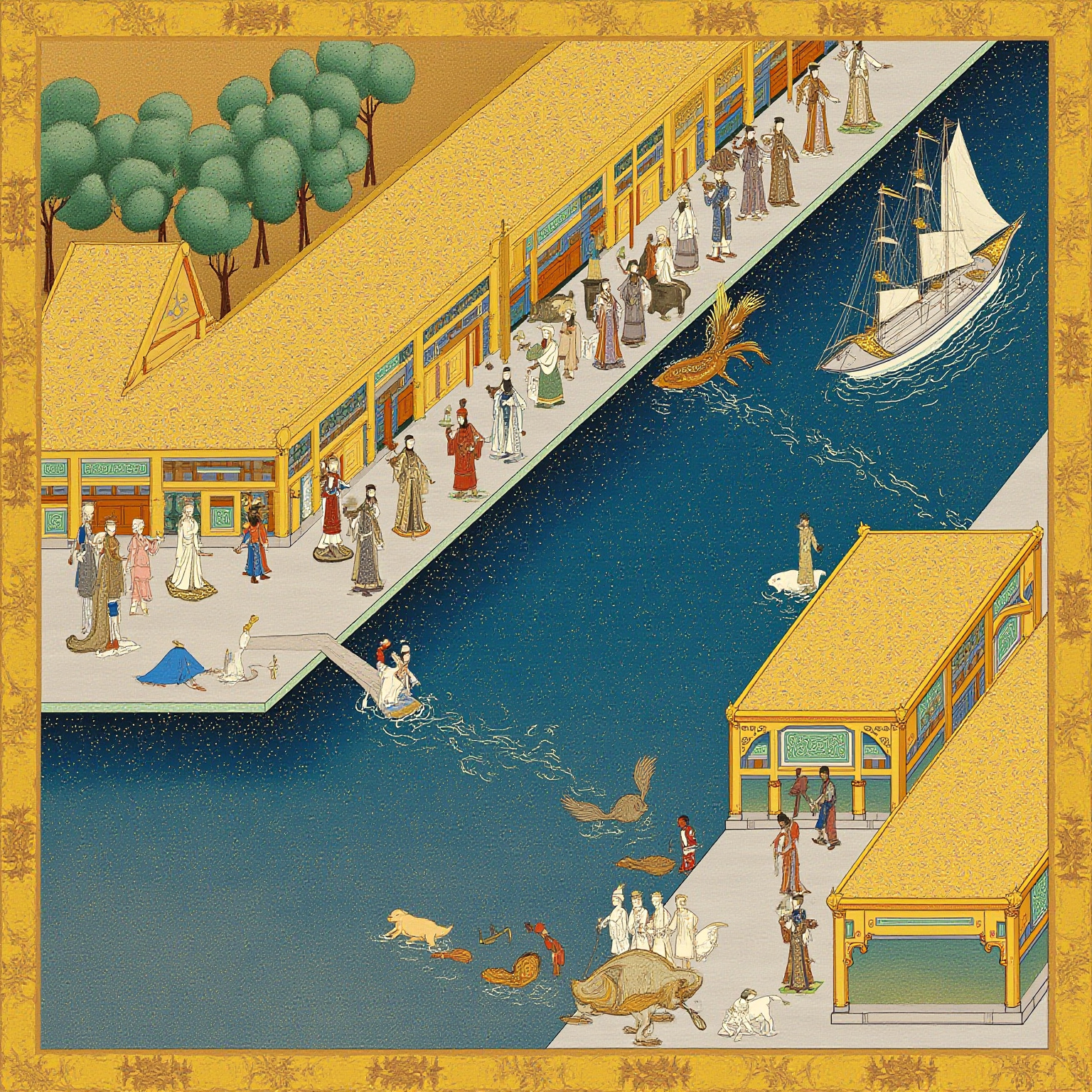
It is not a record of grief: it is the binding of a lineage that shall not be severed.
此书所记非亡国之痛,乃系一条不可断绝的统绪。
金句 · 尾声 · 王朝未断
As craft, the way the book handles time repays a close look. It does not move evenly forward through the years. It spends heavy weight on origins first (Alexander, then Bukit Seguntang, then the compact between ruler and ruled), then strings the height of Malacca together through a run of short biographies, then compresses the fall to the Portuguese and the continuation in Johor into a few paragraphs. The ink given to founding and the ink given to defeat are not balanced, and that imbalance is the natural shape of political memory: the beginning gets written in full, the ending gets held short, and the rest is left for those who come after to continue. The other thing worth saying is where this book sits relative to what grew out of it. Hang Tuah enters as Laksamana here, and his complete story was later drawn out and written into its own book, the Hikayat Hang Tuah. Today plenty of people know Hang Tuah and have never heard of the Malay Annals — the classic case of the offshoot outgrowing its source. But the Hang Tuah of the source text is a minister set inside a dynasty's narrative. Take him out of this book and he is just a soldier. Put him back, and he is a working part of a Malay kingdom's golden age.
A founding text finished in exile is not about the pain of losing a kingdom — it is about the fact that the dynasty never broke. Six hundred years later, that is still why it gets read, protected, remembered.
Reasons to Read the Text Itself
A guide gives you the map. The text itself is the land. The plot, the people, the themes covered above give you a rough outline, but there are things no guide can hand you. One is the density of an old Jawi manuscript, its lines packed tight, its praise-verses repeating in a rhythm meant to be chanted, not silently read. Another is the smell the book keeps returning to at the Malacca waterfront: atap thatch, sea water, the resin on a ship's mast. A third is the oath in the compact between ruler and ruled, worded hard enough to raise the hair on your neck — the oldest surviving draft of Malay political thought, and one to read slowly. Princess Hang Li Po's marriage, the swordfish raid on the city, Hang Tuah's brothers: the side stories the guide leaves out, but they are the "other Malay Annals" waiting in the text. Someone who already knows how it ends will see something different reading it this way. Not a story whose ending is already known, but a record of how a group of people turned an ending into a beginning.
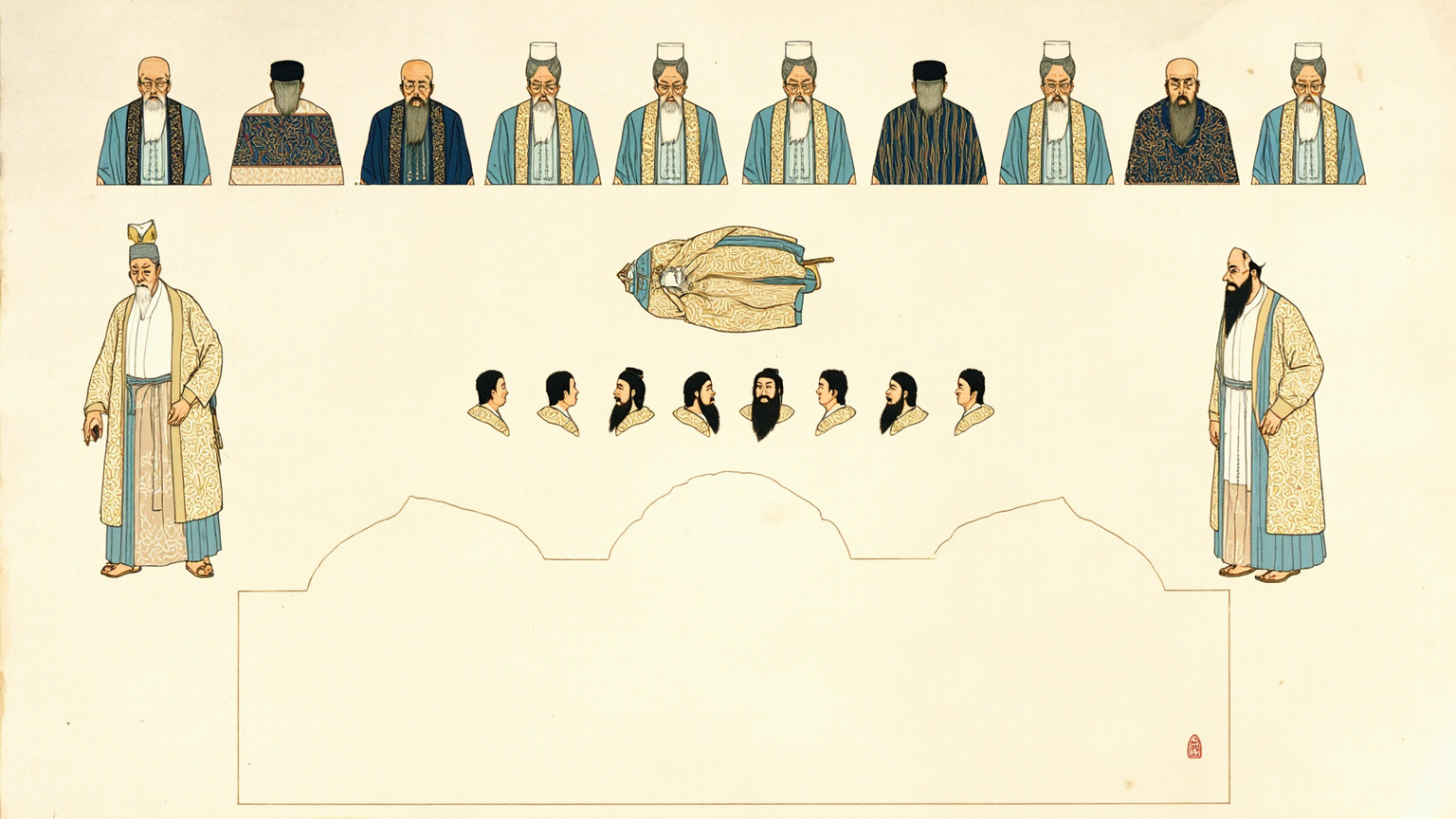
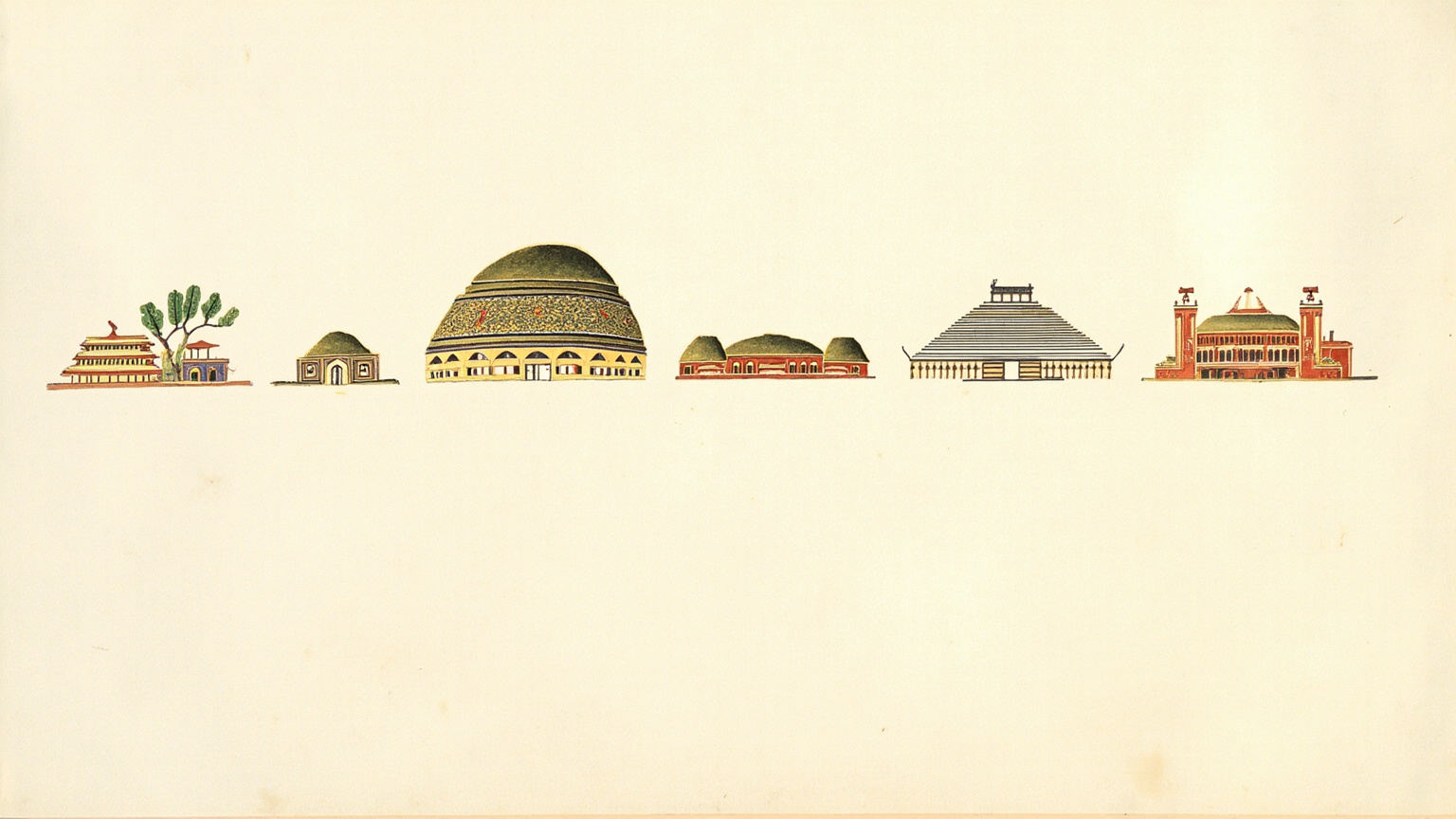
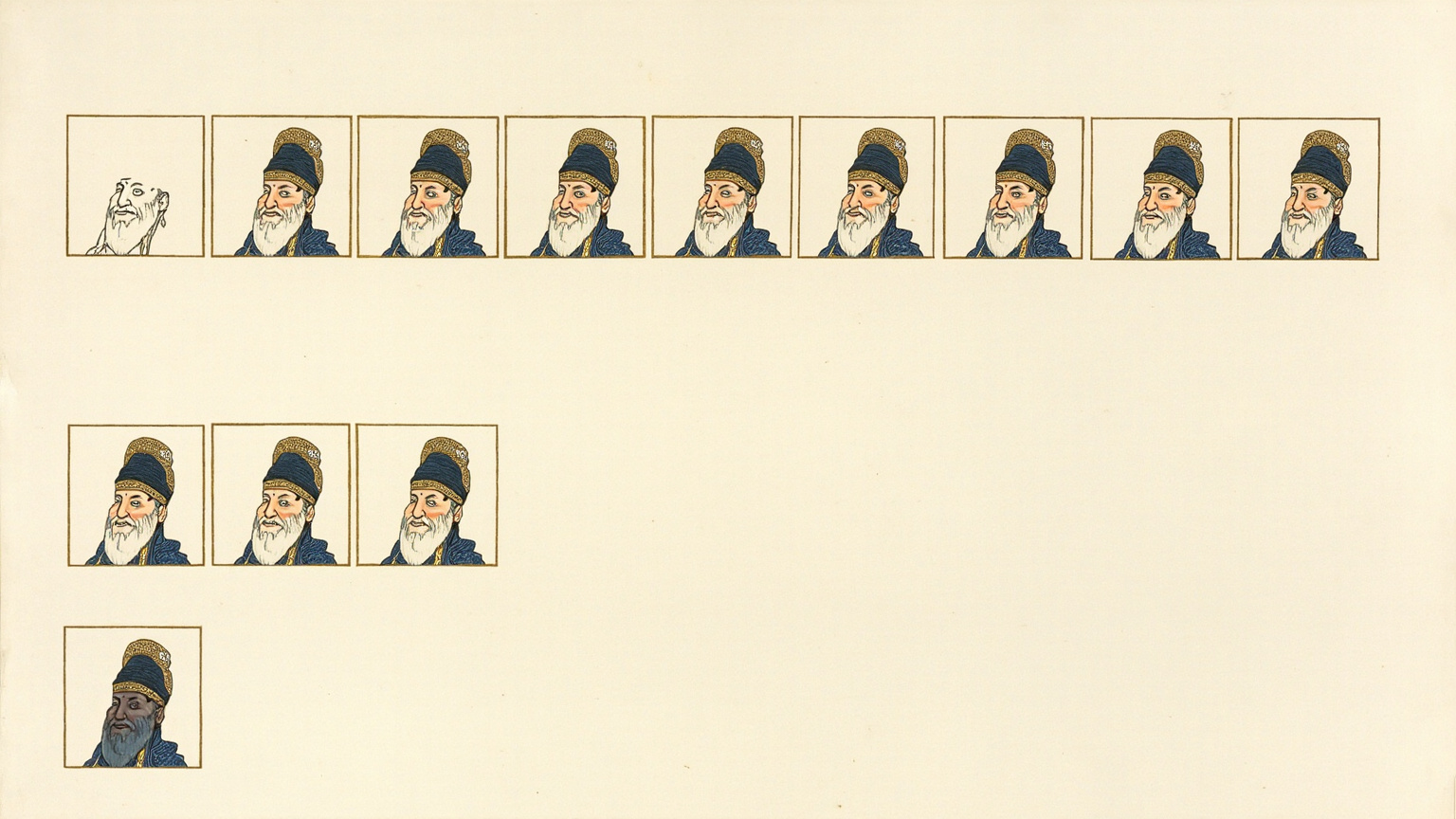
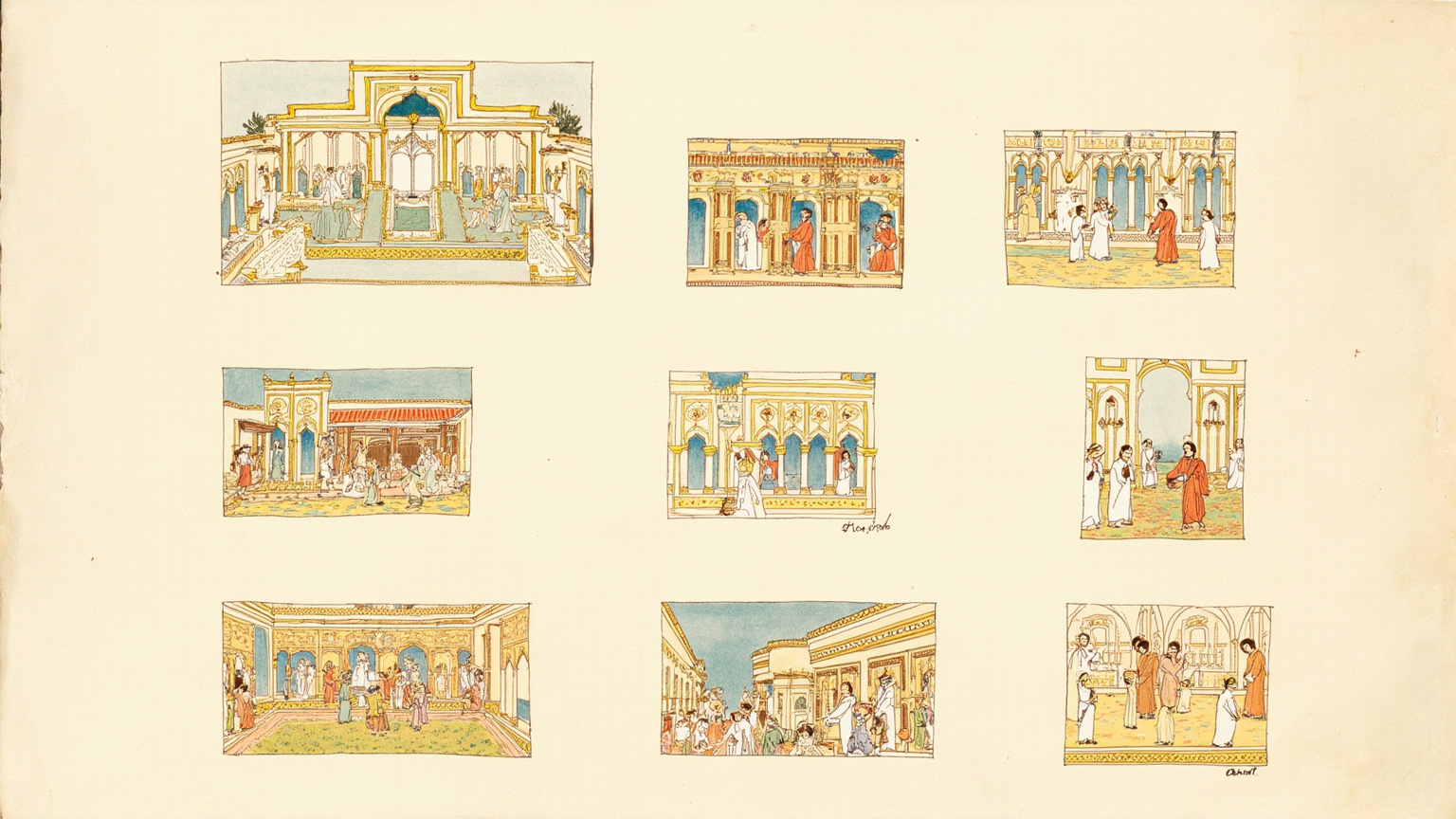
Art Direction4 plates
Before the guide was written, this book got a visual foundation — every illustration you just read grew out of it.