Opening: A Hole in the Paper, a Glimpse of the Whole Fall
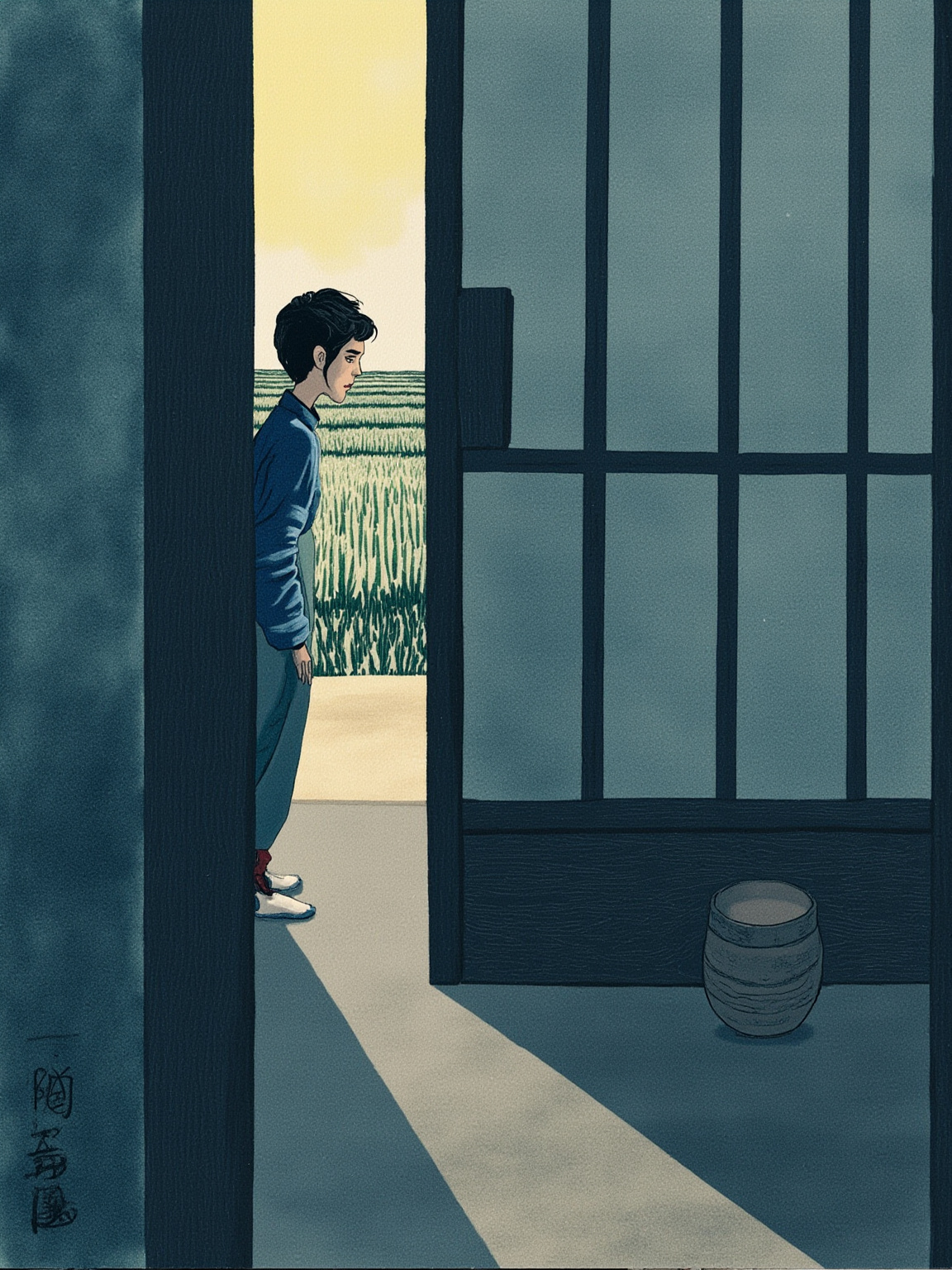
There's a hole torn in the paper screen door.
He can't help himself. He leans in — on the other side of the paper, he hears the landlord's daughter bathing.
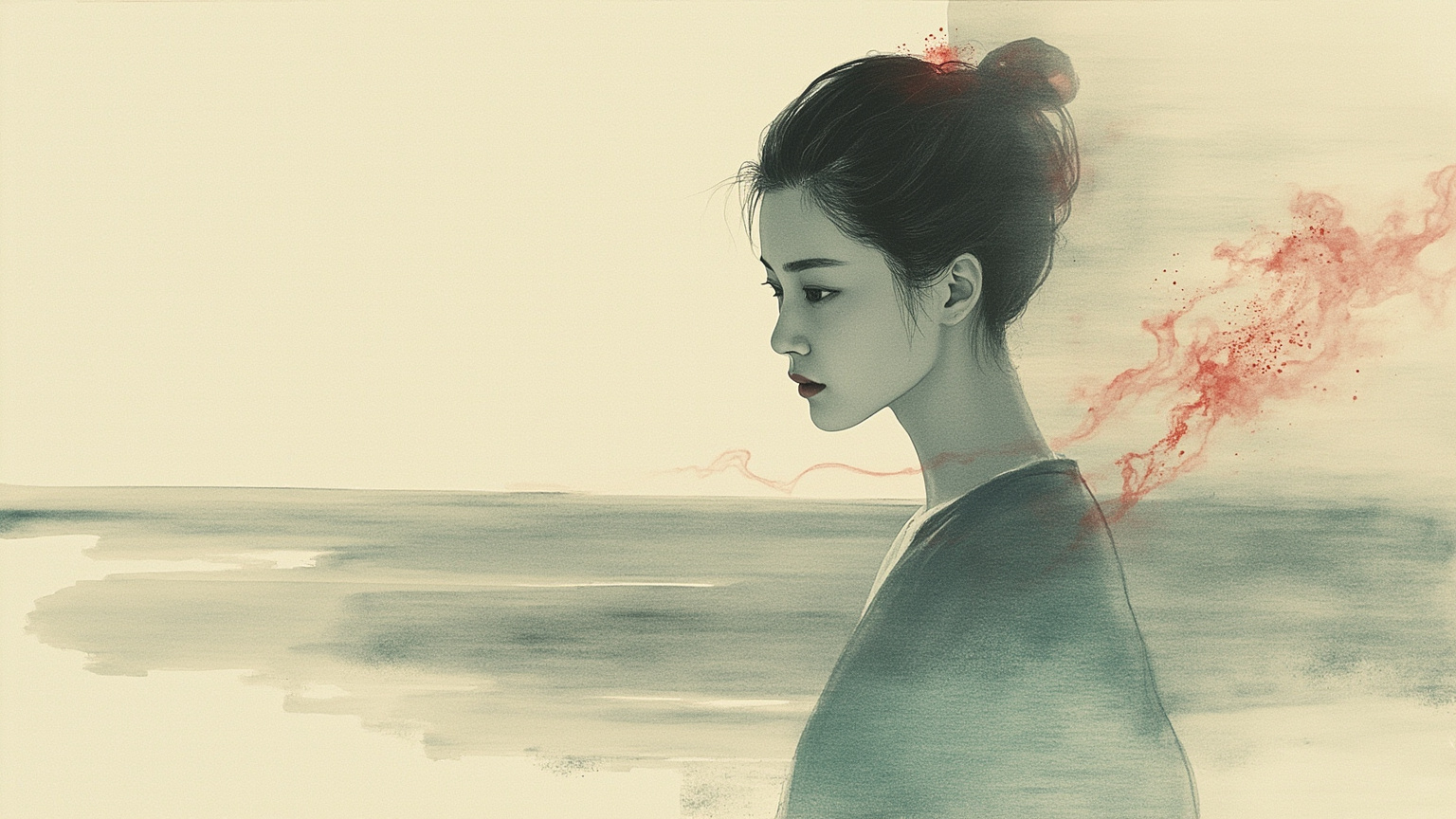
This is one of the central scenes in Sinking, and the first time in modern Chinese literature that a young man's sexual psychology was written this nakedly, this painfully. The whole novella runs on a single unnamed protagonist, called only "he" — the name Yu Zhifu never once appears in the text. Who he is doesn't matter. What matters is the cry he lets out before he walks into the sea: my country, oh my country.
What Kind of Book Is This
Sinking is a 1921 short story collection, built around the title novella. Yu Dafu was studying in Japan at the time, and would go on to become one of the leading figures of the Creation Society. The book is remembered for doing two things that were nearly unspeakable for the period: first, laying out a young Chinese student's mental breakdown, sexual frustration, and sense of being discriminated against in an almost confessional first person; second, taking that private breakdown and grafting it directly onto the larger question of a weak and humiliated homeland.
In one line: it's the founding work of modern Chinese "autobiographical lyrical fiction," and one of the cornerstones of May Fourth romantic, sentimental literature.
For readers today, this thin little book hasn't gone cold because generation after generation of Chinese-language writers inherited its method of cutting yourself open for the world to see. Reading it means putting your finger on the first drop of blood at the source.
Yu Dafu was in his early twenties when he wrote Sinking. A Chinese student in his twenties, trying to hold himself together in a foreign country, finish his degree, keep his dignity, avoid being looked down on — in him, that pressure turned straight into sexual repression, sexual frustration, and a persecution complex.
What the book is really saying is what that pressure can do to a sensitive young man. It isn't erotica, and it isn't a political manifesto. It's a confession written in the language of psychopathology.
Yu Dafu's real skill is that he doesn't let the two forces — private sexual anguish and the larger shame of a weak homeland — fight each other. He welds them together inside a single cry. That's why the ending has lasted a hundred years: it's a private breakdown and a national plea at once, and it admits the two were never separate to begin with.
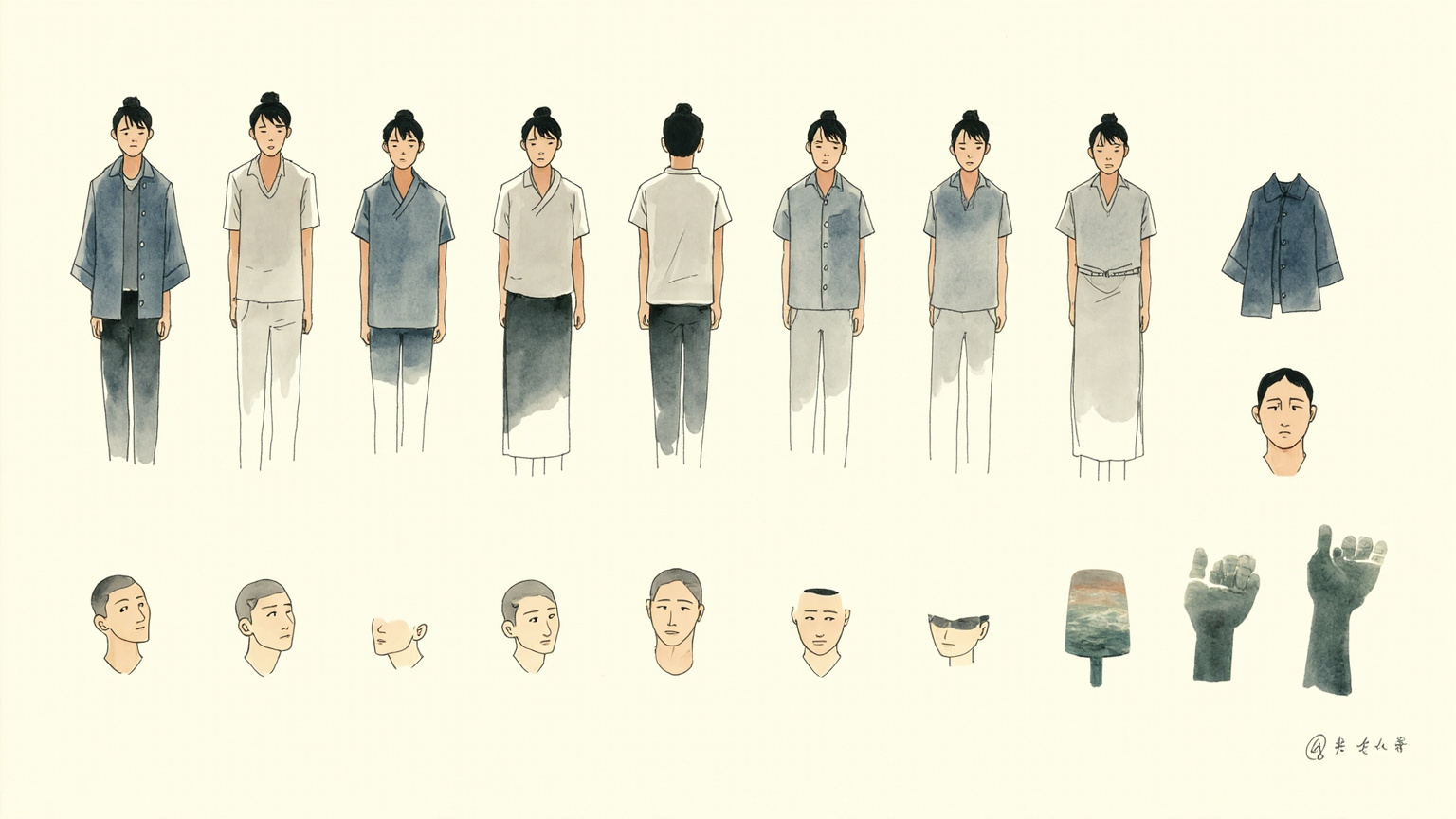
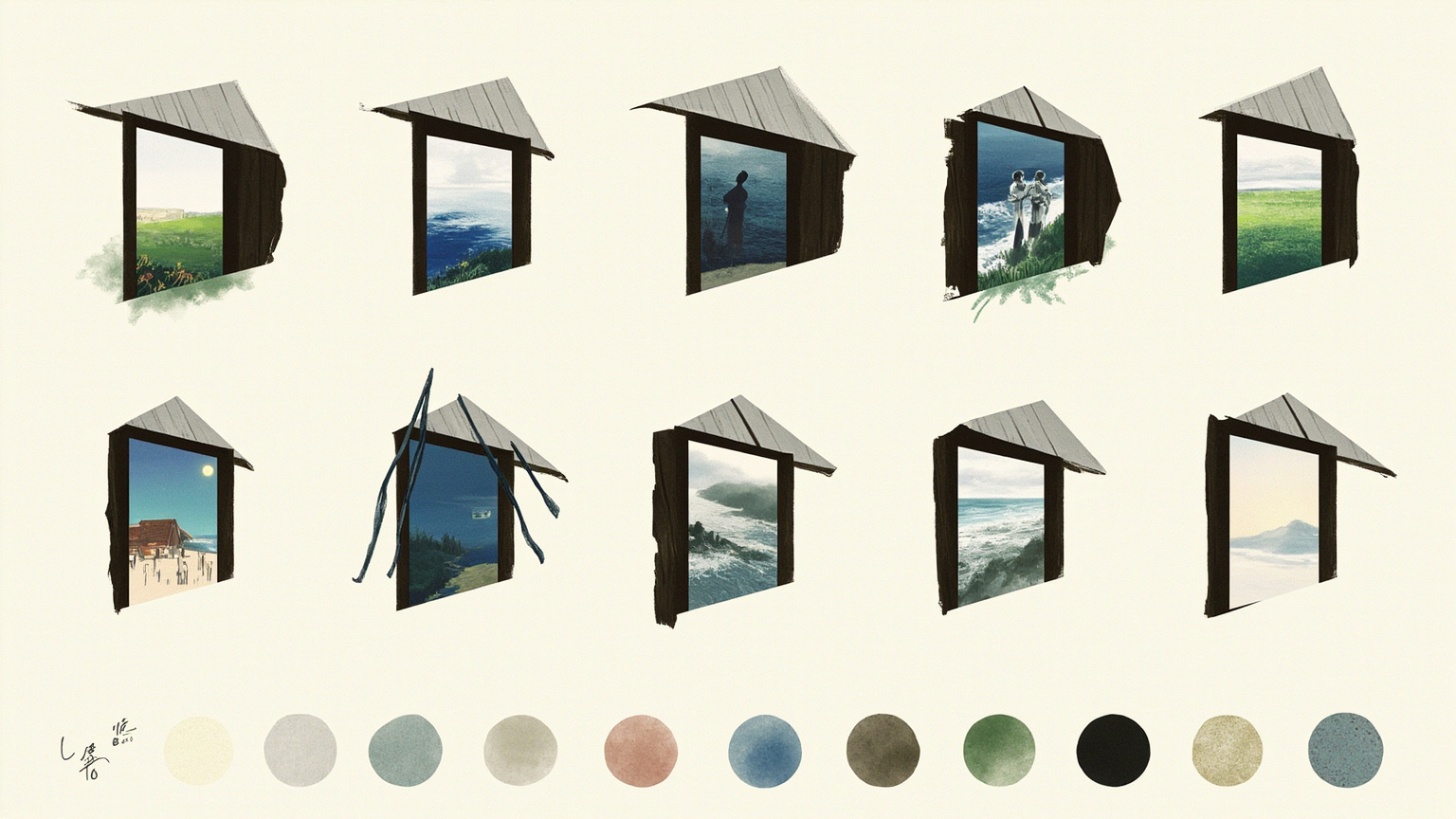
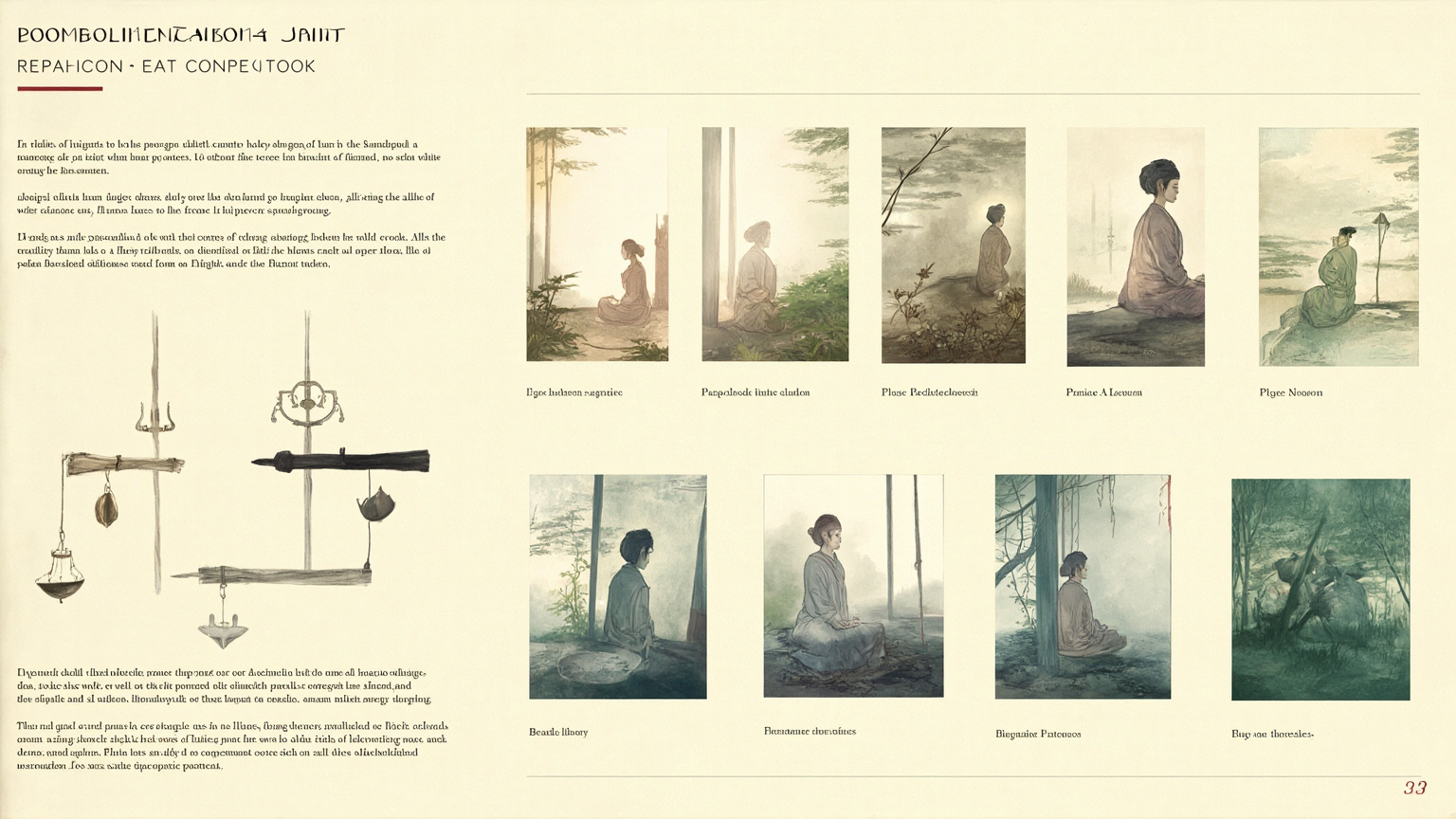
Art Direction4 plates
Before the guide was written, this book got a visual foundation — every illustration you just read grew out of it.
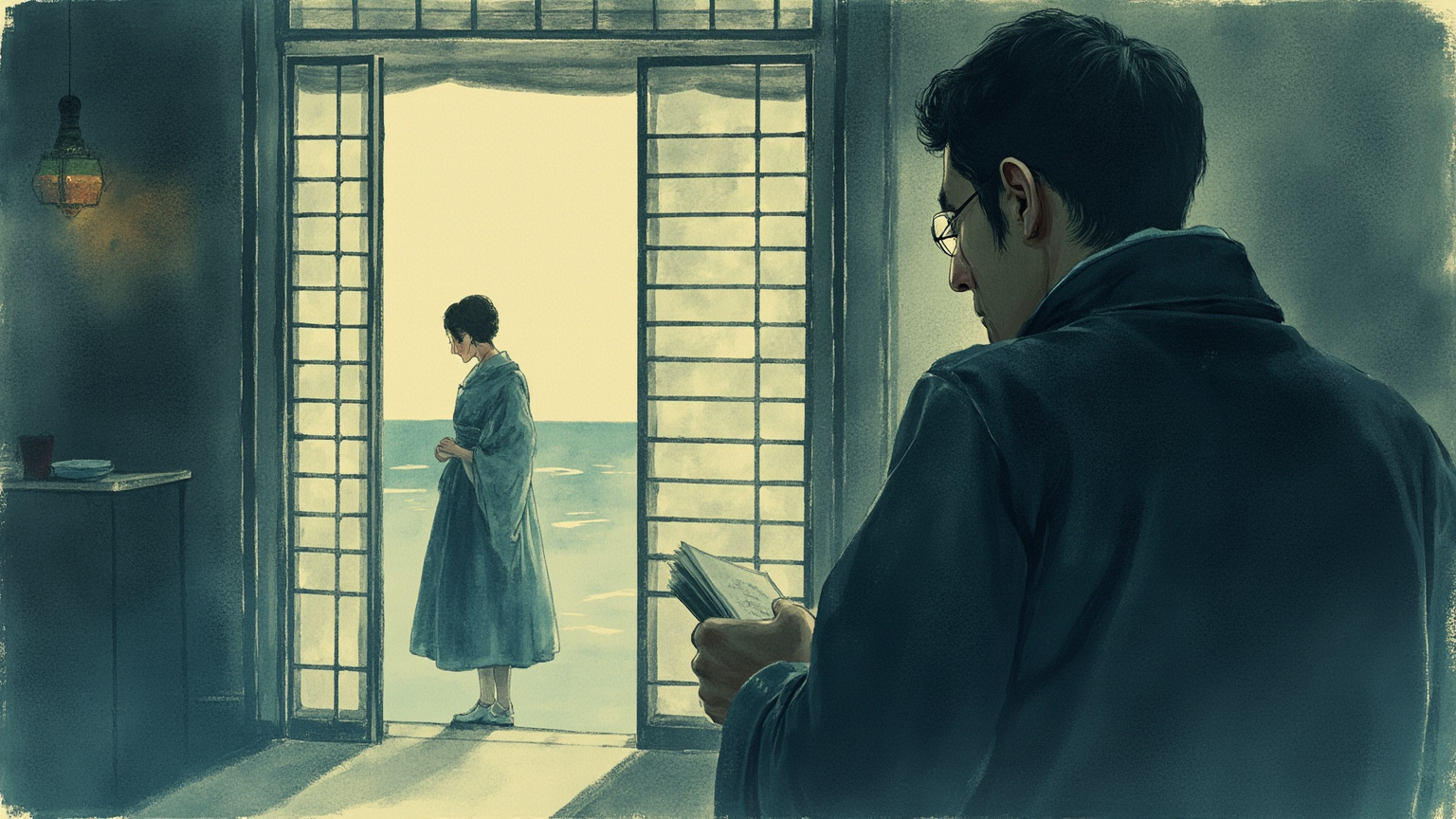
The story takes place on the outskirts of a fictional N City in Japan, during the Taishō era. A stretch of rice paddies, a farmhouse with a paper screen door, and beyond it a slate-gray sea and a faint coastline. The protagonist is a young Chinese student in Japan, called only "he" from first page to last — the author won't even spare him a name.
He's withdrawn and melancholic, convinced that every Japanese person around him looks down on him. He loses himself in Wordsworth and Heine, hunting for comfort in Western Romantic poetry — but the deeper he sinks into it, the more it confirms his own sense of being a sinner.
The people who cross his path are few: two Japanese schoolgirls on a country road, his landlord's daughter, a waitress at a tavern by the sea, and an older brother he once went to visit, only to break with him over a clash of temperament. After that brother, he has no family left.
None of them is the villain. The villain is the look he reads into their eyes.
The Plot Line: Five Steps Down, One Straight Fall
The structure is a descent Yu Dafu drew himself — five steps, each one dropping deeper into guilt.
Step one: passing strangers.
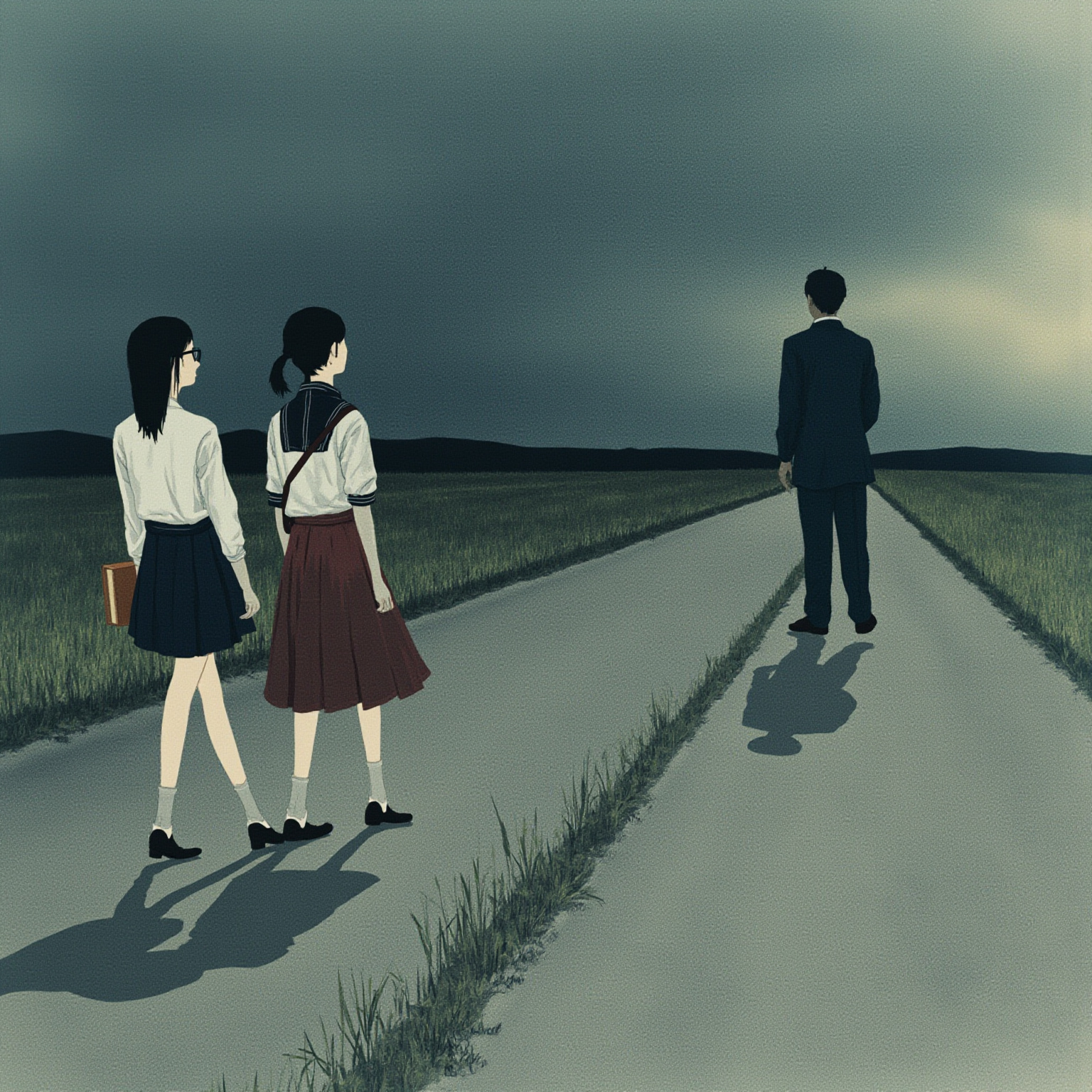
On a country road, he meets two Japanese schoolgirls. He lingers on them a beat too long, wanting. They glance at each other, smile, whisper. Something turns over in him at once — they must be laughing at me, a Chinaman. From here he sinks deeper into the delusion of being mocked.
What to notice: Yu Dafu's trick is to write "being mocked" entirely as the protagonist's inner monologue — we never once hear what the two schoolgirls actually said. That's how he engineers the discrimination: it doesn't need the other person to say a word. He supplies it himself.
Step two: self-harm.
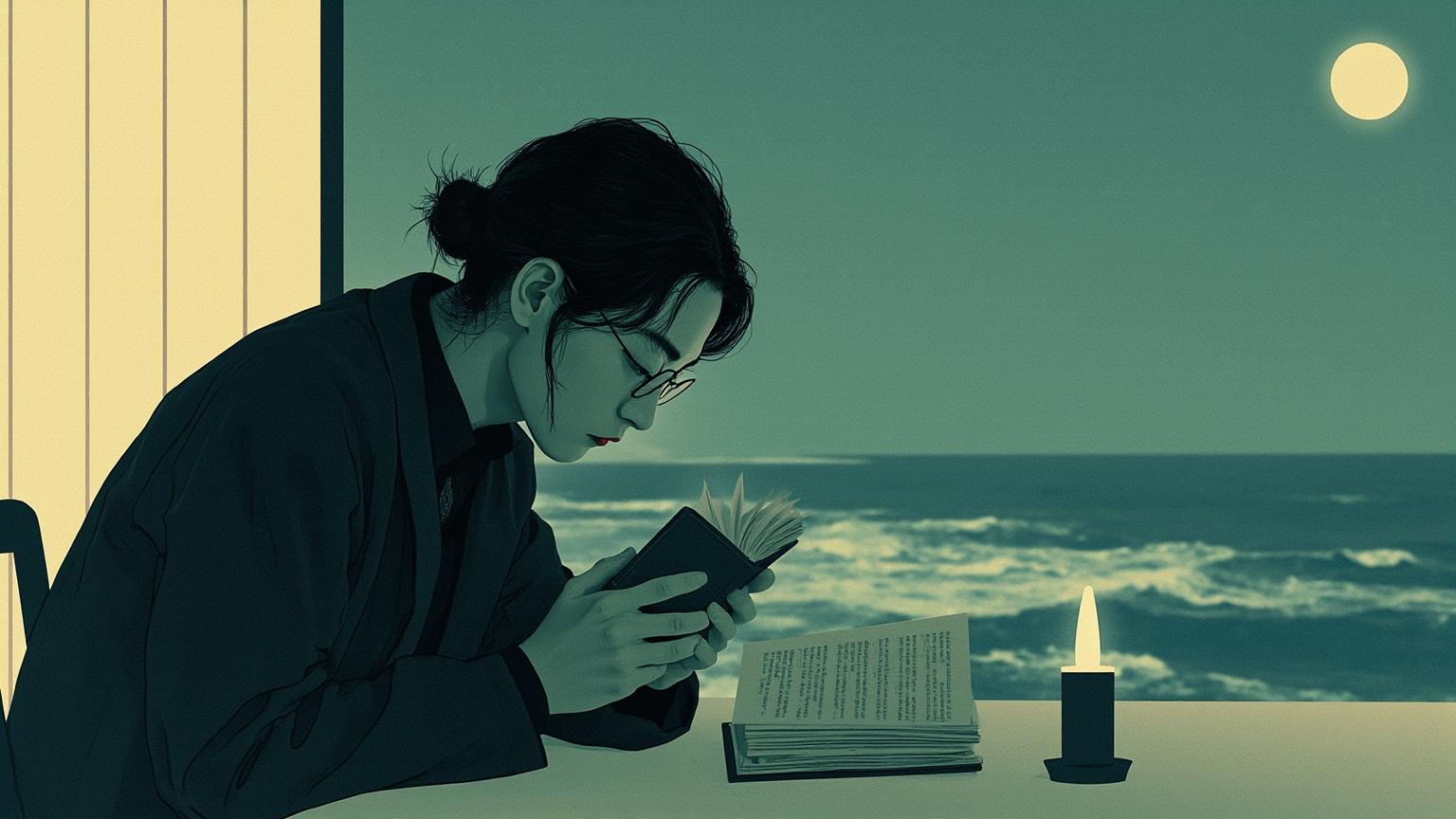
Alone at night, he reads Wordsworth and Heine over and over, then falls into violent masturbation, and afterward into an even more violent bout of self-judgment — I'm a sinner, I'm destroying myself. The two forces slug it out inside the same body, again and again.
What to notice: Yu Dafu sets poetry and sex side by side — poetry is salvation, sex is ruin, and every turn from one to the other is a self-inflicted execution. This is the book's most shocking move, and the one most easily misread.
Step three: watching her bathe.
The hole in the paper screen door is a guilt he leaves for himself. Through it he sees what he shouldn't. Afterward, afraid of being caught, he flees to a wilder, more remote stretch of hills — but it isn't the landlord he's really afraid of. It's his own desire.
This is Yu Dafu's sharpest cut: he never writes the landlord's daughter's reaction. Outside his own head, the incident doesn't exist at all. The whole thing spins in one man's mind alone.
Step four: the lovers in the field.
Fleeing to the hills brings no peace. He stumbles on a young couple meeting secretly in the fields, and watching them lights up desire and self-loathing at the same moment. He feels filthier, more ruined, more beyond saving than ever.
By this step, his inner logic has locked shut for good: every brush with desire only pushes the guilt one notch higher.
ImaRead3
Step five: the brothel, and the fatal blow.
In despair he walks into a tavern by the sea to drink his misery down. Drink gives him the nerve, and he propositions the Japanese waitress.
She asks, offhand — you're a Chinaman, aren't you? Nothing more. Not an insult, not contempt. Just a casual confirmation.
He bolts out of the tavern and walks straight for the sea.
This is the coldest cut in the whole book: the waitress probably meant nothing by it, but for a man who has already made the word Chinaman the floor of his own identity, that one line lands harder than any curse could. She has only said out loud the name he's already called himself, in his head, a thousand times a day.
The ending: he walks into the sea.
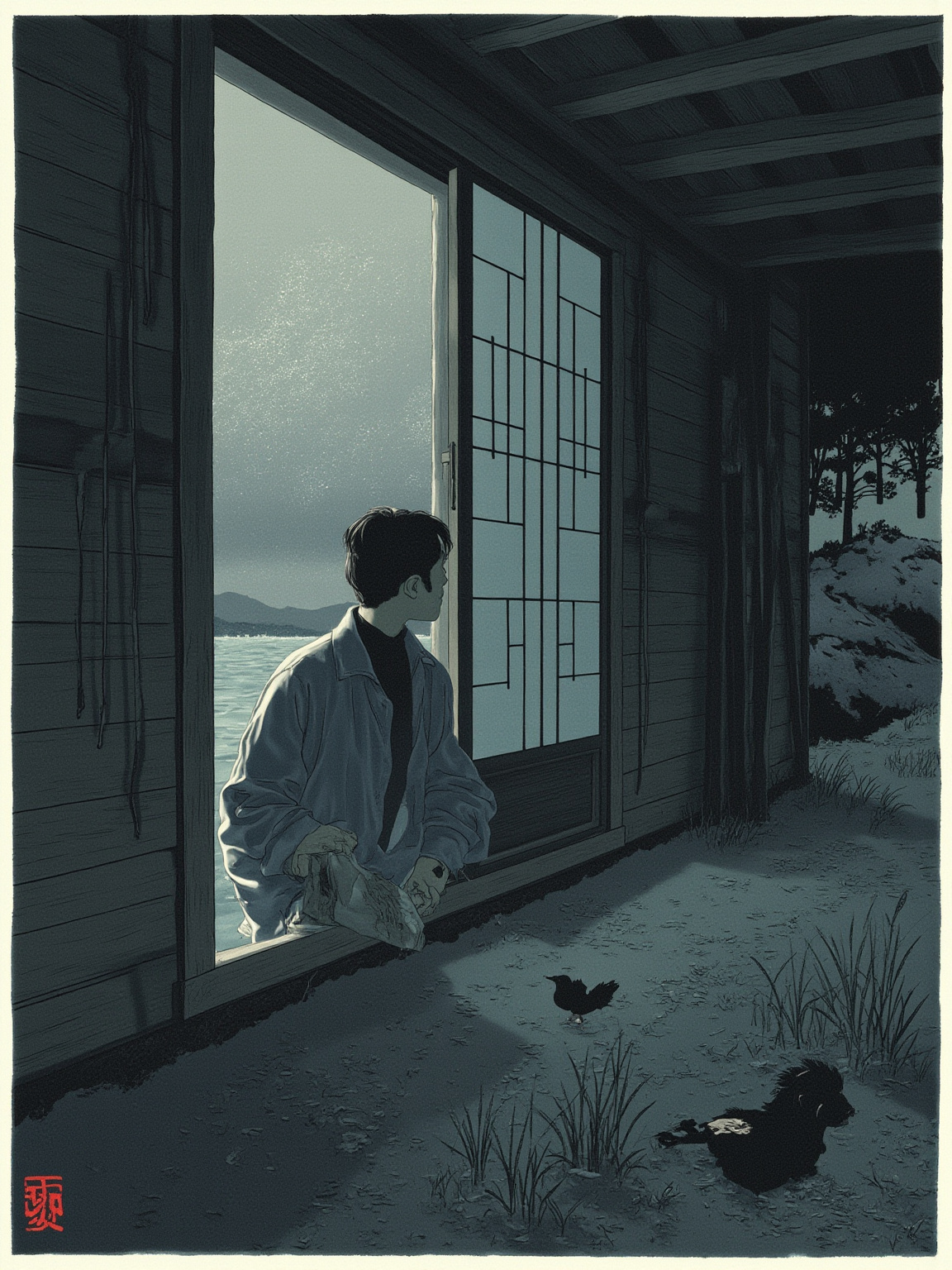
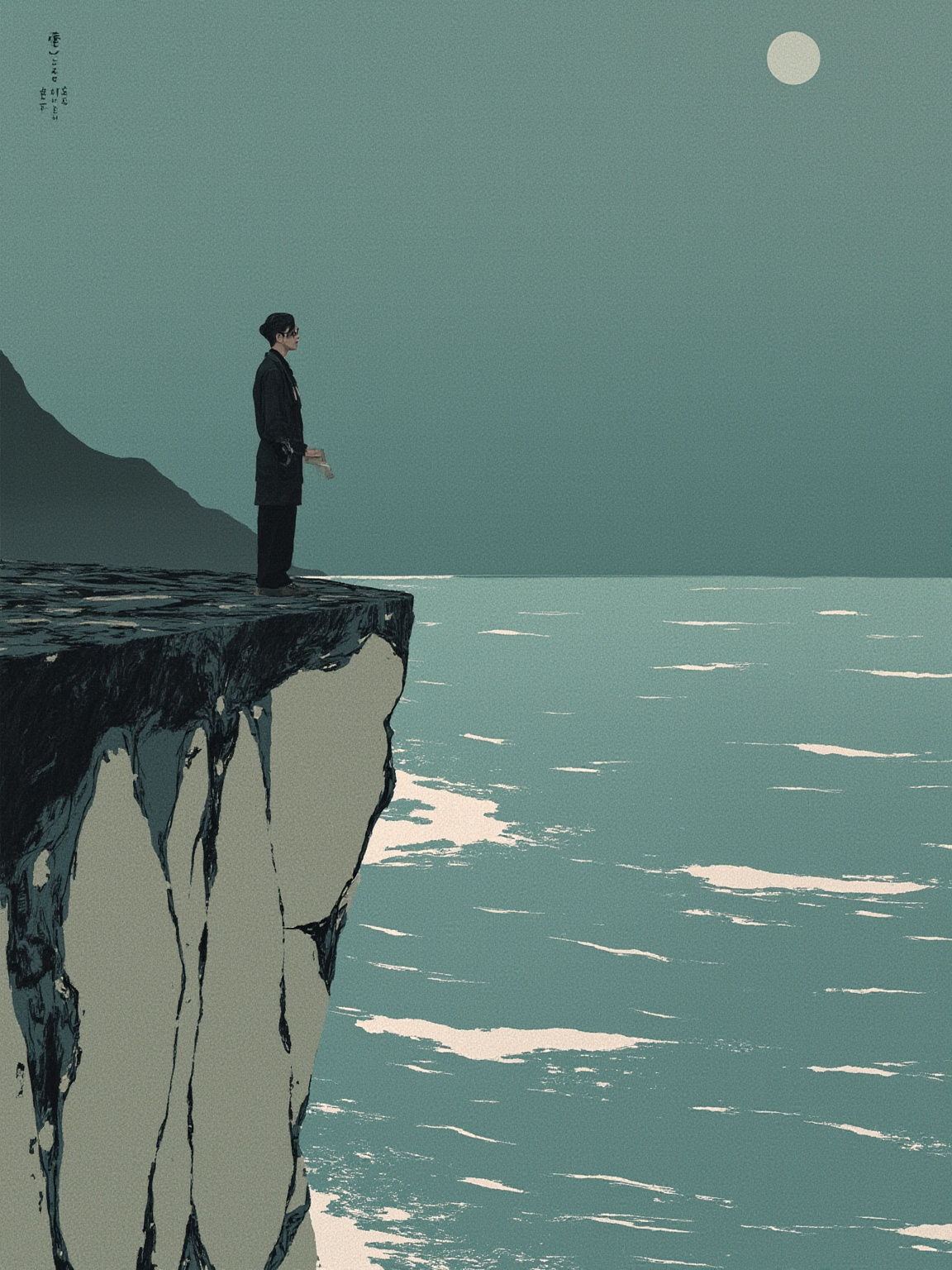
Not poison, not a rope — he walks alone to a cliff over the water, onto a beach in the dark, and drowns himself in the middle of a monologue that fuses rage and despair.
His last cry — my country, oh my country! My death is your fault! ... Grow rich, grow strong! You still have so many children out there suffering! — is the most painful line in the book, and the most misread.
Many readers hear it as a patriot's dying testimony. What Yu Dafu is actually writing is the opposite: this is displaced blame. A man crushed flat by his own desire and his own guilt translates I destroyed myself into you did this to me, in the last moment before he dies — welding a private breakdown onto the fate of a poor, weak nation.
That weld is the real reason this book became a classic.
Theme and Craft: What Is It Actually Saying
ImaRead4
What matters more on the craft side is the genre he founded: the autobiographical lyrical novella, told in a near-confessional first person that pours out his own sickness, desire, and humiliation all at once. Lu Xun's Diary of a Madman is cold; Yu Dafu's Sinking is scalding. Between them, these two temperatures went on to define the two moods of modern Chinese vernacular fiction.
You Know the Plot Now. Here's Why You Should Still Read the Original
A companion guide can tell you how the five steps fall, but it can't give you two things.
The first is the body of it. Yu Dafu's sentences carry heat and fluid — the choking feeling of self-disgust closing around your throat right after the act, the tightening in his own pupils the instant he hears water on the other side of the paper door. The prose itself is shaped like a heartbeat. Paraphrase it and it dies.
The second is the particular stare of first-person monologue. Reading a summary, you watch him from outside. Reading the original, you have no choice but to be him. The way he looks at his own eyes, the tone he uses talking to himself — that's the real fire burning through this book.
And that's exactly the inheritance Yu Dafu's generation left to the Chinese literature that came after: you can lay your ugliest parts bare for the reader, without flinching, without performing.
He translates I destroyed myself into you did this to me — and that one translation is why this book hasn't gone cold in a hundred years.