South: The Story of Shackleton's Last Expedition, 1914–1917 · Companion Guide
南:沙克尔顿最后的探险 1914–1917
横越南极的目标全盘落空,二十八人却一个不少地活着回来——一个把奇迹拆成日程、把英雄拆成值夜的故事。
The Ice Crushes the Ship First
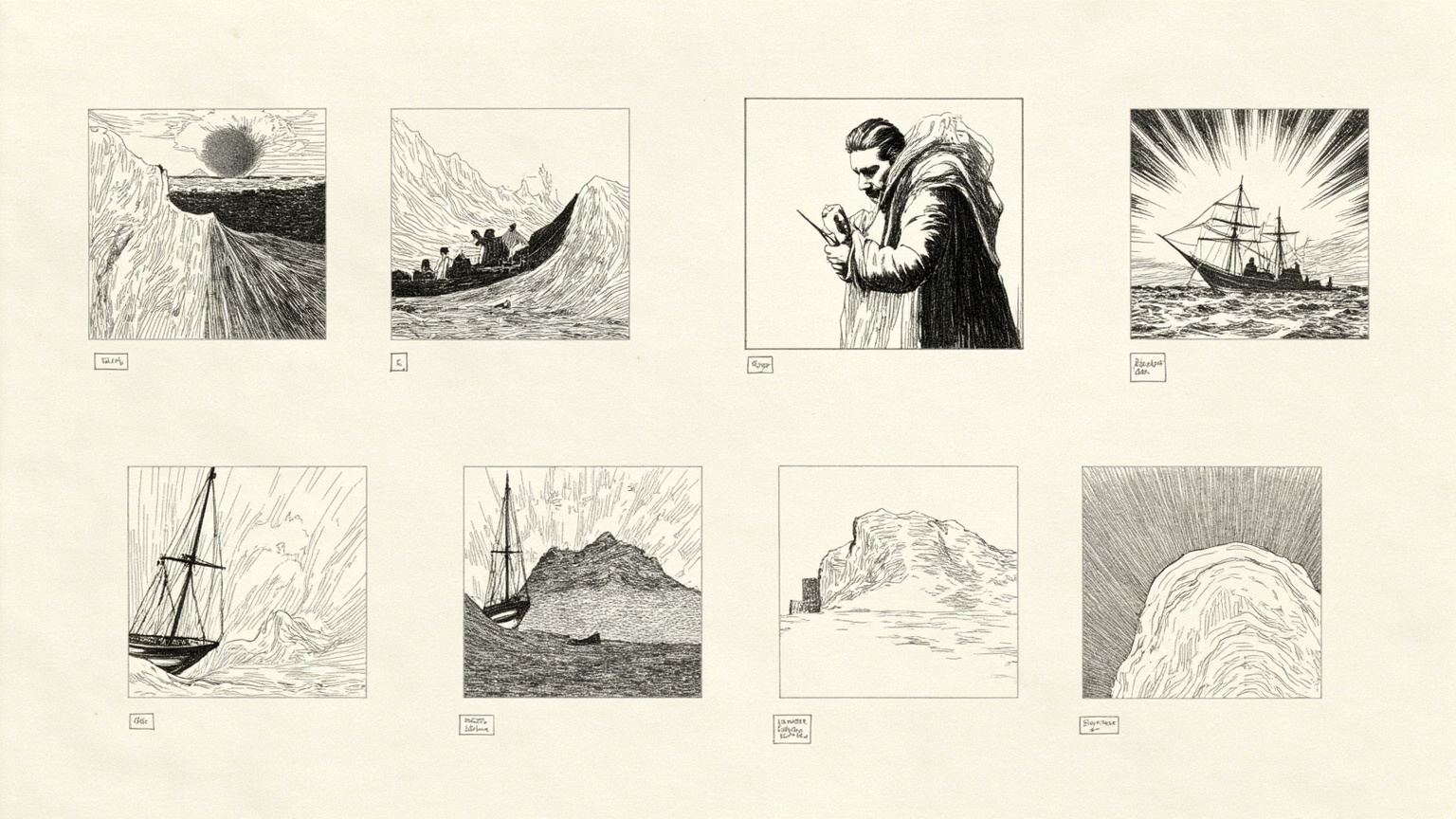
A vast sheet of ice is slowly crushing the Endurance. This is not the shipwreck you expect from an adventure story. Trapped in the pack ice of the Weddell Sea, the ship drifted for nearly nine months. The crew moved with the ice, unable to reach land, with no help coming from outside. On October 27, 1915, the hull finally gave way. Shackleton doesn't linger on the moment. He shows the reader only what has to be dealt with right now: gear, rations, the lifeboats, and where to go next.
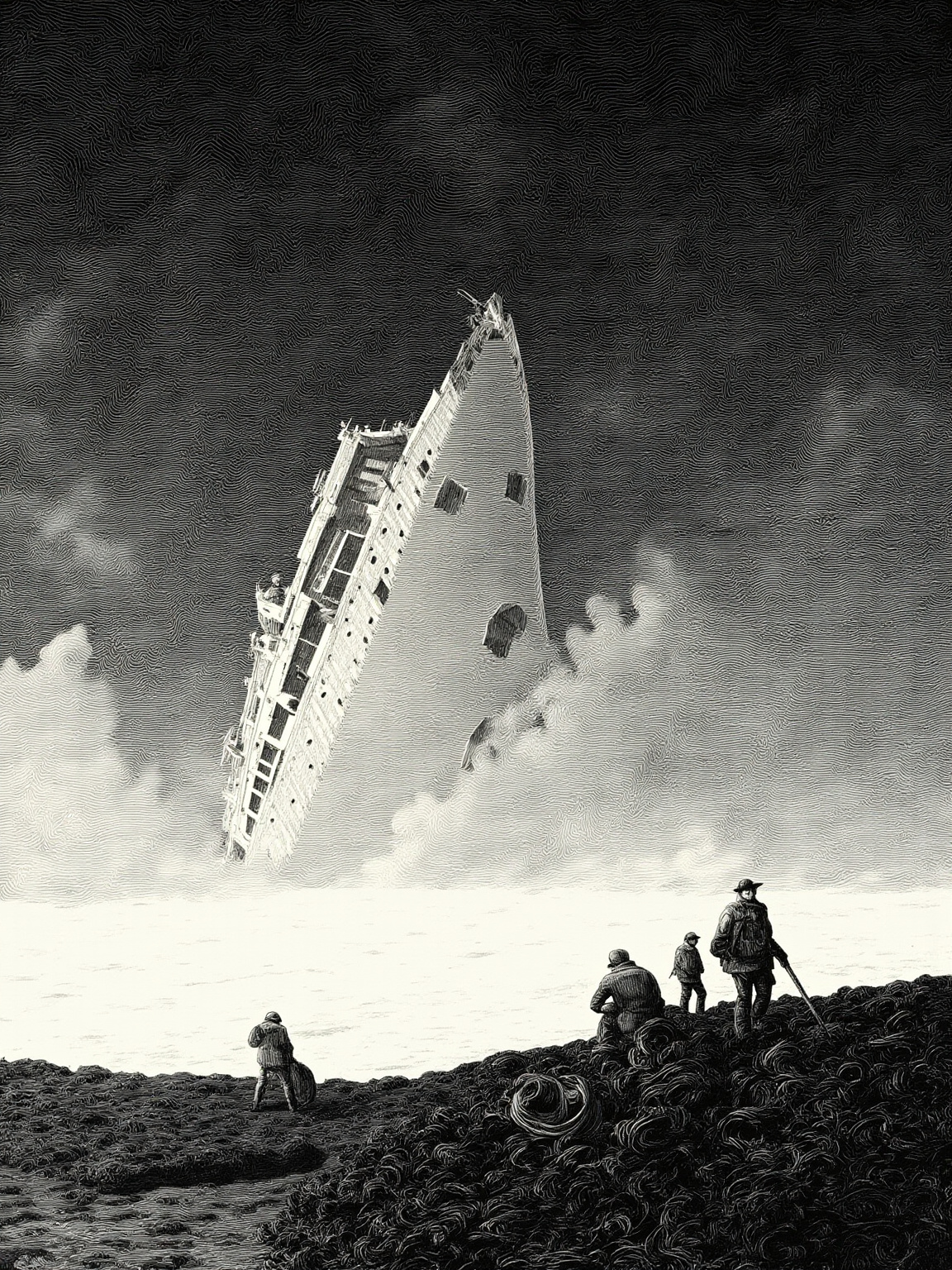
She was crushed, and the floes closed over her, and the long drift began.
她被挤碎了,浮冰在她上方合拢,长久的漂流就这样开始。
金句 · 序篇 · 坚忍号被困于威德尔海
What Kind of Book Is This
South: The Endurance Expedition, published in 1919, was written by Sir Ernest Henry Shackleton, who led the expedition and narrates most of the book himself. It tells the story of an attempt to cross the Antarctic continent that failed outright: the ship was destroyed, three men of the Ross Sea party died, and the crossing itself never happened. And yet all twenty-eight men of the main party came home alive. That combination is why the book has lasted.
It is both a firsthand account of the expedition and a long testimony about leading people out of danger alive. Shackleton doesn't dress the failure up as success. He lets the reader sit with the plain fact of it: the map failed, but the headcount didn't.
The book's sharpest contrast: every geographic goal failed, and not a single man was lost.
Who Was Trapped in the White Wilderness
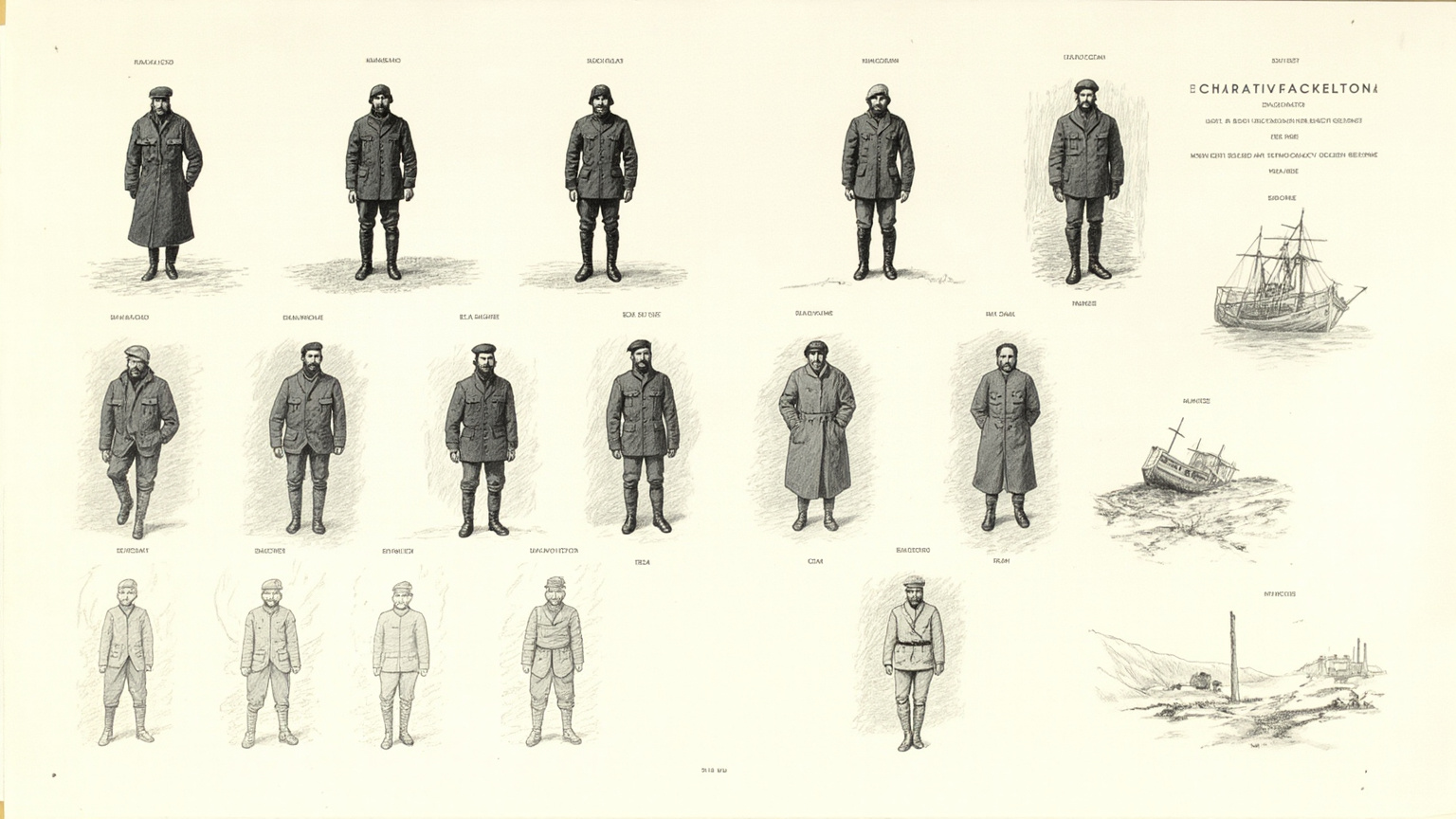
Shackleton wanted to be the first person to cross the Antarctic continent: land from the Weddell Sea, pass over the South Pole, and meet another party coming from the Ross Sea side. The plan needed both ends moving at once. The main party of twenty-eight sailed on the Endurance; the Ross Sea party, led by Aeneas Mackintosh, took the Aurora out to lay the supply depots the crossing would depend on. Two men deserve to be named on their own. One is Frank Hurley, the expedition's photographer, who went back into the freezing, half-sunk ship to save his film and about a hundred and fifty glass negatives. The other is Frank Worsley, the captain, who used a sextant and a chronometer to hold the lifeboat's course through heavy seas.
None of them are written as fearless heroes. What keeps recurring in the book is watch schedules, roll calls, ration counts, weather judgments. The polar cold flattens emotion and leaves only the work that has to get done each day. Discipline here isn't a slogan. It is the specific set of actions that kept people alive.
From the Wreck to Elephant Island
After the Endurance went down, the men dragged three lifeboats across the drifting pack ice. Open water was rare. Most days meant hauling the boats between floes, moving supplies, and waiting for the ice edge to appear. Shackleton broke the long wait into daily tasks that could actually be done: food measured out in rations, the party moving on a schedule, every man knowing exactly where he was supposed to be. The writing keeps that same cold, level register throughout. The book doesn't rush to make the reader feel something. It records the weather, the distance covered, the supplies on hand, and the next move. But it's exactly this flat record-keeping that makes clear how they got through it — not on willpower alone.
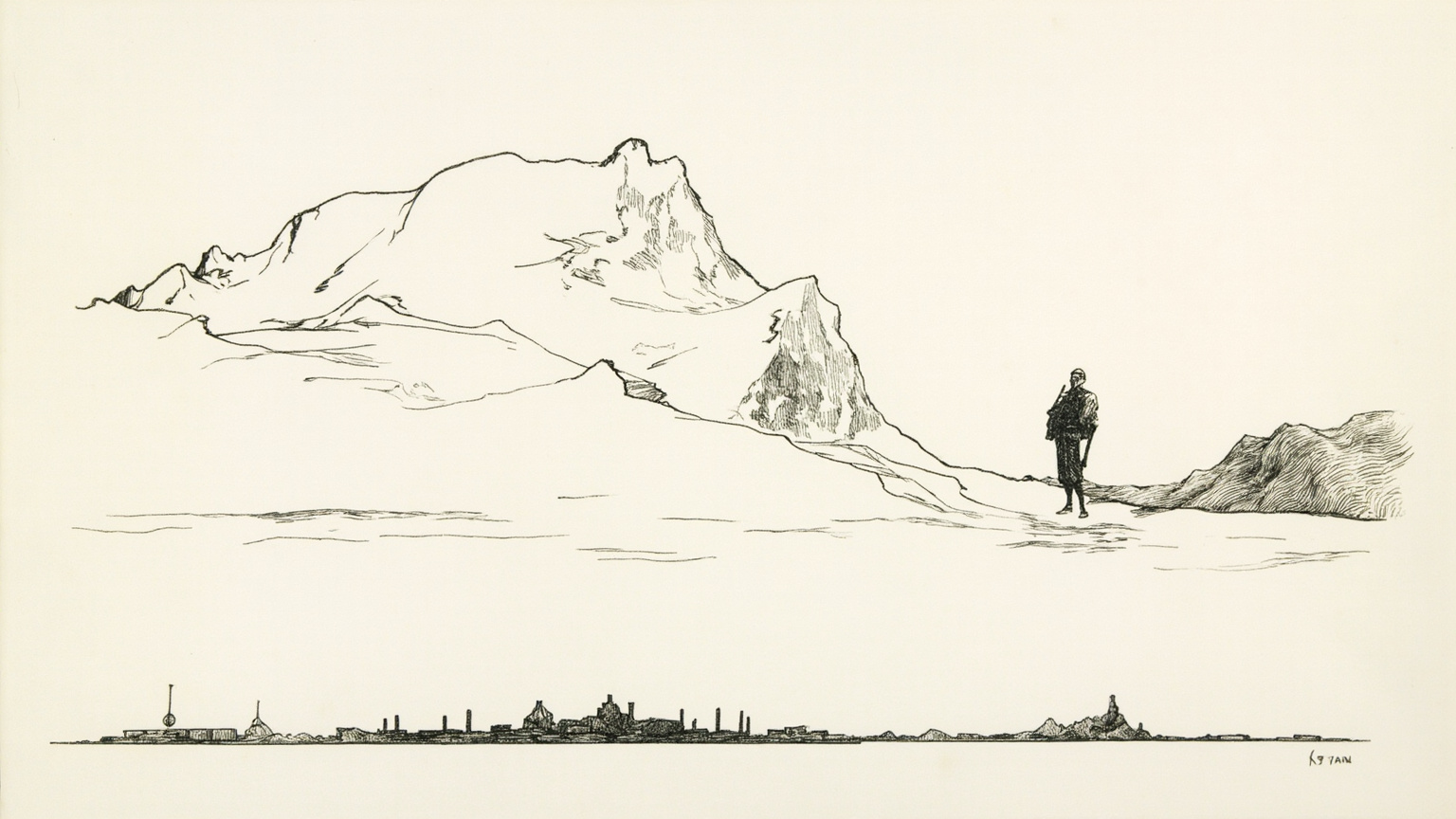
On April 9, 1916, the party finally reached the ice edge and put the three boats to sea. On April 15 they landed on the black shingle beach of Elephant Island. Elephant Island was not a destination, only a place to stand for a while. Shackleton decided to take five men and go for help; the other twenty-two would stay on that bare shore, waiting for word that might never come.
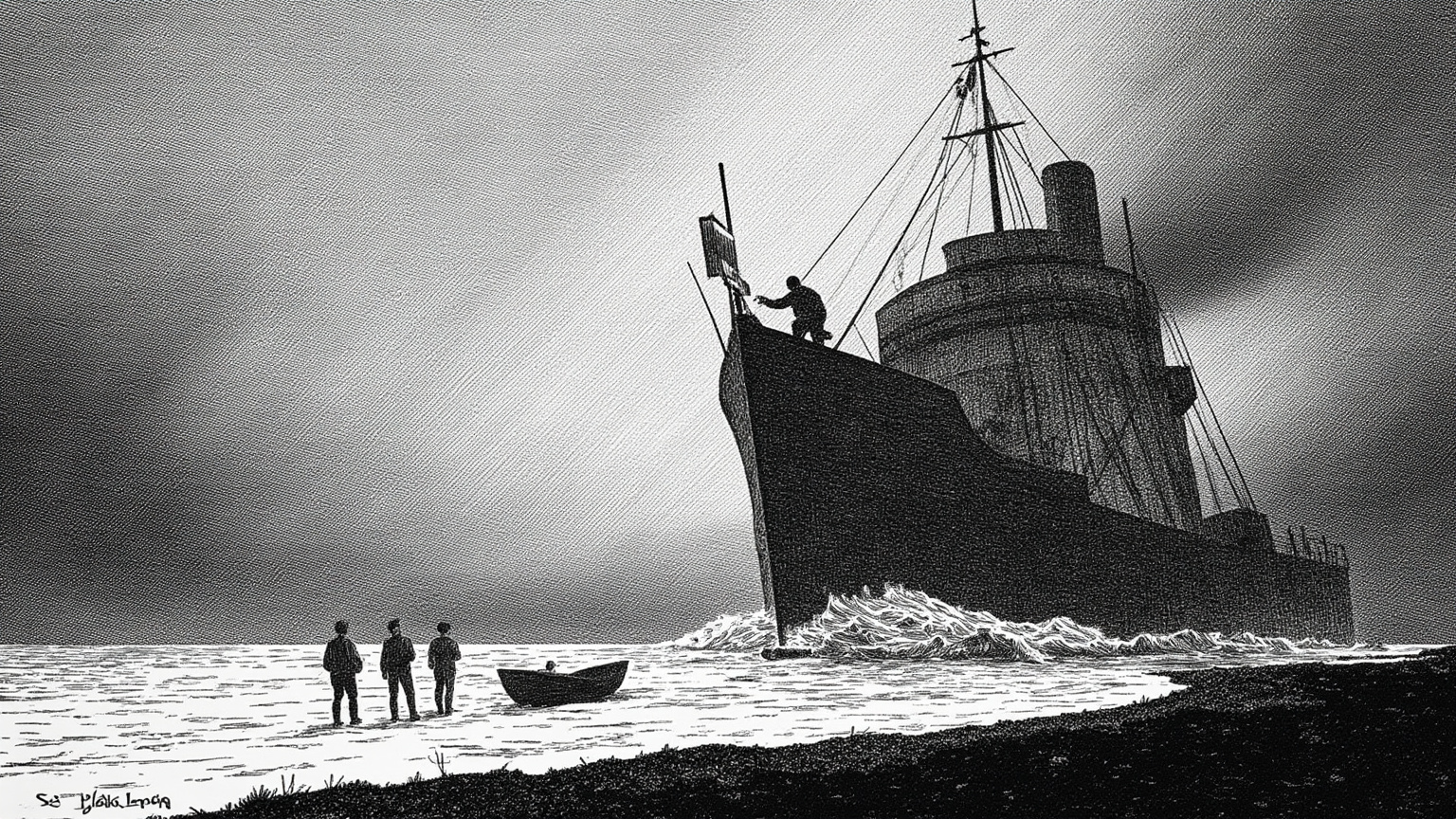
We had reached a beach of black volcanic pebbles, a hopeless-looking coast.
我们终于到了一片黑色火山卵石的滩,一片看上去毫无指望的海岸。
金句 · 第三章 · 登陆象岛
The boat was named the James Caird. Six men had to cover roughly eight hundred miles of Southern Ocean, with waves, ice, and cold coming at them all at once. Worsley kept taking sightings with the sextant and chronometer, while Shackleton had to decide when to row and when to wait. The most dangerous part of that crossing wasn't the distance. It was having to hold a true course while also just trying to survive it. On May 10 they made landfall at Cape Rosa, on the south coast of South Georgia. The book stops exactly where it should: making landfall was not the same as being saved. The whaling station was still on the other side of the island.
Over the Mountains, to Ask for Help
Shackleton and two men crossed the uncharted Allardyce Range. What waited on the other side wasn't a town — it was more unfamiliar terrain on South Georgia's south coast. On May 20 they finally reached the whaling station at Grytviken. Here the captain did something entirely practical: he went around to the other side of the island first, to collect the three men left on the south coast, before organizing the rescue of Elephant Island. The narrative doesn't stage the reunion as the emotional peak. The rescue itself is the next hard problem.
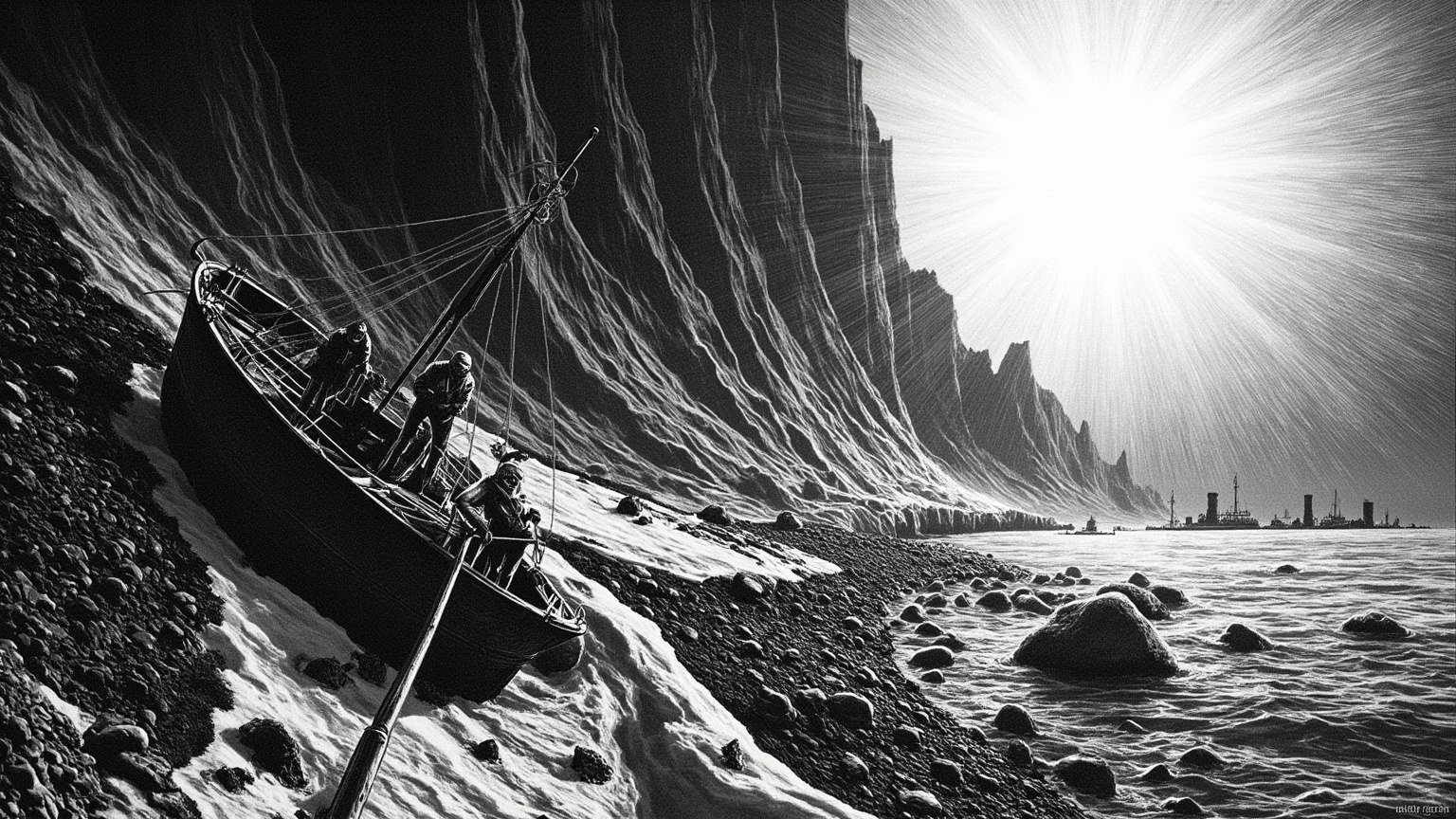
In the end we reached the whaling station at Grytviken, worn and frost-bitten and hungry, but alive.
到最后,我们终于到了格吕特维肯的捕鲸站,又累、又冻、又饿,却还活着。
金句 · 第四章 · 翻越阿拉迪斯山脊之后
The rescue attempts failed four times in a row. Each departure carried hope; each return pushed the timeline further back. The twenty-two men on Elephant Island were still waiting, and winter had settled over Antarctica. Those failures show exactly where Shackleton stood: no guarantees, no miracle, only the option of changing ships, changing routes, and trying again.
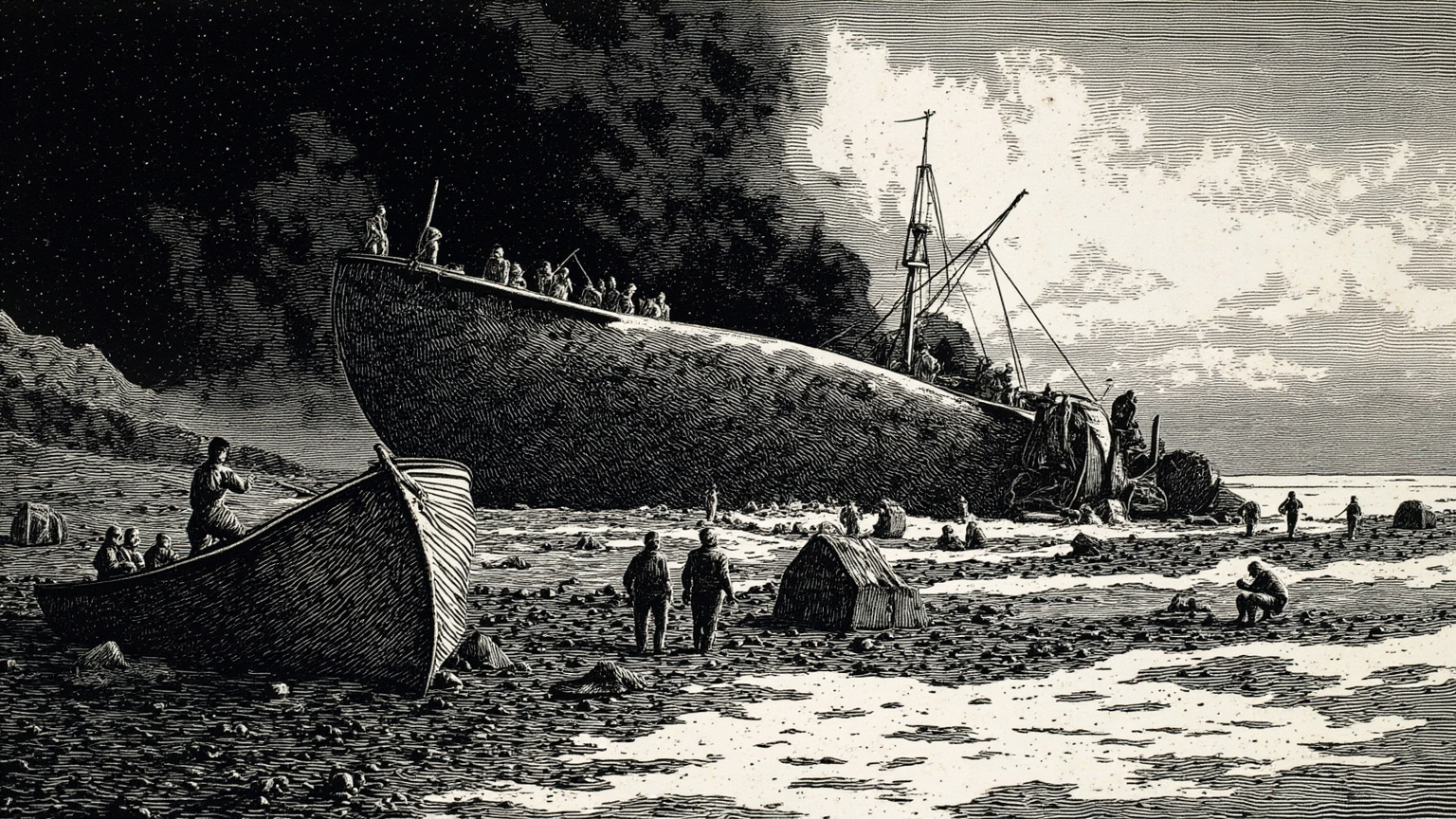
Again we had failed, and the long vigil on Elephant Island must go on.
我们又失败了,象岛上那漫长的等待还得继续下去。
金句 · 第五章 · 救援屡次受挫
Then the Chilean naval tug Yelcho appeared. On August 30, 1916, it pushed through to Elephant Island in the middle of the Antarctic winter and took off all twenty-two men. Not one man of the main party was lost. That sentence needs finishing properly: the Ross Sea party did not get the same ending. The pack ice carried off the Aurora, three men died — to the ice and a fall — and the survivors still pushed on to finish laying the main depot, holding out until they were rescued in January 1917. The main party's clean survival doesn't erase what the other route cost.

At last, after nearly four months of waiting, the relief ship broke through the winter ice, and every man was saved.
等了将近四个月之后,那艘救援船终于冲破了冬天的冰,每一个活着的人都得救了。
金句 · 第六章 · 叶尔乔号突入象岛
Why Failure Became Legend
The book's power comes from its refusal to rewrite failure as some other kind of success. The crossing never happened. The ship was lost. Three men of the Ross Sea party died. And yet it delivers a different outcome: in a place where rescue seemed nearly impossible, the leader kept the rations, the night watches, the routes, and the division of labor running day after day, and the main party lost no one. This isn't a story about reaching some grander destination. What actually survives is how a group of people got through days that looked impossible to get through, together.
Shackleton's restraint is what gives the book its force. Hurley's photographs became part of how the expedition is remembered. When the book came out in 1919, Shackleton toured with Hurley's film footage and lantern slides, giving lectures. The photographs, the negatives, the prose, and the live screenings fill each other in, so the reader sees not just ice but an entire preserved record of how people stayed alive.
That's why the book keeps turning up in discussions of polar exploration, leadership, and crisis decision-making. Business schools focus on how people cooperated under extreme conditions. Literary readers notice something else: the author breaks the miracle down into a record, and the hero down into a schedule. Twenty-eight men coming home alive is the result. What actually held that result up were the rules nobody announced out loud, carried out every single day.
Read the Guide, Then Read the Book
A guide can tell you the route, the ship's name, the ending. It can't give you the physical sense that's in the book itself: the sound the timbers make as the ice grinds against the hull, the boat correcting its course again and again through the waves, the men watching their rations shrink and turning what's next into something small enough to actually do. The first time I read this, what stayed with me wasn't whether they reached the Pole. It was how one man kept making decisions while everyone around him was afraid. If all you remember is the legend of everyone coming home alive, you'll miss what actually makes the book worth rereading: it shows you how calm, discipline, and looking out for each other turn into action, out on a wasteland so white it hurts to look at.
Art Direction4 plates
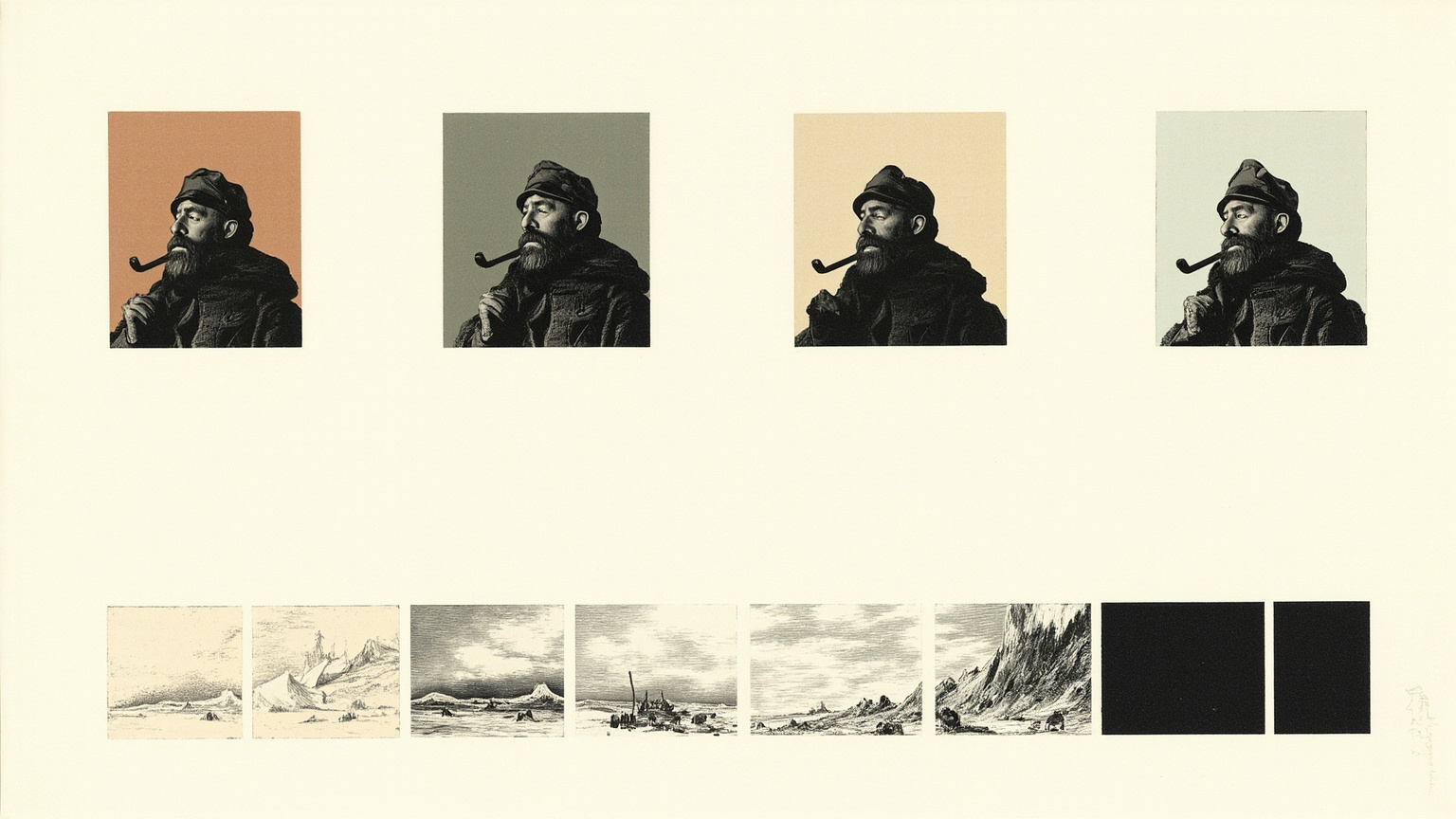
Before the guide was written, this book got a visual foundation — every illustration you just read grew out of it.