Story of a Blackcap / Storia di una Capinera · Companion Guide
黑顶莺的故事
西西里孤女被石墙与嫁妆账本合谋碾过,一只笼中黑顶莺唱尽她未能寄出的整个春天。
Opening
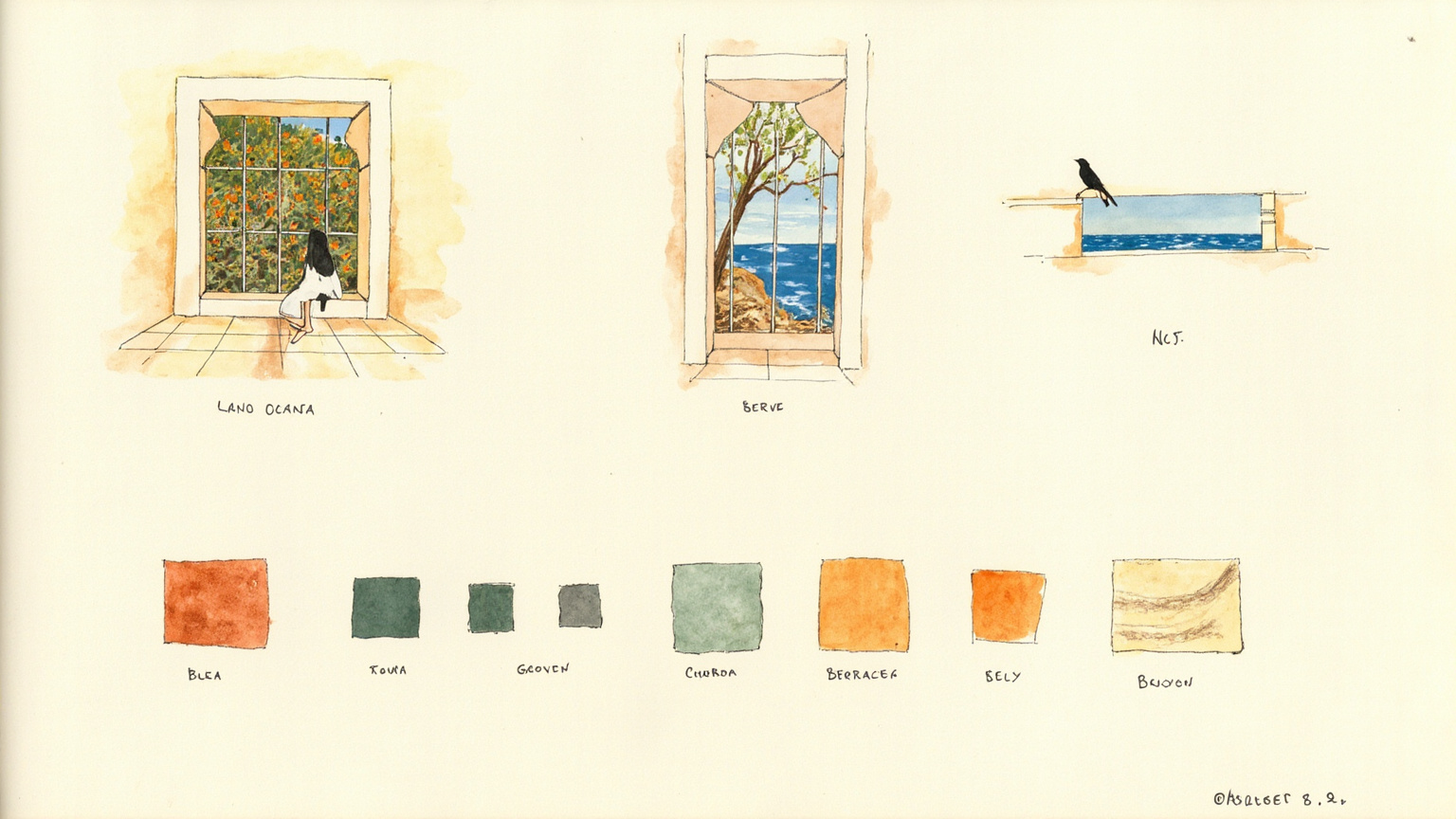
A small bird perches on a convent windowsill, black-capped, white-bellied, singing in a low warble. Outside the window: whitewashed walls and fig leaves, mid-nineteenth-century Sicily. Inside: an orphan not yet twenty. Her name is Maria. Her stepmother sent her behind these stone walls under the name of education — her father was dead, her half-sister at home was being fitted for a respectable dowry, and the elder daughter's claim on the estate needed to disappear quietly. The blackcap on the windowsill is the only comfort she has.
What Kind of Book Is This
Storia di una Capinera — The Story of a Blackcap — was published in Milan in 1871. Its author, Giovanni Verga, was in his early thirties, a native of Catania in Sicily. It is an early landmark of Italian verismo, the realist movement, written more than a decade before the mature novels of fishermen and peasants that Verga would later become known for. What sets this book apart is its form: a girl's own letters, first person, laying out how a nineteenth-century Sicilian middle-class family disposed of a daughter it had no use for — quietly, and with real cruelty.
Characters and World
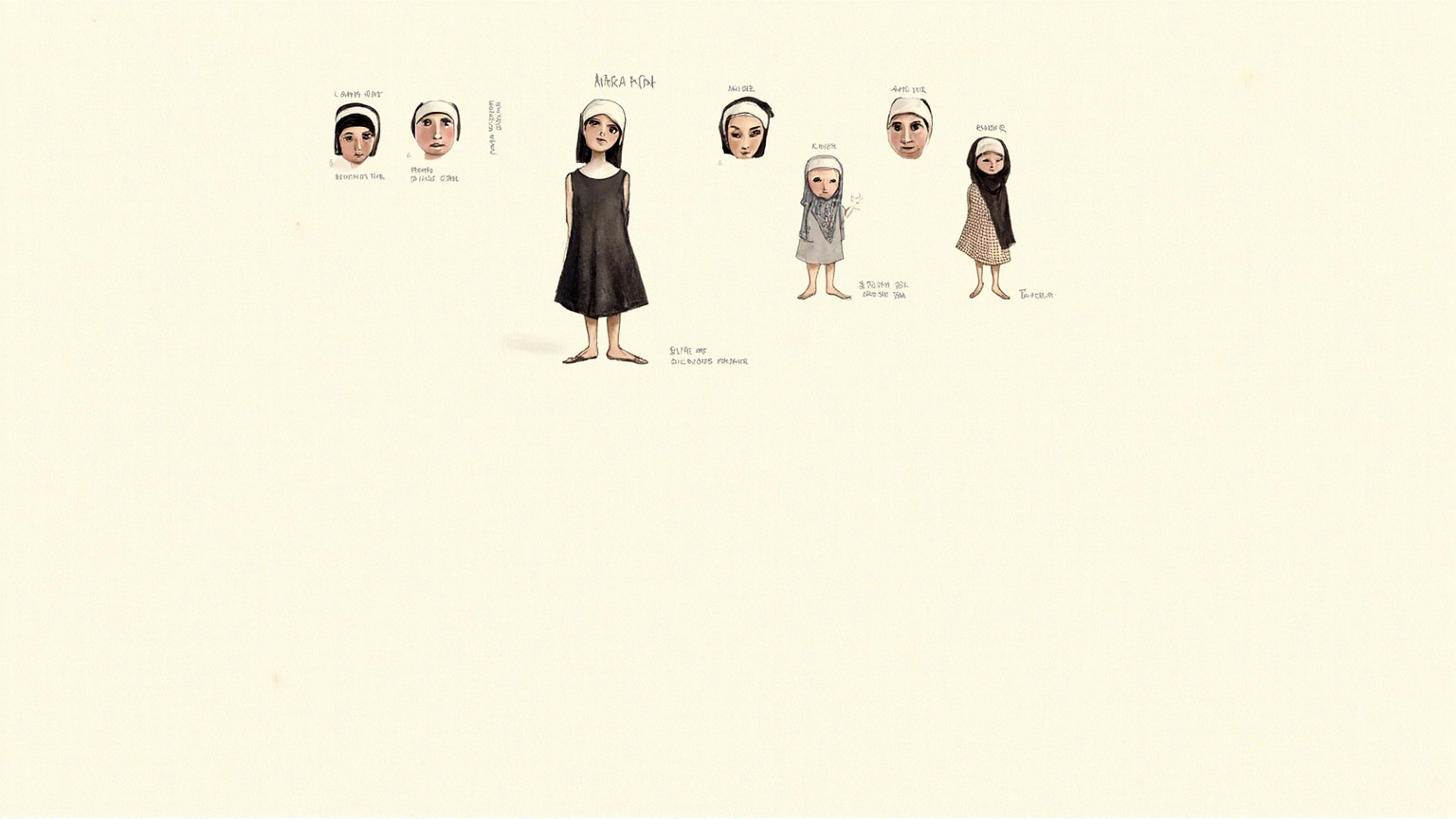
Maria is the narrator, writing under the pen name Nina. Devout, sensitive, in love with birds and music, she can read a score and play it. Once her father dies, her stepmother packs her off to the convent without a second thought. The stepmother is the book's real villain, though she doesn't look the part, just a calculating, middle-class woman following the going rule in southern Sicily: the elder daughter forfeits her share, the younger keeps the whole dowry. Her sister Agnese, guileless and genuinely fond of Maria, has no power to stand up to their mother's plan. Giuditta is a noble girl Maria's own age, met at the country villa, warm and well brought up, a fine pianist, the first window Maria gets onto a world outside the convent. The young man is Giuditta's brother or cousin, Maria's brief, unspoken first love. The book's physical world splits in two: the convent's stone walls in Catania in the first half, then the country villas, orange groves, olive orchards, and coastal highlands of eastern Sicily during the cholera outbreak of 1857.
How the Story Unfolds
1. The Convent's Iron Window and the Blackcap
When her father dies, Maria's world narrows overnight. Her stepmother sends her to the convent in Catania with perfect courtesy, calling it an education; the ledger behind that word is tidier still. If the elder daughter stays home, she will eventually claim half her sister's dowry. If she takes vows, or simply never marries, her share drops to nothing. The mother superior embodies the other machine at work here, cold, convinced that shutting a girl in is good for her soul. Maria learns obedience in the cloister walk, the confessional, between one stone wall and the next, and her only outlet is a blackcap on the windowsill, a real European songbird, black-capped, white-bellied, its call a soft warble. She feeds it breadcrumbs, listens to it sing, mentions it again and again in her letters to her sister. Verga's restraint here is total. He never lets Maria protest; he only lets her describe the light outside, the bells, the birdsong, and buries all the pain behind those ordinary details.
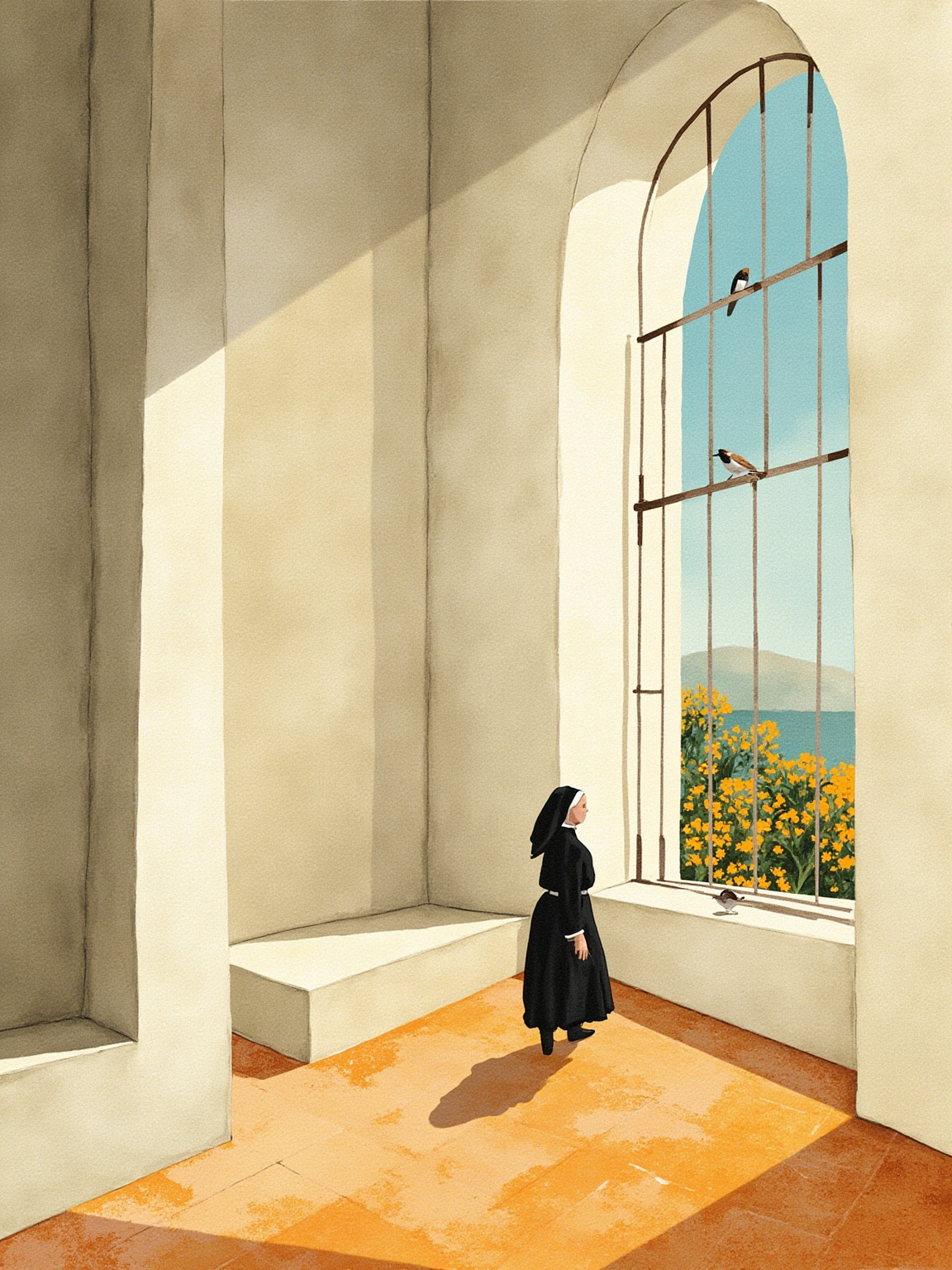
I felt as though I had been buried alive, behind those thick walls where the light of day itself seemed to die.
我仿佛被活活埋葬了——在那堵厚墙之后,连日光似乎都已死去。
金句 · 书信一 · 玛丽亚致亚革涅
2. Cholera, 1857: A Crack in the Stone Wall
In the summer of 1857, cholera actually broke out in eastern Sicily. It is the year the novel gives internally, and it is also a real historical outbreak. The convent doesn't dare keep the girls inside and evacuates them to villas the noble families keep in the Sicilian countryside. Maria moves in with Giuditta's family, into a white house set between orange groves and olive orchards. For the first time she stands on a real furrow of farmland, smells orange blossom, and watches people her own age laugh, argue, make noise, play piano, all under one roof.
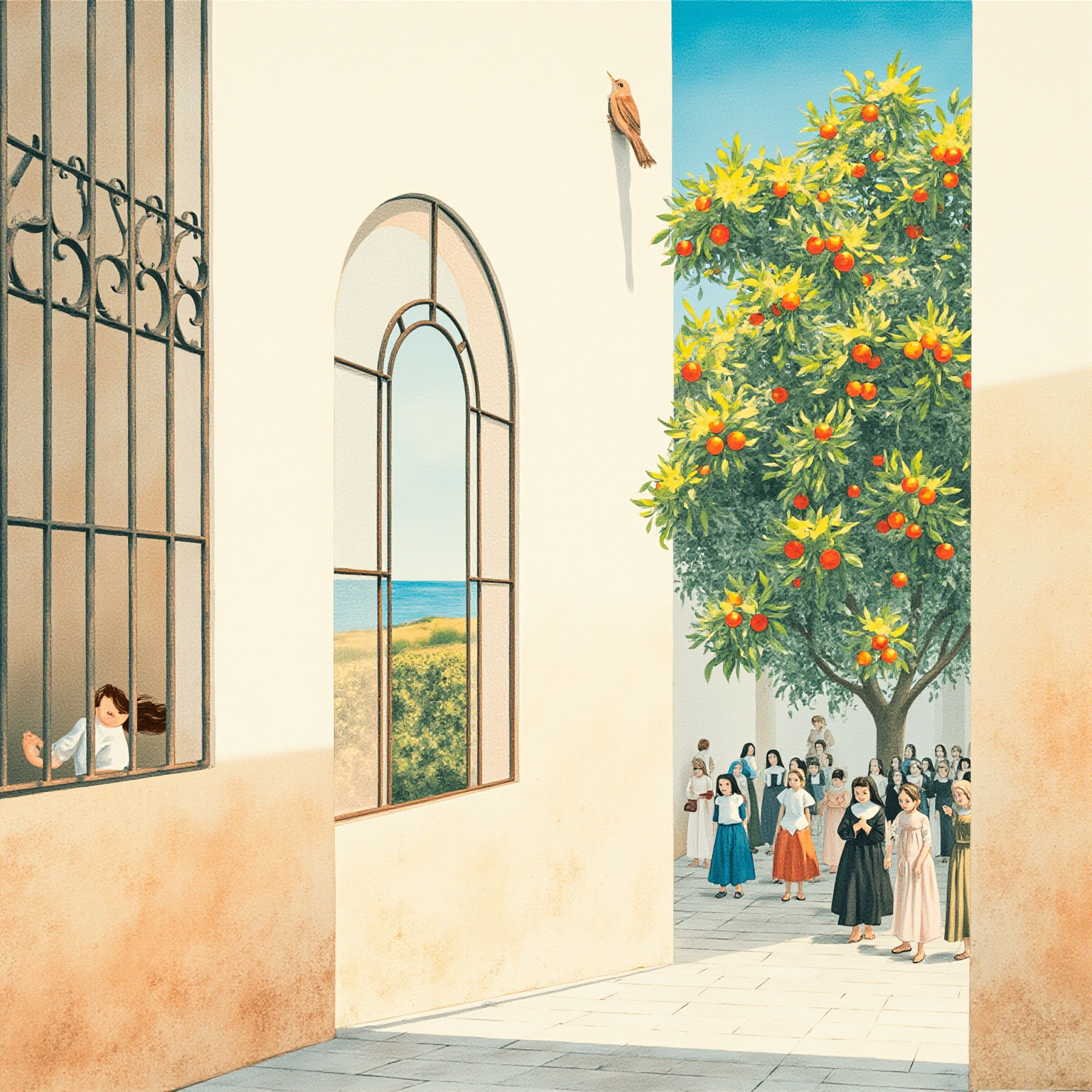
It seemed to me that I had never truly seen the sun before, nor felt the warmth of the earth beneath my feet.
我似乎从未真正看见过太阳,也从未感到脚下泥土的温热。
金句 · 乡间书信 · 初至别墅
The craft here is in what Verga withholds: he never lets Maria get excited. He writes her discovering that this is what sunlight feels like on skin, writes her reaching out to touch the fuzz on the underside of an orange leaf. That physical sense was the most basic thing the convent had taken from her, so when she gets it back, the reaction isn't rapture. It's a slow, slightly dazed sense of recognition.
3. The Piano, a Look, and a Feeling Never Spoken
Giuditta teaches Maria the local folk songs; in the garden they trade sheet music and read verses together. Maria plays piano well enough that the young man in the drawing room often stops to listen. He is Giuditta's brother or cousin, Sicilian country gentry, separated from a convent orphan by more than one wall of rank. The two never speak alone. They only catch each other's eye at a turn in the garden path, through a hallway's tall windows, across the terrace after dinner.
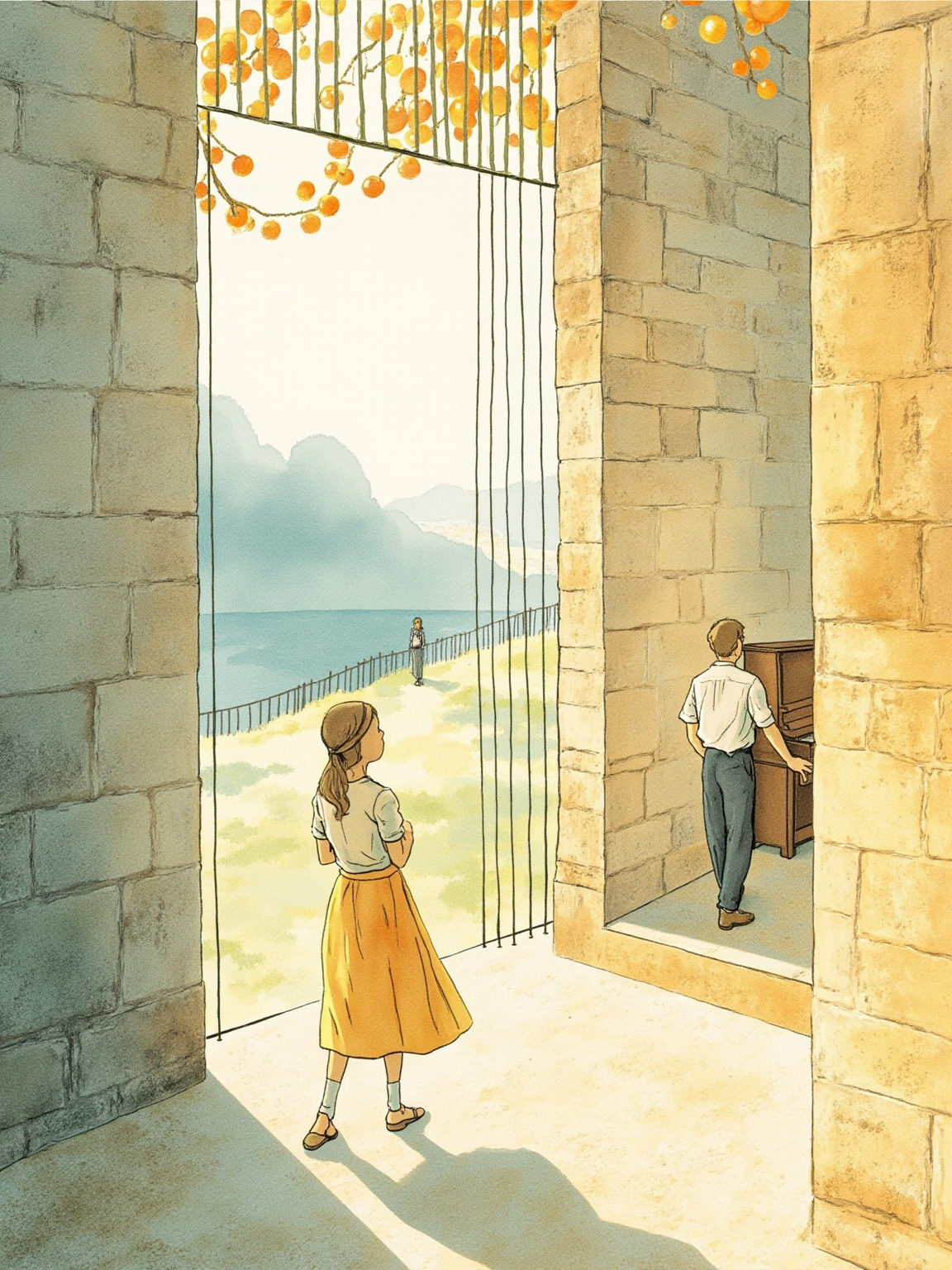
He passed me without a word, and I lowered my eyes; but my heart was beating so that I could hear it in the silence of the corridor.
他从我身旁走过,未发一言;我垂下眼睑,却听见自己的心在走廊的寂静里怦怦作响。
金句 · 乡间书信 · 走廊一瞥
The first time I read this passage, it stopped me too. Verga writes this girl's first stirring of feeling with total cleanness, nothing crosses a line. She knows exactly what she is: a convent orphan who is only a guest in this villa, and a guest's holiday ends the moment it's over. So she puts every flicker of feeling into the letters she writes her sister, into the diary she only dares open after dark. The most beautiful thing about this almost-romance is that it never happens — only glances, only piano music, only orange blossoms scattered across the garden path.
4. The Cholera Recedes, the Holiday Is Taken Back
The epidemic in eastern Sicily fades over the following months. Her stepmother's letter is colder than the cholera ever was: back to the convent immediately, the family's standing comes first, the younger daughter's marriage is being negotiated. Maria has no say in the matter. A carriage takes her back to Catania, her bags now holding a few pages written in the countryside, some pressed orange blossoms, a scrap of a tune she never finished playing. The orange groves outside her window, the white shirt on the garden path, the wind off the coastal highlands — all of it becomes something she can only remember now, and a memory she can tell no one.
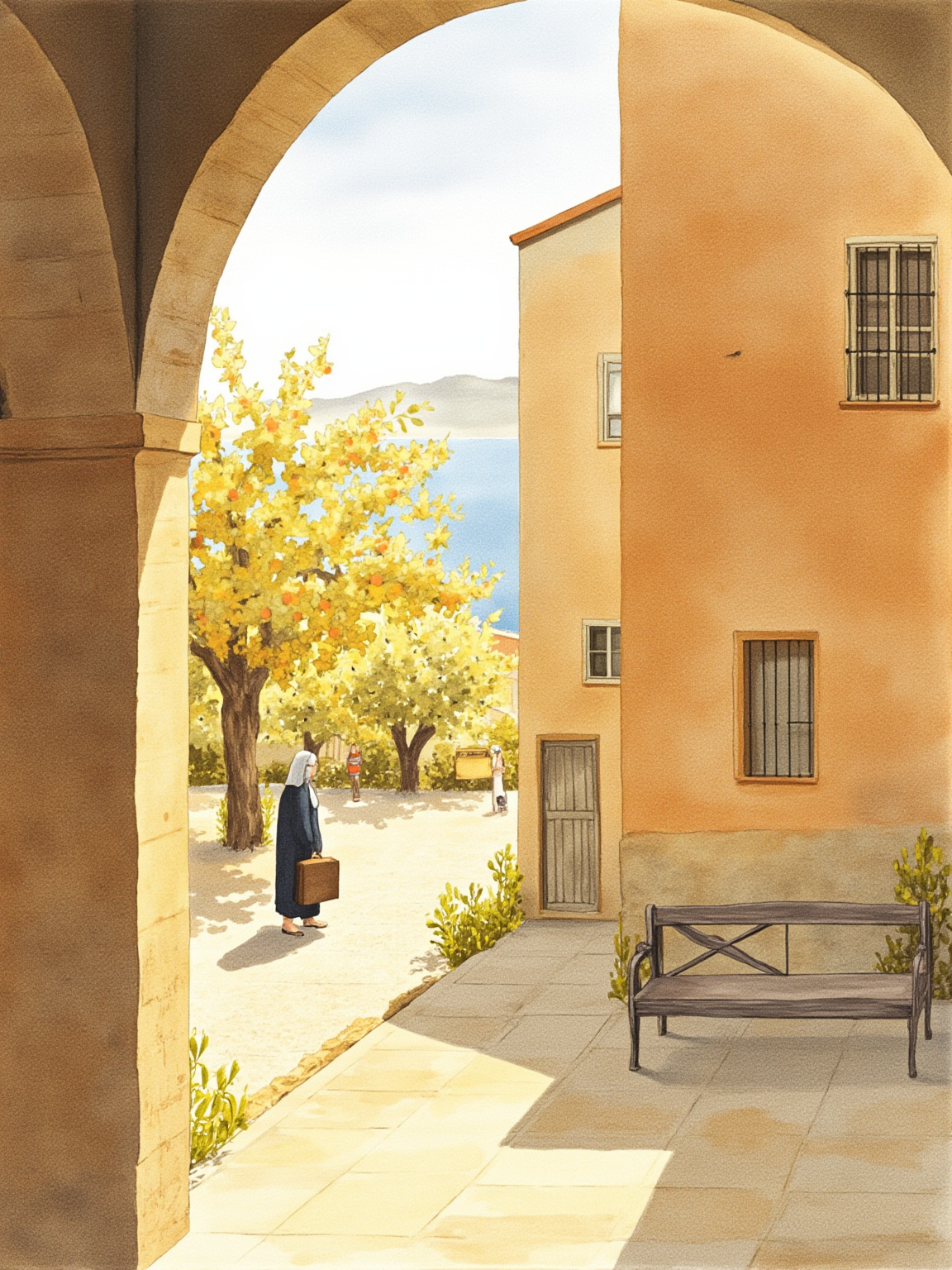
Today, while I was packing my trunk, I found I no longer had the heart even to weep.
今日收拾箱笼时,发觉自己连哭的力气都已没有了。
金句 · 乡间书信 · 启程前夕
Verga is merciless here in a very particular way. He never lets the stepmother rage to her face, never lets the mother superior scold her. He only lets Maria write, in a letter, that packing today, she found that even crying felt unnecessary. That one line does more damage than any outburst could.
5. Wasting Away Behind the Walls, the Blackcap Falls Silent
Back in the convent, Maria's temperament grows stranger by the day. She talks less and less, eats less and less, spends long stretches staring at the window. The mother superior first takes it for a girl's stubbornness, then starts to fear something worse: she can no longer reach whatever the girl is thinking. Maria's answers in the confessional start to sound recited, her eyes go emptier. At some point the blackcap on the windowsill stops singing. Maybe it flew off, maybe it died — the novel never says. It only tells us the windowsill is empty now.
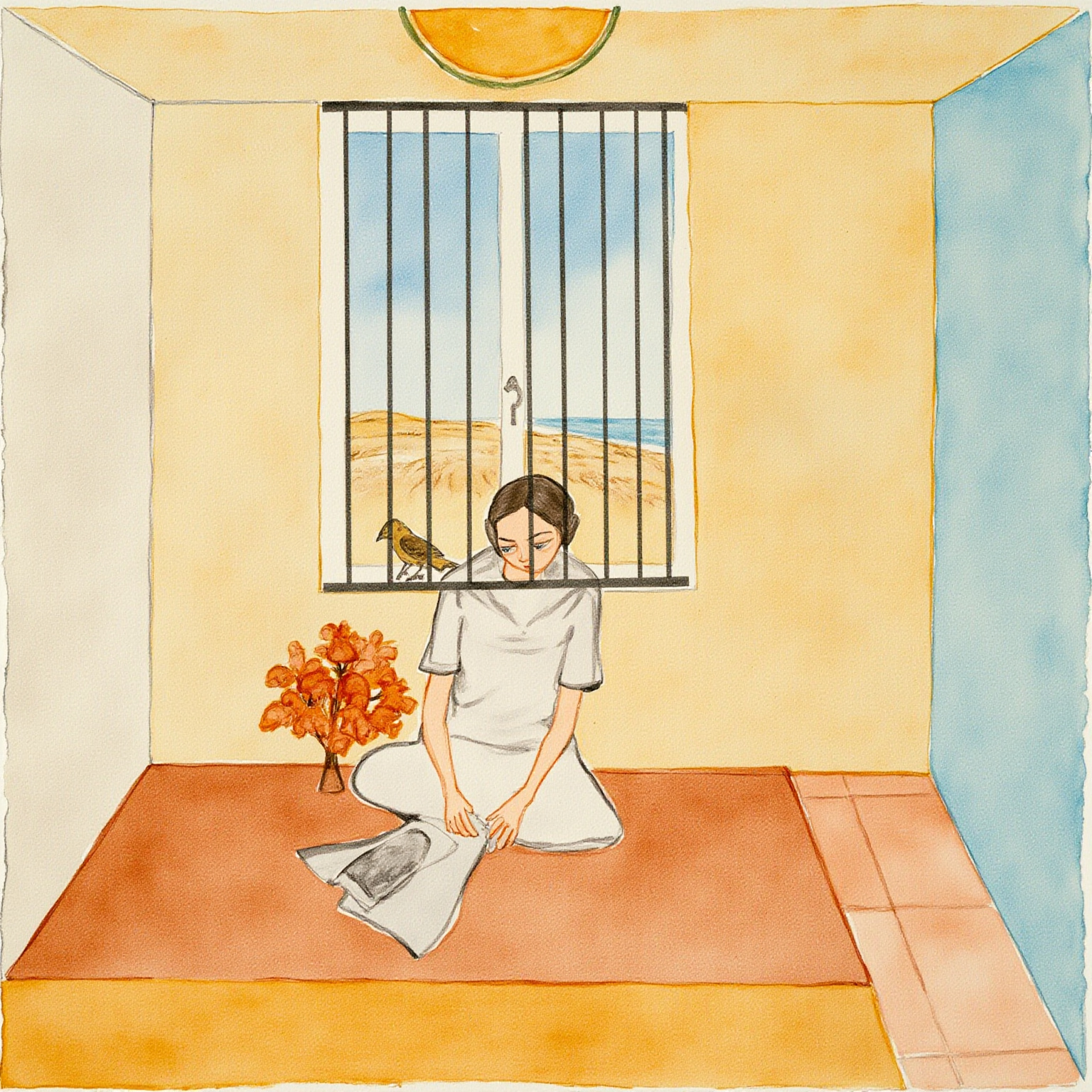
I could no longer tell whether it was the convent bell I heard, or some other voice calling from beyond the walls.
我已分不清听见的是修道院的钟声,还是墙外某一种在唤我的声音。
金句 · 回院后书信 · 神志恍惚
Verga doesn't stage her breakdown for drama. No screaming, nothing thrown. There is only one line: she can no longer tell the convent bells from the sounds of the world outside. That single line is more frightening than any clinical description, because it describes the collapse of the boundary between senses, not a loss of emotional control.
6. The Final Collapse, an Unsent Letter
The mother superior finally can't bear it any longer and sends Maria home to the family estate to recover. It is already too late. She dies young. In the last letter she writes her sister before her death, she is still asking whether the orange tree in front of that country villa bloomed again this year. The letter never gets sent.
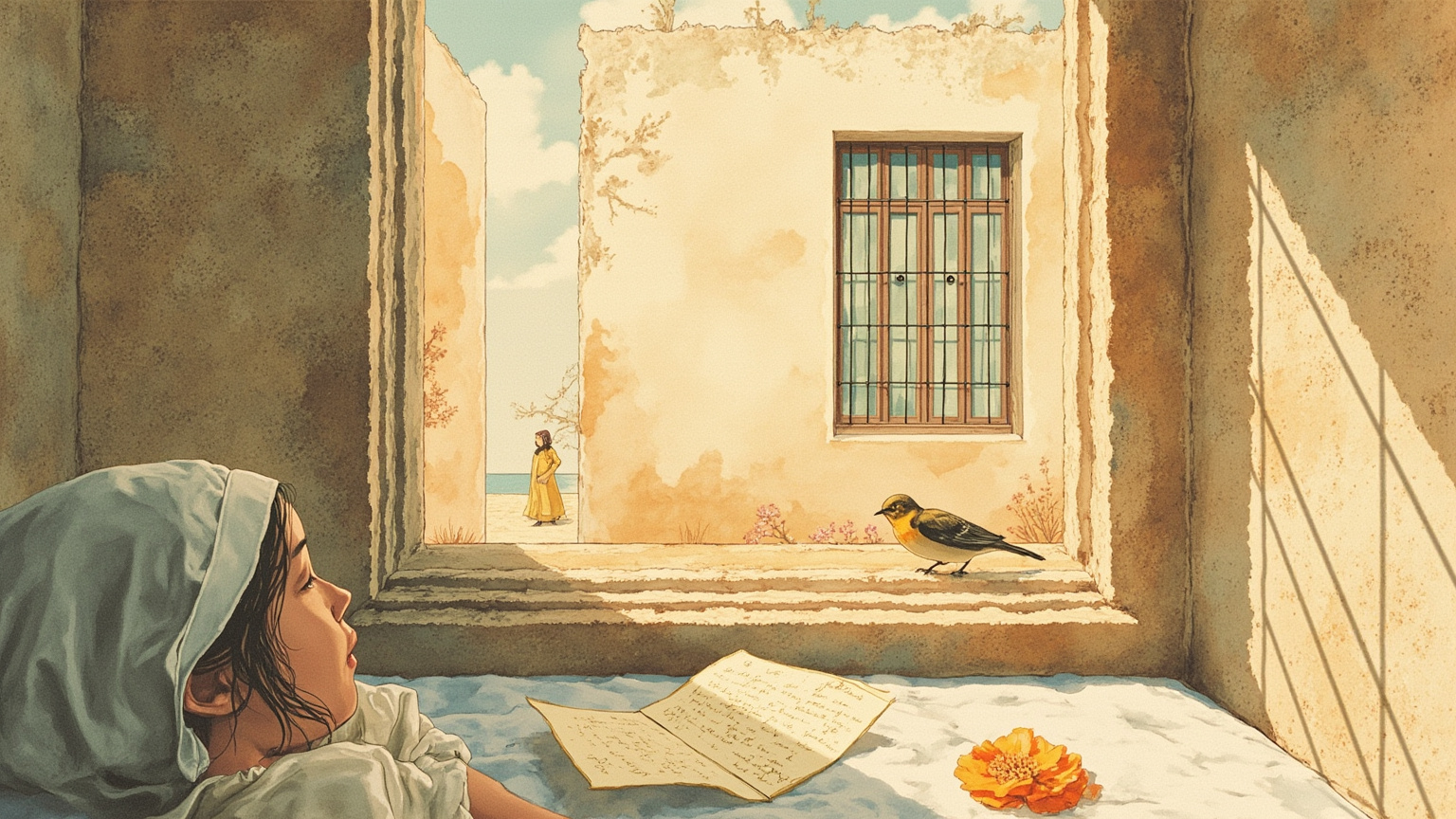
Tell me whether the orange trees are in blossom this year, as they were the spring I was there.
告诉我,今年的橙树可还像那一年春天一样开着花吗?
金句 · 最后一封未寄出的信
When Verga wrote this book in 1871, it came a full generation before the mature verismo novels about fishermen and peasants that would make his name. But he had already worked out the full logic of that realist tragedy — fate plus institution, no resistance, just a slow grinding down.
Themes and Method
What is this book actually about? On the surface, a girl wastes away. Underneath, two machines of nineteenth-century southern Sicily conspire against her: religious confinement is one, the logic of family property and dowries is the other. The convent's stone walls, its cloisters, its iron-barred windows are not just physical space; they are the track laid down for what a Sicilian woman's life was supposed to be. The stepmother's calculations don't come from malice but from custom: send the elder daughter away, let the younger keep everything, standard practice for a middle-class family in the south at the time. What makes Verga formidable is that he never draws the stepmother as a cartoon villain. He even lets her sound perfectly reasonable in her letters, and it's exactly that reasonableness that makes the whole thing colder.
Formally, this is an epistolary novel written by a girl: private letters Maria writes from the countryside and later from the convent to her sister, gathered afterward into a book by the family governess. It is her only legitimate space for self-expression, more honest than the confessional and more fragile than the world outside. Through this form Verga pulls off something difficult. He doesn't judge, he doesn't protest; he simply lets a devout, sensitive girl describe the light outside, the bells, the birdsong, the orange blossoms, and buries every act of oppression in the pauses she never puts into words. It makes an exact mirror of Heart, the boy's-eye-view classic from the same period: the same era's girls, written into a different kind of silence.
Reasons to Read the Original
What a companion guide gives you is a map. The text itself is the land. What resists retelling most in this book is the physical sensation of it: Maria's first step onto a real furrow, the coolness of the soil under her feet; the first time she hears orange blossoms fall in the wind; the first time she hears her own heartbeat in a corridor at dusk. Only the original can give you that, because I can't say it without turning it into an adjective. Then there's the restraint pushed almost to cruelty: Verga never lets Maria cry out loud, he only lets her write that today even crying felt unnecessary. A sentence like that reads completely differently the second time than the first, and it's worth earning that difference yourself.
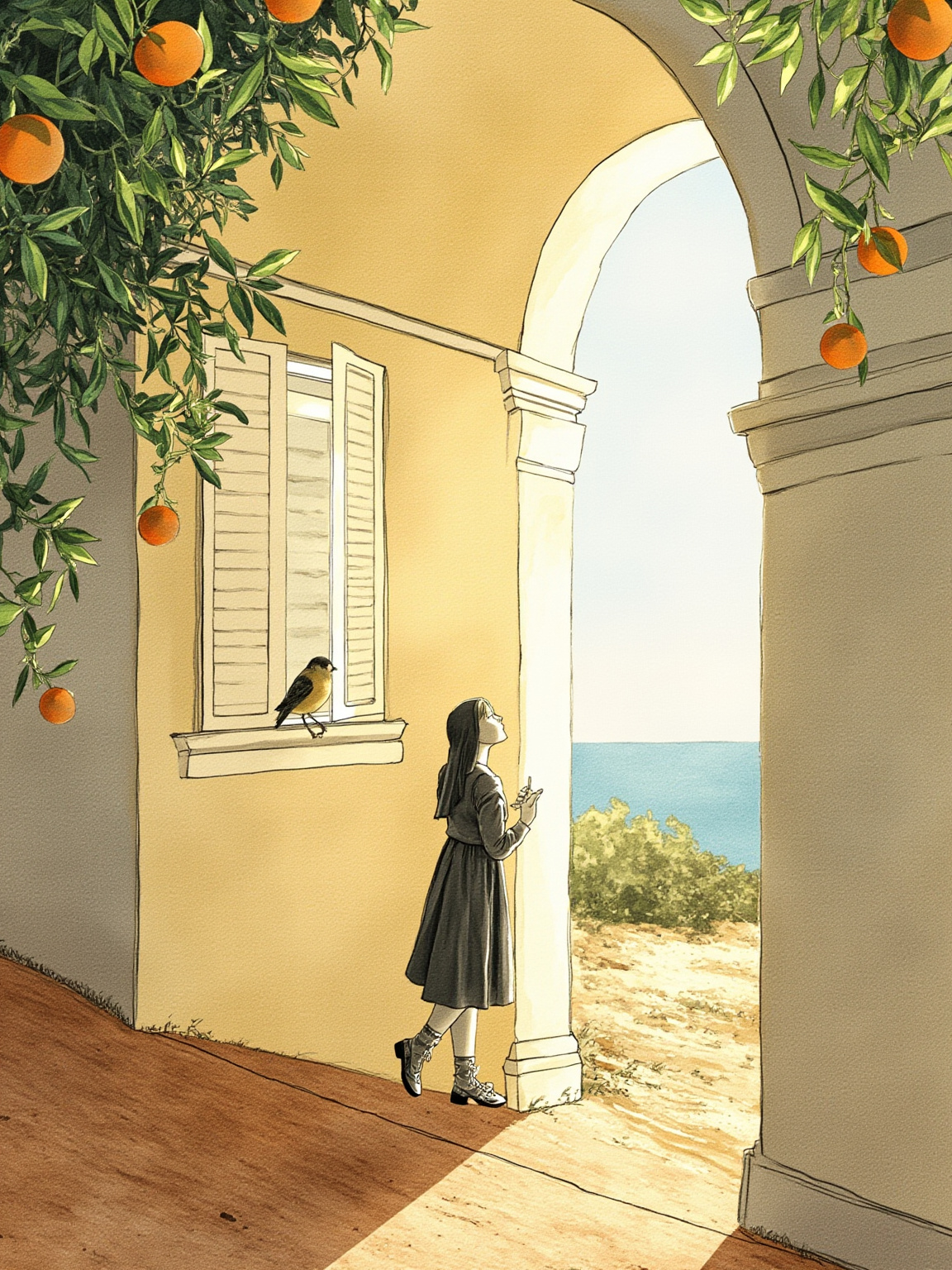
Two machines ground her down slowly, one called religious confinement, the other the dowry ledger, and she was never even told that she was being ground down.
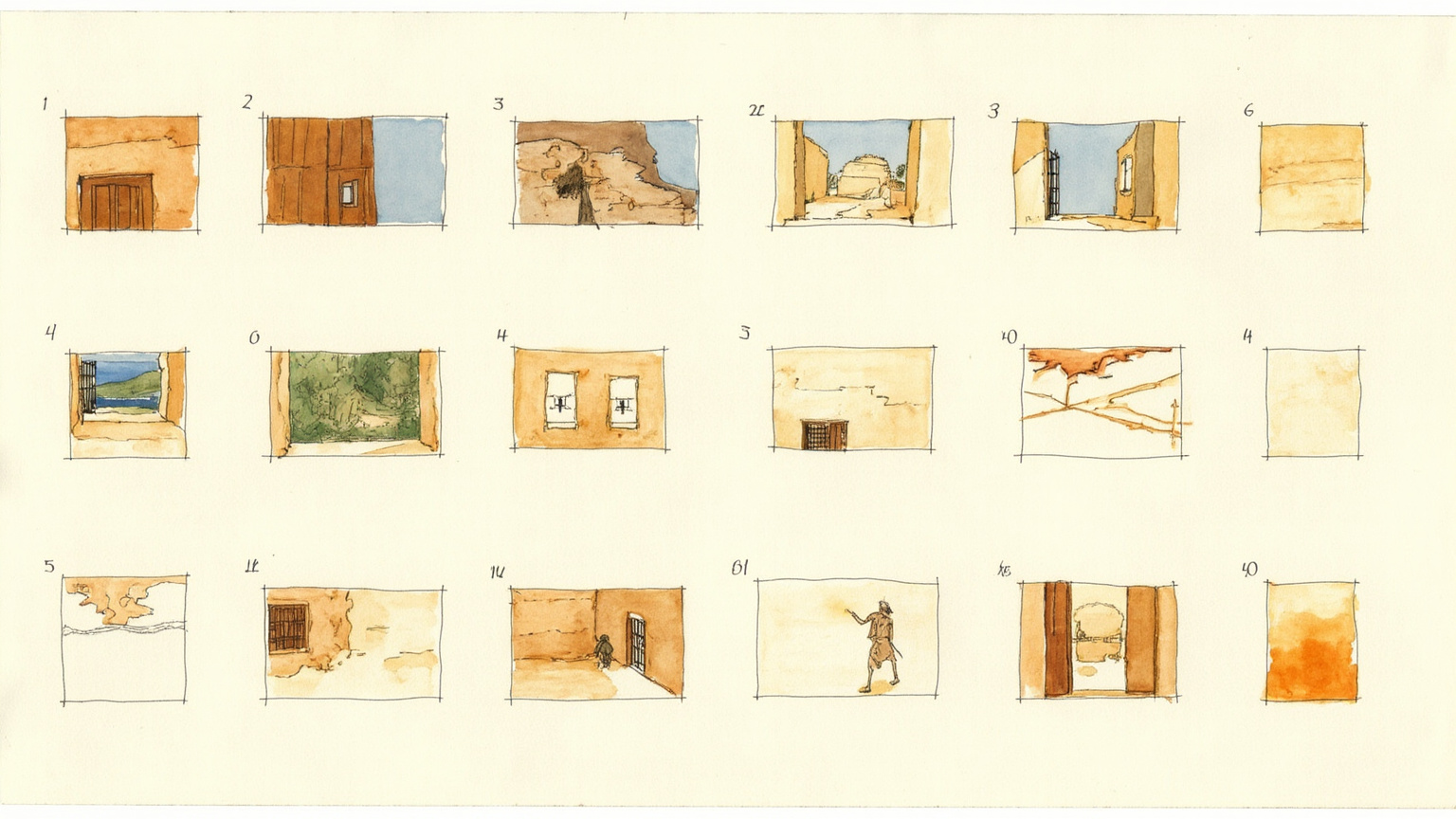
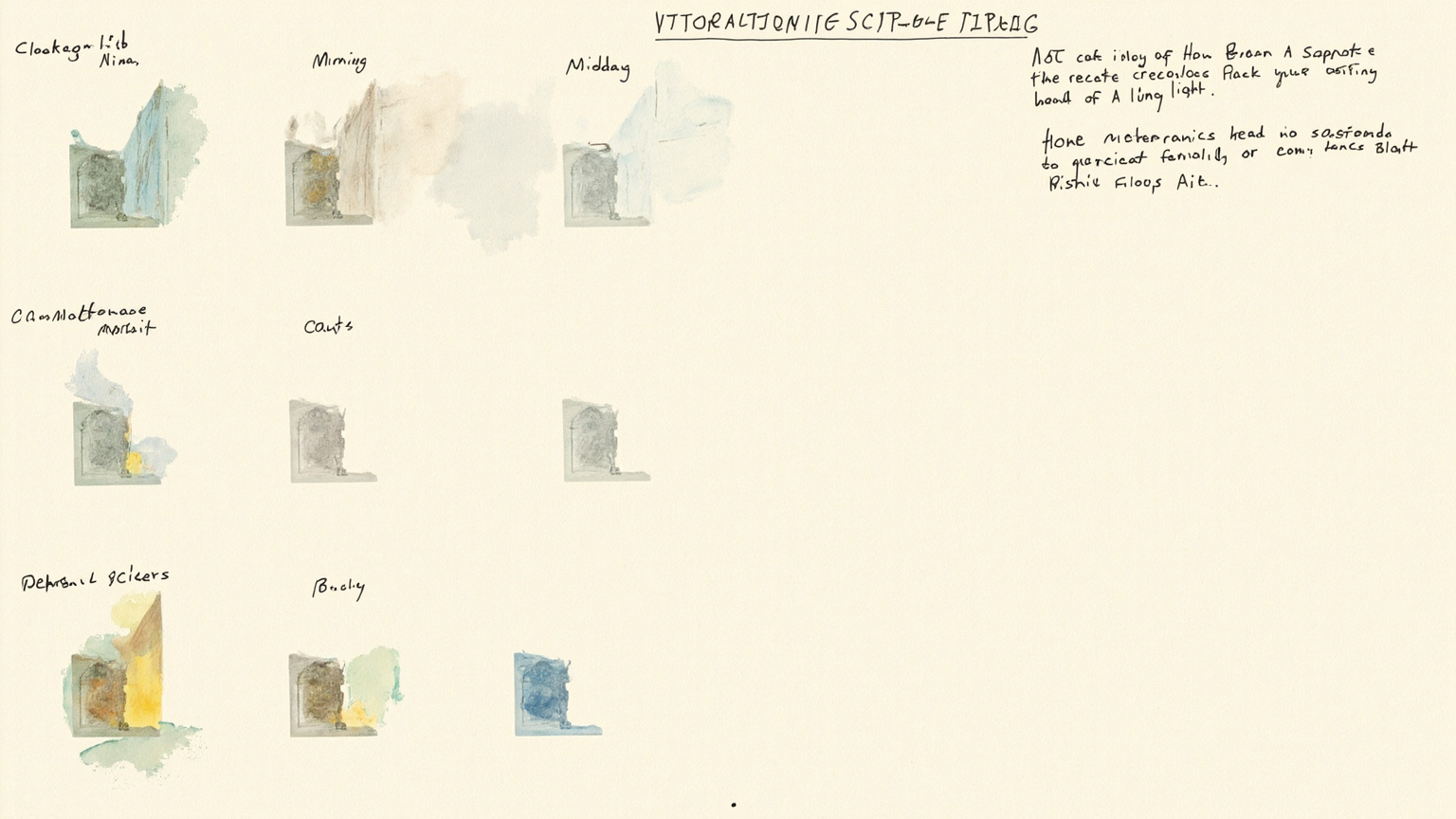
Art Direction4 plates
Before the guide was written, this book got a visual foundation — every illustration you just read grew out of it.