Taiping Guangji (Extensive Records of the Taiping Era) · Companion Guide
太平广记
宋初十二人奉敕抄编的五百卷志怪总集,印版刚动便被锁进太清楼,却从一座官修矿脉里往四面八方流出唐传奇与千年后的戏曲小说。
Start With One Thing
A hand presses down the wooden block, the ink plate holds, the carver lifts his knife — this is the shortest-lived scene in the printing history of the Taiping Guangji. Printing began in the first month of Taiping Xingguo 6, and stopped almost at once, on the grounds that "those who raised objections judged it not urgent for scholars." The blocks were carted off to the Taiqing Tower and locked away. A five-hundred-scroll compendium commissioned by the emperor himself, led by academicians of the Hanlin, compiled by twelve men over a year and a half — and its own sponsors ruled that no one needed to read it in a hurry. That fact alone grips harder than any opening line could: a mine, fully dug, ordered sealed shut the moment it was finished.
What Kind of Book Is This, Really
The Taiping Guangji is not a novel written by one person, nor is it anyone's personal collection. It is a leishu, a categorized compendium sorted by subject that files away the unofficial histories and tales of earlier dynasties, compiled early in the Song, between the second and third years of Taiping Xingguo (977 to 978), on the order of Emperor Taizong of Song. Li Fang led the project; Hu Meng, Li Mu, Xu Xuan, and a dozen or so others carried out the copying and classification under imperial commission. Alongside the Taiping Yulan, the Wenyuan Yinghua, and the Cefu Yuangui, it is counted among the Four Great Books of the Song, and its assigned territory was everything the orthodox tradition looked down on: fox spirits, ghosts, strange monks, knights-errant, seekers of immortality, abandoned women, dreams of exile and disgrace. The whole work runs to five hundred scrolls plus ten of table of contents, sorted into ninety-two major categories and more than one hundred fifty subcategories. Eleven of those categories alone — immortals, female immortals, ghosts, gods, karmic retribution, fate, beasts, plants, rebirth, strange monks, and omens — swallow up nearly half the book. Its place in literary history was put best by the scholar Pu Jiangqing in a single line: it is the watershed of the history of Chinese fiction. An officially compiled leishu had set fiction at the same table as the classics, the histories, poetry, and prose: an official acknowledgment that stories could stand as equals to literature.
Who Compiled It, and Whose Idea Was It
Li Fang ran the whole operation. He received the commission in the third month of Taiping Xingguo 2, and the book was finished by the eighth month of Taiping Xingguo 3 — sixteen months for five hundred scrolls. That pace tells you they were not writing from scratch; they were picking, copying, and sorting from a mountain of books that already existed. Hu Meng, Li Mu, and Xu Xuan were among the sharpest scholars in the Hanlin Academy at the time; Xu Xuan himself was a former official of the Southern Tang and a noted authority on philology. But the book's character has little to do with Li Fang personally: it reads more like a state-sponsored full inventory of fiction. Emperor Taizong had also ordered the compilation of the Taiping Yulan at the same time, a proper compendium of the classics and histories; the Taiping Guangji was its companion volume, assigned to everything that had no business entering the official histories. Still, which pieces to pick, and which category to file them under, was entirely up to these dozen-odd Hanlin scholars. So what you find when you open this book today is both a silhouette of the world the Tang imagined and a reclassification of that world by a group of early Song readers.
How the Five Hundred Scrolls Were Built
The ninety-two categories were not carved out at random. Immortals alone take up fifty-five scrolls, female immortals fifteen, ghosts forty, karmic retribution thirty-three, gods twenty-five; those categories by themselves add up to nearly half the book. What is left covers plants, insects and fish, strange monks, knights-errant, natural curiosities, comic anecdotes, fate, and rebirth. Giving fox spirits, ghosts, and gods that much weight tells you the compilers saw them as the core of fiction; the Tang chuanqi pieces we now consider its finest chapters were, back then, probably just a few small dishes on this much larger platter. As a matter of practice, nearly every story is marked at its end with a source, and the citations run to more than four hundred different books. That sounds unremarkable now, but at the end of the tenth century it was a real departure — no officially compiled leishu before this had been willing to open a dedicated file for fiction, let alone tell you which old book a passage had been lifted from. Citing sources left later scholars a thread to trace, and it was also fiction's ticket into serious scholarship.
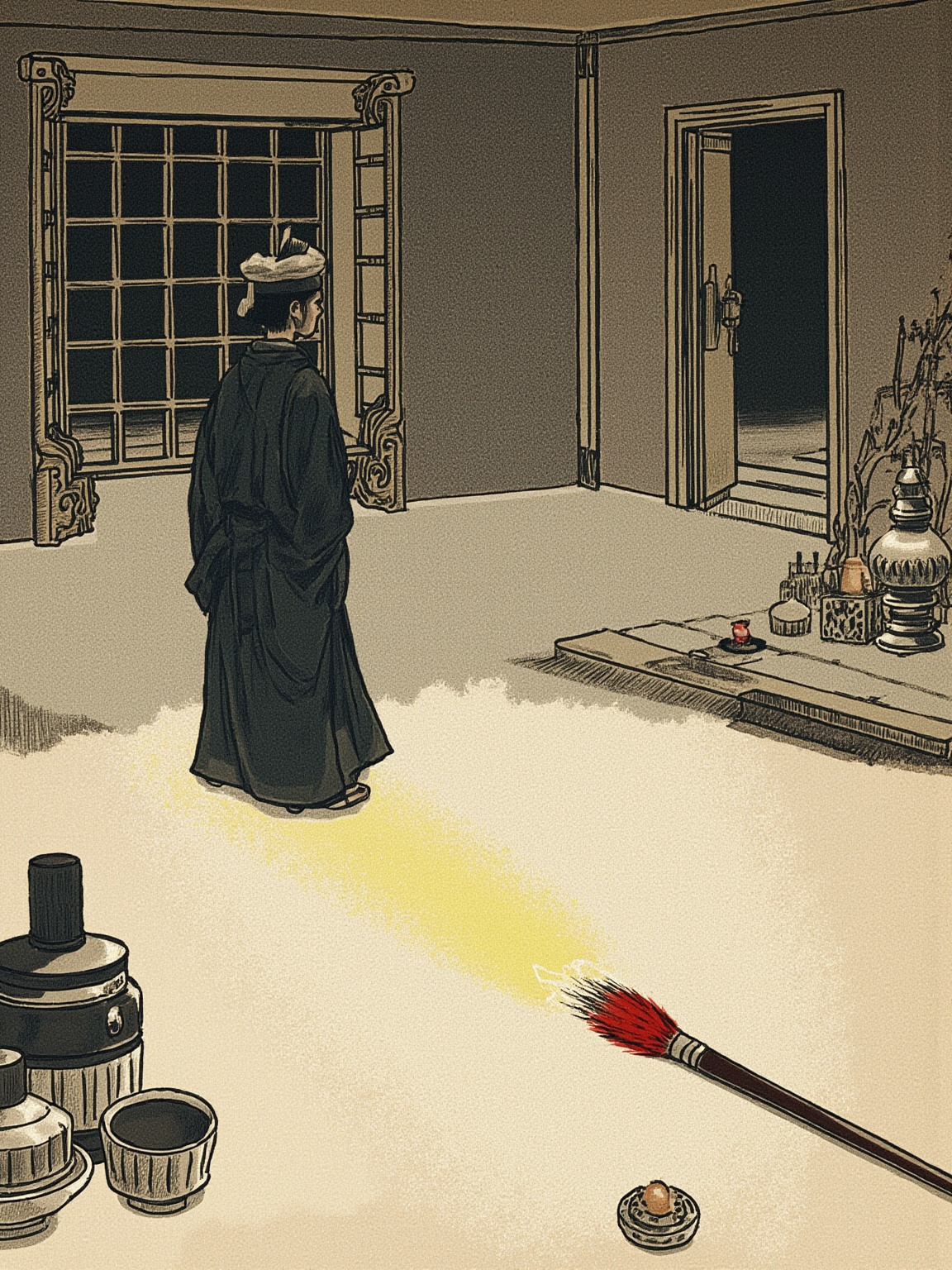
Mountains and seas are themselves the treasury; the true toil is to go back and forth, fetching and returning, sorting the living from the dead.
山海本身即为库藏;真正的劳役,是往来搬取、区分生死。
金句 · 总目类次 · 取材与归类
Even so, this seemingly rigorous project had its slips. The piece "The Monk-Knight" in scroll 194, for instance, was traced by Ming scholars back to the Youyang Zazu, not the Tang Yulin the book credits it to. A small error like that is nothing unusual today, but in a project built around preserving earlier records, it points to something telling: this was salvage work, not fine philology.
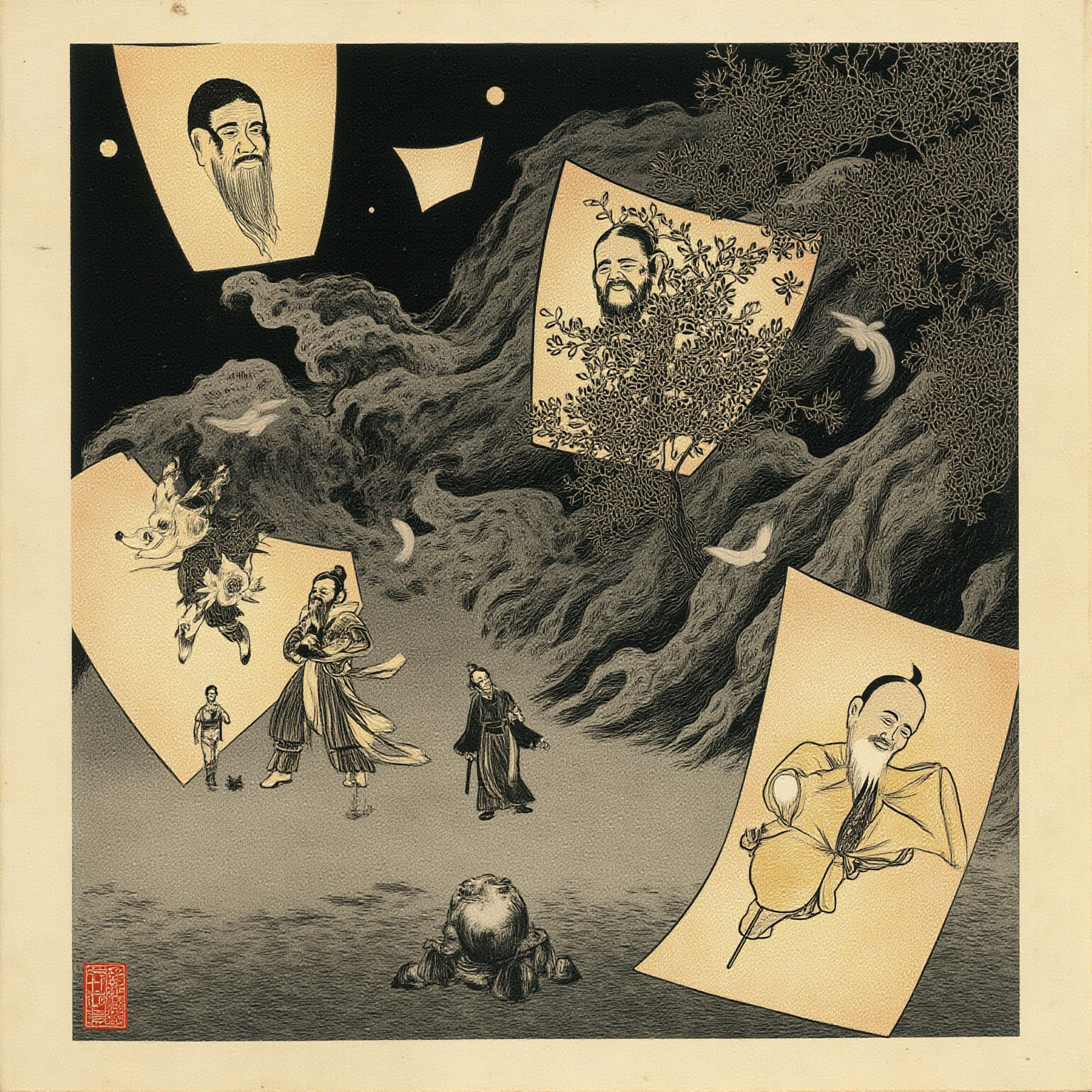
They were not writing; they were saving what would otherwise be lost — saving it so completely that the source itself could be forgotten.
他们不是在写,是在抢救——抢救得太彻底,连原书都可以忘掉。
金句 · 卷一九四 · 僧侠误注《唐语林》
Nine Scrolls of Miscellaneous Biographies, a Refuge for Tang Chuanqi
The single most valuable section in the whole book is the nine scrolls of Miscellaneous Biographies, scrolls 484 through 492. Nearly every Tang chuanqi title we still know by heart is packed in here: The Story of Yingying, The Story of Huo Xiaoyu, The Tale of Li Wa, The Story of Liu Yi, The Curly-Bearded Stranger, Nie Yinniang, The Kunlun Slave, The Story of the Red Thread, The Governor of the Southern Branch, The World Inside a Pillow, The Story of Miss Ren, The Story of Xie Xiao'e, The Tale of Everlasting Sorrow, and The Story of Wushuang. Rattle off the titles and you have, more or less, the whole lineup of Tang fiction. Here is the part that matters: most of these pieces survive today only because the Taiping Guangji kept them. The books they originally came from, if separate books ever existed, were lost long ago. The Ming scholar Hu Yinglin's line gets quoted again and again: without the Guangji, the tales from the Jizhong find down through the Five Dynasties would simply not exist. Its achievement was never creation. It was preservation.
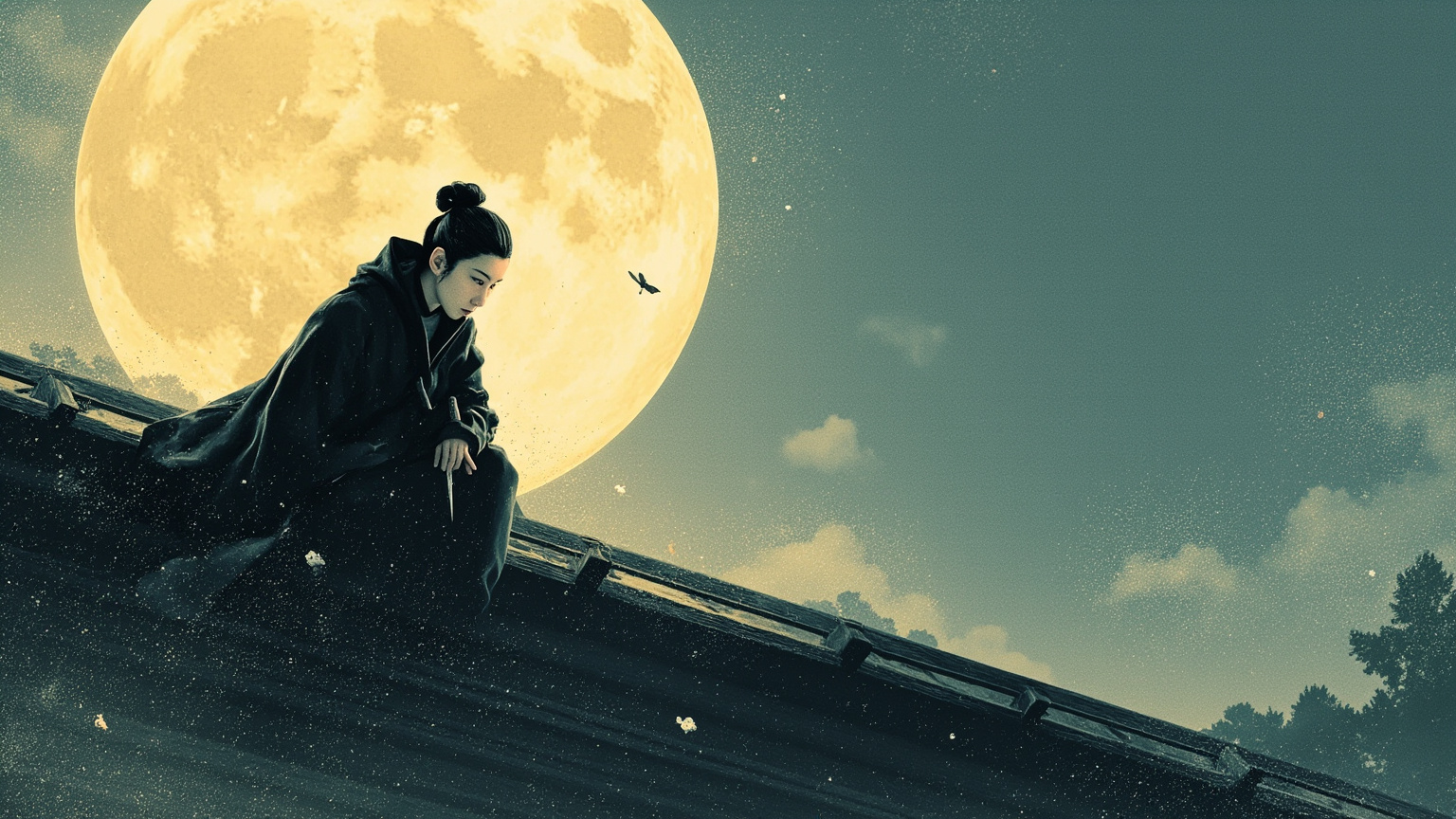
The girl concealed herself in the ridge of the roof, white dagger in hand, and waited for the household to sleep.
那女子伏在屋脊之上,手持白刃,只等这一家人睡熟。
金句 · 卷484至492 · 杂传记·聂隐娘
Read these stories side by side and you see a handful of recurring set pieces in the Tang imagination. Liu Yi, a scholar who failed the examinations, delivers a letter for the Dragon Princess of Lake Dongting and ends up marrying royalty. Huo Xiaoyu, a famed courtesan of Chang'an, falls for Li Yi, is abandoned, and dies of grief and rage. The swordswoman Nie Yinniang hides on rooftops, dagger in hand, to carry out assassinations. Mo Le, the Kunlun slave with uncanny powers, pulls his master free of a doomed love affair. A scholar dozing under a locust tree dreams a whole lifetime of glory as governor of Nanke, only to wake and find it was an anthill. Each story earns its own charm, but taken together they sketch one generation's shared imagination of fate, gender, class, and the pursuit of immortality. The motifs take root here: Yuan Zhen's Romance of the Western Chamber, Hong Sheng's The Palace of Eternal Youth, Pu Songling's Strange Tales from a Chinese Studio all grew out of this same soil.
Banned, Neglected, and Yet It Traveled Further
Three years after the book was finished, in the first month, the court decided to have it block-printed. That should have been the high point of the book's history, but almost as soon as the carving began, the court ordered it stopped, on the grounds that "those who raised objections judged it not urgent for scholars." A five-hundred-scroll monument bearing the emperor's own title was shelved inside the Taiqing Tower, where it slept for centuries. And yet, precisely because so few printed copies circulated before the Ming, the Taiping Guangji traveled further than the official compilations of its own era. By around the thirty-fourth year of King Munjong of Goryeo (1080) at the latest, the book had already reached the Korean peninsula. In the Song, Cai Fan drew on it for his Lu Ge Shi Lei and Lu Ge Wen Lei; in the Ming, Feng Menglong drew on it for his Taiping Guangji Chao. Official indifference could not stop readers' curiosity: a book the court had ruled unworthy of urgency quietly became, over the following thousand years, the deepest underground vein in Chinese storytelling.
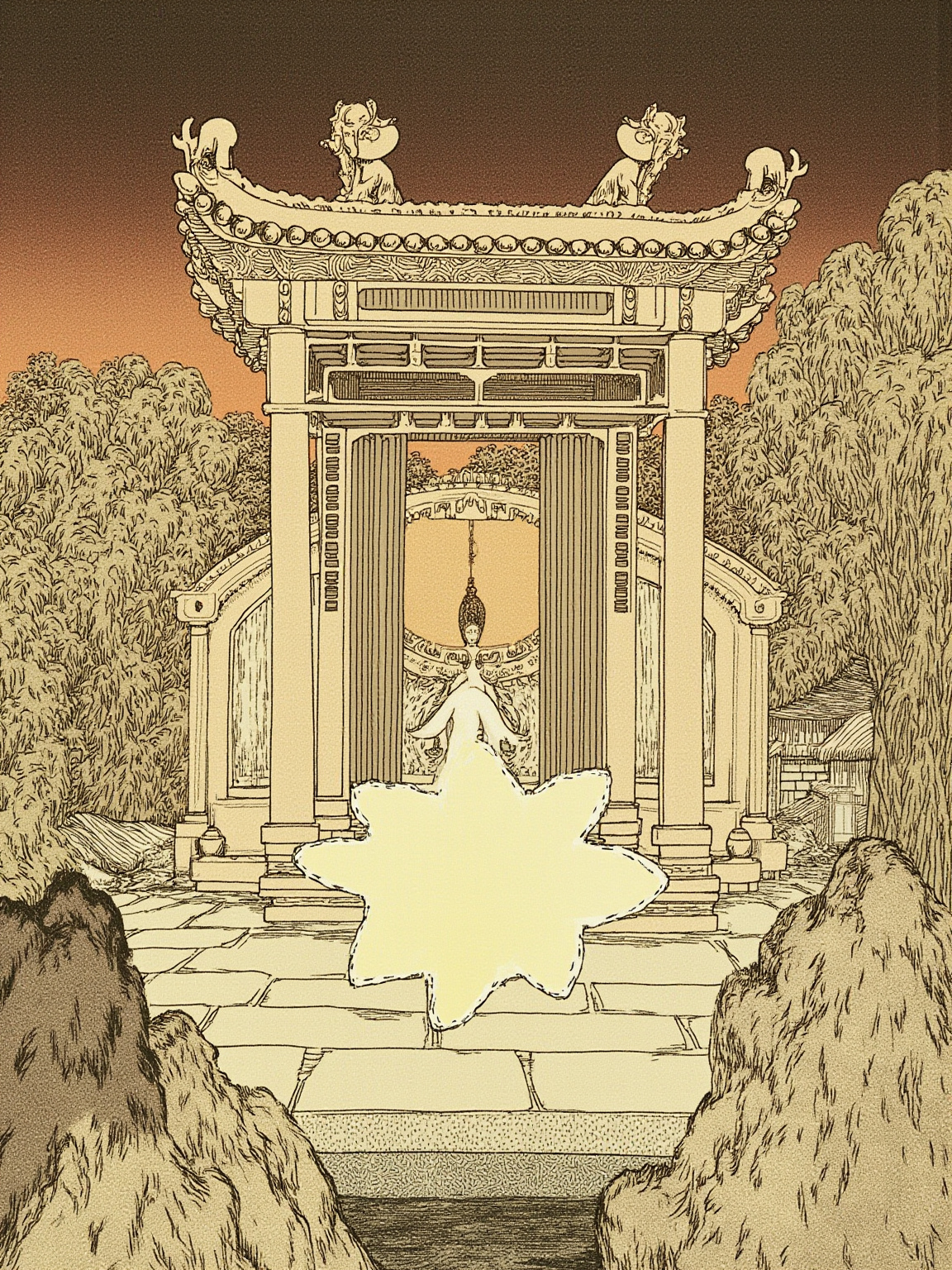
The very year the blocks were sealed away, the mine began to leak — out through Kaifeng, across the sea to Goryeo, and into every storyteller's mouth.
印版被锁进太清楼的那一年,矿脉反而开始泄漏——穿出开封,渡海到高丽,钻进每一个说书人的嘴里。
金句 · 卷末 · 停印与高丽传本
A Whole Tang Worldview, Not Just Stories
Read it purely as fiction and you miss what matters most about it. What it holds is the full sweep of how people in the Tang and Five Dynasties imagined their world: fox spirits marrying humans, ghosts collecting debts, monks and Daoist priests dueling with magic, retribution that never misses, elixirs swallowed in pursuit of immortality. The formulas for those elixirs actually contain mercury, arsenic, and lead, real and harmful minerals, which makes them, in hindsight, less a workable path to transcendence than a sample of the history of science and religion. No single story can give you this density of worldview. Read through a scroll of Ghosts, a scroll of Karmic Retribution, a scroll of Fate back to back, and you run into a kind of everyday belief modern readers have almost entirely lost: people who genuinely believed the fox next door might be a neighbor, that a ghost owed an emotional debt would knock at your door at midnight, that swallowing the right pill could send you soaring off on a crane. The book's greatest value is holding that belief intact, so that whoever reads it can, for a little while, live inside a Tang mind.
A word about gender, in passing. The recurring female-knight figures in this book, Nie Yinniang and Red Thread, carry a charge of gender transgression that outweighs the mechanics of the assassinations themselves. And the stories of ill-fated women like Huo Xiaoyu and Yingying indict something larger than any one man: the whole way the scholar-official class treated women. Read these motifs as a mirror, rather than as curiosities, and they get a great deal more interesting.
Why, a Thousand Years On, You Still Can't Get Around It
Later literature's debt to it runs far deeper than most readers realize. The huaben and zaju and various sung-narrative forms of the Song and Yuan, the Ming and Qing's Romance of the Western Chamber, The Palace of Eternal Youth, Journey to the West, all the way down to Pu Songling's Strange Tales from a Chinese Studio and Ji Yun's notes from the Cottage of Close Scrutiny: almost every work on this line can be traced downstream from the Taiping Guangji. Pu Songling's Sequel to the Yellow Millet Dream picks up directly where this book's The World Inside a Pillow leaves off. When Lu Xun compiled his two collections of lost early fiction, Gu Xiaoshuo Gouchen and Tang Song Chuanqi Ji, most of the material came out of these same five hundred scrolls. Pu Jiangqing calling it the watershed of Chinese fiction is no exaggeration. Fiction had never been recognized by the official histories as a legitimate form in Chinese letters; the moment the state stepped in to classify and archive it changed that, and everything after depends on that one step. Without it, Strange Tales could never have become Strange Tales, nor The Western Chamber The Western Chamber. The Taiping Guangji is not the ancestor of any single novel. It is the day Chinese fiction, as a whole form, was formally entered into the record.
Not a novel. A mine — and the year they sealed it shut is the year it started seeping out in every direction.
You Already Know the Plot — So Why Go Back to the Original
A companion guide can only give you a map. The territory itself is in the book. What this book can never be translated into is the feeling of wandering across its five hundred scrolls: flipping to a scroll of Ghosts today, jumping to Fate tomorrow, landing on Strange Monks the day after. Each story runs anywhere from a few dozen characters to over a thousand, a fragment plucked from a mountain of old paper by those dozen-odd Hanlin scholars at the start of the Song. They belonged, originally, to different books and different dynasties, forced together by category inside this one compendium. That collage has a texture only a leishu can give you: you are not reading a book, you are browsing an archive. Finish it and what stays with you is not one story but a certain smell, the belief that a fox might talk, that a ghost might knock, that the right pill could carry a man off on a crane. No retelling, no map, can hold that smell. Which is why, even after you know how The Story of Liu Yi ends, even after you know the trick behind The Governor of the Southern Branch, even after every twist has been spoiled for you, it is still worth going through the Taiping Guangji yourself. What it has waiting for you is not knowing. It is stumbling into.
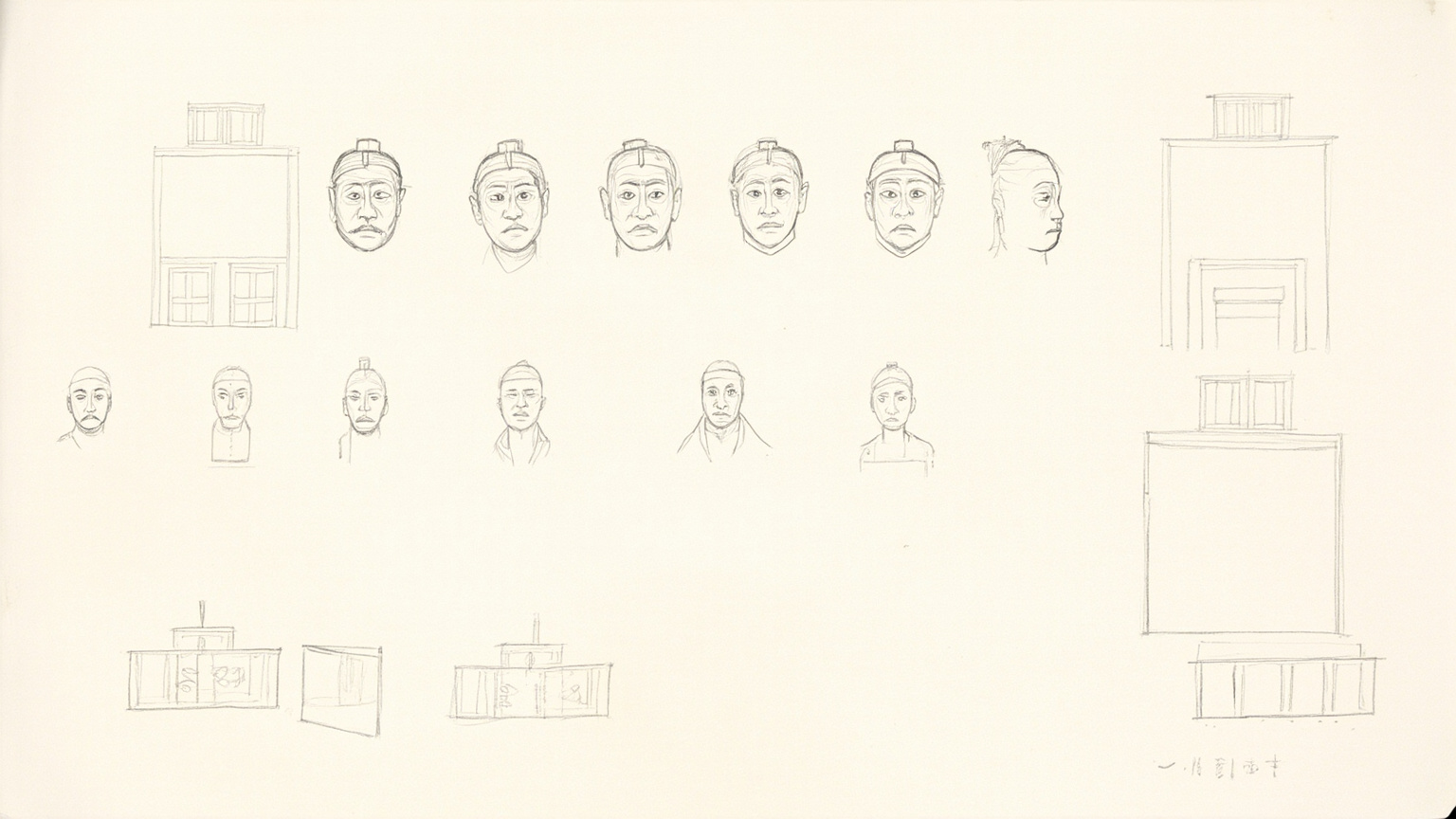
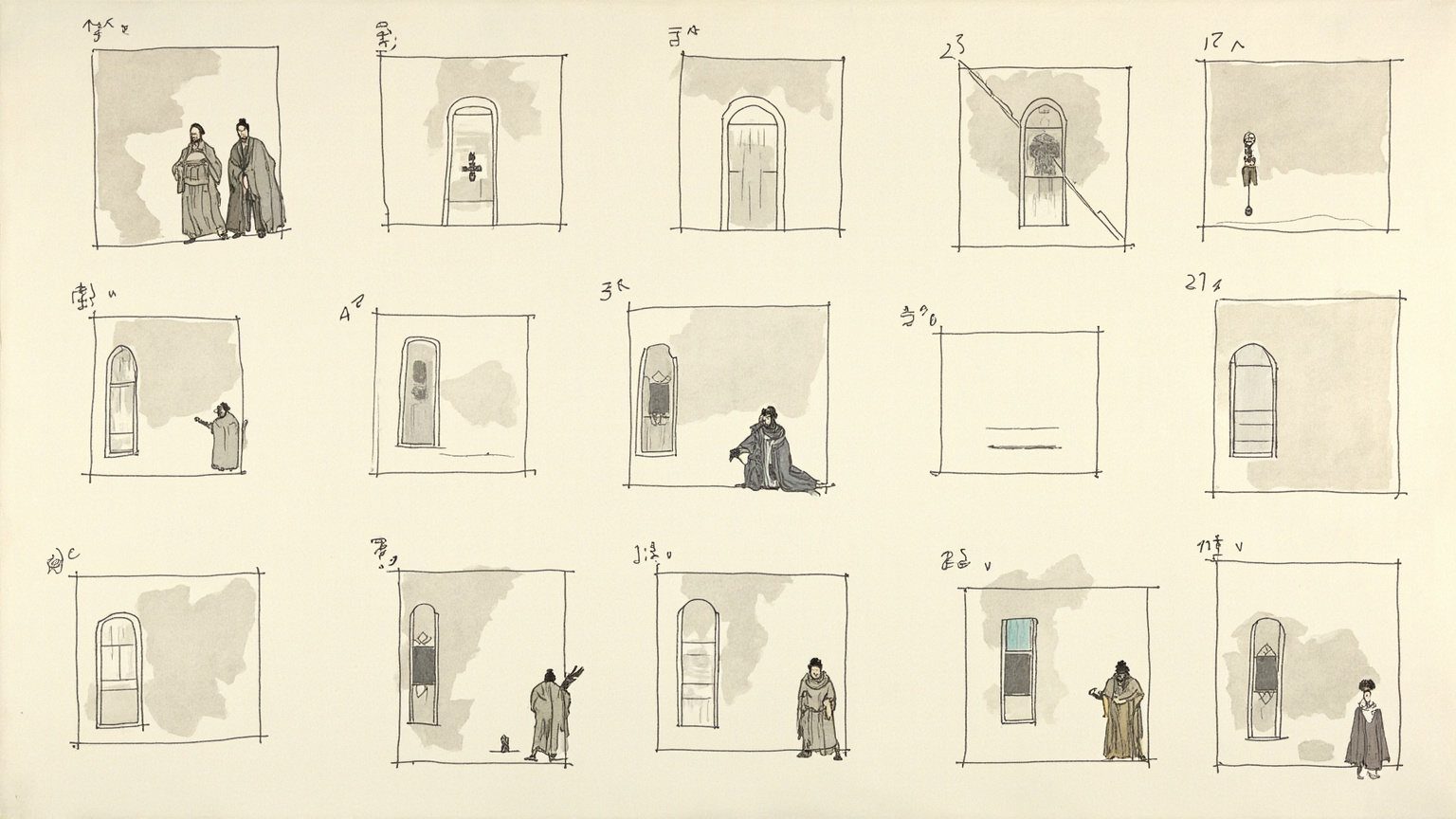
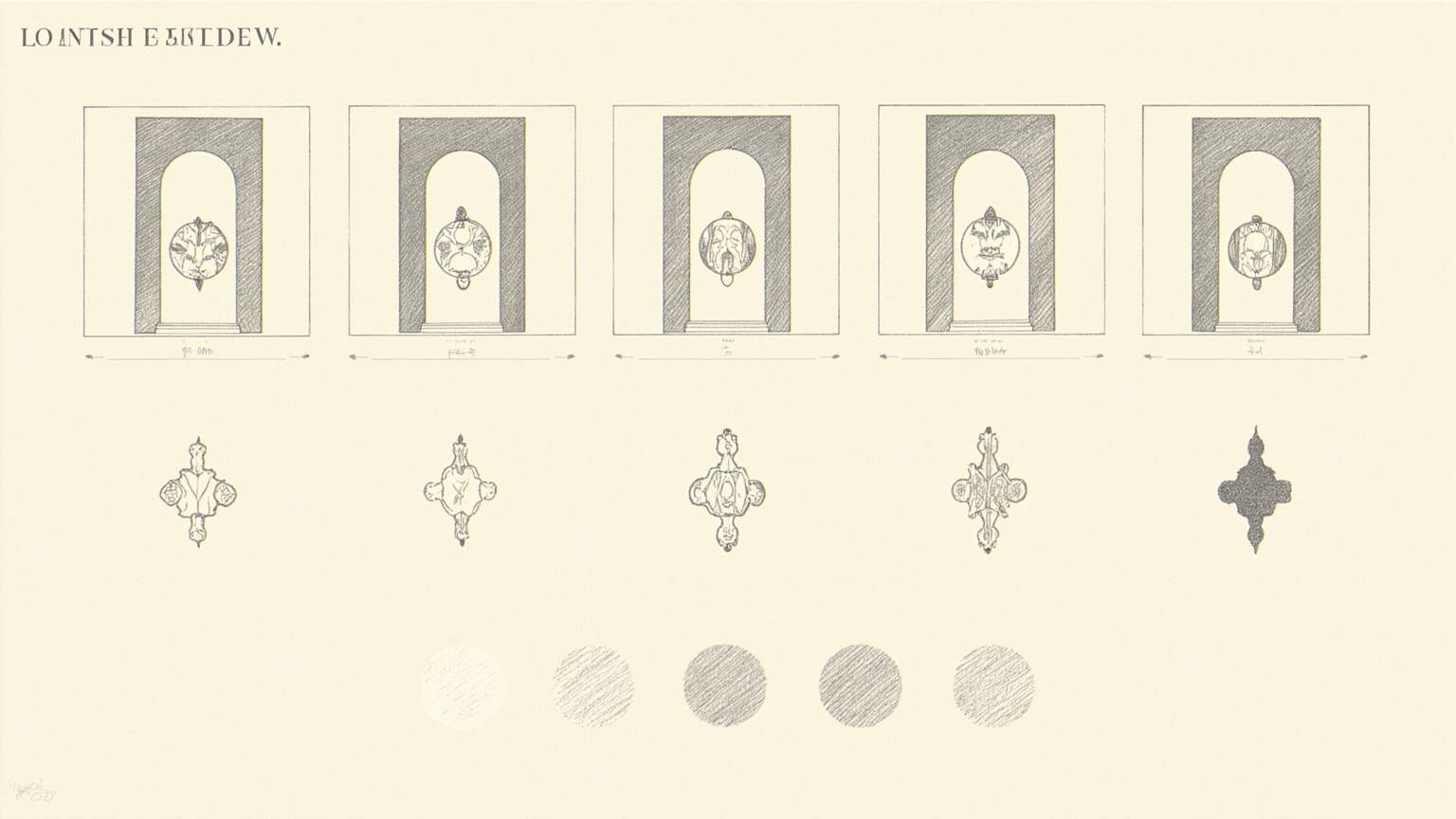
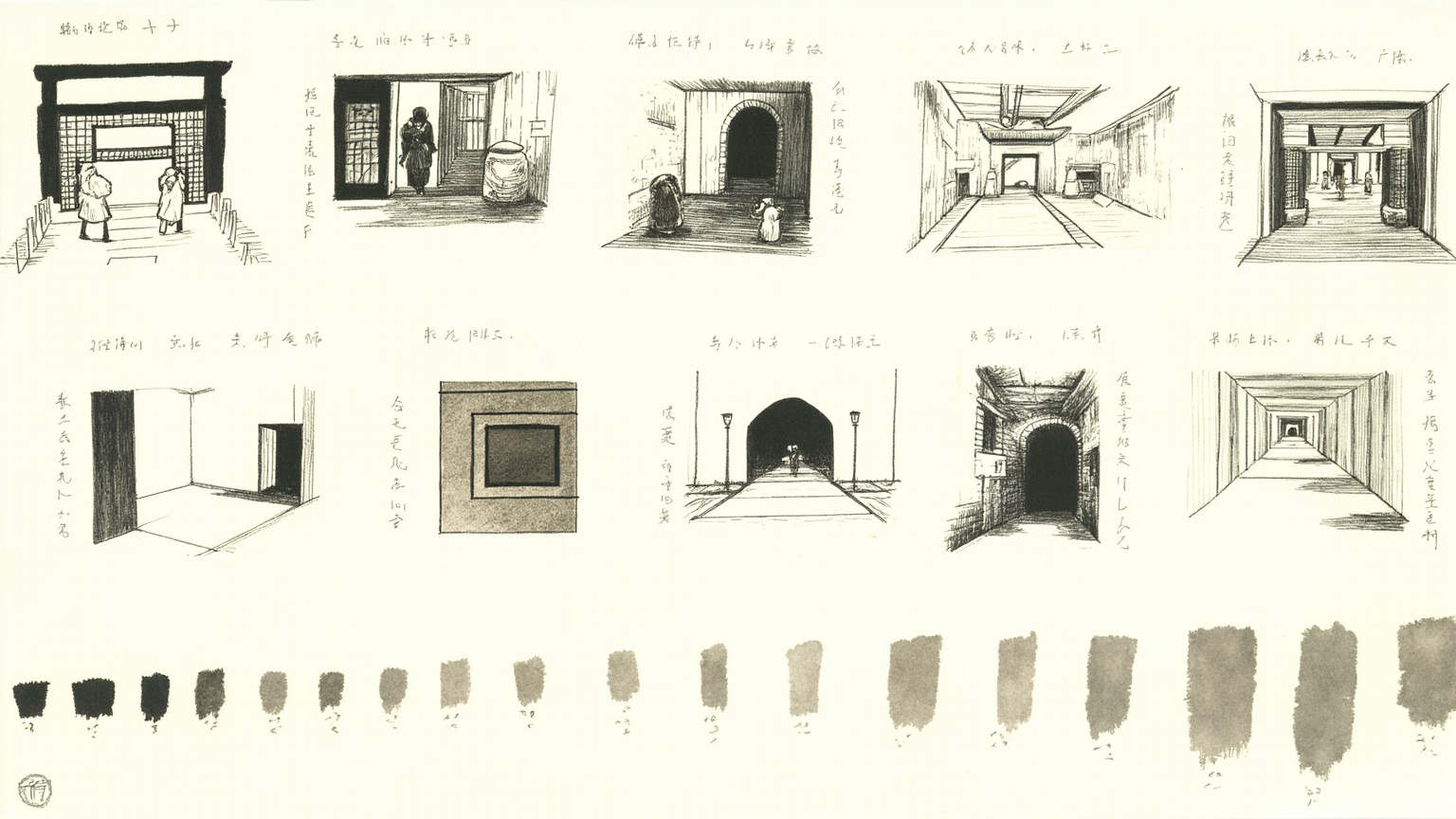
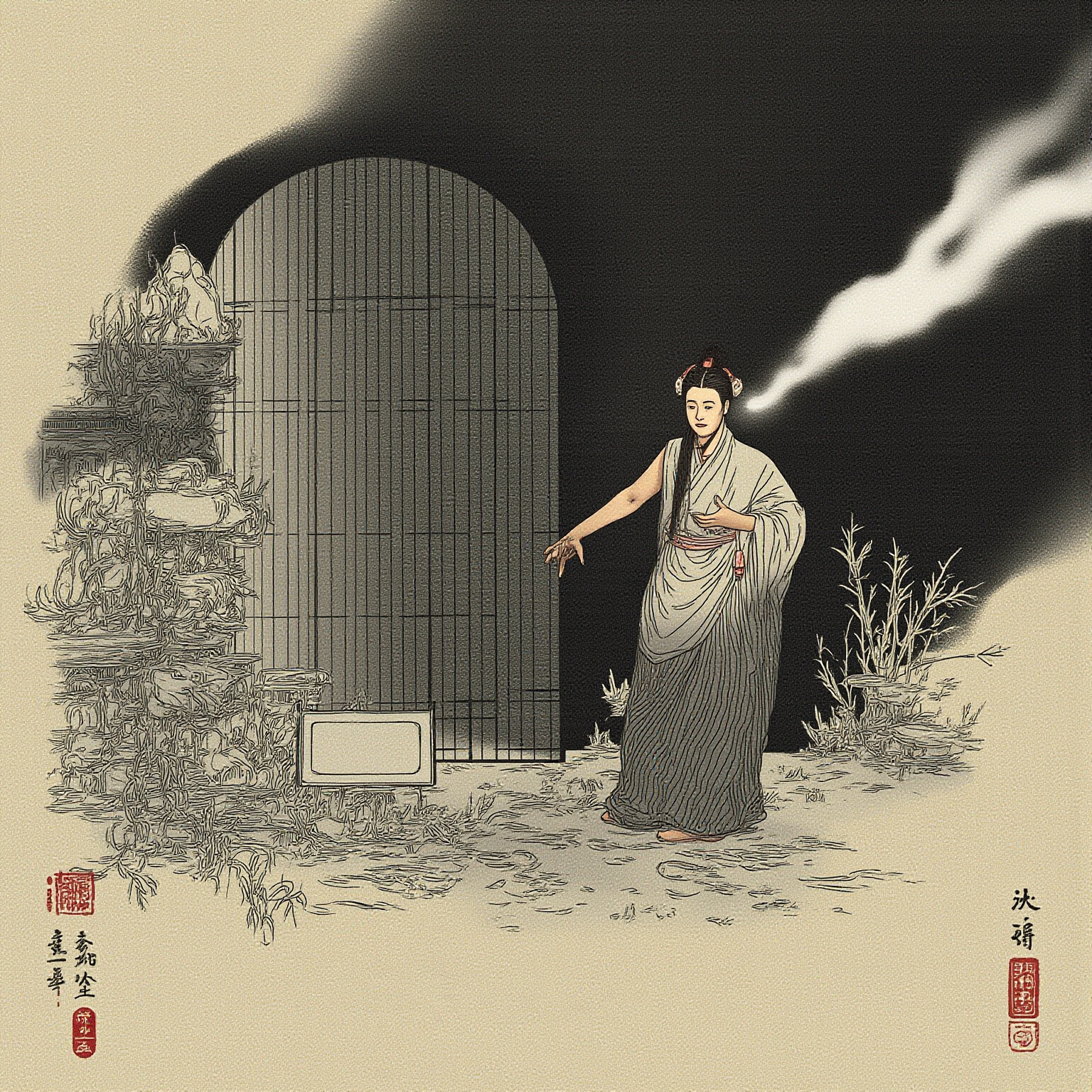
Art Direction4 plates
Before the guide was written, this book got a visual foundation — every illustration you just read grew out of it.