The Beetle: A Mystery · Companion Guide
甲虫
雨夜,失业文员躲进空屋,遭遇能催眠意志的怪物,被迫脱光成为行窃木偶——一场从埃及地穴追至伦敦黑夜的复仇,关于帝国罪孽、性别模糊与意志沦陷的哥特寓言。
The Opening: Rain, an Empty House, a Monster That Strips You Bare
A derelict house in West London, seemingly empty. A destitute, unemployed clerk ducks in to escape the rain — and is ordered to strip off every stitch of clothing and pull on rags that hang like a shroud. He walks out like a puppet, sent to steal a document he has never even read. That is how Richard Marsh's The Beetle begins.
In the year it was published, this novel outsold a vampire story that came out the same year and would go on to become a classic. Everyone knows what happened next: Dracula was canonized, and The Beetle was all but erased from literary history. Looked at today, though, it is the stranger book of the two.
What Kind of Book Is This
Richard Marsh was a pen name; the author was born Richard Bernard Heldmann, a jack-of-all-trades of late-Victorian popular fiction. The Beetle appeared in 1897, within weeks of Stoker's Dracula, and both books rode the same wave of fin-de-siècle anxiety — Egyptomania, the hypnotism craze, fear of the Oriental other, the sense that the body and gender were no longer fixed. Marsh folded all of it into a London chase novel. Readers bought it in droves. Literary history remembered his rival instead.
Characters and World
The novel is narrated in relay by four people, and none of them sees the whole picture: Robert Holt, the unemployed clerk; Sydney Atherton, a chemist who dabbles in weapons; Marjorie Lindon, engaged to the rising Radical MP Paul Lessingham; and Augustus Champnell, a private confidential agent. Each holds only a fragment of the truth. Their accounts fit together like puzzle pieces, and only at the end does the full shape emerge.
The setting is 1890s London: fog-bound streets, a derelict house in the Walham Green district, a politician's respectable drawing room, a chemist's private laboratory, a night train bound for Southampton. The real grievance, though, is buried years earlier, in the catacombs of a secret cult of Isis in the City of the Dead near Thebes, Egypt — hypnotism, occult power, colonial exoticism, all stock ingredients of the period's penny press. The Beetle has followed its quarry all the way from that tomb.
How the Plot Moves
Holt is a man down on his luck — unemployed, broke, ducking into an empty house to escape the rain. Inside, something is waiting: a stranger who claims to be Arab, giving off a smell Holt cannot place, neither clearly male nor female, neither young nor old. The stranger looks up and fixes Holt with its stare. In the next scene, Holt is naked and wrapped in shroud-like rags, walking into Lessingham's study like a puppet pulled from the inside.
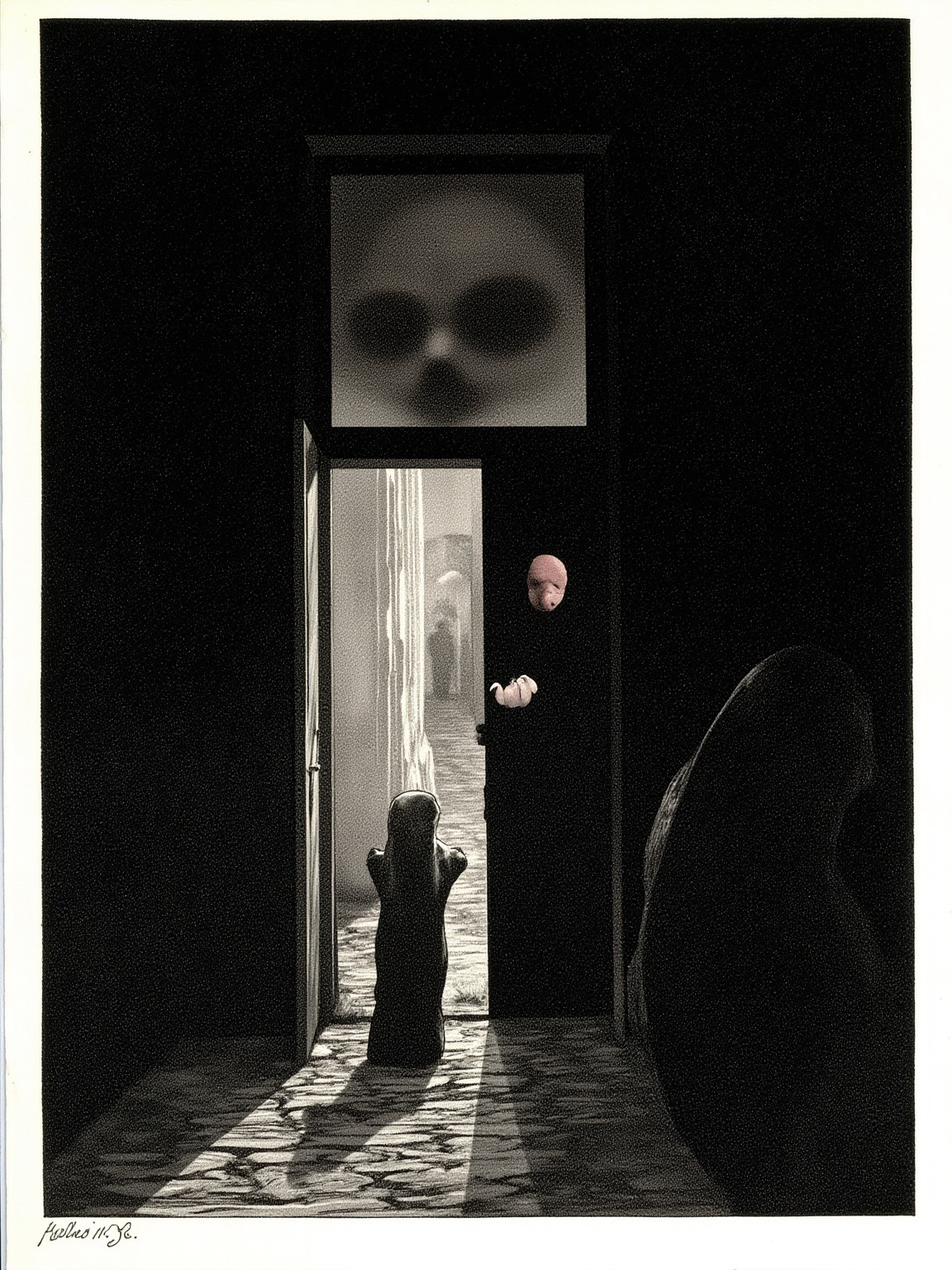
I say that to-night--to-night!--you are going through his window like a thief.
听着,就在今夜——今夜!——你要像贼一样,爬进他的窗户。
原文金句 · 第一章 · 空屋
Atherton, the chemist, is in love with Marjorie and losing that race, and then a stranger turns up in his own house. Jealousy, curiosity, and plain scientific instinct send him after it. What he finds is worse than he expected: Holt shambling through his rooms like a dead man walking, the creature trailing behind him. Atherton realizes Holt's will is no longer his own.
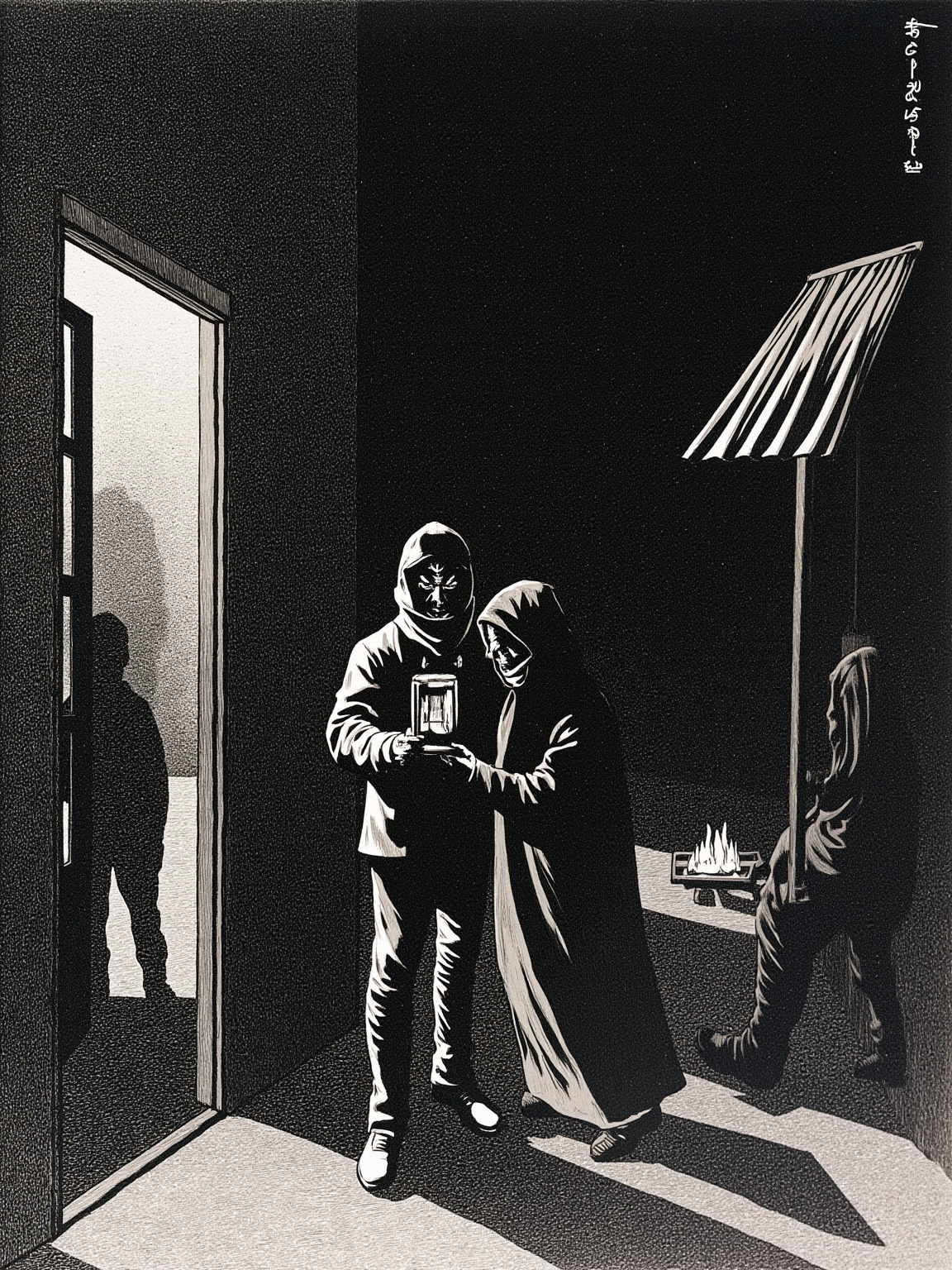
Look inside,--you see it's full of balls,--glass balls, each in its own little separate nest; light as feathers; transparent,--you can see right through them.
往里看——全是玻璃球,一颗颗分格巢居;轻如羽毛,通体透明——一眼看穿。
原文金句 · 第四章 · 阿瑟顿的实验室
Meanwhile something is wrong with Lessingham: anyone, anything, that shows up bearing a beetle emblem drops him rigid to the ground, as if nailed there. He cannot explain why. No one around him can either. A rising political star is carrying an old wound nobody has ever seen.
A flashback opens the wound. As a young man, Lessingham posed as a convert to infiltrate a cult of Isis in the catacombs of Egypt's City of the Dead. He saw what he was never meant to see: a human sacrifice. He was drugged, bound, and nearly offered up himself. Escaping, he badly wounded the cult's priestess — one of the many faces the Beetle can wear. The hatred was planted that night, and it has crossed an ocean to reach him in London.
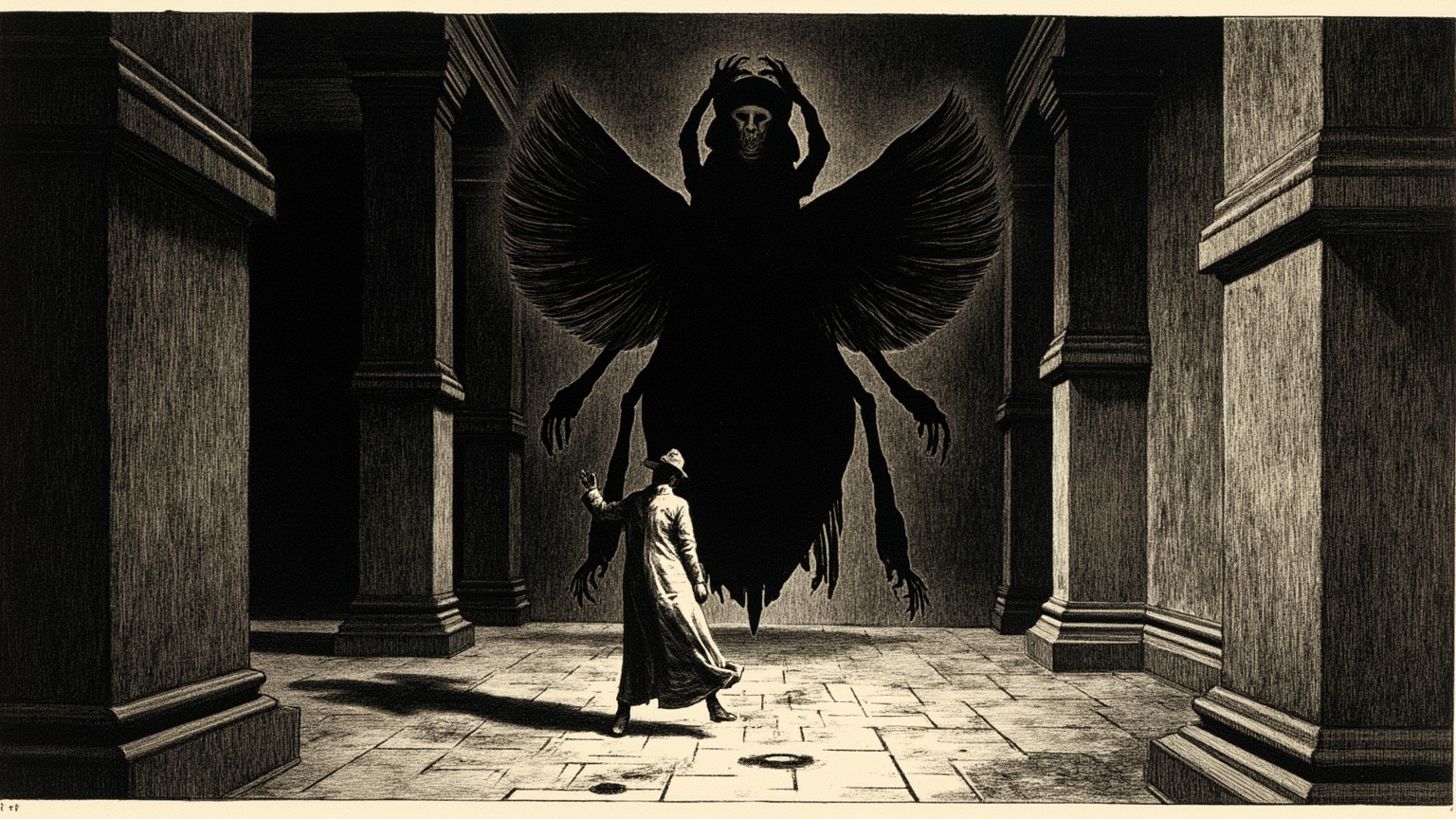
I resent, with peculiar bitterness, the attempts of prying eyes to peer into matters which, as it seems to me, concern myself alone.
我尤其憎恨那些窥视的目光,妄图刺探在我看来只与我一人有关的事。
原文金句 · 第九章 · 秘密
Marjorie is the most modern woman in the book. Her father, a Conservative MP, cannot stand the Radical Lessingham, and she marries him anyway. She insists on joining the investigation herself, on protecting her fiancé with her own hands. That is exactly what turns the Beetle's gaze on her — her nerve is what puts her in front of the monster. By the time Champnell is hired and arrives, she has already been hypnotized and taken.
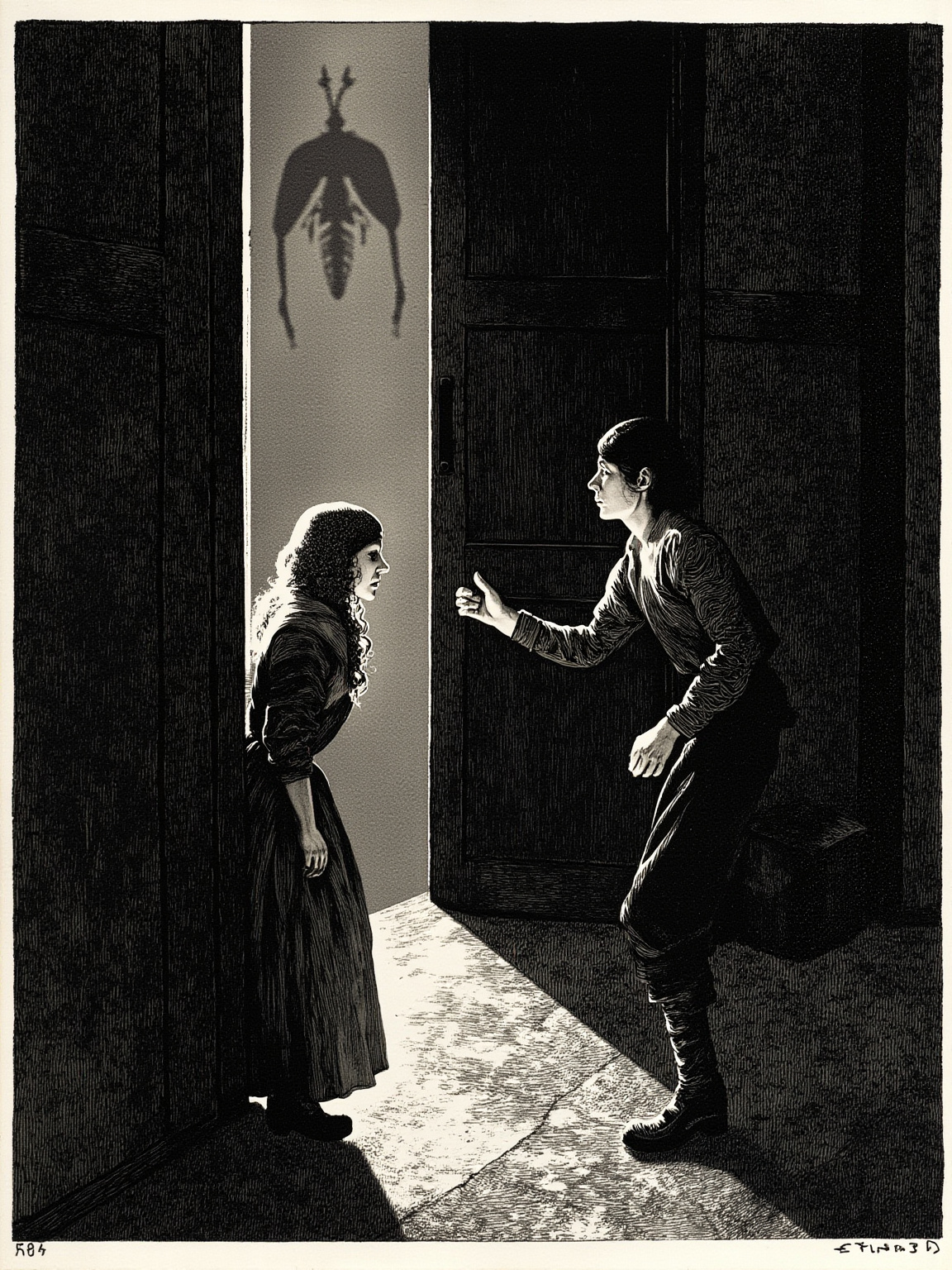
'Did Marjorie tell you about the fellow she found in the street?' Up went his arm to force the trap-door open overhead,--and off went my hat.
玛乔丽有没有告诉你,她在大街上捡到的那个家伙?
原文金句 · 第十二章 · 被盯上的玛乔丽
The rescue runs all the way to a night train bound for Southampton. Marjorie sits at his side, hypnotized and motionless as Sleeping Beauty. Lessingham seizes rigid at the other end of the carriage. Atherton and Champnell close off the exits. Then the creature sheds its human shape — a giant scarab thrashing in the cramped compartment, its wing cases scraping the glass. To readers of the time, that image was more nauseating than any vampire.
The train derails mid-chase, and the Beetle vanishes from the story right there — no body, not one line confirming it is dead. Marjorie is shaken but alive, and recovers in time. Lessingham marries her. Atherton lets go of his hopes for Marjorie and ends up with Dora Grayling, who has been quietly devoted to him all along. One thread left dangling, one tied off in the traditional way: the book closes holding both at once.
Theme: What This Thing Is Actually Afraid Of
The first thing breached is the boundary between body and gender. The Beetle shifts between an aged Arab man and an eerie woman, then turns into a giant insect: sex and species themselves turn out to be fluid, and that alone shatters the Victorian faith in a fixed, stable self. Will goes next. All four narrators fall under that stare at some point. Hypnotism was a live issue in the 1890s, a stage act that turned volunteers into wooden puppets, a fixture of the penny papers. The fear of no longer being yourself hit closer to home than anything a vampire could offer.
Go one layer deeper and it is the empire's own echo. Marsh turns Britain's plunder and fascination with Egypt into an Oriental other come back from the City of the Dead for revenge. The debt comes home, into a London drawing room. This is not the tired curse-of-the-tomb plot. It is one man's private grudge, incurred in his youth, that follows him for the rest of his life.
Why It Was Forgotten, and Why It Is Worth Digging Up
Marsh wrote fast, wrote a lot, and worked across genres — exactly the kind of writing machine literary history has never respected. Yet The Beetle outsold Dracula the year both came out. That much tells you readers found something they needed in it. More than a century later, the need is still there. It just wears different packaging now.
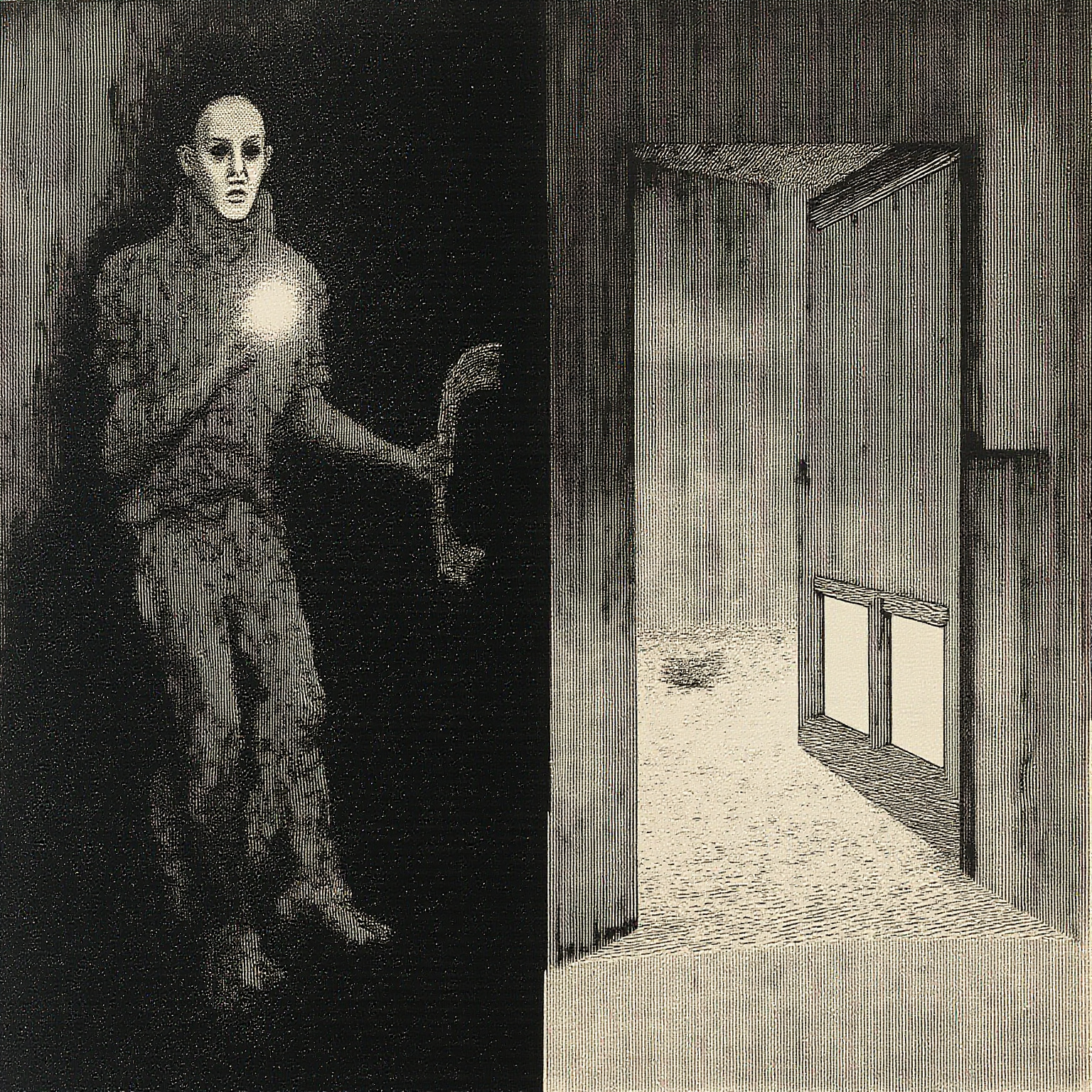
The structure is itself a mechanism: four people, each holding one piece of the truth, and the reader led by the nose through every account. That makes it a natural fit for a companion guide that shifts point of view chapter by chapter, and an even better fit for reading the novel yourself, so you can feel that specific whiplash of thinking you understood, then having the next chapter pull the rug out.
Dracula tells you what to be afraid of. The Beetle shows you the fear growing out of your own body.
Reasons to Read the Novel Itself
A guide can only tell you what happens. It cannot give you the specific nausea of being pinned by the Beetle's stare — the smell building up in layers, the way Marsh describes Holt undressing himself piece by piece, the exact shape Lessingham's body takes when the rigor comes on. Nor can it give you Marsh's particular Victorian talkiness, the way a character under pressure will sit down and unspool a page of backstory. Reading it, you get pulled into a rhythm that belongs to no other era.
And there is the dangling ending: after the derailment, the Beetle is simply gone, not killed, not accounted for. You close the book with a hook still in you. Dracula dies at the end and the evil is settled. The Beetle offers no such courtesy. It sends you home still asking the question.
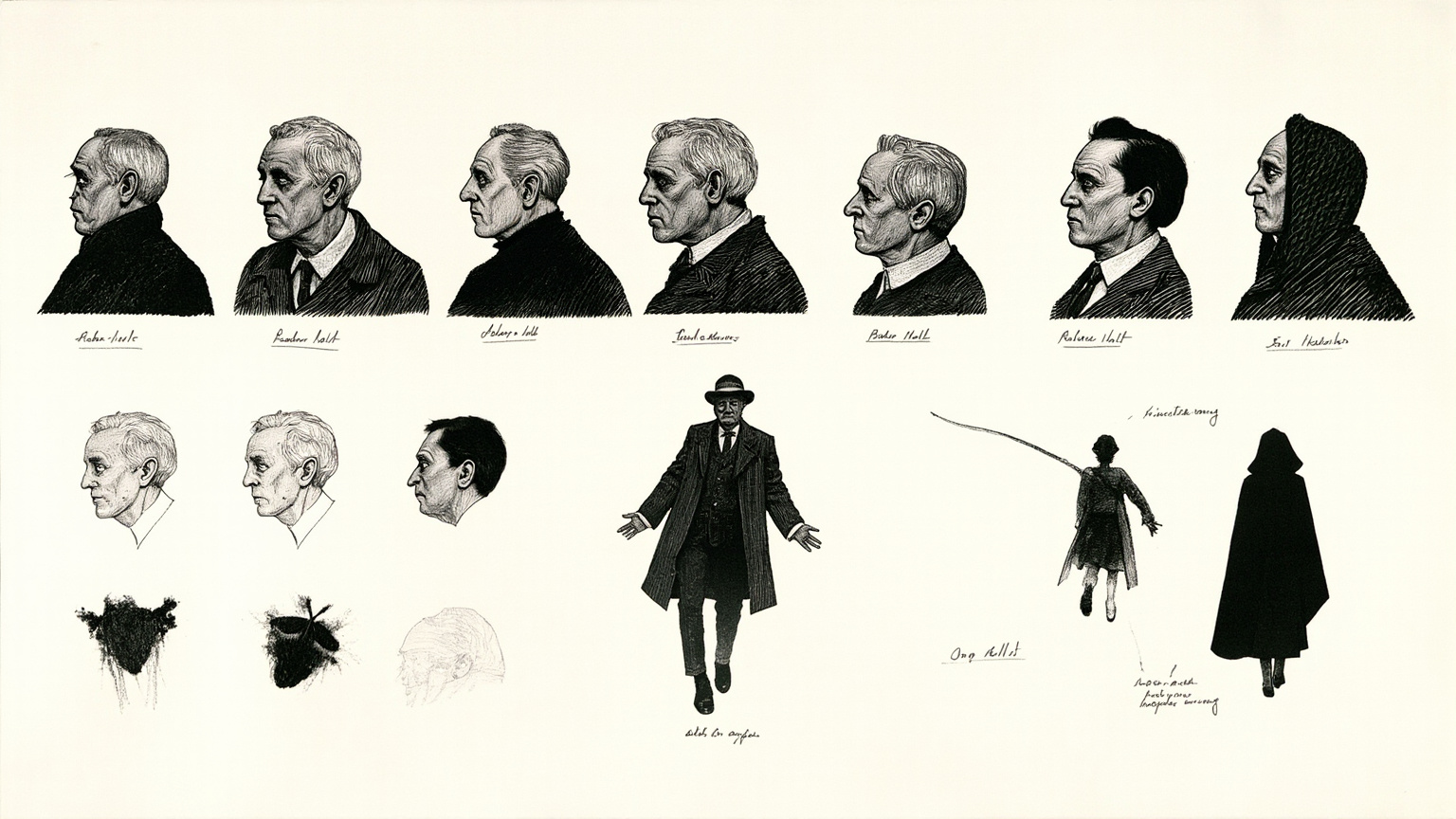
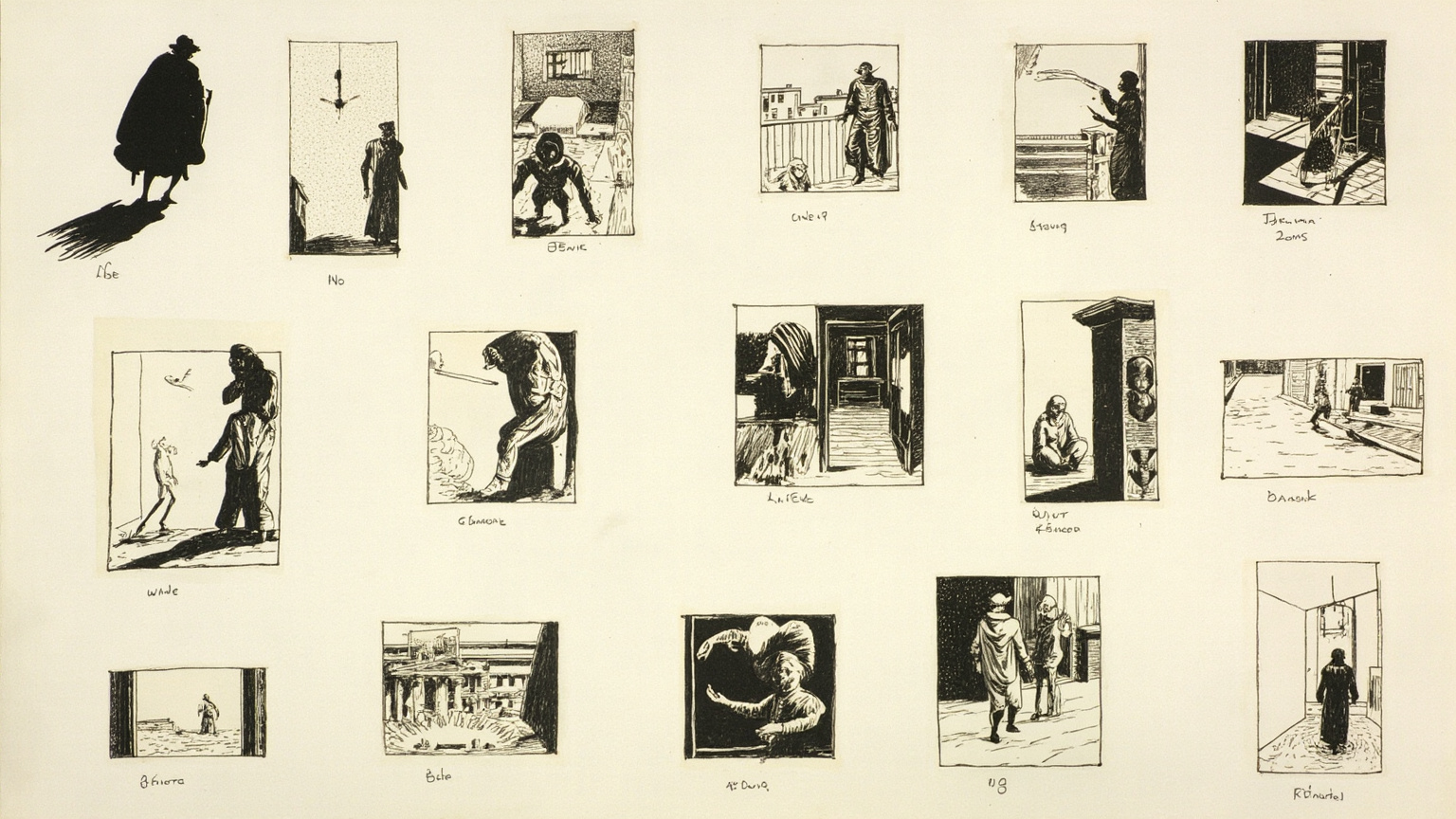
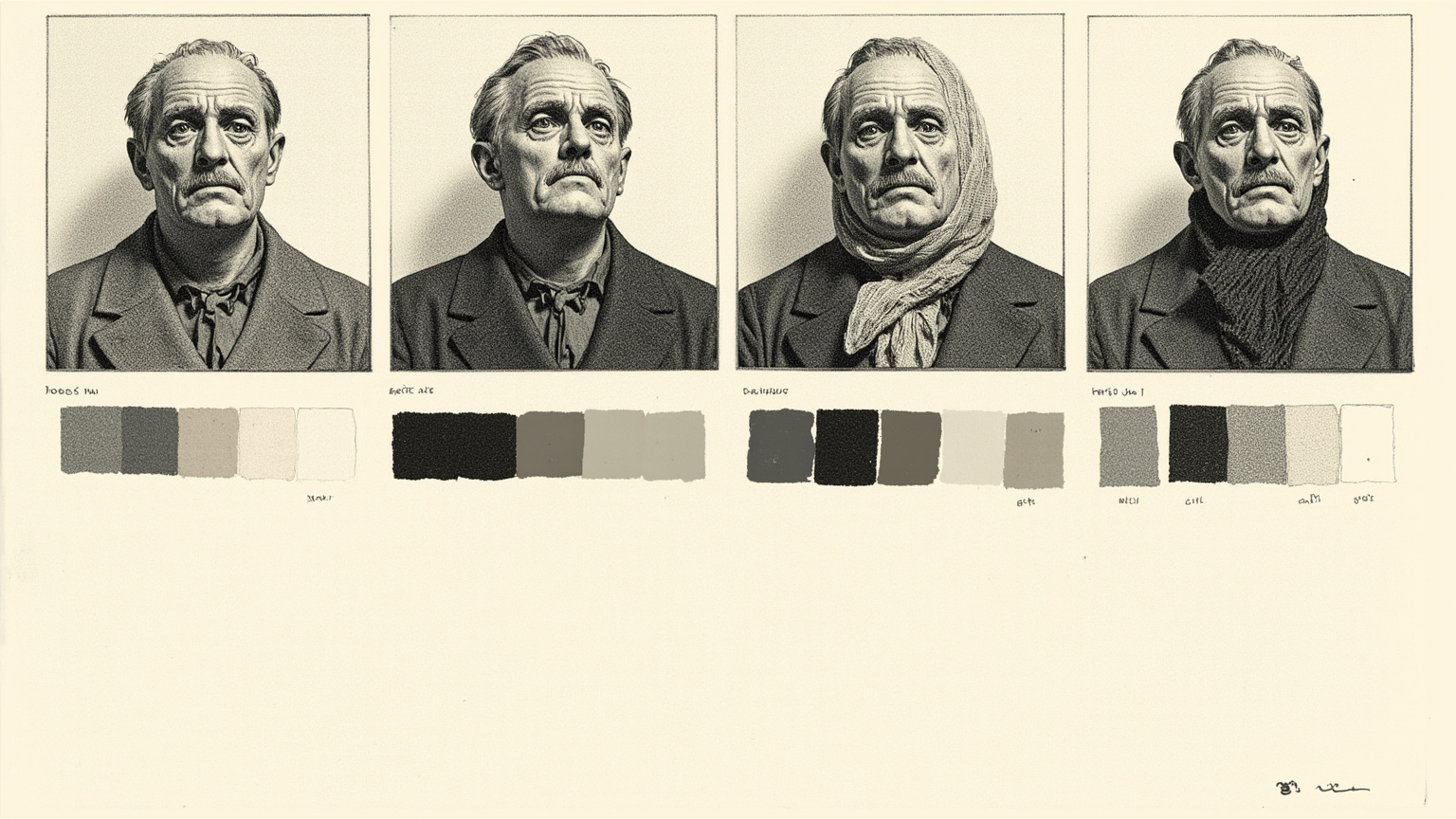
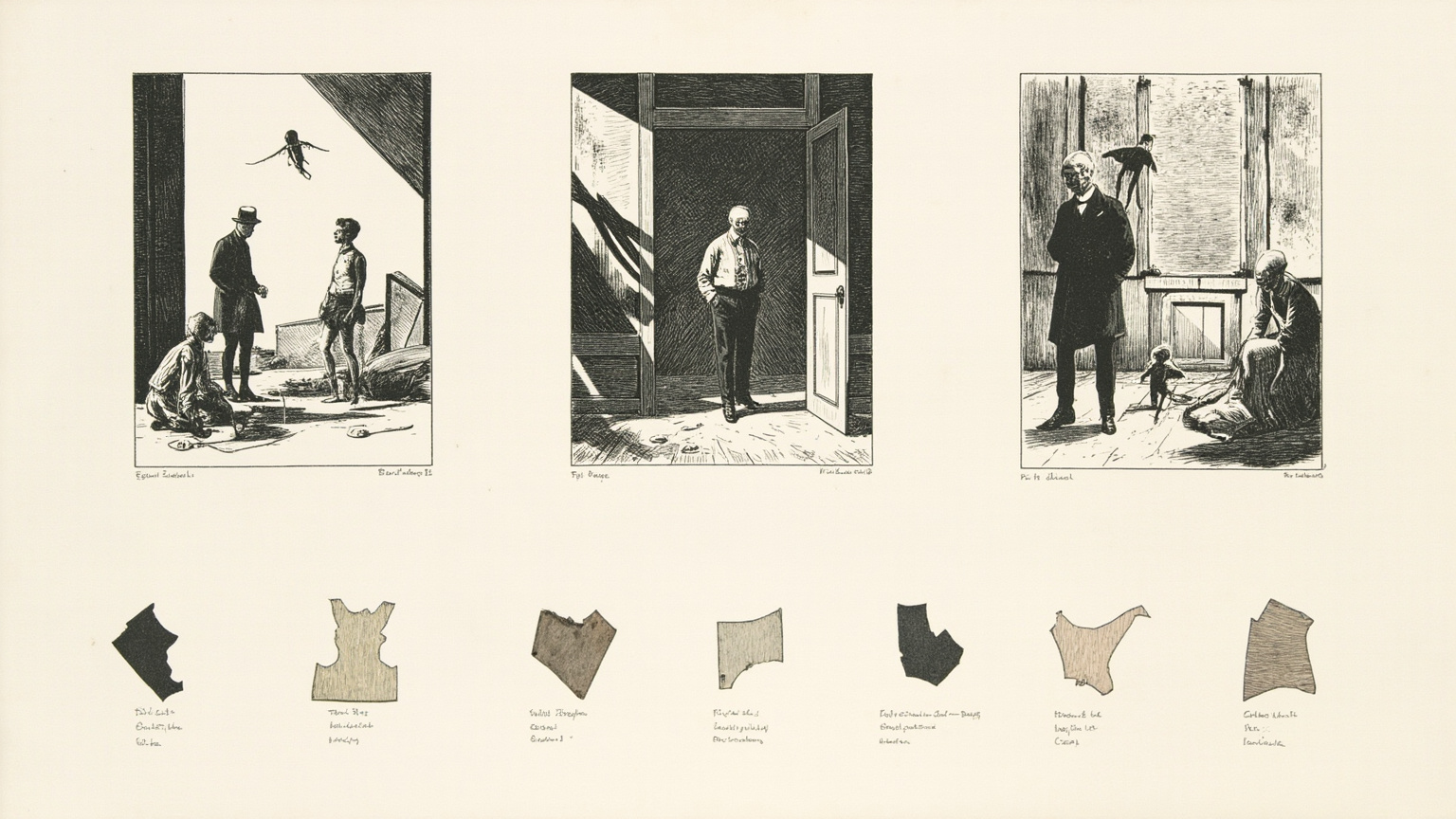
Art Direction4 plates
Before the guide was written, this book got a visual foundation — every illustration you just read grew out of it.