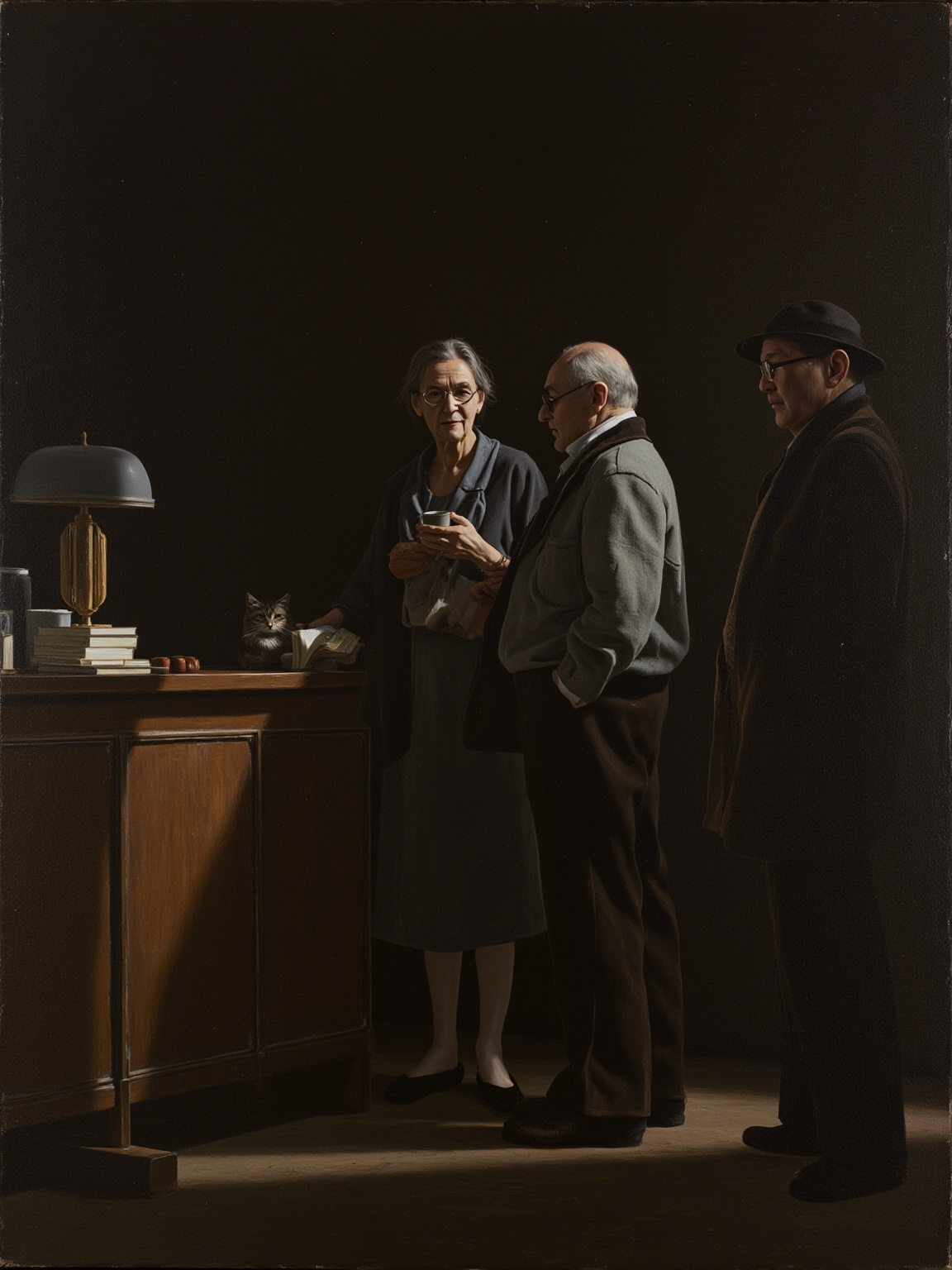
A concierge, a young girl, and a Japanese man recognize each other on the Left Bank of Paris.
Text and illustrations produced by the pipeline
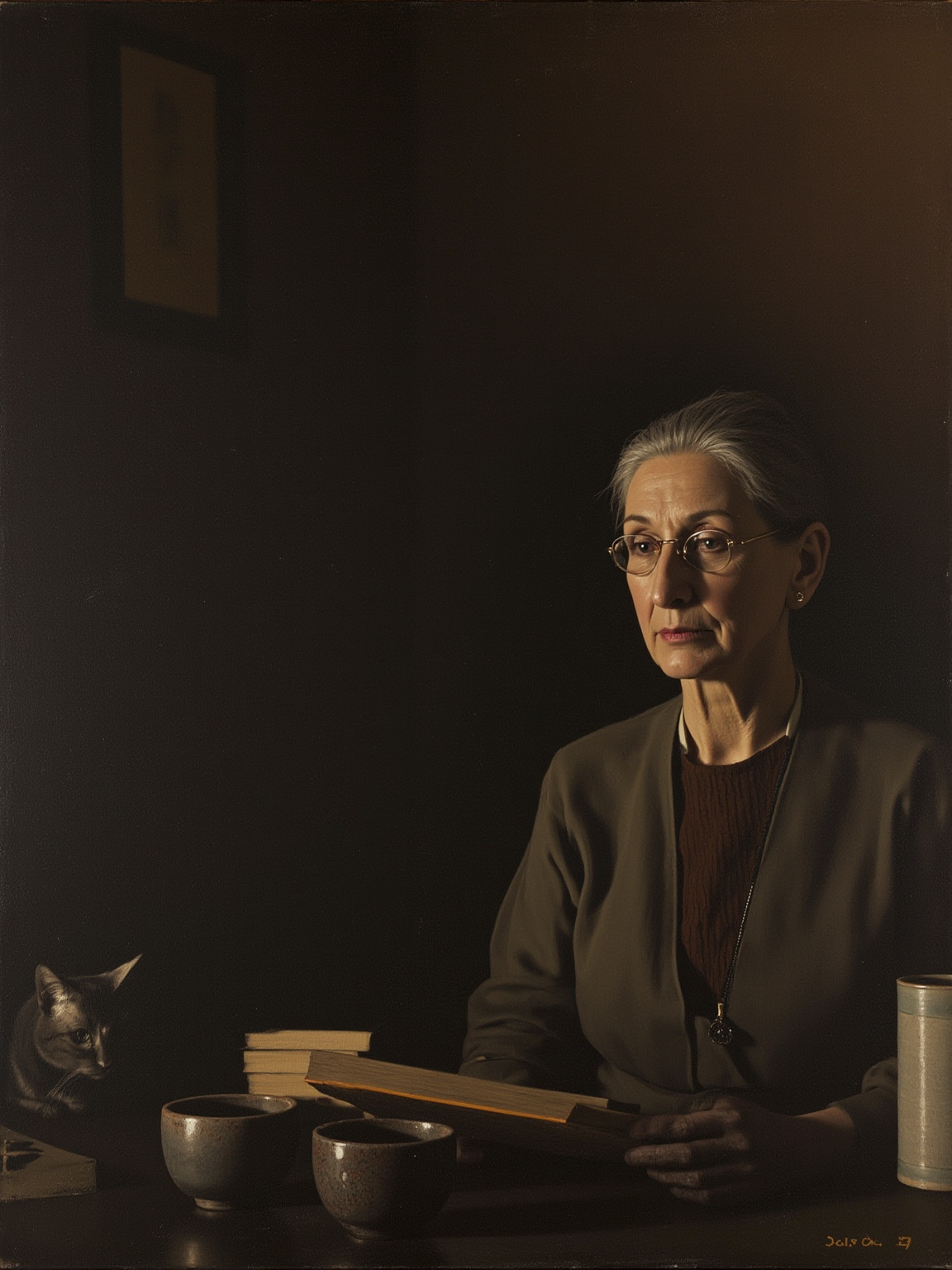
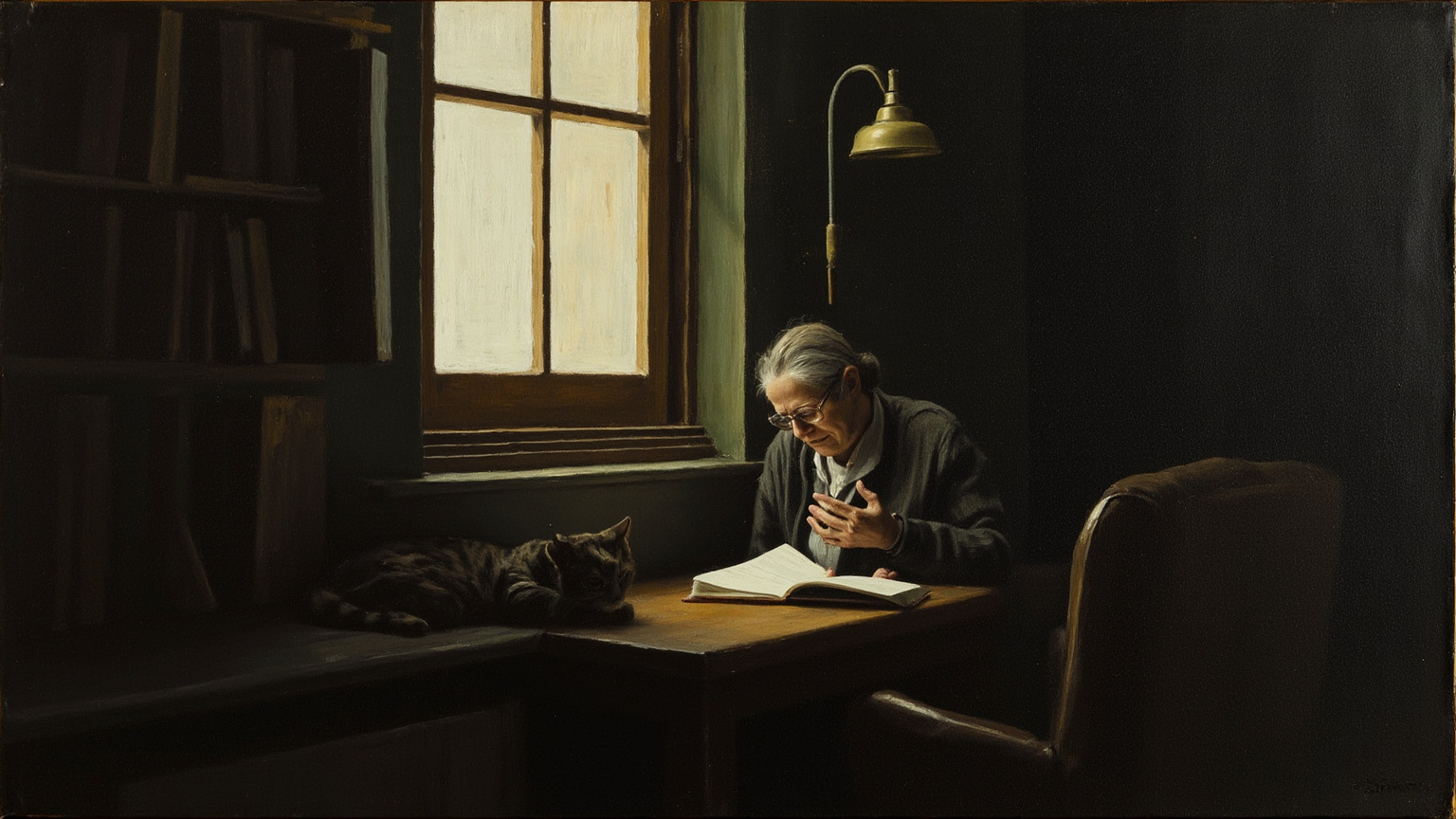
A narrow door, a dim lamp, seven square meters. Outside the door, a marble staircase polished to a shine; inside it, a wall of books floor to ceiling, spines out, arranged in an order only she understands. Sitting in the middle of all those books is a stout fifty-four-year-old woman — the concierge of an elegant apartment building on the Rue de Grenelle, in Paris's seventh arrondissement, on the Left Bank. She has just switched the television to a soap opera and turned up the volume, so that any resident passing her door hears exactly the kind of concierge they expect to hear.
The Elegance of the Hedgehog is a novel by the French writer Muriel Barbery, published in France in 2006, and it became a phenomenon almost overnight — a philosophical novel about the inner life of a concierge, thick with Husserl and Tolstoy, that sold more than two million copies and has been translated into over forty languages. What made it stick wasn't suspense or romance. It made a protagonist out of something no one bothers to look at directly: what kind of life an invisible person lives, in private.
The novel is set in a real Left Bank neighborhood of Paris, around 2005. It was written in French, unhurried in pace, and each chapter lets a different character speak directly to you. Some readers treat it as an introduction to philosophy; others read it as a story of quiet healing. Both are right.
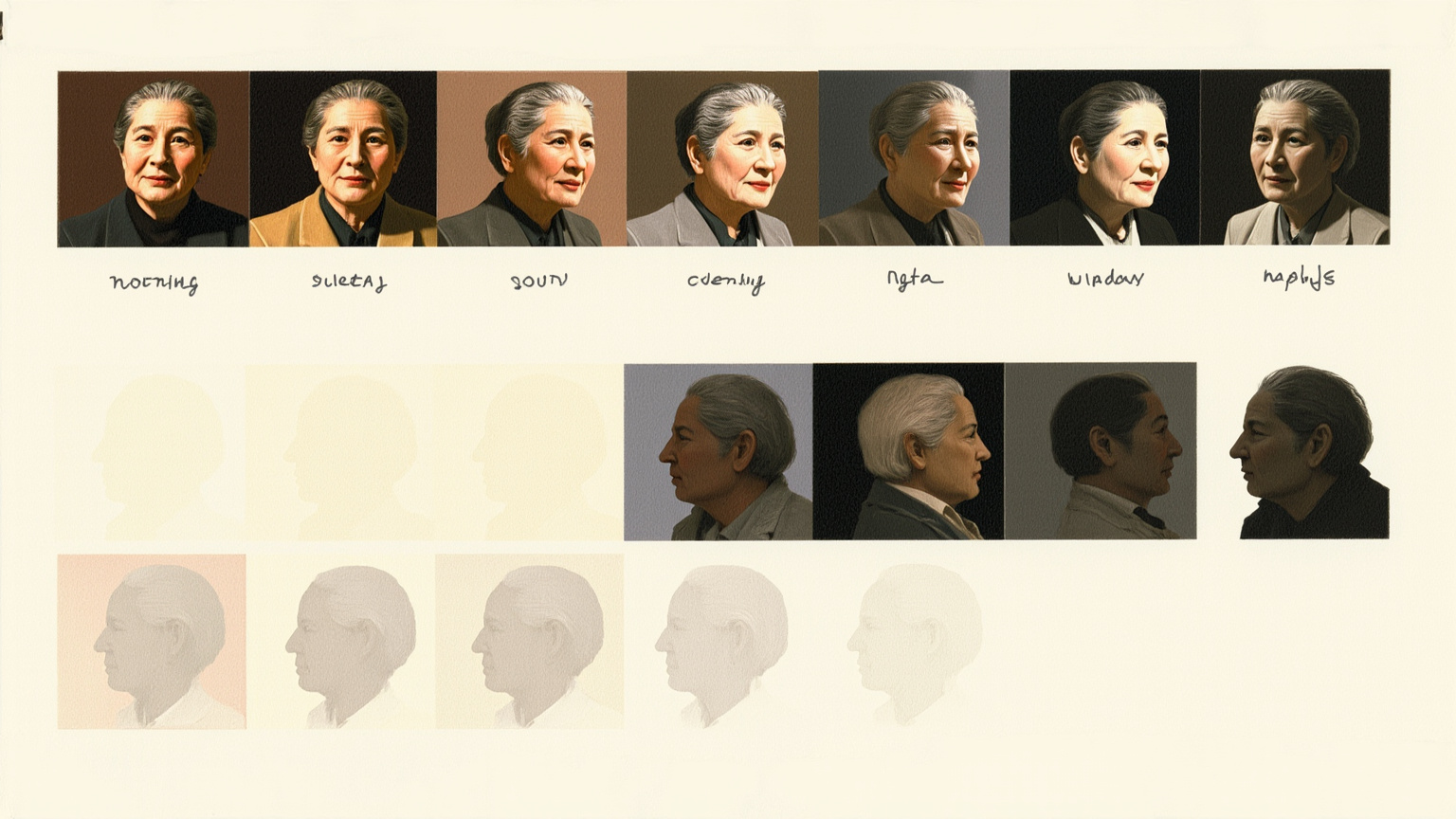
The concierge, Renée Michel, is fifty-four, heavyset, plain-faced, fond of television. She wears the whole costume of what a concierge is supposed to be — a gruff voice, a slow manner, one-syllable answers to the residents' small talk — while her real self retreats into the back room, shuts the door, reads Tolstoy, reads phenomenology, and names her cat after a great Russian novelist. The disguise isn't there to hurt anyone; it's how she survives. In that building, being a concierge who looks exactly like a concierge is the only armor she has.
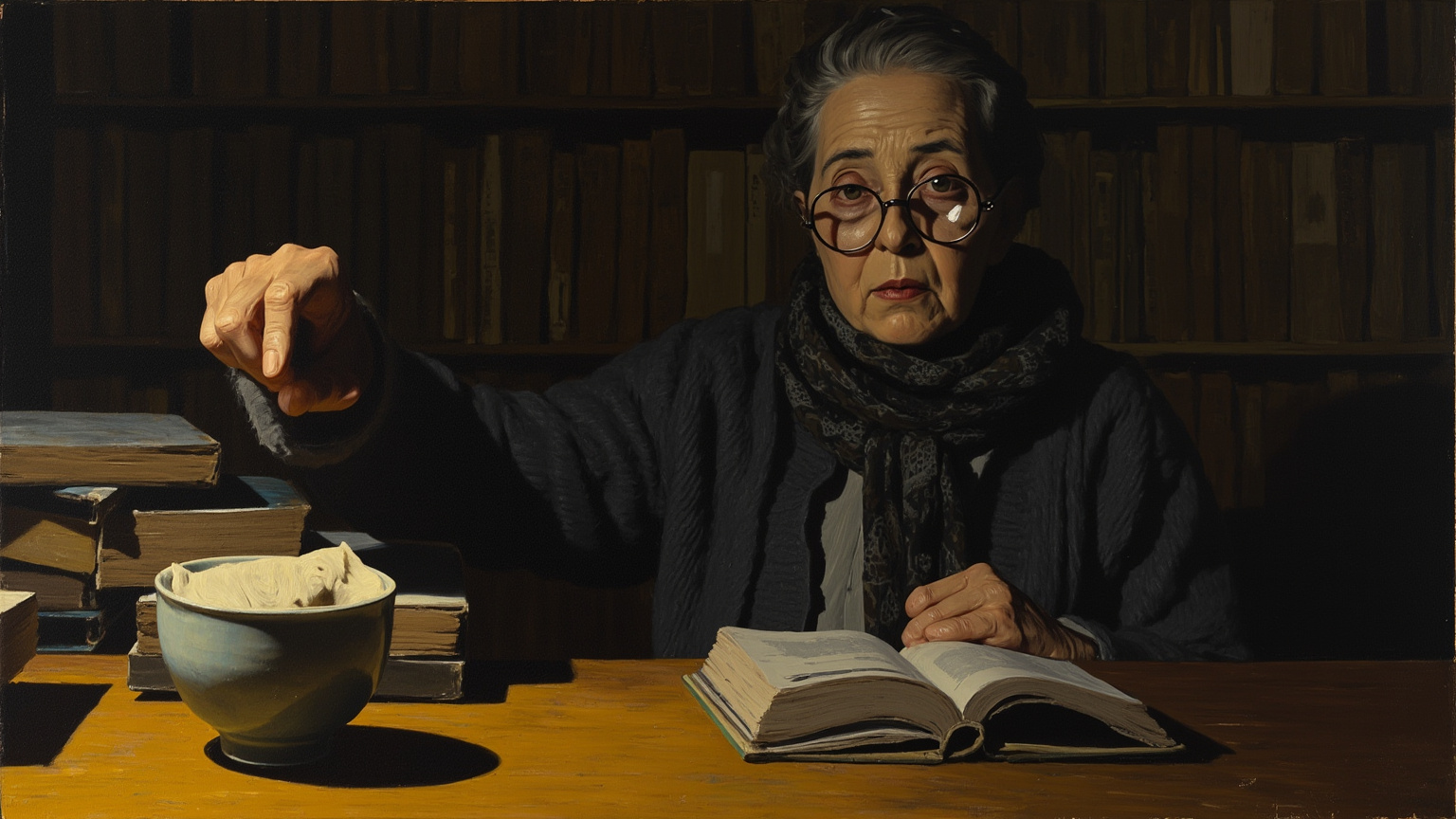
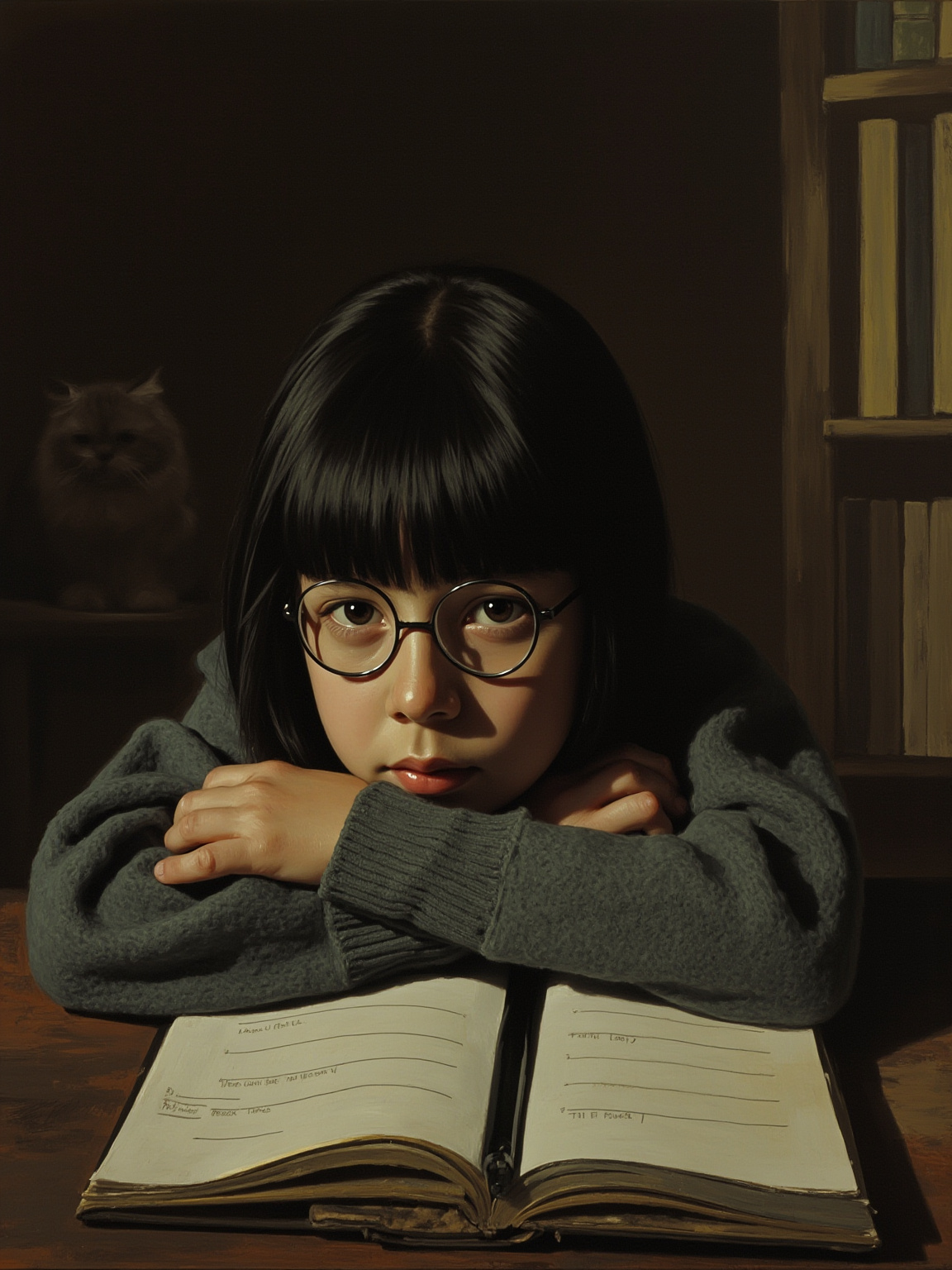
Upstairs, Paloma Josse is twelve, small for her age, with eyes that seem a hundred years older than she is. She has decided that life is absurd at the root, and set the eve of her thirteenth birthday as her deadline — she plans to set fire to the apartment and end her own life in it. The countdown has already begun, but her notebook never stops filling: she writes down "movements of the world" in it — what the fish in the tank might be thinking, how her sister quotes Kant without loving a single person, how her mother psychoanalyzes houseplants, how her father is too busy to ask whether she had a hard day. A twelve-year-old's eyes see straight through the whole building.
She closes the notebook. On her thirteenth birthday, she doesn't light the fire.
It speaks for everyone who goes unseen. Concierges, cleaners, the homeless man brushed past in a stairwell — society hands them a label, a look, a fixed line of dialogue, and pins them there for good. The opposite of Renée's disguise isn't honesty; it's her refusal to spend a whole life wearing the mask someone else issued her.
An explainer gives you the map; the novel itself is the land. Three things about this book can never be spoiled: the strange, twelve-year-old tenderness of Paloma's "movements of the world" entries, the flicker of a stifled laugh under Renée's soap-opera volume as she keeps the whole building in the dark, and the tea Kakuro Ozu pours, the doors he holds open, the phrase ichi-go ichi-e he leaves behind. None of that can be summarized. It has to be lived through, page by page.
You already know how it ends. But you still haven't seen the handwriting Paloma uses the first time she writes "someone was loved today" in her notebook, and you still haven't sat in Kakuro Ozu's tea room and tasted the bowl of tea poured just once. Those things exist only in the book itself.
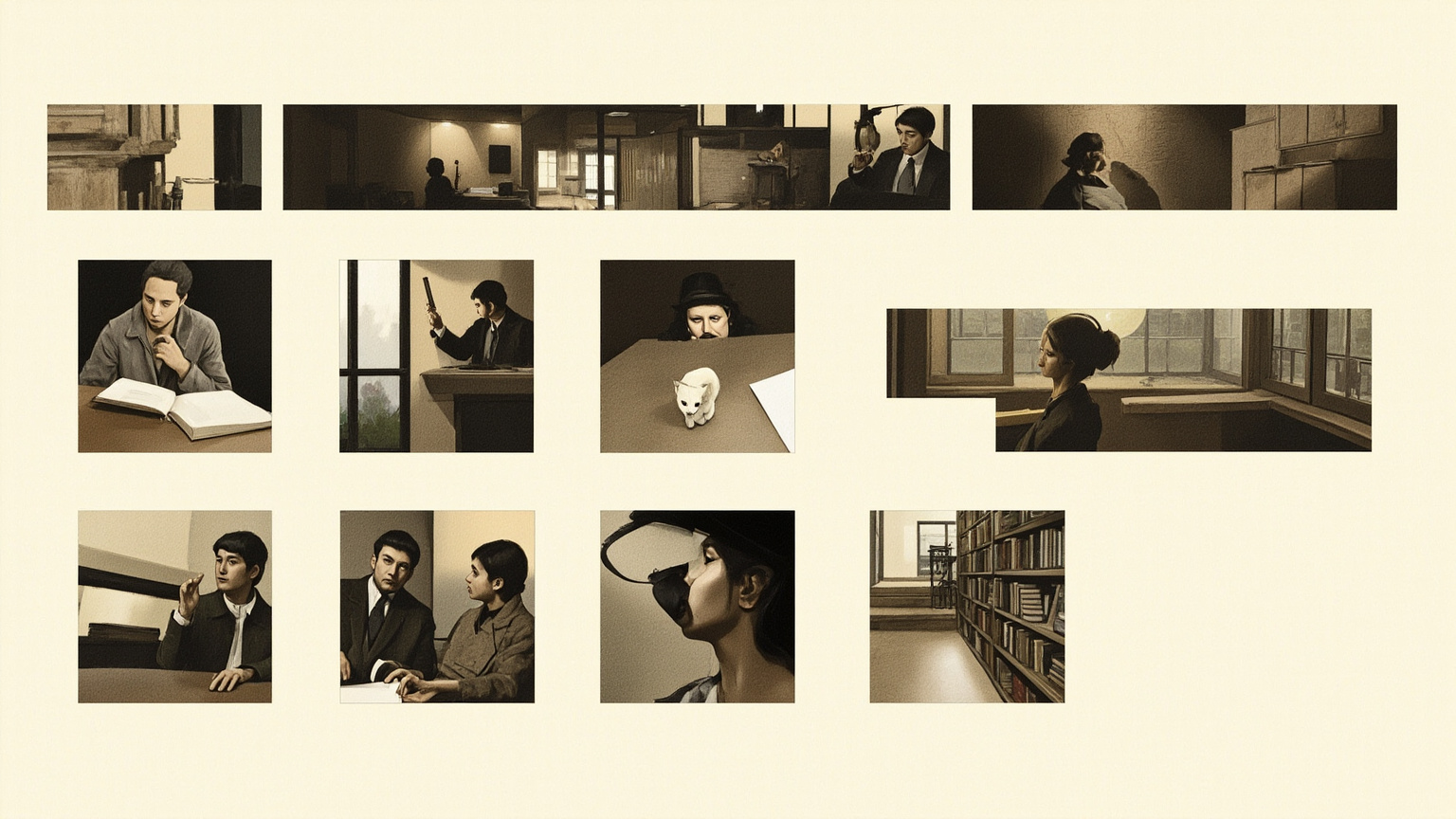
Before the guide was written, this book got a visual foundation — every illustration you just read grew out of it.
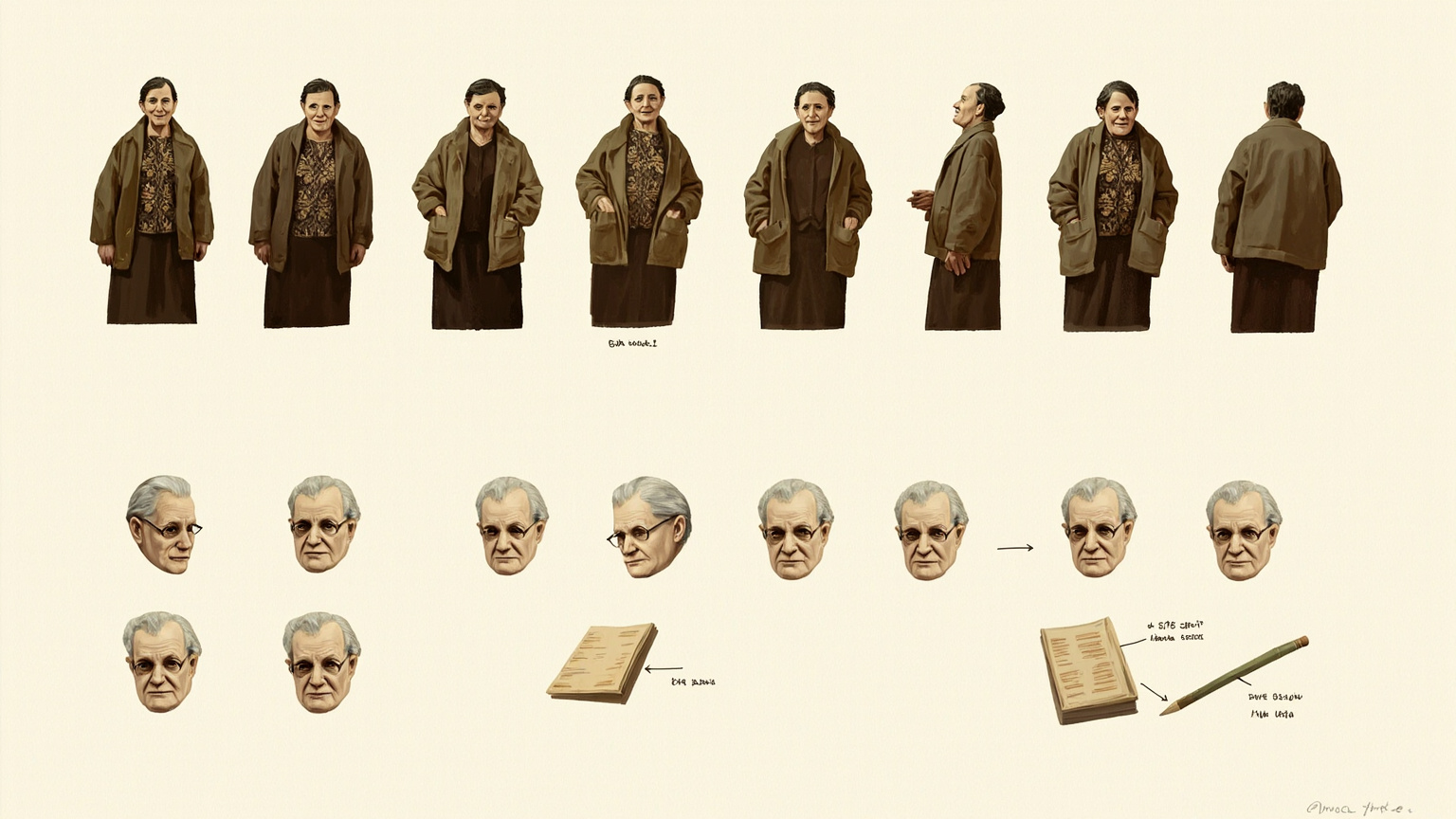
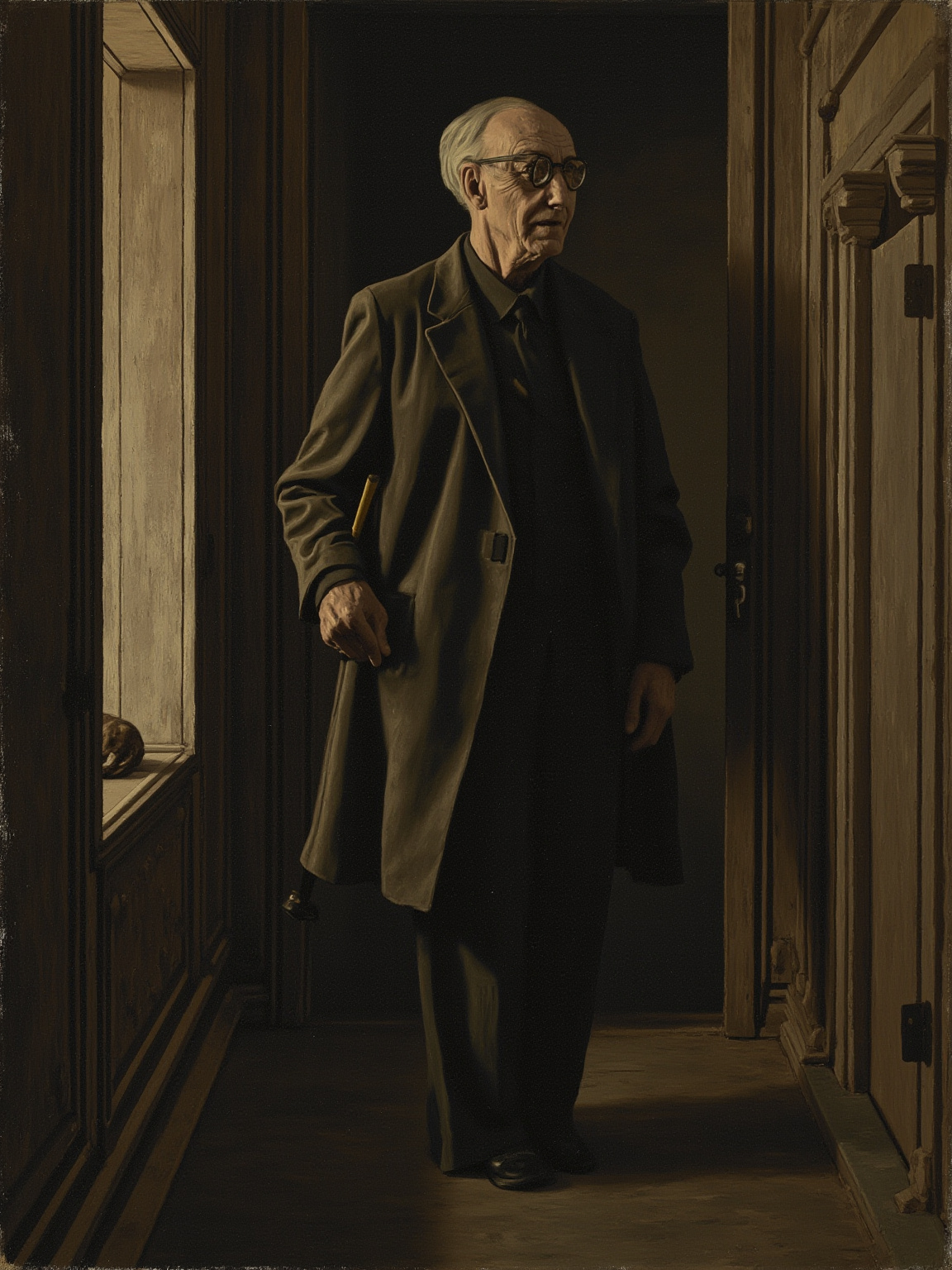
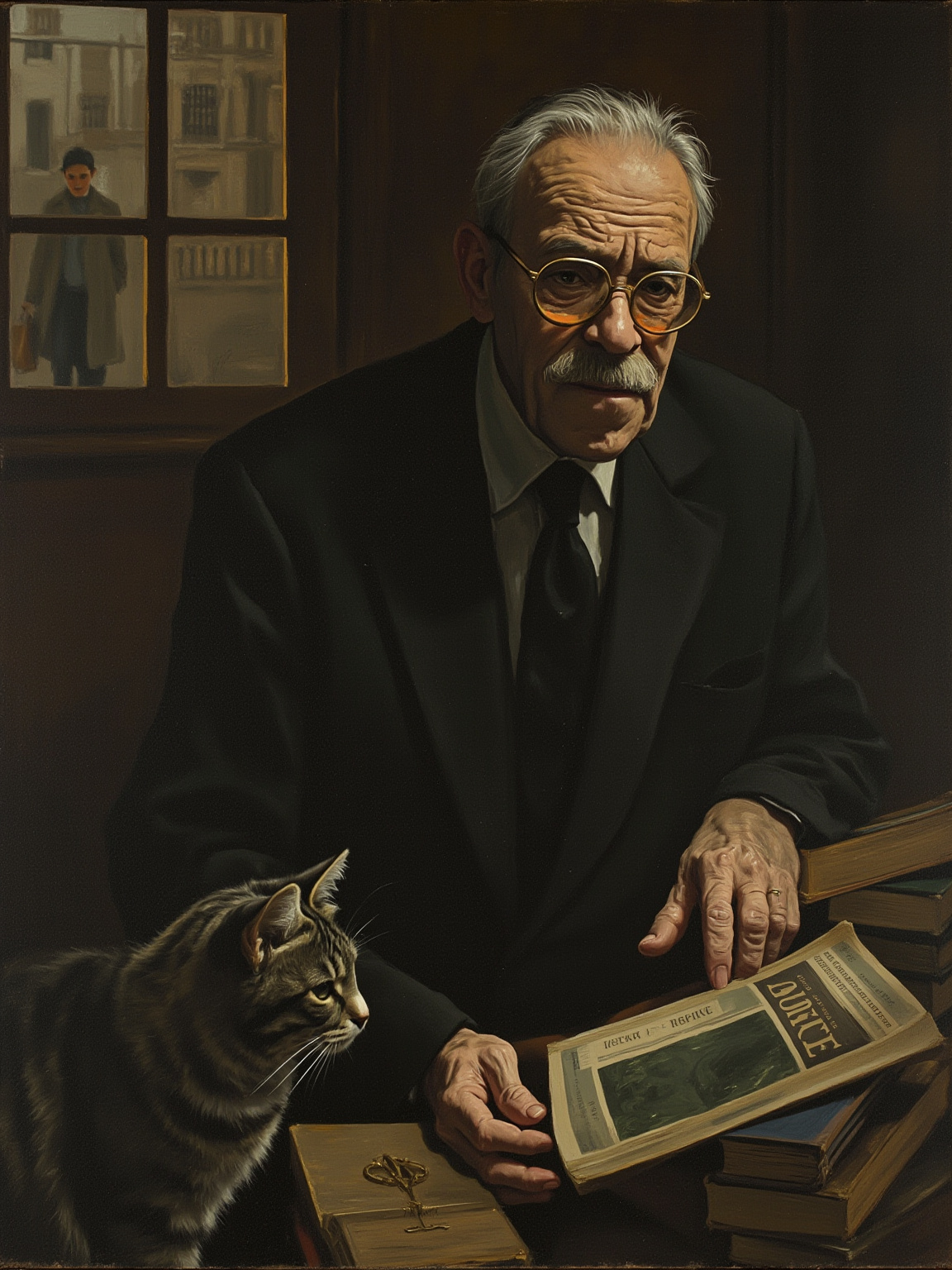
The third figure is a newly arrived Japanese businessman, Kakuro Ozu — his surname a nod to Yasujirō Ozu, the director whose films lingered over quiet rituals like tea poured over rice; his given name Kakuro. He is widowed, wealthy, and keeps a tea set and an old piano in his apartment. He is almost never sharp or loud in the book. What he does, more than anything else, is gently invite people back into the shape they were always meant to have.
The moment everything collided was a light one. No one in the stairwell was really listening that day, and Renée herself hadn't meant to say anything — but the famous opening line of Anna Karenina nearly slipped out of her mouth. She swallowed the words back and turned the television up again. But behind a door upstairs, Kakuro Ozu's ear had caught it. Out of dozens of people in that building, he was the only one who noticed something was off.
Kakuro Ozu didn't expose her. He simply started inviting her upstairs for tea. The meal was laid out in his elegant apartment, the tea was matcha, the bowls and plates his own choosing, and the two of them sat across from each other at a pace that seemed to run on a different clock entirely. He talked about film, about Yasujirō Ozu's camera, about the idea that a pot of tea is only ever poured once — never once looking down on her, never once playing the part of her rescuer. He simply treated her like someone worth taking seriously.
What carried her the rest of the way was Manuela, the Portuguese cleaning woman who came for tea every week like clockwork downstairs — the person in the whole book who makes the most room for Renée. Manuela hasn't read many books, but she understands Renée. She pats her arm and tells her to go, that there's no shame in letting yourself be truly seen. In her whole life, Renée could count on one hand the times she'd gone upstairs to eat. This time, she sat down.
The barriers between their two worlds — class, culture, language, age — were never really built with either of them in mind. Kakuro Ozu could see that she was performing, and see how tired the performance had made her; in front of him, she discovered for the first time that she didn't have to perform anymore. Two people whose ages together added up to more than a century, as if life had let each of them off the hook for decades, and as if neither of them had wasted a single second.
There was another pair of eyes watching from upstairs. Through a crack in the door, from the fire stairwell, in the pages of her notebook, Paloma witnessed a kind of being-seen she hadn't experienced herself. A Japanese man and a French concierge had somehow recognized each other, right there in her own building, in a place her parents and her jargon-quoting sister couldn't see. For the first time, she wrote something in her countdown notebook that wasn't about dying, but about being alive.
Something that has only just begun to go right, a happiness only just permitted, often ends at its lightest, brightest instant. Renée steps out of the lodge, walking down the street as herself for the first time, on her way to what she assumes will be the first of many small gatherings — a dry cleaner's delivery van hits a homeless man, and she rushes toward him. The same van. The same second.
The book keeps returning to the instant a camellia drops from its stem, to the tea ceremony's ichi-go ichi-e — the idea that each encounter happens exactly once and will never come again — to a pot of tea that is only ever poured a single time. Beauty and happiness are never a steady state; they are a moment that has to be caught the instant it arrives. Renée spent her whole life hiding herself away, and just as a pair of eyes finally caught her, that moment ran out.
This is the one place in the book that can't be forced onto the page as an image. The weight of the ending depends on the reader's own mind, not on a camera. Freeze the picture on the moment of the accident, and the book stops being a meditation and becomes a crash site — when what it actually wants to leave behind is the ordinary morning where not even a cat gets hit, the cat curled on a book left open, the empty teacup, the half-finished sentence of Tolstoy, every regret that missed by one second. Let the reader finish that moment alone, and the image holds.
Renée's death becomes the end point of Paloma's countdown, and also its reversal. In her notebook, she had watched an invisible woman come alive because someone finally saw her — and then be taken away at the best possible moment. Together, these two things make her believe, for the first time, that there is something in life worth reaching for: not something eternal, just something that will vanish, that will hurt, that has to be grabbed immediately — and that is, even so, beautiful.
It also writes about the despair that comes with being a precocious child. Seeing through every adult hypocrisy at twelve is both a gift and a torment — and there's only one reason anyone survives it: somewhere under all that hypocrisy, they actually ran into something real.
In the end, it's a book about time. Happiness doesn't wait for you to be ready. When it passes your door, it's often dressed as the concierge, and you have to recognize it yourself — and reach for it the moment you do, because there's no guarantee of a next one.
The first time I read the passage where Renée dies, I turned back and read the previous page again — she'd still been laughing in it, and something in my chest dropped. It's only after finishing the whole book that I realized the author had planted the warning again and again. No one had caught it.
Beauty and happiness are never a steady state — they are a single moment you have to catch in time, and if you miss it, you have truly missed it.