The Izu Dancer (Izu no Odoriko) · Companion Guide
伊豆的舞女
孤儿少年独行伊豆山道,在雨雾里遇见一支巡回艺人,与最小的舞女薰之间,萌生一段从未说出口的青春情愫。
Opening: A Glimpse Through the Mountain Fog
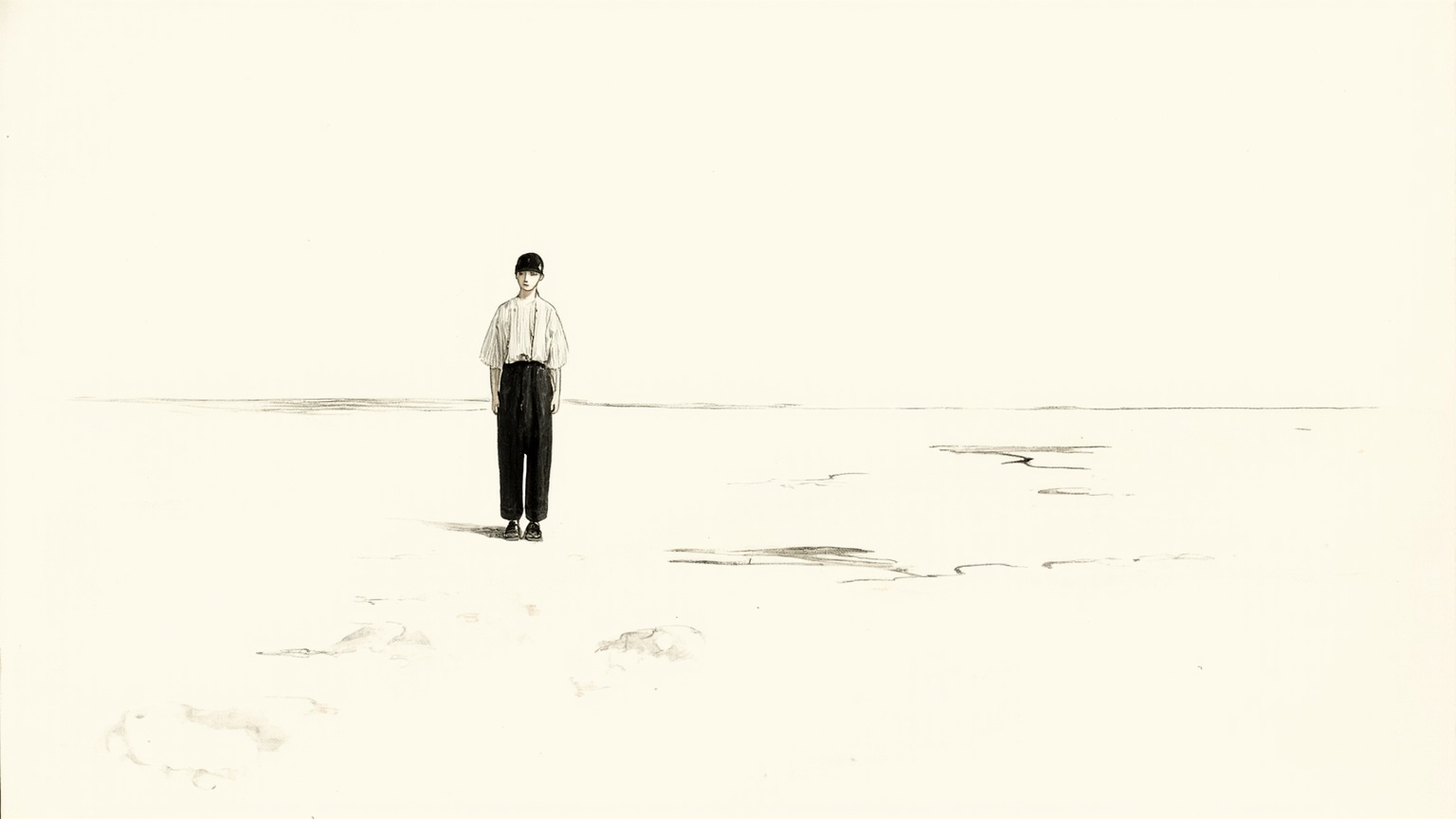
The rain had just stopped. The cedar-lined path up Mount Amagi in Izu gleamed wet, and a twenty-year-old high school student climbed alone, his pack light, his heart full of a nameless loneliness. He had fled the suffocating loneliness at school, hoping the mountains and waters along the way would cleanse him. Then a group emerged from the fog—porters, performers, a girl carrying a drum. She glanced back at him. He had never seen such clear eyes in his life.
What Book Is This
This is the short story "The Dancing Girl of Izu" published in 1926 by Japanese writer Yasunari Kawabata, who would later become the first Japanese recipient of the Nobel Prize in Literature. This mountain journey, written when he was just over twenty, was the piece that first brought him to the attention of the literary world.
It belongs to the "New Sensibility" school in Japanese literature—the goal was to write sensation at its finest, so that a falling leaf, a glance, would carry its own warmth. The entire piece is under two hundred pages, yet it makes "youth is fleeting" visible as a mist one can see.
Characters and World
The high school student has no name—we simply call him "I." Twenty years old, an orphan, he grew up in the gaps between being taken in by others, accustomed to walking with his eyes down, accustomed to not being a burden. This time he goes alone to Izu to escape the crowd, while vaguely hoping to encounter something.
Kaoru is the youngest dancer in the troupe, fourteen or fifteen. Her brother Eikichi is the star of this traveling performance group. The whole family, plus the master, his apprentice, and the porters, make their living singing and dancing at hot spring inns—sleeping wherever they end up. In the Taisho era, this was the most despised profession. They meet in the hot spring towns around Yuhana in Yunoshima—the world is small: mountain paths, wooden verandas of inns, paper doors opening onto tatami, rocky seashore—but every place the author draws out in color.
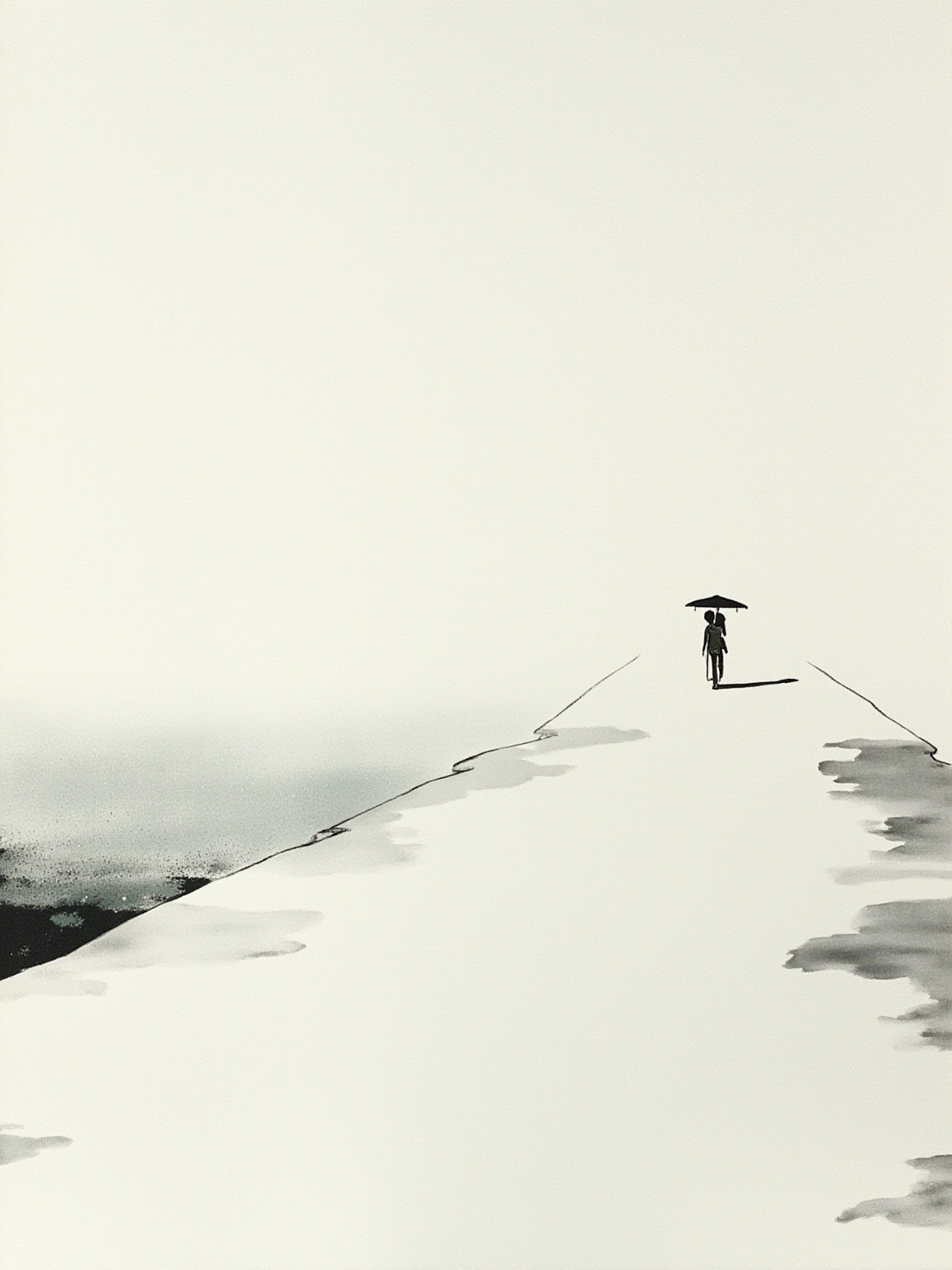
The road looked freshly washed. It was early autumn or late spring, and the mist lingered on the cedars.
道路洗干净似的。杉林笼着薄雾,季节像是晚秋,又像是早春。
金句 · 开头 · 雨后山道初见
Fog on Mount Amagi
The high school student arrived at the same hot spring inn just before or just after this group. At dinner, Kaoru brought him tea—then suddenly looked up, met his eyes straight on, curved her mouth slightly, and called him "onii-san." He froze. No one had ever called him that. He lived year-round with relatives, every address wrapped in distance.
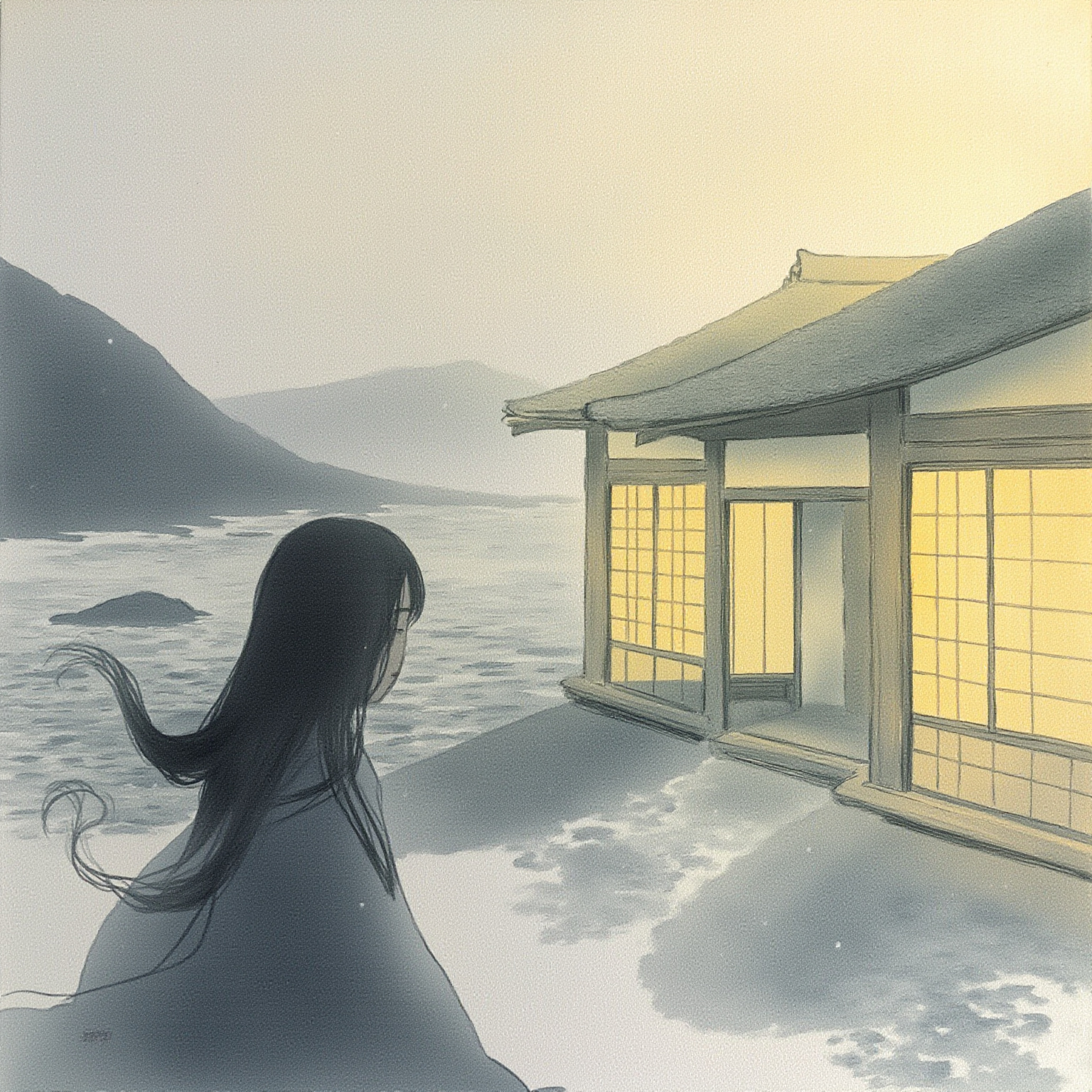
'Big brother,' she called, and I felt, for the first time in my life, that someone had reached out to take my hand.
她抬眼唤了一声「哥哥」。那一刻,像是有人把手伸过来,握住了我空了很久的手。
金句 · 旅馆初夜 · 端茶相认
In the original, this is the smallest possible gesture, but the author places it in the quietest moment of the entire piece—outside, rain drips; inside, only the sound of a teacup touching its saucer. The first time I read it, I paused the same way: being called "onii-san," being called that by a girl he'd just met.
Traveling Together: Pretending It's Just a Coincidence
The next day, the high school student had planned to take a different road, but his feet, as if possessed, followed the group anyway. Eikichi turned and called to him to come along; he pretended to hesitate, then agreed. They made their way from the teahouse on Mount Amagi toward Yuzawa, the mountain path rising and falling. Kaoru walked ahead, her steps so light she seemed to be walking on clouds.
He couldn't express himself, so he put everything unsaid into gestures: when Kaoru played the hand drum, he turned the music pages for her; when crossing a stream, he placed his hand on the stone at her feet so she could step on it; at night, he lifted his head from his futon to check if she'd fallen asleep in her room. The author writes all this with almost no emotional language—just "hand reaches out, then pulls back" and similar half-formed actions. I found this more painful than any confession.
The Rainy Night at Yuzawa
Crossing the Amagi Pass to Yuzawa, they stayed at the same hot spring inn. The rain continued. The high school student watched through the wooden veranda as Kaoru and the others laid out their futons inside, talked, massaged each other's shoulders. He sat on the veranda edge, the wood cool and damp from the rain, the sound of blankets being folded inside reaching him one beat at a time.
After dinner he took out his textbook and read the stories from it to Kun, who lay beside him listening, asking quietly about any characters she didn't understand. The evening passed like that — nothing happened, yet everything changed. Later he couldn't even say for himself whether it was this journey that rekindled his warmth, or whether he'd had warmth all along, just waiting for someone to strike the match.
The Distance by the Sea
The group arrived at Shimada Port. The sea wind blew and the air changed completely. The high school student stayed at the inn the school had arranged, while Kun and the others went as usual to the inn by the dock to perform. The two places were neither close nor far — but this distance was more wearing than the mountain road over Amagi Pass.
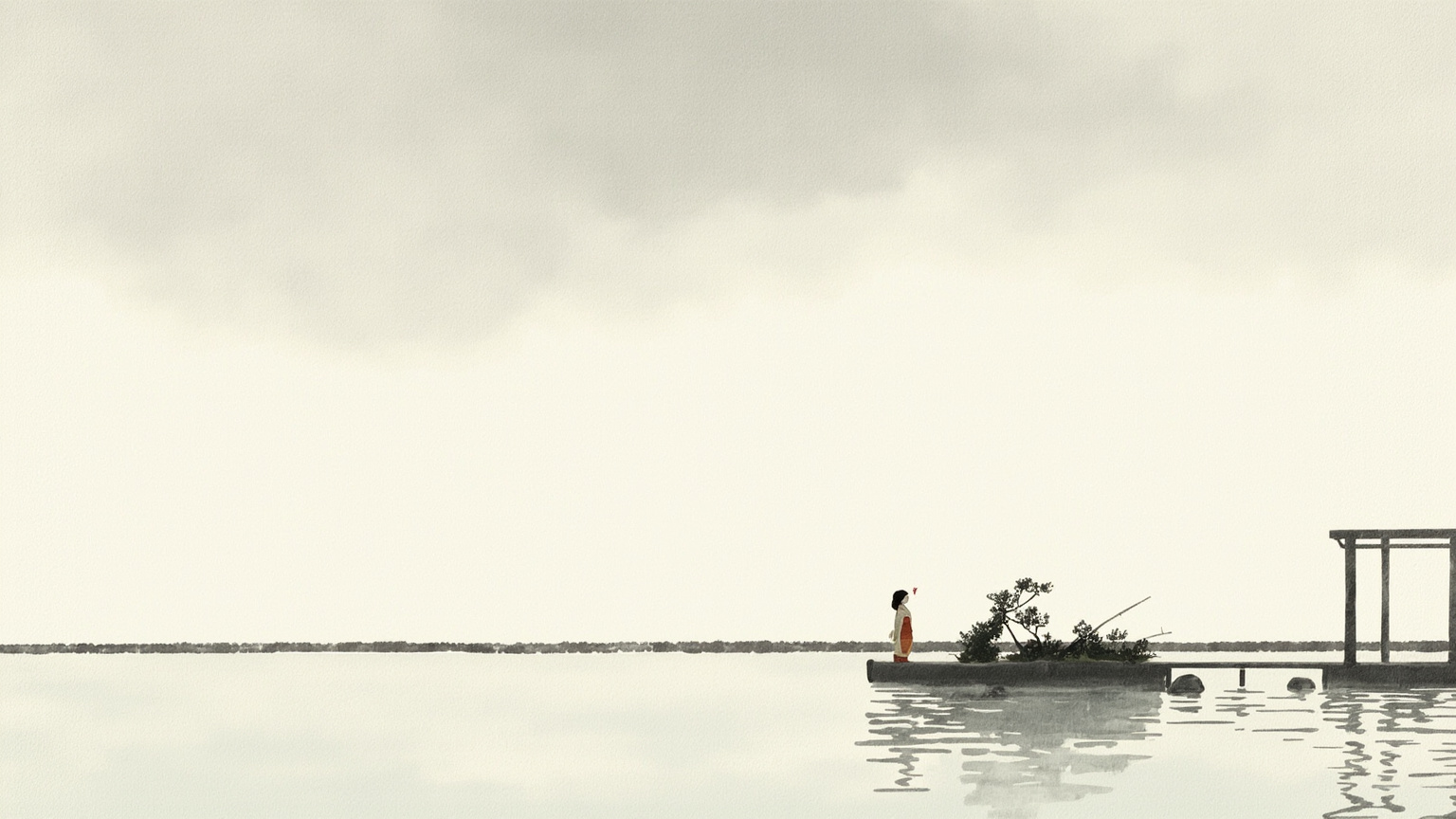
We walked side by side, and I never spoke. The sea wind blew my words away before they could form.
我们并肩走着,我一句话也没说。海风把想说的话都吹散了,只剩下脚步和呼吸。
金句 · 下田海滨 · 阶级隔阂
Eikichi hesitated several times, then finally spoke plainly: entertainers are looked down upon in this trade, and he'd been uncertain whether to let the high school student get too close to his sister. The words had no sooner landed than the mist of tenderness in the boy's heart was torn open by a gust: he could sympathize with them, draw near to them, but in the end he was from another class — he would go back to prepare for exams, to return to Tokyo. This subtle distance never broke into the open, and the author never pointed it out either. The only sign is in how their footsteps slow by half a beat when they pass each other in the corridor.
The Dock: Saying Nothing
The boat tickets were booked; they would leave first thing in the morning. That night he sat with the entertainers by the sea until late. Eikichi silently took the cigarette he offered. Kun sat behind her brother without looking up. He only learned later that she had been crying — her sister-in-law had let it slip.
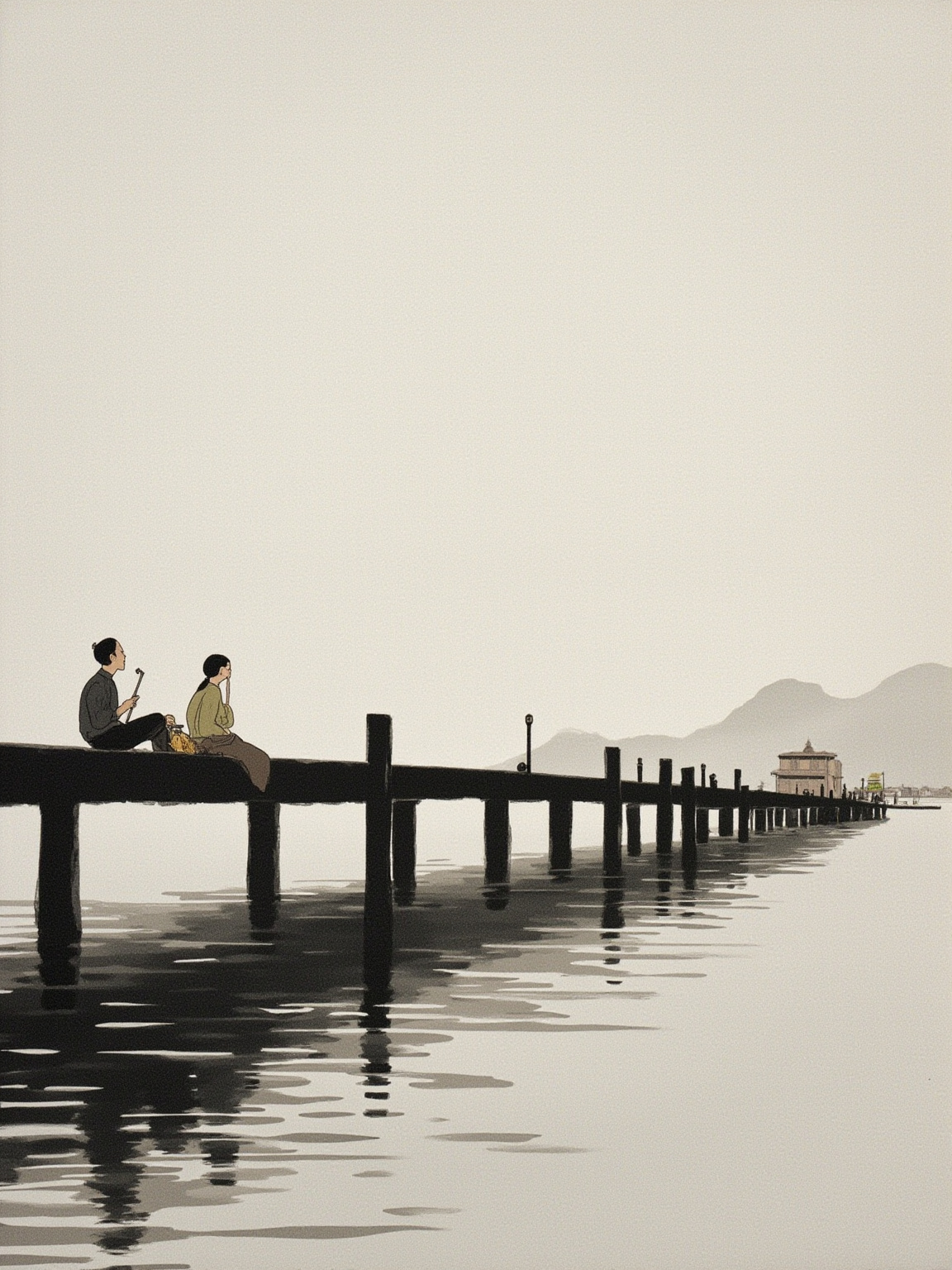
Standing alone behind the railing, she bowed deeply toward the ship, without a word.
她独自立在栏杆后面,朝船深深鞠了一躬,什么也没说。
金句 · 码头告别 · 无言的鞠躬
At dawn he boarded the ship. The moment it left the shore he turned back — Kun wasn't pushing through the crowd to see him off. She stood alone behind the rail, bowing deeply toward the boat. When the ship had gone a few hundred meters, her figure had shrunk to a tiny black dot. The author wrote only this one line: he wanted to cry, but held back.
Tears on the Sea
The boat rounded the cape, but he was still looking back. The coastline left Shimoda behind, that small dark spot finally invisible. Only then did he let out a wail, tears splashing on the rail, salty.
Kawabata writes this with precision: the boy doesn't cry while he can still see her, because he knows she's watching. Only when she's completely gone does he allow himself to collapse. This awkwardness of "crying where no one can see" is almost the truest form of a youthful farewell. I set the book down and sat for a long time after reading this passage.
What it's about
On the surface it's a first love that goes nowhere, but dig a layer deeper and you find an orphan searching for a sense of family in the world. He follows this traveling troupe, and somewhere along the way he realizes: even if it's just a few days, even if they only call him "big brother," it will be enough for his whole life.
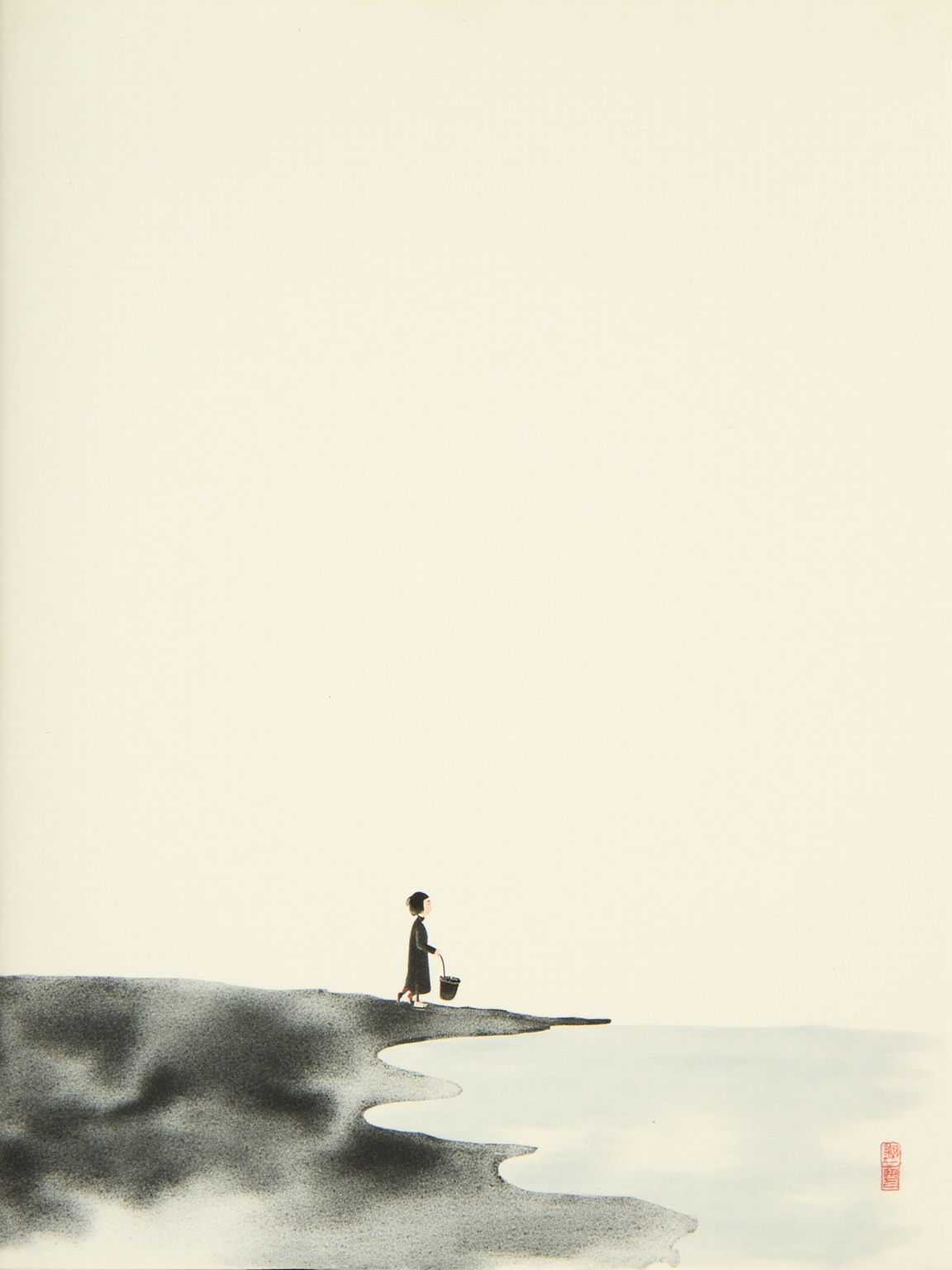
I wanted to cry, but I held it back until the shore disappeared behind the cape.
我想哭,却一直忍着。直到船绕过海岬,海岸完全消失在身后,泪水才涌了出来。
金句 · 归航之海 · 终章泪落
Deeper still is the "mono no aware" that recurs in Japanese literature—the knowledge that beauty must scatter, so even when beauty first arrives, it carries a chill. Kawabata doesn't turn this farewell into a tragedy, nor into a comedy. He leaves it at the moment the boat rounds the cape, perfectly suspended.
He was alone his whole life. But at least for this one day, someone called him big brother.
Why people still read it
First, the restraint—there's almost no full dialogue in the entire piece, no grand confessions, just looks, pauses, passing by. Second, the synesthesia is light: rain and mist, footsteps on wooden walkways, distant hand-drum beats. The author turns spring in Izu into a song you can hear and smell, with vivid imagery. Third, the class barrier of a hundred years ago still holds today—we'll all meet at least one or two people we pass in our lives, know them for a few days, never even hold hands, but remember them forever.
Go read the main text.
The commentary gives you a map, but the main text is the mountain path itself. Read Kawabata's original and you'll find: he won't even write a full line of dialogue, always leaving a gap in the middle of a sentence; he'll spend a whole page on a single cedar tree, a gust of wind, a hand drum you can't hear — because what he cares about has never been "what happened" but "what the air tasted like in that moment." The thing worth going back to stare at is his skill at not writing psychology, only writing action: not a single line that says "his heart warmed," yet he makes the sound of rain hitting the paper screen heavier than any confession. These are things no commentary can carry away for you. You have to walk through Amakusa yourself, sit on the wooden veranda for a while, and let that indescribable boyishness soak you again.
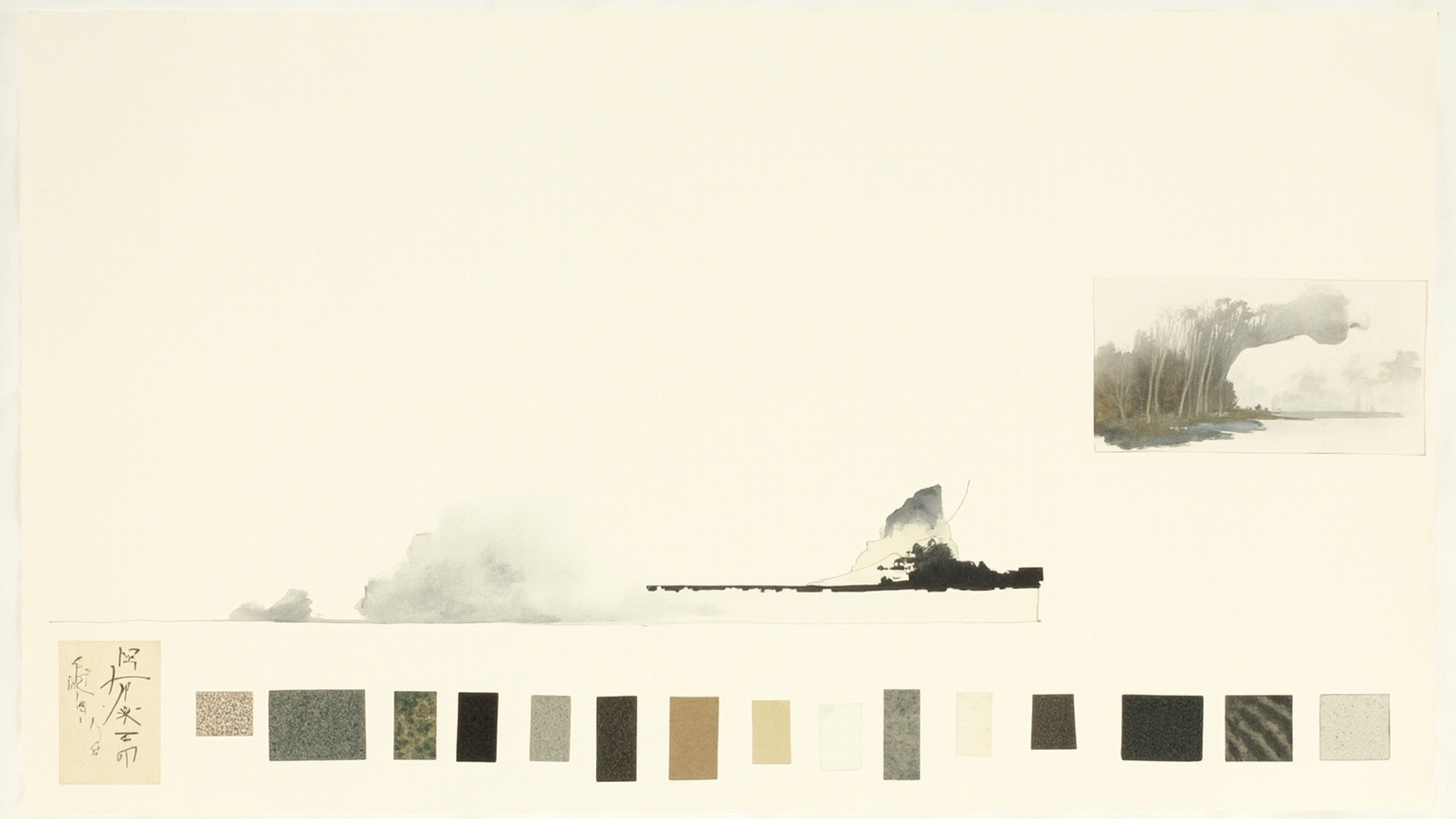
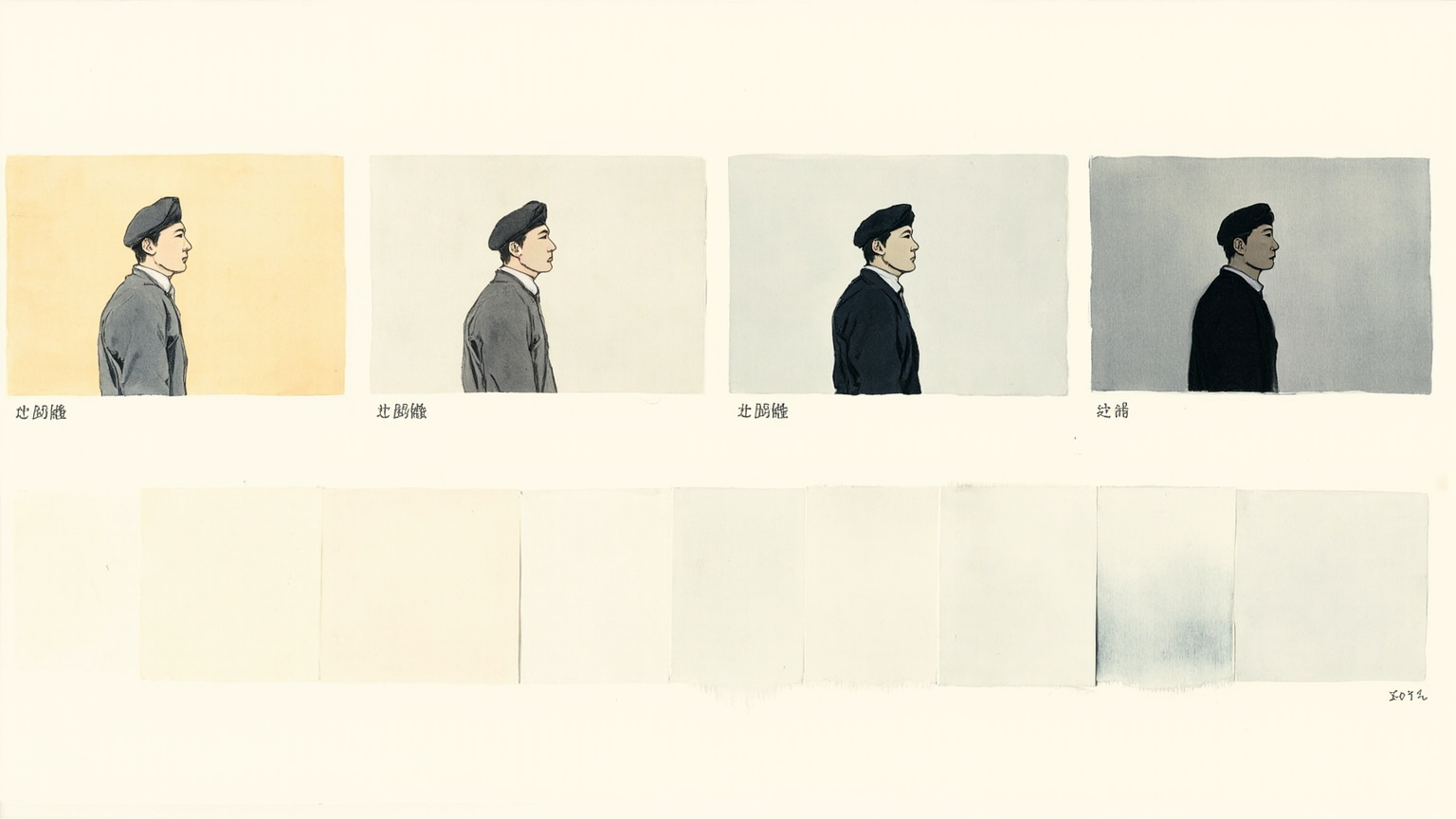
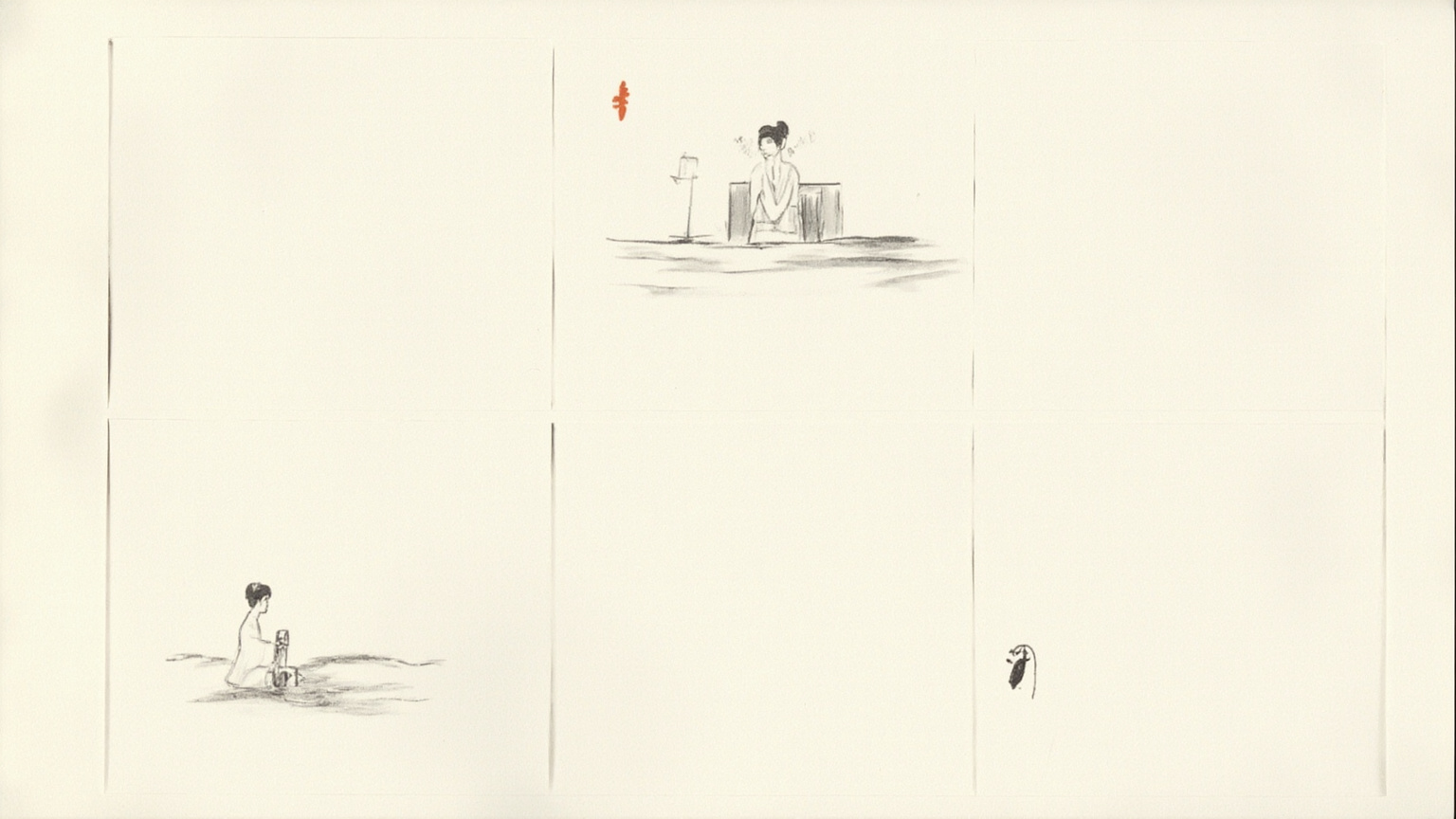
Art Direction4 plates
Before the guide was written, this book got a visual foundation — every illustration you just read grew out of it.