The Ladies' Paradise (Au Bonheur des Dames) · Companion Guide
妇女乐园
外省孤女走进灯火通明的商业大教堂,目睹小店铺一家家破产,最终用她的脊梁为这座消费机器注入一丝人的温度。
A Building Lights Up
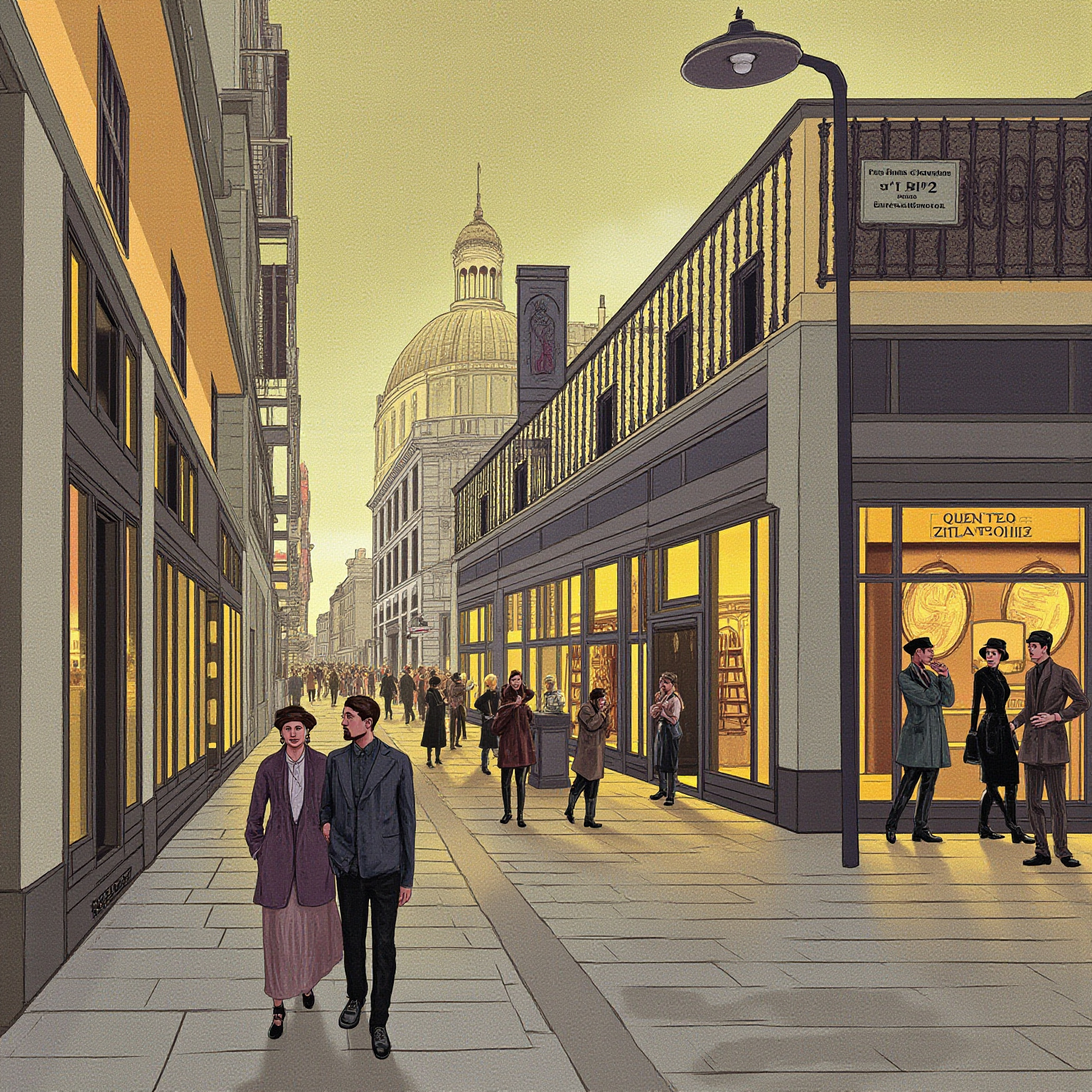
Gaslight burns a whole shop window white. Inside, shawls, dresses, and kid gloves are piled into mountains, spilling past the edges, enough to make passers-by slow their step without meaning to. The building is called The Ladies' Paradise, and Zola writes it as a cathedral built to hunt women — the novel, published in 1883, catches the exact moment this temple was born.
What Kind of Book Is This
The author is the French novelist Émile Zola, and The Ladies' Paradise is the eleventh volume of his twenty-book cycle Les Rougon-Macquart, written between 1882 and 1883. It has a real-life model: Le Bon Marché, the Paris department store that first hatched the species into European cities. Zola takes his usual scalpel to it and turns the result into a social report on how consumerism was born.
The Cast
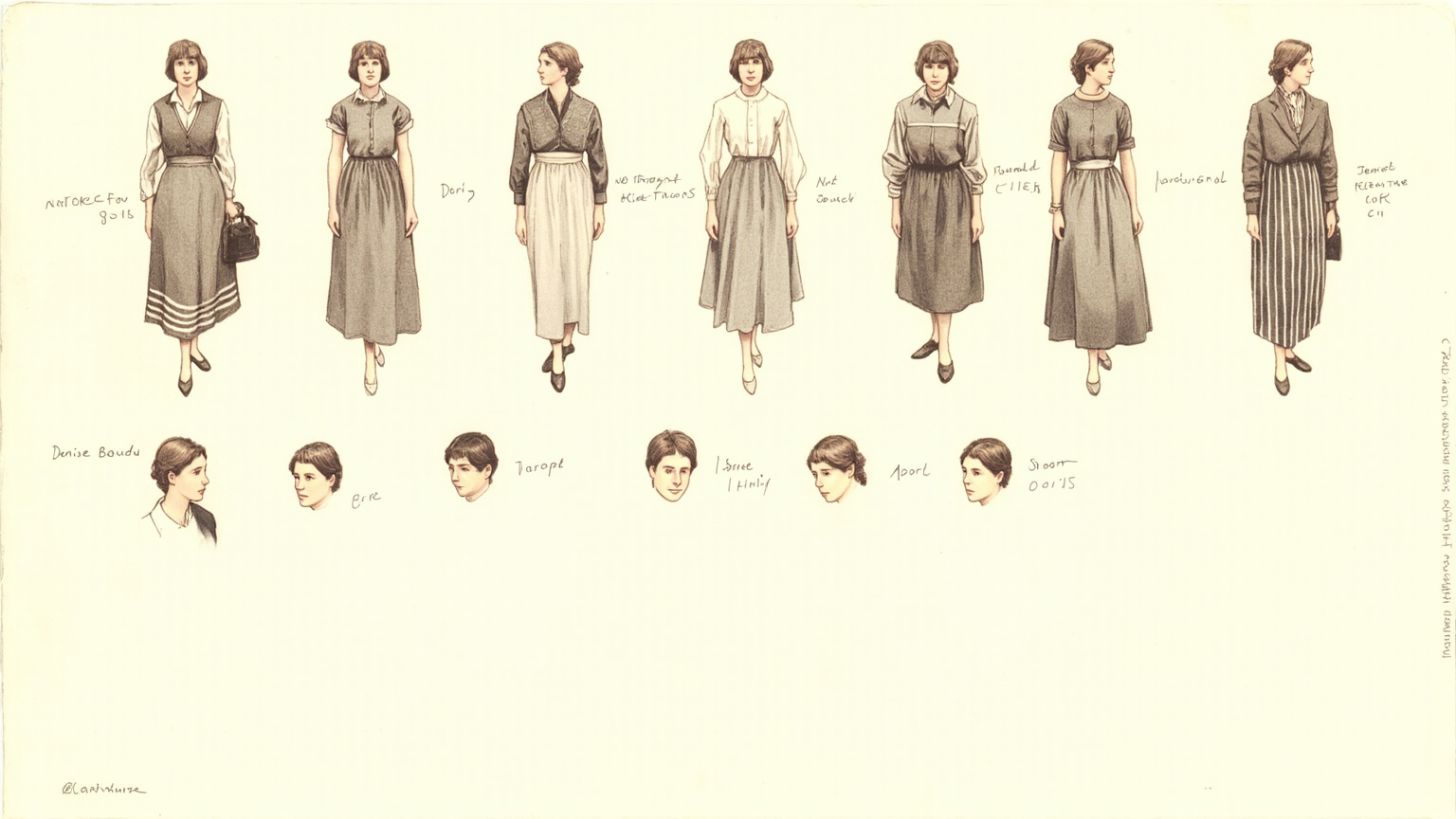
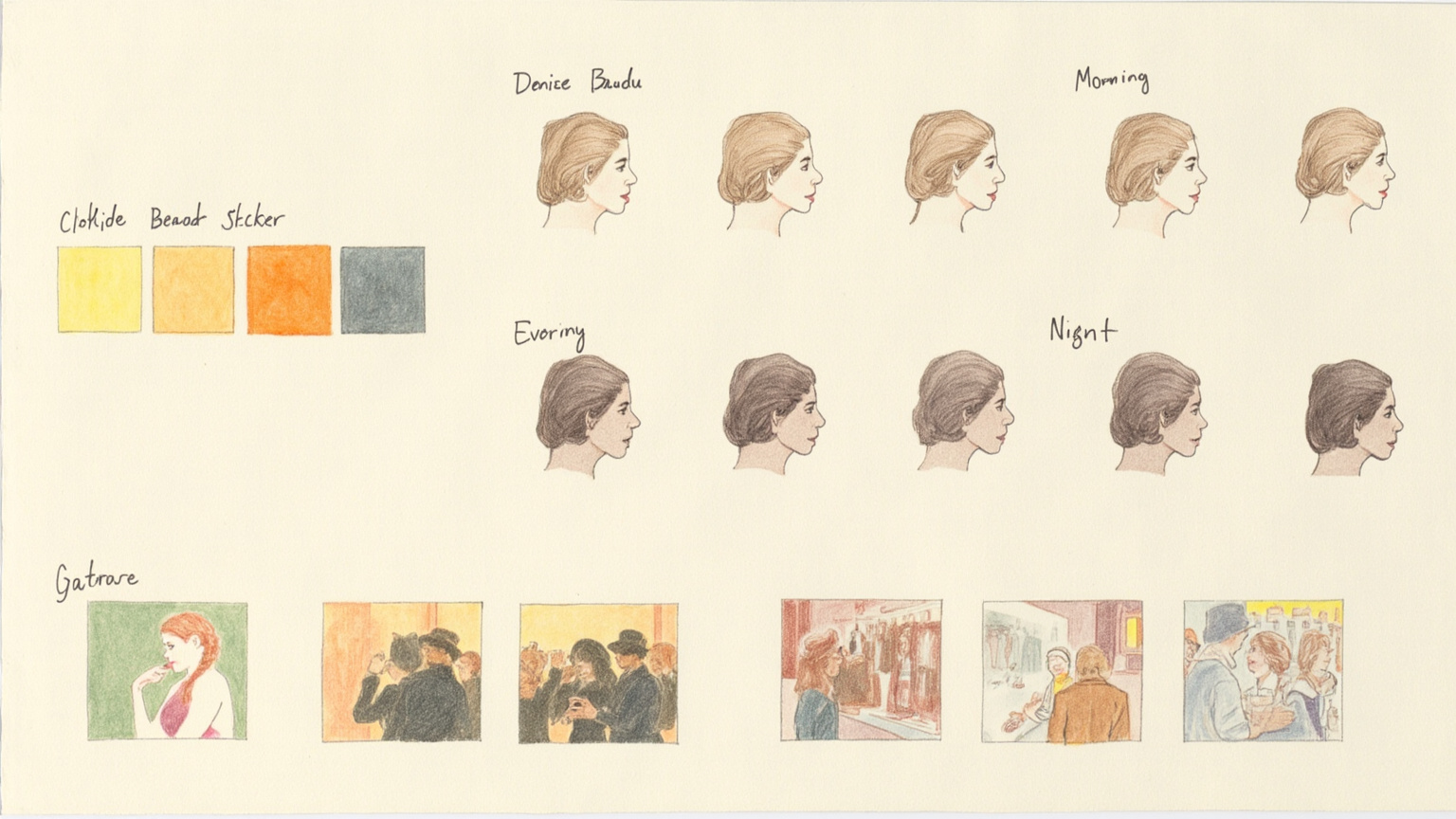
Denise Baudu is the protagonist, an orphan from Valognes in Normandy who arrives in Paris with her two young brothers in tow, looking for her uncle. She's plain-spoken, has a natural head for business, and still carries her provincial accent — and the blazing building across the street from her uncle's shop is exactly what's crushing his livelihood. Octave Mouret owns The Ladies' Paradise: an ambitious, magnetic business genius who turns the window display itself into a seduction technique, bankrolled at the start by his late first wife's money, not built from nothing.
Around these two are several matched pairs: uncle Baudu, holding on at his small drapery shop across the street, The Old Elbeuf, eaten away year by year; his daughter Geneviève's fiancé Colomban, a shop assistant whose head is turned by a loose-living salesgirl inside the department store; and Bourras, the umbrella-maker next door, a solitary old man too stubborn to sell his shop even as it ruins him. These small tradesmen make up an old street being ground down by the times, its shopfronts going dark one by one.
Into the Enemy's Shop
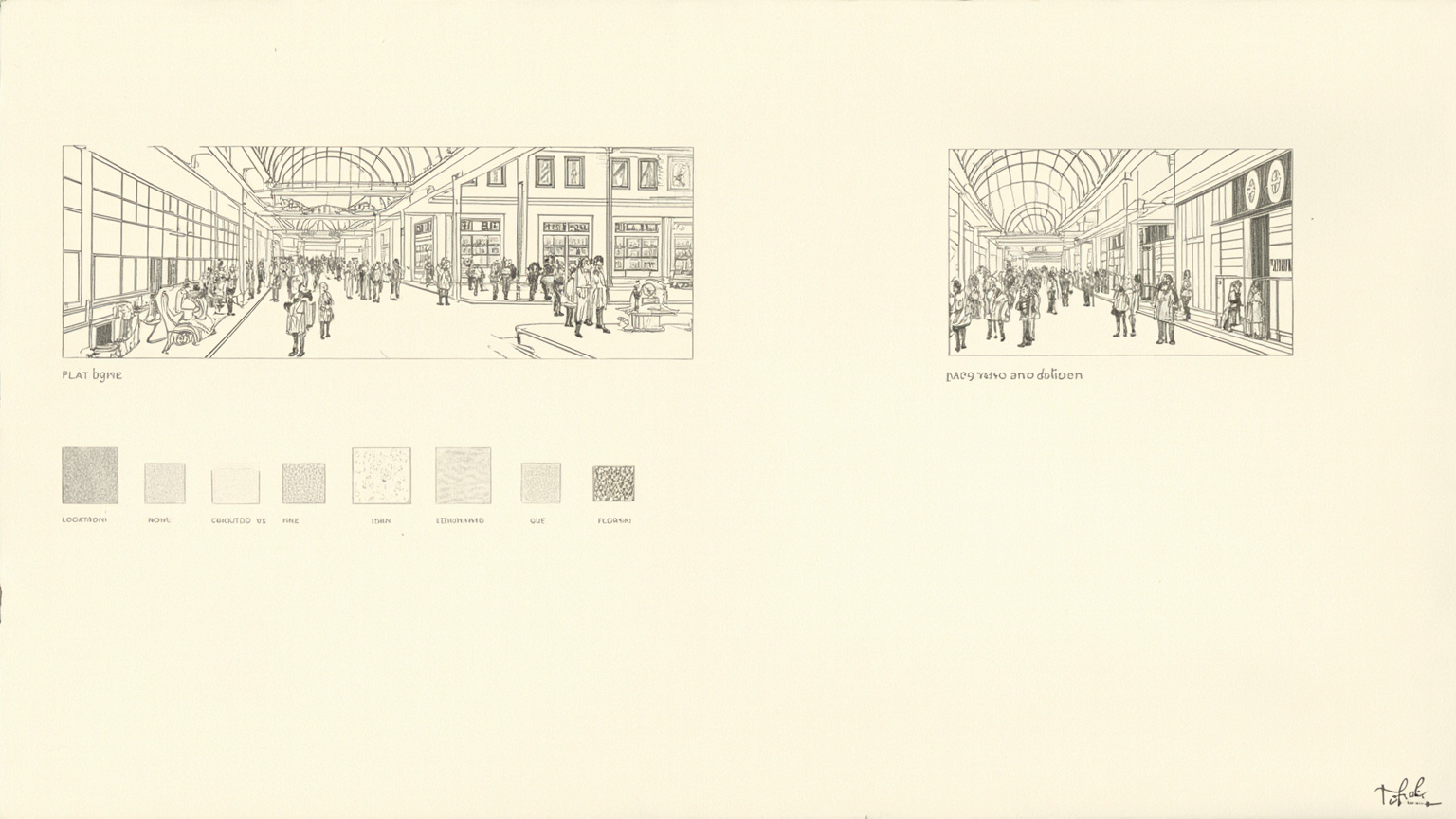
The day Denise arrives, her uncle's shop is eerily quiet. She tries and fails to find work there, and turns instead to The Ladies' Paradise, where she's taken on as a salesgirl. Mouret notices her at once — a girl like this, fresh from the provinces, is exactly the rarity he collects. Zola gives an entire section over to the store's displays: silk cascading down from the second floor, furs piled into little mountains, price tags glinting gold under the gaslight, and a sweet scent in the air that seems to push customers toward the till. It's an early demonstration of shopping written as mass hypnosis.
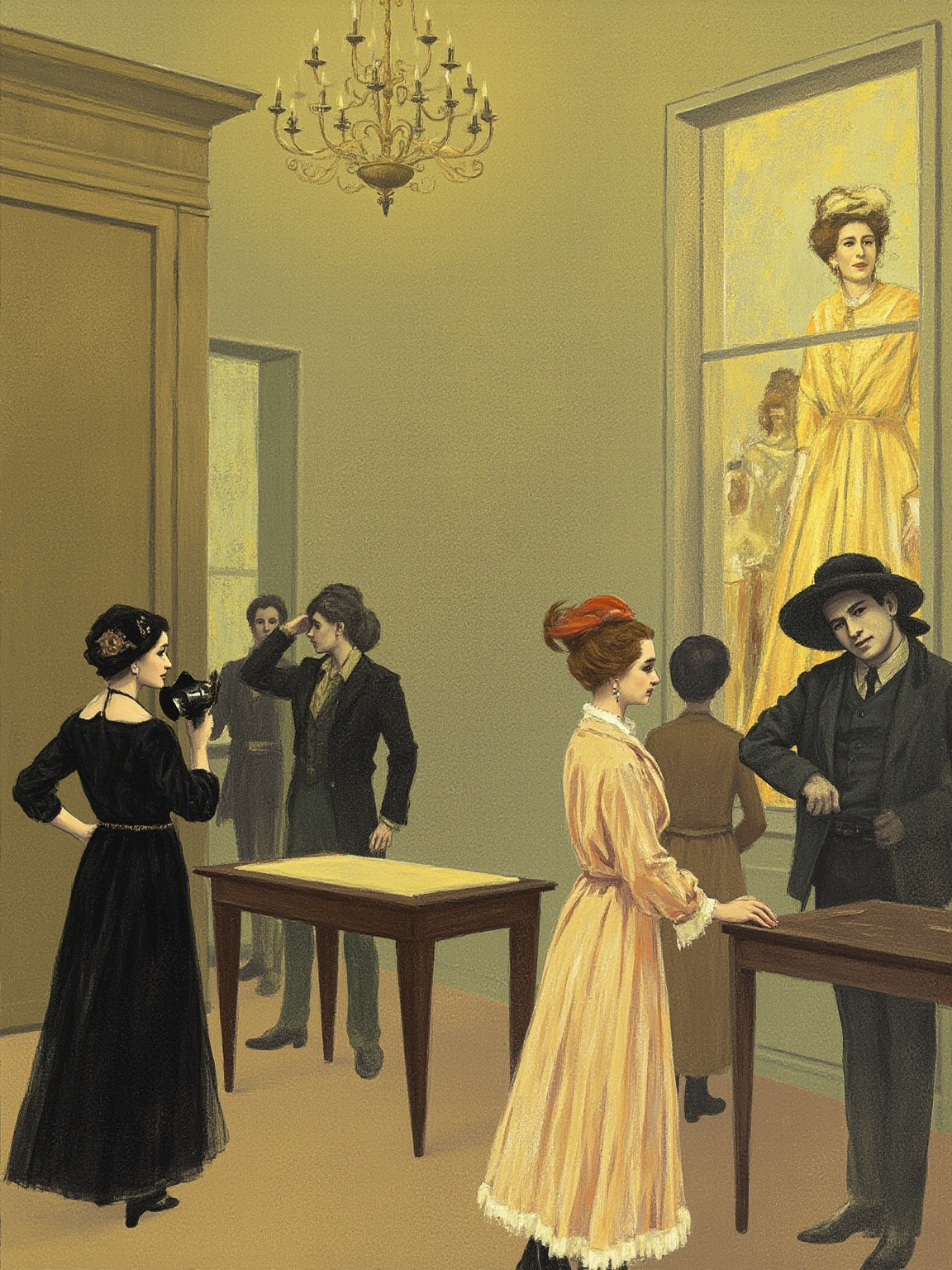
"A silk at five francs twelve sous will never equal one at fifteen, or even ten."
五个法郎十二苏的丝绸,永远比不过十五法郎、甚至十个法郎的那一匹。
原文金句 · 选自《妇女乐园》
Two Fronts Give Way at Once
Inside the store, Denise is bullied in turn by her fellow salesgirls for her accent and her shabby clothes, and when she goes home to her uncle's after work, she runs into another cold shoulder. Mouret keeps closing in — hints, invitations, expensive gifts — and she turns him down again and again. She won't be the kind of woman kept in an attic. This thread is her resistance to her own situation, and it moves at the pace of someone cornered in an alley.
Outside, her uncle Baudu's shop loses money year after year, Bourras the umbrella-maker hangs on until he goes under, and her cousin Geneviève watches her fiancé Colomban fall for a frivolous salesgirl at the store. Down the street, the lights keep going out one by one. Geneviève dies, in the end, in the attic above her family's shop: no knife, no accident, just the kind of death that happens underfoot when a giant expands. Zola doesn't reach for pathos here, and the flatness makes it land harder.
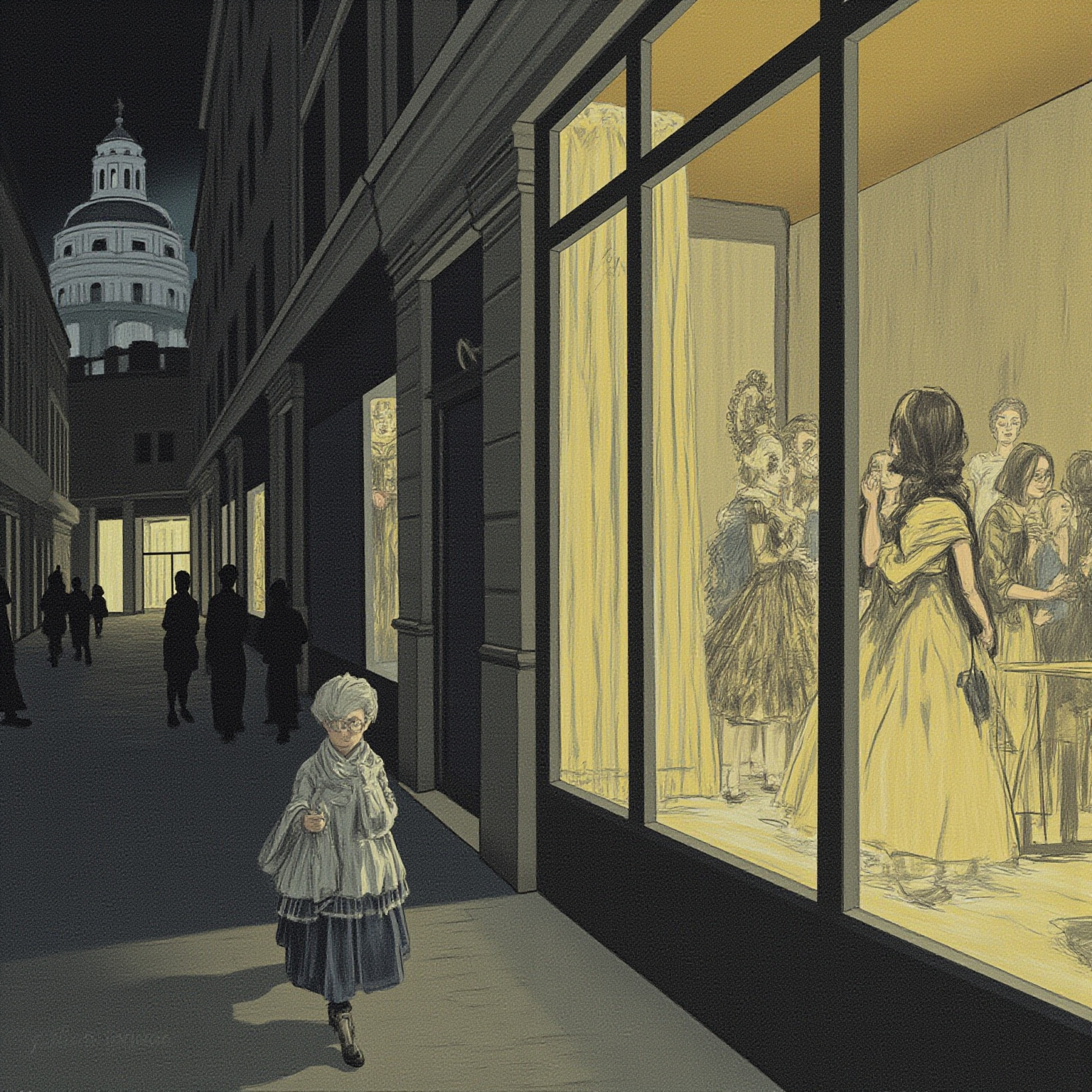
She made no gestures but simply remarked: "It will be our daughter's death."
这会要了我们女儿的命。
原文金句 · 选自《妇女乐园》
She Holds Her Ground
None of this breaks Denise. She holds her footing in the store on two things: honesty, and a business instinct she hasn't even noticed in herself. She doesn't grab for attention, she covers shifts for other girls, and she's genuinely decent to customers, the kind of person we'd call a good employee today, but who counted as an oddity in a department store of that era. Her position climbs, step by step, and Mouret's interest slowly turns from pursuit into something else.
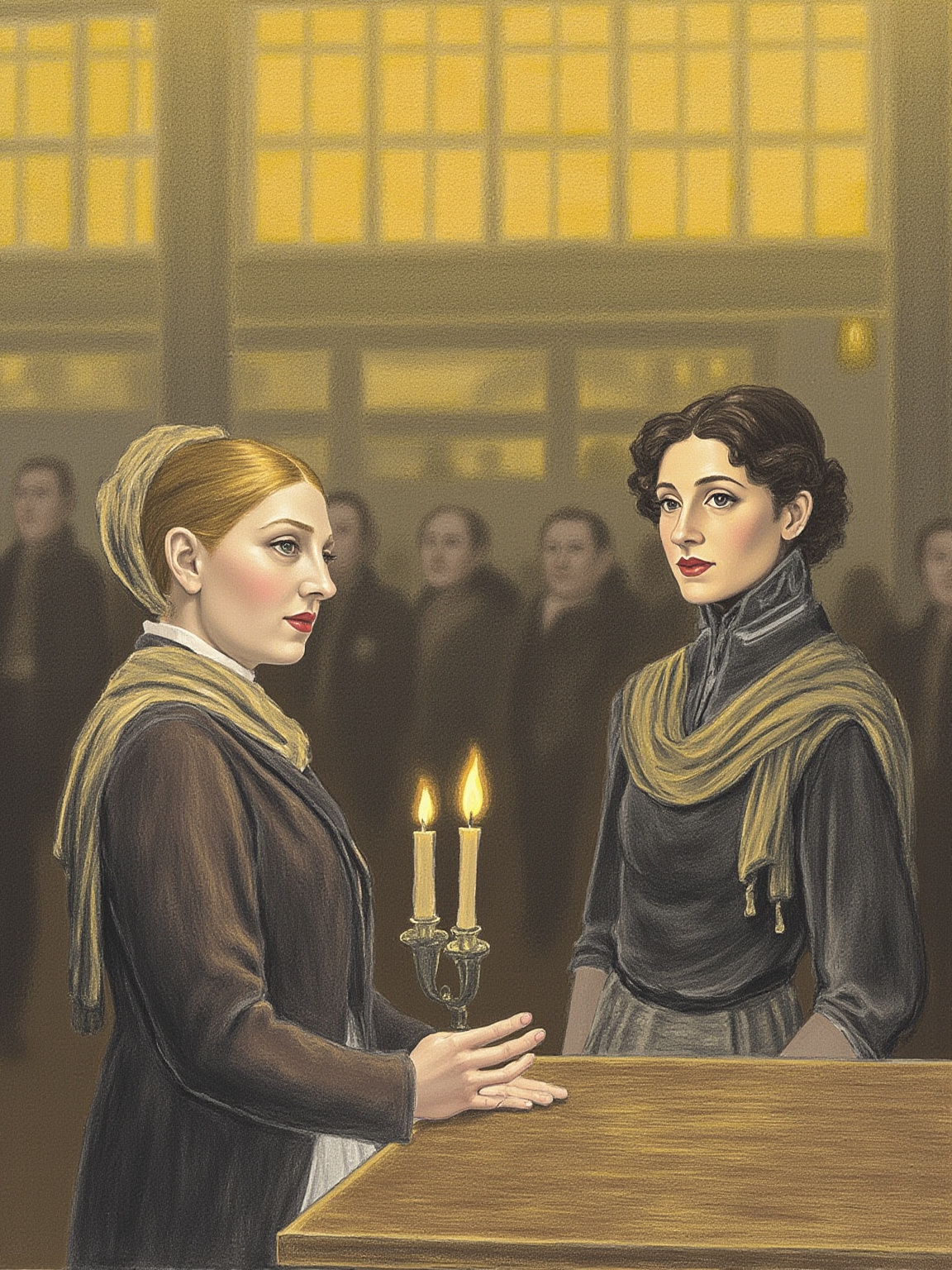
And he had penetrated still further into the heart of woman, and had just planned the system of "returns", a masterpiece of Jesuitical seduction.
他更深地勘透女人的心,刚刚设计出“退换货”制度——一件耶稣会式的诱惑杰作。
原文金句 · 选自《妇女乐园》
Mouret, for his part, comes apart. He's a conqueror, not a man who loses, and yet she won't yield. For a stretch, both his love life and his business slip out of control, and even Bourdoncle, his coolest partner, starts shaking his head. Denise, furious, quits and takes her brothers back to Normandy by train, not fleeing, but actually able to leave. The first time I read this, it stopped me: a woman of that era, walking out on the leading man right when he wants her most, is its own kind of courage.
Taming the Beast
The story doesn't end in Normandy. Denise returns to Paris and walks back into The Ladies' Paradise. This time Mouret sets aside his pride and proposes. She accepts — but on three conditions: she keeps her job, her two brothers live with them, and it has to be a real marriage. This is the hinge of the whole book: she isn't a Cinderella chosen from the crowd, she's someone who negotiates the terms.
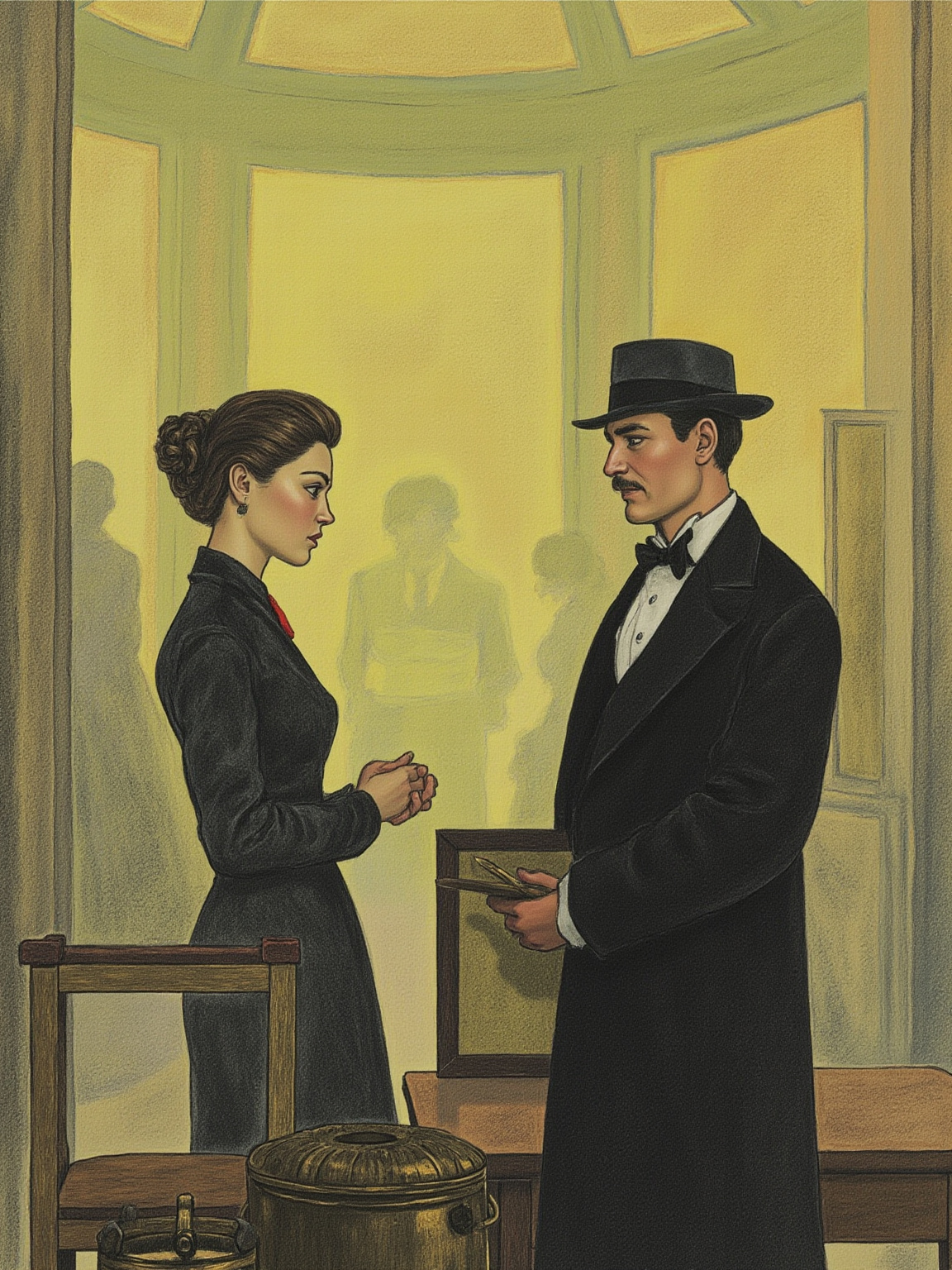
At last he withdrew his hand, saying: "You are wrong in being so obstinate, madame, since I myself consider the garment to be a failure."
您这样固执是错误的,夫人,连我自己都承认,这件衣裳是个失败。
原文金句 · 选自《妇女乐园》
After the marriage she's promoted to run the new children's-wear department, and pushes through a school, a convalescent fund, and maternity leave for the staff. This part usually gets skimmed over, but it's Zola's biggest piece of hidden argument: a commercial empire that once ran people like machinery starts, however partially, to do right by its workers. The orphan from the provinces ends up fitting the cathedral of consumption with a few brakes, from the inside.
A Happy Ending for One Person Only
On the book's last page, The Ladies' Paradise has swallowed another building next door, still spreading across the block. Denise walks out on Mouret's arm, and the staff break into applause. But pull the camera back: Baudu's shop is closed, Bourras is bankrupt, and grass has been growing on Geneviève's grave for years. The happy ending belongs to Denise, and to no one else.
When he arrived at his office, he opened the door wide, saying, "Walk in, mademoiselle."
他推开办公室的门,说:“请进,小姐。”
原文金句 · 选自《妇女乐园》
What Zola Is Writing About
On the surface, this is a rags-to-riches business story. Underneath, it's asking a question that still hasn't dated: when a new form of commerce can grind down an entire street and hypnotize people into a buying frenzy, who has any power to change it from within? Denise's answer isn't to smash it, but to reform it. The welfare provisions she leaves behind exist in embryo at every large company today, but the small shopkeepers she came from, and the older way of life her cousin stood for, are simply gone.
Zola's method is worth savoring too. He writes merchandise the way he writes women (silk, fur, shawls, every display charged with desire) and writes women the way he writes merchandise: the seduction of the window display, the mass fever of the customers, shop preying on shop. That twisting of people and objects onto the same thread is what makes The Ladies' Paradise stand out in a twenty-book cycle. It isn't a tragedy. It's an early epic of the desire industry.
Why You Still Have to Read It Yourself
A guide like this can give you the map, not the smell of gaslight. Reading the novel itself, you catch the camphor drifting off the piled silk and the damp of the old Paris streets, feel how slowly the clock moves in the 1860s, and watch Zola hide a woman's backbone inside those crammed inventories of goods. None of that lives in the plot. It lives in the gaps between one sentence and the next.
The happy ending belongs only to the woman who knew how to set terms, and the street that got ground down gets no applause.
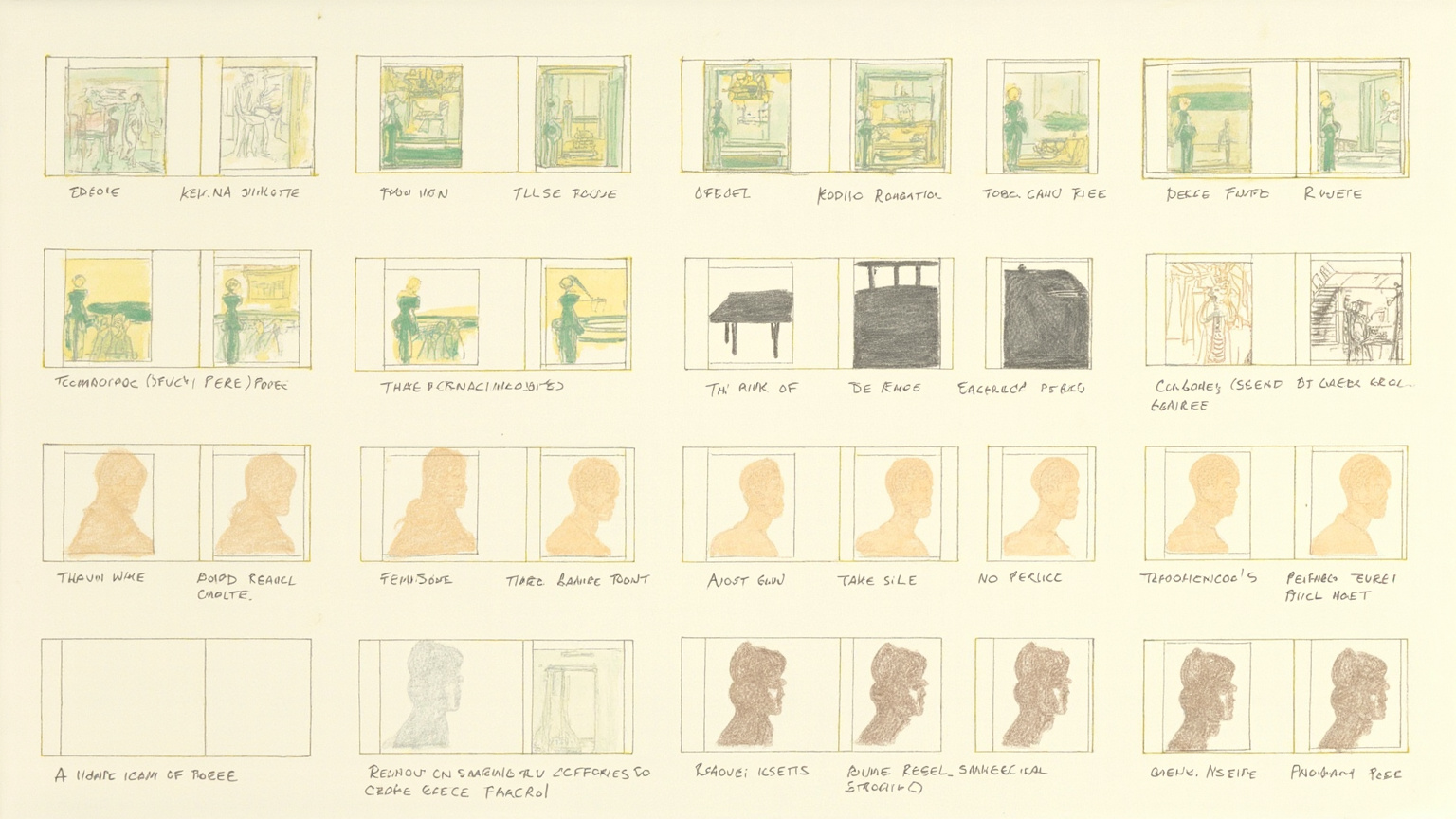
Art Direction4 plates
Before the guide was written, this book got a visual foundation — every illustration you just read grew out of it.