The Legend of the White Snake (Bainiangzi Yongzhen Leifeng Ta) — Feng Menglong's version in Jingshi Tongyan · Companion GuideStories · Issue 00
The White Snake Imprisoned Under Leifeng Pagoda in 10 Minutes — A Serpent's True Form, and Three Centuries of Rewriting
Feng Menglong's white snake is not yet the devoted woman she later became
Text and illustrations produced by the pipeline
ImaReadFolio 02 — 06
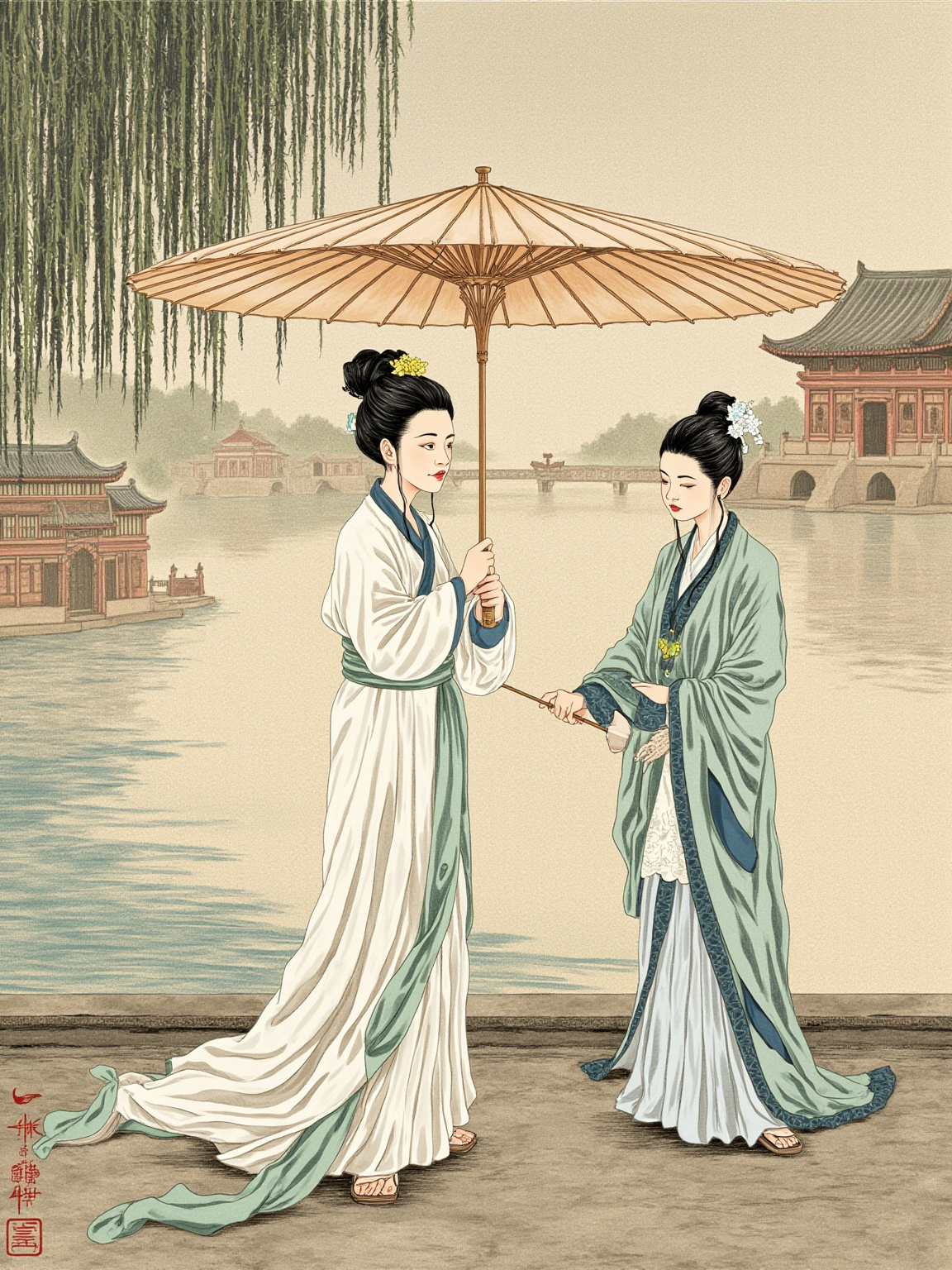
An Umbrella, Lent Out
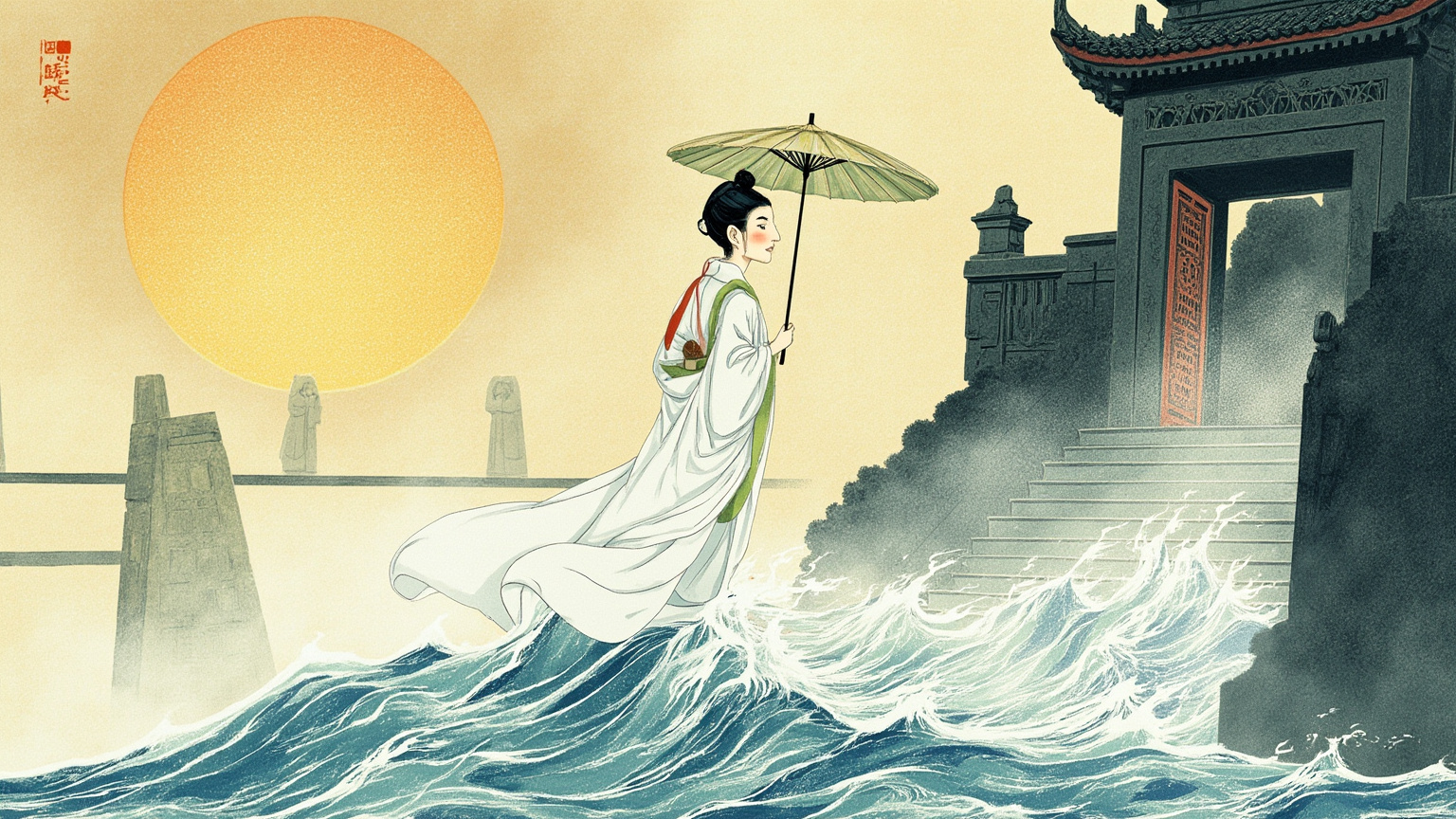
Rain falls on the bridge by West Lake. Two women stand under the willows, their skirts soaked through, and hold out a hand to a young shop clerk passing by, asking to borrow his umbrella. That is how it starts: Xu Xuan, a clerk at Hangzhou's Baohetang pharmacy, hands the umbrella over. That single gesture is the fuse for everything that follows.
What comes after, everyone already knows: Lady White, Xiaoqing, Xu Xuan, Broken Bridge, the Baohetang pharmacy, Leifeng Pagoda. A three-year-old in China today can recite the names. But the man who first set them down in order, in a printed book that every storyteller and opera troupe in the empire could work from, was Feng Menglong, a Suzhou native of the late Ming. He was born in the middle years of the dynasty and spent most of his life writing and editing books around Suzhou and Songjiang. Stories to Caution the World was first printed in the Tianqi reign, and the White Snake tale sits in its twenty-eighth volume. Vernacular Chinese fiction had only just learned how to carry a long story, and this one was already standing there.
What Kind of Book Is This
Madam White Forever Trapped under Leifeng Pagoda is a huaben tale, a short vernacular form midway between the classical Tang tales and the modern short story: not long, barely divided into chapters, carried along entirely by a storyteller's voice. It inherits an old motif already present in the Tang tales, a man falling for a woman who is secretly a serpent, and it opens three centuries of White Snake operas, novels, and films that all trace back to it. Put simply: if you are looking for the first complete telling of the White Snake legend, this is the only text that qualifies.
It is remembered not for its polish. Feng Menglong wrote in a street voice, the cadence of alleys and teahouses, the lift of a storyteller's chin mid-sentence. In one tight, compact tale he pinned down a legend that had until then circulated loose among the people, giving it a text that anyone could retell. Borrowing the umbrella at West Lake, revealing her true form at the Duanwu Festival, the flood at Jinshan Temple, the pagoda at the end: nearly every Chinese speaker today knows these four scenes, and all four were fixed into shape right here, by Feng Menglong.
Characters and World
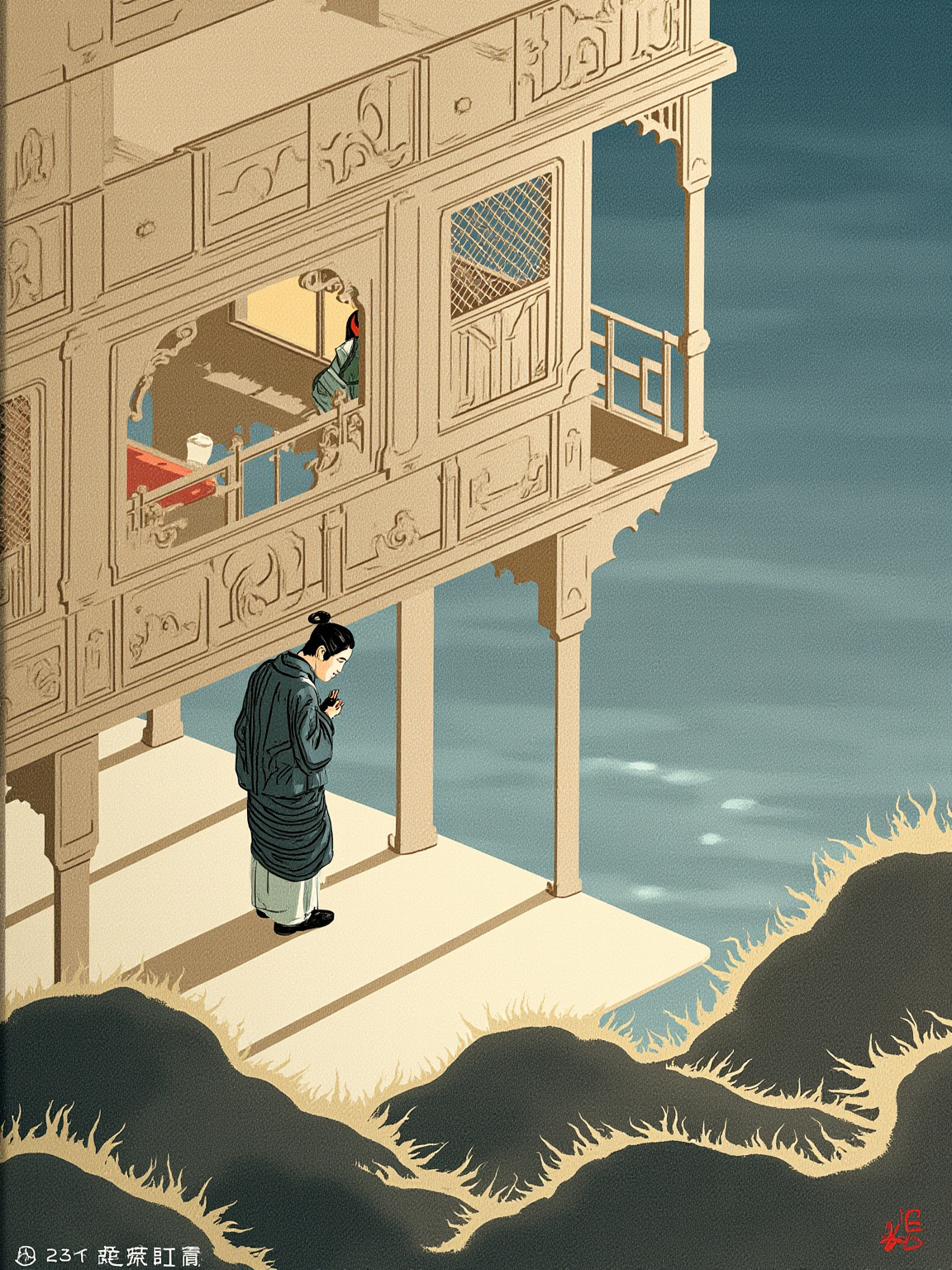
Four people, one city. Lady White is a snake spirit who has cultivated for a thousand years and comes down the mountain to repay a debt of kindness. Her feeling for Xu Xuan is real, and so is the serpent inside her. Xiaoqing is a fish spirit, her maid and sworn sister, loyal to her from the first page to the last. Xu Xuan clerks at the Baohetang pharmacy in Hangzhou, kind, weak-willed, repeatedly terrified by the sight of his own wife and repeatedly shaken awake by the monk Fahai. Fahai is the abbot of Jinshan Temple, an upright guardian of the Buddhist law; in this version he is not yet the meddling monk he later becomes. He is the hand that sees through the disguise, subdues the snake, and delivers a man into the monastic life.
ImaRead2
ImaReadFolio 03 — 06
ImaReadFolio 04 — 06
ImaReadFolio 05 — 06
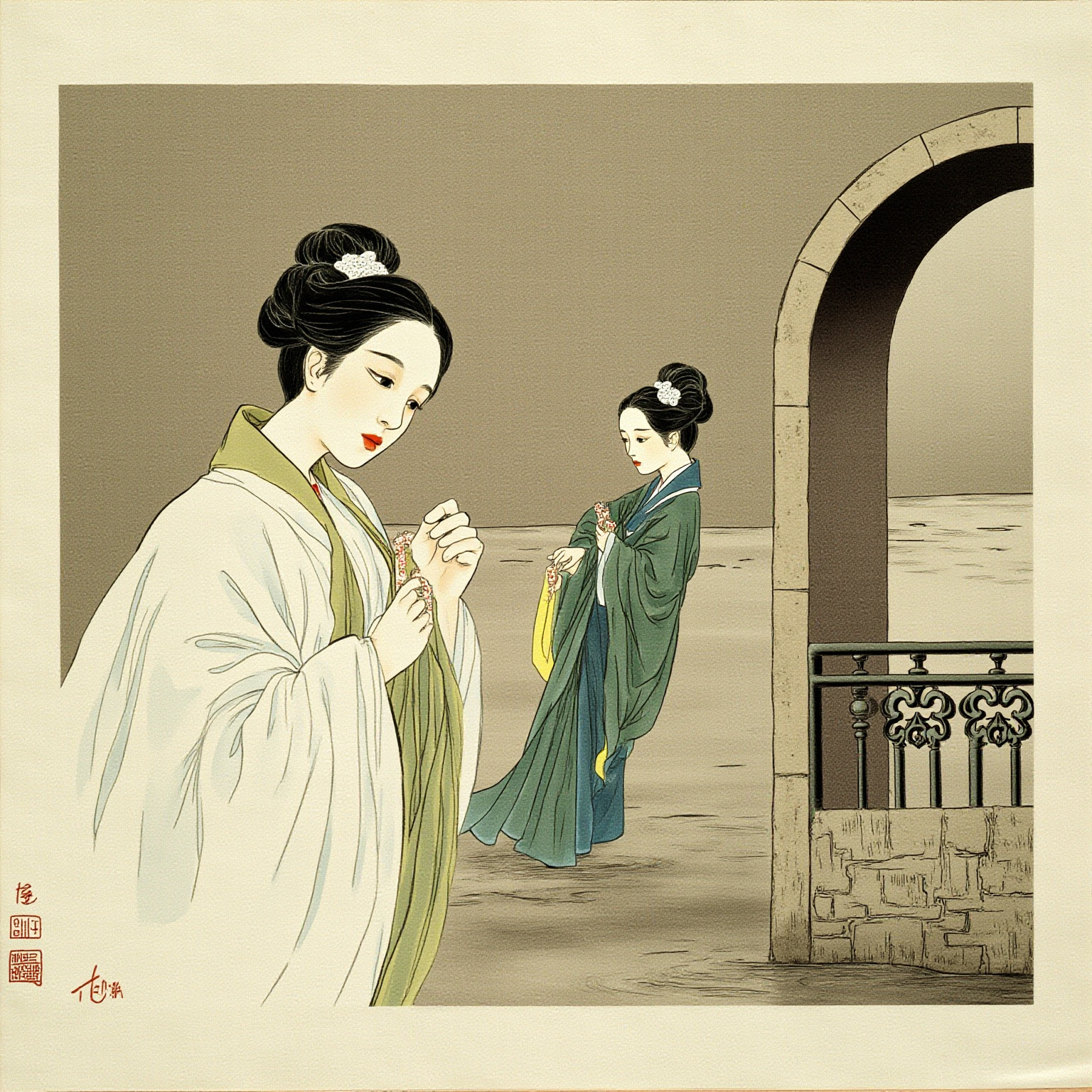
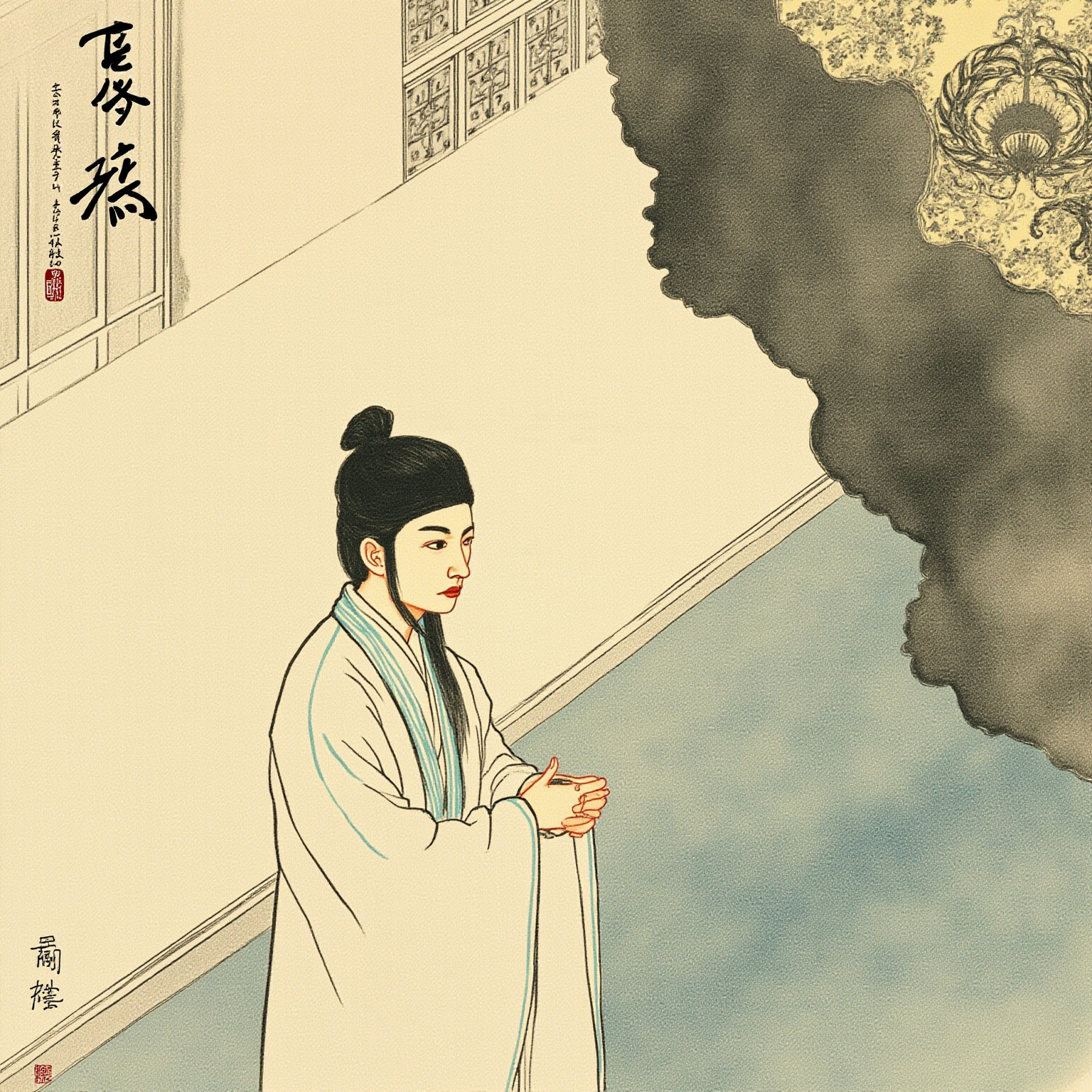
And Xu Xuan? Fahai takes him into the monastic life at Jinshan Temple and has his head shaved. He is given a begging bowl of his own, part protection, part leash. The role he takes is the lowest rank of ascetic monk, the kind who survives door to door on alms. From clerk at the Baohetang pharmacy to begging monk at Jinshan Temple: that is the ending Feng Menglong gives him. No wailing, no lifelong vigil at the pagoda. Just the monastery.
And Xiaoqing? Quick enough to escape being pinned, she flees. Feng Menglong never says where she goes. He cuts that thread himself.
ImaReadFolio 06 — 06
This Guide Is Done. The Original Text Is the Ground
By now you know what Feng Menglong's version tells. What you have not read is his actual sentence, the one where Lady White wavers like an ordinary woman: wanting to stay, afraid of what the authorities would say; wanting to leave, unable to bear parting from Xu Xuan. You have not heard the cold, upright tone Fahai's voice takes when he lectures Xu Xuan. You have not watched the street life rise up between the lines while Xu Xuan weighs out medicine at the Baohetang counter. None of that is something a companion guide can hand you. You have to turn to the page yourself and let the Ming-dynasty storyteller's voice step off the paper.
Feng Menglong's version is not the White Snake legend's first draft. It is the negative. Every devoted, tragic version that came after is a print made from it.
ImaRead6
Art Direction4 plates
Before the guide was written, this book got a visual foundation — every illustration you just read grew out of it.